
Zanskar Packing List 2026: Clothes, Trek Shoes and Road Trip Essentials
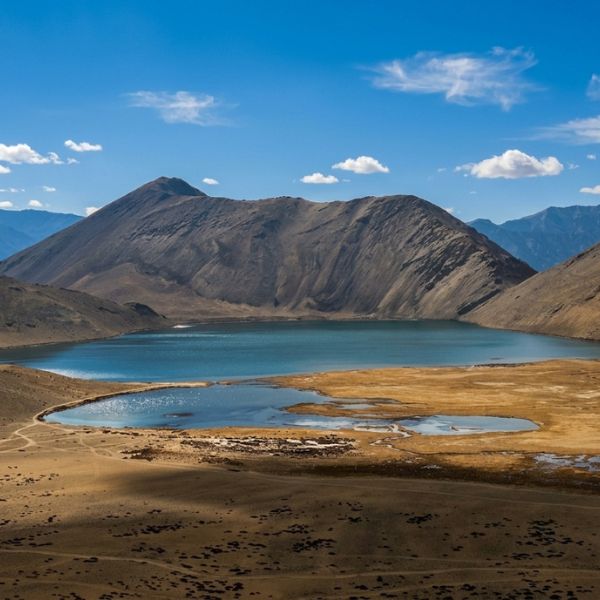
Most people pack for Zanskar as if they’re going to the Arctic. Or they pack as if it’s a weekend in Manali. Neither works.
Your Zanskar packing list has to cover long vehicle days and cold high passes. It also has to cover one real walking day to Phugtal Monastery, and everything still has to fit in a compact mountain vehicle.
So pack light and pack in layers. Keep your warm jacket and walking shoes where you can reach them. Below is what to carry, what to skip and why each item matters on this trip.
Quick Answer: What Should You Pack for a Zanskar Trip?
For a normal summer Zanskar road trip with a Phugtal walking day, build your bag around layers. You need a base layer, a fleece, one warm insulated jacket and one wind and waterproof shell.
Add broken in walking or trekking shoes, warm socks, sun protection and a small daypack. Then add water, a power bank, essential documents and your personal medicines.
This guide is for the summer road trip. It isn’t a packing list for the winter Chadar Trek or for a self supported multi day trekking expedition.
First, Pack for the Trip You Are Actually Taking
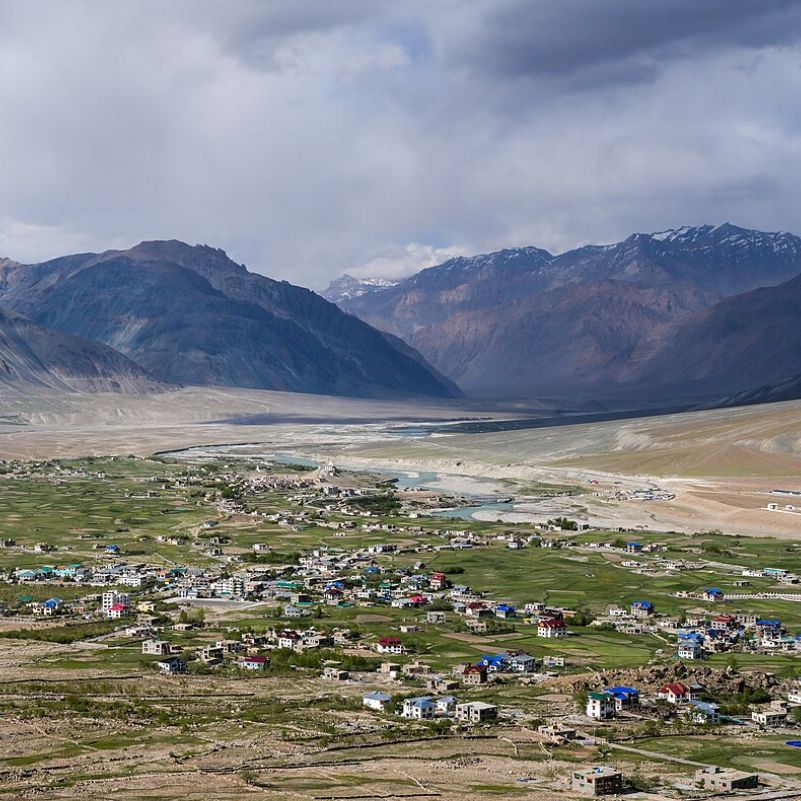
The biggest packing mistake we see starts before anyone opens a bag. People copy a list written for a completely different trip.
A Zanskar trek list, a Chadar list and a road trip list look nothing alike. So first, here’s what our trip actually involves.
What Travel Coffee’s 8D/7N Zanskar itinerary involves
Travel Coffee currently runs an 8 day / 7 night Zanskar route. It starts from Manali and crosses Shinku La on long mountain road days.
You stay overnight in remote spots around Purne, Kargyak and Gonbo Rangjon, then reach Padum. You walk to Phugtal Monastery, and the return runs back towards Jispa and Keylong.
The published best season for this package is June to September. Several high altitude sightseeing points and passes depend on conditions, and nobody can promise that every one of them will open on your dates.
That means your bag has to cope with a lot of sitting in a vehicle, sudden cold at passes, basic remote stays and one real walk. If you later want to add Leh or other parts of Ladakh, look at our Ladakh tour packages to see how those routes differ.
Why a road trip packing list is different from a Zanskar trek packing list
Search “Zanskar packing list” and many results come from multi day trekking operators. Their lists are correct for their treks. They just don’t fit yours.
Trekking operators often ask for sleeping bags, horse supported duffels and trekking equipment. On a vehicle supported Travel Coffee trip, you don’t need to copy that list item for item.
Chadar Trek gear belongs to a frozen river in winter. It has no place in a June to September road trip bag.
In our experience planning mountain trips, guests who copy an expedition list arrive with the heaviest bags. They also end up digging through gear they never touch.
How Much Luggage Should You Carry to Zanskar?
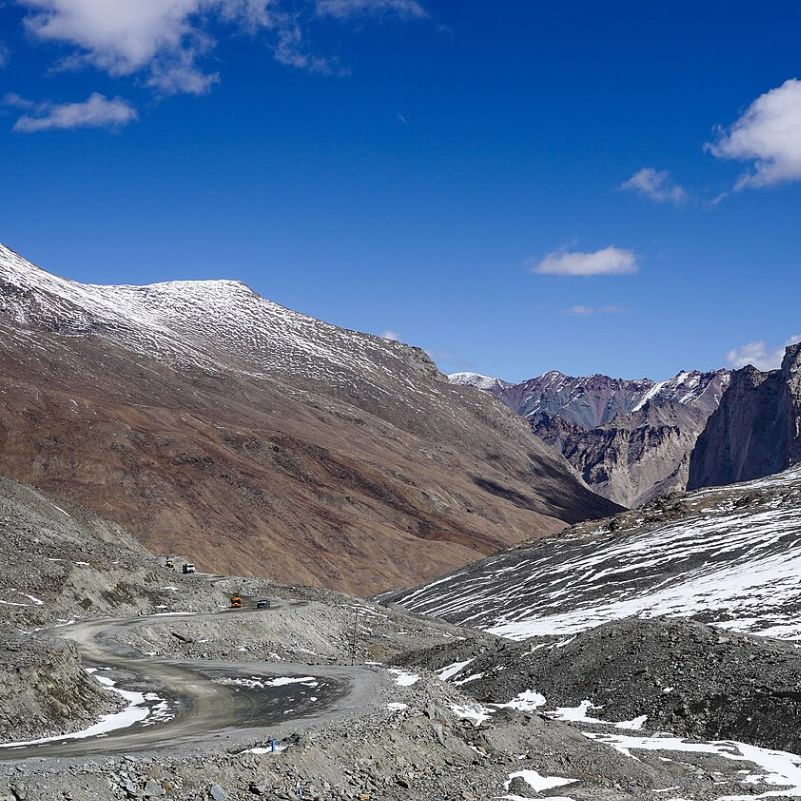
Less than you think. This trip uses mountain vehicles, and you move between hotels and homestays again and again.
Every extra bag means more loading, more unloading and more searching at each stop. On a remote route, that gets old by day three.
Our team recommends one compact soft main bag plus one small daypack per person. That’s our editorial advice from planning these trips, not an official luggage rule.
Soft bags fit into a packed vehicle far more easily than hard suitcases. They also squeeze into odd spaces when the boot fills up.
Vehicle choice matters too. Travel Coffee’s current private 4x4 package says a Jimny works best for two travellers with light luggage.
A Scorpio N works better for three to four travellers, or for anyone carrying more luggage. If your group packs heavy, tell us early so we can match the vehicle to the bags.
Travel Coffee doesn’t publish a kilogram luggage allowance in the current package information. Ask us before you travel rather than guessing.
One specialist Zanskar trekking operator allows up to 20 kg per person on its horse supported treks. That’s their rule for their trek. It isn’t Travel Coffee’s limit, so don’t plan around it.
What Clothes Should You Pack for Zanskar?
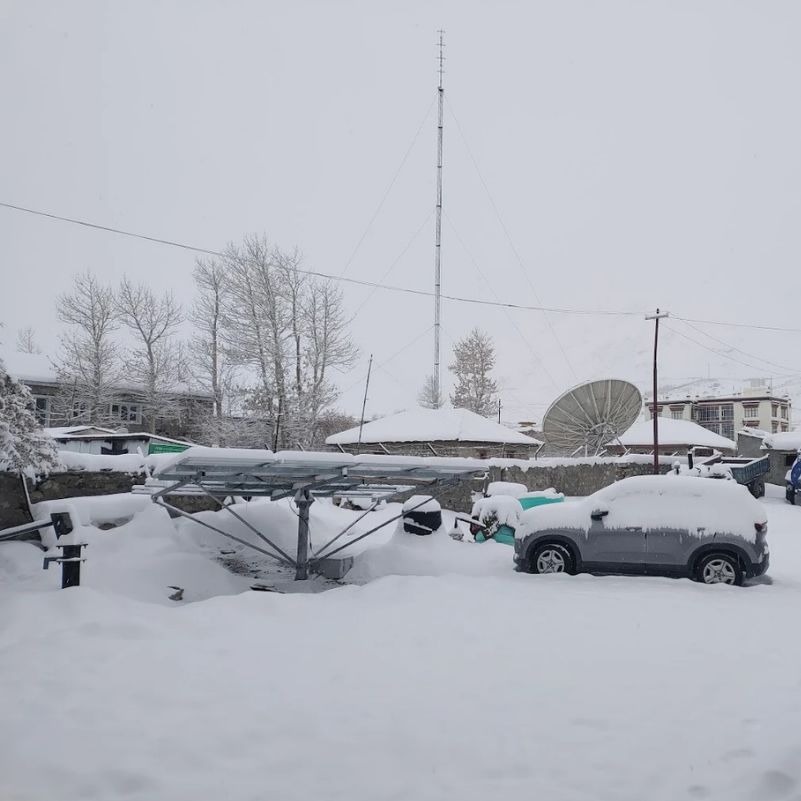
Here’s what most tourists get wrong. They pack one enormous winter jacket and think the cold problem is solved.
Then they spend the sunny afternoon sweating in it. Or they leave it in the car and freeze at the pass.
Layers solve this. What to wear in Zanskar comes down to four layers you can add or remove through the day: a base layer, a mid layer, a warm insulated layer and a wind and waterproof shell.
You don’t need eight separate outfits for an eight day Zanskar trip. Nobody at a Kargyak homestay will notice that you wore the same fleece on day two and day five.
Base layers and T-shirts
Carry about 3 quick dry or full sleeve tops for the 8 day trip. That’s our editorial recommendation. Published adventure packing lists for Zanskar suggest 2 to 3 full sleeve or quick dry tops.
Full sleeves protect your arms from strong mountain sun during long vehicle days. Quick dry fabric helps on the Phugtal walk, when you sweat and then cool down quickly.
Repeat clothes. Wear one top for two days, air it out at the stay and move on.
Mid layer
Pack one fleece or warm sweater. This is the layer you’ll pull on and take off the most.
Treat it as part of a system, not your only cold weather protection. On its own, a fleece lets the wind straight through at a high pass.
Under a shell or a warm jacket, it does its real job.
Warm outer jacket
Carry one insulated or suitably warm jacket. This is the piece you’ll want at remote overnight stops and in the cold mornings.
You don’t need a specialist expedition jacket with a fancy rating. You need something genuinely warm that packs into your soft bag without taking it over.
Here’s a money saving tip from our side. Don’t buy new expedition gear for this trip. Spend that money on good walking shoes and decent socks instead, because those two decide how comfortable your Phugtal day feels.
Windproof and waterproof shell
Pack one wind and water resistant shell or rain jacket. Of everything on this Zanskar packing list, this is the item people most often bury.
Weather can change around high passes like Shinku La. When you stop at the top, you want your shell in seconds, not after unloading three bags from the roof.
Keep it in your daypack or by your seat on every road day. That’s what we tell our travellers, every single trip.
Trousers
Carry about 2 comfortable quick dry or trekking trousers. Published expedition packing lists suggest the same, roughly two trekking or track pants.
Leave most of your jeans at home. Heavy denim feels stiff after a long day in the vehicle and dries slowly at remote stays.
It also takes up the space that a fleece or a warm jacket needs. One pair for the evenings is plenty if you really want them.
Thermals
Pack one thermal upper and lower set. Think of it as a safe backup for high altitude evenings and the colder parts of the season.
You won’t necessarily wear thermals every day. Some days you’ll forget you packed them.
But on a cold night at a remote stay, you’ll be glad they’re there. They weigh very little for the comfort they add.
Socks, gloves and headwear
Published expedition benchmarks suggest 4 to 5 pairs of socks. That’s a sensible number for this trip.
Choose warm walking socks rather than thin cotton ones. Your socks matter as much as your shoes on the Phugtal walk.
Add one pair of gloves, a warm cap or beanie, a sun cap and a buff or scarf. The buff does a lot of work: it protects against dust in the vehicle, wind at the pass and sun on the walk.
Do You Need Trekking Shoes for Zanskar?
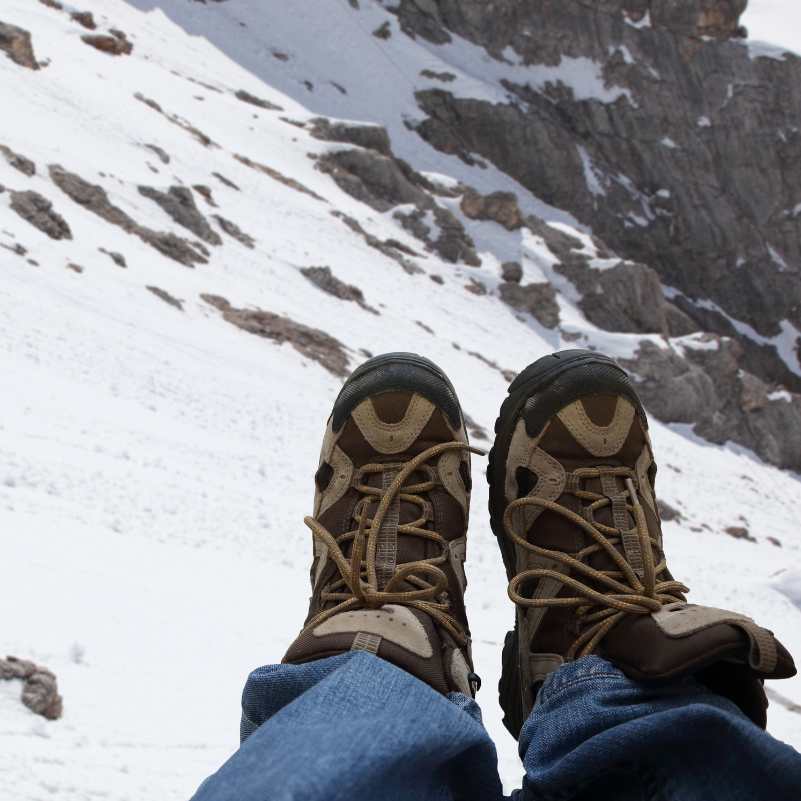
No, you don’t need mountaineering boots for the normal road trip. But you do need comfortable footwear with reliable grip, because the itinerary includes the Phugtal walking day.
That’s the honest answer about Zanskar trekking shoes. You need something real, but not something technical.
Why broken in shoes beat brand new boots
Multiple specialist Zanskar trekking sources advise using footwear you’ve already worn and broken in. We agree completely.
New boots bought the week before the trip are the most common reason guests ask us for blister care. Stiff shoes on uneven mountain trails hurt.
Here’s the timing tip that changes your Phugtal day. Wear your walking shoes on a few long walks at home in the weeks before departure.
By the time you reach Padum, your feet and your shoes already know each other.
Why fashion sneakers fall short
Can you wear sports shoes? Ordinary fashion sneakers with smooth soles are a weak choice for uneven mountain trails. They slip on loose gravel and offer little support.
Running or walking shoes with a proper grippy sole work far better. If you already own comfortable trail shoes, bring those.
Waterproof shoes are optional
Waterproof Gore-Tex footwear can be a nice upgrade. You don’t need it for this trip, though.
Skip buying an expensive new pair just for Zanskar. A comfortable, broken in pair you already trust beats a fresh waterproof pair your feet have never worn.
Pack one easy evening shoe
Add one lightweight sandal, slipper or comfortable evening shoe. Published lists commonly recommend this alongside trekking footwear.
After a long day in the vehicle, you’ll want to free your feet at the homestay. It also helps at stays where you walk to a shared bathroom.
What Should You Carry for the Phugtal Monastery Walk?
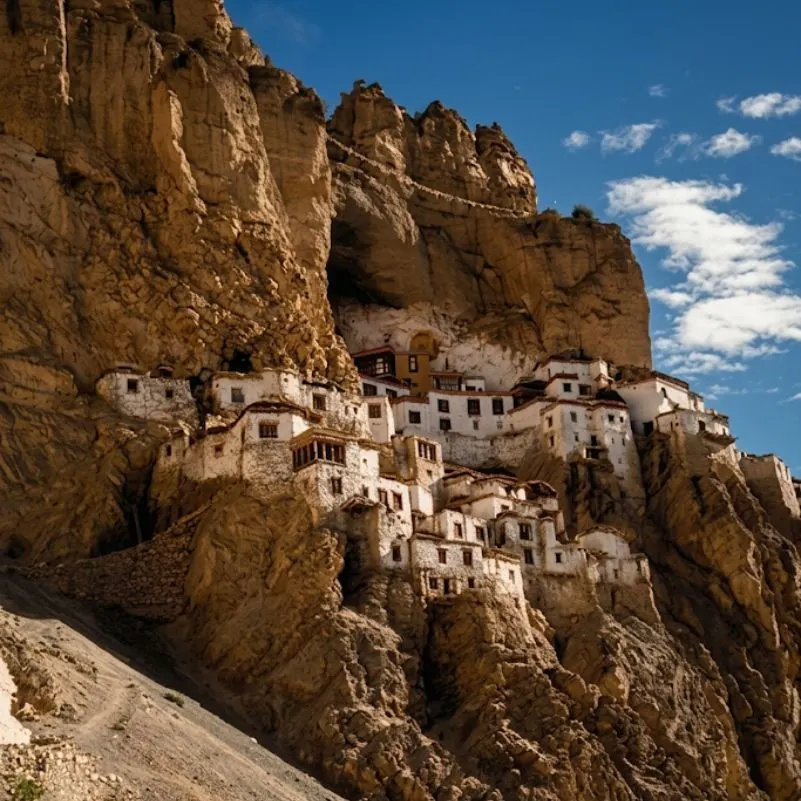
Phugtal Monastery has no road to the door. You walk from the motorable access side on mountain trails.
Travel Coffee’s private 4x4 itinerary allows about 2 to 3 hours for the outbound walk towards Phugtal. After that, you spend time at the monastery, then walk back and drive to Padum.
That’s a proper walk, but it isn’t an expedition. You don’t need trekking poles, crampons or a big backpack.
Here’s the safety warning we give every group. A 2 to 3 hour outbound walk on mountain trails, done in slippery sneakers with no water, turns a good day into a hard one. Take it seriously.
Your small daypack for Phugtal day should hold these things. Wear your grippy walking shoes. Pack a wind layer or fleece you can reach quickly, plus water, sunscreen and sunglasses.
Add a light snack, your phone or camera and your personal medicine. Basic blister care, like plasters or tape, takes up almost no space and can save your return walk.
Before the vehicle leaves Padum that morning, move your fleece from the main bag into the daypack. Once you’re on the trail, your main luggage stays far behind.
For route details, timing and what the walk looks like, read our Phugtal Monastery trek guide.
What Should Go in Your Zanskar Daypack?
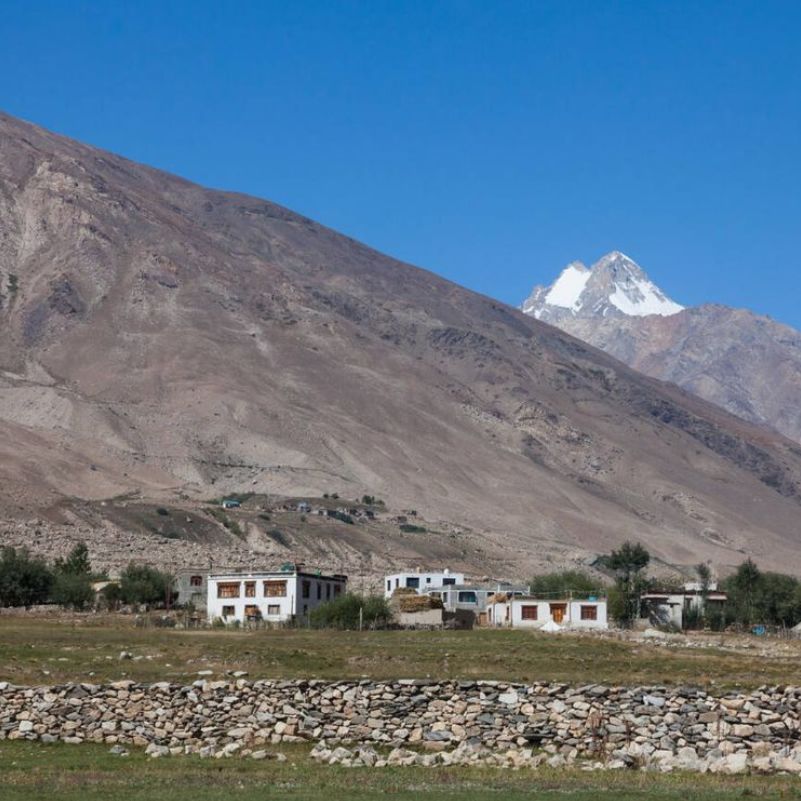
Your Zanskar daypack holds everything you might need before you reach the next stay. Main luggage often stays packed in the vehicle all day, so the daypack does the real work.
A specialist Zanskar trekking source recommends a 20 to 30 litre daypack and 1.5 to 2 litres of water carrying capacity. Those are useful published benchmarks, not Travel Coffee rules.
For a road trip, a bag at the smaller end of that range usually works well. It sits at your feet in the vehicle and doesn’t drag on your shoulders on the Phugtal trail.
Inside it, keep your water bottle and your outer shell or fleece. Add sunglasses, sunscreen and lip protection, because the mountain sun dries your lips fast.
Carry your personal medicine, a few snacks, your phone, power bank and charging cable. Keep a copy of your ID or documents in there too.
Finish with toilet paper or tissues and basic hygiene items like hand sanitiser. On long remote road days, you’ll use them more than you expect.
What Road Trip Essentials Matter in Zanskar?
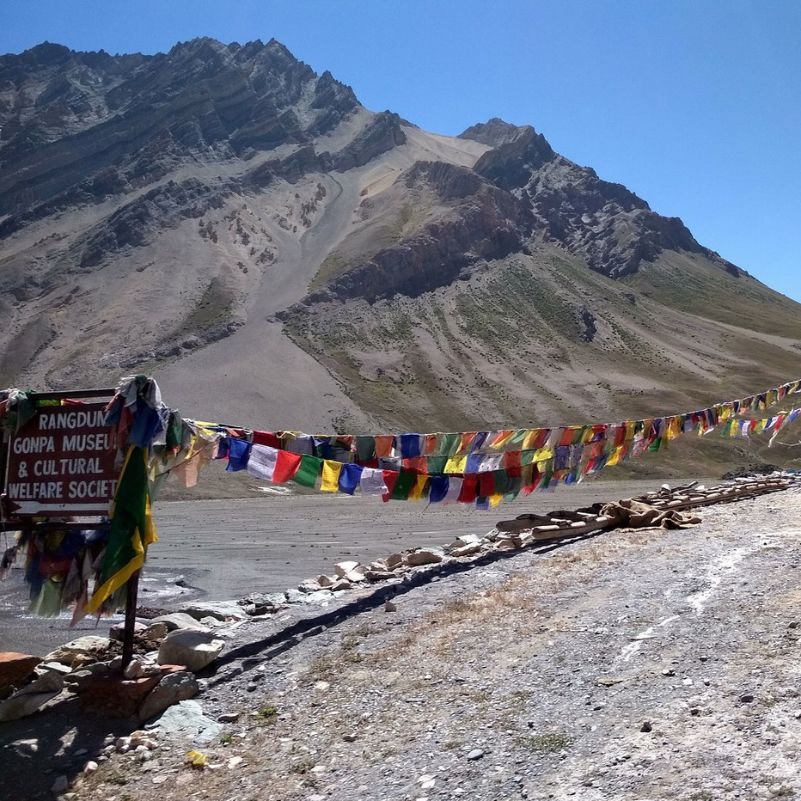
On remote Himalayan routes, reliable small things matter more than extra clothes. A dead phone or a lost document creates more trouble than a missing T-shirt.
These are the Zanskar road trip essentials we’d never leave behind.
Carry a power bank and the right charging cables. Bring a car charger too if your vehicle supports one, so long drives refill your devices.
Pack a torch or headlamp. Remote stays can be dark at night, and you’ll want your hands free.
Bring a reusable water bottle so you don’t depend on finding bottled water on the way.
Use waterproof pouches or dry bags for your electronics and documents. Dust and sudden rain both find their way into bags on mountain roads.
Keep cash where you can reach it and emergency contact information written down somewhere other than your phone. Download offline maps and information before you leave, where that makes sense for your route.
Network and infrastructure along this route deserve a separate guide. For packing, plan as if your phone won’t always help you.
Want to see how we structure the full route and stays? Browse our Zanskar Valley tour packages.
What Should Self Drive or Bike Travellers Add?
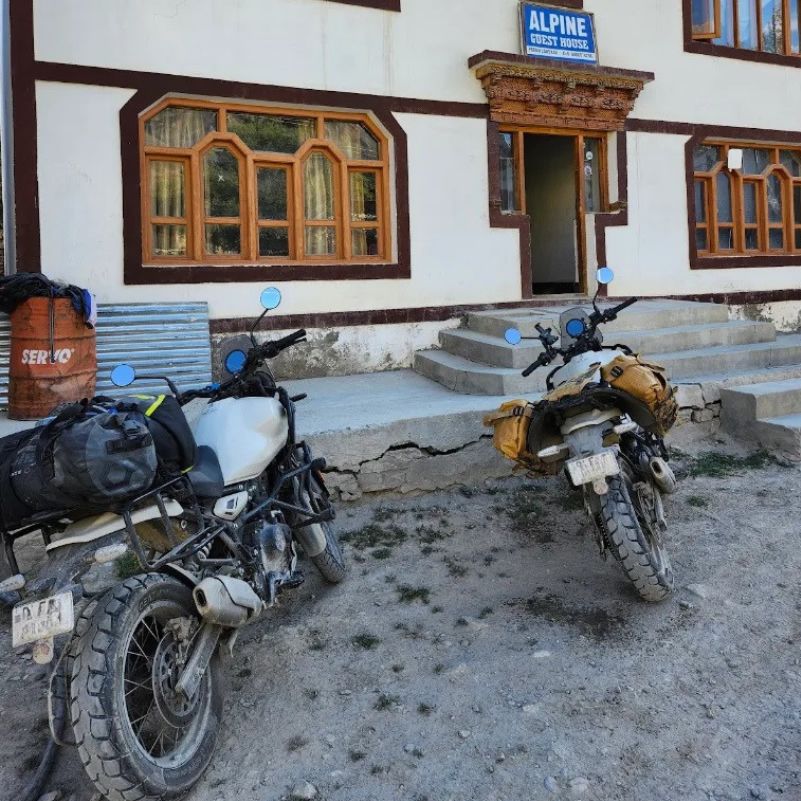
This section is extra information for travellers bringing their own car or motorcycle. If you’re travelling on a Travel Coffee package, you can skip it. Vehicle repair kit isn’t your job.
Self drive and bike travellers should carry their driving licence and all relevant vehicle documents, plus copies.
Carry suitable puncture and repair equipment and emergency equipment for your specific vehicle. A Royal Enfield needs a different kit from an SUV, so no single spare parts list fits everyone.
Talk to a mechanic who knows your vehicle before you leave Manali. Ask what tends to fail on long rough roads for your model.
What Should You Pack in June, July, August and September?
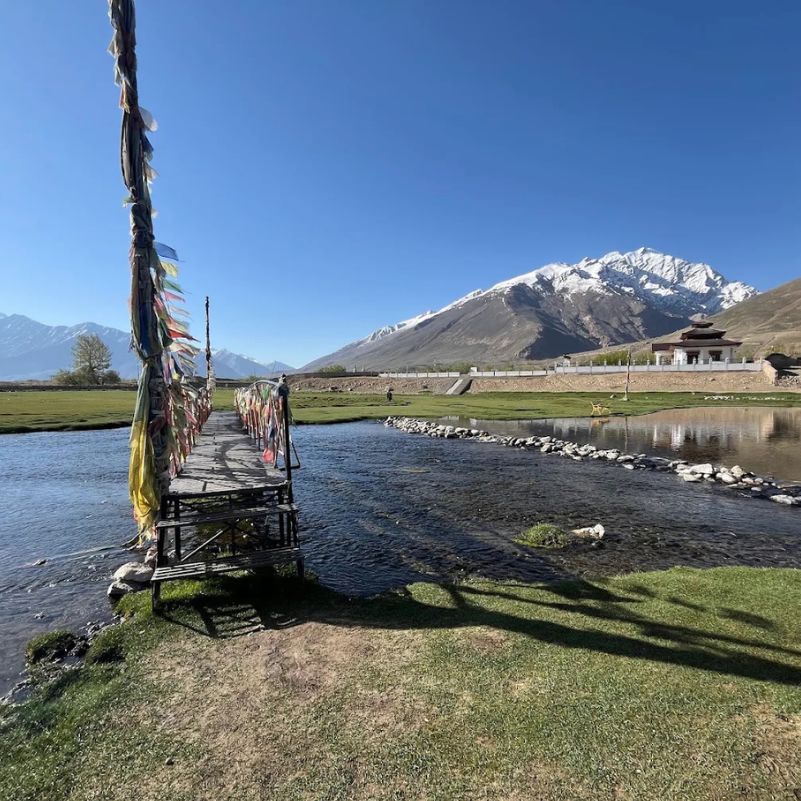
The same layering system works through the whole June to September season. What changes is how cautious you should be with warm layers.
June
Pack your warm layers conservatively in June. Early season high pass conditions can still vary.
Reports from 2026 recorded temporary Shinku La restrictions and difficult road surfaces earlier in the season. Check current road conditions shortly before you travel, and pack as if the pass day could feel cold.
We won’t give you an exact June temperature, because no single number holds across every stop on this route.
July and August
July and August fall inside the core summer road trip window. Still, summer doesn’t make Zanskar uniformly warm.
Keep your insulated layer and your wind and rain protection in the bag. You’ll want them at high passes, in early mornings and in the evenings.
Plenty of travellers leave the warm jacket at home in July because “it’s summer.” In our experience, those are the guests who end up borrowing layers by the second night.
September
September uses the same layering system. But this is the month to be most reluctant about leaving out your warm jacket or thermal set.
If you’re tempted to cut weight in September, cut an extra T-shirt instead. The warm layers stay.
What Should You NOT Pack for Zanskar?
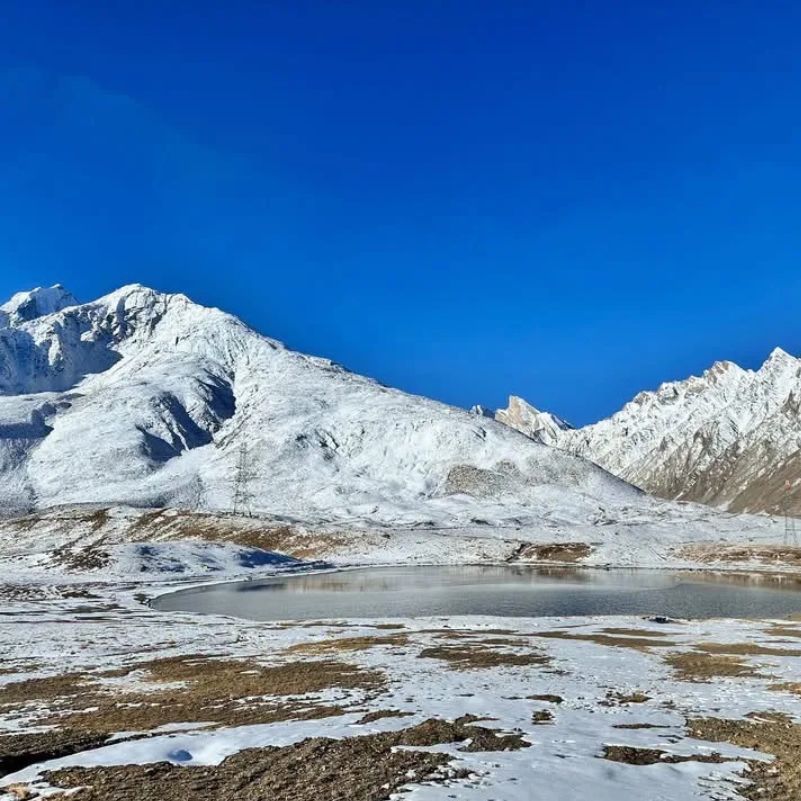
A good Zanskar packing list is as much about what you leave out. Here’s what makes a vehicle based trip harder than it needs to be.
Skip the big hard suitcase. It doesn’t fit well in a compact vehicle, it doesn’t squeeze, and it makes every hotel change slower. Leave it home and bring a soft bag.
A specialist Zanskar trekking operator also advises against hard suitcases and excessive clothing. That’s supporting context from another operator, not Travel Coffee policy, but the logic holds.
Skip too many outfit changes. Eight days doesn’t mean eight outfits. Repeat your layers and keep the space for warm gear.
Skip brand new hiking shoes. Untested shoes on the Phugtal trail are a blister plan, not a packing plan.
Skip duplicate toiletries. Share basics within your group and use travel sized bottles.
Skip unnecessary electrical appliances like hair dryers and straighteners. Remote stays may not support them, and they eat bag space.
Skip specialist expedition equipment such as sleeping bags, crampons and technical trekking gear. You aren’t on a self supported trek.
Documents, Cash and Connectivity Essentials
Carry a government photo ID and your booking details. Write down emergency contacts somewhere other than your phone.
If you bought travel insurance, carry your insurance documents too. Keep accessible cash and copies or backups of important information, both printed and saved offline.
Permit rules need care here. Current 2026 sources conflict on whether Indian travellers visiting Zanskar itself need the Ladakh Environment Development Fee receipt.
So confirm the current permit and document rules for your exact route shortly before departure. This matters even more if your plan also includes restricted parts of Ladakh.
Foreign travellers face a separate system. The UT Ladakh Administration was still running and reviewing the Protected Area Permit and Restricted Area Permit framework in August 2026.
That isn’t a one line rule, so check what applies to your nationality and route before you finalise dates. Our team can help you check this when you book.
Final Zanskar Packing Checklist Before You Leave Home
Before you zip the bag, run one last check. Your main clothing should be about 3 tops and 2 trousers, with a fleece and a warm insulated jacket.
Check that your wind and waterproof shell sits in the daypack, not the main bag. Make sure your broken in walking shoes, an easy evening shoe and 4 to 5 pairs of warm socks are in.
Then check the daypack: water capacity, sunscreen, sunglasses and lip protection. Make sure your personal medicines and blister care are in too.
Last, check your power bank, cables and headlamp. Then check your ID, booking details, emergency contacts and cash.
The best Zanskar packing list is small enough to fit a mountain vehicle. It’s also complete enough that your warm layer and walking shoes are always within reach.
Explore Our Curated Zanskar Valley Tour Packages
 Group Tour8D/7N
Most Loved Zanskar Valley 4x4 Group Expedition
1D Manali•1D Purne / Kargyak / Gonbo Rangjon Side+2
₹32,999/ person- 8D/7N
Private Zanskar Valley 4x4 Expedition With Phugtal Gonbo Rangjon and Baralacha La
1D Manali•1D Purne / Kargyak / Gonbo Rangjon Side+2
₹44,999/ person  8D/7N
Private Zanskar Valley Tour With Phugtal Gonbo Rangjon and Baralacha La
1D Manali•1D Purne / Kargyak / Gonbo Rangjon Side+2
₹29,999/ person
Frequently Asked Questions
What should I pack for a Zanskar trip?
Pack layered clothing, a warm jacket, waterproof shell, comfortable walking shoes, warm socks and sun protection. Carry personal medicines, documents, a power bank and a compact daypack for daily essentials.
What clothes should I wear in Zanskar?
Wear quick-dry tops, comfortable trousers and warm layers. Carry a fleece, insulated jacket, windproof shell, beanie and gloves for cold mornings and high-altitude stops.
Do I need trekking shoes for Zanskar?
Trekking shoes are not essential for the entire road trip, but comfortable shoes with good grip are recommended. They are particularly useful for the Phugtal Monastery walk. Always wear broken-in footwear.
Can I wear sports shoes for the Phugtal trek?
Yes, sports shoes with a strong grip and good support can work. Avoid smooth-soled fashion sneakers, as loose gravel and uneven trails require better traction.
How many clothes should I carry for an 8 day Zanskar trip?
Carry around 3 tops, 2 trousers, one fleece, one insulated jacket, one waterproof shell and one thermal set. Pack 4 to 5 pairs of warm socks and reuse clothes to save luggage space.
Do I need thermals in Zanskar in summer?
Yes, carry at least one thermal upper and lower set. Even summer evenings can get cold at high altitudes, particularly in September.
What size daypack is suitable for Zanskar?
A 20 to 30 litre daypack is suitable for most Zanskar trips. It provides enough space for water, snacks, medicines, warm layers, documents and electronic essentials.
Do I need a rain jacket in Zanskar?
Yes, carry a lightweight waterproof and windproof jacket. Weather can change quickly around mountain passes, so keep it easily accessible during road journeys.
How much luggage can I carry in a Zanskar 4x4?
Luggage capacity depends on the vehicle and group size. A Jimny is better suited to two travellers with light luggage, while a Scorpio N offers more space for three to four travellers.
What should I carry in my Zanskar daypack?
Carry water, snacks, sunglasses, sunscreen, a warm layer, personal medicines, your phone and a power bank. Keep essential documents and basic hygiene items handy during road journeys.
What should I pack differently for Zanskar in September?
Carry extra warm layers, thermals, gloves and a beanie for colder mornings and evenings. Avoid removing essential winter clothing just to reduce luggage weight.
What should I leave at home when travelling to Zanskar?
Avoid large hard suitcases, unnecessary outfits, new hiking shoes and duplicate toiletries. Specialist expedition equipment is also unnecessary for a regular vehicle-supported Zanskar road trip.
More about Zanskar Valley
 Zanskar Valley
How to Reach Zanskar from Leh: Nimmu, Lamayuru and Kargil Routes Compared
Planning a road trip from Leh to Zanskar? Compare the Nimmu, Lamayuru and Kargil routes based on distance, travel time, road conditions and overnight stops to choose the best route for your Himalayan adventure.
 Zanskar Valley
Srinagar to Zanskar via Kargil (2026): Route, Stops and Travel Time
Planning a Srinagar to Zanskar road trip in 2026? Explore the complete route via Kargil, Suru Valley, Rangdum and Pensi La Pass, including distances, travel time, overnight stops and essential road trip tips.
 Zanskar Valley
Best Time to Visit Zanskar Valley: Month-by-Month Planning Guide
Discover the best time to visit Zanskar Valley with our month-by-month travel guide. Compare weather, road accessibility, accommodation availability and sightseeing opportunities to plan your perfect Zanskar trip.