
Zanskar Festivals and Culture 2026: Monastery Etiquette and Visitor Planning
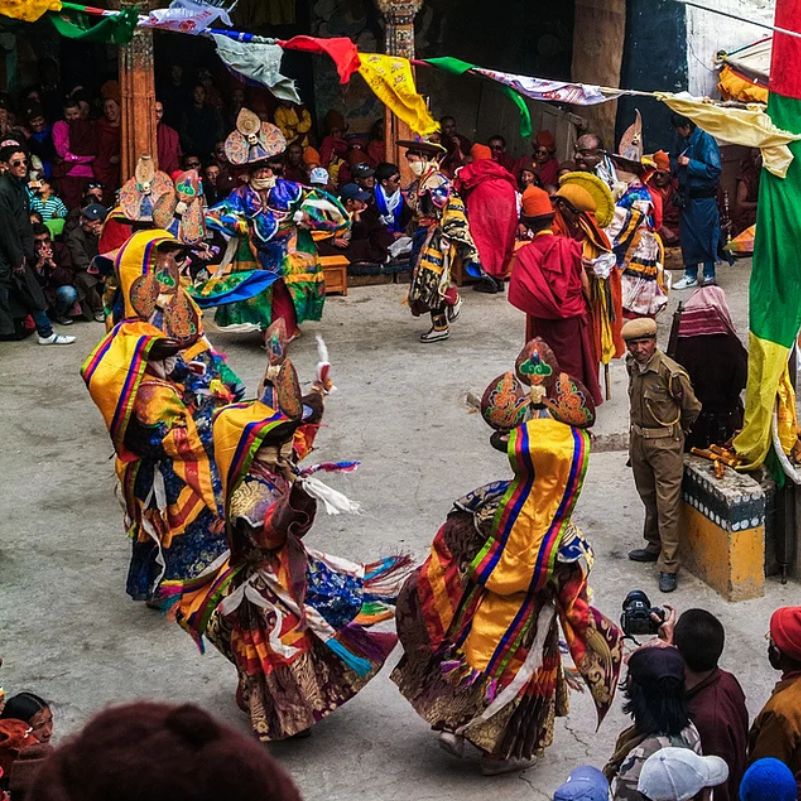
Most people plan zanskar festivals the wrong way round. They find a date on an old blog, book flights, and then learn that the monastery calendar has moved by weeks.
This guide covers the festivals that matter, how to behave once you are inside the monastery courtyard, and how to plan so a shifting date does not wreck your trip.
Quick Answer: What Festivals Should You Know About in Zanskar?
Most visitors plan around three monastery festivals: Karsha Gustor, Stongdey Gustor and Sani Naro Nasjal. These are religious observances, with prayer, ritual and sacred Cham.
The Zanskar Festival is different. It is a broader cultural tourism event with music, food and crafts.
Monastery festivals follow a lunar calendar, so their Gregorian dates change every year. Never book flights or hotels using only an old online festival calendar.
If Zanskar is part of a bigger trip, our Ladakh tour packages show how we usually fit the valley into a wider Ladakh route.
Why Are Festivals So Important to Zanskar Culture?
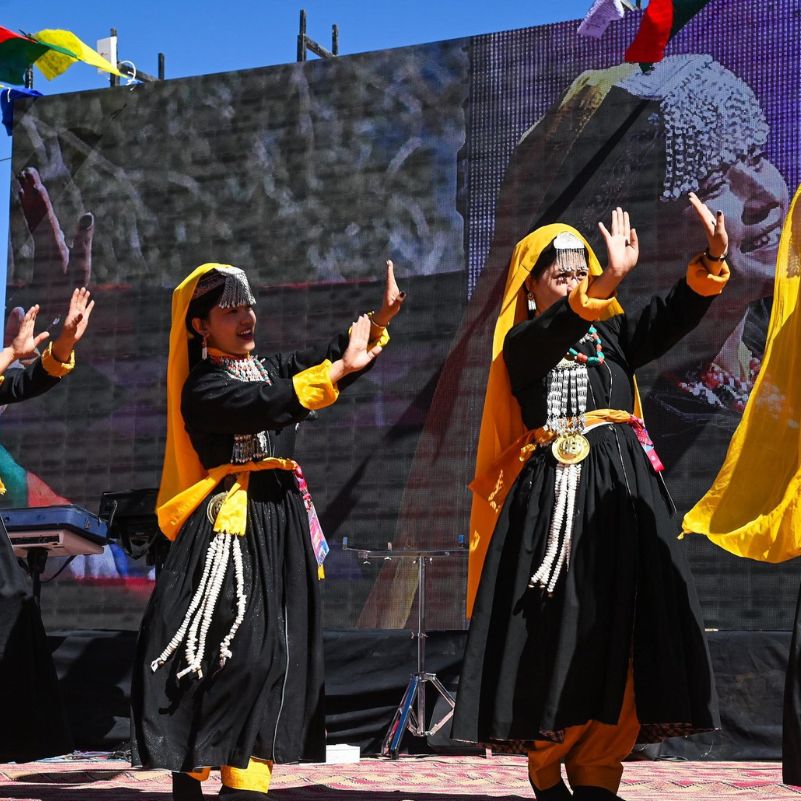
The most common mistake tourists make is treating a Zanskar monastery like a museum. It is not one.
Monks live, study and pray there. The villages around it come to the monastery for ceremonies and for community life.
A festival brings that whole network together. Families come in from nearby villages, relatives meet, and people pray and share food through the day.
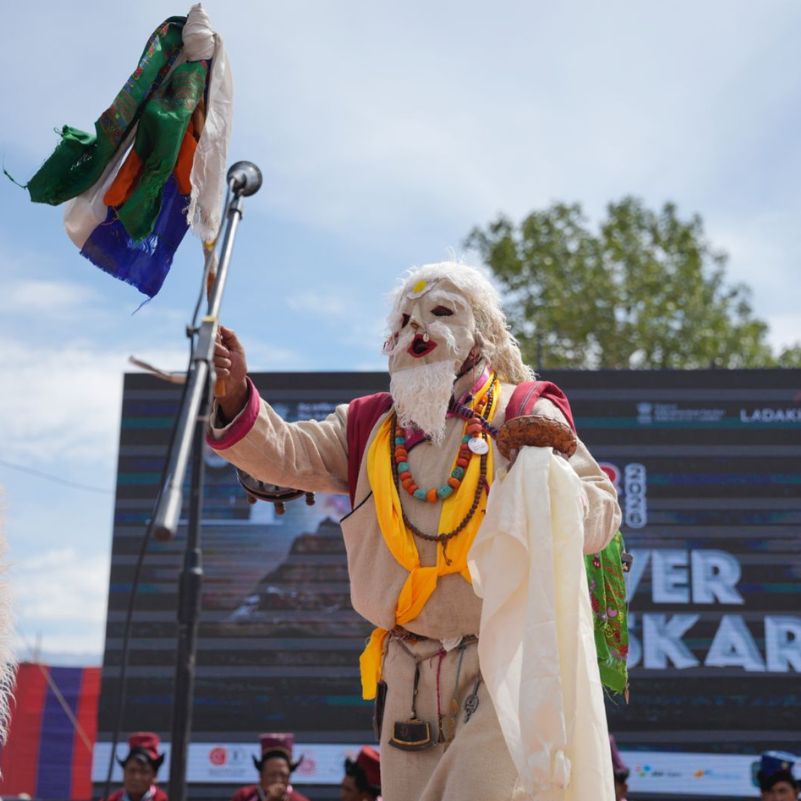
Cham is at the centre of many of these days. It is a Buddhist ritual practice of masked sacred dance and movement.
The monks performing Cham are carrying out a religious act. Calling it a “dance show” misses what is happening in front of you.
So when you sit in that courtyard, you are a guest at someone else’s prayer. Your camera, your voice and where you stand all affect people who are there for deeply personal reasons.
In our experience, travellers who understand this before they arrive enjoy the day far more. They stop waiting for a performance and start watching the community itself.
Which Zanskar Festivals Are Worth Planning a Trip Around?
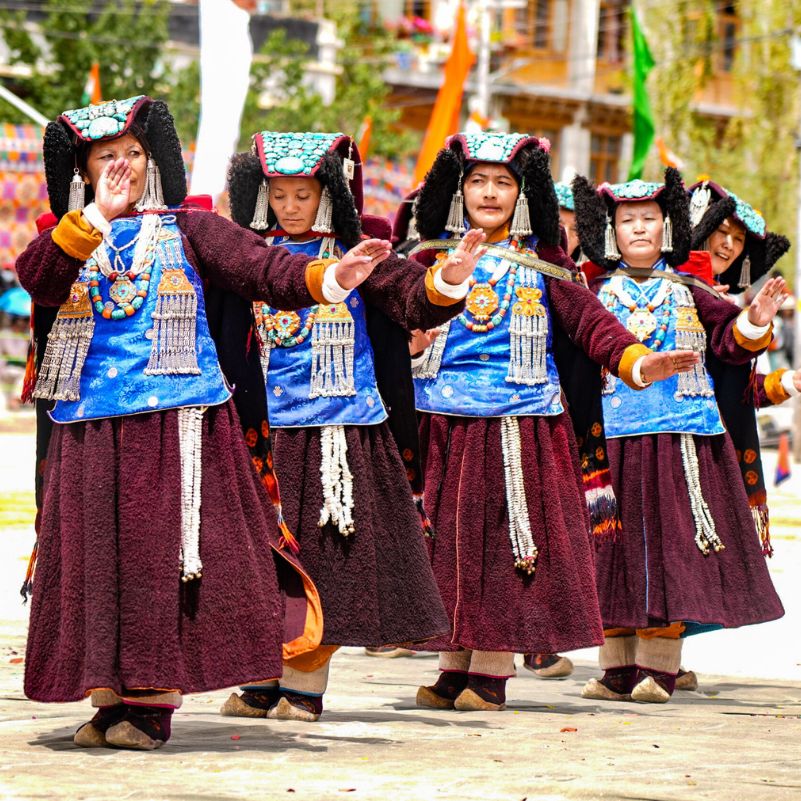
Karsha Gustor: Zanskar’s Largest Monastery Festival
Many people consider Karsha Monastery the largest monastic establishment in Zanskar, so its festival draws a big gathering.
In 2026, Karsha Gustor took place on 12 and 13 July.
Those dates belong to 2026 only. Do not copy them into 2027 or any other year without fresh confirmation, because the festival follows the lunar calendar.
Ignore any source that says Karsha Gustor always falls in January or lasts only one day. That claim is out of date.
The festival brings together sacred Cham dances, prayer, long ritual sequences and a large community gathering in and around the monastery.
Expect long pauses. Karsha Gustor is not a stage programme, and nobody guarantees that a particular dance will start at an advertised minute.
If Karsha Gustor is the main reason for your trip, confirm the date with the monastery or a reliable local contact before locking your travel bookings.
We have no confirmed entry fee, opening time or performance schedule for Karsha, so we will not print one. If someone quotes you fixed timings, ask where they got them.
Stongdey Gustor
Stongdey Monastery (also spelled Stongde) holds another important festival in the valley.
One current festival calendar lists Stongde Gustor for 3 to 4 July 2026.
Treat that as a planning lead, not a fact. The lunar calendar moves this festival too, so reconfirm locally before you commit.
Sani Naro Nasjal
Sani Naro Nasjal takes place at Sani Monastery and is connected with Naropa, the Buddhist teacher.
Ministry of Tourism descriptions link the observance with rituals, masked dances and the unveiling or veneration of a Naropa image.
Don’t believe anyone who tells you Sani Naro Nasjal always falls in the first week of August. Government tourism records listed it for 11 to 12 August 2022 and 20 to 21 July 2024.
That is a gap of several weeks between two listed years. A fixed rule of thumb simply does not work here.
The Zanskar Festival at Sani
The Zanskar Festival is not automatically the same thing as Sani Naro Nasjal, even though both have links to Sani.
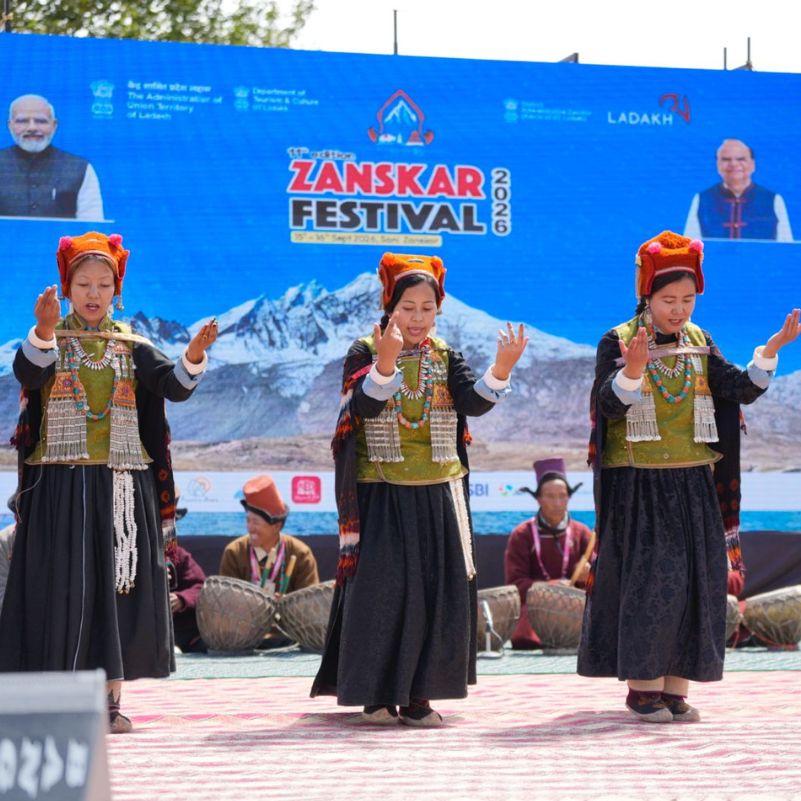
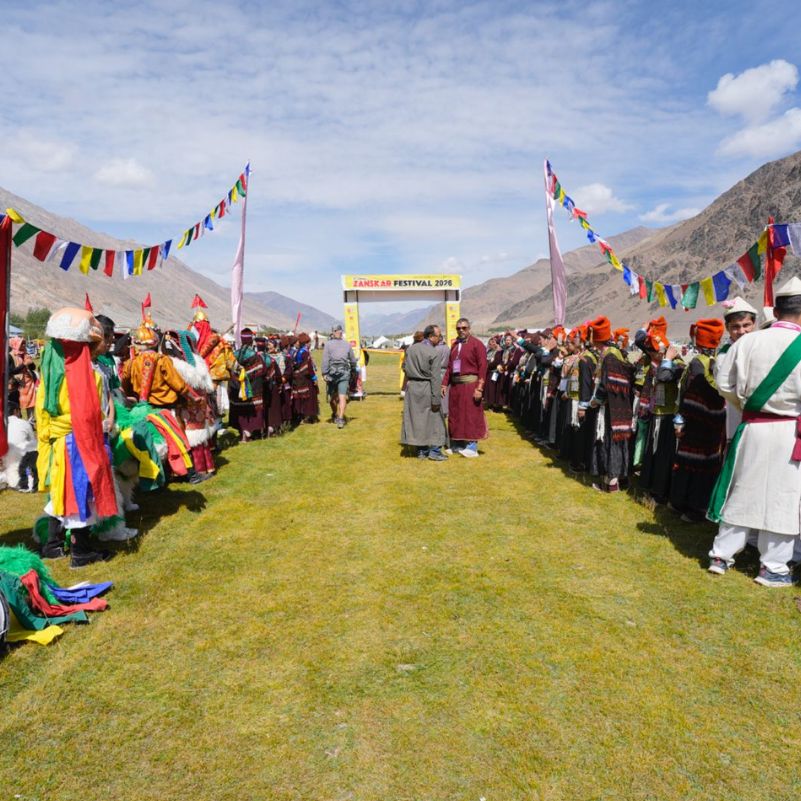
The official Ladakh Tourism calendar listed the 2026 Zanskar Festival at Sani for 15 to 16 September 2026. The UT Ladakh administration reported the opening of the 11th Zanskar Festival on 15 September 2026.
This is a wider cultural event. It features traditional music and dance, local cuisine, handicrafts, community participation and cultural programmes.
Think of it as a public celebration of Zanskari culture that welcomes visitors. The monastery festivals stay religious observances first.
If you want a festival where you can browse crafts and try local dishes, September suits you. If you want to witness ritual and Cham, plan around the monastery calendar.
Travellers who want a longer northern trip sometimes add a few days in the Kashmir Valley. Our Kashmir tour packages can help with that part.
Why Do Zanskar Festival Dates Change Every Year?
Monastery festivals follow the Tibetan lunar calendar. Each year the lunar date lands on a different Gregorian date.
Look at Karsha. An official Ministry of Tourism listing recorded Karsha Gustor on 3 and 4 July 2024, while in 2026 it fell on 12 and 13 July.
Sani shows the same pattern, with government listings of 11 to 12 August 2022 and 20 to 21 July 2024.
So a date that was correct two years ago tells you very little about next season. Our team recommends a three stage approach.
First, use any published calendar only as a planning lead. It tells you roughly which part of the summer to watch.
Then confirm the event with the relevant monastery, the local tourism office or a reliable Zanskari contact before you make any bookings that depend on the date.
Finally, reconfirm shortly before you travel. Ceremonial schedules can shift, and so can road conditions.
Here is an insider tip that saves real stress. When you contact the monastery or a local contact, ask which day the community expects to be the main ritual day, not just “when is the festival”.
Here is the money saving tip. Until stage two is done, keep your flights and hotels flexible or refundable. A cheap non refundable fare costs you a lot more if the date moves.
How Should Visitors Behave at a Zanskar Monastery Festival?
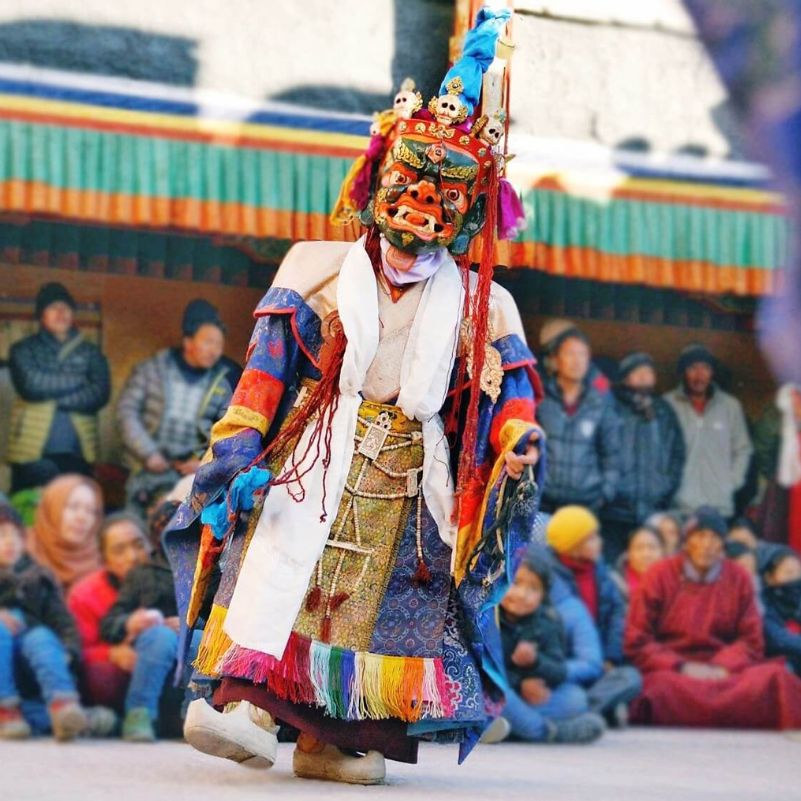
Good Zanskar monastery etiquette is mostly common sense plus a few local customs. The same rules hold for most monastery etiquette in Ladakh.
What to Wear in a Zanskar Monastery
Keep your shoulders and knees covered. Local Zanskar guidance recommends this in monasteries and in villages.
The easy way to manage this in the mountains is layers. Wear long trousers or a long skirt, a full sleeve top, and a warm jacket over it.
A light scarf or shawl helps too. It covers your shoulders if you take the jacket off in the sun.
Remove your shoes wherever the monastery or prayer hall asks you to. Wear shoes you can slip on and off quickly, and keep a pair of socks handy.
Move Respectfully Through Sacred Spaces
Local Zanskar visitor guidance recommends moving clockwise around chortens and mani walls. Follow the direction local people walk.
Do not touch religious objects, murals, masks, thangkas, offerings or ritual equipment unless someone explicitly invites you to.
Keep your voice low in prayer halls. Silence your phone before you walk in.
Monks, caretakers and local organisers run these spaces. If one of them asks you to move, sit, or put your camera away, do it straight away and without argument.
Do Not Interrupt Rituals for Photographs or Views
Stay out of the path of dancers and processions. That space belongs to the ritual.
Never step into a ritual area just to get a better photo. Never ask monks or participants to repeat a religious action for your camera.
Masks, sacred clothing and ceremonial objects are not props. Do not pose with them or treat them like costume pieces.
Can You Photograph Zanskar Festivals and Monasteries?
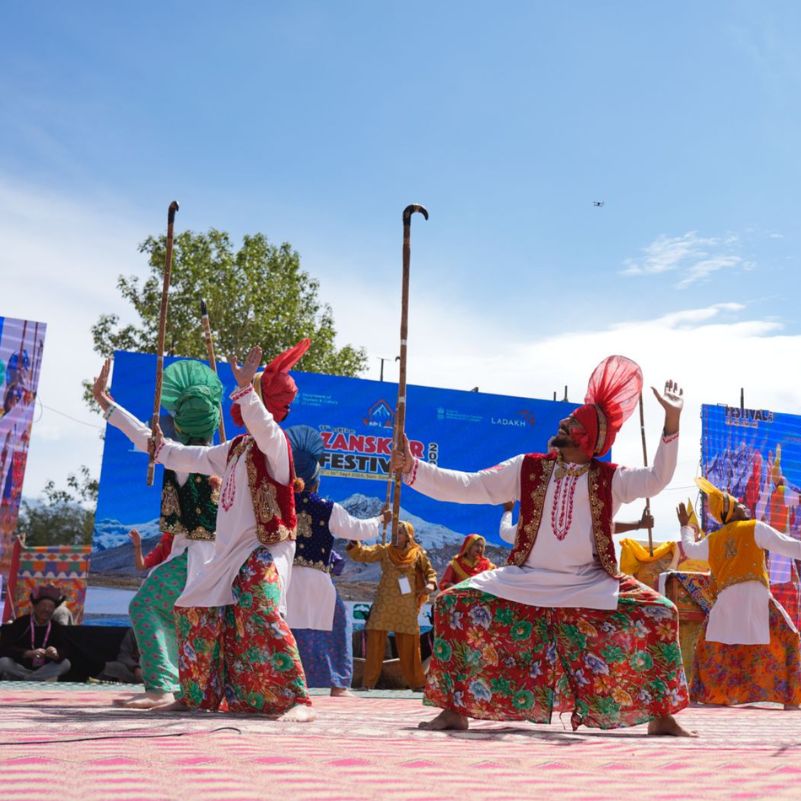
Sometimes, but not everywhere and not always. Photography rules differ between courtyards, temple interiors and particular ceremonies.
Monasteries sometimes accept courtyard photography during events. Many restrict photography inside temple interiors. Ask the monastery or caretaker every time instead of assuming.
Local Zanskar guidance says you should ask before photographing people. For children, ask a parent or guardian first.
Do not use flash near old murals, religious artwork or ceremonies unless someone gives you explicit permission.
If somebody refuses a photograph, accept it at once. Lower the camera, smile, and move on.
An insider tip from our planning experience: find the caretaker early in the day and ask once where photography is fine. One polite question at the start saves you awkward moments later.
What Is a Festival Day Actually Like for a Traveller?
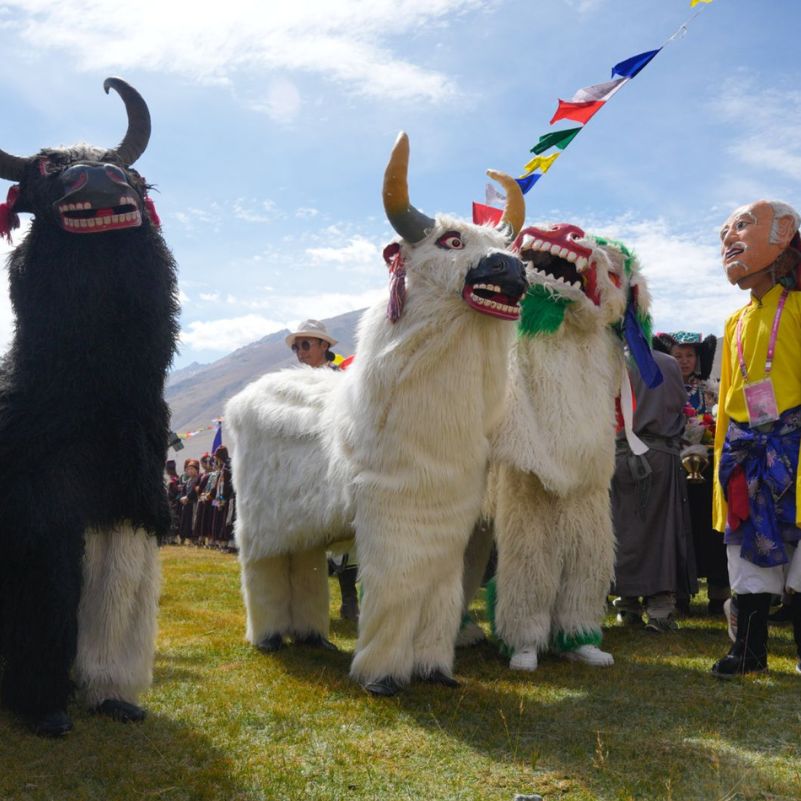
A monastery festival can run for hours. Ritual sequences come with long pauses in between.
Families often arrive early. They meet relatives, share food and spend much of the day together.
Sacred ritual and ordinary social life sit side by side. A masked dance may be happening while, a few metres away, grandparents chat and children run around.
That is not disorder. It is what a living community festival looks like, and it is very different from a staged tourist show.
Here is the honest warning. If you need constant action, you may find parts of the day slow. Go in expecting to wait and the waiting stops feeling like a problem.
Here is the timing tip that changes the experience. Arrive early, like the local families do, and settle at the edge of the courtyard behind them.
You get a calm spot without pushing through a crowd later. You also see the quieter preparations most late arrivals miss.
Carry water, sun protection and any personal items you need for a long day outdoors. Facilities can be basic, so plan to be self-sufficient.
Nobody can promise you that a particular dance will happen at a particular time unless the monastery confirms it locally. Treat any online schedule as a rough guide at best.
How Should You Plan a Trip Around a Zanskar Festival?
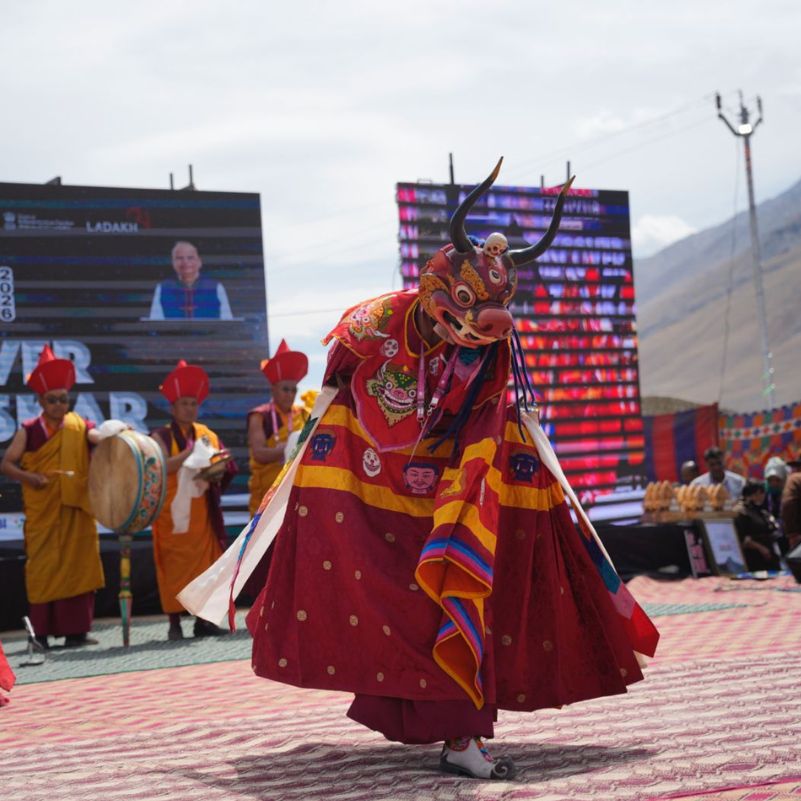
Padum is the practical hub for most Zanskar travel. Most travellers base themselves there or nearby.
You can approach Zanskar from the Ladakh and Kargil side. When routes are operating, you can also come in from the Himachal side over Shinku La.
We will not give you driving times here. Conditions vary too much, and we only publish figures we can stand behind.
Mountain access depends on weather, snowfall, road construction, landslides and administrative traffic controls. Any one of these can change your plan.
Road access to Zanskar has improved a lot. Still, never treat a route as open until you have checked its status close to your departure.
When we plan mountain trips for travellers, we check road status again in the final days before departure, not just when we first build the itinerary. A plan made months earlier tells you nothing about this week’s roads.
If you are coming from the Himachal side, Manali tour packages give you a sensible starting base.
Some travellers combine the trip with Lahaul and Spiti. Our Spiti Valley tour packages show how that circuit works.
For a quieter night on the Lahaul side before heading further north, look at our Sissu tour packages.
One thing to skip: don’t try to squeeze several monastery festivals into one tight, fixed itinerary. A single date shift breaks the whole chain.
Pick one festival as your anchor. Build buffer days around it and treat anything else as a bonus.
The UT Ladakh administration released its first dedicated Zanskar traveller guide in October 2026. It covers monasteries, festivals, road connectivity, permits and responsible tourism, so read it before you finalise anything.
Do You Need a Permit to Visit Zanskar?
The UT Ladakh administration clarified in 2026 that domestic tourists do not need an Inner Line Permit.
Permits still apply wherever the notified Protected Area or Restricted Area rules require them.
If you are a foreign national, or your route goes into restricted border areas, check the current PAP and RAP rules for your nationality and exact route.
Here is our safety warning: Be wary of anyone who tries to charge a domestic tourist for an Inner Line Permit for Zanskar, or who sells a “guaranteed” festival seat with fixed ritual timings. The official position above does not support either.
How Can Visitors Experience Zanskar Culture Beyond Festivals?
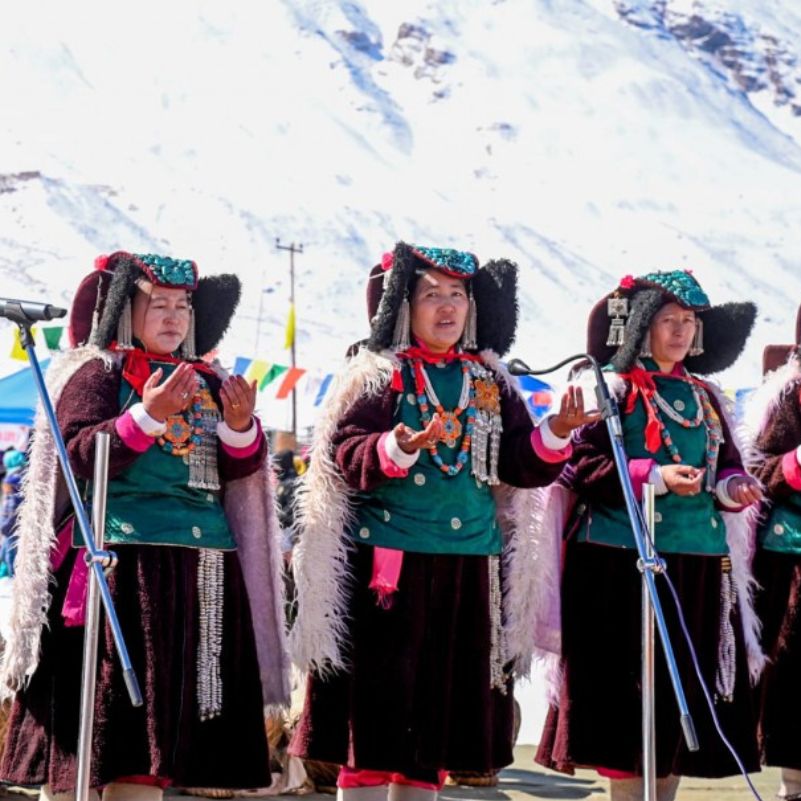
Festivals are only a few days a year. Zanskar culture is there every day in homes, villages, monasteries and kitchens.
Staying in a homestay teaches you more than any festival courtyard. You see how a household runs, what people cook and how the day works.
Walk through the villages slowly. Visit monasteries on ordinary days, when things are quieter and you can ask questions without a crowd around.
Talking to people respectfully matters far more than collecting photographs. A real conversation with a host usually stays with you longer than a perfect shot.
Local Zanskar guidance recommends asking before you photograph residents and carrying your waste out with you.
The same guidance says not to hand sweets or pens directly to children. It can create habits families do not want. If you want to help, ask your host or a local organisation what is actually useful.
Spend your money with locally run homestays, guides, drivers and craftspeople wherever you can. That way more of what you pay stays in the valley.
Avoid describing anyone’s life as “simple” or treating hardship as scenery. People here live modern, busy lives in a demanding mountain environment.
Common Mistakes Visitors Make at Zanskar Festivals
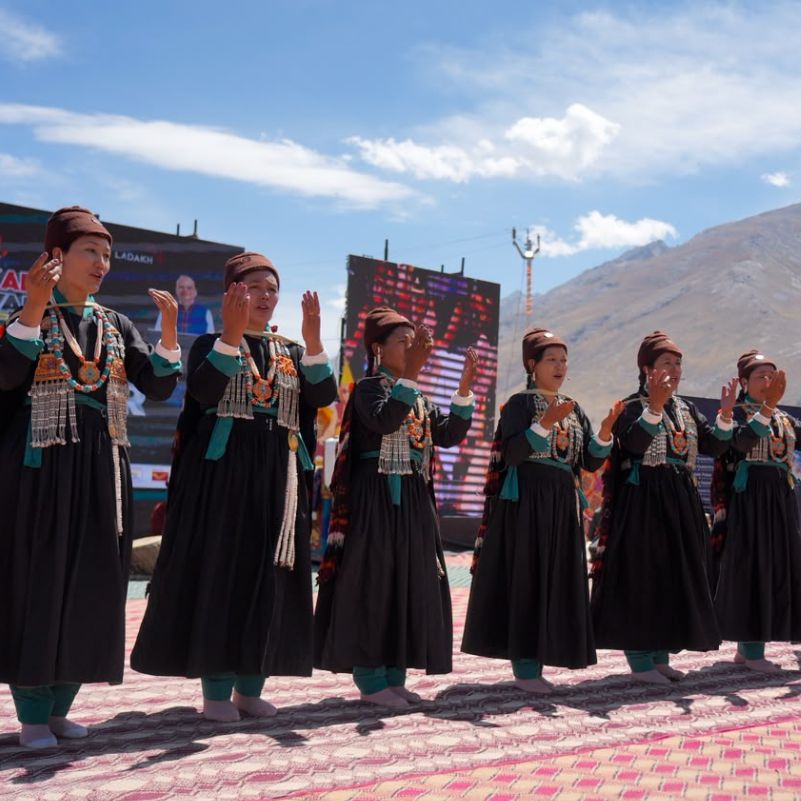
The biggest mistake is trusting an old festival date. Lunar calendars move, so confirm with the monastery or a local contact before you book anything that depends on the date.
The second is blocking rituals for photographs. Stay at the edge, keep paths clear, and let the ritual decide where you can stand.
Photographing people without consent comes close behind. Ask first, ask parents before photographing children, and accept a no immediately.
Some visitors turn up in shorts or sleeveless tops. Cover shoulders and knees, and carry a scarf or jacket in case the sun tempts you to take off layers.
Many people expect a fixed stage programme. Expect long pauses, bring patience, and treat the slow parts as part of the day.
Speaking loudly in prayer spaces is another common one. Lower your voice, put your phone on silent, and follow what local people do.
Finally, don’t assume every monastery has the same rules. Photography, shoes and access to certain spaces can vary, so ask the caretaker at each place.
How Travel Coffee Can Help Plan a Culture Focused Zanskar Trip
We can help you plan routes, stays and broader Ladakh or Himalayan itineraries around the festival you care about.
We do not control monastery dates, and nobody can guarantee a ceremony. Always reconfirm festival dates and ceremonial schedules locally.
What we tell our travellers is simple: choose one festival as the reason for the trip, add buffer days on both sides, and keep bookings flexible until the date is confirmed.
Explore Our Curated Zanskar Valley Tour Packages
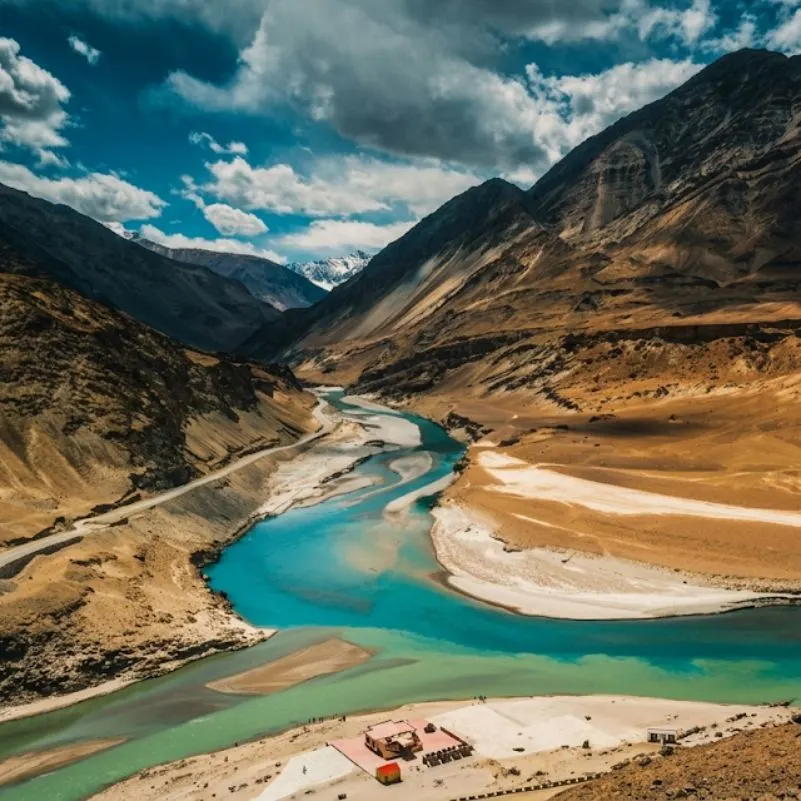 Group Tour8D/7N
Most Loved Zanskar Valley 4x4 Group Expedition
1D Manali•1D Purne / Kargyak / Gonbo Rangjon Side+2
₹32,999/ person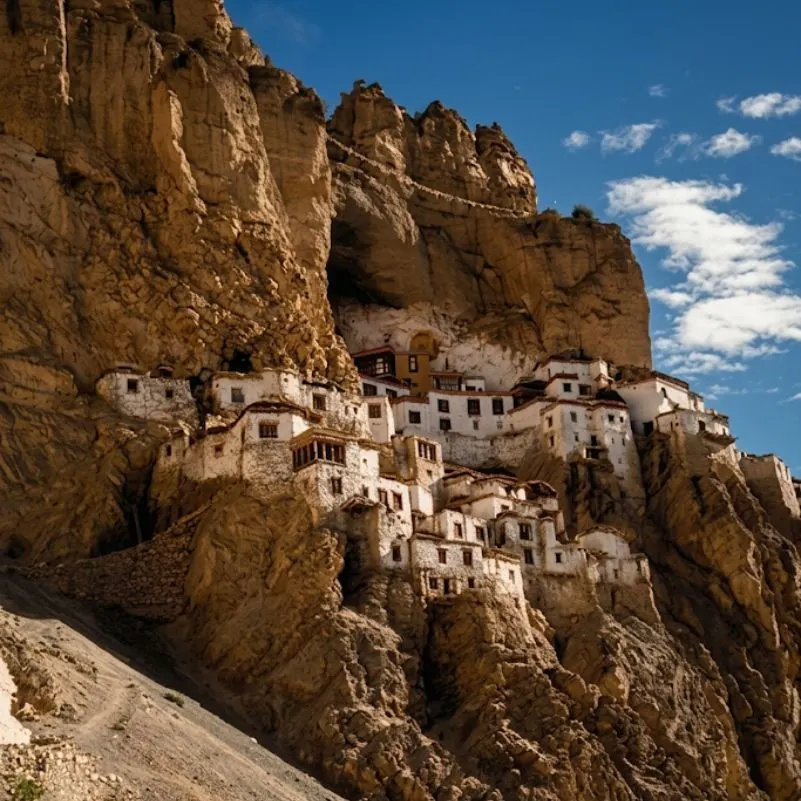 8D/7N
Private Zanskar Valley 4x4 Expedition With Phugtal Gonbo Rangjon and Baralacha La
1D Manali•1D Purne / Kargyak / Gonbo Rangjon Side+2
₹44,999/ person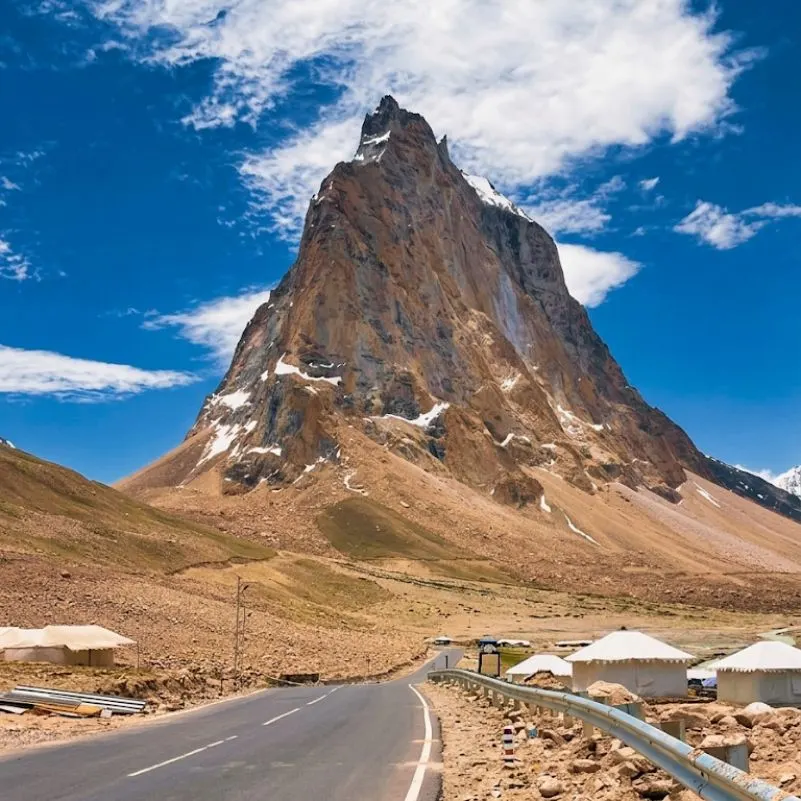 8D/7N
Private Zanskar Valley Tour With Phugtal Gonbo Rangjon and Baralacha La
1D Manali•1D Purne / Kargyak / Gonbo Rangjon Side+2
₹29,999/ person
Frequently Asked Questions
What are the main festivals in Zanskar?
The main monastery festivals are Karsha Gustor, Stongdey Gustor and Sani Naro Nasjal. The Zanskar Festival is a separate cultural event.
When is Karsha Gustor celebrated?
Karsha Gustor follows the lunar calendar, so its Gregorian date changes every year. Confirm the date with the monastery before booking.
What were the Karsha Gustor dates in 2026?
In 2026, Karsha Gustor took place on 12 and 13 July. Do not reuse these dates for another year.
What is Sani Naro Nasjal?
It is a festival at Sani Monastery connected with Naropa. Official descriptions mention rituals, masked dances and veneration of a Naropa image.
When is Sani Naro Nasjal celebrated?
The date varies widely. The published 2026 date is 28 to 29 July 2026.
What is Cham dance?
Cham is a Buddhist ritual practice of masked sacred dance and movement. Treat it as religious practice, not entertainment.
Can tourists attend monastery festivals in Zanskar?
Yes, visitors can usually attend as respectful guests. Follow instructions from monks, caretakers and organisers throughout the day.
Can visitors photograph monks and local residents?
Only with permission. Ask before photographing anyone, and ask a parent before photographing children.
Is photography allowed inside Zanskar monasteries?
Interior photography may be restricted. Always ask the monastery or caretaker, and never use flash without explicit permission.
What should tourists wear when visiting Zanskar monasteries?
Cover your shoulders and knees, and dress in warm layers. Remove shoes wherever the prayer area asks you to.
Is the Zanskar Festival the same as Sani Naro Nasjal?
No. The Zanskar Festival is a wider cultural event, while Sani Naro Nasjal is a religious monastery observance.
Do tourists need a permit to visit Zanskar?
The UT Ladakh administration clarified in 2026 that domestic tourists do not need an Inner Line Permit. Foreign nationals should check current PAP and RAP rules for their route.
More about Zanskar Valley
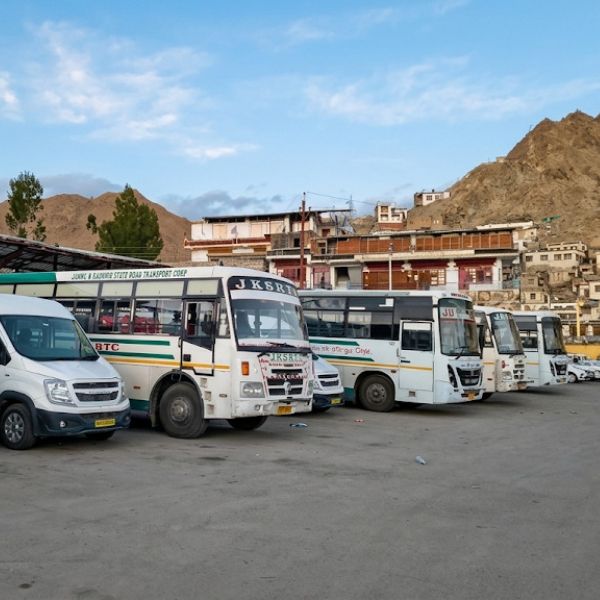 Zanskar Valley
Zanskar by Bus and Shared Taxi 2026: Public Transport, Booking and Backup Plans
Planning a Zanskar trip without a private vehicle? Explore bus routes, shared taxis, transport costs and backup options for travelling to Zanskar in 2026. Learn how to plan connections and manage unexpected delays.
 Zanskar Valley
Zanskar in Monsoon 2027: July and August Risks, Roads and Best Routes
Planning a Zanskar Valley trip during monsoon 2027? Explore July and August weather, road conditions, routes from Manali, Leh and Kargil, landslide risks and essential travel tips for a safer Himalayan road trip.
 Zanskar Valley
Zanskar Family Trip 2026: Visiting With Kids or Older Parents
Planning a family trip to Zanskar in 2026 with kids or older parents? Explore suitable destinations, road travel options, accommodation choices, and practical itinerary ideas for different age groups. Understand altitude concerns, travel times, and comfort considerations before planning a family holiday in this remote Himalayan region.