
Winter Spiti Travel Insurance 2026-27: Altitude, Evacuation and Trip Delays

Many travellers buy winter Spiti travel insurance after spotting the words "medical evacuation" in a brochure. That one line rarely means what you think it means.
Quick Answer
Yes, winter Spiti travel insurance can help, but no policy automatically pays for altitude sickness, medical evacuation or snow-blocked roads.
Kaza sits at about 3,650 metres, and in winter you usually reach it through Shimla and Kinnaur.
Each benefit carries its own conditions, limits and exclusions.
Before you leave, ask your insurer to confirm in writing what your exact policy pays for on your exact itinerary.
Here is what most tourists get wrong
They read the benefit list and assume every bad day in Spiti becomes a claim. In our experience, the biggest mistake is assuming all delays count as insured delays.
A policy that lists a benefit does not promise to pay for every situation that sounds similar. This guide helps you see where those gaps sit before you book.
Why is winter Spiti different from an ordinary hill station trip?
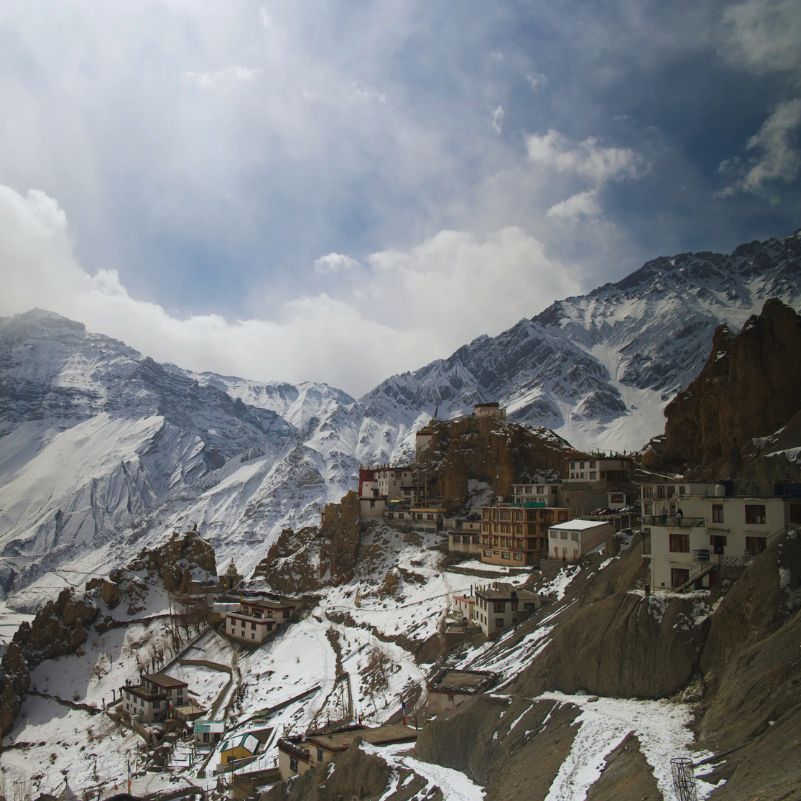
Which route can you use in winter?
The district administration of Lahaul and Spiti calls the Shimla to Kaza road via Kinnaur almost all weather. That word "almost" matters. Weather and road conditions still decide whether you move on a given day.
The district puts this route at about 412 km, with about 20 hours of driving, not counting an overnight halt. Treat that as a planning figure, not a promise. Snow, ice and road work can stretch it.
The other way out, over Kunzum Pass at about 4,551 metres, generally closes from October or November until June or July, depending on weather. Nobody can give you an exact closing or reopening date in advance.
Skip the idea of exiting through Manali in winter. The Atal Tunnel gets you into Lahaul, but it does not give you a usable winter road from Kaza to Manali.
The district's road status page showed a last update of May 2024 when we checked, so do not read it as live information.
This is why our winter departures run out of Shimla. You can see the route options on our Winter Spiti tour packages page, and if you want a night or two to settle in first, our Shimla tour packages give you a gentle start.
Who pays when a winter journey runs late?
You will hold two separate documents on a winter Spiti trip. One is your tour booking. The other is your insurance policy. They answer different questions.
Our published Most Loved 4×4 Winter Spiti Expedition 9D/8N excludes travel insurance, medical treatment, medicines, oxygen use, hospital expenses and emergency evacuation.
The same package also excludes extra accommodation, meals, transport or replacement tickets that you need because of weather, road closures, local restrictions or other disruption.
So if snow holds the group in Kaza for an extra night, that night does not sit inside that package price. Your insurer might pay for it only if a specific benefit in your policy applies.
One package does not set the rules for every booking. Always read your own written booking confirmation, because that document decides what your operator covers.
Our guide to winter Spiti road closures explains how closures play out on the ground. This article stays focused on the money side.
How high is Kaza, and why does altitude matter for insurance?

Can altitude sickness happen even if you're only sightseeing?
A Himachal Pradesh government planning document puts Kaza at about 3,650 metres above sea level. That is high enough to make people unwell.
The CDC Yellow Book 2026 says unacclimatised travellers sleeping at around 2,450 metres or above can face altitude illness. A car seat does not protect you. Your body reacts to the height where you sleep, not to how hard you walked that day.
Now separate two ideas. The medical risk is one thing. An insurer's altitude limit or exclusion for certain sports is something else entirely.
Some policies set height rules for trekking or adventure activities. Whether your policy treats sightseeing at 3,650 metres the same way needs a written answer from your insurer.
Which symptoms mean you should seek help?
Early signs of Acute Mountain Sickness (AMS) include headache, nausea, dizziness and fatigue. Many people brush these off as travel tiredness.
Serious danger signs look different. Watch for confusion, loss of coordination and breathlessness at rest. These need medical help quickly.
The CDC advises against a sudden jump from low ground to a sleeping height of 2,750 metres or more in one day where you can avoid it.
Above 3,000 metres, the CDC suggests raising your sleeping height by no more than 500 metres per night, with an extra rest night for every further 1,000 metres you gain. These rules lower the risk. They do not remove it.
If you feel symptoms, do not move up to a higher sleeping altitude. If symptoms get worse despite rest or treatment, go down and get a doctor to see you.
Do not dose yourself with medicine you bought on a friend's advice. A qualified doctor should assess you.
What we tell our travellers is simple: if you have a heart or lung condition, or you had severe altitude trouble before, see your doctor before you book, and tell us too. Our winter Spiti safety guide covers the wider safety picture.
Does Indian domestic travel insurance cover altitude sickness?
Does the policy cover illness, accidents or both?
Let us use two real policy wordings as examples. We are not recommending either insurer. We use them only to show how much cover can differ.
Niva Bupa TravelAssure offers six selectable emergency inpatient medical treatment variants in Section 3.1. Some cover accidents. Some cover illness. Some combine both, and some add outpatient options.
This choice matters for altitude. AMS is an illness, not an accident. If you picked an accident only variant, you may hold a policy that never touches an altitude illness bill.
The Niva Bupa inpatient terms generally require admission for more than 24 hours, with specified exceptions for eligible daycare treatment. A quick doctor visit at a health centre may not count as inpatient care.
Outpatient benefits under that wording depend on the option or benefit you selected. Read your policy schedule, not the brochure.
Star Domestic Travel Insurance shows a different design. Sections 4 and 5 separate accidental hospitalization from a particular emergency hospitalization benefit dealing with heart attack and stroke.
A benefit called "emergency hospitalization" can therefore have a narrow meaning. Never assume the name tells you the scope.
Altitude conditions like AMS, High Altitude Pulmonary Edema (HAPE) and High Altitude Cerebral Edema (HACE) need a specific check against your policy. We cannot tell you they are always included or always excluded.
Does an adventure sports add-on solve every altitude problem?
No. Sightseeing, trekking, mountaineering and snow or off-road sports sit in different boxes for most insurers.
The Niva Bupa wording includes a selectable adventure sports cover in Section 3.17. Buying it does not prove that the policy will pay for altitude illness. It does not give you a rescue entitlement or a helicopter.
Here is a money saving tip we share often: Do not buy every add-on in sight just to feel safe. Send your actual itinerary to the insurer and ask which variant fits it.
Spend your money on the illness cover that matches your trip, and skip add-ons for activities you will not do. That gets you a cheaper policy that actually fits.
What does emergency medical evacuation insurance actually cover?
Is roadside rescue the same as medical evacuation?
Three very different things often get lumped together. Finding and rescuing a stranded person is one. Driving a patient to hospital by road ambulance is another. Moving a patient from one hospital to a better equipped one is a third.
In the Niva Bupa wording, Section 3.4 provides an emergency road ambulance benefit under stated conditions. The ambulance provider must hold registration with local authorities, and the connected emergency inpatient claim must be payable.
Section 3.7 describes medical evacuation as medically necessary transport from one hospital to another, when the admitting hospital cannot provide satisfactory services. Payment again depends on a payable emergency inpatient claim.
The Star wording, in Section 9, also links its emergency medical evacuation benefit to an eligible hospitalization claim and other restrictions.
Notice the pattern. In both examples, evacuation money hangs on a hospital claim that qualifies first. If the underlying treatment does not qualify, the transport may not either.
Also remember this: a policy pays money under conditions. It does not station a rescue team near you or send a vehicle the moment you call.
When is prior approval necessary?
Insurers usually want to know that the transfer was medically necessary. A doctor's recommendation matters. So does coordination through the insurer's assistance service, and the specific claim rules in your wording.
Contact the insurer's emergency assistance provider as soon as you reasonably can. Never delay lifesaving treatment to wait for a phone call to go through.
Keep every medical note and every transport bill. You will need them later, and recreating them from Delhi months afterwards is painful.
Will insurance arrange a helicopter rescue from winter Spiti?
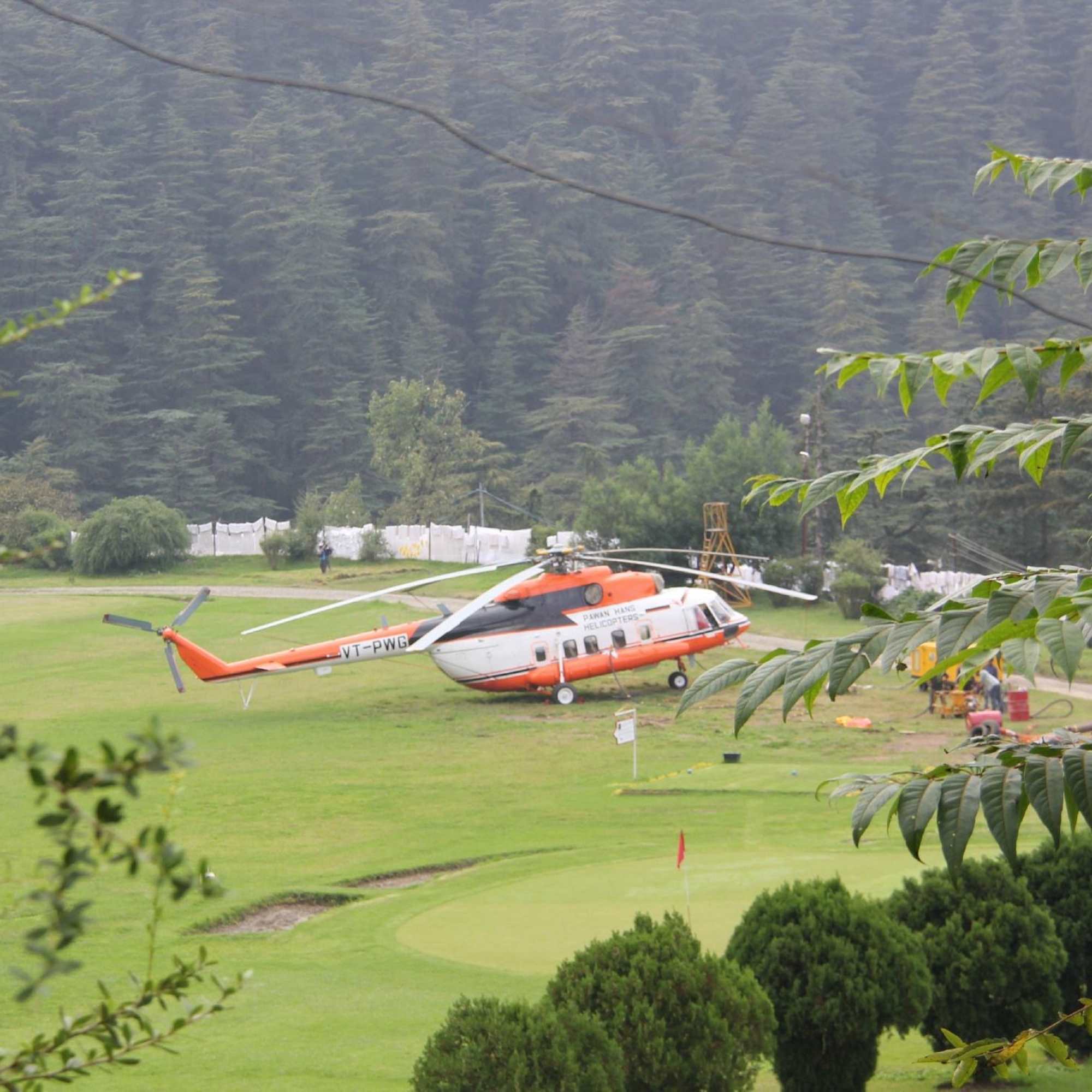
Does a Kaza helipad guarantee an airlift?
The Himachal Pradesh State Disaster Management Authority lists a helipad at Kaza. That is a landing site. It is not an aircraft on standby.
A helipad does not mean a helicopter, a medical crew or a rescue flight is waiting for your call. Weather, operational decisions, permissions and insurer eligibility each act as a separate hurdle.
In winter, cloud and snow can ground flights. An insurer can approve a benefit and the weather can still say no.
A serious warning here: Be very cautious of anyone who offers you "guaranteed helicopter rescue" for a fee. Nobody can guarantee a flight in Spiti winter weather.
What should you do if someone needs urgent help?
Dial 112, India's unified emergency response number. The district helpline page also lists 1077 for the Commissioner of Rescue and Relief.
Severe winter weather can cut phone coverage, block road access and slow any emergency response. Save both numbers before you leave Shimla.
Your priorities run in this order: get a medical assessment, keep the patient in safe and warm shelter, and follow local emergency instructions. Insurance calls come after the person is safe.
What medical facilities are available in Kaza?
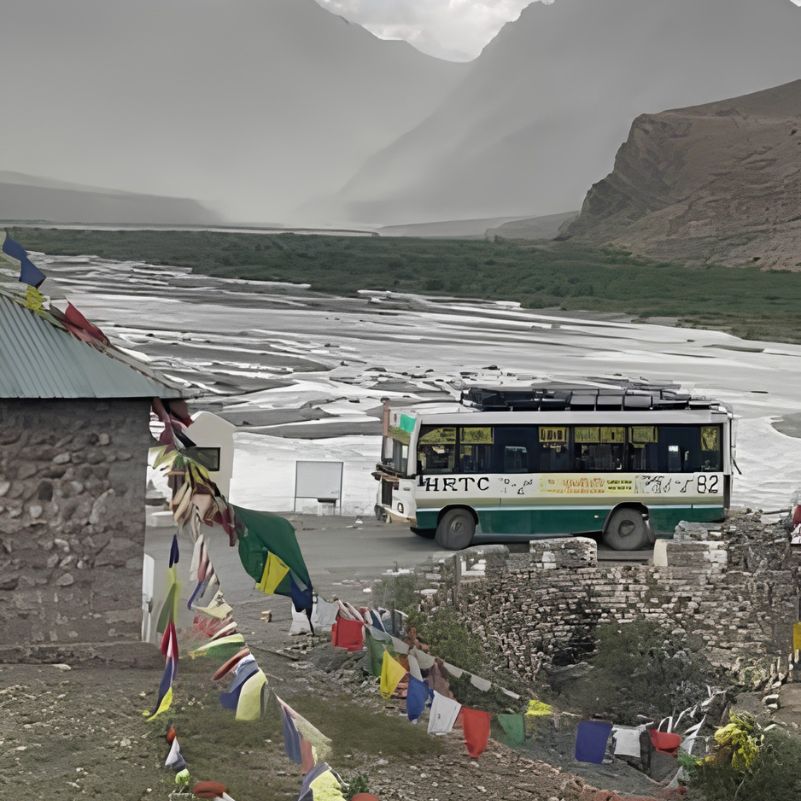
Where is the first place to seek medical help?
The district's official health directory lists Community Health Centre (CHC) Kaza and Primary Health Centre (PHC) Tabo.
That directory shows an update date of 5 May 2018. Current staffing, medical equipment, bed availability, ambulance services and emergency support may vary, so it is best to contact the health centre directly for the latest information.
Ask your driver or homestay host on day one where the health centre sits. Knowing the way before you need it saves panic later.
What if the patient needs specialist treatment?
The treating doctor decides whether a patient needs higher level care. Your insurer then looks at whether its evacuation conditions apply.
We cannot promise access to any specific specialist hospital or quote a road transfer time. Specialist referrals and emergency transfers depend on the patient's condition, available medical support and road conditions at the time.
Do not plan on Kunzum as a winter emergency route. The pass generally stays shut through the cold months, so the way back runs through Kinnaur.
Does insurance cover snow-blocked roads, trip delays and missed flights?
What if snow blocks the Shimla to Kaza road?
A blocked road does not automatically create an insured event. Insurers pay against named events and conditions, not against bad luck in general.
The key difference lies between a scheduled carrier's departure running late and you sitting in your own vehicle behind a snowdrift.
The Niva Bupa wording, in Section 2.36, includes licensed commercial passenger carriers and contract carriage vehicles in its common carrier definition. A licensed vehicle might fit that definition.
But fitting a definition is only step one. Section 3.50 pays trip delay benefits when a scheduled common carrier's departure runs late beyond the period in your policy certificate, for listed causes that include bad weather.
That benefit comes in blocks of up to 24 hours, or lounge access as specified. So a commercial taxi delay is not automatically a paid claim.
Here is a timing detail most guides miss. The same section excludes delays where the reason became public, or you knew about it, at least six hours before scheduled departure.
So if the evening news already reports heavy snow on your route, a delay the next morning may fall outside that benefit. Buy and read your policy well before any forecast turns.
What if snowfall forces you to cancel or shorten the trip?
Cancellation, curtailment and interruption are separate benefits. Cancellation usually concerns a trip that never starts. Curtailment or interruption concerns a trip cut short or broken midway.
Niva Bupa's Section 3.51 lists an appropriate government authority's declaration of a natural disaster that prevents the start of the trip as one possible cancellation reason.
That does not mean every snowfall counts. A regular seasonal pass closure, a known weather pattern or simply changing your mind may not meet the trigger.
Spiti in winter gets snow every year. Insurers may view routine winter conditions very differently from a declared disaster.
What if you miss your return flight or pay for extra nights?
Picture a hypothetical family of four. They reach Kaza on schedule, then fresh snow keeps them there for two extra days. They miss a booked flight home.
Their extra costs could include more nights of accommodation, meals, extra vehicle charges, replacement tickets and unused bookings they could not get refunded.
Whether any of this gets paid depends on the exact missed departure, common carrier, cancellation or interruption wording in their policy.
Compare the two example insurers. Star's Section 16 provides a flight or rail delay benefit for departures running late beyond six hours under specific circumstances, depending on the plan's benefit schedule.
Niva Bupa's trip delay benefit uses its own scheduled common carrier wording and certificate period. Do not apply Star's six hour rule to Niva Bupa, or to any other policy.
And a flight or rail delay benefit does not prove that a private car stuck in snow sits within cover. Different trigger, different rules.
The Kinnaur leg is where many delays begin, and planning a slower exit through that stretch helps. Our Kinnaur tour packages show how a relaxed return can look.
Are self-drive, motorcycle and adventure activities covered?
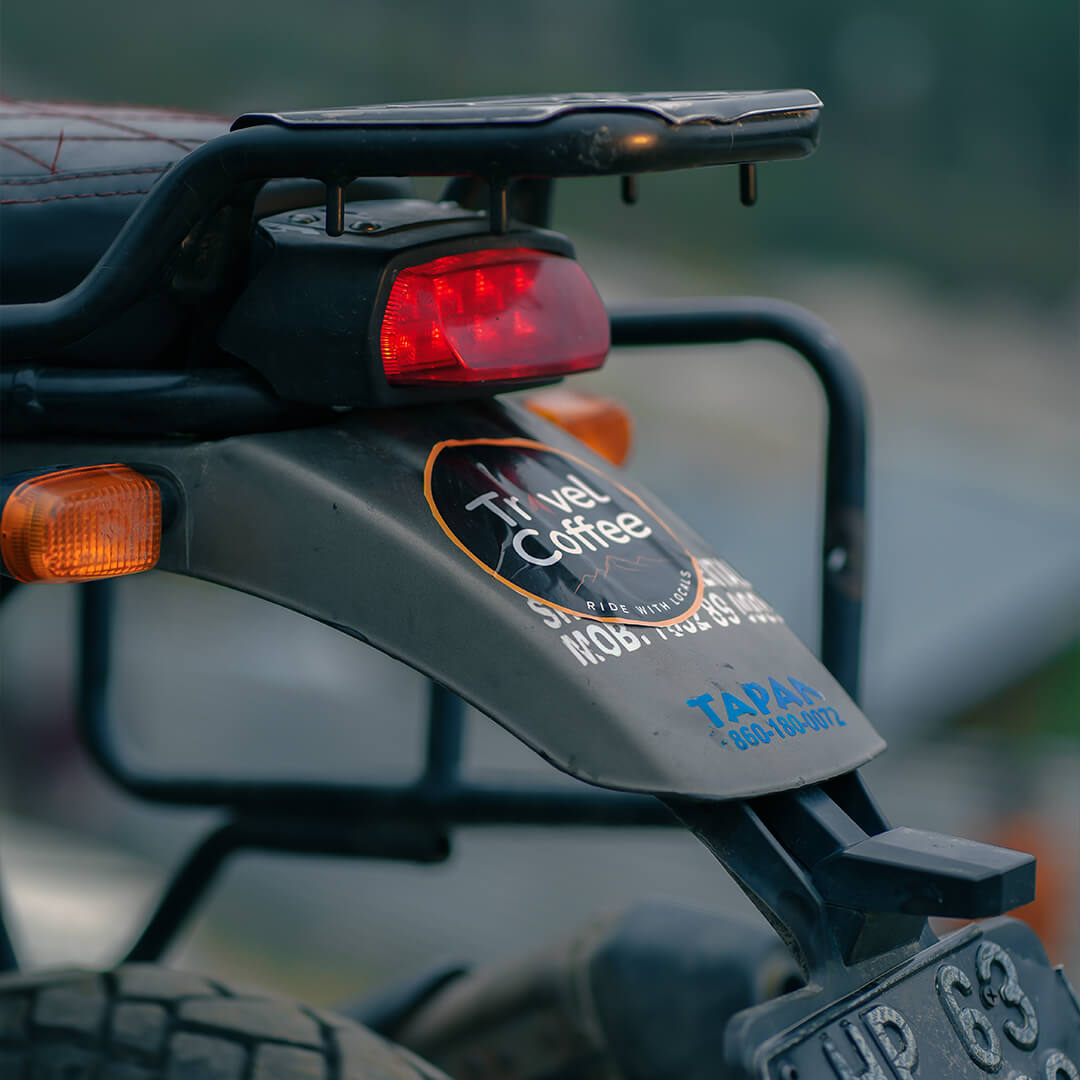
Does insurance treat private vehicles differently?
Yes, in at least one important way. Niva Bupa's common carrier definition excludes travel in the insured person's own automobile and travel on two-wheeled motor vehicles.
That exclusion applies to common carrier benefits like trip delay. It does not automatically reject every medical or accidental injury benefit for self-drivers.
If you plan to self-drive, check your motor insurance separately. Ask your motor insurer about winter driving in Spiti, breakdowns and towing far from a town.
What if you're planning snow sports or off-road activities?
Four things matter here: adventure sports cover, explicit activity exclusions, pre-existing conditions and geographical limits.
Our team recommends emailing the insurer a plain description of your real winter Spiti plan. Name the places, the nights and any activity, like a snow walk or a frozen stream crossing on foot.
A 4×4 sightseeing trip does not automatically count as insured adventure sports. A written answer beats any guess.
What should you check before buying a policy for winter Spiti?
Which clauses deserve the closest reading?
Put these seven questions to your insurer in writing, and keep the replies.
First, ask whether the policy restricts cover above a certain altitude for sightseeing at around 3,650 metres. Second, ask whether it pays for AMS or other illnesses, or only accidents.
Third, ask what conditions apply to the road ambulance benefit. Fourth, ask whether it pays for helicopter transfer or hospital to hospital evacuation, and what approval it needs.
Fifth, ask whether snow related cancellation qualifies, and what kind of official declaration it needs. Sixth, ask whether a road or carrier delay on the Kinnaur route can trigger the trip delay benefit.
Seventh, ask about every claim limit and deductible that applies to these benefits. Premiums, deductibles and coverage limits vary between insurance policies, so confirm the exact amounts and conditions with your insurer before purchasing.
Then read your policy schedule and any selected endorsements. Check the duration, confirm domestic validity, and read the pre-existing condition exclusions line by line.
Coverage for pre-existing medical conditions depends on the policy's terms, exclusions and any applicable waiting periods. Ask your insurer to confirm what is covered before booking your trip.
What if the road closure outlasts your policy?
This happens more than people expect. Your policy might end on day nine while snow holds you on day ten.
Niva Bupa's Section 5.6 says the insurer may grant a single trip policy extension on written request, at its discretion. Snow blocking the road does not switch it on automatically.
Ask about extensions before you buy. If a delay starts, contact the insurer before your cover ends, wherever you can get a signal.
Read the inclusions and exclusions on our winter Spiti 4×4 expedition inclusions and exclusions page alongside your policy, so you can see where each cost might land.
How do you claim insurance after an evacuation or travel disruption?
What records matter after a medical emergency?
Collect the doctor's notes, the diagnosis, all hospital documents, any written evacuation recommendation, transport invoices and the insurer's claim reference number.
Some benefits only pay when an admissible inpatient hospitalization sits behind them. Your documents must match the exact benefit you claim, so ask the hospital for admission and discharge papers.
What evidence matters after a weather delay?
Get written delay notices from the airline or carrier. Save official road updates where available, revised tickets, hotel receipts, refund statements and your messages with every provider.
A receipt proves you spent the money. It does not prove the insurer must pay it. The event still has to fit a benefit.
Take photos of bills the same day. Paper slips from small hotels in Kaza can fade or go missing in a damp bag.
Who should you contact first?
If someone's safety is at risk, call local emergency responders first. Then notify the insurer's assistance service promptly. Then contact your booking providers about refunds or rescheduling.
Claim deadlines, approval rules and acceptable proof vary by policy. We will not give you one universal deadline, because none exists. Your policy wording sets yours.
How should you plan for a winter Spiti insurance gap?
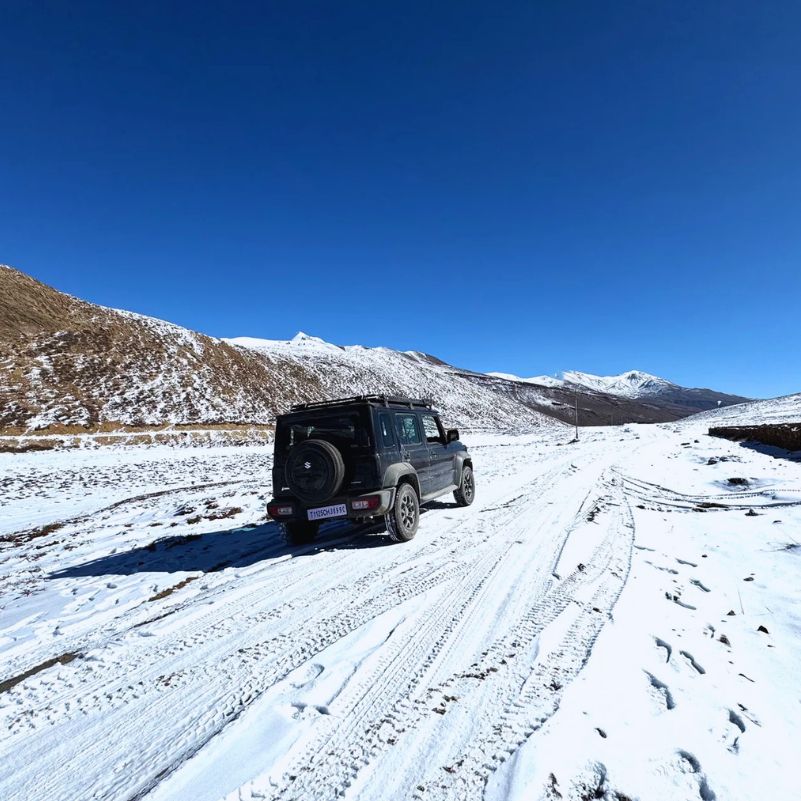
What would happen if you were stranded in Kaza?
Here is a hypothetical. Snow falls overnight, and a group has to stay two extra nights in Kaza.
The tour operator's written agreement decides what the operator provides during those nights. On our published 9D/8N winter expedition, extra weather related stays, meals and transport fall outside the package.
The insurer might pay part of those costs only if a specific benefit applies, such as a qualifying delay or interruption. Extra accommodation, driver extensions and replacement flight costs depend on weather conditions, availability and the arrangements required at the time.
While you wait, eat warm food and stay hydrated. If local cafés or dhabas are open in Kaza, you can enjoy a hot bowl of thukpa or a warm cup of tea. Ask your homestay host about food options available during your stay.
Is insurance enough without spare days?
No. Insurance does not clear snow. It does not create mobile signal, and it does not guarantee emergency transport.
Our road closure guide recommends keeping 3 to 4 full buffer days between your planned Spiti exit and any fixed flight, train or work commitment.
That is planning advice. It is not a maximum closure length, and it does not protect you from every outcome.
Carry spare funds, a realistic return plan and enough of your essential medication. Discuss these with your tour team before you pay.
Keep three priorities in mind for winter Spiti travel insurance and the trip itself. Get medically suitable for altitude. Check exactly what your insurer promises, in writing. And plan for the delays that may stay uninsured anyway.
Explore Our Curated Winter Spiti Tour Packages
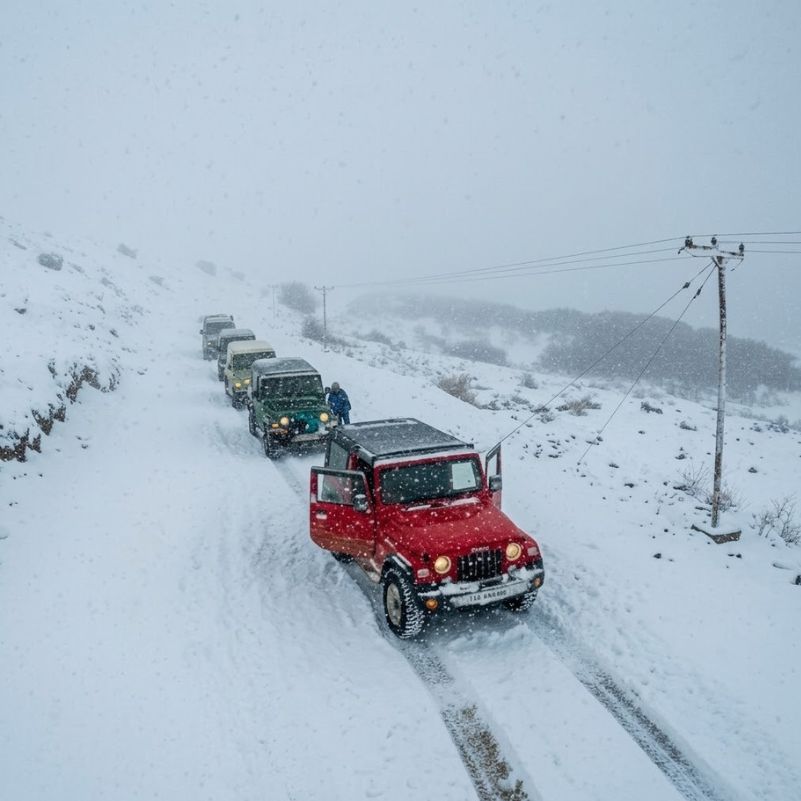 Group Tour9D/8N
Most Loved 4×4 Winter Spiti Expedition
2D Sangla•1D Tabo+2
₹29,999₹35,999SAVE INR 6,000/ person Group Tour9D/8N
Best Selling Winter Spiti Valley Group Tour
2D Sangla•1D Tabo+2
₹18,999₹23,999SAVE INR 5,000/ person Group Tour8D/7N
Best Selling Kinnaur & Spiti Winter 4x4 Expedition
1D Sangla•1D Nako+2
₹27,999₹30,999SAVE INR 3,000/ person
Related topics
Frequently Asked Questions
Is travel insurance necessary for winter Spiti Valley?
It makes sense to consider it, given the altitude, cold and road risk. We know of no current Spiti specific rule that makes it mandatory.
Does Indian domestic travel insurance cover altitude sickness?
It depends on your selected plan. Accident only cover may not pay for illness, so check AMS, HAPE and HACE wording with your insurer.
Do insurers treat high altitude sightseeing by car differently from trekking?
The medical risk exists either way. Insurer altitude rules and adventure exclusions often treat trekking differently, so get written confirmation for sightseeing.
Does travel insurance cover helicopter rescue in Spiti?
Only if your policy includes it, the transfer is medically necessary and approval rules are met. Weather and operations can still prevent a flight.
What is the difference between medical evacuation and search-and-rescue?
Rescue means finding and freeing a stranded person. Medical evacuation, in the example wordings, means moving a patient for treatment, often hospital to hospital.
Where can travellers receive emergency treatment in Kaza?
The district directory lists Community Health Centre Kaza and Primary Health Centre Tabo. Check their current facilities before you travel.
Does travel insurance cover snow-related road closures?
A seasonal closure alone does not create a claim. The event must match a named benefit, such as a qualifying carrier delay or declared disaster.
Will insurance reimburse extra hotel nights if snow blocks the roads?
Only under a specific delay, interruption or cancellation benefit, with receipts and no exclusion applying. Many routine winter delays may fall outside cover.
Can I claim if a Kaza road delay makes me miss my return flight?
Your missed departure wording, carrier conditions and documents decide this. A private vehicle delay may not count under carrier based benefits.
Does travel insurance cover self-driving, biking or snow activities?
Common carrier benefits may exclude your own car and two-wheelers. Accident cover, motor insurance and adventure add-ons each need separate checking.
Can you extend travel insurance if snow strands you beyond the policy end date?
Some insurers, like Niva Bupa in its example wording, may extend on written request at their discretion. Ask before your cover expires.
Which documents do you need for an altitude sickness or weather delay claim?
Keep medical reports, hospital papers, transport bills, delay notices, revised tickets, cancellation proof and payment receipts that match the benefit you claim.
More about Lahaul and Spiti
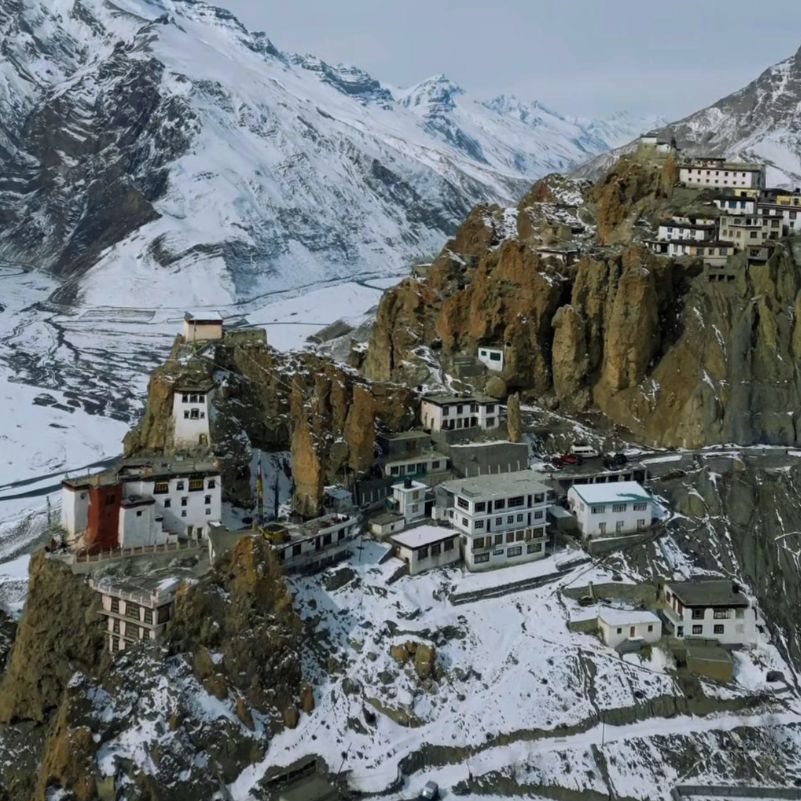 Lahaul and Spiti
Winter Spiti from Bangalore in 2026-27: Flights, Leave Days & Delhi 4x4 Departures
Planning a Winter Spiti trip from Bangalore in 2026-27? Explore flight options, Delhi pickup points, leave requirements, 4x4 group expeditions, travel costs and a practical itinerary to help you plan your Himalayan winter adventure.
- Lahaul and Spiti
What Does a Winter Spiti 4x4 Trip Really Cost in 2026-27? Package Price vs Total Holiday Budget
Planning a Winter Spiti 4x4 trip in 2026-27? Discover the real travel budget, including package prices, transport, meals, winter essentials and hidden expenses. Learn what your package covers, what costs extra and how to plan your Spiti Valley adventure without unexpected spending.
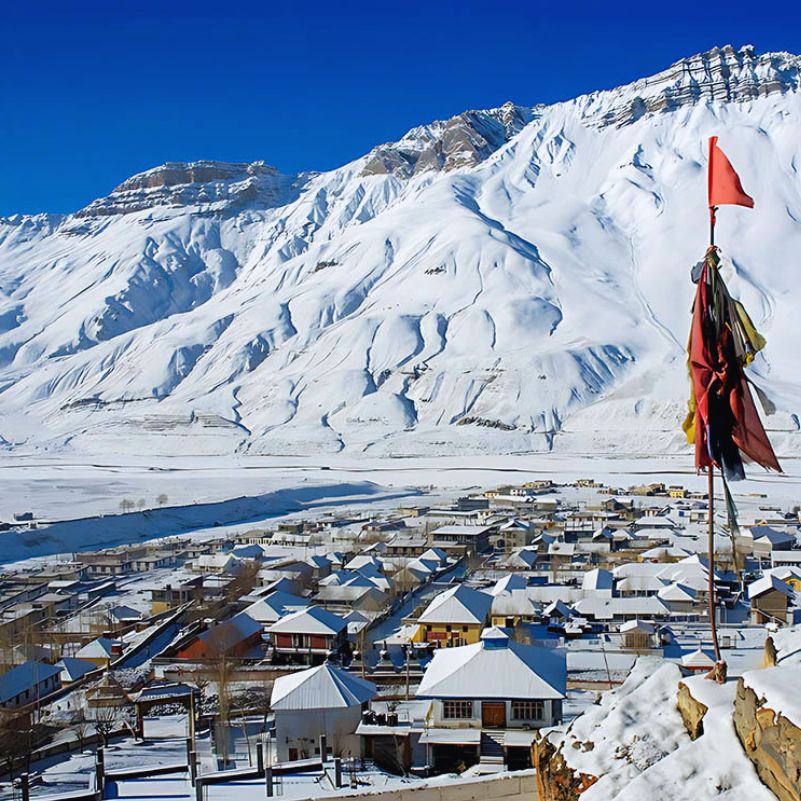 Lahaul and Spiti
How Many Leave Days Do You Need for a 9-Day Winter Spiti Trip in 2026-27?
Planning a 9 day Winter Spiti trip in 2026 to 2027 requires careful leave planning, especially for working professionals travelling from cities like Bangalore, Mumbai, Hyderabad and Delhi.