
Where to Find Snow in Manali in April: A Local Expert’s Honest Guide
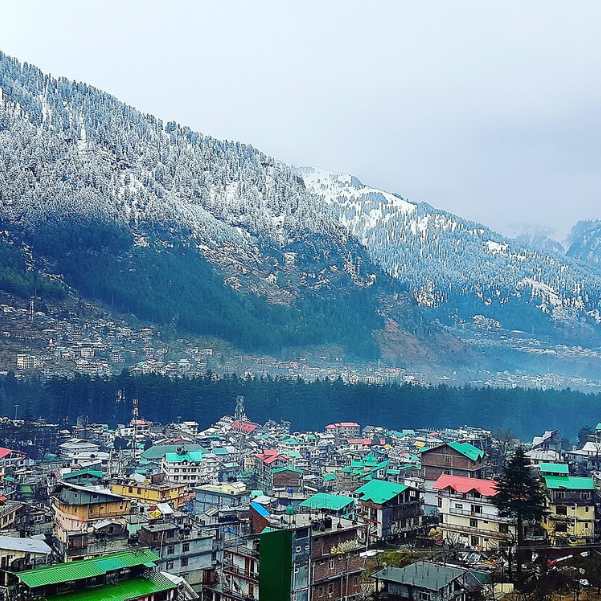
Yes, you can still find snow near Manali in April. But not in Manali town itself.
If you are visiting Manali in April hoping to touch snow, play in it, or simply see white covered mountains up close, you absolutely can. The trick is knowing exactly where to go, how far you need to drive, and what conditions look like on the ground that week.
Manali town sits at about 2,050 metres. By April, any snow that fell there during winter has already melted.
The streets, markets, and riverside areas will be green, not white. But head 20 to 45 minutes higher toward Solang Valley, Gulaba, or the Atal Tunnel route, and the story changes completely.
Snow in Manali in April is all about altitude. The higher you go, the better your chances. And if there has been recent snowfall in the region, your timing could be perfect.
This guide covers every realistic snow point near Manali for April travellers. No exaggerated promises. Just practical, ground level advice from people who live and work in this region.
Can You Really See Snow in Manali in April?
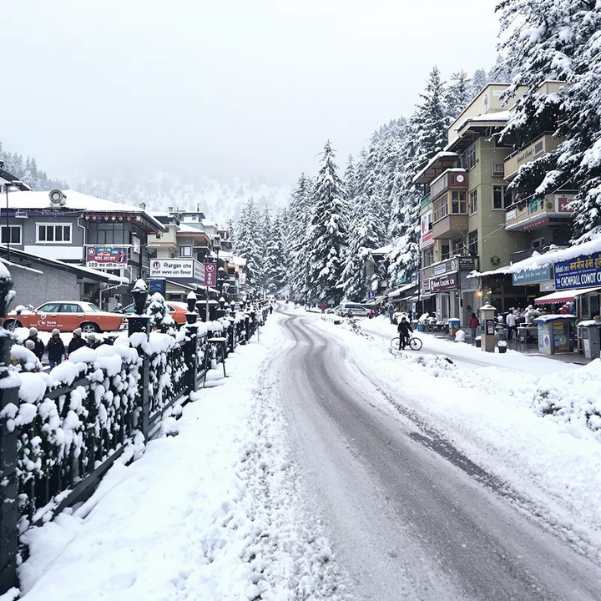
This is the most searched question for April Manali trips, and the answer is simple: yes, but with a small asterisk.
Snow in Manali town?
No. Not in April. The town is too low in elevation, and spring has already settled in by then. Trees are green, flowers are blooming, and the Beas River is flowing full.
Snow near Manali?
Absolutely. Points like Solang Valley, Gulaba, Kothi, and areas beyond the Atal Tunnel regularly hold snow well into April, especially at elevations above 3,000 metres.
The important distinction is this: when people say “snow in Manali,” they almost always mean snow within a short drive from Manali. And that is very much possible in April.
If there has been fresh snowfall in the days before your visit, the chances are even stronger. Fresh snow makes lower altitude points like Solang and Gulaba look spectacular, even in mid April.
What Recent Snowfall Means for April Travellers
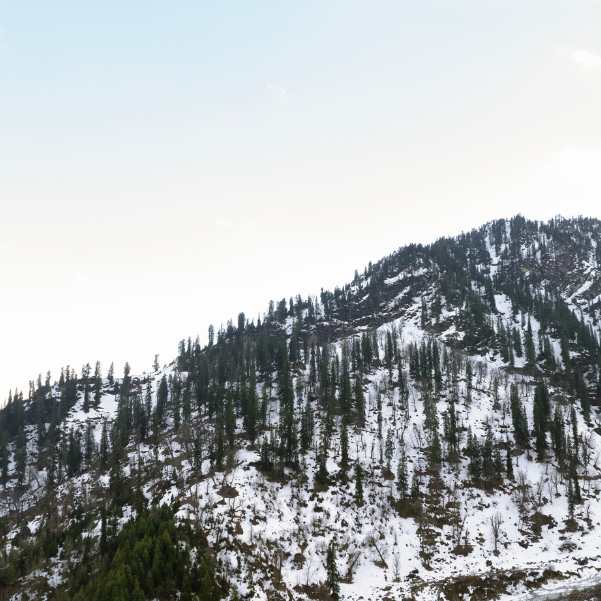
Himachal Pradesh regularly receives late season snowfall in March and sometimes even in early April at higher altitudes. When this happens, it is great news for April visitors.
Fresh snowfall means that even accessible points like Solang Valley and Gulaba get a thick white cover. Roads that were clear a day ago might have snow on the sides. The mountains look dramatic. Photo opportunities improve significantly.
But there is a flip side. Fresh snowfall can also mean temporary road closures. The highway toward Rohtang or beyond the Atal Tunnel may be blocked for clearing. Passes that were expected to open might stay closed a few extra days.
So while recent snowfall improves the visual snow experience, it can reduce how far you are allowed to travel on a given day. This is why having a flexible plan matters more than a fixed checklist.
The best approach: check conditions a day before your planned snow excursion, and always have a backup destination in mind.
Is Rohtang Pass Open in April? Here’s the Practical Reality
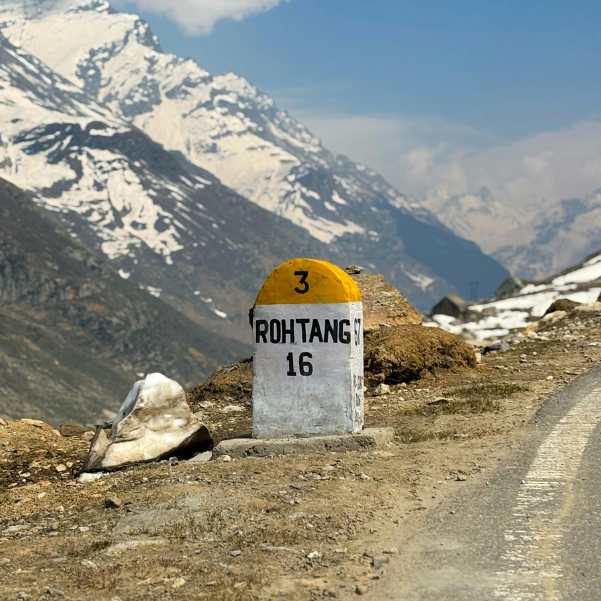
Rohtang Pass is one of the most searched terms for Manali trips, and it creates a lot of confusion in April.
Here is what you need to know. Rohtang Pass (elevation 3,978 metres) is typically closed during winter and usually reopens sometime between late April and June, depending on snow clearing work by BRO (Border Roads Organisation).
The exact opening date changes every year and depends entirely on snowfall intensity, weather, and road clearing progress.
In most years, Rohtang top is not accessible in early to mid April. Even when it opens, tourists are often allowed only up to certain lower points along the Rohtang highway, not necessarily all the way to the pass summit.
For April travellers, it is better to set your expectation around the accessible snow points along the route rather than Rohtang top itself. Points like Gulaba (around 2,800 metres) and Marhi (around 3,300 metres) are commonly reachable earlier than Rohtang summit.
If Rohtang does open during your trip, that is a bonus. But building your entire plan around reaching the top of Rohtang in April is a recipe for disappointment.
Government permits are also required for Rohtang Pass tour packages, and availability depends on official clearance status. Check the latest Manali snowfall update before assuming anything is open.
Best Places to Find Snow Near Manali in April
Not every snow point near Manali offers the same experience. Some are easy to reach, family friendly, and reliable for snow. Others are more adventurous but depend heavily on road conditions. Here is a detailed breakdown of each.
Solang Valley
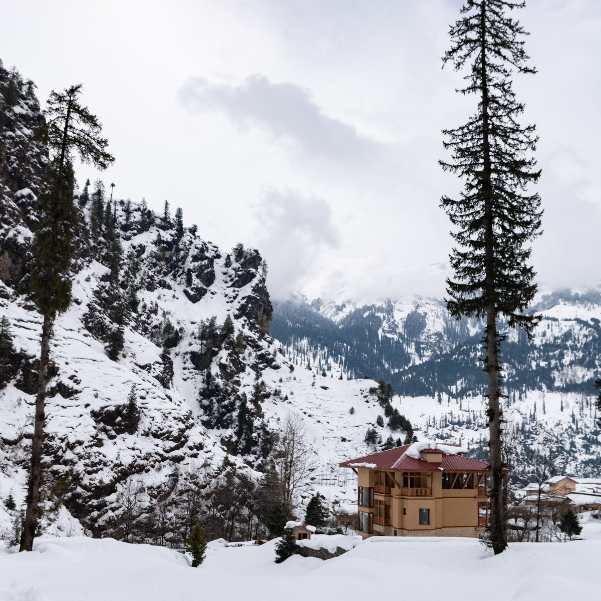
Solang Valley is the most popular and accessible snow point near Manali. It sits at about 2,560 metres and is roughly 14 km from Manali town, which translates to about 30 to 40 minutes by road.
Snow experience
In early April, Solang often has good snow cover, especially on the upper slopes. By mid to late April, snow may remain only in patches or on higher ground above the main valley area. If there has been fresh snowfall, Solang can look stunning even in the second half of April.
Best for
Families, couples, first time snow visitors, and anyone who wants easy access without long drives or risky roads.
Planning tip
Visit Solang early in the morning to avoid crowds, especially on weekends and holidays. Locals offering snow gear rentals will be available on the spot.
Safety note
Solang is generally safe for all age groups. Stick to marked areas if you are walking on snow with kids or elderly family members. Avoid going too far uphill without proper footwear.
Gulaba
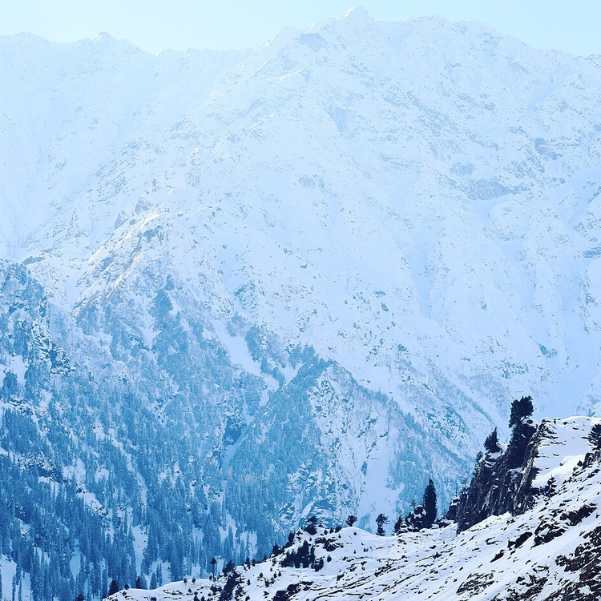
Gulaba sits higher than Solang at about 2,800 metres. It is roughly 20 km from Manali, along the Rohtang highway. When the road is open to this point, it offers a stronger snow experience than Solang.
Snow experience
Gulaba snow in April tends to be thicker and more consistent than Solang. In early April, expect good coverage. By late April, it depends heavily on recent weather. After fresh snowfall, this point is outstanding.
Best for
Couples, young groups, content creators, and travellers looking for a more dramatic landscape than Solang.
Planning tip
Access to Gulaba depends on whether BRO has cleared the road. It is not always open, especially after heavy snowfall. Confirm road status locally before heading out.
Safety note
The road to Gulaba can be slippery after snow. If you are driving yourself, make sure your vehicle is suited for mountain roads. Hiring a local taxi is often the smarter choice.
Kothi
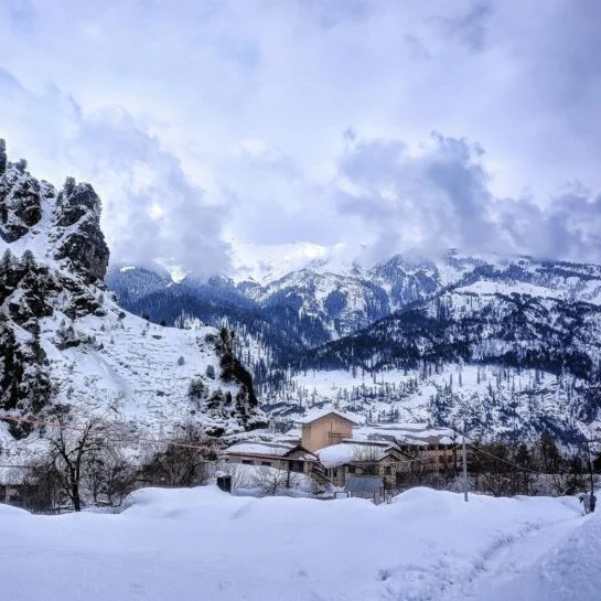
Kothi is a small village about 12 km from Manali on the road toward Rohtang. It sits at roughly 2,500 metres and is one of the most underrated viewpoints in the area.
Snow experience
Kothi may not always have snow at ground level in April, but the mountain views from here are exceptional. After recent snowfall, the surrounding peaks and forests look incredible.
Best for
Photographers, nature lovers, and travellers who want scenic views without battling traffic on the main Solang or Rohtang routes.
Planning tip
Combine Kothi with Gulaba on the same day trip. Stop at Kothi viewpoint first, then continue higher if the road is open.
Safety note
The Kothi viewpoint cliff area can be windy and the edges are steep. Keep children close and avoid going near the edge.
Marhi (If Road is Open)
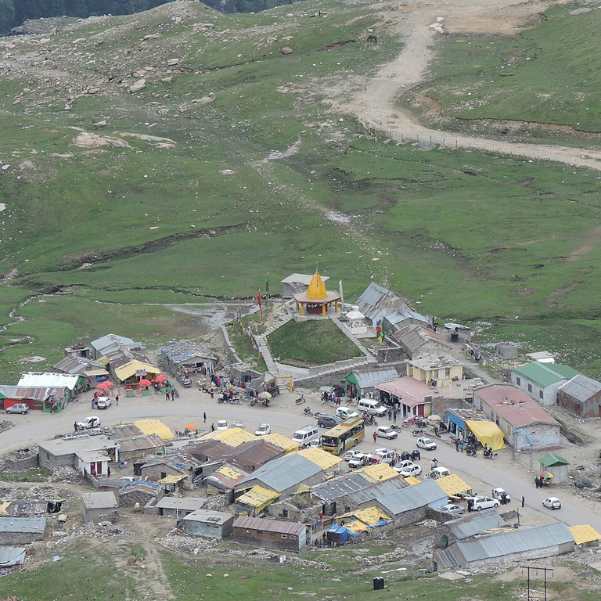
Marhi sits at around 3,300 metres on the old Rohtang route. It’s a popular snow point when accessible, but in April, it is often still blocked by snow and road clearing operations.
Snow experience
When reachable, Marhi offers deep, thick snow. It’s genuinely higher altitude terrain, and the snow experience here is considerably more intense than Solang or Gulaba.
Best for
Travellers who want a strong snow experience and are flexible with timing.
Planning tip
Do not assume Marhi is open. Check with local transport unions or your hotel the evening before. Road clearance work is unpredictable.
Safety note
Marhi can have heavy snow walls on either side of the road. Stay on the cleared portion and do not climb snow walls unsupervised.
Atal Tunnel Side (North Portal and Beyond)
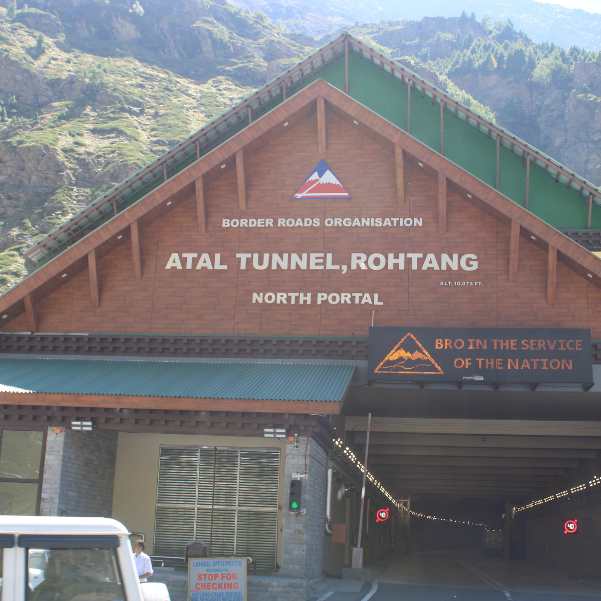
The Atal Tunnel (Rohtang Tunnel) connects Manali to Lahaul Valley. The south portal is near Manali, and the north portal exits into Sissu and the Lahaul region at about 3,060 metres.
Once you cross through the tunnel, you enter a completely different landscape. In April, the Lahaul side is often still snow covered and far quieter than the Manali side.
Snow experience
Expect more consistent and heavier snow on the north portal side compared to Solang or Gulaba. The terrain is open and high, and snow remains longer here.
Best for
Adventurous travellers, road trip enthusiasts, and anyone looking for a less commercial, more authentic snow experience.
Planning tip
The tunnel is typically open year round, but road conditions beyond the north portal vary. In April, the road to Sissu is usually accessible but can be affected by fresh snowfall or landslides.
Safety note
Fuel and food options are limited on the Lahaul side in April. Carry essentials. Phone networks can be patchy.
Sissu
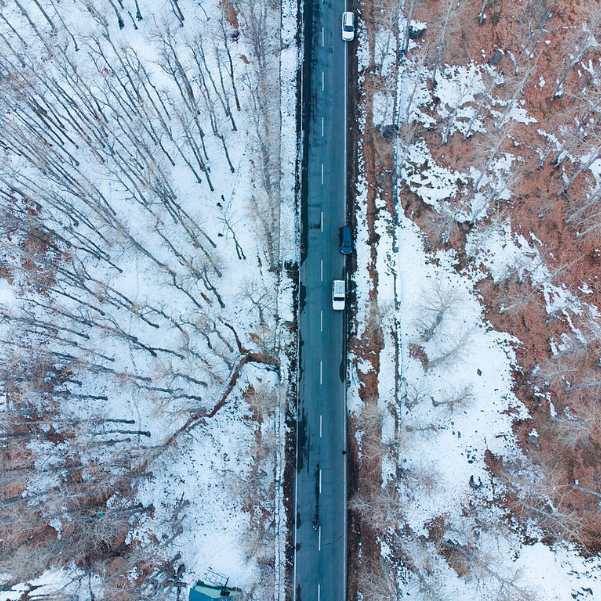
Sissu is a stunning village in Lahaul Valley, roughly 30 km beyond the Atal Tunnel’s north portal. At about 3,120 metres, it offers beautiful views of the Sissu waterfall and the Chandra River valley.
Snow experience
Sissu snow in April is quite reliable, especially in early to mid April. The village itself is often surrounded by snow, and the drive through the valley after the tunnel is visually stunning.
Best for
Couples looking for quiet beauty, photographers, and travellers who want to go beyond the usual tourist spots.
Planning tip
Sissu can be done as a long day trip from Manali. Start early, cross the tunnel, spend a few hours in Sissu, and return before evening. Or stay overnight if basic accommodation is available.
Safety note
Sissu roads can be icy in the morning. Drive carefully or use a local driver familiar with the route.
Sethan
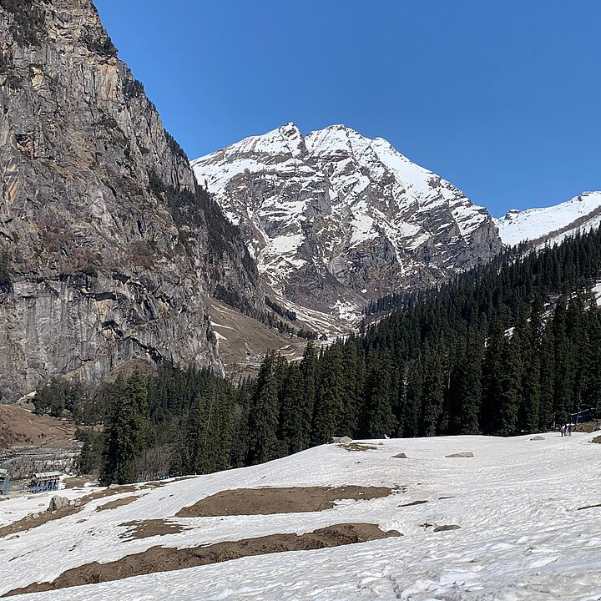
Sethan is a small village at about 2,700 metres, located off the main highway and accessible via a narrow road from Manali’s Hamta side. It’s one of the lesser known spots and offers a peaceful, crowd free snow experience.
Snow experience
In early April, Sethan often retains decent snow. By mid to late April, snow may be limited to surrounding slopes rather than the village itself. But the quiet mountain setting makes the visit worthwhile regardless.
Best for
Travellers seeking offbeat experiences, igloo stays (in season), and peaceful surroundings away from the tourist rush.
Planning tip
The road to Sethan is narrow and not suitable for large vehicles. Use a small car or hire a local vehicle. Some operators offer igloo camping in early April, but availability varies.
Safety note
Network connectivity is poor in Sethan. Inform your hotel in Manali about your plan before heading there.
Best Snow Spot by Traveller Type
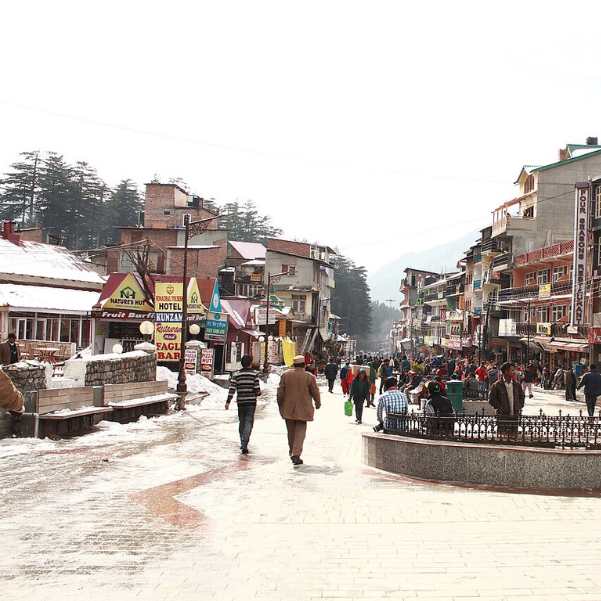
Different travellers need different things from a snow trip. Here is a quick guide based on who you are travelling with.
Best for Families with Kids or Elderly Members
Solang Valley is the easiest to reach, has the most facilities, and is safe for all age groups. Snow gear is available for rent on the spot, and you don’t need to deal with uncertain road conditions.
Best for Couples
Gulaba or Sissu. Gulaba gives you a scenic, higher altitude setting without going too far. Sissu, if accessible, offers a quiet and romantic landscape that feels completely removed from the tourist circuit.
Best for Honeymooners
A combination of Solang Valley for the classic snow photos and Sissu for a day trip into raw mountain beauty. This gives you both the Instagram worthy shots and the personal, private experience.
Best for Photographers and Content Creators
Gulaba for dramatic road and mountain frames. Kothi for panoramic views. Sissu for minimalist, high altitude compositions. Sethan for offbeat, rustic content that stands out from every other Manali travel post.
Best for the Strongest Chance of Snow
Cross the Atal Tunnel and head toward Sissu. The north portal side consistently has more snow in April compared to the Manali side. If that’s not accessible, Gulaba is your next best bet.
Best Low Crowd Option
Sethan. Almost no tourist crowds, even in peak season. It’s a quiet, elevated village that most visitors don’t know about.
Best Time in April to See Snow Near Manali
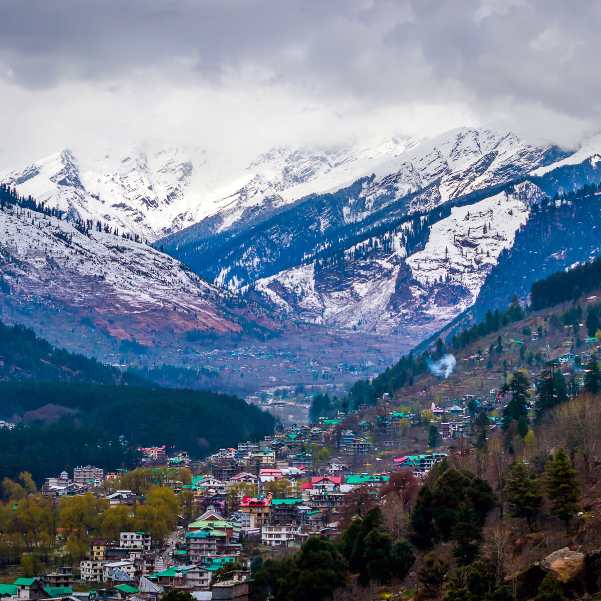
April is a transition month. Conditions change week by week, so timing matters.
Early April (1st to 10th)
This is your best window. Snow levels are still strong at most higher altitude points. Solang, Gulaba, and the Atal Tunnel side are likely to have good coverage. Roads might still be affected by late season snowfall, so some flexibility in your itinerary is helpful.
Mid April (11th to 20th)
Snow starts to thin at lower points like Solang. Higher points like Gulaba and Sissu still hold up well. This is a good balance between snow visibility and pleasant weather for sightseeing in Manali town.
Late April (21st to 30th)
Snow becomes less predictable. It may still exist at Gulaba or beyond the Atal Tunnel, but Solang could be mostly green by this time. If you are visiting in late April, be prepared with the understanding that snow is possible but not guaranteed at lower points.
The honest advice: if snow is the main reason for your trip, aim for the first half of April. The best time to visit Manali for snow in April is between the 1st and the 15th.
How to Plan Your April Snow Trip to Manali
Here are practical itinerary frameworks depending on how many days you have. Each one includes a Plan A and a Plan B, because mountain travel always needs flexibility.
2 Nights, 3 Days
Day 1
Arrive in Manali. Settle in. Explore Old Manali or Mall Road in the evening.
Day 2 (Plan A)
Drive to Gulaba or Solang Valley for snow. Spend the morning there and return for a relaxed afternoon.
Day 2 (Plan B)
If Gulaba road is closed, head to Solang. If even Solang has limited snow, enjoy the scenery and visit Kothi viewpoint.
Day 3
Departure.
3 Nights, 4 Days
Day 1
Arrive and explore Manali town, Hadimba Temple, and Van Vihar.
Day 2 (Plan A)
Solang Valley for snow activities.
Day 3 (Plan A)
Day trip through Atal Tunnel to Sissu for a higher altitude snow experience.
(Plan B)
If Sissu road is closed, spend Day 3 at Gulaba or revisit Solang and combine it with Kothi and Naggar.
Day 4
Departure.
4 Nights, 5 Days
Day 1
Arrive. Relax. Explore the town.
Day 2
Solang Valley for snow and activities.
Day 3
Atal Tunnel to Sissu day trip.
Day 4
Sethan village for a quiet, offbeat snow experience. Or Naggar Castle and art galleries for a change of pace.
Day 5
Departure.
Plan B flexibility: With five days, you have enough room to shift snow excursions by a day if weather disrupts your original plan. This is the most comfortable itinerary for a guaranteed good experience.
Explore Our Curated Manali Snow Packages
 5D/4N
5D/4NClassic Manali Solang Sissu Experience
1D Delhi•3D Manali+1
₹15,999₹20,999SAVE INR 5,000/ person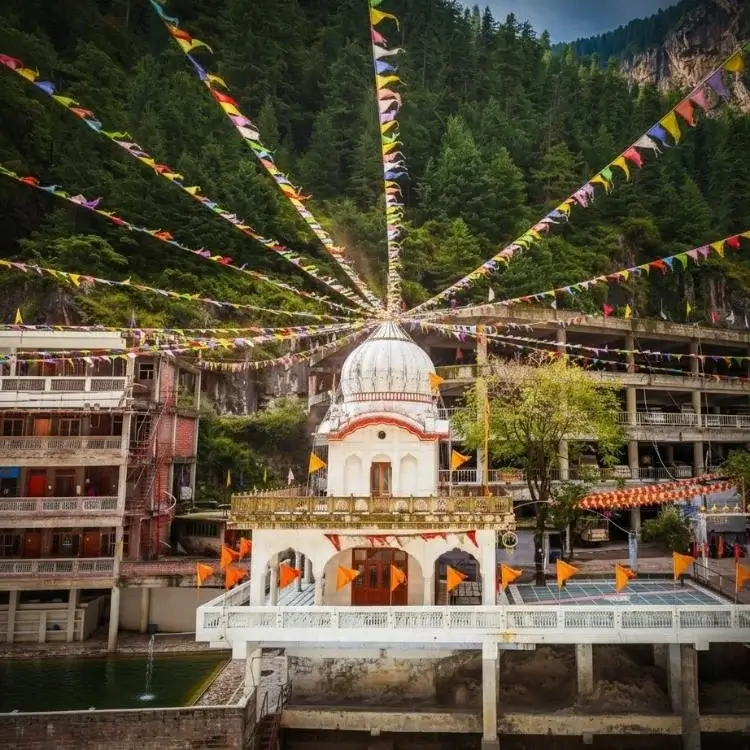 7D/6N
7D/6NManali Kasol Jibhi Backpackers Trip
1D Delhi•2D Manali+3
₹17,999₹22,999SAVE INR 5,000/ person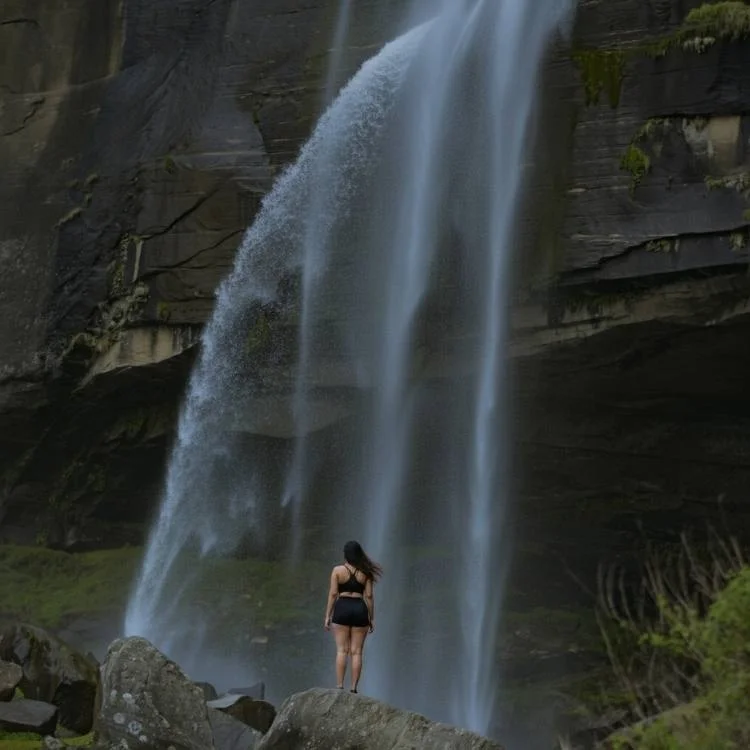 7D/6N
7D/6NManali Kasol Jibhi Luxury Escape
1D Delhi•2D Manali+3
₹35,790₹44,999SAVE INR 9,209/ person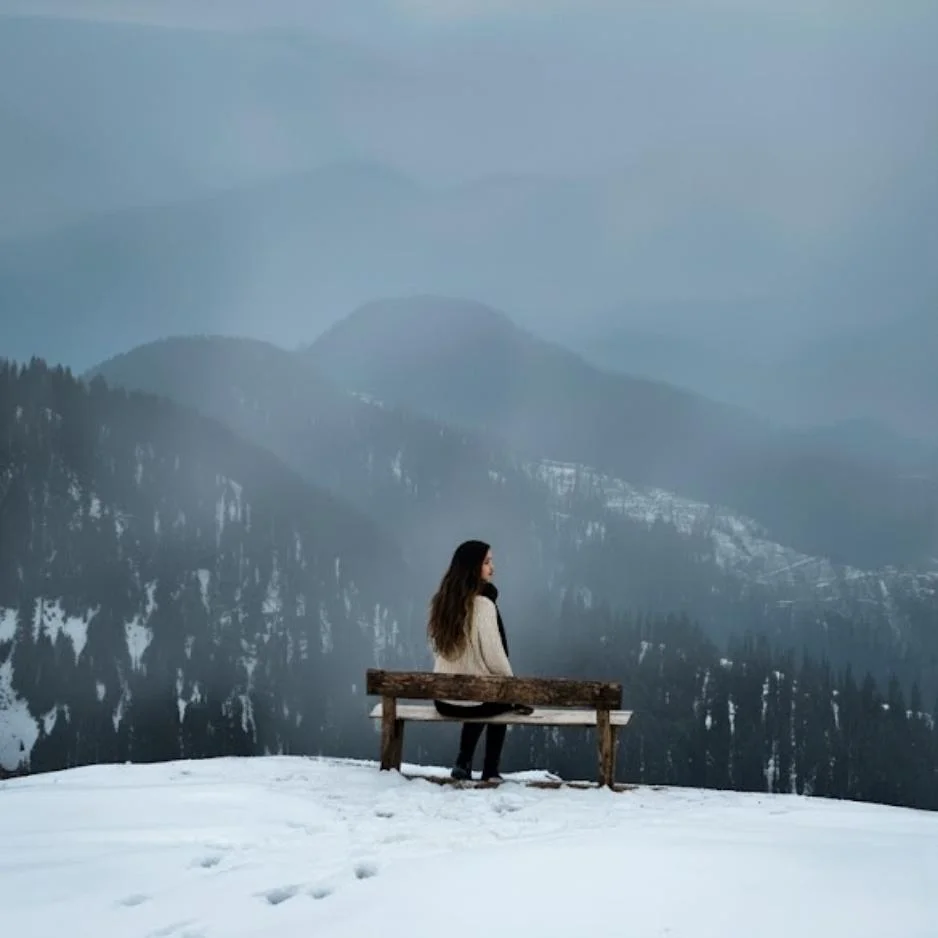 7D/6N
7D/6NManali Kasol Jibhi Valley Trip
1D Delhi•2D Manali+3
₹25,799₹32,999SAVE INR 7,200/ person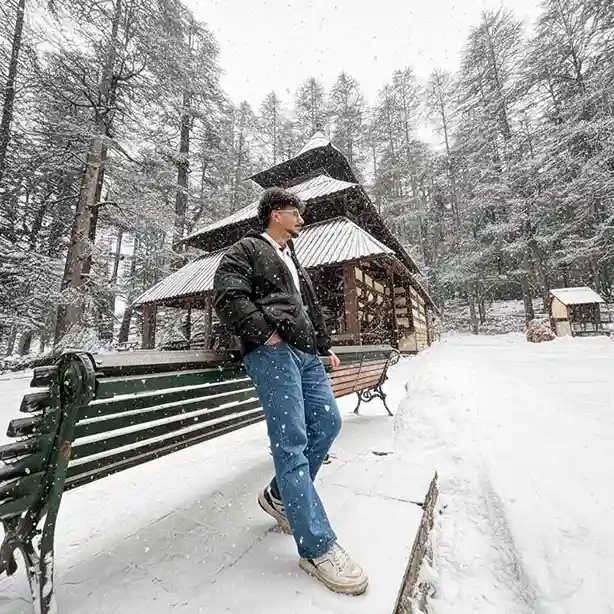 5D/4N
5D/4NManali Solang Sissu Scenic Escape
1D Delhi•2D Manali+2
₹21,999₹26,999SAVE INR 5,000/ person
What to Pack for Snow in Manali in April
April weather in Manali is tricky. The town can be pleasant and sunny, but snow points at higher altitudes are cold and windy. Pack for both.
Clothing
Layering is key. Carry a warm fleece or down jacket, a windproof outer layer, thermal innerwear for snow days, and comfortable regular clothing for Manali town. Avoid cotton for snow trips as it retains moisture and makes you colder.
Footwear
Waterproof shoes or snow boots are essential if you plan to walk on snow. Regular sneakers will get soaked within minutes. If you don’t own snow boots, you can rent them at Solang and Gulaba.
Accessories
Sunglasses are a must. Snow reflects sunlight intensely and can strain your eyes quickly. Carry sunscreen with SPF 50 or higher. Even on cloudy days at altitude, UV exposure is strong. A woollen cap, gloves, and a muffler will add comfort.
For Families with Kids
Pack extra socks, an additional warm layer, waterproof gloves, and a change of shoes. Kids get wet quickly while playing in snow. Having dry clothes ready in the car saves a lot of trouble.
Self Drive Caution
If you are driving to Manali, carry basic essentials like a phone charger, power bank, some snacks, water bottles, and a basic first aid kit. Roads beyond Manali can be isolated, and it helps to be prepared.
Safety and Road Tips for Snow Travel Near Manali

Mountain roads after fresh snowfall need respect. Here are some practical tips.
Road conditions on the Rohtang highway and beyond the Atal Tunnel can change within hours. A road that was open in the morning might be temporarily restricted by afternoon due to snow clearing or a small slide. Always check locally before starting your drive.
If you are not an experienced mountain driver, hire a local taxi or use a travel operator for snow point excursions. Local drivers know the terrain, the road conditions, and the safest routes.
Do not wander off marked paths at snow points. Hidden crevasses, icy patches, and unstable snow walls are real risks, especially at Marhi and along the Rohtang highway.
Keep your phone fully charged. Carry a power bank. Network coverage drops at higher points, but having a charged phone for emergencies is always wise.
Start early for snow point trips and plan to return before it gets dark. Mountain roads are significantly riskier after sunset, especially in areas with snow on the road surface.
Travel Coffee Recommended Trip Ideas

These are soft itinerary ideas that Travel Coffee can customise based on your dates, group, and current conditions.
Idea 1: The Snow and City Combo (3 Nights)
Two nights in Manali with a day trip to Solang for snow, one night exploring old town Manali, and a half day at Naggar or Kullu for variety. Great for first time visitors and couples who want a mix of everything.
Idea 2: The Deep Snow Explorer (4 Nights)
Two nights in Manali with excursions to Solang and Gulaba, plus a full day trip through the Atal Tunnel to Sissu. A fourth night to explore Sethan or revisit the best snow point depending on conditions. Ideal for snow focused travellers and content creators.
Idea 3: The Family Comfort Trip (4 Nights)
Slower pace with one snow day at Solang, one day in Manali town visiting temples and parks, one flexible day for a second snow attempt or Naggar sightseeing, and plenty of rest. Designed for families with kids or elderly members who want snow without stress.
Final Thoughts: Make Your April Snow Trip Count
Finding snow near Manali in April is absolutely doable. It just takes a bit of planning, some flexibility, and the right information.
The biggest mistake travellers make is assuming Manali town will have snow, or that Rohtang Pass will be open on a specific date. Once you move past those assumptions and focus on the right snow points for your timing, the experience can be genuinely magical.
Whether you are a family looking for a safe, fun snow day at Solang, a couple hoping to drive through the Atal Tunnel to Sissu’s quiet beauty, or a content creator chasing dramatic shots at Gulaba, April has something for you.
The key is to travel with updated information, a flexible plan, and ideally, someone local who knows the ground conditions well.
That’s exactly what Travel Coffee does. We help travellers plan smarter Manali trips that are built around what is actually happening on the ground, not what happened last year. If you are thinking about an April trip to Manali and want help picking the right dates, the right snow points, and the right itinerary for your group, reach out. We are happy to help.
>>Find the Perfect Manali Package for Your Travel Dates
Related topics
Frequently Asked Questions
Can we see snow in Manali in April?
Yes, but not in Manali town. Snow is found at higher altitude points near Manali like Solang Valley, Gulaba, and the area beyond the Atal Tunnel. In early April, chances are excellent. In late April, snow is more limited and depends on recent weather.
Where to find snow in Manali in April?
The best places to find snow near Manali in April are Solang Valley, Gulaba, the Atal Tunnel north portal area, Sissu, Kothi, and Sethan. Gulaba and Sissu generally have more consistent snow cover than Solang in mid to late April.
Is Rohtang Pass open in April?
Rohtang Pass is usually not open in early to mid April. It typically reopens between late April and June depending on snow clearing work. Tourists may be allowed up to lower snow points like Gulaba before the pass officially opens.
Is Solang Valley a good option for snow in April?
Yes, especially in early April. Solang Valley is the easiest and most accessible snow point near Manali. By late April, snow may be limited to patches on higher slopes. It is the best option for families and first time snow visitors.
How much snow is there at Gulaba in April?
Gulaba generally has more snow than Solang in April because of its higher altitude. In early April, expect good coverage. By late April, snow depends on recent weather. Road access to Gulaba also depends on BRO clearing operations.
Can I visit Sissu in April for snow?
Yes, if the road beyond the Atal Tunnel is open. Sissu at about 3,120 metres often has strong snow cover in April, especially early in the month. It is one of the most scenic and least crowded snow destinations near Manali.
Is it safe to drive to snow points in April?
It is generally safe if you take precautions. Roads can be slippery after fresh snowfall. Hiring a local driver or taxi is recommended over self driving, especially for routes beyond Solang. Always check road status before heading out.
What is the best time in April to see snow near Manali?
The first two weeks of April (1st to 15th) give you the best chances for snow at most accessible points. After mid April, snow starts to thin at lower altitudes. Fresh snowfall can improve conditions at any time during the month.
Do I need snow boots in Manali in April?
Yes, if you plan to walk on snow at places like Solang, Gulaba, or Sissu. Regular shoes get wet quickly on snow. You can rent snow boots and other gear at Solang Valley and some other snow points.
Is the Atal Tunnel open in April?
Yes, the Atal Tunnel is generally open year round. However, road conditions beyond the north portal (toward Sissu and Lahaul) can be affected by fresh snowfall or landslides. Check conditions locally before planning a drive through.
Can families with kids enjoy snow in Manali in April?
Absolutely. Solang Valley is the safest and most family friendly snow point. Snow gear can be rented, the area is well visited, and the drive is short and comfortable. Carry extra warm clothes and dry socks for the kids.
How far is Gulaba from Manali?
Gulaba is about 20 km from Manali town, roughly a 40 to 50 minute drive on the Rohtang highway. Road access depends on clearance status, especially after recent snowfall.
What should I pack for a snow trip in Manali in April?
Pack layered clothing, a warm jacket, waterproof shoes or snow boots, sunglasses, sunscreen (SPF 50+), gloves, a cap, and thermal innerwear. For kids, carry extra socks and a change of clothes.
Does Travel Coffee help with Manali snow trip planning?
Yes. Travel Coffee is a local expert brand that tracks real time conditions across all snow points near Manali. They create customised itineraries based on your travel dates, group type, and current ground conditions.
Is late April too late for snow in Manali?
Not necessarily, but snow is less reliable at lower points. Higher altitude spots like Gulaba and Sissu may still have snow in late April, especially after fresh snowfall. If snow is your priority, early April is the safer bet.
More about Manali
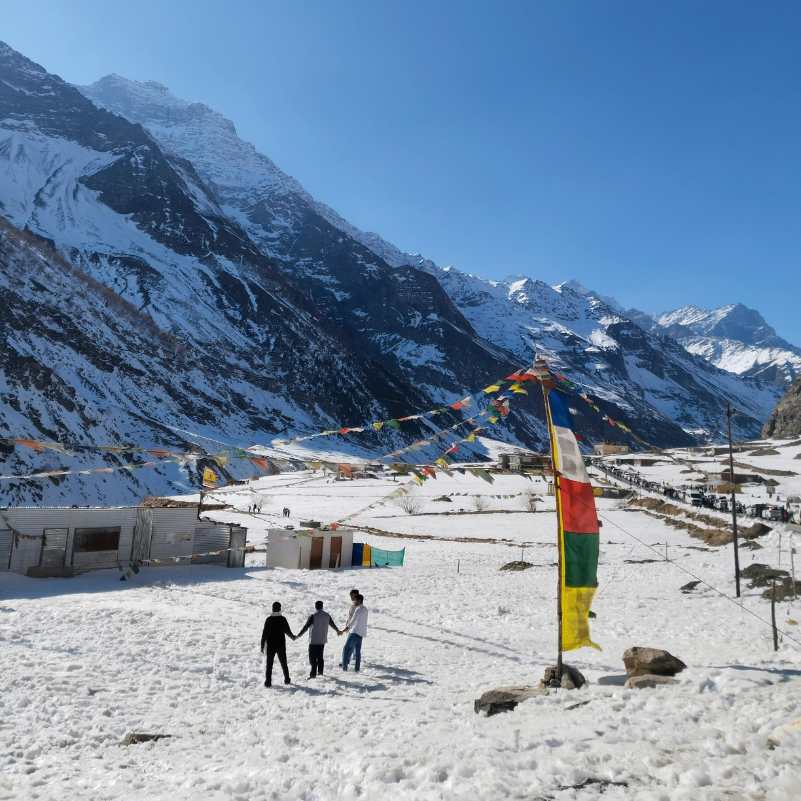 Manali
Shimla First or Manali First? Best Himachal Route from Delhi & Chandigarh in 2026
Planning a Shimla and Manali trip from Delhi or Chandigarh in 2026? This practical route guide compares Shimla first vs Manali first, with travel times, road routes, ideal sequencing, and return options to help you plan a smoother Himachal road trip.
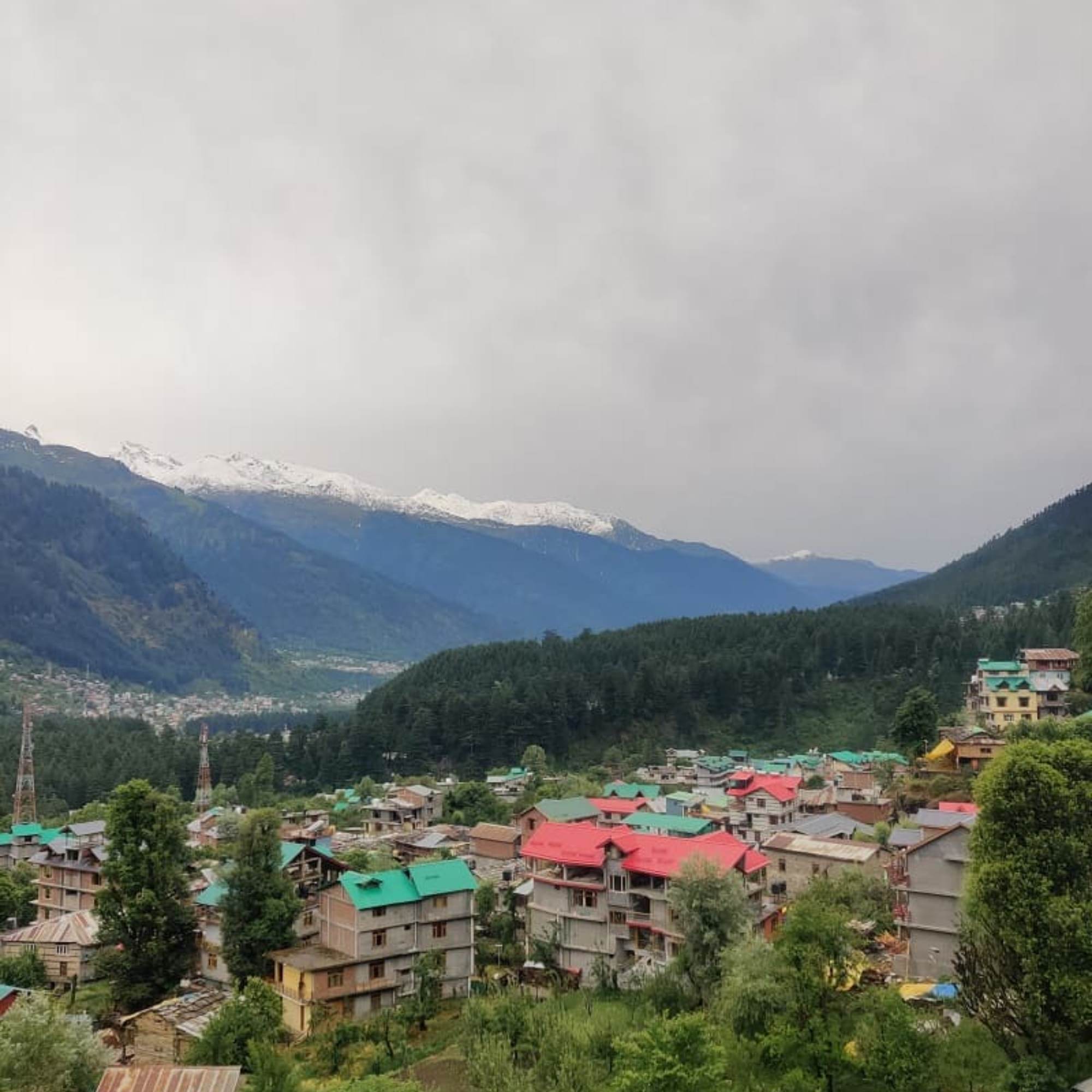 Manali
Shimla Manali Trip Cost 2026-27: Realistic Budget for Couples, Families and Groups
Plan your Shimla Manali trip for 2026-27 with a realistic budget guide covering hotel, transport, food, sightseeing and estimated costs for couples, families and groups.
 Manali
Manali from South India in Winter 2026-27: A First-Snow Guide for Bengaluru, Chennai & Hyderabad Travellers
Planning your first Manali snow trip from South India? This 2026–27 winter guide covers the best time for snow, routes, costs, clothing, weather, stays and practical tips for travellers experiencing a Himalayan winter for the first time.
- How to Reach
- Snow Travel