
Is Rohtang Pass Safe for Kids? Real Family Safety Guide (2026)
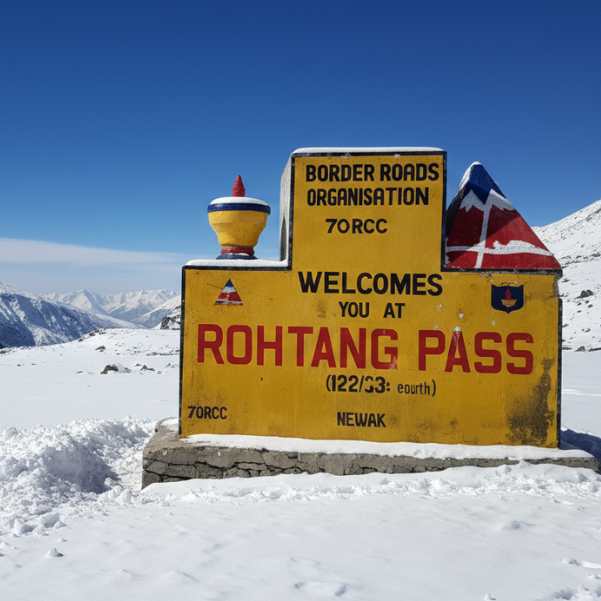
Every parent planning Manali asks the same question — is Rohtang Pass safe for kids?
And it's a fair one to ask. You're talking about driving your child up to nearly 4,000 metres, where the air is thinner, the wind cuts through everything, and traffic jams can trap you at altitude far longer than you planned for.
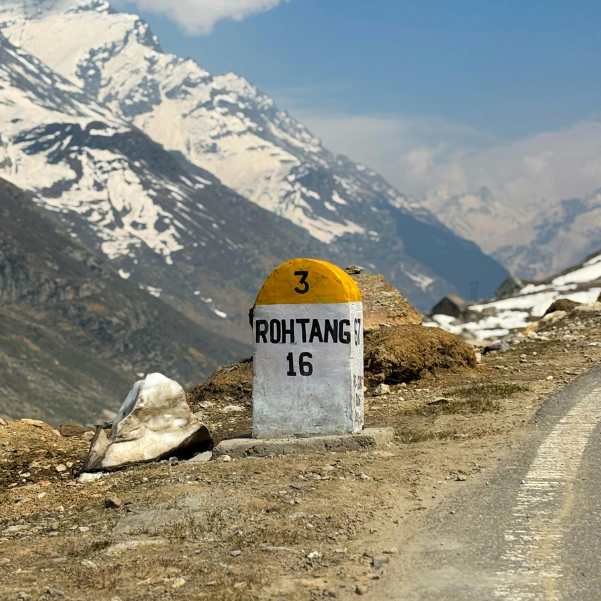
Here's the honest answer: Rohtang can be manageable with the right plan. It can also turn miserable — or genuinely risky — with the wrong one. The difference comes down to your child's age, what time you leave, how long you stay up there, and whether you're prepared to turn back if things don't feel right.
This guide gives you an age-by-age decision framework, the safest day plan, a packing checklist you can copy-paste, altitude sickness signs most parents miss, and what to do if Rohtang just isn't the right call for your family.
Quick Answer: Is Rohtang Pass safe for kids?
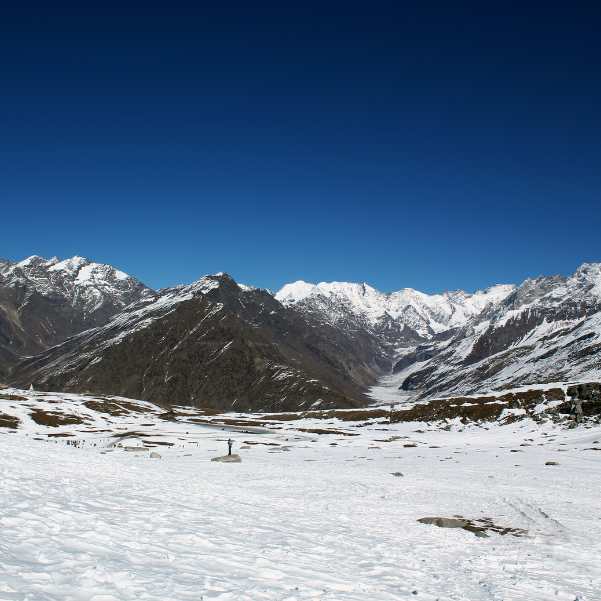
Rohtang Pass is generally safe for kids aged four and above when families start early, keep the visit short, dress in proper layers, and watch for altitude sickness signs.
The main risks aren't the pass itself — they're altitude exposure at roughly 3,978 metres, cold wind, UV glare off snow, and traffic delays that keep kids at high altitude longer than planned.
Babies and toddlers face higher risk because they can't communicate discomfort, and their bodies regulate temperature and oxygen less efficiently.
- Safe when you leave early (before 7 AM), limit time at the top to 30–45 minutes, carry proper layers and warm liquids, and have a clear "turn back" plan if your child shows any distress.
- Risky when you start late, get stuck in traffic at altitude, ignore early signs like vomiting or unusual drowsiness, or try to push through "just 10 more minutes" when a child is clearly uncomfortable.
- Best option for nervous parents or those with very young kids: skip Rohtang entirely and choose a lower-altitude snow experience like Solang Valley or the Gulaba–Marhi stretch.
Skip Rohtang today if...
- Your child is under one year old.
- Your toddler is unwell, even mildly — a cold or cough worsens fast at altitude.
- Weather reports suggest heavy wind, rain, or low visibility on the pass.
- You can't realistically leave Manali before 7 AM.
- Your child has asthma or any respiratory condition that hasn't been cleared by a paediatrician for high altitude.
- Traffic reports suggest heavy congestion (common on weekends and holidays).
- You don't have warm windproof layers for your child — not just a jacket, but gloves, beanie, and something covering the face and ears.
- Your child gets severely car-sick — the winding climb will make it worse.
Why Rohtang feels harder on kids than parents expect
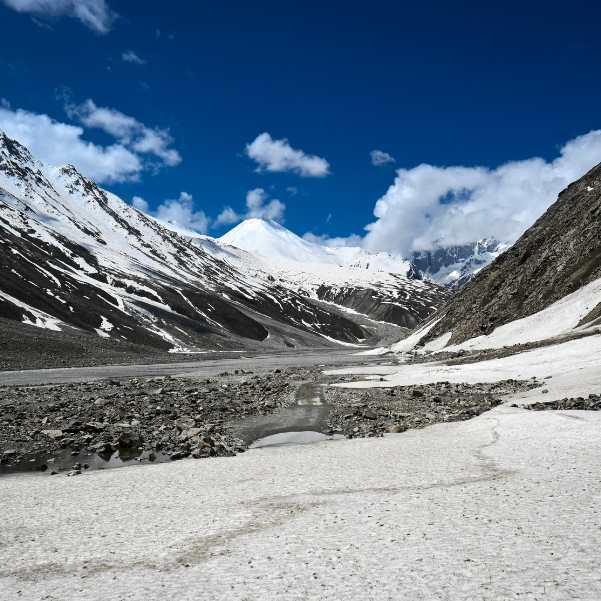
Most families picture a quick drive, some snow play, and hot chocolate. The reality is more complicated. Here's what actually makes Rohtang tough on children.
Altitude at roughly 3,978 metres — less oxygen than your child is used to
At Rohtang's elevation, the air has significantly less oxygen than at sea level. Adults feel it. Kids feel it faster. Their smaller bodies have less reserve, and they can't always tell you something is wrong. This is the single biggest factor parents underestimate.
You won't necessarily see dramatic symptoms. Sometimes it's just unusual crankiness, refusal to eat, or wanting to sleep at an odd time. These are early altitude signals that are easy to dismiss as "they're just tired from the drive."
Cold wind, dry air, and strong UV and snow glare
Even on a sunny day, the wind at Rohtang can be biting. It strips warmth from exposed skin fast — especially small faces and fingers. The air is also extremely dry, which irritates eyes and airways.
And here's one parents often miss: UV radiation is much more intense at this altitude, and snow reflects it right back up. Without proper sunglasses and sunscreen, a child can get sunburned or snow-blinded in a surprisingly short time.
Traffic delays and long exposure time
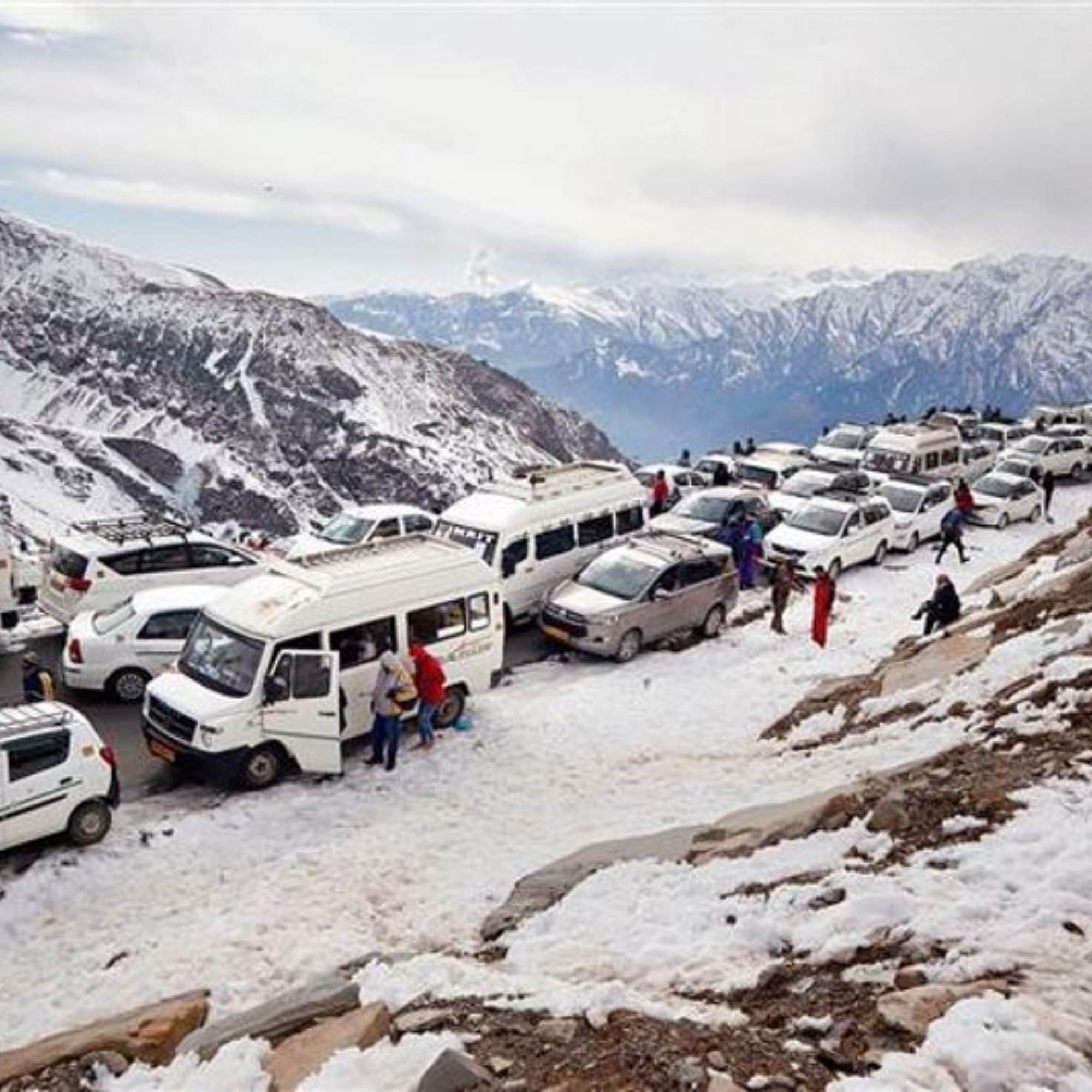
This is the hidden risk that turns a manageable visit into a bad one. Rohtang traffic — especially on weekends, holidays, and during peak season — can be genuinely awful. What should be a two-hour drive from Manali becomes four.
That means your child is spending hours at high altitude in a cold vehicle, breathing thin air, getting restless and uncomfortable.
The longer you're up there, the higher the risk. A 30-minute snow stop is fun. Three hours stuck in traffic at altitude is not.
Motion sickness on the climb
The road to Rohtang is full of sharp hairpin bends. For kids who are even mildly prone to car sickness, the climb can be rough.
And vomiting at altitude — where the body is already under mild stress — makes everything worse. Keep this in mind when planning, and talk to your paediatrician about motion sickness management before the trip.
Age-by-age decision guide (baby, toddler, kids)
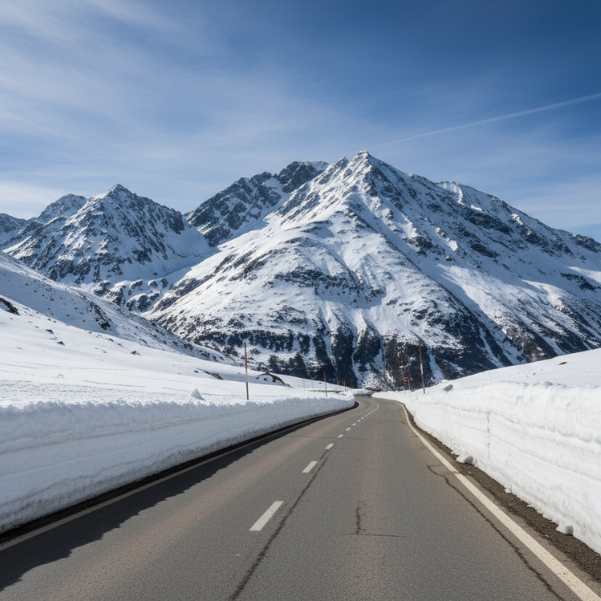
There's no single answer to "is Rohtang safe for kids" because a six-month-old and a ten-year-old are dealing with completely different realities. Here's how to think about it by age.
Babies and infants (under 1 year) — when to skip
This is the simplest call. Most paediatricians advise against taking infants to altitudes above 2,500 metres unless medically necessary.
At Rohtang's nearly 4,000 metres, the risk of altitude-related distress in a baby is real, and they can't tell you what they're feeling. The cold wind and dry air also pose problems for their sensitive airways and skin.
If you're travelling with a baby, enjoy Manali itself. There's plenty to do without going anywhere near the pass.
Toddlers (1 to 3 years) — the "touch and return" approach
Toddlers are in a tricky middle ground. Some handle it fine. Others get miserable fast. If you decide to go, treat it as a very short visit — drive up, let them touch the snow for a few minutes, and head back down. No extended play, no waiting around in cold wind.
Watch them closely the entire time. Unusual sleepiness, refusal to drink, or persistent crying that's different from their normal fussiness — all of these are signals to head back down immediately.
Kids (4 to 8 years) — usually manageable with a solid plan
This is the age range where Rohtang becomes a realistic family outing — if you plan it right. Kids in this group can generally handle 30 to 45 minutes at the top, enjoy the snow, and communicate if they feel unwell.
The keys: early start, proper layers, warm drinks, short stay, and a parent who's willing to cut the trip short if the child isn't feeling great. Don't let the excitement of "we're finally here" override your judgment.
Older kids (9 and above) — similar to adults, but still monitor
Kids nine and up usually handle Rohtang about as well as adults do. They'll enjoy the snow, the views, and the novelty of being at nearly 4,000 metres.
But they're still kids — they'll push through discomfort to keep playing, and they won't always tell you they have a headache.
Check in with them every 15 minutes or so. And the same turn-back rules apply: if they're showing signs of altitude sickness, you leave.
Altitude sickness in kids — the signs parents miss
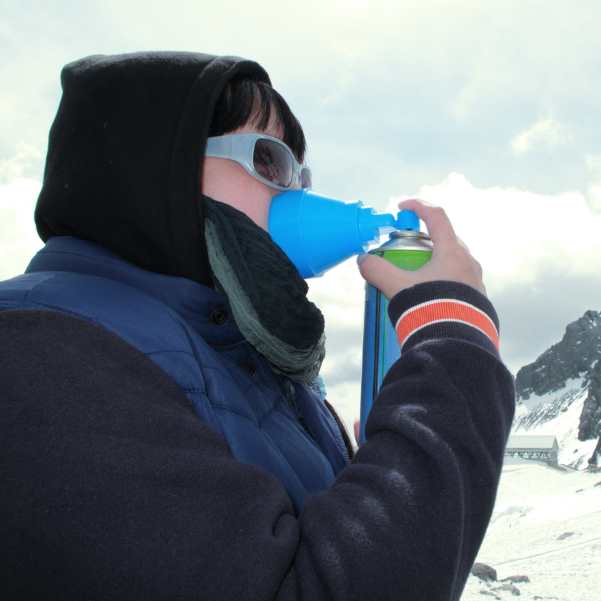
Altitude sickness in children can look different from what you'd expect. It's not always dramatic. Often, it starts subtly — and that's exactly why parents miss it.
What are altitude sickness symptoms in kids?
The most common early signs in children include a persistent headache, nausea or vomiting, unusual tiredness or drowsiness, loss of appetite, and irritability that seems out of proportion.
In toddlers who can't describe a headache, watch for excessive crying, refusal to eat or drink, and wanting to be held constantly.
If a child becomes confused, unsteady on their feet, or has difficulty breathing even at rest, that's a serious warning — descend immediately.
What to do if you notice these signs
- Stop going any higher. Don't push to the top "since we're almost there."
- Move to a warmer spot out of the wind. Get them inside the vehicle if possible.
- Offer warm water or a warm drink. Dehydration makes altitude symptoms worse.
- If symptoms are mild and improve with rest and warmth within 15 to 20 minutes, you can continue to monitor — but start heading back down.
- If symptoms persist or worsen — especially vomiting, confusion, or breathing difficulty — descend immediately. Don't wait. Descent is the single most effective response to altitude sickness.
There's no substitute for a doctor's advice here. If your child has any pre-existing conditions, consult your paediatrician before planning Rohtang.
The safest day plan for Rohtang with kids (parent-proof itinerary)
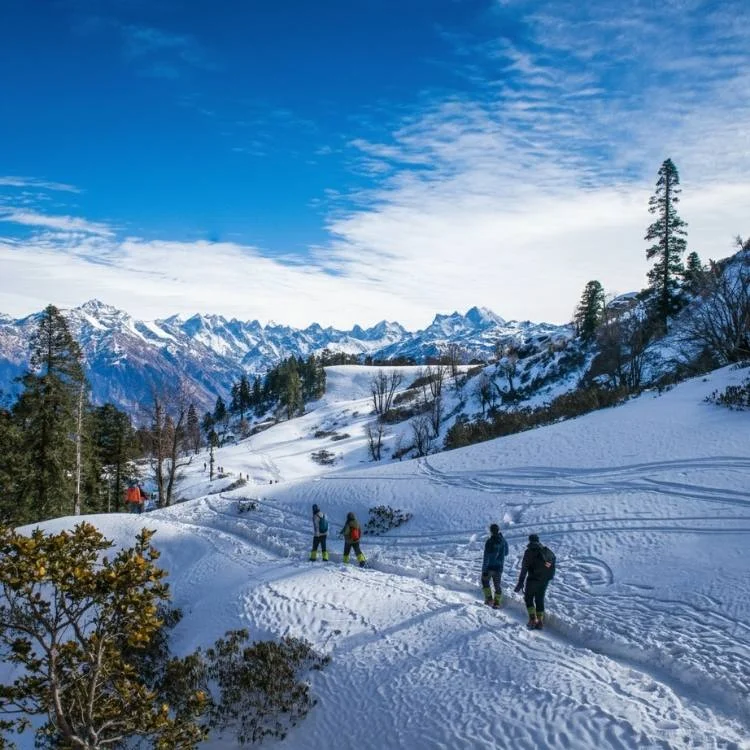
If you've decided Rohtang is right for your family, here's the day plan that minimises risk and maximises the chance of everyone — including the kids — actually enjoying it.
Best start time (and why late starts ruin it)
Leave Manali by 6 to 6:30 AM. This isn't optional — it's the single most important safety decision you'll make.
An early start means lighter traffic on the climb, less time stuck at altitude, and a return to Manali well before afternoon weather changes.
Families who leave at 9 or 10 AM end up in heavy traffic, reach the pass midday when conditions are harsher, and spend far more time at altitude than they planned. That's when things go wrong.
"Touch, snow-play, return" — a step-by-step micro plan
- 5:30 AM — Wake up, dress kids in layers, pack snacks and warm water in a thermos.
- 6:00–6:30 AM — Leave Manali. Keep a vomit bag accessible for the winding climb.
- 8:30–9:00 AM — Arrive near Rohtang (timing varies with traffic and conditions).
- At the pass — Let kids play in the snow for 20 to 40 minutes. Keep them moving — standing still in the wind chills them fast. Take your photos.
- Within 45 minutes — Begin heading back down. Don't negotiate with yourself about staying longer.
- By 11:00 AM–12:00 PM — Back in Manali. Kids are warm, fed, and fine.
That's it. Short, sweet, and safe. The families who have the best Rohtang experience are the ones who don't try to stretch it.
Safety triggers that mean "turn back now"
- Your child vomits more than once during the climb.
- A headache that doesn't go away after warmth and water.
- Unusual drowsiness — falling asleep mid-morning when they normally wouldn't.
- Lips or fingertips turning blue-ish.
- Traffic is so heavy you've been stuck at altitude for over an hour with no movement.
- Weather turns suddenly — heavy wind, fog, or snow.
If any of these happen, the right call is always to turn around. You can try again another day, or choose a lower alternative.
How long should kids stay at Rohtang?
Keep it short — 30 to 45 minutes at the top is the sweet spot for most kids. That's enough time for snow play, a few photos, and the novelty of being at nearly 4,000 metres.
Going beyond an hour increases cold exposure, altitude stress, and the chance of traffic trapping you up there on the way back. The goal is "touch, enjoy, and leave while everyone's still smiling."
Permits and rules families should know (without the confusion)
Rohtang Pass requires a permit for visitors. The system has changed over the years, and rules around vehicle limits, timings, and seasonal closures can shift — so treat any specific detail as "confirm before you go" rather than gospel.
Here's what matters for families:
- Permits are typically booked online through the official Atal Tunnel / Rohtang permit portal. Check availability a few days before your visit.
- There's usually a daily vehicle cap, which means permits can sell out — especially on weekends and holidays. Don't leave this to the last minute.
- Your travel operator or hotel can often help arrange permits and give you updated information on current rules and timings.
- Seasonal closures happen. Rohtang is generally open from late May through October or November (varies by year and weather). Outside this window, the pass is closed.
If you're booking a Rohtang Pass tour package, we handle permit logistics and give you real-time updates so you're not scrambling the morning of your visit.
What to pack for kids at Rohtang (copy-paste checklist)

Packing right prevents most of the problems families run into at Rohtang. Here's what your child needs.
Clothing layers (base, mid, windproof)
- Thermal inner top and bottom (this is the layer that makes the biggest difference)
- Fleece or warm sweater as a mid layer
- Windproof and water-resistant outer jacket with a hood
- Warm pants — not jeans, which offer zero insulation when wet
Accessories that prevent most problems
- Warm beanie that covers the ears fully
- Neck warmer or balaclava — wind on small faces is the fastest way to make a child miserable
- Insulated gloves (not thin knit ones — proper insulated gloves that block wind)
- UV-rated sunglasses — snow glare at altitude causes real eye pain
- Waterproof shoes or boots — wet, cold feet end the trip fast
Snacks, warm water, and comfort kit
- A thermos with warm water or a warm sweet drink
- Dry snacks that are easy to eat on the move — biscuits, nuts, energy bars
- Vomit bags (at least two — the road is winding and altitude adds to nausea)
- Wet wipes and tissues
- A small blanket for the car — kids often doze off on the climb, and the vehicle gets cold
Sun protection
- Sunscreen (SPF 50) — apply before the drive, reapply at the top
- Lip balm with SPF — cracked, sunburned lips happen fast in dry altitude air
What NOT to do (the common parent mistakes)
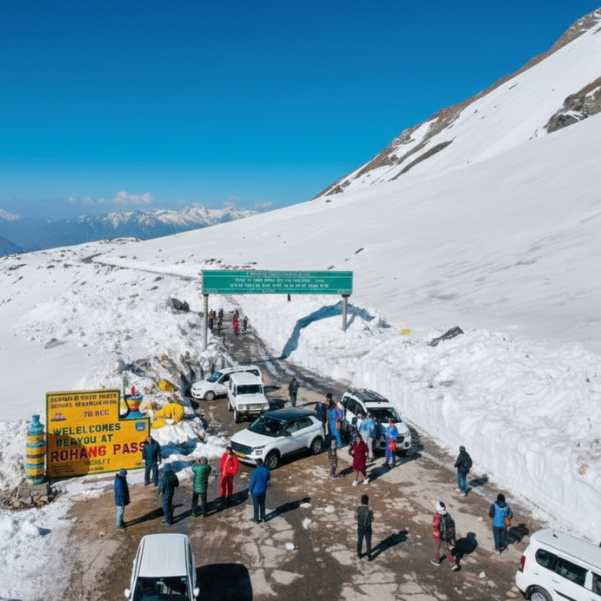
These are the things that turn a fine Rohtang visit into a regrettable one. Every single one of them is avoidable.
- Starting late. Leaving Manali after 8 AM almost guarantees traffic, longer altitude exposure, and a rushed, stressful experience. Start early or don't go.
- Keeping kids outside in strong wind. Five minutes of biting wind on a toddler's face is enough to cause real distress. Limit exposure and use the vehicle as a warm-up zone.
- Overdressing until they sweat, then chilling. Layering means you can adjust. If your child is sweating inside the car, remove a layer before stepping out. Sweat plus cold wind equals rapid chilling.
- Ignoring vomiting, headache, or unusual sleepiness. These aren't "just car sickness" or "just tiredness" at 4,000 metres. They could be early altitude sickness. Take them seriously.
- The "just 10 more minutes" mindset. At altitude, with cold and thin air, 10 more minutes can shift a child from fine to unwell. When it's time to go, go.
- No sunglasses. Snow glare at this altitude genuinely hurts. Don't assume kids will be fine squinting — bring proper UV-rated sunglasses.
- Relying on rented jackets at the pass. They're often thin, poorly insulated, and not sized for small children. Bring your own layers.
Safer alternatives if Rohtang isn't ideal for your child
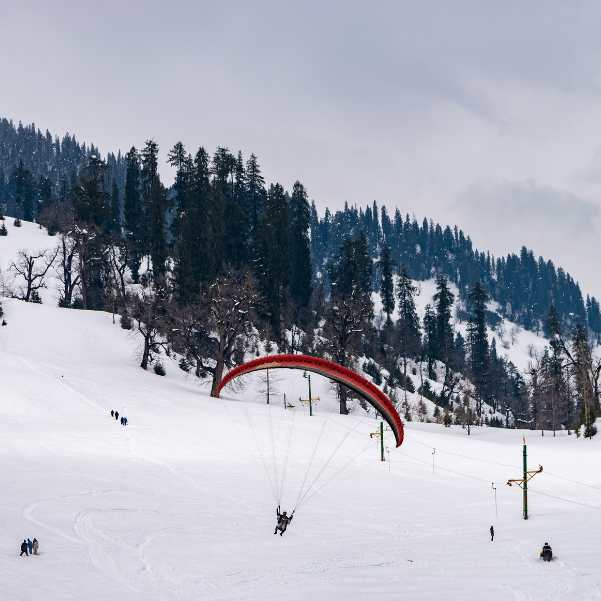
Not every kid needs to go to Rohtang. And honestly, for many families — especially those with toddlers or babies — the smarter, more enjoyable choice is a lower-altitude snow experience. Here are your best options.
Solang Valley — the family-friendly snow option
Solang Valley sits at a much lower elevation than Rohtang and offers snow activities, gondola rides, and enough winter novelty to satisfy most kids.
The altitude stress is dramatically lower, the drive is shorter, and you're never far from warmth and facilities. For families with kids under five, Solang is usually the better call. Manali Tour Packages by Travel Coffee
Gulaba and Marhi stretch — snow without the pass
On the road toward Rohtang, the Gulaba and Marhi areas often have enough snow for a quick play stop — especially in winter and early summer.
You get the snow experience without climbing all the way to the pass, which means lower altitude, less traffic, and an easier turnaround. Ask locally about current snow conditions before heading up.
Other low-effort family experiences near Manali
Manali itself has plenty for kids — the Hadimba Temple grounds, walks along the Beas River, the Van Vihar park, and short hikes in the surrounding forests.
If your child is too young for Rohtang or the weather isn't cooperating, these are genuinely enjoyable alternatives, not consolation prizes.
If Rohtang is closed or conditions aren't right, families also love the drive from Manali toward Sissu via the Atal Tunnel — a completely different landscape with far less altitude stress. Manali to Sissu Day Trip Guide
How Travel Coffee helps families do this safely
Planning Rohtang with kids shouldn't feel like a gamble. Here's what we handle so you don't have to.
Live timing plan — We tell you exactly when to leave based on current conditions, not last year's blog advice. Early starts are easier when someone's planned the logistics for you.
Permit guidance — We track permit availability and help you book in advance so you're not refreshing a website at midnight hoping for a slot.
Family-friendly vehicle with an early start — A reliable, warm vehicle with a driver who knows the road and understands that families with kids need a different pace than a group of bikers.
Plan B snow spot — If Rohtang isn't ideal on your day — bad weather, permit issues, or your child isn't feeling up to it — we switch to a safer, lower-altitude snow experience so the day isn't wasted.
Get a family-safe Rohtang plan on WhatsApp
Final verdict
Is Rohtang Pass safe for kids? Yes — when you do it right. And "doing it right" isn't complicated. It just requires an honest assessment of your child's age and health, an early start, proper layers, a short visit, and the willingness to turn back if something feels off.
If you're cautious or have a very young child, choose Solang Valley or a lower snow point. You'll still get the snow experience without any of the altitude risk.
If you're confident your child can handle it, go early, stay 30 to 45 minutes, dress them properly, and leave while everyone's still happy.
And if you'd rather not figure out permits, timing, and backup plans on your own — message Travel Coffee. We do this for families every single week, and we'll build a plan around your child's age and your comfort level.
>> Explore Our Manali, Solang & Sissu Tour Packages
Related topics
Frequently Asked Questions
Is Rohtang safe for a 2-year-old?
It's possible but needs extra caution. A two-year-old can't tell you they have a headache or feel dizzy, so you're relying entirely on observation. If you go, keep the visit extremely short — 15 to 20 minutes of snow play at most — and head back down at the first sign of fussiness, drowsiness, or refusal to eat or drink. Many families with toddlers find Solang Valley a better option with far less risk.
Should we skip Rohtang with a 6-month-old baby?
Yes, most paediatricians advise against taking infants to altitudes above 2,500 metres. Rohtang sits close to 4,000 metres, where oxygen levels are noticeably lower. A baby's body isn't equipped to regulate well at this elevation, and they can't communicate distress. Enjoy Manali's many family-friendly attractions instead and save Rohtang for when your child is older.
Do kids need oxygen at Rohtang?
Most healthy kids who spend a short time at Rohtang (under 45 minutes) don't need supplemental oxygen. However, portable oxygen cans are sold along the route and at the pass, and having one in the car as a backup isn't a bad idea — especially for younger children or those visiting for the first time. If your child shows breathing difficulty at altitude, supplemental oxygen can help temporarily, but descending to a lower altitude is always the priority.
Is Rohtang safe for kids with asthma?
This needs a conversation with your child's paediatrician before the trip, not a decision made on the day. The cold, dry, thin air at nearly 4,000 metres can trigger episodes in asthmatic children, and medical facilities near the pass are very limited. If asthma is well-controlled and the doctor clears it, travel with the child's inhaler accessible at all times and keep the visit very short. If there's any doubt, choose a lower-altitude alternative.
What's the best time to visit Rohtang with family to avoid traffic?
Weekdays are significantly less crowded than weekends and holidays. Leave Manali by 6 to 6:30 AM regardless of the day. Early morning traffic is lighter, the air is calmer, and you'll reach the pass before the midday rush. Avoid planning Rohtang during long weekends or festival periods when permit availability is tight and road congestion is at its worst.
If Rohtang is closed, where can kids see snow near Manali?
Solang Valley is the most accessible snow alternative, with activities suitable for young children. The Gulaba and Marhi areas on the road toward Rohtang also sometimes have snow, depending on the season. In winter, even the higher reaches around Manali get snowfall. Ask your hotel or a local trip planner like Travel Coffee for current conditions — snow availability changes week to week.
What should kids wear at Rohtang?
Thermals as a base layer, a fleece or warm sweater in the middle, and a windproof waterproof jacket on top. Add a beanie that covers the ears, insulated gloves, a neck warmer, UV-rated sunglasses, and waterproof shoes. Don't skip any of these — even on a sunny day, the wind at Rohtang is cold enough to make an underdressed child miserable within minutes.
Can we take a stroller to Rohtang?
It's not practical. The terrain at the pass is uneven, often muddy or snowy, and there's no paved area suitable for a stroller. You'll want to carry younger children or let them walk while holding your hand. A baby carrier or wrap works much better than a stroller if you're visiting with a very young child.
Is the Atal Tunnel route to Sissu safer for kids than Rohtang?
Yes, for most families. The Atal Tunnel bypasses Rohtang entirely, taking you to the Lahaul side at a lower effective altitude with no high-pass exposure. Sissu and the surrounding area offer beautiful scenery, waterfalls, and a completely different landscape — all without the altitude stress and traffic headaches of Rohtang. It's an excellent alternative, especially for families with younger kids.
How many days should we keep in Manali if we want to try Rohtang?
Plan at least three to four days. This gives you a buffer day in case weather or permits don't cooperate on your planned Rohtang day, plus time to enjoy Manali itself and potentially fit in Solang Valley or the Sissu side trip. Trying to squeeze Rohtang into a two-day Manali trip usually leads to rushed decisions and unnecessary stress.
More about Rohtang Pass
 Rohtang Pass
Rohtang Pass Altitude Sickness in 2026: Symptoms, Prevention and When to Turn Back
Planning a trip to Rohtang Pass in 2026? Learn the symptoms of altitude sickness, prevention tips, and when to turn back for a safe mountain journey.
- Altitude & Health
- First-Time Travellers
 Rohtang Pass
Best Places to Visit on the Way to Rohtang Pass in 2026
Discover the best places to visit on the way to Rohtang Pass in 2026, including Solang Valley, Rahala Waterfalls, Gulaba, Marhi, and more for an unforgettable Himalayan road trip.
- Places to Visit
- Road Trips
 Rohtang Pass
15 Rohtang Pass Mistakes to Avoid in 2026: Permits, Taxi Scams, Timing and Snow Rentals
Planning a Rohtang Pass trip in 2026? Discover 15 common mistakes to avoid, from permits and weather to packing and safety, for a smooth mountain adventure.
- First-Time Travellers
- Permits & Fees