
Udaipur Itinerary for 2 Days (2026): The Best First-Time Weekend Plan

Planning a short trip to Udaipur in 2026 can be surprisingly rewarding when your two days are organised well.
The City of Lakes has royal palaces, historic temples, colourful old city streets, peaceful lakes and beautiful sunset spots, making it possible to experience many of its highlights over a single weekend.
A well planned Udaipur itinerary for 2 days should balance sightseeing with enough time to enjoy the city rather than rushing from one attraction to another.
From exploring City Palace and Jagdish Temple to taking a Lake Pichola boat ride and watching the sunset from Sajjangarh, the right route can help you make the most of your limited time.
This guide by Travel Coffee is designed especially for first time visitors who want to cover the essential attractions, enjoy memorable local experiences and plan a realistic weekend trip to Udaipur in 2026.
Quick Answer: What Is the Best Udaipur Itinerary for 2 Days?
For a first-time Udaipur itinerary for 2 days, spend Day 1 on foot around the Old City: City Palace, Jagdish Temple, the ghats, a Lake Pichola boat ride and the Dharohar folk dance at Bagore Ki Haveli.
Keep Day 2 for the vehicle cluster, Saheliyon Ki Bari, Fateh Sagar and Sajjangarh.
Two days work well for Udaipur's main city highlights, but only when you group the route by geography instead of hopping across town.
The one thing to avoid is squeezing an out-of-city trip to Kumbhalgarh, Ranakpur or Chittorgarh into the same two sightseeing days. Those deserve a separate day.
If you would rather have the stays, boat ride and driver arranged for you, our Udaipur tour packages are built around exactly this kind of short, well-paced trip.
Before You Start: What Should You Book First?
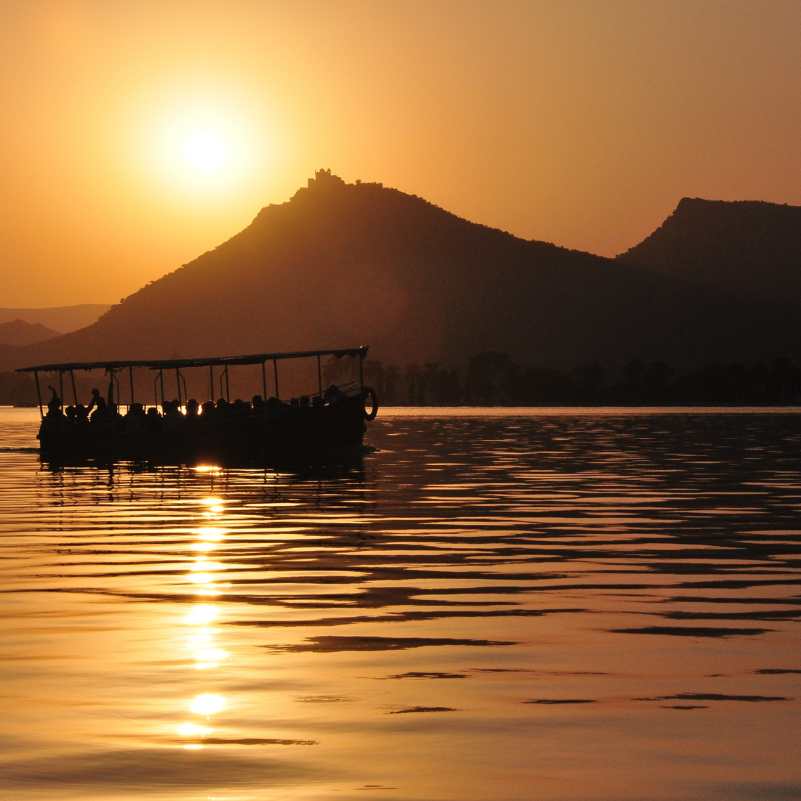
A short trip lives or dies on two or three decisions you make before you arrive.
Should You Stay in the Old City or Near Fateh Sagar?
For this particular two-day plan, the Old City wins. City Palace, Jagdish Temple, Gangaur Ghat and Bagore Ki Haveli sit within a tight walking cluster, so Day 1 needs almost no road transport once you check in.
There is a trade-off, and we will be honest about it. The historic lanes are narrow, and cars and even autos struggle to reach some doorways. If easy vehicle access matters more to you than a walkable Old City, the Fateh Sagar and newer areas suit you better.
In our experience planning short Udaipur trips, first-timers who want the lake-and-palace feel are happier staying near the ghats, while travellers with heavy luggage or mobility needs often prefer the newer side. Pick for how you travel, not for the prettiest photo.
Which Experience Should You Book First?
Book the fixed-time Dharohar Folk Dance show first, because it starts at a set hour and a weekend can fill up. Everything else on Day 1 flexes around it.
Next, confirm the exact Lake Pichola boat details: which operator, which boarding point, which route, and whether that particular ride includes or stops at Jag Mandir. Not every boat does.
Day 2 is the day a hired cab or planned vehicle earns its keep. Saheliyon Ki Bari, Fateh Sagar and Sajjangarh sit outside the compact Old City walking cluster, so trying to auto-hop between them wastes time you do not have.
Why Do You Need to Recheck 2026 Timings?
Because published Udaipur timings genuinely contradict each other right now, and City Palace is the clearest example.
The City Palace Museum's own current website lists museum visiting hours as 9:00 AM to 9:00 PM. The current Smart City ticket portal lists 9:00 AM to 5:00 PM. Those two official sources disagree, and we are not going to pretend one closing time is absolute.
So treat any single closing time as a starting point, not gospel. Check the current official ticket page for your exact date before you build your evening around a late City Palace exit.
We keep a running note on this kind of detail in our complete Udaipur travel guide, and if you are still choosing your dates, our guide to the best time to visit Udaipur covers weather and crowds month by month.
Day 1: City Palace, Old City, Lake Pichola and Bagore Ki Haveli

Once you reach the Old City on Day 1, you barely touch a vehicle again. Everything below sits within a short walk, which is the whole point of grouping the day this way.
8:45 AM to 11:30 AM: Start at City Palace
Reach the gate just before 9 AM. Early entry means cooler courtyards, thinner crowds and better photos before the tour groups arrive.
We have blocked roughly two and a half hours here as planning time, not as an official required duration. Some people move faster, and history buffs happily stay longer.
The current Smart City portal lists tickets at ₹400 for an adult, ₹250 concession for the categories the portal names, ₹150 for a child or student, and free entry for children below five.
Here is the honest catch again. The museum website says the palace is open 9 AM to 9 PM, while the Smart City portal says 9 AM to 5 PM. Verify the day's actual closing time on the spot so a late plan does not fall apart.
If you want to understand what each palace wing holds before you go, we broke it down in our guide to the best places to visit in Udaipur.
11:30 AM to 12:15 PM: Walk to Jagdish Temple
City Palace and Jagdish Temple sit only about 150 metres apart, so this is a two-minute stroll, not a drive.
Incredible India currently lists the temple's hours as 4:30 AM to 1:00 PM and again 5:00 PM to 8:00 PM, which is exactly why this stop belongs before lunch rather than in the afternoon.
The temple dates to 1651. Maharana Jagat Singh I commissioned it, and it honours Lord Vishnu. The main entrance climbs 32 marble steps, which is worth knowing if you are travelling with older parents or anyone who finds stairs difficult.
We are not quoting an entry fee here because none was confirmed. Carry a little cash anyway for shoes and any small offerings.
12:15 PM to 1:15 PM: Lunch Around Jagdish Chowk or Lal Ghat
Eat somewhere around Jagdish Chowk or Lal Ghat. We are recommending the area rather than a single restaurant on purpose.
The point is simple: you do not want to cross town in a cab just to eat and then double back. Staying local keeps the day calm. Prices vary, so we will not put a number on your thali.
1:15 PM to 2:15 PM: Gangaur Ghat and a Slow Old City Walk
Keep this hour deliberately unhurried. Sit at Gangaur Ghat, watch the lake, and wander the lanes without a checklist.
This slot is also your safety buffer. If City Palace ran long, this is the time you borrow from, and if it did not, you get an hour of the Old City at its own pace instead of sprinting between ticket counters.
We are not listing opening times or charges for the ghat because it is an open public space, and inventing a figure would help nobody.
2:15 PM to 3:30 PM: Bagore Ki Haveli Museum
The current Smart City listing puts the Bagore Ki Haveli museum at 9:30 AM to 5:30 PM, so an afternoon visit fits comfortably.
Current listed prices are ₹55 for Indians, ₹120 for foreigners, ₹30 for a child aged 5 to 12, free for children below five, and a ₹55 camera fee.
One thing trips up a lot of first-timers, so let us be clear. Visiting the museum in the afternoon and attending the evening Dharohar folk dance are two separate activities with separate tickets. Seeing one does not cover the other.
3:30 PM to About 6:15 PM: Lake Pichola Boat Ride Window
We are not going to tell you to "take the 5 PM sunset boat," because boat schedules and products vary and a fixed instruction would only mislead you.
Instead, check the day's live boat schedule and pick a departure that gets you back with enough time to reach Bagore Ki Haveli by 6:45 PM. Rajasthan Tourism does suggest a Lake Pichola ride around sunset for the light, but the exact routes on offer change.
The current Smart City municipal boating product lists these fares. On a 30-seater, it is ₹150 for an Indian passenger and ₹300 for a foreign passenger.
On a smaller 10-seater, it is ₹300 for an Indian passenger and ₹600 for a foreign passenger. Children below three go free on that product.
The municipal boating window currently runs 9 AM to 7 PM from February to September and 9 AM to 6 PM from October to January.
Read that carefully, because this is where blogs mislead people. Those figures are specifically the Smart City municipal product.
A different route, a different boarding point, a premium ride or the boat that actually stops at Jag Mandir can cost more. The ₹150 fare is not "the Lake Pichola boat price."
If you do want the ride that lands you on the island palace, we explained how that separate boat works in our Jag Mandir guide.
6:45 PM to 8:00 PM: Dharohar Folk Dance at Bagore Ki Haveli
The current official booking page says the performance begins at 7:00 PM and asks visitors to arrive by 6:45 PM. Turning up on time matters, because seating fills.
The current listed price is ₹125 for an adult and ₹75 for a child aged 5 to 10. If you book online, there is currently a ₹10 service charge plus a 5 percent payment-gateway charge.
The show runs on the first floor and there is no lift, so factor that in for anyone who cannot manage stairs. We would not assume every evening has open seats either. On a weekend, book ahead when the live system lets you.
After 8:00 PM: Dinner Around Lal Ghat or the Old City
Keep dinner in the same Lal Ghat or Old City pocket you have been in all evening. After a full day, the last thing you want is a cab ride across town for food.
Plenty of rooftop spots here look out over the lit-up ghats, and staying local means you walk straight back to your room. We will leave the choice and the bill to you.
Day 2: Saheliyon Ki Bari, Fateh Sagar and Sajjangarh Without Backtracking
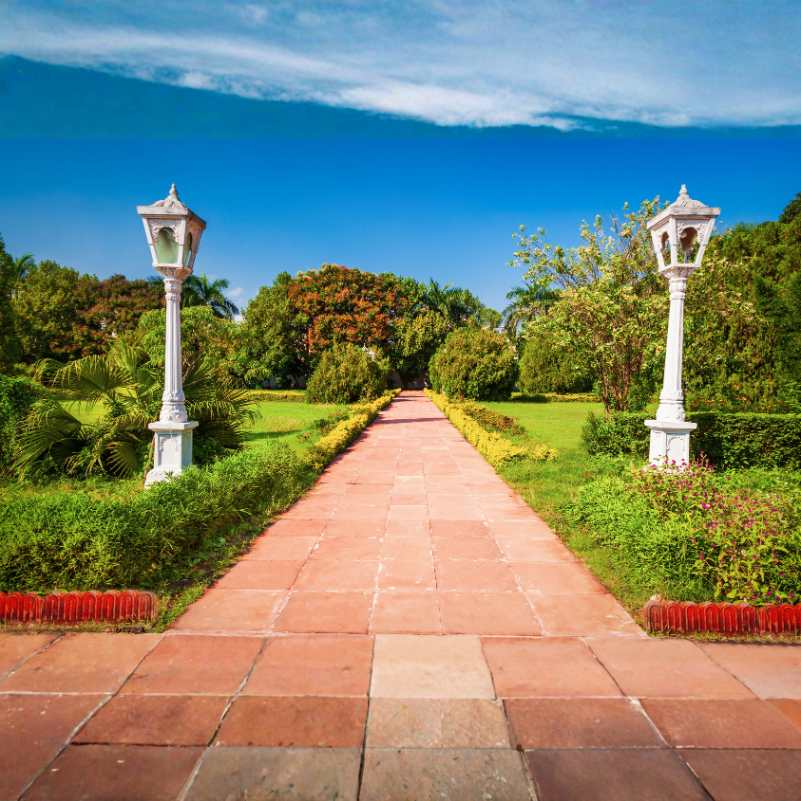
Day 2 is the vehicle day. These three sights sit outside the walkable core, so a planned cab keeps the route clean and stops you doubling back across the city.
9:00 AM to 10:00 AM: Saheliyon Ki Bari
Start at 9 AM for a relaxed pace, even though the current Smart City portal lists an 8 AM to 8 PM window. There is no need to be first through the gate here.
Current tickets listed by Smart City are ₹20 for Indians, ₹100 for foreigners, ₹5 for a child aged 4 to 12, and free for children under four.
Treat the one hour we have set aside as planning time, not an official duration. The garden's fountains and lawns are easy to enjoy in that window, and easy to stretch if you like it.
10:15 AM to 11:30 AM: Fateh Sagar Lake
Keep this stop loose rather than trying to fill every minute. Fateh Sagar is a sit-and-breathe kind of place, not a monument to power through.
Rajasthan Tourism describes Fateh Sagar as lying north of Lake Pichola, reachable by local transport, auto-rickshaw or taxi. The lakefront itself is open, so we are not inventing an entry fee just to visit the promenade.
What we usually tell travellers is to grab a coffee, walk part of the shore, and let Day 2 stay gentle. You have a hill fort later, and pacing matters.
11:30 AM to 12:15 PM: Optional Moti Magri or Extra Lake Time
Make this one optional. If you enjoy a quick history stop, Moti Magri overlooks Fateh Sagar and is close by.
The current Smart City listing puts Moti Magri at ₹150 per adult, ₹100 concession for the portal's listed categories, and hours of 8 AM to 7 PM.
If you would rather keep the trip slow, skip the extra ticket and simply stay around Fateh Sagar a little longer. Not every free slot needs a paid stop.
12:15 PM to 1:30 PM: Lunch Around Fateh Sagar or Fatehpura
Eat on this side of town, around Fateh Sagar or Fatehpura. Driving back to the Old City for lunch throws away the entire logic of Day 2.
Our team specifically recommends eating over here at midday rather than crossing the city and fighting traffic both ways. You lose less of the afternoon and arrive at Sajjangarh in a better mood. Prices vary, so order to your taste.
1:30 PM to 2:15 PM: Keep a Real Buffer
This block is intentional empty space. Use it for a café, a rest, a slow previous stop that ran over, or plain old traffic.
A two-day itinerary that looks impressive on paper but has zero slack usually breaks by mid-afternoon. In our experience, the trips that feel relaxed are the ones with a real buffer built in.
2:15 PM to 5:00 PM: Sajjangarh / Monsoon Palace
Give yourself a 20 to 30 minute road-and-entry buffer between the lower-city area and the fort. That is a planning allowance, not a promised Google Maps time, so leave room for the climb and the ticket queue.
The current Smart City base fort ticket is ₹65 for an Indian visitor, ₹330 for a foreign visitor, ₹25 for a child aged 5 to 12, and free for children below five. Timings currently run 9 AM to 5:30 PM from March to October and 9 AM to 5 PM from November to February.
That ₹65 is the base fort ticket only. Sanctuary entry, vehicle or shuttle charges for access up the hill may be separate, so check the current access fee and transport arrangement at the ticket counter before heading up.
We are also not going to tell you to "reach Monsoon Palace for sunset" as a blanket instruction. Many older guides push it as a sunset point, but the current closing hours can put actual sunset outside opening time depending on the season.
Plan a late-afternoon visit and confirm the last entry or access before you drive up.
For what it is worth, Rajasthan Tourism describes Monsoon Palace as a 19th-century palace on the Bansdara hills with wide views over the surrounding area. On a clear day, that view is the reason to come.
After Sajjangarh: Fateh Sagar for Evening Light and Dinner
Head back down to Fateh Sagar for the evening. Using it as your flexible fallback keeps the whole day geographically sensible, with no late dash across town.
We will not promise an exact sunset time, because that shifts with the calendar. Just aim for the lakefront in the last light and settle in for dinner nearby.
If you finish Day 2 with energy to spare, our roundup of things to do in Udaipur has evening and café ideas you can slot in.
What Is the Rain or Weekend Crowd Plan B?
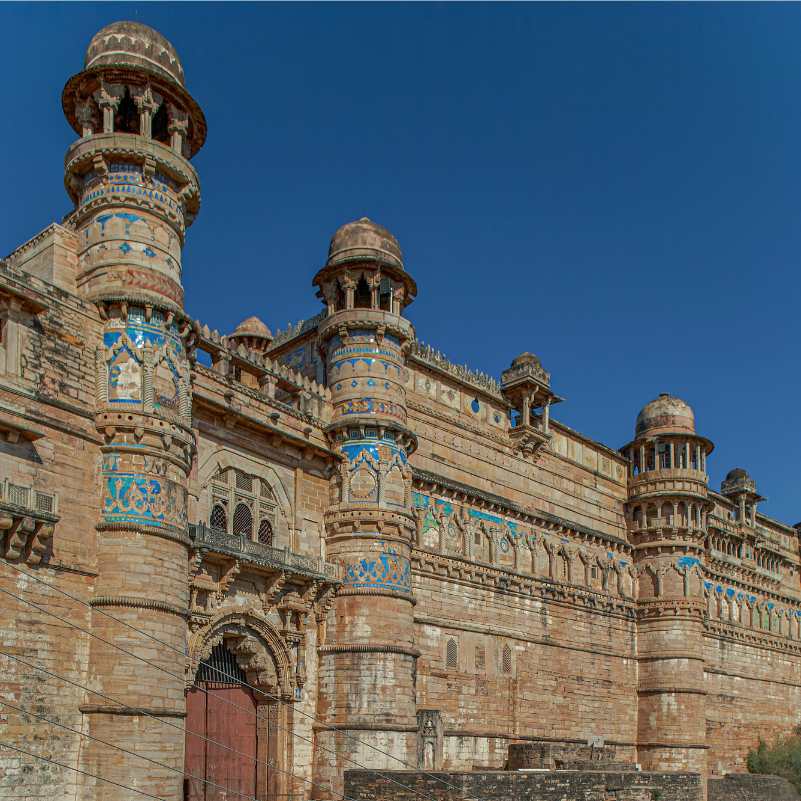
Most itineraries assume perfect weather and empty streets. Udaipur in 2026 will not always give you either, so here is the practical fallback.
What If It Rains on Day 1?
Keep City Palace, the Bagore Ki Haveli museum and the Dharohar show as your core, because all three are largely indoors and hold up in wet weather.
Move the Lake Pichola boat ride to the first clear slot you get across the two days. Do not assume boats run through heavy rain, and confirm same-day operations before you head to the ghat.
What If Sajjangarh Is Covered in Cloud?
A hilltop viewpoint loses most of its value when you cannot see past the parapet. If the hills are soaked in, do not force it.
Instead, give that time back to the lakes and the city, and attempt Sajjangarh only if visibility and access improve later. We would never tell you to bolt on a random ticketed attraction with made-up prices just to fill the gap.
What If the Weekend Is Very Crowded?
Protect your fixed-time commitments first. The Dharohar booking page asks for arrival by 6:45 PM for the 7 PM show, so that slot is non-negotiable on a busy weekend.
A recent Udaipur discussion thread on Reddit also reports long offline ticket queues and suggests booking online where possible.
Treat that as fellow travellers' feedback rather than official policy, but it lines up with what we see. Build your traffic slack before Sajjangarh instead of planning to arrive at the last possible minute.
2026 Monsoon Check
Udaipur's monsoon can genuinely change a day, mainly by pausing boat rides and killing hilltop visibility. So before you lock plans, check the live IMD and weather forecast for your own travel dates.
As a recent example of how real this is, Udaipur sat under an IMD yellow watch for heavy rainfall as recently as early August 2026.
That kind of advisory is short-lived and date-specific, though, so do not treat any single past alert as your forecast.
Weather advisories can change quickly during the monsoon, so check the latest IMD forecast and any active warnings for Udaipur shortly before your travel date.
What Will Tickets Cost on This Udaipur 2 Day Itinerary?
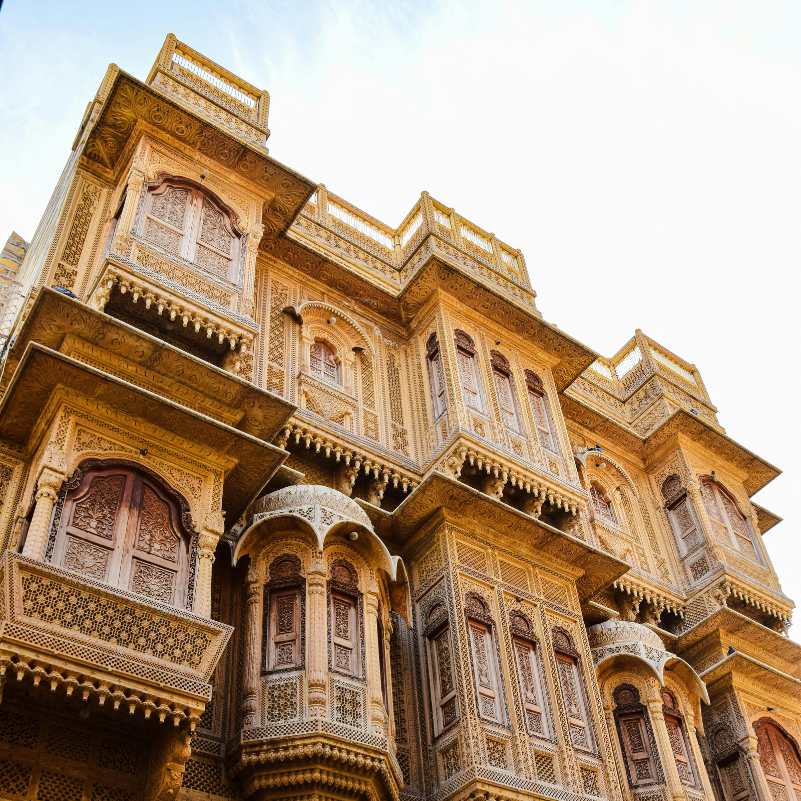
We cannot show a table here, so here are the currently verified ticket figures in plain prose. Read every one as "correct at the time of writing, verify on your date."
For City Palace, the Smart City portal lists ₹400 for an adult, ₹250 concession, ₹150 for a child or student, and free entry below five. Remember the closing time is contested between the museum website and the portal, so confirm it separately.
For Bagore Ki Haveli museum, expect ₹55 for Indians, ₹120 for foreigners, ₹30 for a child aged 5 to 12, and a ₹55 camera fee.
The Dharohar show is separate at ₹125 for an adult and ₹75 for a child aged 5 to 10, plus the online ₹10 service charge and 5 percent gateway fee if you book on the web.
For Saheliyon Ki Bari, it is ₹20 for Indians, ₹100 for foreigners, ₹5 for a child aged 4 to 12, and free under four. Sajjangarh's base fort ticket is ₹65 for Indians, ₹330 for foreigners, ₹25 for a child aged 5 to 12, and free below five.
Any additional sanctuary entry, vehicle or shuttle charges may be separate, so confirm the current access costs at the ticket counter before your visit.
On the water, the Smart City municipal boating is ₹150 or ₹300 for Indian passengers depending on whether it is a 30-seater or a 10-seater, and ₹300 or ₹600 for foreign passengers on the same basis.
Once more, that is the municipal product, not a universal Lake Pichola fare.
We are deliberately not adding all of this into one neat "total Udaipur sightseeing cost." Your boat choice, the optional Moti Magri stop, your cab and the Sajjangarh access components move too much for a single honest number.
Is 2 Days Enough for Udaipur, and What Should You Skip?

Yes, two days are enough for Udaipur's main city highlights, as long as you group the attractions by geography the way this plan does.
The reason it works is the split. Day 1 is almost entirely walking inside the Old City cluster, and Day 2 is the road-transport loop through the gardens, lakes and the hill fort. Mix the two and you spend your weekend in traffic.
What you should skip on a two-day trip is any out-of-city fort or temple run. Do not try to add Kumbhalgarh, Ranakpur or Chittorgarh to these same two sightseeing days.
Each is a full excursion and belongs on a separate day. This Udaipur itinerary for 2 days already fills both days sensibly without them.
If you would rather trade a second monument for a couple of hours of shopping, the Old City market lanes are right there. We covered what to buy and how to bargain in our Hathi Pol and Bada Bazaar shopping guide.
How Do You Turn This Into a 2 Nights 3 Days Udaipur Itinerary?
The phrase trips people up, so let us clear it up. "Two days in Udaipur" usually means two full sightseeing days. A 2 nights 3 days Udaipur itinerary is a different shape, because a 3D/2N package often spends part of the arrival and departure days on travel.
A sensible 3D/2N version uses the arrival afternoon and evening for the Lake Pichola boat ride plus the Bagore Ki Haveli and Dharohar experience.
The full middle day then handles the main sightseeing circuit, and you keep the departure morning flexible around your train or flight.
Our team runs a live Udaipur 2 nights 3 days product built around exactly this rhythm, with a Lake Pichola sunset boat experience and the Bagore folk-dance evening already included.
You can see the current plan and what it covers on our Udaipur 2 nights 3 days package with Lake Pichola boat ride and Bagore Ki Haveli.
Explore Our Curated Udaipur Tour Packages
 3D/2N
3D/2NUdaipur Tour With Lake Pichola Boat Ride and Bagore Ki Haveli
3D Udaipur
₹9,999₹12,999SAVE INR 3,000/ person 4D/3N
4D/3NUdaipur Honeymoon Tour With Candlelight Dinner and Boat Ride
4D Udaipur
₹17,999₹21,999SAVE INR 4,000/ person 5D/4N
5D/4NUdaipur Mount Abu Tour With Nakki Lake and Dilwara Temples
2D Udaipur•2D Mount Abu
₹20,999₹24,999SAVE INR 4,000/ person
Related topics
Frequently Asked Questions
Is 2 days enough for Udaipur?
Yes. Two days are enough for Udaipur’s main city attractions if you plan by area. Keep Kumbhalgarh, Ranakpur and Chittorgarh for an extra day.
What are the top places to visit in Udaipur in 2 days?
Cover City Palace, Jagdish Temple, Lake Pichola and Bagore Ki Haveli on Day 1. On Day 2, visit Saheliyon Ki Bari, Fateh Sagar and Sajjangarh.
What is the best 2 days Udaipur trip plan for first-time visitors?
Keep Day 1 for the Old City, City Palace, Jagdish Temple, Lake Pichola and Dharohar show. Use Day 2 for Saheliyon Ki Bari, Fateh Sagar and Sajjangarh.
How much should I budget for two days of sightseeing in Udaipur?
Your budget depends on tickets, boat choice, local transport and optional stops. Entry fees are generally affordable, but cab and boating costs can vary.
Which area should I stay in for a short Udaipur weekend?
Stay near the Old City and ghats for easy walking access to major attractions. Choose Fateh Sagar or newer areas if you prefer easier vehicle access.
Do I need a cab for a Udaipur 2 day itinerary?
You can mostly walk around the Old City on Day 1. A cab is more useful on Day 2 for Saheliyon Ki Bari, Fateh Sagar and Sajjangarh.
Is the Lake Pichola boat ride worth doing?
Yes, especially for first-time visitors. It offers beautiful views of the ghats, City Palace and island palaces from the lake.
Where should I watch sunset in Udaipur?
Fateh Sagar and Lake Pichola are reliable sunset options. Choose Sajjangarh only after confirming its current closing time and evening access.
Can I follow this itinerary during the monsoon?
Yes, but keep the itinerary flexible. Boating may pause during heavy rain, and Sajjangarh views can be limited by clouds.
Can I visit Kumbhalgarh or Ranakpur during the same two days?
It is better not to. Both require significant travel time, so add an extra day if you want to visit Kumbhalgarh or Ranakpur comfortably.
What tourist traps or overcharging should first-time Udaipur visitors watch for?
Confirm taxi, auto, shopping and boat prices before paying. Avoid unplanned shopping detours and make sure your boat ticket matches the experience you selected.
How is a 2 nights 3 days Udaipur itinerary different from two full sightseeing days?
Two full days give you two complete sightseeing days. A 2 nights 3 days trip usually includes arrival and departure time, leaving one full day and two partial days.
More about Udaipur
 Udaipur
Udaipur to Chittorgarh Day Trip 2026: Fort Route, Timings, Cost and Honest Advice
Planning a Udaipur to Chittorgarh day trip in 2026? This practical guide covers the best fort route, travel time, sightseeing timings, expected costs and transport options. We also share honest advice on how much time you need at Chittorgarh Fort, what to prioritise and whether the trip is worth adding to your Udaipur itinerary.
- Places to Visit
- Road Trips
 Udaipur
Udaipur Trip Cost 2026: Budget for 2, 3, 4 and 5 Days
Planning an Udaipur trip in 2026? This practical cost guide breaks down the budget for 2, 3, 4 and 5 days, including hotels, food, local transport, sightseeing and activities. Use realistic budget ranges to plan your Udaipur holiday without overspending.
- First-Time Travellers
- Itinerary
 Udaipur
Udaipur Local Transport Guide 2026: Auto, Taxi, Cab, Scooter, Parking and Old-City Access
Planning how to get around Udaipur in 2026? This practical transport guide compares autos, taxis, cabs and scooter rentals, with tips on fares, parking and navigating the narrow Old City. Learn which option works best for sightseeing, lake areas and day trips, and where vehicle access can become difficult.
- How to Reach
- First-Time Travellers