
Udaipur Travel Guide 2026: Best Time, Itinerary, Cost, Places and Local Tips
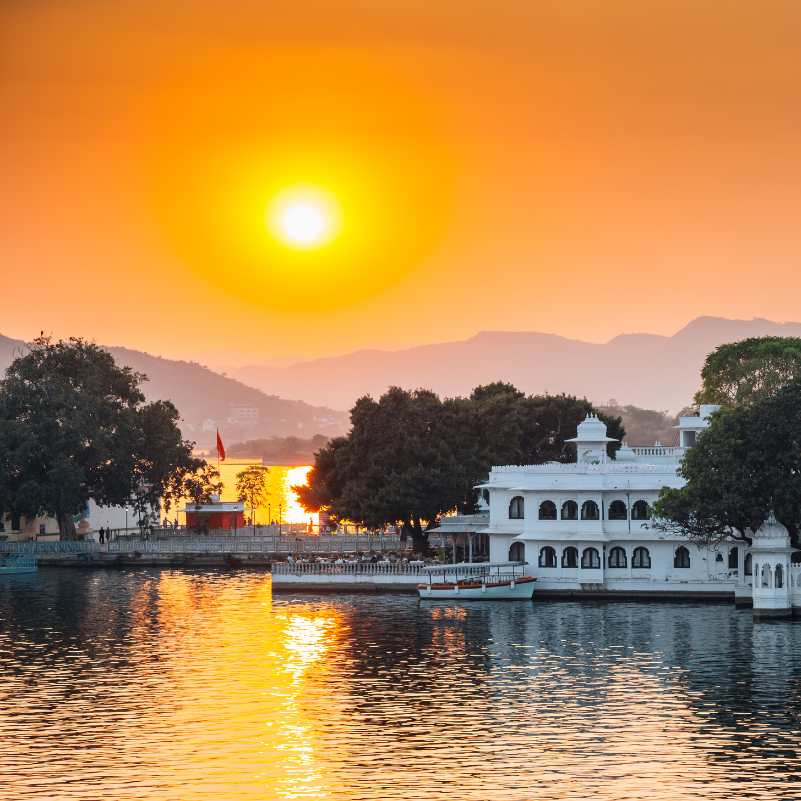
Udaipur is one of Rajasthan’s most rewarding destinations, known for its lakes, royal palaces, heritage hotels, colourful markets and relaxed evening views.
But planning the trip well matters, especially when deciding the best season, number of days, sightseeing route and realistic travel budget.
This Udaipur Travel Guide 2026 covers the best time to visit, a practical itinerary, estimated trip costs, must-see places and useful local tips.
Whether you are planning a romantic escape, family holiday or short weekend trip, this guide by Travel Coffee will help you organise your Udaipur journey without rushing or overspending.
Quick Answer: How Should You Plan an Udaipur Trip?
Two days cover the essential city attractions. Three days give you a more comfortable trip.
Travel between September and March for the easiest sightseeing weather.
Keep day one for the Old City, City Palace, Jagdish Temple, Bagore Ki Haveli and Lake Pichola. Keep day two for Saheliyon Ki Bari, Fateh Sagar Lake and Monsoon Palace.
Use a third day for slower sightseeing or one nearby excursion.
This udaipur travel guide walks you through the decisions you actually have to make before you book anything.
You will get the best time to visit, how many days you need, where to stay, how to get around, what things cost, the main places to see, two ready itineraries, day trips and the tips we repeat to travellers every season.
Where a topic needs more depth than a planning hub can hold, we point you to the full guide on that subject.
If you would rather hand over the logistics, explore Udaipur tour packages and tell us the dates you have in mind.
What Most First Timers Get Wrong
They mix the Old City and the outer attractions into the same day.
You end up crossing the city twice, sitting in traffic near the lakes, and reaching Monsoon Palace after the sunset crowd has already parked itself at the viewpoint.
In our experience, travellers enjoy Udaipur far more when they keep the walking cluster and the driving cluster on separate days. Nothing else in this guide will save you as much time as that one decision.
Why Visit Udaipur in 2026?

Udaipur gives first time visitors a lot within a small radius. You get lakes, palace architecture, stone ghats, old markets, hill viewpoints and evening cultural performances without long daily drives.
The historic core sits around Lake Pichola, and most of the famous heritage stops there sit within a short walk of each other.
That compactness is the real draw. You can spend a morning inside a palace museum, eat lunch in a lane behind Jagdish Temple, and watch the light change over the water by evening.
Couples usually come for the lake views and the slower evenings. Families like that the sightseeing days stay short and the walking stretches stay manageable.
Photographers get ghats, reflections, courtyards and a hill viewpoint over the city, all in one trip. Travellers planning their first Rajasthan holiday get a gentle start before the bigger, hotter, more spread out cities.
The honest caveat is this. Only the historic centre is walkable.
Fateh Sagar Lake, Saheliyon Ki Bari and Sajjangarh Monsoon Palace sit away from the Old City and you will need an auto or a hired car to reach them comfortably.
Anyone who tells you Udaipur is a fully walkable city has not tried doing it in one day with a family.
How Many Days Are Enough for Udaipur?
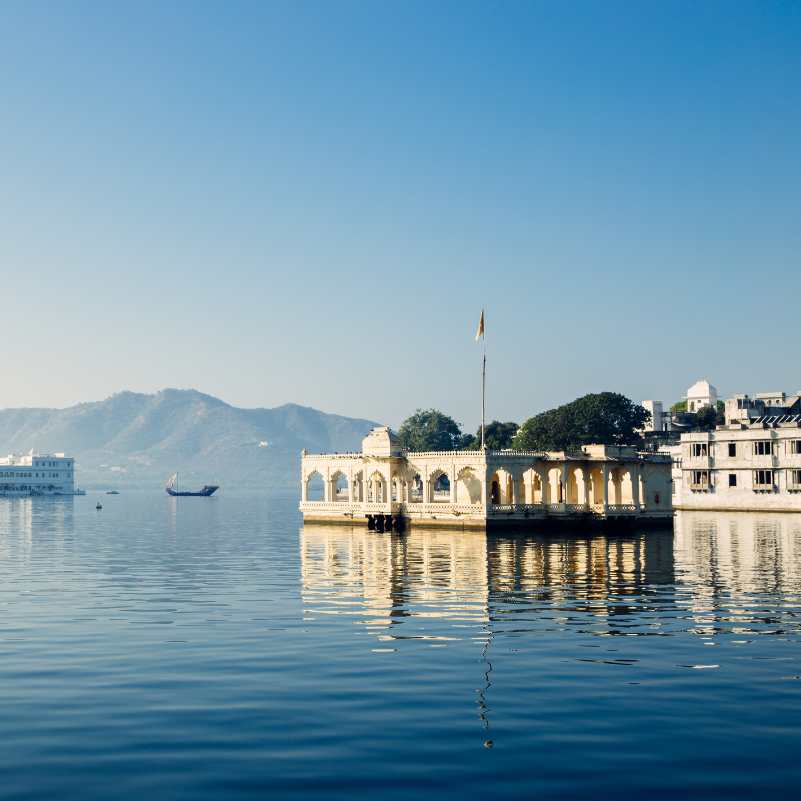
Two days are enough for the main attractions. Three days give you better pacing.
The number that works for you depends on how much you want to sit still, how early you can start, and whether you plan to leave the city for an excursion.
Is Two Days Enough for Udaipur?
Yes, when you organise the itinerary geographically.
Day one stays inside the Old City cluster of City Palace, Jagdish Temple, Gangaur Ghat and Bagore Ki Haveli, with an optional Lake Pichola boat ride.
Day two covers the outer cluster of Saheliyon Ki Bari, Fateh Sagar Lake and Monsoon Palace, all of which sit on the same broad side of the city.
You should also skip any excursion outside the city. Trying to add Chittorgarh or Kumbhalgarh to a two day plan is the single fastest way to ruin both days.
Why Are Three Days Better?
The third day is where the trip stops feeling like a checklist.
You get room for the markets, a long lunch, Ahar, Badi Lake, Shilpgram or simply a slow morning near the ghats before the day heats up.
Three days also loosen the schedule. You stop chasing sunset timings, you stop budgeting every hour around traffic, and a delayed start no longer costs you an attraction.
We usually suggest three days when travellers want a slower pace, especially couples and anyone travelling with older parents.
When Should You Stay for Four Days or More?
Stay four days or longer when you want a full day excursion, or when you want a deliberately slow holiday rather than a sightseeing sprint.
Kumbhalgarh, Ranakpur and Chittorgarh each eat a full day once you count travel both ways.
Keep those excursions on their own day. Squeezing a distant fort or temple into the essential two day city plan leaves you rushing through both.
What Is the Best Time to Visit Udaipur?
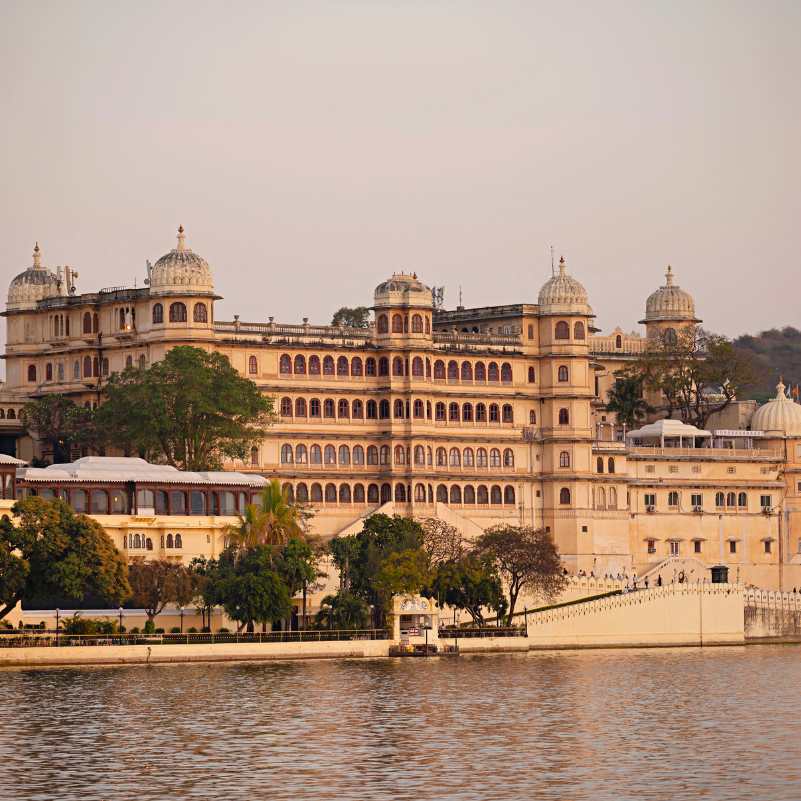
September to March is the broadly recommended period for comfortable sightseeing.
That window covers most of what a first time visitor wants, so the rest of this section deals with the trade offs inside it.
Visiting Udaipur from September to March
Official Incredible India guidance broadly recommends September to March for Udaipur.
Winter weather generally makes outdoor sightseeing easier, which matters when your day involves palace courtyards, garden walks and a hill viewpoint.
The trade off is demand. Winter weekends, Christmas and New Year bring heavier crowds and slower traffic.
Year-end reporting has documented congestion around Fateh Sagar and Shilpgram during the holiday period. Treat that as seasonal holiday pressure rather than a year round condition.
Book your accommodation and any important experience early for those peak dates. Our team sees the good mid range rooms near the lakes disappear first for late December.
Is Udaipur Worth Visiting During Monsoon?
Yes, if you accept some disruption. Monsoon leaves the surroundings greener and the lake views more atmospheric, and the city feels calmer than in peak season.
Rain may temporarily affect outdoor sightseeing, reduce visibility from Monsoon Palace and pause boat services, so keep your itinerary flexible.
Keep the flexible items late in your day. Palaces, museums and the Dharohar programme sit indoors, so a wet afternoon costs you less if you have planned it that way.
Should You Visit Udaipur from April to June?
Daytime sightseeing feels tiring in the hotter months, particularly between late morning and late afternoon.
Start early, finish the outdoor stops before the heat builds, and keep the palace interiors and museums for the middle of the day.
Take a proper afternoon break at your hotel and head out again for the evening. Carry water everywhere, especially on the walk up to viewpoints.
How Do You Reach Udaipur?

You can reach Udaipur by flight, train or road. Most first time travellers fly in, but the train works well from several major cities and road transfers suit families carrying a lot of luggage.
Reaching Udaipur by Flight
Maharana Pratap Airport serves Udaipur.
The Airports Authority of India gives a distance of around 20 kilometres from the airport to Udaipur City Railway Station. Rajasthan Tourism describes the airport as around 25 kilometres northeast of the city centre.
Both figures are fine. They simply measure to different endpoints, so do not treat the gap as a contradiction.
We do not publish a fixed airport transfer time because it swings with traffic and with where your hotel sits. Old City drops take longer than they look on a map.
One current report expected a new terminal at Udaipur around September 2026, though earlier completion expectations have already shifted. Check the new airport terminal status before you travel.
Fix your transfer fare and confirm the exact drop point before you leave the airport. If your hotel sits inside the Old City lanes, ask the driver where the vehicle actually stops.
Reaching Udaipur by Train
Udaipur has railway connections with major Indian cities.
We deliberately do not list train numbers or journey times here, because schedules change and a stale timing helps nobody. Check the live railway schedule for your travel dates.
Reaching Udaipur by Road
Udaipur connects by road with major regional cities.
We avoid publishing driving times for the same reason. Road and traffic conditions decide your arrival hour more than distance does.
A private transfer earns its cost for families, groups and anyone carrying heavy luggage. You control the departure time, you get door to door service, and you avoid changing vehicles with bags in hand.
Which Area Is Best to Stay in Udaipur?
The Old City suits travellers who want atmosphere and walking access. Fateh Sagar and the newer parts of the city offer easier vehicle access and quieter evenings.
Neither is better. They simply suit different itineraries, and this is where knowing where to stay in Udaipur saves you real money on daily transport.
Old City and Lake Pichola

Staying here puts City Palace, Jagdish Temple, Gangaur Ghat and Bagore Ki Haveli within walking distance. On day one you may not need a vehicle at all.
The trade offs are real. The lanes stay narrow, many properties involve stairs, evenings get noisy, and vehicles often cannot reach the door.
Our team recommends confirming your hotel's exact vehicle drop point before booking an Old City stay, especially if you travel with large suitcases or older family members.
Also read the room description carefully. Plenty of properties sit near Lake Pichola without a lake view from the room you actually booked.
Fateh Sagar Area
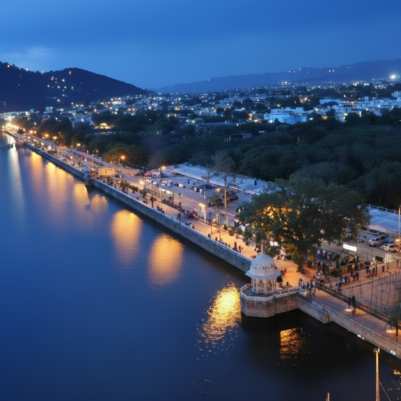
This side feels more relaxed, with easier access to Fateh Sagar Lake and wider roads for vehicles.
The cost is convenient in reverse. Every Old City visit becomes a short local transport ride rather than a walk.
Choose this area if you value quieter evenings, simpler parking and a calmer base after a full sightseeing day.
Newer Parts of Udaipur
Newer areas usually give you easier parking, larger rooms and smoother vehicle access for the same budget.
You give up the historic atmosphere, and you spend more on daily local transport because everything sits further from the centre.
Approximate Accommodation Costs
Treat these as broad planning estimates rather than quotes.
Hostels and basic stays may cost around ₹500 to ₹1,000 per night. Homestays may cost around ₹1,200 to ₹2,500 per night.
Mid range hotels may cost around ₹1,800 to ₹3,500 per night.
Lake views, weekends, festival dates and peak season push these numbers up considerably. The same room can cost very differently in October and late December.
How Do You Get Around Udaipur?
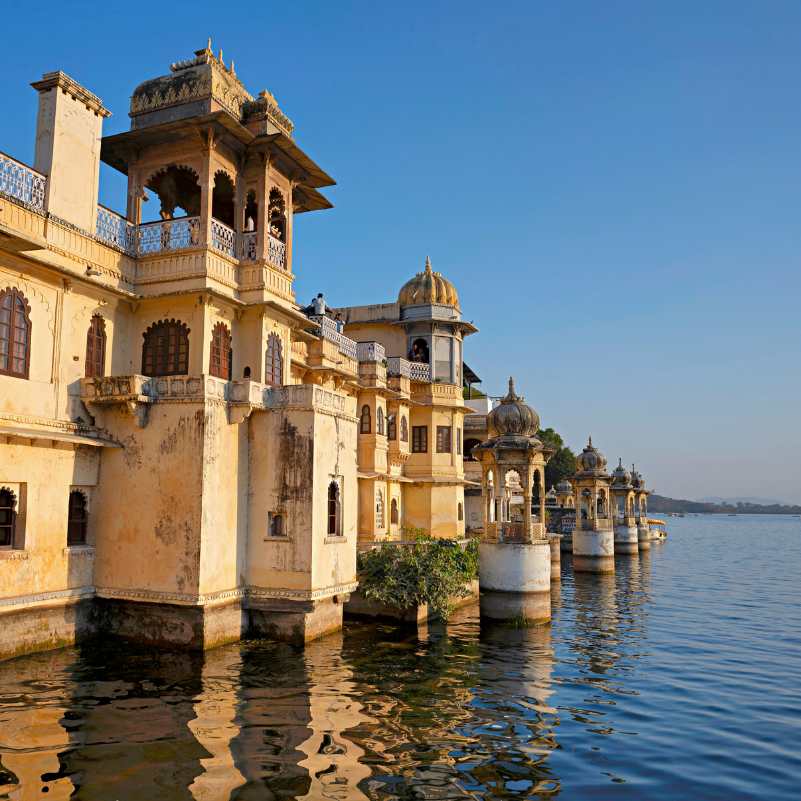
Walk the historic centre. Use autos or a hired car for the outer attractions.
That split covers almost every Udaipur itinerary, and it is the cheapest way to move around the city.
Walking Around the Old City
City Palace, Jagdish Temple, Gangaur Ghat and Bagore Ki Haveli form one convenient sightseeing cluster you can cover on foot.
Wear proper shoes. The streets stay uneven, steps appear without warning, and two wheelers share the same narrow lanes you walk on.
If anyone in your group uses a wheelchair or has limited mobility, plan this area carefully in advance rather than assuming you can cover it on foot.
Using Autos and App Cabs
Autos may broadly cost ₹50 to ₹200 depending on distance. That is a planning estimate, not an official tariff.
Agree on the price before you sit in the auto. Doing it afterwards is how travellers end up in an argument at the end of a good day.
Some travellers report app driver cancellations or requests for extra payment during busy periods. We pass that on as traveller feedback rather than as a rule, so keep a backup plan for late evenings.
Hiring a Full-Day Car and Driver
A local full day sightseeing car may broadly cost ₹1,800 to ₹2,500.
Before you confirm, check the vehicle type, the included kilometres, parking charges, waiting time and night charges. Those four extras are where a cheap quote quietly grows.
A car makes clear sense on the day you combine Saheliyon Ki Bari, Fateh Sagar Lake and Monsoon Palace, because that route involves repeated waiting.
Here is the money tip most travellers miss. Book the car only for your outer attractions day and use autos on your Old City day.
Hiring a car for both days means paying a full day rate to park it while you walk around lanes it cannot enter.
Renting a Scooter or Motorcycle
A scooter or motorcycle rental may broadly cost ₹400 to ₹700 per day.
Verify the licence requirement, helmet, deposit, fuel policy, insurance and damage terms before you take the keys. Photograph any existing scratches.
If you have not ridden in dense Indian traffic before, do not take a two wheeler through the crowded historic lanes. Keep it for the wider roads near the lakes.
What Are the Best Places to Visit in Udaipur?
The main first time highlights are City Palace, Lake Pichola, Jagdish Temple, Bagore Ki Haveli, Fateh Sagar Lake, Saheliyon Ki Bari and Sajjangarh Monsoon Palace.
Here is what each one asks of your time, so you can build a plan rather than a wish list.
City Palace

The complex holds four major palaces and several minor ones, and its main section works as a museum.
An older official FAQ lists museum hours from 9:00 am to 9:00 pm, with last admission at 8:00 pm and an adult visitor ticket of ₹400. As these details may have changed since the document was published, confirm the current timings and ticket price before visiting.
We keep those verification labels because the accessible official document dates from 2023. Confirm the current hours and ticket before you plan your morning around them.
Jagdish Temple, Gangaur Ghat and Bagore Ki Haveli
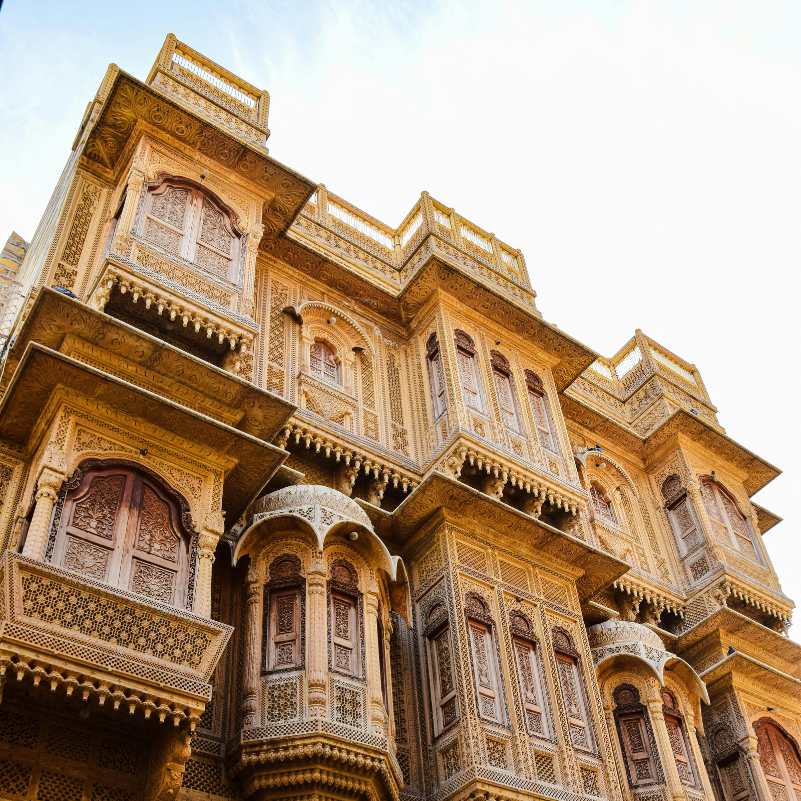
These three sit close together and make a natural heritage walk after City Palace.
Dress respectfully and remove your footwear where required at the temple. Keep a pair of socks handy if you dislike bare feet on hot stone.
The West Zone Cultural Centre runs the Dharohar cultural programme at Bagore Ki Haveli, and it remains the easiest evening plan in the Old City.
Dharohar show timings and ticket prices can change, so confirm the current schedule and entry fee locally on the day of your visit.
Lake Pichola and Jag Mandir
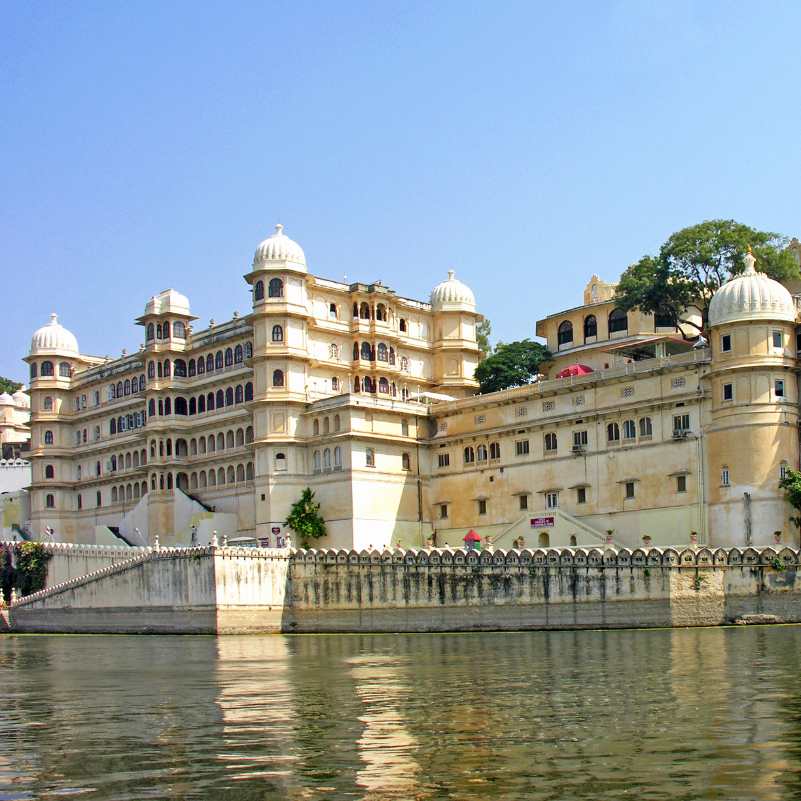
A boat ride on Lake Pichola stays popular for good reason, especially later in the day when the light softens over the water and Jag Mandir.
Fares, boarding points, routes, operating schedules and sunset pricing all vary. We do not publish a number we cannot stand behind.
Boat fares, boarding points, routes and schedules can vary, so confirm the current Lake Pichola boat price and operating timings locally before planning your visit.
Fateh Sagar Lake
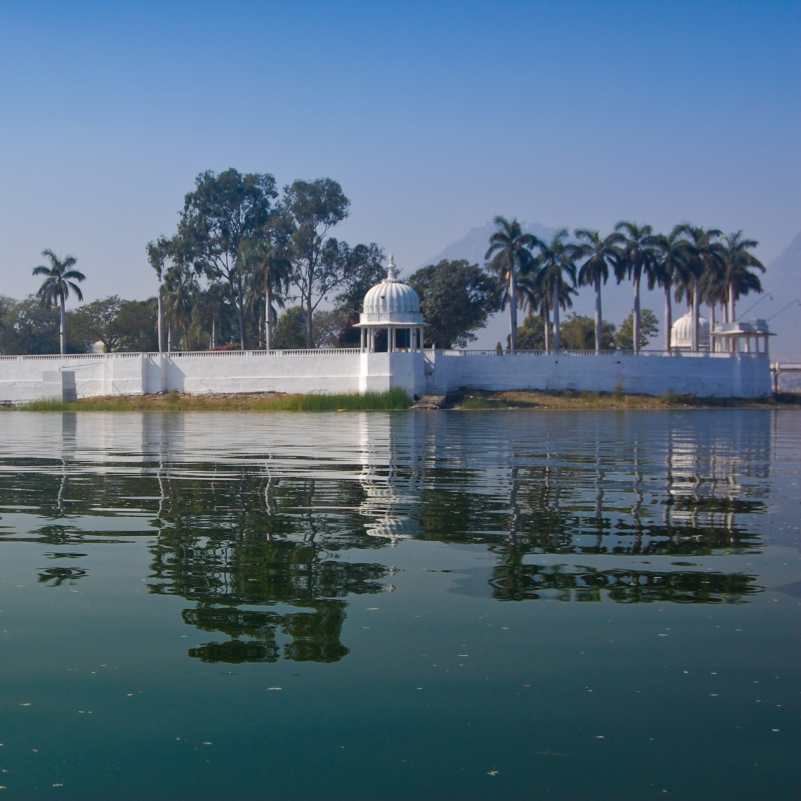
Fateh Sagar works best as a late afternoon or evening stop.
You get lake views, a pleasant stretch to walk, and food options along the road, though we will not call any single vendor the best without checking it ourselves.
Allow extra travel time here during winter holiday congestion. Late December traffic on this stretch moves slowly.
Saheliyon Ki Bari
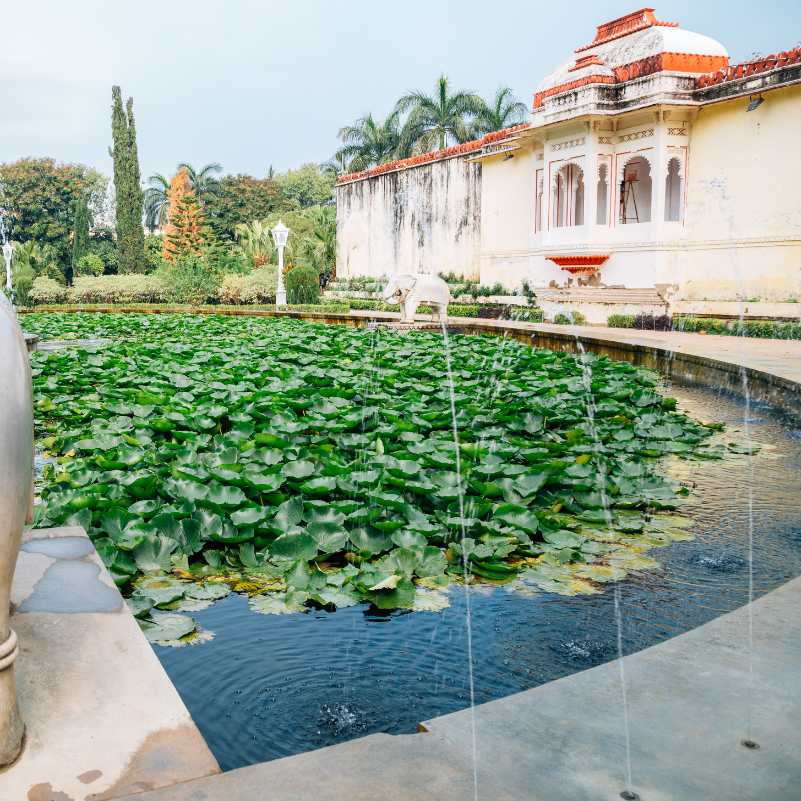
Official tourism information supports an opening time of 9:00 am.
Published closing times and entry fees vary, so confirm the current details before visiting.
Treat it as a shorter garden visit rather than a half day attraction. Reaching it at the opening gives you the quietest walk of your entire trip, and it is the single timing tip we repeat most often.
Sajjangarh Monsoon Palace
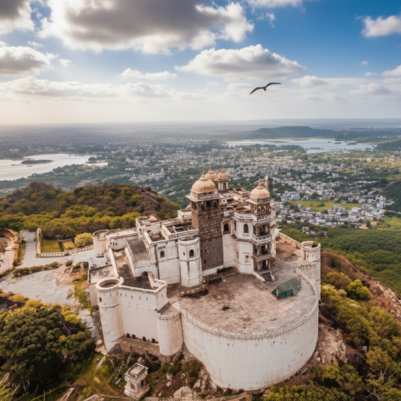
Monsoon Palace is a 19th century palace in the Bansdara Hills, known for its panoramic views over the city and surrounding lakes.
Sunset draws the biggest crowd, which means queues on the approach and slow traffic on the way up.
Entry fees, shuttle arrangements and closing times can change, so confirm the latest access details before visiting.
Leave much earlier than you think you need to. Arriving in a queue as the light fades is the most common complaint we hear about this stop.
Other Places for a Longer Stay
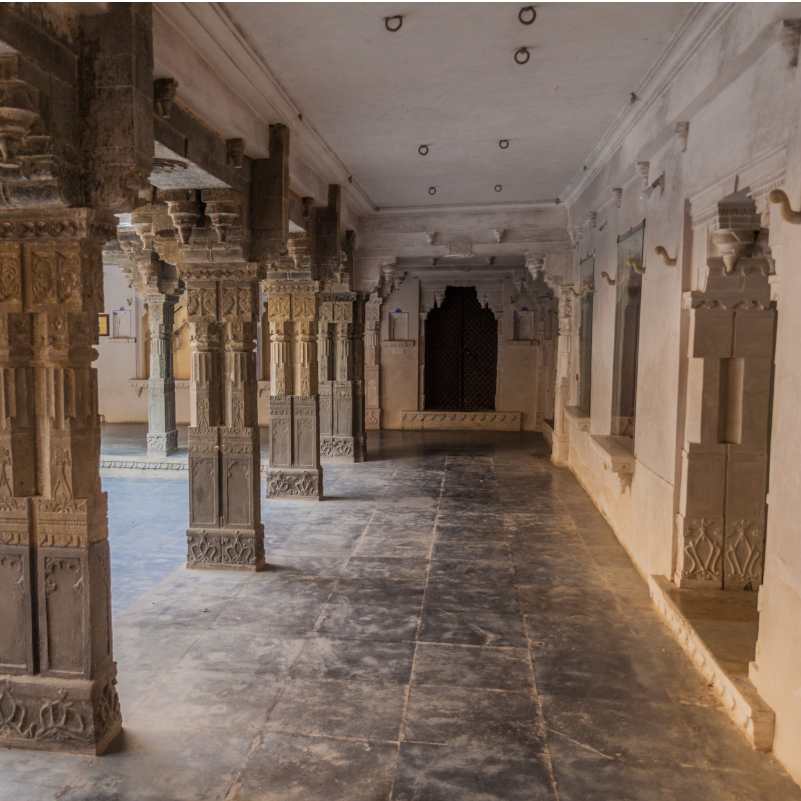
Ahar, Shilpgram and Badi Lake suit travellers for three days or more, along with the smaller museums around the city.
Pick according to your interest rather than trying to tick everything. Ahar rewards history interest, Shilpgram suits crafts and performance, and Badi Lake works for a quiet half day away from crowds.
What Is the Best Two-Day Udaipur Itinerary?
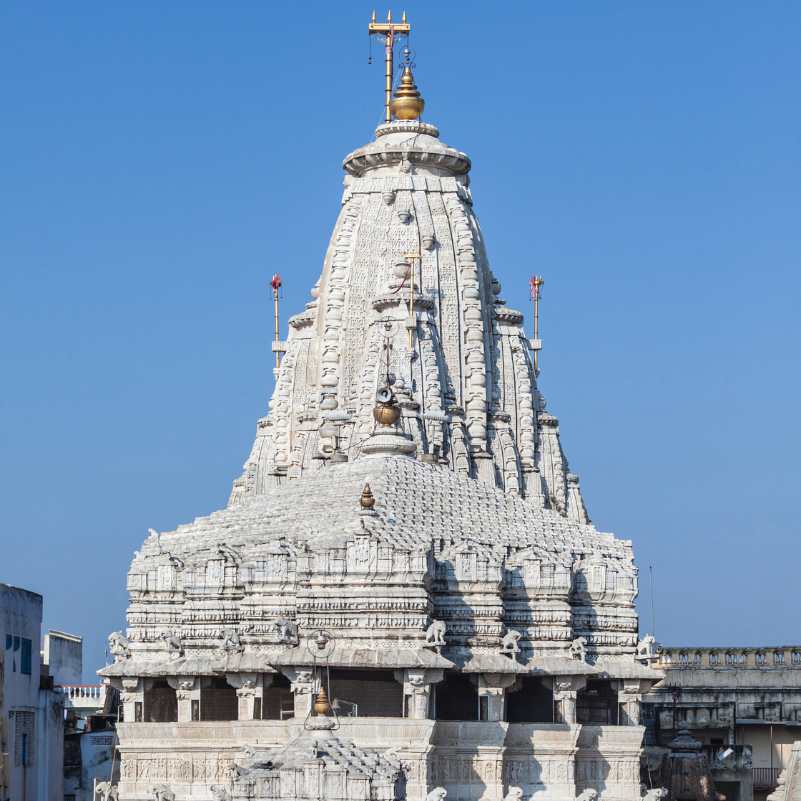
The most practical two day plan separates the Old City from the gardens, lakes and western viewpoints.
Follow that split and you barely cross the city. Ignore it and you spend your holiday in traffic.
Day One: Old City, City Palace and Lake Pichola
Start at City Palace in the morning, as close to opening as you can manage. The courtyards stay cooler and the museum sections feel far less crowded early.
Walk out into the lanes afterwards and continue to Jagdish Temple. Give yourself time to wander the surrounding streets rather than heading straight for the next stop.
Carry on to Gangaur Ghat and sit for a while. The ghat gives you the first proper sense of the lake and the city behind it.
Head to Bagore Ki Haveli in the late afternoon.
Add a Lake Pichola boat ride only when the live schedule and the fare suit your plan, since both change.
Finish with the Dharohar programme after confirming the current show time. Book or reach early on winter weekends, when the seating fills fast.
Keep Fateh Sagar, Saheliyon Ki Bari and Monsoon Palace out of this day entirely. That is the whole point of the split.
Day Two: Saheliyon Ki Bari, Fateh Sagar and Monsoon Palace
Begin at Saheliyon Ki Bari at the 9:00 am opening. An hour or so covers it comfortably.
Move on to Fateh Sagar Lake next, and add one nearby attraction if your energy and interest allow.
Eat lunch around this side of the city rather than driving back into the Old City. Crossing the city mid day costs you an hour you will want later.
Keep the late afternoon for Monsoon Palace, and build in a genuine traffic buffer before sunset.
What we always tell our travellers is to reach the Monsoon Palace approach well before the golden light starts, because the queue moves slower than the sun does.
Ready to hand this over to someone local? See customised Udaipur holiday packages and we will match the plan to your dates and pace.
What Is a Relaxed Three-Day Udaipur Itinerary?
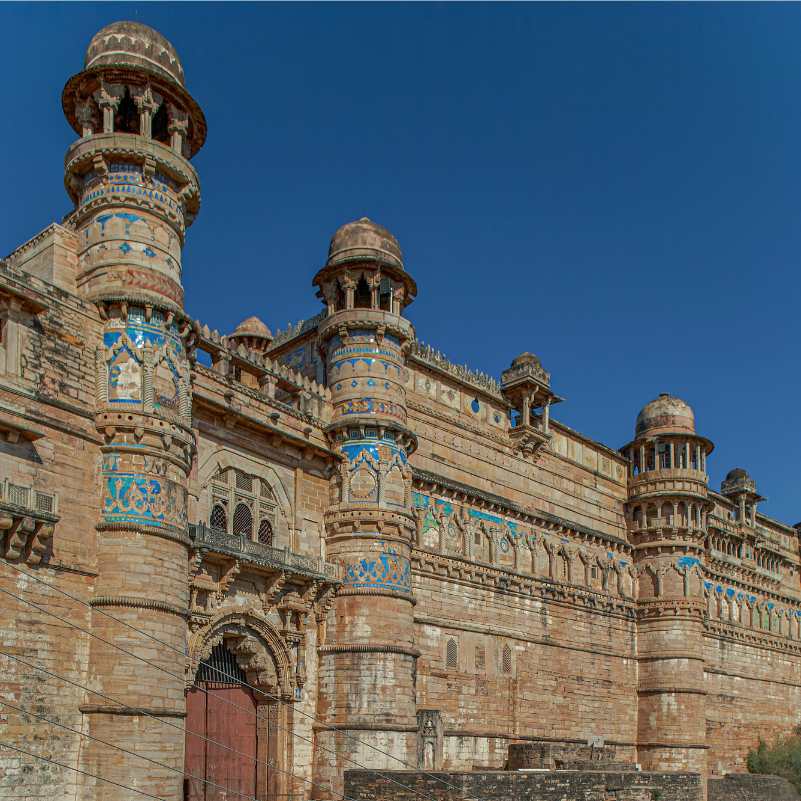
A three day plan keeps every major sight but adds room for markets, food, quieter corners or one longer experience.
You cover the same highlights without watching the clock.
Day One: Historic Udaipur
Use the same Old City sequence of City Palace, Jagdish Temple, the ghats and Bagore Ki Haveli.
Day Two: Lakes, Gardens and Sunset Views
Cover Saheliyon Ki Bari, Fateh Sagar Lake and Monsoon Palace, in that order.
This route works far more smoothly with a hired car or properly planned local transport, because the three stops sit apart and each involves waiting.
Book the vehicle for this day specifically rather than for the whole trip.
Day Three: Choose One Travel Style
Pick one direction for the third day instead of blending all three.
The cultural option gives you Ahar and the city museums, with time for the markets at Hathi Pol and Bapu Bazaar afterwards.
The scenic option gives you Badi Lake and an unhurried half day in the city, which suits travellers who found the first two days busy enough.
The excursion option means choosing one full day destination outside the city and committing to it properly.
You cannot combine all three in a single day. Pick the one that matches how you actually like to travel.
How Much Does an Udaipur Trip Cost?

Your total depends on hotel category, travel dates, group size, local transport and how many paid attractions you visit.
We deliberately avoid quoting one universal trip total, because a couple in a homestay and a family of four in a mid range hotel are not planning the same holiday.
Accommodation Cost
Hostels and basic stays may cost around ₹500 to ₹1,000 per night, homestays around ₹1,200 to ₹2,500 per night, and mid range hotels around ₹1,800 to ₹3,500 per night.
Room sharing changes your per person maths more than anything else. Two couples splitting two mid range rooms usually spend less each than four friends in separate budget rooms.
The area matters too. Old City and lake view rooms carry a premium, and weekends, festivals and peak dates push the same room higher again.
Food Cost
A street snack may cost around ₹30 to ₹50. A traditional thali may cost around ₹300 to ₹500 per person.
A mid range restaurant meal may cost around ₹500 to ₹700 for two.
Hotel restaurants and premium lake view dining cost more than these ranges. You pay for the view, and on a rooftop overlooking Lake Pichola that is a fair trade if you budget for it.
Local Transport Cost
Autos may broadly cost ₹50 to ₹200 depending on distance, a scooter or motorcycle rental around ₹400 to ₹700 per day, and a full day sightseeing car around ₹1,800 to ₹2,500.
Parking, waiting time, night use and extra kilometres often come as separate charges on a car hire. Ask about all four before confirming.
Attraction and Experience Costs
We do not publish a fixed sightseeing ticket total, because the individual figures keep moving.
Check the latest prices for City Palace, the Lake Pichola boat ride, the Dharohar performance at Bagore Ki Haveli and Monsoon Palace separately before calculating your sightseeing budget.
How to Estimate Your Udaipur Budget
Build your Udaipur trip cost from your travel origin, the number of travellers, your dates, your room category, the paid experiences you actually want and any excursion you add.
Then add a buffer for the peak date premium if you travel in late December.
What Should You Eat and Buy in Udaipur?
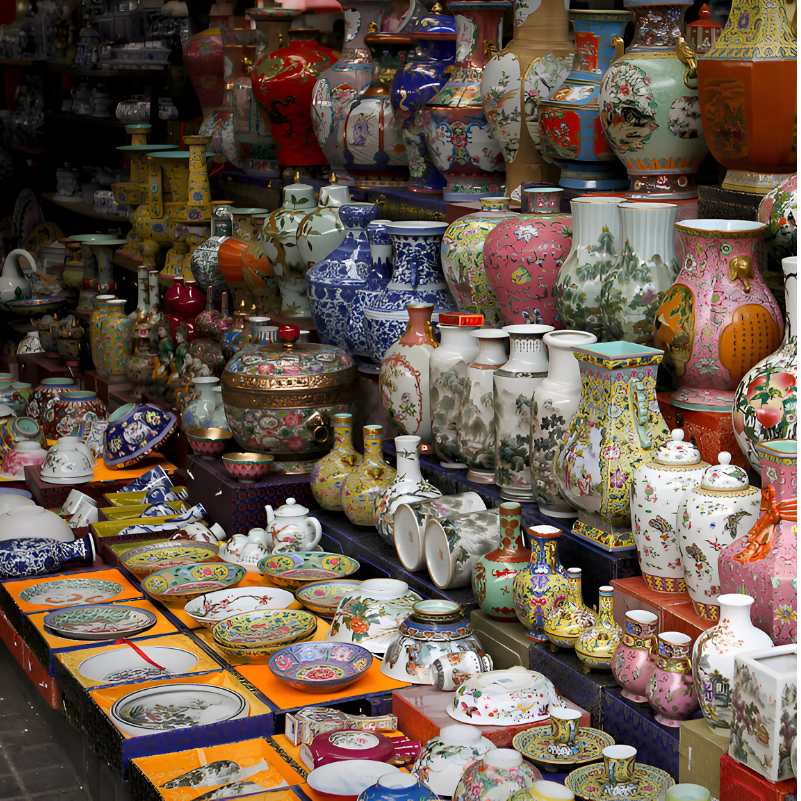
Eat Rajasthani thalis, kachori, dal baati churma and local sweets. Buy textiles, miniature style artwork and craft products.
Both of those sit close to where you will already be walking.
Food to Try in Udaipur
Dal baati churma is the dish most travellers come for, and gatte ki sabzi deserves a place beside it. A full Rajasthani thali gives you the widest spread for one price.
A hot kachori in the morning is the local breakfast habit worth copying. We usually point travellers towards the stalls around Hathi Pol and Bapu Bazaar during the morning hours, when the batches come out fresh and the queue moves.
Ghewar shows up seasonally, so ask what the local sweet shops have made that week rather than hunting for one specific item.
We avoid naming a single restaurant as the best in the city. Places change hands, quality shifts, and we would rather you ask your hotel what is good this month.
Shopping in Udaipur
Hathi Pol and Bapu Bazaar cover most of what travellers buy here.
Textiles, miniature style artwork, silver jewellery and local craft products fill both markets, and prices vary widely between shops selling similar things.
Confirm the full price before any customisation, framing, packing or courier delivery. A framed painting can cost noticeably more than the painting. Treat antique claims carefully unless a seller can document the item.
Bargain politely and without drama. A calm conversation gets you a better price here than a hard argument.
Is Udaipur Safe for Solo Travellers and Families?
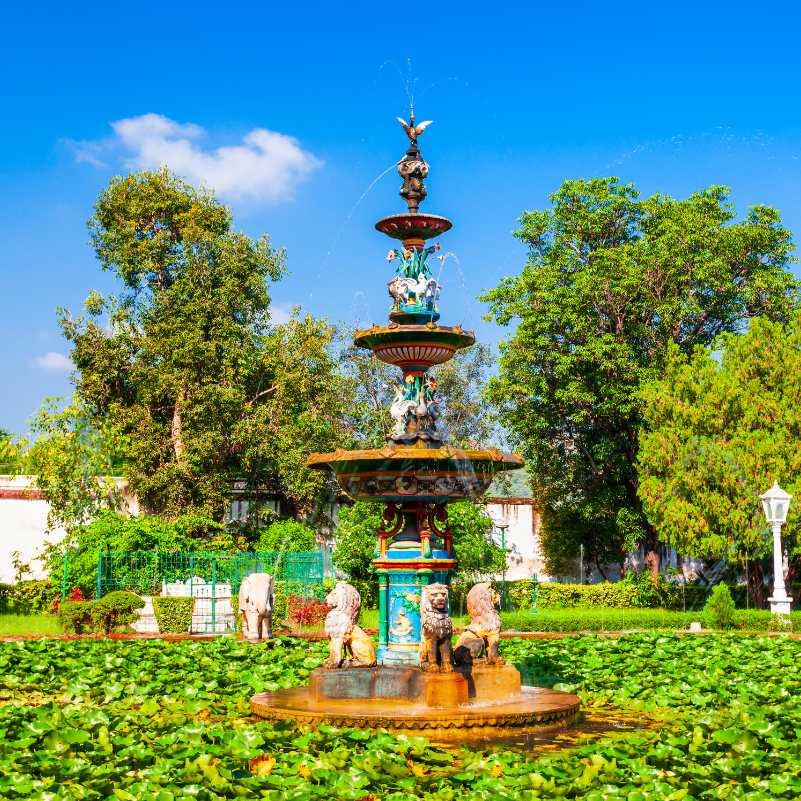
Most travellers visit Udaipur without serious difficulty, though normal urban precautions still apply.
Guard your phone and wallet in crowded places, particularly at the ghats during evening hours, near market lanes and around sunset viewpoints where everyone stands shoulder to shoulder.
Arrange dependable evening transport if you stay outside the historic centre. Waiting for a ride late at night on a quiet road is avoidable with a little planning.
Solo women travellers should pick well reviewed accommodation with clear vehicle access, and confirm how close a vehicle can actually drop them after dark.
Families need to watch children closely near the ghats, lake edges, hotel terraces and unfenced viewpoints. Several of these spots have low walls and steep drops.
Share your driver details and route with someone when you travel outside the city for a day trip.
We will not tell you that Udaipur or any particular neighbourhood is completely safe. No city is, and the sensible precautions here are the same ones you would take anywhere else in India.
Which Day Trips Can You Take from Udaipur?
Kumbhalgarh, Ranakpur and Chittorgarh are the main heritage excursions from Udaipur. Each one takes a substantial part of your day in travel alone.
Treat any of them as a dedicated day, not an add on.
Kumbhalgarh
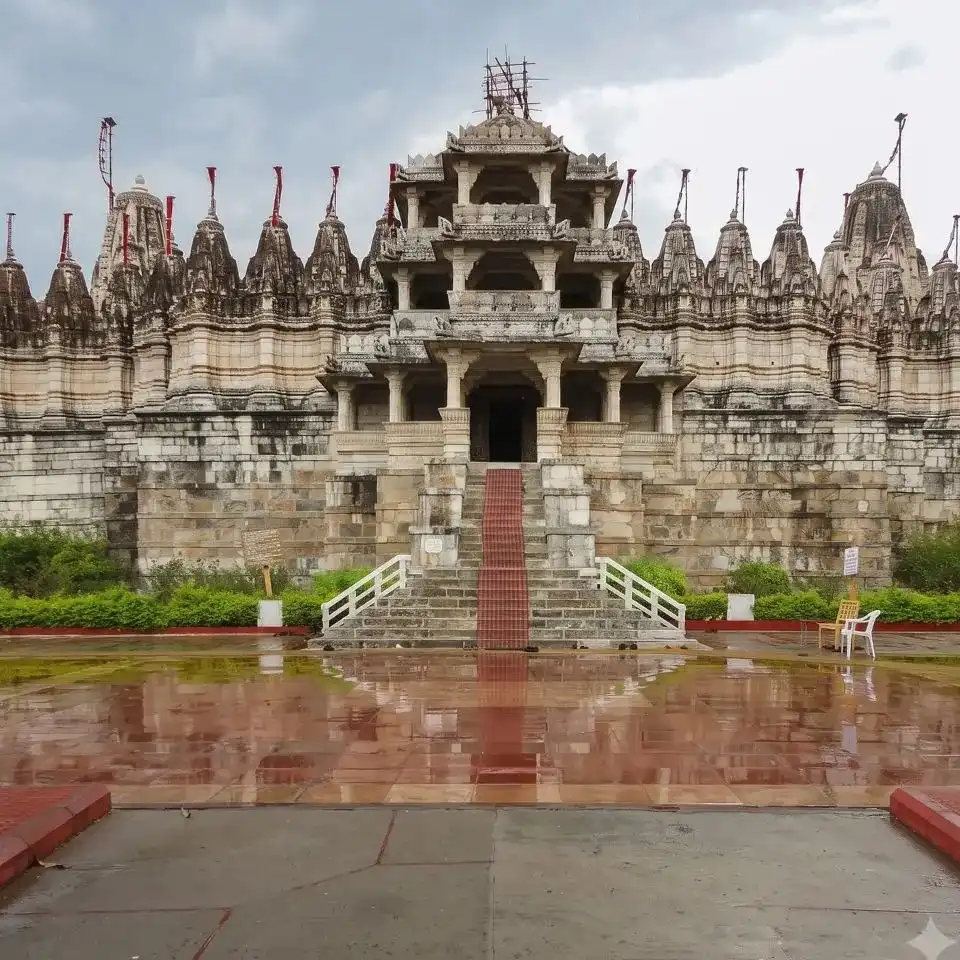
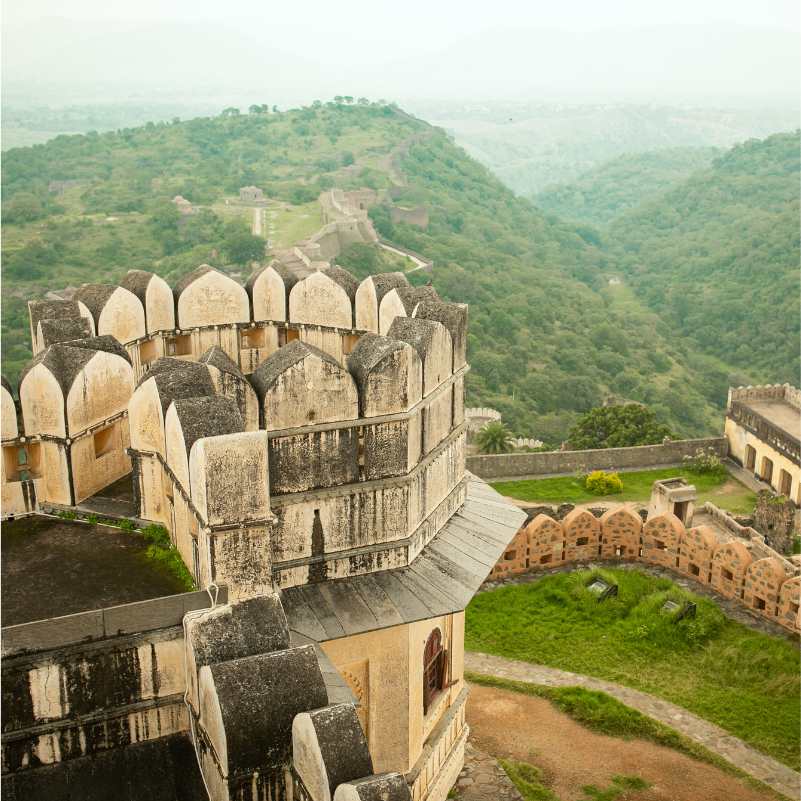
Rajasthan Tourism lists Kumbhalgarh around 84 kilometres north of Udaipur.
It suits travellers interested in forts and military history, and the scale of the walls is what most visitors remember. Give it a full day, and note that we do not publish a fixed driving time because traffic decides that on the day.
Ranakpur
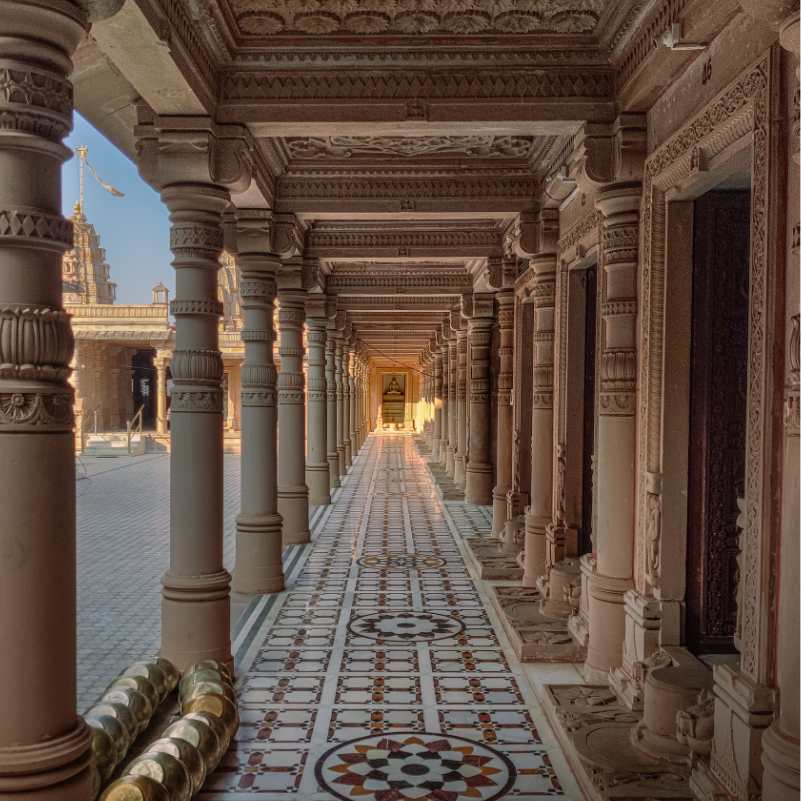
Rajasthan Tourism describes Ranakpur as almost 90 kilometres from Udaipur.
The temple architecture is the reason to go, and the setting stays quieter than the bigger forts on the Rajasthan circuit.
Check current temple access rules and visitor etiquette before you travel, including timings for non worshippers and any photography restrictions.
Chittorgarh
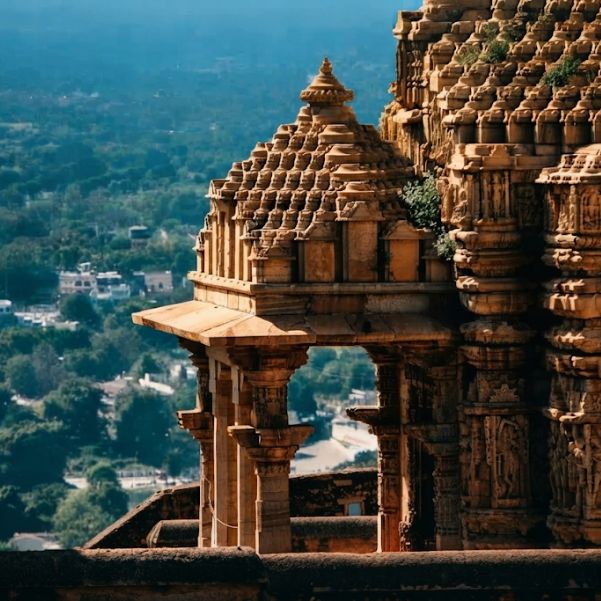
Official Rajasthan tourism information places Chittorgarh around 115 to 117 kilometres from Udaipur.
This is a long, history focused day trip, and the fort complex itself involves plenty of walking once you arrive.
Do not add it to the essential two day Udaipur itinerary. It needs its own day and an early start.
Actual travel time can vary with traffic, road conditions, weather and your starting point in Udaipur.
Essential Udaipur Travel Tips
Choose your hotel area carefully, group your attractions geographically, verify changing timings and leave extra time around sunset. Everything else in this udaipur travel guide follows from those four habits.
Pick your accommodation according to your itinerary rather than photographs alone. A gorgeous rooftop shot tells you nothing about how far the vehicle stops from the door.
Remember that some Old City hotels have no direct vehicle access at all. Ask the property directly and ask specifically, because a general yes to parking is not the same as a vehicle reaching your entrance.
Dress respectfully at temples and remove footwear where required.
Carry some cash even though UPI works widely. Small stalls, auto drivers and market vendors often prefer it, and network coverage inside old lanes is not always reliable.
Confirm auto fares before the ride starts and get the complete inclusion list for any car hire in writing on WhatsApp.
Leave extra time around sunset. Winter weekends, late December traffic and viewpoint queues all take longer than a map suggests, and Monsoon Palace punishes optimism.
Verify show timings, boat schedules, ticket prices, attraction closures and the airport terminal status shortly before you travel.
Confirm show timings, boat schedules, ticket prices, attraction closures and the airport terminal status shortly before travelling, as these details can change.
Keep distant excursions off a two day trip. If you only have two days, spend them in the city and save Kumbhalgarh or Chittorgarh for a return visit.
If you would rather have someone else handle the timings, the driver and the hotel area, plan your Udaipur trip with Travel Coffee and tell us how you like to travel.
Final Udaipur Trip Planning Advice
Two days work if you split the city into a walking day and a driving day. Three days work better for most travellers, because the third day absorbs delays, markets and long meals without costing you an attraction.
Take four days or more only when you genuinely want an excursion to Kumbhalgarh, Ranakpur or Chittorgarh, and give that excursion its own day rather than borrowing hours from the city.
Whichever length you choose, treat the timings, ticket prices and transport arrangements in this Udaipur trip guide as things to confirm close to your travel date.
Schedules here change more often than most planning articles admit, and a quick check the week before your trip saves you a wasted evening.
Explore Our Curated Udaipur Tour Packages
 3D/2N
3D/2NUdaipur Tour With Lake Pichola Boat Ride and Bagore Ki Haveli
3D Udaipur
₹9,999₹12,999SAVE INR 3,000/ person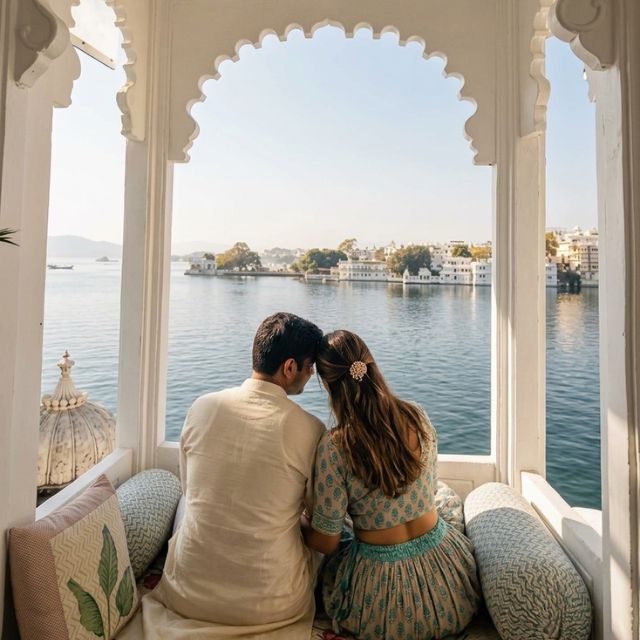 4D/3N
4D/3NUdaipur Honeymoon Tour With Candlelight Dinner and Boat Ride
4D Udaipur
₹17,999₹21,999SAVE INR 4,000/ person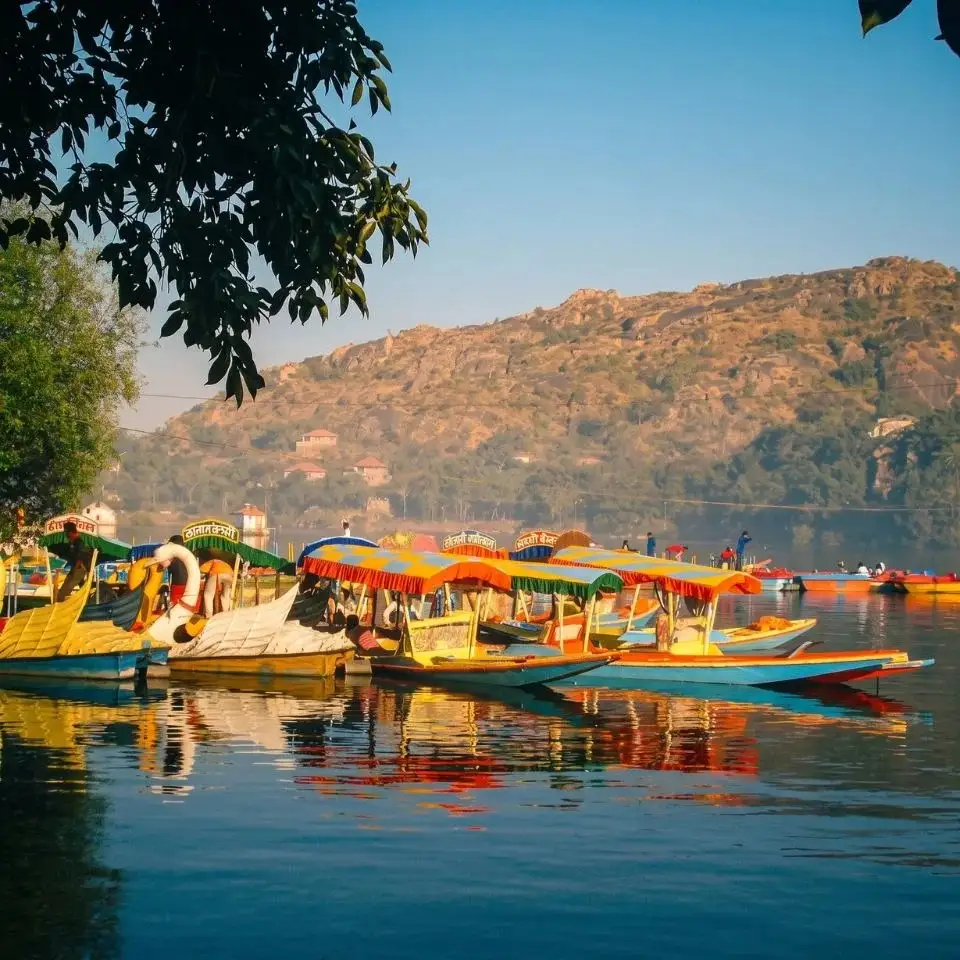 5D/4N
5D/4NUdaipur Mount Abu Tour With Nakki Lake and Dilwara Temples
2D Udaipur•2D Mount Abu
₹20,999₹24,999SAVE INR 4,000/ person
Related topics
Frequently Asked Questions
How many days are enough for Udaipur?
Two days are enough for the main attractions when you group them geographically. Three days work better because they leave room for markets, cafés, Ahar, Badi Lake or Shilpgram without rushing. Stay four days or longer if you want a full day excursion to Kumbhalgarh, Ranakpur or Chittorgarh, or if you simply want a slower holiday with unhurried mornings by the lakes.
Is two days enough for Udaipur?
Yes, provided you split the city correctly. Day one covers City Palace, Jagdish Temple, Gangaur Ghat and Bagore Ki Haveli on foot. Day two covers Saheliyon Ki Bari, Fateh Sagar Lake and Monsoon Palace by vehicle. You will skip long market time, secondary attractions and any excursion outside the city, but you will see the main highlights comfortably.
Which month is best for visiting Udaipur?
September to March is the broadly recommended period, and official Incredible India guidance supports that window. Winter weather makes outdoor sightseeing easier across gardens, ghats and viewpoints. The trade off is demand, since winter weekends, Christmas and New Year bring heavier crowds and slower traffic. Book accommodation and key experiences early if your dates fall on those peak holiday periods.
Is Udaipur worth visiting during monsoon?
Yes, if you can stay flexible. Monsoon leaves the surroundings greener and the lake views more atmospheric, and the city feels less crowded than in peak season. Rain can affect outdoor plans, viewpoint visibility from Monsoon Palace and boat operations during rain. Keep indoor options such as the palace museum and the Dharohar programme ready for wet afternoons.
How much does an Udaipur trip cost?
It depends on your hotel category, dates, group size, transport and paid attractions, so no single total fits everyone. As planning estimates, basic stays run around ₹500 to ₹1,000 per night, homestays around ₹1,200 to ₹2,500 and mid range hotels around ₹1,800 to ₹3,500. Add food, local transport and attraction tickets, and budget extra for peak dates.
Which area is best for a first-time visitor to stay in Udaipur?
The Old City near Lake Pichola suits first timers who want walking access to City Palace, Jagdish Temple and the ghats. Fateh Sagar and the newer areas suit travellers who prefer easier vehicle access, quieter evenings and simpler parking. Confirm your property's exact vehicle drop point before booking an Old City stay, particularly with heavy luggage or older family members.
Can you explore Udaipur without hiring a car?
Yes for the historic centre, which you can cover entirely on foot. You will need autos or app cabs for Saheliyon Ki Bari, Fateh Sagar Lake and Monsoon Palace, since those sit away from the Old City. Autos may broadly cost ₹50 to ₹200 depending on distance. Agree the fare before starting, and keep a backup option for late evenings.
What are the main places to visit in Udaipur?
City Palace, Lake Pichola, Jagdish Temple, Bagore Ki Haveli, Fateh Sagar Lake, Saheliyon Ki Bari and Sajjangarh Monsoon Palace cover the first time highlights. City Palace deserves a substantial part of a morning, while Saheliyon Ki Bari works as a shorter garden stop. With more days, add Ahar, Shilpgram or Badi Lake according to your interests rather than visiting everything.
Is Udaipur safe for solo female travellers?
Most solo travellers visit without serious difficulty, though normal urban precautions still matter. Choose well reviewed accommodation with clear vehicle access, and check how close a vehicle can drop you after dark. Guard your phone and wallet in crowded market lanes and at sunset viewpoints. Arrange dependable evening transport in advance if you stay outside the historic centre.
Can Kumbhalgarh and Ranakpur be visited in one day?
Some operators offer a long combined circuit, but do not assume it will work for you. Kumbhalgarh sits around 84 kilometres north of Udaipur and Ranakpur almost 90 kilometres away, so the route, current temple access, available daylight and your own pace all decide it. Check each of those before booking, since travel times remain.
Is Chittorgarh a suitable day trip from Udaipur?
Yes, as a dedicated full day with an early start. Official Rajasthan tourism information places Chittorgarh around 115 to 117 kilometres from Udaipur, and the fort complex involves substantial walking once you reach it. Keep it off a two day city itinerary. It suits travellers with a genuine interest in Rajput history rather than anyone collecting sights quickly.
What should you book before reaching Udaipur?
Book your accommodation first, especially for winter weekends, Christmas and New Year when demand rises sharply. Arrange your airport or station transfer with a confirmed fare and drop point. Plan your full day sightseeing car for the outer attractions day. Check the current status of City Palace timings, the Dharohar show, boat operations and Monsoon Palace access close to your travel date.
More about Udaipur
- Udaipur
Udaipur to Chittorgarh Day Trip 2026: Fort Route, Timings, Cost and Honest Advice
Planning a Udaipur to Chittorgarh day trip in 2026? This practical guide covers the best fort route, travel time, sightseeing timings, expected costs and transport options. We also share honest advice on how much time you need at Chittorgarh Fort, what to prioritise and whether the trip is worth adding to your Udaipur itinerary.
- Places to Visit
- Road Trips
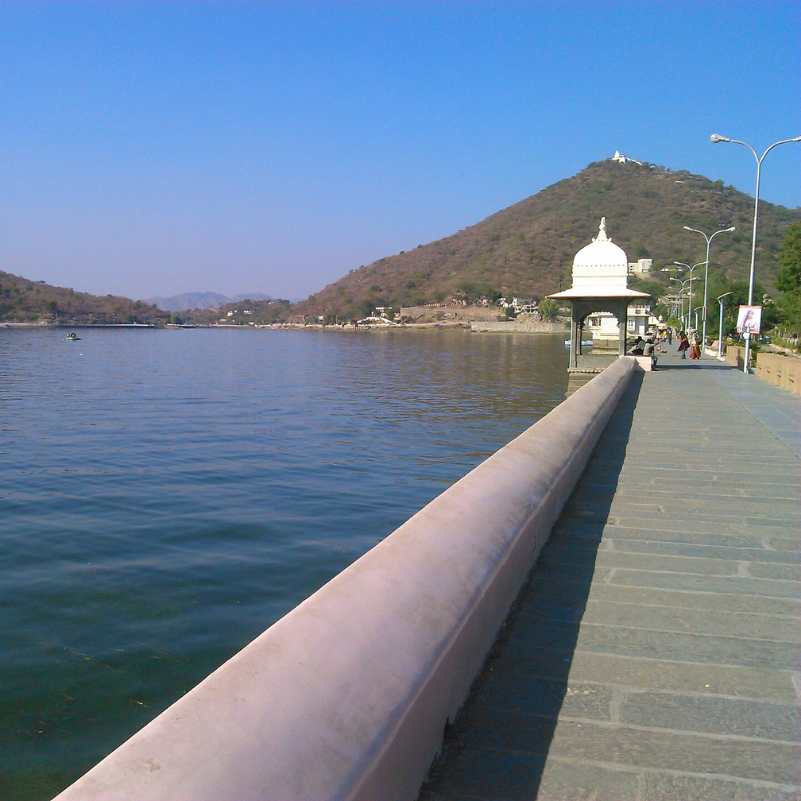 Udaipur
Udaipur Trip Cost 2026: Budget for 2, 3, 4 and 5 Days
Planning an Udaipur trip in 2026? This practical cost guide breaks down the budget for 2, 3, 4 and 5 days, including hotels, food, local transport, sightseeing and activities. Use realistic budget ranges to plan your Udaipur holiday without overspending.
- First-Time Travellers
- Itinerary
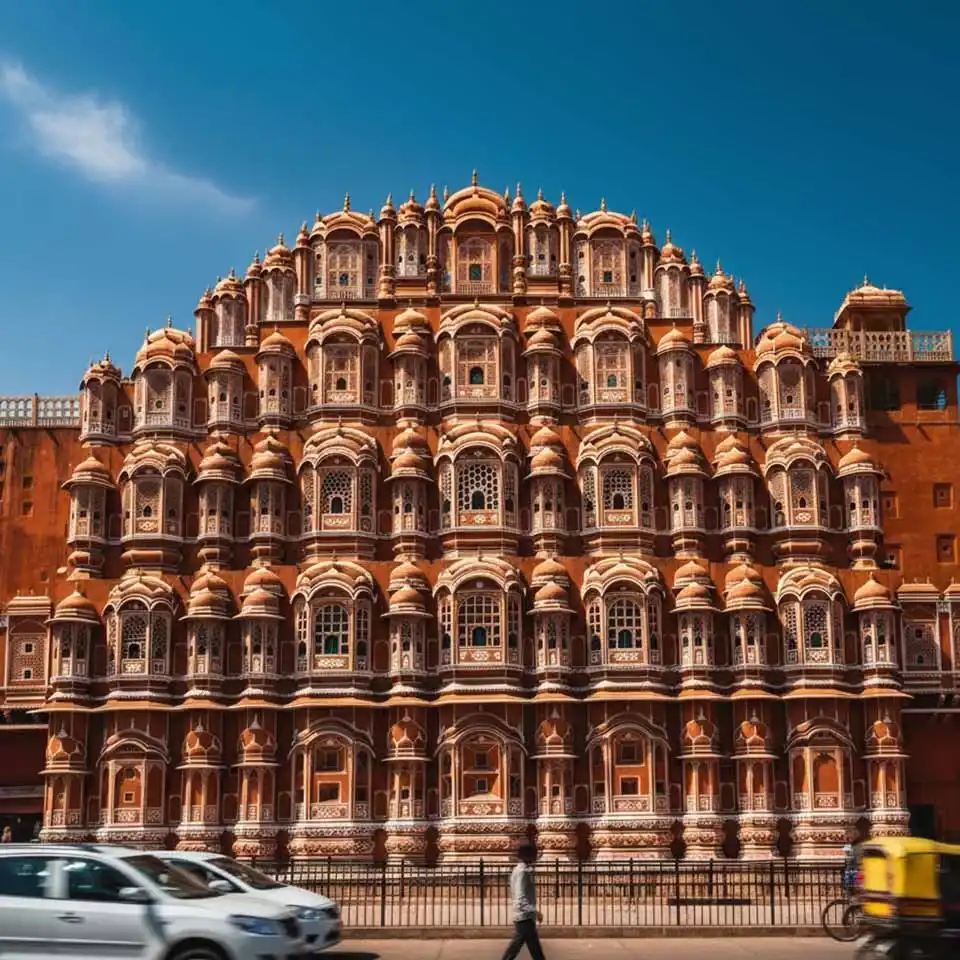 Udaipur
Udaipur Local Transport Guide 2026: Auto, Taxi, Cab, Scooter, Parking and Old-City Access
Planning how to get around Udaipur in 2026? This practical transport guide compares autos, taxis, cabs and scooter rentals, with tips on fares, parking and navigating the narrow Old City. Learn which option works best for sightseeing, lake areas and day trips, and where vehicle access can become difficult.
- How to Reach
- First-Time Travellers