
Best Time to Visit Udaipur in 2026: Weather, Crowds, Lake Levels and Prices

The best time to visit Udaipur is October to March, when the weather stays comfortable for palaces, markets and long lakefront evenings.
February is the best-balanced pick for most first-time visitors because the weather is still pleasant once the year-end rush thins out.
December carries the strongest holiday crowds and room-rate pressure.
August and September suit travellers who want rain and green hills. April to June is hot but usually easier on the wallet.
If you want us to build the trip around your dates, our customized Udaipur tour packages are a good place to start.
Quick Answer
For comfortable sightseeing, visit Udaipur between October and March. November to February has the most pleasant weather but the biggest crowds and highest hotel demand, especially around Christmas and New Year.
February is the balanced choice. Monsoon from July to September brings greenery and better value with unpredictable rain, while summer from April to June is cheaper but very hot. Lake views depend on that year's rainfall.
What Is the Best Time to Visit Udaipur?
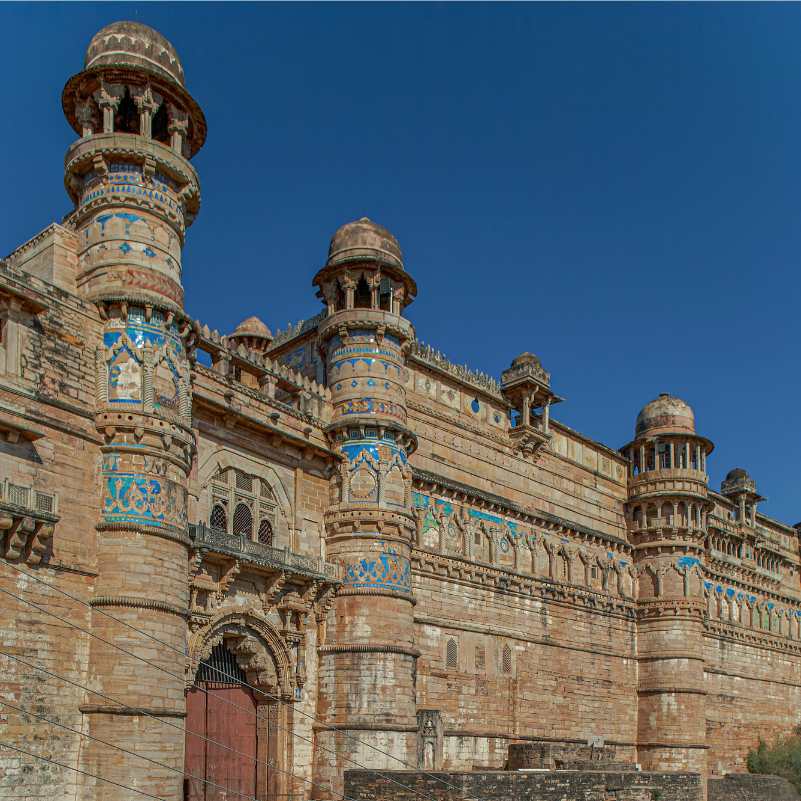
There is no single best month for everyone. The right time turns on five things: how comfortable you want the weather, how many crowds you can handle, your hotel budget, whether you enjoy monsoon scenery, and how much your plans depend on dependable outdoor days.
If comfortable sightseeing matters most and it is your first visit, pick November to February. For the best overall balance, choose February, when days stay pleasant after the main holiday rush.
For a post-monsoon trip, we would choose October, though how green it looks and how the lakes sit still ride on that year's rain. Flexible travellers who love rain and clouds should look at August or September.
Go for April to June only if you tolerate heat well or you are booking a hotel-focused break. One thing worth being honest about: the best weather and the cheapest prices almost never land in the same month.
Udaipur Seasons at a Glance

October to March: Best for Comfortable Sightseeing
This is the broad season. Days are warm to mild, evenings turn cool, and outdoor sightseeing feels easy, which is exactly why demand and prices climb.
October days can still feel warm after the monsoon. December and the New Year period get especially crowded, so book early if your dates are fixed.
Prices swing a lot within this window depending on the property, the weekend, local weddings, event dates and your room category.
July to September: Best for Monsoon Scenery
Expect rain, humidity, green Aravalli hills and heavy, dramatic skies. Trips in this window need flexible outdoor plans, because a downpour can rearrange your day in minutes.
Rain can improve inflow into the lakes, but it does not promise that every lake will be full. Green surroundings and a full lake are not the same thing.
April to June: Best for Lower Demand
Afternoons get strong and hot, and fewer people travel, so hotels often sit quieter than in peak winter. Rooms may cost less than they do in December.
The catch is simple. If the heat keeps you indoors for half the day, the money you save on the room may not buy you a better trip.
The Two Best Compromise Windows
Late September to October is the post-monsoon compromise. You may still catch green surroundings while getting more dependable days for walking and boating.
February to early March is the comfortable-weather compromise after the year-end rush. The weather stays pleasant, though March afternoons heat up as the month moves on.
Each option has a weakness. October can stay warm, and March slides steadily warmer week by week.
Udaipur Weather Month by Month

A quick note on the numbers below. These temperature and rainfall figures come from the India Meteorological Department climatological table for Udaipur covering 1981 to 2010.
They are long-term averages. They describe the usual pattern for each month, not a forecast for your exact travel dates, so treat them as a planning guide rather than a promise.
Udaipur in January
January runs an average minimum of 7.3°C and an average maximum of 24.6°C, with average rainfall of just 2.4 mm.
Daytimes are comfortable for sightseeing while mornings and evenings turn genuinely cold. Crowds and hotel demand run high, especially on weekends and through the early-January holiday stretch.
Pack layers for the cold mornings, chilly evenings and open-air dinners. Not every day is cloudless, and not every night drops all the way to the average low.
Udaipur in February
February averages a minimum of 9.6°C and a maximum of 27.7°C, with about 2.7 mm of rain.
This is our best-balanced pick for many first-time visitors. Days feel comfortable, evenings stay pleasant, and rain has historically been minimal.
Demand is moderate to high rather than low, so do not expect empty streets. Weekends, weddings and events can still push hotel rates up.
Udaipur in March
March runs an average minimum of 15.4°C and a maximum of 33.4°C, with rainfall around 1.4 mm.
It starts as a comfortable shoulder month, but afternoons warm up noticeably. Plan your sightseeing for the morning and late afternoon and rest through the midday heat.
Festival dates, long weekends and weddings can create short demand spikes on specific dates.
Udaipur in April
April averages a minimum of 20.6°C and a maximum of 37.8°C, with rainfall near 6.8 mm.
Afternoons get uncomfortable for outdoor sightseeing. On the upside, crowds and room prices usually run lower than in winter.
April works if you can start early, break through the afternoon and head back out near sunset. If the heat sounds like too much for these weeks, our cooler Shimla holidays are a comfortable alternative.
Udaipur in May
May averages a minimum of 25.5°C and a maximum of 40.2°C, with rainfall around 13.8 mm.
That maximum is the highest in the official monthly climate table, which makes May the hardest month for anyone sensitive to heat. Visitor demand is generally low.
But low demand does not automatically mean good value. A cheaper room helps little if it is too hot to enjoy the city.
We would keep May for heat-tolerant travellers, hotel stays and indoor-focused breaks, not for a packed outdoor itinerary or for families and seniors who want long days outside.
Udaipur in June
June averages a minimum of 26.3°C and a maximum of 37.6°C, with rainfall around 81.3 mm.
It can begin hot and grow humid and unsettled as monsoon activity builds. When the monsoon arrives, and how the rain spreads out, changes from year to year.
Demand stays generally low, though school holidays and weekends lift some dates. For a cooler summer escape, many travellers look at our Kashmir summer tour packages around this time.
Udaipur in July
July averages a minimum of 24.7°C and a maximum of 32.2°C, with heavy rainfall around 208.8 mm.
It is one of the two wettest months in the long-term averages. Expect green surroundings, cloud cover, humidity and a real chance of last-minute changes to outdoor plans. It does not rain non-stop every day, but the sky can turn quickly.
Prices generally sit below peak winter, though weekends, hotel category and current demand still matter. Check current road conditions and boat operations shortly before travelling, as heavy rain can affect both.
Udaipur in August
August averages a minimum of 23.4°C and a maximum of 30.5°C, with rainfall around 208.5 mm, almost identical to July.
For many travellers this is the strongest monsoon month for atmosphere. Rain clouds, green hills and moody light make it a good stretch for photography.
We cannot promise that Lake Pichola or Fateh Sagar will be full, because that depends on rain across the wider catchment. Crowd and price pressure vary, and monsoon weekends or holidays can create local spikes.
Udaipur in September
September averages a minimum of 21.7°C and a maximum of 32.5°C, with rainfall dropping to around 94.8 mm.
Rainfall falls sharply from the July and August peak. Late September can be a useful transition, greenery still around but with easier days for getting out and about.
Rain can still arrive, so the current forecast matters. For a completely different take on the same season, our Kerala monsoon tour packages show what monsoon looks like down south.
Udaipur in October
October averages a minimum of 17°C and a maximum of 33.5°C, with rainfall around 12.8 mm.
This is our strongest post-monsoon pick. Rain usually drops sharply from September, though daytime temperatures can stay warm.
You may get green surroundings and good lake views, but we will not promise a particular water level. Demand runs moderate to high and generally rises as the month goes on.
Udaipur in November
November averages a minimum of 12°C and a maximum of 29.6°C, with rainfall around 11.2 mm.
Outdoor conditions turn comfortable and winter-season demand starts rising. November often serves up excellent sightseeing weather before the Christmas and New Year surge.
It is not a budget month, so plan accordingly if your dates fall on a weekend.
Udaipur in December
December averages a minimum of 8.2°C and a maximum of 26°C, with rainfall around 2.2 mm.
The weather is some of the best of the year. It is also the strongest period for holiday crowds and room-rate pressure.
Christmas, New Year, weekends, weddings and winter holidays all stack up here. If you are comparing winter-holiday spots, our Goa winter tour packages are a warmer, beachier option for the same dates.
Is October to March Really the Best Season for Udaipur?

Why This Period Works for First-Time Visitors
Comfortable weather makes everything easier. Palace visits, heritage walks, market wandering, time by the lake and rooftop dinners all feel better when you are not fighting the heat, and cooler evenings let you stay out longer.
For a first trip, that dependability is the whole point. You spend your time seeing the city rather than hiding from the afternoon.
What Peak-Season Guides Often Leave Out
The roads near the big attractions get busy, lake-facing rooms sell out first, and popular restaurants build up waiting times. Around the holidays, congestion peaks and you need to lock in dates earlier than you might expect.
In our trip-planning experience, the year-end weekends fill up faster than most people plan for, so we push travellers to confirm those dates well ahead.
That said, the whole city is not packed every day all winter. A regular weekday outside the holiday weeks feels very different from a New Year weekend.
Which Winter Month Should You Choose?
October gives you post-monsoon scenery, but it can stay warm in the afternoons.
November brings strong sightseeing weather, though demand keeps climbing as the month runs on.
December offers a festive mood and excellent weather, paired with the highest holiday pressure of the year.
January stays cool and pleasant for sightseeing, but popular weekends can still get busy.
February is the best overall balance for most travellers, comfortable weather with the year-end rush behind you.
Early March is a warmer shoulder-season compromise, fine early in the month before the afternoon heat creeps up.
Is Monsoon a Good Time to Visit Udaipur?

Monsoon can be a rewarding time to visit Udaipur if you want green scenery, big skies and better seasonal value. It is not the right choice if you need guaranteed outdoor conditions or you treat a boat ride as non-negotiable.
What Monsoon Does Well
Rain knocks down the extreme summer heat and turns the Aravalli hills green. It also feeds inflow into the lakes, which can lift water levels over the season.
Cloudy skies, wet streets and shifting light make the city photogenic, and couples who genuinely like rainy weather tend to enjoy the mood. It is lovely, but it is weather-dependent, so keep expectations flexible.
What Can Disrupt a Monsoon Trip?
Heavy spells can bring waterlogging, reduced visibility, wet and slippery walking surfaces, traffic delays and last-minute changes to boating or outdoor activities. None of this makes monsoon travel unsafe by default. It just means your day may need to shift.
Check the latest IMD forecast and local conditions before you leave, and keep a loose plan.
July Versus August Versus September
July averages around 208.8 mm of rain and marks active monsoon. August is almost the same at around 208.5 mm and usually delivers the strongest monsoon atmosphere. September eases to around 94.8 mm and often starts the shift toward easier sightseeing.
Remember these are long-term averages, not a promise about your specific trip.
Who Should Choose Monsoon?
Monsoon suits flexible travellers, repeat visitors, photographers and couples who actually enjoy rain. It is a poor fit for anyone on a rigid outdoor schedule, anyone who dislikes humidity, or anyone who cannot accept a cancelled boat ride.
Should You Visit Udaipur in Summer?

Honestly, only in specific cases. April, May and June bring lower demand and often better hotel value, but the hottest hours make outdoor sightseeing hard.
A cheaper hotel does not automatically mean a better trip. If you can only sightsee for a few cooler hours, the savings may not be worth the discomfort.
If you do go, start early, take a long midday break, lean on indoor attractions and shaded spots, plan your evenings, and use air-conditioned transport and your hotel's facilities. Not every hotel has a pool or a summer discount, so check before you book.
When Are Udaipur's Lakes at Their Best?

Why the Month Alone Cannot Predict Lake Levels
Udaipur's lakes fill from rain across their wider catchment areas, not just the rain that falls over the city on a single day. So the calendar alone cannot tell you how the water will look.
It helps to separate a few things. Rainfall is the rain that falls. Runoff and inflow are the water that actually reaches the lakes. Water level is how high the lake sits, and full capacity is the point at which it is completely replenished.
Recent rain can green the surroundings well before a lake is fully topped up. And a strong previous monsoon can sometimes keep lake views attractive into the following winter.
Monsoon Versus Post-Monsoon Lake Views
July and August can bring dramatic clouds, active rain and greener hills. September and October may combine that post-rain look with more dependable days for actually getting out on the water.
Which one wins depends on the year's rainfall, so we would not claim September or October always beats August. It often can, but it is not a rule.
Can Travellers Expect Full Lakes in August or September?
Not guaranteed. August and September often have better potential than late summer because of monsoon inflow, but no month promises full lakes.
The only reliable approach is to check current lake updates close to your travel date rather than trusting the season alone.
What Should Be Verified Before a Lake-Focused Trip?
If the lakes are the main reason for your trip, verify a few things close to departure. Check recent rainfall, current lake conditions and boat operations shortly before travelling, and confirm directly with the hotel that your booked room has an unobstructed lake view.
How Crowded Is Udaipur by Season?

Crowd levels move with the month, the day of the week, weekends, holidays, the wedding calendar and major events. Treat any monthly crowd label as guidance, not a precise measurement.
Highest-Crowd Period
November to January is the strongest broad demand window. Christmas, New Year, weekends and winter holidays pack visitors into a short stretch.
State tourism data reported in January 2026 puts Udaipur at around 21.6 lakh visitors in 2025, of which roughly 20 lakh were domestic and about 1.6 lakh international.
December was the busiest month of 2025, recording more than 2.8 lakh domestic visitors and around 20,000 international visitors.
Those figures describe 2025. They show the pattern but do not predict the exact crowd on any future day.
Moderate-Crowd Periods
February, March, the monsoon months and October tend to feel more balanced than the year-end peak. Even so, weekends, festivals, weddings and holidays can make individual dates busy, so this is not a promise of a quiet city.
Lowest-Crowd Period
April to June is the broad low-demand window, mostly because of the heat. In 2025, April drew the lowest footfall of the year, with around 95,000 domestic visitors and more than 9,000 international visitors.
Fewer crowds come bundled with less comfortable outdoor weather, which is the trade-off you are accepting.
How Do Udaipur Hotel Prices Change by Season?

There is no single nightly price for Udaipur. Rates shift with your dates, weekday versus weekend, wedding demand, the property category, the room view, occupancy, meal plan, cancellation terms and how far ahead you book.
Winter and Year-End Prices
November to February usually carries stronger price pressure thanks to comfortable weather and heavy demand. Christmas and New Year are the peak within the peak.
Lake-facing rooms and heritage or luxury properties can behave differently from standard hotels, so compare like with like rather than assuming one rate fits all.
Monsoon Prices
July to September can offer better value than peak winter. Even then, appealing monsoon weekends, long holidays and event dates can lift prices, so not every monsoon date is cheap.
Summer Prices
April to June generally sees the weakest seasonal demand and may bring the lowest rates. The heat is the reason demand drops, and that is the context to keep in mind before booking purely on price.
How Readers Should Compare Prices
Compare the same hotel category, room type, occupancy, meal plan and cancellation policy across your candidate dates. A lake-facing room and a non-lake-facing room are not the same product, so do not price them as if they are.
Check all exact room rates close to booking and note the date on which each price was confirmed, as hotel pricing can change with demand and availability.
Which Dates Can Cause Sudden Crowd and Price Spikes?
Christmas, New Year, long weekends, school holidays, wedding dates and major festivals can all override the usual seasonal pattern. A quiet-looking shoulder month can suddenly behave like peak season on one of these dates.
Festival dates and their effect on hotel demand vary each year, so check the official calendar and live accommodation availability before finalising your trip.
Best Time to Visit Udaipur by Traveller Type

First-Time Visitors
Go November to February, with February as our balanced pick. First-time visitors get the most from dependable outdoor weather, which lets you actually see the city instead of planning around the heat or the rain.
Couples and Honeymooners
October to February gives comfortable lakefront evenings, which is what most couples are after.
If you genuinely enjoy rain and can keep plans loose, August or September can be atmospheric and easier on value. Not every honeymoon needs a luxury suite, so choose the stay that fits you.
Families With Children
October, November, February or early March make outdoor sightseeing easier with kids. Year-end dates can get crowded, so weigh that against school holidays. We would not build a full outdoor family itinerary around May.
Senior Travellers
November to February offers the most comfortable daytime conditions. Where your schedule allows, sidestep the busiest year-end dates. Check hotel access, lifts and how much walking each visit involves separately, since comfort depends on the specific property and attraction.
Photographers
For active monsoon skies, look at July and August. For post-monsoon scenery, September and October are strong. For dependable outdoor access, winter is safest. Cloud conditions and lake levels cannot be guaranteed, so build in flexibility.
Budget Travellers
April to June has the lowest broad demand. Monsoon weekdays can be a smarter compromise between price, greenery and heat. No period is universally cheap, so still compare dates.
Heat-Sensitive Travellers
Stick to November to February. Avoid May and much of June for heavy outdoor sightseeing. This is based on the climate averages, where May's average maximum of 40.2°C is the year's highest.
Travellers Who Dislike Crowds
Try February outside busy weekends, early March, or the monsoon months if you can handle the weather. No month guarantees empty attractions, so pair your month choice with midweek dates.
If you would rather have the whole thing arranged for you, our Udaipur tour packages cover the wider Mewar region.
What Should You Pack for Udaipur by Season?

Winter Packing
Carry light layers for the daytime and a warmer layer for cold mornings, evenings and open-air dining. You rarely need heavy winter clothing, so pack for cool rather than freezing.
Summer Packing
Go with breathable clothing, solid sun protection and a reusable water bottle. Dress for long, hot afternoons and plan your day around the coolest hours.
Monsoon Packing
Pack quick-drying clothes, footwear with grip, a compact umbrella or a light rain layer, and protection for your electronics. Stone steps and walking areas can get wet and slippery, so mind your footing.
What Should Travellers Know About Udaipur in 2026?

Conditions last researched on 27 July 2026.
Live weather, lake levels, roads and boating can all change after this article goes out, so treat the notes below as a snapshot rather than a fixed condition.
As of late July 2026, the southwest monsoon was active in Rajasthan. Udaipur saw nearly an hour of intense rain in late July 2026, reported as the city's heaviest monsoon spell of the season up to that point.
The rain cooled things down, and visitors returned to the tourist areas once it eased. A separate late-July 2026 weather warning flagged the chance of heavy rain, waterlogging, reduced visibility and road disruption in affected parts of Rajasthan for its stated forecast window.
That warning was temporary and tied to specific dates. It does not describe the rest of 2026.
For a longer context, Udaipur district recorded 890 mm of rain during the June to September 2025 monsoon against a normal of 617.7 mm, a 44 per cent excess for that period. District rainfall like this does not reveal the exact state of any single city lake on a future date.
Before travelling, check current lake conditions, road and attraction closures, boating schedules and active weather warnings through reliable local or official sources.
Do not assume that every road, lake attraction or boat service is operating. Udaipur does not generally require a citywide tourist entry permit, although individual attractions and protected sites may have their own tickets or access rules.
Which Month Should You Choose?

For the best overall weather, choose November to February.
For the best balance of weather and manageable crowds, choose February.
For post-monsoon scenery, choose October, keeping in mind that how green it looks depends on that year's rain.
For rain and greenery, choose August or September.
For the lowest broad seasonal demand, choose April to June, and accept the heat that comes with it.
For the strongest festive atmosphere, choose December, knowing you are trading away lower prices and smaller crowds.
If heat bothers you, avoid May for anything involving long outdoor days.
For photographers, split the decision: July and August for active monsoon skies, September and October for calmer post-monsoon light.
These are our editorial recommendations, not guarantees.
Our Final Recommendation
Our team recommends February for most first-time visitors. The weather stays comfortable, the year-end rush has eased, and you get dependable days for sightseeing and lakefront evenings.
For post-monsoon scenery, October is the better call, as long as you accept that lake views and greenery ride on that year's monsoon.
For flexible travellers who love rain, August or September can be genuinely rewarding, with green hills and dramatic skies.
December is for travellers who want the festive buzz and will happily trade lower prices and fewer crowds for it. And if extended outdoor sightseeing is the plan, heat-sensitive travellers should generally skip May.
Explore Our Curated Udaipur Tour Packages
 3D/2N
3D/2NUdaipur Tour With Lake Pichola Boat Ride and Bagore Ki Haveli
3D Udaipur
₹9,999₹12,999SAVE INR 3,000/ person 4D/3N
4D/3NUdaipur Honeymoon Tour With Candlelight Dinner and Boat Ride
4D Udaipur
₹17,999₹21,999SAVE INR 4,000/ person- 5D/4N
Udaipur Mount Abu Tour With Nakki Lake and Dilwara Temples
2D Udaipur•2D Mount Abu
₹20,999₹24,999SAVE INR 4,000/ person
Related topics
Frequently Asked Questions
What is the best time to visit Udaipur?
October to March is the best time to visit Udaipur, with comfortable weather for sightseeing, markets and lakefront walks. November to February is the most pleasant period, although it is also the busiest.
Which is the single best month to visit Udaipur?
February is one of the best-balanced months for Udaipur. The weather is comfortable, and the year-end holiday crowds usually begin to reduce.
Is October a good month to visit Udaipur?
Yes, October is a good time to visit Udaipur. The monsoon usually starts retreating, the surroundings may still be green and the weather becomes more suitable for sightseeing.
Is February better than December for Udaipur?
February is often better for travellers who want pleasant weather with slightly fewer crowds. December has a festive atmosphere but usually brings higher hotel demand and heavier holiday traffic.
Is Udaipur worth visiting in July?
Yes, July can be rewarding for travellers who enjoy rain, greenery and fewer crowds. However, keep your itinerary flexible because rainfall may affect boating and outdoor sightseeing.
Is August a good time to visit Udaipur?
August is a good choice for enjoying Udaipur’s monsoon atmosphere, green hills and cloudy views. Expect regular rain and possible changes to boating or outdoor plans.
Are Udaipur's lakes full during monsoon?
Not always. Lake levels depend on rainfall across the wider catchment area, so even a rainy week in Udaipur does not guarantee that every lake will be full.
Is September a good month for lake views?
September can offer good lake views, greener surroundings and more manageable rainfall than July or August. However, actual lake levels depend on the strength of that year’s monsoon.
Is Udaipur crowded in December?
Yes, December is one of the busiest months in Udaipur, especially around Christmas, New Year and weekends. Book hotels and popular activities early if travelling during this period.
What is the cheapest season to visit Udaipur?
April to June usually offers the lowest hotel demand because of the heat. July to September can be a better-value option if you prefer greener scenery and can manage occasional rain.
Is Udaipur too hot in May and June?
May and June can be extremely hot, especially during the afternoon. Early sightseeing, air-conditioned transport and long midday breaks are important during these months.
What clothes should I pack for Udaipur?
Pack light layers in winter, breathable clothes in summer and quick-drying clothing during monsoon. Comfortable footwear, sun protection and a light rain jacket are also useful.
How many days are enough for Udaipur?
Three to four days are usually enough for a first visit. This gives you time to explore the main palaces, lakes, markets and viewpoints without rushing.
What is the best time for a boat ride in Udaipur?
October to February is generally the most comfortable period for a boat ride. Evening rides are especially popular, but timings and operations should be checked before your visit.
Which month is best for a Udaipur honeymoon?
October to February is ideal for a Udaipur honeymoon because of the comfortable weather and pleasant lakefront evenings. August and September suit couples who prefer greenery, rain and a quieter atmosphere.
More about Udaipur
 Udaipur
Udaipur to Chittorgarh Day Trip 2026: Fort Route, Timings, Cost and Honest Advice
Planning a Udaipur to Chittorgarh day trip in 2026? This practical guide covers the best fort route, travel time, sightseeing timings, expected costs and transport options. We also share honest advice on how much time you need at Chittorgarh Fort, what to prioritise and whether the trip is worth adding to your Udaipur itinerary.
- Places to Visit
- Road Trips
 Udaipur
Udaipur Trip Cost 2026: Budget for 2, 3, 4 and 5 Days
Planning an Udaipur trip in 2026? This practical cost guide breaks down the budget for 2, 3, 4 and 5 days, including hotels, food, local transport, sightseeing and activities. Use realistic budget ranges to plan your Udaipur holiday without overspending.
- First-Time Travellers
- Itinerary
 Udaipur
Udaipur Local Transport Guide 2026: Auto, Taxi, Cab, Scooter, Parking and Old-City Access
Planning how to get around Udaipur in 2026? This practical transport guide compares autos, taxis, cabs and scooter rentals, with tips on fares, parking and navigating the narrow Old City. Learn which option works best for sightseeing, lake areas and day trips, and where vehicle access can become difficult.
- How to Reach
- First-Time Travellers