
30 Best Things to Do in Udaipur in 2026: Free, Romantic, Family and Cultural Experiences
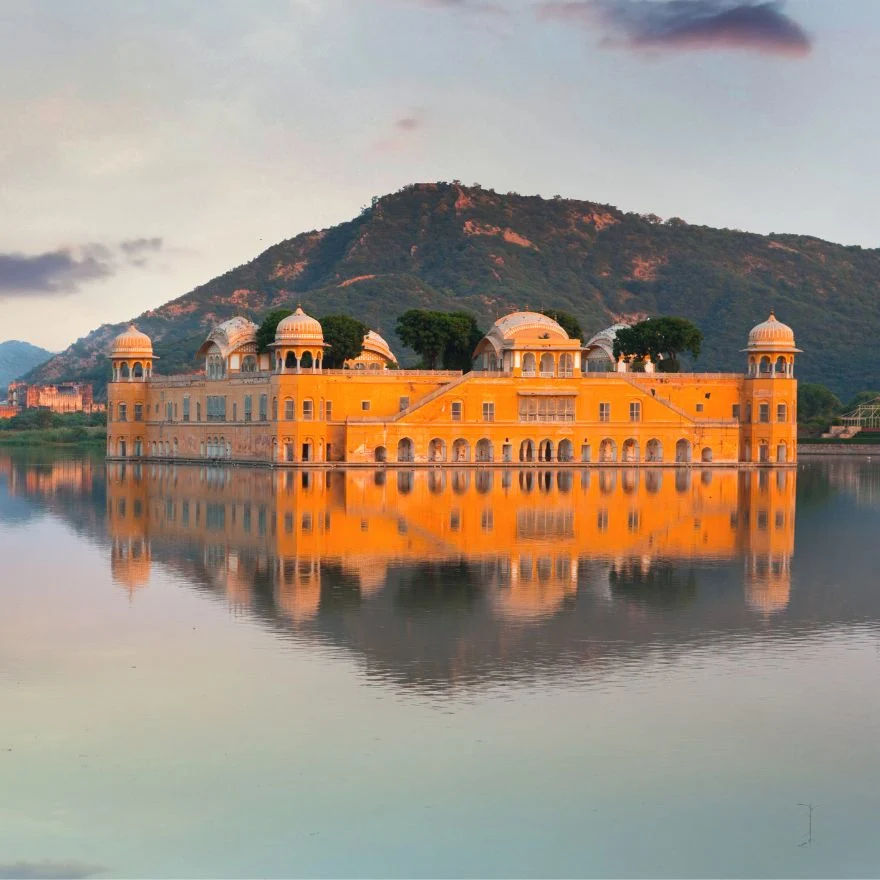
Udaipur is not only a city of lakes and palaces, but also a destination filled with memorable experiences.
You can watch the sunset from a peaceful ghat, take a boat ride on Lake Pichola, explore royal museums, enjoy traditional Rajasthani performances or simply walk through the colourful lanes of the Old City.
This guide by Travel Coffee includes free activities, romantic experiences, family-friendly attractions and cultural highlights.
It will help you choose experiences according to your interests, available time and travel budget while creating a balanced and enjoyable Udaipur itinerary.
Quick Answer: What are the best things to do in Udaipur?
The essential things to do in Udaipur are the City Palace museum, a Lake Pichola boat ride around sunset, the Dharohar folk show at Bagore Ki Haveli, one good sunset viewpoint, and at least one old city walk, food stop or craft experience.
Free options include Gangaur Ghat and the Fateh Sagar lakefront. Couples usually pick the lake boat ride or a rooftop dinner. Families do well at Sajjangarh Biological Park or the aquarium.
Two days cover the major experiences. Three days give you room for a workshop, Badi Lake or the Eklingji and Nagda excursion.
Group your days by geography before you book anything, because Udaipur punishes travellers who cross the city twice a day. If you want the whole trip handled for you, our Udaipur tour packages build these experiences around your dates.
How should you choose activities in Udaipur?
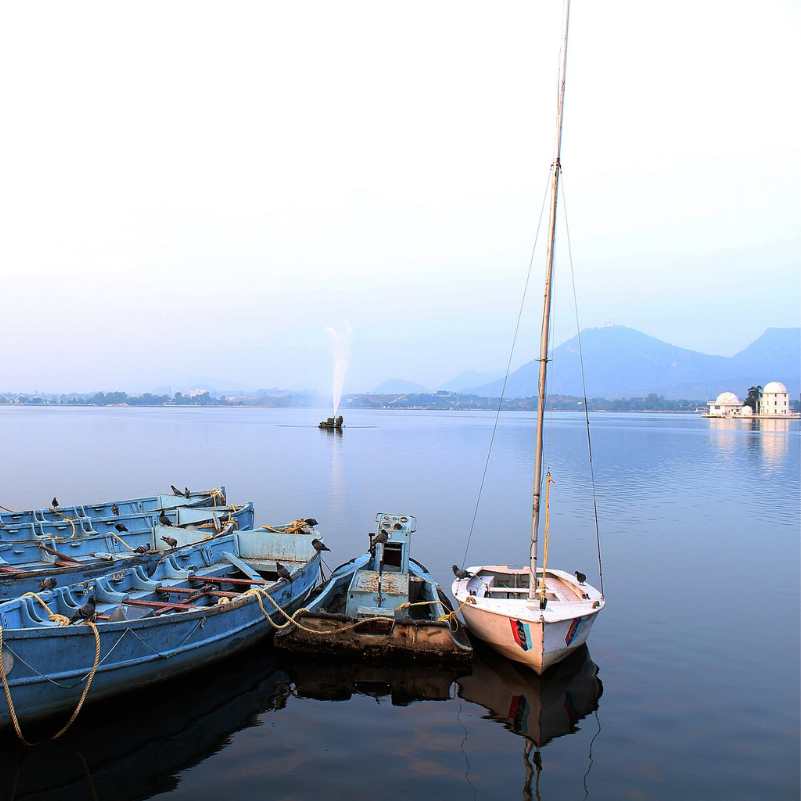
Treat City Palace, Jagdish Temple, Bagore Ki Haveli and the ghats as one old city circuit. You can walk between them and you will not need a vehicle for most of that day.
Fateh Sagar, Saheliyon Ki Bari, Sajjangarh, Badi Lake and the outer attractions need separate transport planning. Put them on their own day with an auto or a hired car.
Most palaces and museums are daytime attractions. Your genuinely good evening options are the Dharohar show, a lakefront walk, street food and rooftop dining.
Free does not always mean simple. Access hours change, temples have their own etiquette, parking can cost money, and many free spots sit next to a paid optional experience.
In our experience, travellers who pick eight experiences and do them properly enjoy Udaipur far more than travellers who chase twenty and rush all of them.
What are the must-do Udaipur experiences for first-time visitors?
Explore the City Palace Museum
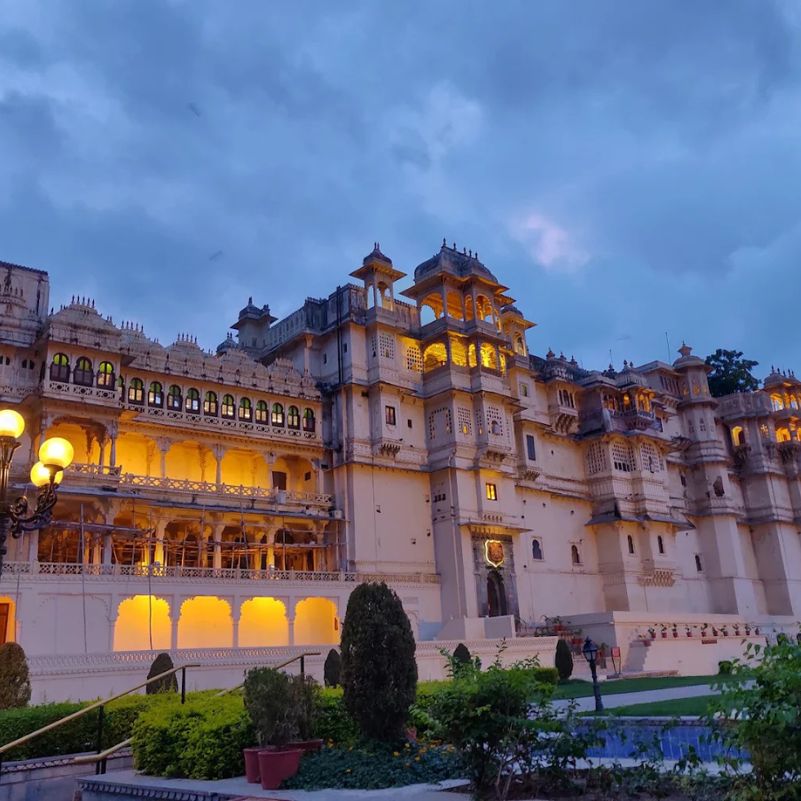
The City Palace was the home of Mewar's rulers and it remains the heritage anchor of the whole city. The official museum describes the palace as around 450 years old.
Go early. Allow roughly two to three hours as practical guidance, because the courtyards and galleries take longer than people expect.
Museum entry runs around ₹400 for adults and ₹150 for children aged 5 to 18, with under fives free, and the palace stays open 9:00 am to 9:00 pm on all days.
A separate ₹50 complex ticket lets you into the outer courtyards only, not the museum. Confirm the current rate at the counter, since fees change.
No vehicle reaches the palace gate. Park at Bapu Bazaar or Gulab Bagh and walk the last stretch in, and carry cash for the still camera charge of around ₹200 if you want to shoot inside.
This suits everyone, and it pairs naturally with Jagdish Temple, which sits about 150 metres away, and the surrounding lanes afterwards.
See the Crystal Gallery
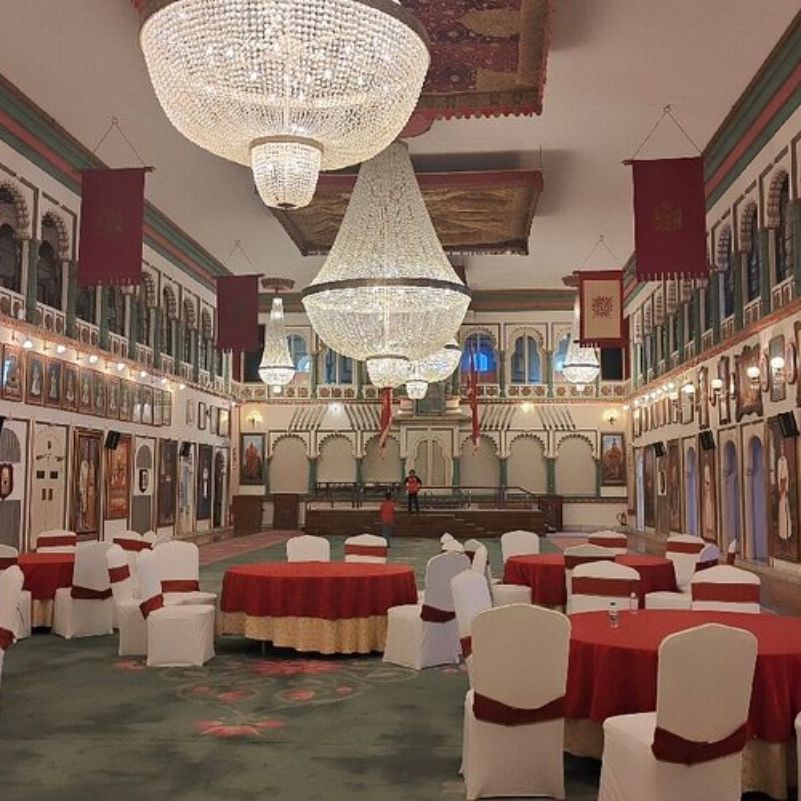
The Crystal Gallery holds one of the largest and most complete collections of Osler cut glass anywhere.
You will see furniture, dining objects, decorative pieces and crystal beds, which is a strange and memorable thing to look at inside a Rajasthani palace.
Access arrangements and ticket prices can change, so confirm the current entry details before visiting.
Take a sunset boat ride on Lake Pichola
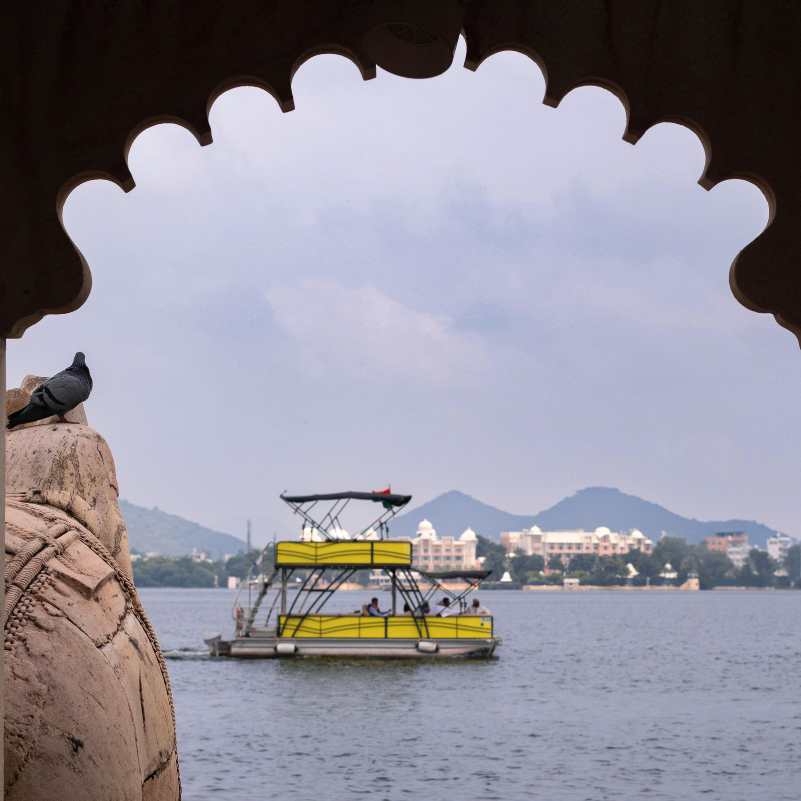
Lake Pichola was created in 1362. Jagniwas and Jagmandir sit inside the lake, and City Palace stands along its eastern bank.
Rajasthan Tourism specifically recommends boating around sunset, and that timing genuinely changes the experience.
Buy tickets at the official counter at Bansi Ghat, also called Rameshwar Ghat, right by the City Palace jetty.
Daytime shared rides run around ₹400 for adults and ₹200 for children, and the sunset ride costs more, around ₹700 for adults and ₹400 for children. Private boats start higher again. Confirm the current rate on the day.
The government counter sits at the ghat, and the private operators standing around it push pricier packages you rarely need. The route usually passes Lake Palace and stops at Jag Mandir.
Recent reviews indicate rides were operating in May 2026. Monsoon operation must be confirmed on the day, since rough water pauses the boats.
Step ashore at Jag Mandir
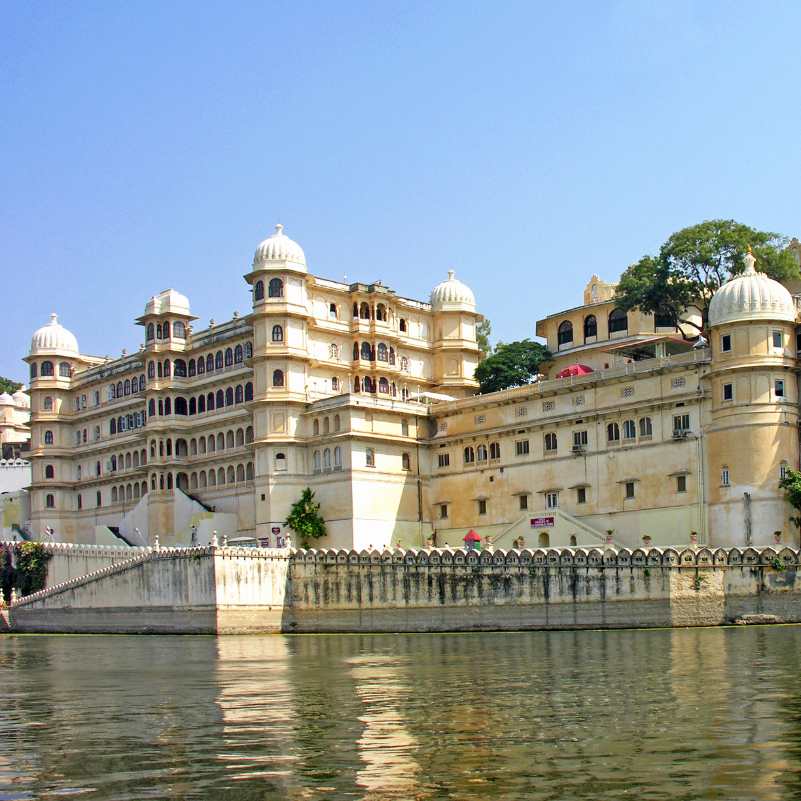
Jag Mandir is one of Lake Pichola's island palaces, and stepping onto it is a very different experience from photographing it from a moving boat.
Selected boat routes include a stop. Shorter cruises may not.
Ask two questions at the ticket counter. How long is the stop, and which boat brings you back?
This matters more than the fare. Travellers who assume a stop is included are the ones who come back disappointed.
Visit Bagore Ki Haveli Museum
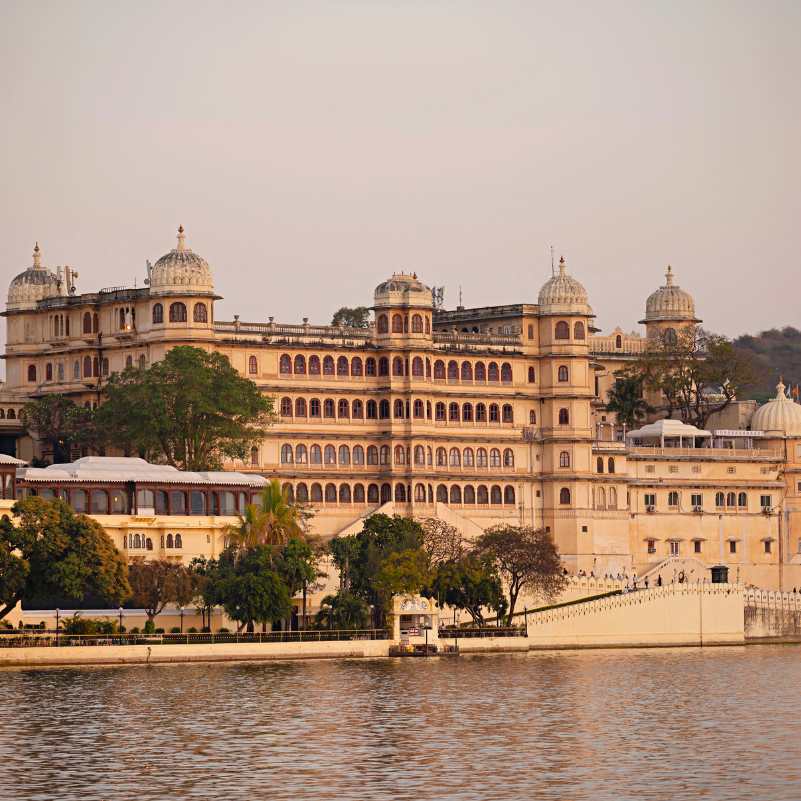
Bagore Ki Haveli stands beside Lake Pichola at Gangaur Ghat. Amar Chand Badwa built it in the eighteenth century, and the haveli has more than 100 rooms.
It feels far more intimate than City Palace. You walk through living quarters, courtyards and small galleries rather than vast ceremonial halls.
Keep the daytime museum visit separate from the evening performance in your head. They are two different tickets and two different experiences in the same building.
An hour or so covers the museum comfortably.
Watch the Dharohar folk dance show
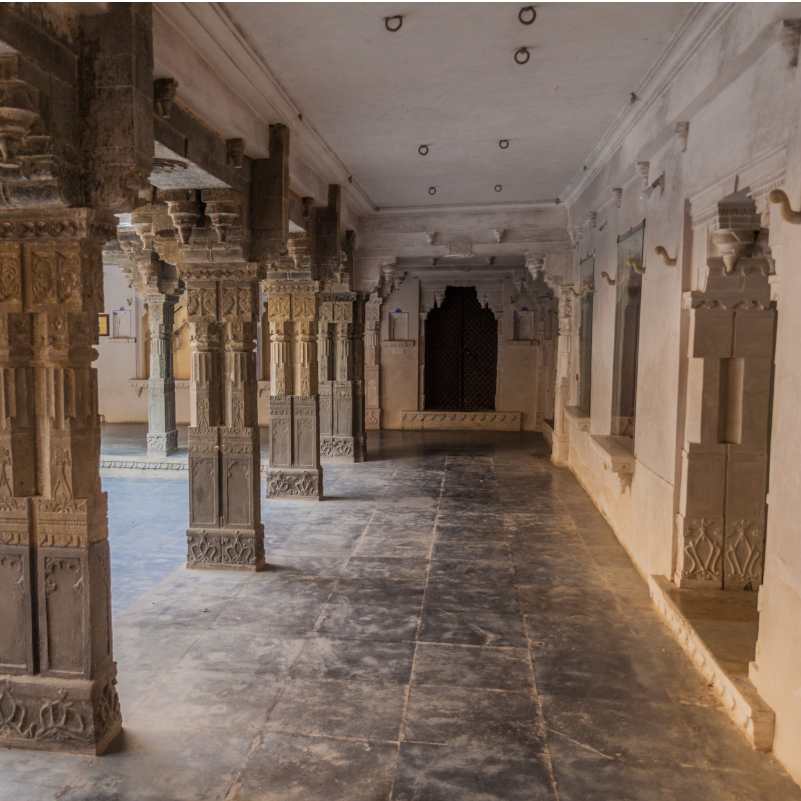
The Dharohar show is an evening performance of Rajasthani dance, music, costumes and puppetry at Neem Chowk inside Bagore Ki Haveli.
The show generally runs 7:00 pm to 8:00 pm every evening, and the ticket window opens around 6:15 pm. Indian adult tickets sit around ₹90, though some sellers charge up to ₹125, and the museum has its own separate entry ticket.
Show timings, ticket prices and additional camera charges can vary, so confirm the current details on the day of your visit.
Reach by 6 pm during busy periods. Seating is on the floor around the courtyard, it fills fast on winter weekends, and the good sightlines go first.
This is the one evening activity we recommend to almost every first time traveller, families included.
Visit Jagdish Temple respectfully
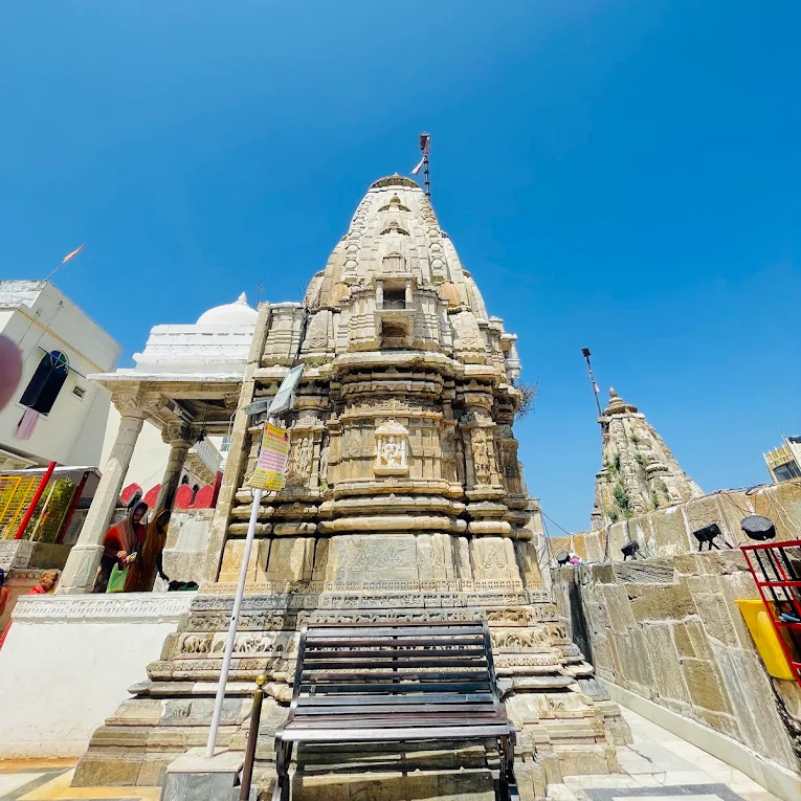
Builders completed Jagdish Temple in 1651. It honours Lord Vishnu and stands as a three storey example of Indo-Aryan architecture.
Remove your footwear where required, dress modestly, and keep your shoulders and knees covered. Ask before photographing anyone praying.
Most free attraction lists include this temple, and entry is generally treated as free. Respect donations and any local rules on the day rather than assuming unrestricted access.
Morning works best. The steps get hot by midday and the crowd thins early.
Watch sunset from Sajjangarh Monsoon Palace
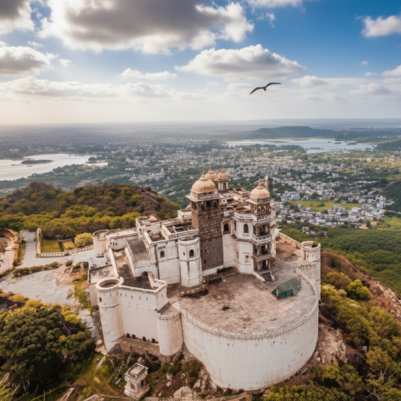
Sajjangarh is a nineteenth century hilltop palace on the Bansdara hills, linked with monsoon observation and a proposed astronomical centre that never came together.
The views stretch wide across Udaipur, and weather visibility decides whether you get a good one.
Authorities declared Sajjangarh tourist spots plastic bottle-free from 5 June 2026. Carry a permitted reusable bottle and follow the instructions at the gate.
The palace sits inside the Sajjangarh Wildlife Sanctuary, which the Forest Department runs, and it opens 9:00 am to 6:00 pm, with entry usually stopping around 5:30 pm. Here is the part most tourists get wrong.
You cannot drive your own vehicle to the top. You park at the base and take a forest jeep or Omni up the hill, at an extra per person charge on top of the entry fee.
Entry fees and forest vehicle charges can change, so confirm the current rates at the gate before visiting.
The sunset crowd here is heavy, the approach queues, and travellers who leave late reach the top after the light has gone. Start up the hill well before golden hour.
Ride the Karni Mata ropeway
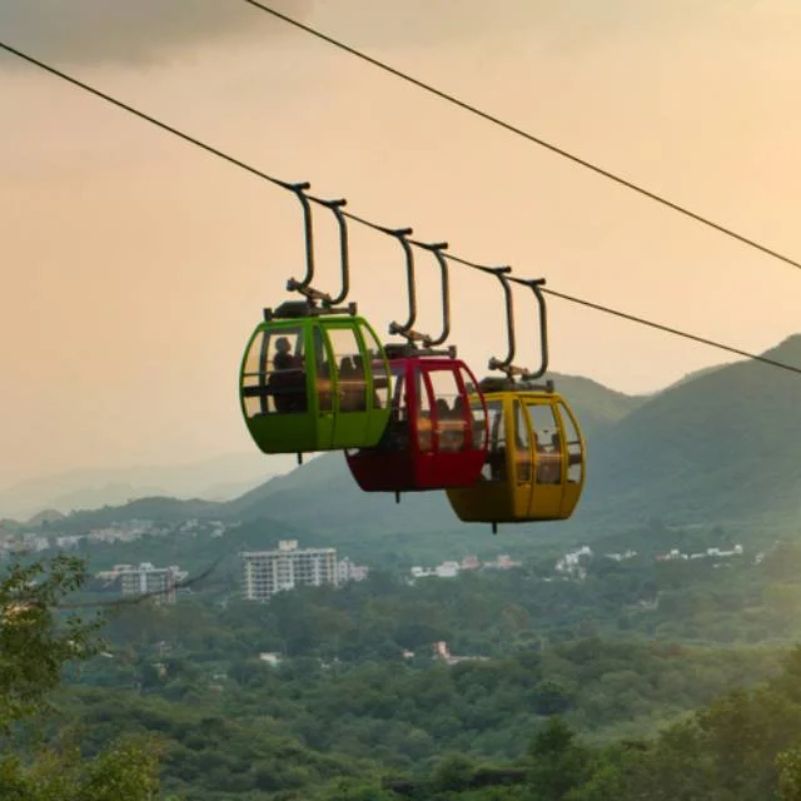
The ropeway connects the Doodh Talai and Deen Dayal Upadhyay Park side with the Karni Mata hill area. It runs around 387 metres.
You get a quick lift to a viewpoint over the lakes without a climb, which makes it a good option for families and older travellers.
Reach before the final sunset rush. The queue builds sharply in the last hour of daylight.
Ropeway fares, operating hours and last boarding times can change, so confirm the current schedule and ticket price before planning your visit.
Our team recommends choosing either Sajjangarh or the ropeway for a given evening rather than attempting both.
What are the best free and low-cost things to do in Udaipur?
Walk or cycle beside Fateh Sagar Lake
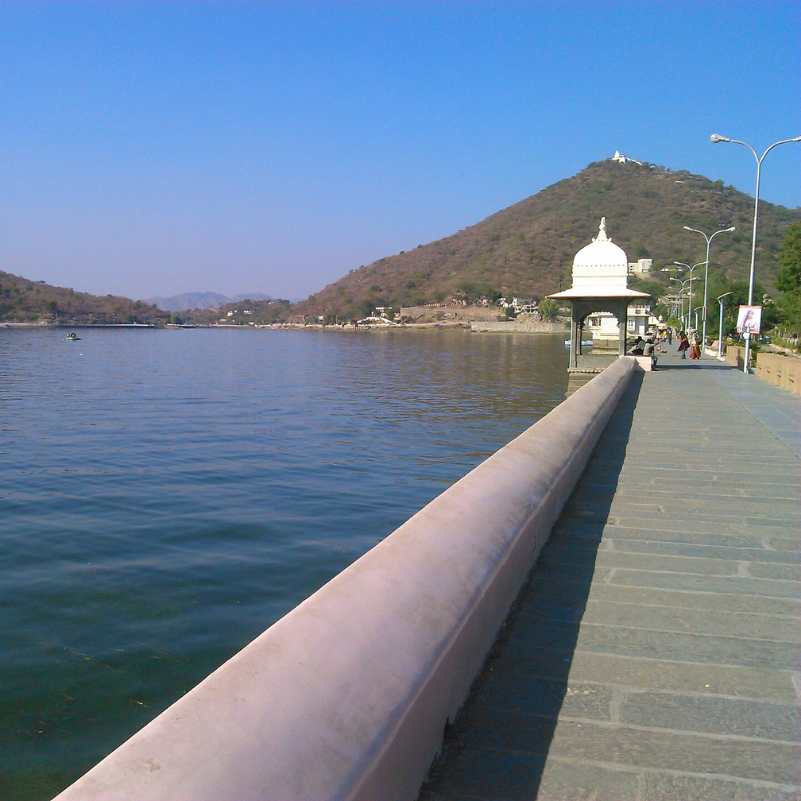
Fateh Sagar is an artificial lake north of Lake Pichola, connected to it by a canal. Nehru Island sits inside it, along with the island housing the Udaipur Solar Observatory.
Bicycle rental prices vary by operator, bicycle type and rental duration, so confirm the current rate before hiring.
Early morning gives you calm water and empty paths. Evening gives you an atmosphere and company.
Holiday periods create serious congestion around Fateh Sagar, so avoid arriving here by car on a late December evening unless you enjoy sitting in traffic.
Sit at Gangaur Ghat around sunset
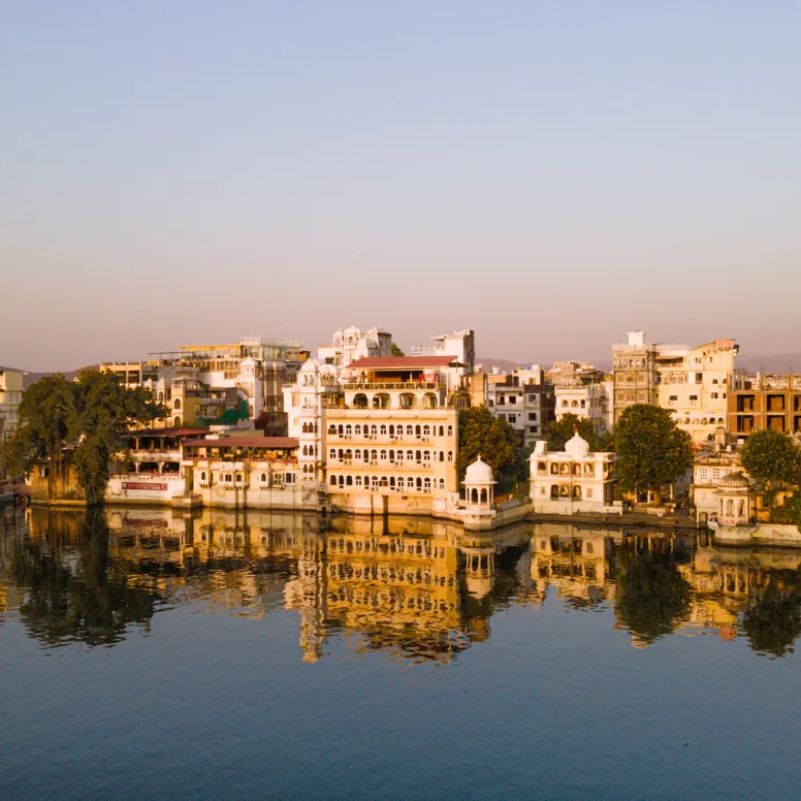
Gangaur Ghat is where you stop moving. Sit on the steps, watch local life, and let the light change over Lake Pichola.
It gets busy during festivals, ceremonies and sunset, which is part of the appeal and also the reason to arrive with patience.
Photograph the place, not people's private moments. Ask before pointing a camera at worship or at residents going about their evening.
Access hours can shift with events, so do not build a rigid plan around a fixed closing time.
See City Palace from Ambrai Ghat
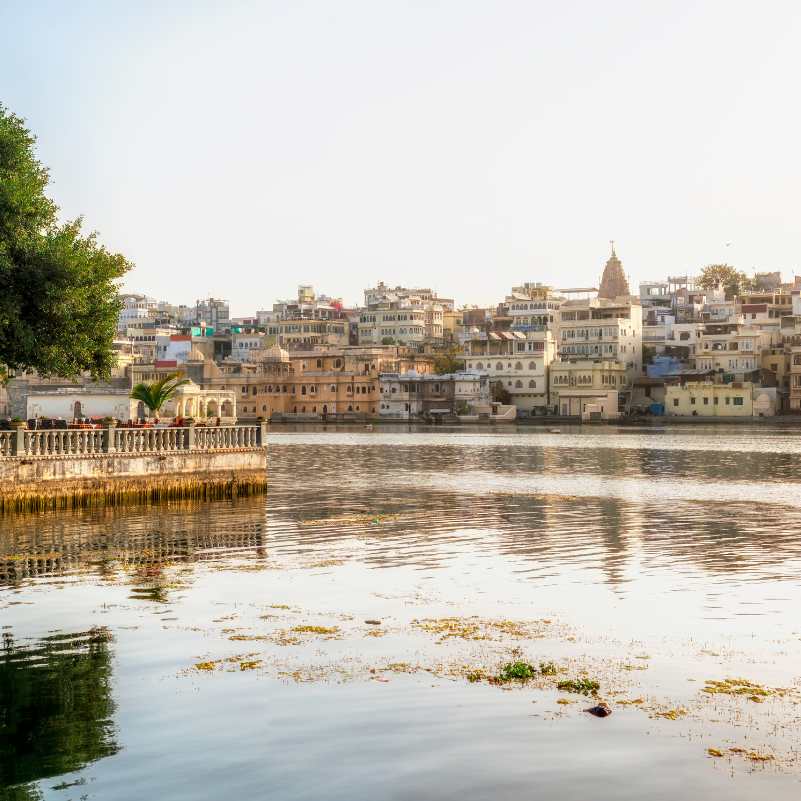
Ambrai Ghat gives you one of the strongest free views across Lake Pichola towards City Palace, and it costs nothing to stand there.
Late afternoon and early evening work best. The palace catches the last light and then the lights come on across the water.
Families need to watch children closely here. The stone steps stay slippery, the water sits right there, and several edges have no barrier at all.
Access hours may change, so confirm the current opening and closing times locally before visiting.
Combine Doodh Talai with an evening viewpoint
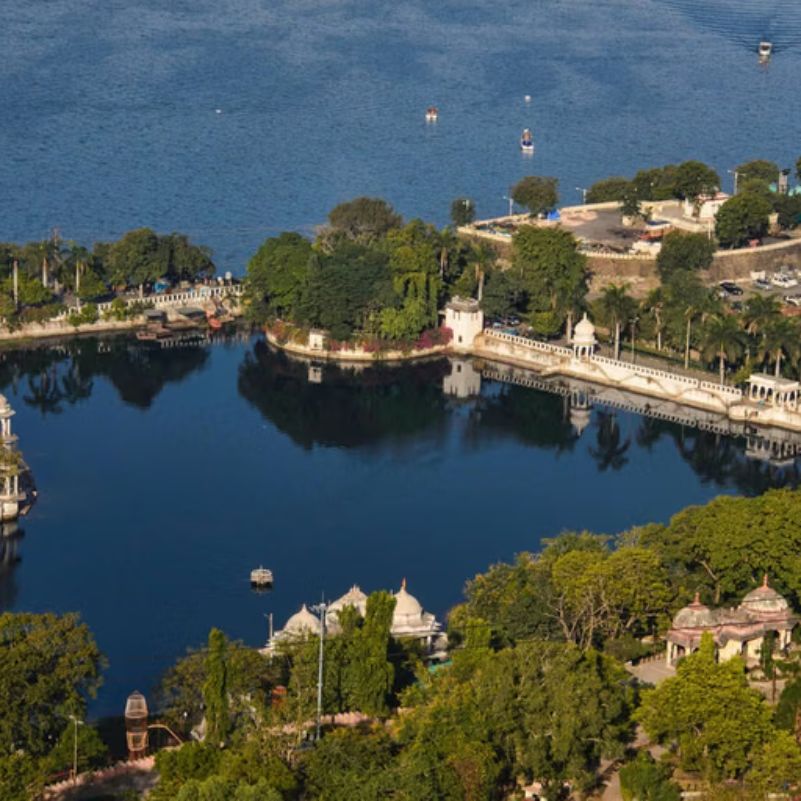
Deen Dayal Upadhyay Park and Manikya Lal Verma Garden form part of the Doodh Talai Lake Garden area.
This is the natural pairing with the ropeway, since the lower station sits on this side. You can walk the gardens first and ride up afterwards.
The area also runs a musical fountain show after dark, with light and water set to music, typically around 7:00 pm in summer and 6:30 pm in winter.
Entry arrangements and musical fountain timings may change, so confirm the current details at the gate before planning your evening.
Garden and attraction fees change, so verify anything you see quoted elsewhere before you rely on it. An hour here before the ropeway makes for an easy, low effort evening.
Take a self-guided old-city heritage walk
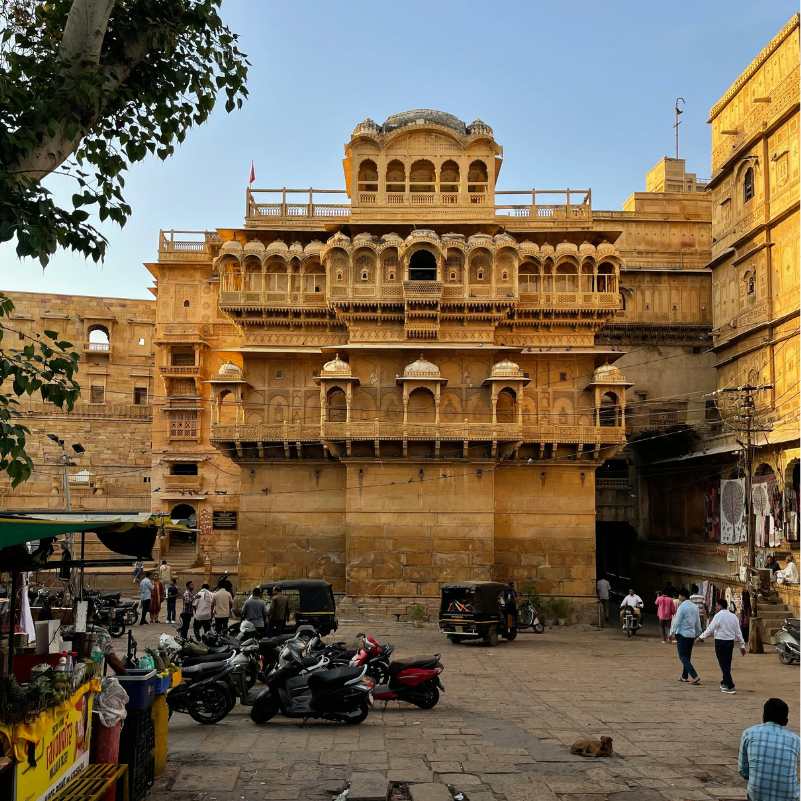
Loop loosely through Jagdish Chowk, the haveli lanes behind it, Gangaur Ghat and Lal Ghat. There is no official marked route, and that is fine.
Go in the morning or early evening. The middle of the day is hot and the lanes offer little shade.
Watch for scooters. They share the same narrow lanes you walk on, the paving stays uneven, and steps appear without warning.
What are the most romantic things to do in Udaipur at night?
Have dinner on a Lake Pichola rooftop
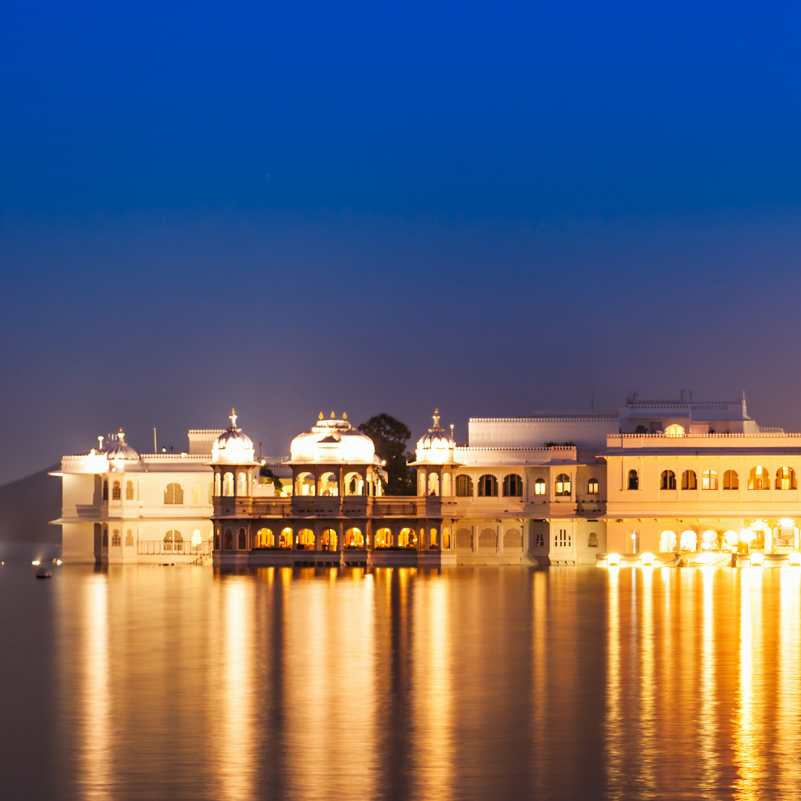
After sunset, City Palace and the lake light up, and a rooftop table turns that into your evening rather than a passing view.
Reserve a lake-facing table specifically. Confirm any minimum spend, cover charge or fixed menu when you book, because rooftop pricing works differently from a normal restaurant.
If dinner does not fit the budget, go up for chai, coffee or dessert instead. You get the same view for a fraction of the bill, and that is the tip we pass on most often.
We will not name one rooftop as the best in Udaipur. Places change hands and quality shifts, so ask your hotel what is good that month.
Follow a safe evening street-food trail
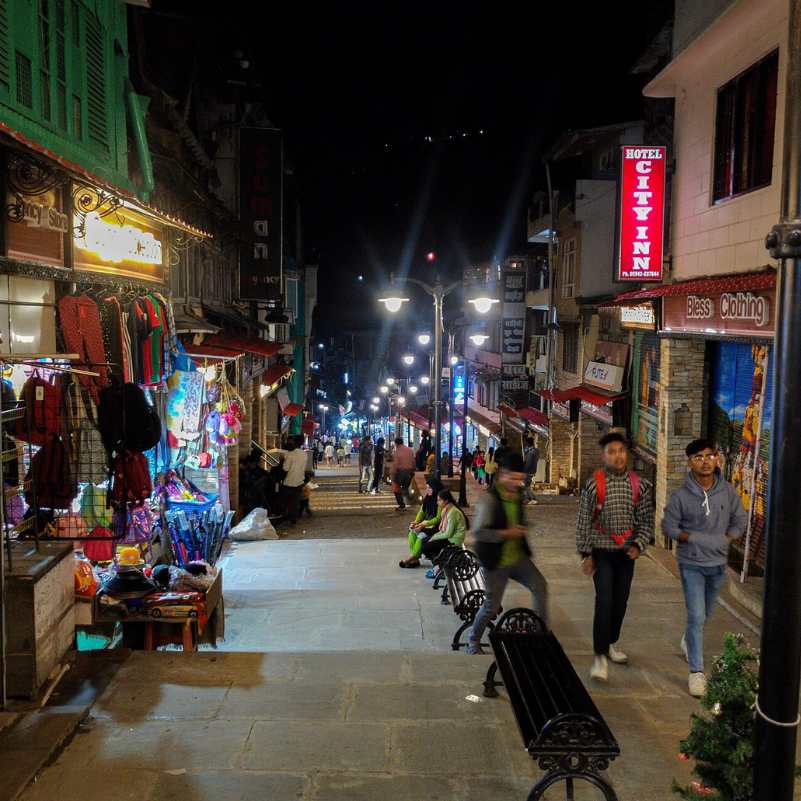
Current night guides point travellers towards Suraj Pol and Bada Bazaar for snacks, and both stay lively into the evening.
Look for pyaaz kachori, mirchi vada, dal baati churma and ghewar. Availability depends on the stall and the season.
Choose busy stalls with fast turnover rather than quiet ones with food sitting out. Stick to sealed or safe drinking water.
On the Fateh Sagar side, the Sukhadia Circle chowpatty is where locals gather after dark for snacks around the lit marble fountain.
Entry is free, it runs late, and it pairs well with a Fateh Sagar sunset. Arrange your return transport before you start eating. Finding a ride late from a crowded market lane is harder than it sounds.
Join a Rajasthani cooking class

Udaipur cooking classes commonly cover masala chai, local vegetarian dishes, breads and sometimes dal baati churma.
This works as a couples' activity, a family experience and a genuinely good rainy day fallback when the boats are not running.
Class duration, menus, dietary options and prices vary by provider, so check the complete details and discuss any vegetarian, Jain or allergy requirements before booking.
Try a miniature-painting workshop

Local artists teach fine brush miniature painting techniques, and beginner sessions often start you on a template rather than a blank sheet.
You will not produce a masterpiece in one sitting, but you will understand why the market pieces cost what they do.
Workshop venues, session lengths and prices vary, so confirm the complete details directly with the studio before booking.
A workshop beats buying a souvenir, because you leave with something you made and a much better eye for what you are buying later.
Which cultural, food and shopping activities are worth doing?
Shop at Hathi Pol and Bada Bazaar

Hathi Pol and Bada Bazaar cover most of what travellers buy in Udaipur, including miniature paintings, textiles, leather goods, jewellery and handicrafts.
Not everything sold here is locally handmade. Machine made and imported stock sits beside handwork in plenty of shops.
Check stitching, materials and finishing before you commit, and do not treat antique looking objects as exportable antiques without proper documentation.
Spend a few hours at Shilpgram
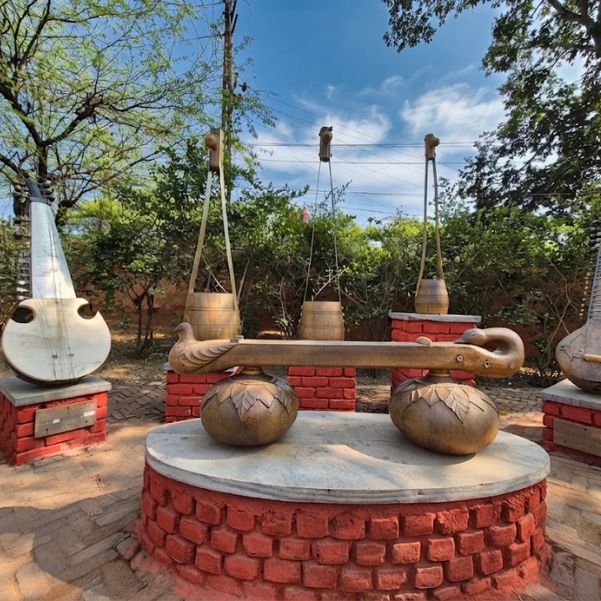
Rajasthan Tourism places Shilpgram around 7 kilometres west of Udaipur. It covers 70 acres and was conceived as a living museum of the folk and tribal lifestyles of western India.
Craft demonstrations and performances depend entirely on the date you visit, so check what is running before you make the trip.
We are not listing 2026 festival dates here. Confirm them immediately before you travel, since they move.
Give it a few hours rather than a full day, and combine it with the Fateh Sagar side of the city.
Watch a puppet show at Bharatiya Lok Kala Mandal
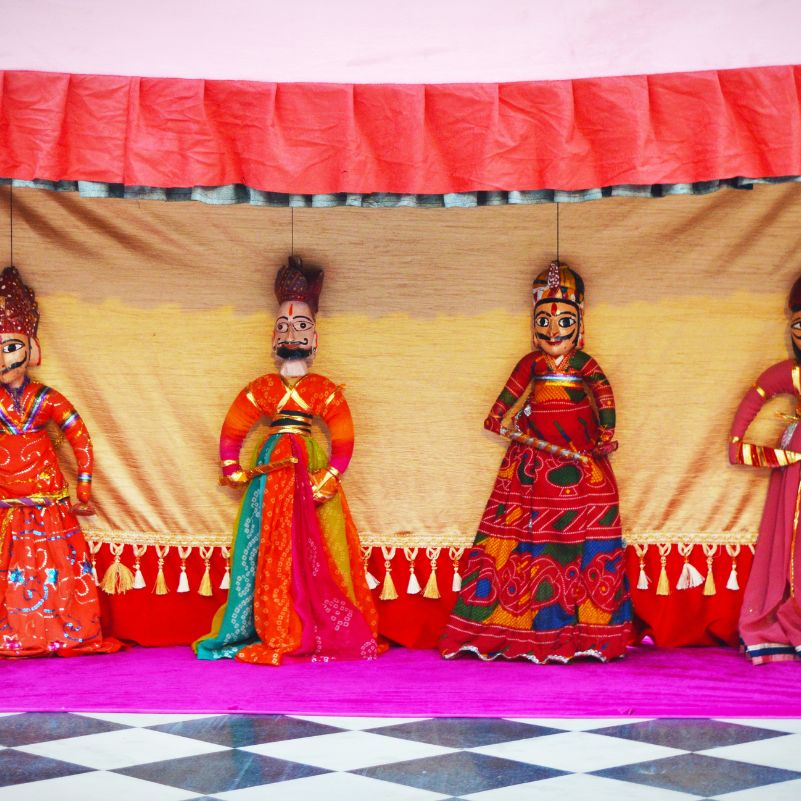
Bharatiya Lok Kala Mandal works on folk art, culture, songs and festivals, and it includes a museum alongside the performances.
The combination suits families well. The museum is short enough to hold a child's attention, and the puppet show does the rest.
The museum keeps daytime hours, and puppet or folk shows run at set slots through the day and into the early evening, so confirm the current show time and admission before you go.
It sits on the Fateh Sagar side within walking distance of both Saheliyon Ki Bari and Sukhadia Circle, so pair the three rather than making a separate trip.
Walk through Saheliyon Ki Bari
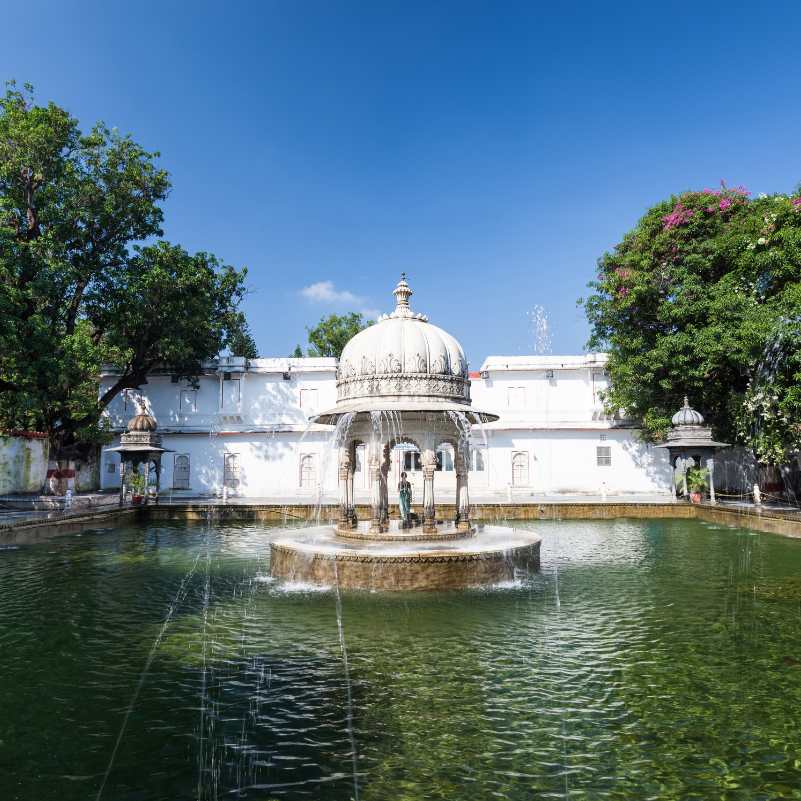
Maharana Sangram Singh II built Saheliyon Ki Bari as a garden for the women of the court.
You will find marble elephants, fountains, kiosks, a lotus pool and a small museum inside.
This is a gentler stop, which makes it good for families, photographers and anyone who has had enough of large palace complexes for one day. Around 45 minutes to an hour covers all four courtyards, the lotus pool and the small museum.
It opens around 9:00 am and closes in the evening, usually between 6 and 7 pm, with a nominal Indian entry fee in the region of ₹10 to ₹20.
Opening hours and entry fees may change, so confirm the current details at the gate before visiting. Reaching at the opening gives you the quietest walk.
What are the best things to do in Udaipur with kids?
See the Vintage and Classic Car Collection

The collection includes Cadillac, Chevrolet, Morris and other vehicles used by Udaipur's Maharanas.
Children who like cars usually enjoy this more than another palace hall, and it works for adults who want a shorter museum experience.
Opening hours and ticket prices may change, so confirm the current details before visiting.
Visit Sajjangarh Biological Park
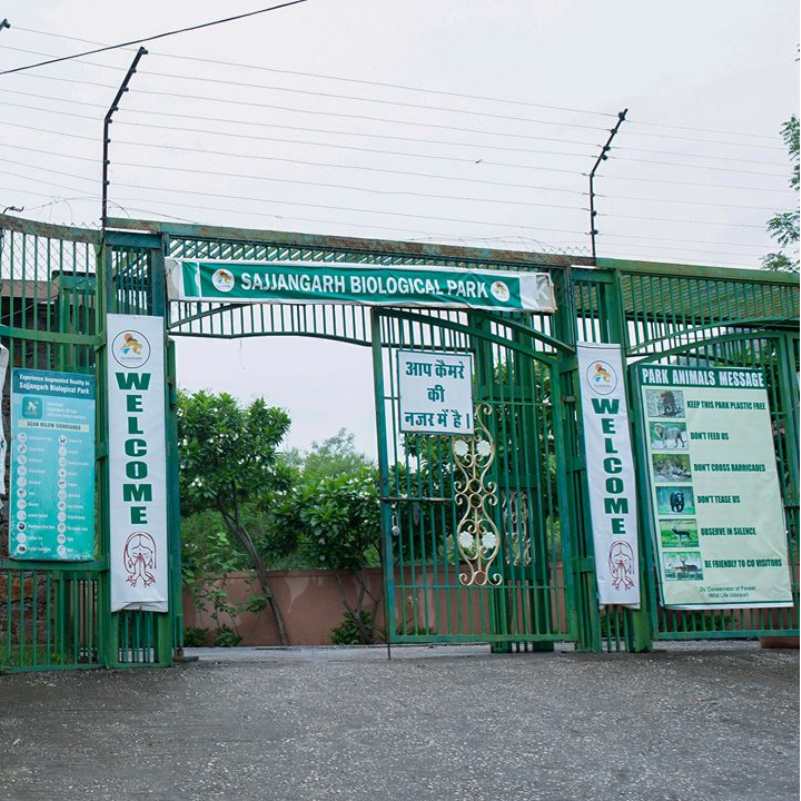
The park covers 36 hectares. You can explore on foot or use a paid golf cart, which matters if you are travelling with small children or older parents.
Carry sun protection and keep your walking expectations realistic, because the ground rises and falls across the site.
The wider Sajjangarh plastic bottle restriction applies here too, so bring a permitted reusable bottle.
Entry fees, golf cart charges, opening hours, weekly closure days and available animal enclosures may change, so confirm the current details before visiting.
Take the Fateh Sagar ferry to Nehru Park
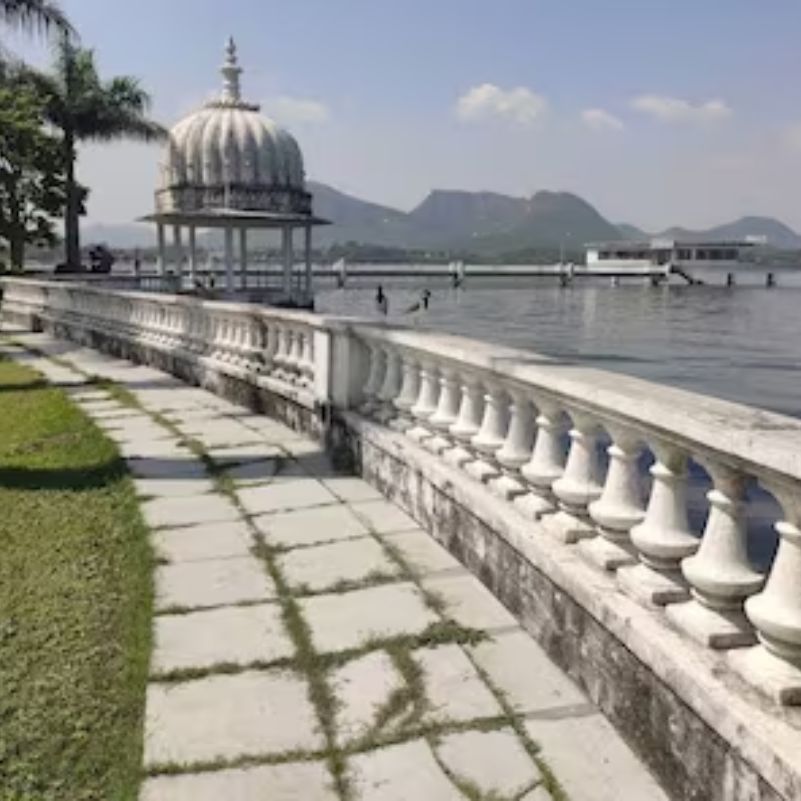
Nehru Park sits on an island inside Fateh Sagar Lake, and the short boat crossing is half the fun for children.
Boats generally run around 9:00 am to 6:00 pm and pause during heavy rain, so waiting time is the thing that decides whether this is pleasant or frustrating. Ask about the return boat schedule before you cross, not after.
Boat fares and island entry charges may vary, so confirm both prices and the return schedule at the jetty before boarding.
Combine it with a Fateh Sagar lakefront walk rather than making a special trip.
Visit the Under the Sun Fish Aquarium
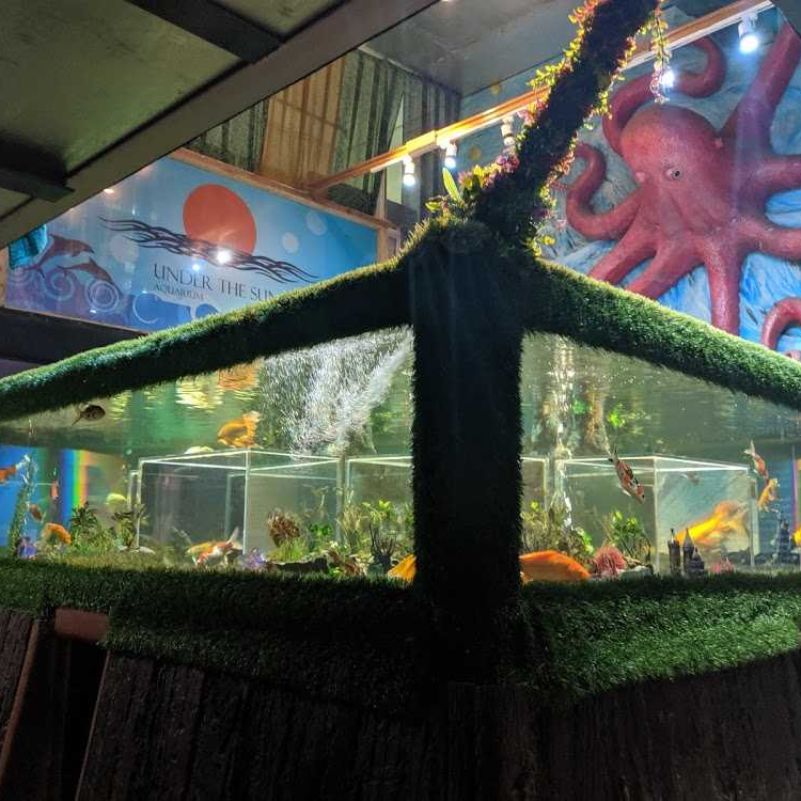
Rajasthan Tourism describes this as an interactive aquarium at Fateh Sagar Pal, with marine and freshwater displays.
Confirm its current operating status before travelling specifically for it. That is the one piece of advice we repeat about this stop.
Ticket prices, opening hours, display availability and temporary closures may change, so confirm the current operating details before visiting.
It works best as an add on to a Fateh Sagar evening rather than a destination in itself.
Explore Gulab Bagh Bird Park
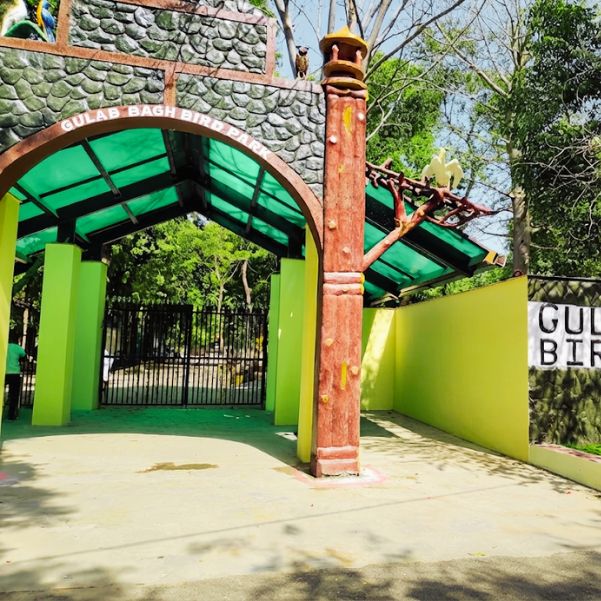
Rajasthan Tourism describes the bird park as covering 5.11 hectares, with 12 enclosures and 28 bird species.
Living collections and enclosures change over time, so check what the current visitor experience actually offers rather than assuming those figures still hold.
Ticket prices and opening hours may change, so confirm the current details before visiting.
What are some unique and quieter activities near Udaipur?
Visit Ahar Museum and the royal cenotaphs
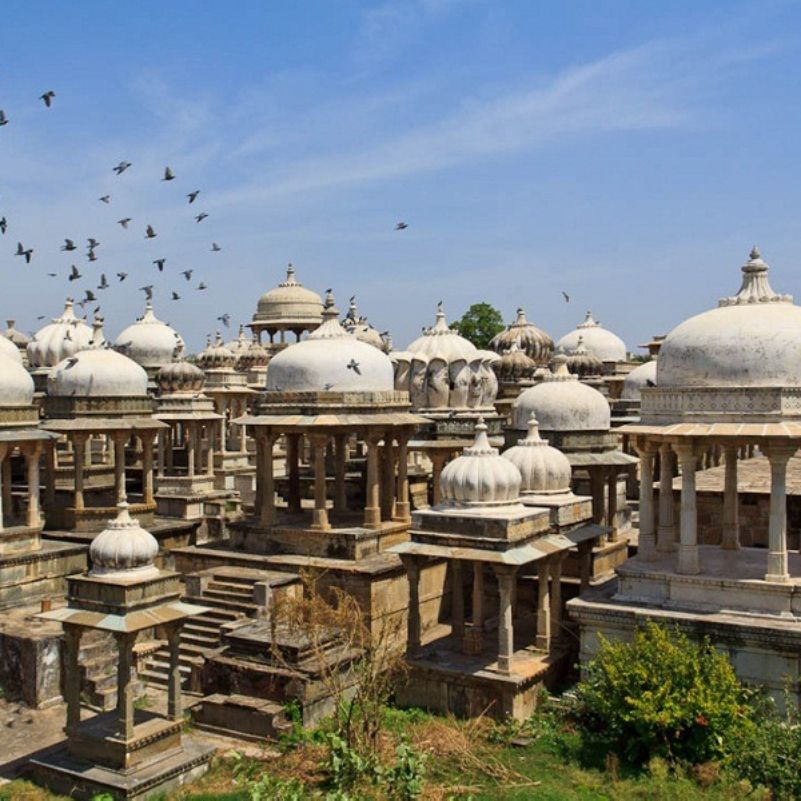
Ahar Museum stands near the cenotaphs of the Maharanas of Mewar, and the cenotaph field itself is the quieter, more atmospheric half of the visit.
Inside you will find pottery, sculptures and archaeological objects, some of which Rajasthan Tourism describes as dating to 1700 BC.
Opening hours, entry fees and photography rules may change, so confirm the current details before visiting.
Spend a quiet morning at Badi Lake
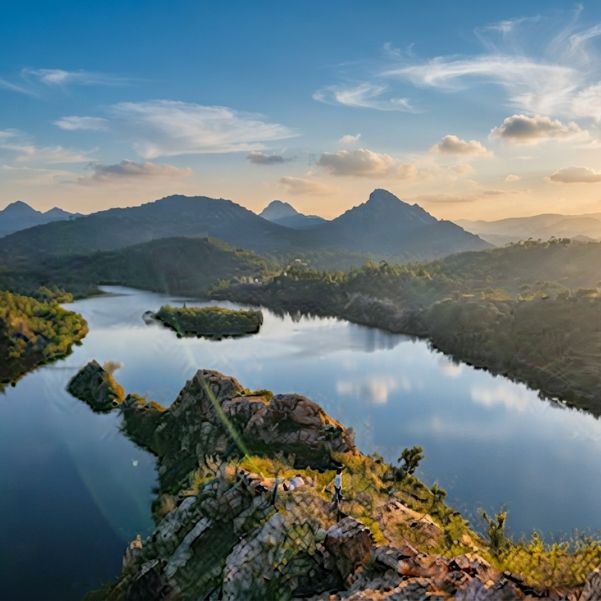
Rajasthan Tourism places Badi Lake around 12 kilometres from Udaipur. Maharana Raj Singh built it and named it Jiyan Sagar after his mother, Jana Devi.
Go in daylight and carry your waste back with you. There is limited waste infrastructure once you leave the road.
Do not scramble on the surrounding hills, cross into private land or pose at cliff edges for photographs. People get hurt here doing exactly that.
Local access rules, parking arrangements and road conditions may change, so check the latest details before driving to Badi Lake.
Combine Eklingji with the temples at Nagda
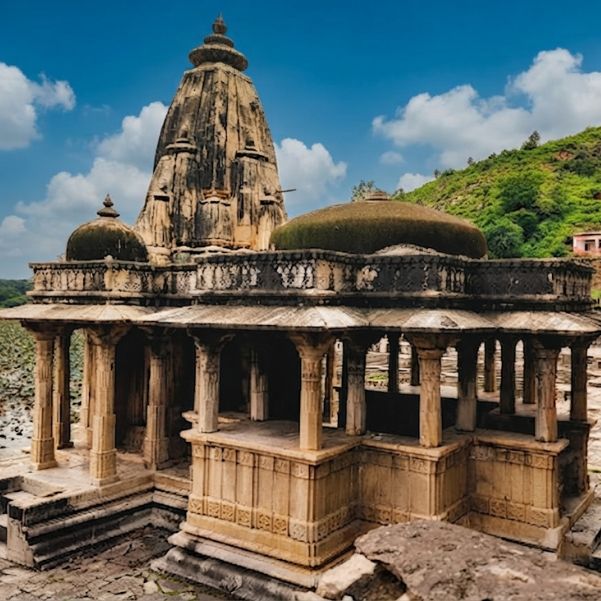
Nagda sits around 22 kilometres from Udaipur, and its Sahastrabahu or Sas-Bahu temples date to around the ninth and tenth centuries.
Treat Eklingji as an active religious site first and a tourist attraction second. People come here to pray.
Worship schedules, clothing requirements and tourist access at Eklingji may vary, so confirm the current temple rules before visiting.
Book this as a planned half day excursion with confirmed transport rather than an improvised afternoon.
How can you organise these activities into a two-day or three-day plan?
A practical two-day experience plan
Start day one at City Palace as early as you can manage, and add the Crystal Gallery if decorative arts interest you. Walk out into the lanes afterwards.
Continue on foot to Jagdish Temple and the surrounding chowk, then break properly for lunch before the afternoon heat.
Take the Lake Pichola boat ride later in the day, sit at Gangaur Ghat as the light drops, and finish with the Dharohar show after confirming the current timing.
Day two belongs to the outer city. Begin at Fateh Sagar, move on to Saheliyon Ki Bari, and add one family or museum attraction depending on who is travelling with you.
Keep the late afternoon for either Sajjangarh or the ropeway, with a real traffic buffer before sunset.
That is the whole trick. One walking day, one driving day, no crossing back and forth.
A slower three-day experience plan
Use the third day for Shilpgram, a cooking or painting workshop, Badi Lake, Ahar, or the Eklingji and Nagda excursion. Pick one direction and commit to it.
Families with young children should remove stops rather than compress the same programme into shorter slots. Tired children turn a good itinerary into a bad day.
What should you budget for activities in Udaipur in 2026?
The ghats, the lakeside walks, Jagdish Temple and the old city lanes cost nothing or run on donations. You can fill a genuinely good half day without paying for anything except chai.
Boat rides, museums, the Dharohar show, workshops, the ropeway, wildlife parks and premium galleries all need tickets, and those are where the money goes.
We are not calculating a daily activity total for you, because several 2026 tariffs remain unverified and a made up number would only mislead your planning.
Expect sunset boating, private workshops and premium galleries to cost more than public space experiences. Build your budget around the three or four paid experiences you actually care about.
The money saving move most travellers miss
Pick your paid experiences deliberately and fill the rest of the day with free lakefront and old city time, rather than buying tickets to everything you pass.
What practical tips make Udaipur activities easier?
Start early. Almost every problem travellers report here comes from starting late and then fighting heat, queues and traffic all day.
Group the old city attractions together and keep the outer attractions on their own day. Leave buffer time before any sunset plan.
Expect heat between late morning and late afternoon in the warmer months, and expect monsoon to interrupt boats and viewpoints.
Watch the stairs. Uneven steps, open water at the ghats and unfenced edges at viewpoints are the real hazards here, not crime.
Holiday congestion is genuine. Late December around Fateh Sagar and the popular sunset spots moves slowly, so plan shorter days during that period.
Standard city sightseeing does not appear to require a general tourist permit, although individual attractions, protected areas and special activities have their own tickets or rules.
Verify every dynamic price and timing shortly before visiting.
Where can you travel after Udaipur?
Plenty of travellers use Udaipur as the gentle opening to a longer Indian holiday. If you are continuing north, our Kashmir tour packages work well after a Rajasthan leg.
Heading south instead, the Kerala tour packages give you a complete change of pace, while the Goa tour packages suit anyone who wants beach time after all that walking.
Choosing your final list
Build a balanced list rather than a long one. One palace, one lake experience, one cultural activity, one free sunset and one local food or craft experience will give you a better trip than fifteen rushed stops.
The best things to do in Udaipur reward people who slow down, so pick five you genuinely want and let the rest go.
Then check all timings, ticket prices and boat schedules again during the week before your trip, as these details are the most likely to change.
Explore Our Curated Udaipur Tour Packages
 4D/3N
4D/3NThe Perfect 4 Day Kashmir Getaway
1D Srinagar•1D Gulmarg +2
₹8,999₹24,999SAVE INR 16,000/ person 5D/4N
5D/4NBest Of Kashmir – Srinagar, Gulmarg & Pahalgam Tour Package
1D Srinagar•1D Gulmarg (day trip)+3
₹12,500₹28,999SAVE INR 16,499/ person 5D/4N
5D/4NKashmir Honeymoon Experience – Srinagar, Gulmarg & Pahalgam
1D Srinagar•1D Gulmarg (day trip)+3
₹14,999₹29,999SAVE INR 15,000/ person
Related topics
Frequently Asked Questions
What are the top five things to do in Udaipur?
The City Palace museum, a Lake Pichola boat ride around sunset, the Dharohar folk show at Bagore Ki Haveli, a free sunset from Gangaur Ghat or Ambrai Ghat, and one food, craft or market experience. Those five give you palace architecture, the lake, live culture, a viewpoint and something local, without repeating the same kind of experience twice.
How many days are enough for Udaipur?
Two days cover the major experiences comfortably when you group them geographically. Three days let you add a workshop, Shilpgram, Badi Lake, Ahar or the Eklingji and Nagda excursion without rushing. Stay longer only if you want a deliberately slow holiday or a second excursion, since the core city sights do not need more than three days.
Can Udaipur be explored in two days?
Yes, provided you split the city correctly. Day one stays inside the old city with City Palace, Jagdish Temple, Gangaur Ghat, a Lake Pichola boat ride and the Dharohar show. Day two covers Fateh Sagar, Saheliyon Ki Bari, one family attraction and a sunset at Sajjangarh or the ropeway. You will skip workshops and excursions.
What are the best free things to do in Udaipur?
Sitting at Gangaur Ghat around sunset, watching City Palace from Ambrai Ghat, walking the Fateh Sagar lakefront and doing a self guided old city heritage walk through Jagdish Chowk and the haveli lanes. Jagdish Temple entry is generally treated as free too. Parking, optional add ons and event access can still cost money at these spots.
What are the best romantic activities in Udaipur?
A sunset boat ride on Lake Pichola, dinner on a rooftop with the palace lit across the water, and a shared cooking class or miniature painting workshop. A quiet evening on the ghats costs nothing and works just as well. Reserve rooftop tables in advance and confirm any minimum spend or fixed menu when you book.
What can families do in Udaipur with children?
Sajjangarh Biological Park with its paid golf cart, the Vintage and Classic Car Collection, the Fateh Sagar ferry to Nehru Park, the Under the Sun Fish Aquarium and the puppet show at Bharatiya Lok Kala Mandal. The Dharohar performance also holds children's attention well. Supervise children closely near the ghats, open water and unfenced viewpoints.
What are the best things to do in Udaipur at night?
The Dharohar folk show at Bagore Ki Haveli, a rooftop dinner overlooking Lake Pichola, a street food walk around Suraj Pol and Bada Bazaar, and a slow lakefront walk once the palace lights come on. Palaces and museums are daytime attractions, so do not plan to visit them after dark.
Is the Lake Pichola boat ride worth it?
Most travellers say yes, particularly around sunset, which Rajasthan Tourism specifically recommends. You see City Palace, Jagniwas and Jagmandir from the water. Buy tickets at the official counter at Bansi Ghat by the City Palace jetty, where daytime rides run around ₹400 for adults and ₹200 for children and the sunset ride costs more. Confirm the current fare on the day.
Which is the best sunset point in Udaipur?
Sajjangarh Monsoon Palace gives the widest views, the Karni Mata ropeway gives a quicker lift to a lake viewpoint, and Ambrai Ghat gives you the palace across the water for free. Which one suits you depends on your budget and how much queueing you will tolerate. Sajjangarh draws the heaviest sunset crowd.
Are Udaipur's attractions open during the monsoon?
Most land based attractions keep running, but rain affects boat operations, hilltop visibility at Sajjangarh and outdoor walking plans. Recent reviews indicate boating operated in May 2026, though monsoon availability is not guaranteed and must be confirmed on the day. Keep museums, the Crystal Gallery and a cooking class ready as wet afternoon alternatives.
Is Udaipur safe to walk around at night?
Travellers commonly walk the old city and lakefront in the evening without difficulty, though normal urban precautions still apply. Guard your phone and wallet in crowded market lanes, watch your footing on unlit steps near the ghats, and arrange trusted return transport if you are eating late or staying outside the historic centre.
Do tourists need a permit for Udaipur sightseeing?
Standard city sightseeing does not appear to require a general tourist permit, although individual attractions, protected areas and special activities have their own tickets or rules. Check ticketing for each site you plan to visit, especially the wildlife park, museums and any activity involving boats, since requirements vary by operator and season.
More about Udaipur
 Udaipur
Udaipur to Chittorgarh Day Trip 2026: Fort Route, Timings, Cost and Honest Advice
Planning a Udaipur to Chittorgarh day trip in 2026? This practical guide covers the best fort route, travel time, sightseeing timings, expected costs and transport options. We also share honest advice on how much time you need at Chittorgarh Fort, what to prioritise and whether the trip is worth adding to your Udaipur itinerary.
- Places to Visit
- Road Trips
- Udaipur
Udaipur Trip Cost 2026: Budget for 2, 3, 4 and 5 Days
Planning an Udaipur trip in 2026? This practical cost guide breaks down the budget for 2, 3, 4 and 5 days, including hotels, food, local transport, sightseeing and activities. Use realistic budget ranges to plan your Udaipur holiday without overspending.
- First-Time Travellers
- Itinerary
 Udaipur
Udaipur Local Transport Guide 2026: Auto, Taxi, Cab, Scooter, Parking and Old-City Access
Planning how to get around Udaipur in 2026? This practical transport guide compares autos, taxis, cabs and scooter rentals, with tips on fares, parking and navigating the narrow Old City. Learn which option works best for sightseeing, lake areas and day trips, and where vehicle access can become difficult.
- How to Reach
- First-Time Travellers