
Hathi Pol and Bada Bazaar
Udaipur's main old city market lanes, where artists paint at studio doorways and you find Pichwai paintings, silver jewellery, and Rajasthani handicrafts
- Old city market lanes
- Near City Palace
- Rajasthani handicrafts
- Walk in from Delhi Gate
- 1 to 3 hours
What makes it special
Hathi Pol and Bada Bazaar are not tourist attractions in the usual sense. They are the old city's main shopping streets, a tangle of narrow alleyways running through the heart of Udaipur just minutes from City Palace and Jagdish Temple. If you want to buy something genuinely Rajasthani, not from a hotel gift shop, this is where you go. And even if shopping is not your thing, walking through these lanes is its own kind of experience. Artists sit at studio doorways working on Pichwai paintings. Stacks of hand stitched leather journals lean against shop fronts. The smell of spices drifts from one lane, fresh leather from the next, sandalwood incense from the one after that.
Hathi Pol means "Elephant Gate." The name comes from the gate through which royal elephants used to enter the city. The street that runs from this gate into the old city is lined with shops on both sides, and it connects into Bada Bazaar, which is the larger market area spreading through the surrounding lanes. In practice, most visitors do not distinguish between the two. You walk in from one end and come out the other, and the shopping stretches the entire way.
One thing worth knowing upfront: while the Hathi Pol stretch with its souvenir and handicraft shops operates most days, many shops in the deeper Bada Bazaar lanes close on Sundays or keep limited hours. If Sunday is your only option, stick to the Hathi Pol side near Jagdish Temple. For the full range, come on a weekday.
What people actually buy here
Pichwai and Phad paintings. These are the serious buy. Traditional cloth paintings done by local artists, with religious themes (Pichwai) or narrative scroll paintings (Phad). Prices range from a few hundred rupees for small tourist pieces to tens of thousands for genuine handmade work. Ask the shopkeeper about the artist, the materials, and the time it took. If they cannot answer those questions, the piece is probably mass produced. The better shops will take you to a back room or upstairs studio where artists are actively working. That is a good sign.
Miniature paintings. Rajasthani miniatures on paper, silk, or old paper. Some are genuine handwork, others are printed reproductions. Hold the painting up to light to check. A printed one will have uniform dots under magnification. A hand painted one will not. Prices for real hand painted miniatures start from roughly 500 rupees for small pieces and go up significantly for detailed work.
Silver jewellery. Udaipur has a strong silver jewellery tradition. Tribal and Rajasthani designs, bangles, earrings, necklaces, and nose rings. Several shops along the Hathi Pol stretch specialise in silver. Prices depend on weight and design. At established jewellery stores, prices are generally fixed. At smaller stalls, some room for negotiation exists, but genuine silver has a fair floor price based on weight.
Bandhani and leheriya fabrics. Tie dye fabrics in the Rajasthani styles. Sarees, dupattas, and dress material. The real ones are hand tied and hand dyed, with slightly uneven edges where the dye resists. Machine printed versions are cheaper but also obvious if you know what to look for.
Mojaris and juttis. Traditional leather footwear, usually embroidered or decorated. The Mochiwada section of the bazaar specialises in these. Prices start from a couple of hundred rupees and go up based on the work. Try them on, they stretch with wear.
Other things worth looking at. Brass and marble items, lac bangles, wooden puppets (kathputli), spices, and leather journals and bags. The souvenir shops closer to City Palace are more touristy and more expensive. The deeper you go into the bazaar, the more local the prices get.
A note on bargaining
Bargaining is common at small local stalls and souvenir shops, and you should expect the first quoted price to include room for negotiation. Be polite, be friendly, and be willing to walk away if the price does not feel right. The shops that pressure you aggressively are the ones to avoid. The ones that let you walk and call you back are generally doing fair business.
That said, not everything here is open to negotiation. State emporiums like Rajasthali and established art galleries typically charge fixed prices. These are also the safest places to buy if you are not confident about spotting genuine versus reproduced artwork. For genuine handwork at small artist studios, the price will have a floor justified by the craft and the hours that went into it. Respect that. The goal is to pay a fair price, not to win a contest.
Getting here and getting around
The market lanes are narrow. Four wheelers and taxis cannot get through them comfortably, and even autos struggle in some of the tighter sections. The best approach is to take an auto rickshaw to a nearby drop off point, like Delhi Gate or the Ashoka Cinema area, and walk in from there. If you are already at City Palace or Jagdish Temple, you are a two minute walk away. Carry cash. Many smaller shops and stalls do not accept cards, though some of the larger ones do.
Morning visits (before noon) are less crowded, cooler, and easier to navigate. Late afternoon is livelier but also the most packed. Carry water in summer.
Hathi Pol souvenir shops are open most days. Many Bada Bazaar shops close or keep reduced hours on Sundays. Timings and stock vary by individual store.
Quick answers
- Is Hathi Pol Bazaar worth visiting?
- Yes, if you want to buy Rajasthani handicrafts, art, or textiles at local prices rather than hotel shop markup. The Pichwai paintings, silver jewellery, and bandhani fabrics are the standout buys. Even if you are not shopping, the walk through the old city lanes, past artists painting at studio doorways and shops stacked with leather journals and brass, is worth 30 minutes on its own.
- Is there an entry fee?
- No entry fee. It is a public market, not a ticketed attraction. You pay only for what you buy. Carry cash, as many smaller stalls do not accept cards.
- What is best to buy here?
- Pichwai and Phad paintings are the most distinctive Udaipur purchase. Also: Rajasthani miniature paintings, silver jewellery, bandhani and leheriya fabrics, mojaris (traditional leather shoes), brass items, wooden puppets, leather journals, and spices.
Quick facts
Everything you need to know at a glance.
At a glance
- Location
- Old City, Udaipur. 200 to 300 m from City Palace and Jagdish Temple.
- Type
- Traditional market streets. Hathi Pol (Elephant Gate) and the surrounding Bada Bazaar lanes.
- Entry fee
- Free. Public market. Carry cash for smaller shops.
- Timings
- Most shops roughly 10 AM to 7 or 8 PM. Many Bada Bazaar shops close on Sundays. Some close for lunch.
- Time needed
- 30 minutes for a walk through. 1 to 3 hours if you are shopping seriously.
- Known for
- Pichwai and Phad paintings, miniatures, silver jewellery, bandhani fabrics, mojaris, brass items, leather journals, puppets.
- Best time
- October to March. Weekday mornings are less crowded and cooler. Avoid Sundays for Bada Bazaar.
On the ground
- Mobile network
- Works fine.
- Food
- Street food stalls throughout. Kachori, samosa, lassi, chai. Kachori stalls near Jagdish Temple are a local favourite.
- Getting there
- Four wheelers cannot enter. Take an auto to Delhi Gate or Ashoka Cinema area and walk in. Carry cash.
- Bargaining
- Common at local stalls. State emporiums and established galleries charge fixed prices.
- Walking
- Narrow, crowded lanes. Flat but busy. Watch for two wheelers and occasional autos.
Seasonal weather
- October to March28°5°Winter
- April to June42°25°Summer
- July to September35°22°Monsoon
Suitable for
- Couples — suitable
- Families — suitable
- Seniors — with some care
- Solo — suitable
- First-timers — suitable
- Pet-friendly — not suitable
How to reach Hathi Pol and Bada Bazaar
2 approach routes, with seasonal access.
From City Palace or Jagdish Temple
Year round- Distance
- 200 to 300 metres
- Time
- 3 minute walk
- Road
- Old city lanes, pedestrian (two wheelers pass through)
Hathi Pol is about 200 to 300 metres from City Palace and Jagdish Temple. If you are in the old city, just walk. The bazaar lanes branch off from the main road near Jagdish Chowk. No transport needed from these landmarks.
From Udaipur City Railway Station (by auto to Delhi Gate or Ashoka Cinema)
Year round- Distance
- About 3 km from railway station to drop off point
- Time
- 10 to 15 minutes by auto, then a short walk in
- Road
- City roads by auto, then old city lanes on foot.
The market lanes are too narrow for four wheelers or taxis. Take an auto rickshaw to Delhi Gate or the Ashoka Cinema area, both of which are close to the bazaar entrance. From there, walk in. Roughly ₹50 to ₹100 from the railway station.
Best time to visit
Season by season, so you can plan around the weather rather than hope.
- Recommended
Winter
October to March
Best time. Comfortable walking weather for the narrow lanes.
- Day temperature
- 15 to 28°C
- Crowds
- Moderate to high near City Palace, lower deeper in
- Best time of day
- Morning (10 AM to noon)
- Shopping
- Best selection and widest opening hours
The most comfortable time to walk the market streets. Mornings are cool and the lanes are manageable. This is also peak tourist season, so the shops nearest to City Palace will be busiest. Go deeper into the lanes for less tourist density.
Summer
April to June
Hot. Morning or evening visits only.
- Day temperature
- 30 to 42°C
- Comfort
- Morning or evening only
- Crowds
- Low tourist footfall
- Tip
- Carry water. Stay in shade.
The narrow lanes trap heat and the lack of shade makes midday walks unpleasant. If you must shop in summer, go early morning (by 10 AM) or in the evening (after 5 PM). Carry water. Some smaller shops may close during the hottest hours.
Monsoon
July to September
Fewer tourists, potentially better prices, but wet lanes.
- Day temperature
- 25 to 35°C
- Streets
- Can be slippery when wet
- Crowds
- Very low tourist footfall
- Prices
- Potentially better with fewer tourists
Rain makes the narrow lanes slippery and the crowd thins out. Some stalls may not set up during heavy rain. But the market continues to operate, and monsoon prices can be lower with fewer tourists around. The old city looks atmospheric in the rain.
Things to see & do
4 things worth your time at Hathi Pol and Bada Bazaar.
Shop for Rajasthani handicrafts and art
1 to 3 hours depending on your interestPichwai and Phad paintings, Rajasthani miniatures, silver jewellery, bandhani fabrics, mojaris, brass items, wooden puppets, leather journals, and spices. The deeper into the bazaar you go (away from City Palace), the more local the prices get. Bargaining is common at smaller stalls. Established galleries and state emporiums charge fixed prices.
Walk through the old city lanes
30 to 60 minutesEven if you are not buying, walking through these lanes is worth the time. Artists painting at studio doorways, stacks of leather goods leaning against shop fronts, the smell of spices mixing with sandalwood incense, and old city architecture pressing in on all sides. Morning is quieter. Late afternoon is livelier.
Watch artists at work in studio doorways
15 to 30 minutesIf you are interested in Pichwai or Phad paintings, some shops will take you to a back room or upstairs studio where artists are working. Ask. You can watch the brushwork up close, ask about techniques, and understand the difference between hand painted originals and printed reproductions. It also makes the purchase more meaningful.
Eat street food along the way
15 to 20 minutesStreet food stalls and small shops within the bazaar sell kachori, samosa, lassi, chai, and local sweets. Nothing fancy, but cheap and good. The kachori stalls near Jagdish Temple are a local favourite.
Know before you visit Hathi Pol and Bada Bazaar
The practical bits, from people who have been.
How bargaining actually works hereNegotiation is common at local stalls. State emporiums and established galleries charge fixed prices.
At small local stalls and souvenir shops, bargaining is part of the process and the first quoted price usually has room built in. Be polite, be friendly, and be willing to walk away. The shops that pressure you are the ones to skip. That said, not everything is negotiable. State emporiums like Rajasthali and established art galleries charge fixed prices. These are also the safest places to buy if you are not confident about spotting genuine versus reproduced work. At small artist studios, the price reflects the craft and the hours that went in. Respect the floor. The goal is a fair price, not a victory.
How to spot real vs printed artLook for artists working at studio doorways. Check paintings under magnification. Ask questions.
Pichwai paintings, Phad paintings, and Rajasthani miniatures are the most distinctive things you can buy in Udaipur. But the market also sells mass produced prints disguised as hand painted originals. The best way to tell the difference is to ask the shopkeeper about the artist, the materials, and how long it took. Shops that take you to a back room or upstairs studio where artists are working are generally trustworthy. For miniature paintings, hold the piece up to light. A printed reproduction shows uniform dots under magnification. A hand painted original does not.
Getting in: autos and walking onlyTaxis cannot enter the lanes. Auto to Delhi Gate or Ashoka Cinema, then walk. Carry cash.
The market lanes are narrow. Four wheelers and taxis cannot navigate them, and even autos have trouble in the tighter sections. The best approach is to take an auto rickshaw to a nearby drop off point like Delhi Gate or the Ashoka Cinema area and walk in from there. If you are already at City Palace or Jagdish Temple, you are a two minute walk away. Carry cash, as many smaller shops and stalls do not accept cards.
The deeper you go, the better the pricesShops near City Palace are priciest. Go deeper into the lanes for better value.
The souvenir shops closest to City Palace and Jagdish Temple are the most touristy and the most expensive. The deeper you go into the bazaar (away from the main tourist landmarks), the more local the prices get and the less inflated the starting quotes become. The best value is usually two or three lanes in from the main tourist stretch.
Sundays are quieter in Bada BazaarHathi Pol is open most days. Much of Bada Bazaar closes or slows down on Sundays.
Hathi Pol souvenir and handicraft shops are open most days. But many shops in the deeper Bada Bazaar lanes close or keep limited hours on Sundays. If Sunday is your only option, stick to the Hathi Pol side near Jagdish Temple. For the full range of shops and the best selection, visit on a weekday.
Nearby attractions
Other places worth the detour.
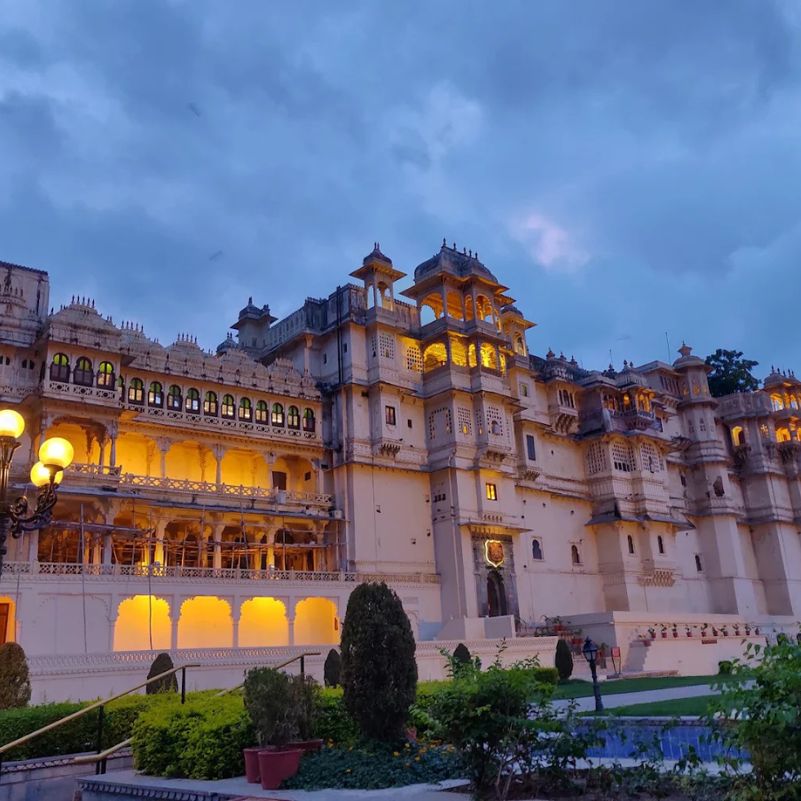
City Palace
200 to 300 m · 3 min walk
The largest palace complex in Rajasthan, about 200 to 300 metres from Hathi Pol. Most visitors combine the palace in the morning with a walk through the bazaar afterward.
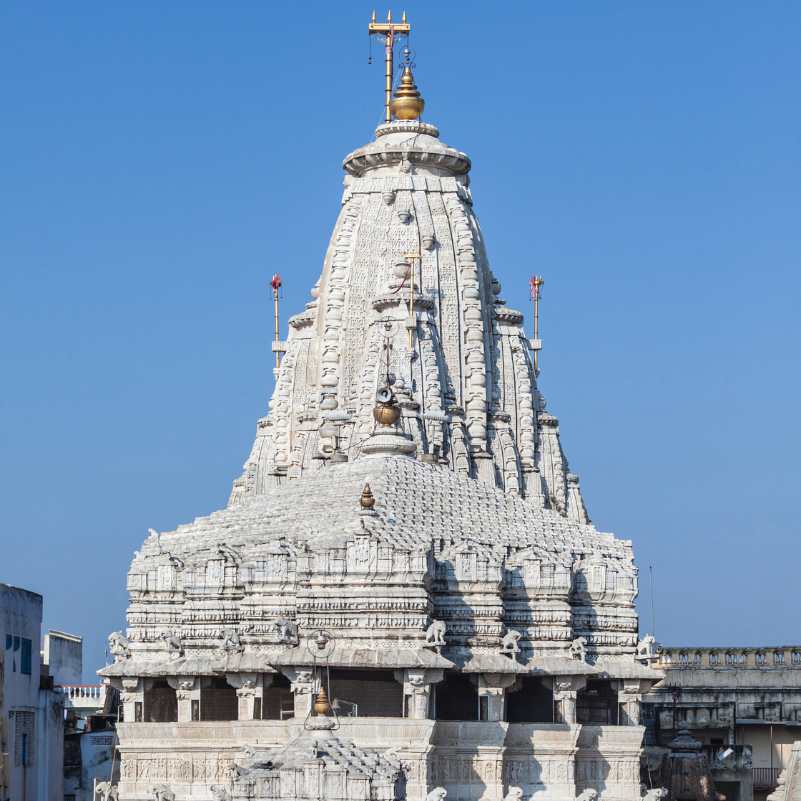
Jagdish Temple
150 to 250 m · 2 min walk
Udaipur's largest temple, right at the edge of the bazaar area. You will walk past it going between City Palace and the market.

Lake Pichola
400 m · 5 min walk
The main lake of Udaipur with the sunset boat ride. The ghats are about 400 metres from the bazaar. Do City Palace and the bazaar during the day, then the boat ride at sunset.
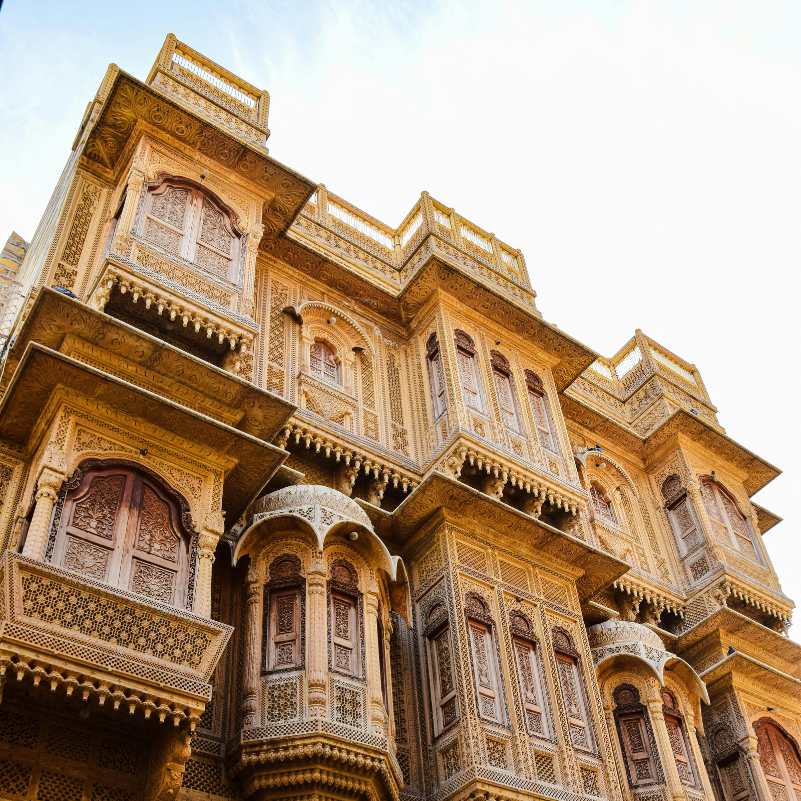
Bagore Ki Haveli
500 m · 5 min walk
An 18th century haveli turned museum on Gangaur Ghat. The Dharohar dance show at 7 PM is the evening plan. About 500 metres from the bazaar.
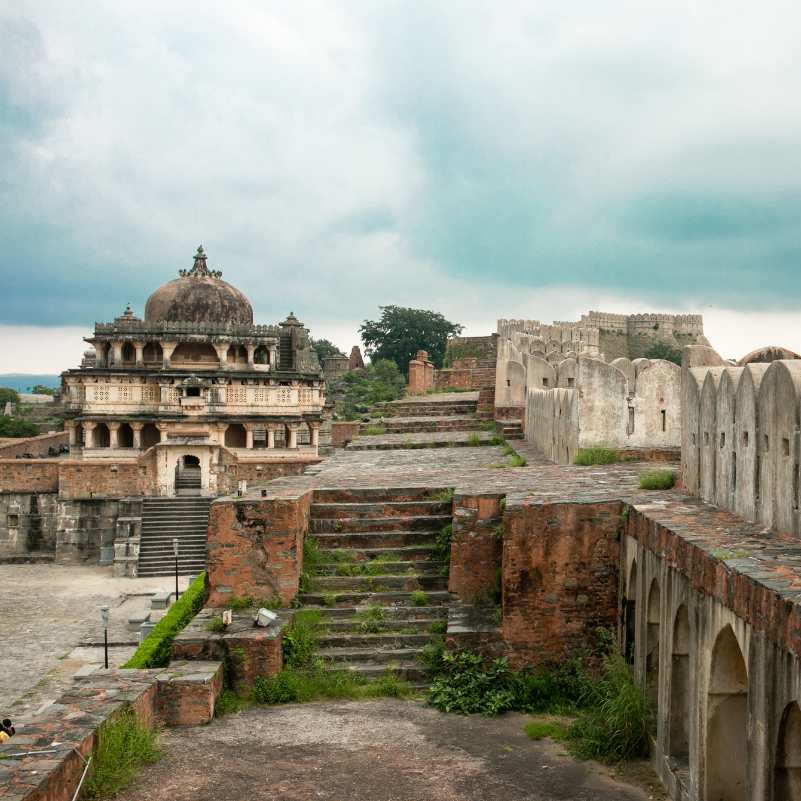
The Ghats and rooftop restaurants
300 to 600 m · 5 min walk
Gangaur Ghat, Lal Ghat, and Ambrai Ghat are all within walking distance. Rooftop restaurants for lunch or dinner after your shopping.
Our packages with Hathi Pol and Bada Bazaar
Curated trips that include a visit to Hathi Pol and Bada Bazaar.
 3D/2N
3D/2NUdaipur Tour With Lake Pichola Boat Ride and Bagore Ki Haveli
3D Udaipur
₹9,999₹12,999SAVE INR 3,000/ person
FAQ
What should I buy at Hathi Pol and Bada Bazaar?
Pichwai and Phad paintings (the most distinctive Udaipur buy), Rajasthani miniature paintings, silver jewellery, bandhani and leheriya fabrics, mojaris and juttis (traditional leather footwear), brass and marble items, wooden puppets, leather journals, lac bangles, and spices.
What are the market timings?
The Hathi Pol stretch with souvenir and handicraft shops is open most days, roughly 10 AM to 7 or 8 PM. Many shops deeper in Bada Bazaar close or keep limited hours on Sundays. Some shops close for a lunch break. If you want the full range, visit on a weekday. Morning visits (before noon) are less crowded and cooler.
Where is the market and how do I get there?
In the old city, near City Palace. Hathi Pol is about 200 to 300 metres from City Palace and Jagdish Temple. Bada Bazaar spreads through the surrounding lanes. The best way in is to take an auto rickshaw to Delhi Gate or the Ashoka Cinema area and walk from there. Four wheelers and taxis cannot navigate the narrow lanes easily.
Do I need to bargain?
At small local stalls and souvenir shops, yes. Starting prices are usually set with negotiation in mind, so politely working the price down is expected. At state emporiums like Rajasthali and established art galleries, prices are fixed. For genuine handcrafted items at small artist studios, the price reflects the craft and the hours involved, so respect the floor.
How can I tell if a painting or artwork is genuine?
Ask the shopkeeper about the artist, materials, and the time it took. If they cannot answer, the piece is probably mass produced. For miniature paintings, hold the piece up to light. Printed reproductions show uniform dot patterns under magnification. Hand painted work does not. Shops that show you an artist working in a studio are generally more trustworthy. For silver, ask for hallmark or weight verification.
What price range should I expect?
For paintings, real hand painted Pichwai and Phad paintings start from roughly 500 to 1,000 rupees for small pieces and can run to tens of thousands for large, detailed work. Miniatures are similar. Silver jewellery depends on weight and design. Mojaris start from a couple of hundred rupees. General souvenirs and trinkets can be under 100 rupees.
Is it easy to walk around?
The lanes are flat but narrow and crowded. Four wheelers cannot get through. Two wheelers and occasional autos squeeze past, so stay aware. There is little shade on some stretches. In summer it gets quite hot. In winter it is comfortable. Families with young children should keep them close in the busiest sections.
When is the best time to visit the bazaar?
Morning (10 AM to noon) for a less crowded, cooler experience. Late afternoon (4 to 6 PM) for the liveliest atmosphere, but also the most packed streets. Avoid midday in summer. Visit on a weekday if possible, since many Bada Bazaar shops close on Sundays.
Should I carry cash?
Carry cash. Many smaller shops and stalls do not accept cards. Some of the larger, more established stores accept UPI and cards, but do not rely on it for the smaller vendors.
Related guides
Posts about Udaipur
- Udaipur to Chittorgarh Day Trip 2026: Fort Route, Timings, Cost and Honest Advice
- Udaipur Trip Cost 2026: Budget for 2, 3, 4 and 5 Days
- Udaipur Local Transport Guide 2026: Auto, Taxi, Cab, Scooter, Parking and Old-City Access
- Udaipur Food Guide 2026: Famous Dishes, Street Food and Lake View Cafes
- Udaipur in Winter 2026: October to February Weather, Crowds, Packing & Trip Plan
- Udaipur Boat Ride Guide 2026: Lake Pichola Price, Timings, Booking, Jetty & Best Sunset Slot