
Udaipur in September 2026: Weather, Rain, Itinerary & Travel Tips
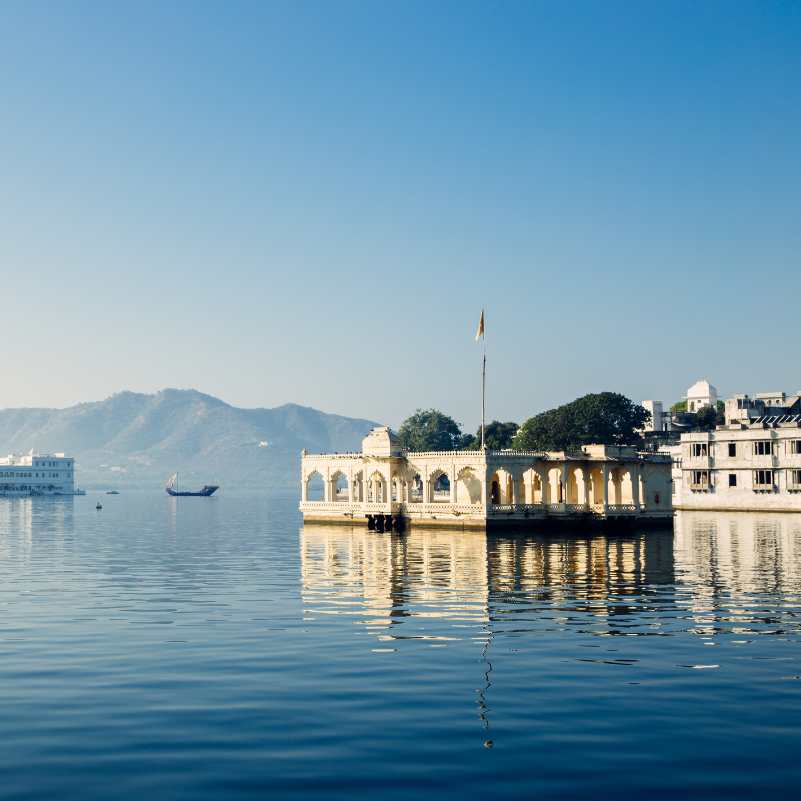
Planning a trip to Udaipur in September can be a good choice if you want to see the City of Lakes with greener surroundings, fewer peak season crowds and a slightly more relaxed atmosphere.
September is still influenced by the monsoon, so occasional rain can affect sightseeing plans. Knowing what weather to expect and keeping some flexibility in your itinerary can make your trip much easier.
This guide covers Udaipur weather in September, expected rainfall, what to pack, places to visit and a practical itinerary so you can plan your days according to the season.
Whether you are visiting Udaipur as a couple, with family or on a short Rajasthan holiday, this guide by Travel Coffee will help you decide if September is the right time to visit and plan your trip with fewer surprises.
Quick Answer: Is Udaipur Worth Visiting in September 2026?
Yes, Udaipur in September can be a very good trip if you like green hills, a slower pace and lakes framed by monsoon skies.
September still sits inside the monsoon transition, so rain is possible and your outdoor plans need room to move.
The city stays warm through the month, historically around 21°C to 30°C, so heavy winter clothes stay at home.
If you want dependable, predictable sightseeing weather more than greenery, October or the winter season is the safer choice. Our full best time to visit Udaipur guide compares every season side by side.
What Is Udaipur Weather Like in September?

September weather in Udaipur is warm, humid and green, with a real chance of rain on some days and clear spells on others.
Historical September data puts daytime figures broadly between 21°C and 30°C. One planning source shows roughly 21.3°C to 29.5°C, another around 21°C to 30°C.
Treat those as historical planning averages, not a promise for September 2026. Actual days that month can run a little warmer or cooler than any average.
In our experience planning Udaipur trips, the single most useful thing you can do is check a short-range forecast three or four days before you travel.
Does It Rain a Lot in Udaipur in September?
September is still part of the monsoon season, so you should plan for some rain rather than assume dry skies.
Rajasthan Tourism describes July to September as a good monsoon stretch for travellers who want greener scenery and fewer peak-season crowds.
That does not mean every September day is a washout. It also does not mean rain only ever comes in quick, tidy showers.
The honest takeaway is simple. Expect weather uncertainty, and keep your outdoor viewpoints and any boat ride flexible instead of locking them to a fixed hour.
Is Early September Different From Late September?
September is a transition month, and the weather varies from year to year, so no fixed rule tells you a certain week will be dry.
Late September can sometimes feel closer to the tail end of the monsoon, with slightly steadier spells. But there is no reliable calendar that guarantees a dry stretch on any given date.
If rain would genuinely spoil your trip, do not gamble on a specific late-September date. Shift the whole plan to October instead, where the odds of easy weather are much better.
Is September Actually a Good Time to Visit Udaipur?

September suits one kind of traveller and frustrates another. It depends on what you want from the trip.
Here is what September does well. The Aravalli slopes around the city turn green, the skies get dramatic, the lakefront feels alive, the Monsoon Palace scenery suits the season, and tourism is usually lighter than the winter peak.
Now the honest compromises. Rain can hide your sunsets, and visibility can change within an hour.
Long outdoor walking gets less comfortable in humidity, and wet stone lanes in the Old City demand shoes with real grip.
Do not treat boat rides as guaranteed in bad weather, and remember hotel demand can still jump on weekends, wedding dates and event days.
So the decision line is clean. Choose September for atmosphere, greenery and flexibility. Choose October onward when you want easier, more predictable weather.
What Do Udaipur's Lakes Look Like in September?

By the end of the monsoon, the surroundings of Lake Pichola and Fateh Sagar Lake usually look their greenest, with the hills behind them fresh rather than dry and brown.
That green setting is a genuine part of the September appeal, but the exact water level is a yearly story that depends on how much rain actually fell. We never promise full lakes.
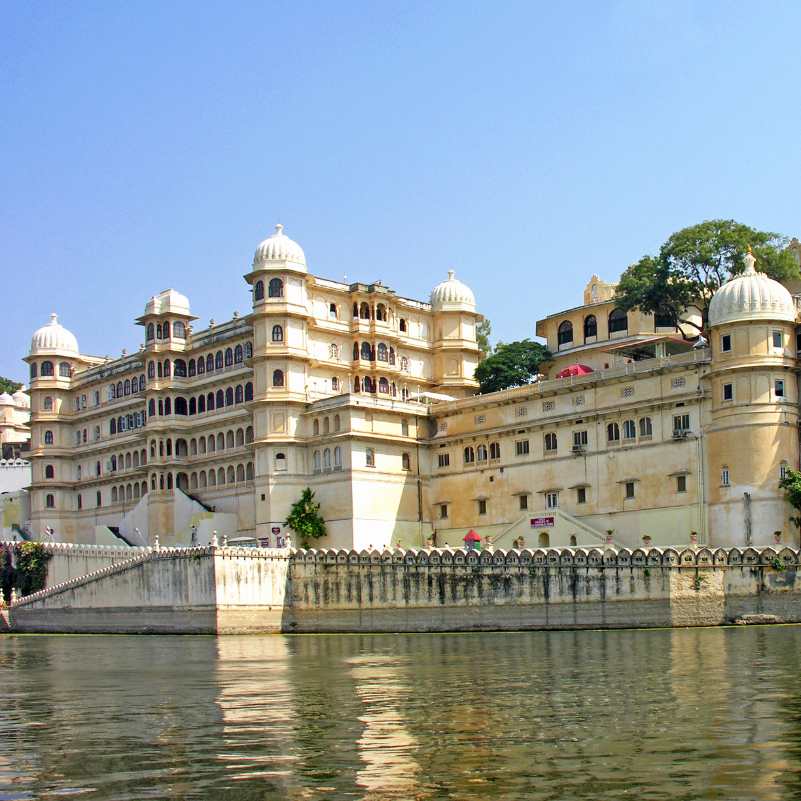
Rajasthan Tourism lists Lake Pichola as one of Udaipur's signature attractions and points to its link with the City Palace and the island palaces of Jagniwas and Jagmandir. Even on a grey day, a slow lakeside evening here still delivers.
What Are the Best Places to Visit in Udaipur in September?
The most useful September plan mixes dependable heritage sightseeing you can enjoy in any weather with a few viewpoints you keep flexible around the sky.
City Palace and the Old City

City Palace is your most reliable September anchor because so much of the visit happens under cover, inside the palace and museum, even when the weather outside turns.
Rajasthan Tourism describes it as a palace complex overlooking Lake Pichola, with the main section preserved as a museum. You can spend a long, satisfying stretch here regardless of rain.
Our team recommends grouping City Palace with Jagdish Temple and the surrounding Old City lanes in one go, rather than crossing the city again later for something you could have covered on the same walk.
For the full spread of sights, our guide to the best places to visit in Udaipur lays them out clearly.
Lake Pichola
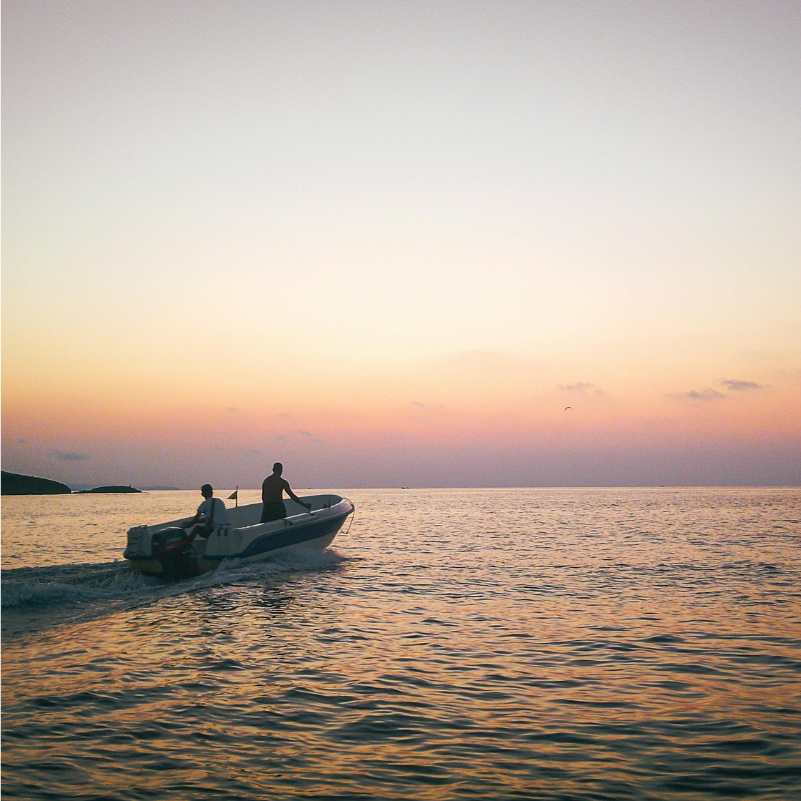
The real reason to plan for Lake Pichola is the evening light on the water, with the City Palace rising behind it.
Rajasthan Tourism specifically recommends a Lake Pichola boat ride around sunset for views of the lake and the palace. On a clear September evening, it is one of the finest hours in the city.
We will not pretend a sunset boat runs no matter what. In heavy weather it may not operate, so treat it as a flexible highlight and not a fixed appointment.
Sajjangarh Monsoon Palace

A palace literally tied to the monsoon deserves special attention in any September plan, and Sajjangarh Monsoon Palace is exactly that.
Rajasthan Tourism describes it as a nineteenth-century hilltop palace on the Bansdara hills, with wide views over the city and the country around it. Low cloud and drifting rain can make the whole place feel moody and cinematic.
Here is the honest catch. That same cloud can also swallow the sunset completely, so do not force a Sajjangarh evening when the sky is fully socked in. You will pay the entry and make the climb only to stare at a grey wall. Save it for a clearer window and it rewards you properly.
Fateh Sagar Lake

Fateh Sagar Lake works best as a relaxed late-afternoon or evening stop once the weather clears and the light softens.
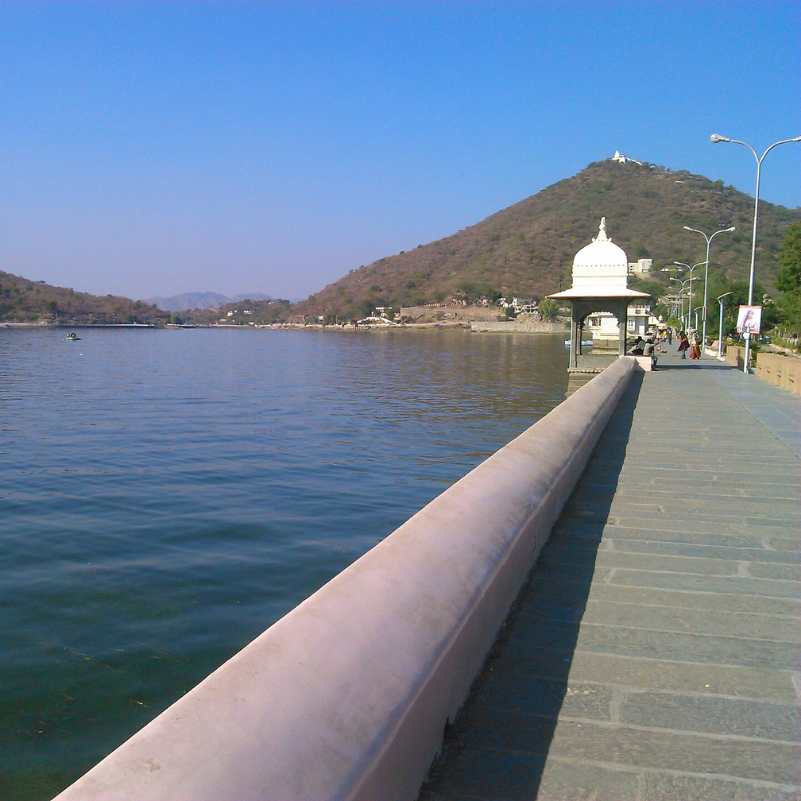
Rajasthan Tourism describes it as a lake north of Lake Pichola, ringed by hills and wooded slopes. It is the lake the city itself unwinds beside, so the mood here is easy and local.
Saheliyon Ki Bari
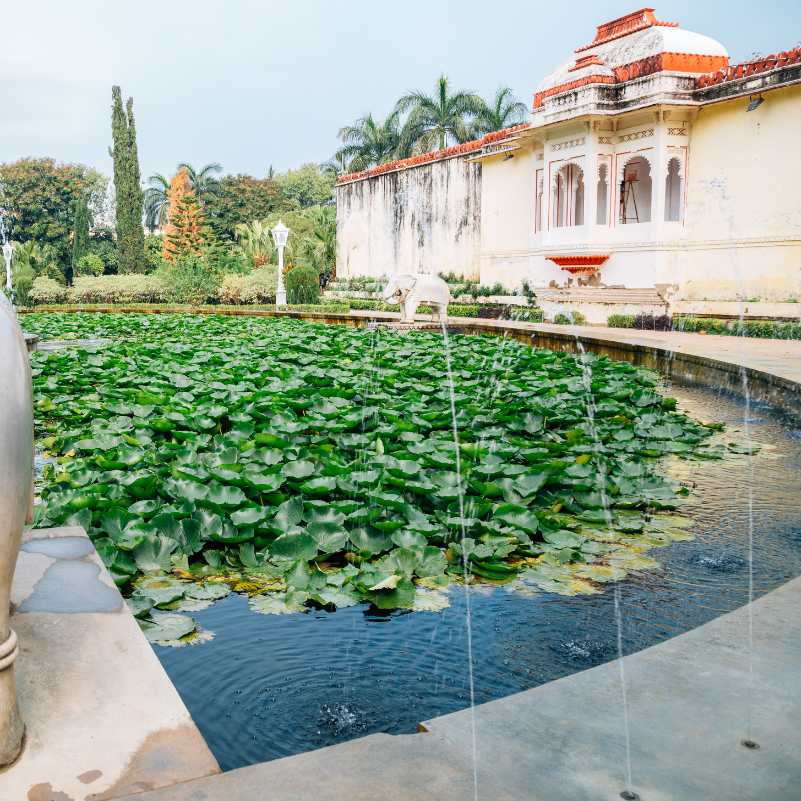
Saheliyon Ki Bari suits the greener monsoon setting more than almost anywhere else in Udaipur, because a garden simply looks better after rain.
Rajasthan Tourism points to its fountains, marble elephants, kiosks and a lotus pool. It is a calm, shaded stop that fits neatly into a morning before the day heats up.
Gangaur Ghat and the Old City Lanes
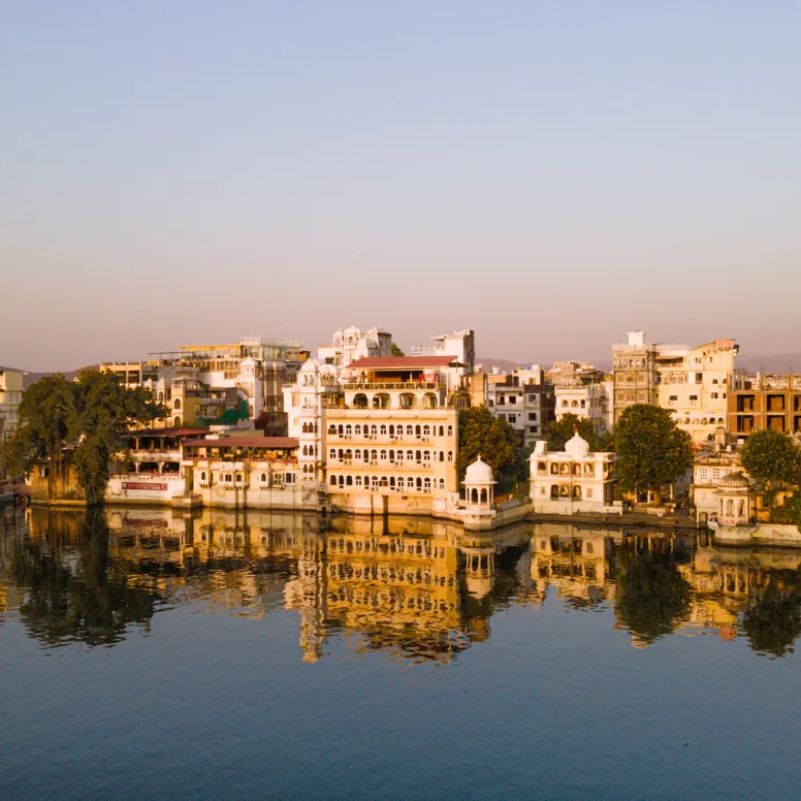
Save Gangaur Ghat and the Old City lanes for a relaxed morning or evening when conditions are comfortable and the stone is dry.
Gangaur Ghat sits right beside Lake Pichola, close to Bagore Ki Haveli, so you can drift between the water, the ghat and the lanes on foot.
One practical September note. Wear footwear with grip and skip the narrowest, steepest lanes during heavy rain, because the old stone gets genuinely slippery when it is wet.
This stretch is also where we point people for an easy meal. The rooftop cafes clustered around Gangaur Ghat and Lal Ghat serve chai and coffee with a Lake Pichola view, and a covered rooftop is a fine place to sit out a passing shower.
In the Old City lanes below, try a proper Rajasthani thali or dal baati churma. Our round-up of things to do in Udaipur has more ideas for these slow Old City hours.
Can You Take a Lake Pichola Boat Ride in September?

Usually yes, and boating is one of Udaipur's signature experiences, with Rajasthan Tourism itself recommending a Lake Pichola ride around sunset.
The catch is weather. On a calm, clear evening the boats run and the view is superb. In heavy rain or rough conditions, operations can pause, so confirm on the day rather than assuming.
We do not quote a fixed fare or departure time here, because prices and schedules can vary by operator, boat type and weather conditions. Check the latest fare and departure timing at the jetty or with your chosen operator before boarding.
The smart move is to never let your whole day hang on one boat ride. Keep an Old City walk, City Palace or a lakeside evening ready as a backup, so a change in the sky never spoils the day.
What Is the Best 3 Day Udaipur Itinerary for September?
Three days give you the breathing room September rewards. The mistake most first-timers make is locking a rigid, hour-by-hour plan, then losing a whole day the moment one evening turns wet.
The logic below front-loads the sightseeing that works rain or shine, and keeps the sky-dependent viewpoints loose so a wet evening never ruins a whole day.
Day 1: City Palace, Jagdish Temple, Old City and Lake Pichola
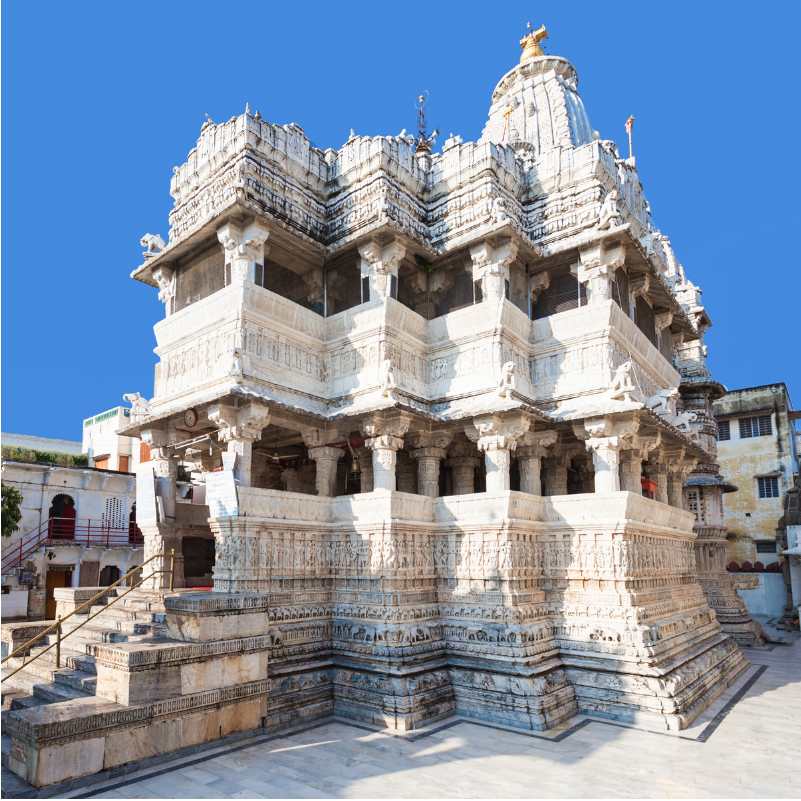
Start with your most dependable cultural sightseeing, the kind that holds up whatever the weather does.
Give the morning and midday to City Palace, then let Jagdish Temple and the Old City lanes fill the afternoon, all within one walkable zone.
Keep the Lake Pichola boat ride flexible. If the evening turns wet, shift the ride to a clearer window later in the trip and treat the day as a full success anyway, because you already covered the sightseeing that matters most.
Day 2: Saheliyon Ki Bari, Fateh Sagar and Sajjangarh

Group the attractions that need a vehicle so you are not crossing the city twice for no reason.
Saheliyon Ki Bari fits an easy morning, Fateh Sagar suits a relaxed late afternoon, and Sajjangarh becomes your sunset option if the sky cooperates.
Keep Sajjangarh loose. If cloud buries the hilltop, swap the order or push it to another evening rather than forcing a viewpoint that the weather has already closed off.
Day 3: Slow Udaipur and Weather Buffer

Keep the final day deliberately open, because this buffer is where a September trip quietly saves itself.
Use it for the Gangaur Ghat and Bagore Ki Haveli side, some Old City shopping, an unhurried cafe morning, or simply repeating the one outdoor experience the rain stole earlier.
This is the biggest reason we push three days over a rushed trip. When a viewpoint or boat ride slips a day, you still have room to catch it. Our detailed Udaipur itinerary for 3 days walks through the full flow at a comfortable pace.
What Should You Do If It Rains During Your Udaipur Trip?

Carrying an umbrella is the obvious part. The skill is knowing what to swap, and when.
When rain or poor visibility rolls in, pull your indoor and low-key plans forward. That means City Palace interiors, a long lunch, cafes, Old City shopping and covered lane walks.
When the clearest window of the day opens, spend it well. That is the moment for Sajjangarh, a lakefront walk or the Pichola boat ride, not the moment to sit indoors.
One timing pattern helps here. In the monsoon, mornings often stay clearer before clouds build up through the afternoon, so when you can, do your outdoor viewpoints early and save the indoor heritage for later in the day.
What we tell our Udaipur travellers is to think in sightseeing blocks rather than fixed hourly appointments. Hold a rough list of indoor options and outdoor options, then match them to the sky as the day unfolds.
Three days beats a rushed one or two here: more clear windows to work with, and far less pressure on any single evening.
If you only have two days, protect your plan by treating the first clear spell as precious. Do your top outdoor experience the moment the weather allows, and leave the indoor heritage for whenever the rain returns.
Is Udaipur Crowded in September?

September usually sees moderate crowds in Udaipur rather than peak tourist levels, although popular attractions such as City Palace, Lake Pichola and the Old City can still feel busy at certain times.
The monsoon period from July to September is generally quieter than the main tourist season from October to March, making September a good option for travellers who want to explore Udaipur with relatively fewer crowds.
Crowd levels can still vary depending on your travel dates. Weekends, wedding dates, festivals and major events may bring temporary spikes in visitors and local traffic.
The Vedanta Zinc City Half Marathon on September 6, 2026 is one such date to keep in mind. Visitors travelling around this weekend should expect increased activity in some parts of the city and allow extra time for local travel.
Is Udaipur Cheaper in September?
Sometimes yes. Monsoon and shoulder dates can bring better hotel value than the winter peak, but the real price always depends on hotel category, weekends, weddings and demand.
For rough planning, budget around ₹500 to ₹1,000 a night for a basic stay or hostel, around ₹1,200 to ₹2,500 for a homestay, and around ₹1,800 to ₹3,500 for a mid-range hotel.
On food, a street snack sits around ₹30 to ₹50, a traditional thali around ₹300 to ₹500 a person, and a mid-range restaurant meal around ₹500 to ₹700 for two.
Treat all of these as planning ranges rather than fixed September 2026 quotes. Our wider Udaipur travel guide goes deeper on costs and how they shift by season and area.
Where Should You Stay in Udaipur in September?

The real September choice is between atmosphere and easy access, and both are valid depending on who is travelling.
The Old City and Lake Pichola area wins on mood and walkability. You wake up near the water and reach the major heritage sights on foot, which is a genuine advantage when the lanes are the whole point.
Easy vehicle access matters more than usual once roads and lanes turn wet. For families, senior travellers or anyone with heavy luggage, a stay a cab can pull right up to can be worth more than a picture-book location.
Our honest breakdown of where to stay in Udaipur weighs each area for exactly this trade-off.
What Should You Pack for Udaipur in September?

Pack light and breathable first, since the days stay warm and humid rather than cold.
Add a lightweight rain layer or a compact umbrella you can carry all day. A sudden shower is the one thing to be ready for.
Footwear matters more than people expect. Bring shoes with useful grip for wet stone, and throw in quick-drying clothes and a spare pair of socks so a soaking never derails your afternoon.
A small waterproof pouch keeps your phone and documents safe in a downpour, and mosquito repellent earns its place in a green, damp month. Leave the heavy winter clothing behind, because September planning temperatures simply do not call for it.
How Should You Get Around Udaipur During September Rain?

The easiest way to move around Udaipur is to think in two zones instead of criss-crossing the city.
City Palace, Jagdish Temple, Gangaur Ghat and the Old City form one tight walking zone you cover on foot.
Saheliyon Ki Bari, Fateh Sagar and Sajjangarh form a second zone you handle with a vehicle. Keeping the walking cluster and the driving cluster separate saves you hours and fuel.
As rough estimates, short auto rides broadly fall around ₹50 to ₹200 depending on distance, scooter or motorcycle rentals around ₹400 to ₹700 a day, and a full-day sightseeing car around ₹1,800 to ₹2,500 before you check what it includes.
Treat those as estimates, not official fares.
One money-saver most visitors miss
Agree to the auto fare before you sit in, because meters often go unused and a short Old City hop should stay near that lower range, not balloon into a tourist quote.
And be honest with yourself about the car. Paying for a vehicle all day while you spend most of it walking pedestrian Old City lanes is usually money wasted. Hire the car for the driving zone, and keep the walking zone on foot.
What Is Happening in Udaipur in September 2026?
Two things are worth knowing before you lock your dates.
The third edition of the Vedanta Zinc City Half Marathon is scheduled in Udaipur for Sunday, September 6, 2026, with half marathon, 10 km and 5 km categories and a route that runs around Fateh Sagar Lake and through the city's heritage lanes.
If you are staying in Udaipur around September 5 and 6, recheck local traffic and road arrangements before you set out sightseeing, especially around the Fateh Sagar side. A little planning keeps a race morning from eating into your day.
Separately, the India Investment Grid currently lists September 26, 2026 as the project completion date for the new integrated passenger terminal at Udaipur's airport, Maharana Pratap Airport.
Read that carefully. A project completion date is not the same as confirmation that flights will use the new terminal on or right after that date. If you are flying in September, rely on your airline's current terminal information rather than the project timeline.
Udaipur in September vs October: Which Month Is Better?

Neither month is better for everyone, so match the choice to what you actually care about.
September gives you the stronger monsoon atmosphere, the greenest surroundings and the highest chance that rain reshapes your plans. October is generally the safer, steadier month for easy and predictable sightseeing.
Our own best time guidance points to October through March as the easiest stretch for sightseeing, while still flagging August and September as genuinely appealing for travellers who specifically want rain and green hills.
So the call comes down to one question. If rain would disappoint you, choose October. If rain is part of the reason you want to see Udaipur at all, September is the more interesting trip.
Who Should Visit Udaipur in September?
September suits flexible couples, photographers, slow travellers, repeat Rajasthan visitors and anyone who genuinely enjoys monsoon scenery and a green, moody backdrop.
Families can enjoy it too, as long as the itinerary stays flexible and nobody is banking on a perfect sunset every evening.
Some travellers should wait for another month. If you have only one sightseeing day, if you strongly dislike rain, or if your whole trip hinges on clear sunset views, October onward will serve you better.
If you would rather have the whole thing handled, our Udaipur tour packages start from ₹9,999 per person for a budget two-night, three-day plan.
That is a starting price, and the final cost can vary depending on your travel dates, hotel category, group size, vehicle type and inclusions, so check the latest package quote before booking.
Conclusion
September rewards a certain kind of traveller. If you value greenery, monsoon atmosphere and the freedom to move your plans around the sky, it can be the most characterful time to see Udaipur all year.
If predictable outdoor sightseeing matters more, October onward is the safer, calmer choice, and there is no shame in picking the easier weather.
In our experience, the travellers who love Udaipur in the monsoon are the ones who come with a loose plan and an open mind. Give the city three days, keep your evenings flexible, and let the weather set the pace.
When you are ready to plan the wider trip, our Rajasthan tour packages can fold Udaipur into a longer loop across the state, at whatever pace suits you.
Explore Our Curated Udaipur Tour Packages
 3D/2N
3D/2NUdaipur Tour With Lake Pichola Boat Ride and Bagore Ki Haveli
3D Udaipur
₹9,999₹12,999SAVE INR 3,000/ person 4D/3N
4D/3NUdaipur Honeymoon Tour With Candlelight Dinner and Boat Ride
4D Udaipur
₹17,999₹21,999SAVE INR 4,000/ person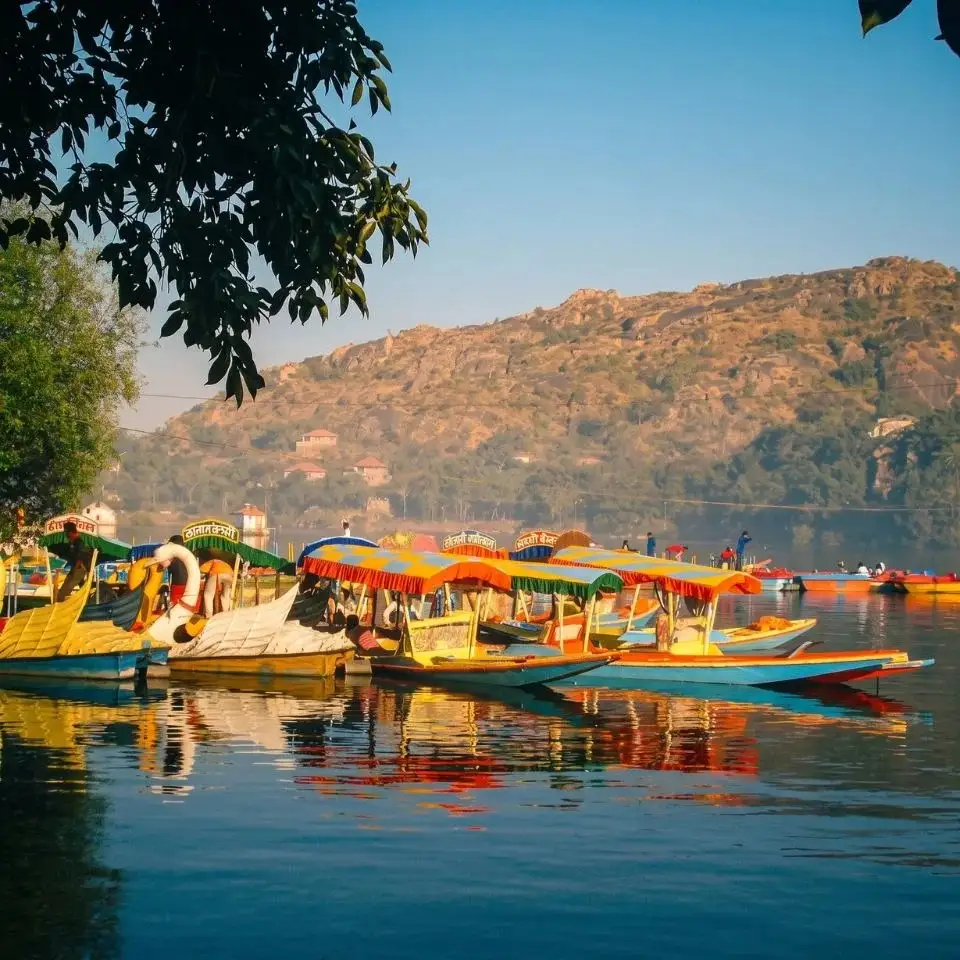 5D/4N
5D/4NUdaipur Mount Abu Tour With Nakki Lake and Dilwara Temples
2D Udaipur•2D Mount Abu
₹20,999₹24,999SAVE INR 4,000/ person
Related topics
Frequently Asked Questions
Is September a good time to visit Udaipur?
Yes, especially if you enjoy green landscapes, monsoon weather and fewer crowds. However, rain can affect outdoor plans, so October is better if you prefer more predictable weather.
Does it rain every day in Udaipur in September?
No. Some days may be rainy while others stay dry or partly cloudy. Keep your plans flexible and check the weather forecast close to your travel dates.
What is the temperature in Udaipur in September?
Temperatures generally range from around 21°C to 30°C. The weather stays warm and humid, so light and breathable clothing is best.
Is Udaipur better in September or October?
September is greener and has a stronger monsoon feel, while October usually offers clearer and more predictable sightseeing weather. Choose September for scenery and October for easier travel.
Can you take a Lake Pichola boat ride in September?
Usually yes, but boat services can stop during heavy rain or rough weather. Confirm operations and timings on the day and keep a backup plan.
Are Udaipur's lakes full in September?
Not always. Lake levels depend on how much rainfall Udaipur receives during that year's monsoon. The surroundings are usually greener, but full lakes cannot be guaranteed.
Is Monsoon Palace worth visiting in September?
Yes. Sajjangarh looks especially beautiful during the monsoon, but clouds can reduce visibility. Visit on a clearer evening if you want good sunset views.
How many days are enough for Udaipur in September?
Three days are ideal because they give you flexibility if rain changes your plans. Two days can work, but there is less room to reschedule weather-dependent activities.
What should I wear in Udaipur in September?
Wear light, breathable and quick-drying clothes. Carry an umbrella or light rain jacket, comfortable footwear with good grip and a waterproof pouch for valuables.
Is Udaipur crowded in September?
Crowds are generally moderate compared with the October to March peak season. Weekends, weddings and special events can still make certain areas busier.
Is Udaipur cheaper in September?
It can be cheaper than the winter peak, particularly on quieter midweek dates. Hotel rates still depend on weekends, weddings, events and overall demand.
Is Udaipur safe to visit during the monsoon?
Yes, with normal precautions. Be careful on slippery roads and stone lanes, avoid risky outdoor activities during heavy rain and keep weather-dependent plans flexible.
More about Udaipur
 Udaipur
Udaipur to Chittorgarh Day Trip 2026: Fort Route, Timings, Cost and Honest Advice
Planning a Udaipur to Chittorgarh day trip in 2026? This practical guide covers the best fort route, travel time, sightseeing timings, expected costs and transport options. We also share honest advice on how much time you need at Chittorgarh Fort, what to prioritise and whether the trip is worth adding to your Udaipur itinerary.
- Places to Visit
- Road Trips
 Udaipur
Udaipur Trip Cost 2026: Budget for 2, 3, 4 and 5 Days
Planning an Udaipur trip in 2026? This practical cost guide breaks down the budget for 2, 3, 4 and 5 days, including hotels, food, local transport, sightseeing and activities. Use realistic budget ranges to plan your Udaipur holiday without overspending.
- First-Time Travellers
- Itinerary
 Udaipur
Udaipur Local Transport Guide 2026: Auto, Taxi, Cab, Scooter, Parking and Old-City Access
Planning how to get around Udaipur in 2026? This practical transport guide compares autos, taxis, cabs and scooter rentals, with tips on fares, parking and navigating the narrow Old City. Learn which option works best for sightseeing, lake areas and day trips, and where vehicle access can become difficult.
- How to Reach
- First-Time Travellers