
Udaipur in Monsoon 2026: July to September Weather, Lake Levels and Honest Travel Advice
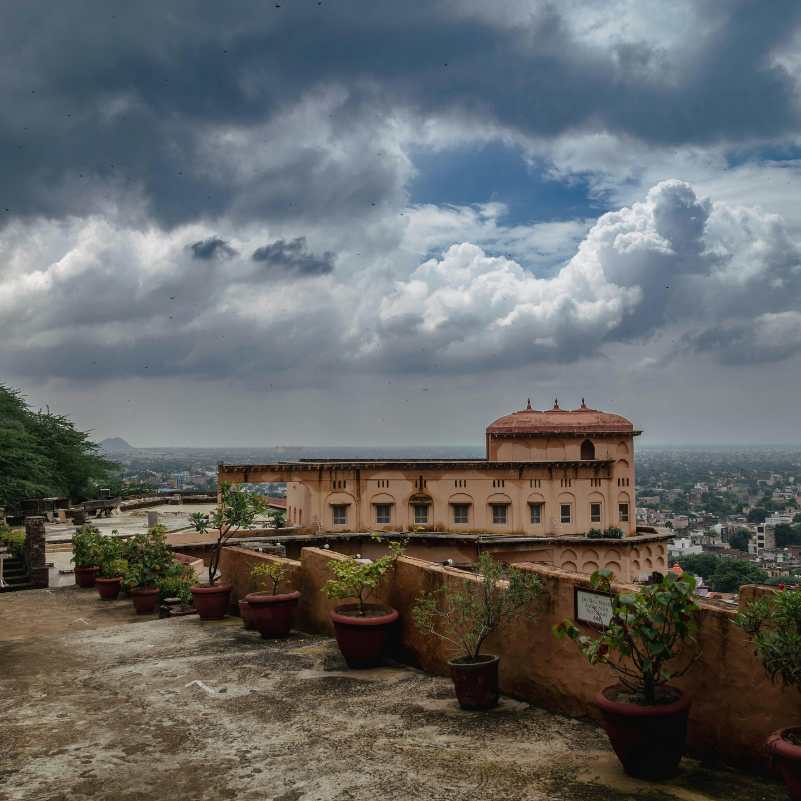
If you are weighing up Udaipur in monsoon and want a straight answer before you book, this guide is for you.
The short version: July to September can be a lovely time to see the city, but the season does not automatically hand you full lakes, dry sightseeing days or a guaranteed sunset boat ride.
We plan a lot of Rajasthan trips, so here is the honest version of what monsoon changes, month by month, so you can decide with your eyes open.
Quick Answer: Is Udaipur Worth Visiting in Monsoon?
Yes, Udaipur in monsoon is worth it if you like green Aravalli hills, moody skies, softer light and a slower pace, and you are happy to shuffle plans around the weather.
July and August are the wetter months on long-term averages, while September is noticeably drier. Just do not expect guaranteed full lakes or non-stop outdoor sightseeing.
If you would rather someone handle the planning, our Udaipur tour packages keep each day flexible around the weather.
What Is Udaipur's Monsoon Really Like?

Monsoon in Udaipur mostly means higher humidity, more cloud cover and a greener look across the surrounding hills. The city feels cooler than the peak summer, but it stays warm and sticky between showers.
The look of the place shifts more than the temperature does. After good rain the dry brown hills of summer turn green, the lakes and ghats feel fresher, and the whole city reads softer than it does in the harsh winter light.
Monsoon does not mean it rains all day, every day. You usually get a mix: bright breaks, grey stretches and the odd heavy burst that can arrive fast.
The catch is that sightseeing turns weather dependent. Viewpoints, boating and long drives all shift with the sky, while indoor heritage is easier to reorder.
One more thing worth being honest about
Long-term monthly averages describe decades of weather, not the three specific days you will be in town. Your trip could run wetter or drier than any average suggests.
If you are new to the city, our Udaipur travel guide covers the basics, and this article focuses only on what the rain changes.
Udaipur in July: How Wet Does It Get?
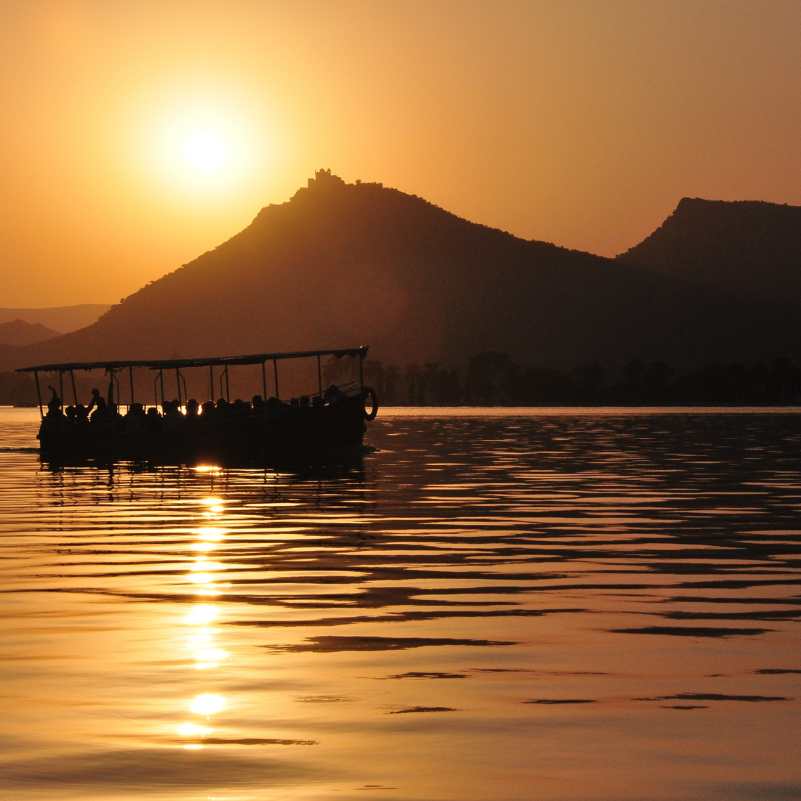
In July, the long-term IMD averages (1981 to 2010) put the mean daily minimum at 24.7°C and the mean daily maximum at 32.2°C. So days stay warm and humid rather than cold.
Rain-wise, July sees a mean of 208.8 mm across the month and about 8.8 rainy days on average.
Here is what that means in plain terms. Rain shows up on a meaningful share of days, but the figure does not tell you whether a wet day means ten minutes of drizzle or a long, heavy spell. That varies day to day.
July suits travellers who actively want the fuller monsoon mood, greener hills and dramatic skies, and who do not mind reshuffling a viewpoint or a drive when the rain rolls in.
If your heart is set on dry, predictable sightseeing, July is not the month to force it.
Udaipur in August: Is This the Best Month for the Monsoon Feel?

In August, the IMD averages give a mean minimum of 23.4°C and a mean maximum of 30.5°C. Daytime highs sit slightly lower than July, which many people find more comfortable.
Rainfall averages 208.5 mm, almost identical to July, but August records more wet days at a mean of 9.8 rainy days. So the rain spreads across more of the month.
This is why many travellers call August the classic green-season month. The hills tend to look their greenest, and the light after a shower can turn lovely.
We would still not promise you full lakes in August. Lake levels track that year's actual rainfall and inflow, not the calendar. More on that below.
August is a strong pick if a rich monsoon atmosphere matters to you more than dry-day certainty.
Udaipur in September: Is It a Better Balance?
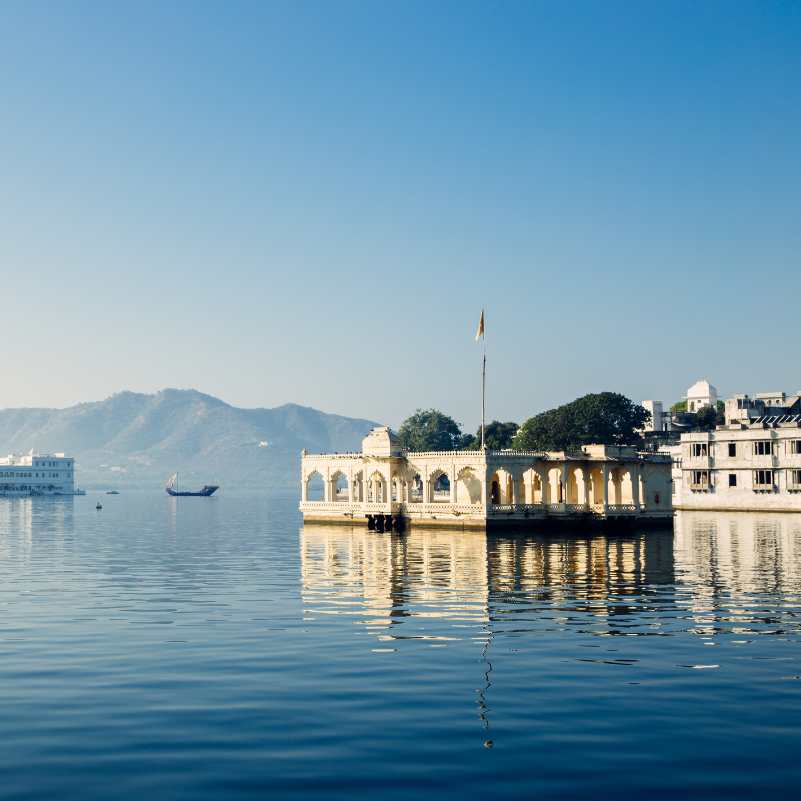
September changes the maths. The IMD mean minimum is 21.7°C, the mean maximum is 32.5°C, and crucially, mean rainfall drops to 94.8 mm over about 5.1 rainy days.
That is less than half the average monthly rainfall of July or August in this dataset. The season is easing off.
We would not call September dry or rain-free. Showers still happen, and a wet spell can still land. But statistically you face fewer rain interruptions.
For a lot of travellers, this is the sweet spot: some green-season feel, softer weather, and a better chance of stringing outdoor plans together without constant reshuffling.
If you want the fuller picture across the whole year, we break it down in our best time to visit Udaipur guide.
July vs August vs September: Which Month Should You Choose?

Choose July
If you want the strong monsoon look, do not mind humidity, and you stay relaxed about moving outdoor plans at short notice. It is the month for people chasing the mood, not the certainty.
Choose August
If you want the greenest hills and the most atmospheric skies, and you accept that more wet days come with that. On these averages, August gives the most rainy days of the three.
Choose September
If you want a gentler compromise. Statistically it carries less than half the rainfall of July and August, so it tends to be the easier month for mixing sightseeing with some monsoon character.
For a first-time visitor who wants a smoother trip, our team usually suggests September. For a photographer or a committed monsoon lover, August delivers the strongest green-season feel, as long as you travel ready to adapt.
Are Lake Pichola and Fateh Sagar Full During Monsoon?
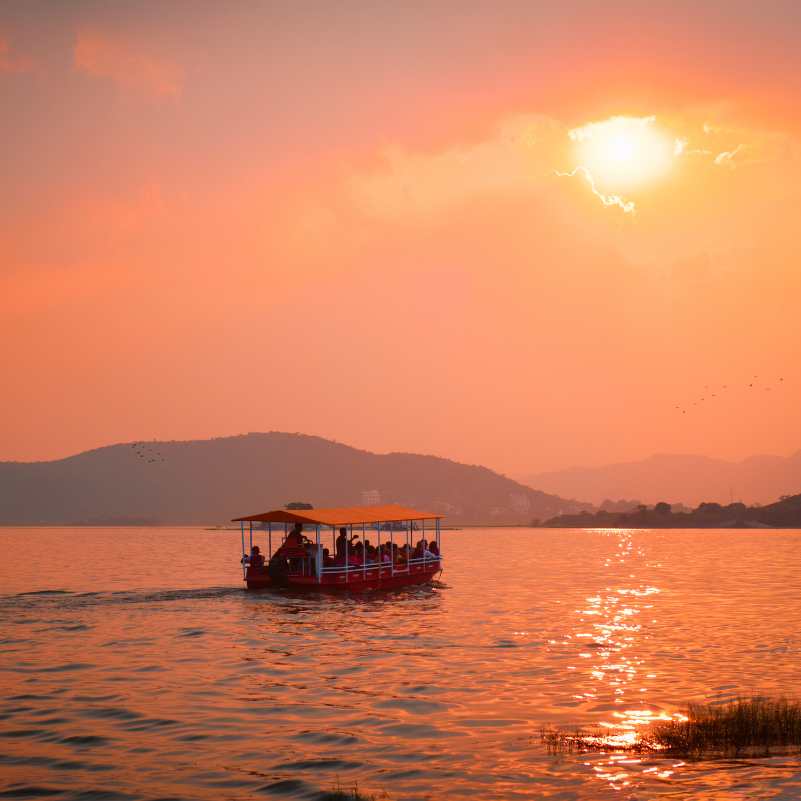
This is where a lot of monsoon articles quietly mislead people. A rainy month does not automatically mean a brimming lake.
Lake Pichola and Fateh Sagar Lake levels depend on how much rain actually falls that year, how much water flows in from the catchment, and how much the city draws down over the season. A weak monsoon can leave levels lower than the photos you saw online.
So we will not pretend to know today's level for you. Check current conditions close to your travel date if full-water lake views form a big reason for the trip.
Lake Pichola water level: Check the latest local conditions close to your travel date, as the level changes with rainfall, catchment inflow and seasonal water use.
Fateh Sagar water level: Confirm the current lake level before travelling, especially if full-water views are an important part of your monsoon trip.
One honest warning
Do not treat old monsoon photographs as proof of this year's water. They may come from a very different rainfall year.
If you want to know which spots earn your time either way, see our guide to the best places to visit in Udaipur.
What Has the 2026 Monsoon Been Like in Udaipur?

Here is a dated example of why averages cannot predict a single week. DD India reported that on 22 July 2026, Udaipur saw nearly an hour of intense rainfall, which the report called the city's heaviest spell of the 2026 monsoon up to that point.
That was one specific event on one specific day. It does not describe conditions right now.
Current Udaipur forecast: Check a reliable short-range forecast in the final few days before departure, as monsoon conditions can change quickly.
What we tell travellers is simple: check the short-range forecast in the final few days before you leave, not weeks ahead. That last-minute look is the one that actually helps you pack and plan.
Is It Practical to Sightsee Around Udaipur During Monsoon?
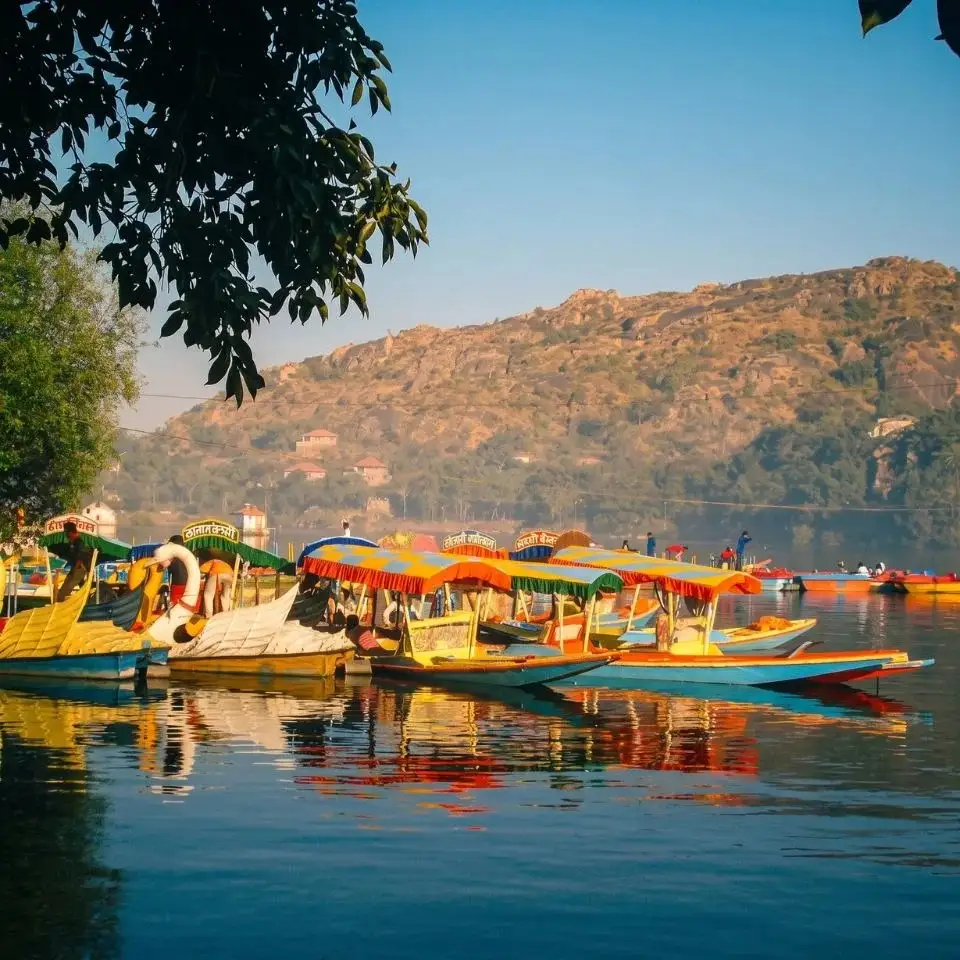
Mostly yes, if you stay flexible. The trick is to keep the plan loose enough that a sudden shower does not wreck your day.
City heritage is the easy part. The Old City, palaces and museums are simple to reorder, so you can pull an indoor block forward when the sky turns.
Viewpoints, boating and long drives are the weather-sensitive part. Build in spare time and a backup, so a wet afternoon has somewhere to go.
Practical bits to expect
A wet stone underfoot can get slippery, and heavy rain slows traffic across the city. Neither one is dangerous if you plan for it, but both eat into a tight schedule.
A car with a driver helps here, because you can change the order of your day on the move instead of standing in the rain waiting for an auto. In a heavy burst, expect autos and cabs to take a little longer to flag down.
We are not saying the whole city floods every time it rains. It does not. But a rigid, minute-by-minute plan is the wrong tool for this season.
Do Lake Pichola Boat Rides Operate During Monsoon?

The honest answer is that it depends on the day. Weather, visibility, water conditions and the operator's own call all decide whether boats run on Lake Pichola.
Boat operation: Confirm with the operator on the day, as services may be paused or changed due to weather, visibility or water conditions.
So do not hang your entire trip on one fixed sunset boating slot. If it is your dream photo, give yourself more than one evening to catch it.
Keep a second evening free as a backup. That single habit saves more monsoon trips than any other piece of advice.
We are deliberately not quoting a price or timing here, because those can change and we will not guess. Confirm it on the day.
For other lake and Old City ideas that work rain or shine, browse our list of things to do in Udaipur.
Is Sajjangarh Monsoon Palace Worth Visiting in the Rain?

Sajjangarh, the Monsoon Palace, is the one viewpoint practically built for this season. It sits high above the city, and the name itself tells you which weather it belongs to.
On a good cloudy evening, mist rolling across the hills below can look genuinely special. That is the upside.
The downside is real too. Low clouds can just as easily swallow the whole panorama, leaving you at the top staring into grey with no city view at all.
So treat it as a weather call, not a fixed booking. Check conditions before you drive up, rather than going only because it sits on your list.
We would slot Sajjangarh into the clearest window your forecast offers, and skip it without guilt if visibility collapses.
What Can You Do in Udaipur When It Is Raining?

The goal is to rescue the day, not just carry an umbrella. The way we plan it, every day gets one weather-flexible block you can pull indoors on short notice.
Heritage indoors is your best friend. The City Palace museum complex, smaller museums and galleries, and the Vintage Car Collection all give you hours out of the rain.
Craft and market shopping is another easy pivot. When a shower lands, duck into the shops and lanes of the Old City instead of pushing on to a soaked viewpoint.
The rooftop cafe and restaurant scene around the Old City and Lake Pichola is the classic wet-weather refuge here. A long lunch with a view of the rain on the water is not the worst way to lose an hour.
We will not call any single place fully weatherproof, and we are not listing opening hours we have not checked. The point is the strategy: one weather-sensitive block and one weather-flexible block each day.
Where Should You Go for Monsoon Photography in Udaipur?

The strongest subjects for monsoon photography in Udaipur are the same ones that make the city famous, just wetter and moodier. Start with Lake Pichola and the City Palace skyline reflected in the water after a shower.
Fateh Sagar, the ghats along the lakes, and Sajjangarh all give you layered clouds, softer light and misty hills when the weather plays along.
Reflections are the monsoon bonus. A short shower followed by a break can leave still water under a dramatic sky, which is when the city looks its best.
Shoot the City Palace and lakefront from across the water when you can, so the reflection fills your frame. Wet ghat stone and small puddles work as mirrors too, so look down as well as out.
Carry a dry pouch for your phone or camera, a lens cloth and some rain protection. Wet gear is the fastest way to end a shoot early.
One safety note
Do not stand on exposed rocky ledges or open viewpoints during a thunderstorm or heavy rain. No photo is worth that. Wait for the burst to pass, then shoot.
Is Udaipur Cheaper During Monsoon?

Let us kill the lazy claim first. Not every Udaipur hotel automatically drops 30 or 40 percent in monsoon, and pricing works in a more specific way than that.
Here is real evidence instead. Some government-run RTDC properties publish lower April to September tariffs than their later-season rates, and July to September falls inside that cheaper window.
At RTDC Anand Bhawan in 2026, the 1 April to 30 September rates are ₹2,700 for a Deluxe double, ₹2,200 for a Standard double and ₹3,200 for a Super Deluxe double.
For the 1 October 2026 to 31 March 2027 period, the same three categories rise to ₹3,300, ₹2,700 and ₹4,000. These are CP plan rates, so they include breakfast, and GST comes on top.
At RTDC Kajri, the 1 April to 30 September 2026 rates are ₹2,000 for an AC double and ₹2,200 for an AC Superior double.
From 1 October to 7 November 2026, those two become ₹2,300 and ₹2,800, again CP plan with breakfast and GST extra.
That is a genuine value signal, not a citywide rule. Note also that July to September is only part of that April to September tariff period, so the season alone does not tell the whole story.
Private hotels play their own game. Their pricing swings with dates, room type, weekends, events, lake-view rooms and cancellation terms, so compare like for like before you judge a deal.
If you want a ready-made option, our Udaipur 3-day tour with Lake Pichola boat ride bundles the stay, sightseeing and the boat window together.
What Should You Pack for a Udaipur Monsoon Trip?
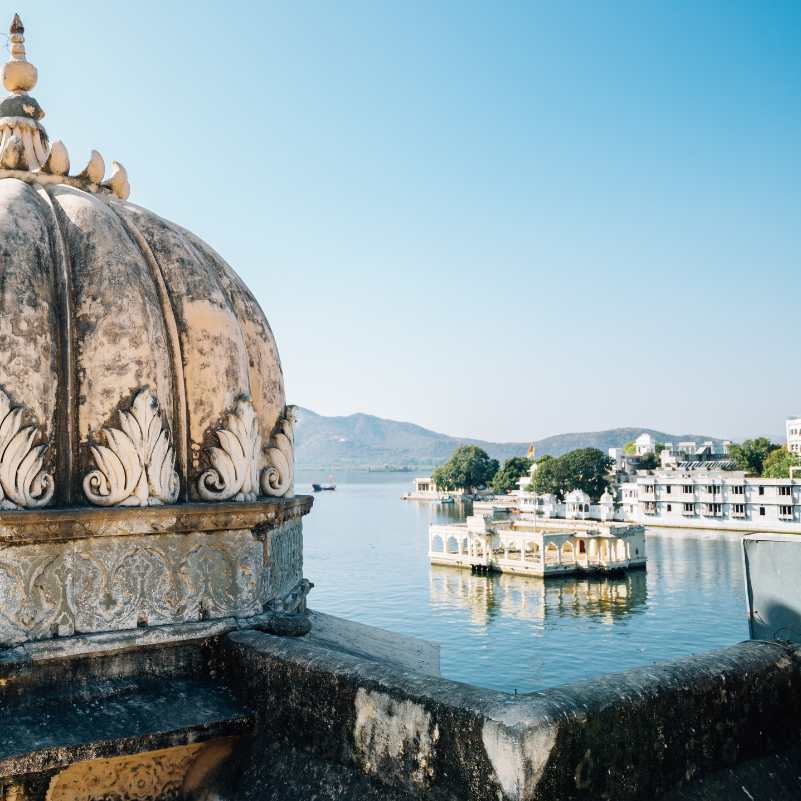
Keep it simple and rain-ready. Carry a light rain layer or a compact umbrella, plus quick-drying clothes that do not cling once they get damp.
Footwear matters more than people think. Bring shoes or sandals with good grip, because wet stone steps and ghats turn slippery fast.
For your gear, pack a dry pouch for your phone or camera, a lens cloth, a small towel and a power bank. Small things, but they save a wet afternoon.
A Flexible 3-Day Udaipur Monsoon Itinerary
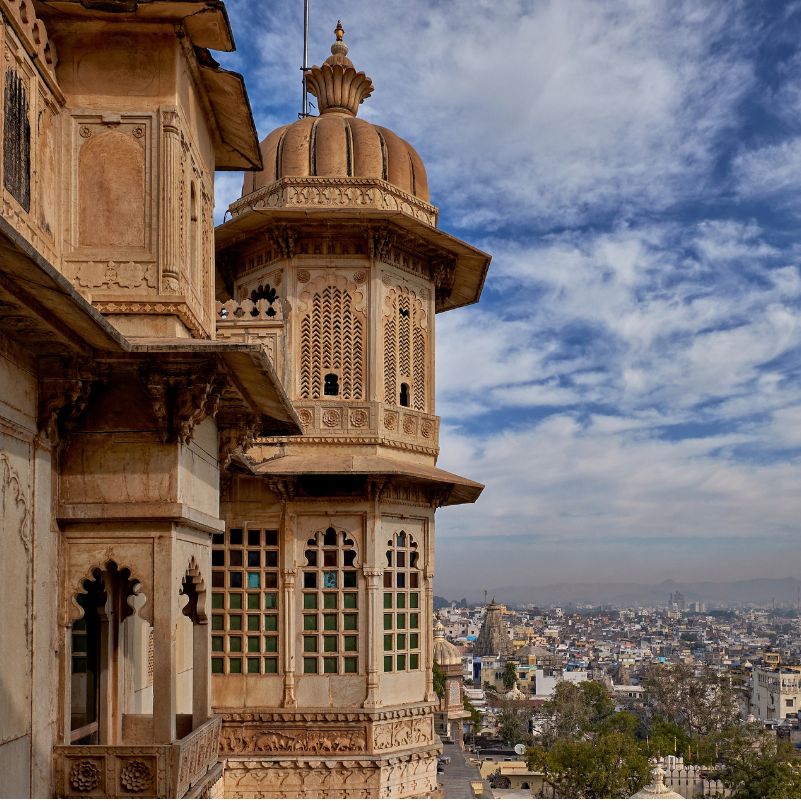
Treat this Udaipur monsoon itinerary as a frame, not a fixed timetable. We are deliberately not giving clock times, because the weather should decide your order, not us.
The one rule that holds every day: keep a weather-flexible block ready, so a shower moves your plan instead of ending it.
For a non-monsoon version of the same route, our Udaipur itinerary for 3 days lays out the standard order.
Day 1: Old City, City Palace and a Flexible Lake Window
Start with the heritage cluster in the Old City, since it is the easiest part to reorder around rain. The City Palace museum and the lanes, ghats and temples nearby can fill most of the day.
Keep your Lake Pichola boat ride as a flexible evening window rather than a fixed slot. If the weather or the boat operation does not cooperate, simply push it to another evening.
Day 2: Fateh Sagar and Sajjangarh Around the Weather
Base the day around Fateh Sagar and the hillside sights, staying loose on timing. Put Sajjangarh into the clearest forecast window you can find, rather than blindly saving it for sunset.
If rain intensifies, swap to a protected backup like a museum or the Old City cafes, and try the viewpoint again once it clears.
Day 3: Slow Udaipur or an Outstation Excursion
You have two sensible options here. If the weather looks unsettled, keep it a relaxed city day with markets, cafes and any heritage you missed.
If the forecast and the roads look good, take the excursion to Kumbhalgarh with Ranakpur instead. That drive rewards a clear day and punishes a wet one.
Kumbhalgarh and Ranakpur road conditions: Confirm the latest route conditions locally on the day, particularly after heavy rain, before starting the excursion.
If you would rather book that fort-and-temple day done for you, look at our Udaipur with Kumbhalgarh and Ranakpur package.
Who Should Visit Udaipur in Monsoon, and Who Should Skip It?
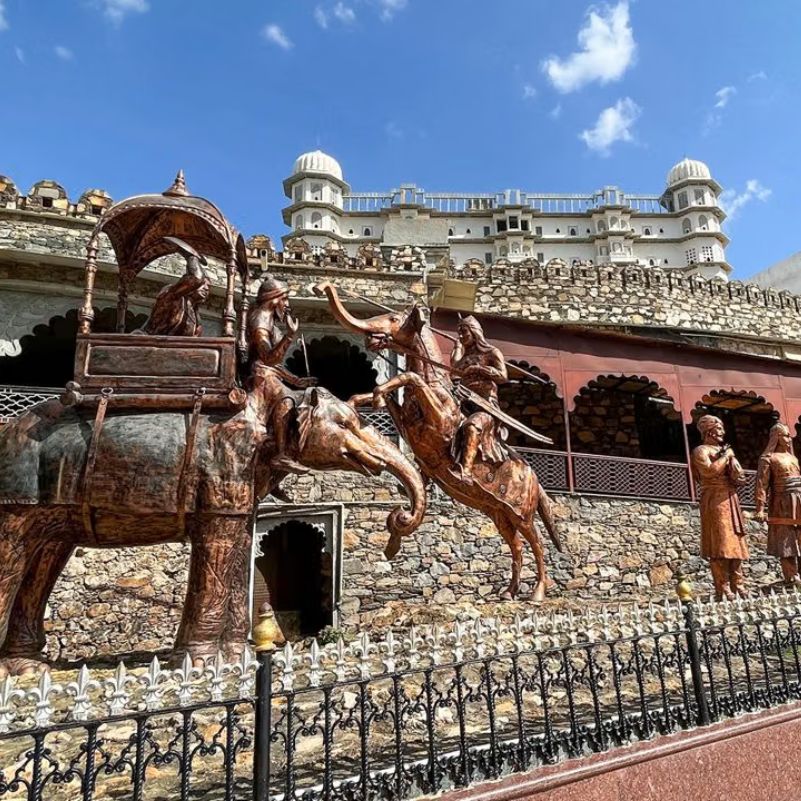
Monsoon rewards a certain kind of traveller. If you are a photographer, a couple after a slower romantic trip, an easygoing traveller or a repeat visitor who has already ticked the big sights, this season suits you well.
The common thread is flexibility. People who enjoy monsoon Udaipur are the ones happy to move plans around the sky and take the weather as it comes.
Solo travellers and families both do fine here too, as long as everyone stays relaxed about a changed plan. The trips that struggle are the ones locked to a fixed checklist with no room to breathe.
It suits you less if you need guaranteed clear sunsets, a fixed boating plan, completely dry sightseeing or a rigid hour-by-hour schedule. If that sounds like you, a drier season will frustrate you less.
There is no shame in either answer. We would rather you pick the right season than force a monsoon trip that does not match how you like to travel.
Final Verdict: Is a Udaipur Monsoon Trip Worth It?
Udaipur in monsoon is genuinely worth it for the right traveller, and genuinely frustrating for the wrong one. The season gives you green hills, moody skies and a slower city, in exchange for weather that will not follow your schedule.
If you want the strongest monsoon atmosphere and you travel ready to adapt, pick July or August. If you want a gentler balance with fewer rain interruptions on the averages, lean towards September.
Whichever month you choose, check two things shortly before you go. Look at the current lake levels, if full-water views matter to you, and the short-range forecast, so your packing and plans match reality.
Plan it loose and this season pays you back. Plan it rigidly and it will fight you. That is the whole trick with monsoon Udaipur.
Explore Our Curated Udaipur Tour Packages
 3D/2N
3D/2NUdaipur Tour With Lake Pichola Boat Ride and Bagore Ki Haveli
3D Udaipur
₹9,999₹12,999SAVE INR 3,000/ person 4D/3N
4D/3NUdaipur Honeymoon Tour With Candlelight Dinner and Boat Ride
4D Udaipur
₹17,999₹21,999SAVE INR 4,000/ person- 5D/4N
Udaipur Mount Abu Tour With Nakki Lake and Dilwara Temples
2D Udaipur•2D Mount Abu
₹20,999₹24,999SAVE INR 4,000/ person
Related topics
Frequently Asked Questions
What is the best time to visit Udaipur in monsoon?
July and August offer the strongest monsoon atmosphere, while September usually has less rain. For easier sightseeing with some greenery, September is the better choice.
Is Udaipur worth visiting in July?
Yes, especially if you enjoy green landscapes and monsoon weather. Expect humidity, rain and occasional changes to outdoor plans.
Is August a good time to visit Udaipur?
Yes. August is one of Udaipur’s greenest months, but rain is frequent. Visit if you value monsoon scenery more than predictable weather.
Is September a good month to visit Udaipur?
Yes. September generally has less rain than July and August while still retaining much of the monsoon greenery.
Does it rain all day in Udaipur during August?
Not necessarily. Rain may come as short showers or longer spells, so check the short-range forecast during your trip.
Are Lake Pichola and Fateh Sagar full during monsoon?
Not always. Lake levels depend on rainfall and catchment inflow each year, so check current conditions before travelling.
Are Lake Pichola boat rides available during monsoon?
Usually, but they can be suspended due to rain, wind or poor conditions. Confirm availability on the day of your visit.
Is Sajjangarh Monsoon Palace worth visiting during rainy weather?
Yes, if visibility is good. Clouds and mist can look beautiful, but heavy cloud may completely hide the city views.
Is it safe to drive to Kumbhalgarh and Ranakpur during monsoon?
Generally yes in normal weather. Avoid travelling during heavy rain and check current road and weather conditions before leaving.
What are the best places for monsoon photography in Udaipur?
Lake Pichola, Fateh Sagar, City Palace, Sajjangarh and the lakeside ghats are excellent choices, especially just after rainfall.
What can you do indoors in Udaipur when it rains?
Visit City Palace Museum, galleries, museums, the Vintage Car Collection, local shops or spend time at a lake-view cafe.
How many days are enough for a Udaipur monsoon trip?
Three days is ideal for a flexible monsoon trip. Add a fourth day if you also want to visit Kumbhalgarh and Ranakpur.
More about Udaipur
 Udaipur
Udaipur to Chittorgarh Day Trip 2026: Fort Route, Timings, Cost and Honest Advice
Planning a Udaipur to Chittorgarh day trip in 2026? This practical guide covers the best fort route, travel time, sightseeing timings, expected costs and transport options. We also share honest advice on how much time you need at Chittorgarh Fort, what to prioritise and whether the trip is worth adding to your Udaipur itinerary.
- Places to Visit
- Road Trips
 Udaipur
Udaipur Trip Cost 2026: Budget for 2, 3, 4 and 5 Days
Planning an Udaipur trip in 2026? This practical cost guide breaks down the budget for 2, 3, 4 and 5 days, including hotels, food, local transport, sightseeing and activities. Use realistic budget ranges to plan your Udaipur holiday without overspending.
- First-Time Travellers
- Itinerary
 Udaipur
Udaipur Local Transport Guide 2026: Auto, Taxi, Cab, Scooter, Parking and Old-City Access
Planning how to get around Udaipur in 2026? This practical transport guide compares autos, taxis, cabs and scooter rentals, with tips on fares, parking and navigating the narrow Old City. Learn which option works best for sightseeing, lake areas and day trips, and where vehicle access can become difficult.
- How to Reach
- First-Time Travellers