
21 Best Things to Do in Shimla in 2026: Local Guide, Costs and Itineraries
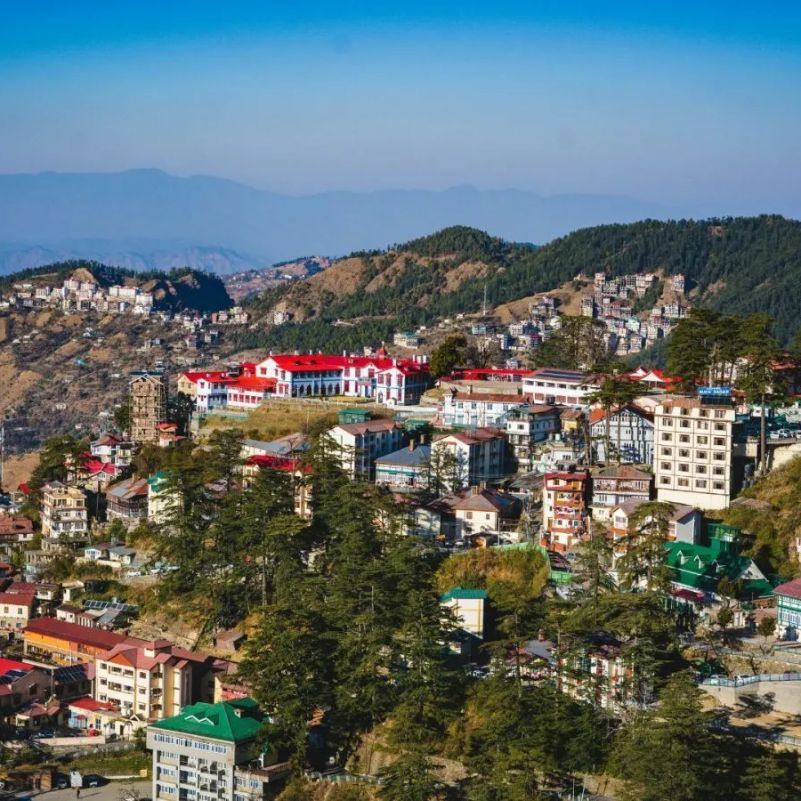
Shimla offers a wide range of experiences, from heritage walks and scenic viewpoints to temples, local markets, cafés and nearby day trips.
Popular activities include exploring The Ridge, walking along Mall Road, visiting Jakhoo Temple, touring Viceregal Lodge and planning excursions to Kufri, Naldehra, Mashobra and Chail.
The cost of sightseeing depends on transport, entry fees, activities and the season of travel.
A well planned itinerary of two to four days gives most visitors enough time to enjoy the main attractions without rushing, while longer stays allow quieter local experiences and nearby hill destinations.
Quick Answer
The essential things to do in Shimla include walking around Mall Road and The Ridge, visiting Jakhu Temple, riding the Kalka Shimla heritage railway, touring Viceregal Lodge at IIAS and planning a seasonal excursion to Kufri.
You can explore central Shimla mainly on foot. Kufri, Mashobra and Naldehra need separate drives.
Two nights give you enough time for the central highlights. Choose three nights when you want to add Kufri or another relaxed day trip.
Our Shimla tour packages can help when you need hotel, transfer and sightseeing support in one plan.
Most tourists get one thing wrong. They treat Shimla as a checklist of distant attractions instead of a walking based heritage town.
In our experience, the best Shimla days include fewer stops, more walking and enough time to enjoy the main pedestrian areas without watching the clock every few minutes.
You can also save money by walking through the central sightseeing cluster instead of hiring a taxi for Mall Road, The Ridge, Christ Church, Scandal Point and Lakkar Bazaar.
What are the best things to do in Shimla?
Shimla works best as a heritage, walking, food and mountain scenery destination. Its main experiences include old architecture, pedestrian roads, shrines, museums, markets and forest views.
Do not plan your trip as if Shimla runs adventure sports every day of the year. Ice skating, skiing and tobogganing depend on the season and actual weather conditions.
Walk from Mall Road to The Ridge, Christ Church and Scandal Point
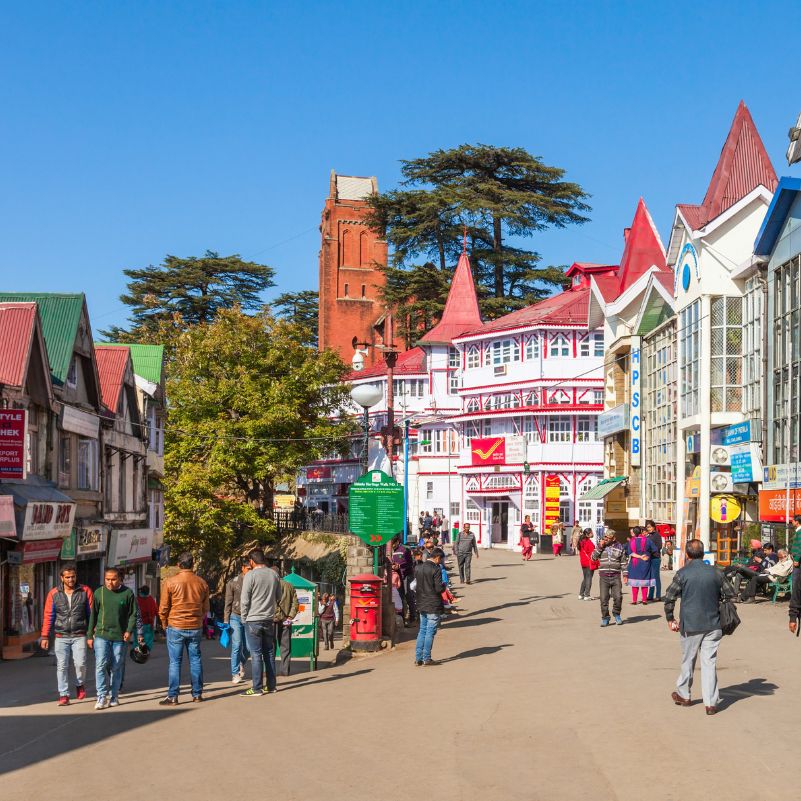
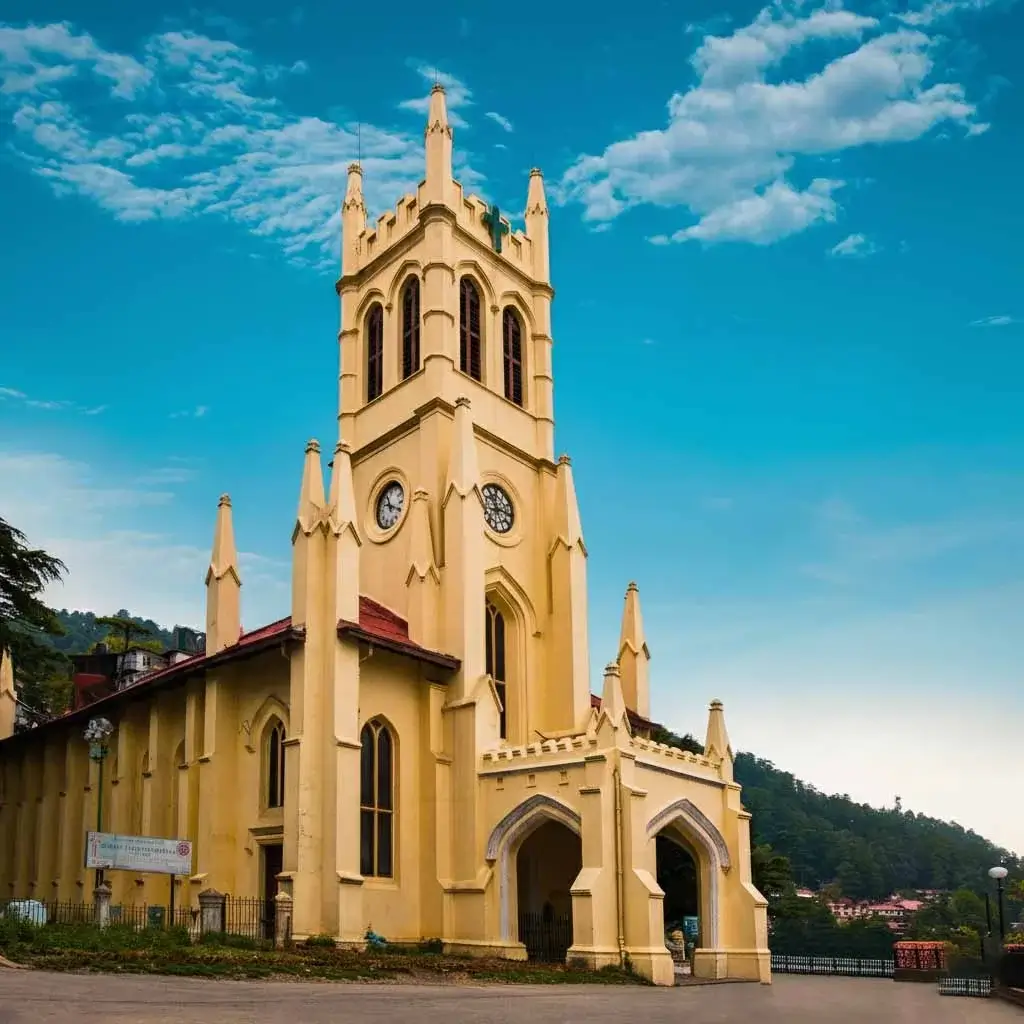
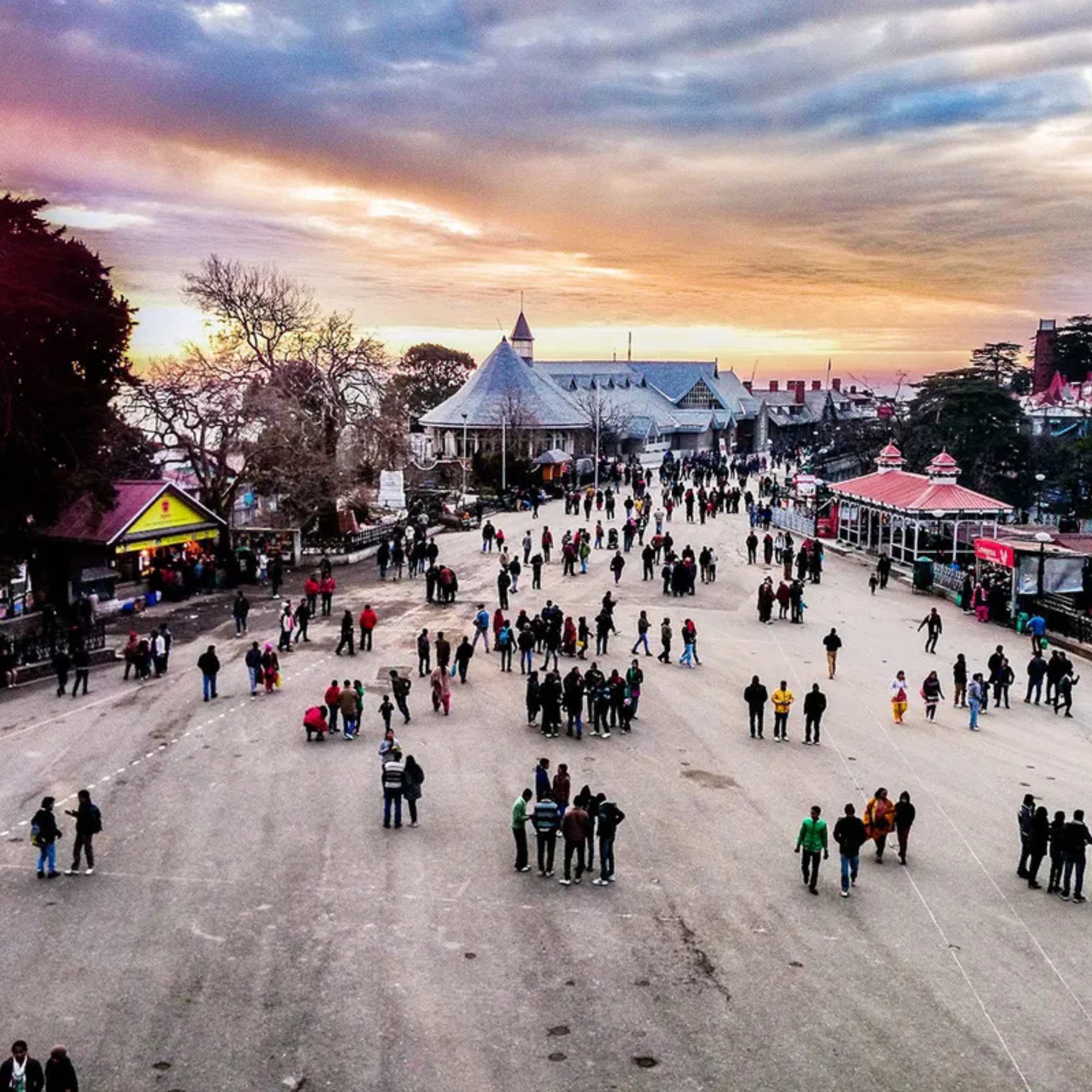
Mall Road Shimla, The Ridge Shimla, Christ Church and Scandal Point form the main pedestrian sightseeing cluster. You can cover them in one continuous walk without moving your car between every stop.
Start during the late afternoon and stay into the evening. The buildings, shopfronts, cafés and street lights give central Shimla much of its character after the daytime rush begins to ease.
Walk slowly because central Shimla has steep slopes. A short map distance can include steps or a tiring climb.
Private vehicles cannot freely enter every restricted central road. Do not choose a hotel only by checking the straight line map distance from Mall Road.
One of our strongest insider tips concerns vertical distance. A hotel that looks close on a map may sit far below or above the pedestrian road, with a steep climb between the entrance and your room.
Shop for wooden crafts and Himachali products at Lakkar Bazaar
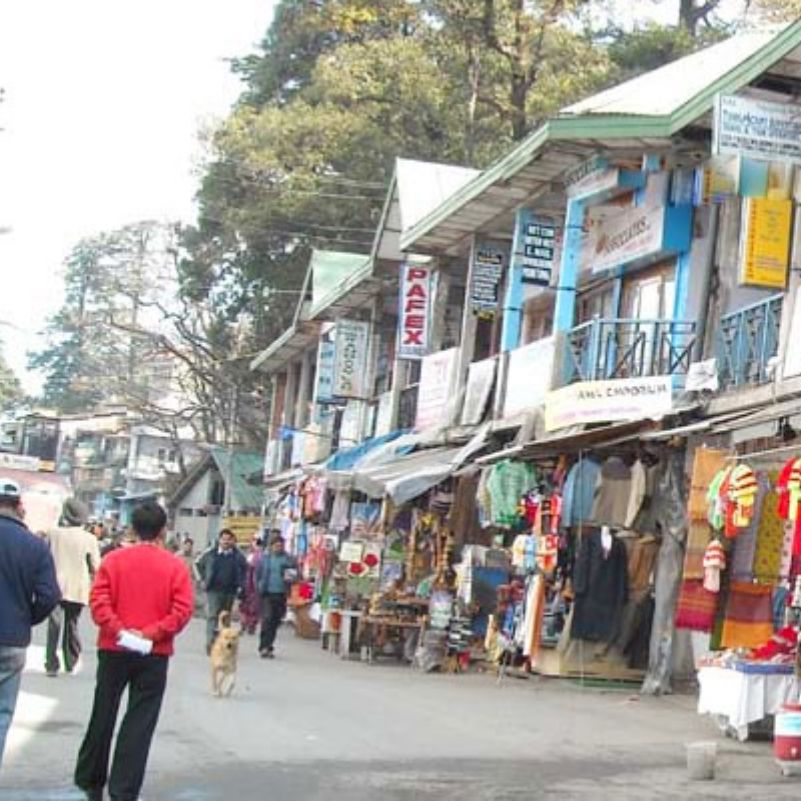
Travellers visit Lakkar Bazaar for wooden crafts. The wider Mall Road area also sells woollens, handicrafts, jewellery and common travel souvenirs.
Compare the finish, material and price before buying. Do not assume that every product comes from a local artisan merely because a shop sells it in Shimla.
Browsing costs nothing, so this area suits travellers looking for free things to do in Shimla. You only spend when you choose to shop or eat.
Skip a rushed souvenir purchase during your first walk. Check a few shops, decide what you actually want and return later.
For chai, stop at a café near Scandal Point on Mall Road before continuing towards Lakkar Bazaar. This location works well because you can rest without breaking the central walking route.
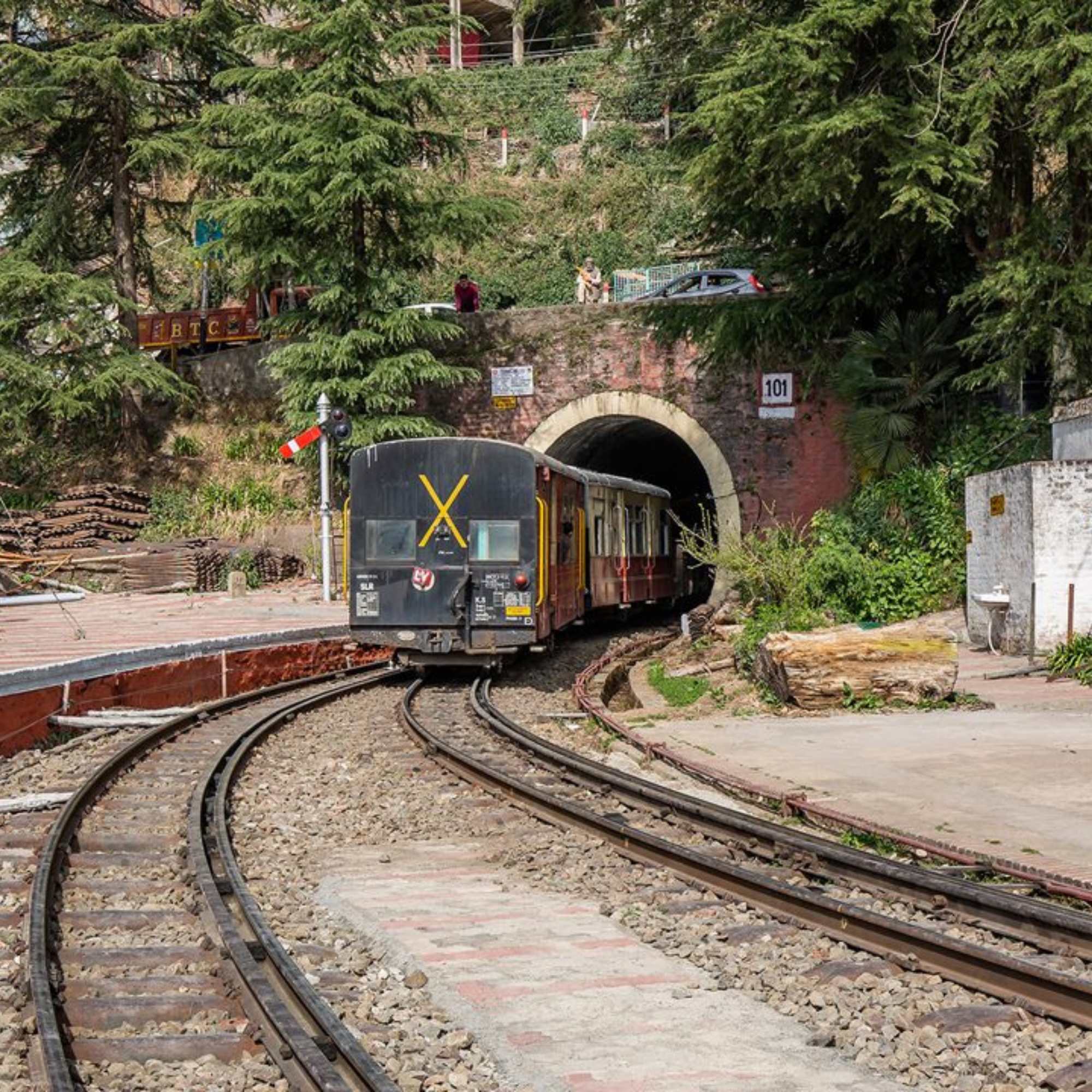
Ride the Kalka Shimla heritage train
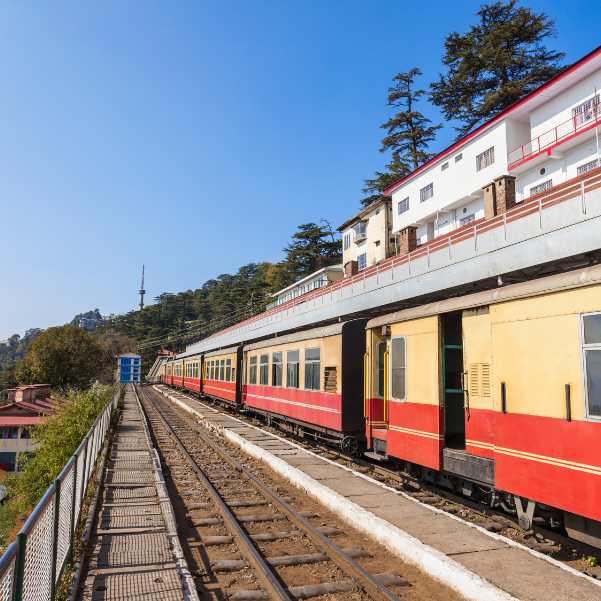
The Kalka Shimla Railway forms part of UNESCO’s Mountain Railways of India World Heritage property. UNESCO gives the route length as 96.6 kilometres.
Choose the train for a slow rail experience through the hills, not for the fastest journey to Shimla. The ride itself should form part of your holiday.
Journey duration and fare depend on the service you select. Check the current schedule, seat availability, ticket price and travel time through IRCTC.
Available sources disagree on the exact number of tunnels, bridges and curves, so avoid planning around online claims that use different totals.
At the time of research, railway authorities had temporarily suspended four services through 5 August 2026. Check the live status of your exact train number through IRCTC before travelling.
Panoramic coach availability may differ by service and travel date. Confirm the coach type shown during booking instead of assuming that every train includes panoramic coaches.
What most tourists get wrong here is treating the toy train as a small side activity after reaching Shimla. A full ride uses a large part of your day, so it works better as your arrival experience.
Hike or take the ropeway to Jakhu Temple
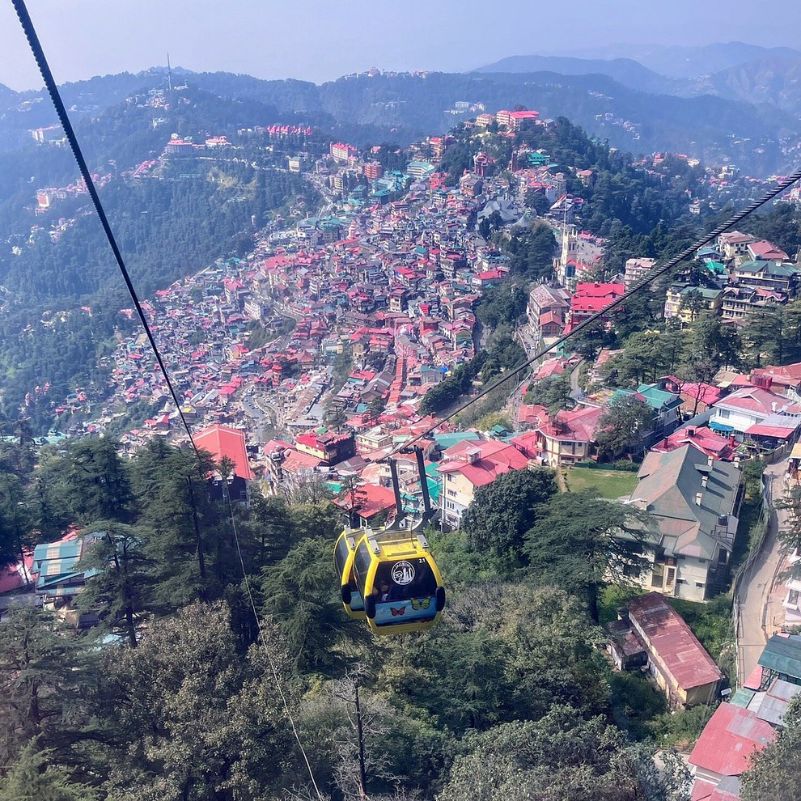
Jakhu Temple sits on Jakhu Hill, which official tourism describes as Shimla’s highest point at more than 8,000 feet. The Hanuman statue stands 108 feet tall.
The uphill walk suits travellers who feel comfortable with a steep climb. The Jakhu Temple ropeway gives you an easier option when you travel with children, seniors or anyone who wants to avoid the full hike.
The official ropeway page lists operation from about 9:30 AM to sunset. Weather and maintenance can affect service.
The page displays ₹252 per adult and ₹200 per child aged 3 to 12. Children below three travel free according to the page.
The displayed fare may apply differently to one way and round trip journeys. Confirm the ticket type and total payable amount at the booking counter or on the official ropeway page before purchasing.
Do not carry exposed food around the monkeys. Keep glasses, phones, bags and loose belongings secure.
We often tell our travellers to eat before entering the monkey area or keep all food completely inside a closed bag. A packet visible in your hand can attract attention quickly.
Tour Viceregal Lodge at the Indian Institute of Advanced Study
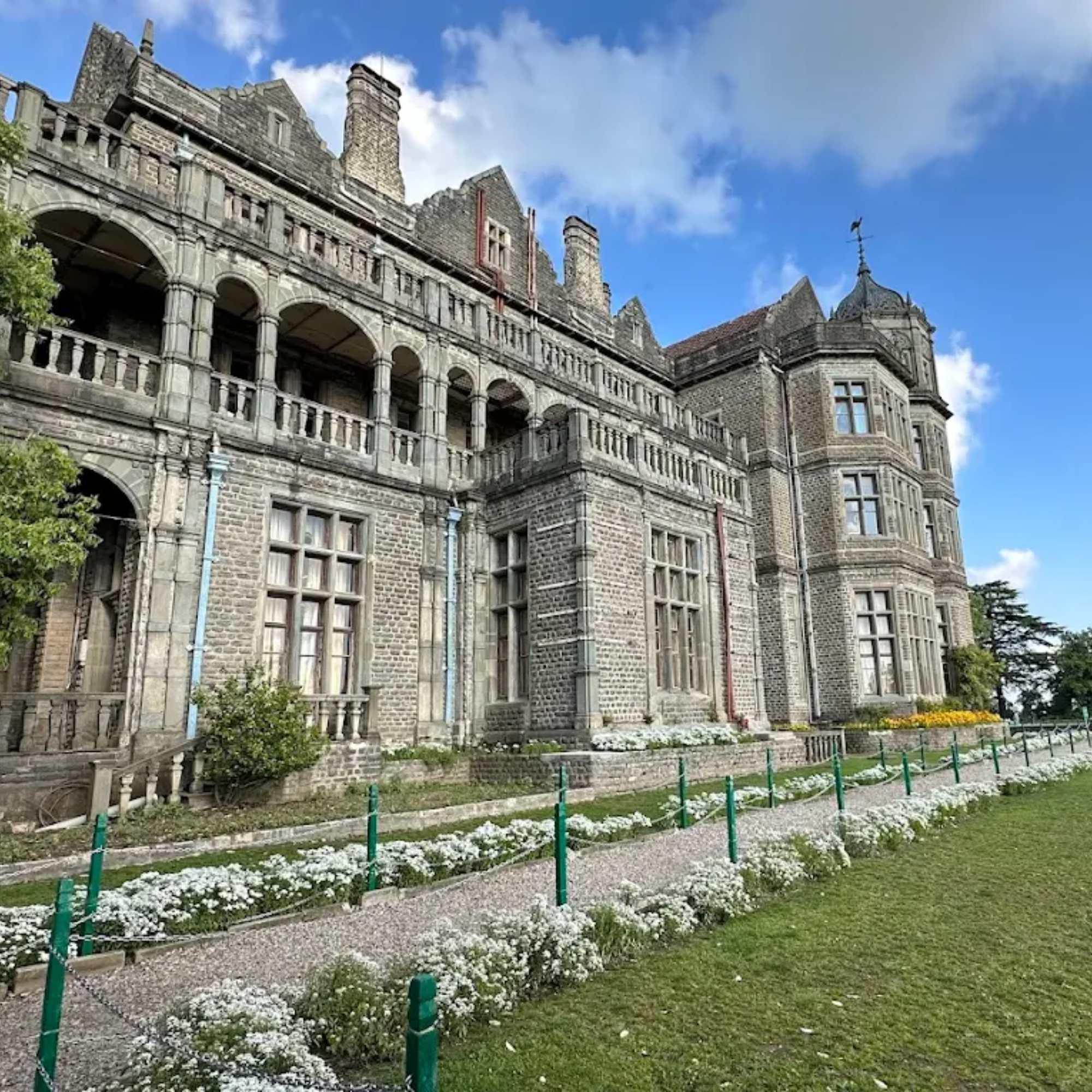
The Viceregal Lodge at the Indian Institute of Advanced Study gives you one of Shimla’s most valuable heritage visits.
Visitor hours run from 9:30 AM to 5 PM. The Institute closes on Mondays and national holidays.
Guided interior tours usually begin around 10:30 AM. The final tour starts around 4:30 PM, and each tour lasts about 30 minutes.
Staff issue slots on a first come, first served basis. Arrive earlier instead of reaching close to the final tour.
The Institute lists a golf cart at ₹10 per person per ride. It can help seniors and travellers with limited mobility, though you should confirm availability when you arrive.
Our team recommends planning IIAS before the museum or Annandale. This order reduces the risk of missing a guided interior slot.
See the heritage interiors at Gaiety Theatre
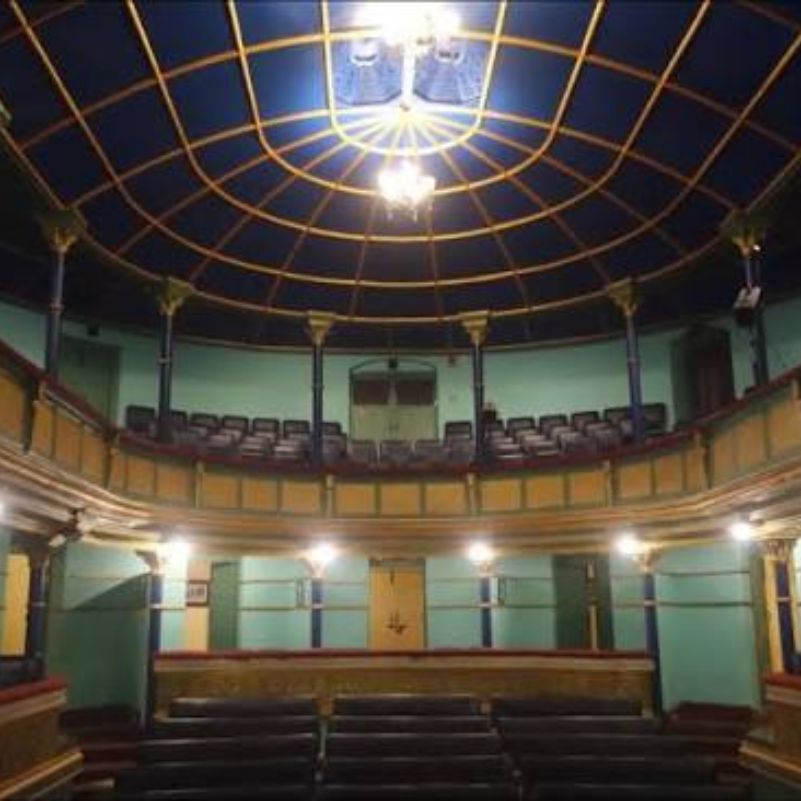
Gaiety Theatre adds performance history, cultural activity and heritage interiors to your Shimla sightseeing day.
The listed visiting hours run from 11 AM to 1:15 PM and from 1:45 PM to 7 PM.
The complex includes performance spaces and art related activity, but the daily experience depends on access and the current event programme.
Check the event calendar before promising yourself a live performance. A visit can still feel worthwhile when you mainly want to understand the theatre and its role in the central heritage area.
The theatre fits naturally between The Ridge, Mall Road and Scandal Point, so you do not need a separate vehicle for it.
Understand Himachal at the State Museum
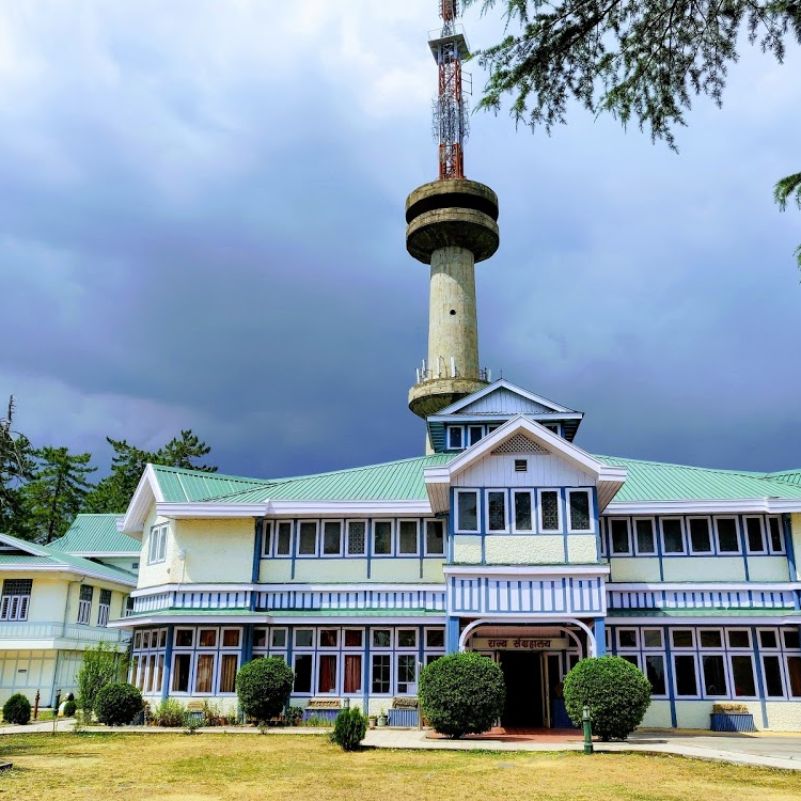
The Himachal State Museum helps you understand the state beyond the views and shopping streets.
Its collections include Pahari art, handicrafts, archaeological material and a doll gallery. Families can use the museum to add an educational stop to their Shimla local sightseeing plan.
The museum charges ₹20 for Indian visitors and ₹100 for foreign visitors.
It opens from 10 AM to 5 PM and closes on Monday.
Pair the museum with IIAS and Annandale rather than placing it inside an already crowded Mall Road day.
Visit Annandale and the Army Heritage Museum
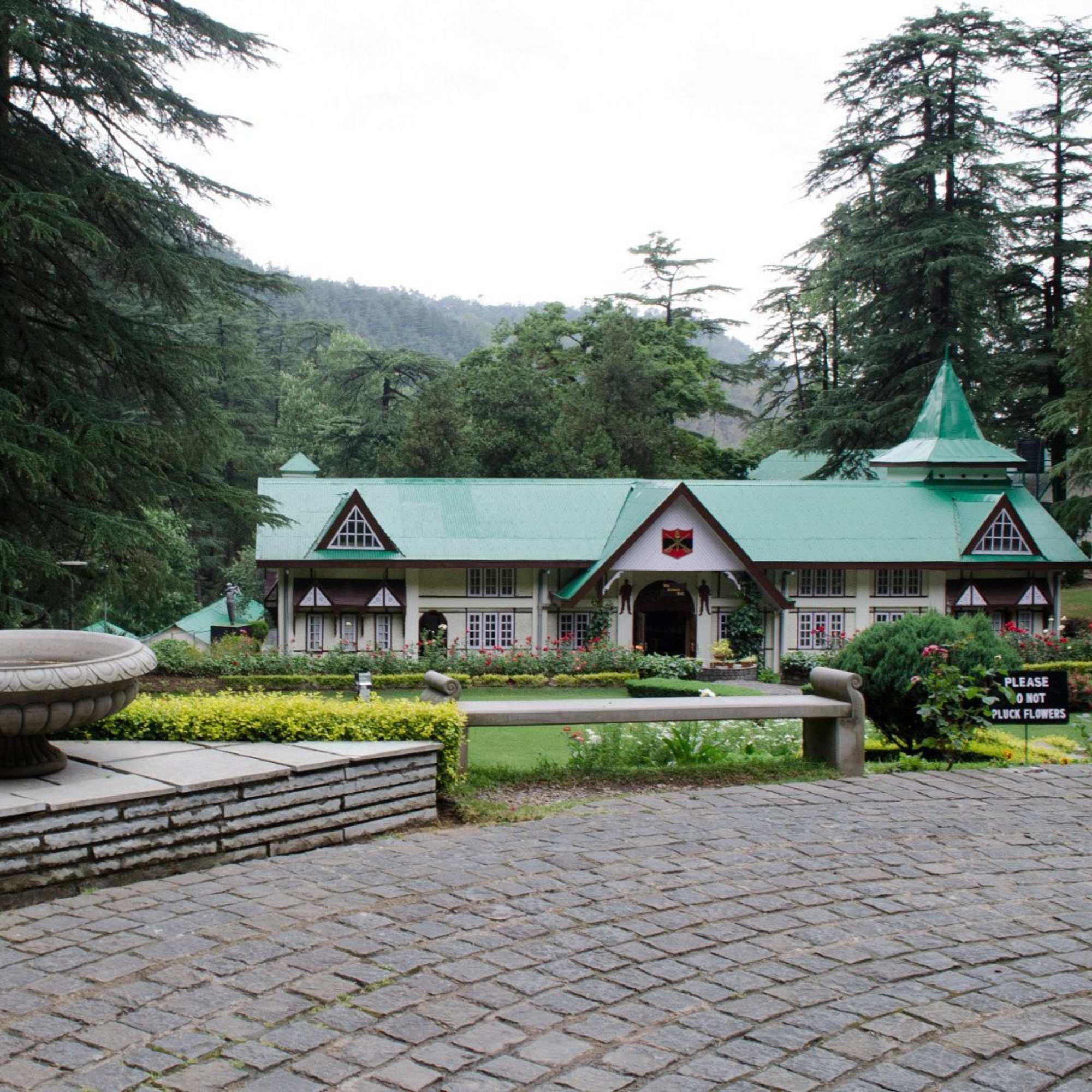
Annandale gives you a quieter open landscape connected with military history and outdoor recreation.
The general Annandale attraction page lists access from sunrise to sunset. That timing does not confirm the schedule of every facility inside the area.
Museum opening hours may differ from the general Annandale access timings. Confirm the Army Heritage Museum schedule before planning your visit.
Annandale works well after IIAS and the State Museum because all three suit travellers interested in history rather than shopping.
Do not rush through Annandale only to add another name to your list. Keep some time for the open surroundings and the change of pace from central Shimla.
Spend half a day in Kufri
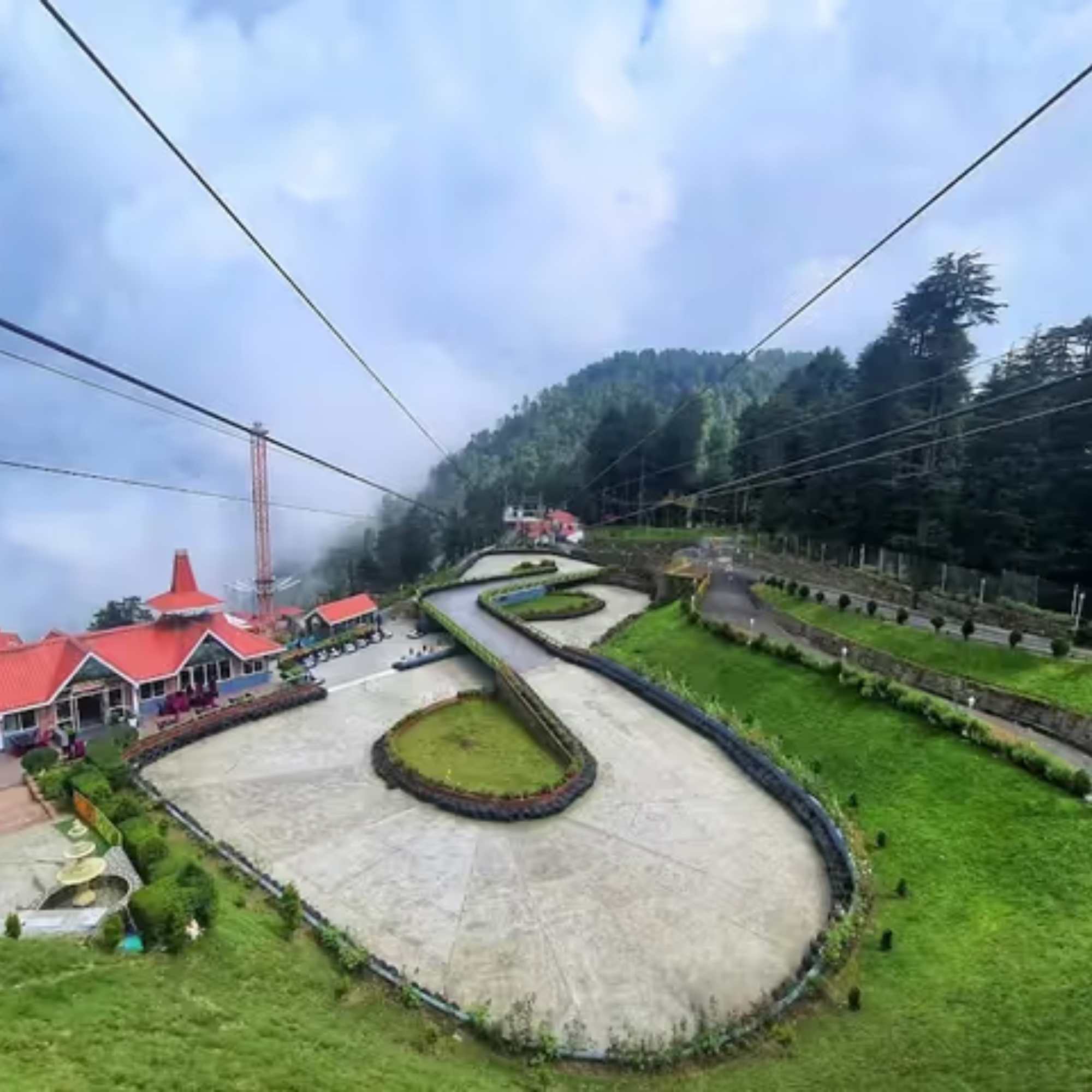
Official tourism describes Kufri as about 20 kilometres from Shimla and around 2,510 metres in elevation.
Kufri works as a half day or longer excursion, depending on traffic, weather and the attractions you choose.
During warmer months, walking and mountain scenery form the main appeal. In winter, skiing and tobogganing need enough natural snow.
Do not book a Kufri trip because someone guarantees snowfall for your date. No operator can control the weather.
The general Kufri page lists access from sunrise to sunset. Individual attractions and operators follow their own schedules.
Skip a horse or yak ride when the route, duration and total price are unclear. Confirm what the payment includes and agree on the final amount before starting the ride.
Visit Himalayan Nature Park
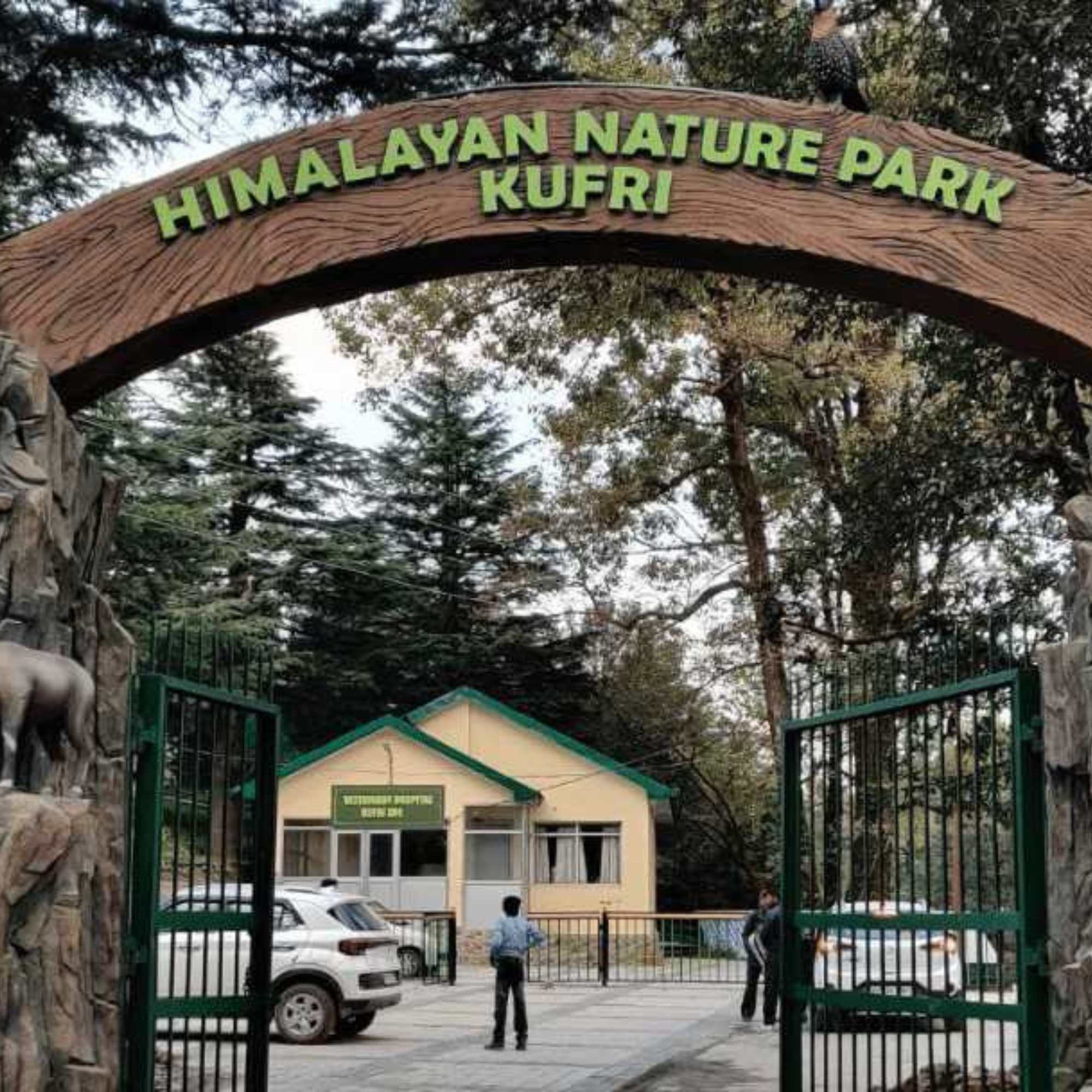
The Himalayan Nature Park lists operating hours from 9 AM to 5 PM.
The park works well as a conservation and wildlife education stop for families. It gives children a more structured activity than simply moving between viewpoints.
Never promise children that they will see a particular animal. Wildlife sightings and visibility can vary.
Keep enough walking time in your plan and carry suitable clothing for the season. The higher setting can feel different from central Shimla.
You can combine the park with Kufri, but avoid adding several unrelated drives after it.
Take a forest walk near Mashobra or Shimla Water Catchment Wildlife Sanctuary
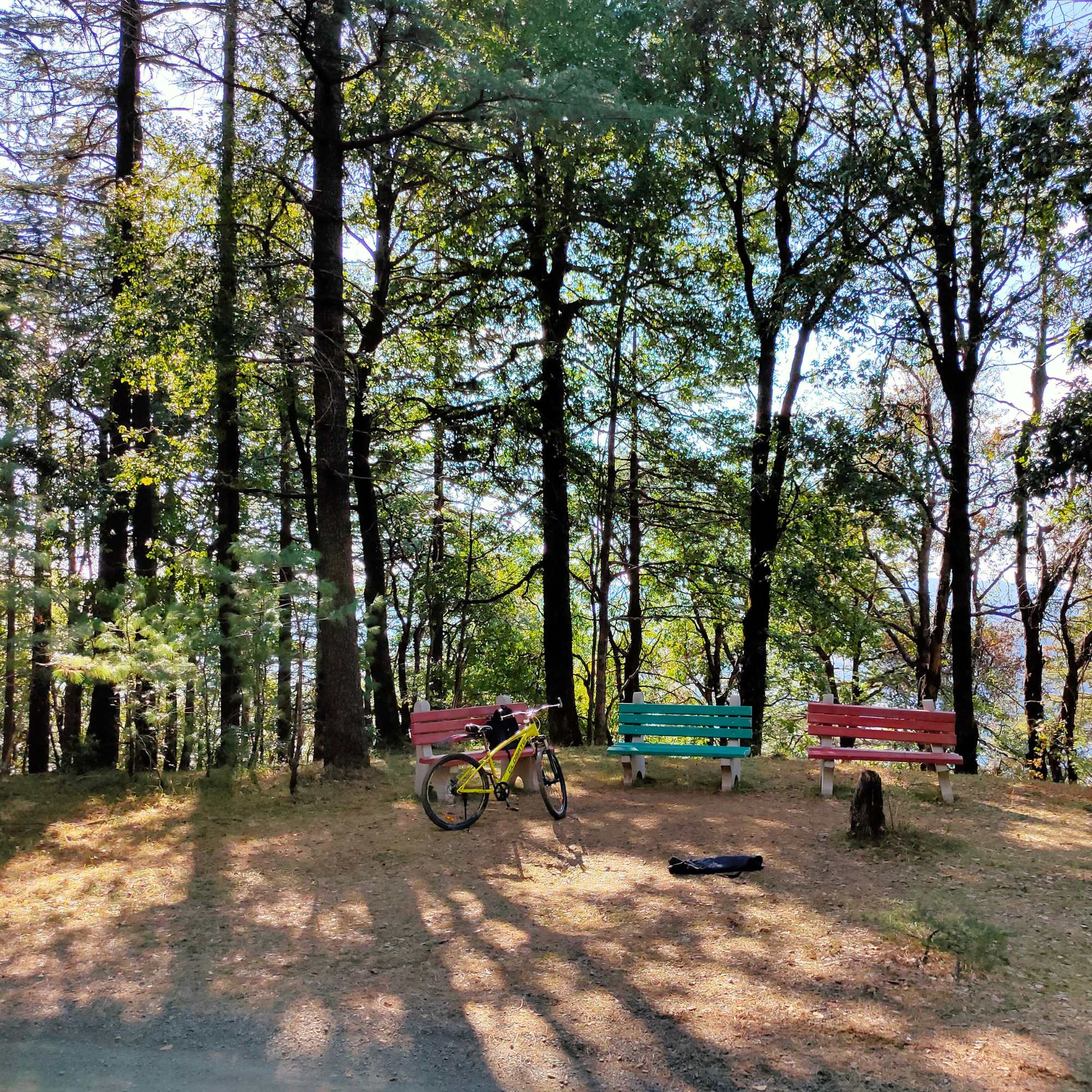
Walking and cycling through forested surroundings form the main appeal around Mashobra and the Shimla Water Catchment Wildlife Sanctuary.
This experience suits travellers who prefer quieter outdoor time over crowded commercial stops.
Entry fees, permission requirements, weekly closures and cycle rental availability may change. Confirm the latest visitor information before leaving your hotel.
Carry footwear with a reliable grip. Forest paths can feel slippery after rain, and weather can change the experience quickly.
An insider tip we share with nature focused travellers is to choose either a forest walk or a packed Kufri activity day. Combining both often removes the quiet time that makes the forest route enjoyable.
Explore Chadwick Falls only in suitable weather
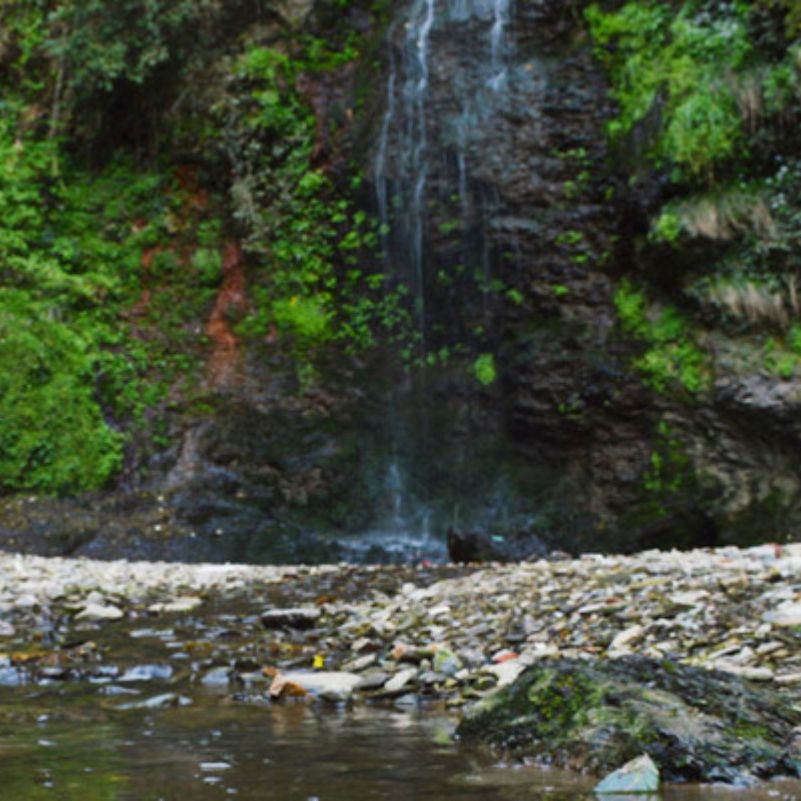
Official tourism describes Chadwick Falls as roughly 100 metres high.
The experience depends heavily on recent rainfall. The waterfall may look very different across seasons.
Forest paths can become slippery during rain. Do not attempt the route after dark or during a severe weather advisory.
Wear shoes with good grip and turn back when the path feels unsafe. A photograph does not justify taking a risk on wet ground.
Chadwick Falls fits better into a short local drive day than a central pedestrian day.
Plan a quieter excursion to Naldehra and Mashobra
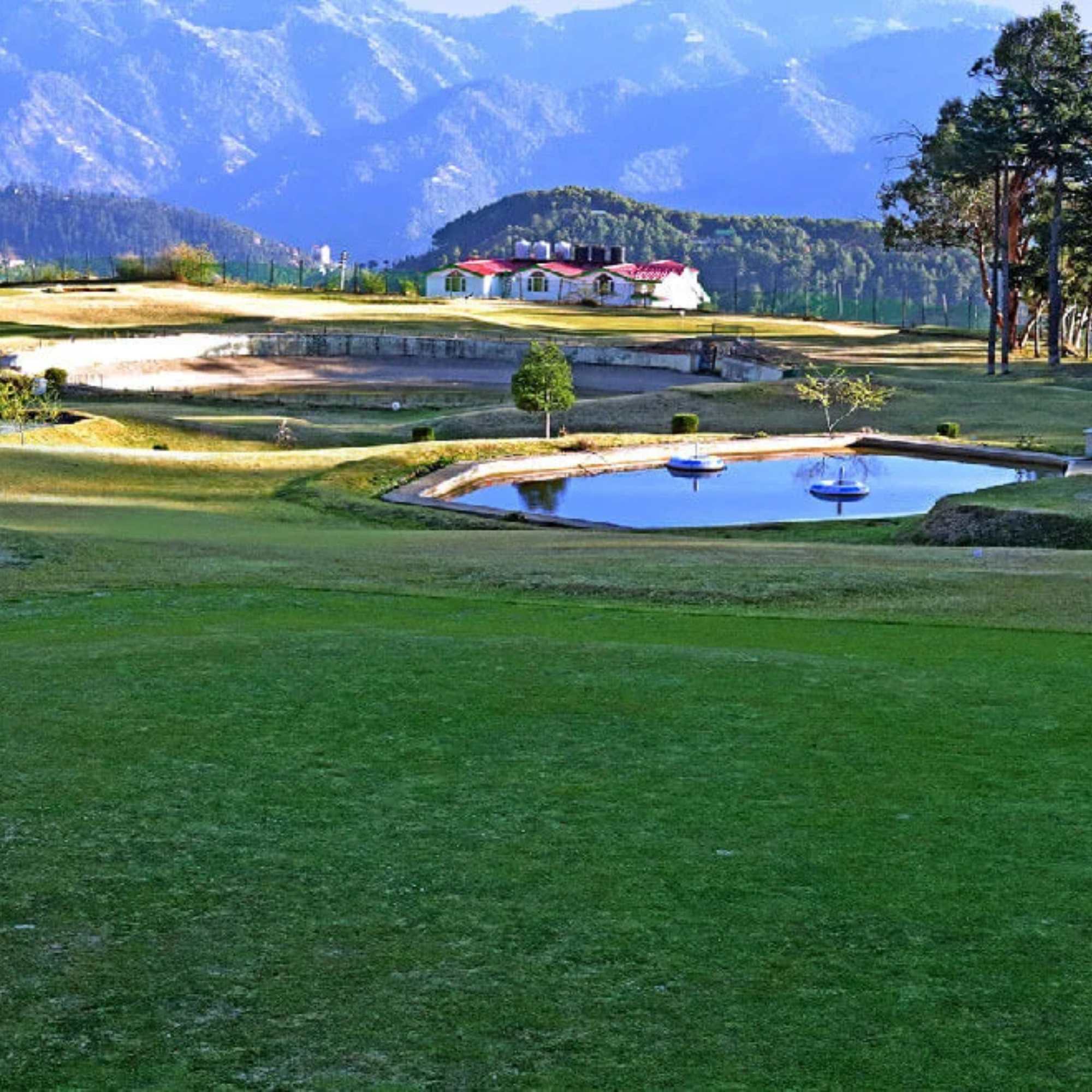
Naldehra and Mashobra suit travellers who want forest scenery and a slower day outside the busiest central areas.
Do not combine both with Kufri, Chail and several city attractions merely because they appear near Shimla on a broad map.
Choose one direction and give the route enough time. Traffic and weather can change how the day feels.
Golf fees, horse ride prices and other activity costs may vary by season and operator. Confirm the final price and inclusions directly before making payment.
In our experience, travellers who enjoy slow walks, relaxed meals and open views often prefer this day over a hurried multi stop circuit.
Visit Kali Bari, Tara Devi or Sankat Mochan Temple
Kali Bari fits more easily into a central Shimla day. You can combine it with Mall Road, Scandal Point and nearby pedestrian sightseeing.
Tara Devi normally needs a separate trip. Sankat Mochan also works better as part of a local drive route than a tightly packed walking circuit.
Dress and behave respectfully inside each temple. Keep your phone use quiet and follow local instructions.
Temple opening hours, travel distances and taxi fares can vary. Confirm the latest timings and local transport cost before starting your visit.
Do not force all three temples into one short itinerary unless they form the main purpose of your day.
Try natural ice skating in winter
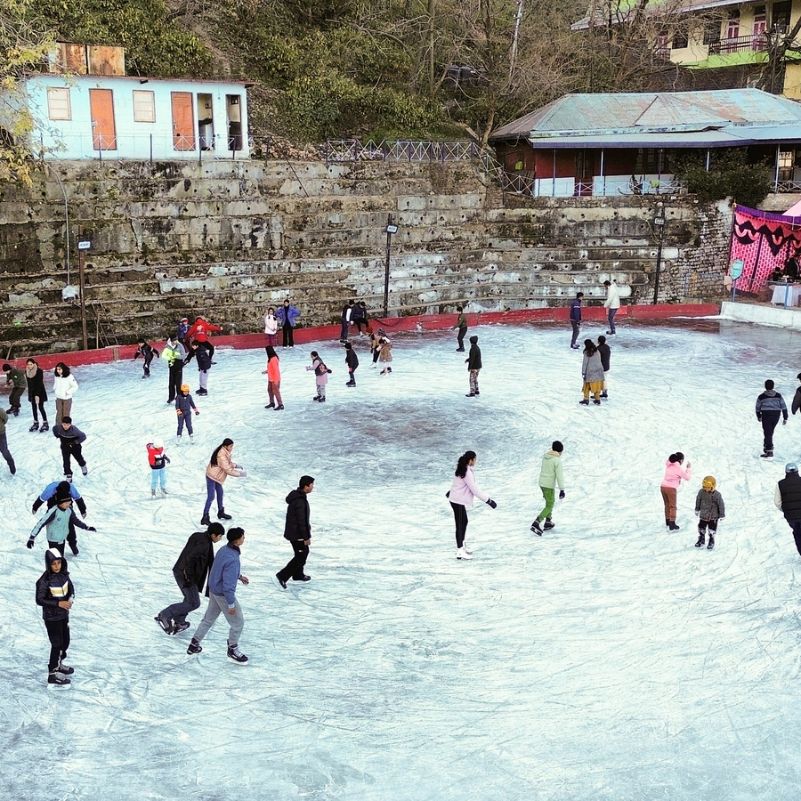
Shimla has India’s oldest natural ice skating rink, established in the early 1920s.
The normal season runs from about December to February. Sessions depend on natural freezing conditions.
Do not assume the rink will operate on a particular date, even during the usual winter period. Weather and ice formation decide whether a session can run safely.
Session timings and fees depend on weather, ice conditions and rink operations. Confirm the latest schedule and ticket price before leaving for the rink.
This remains one of the most distinctive things to do in Shimla in winter, but you need a backup plan.
Try skiing or tobogganing near Kufri when conditions allow
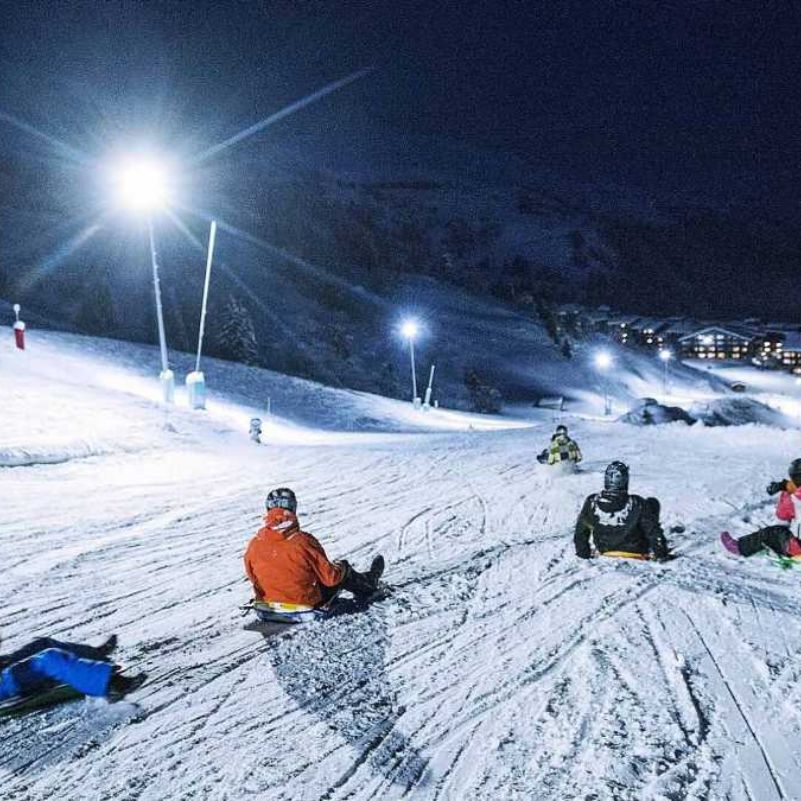
Skiing and tobogganing near Kufri depend on real snow conditions.
A winter month alone does not guarantee suitable snow depth or safe activity conditions.
Do not rely on old online estimates for equipment, instructors, horse rides or activity charges.
Ask the operator to explain the activity area, equipment, session duration and total payable amount before you agree. Confirm the final price and all inclusions before making payment.
Treat these activities as weather dependent additions rather than the foundation of your Shimla itinerary.
Eat local Himachali food
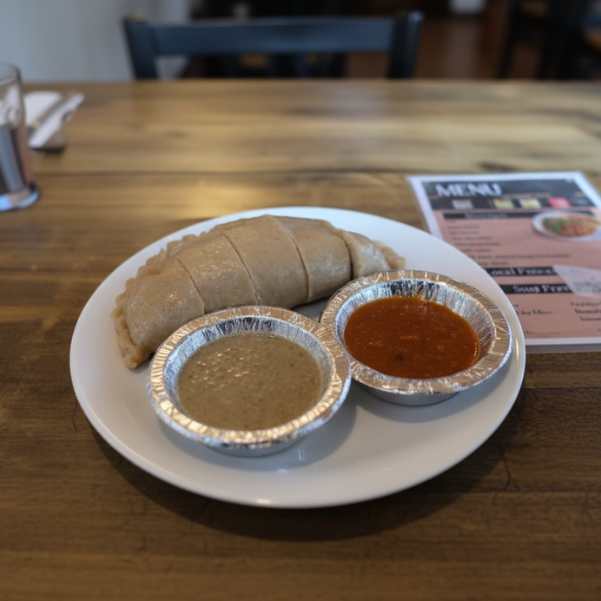
Try sidku or siddu, chana madra and patande during your trip.
Siddu or sidku refers to a steamed wheat preparation that often comes with a filling or accompaniment. Chana madra uses chickpeas in a yoghurt based preparation.
Patande resemble soft local pancakes and work well as a breakfast or snack.
A complete Himachali dham may need advance arrangement. Do not assume every restaurant serves it every day.
Ask what the kitchen can prepare before ordering. Menu prices vary by restaurant, portion size and location, so check the current price before placing your order.
Enjoy an evening café stop and Ridge walk
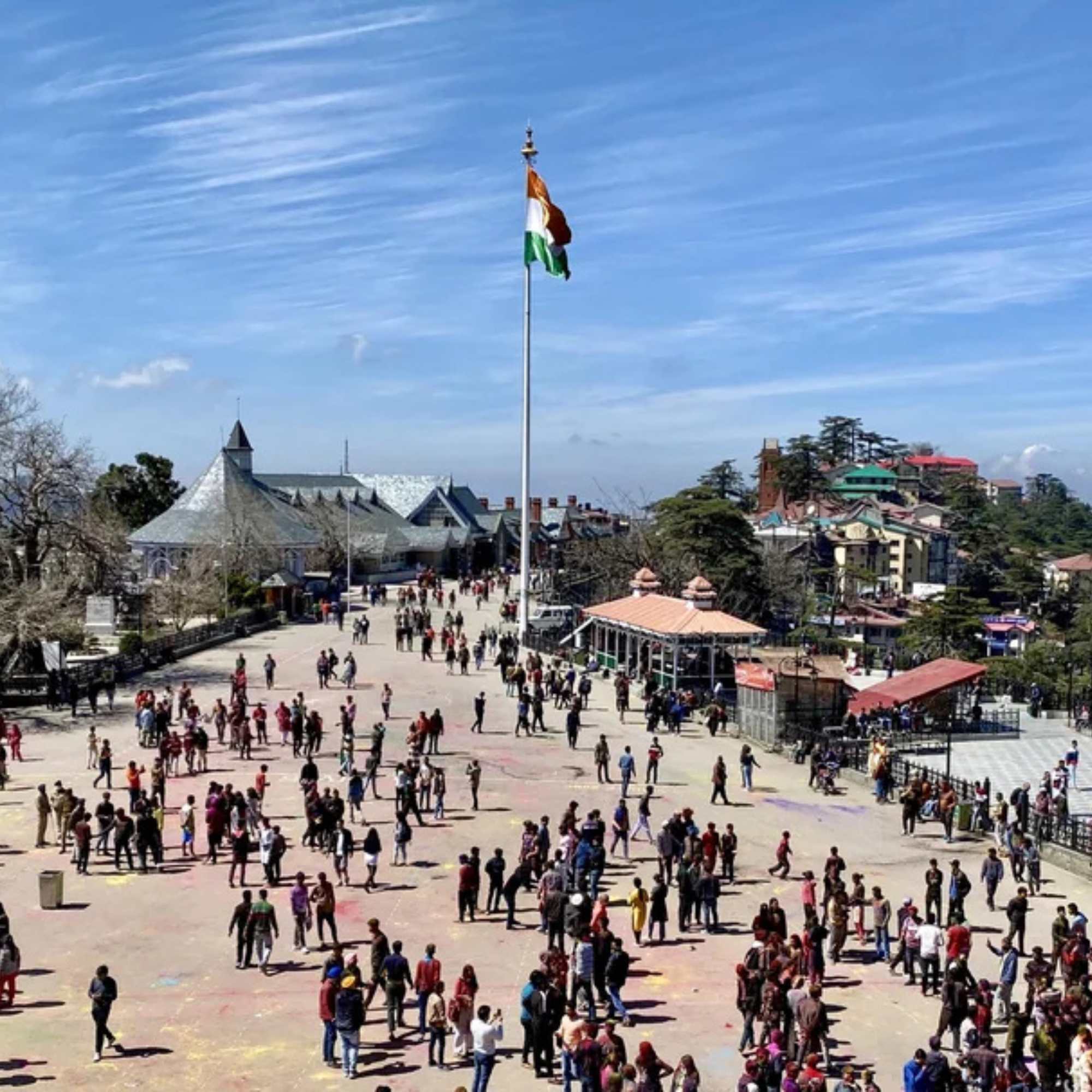
Shimla’s evening appeal comes from cafés, restaurants, lights, views and slow walks through the pedestrian centre.
Do not expect Shimla to work like a major nightclub destination. The stronger experience comes from conversation, food and unhurried time around The Ridge and Mall Road.
Choose a café near Scandal Point or Mall Road when you want to rest without travelling away from the central circuit.
Café opening hours and menu prices can change by day and season. Check the latest timings and current menu before making a special trip to one venue.
A café stop also helps you divide a steep walking route into manageable sections.
Photograph Shimla’s heritage architecture
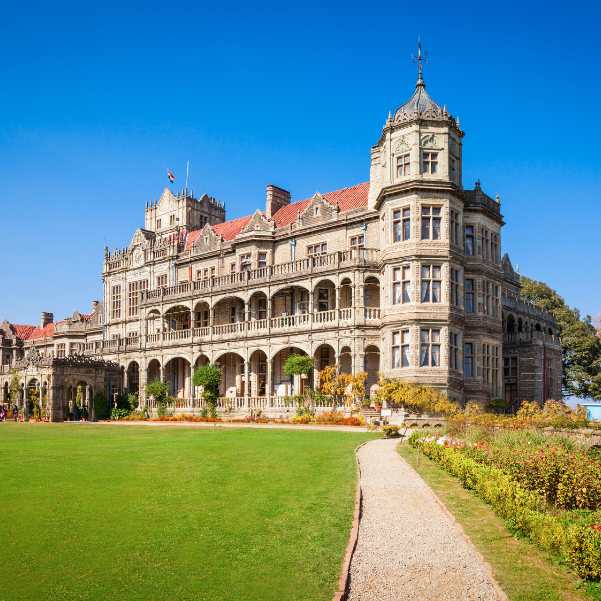
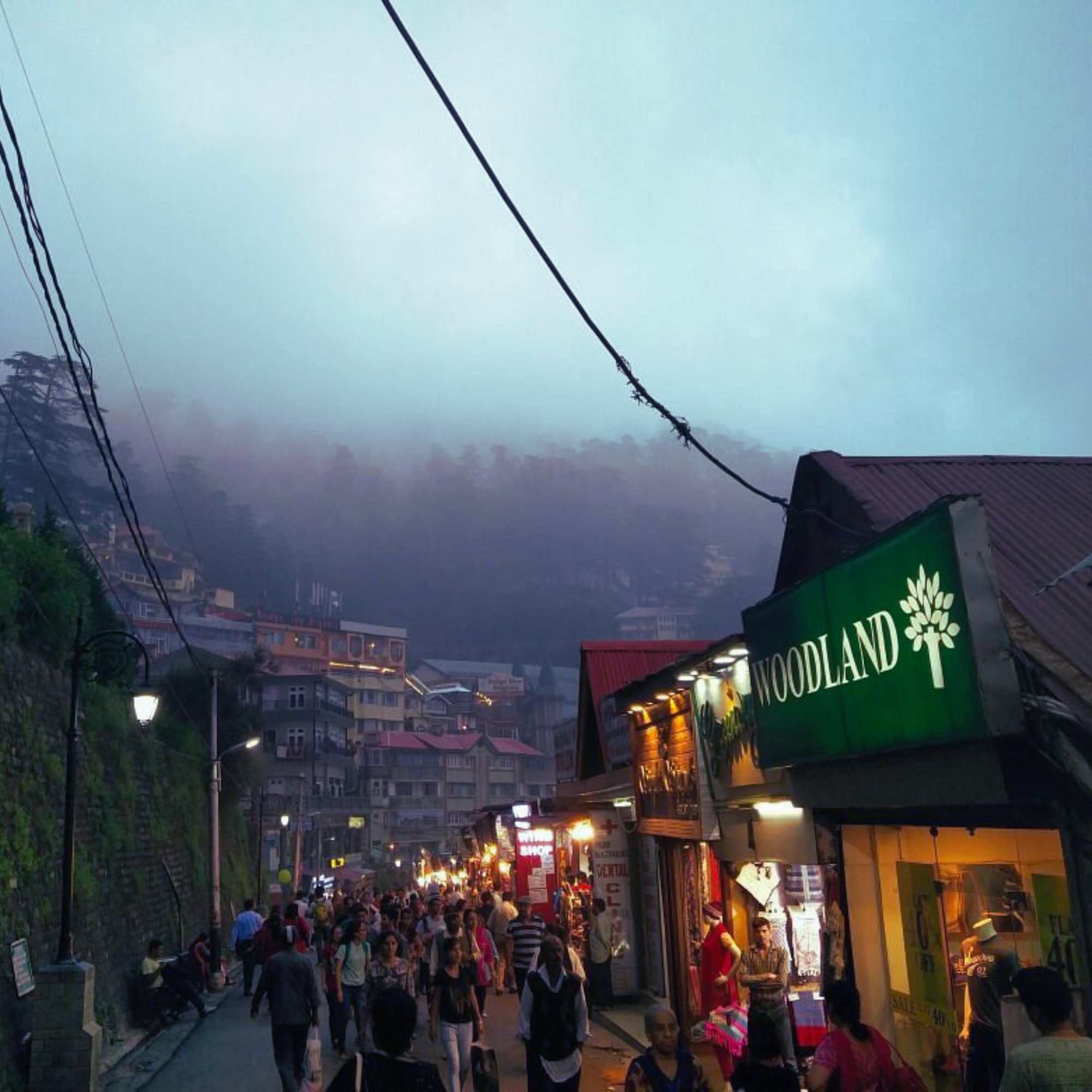
Create a self guided photography route around The Ridge, Christ Church, Gaiety Theatre, Town Hall, Scandal Point and the visible heritage façades nearby.
Early daytime hours can give you more walking space, while late afternoon and evening bring different light and street activity.
Some government and institutional buildings only allow external viewing. Respect signs, security instructions and restricted areas.
Do not block pedestrian movement while taking photographs. The central roads can become crowded during busy periods.
This route gives you one of the best free things to do in Shimla.
Discover quieter local walks
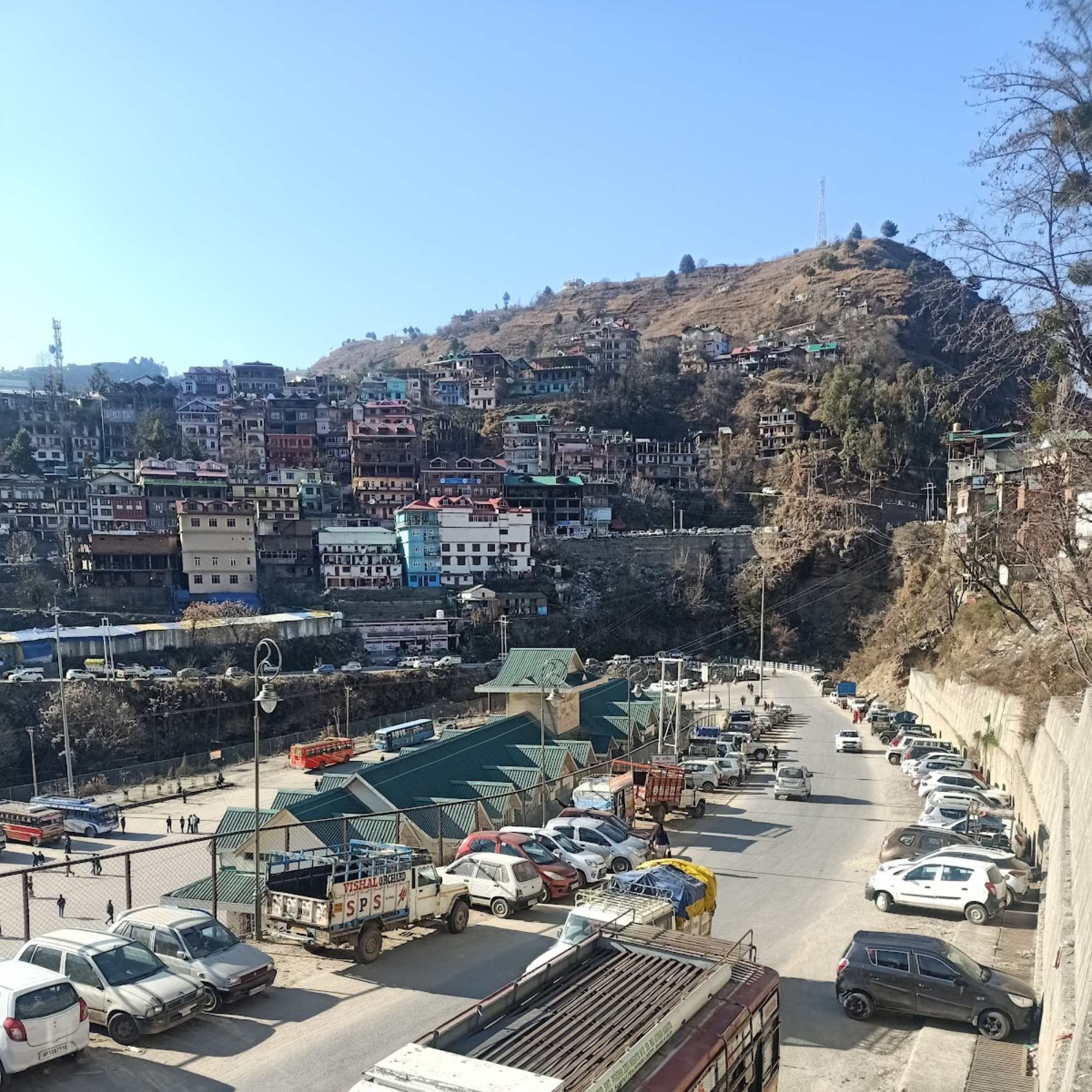
Locals and experienced travellers often recommend Shimla for walking rather than conventional paid activities.
Choose daylight hours, wear grip footwear and check the weather before starting a quieter trail or neighbourhood walk.
Steep terrain can make the return harder than the outward route. Keep enough energy for the climb back.
Avoid isolated forest paths after dark. During rain or winter ice, shorten the walk instead of pushing ahead.
What we tell our travellers is simple. A realistic route feels better than a long list of attractions that leaves no time to enjoy Shimla.
Which Shimla experiences are inside the city and which require a day trip?
Walkable central Shimla
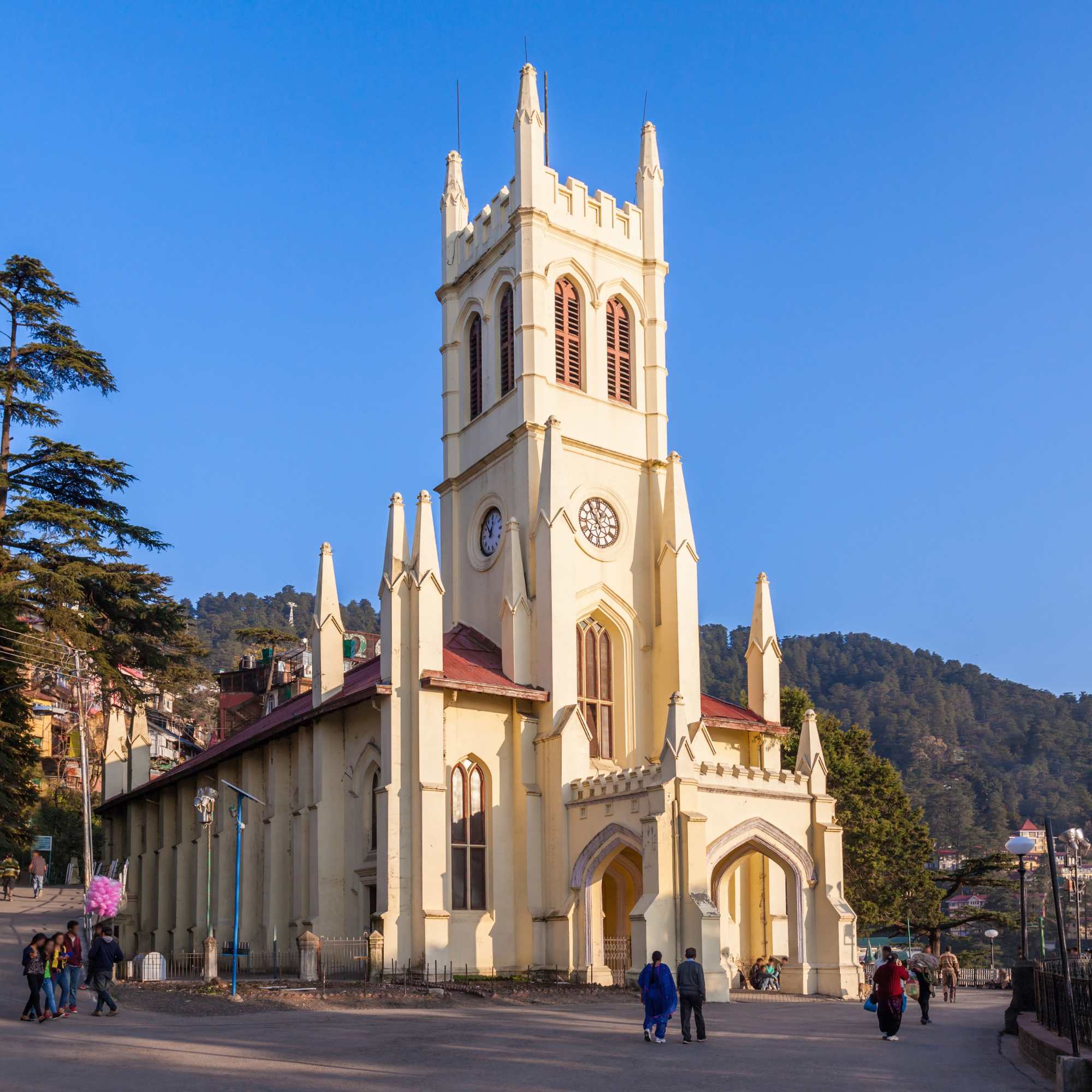
Mall Road, The Ridge, Christ Church, Gaiety Theatre, Scandal Point, Lakkar Bazaar and Kali Bari form the main walkable central group.
Walkable does not mean flat. You will still face slopes, steps and uneven sections.
Plan rest stops when you travel with children, seniors or anyone who finds climbing difficult.
This cluster works best without a car because restricted roads limit ordinary vehicle access in the centre.
Short local drives
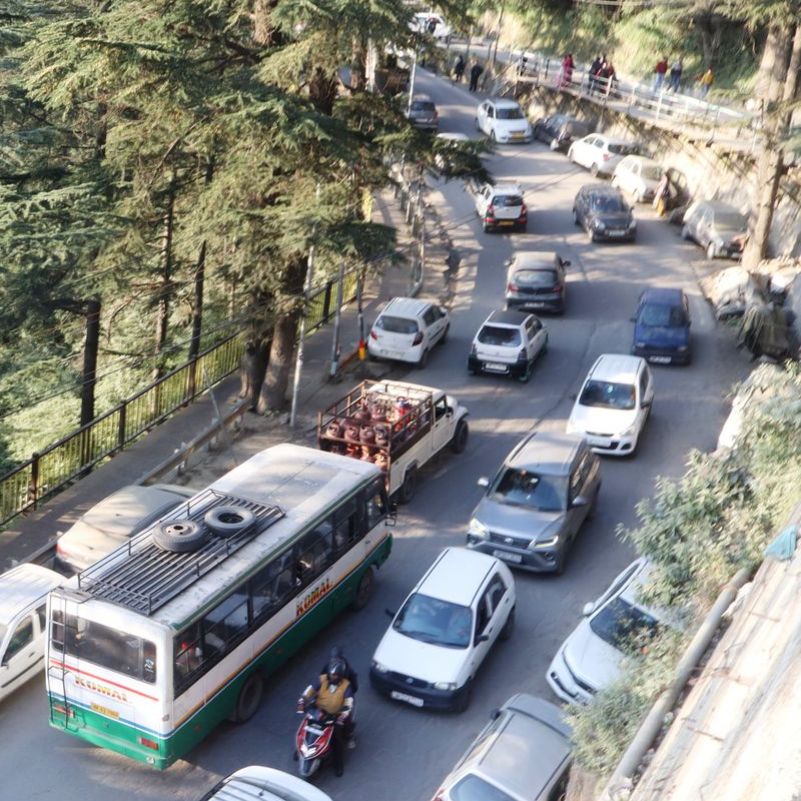
IIAS, the Himachal State Museum, Annandale, Sankat Mochan and Chadwick Falls need short local drives or separate transfers for many travellers.
A place may look close on a map but still take longer to reach because of traffic, restricted roads, parking and the slope between your drop point and entrance.
Group nearby interests instead of crossing Shimla repeatedly.
IIAS, the State Museum and Annandale form the most logical history focused combination.
Half day and full day excursions
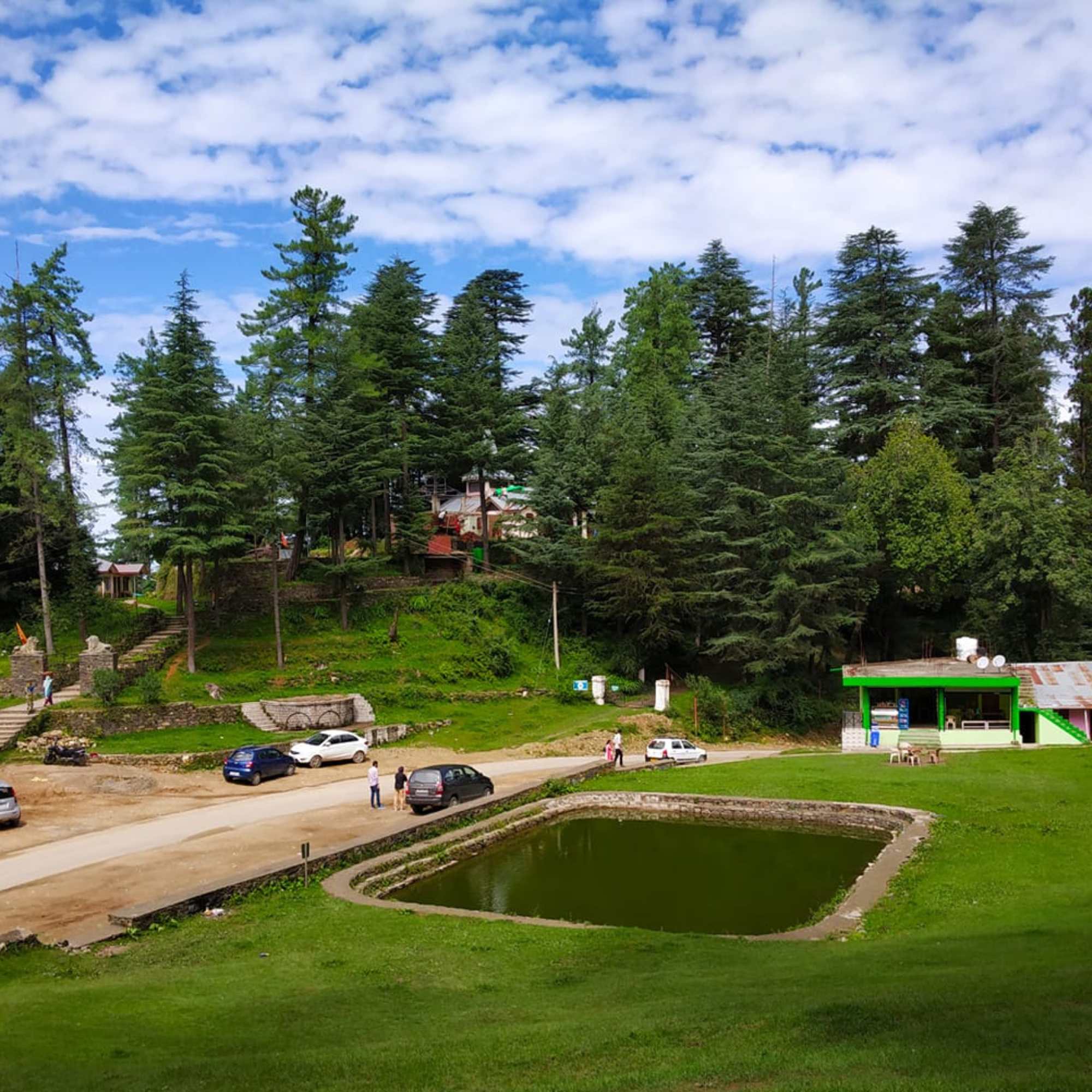
Kufri, Mashobra, Naldehra and Tara Devi sit outside the main central walking circuit.
Choose one geographic direction instead of combining every nearby name into one day.
Kufri and the Himalayan Nature Park fit together. Mashobra and Naldehra suit a slower forest and scenery route.
Tara Devi works better as a separate temple excursion or as part of a wider route that matches your interests.
What can you do in Shimla in one day?
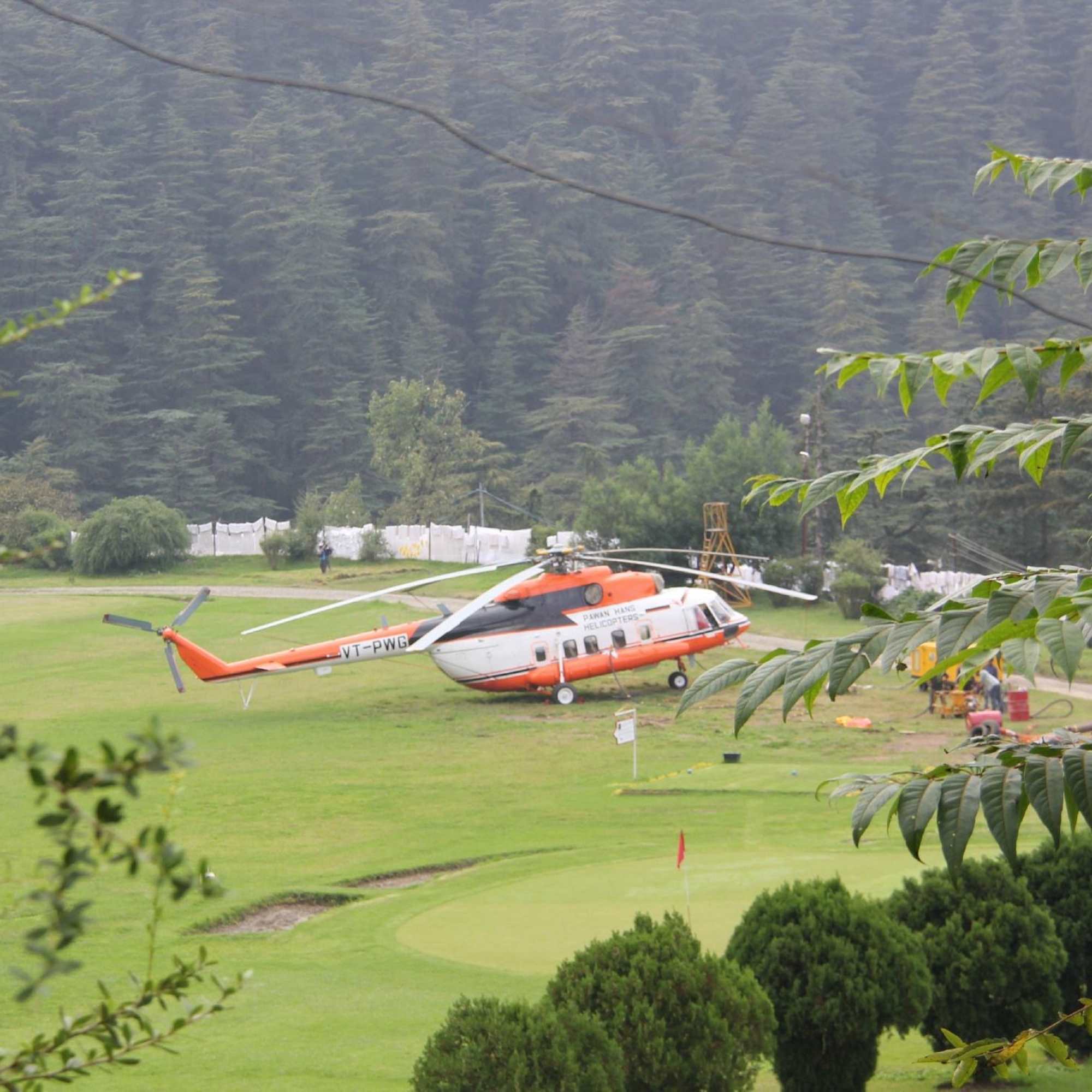
Begin the morning with Jakhu Temple. Hike when you feel comfortable with a steep climb, or use the ropeway for an easier journey.
Secure your glasses, phone and food before entering the monkey area. Check the ropeway status when weather looks uncertain.
Use the afternoon for The Ridge, Christ Church, Gaiety Theatre and Mall Road. Keep this section on foot instead of wasting time arranging short vehicle movements.
Pause for lunch or chai around Mall Road. Continue towards Scandal Point once you feel rested.
Spend the evening around Scandal Point and Lakkar Bazaar. Browse wooden crafts, eat local food and finish with a café stop or another slow walk across The Ridge.
Do not squeeze a full Kalka Shimla train ride into the same sightseeing day unless the railway journey serves as your arrival experience.
A one day Shimla sightseeing plan covers the central highlights, but it does not give you enough time for Kufri, IIAS, museums and the full heritage railway together.
How should you plan two days in Shimla?
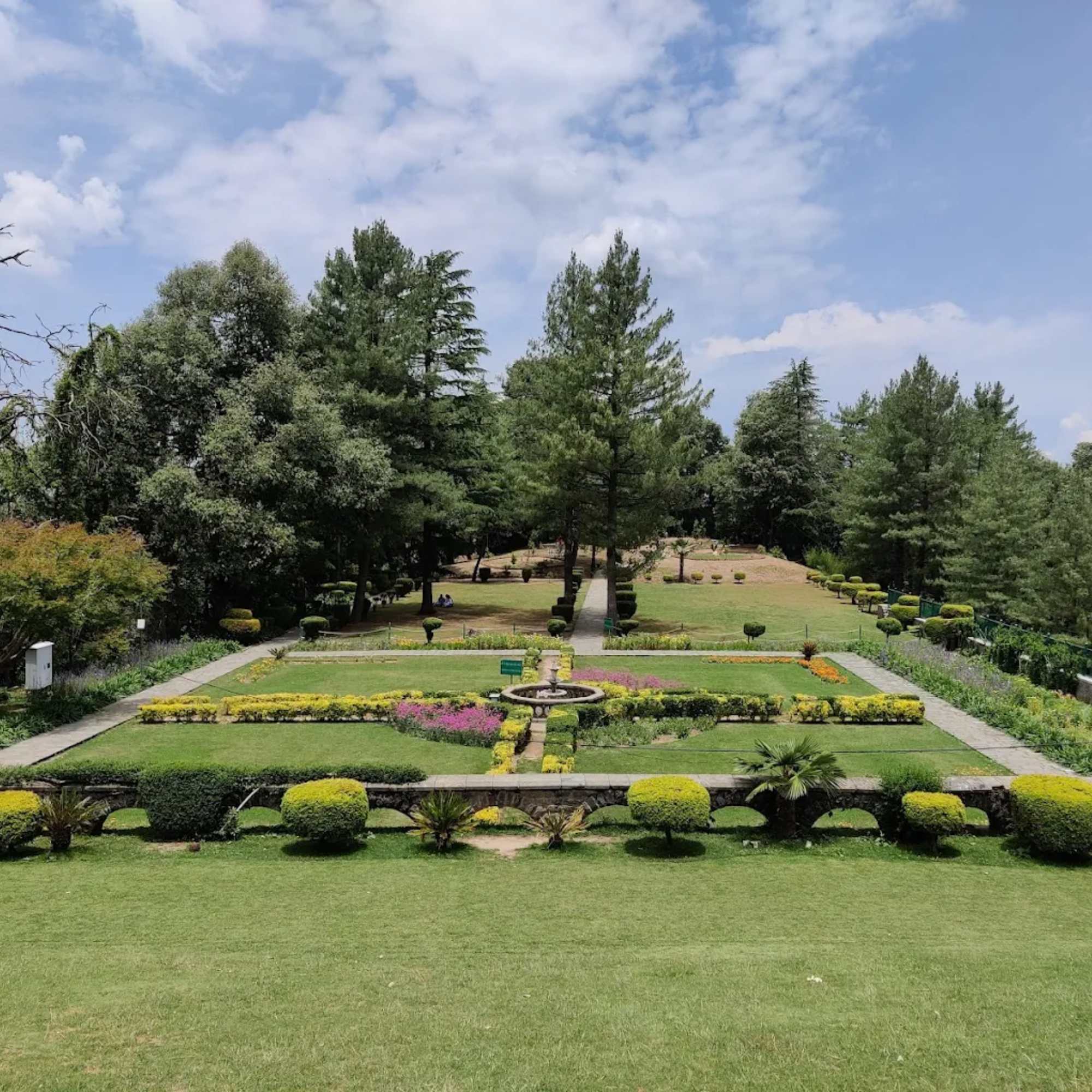
Use day one for the central heritage and pedestrian circuit.
Start with Jakhu Temple, then continue towards The Ridge, Christ Church, Gaiety Theatre, Mall Road, Scandal Point and Lakkar Bazaar.
Keep the evening flexible for food, shopping and cafés. Do not place a fixed activity at the end of a long walking day.
Day two option one, history and museums
Start with IIAS and reach early enough to secure a guided interior tour.
Continue to the Himachal State Museum and finish at Annandale. Confirm the Army Heritage Museum timing before departure.
This route suits travellers interested in architecture, history and cultural collections.
Remember that IIAS and the State Museum close on Monday. IIAS also closes on national holidays.
Day two option two, Kufri and nature
Leave for Kufri and include the Himalayan Nature Park.
Treat skiing, tobogganing or snow play as weather dependent activities. Never assume they will operate because your trip falls in winter.
Return to Shimla without adding Naldehra, Tara Devi and several city museums to the same day.
Trying to complete both the history route and the Kufri route in one day may feel rushed.
What is the best three day Shimla itinerary?
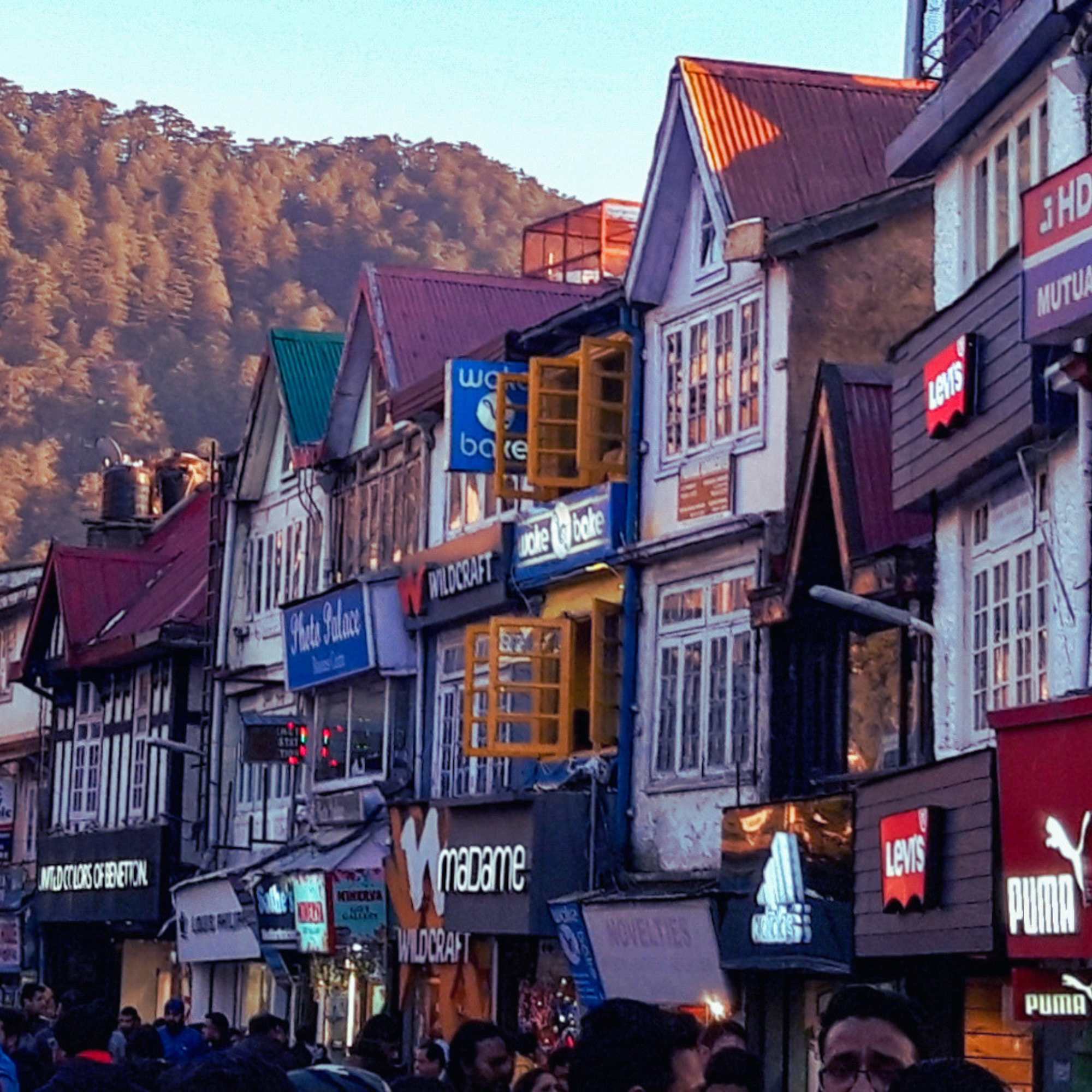
Use day one for central Shimla.
Visit Jakhu Temple, The Ridge, Christ Church, Gaiety Theatre, Mall Road, Scandal Point and Lakkar Bazaar. Finish with local food and a relaxed café stop.
Use day two for IIAS, the Himachal State Museum and Annandale.
Reach IIAS before the guided tour slots begin filling. Keep the late afternoon open for a café or a second walk through the central area.
Use day three for Kufri, Mashobra or Naldehra according to the season and your interests.
Choose Kufri for the Himalayan Nature Park and possible winter activities. Choose Mashobra or Naldehra when you prefer forest scenery and a slower day.
Do not force all three into one excursion.
What are the best things to do in Shimla for families, couples and seniors?
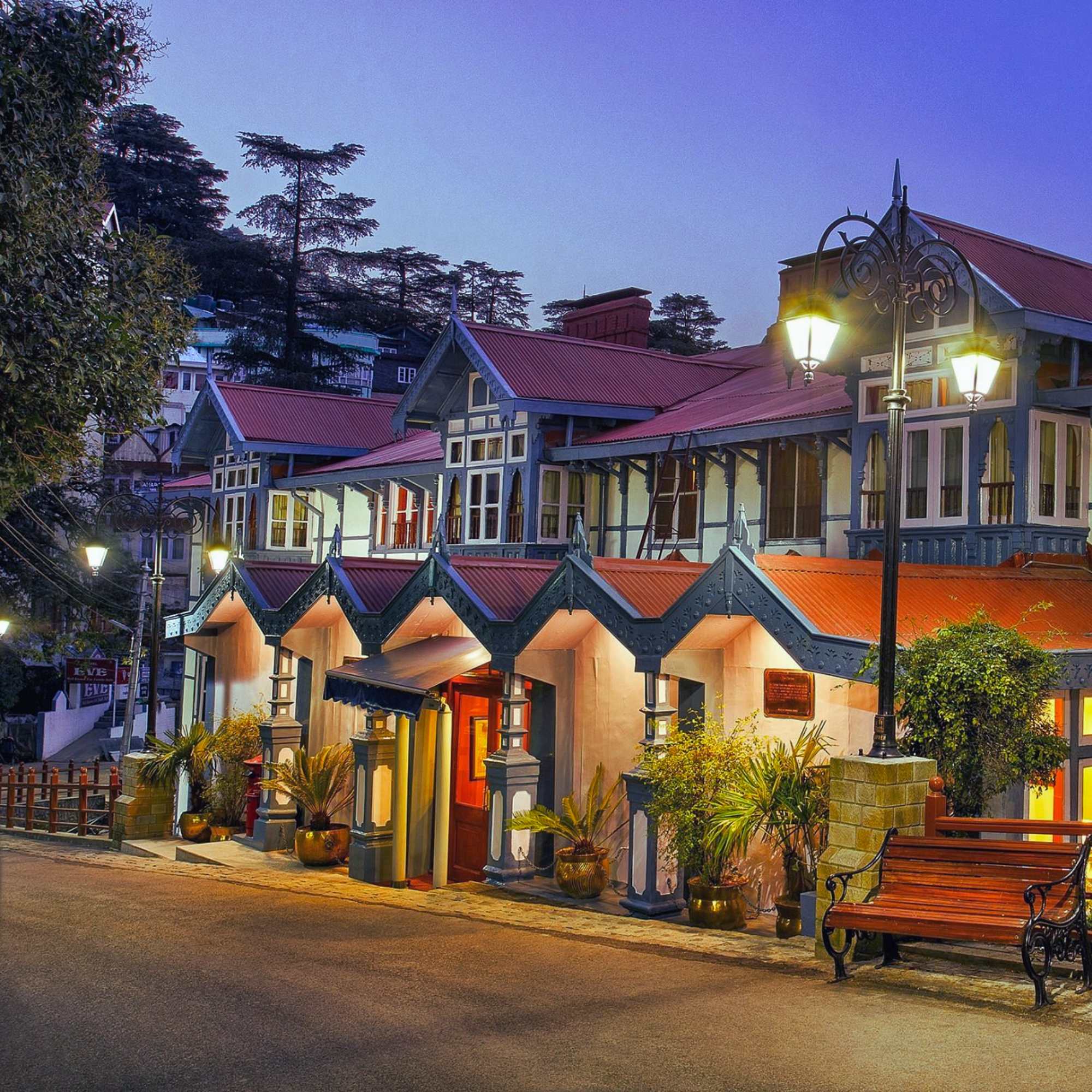
Families with children
Families can choose the toy train, Himalayan Nature Park, State Museum, The Ridge and manageable sections of Mall Road.
The Nature Park and museum add educational value, while the railway makes the journey part of the holiday.
Shimla has steep paths, so strollers can become difficult on steps and uneven pedestrian roads.
Carry suitable winter clothing during colder months. Do not promise children snow or a particular animal sighting.
Couples
Couples can enjoy heritage walks, Ridge evenings, cafés, the scenic railway and relaxed trips towards Mashobra or Naldehra.
The best plan leaves enough time for conversation and slow walks instead of moving through a crowded checklist.
Choose a café near your walking route so you do not waste the evening in traffic.
A scenic railway journey also works well when you want a shared experience rather than another short photo stop.
Seniors and travellers with limited mobility
Choose the ropeway instead of the full Jakhu climb.
Create shorter sightseeing clusters and use the IIAS golf cart when it operates.
Central Shimla still includes slopes, steps and uneven pedestrian areas. A short distance may not feel easy for every traveller.
Ask your hotel about the actual walking route from the vehicle drop point to reception. Vertical distance matters more than the map suggests.
Keep a flexible schedule and avoid combining a museum day with a long excursion.
What are the best free and budget things to do in Shimla?
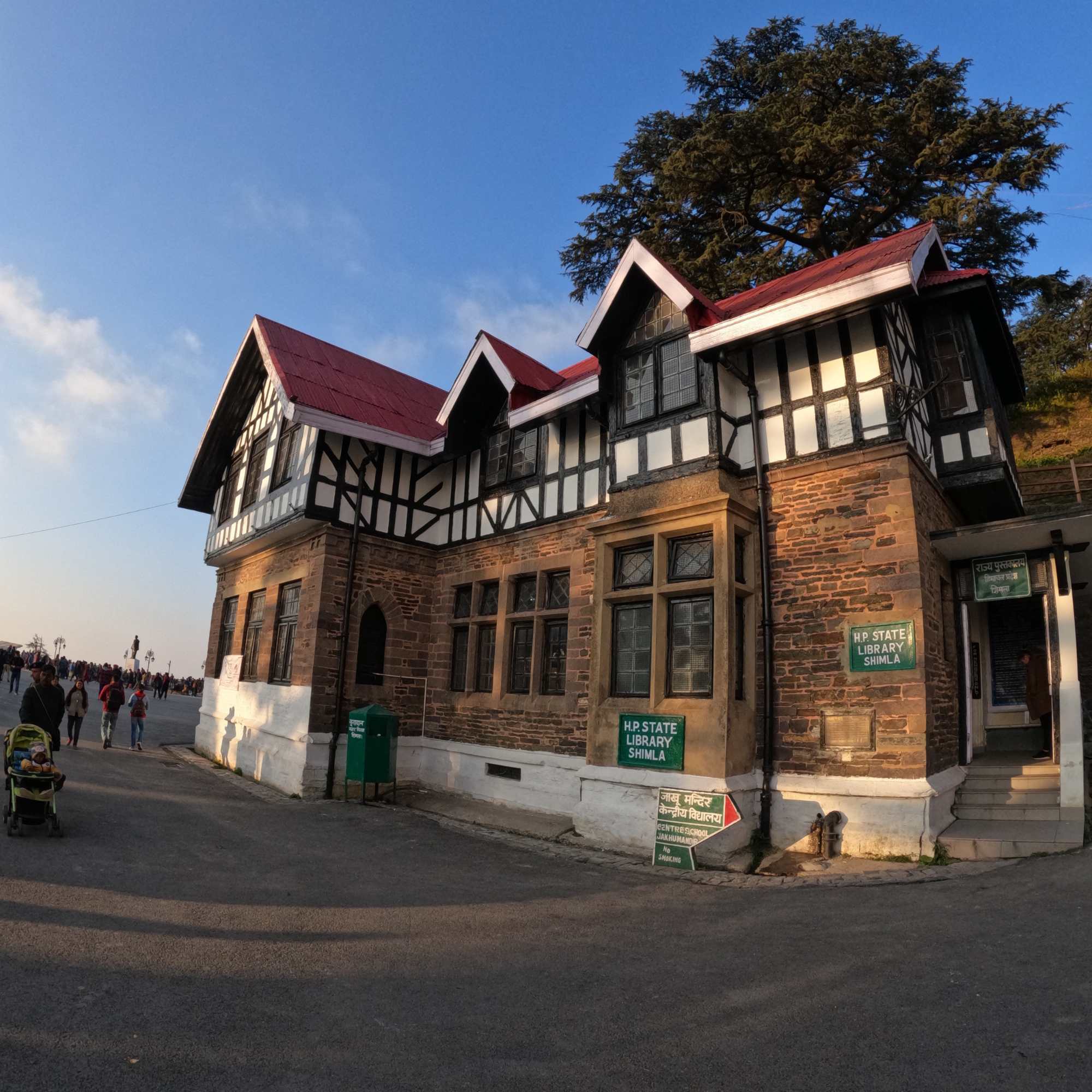
Mall Road, The Ridge, Scandal Point and Lakkar Bazaar browsing form the easiest free experiences in central Shimla.
You can also photograph visible heritage façades and walk through areas where church access remains permitted.
A self guided heritage route saves the cost of unnecessary short taxi movements inside the main pedestrian cluster.
Free entry does not cover parking, taxis, food or shopping. You still need to plan those costs.
The best local money saving tip is to walk through one connected area before hiring a taxi for a separate direction.
Do not pay for seasonal activities until the operator clearly explains the route, duration, inclusions and total price. Agree on the final amount before making payment.
What can you do in Shimla in each season?
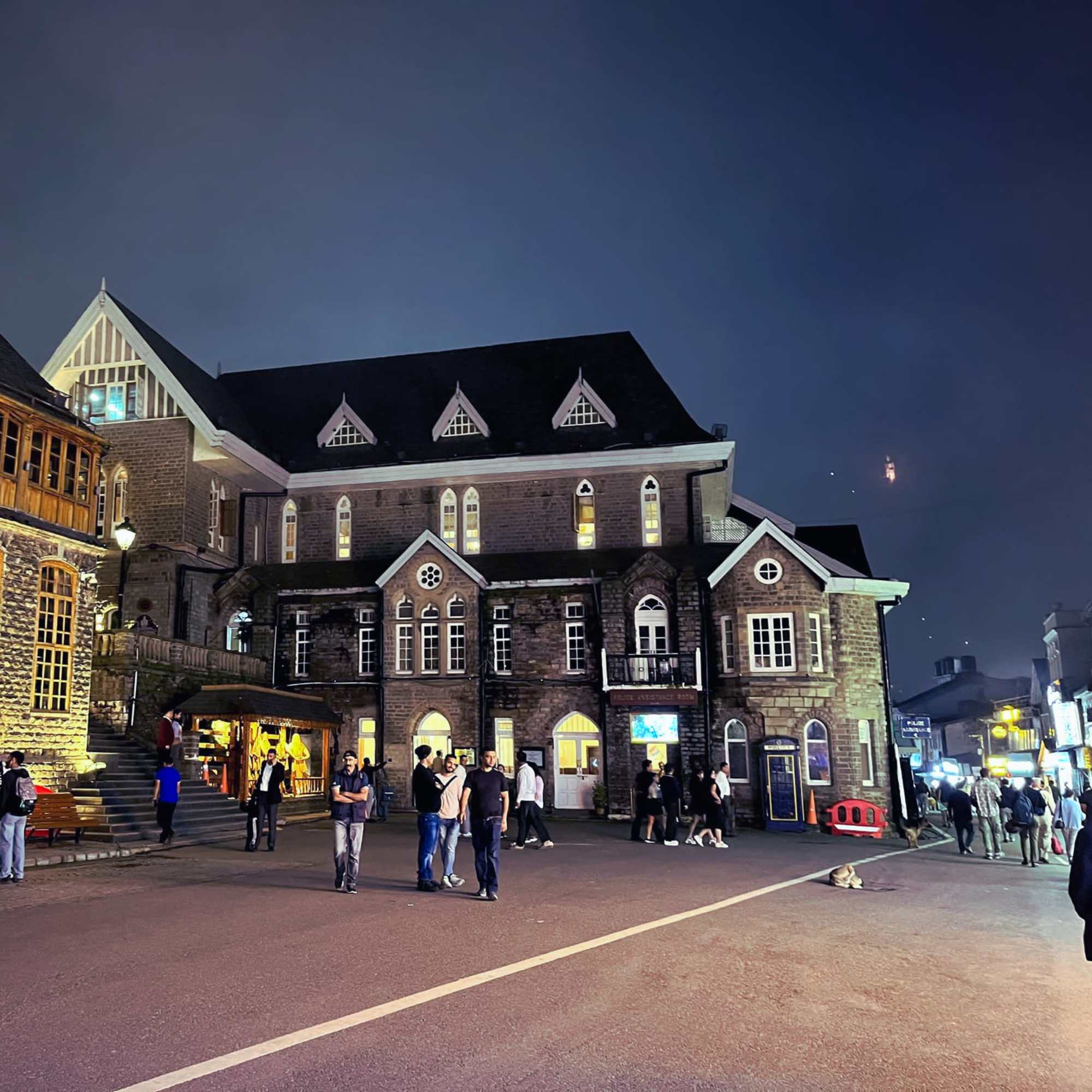
March to June
March to June brings a popular sightseeing period, with outdoor walks forming a major part of the experience.
Official tourism recommends April to June for milder weather.
Expect more traffic and crowds during busy travel dates. Start central walks earlier and avoid crossing the city repeatedly.
Kufri, Mashobra, Naldehra, heritage walks and outdoor sightseeing work well when road and weather conditions remain suitable.
July to September
The landscape turns greener during the monsoon, but heavy rain can trigger landslides, road blocks and train disruption.
NHAI advises travellers to follow official traffic advisories.
Use 1033 for a national highway emergency.
Do not travel towards a blocked route because an old post or video shows clear weather. Follow current official information.
Wear grip footwear and avoid forest paths during severe weather.
October and November
October and November often bring cooler conditions that many travellers find comfortable for walking.
Weather can still change, so do not promise yourself clear views every day.
Use this period for heritage walks, central sightseeing, museums and quieter excursions according to current road conditions.
Carry layers for morning and evening walks.
December to February
December to February may bring snowfall, natural ice skating and snow activities near Kufri.
Snow never follows a guaranteed booking calendar. The rink also needs suitable natural ice formation.
Build your winter plan around sightseeing that works without snow, then treat snowfall, skiing, tobogganing and skating as additions.
Check the latest snowfall, ice skating, skiing and tobogganing conditions close to your travel date, as availability depends on weather, natural snow and safe operating conditions.
How much do Shimla activities cost in 2026?
The Himachal State Museum charges ₹20 for Indian visitors and ₹100 for foreign visitors.
IIAS lists its golf cart at ₹10 per person per ride.
The Jakhu ropeway page displays ₹252 per adult and ₹200 per child aged 3 to 12. Children below three travel free.
The page does not clearly explain whether the displayed amount covers one direction or a return journey.
Confirm whether the displayed Jakhu ropeway fare covers a one way or return journey before making payment.
Toy train fares and journey times vary by service, coach type and travel date. Check the latest details through IRCTC before booking.
Taxi sightseeing, parking, skiing, horse rides, sanctuary entry, amusement parks and guided heritage walk charges may change by season and operator. Confirm the final price and inclusions before payment.
Operator prices can change with the season, route and demand. Confirm the full amount and what it includes before starting an activity.
How do you get around Shimla without wasting time?
Explore central Shimla mainly on foot.
The district runs a formal restricted road permit system, so tourists should not expect to drive onto every central road.
Use local buses or taxis for IIAS, Annandale, Kufri, Mashobra, Naldehra and other places outside the main pedestrian cluster.
Local bus and taxi fares vary by route, vehicle type and demand. Confirm the current fare before starting your journey.
A new parking facility with space for 315 vehicles opened at Kasumpti in June 2026. It does not serve as direct Mall Road parking.
Choose accommodation carefully. Steps and vertical distance can matter more than the number of metres shown on a map.
Ask the hotel where your taxi can stop, how many steps you need to climb and whether reception sits above or below the road.
Plan each day by area. Repeatedly crossing Shimla wastes time and adds unnecessary taxi costs.
What practical mistakes should you avoid in Shimla?
Do not promise yourself snowfall on a fixed date. Winter gives you a possibility, not a guarantee.
Do not combine Kufri, Chail, Naldehra and central Shimla in one day. You may spend more time travelling than enjoying each place.
Do not carry visible food near the Jakhu monkeys. Secure your glasses, phone and loose belongings.
Do not rely on old blog prices for skiing, tobogganing, horse rides, yak rides, taxis or parking.
Do not ignore monsoon road and train advisories. Call 1033 during a national highway emergency.
Do not assume IIAS or the State Museum opens on Monday. IIAS also closes on national holidays.
Do not describe every nearby adventure activity as an activity inside Shimla city. Kufri, Mashobra and Naldehra need separate drives.
Do not hire a taxi for the main pedestrian cluster unless someone in your group needs transfer support to an accessible drop point.
Do not pay an activity operator before confirming the final price, activity area and what the amount covers.
Where can you travel after Shimla?
Kinnaur and Spiti form logical onward routes for travellers planning a longer road journey through Himachal.
Browse our Kinnaur tour packages when you want to continue towards mountain towns and a longer road circuit.
Our Spiti Valley tour packages suit travellers planning a larger high altitude journey after Shimla.
Manali requires a different direction and more travel time. Check our Manali tour packages before combining both destinations.
Jibhi and Tirthan Valley also require a different route from central Shimla. Our Jibhi and Tirthan Valley packages can help you compare that option.
Do not add every destination to one short holiday. Choose the route that matches your available days and preferred pace.
Explore Our Curated Shimla Tour Packages
 6D/5N
6D/5NClassic Shimla Kufri Mashobra Narkanda Experience
1D Delhi•3D Shimla+2
₹12,999₹18,999SAVE INR 6,000/ person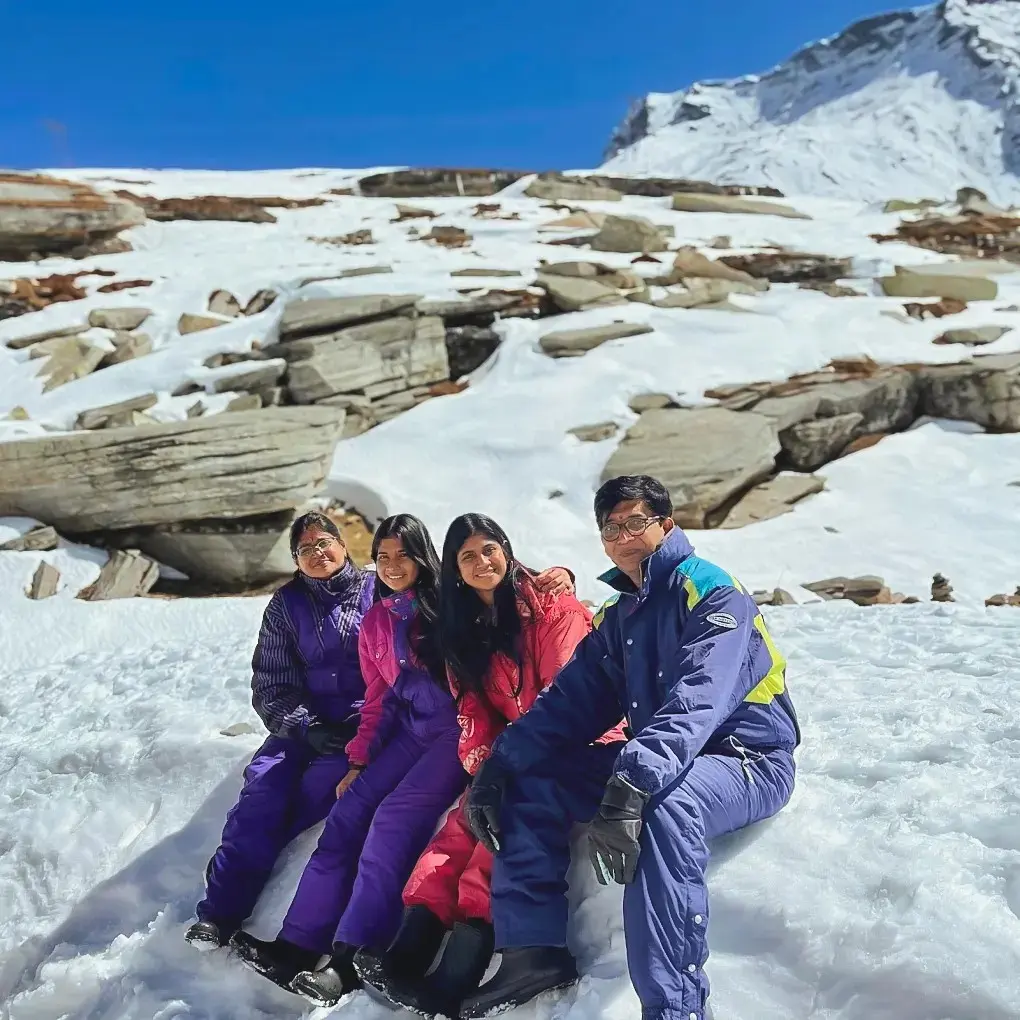 7D/6N
7D/6NComplete Shimla Manali Volvo Package with Rohtang Pass
2D Shimla•2D Manali
₹15,999₹19,499SAVE INR 3,500/ person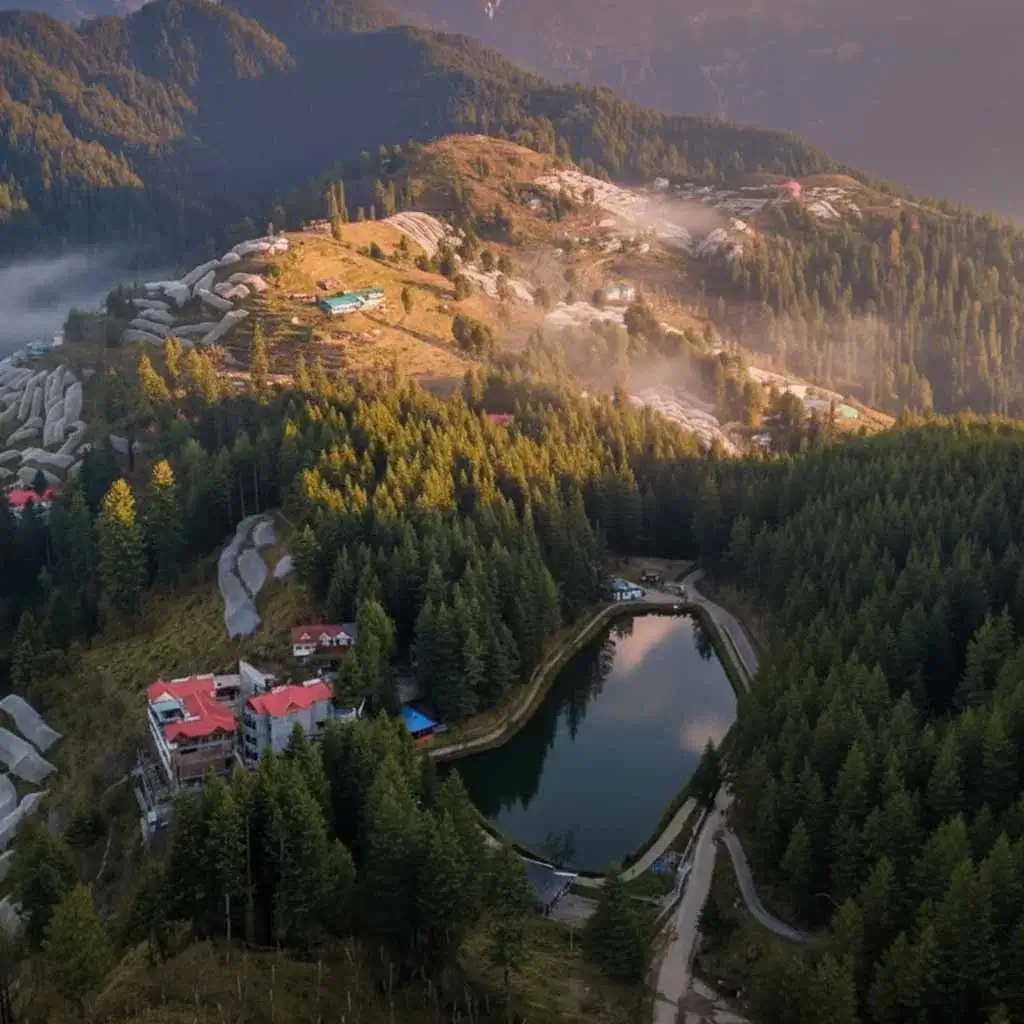 7D/6N
7D/6NClassic Shimla Kufri Chail Narkanda Pine Valley Experience
1D Delhi•2D Shimla+3
₹17,600₹23,999SAVE INR 6,399/ person
Related topics
Frequently Asked Questions
What are the five best things to do in Shimla?
Walk through Mall Road and The Ridge, visit Jakhu Temple, ride the Kalka Shimla heritage railway, tour Viceregal Lodge at IIAS and take a seasonal trip to Kufri.
What can I cover in Shimla in one day?
Visit Jakhu Temple in the morning, then cover The Ridge, Christ Church, Gaiety Theatre, Mall Road, Scandal Point and Lakkar Bazaar through the afternoon and evening.
Are two days enough for Shimla?
Yes. Use one day for central Shimla and choose either IIAS with the museum and Annandale or a Kufri excursion for the second day.
Is Kufri worth visiting from Shimla?
Kufri suits families, nature focused travellers and visitors interested in possible winter activities. Visit for the scenery and Nature Park, not because someone guarantees snow.
Is the Kalka Shimla toy train worth it?
Yes, when you enjoy slow scenic rail journeys. Treat it as part of your arrival or departure because the full ride uses a large part of the day.
Can I explore Shimla without a car?
Yes. You can walk through the main central attractions. Use taxis or local buses for IIAS, Annandale, Kufri, Mashobra, Naldehra and other separate routes.
What can families do in Shimla?
Families can choose the toy train, Himalayan Nature Park, State Museum, The Ridge and manageable Mall Road sections. Plan carefully around slopes, steps and winter weather.
What can couples do in Shimla at night?
Couples can walk around The Ridge and Mall Road, eat at a restaurant, visit a café and enjoy the evening lights. Shimla does not centre its night experience around clubs.
What are the best free things to do in Shimla?
Walk around Mall Road, The Ridge and Scandal Point, browse Lakkar Bazaar and photograph the visible heritage façades around Christ Church, Town Hall and Gaiety Theatre.
Does Shimla have snow throughout winter?
No. Snowfall depends on weather systems, and no one can guarantee snow for a particular date. Ice skating and Kufri snow activities also depend on natural conditions.
What should I avoid during the monsoon?
Avoid blocked roads, slippery forest paths and travel based on old updates. Follow official road and railway advisories, and use 1033 during a national highway emergency.
More about Shimla
 Shimla
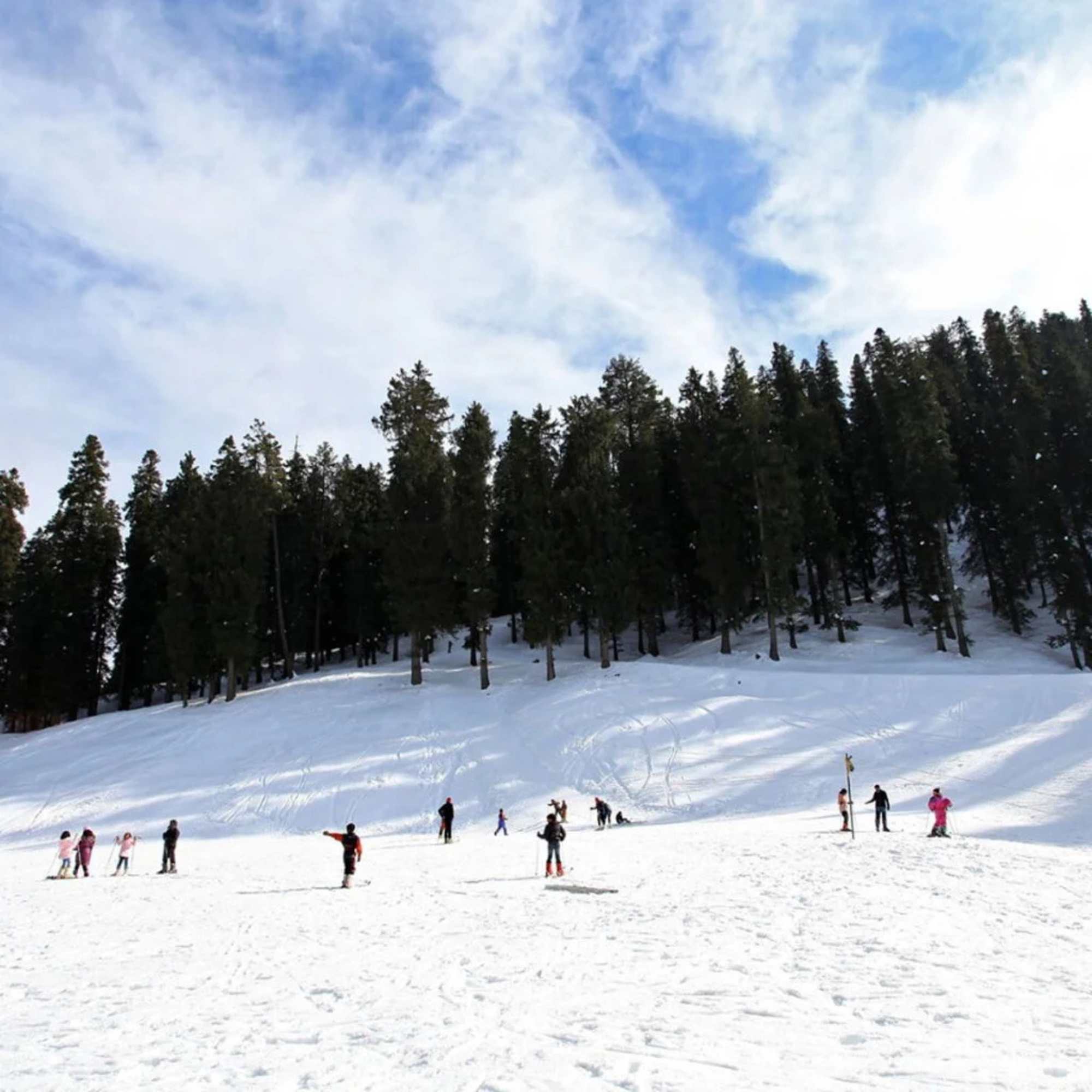
Shimla Snow Trip 2026: Best Time, Itinerary, Cost and Local Tips
Plan your Shimla Snow Trip 2026 with this complete guide to the best time for snowfall, estimated trip cost, winter itinerary, top snow spots, Kufri visit, and useful travel tips.
- Snow Travel
- Best Time to Visit
 Shimla
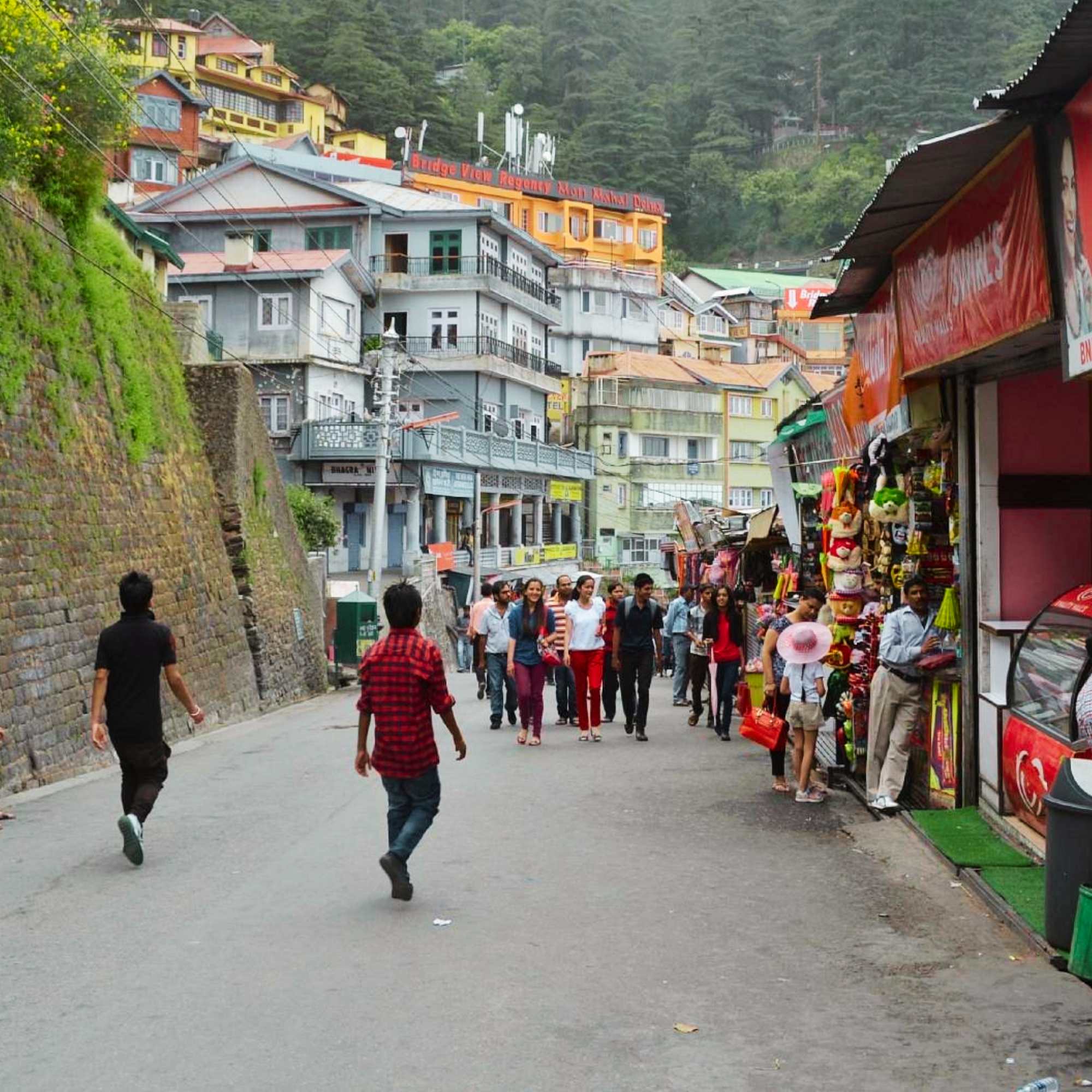
Shimla in February 2027: Weather, Snowfall, Itinerary and Travel Tips
Planning a trip to Shimla in February 2027? Discover typical February temperatures, chances of snowfall, what the weather is usually like, the best places to enjoy snow, what to pack, and practical tips for planning a memorable winter trip to Shimla.
- Best Time to Visit
- Snow Travel
 Shimla
Snow Point Near Shimla in 2026: Kufri, Fagu, Narkanda and the Best Places to Find Snow
Discover the best snow points near Shimla in 2026, including Kufri, Fagu and Narkanda. Find out where to see snow, the best time to visit, and the top winter destinations near Shimla.
- Snow Travel
- Places to Visit