
Spiti Valley in September 2026: Weather, Roads, Itinerary and Travel Tips
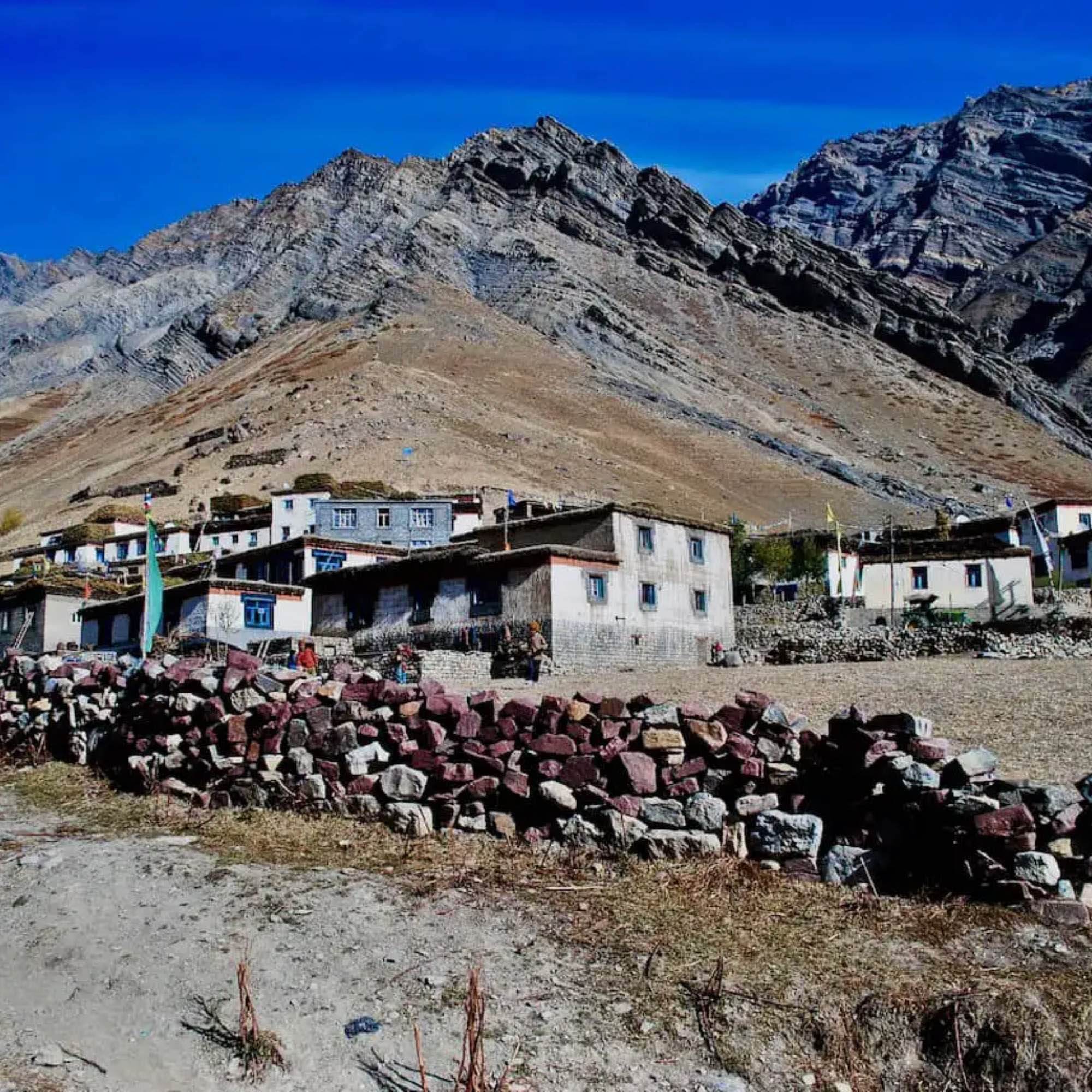
Planning a trip to Spiti Valley in September 2026 offers the perfect opportunity to experience clear mountain views, pleasant daytime weather and fewer tourists.
By this time, the monsoon has almost ended, most roads are usually accessible and the valley begins to display beautiful autumn colours. However, nights can become cold and road conditions may change quickly in high altitude areas.
This guide by Travel Coffee covers the expected weather, road status, recommended itinerary, packing essentials and important travel tips for visiting Spiti Valley in September 2026.
Quick Answer: Is September a Good Time to Visit Spiti Valley?
September is one of the most rewarding months to visit Spiti Valley. The monsoon haze has cleared, visibility is sharp, and the roads are quieter than through peak summer.
Nights turn genuinely cold, though, and access to Kunzum Pass and Chandratal becomes less predictable as the month goes on.
Post-monsoon air gives you clarity August rarely does, and the valley empties once school holidays end.
What changes is the second half. Days shorten, nights bite, and the high sections everybody comes for are the first to go unreliable.
We will not hand you one neat temperature range here, because the published figures for September genuinely conflict.
What Is the Weather Like in Spiti Valley in September?
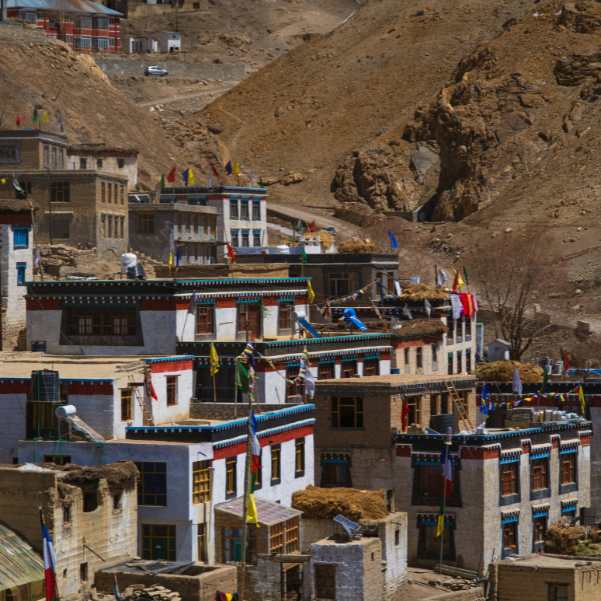
Spiti is not one weather report. Kaza sits on the valley floor, the villages towards Tabo run warmer, and Langza and Komic are several hundred metres higher and noticeably colder. Kunzum Pass and Chandratal behave like a different month altogether.
Broadly, cool days and cold nights. Daytime in Kaza is manageable in a fleece and a windproof layer while the sun is out.
Once the sun drops behind the ridge, the temperature falls fast. At the higher villages and at Chandratal, nights go below freezing late in the month.
Early September weather
Early September is the friendlier half. Daytime travel is comfortable, the roads have had a full summer of work on them, and your chances of crossing Kunzum and reaching Chandratal are better than in the last week.
In our experience, this is the window for most first-time travellers who want the complete circuit.
Do not read comfortable daytime as warm, though. Mornings are cold, evenings colder, and an exposed viewpoint at 4,000 metres with wind coming through will change your mind about that light jacket.
Proper winter layers are not optional in early September either.
Late September weather
Late September is a different trip. Nights get properly cold, the comfortable sightseeing window shrinks to a few hours around midday, and morning frost becomes normal.
Black ice on shaded corners and fresh snowfall around the high passes are both possible. Possible, not guaranteed. We have run late-September departures where Kunzum was dry and dusty, and others where one night of snow rewrote the plan.
Which is why we ask late-month travellers to keep a buffer day, and not to book a non-refundable flight or train for the morning after the circuit ends.
Does it rain in Spiti during September?
Not much, usually. Spiti sits in a rain-shadow region behind the main range, so the monsoon that soaks the rest of Himachal largely does not reach inside the valley.
The catch is that you do not start inside the valley. You get there on approach roads sitting squarely in the rain's path. The Kinnaur side sees rockfall and landslides after heavy rain, and the Manali side has its own repair and weather closures.
So check the forecast for the route as well as for Kaza. A clear week in Spiti counts for nothing if the approach road is blocked.
Are the Roads to Spiti Open in September 2026?
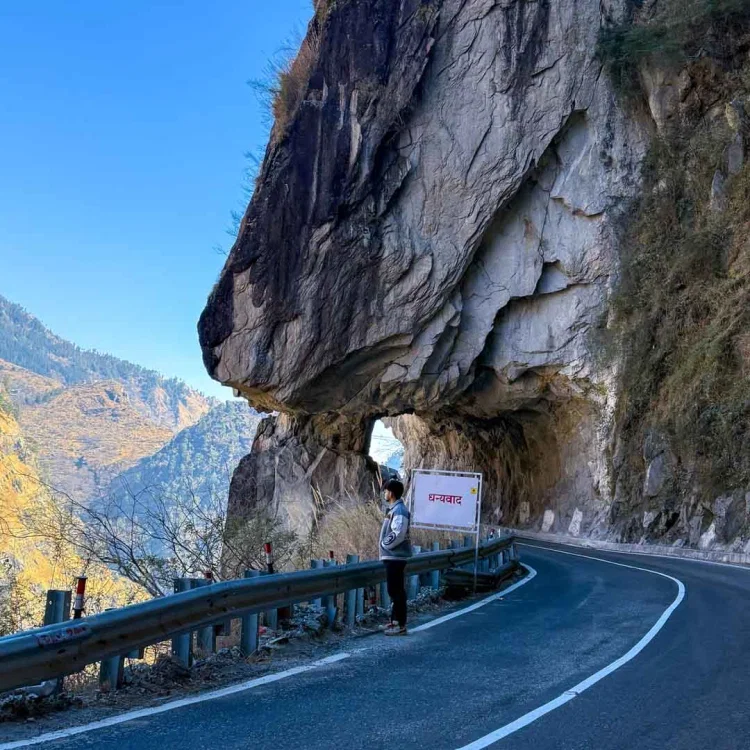
Nobody can guarantee a September road months in advance. Not us, not your travel agent, not a blog written in January.
Look at this year. The official Lahaul and Spiti district road-status page marked the Keylong to Kaza road closed on 15 July 2026, in the same season that June 2026 reports had announced the Gramphu to Kaza route through Kunzum Pass had reopened.
Both can be true at different moments. A road opens, weather or a repair shuts it, and the page catches up.
The lesson is not that the road is bad. It is that a claim made months ahead is worth very little, and you must check the official page again 24 to 48 hours before you leave.
Shimla, Kinnaur and Kaza route
We recommend this route for most first-time travellers, and the reason is altitude rather than scenery. You climb slowly, sleeping in Kinnaur at a moderate height before you get anywhere near Kaza, and your body gets a couple of nights to catch up.
The approximate Shimla to Kaza distance is 420 kilometres, which sounds manageable until you meet the road. Split it across several days.
Kinnaur has its own weather personality. Rockfall and landslide disruption happen after heavy rain, and short waits at repair sections are part of the deal.
That does not make the route dangerous by default. It makes it a road where you leave early, drive sensibly and treat the schedule as a suggestion.
If you would rather give this stretch proper time, our Kinnaur tour packages treat the valley as a destination rather than a corridor.
Manali, Atal Tunnel, Kunzum and Kaza route
The Manali side is shorter on the calendar and harder on the body. The Atal Tunnel took a lot of pain out of the first stretch, but what follows is rough and weather-sensitive.
You gain altitude quickly. That is the real cost of the time you save.
Kunzum Pass sits at roughly 4,590 metres, and the run from Gramphu through Batal to Kunzum and Chandratal is where this road earns its reputation. Water crossings, loose gravel and broken surfaces are normal.
Take a mechanically sound, high-clearance vehicle. A low-slung hatchback gets through on a good day and costs you a whole day on a bad one.
We will not promise this road stays open through September. Our Spiti Valley road status 2026 page keeps the current picture.
How to check live road conditions
Three habits. Open the official Lahaul and Spiti district road-status page 24 to 48 hours before you travel, and read what it says rather than what you hope it says.
Reconfirm on the morning you leave, with your driver, hotel or a local operator who has a vehicle out there today. Conditions change overnight.
And keep a buffer day. One spare day turns a ruined trip into a rearranged one.
If you would rather not do the checking yourself, our team is on that road every week through the season and we are happy to tell you what is actually happening.
👉 Need help planning the safest Spiti itinerary? We're just a WhatsApp message away.
Which Route Is Better in September: Shimla or Manali?
For a first-time visitor with enough days, enter from Shimla and exit towards Manali. The ascent is gradual, which matters more than most people realise, and you finish on the dramatic section instead of opening with it.
The catch is that the Manali exit only exists when Kunzum and the connecting road are open. Plan it as the preferred ending, not the guaranteed one.
Short on days, some travellers go in and out from Manali. It works. But the ascent is quick and the acclimatisation thin, so build in an extra rest night and be honest about how you feel on day two.
The full circuit runs to roughly 850 kilometres, depending on your start point, diversions and sightseeing. Our Spiti Valley tour packages are built around the Shimla entry and Manali exit shape, with a fallback for the weeks when Kunzum does not cooperate.
Is Chandratal Lake Open in September?
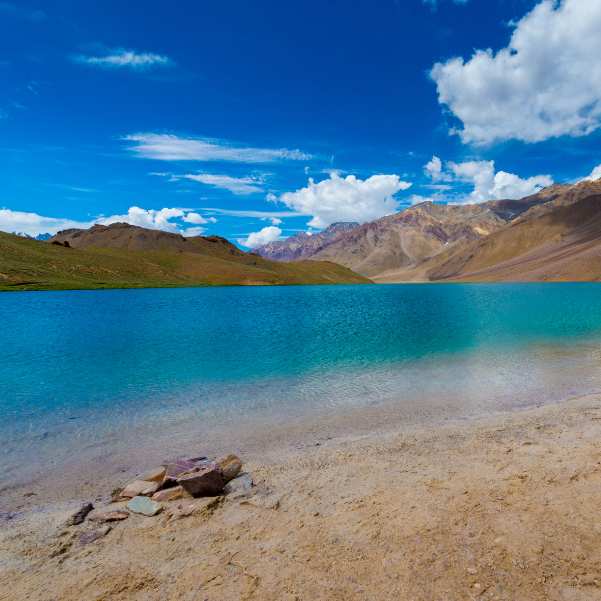
Usually, for at least part of it. Chandratal is broadly accessible from around late May or June until early October, but those are seasonal edges rather than calendar dates. Snow, road repairs and whether the camps are still running decide the real answer in any given week.
The lake sits at approximately 4,250 to 4,300 metres, and the visit involves roughly one kilometre of walking from where vehicles stop. Take it slowly.
Nights here are colder than Kaza by a clear margin. Late in September, camps can wind up with little notice if the weather turns, and your booking may not survive that decision.
So do not assume the road and campsite are open simply because the month says September. Confirm both, close to the date. We keep our reading of the season on the Chandratal opening in 2026 page.
The camps sit away from the immediate lakeshore, and that is deliberate. Keep it that way. No fires, no loud music, no waste near the water.
If you have ever wondered which valley the lake actually belongs to, we covered that in Is Chandratal in Lahaul or Spiti?
What Are the Best Places to Visit in Spiti in September?
A list of names is not much help when the road decides your day. So here is how the clusters actually fit into the route, and where each one belongs in your week.
Tabo, Dhankar and Pin Valley
Tabo is your first proper cultural stop, at a useful height on the way up from Kinnaur. The monastery complex is old and quietly important, and it rewards an unhurried hour rather than a photo stop.
It is also a sensible place to sleep. You are still climbing, and Tabo is a gentler step before Kaza.
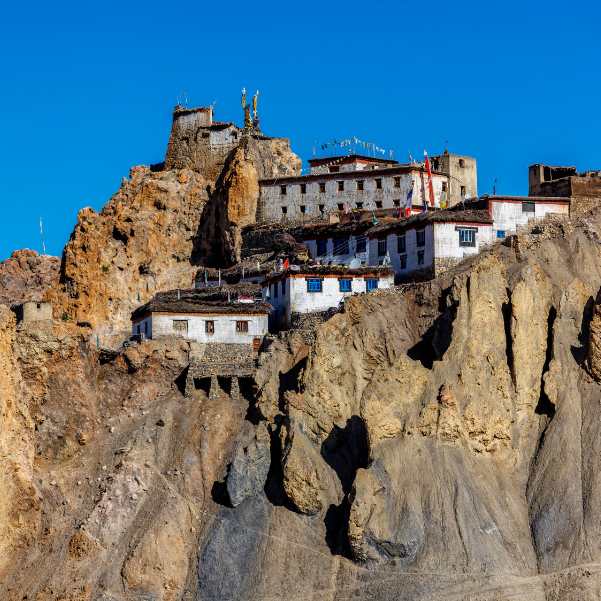
Dhankar sits above the confluence, the old village and monastery holding on to eroded slopes that look like they should not hold anything at all. The walk up to the lake above it is a real walk, so judge it on the day.
Pin Valley branches off south. Fold it in between Tabo and Kaza, or keep it as a separate excursion from Kaza, depending on road conditions and how many days you genuinely have.
In our experience, travellers who squeeze Pin into an already full transfer day end up seeing the road and not the valley.
Kaza and the high villages
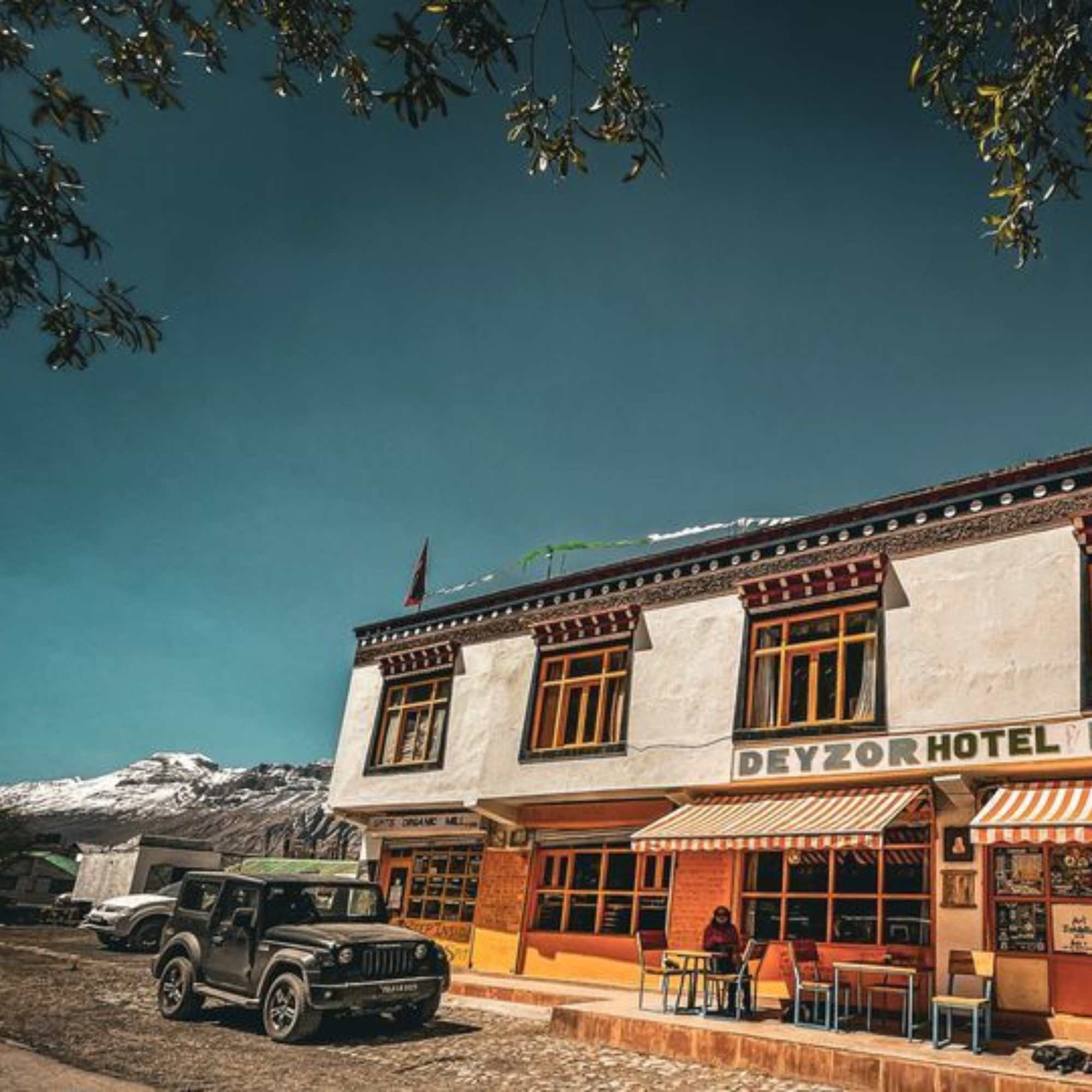
Kaza is the base for everything and where most people finally stop moving for a night or two. Langza, Hikkim and Komic sit above it, and that difference in height is not a technicality. They are colder, the wind is more direct, and walking around them feels different.
Do not do all three on the day you arrive. Our team says this to every group, some ignore us, and they spend the next day in bed with a headache.
Arrive, eat, walk around the market, sleep. The villages will be there tomorrow and you will enjoy them more.
You will also see claims about these villages holding world altitude records. Those claims are contested, so we would rather not repeat them as settled. Go for the villages, not the plaque.
Key, Kibber and Chicham
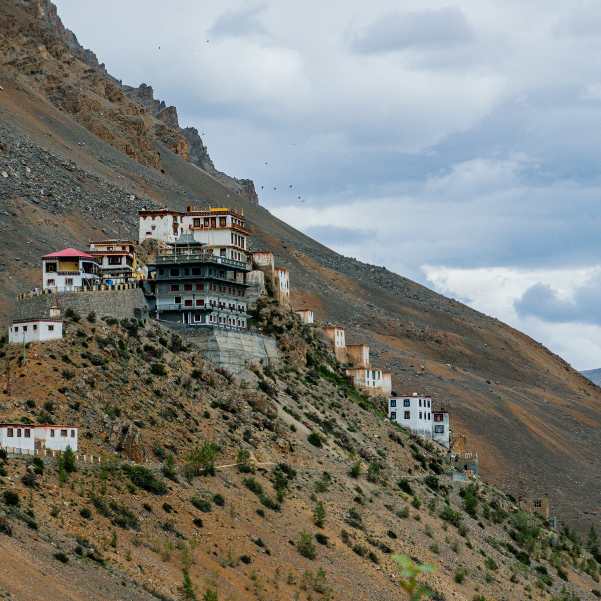
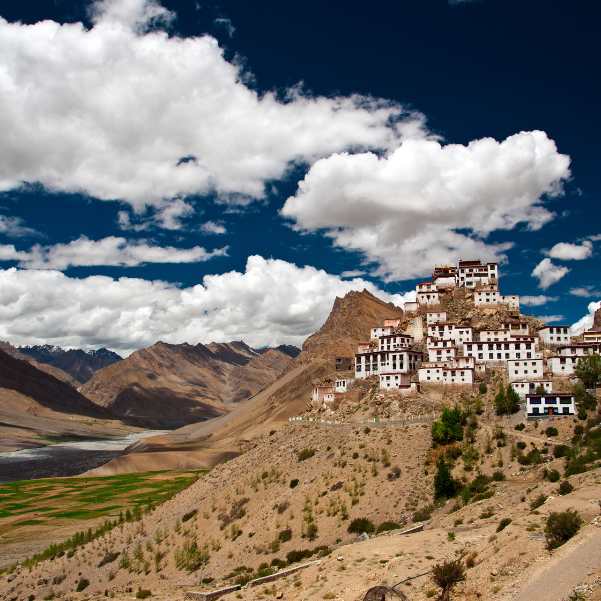
Key, Kibber and Chicham work as one comfortable day trip from Kaza, and that is how we run it. They sit close together, the road is reasonable by Spiti standards, and you are back before the cold arrives.
Key Monastery is a working monastery, not a monument. Cover your shoulders, remove your shoes where asked, ask before photographing inside, and keep your voice down during prayers.
Same courtesy in Kibber and Chicham. People live there. A camera pointed into someone's doorway without a word first is rude in any language.
The viewpoints are exposed, pleasant in the sun and unpleasant in the wind within the same ten minutes. Carry the jacket even if you feel silly. You will hear a record-breaking superlative attached to the Chicham bridge too. Enjoy the bridge, and leave the record to people who can verify it.
Losar, Kunzum Pass and Chandratal
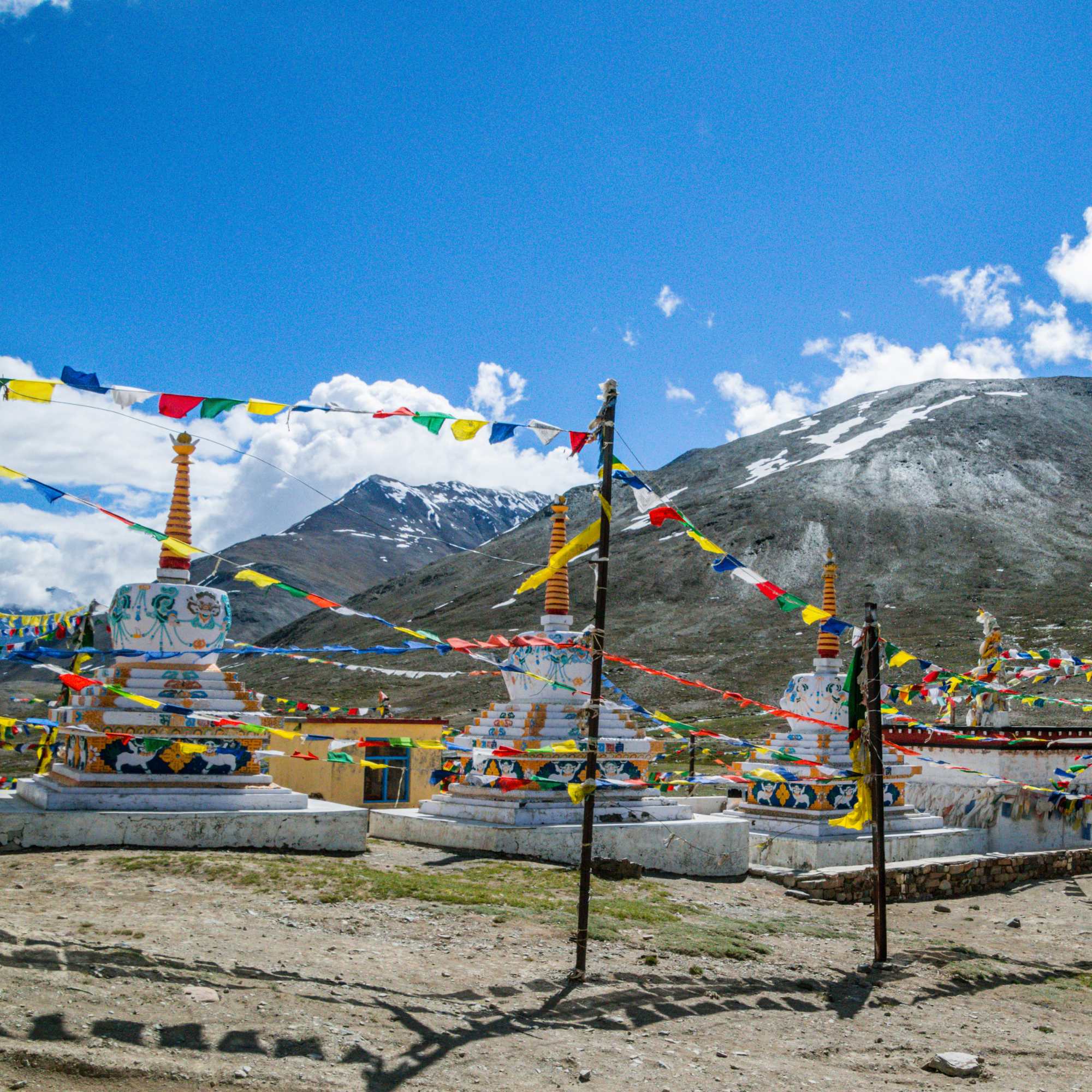
This section decides whether your circuit finishes the way you planned. Losar, then Kunzum Pass, then the turn for Chandratal. Only attempt it once you have confirmed the current road position. Not last week's. Today's.
Start early. Better light, lower water crossings, and daylight in hand if something goes wrong.
Carry warm clothing you can reach without unpacking everything, enough water and some food. There is very little between these points.
If Kunzum is closed, go back the way you came, through the Shimla side. Every season somebody forces the Manali exit, and every season it costs them far more than a longer drive would have.
What Does Spiti Look Like in September?
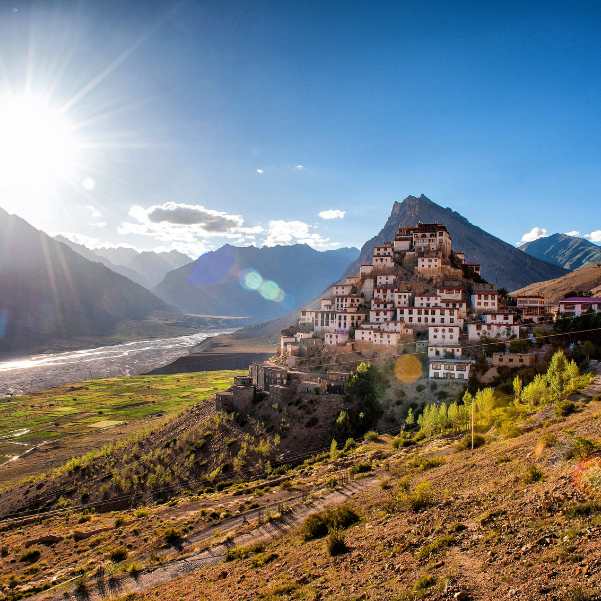
Clean. That is what regular visitors notice first. The monsoon haze has gone and you can pick out ridgelines that were a grey suggestion in August.
The valley runs ochre, brown and grey, with green confined to narrow strips wherever water reaches. The textures are dry and sharp, and the scale takes a day to make sense of.
September is harvest time. The fields are being worked, the crop comes in, and the villages feel busy in a way they do not in June. Lower down, the Kinnaur approach adds proper autumn colour through the apple country.
For photography, midday is flat and hard. Early morning and late afternoon are when the valley picks up shadow and depth, so plan the driving around the light. And ask before you photograph people closely. A nod and a smile takes two seconds and changes the whole interaction.
If you are flying a drone, check the current rules and get local permission first. Monasteries, villages, wildlife and anything marked sensitive are not open season, and a drone over someone's prayer hall is not a photograph worth having.
How Many Days Are Enough for Spiti in September?
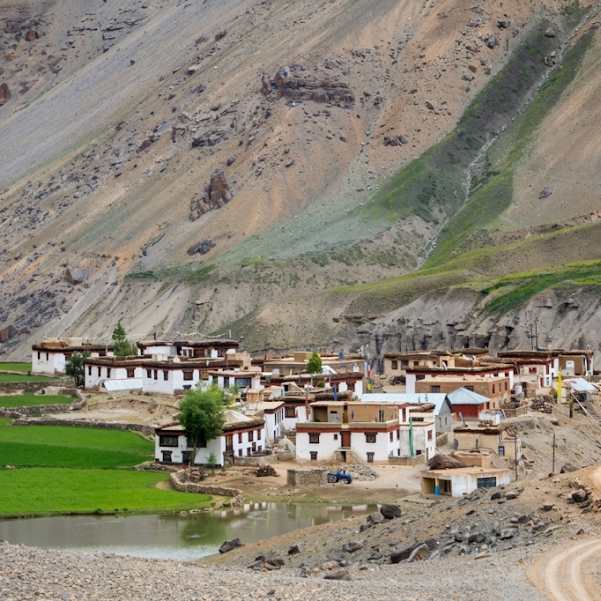
Nine days and eight nights is a realistic starting point for the full circuit from Shimla, and that is the shape our own trip takes.
Ten is better. The extra day is not extra sightseeing. It is weather insurance, and in September that is worth more than another monastery.
Suggested nine-day Spiti circuit
Days one to three are the climb. Shimla or Narkanda into Kinnaur, a night around Sangla or Kalpa, then up through Nako to Tabo.
This part looks slow on paper and does the most important work of the trip. Each night is a step up, and your body gets on with the job while you look out of the window.
Days four to seven are the heart of it. Tabo, then Pin Valley, then Kaza as your base, with Langza, Hikkim and Komic on one day and Key, Kibber and Chicham on another. Two nights in Kaza rather than one, and you get a trip instead of a race.
Days eight and nine are conditional. Losar, Kunzum Pass, Chandratal, then down to Manali.
We mean that word conditional. This segment happens only when the road is confirmed open on the day. When it is not, you return through Kinnaur and Shimla, and the trip is still a good one. Build the itinerary knowing that, and a closed pass becomes a change of plan rather than a disaster.
Where should the buffer day be placed?
Three sensible places. Hold it in Kaza, the most comfortable spot to lose a day and the easiest to fill. Hold it between Chandratal and Manali, where weather most often costs you time.
Or hold it at the very end, before your train or flight. Least glamorous, often most useful.
Whatever you do, do not book a tightly timed return connection. An evening flight out of Delhi on the day you are meant to reach Manali is a bet, not a plan.
Our Chandratal Spiti circuit package runs on this nine-day shape, and we build the flex in rather than pretending the mountain will cooperate.
How Much Does a Spiti Trip Cost in September 2026?
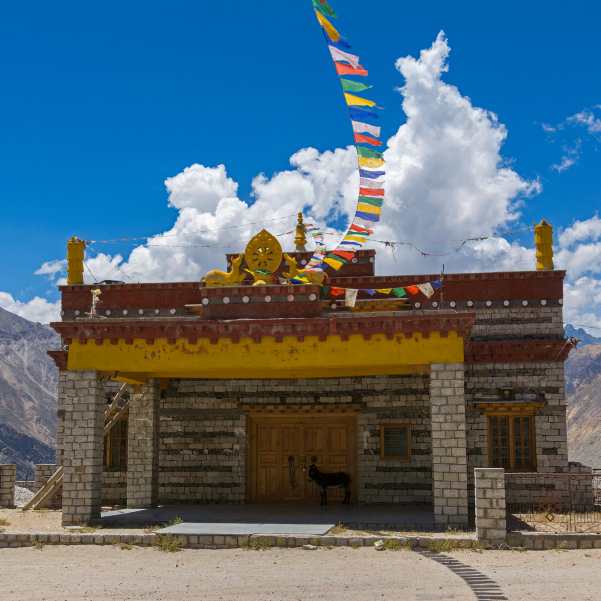
Our May 2026 cost guide puts a Spiti package in the broad range of ₹14,999 to ₹35,000, and that spread is wide for good reasons. The currently published nine-day and eight-night Chandratal circuit shows a starting price of ₹21,999.
Both numbers are time-sensitive. Prices move with the season, the departure and what is included, so treat them as a starting point and confirm the figure for your actual dates.
Group departures usually work out cheaper per person than a private cab itinerary, because the vehicle and driver are shared. If cost decides, that is the first lever.
What actually moves the price: vehicle type, hotel category, room sharing, meals included, whether the Chandratal camps are running, your starting city, and how much private sightseeing you add.
We would rather quote properly than publish a number that falls apart in September. Send us your dates and group size and we will give you the real figure.
👉 Need a customised Spiti itinerary? We'll send you a package with the exact price.
What Should You Pack for Spiti in September?
Layers, and better ones than you think. Thermal base layers first, because they do most of the work at night and weigh almost nothing. Then a fleece or light down jacket for insulation, and a windproof outer shell. Wind is what makes Spiti cold, not just temperature.
Gloves, warm socks and a cap that covers your ears. The ears are the bit everyone forgets and the bit that hurts first at Kunzum.
Sun protection is not a summer item here. High-altitude sunlight stays fierce even when you are shivering, so pack strong sunscreen, lip balm and sunglasses.
Sturdy footwear with grip, because Dhankar and Chandratal both involve loose ground. A reusable water bottle, power bank, cash, offline maps, your regular medication and photocopies of your identification.
If you are considering medication for altitude sickness, talk to your doctor before the trip. That is a prescription conversation, not a forum one.
And do not pack for a summer holiday. Every season we meet somebody in Kaza wearing a hoodie and regret.
How Can You Reduce the Risk of Altitude Sickness?
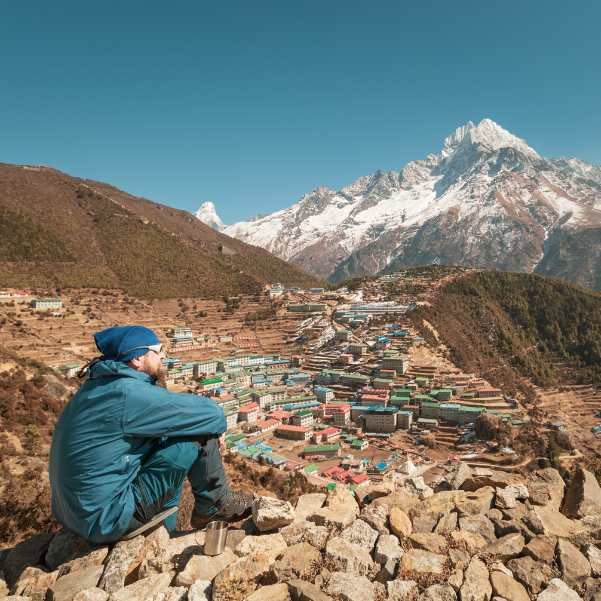
Kaza sits at approximately 3,650 metres, and the villages above go higher still. Enough height to take seriously without being enough to panic about.
The single most effective thing you can do is climb slowly. Gradual ascent and acclimatisation are what actually reduce the risk, and no tablet replaces them.
Which is why the Shimla and Kinnaur entry works better than driving straight up from Manali. You give your body nights at increasing heights instead of asking it to cope in one afternoon.
Watch for headache, unusual tiredness, loss of appetite, nausea and vomiting. Any of those, alone or together, deserve attention rather than a brave face.
If symptoms are getting worse, stop going up. Do not push on to the next viewpoint because the itinerary says so. Descending and getting medical help is the correct response, and every driver on that road knows it.
We are not doctors. Speak to yours before you leave, particularly if you have an existing condition.
Do You Need a Permit for Spiti Valley?
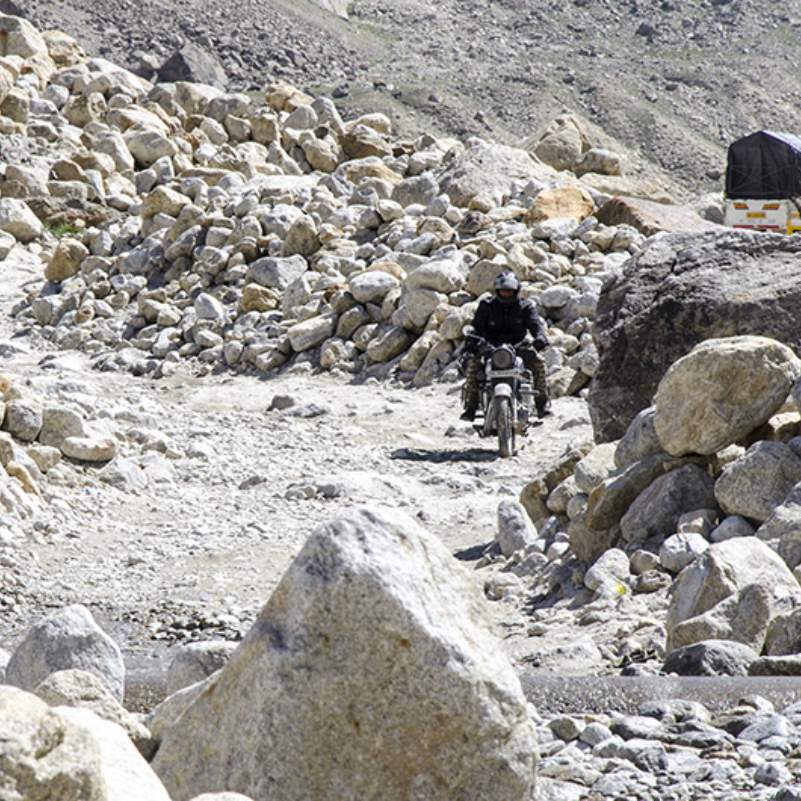
For Indian citizens, generally no. The standard Spiti circuit does not require an inner-line permit. Foreign nationals are different: if your route passes through notified protected areas on the Kinnaur side, you need the applicable protected-area permission.
We are not quoting a fee or processing time, because the current details need verification and an out-of-date number in a blog is how people end up stuck at a checkpost.
Carry valid government photo identification either way, plus a couple of photocopies. Checkposts do ask.
Reconfirm before you leave rather than assuming last year's answer still stands. Our Spiti Valley permit guide keeps the detail current.
Is Spiti Safe in September?
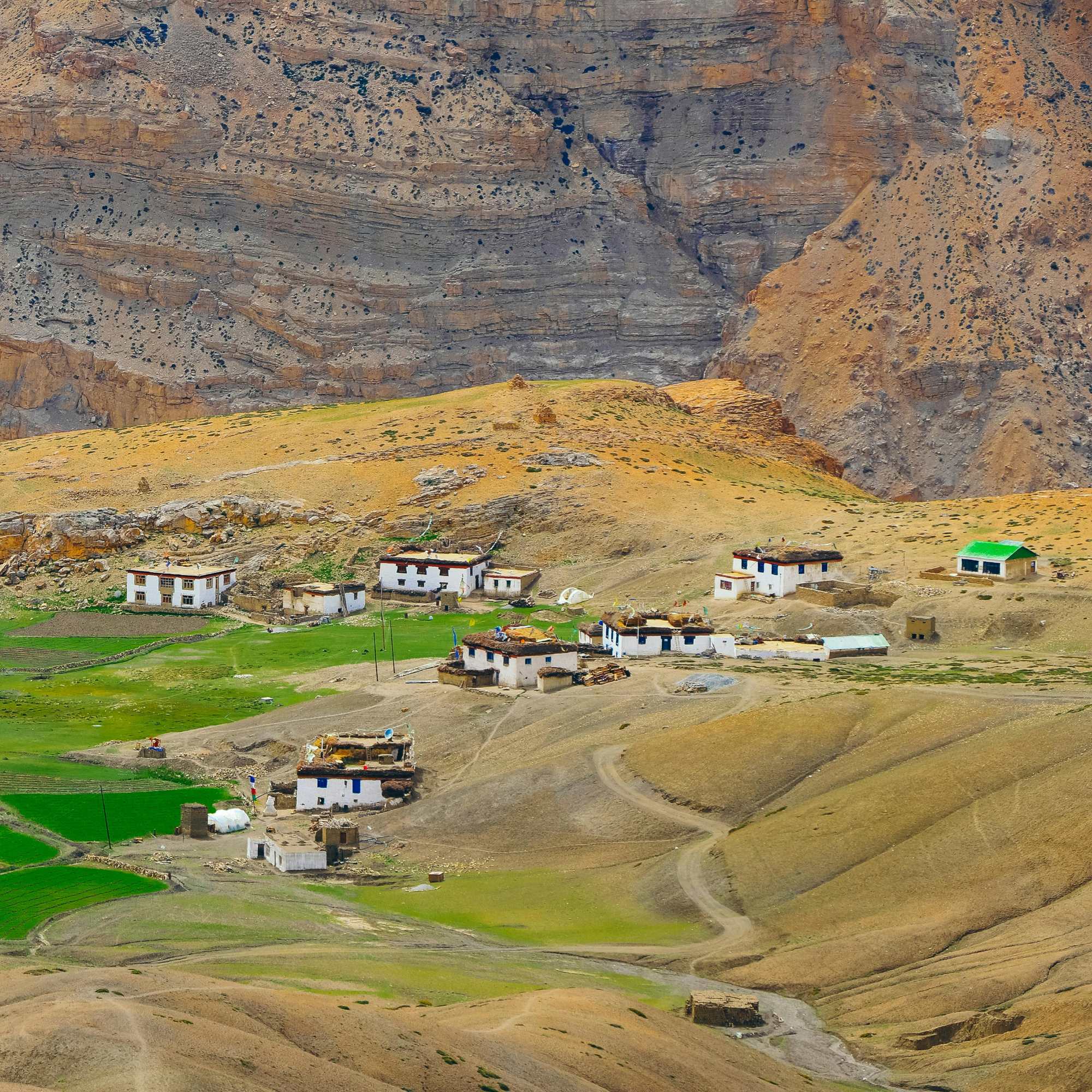
Safe is almost the wrong question. Spiti is not dangerous and it is not risk-free, and the honest answer depends on who is travelling and how the trip is built. Crime is not the concern here. Altitude, cold, long driving days and thin medical infrastructure are.
Worth saving before you go: Kaza Police Station's published number is 01906-222216. Do verify local numbers before departure, because these things change.
Families and children
Families do Spiti and enjoy it. The things to think about are altitude, cold nights, long hours in a vehicle and a hospital that is not twenty minutes away.
Climb gradually, keep the sightseeing relaxed, and resist fitting everything in just because you came all this way.
For young children, or anyone with an existing condition, get medical advice before booking rather than after arriving. That is a conversation with your physician, not with us.
Senior citizens
Age on its own tells you very little. We have had travellers in their seventies handle Spiti comfortably and travellers half that age struggle.
What matters is cardiovascular health, respiratory health and mobility, and those need a doctor's opinion rather than a blog's.
If the answer is yes, build the trip accordingly. A slower itinerary, accommodation with heating that works, and a private vehicle so you can stop when you want rather than when the group does.
Solo female travellers
Plenty of women travel Spiti alone, and the practical advice is the ordinary kind applied properly.
Reach your accommodation before dark. These roads are no place to be at night regardless of who you are, and mountain darkness arrives faster than you expect. Share your itinerary with someone at home and check in whenever you have signal, which will not be everywhere.
Book stays with a track record rather than the cheapest thing on a map, and sort your transport in advance instead of hoping for a shared cab in Kaza at four in the afternoon.
We covered this in more depth in our guide to solo female travel safety in Spiti.
What Should Self-Drivers and Bikers Know?
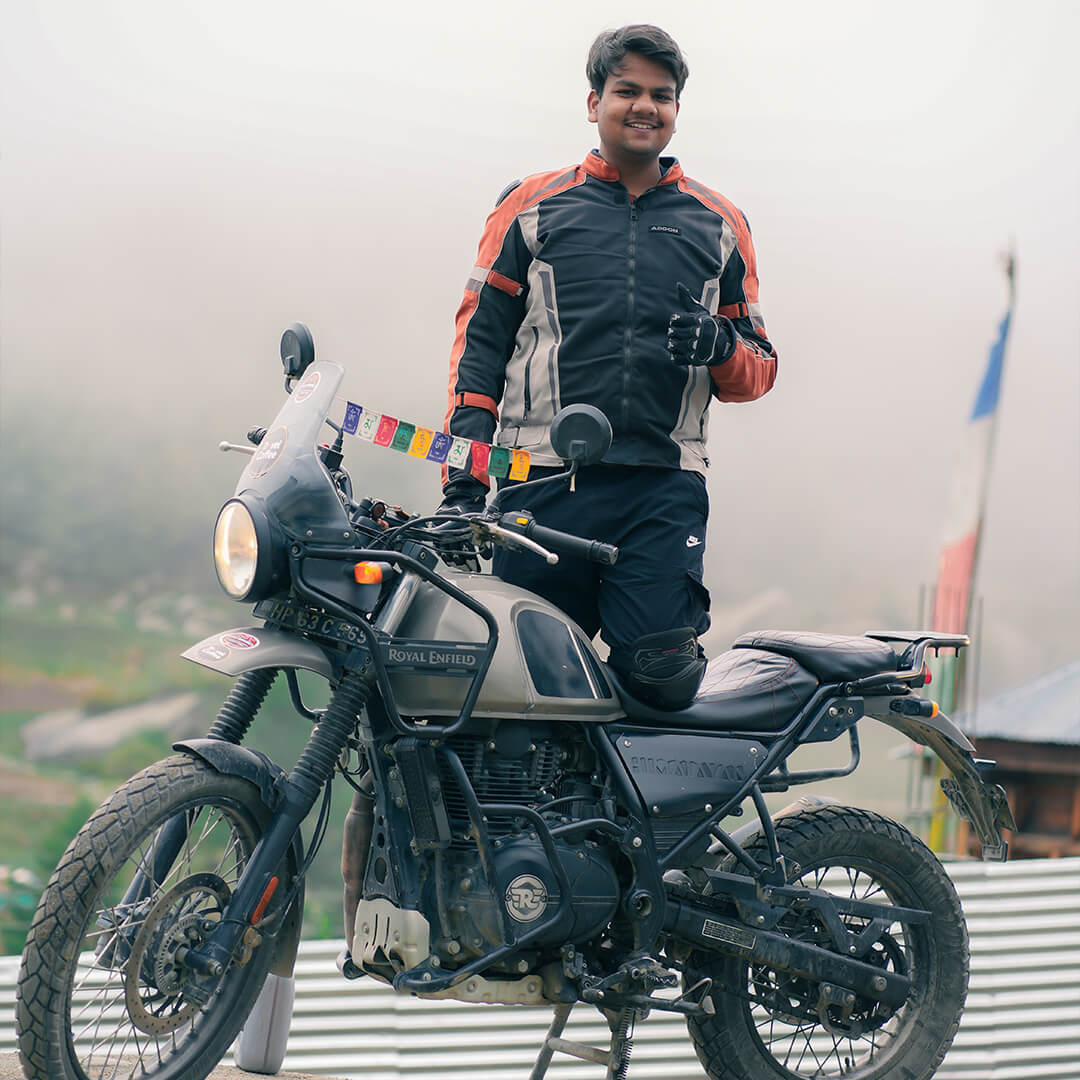
Take the right vehicle. High clearance, mechanically sound, checked before you leave rather than in Kaza. The Manali side will find every weakness you have been ignoring all year.
Water crossings, loose gravel, broken surfaces and, late in the month, black ice in the shade. That is what the Gramphu, Batal, Kunzum and Chandratal stretch throws at you.
Start early, every day. Water crossings are usually lower in the morning before the day's melt comes down, and an early start means a delay costs you daylight rather than your night.
Carry spares you actually know how to use. A tube you cannot fit is decoration. Be honest about what you can manage at the roadside.
Refuel whenever a reliable opportunity appears rather than when the gauge tells you to, and do not plan around distances between pumps you read somewhere. Download maps offline before you leave the last town with signal, because coverage is inconsistent.
Bikers, same rules with less metal around you. Cold at Kunzum with wind chill at riding speed is a different category from cold you feel standing still.
Where Should You Stay in September?
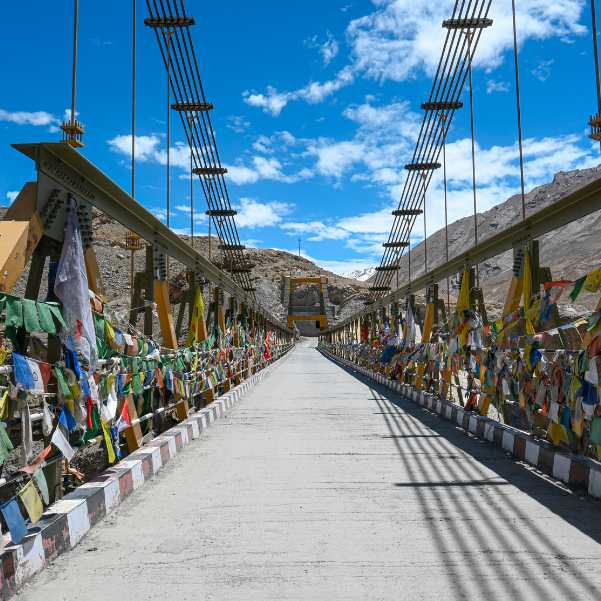
The overnight stops do real work. Nights in Kinnaur, Tabo and Kaza break up the driving and step you up the altitude gradually, which is the entire point of the Shimla route.
Homestays and hotels both have their place. A homestay in a Spiti village gives you food from the family kitchen, a conversation you will remember, and probably a bucket of hot water rather than a shower.
A hotel in Kaza gives you a reliable room, attached bathroom and heating that works. Neither is better. In our experience the best version is a mix: hotels where you need the rest, homestays where you want the place.
Chandratal accommodation is seasonal camping, positioned away from the immediate lakeshore, and it comes and goes with the weather.
Travelling late in September, confirm three things before you commit. Is the property still operating, is there heating, and are hot water and meals genuinely available. Ask directly. A live listing on a booking site is not confirmation.
How Can You Travel Responsibly in Spiti?
In September 2025, the Cold Desert Biosphere Reserve, which covers Spiti and the high-altitude landscapes around it, joined UNESCO's World Network of Biosphere Reserves. The reported area is approximately 7,770 square kilometres, and it became India's 13th site in the network.
We mention that not as trivia but as a reminder. This is a fragile place with very little capacity to absorb what visitors leave behind.
Carry a refillable bottle. Every plastic bottle you bring in has to go back out on a truck, and often it does not.
Take your waste with you rather than leaving it for a village of a few hundred people. Stay with locally run properties so the money stays here. Ask before you photograph someone's face or home.
And at Chandratal, nothing. No camping beside the water, no fires, no music, no rubbish. It is a lake at over 4,000 metres in a cold desert, and it does not recover from a bad weekend the way a beach does.
Final Verdict: Who Should Visit Spiti in September?
If you want the complete circuit, Chandratal included, and the best odds on the road, go in early September. That is the recommendation we give most often.
If you are comfortable in cold weather, you have travelled at altitude, and a change of route would annoy you rather than ruin you, late September is a fine time to be here. The valley is quiet, the light is superb, and the trade is real cold and real uncertainty.
If your schedule is fixed and a missed flight is a genuine problem, either build a bigger buffer or plan a route that does not depend on Kunzum opening at all.
September is one of our favourite months to be on that road. The dust has settled, the crowds have thinned, and the valley looks like itself again.
Come with the right clothes, an honest sense of what altitude does to people, and a day in hand. The valley will handle the rest.
👉 Need a route that matches your travel dates? Let's plan it together on WhatsApp.
Explore Our Curated Spiti Valley Tours
 Group Tour10D/9N
Spiti Ladarcha Festival Group Tour With Chandratal
1D Sangla•1D Kalpa+3
₹19,999₹25,999SAVE INR 6,000/ person
Related topics
Frequently Asked Questions
Is September a good time to visit Spiti Valley?
Yes, for most travellers. Post-monsoon skies give sharp visibility, crowds thin once the summer holidays end, and the valley looks at its cleanest. The trade is cold nights and less predictable access to Kunzum Pass and Chandratal late in the month. Early September gives the best combination of comfortable days and reliable roads. Late September suits travellers experienced with cold and flexibility about their route.
What is the temperature in Spiti Valley in September?
We will not give you one figure, because the published sources genuinely disagree. One widely quoted travel site puts September at around 8°C maximum and minus 5°C minimum, while specialist guides give warmer ranges for the first half of the month. Both cannot be right for the same place. Check the forecast for your dates 7 to 10 days before travel, and pack for the colder end regardless.
Does it rain in Spiti during September?
Rarely inside the valley. Spiti sits in a rain-shadow region, so the monsoon largely stops at the main range and the valley stays dry. Your approach road is a different story. Kinnaur and Manali both catch rain, and that rain brings rockfall, landslides and repair delays. Check the forecast for the route as well as for Kaza, because a clear week in Spiti is no use if you cannot get there.
Can I see snow in Spiti Valley in September?
Possibly, particularly around the high passes and late in the month. Fresh snow around Kunzum Pass in the last week of September is not unusual, and it can close the pass at short notice. It is not guaranteed, though. Some seasons the pass stays dry and dusty into October. Do not plan the trip around seeing snow, and do not assume you will avoid it. Carry the layers either way.
Is Chandratal Lake open in September?
Often for at least part of the month. The broad season runs from around late May or June to early October, but the real answer depends on snow, road repairs and whether the camps are still operating. Late September is when it gets uncertain, and camps can close with little notice. Confirm both the road and your accommodation close to your travel date rather than relying on the month.
Is the Manali to Kaza road open in September?
It is a seasonal, weather-sensitive road and nobody can guarantee it. As an example of how quickly things move, the official district road-status page marked the Keylong to Kaza road closed on 15 July 2026, in the same season that June reports had announced the Gramphu to Kaza reopening through Kunzum. Check the official page 24 to 48 hours before you travel, and reconfirm with your driver on the morning you leave.
Is early September or late September better?
Early September for most people. Days are more comfortable, the odds on Kunzum and Chandratal being accessible are better, and you can plan the full circuit with more confidence. Late September has its own appeal: fewer travellers, sharper light, a quieter valley. It also brings freezing nights and a real chance the route changes on you. Choose early if the circuit matters, late if the quiet does and you can absorb disruption.
How many days are enough for Spiti in September?
Nine days and eight nights is a realistic starting point for the full circuit from Shimla, and that is how our own trip is built. Ten is better, and the extra day is not for sightseeing. It is a buffer for weather, a closed pass or a delay on the approach road. Anything shorter means skipping Pin Valley and the high villages, or climbing faster than your body would like.
What clothes should I pack?
Thermal base layers, a fleece or light down jacket, and a windproof outer shell. Gloves, warm socks and a cap that covers your ears. Sturdy footwear with grip for the walking at Dhankar and Chandratal. Add strong sun protection, because high-altitude sunlight is fierce even when the air is cold: sunscreen, lip balm, sunglasses. Ordinary summer clothes are not enough, even in the first week, and nights above Kaza go below freezing.
Do I need a permit for Spiti Valley?
Indian citizens generally do not need an inner-line permit for the standard Spiti circuit. Foreign nationals travelling through notified protected areas on the Kinnaur side do need the applicable protected-area permission. We are deliberately not quoting a fee or processing time, because those details need current verification and an outdated number can leave you stuck at a checkpost. Carry government photo identification and photocopies, and reconfirm before you leave.
Can families and senior citizens visit Spiti in September?
Many do. The considerations are the same for both: altitude, cold nights, long driving days and limited immediate medical access. Age by itself is not the deciding factor. Cardiovascular, respiratory and mobility conditions are, and they need a doctor's opinion rather than a blog's. If you go, climb gradually, keep the days relaxed, choose accommodation with reliable heating, and use a private vehicle so you can stop when you need to.
Can I drive my own car to Spiti in September?
Yes, with the right vehicle and the right approach. High clearance and a proper mechanical check before you leave, not once you are in Kaza. The Gramphu, Batal, Kunzum and Chandratal stretch has water crossings, loose gravel, broken surfaces and, late in the month, black ice in the shaded corners. Start early, refuel at every reliable opportunity, download offline maps, and carry spares you know how to fit. Check the official road status first.
More about Lahaul and Spiti
 Lahaul and Spiti
Winter Spiti from Bangalore in 2026-27: Flights, Leave Days & Delhi 4x4 Departures
Planning a Winter Spiti trip from Bangalore in 2026-27? Explore flight options, Delhi pickup points, leave requirements, 4x4 group expeditions, travel costs and a practical itinerary to help you plan your Himalayan winter adventure.
 Lahaul and Spiti
What Does a Winter Spiti 4x4 Trip Really Cost in 2026-27? Package Price vs Total Holiday Budget
Planning a Winter Spiti 4x4 trip in 2026-27? Discover the real travel budget, including package prices, transport, meals, winter essentials and hidden expenses. Learn what your package covers, what costs extra and how to plan your Spiti Valley adventure without unexpected spending.
 Lahaul and Spiti
How Many Leave Days Do You Need for a 9-Day Winter Spiti Trip in 2026-27?
Planning a 9 day Winter Spiti trip in 2026 to 2027 requires careful leave planning, especially for working professionals travelling from cities like Bangalore, Mumbai, Hyderabad and Delhi.