
Spiti Valley Bike Trip In June 2026: Route, Weather, Road Status & Packing Guide
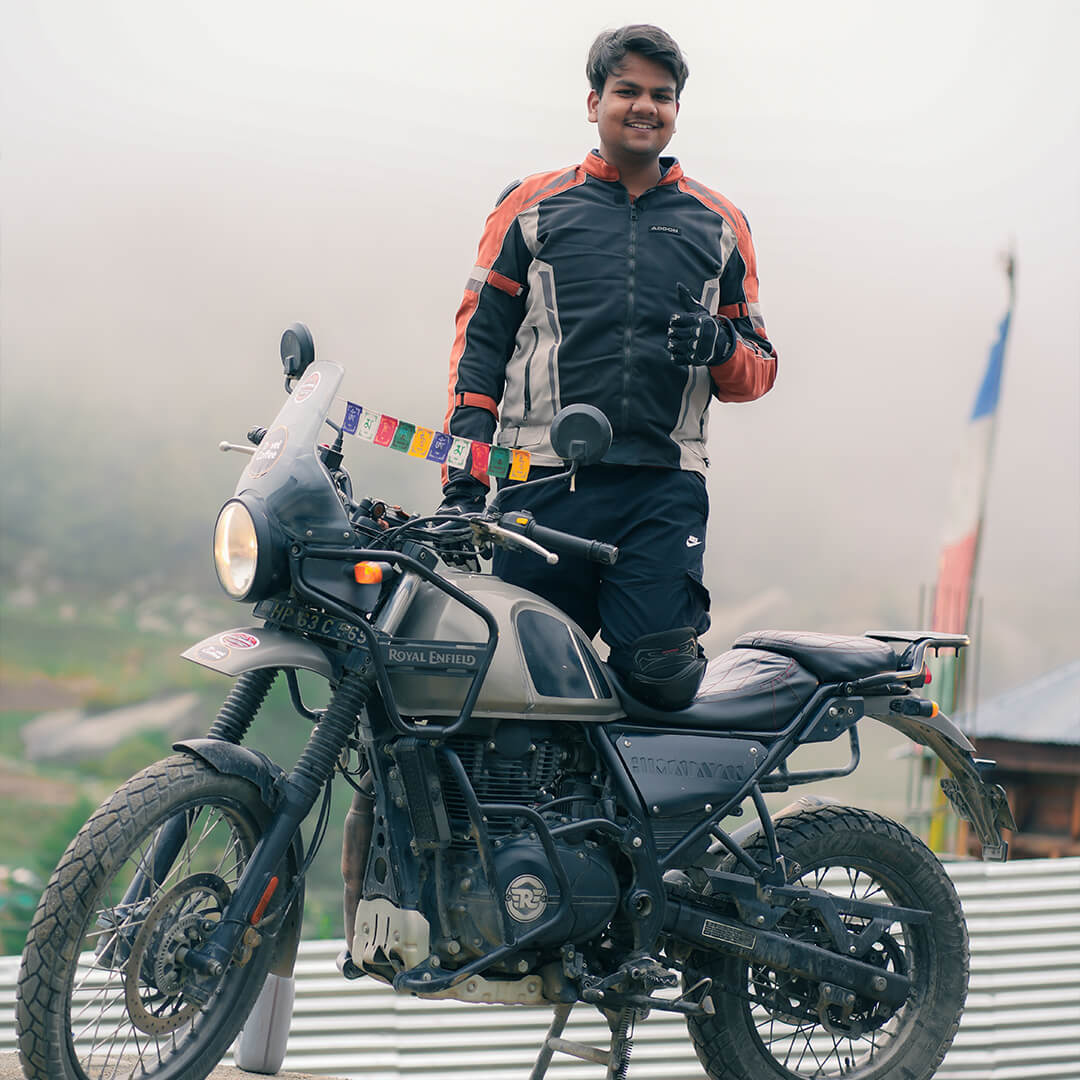
A Spiti Valley bike trip in June 2026 is one of those rides that changes how you think about motorcycling. Not because the roads are great.
They are not. But because everything around you, the empty valleys, the monastery ridges, the cold blue sky at 14,000 feet, makes the rough patches feel like they belong.
June is when the high passes start waking up. Snow walls are still standing near Kunzum. The air smells like wet rock and diesel and pine. And for riders, this is the month when the full Spiti circuit finally becomes possible again after six months of winter lockdown.
But "possible" and "easy" are two very different words up here. This guide by Travel Coffee tells you exactly what June riding in Spiti looks like in 2026. Which roads are open, which are still risky, what to carry, what to skip, and how to plan a trip that does not fall apart at Batal.
Quick Answer: Is a Spiti Valley Bike Trip in June 2026 Worth Booking?
June is one of the strongest months for a Spiti bike trip. High passes begin opening after winter, the days are long, and the landscape still carries the drama of snow on the peaks.
Mid to late June is safer than early June for Kunzum Pass, Chandratal, and the Manali exit. Early June is exciting but unpredictable. One snowfall can block a freshly opened pass for days.
We always recommend entering from the Shimla side and exiting via Manali for better acclimatisation and route flexibility. This way your body adjusts gradually, and you hit the toughest passes only after a few days at altitude.
>>WhatsApp us to book June Spiti Bike Departures With Travel Coffee
Why Is June One of the Best Months for a Spiti Bike Trip?
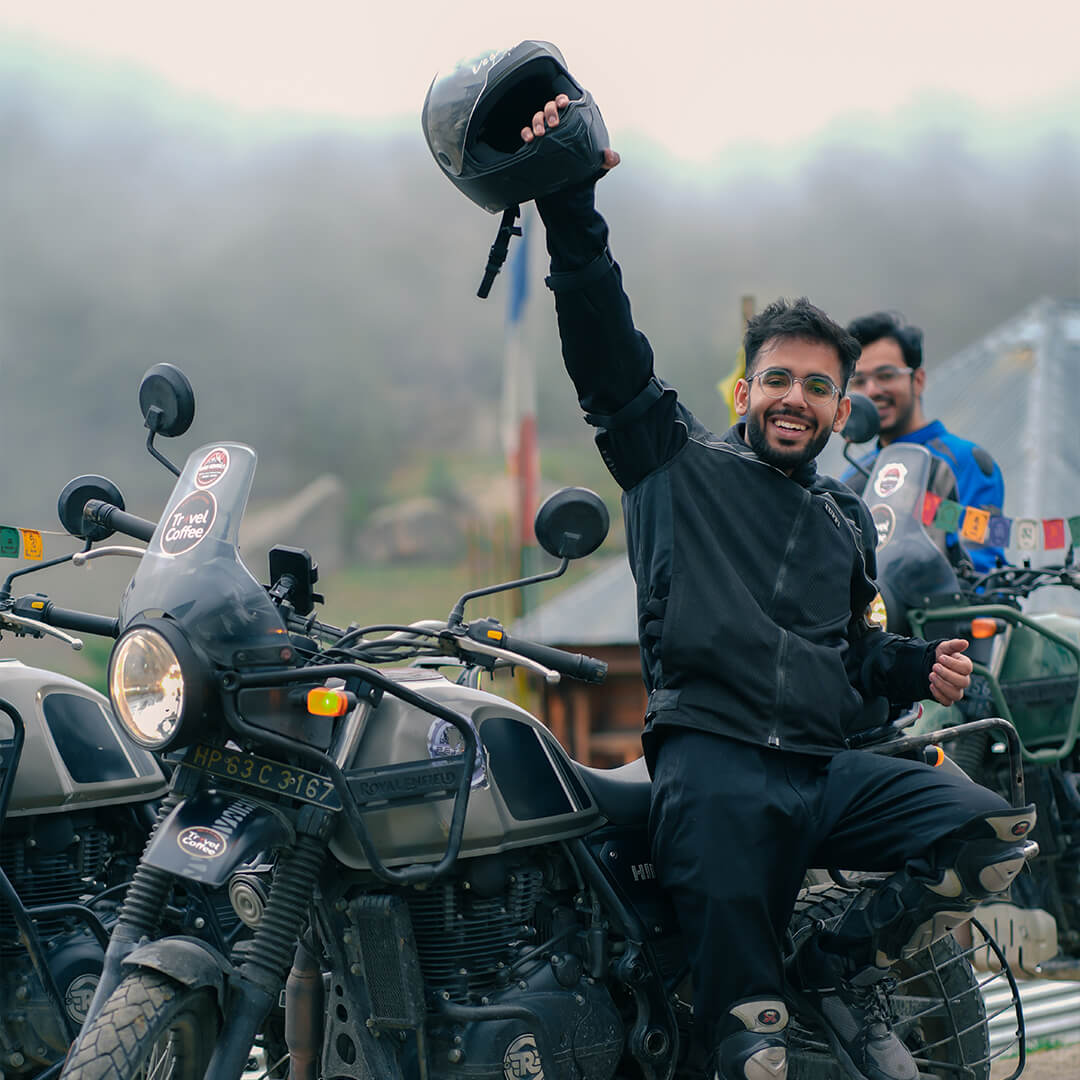
Riders search heavily for June Spiti trips because it sits in a sweet spot between two problems. May is too early. Passes are either closed or freshly cracked open, and conditions change by the hour.
July and August bring monsoon disruption on the approach roads, especially between Manali and Gramphu, where landslides and water crossings can eat half your riding day.
June avoids both extremes. Snow has started clearing from the high passes. Days are long, giving you more riding daylight. The high villages like Hikkim, Komic, and Langza become easier to reach once the connecting roads dry out.
And then there is Chandratal. For most riders, this is the emotional high point of the circuit.
A crescent shaped lake at over 4,300 metres that you can only reach once the diversion road from Batal stabilises. By mid to late June, that access becomes a realistic plan rather than a gamble.
What most riders get wrong is treating all of June equally. The first week and the last week of the month can feel like completely different seasons up here. We will break that down in detail below.
What Is the June 2026 Road Status for Kunzum, Chandratal and Manali to Kaza?
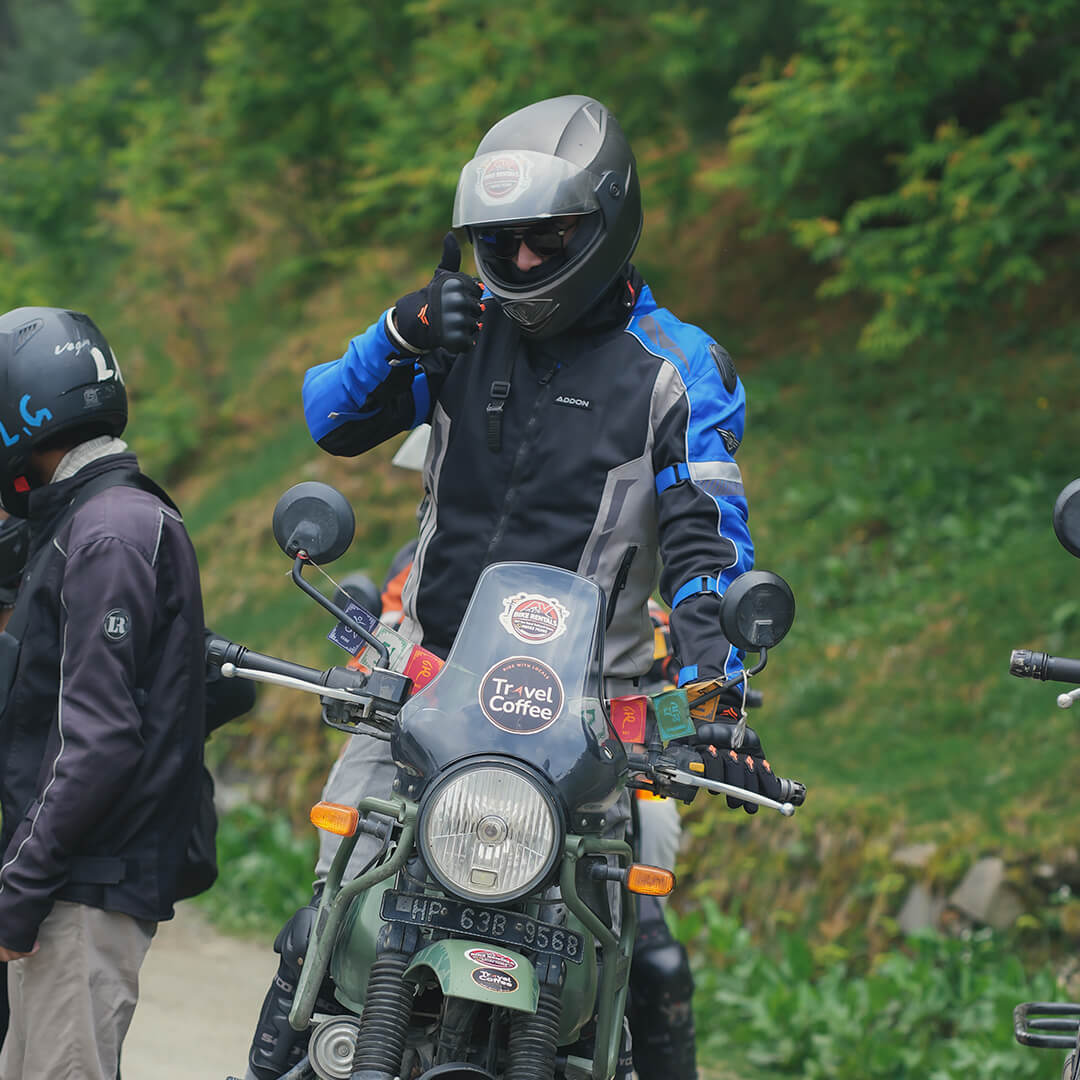
This is the section that matters most. Everything else in your trip depends on which roads are actually open.
As of 20 May 2026, BRO reopened the Sumdo to Kaza to Gramphu highway via Kunzum Pass for light 4x4 vehicles after more than six months of closure. The route had been blocked beyond Gramphu since the first week of November after heavy snowfall.
That is the good news. The reality check: some stretches remain slippery during morning and evening because of melting snow. Restoration work is still continuing at vulnerable points. Heavy vehicles will only be allowed after full restoration and safety measures are complete.
Here is where it gets tricky. The official Lahaul and Spiti district road status page was last updated on 20 March 2026 and still showed Keylong to Kaza as closed.
That means there is a stale source conflict. The BRO announcement says open, the district page says closed, and neither has been cross confirmed as of this writing.
What this means for your trip
Verify the road status again 24 to 48 hours before departure. Do not rely on a single source. Check the BRO social media handles, call a local taxi operator in Kaza or Manali, and look at recent posts in Spiti travel groups.
In our experience running these trips every June, the ground reality is always more current than any government website.
Early June vs Mid June vs Late June: Which Dates Are Safest?
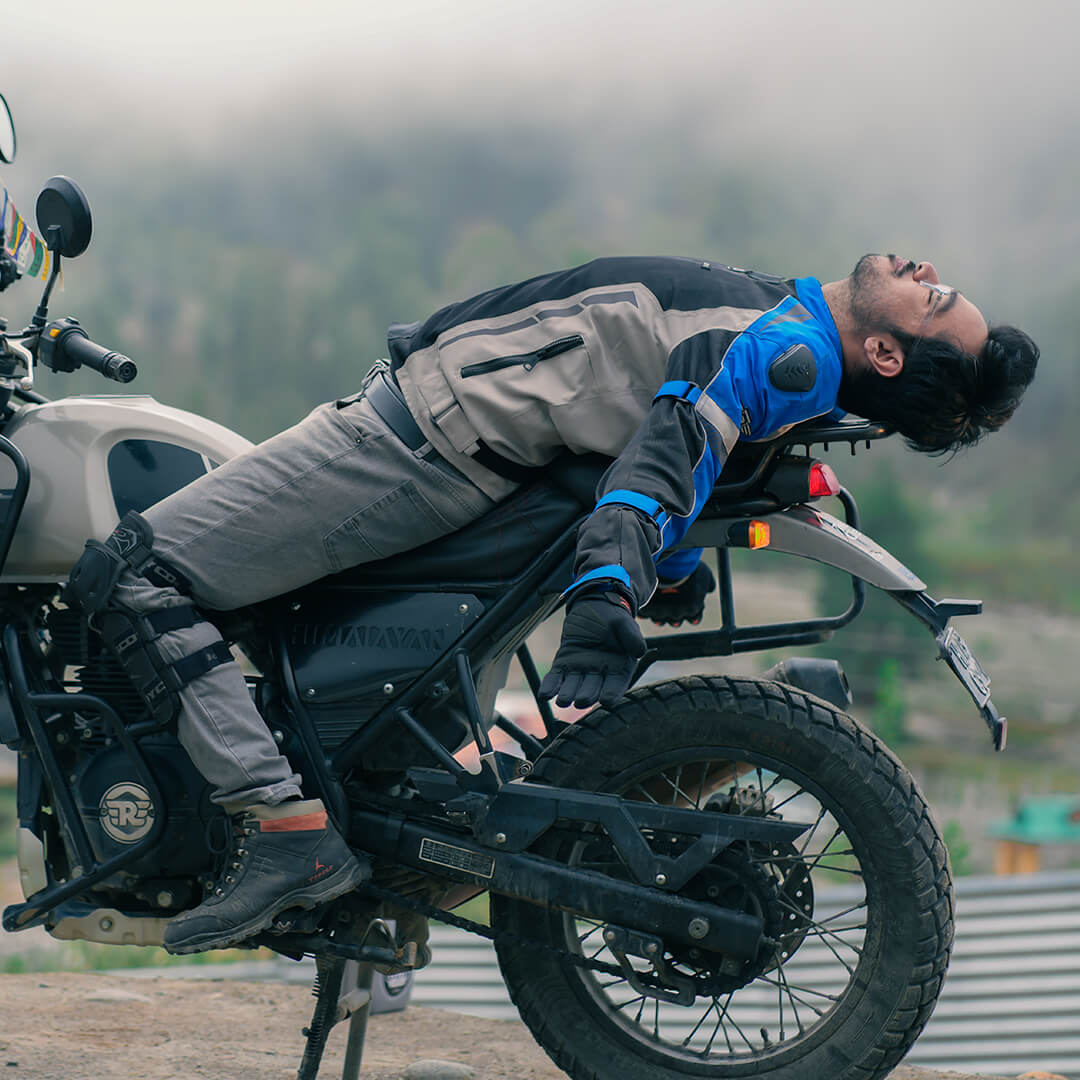
Early June
Early June can be exciting but risky. Roads may be freshly opened. Wet, broken, narrow, and still being patched by BRO crews. Kunzum might technically be passable, but that does not mean it is comfortable or safe for bikes. Chandratal access may still need same day verification.
If you ride in early June, carry an extra buffer day and be ready to change your route if a pass is temporarily shut. This window suits experienced riders who genuinely enjoy uncertainty.
Mid June
Mid June is usually better. The roads have had a couple of weeks to settle after initial clearance. More riders and vehicles have passed through, which means problem spots get reported and fixed faster. Camps near Chandratal start getting operational.
But mid June is still not a guarantee. We have seen years where a late snowfall around June 12 or 13 blocked Kunzum again for two days. Keep a buffer day. Stay flexible.
Late June
This is the strongest window in June for most riders who want Kunzum, Chandratal, and the Manali exit. Roads have dried out. Camp operators are fully running. The circuit feels complete.
Late June also gives you the most reliable daylight and the warmest daytime temperatures of the month, which makes water crossings and high altitude riding less punishing on the body.
If you are booking leave and need to pick specific dates, the last ten days of June give you the best odds. That is what we tell every rider who asks us.
Which Route Is Best for a June Spiti Bike Trip?
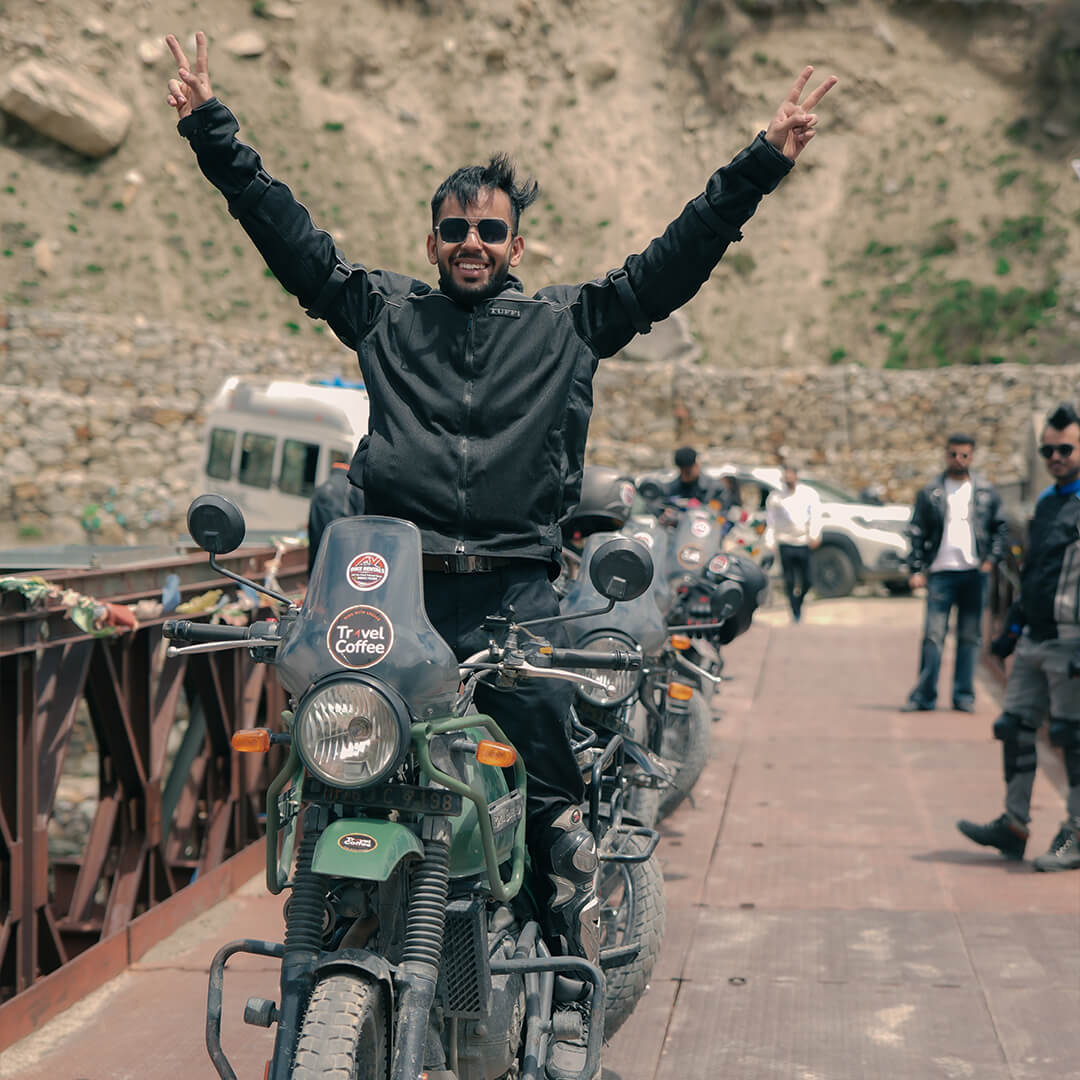
The smartest route for a June Spiti bike trip is Shimla to Kinnaur to Kaza as your entry, and Kaza to Kunzum to Chandratal to Manali as your exit.
The Shimla side does not depend on any high altitude pass opening. You climb gradually through the Sutlej valley, gaining altitude over two to three days.
By the time you reach Kaza at about 12,500 feet, your body has had time to adjust. This matters more than most riders think. Altitude headaches and nausea can ruin a riding day faster than a bad road.
The Manali side is kept for the exit because it depends on Kunzum Pass, which may or may not be stable in early June.
By exiting via Manali at the end of your trip, you give Kunzum more calendar days to settle. And if it is still blocked, you simply reverse out through the Shimla route without losing the core Spiti experience.
Starting from Manali in early June is the riskier play. You combine sudden altitude gain (from about 2,000 metres in Manali to 4,551 metres at Kunzum in a single day) with rough road uncertainty on the Gramphu to Batal stretch.
We have seen riders turn back from Batal because conditions were too rough and they had no backup plan.
If you are exploring Spiti Valley Bike trip options, enter from Shimla. If you want to start with a couple of days in the mountains first, our Manali packages work well as a warm up before the Spiti leg.
Recommended 9 Day Spiti Bike Trip Itinerary for June 2026
Here is the itinerary flow that we have found works best for June riders. It gives you time to acclimatise, accounts for road delays, and keeps Chandratal flexible rather than locked in.
Day 1
Day 1 is your arrival day, either in Shimla or Chandigarh depending on where you are starting. Use this day for bike checks, riding gear review, document verification (licence, RC, insurance, pollution certificate), and rest. Do not ride. Your body and bike both need to be ready for what comes next.
Day 2
Day 2 takes you from Shimla towards Narkanda or Rampur. This is a beautiful warm up ride through apple orchards and pine forests. The roads are good, the altitude is moderate, and you get a feel for mountain curves without the pressure of bad terrain.
Stop for rajma chawal at one of the dhabas between Narkanda and Rampur. That is the last stretch of genuinely reliable food options for a while.
Day 3
Day 3 pushes you deeper into Kinnaur. Depending on your pace and energy, you can reach Chitkul (the last village before the border) or Kalpa (with its views of the Kinner Kailash range). The road quality starts dipping here, but the views get dramatically better.
Day 4
Day 4 is a long ride through Nako, Tabo, or all the way to Kaza depending on road conditions and how your body is handling the altitude.
Tabo Monastery is worth a stop even if you are not into history. The silence inside those 1,000 year old walls does something to you after hours of engine noise.
Day 5
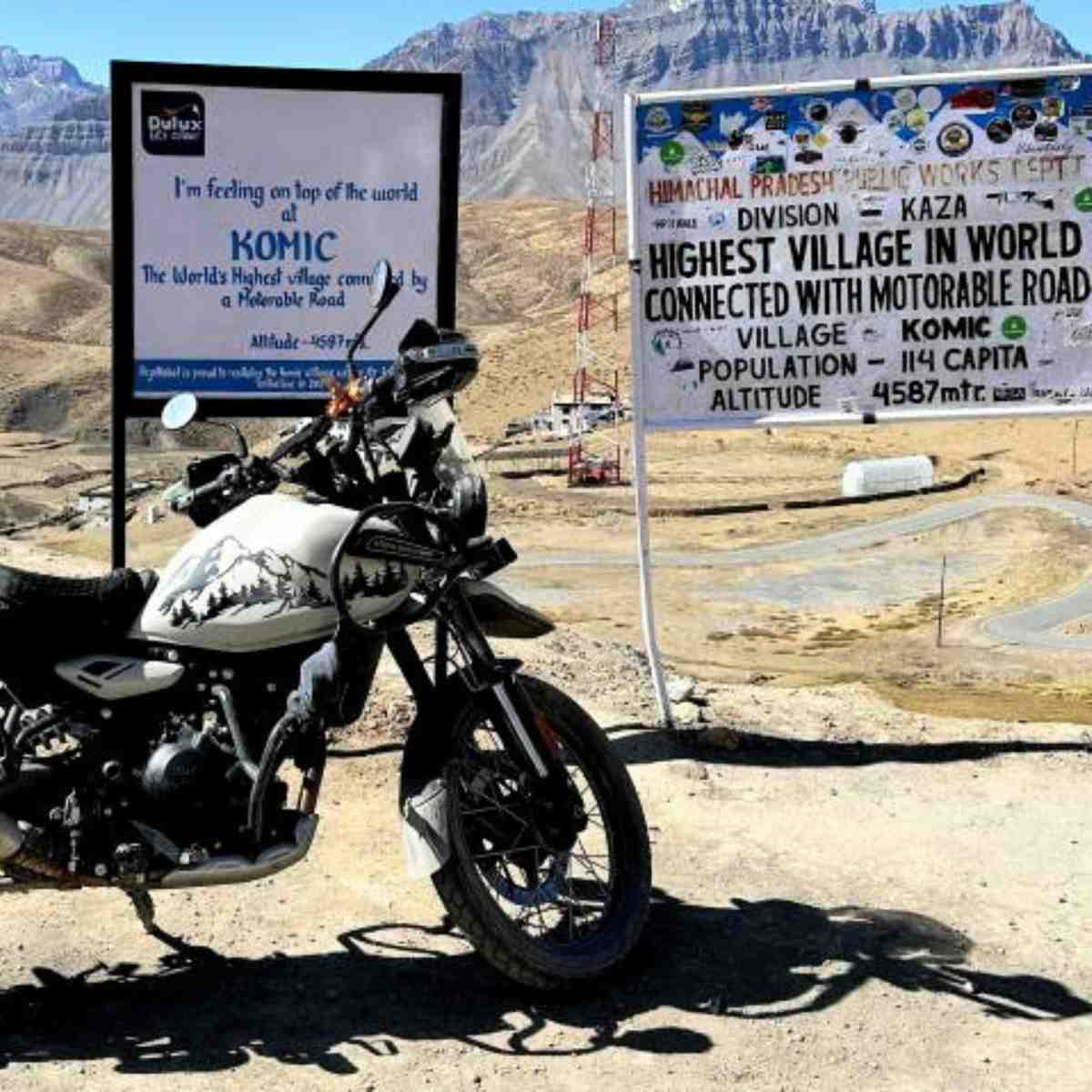
Day 5 is the Kaza local circuit. This is the day riders remember most. You hit Key Monastery, Chicham Bridge, Hikkim (the world's highest post office, and yes, you can actually send a postcard), Komic, and Langza with its fossil rich hillsides.
These are short rides between villages, so you are not exhausted, and the stops are worth every minute.
Day 6
Day 6 gives you Pin Valley, Dhankar, or the Tabo side if you missed it earlier. Or use it as a buffer day in Kaza. Rest, fix any bike issues, eat well, and let your body recover.
In our experience, riders who take this buffer day enjoy the rest of the trip twice as much. Skipping rest at altitude always costs you later.
Day 7
Day 7 is the big one: Kaza to Chandratal, if the road is open. If it is not, you stay in Kaza or ride to Losar and wait for an update. Do not force Chandratal if the diversion road is closed or unstable. A day trip to Kunzum Pass for the views is a solid backup.
Day 8
Day 8 takes you from Chandratal to Manali via Batal, Chhatru, Gramphu, and the Atal Tunnel. This is a long, hard riding day.
Expect 7 to 9 hours of actual ride time on some of the roughest road in the entire circuit. Start at first light. The stretch from Batal to Gramphu is where most breakdowns and delays happen.
Day 9
Day 9 is departure from Manali or a buffer day if you got delayed earlier. Trust us. You will want this buffer. We have never had a June trip where everything went exactly to plan.
If you want someone to handle the logistics while you focus on riding, our Chandratal Spiti circuit package follows a similar flow with built in flexibility and backup planning.
What Weather Should Riders Expect in Spiti in June?
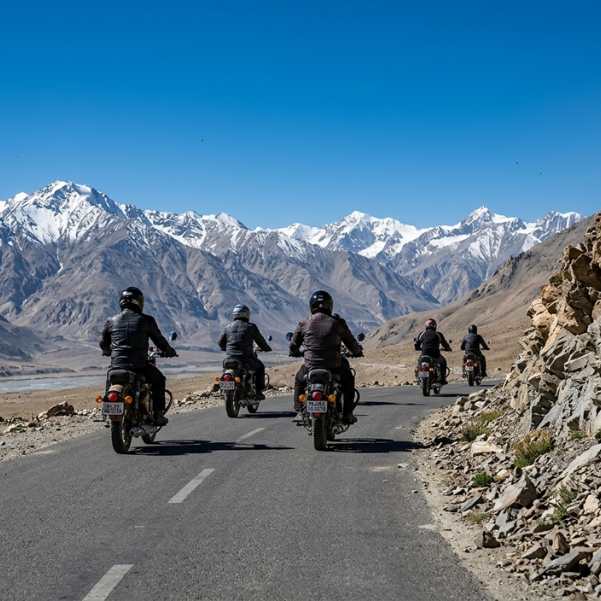
Here is the honest truth: exact June temperatures in Spiti vary wildly depending on which source you read and which altitude you are at.
What we can tell you from sending riders here every June is this: days feel sunny and manageable when you are at lower elevations like Kaza or Tabo. The sun is strong. You might ride in a T-shirt under your jacket at noon.
But mornings before 8 AM are cold. Evenings after sunset are colder. Kunzum Pass and Chandratal at over 4,300 metres feel like a different season entirely.
Your fingers go numb inside gloves, your face burns from wind, and you can see your breath at 2 PM if a cloud covers the sun.
UV radiation at this altitude is intense. You will burn through sunscreen faster than you expect. Dust is constant on the unpaved stretches. Wind chill makes a 10°C afternoon feel like zero. And sudden cloud cover can drop visibility and temperature in minutes.
Pack for both extremes on the same day. You will need sun protection at noon and full thermals by 7 PM.
What Are the Toughest Road Sections in June?
Not every road in Spiti is tough. But the tough ones are genuinely tough, and June makes some of them worse because of snowmelt.
Gramphu to Batal
Gramphu to Batal is the stretch that breaks the most spirits and the most motorcycles. The road is unpaved, full of rocks, water crossings, and loose gravel. In June, snowmelt adds streams across the road that were not there in September.
What looks like a puddle can be a foot deep channel with slippery rocks underneath. In our experience, this single 50 km stretch takes longer than some riders expect for a full 200 km day.
Batal to Kunzum
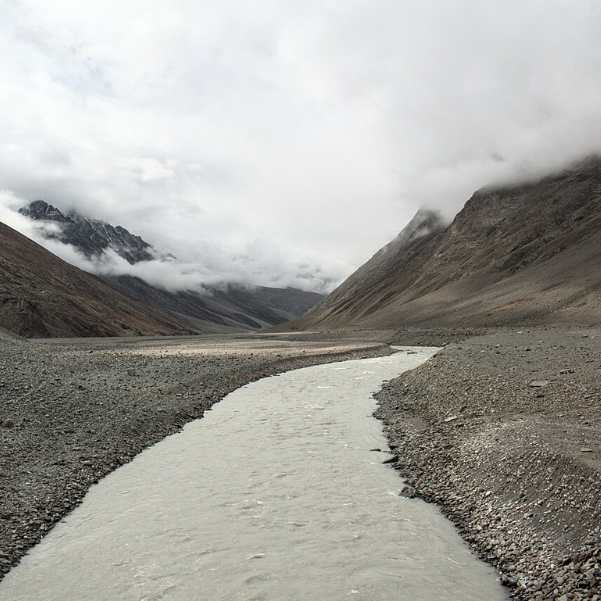
Batal to Kunzum continues the punishment. The road climbs steeply, and early June mornings can have ice patches that are invisible until your tyre hits them. Ride this section after 9 AM when the sun has had time to melt the surface ice.
Chandratal diversion road
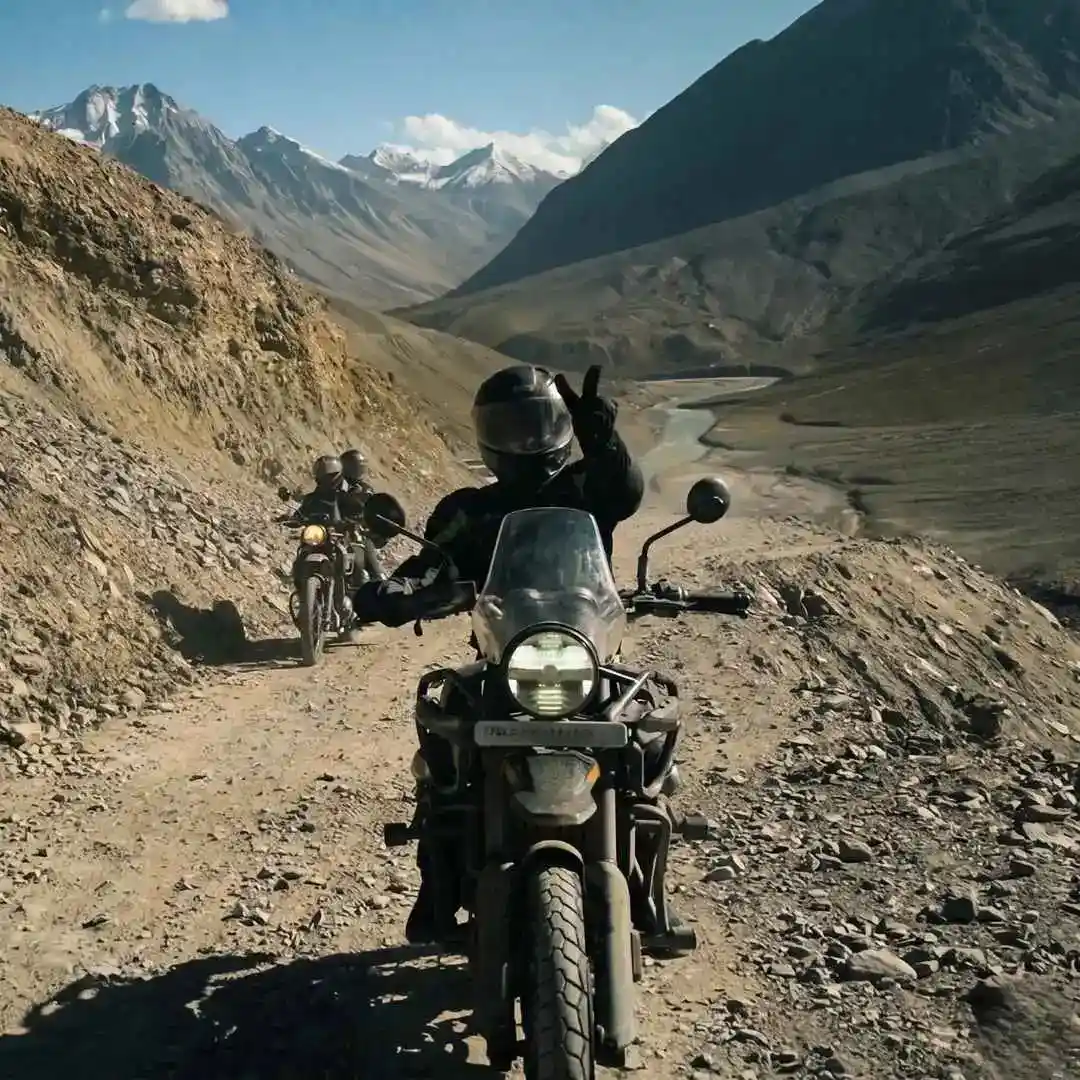
The Chandratal diversion road from the main highway is about 14 km of dirt track. Loose gravel, sharp turns, and no barriers on the cliff side. In June, this road may still have soft shoulders from melting snow. Go slow. Very slow.
Kinnaur rockfall zones
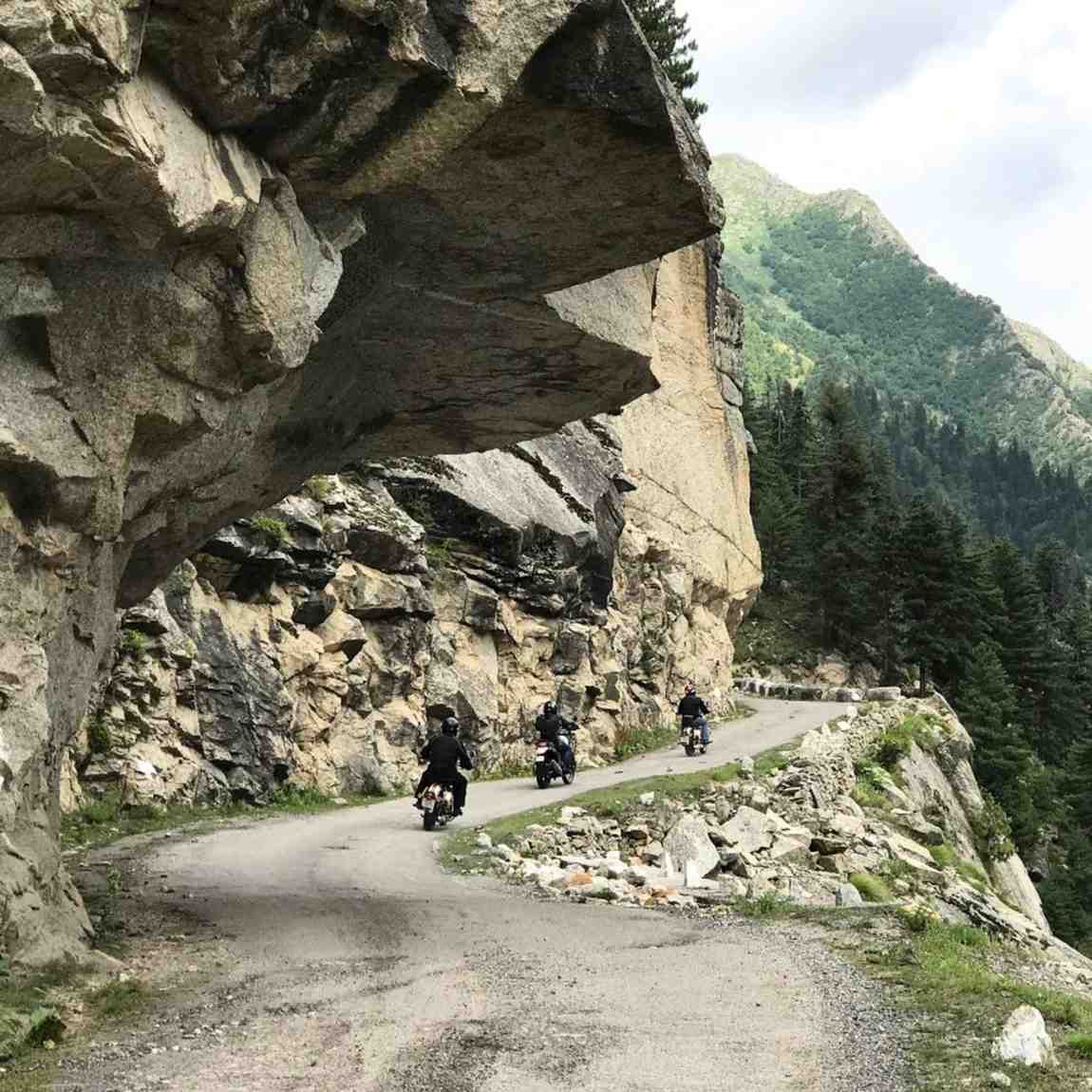
Kinnaur rockfall zones between Tapri and Reckong Peo are active year round but especially unpredictable in June when frozen ground starts thawing. Rockfalls here can block the road for hours. Start early to minimize your time in these zones during peak afternoon thaw.
Losar approach
The Losar approach from Kaza is relatively easier but still demands attention. Broken patches, water runoff across the road, and the occasional herd of yaks that will not move for your horn.
One thing we tell every rider: "open road" does not mean "smooth road." In June, it means passable with effort, patience, and a bike that is in good shape.
Is Chandratal Open and Safe for Bikes in June 2026?
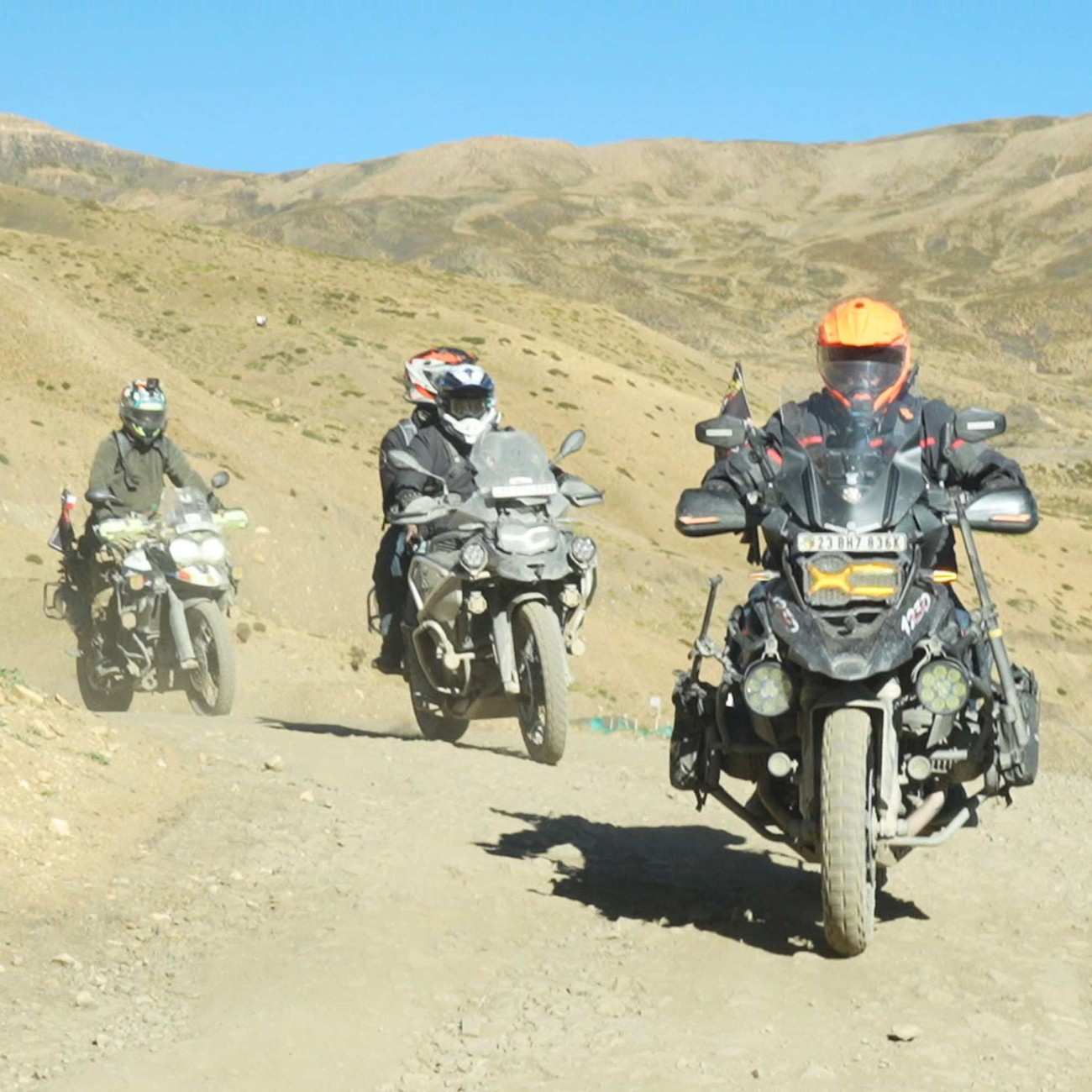
Chandratal access depends on two things: Kunzum Pass being open and the diversion road from Batal being stable enough for vehicles. As of 20 May 2026, Kunzum has reopened for light vehicles, which is a good sign. But the diversion road needs separate confirmation.
Kunzum Pass sits about 21 km from Chandratal. Even after Kunzum opens, the diversion can remain blocked for days because of its own snow clearance schedule.
Many riders reach Kunzum thinking Chandratal is guaranteed, and then find the last stretch closed. Always confirm the diversion road status separately.
One important permit note
e-Aagman says vehicles entering Lahaul and Spiti need an e pass. The Atal Tunnel to Rohtang to Koksar to Chandratal circuit needs a separate e-permit per vehicle. Sort this before you ride. Do not assume you can get it at a checkpoint.
For the full picture on Chandratal timing, road status, and camping conditions, our Chandratal opening dates 2026 guide has everything laid out month by month.
And if you are confused about whether Chandratal falls in Lahaul or Spiti (it matters for route planning), we have covered that separately.
Riding a bike to Chandratal in June is doable if the road is open. But it is not a casual ride. The last 14 km rattles your bones. Go slow, keep your luggage tight, and ride only in daylight.
Which Bike Is Best for a June Spiti Bike Trip?
We are not going to tell you one specific bike is "best." What matters far more than the brand name is whether your bike is freshly serviced, reliable, and suited for the terrain.
Good tyres with fresh tread are non-negotiable. Healthy brakes that do not fade on long descents. A clutch that responds cleanly because you will be feathering it for hours on loose gravel.
Chain properly tensioned and lubed. Suspension that can handle rocks without bottoming out. Lights that actually work for the rare stretch where you ride past sunset.
Bikes like the Royal Enfield Himalayan, Hero Xpulse, Classic 350, or Meteor are commonly seen on this route and handle it well when maintained. But we have also seen riders on well maintained Pulsars complete the circuit without drama.
What kills bikes in Spiti is not the brand. It is overloading. A bike weighed down with two large saddlebags, a tank bag, a backpack bungee corded on top, and a pillion rider is a bike that will struggle on every water crossing and gravel patch.
Pack light. Balance the weight evenly. And if you are carrying a pillion, make sure both of you are experienced enough for bad road riding. This is not the trip to learn.
Skip the paid "viewpoint" parking that some locals set up near Chandratal. The same view is free from the main trail. Save that ₹100 for chai at the Batal dhaba.
The momos there are the last proper hot meal before the lake, and the guy running it has been there every season from June to September.
Want a properly planned June Spiti bike trip without worrying about stays, fuel stops, or road timing? Have a look at our Spiti bike tour options here: Travel Coffee Himachal Bike Tours
Packing Guide for Spiti Bike Trip in June
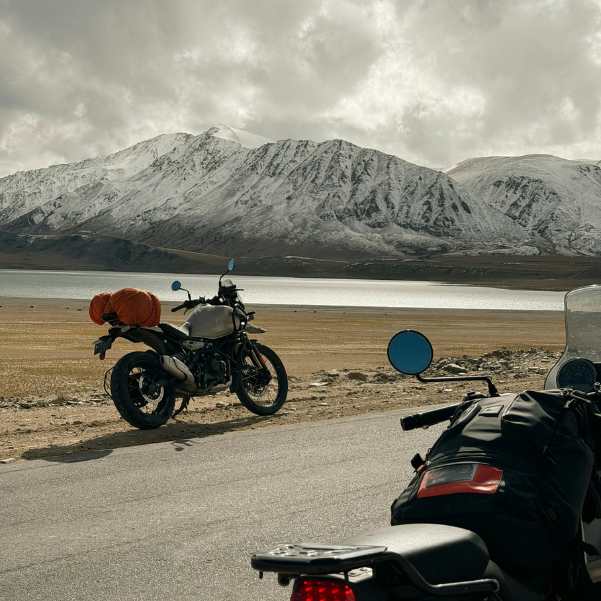
Packing for a Spiti bike trip in June is about layering for contradictions. You will face melting snow, cold mornings, water crossings, dust storms, strong sun, and long riding days. Sometimes all on the same day.
Start with protection. A proper riding helmet (full face, not half), a riding jacket with armour, riding gloves with knuckle protection, knee guards, and riding boots that cover your ankles and grip wet rock. Do not ride in sneakers. One water crossing in sneakers and your feet are cold for the rest of the day.
Under the jacket, think layers. Thermals (top and bottom) for mornings and evenings. A fleece mid layer for when the sun disappears. A neck warmer or balaclava for passes.
Wind at Kunzum cuts through everything. A rain layer that you can pull on fast because June showers near Gramphu come without warning.
For your luggage, use waterproof saddlebags or dry bags. Bungee cords to secure anything on top. Do not let loose items dangle. They catch on things at the worst moments.
Carry basic spares: clutch and brake levers, a spare tube or puncture kit, chain links, basic tools, electrical tape, and zip ties. A small bottle of chain lube.
If you are on a guided trip, the backup vehicle carries most of this, but solo riders need to be self-sufficient between towns.
Medicines matter more than people think at this altitude. Paracetamol, ORS packets, anti nausea tablets, band aids, antiseptic cream, and any personal prescriptions.
Our team always recommends carrying a thermos of ginger tea from Manali. At 14,000 feet, a warm drink does more for altitude adjustment than any tablet you will find at a chemist.
Sunscreen with SPF 50+ and UV blocking sunglasses are not optional. The sun at altitude burns faster than you expect, even on cloudy days. Lip balm with SPF saves you from cracked, bleeding lips by day three.
A fully charged power bank (there is no reliable charging at most camps). Offline maps downloaded before you lose signal. Cash in small denominations because ATMs do not exist on most of this route, and dhabas do not accept UPI when there is no signal.
Carry your photo ID, driving licence, RC, insurance, and pollution certificate in a waterproof pouch. Keep digital copies on your phone as backup.
>>WhatsApp us to book June Spiti Bike Departures With Travel Coffee
Permits, Documents, Fuel, Network and Cash
Permits and Documents
The permit situation for Spiti confuses most riders because there are actually multiple permits depending on your route, nationality, and which areas you enter.
e-Aagman requires vehicles entering Lahaul and Spiti to have an e-pass. The Atal Tunnel to Rohtang to Koksar to Chandratal circuit needs a separate e-permit per vehicle.
Other locations need an e-ticket per vehicle. Sort all of this online before departure. Do not show up at a checkpoint without the right pass. They will turn you back.
Foreign nationals need permits for certain protected areas in Kinnaur and Spiti. The Lahaul and Spiti district foreigner section lists Khab, Samdo, Dhankar, Tabo, Gompa, Kaza, Morang, and Dubling among protected areas requiring permits.
The relevant authorities for issuing these are the DM Lahaul and Spiti at Keylong, SDM Spiti at Kaza, and SDM Lahaul at Keylong. If you are a foreign rider, get this sorted well in advance. Same day permits are not reliable.
Indian riders should carry photo ID, driving licence, RC, insurance, and pollution certificate. Keep offline digital copies of everything. If you lose the originals in a river crossing, the copies save you from a nightmare at checkpoints.
Fuel
Fuel is the one thing that catches overconfident riders. Top up fully in Manali before entering the circuit. Kaza has fuel stations, but availability can be inconsistent. Do not casually depend on getting fuel at remote stretches between towns.
Carry a spare fuel can if your bike's tank range is under 300 km. The Kaza to Manali stretch after the Atal Tunnel reopening is nearly 225 km, and you will burn more fuel at altitude on rough roads than your bike's rated mileage suggests.
Network
Mobile network drops off a cliff once you pass Reckong Peo on the Shimla side or Sissu on the Manali side. BSNL has the best chance of catching a faint signal in Kaza and a few spots along the route.
Jio and Airtel are essentially useless through most of Spiti. Download offline maps, inform family about your plan before you lose signal, and do not count on making calls from Chandratal.
Cash
Cash in small denominations is essential. ATMs are scarce and unreliable. Dhabas, camp operators, and local mechanics work on cash. Carry enough for the entire trip from Shimla onward.
Also worth knowing
Plastic bags are banned in Himachal Pradesh. Carry a cloth bag or reusable bags for any shopping you do along the route.
Should Beginners Book a Guided June Spiti Bike Trip?
June is not impossible for beginners. But it is not a casual hill ride either. The altitude, the road quality, and the distance between help points make June Spiti a serious riding commitment.
A guided group trip helps with things that solo beginners underestimate. Route calls when a road is blocked and you need an alternate plan. Stay changes when a camp is not operational.
A backup vehicle that carries your heavy luggage and doubles as rescue if your bike breaks down. A mechanic who knows these bikes and these roads. Riding discipline in a group so nobody gets separated on a stretch with no phone signal.
Medical checks at altitude stops. Local road updates that only someone based here would have. And Chandratal fallback planning when the diversion road decides to close the night before your visit.
In our experience, the riders who enjoy Spiti the most are not always the most skilled. They are the best prepared. And a guided trip is the fastest shortcut to being prepared without spending months researching every stretch of road.
Travel Coffee is a local Himachal team based in Shimla. We are not a booking platform that resells someone else's trip. Our team drives and rides these routes every season. When we say a road is open or closed, it is because one of our people was on it yesterday.
Why Book June Spiti Bike Departures With Travel Coffee?
We built our Spiti trips around one idea: what actually works on the ground, not what looks good on a brochure.
Our team tracks road status daily through BRO updates, local contacts, and our own drivers on the route. We plan the route flow to keep your body adjusting gradually instead of shocking it with sudden altitude.
We keep Chandratal flexible in every June itinerary. It goes in the plan when the road confirms, not before. And we help riders avoid poor date choices that waste leave days on closed passes.
We have sent hundreds of riders on this circuit. The ones who come back happy are the ones whose trips had enough flexibility built in. That is what we focus on.
For solo women riders considering this trip, we have a detailed Spiti solo female safety guide that covers the real concerns honestly. And if you are planning a rest stop on the Manali side before or after the circuit, Sissu is a solid choice. Quiet, scenic, and well positioned.
Explore Our Curated Spiti Bike Trips
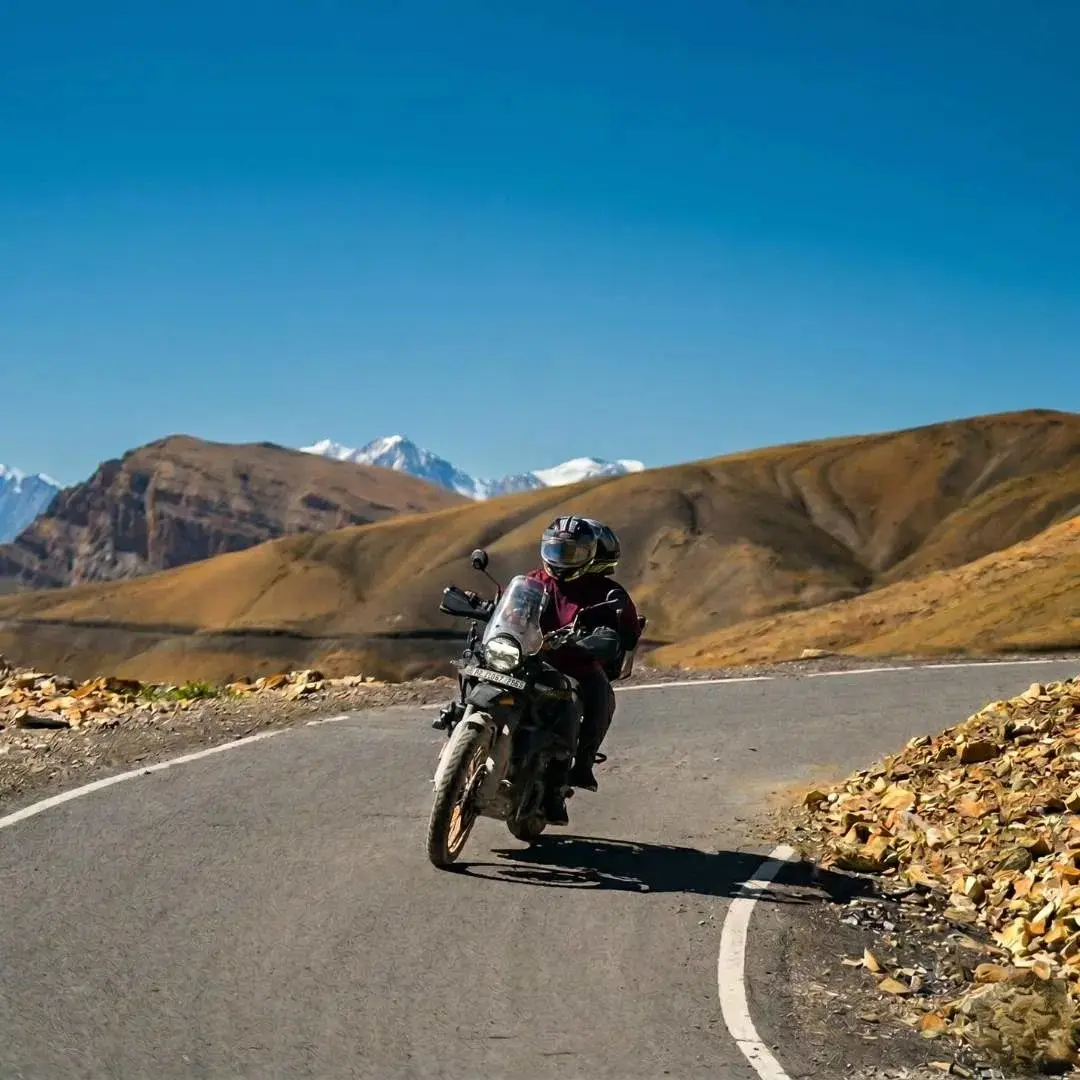 Group Tour11D/10N
Ultimate Spiti Valley Bike Expedition With Chandratal and Pin Valley
1D Narkanda•1D Sangla / Baspa Valley+5
₹32,999₹39,999SAVE INR 7,000/ person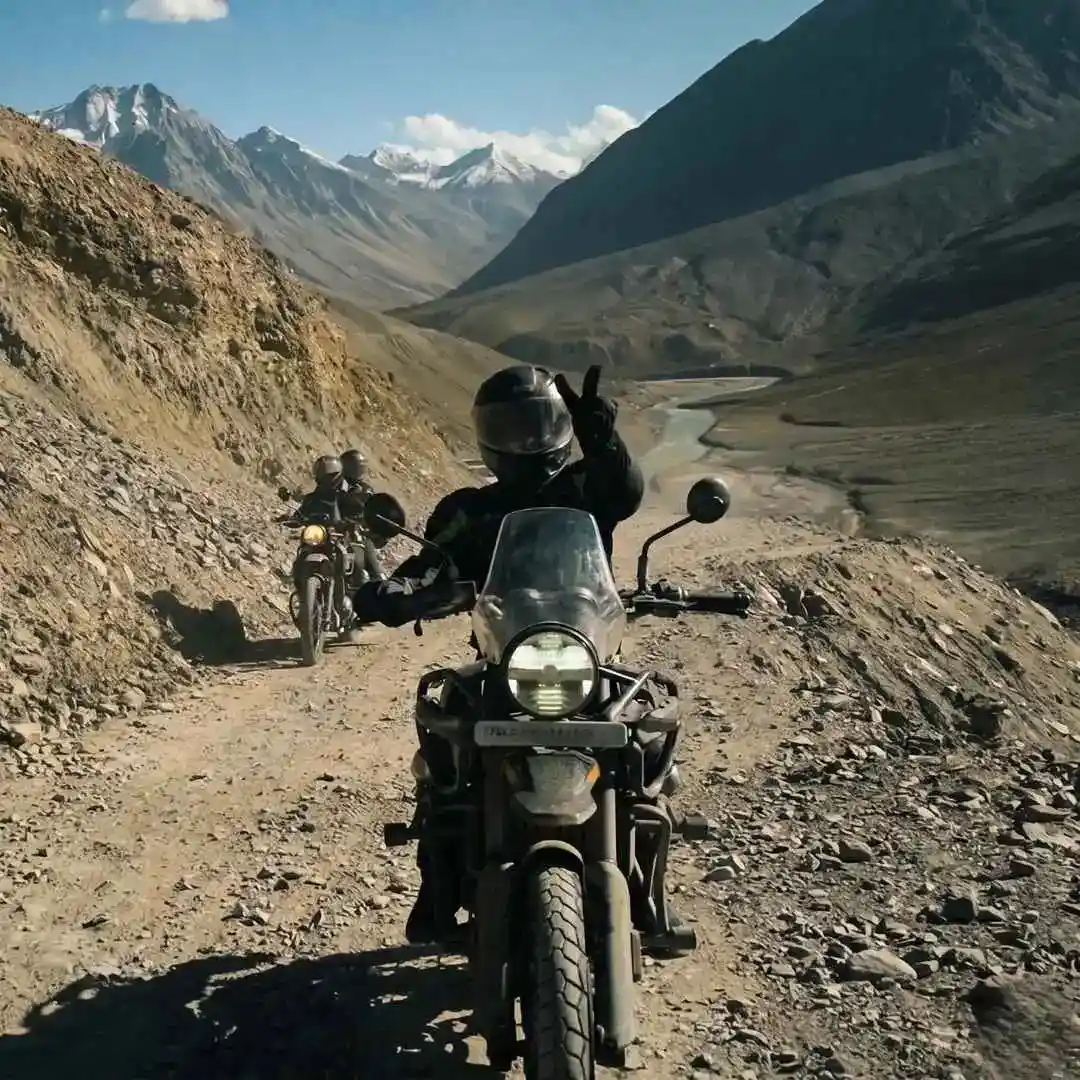 Group Tour7D/6N
Spiti Bike Trip From Manali With Chandratal
1D Sissu•1D Chandratal Camp+1
₹25,999₹29,999SAVE INR 4,000/ person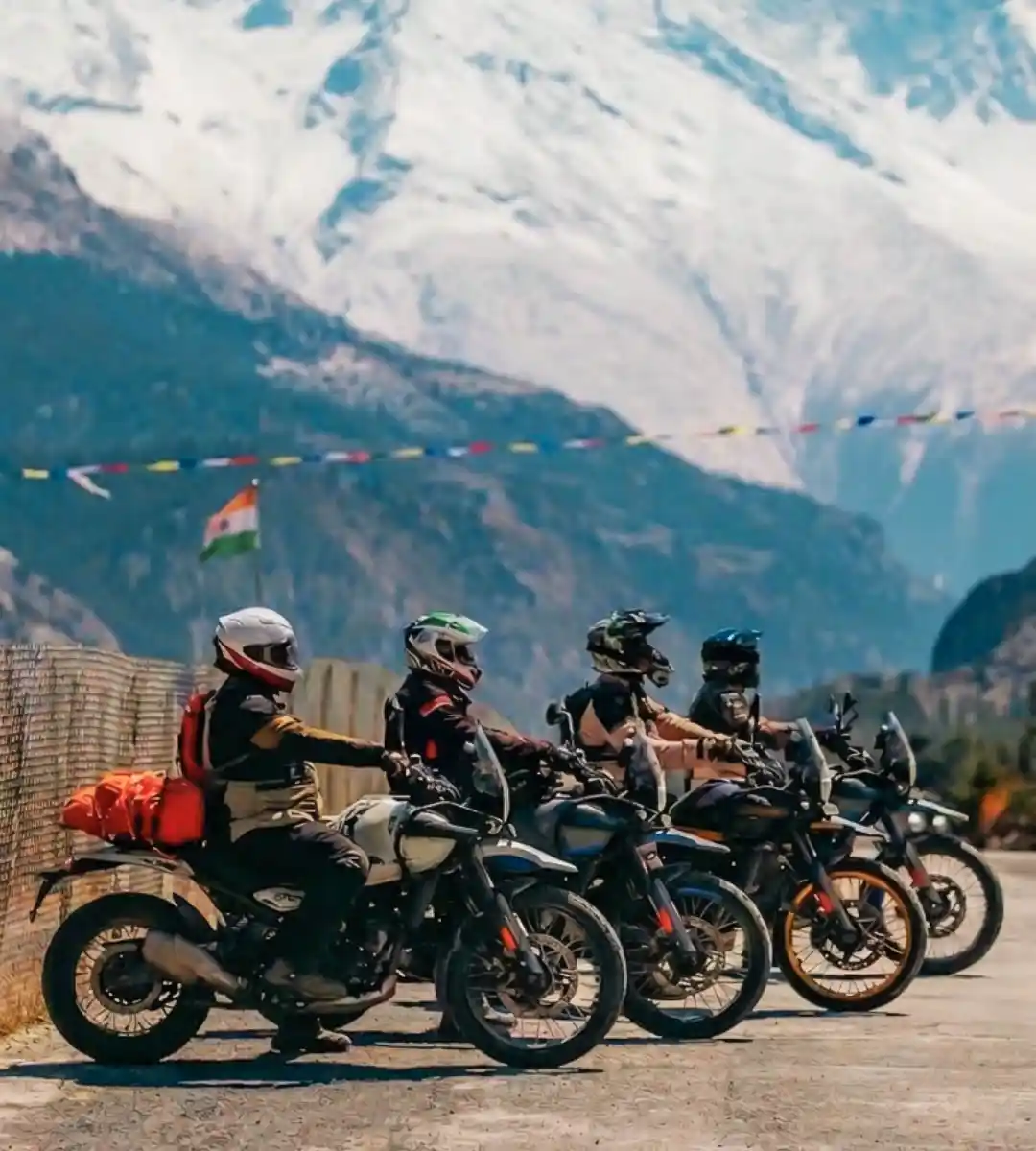 Group Tour10D/9N
Most Loved Spiti Valley Bike Expedition With Chandratal
1D Jibhi•1D Sangla+4
₹34,999₹41,999SAVE INR 7,000/ person
Related topics
Frequently Asked Questions
Is June a good time for Spiti Valley bike trip?
Yes. June is one of the best months because high passes start opening, days are long, and the landscape still has snow on the peaks. Mid to late June gives you the most stable conditions.
Is Kunzum Pass open in June 2026?
As of 20 May 2026, BRO reopened the highway via Kunzum for light vehicles. Some sections remain slippery during morning and evening. Verify again 24 to 48 hours before departure because conditions change fast.
Is Chandratal open in June 2026?
Chandratal access depends on both Kunzum Pass and the separate diversion road from Batal. Mid to late June is the more reliable window. Early June is a gamble. The lake may be reachable but camps may not be running.
Is Manali to Kaza open in June?
The Sumdo to Kaza to Gramphu highway via Kunzum reopened for light vehicles as of 20 May 2026. The full Manali to Kaza route is roughly 200 km and can take 12 to 16 hours depending on weather and road conditions. Always confirm status before departure.
Which route is better in June, Shimla to Kaza or Manali to Kaza?
Shimla to Kaza via Kinnaur is better for June. It does not depend on a high pass opening, gives you gradual altitude gain, and is generally more stable in early season. Save the Manali side for your exit once Kunzum has had more days to settle.
Can beginners do a Spiti bike trip in June?
Yes, with the right preparation and ideally with a guided group. June roads are rougher than September, and altitude adds a layer of challenge. A backup vehicle, experienced ride leader, and flexible itinerary make it manageable for beginners.
How many days are enough for Spiti bike trip?
A minimum of 7 days for the core circuit. 9 days is the sweet spot if you want Chandratal, buffer days, and time to enjoy the high villages without rushing. Anything under 7 days means you are spending most of your trip on the bike and barely stopping.
Which bike is best for Spiti Valley in June?
No single bike is "best." What matters is fresh servicing, good tyres, healthy brakes, and even luggage balance. Himalayan, Xpulse, Classic 350, and Meteor are commonly used and handle the terrain well when maintained. Avoid overloading.
Do Indians need a permit for Spiti Valley bike trip?
You need an e pass via e Aagman for entering Lahaul and Spiti. The Atal Tunnel to Rohtang to Koksar to Chandratal circuit needs a separate e permit per vehicle. Carry your licence, RC, insurance, and pollution certificate.
Do foreigners need a permit for Spiti Valley?
Yes. Foreign nationals need permits for protected areas in Kinnaur and Spiti, including Khab, Samdo, Dhankar, Tabo, Kaza, and others. These can be issued by the DM at Keylong or the SDM at Kaza. Apply in advance.
Is petrol available between Manali and Kaza?
Manali has several petrol pumps. Kaza has fuel stations. Between the two, there is no reliable fuel stop. Top up fully before leaving either end. The Kaza to Manali distance is nearly 225 km, and altitude riding burns more fuel than flat road estimates suggest.
Should I book a guided Spiti bike trip or ride solo?
If this is your first high altitude ride or your first time in Spiti, a guided trip is worth it. You get route support, a backup vehicle, local road intelligence, and Chandratal flexibility. Solo works if you are experienced, self sufficient with bike repairs, and comfortable with uncertainty on remote stretches.
More about Lahaul and Spiti
 Lahaul and Spiti
Rent or Buy Winter Gear for Spiti in 2026? Jackets, Boots, Costs and Pickup Options
Planning a Winter Spiti trip in 2026? Compare the cost of renting vs buying jackets, snow boots, thermals and other essential winter gear, along with practical tips on what to rent, what to buy and where to arrange it before your trip.
- First-Time Travellers
- Snow Travel
 Lahaul and Spiti
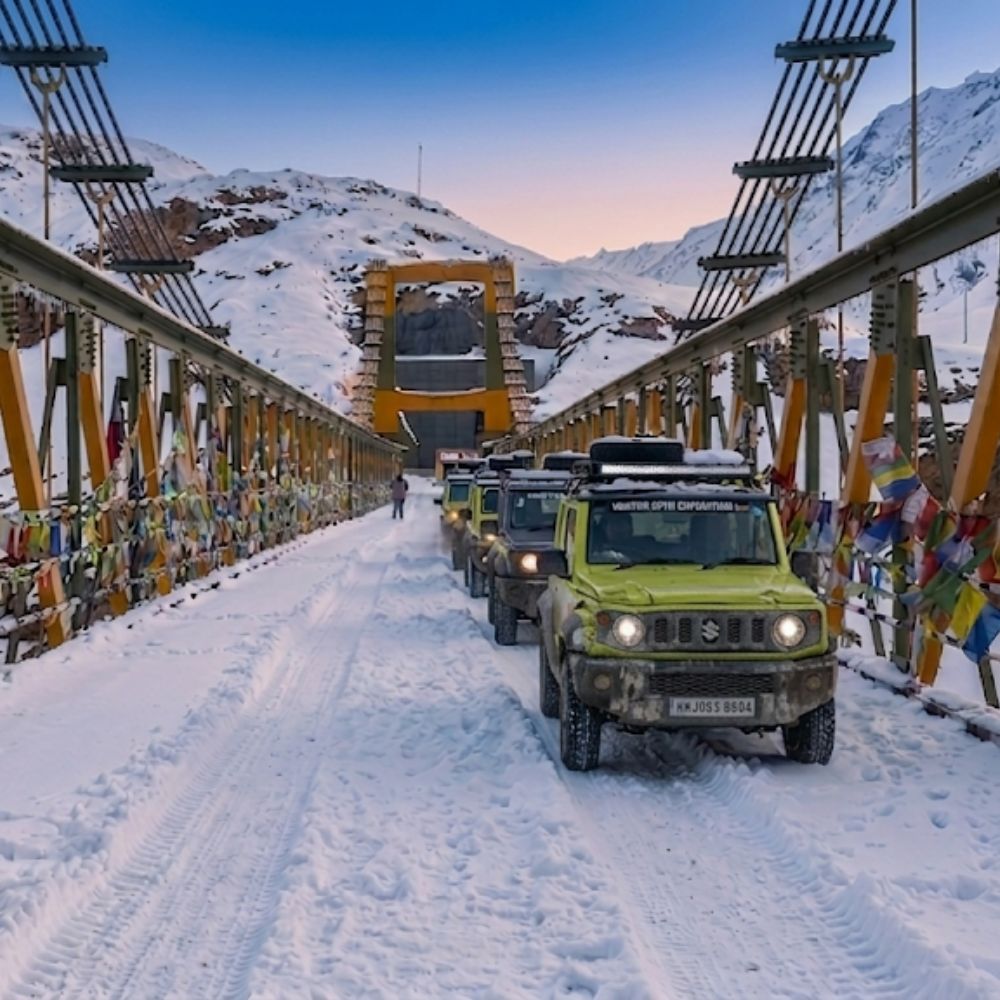
Winter Spiti 4×4 Seating Guide 2026: Jimny, Scorpio N, Thar and Hilux for Passengers and Luggage
Planning a Winter Spiti trip in 2026? This practical 4×4 seating guide compares the Jimny, Scorpio N, Thar and Hilux for passenger comfort, luggage space, winter roads and long mountain drives, helping you choose the right vehicle for your group size and travel style.
- Road Trips
- Snow Travel
 Lahaul and Spiti
Stargazing in Winter Spiti 2026: Where to Stay, Moonlight and What You Can See
Discover the best places for stargazing in Winter Spiti 2026, where to stay for darker skies and how moonlight affects visibility. Learn what you can realistically see from Kaza, Tabo and nearby villages during the winter months.
- Things to Do
- Snow Travel