
Spiti Half Circuit vs Full Circuit Bike Trip: Which One Should You Book in 2026?
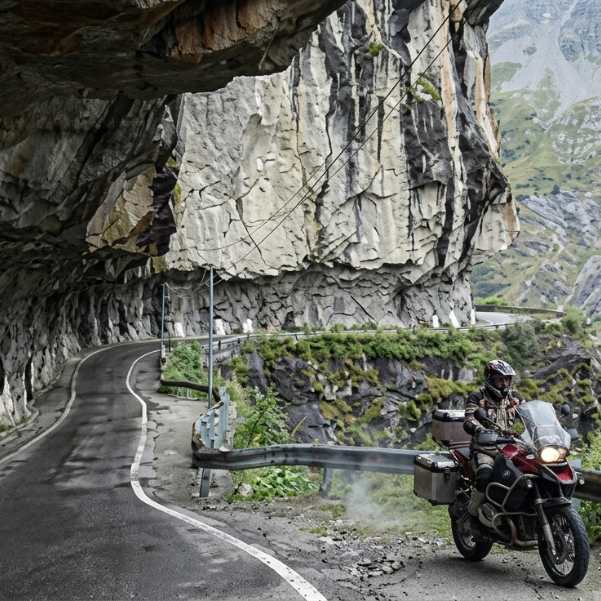
Every rider planning a Spiti bike trip hits the same fork in the road before the actual fork in the road. Do you do the full circuit, Shimla to Kinnaur to Kaza to Manali, the whole loop?
Or do you do the half circuit, enter from one side, ride to Kaza, and come back the same way?
The answer is not about which route looks cooler on Instagram. It is about how many days you have, how your body handles altitude, what the roads are doing that week, and whether Kunzum Pass has decided to cooperate.
We have sent riders on both versions for years now. Some came back saying the full circuit changed their life. Some came back saying the half circuit was the smartest call they ever made.
The difference was not the route. It was whether the route matched their time, fitness, and riding confidence. This guide by Travel Coffee breaks down both options so you can pick the one that actually works for you.
Quick Answer: Half Circuit or Full Circuit Spiti Bike Trip?
If you have 8 to 10 days or more, book the full circuit. Enter from the Shimla and Kinnaur side, ride through Spiti, and exit via Kunzum Pass and Manali.
The gradual altitude gain through Kinnaur helps your body adjust before you hit the high passes. This is the safer, richer, more complete version, especially for first-time Spiti riders.
If you have 5 to 7 days, book the half circuit. A Manali to Manali loop during the open season, or a Shimla-Kinnaur-Kaza return trip, gives you the core Spiti experience without forcing you to rush through it.
One thing that decides the final route regardless of your preference: Kunzum Pass and road status. If Kunzum is closed, the full circuit is not possible. Always check the official Lahaul-Spiti road status before locking anything.
👉 Need help planning the safest Spiti bike circuit? Connect with our local experts on WhatsApp.
What Is a Full Circuit Spiti Bike Trip?
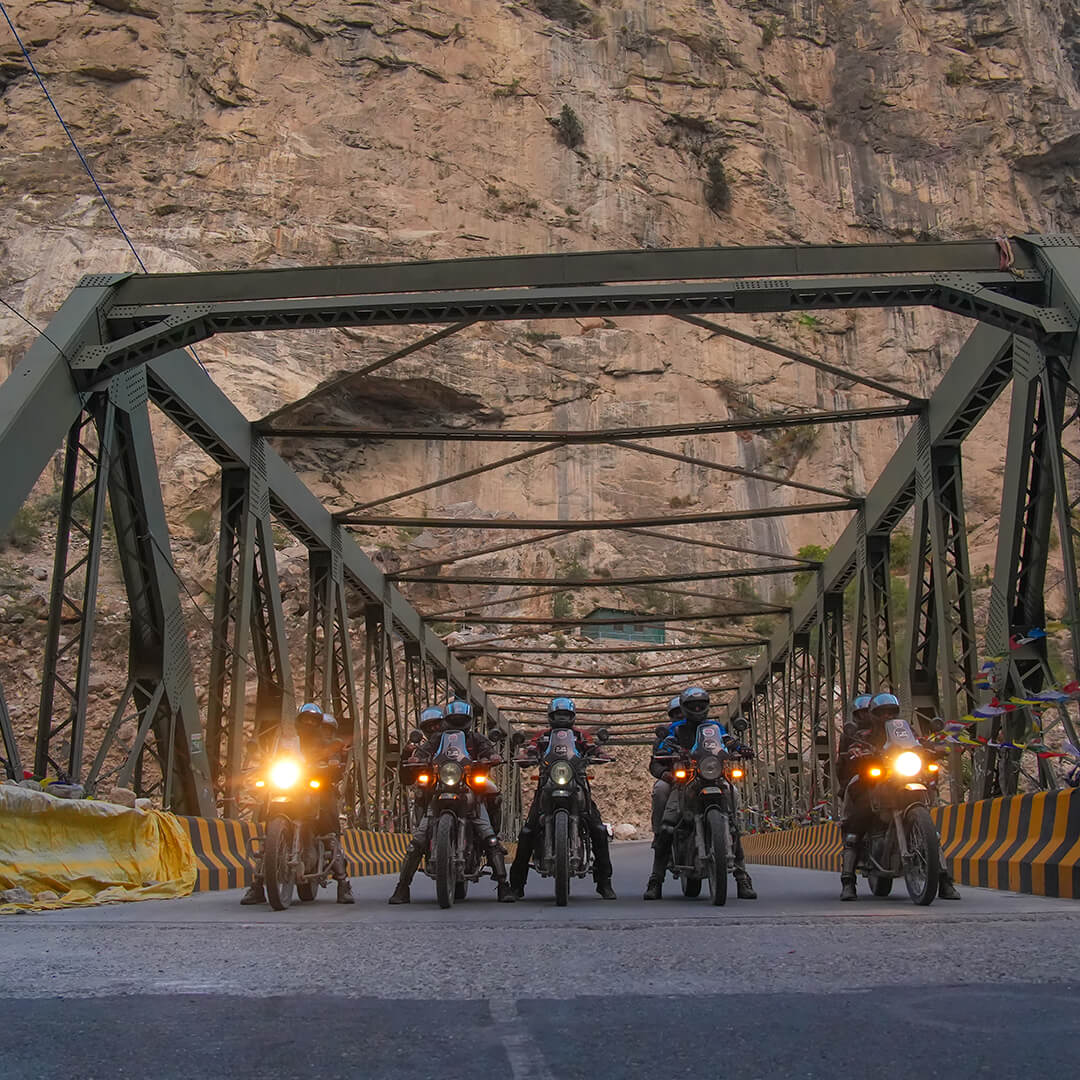
A full circuit Spiti bike trip is the complete loop. You enter Spiti from one side and exit from the other, covering the entire stretch without repeating any road.
The most common version starts from Shimla or Chandigarh, rides through Kinnaur (Narkanda, Chitkul, Kalpa, Nako), enters Spiti (Tabo, Kaza, Key, Kibber, Langza), and then exits via Kunzum Pass towards Chandratal and Manali.
You can also do it in reverse, Manali to Shimla, but the Shimla-first direction is better for acclimatisation because you gain altitude slowly over several days.
The full circuit gives you everything. The apple orchards of Kinnaur, the monastery belt around Kaza, the barren moon-like terrain past Losar, the climb over Kunzum, and if the road is open, a night near Chandratal Lake at over 14,000 feet.
Travel Coffee's 10D/9N route covers Delhi, Jibhi or Narkanda, Sangla and Chitkul, Kalpa, Tabo and Nako route, Kaza, Chandratal, Manali, Delhi.
That is the full story, start to finish, no road repeated. If you want someone to handle the logistics, explore our Spiti Valley Bike tour packages with local drivers and support vehicles.
What Is a Half Circuit Spiti Bike Trip?
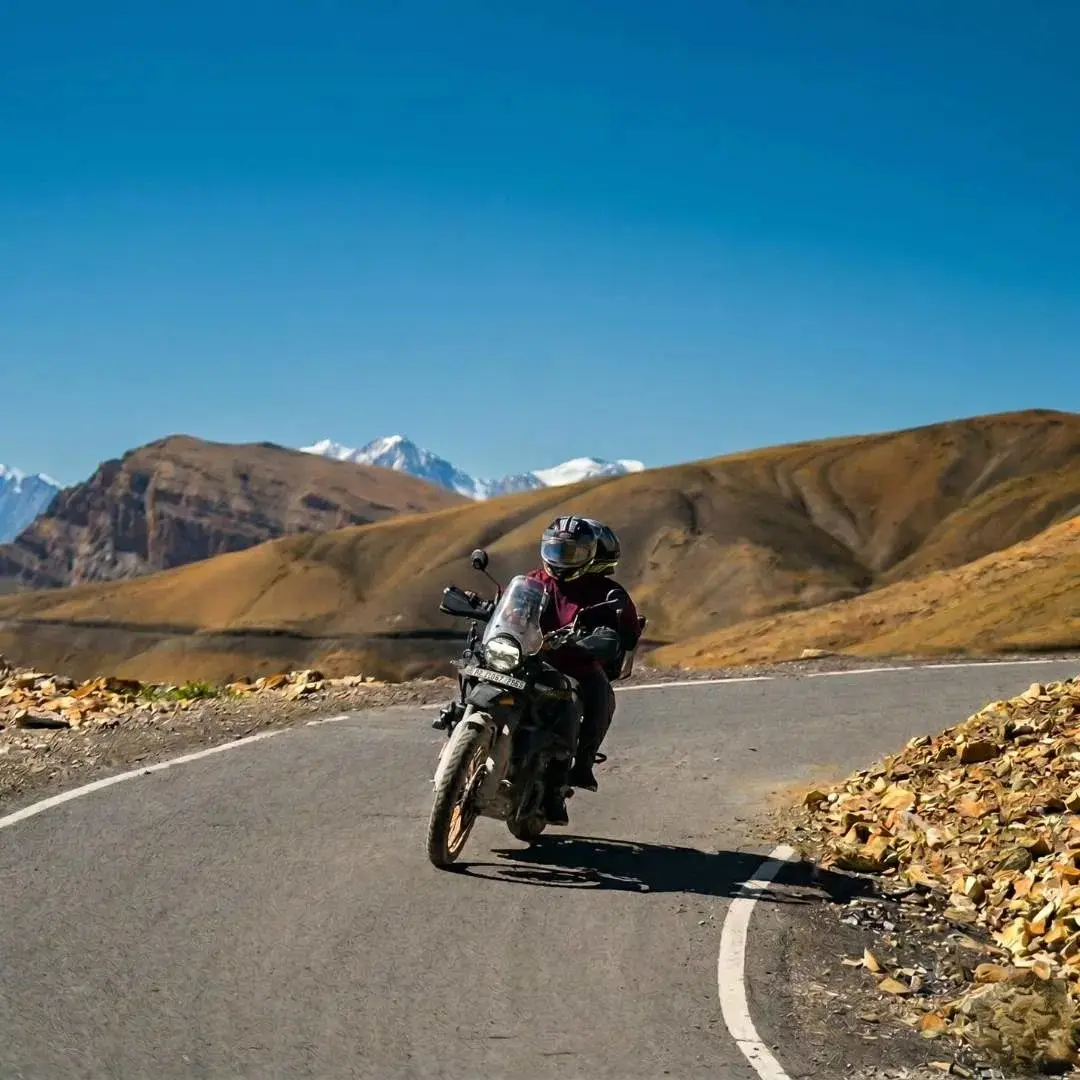
A half circuit means you enter and exit Spiti from the same side. You do not complete the loop. You ride in, explore Kaza and its surroundings, and ride back the way you came.
There are two common versions.
Manali to Manali is the shorter, more intense one. You ride from Manali through the Atal Tunnel or Rohtang side, push towards Kaza via Sissu and Kunzum or Batal, spend time in the Kaza belt, and return to Manali.
If Chandratal's road is open, you can add an overnight there. Travel Coffee's 7D/6N version covers Manali, Sissu or a route-based stay, Kaza, Chandratal, and back to Manali.
Shimla or Chandigarh side is the other version. A common route is Chandigarh, Narkanda, Chitkul, Nako, Kaza, Kalpa, Shimla, Chandigarh. You ride into Spiti through Kinnaur and come back the same way without crossing Kunzum Pass.
The Manali half circuit is shorter but gains altitude much faster. The Shimla or Kinnaur half circuit is slower, better for acclimatisation, but skips the dramatic Manali exit and does not include Chandratal unless you add an out-and-back detour.
If you want a base in Manali with flexibility, check our Manali tour packages for options that pair well with a half circuit ride.
Half Circuit vs Full Circuit Spiti: Main Differences
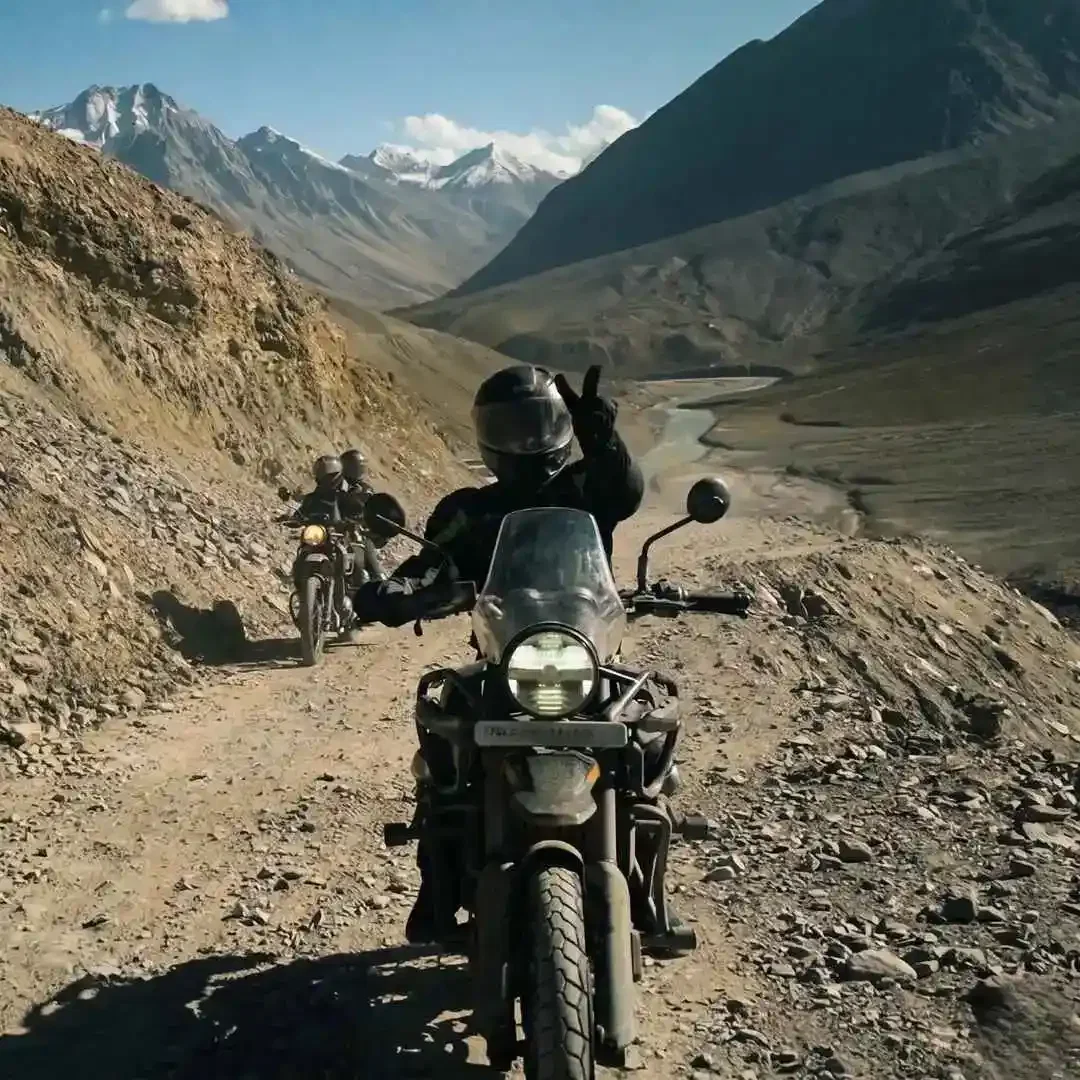
The biggest difference is time. A full circuit needs 8 to 10 days minimum if you want to ride at a sane pace. A half circuit can work in 5 to 7 days.
The full circuit covers more ground and more variety. You get the Kinnaur valley, the Spiti monastery belt, and the Lahaul-Manali stretch. The half circuit gives you a focused experience of either the Kinnaur side or the Manali side, but not both.
Altitude gain is smoother on the full circuit if you enter from Shimla. You climb gradually through Narkanda (about 2,700 m), Kalpa (about 2,960 m), and Nako (about 3,600 m) before reaching Kaza (about 3,650 m). Your body gets days to adjust.
On the Manali half circuit, you go from Manali at about 2,000 m to Kaza and beyond in a much shorter window. That jump catches people off guard.
Road repetition is another factor. On the full circuit, you never ride the same stretch twice. On the half circuit, you retrace your route on the way back. Some riders do not mind this. Others find it mentally tiring to ride the same broken road twice in one trip.
Chandratal is easier to include on the full circuit because it falls naturally between Kaza and Manali. On the Manali half circuit, you can still reach Chandratal, but you need the road from Batal to be open. On the Shimla half circuit, Chandratal requires a detour.
Cost is higher on the full circuit because of more days, more stays, and more fuel. Fatigue is also higher if you rush it, but lower if you pace it right because the riding hours per day stay manageable.
The full circuit feels like the complete Spiti story. The half circuit feels like a focused, shorter chapter.
Which Route Is Better for First-Time Spiti Riders?
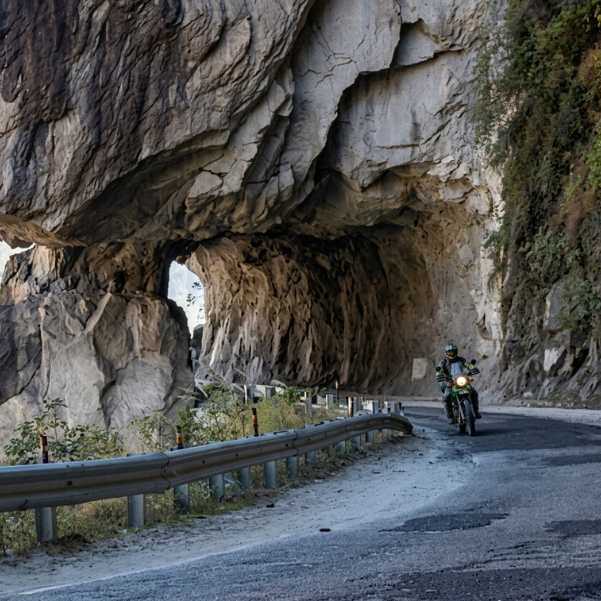
Full circuit via Shimla and Kinnaur. Every time.
In our experience, riders who enter from the Shimla side usually settle into Spiti better than riders who rush straight from Manali to Kaza.
The gradual altitude gain over three to four days gives your lungs and your head time to adjust. By the time you reach Kaza, the altitude feels normal instead of punishing.
What most riders get wrong is treating a Spiti bike trip like a speed challenge. They pick the shortest route, skip rest stops, and then spend their first night in Kaza with a splitting headache and zero appetite. That one skipped acclimatisation day costs them the best two days of the trip.
The Manali to Kaza route is not impossible for first timers. But it is a harder start, and if your body does not cooperate at altitude, you do not have the buffer days to recover.
If you are a first-time rider and also travelling solo, our guide on solo safety in Spiti covers the ground reality for riding alone in this region.
Which Route Is Better If You Have Limited Leaves?
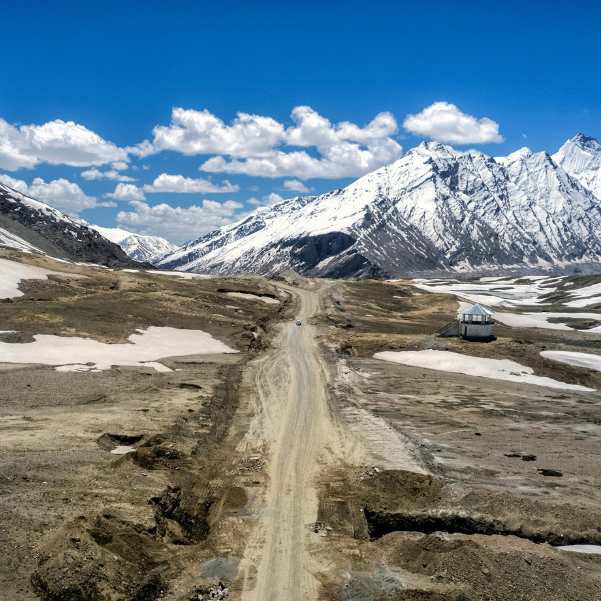
Half circuit. No question.
If you only have 5 to 7 days, a well-paced half circuit will always give you a better trip than a rushed full circuit. We have seen riders try to force a 10-day full circuit into 6 days.
They skip Chitkul, rush through Kaza, barely glance at Key Monastery, and ride 8 to 10 hours a day until their back gives up somewhere near Batal.
A 7-day Manali half circuit, on the other hand, gives you proper time in Kaza, a shot at Chandratal if the road cooperates, and riding days that stay around 5 to 7 hours instead of 10.
The money-saving angle matters here too. If you have limited leave, you also probably have a tighter budget. A shorter trip means fewer hotel nights, less fuel, and lower overall cost. That difference adds up.
Is Chandratal Included in Half Circuit and Full Circuit Trips?
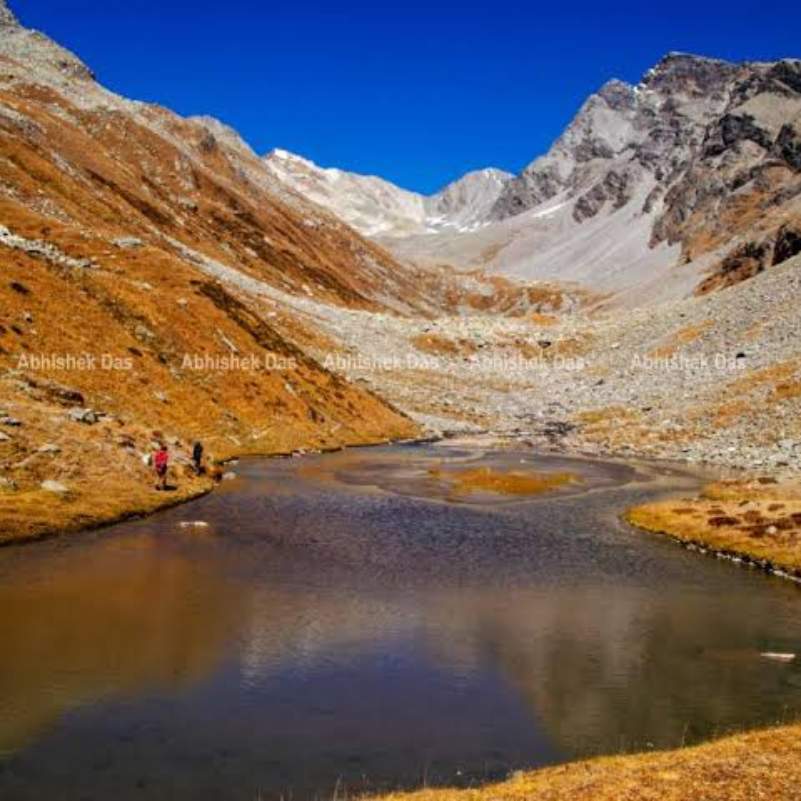
Chandratal is never guaranteed. It depends on the season and the road status that week.
On the full circuit, Chandratal falls naturally on the Kaza to Manali exit. If Kunzum Pass and the Chandratal diversion road from Batal are both open, most operators include a night at a Chandratal campsite.
The lake sits at over 14,100 feet and the only access is a rough 14 km dirt track from Batal. You cannot camp on the lakeshore. Camps sit in a designated zone about 1.5 to 2 km from the lake, and you walk to the water from there.
On the Manali half circuit, you can still reach Chandratal if the Batal to Chandratal road is open. You ride from the Manali side, camp near the lake, and ride back.
If Kunzum or the Chandratal road is closed, operators shift the night stay to Sissu, Batal side, or another route-based stop. This happens more often in early June and late September than riders expect.
For the latest on when Chandratal opens and closes each season, our Chandratal opening dates and road status guide covers the month-by-month reality.
And if you want a package that builds Chandratal into the circuit properly, our Spiti circuit with Chandratal includes buffer days for exactly these situations.
Which Option Costs More?
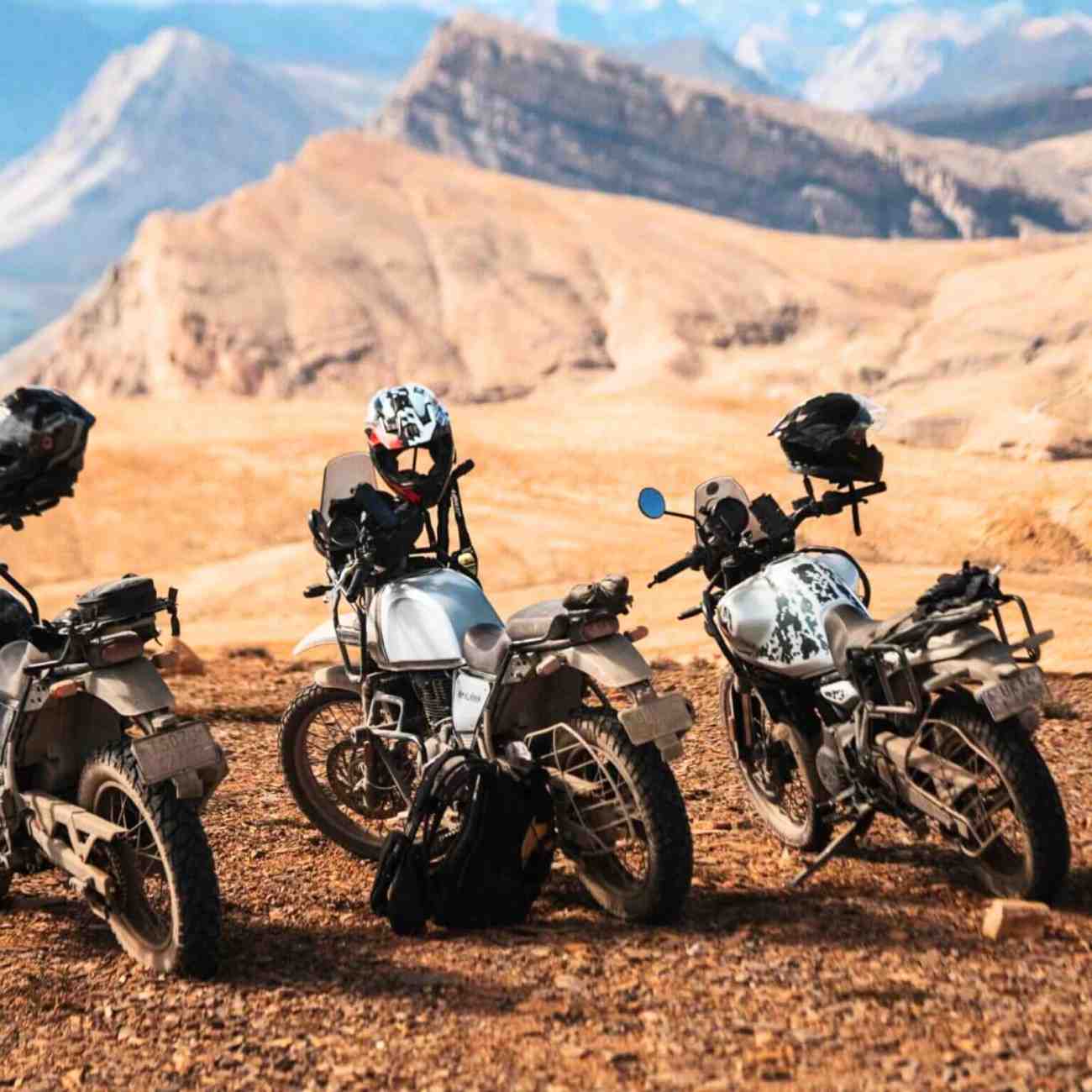
The full circuit costs more because it covers more days, more stays, more fuel, and more support vehicle time.
Here is what the market looks like right now so you can compare. These are reference points, not a universal rate card. Prices change by batch size, bike type, sharing arrangements, and what is included.
Travel Coffee's 7D/6N Manali to Spiti bike trip starts from ₹25,999. This is the half circuit, Manali based.
Travel Coffee's 10D/9N Spiti bike expedition starts from ₹34,999. This is the full circuit, Delhi to Delhi.
The gap between half and full circuit usually works out to ₹8,000 to ₹12,000 per person depending on the operator. That extra cost buys you three to four more days, the entire Kinnaur stretch, and a much gentler pace.
One tip that saves money on any Spiti bike trip
Carry your own riding gear and helmet from home. Rental gear at Manali is overpriced and often in terrible condition. A ₹2,500 rental helmet that has been dropped forty times is not protecting anything.
2026 Road Status, Permits and Rules You Must Check Before Booking
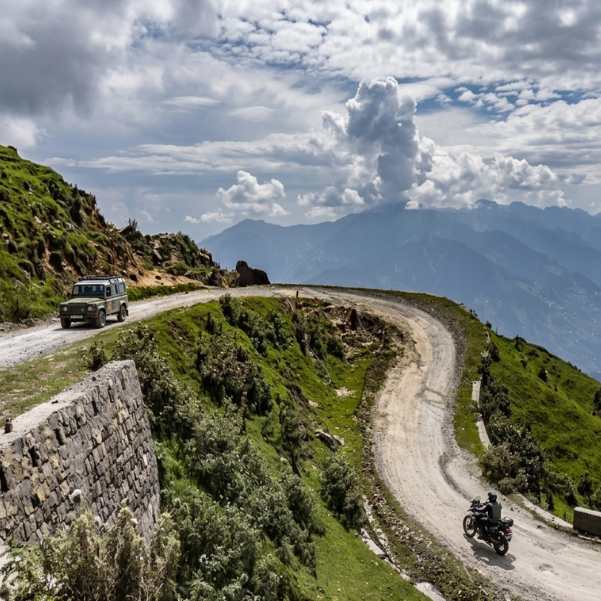
This section matters more than the route comparison. The road decides everything.
The official Lahaul-Spiti road status page, last updated on 24 June 2026, showed Delhi to Manali open, Manali to Keylong open, Keylong to Kaza closed, and Keylong to Leh open.
Every rider must verify the road on the same day of travel because mountain conditions change quickly and official pages can lag behind ground reality.
The official Lahaul-Spiti page lists Shimla to Kaza as 412 km, about 20 hours excluding one night halt, and describes this route as almost all-weather up to Kaza. This is your safer bet in the early season because it does not depend on Kunzum Pass.
The same page lists Keylong to Kaza as 185 km, about 6 hours. This road closes in winter because of Kunzum Pass and heavy snowfall from around October or November to June or July. It also lists Kaza via Rohtang Pass, Batal and Kunzum Pass as 200 km.
Kunzum Pass sits at about 4,550 to 4,590 m. When it is closed, the full circuit is not possible. Period. No negotiation, no alternate route, no "let us try anyway." If Kunzum is shut, you either do a half circuit or you wait.
Permits You Need
Vehicles entering District Lahaul and Spiti must apply for an E-Pass on the e-Aagman portal. An E-Permit per vehicle is required for the Atal Tunnel, Rohtang, Koksar, and Chandratal circuit. An E-Ticket per vehicle is required for other places within the district.
The official Rohtang permit portal lists a daily limit of 800 petrol vehicles and 400 diesel vehicles, with booking windows at 10:00 hrs and 16:00 hrs.
The permit fee for car, jeep, and MUV categories is ₹500 plus ₹50 congestion charge. The motorcycle-specific Rohtang fee was not clearly visible in the official table.
The Rohtang permit is valid for one day, to and fro. Slots fill up fast during peak season. Book the moment the window opens, not an hour later.
Foreign nationals need Protected Area Permits for protected areas including Khab, Samdo, Dhankar, Tabo, Gompa, Kaza, Morang, and Dubling.
Indian travellers should carry original photo ID at every checkpoint. Do not leave your Aadhaar or driving licence at the hotel. Keep it on you at all times.
Here is a safety warning our team gives every rider
Taxi drivers and "agents" at Manali sometimes offer to "arrange" permits for ₹1,500 to ₹2,000. The actual permit fee is ₹500 plus ₹50. Apply yourself on the official portal and save that money for fuel.
Who Should Book the Half Circuit Spiti Bike Trip?
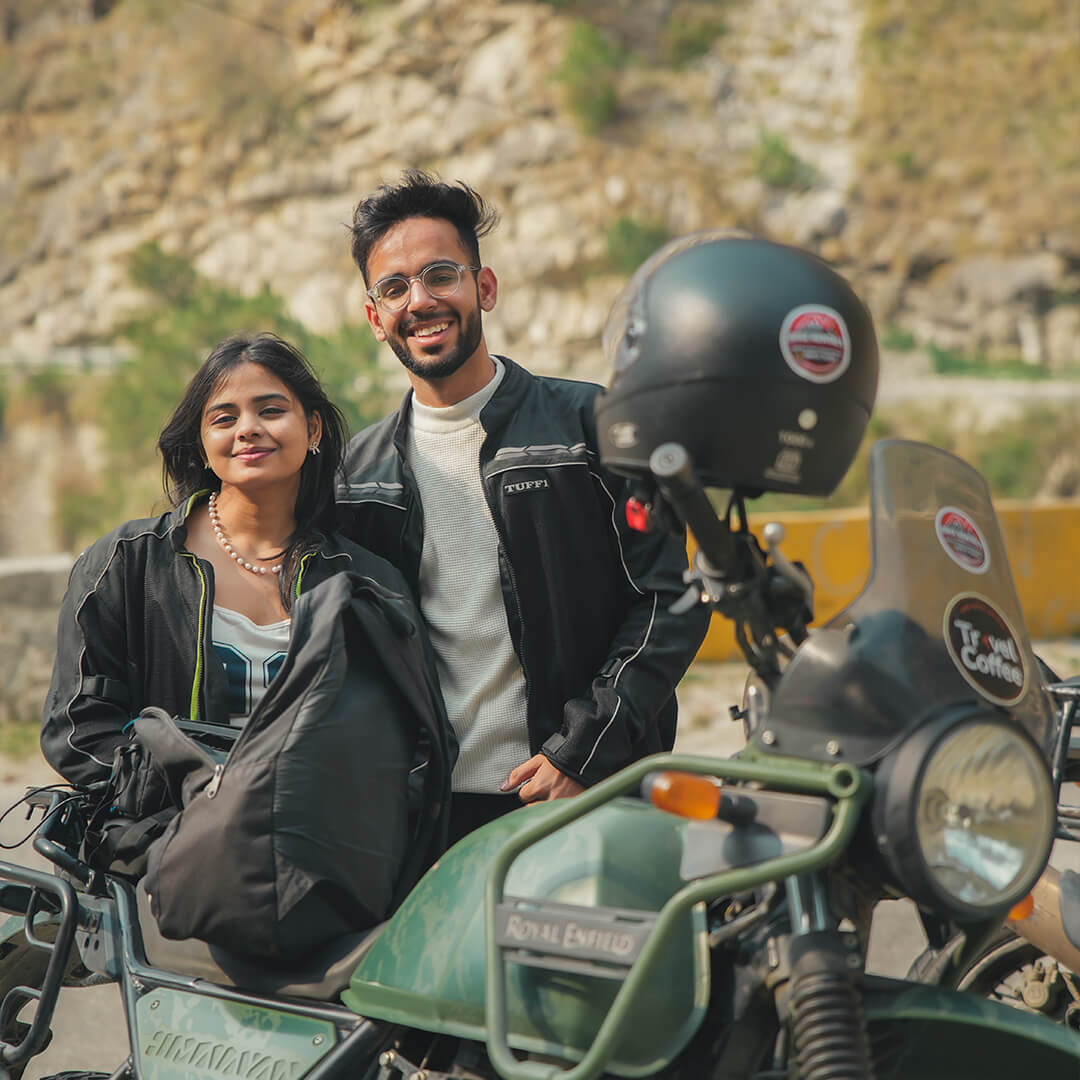
The half circuit is the right call if you have 5 to 7 days of leave and cannot stretch further. It also works well if you are starting from Manali during the open season and want Kaza and Chandratal without the full Kinnaur loop.
Repeat Spiti visitors who have already done the Kinnaur side often prefer the Manali half circuit for their second trip. It gives them a different entry point and a faster route to Kaza.
Confident mountain riders who have done Ladakh or other high-altitude routes before can handle the quicker altitude gain on the Manali side without too much trouble.
The half circuit is not ideal for riders who need slow acclimatisation, first timers with weak mountain riding experience, or riders who get exhausted on back-to-back 6 to 7 hour riding days. If that sounds like you, the full circuit with its gentler pace will treat you better.
Skip the "adventure package" add-ons that some operators bundle with half circuit trips. River rafting, paragliding, and zip-lining near Manali are fun, but they eat into your limited Spiti days and you can do them on any regular Manali trip. Use those days for Spiti instead.
Who Should Book the Full Circuit Spiti Bike Trip?
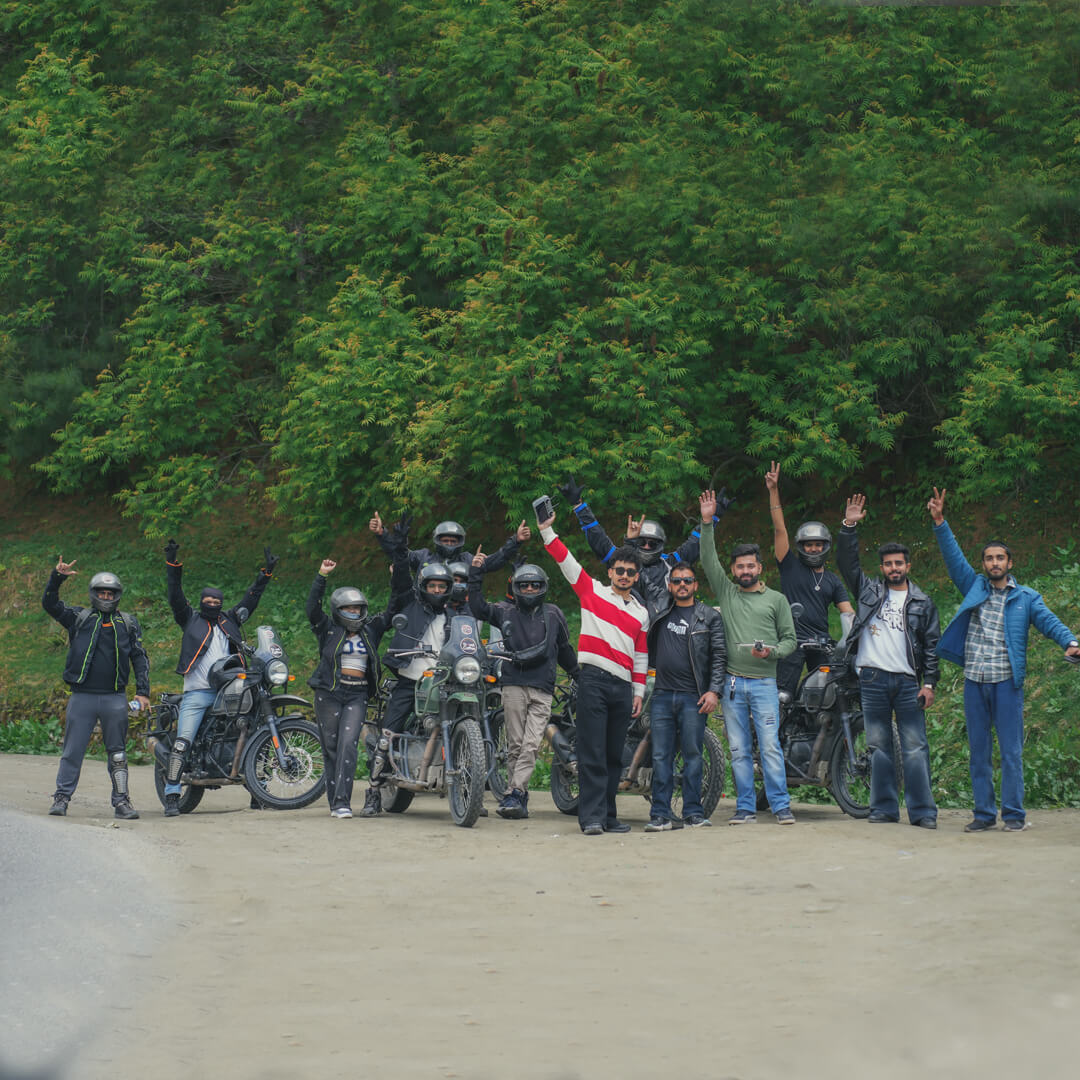
If this is your first proper Himalayan bike trip and you have 8 to 10 days, the full circuit is the one. Our team recommends it every time someone says they have never ridden above 10,000 feet and they have enough leave.
The full circuit also suits couples or pillion riders who want better pacing. Riding pillion through Kinnaur is far more comfortable than being thrown around on the rough Batal stretch for hours on your first day.
Photographers love the full circuit because the light, terrain, and landscapes change dramatically from Kinnaur to Spiti to Lahaul. You get orchards, river valleys, monasteries, barren moonscapes, and high-altitude lakes in one trip.
If you want to see Kinnaur's villages, the ancient Tabo monastery, Key Monastery overlooking Kaza from about 13,500 feet, the fossil-rich village of Langza, and Chandratal on the way out, the full circuit is the only way to fit it all without backtracking.
For riders interested in adding the Kinnaur stretch properly, our Kinnaur tour packages can be paired with a Spiti extension.
Our Recommendation: Which One Should You Book?
Book the full circuit if you have enough days and want the safest, richest first Spiti experience. The gradual altitude gain, the variety of landscapes, and the one-way route make it the better trip for most riders.
Book the half circuit if your dates are tight, you are comfortable with quicker altitude gain, or you want a shorter Manali-based adventure that still gives you Kaza and a shot at Chandratal.
In our experience, the best Spiti trip is not the longest one. It is the one that matches your body, your riding confidence, and the road status that week. A well-paced 7-day half circuit beats a panicked 8-day full circuit every single time.
What we always tell riders is this
do not pick the route first and force your schedule around it. Tell us your dates and your riding background, and we will tell you which circuit actually works.
Travel Coffee can customise both versions with backup plans for road closures, support vehicles for the rough stretches, and local knowledge that Google Maps does not have.
One timing tip that changes the experience
start your first riding day by 5:30 AM. The Atal Tunnel queue builds up after 8 AM, the sun hits hard by noon at altitude, and you lose good light by 4 PM in the mountains.
Early starts are not optional on a Spiti bike trip. They are the difference between reaching camp relaxed and reaching camp in the dark.
And if you want a hot meal recommendation for the road: the small dhaba right after the Batal checkpoint serves dal chawal and Maggi that taste unreasonably good when you have been riding for six hours in the cold.
The guy running it sets up every season from June to September. Do not skip it. It is the last proper hot meal before Chandratal.
Explore Our Best Selling Spiti Valley Packages
Related topics
Frequently Asked Questions
What is a half circuit Spiti bike trip?
A half circuit means you enter and exit Spiti from the same side. You ride to Kaza from either the Manali side or the Shimla-Kinnaur side and return the same way without completing the full loop. It usually takes 5 to 7 days.
What is a full circuit Spiti bike trip?
A full circuit is the complete Spiti loop. You enter from one side (usually Shimla via Kinnaur) and exit from the other (usually Manali via Kunzum Pass). It covers Kinnaur, Spiti, Lahaul, and Chandratal without repeating any road. It usually takes 8 to 10 days.
Which is better for beginners?
The full circuit via Shimla and Kinnaur is better for beginners because the altitude gain is gradual. You spend several days climbing slowly from 2,000 m to 3,600 m before reaching the high passes. The Manali half circuit gains altitude faster and can cause headaches and nausea in first-time high-altitude riders.
How many days are enough for a Spiti bike trip?
A half circuit works in 5 to 7 days. A full circuit needs 8 to 10 days minimum. We strongly recommend not cutting days from either version because buffer days for road closures and rest days at altitude make the difference between a great trip and a miserable one.
Can I do a Spiti bike trip in 5 days?
You can do a very tight Manali half circuit in 5 days, but you will spend most of it riding with very little time to explore Kaza and its villages. A 7-day half circuit is far more enjoyable and gives you breathing room for weather delays.
Is Chandratal included in the half circuit Spiti bike trip?
Chandratal can be included on the Manali half circuit if the road from Batal to Chandratal is open. On the Shimla half circuit, it requires a detour. Chandratal access depends on the season and road conditions, so it is never guaranteed on any route.
Which Spiti bike route is safer?
The Shimla to Kaza route is considered almost all-weather and does not depend on high-pass openings. The Manali to Kaza route depends on Kunzum Pass and the Rohtang or Atal Tunnel stretch, which can close due to snow and landslides. For overall safety, the Shimla side entry is the more reliable option.
Do Indians need a permit for Spiti?
Indian travellers need an E-Pass for vehicles entering Lahaul and Spiti, available on the e-Aagman portal. An E-Permit is required for the Atal Tunnel, Rohtang, Koksar, and Chandratal circuit. An E-Ticket is required for other areas. Carry original photo ID at all checkpoints.
Do foreigners need a permit for Spiti?
Yes. Foreign nationals need Protected Area Permits for protected areas including Khab, Samdo, Dhankar, Tabo, Gompa, Kaza, Morang, and Dubling. These must be arranged before reaching the restricted zones.
What happens if Kunzum Pass is closed?
If Kunzum Pass is closed, the full circuit is not possible. You will need to either do a half circuit (return the way you came) or wait for the pass to open. Operators usually shift the itinerary to a Shimla-side return or add extra days in Kaza. Always check the official road status page before departure.
Is the half circuit cheaper than the full circuit?
Yes. The half circuit has fewer days, fewer stays, and lower fuel costs. The price difference is usually ₹8,000 to ₹12,000 per person depending on the operator, bike type, and inclusions. Travel Coffee's 7D/6N half circuit starts from ₹25,999 while the 10D/9N full circuit starts from ₹34,999.
Can couples or pillion riders do a Spiti bike trip?
Absolutely. The full circuit with its gentler pace is better for pillion riders because the riding hours per day stay around 5 to 7 hours instead of the 8 to 10 hour days a rushed half circuit sometimes demands. Spiti bike trip difficulty is moderate when the route and pace are planned correctly.
More about Lahaul and Spiti
 Lahaul and Spiti
Rent or Buy Winter Gear for Spiti in 2026? Jackets, Boots, Costs and Pickup Options
Planning a Winter Spiti trip in 2026? Compare the cost of renting vs buying jackets, snow boots, thermals and other essential winter gear, along with practical tips on what to rent, what to buy and where to arrange it before your trip.
- First-Time Travellers
- Snow Travel
 Lahaul and Spiti
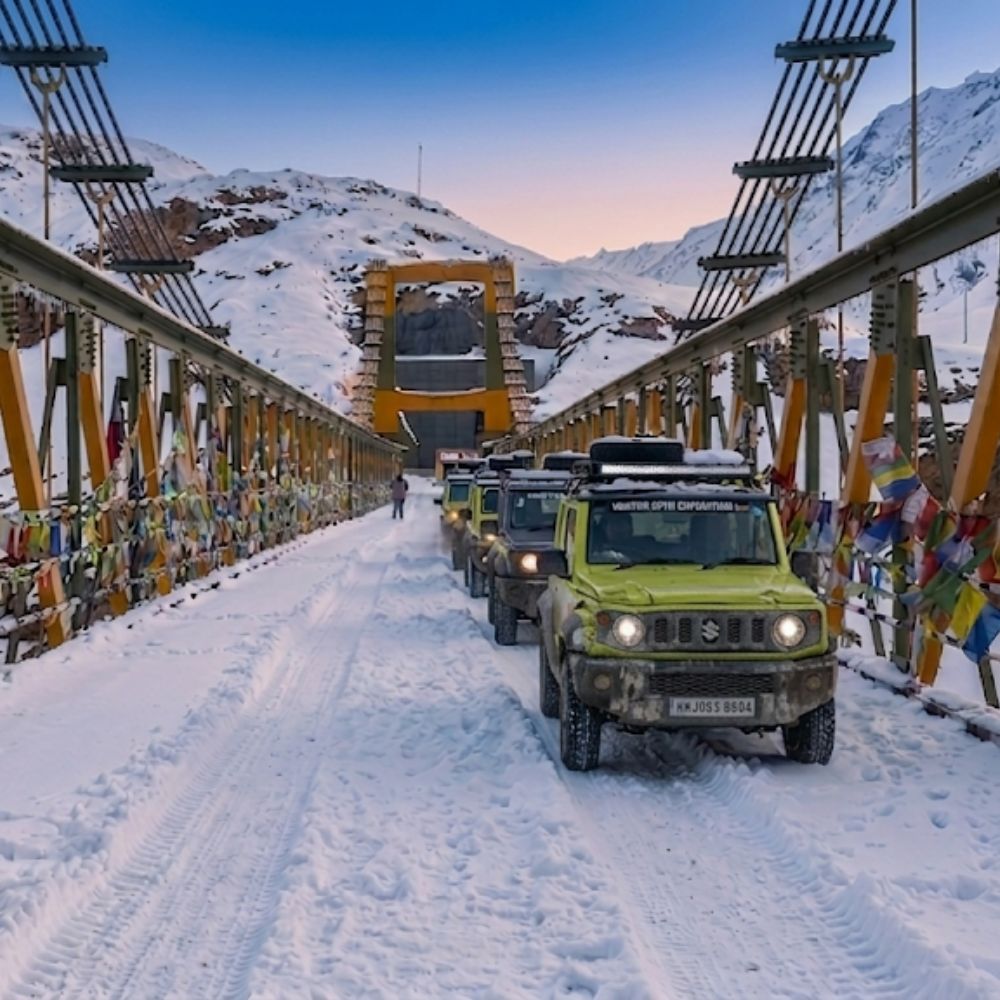
Winter Spiti 4×4 Seating Guide 2026: Jimny, Scorpio N, Thar and Hilux for Passengers and Luggage
Planning a Winter Spiti trip in 2026? This practical 4×4 seating guide compares the Jimny, Scorpio N, Thar and Hilux for passenger comfort, luggage space, winter roads and long mountain drives, helping you choose the right vehicle for your group size and travel style.
- Road Trips
- Snow Travel
 Lahaul and Spiti
Stargazing in Winter Spiti 2026: Where to Stay, Moonlight and What You Can See
Discover the best places for stargazing in Winter Spiti 2026, where to stay for darker skies and how moonlight affects visibility. Learn what you can realistically see from Kaza, Tabo and nearby villages during the winter months.
- Things to Do
- Snow Travel