
Spiti Full Circuit vs Short Circuit in 2026: Which One Should You Choose?

Every year we get this question at least a hundred times. Someone has 6 days of leave, maybe 8, and they want to know if they should do the full Spiti circuit or the short one.
The answer is not always the same for everyone, but there is a clear default recommendation that works for most people.
This guide by Travel Coffee breaks down both routes honestly so you can stop second guessing and actually book your dates.
Quick Answer
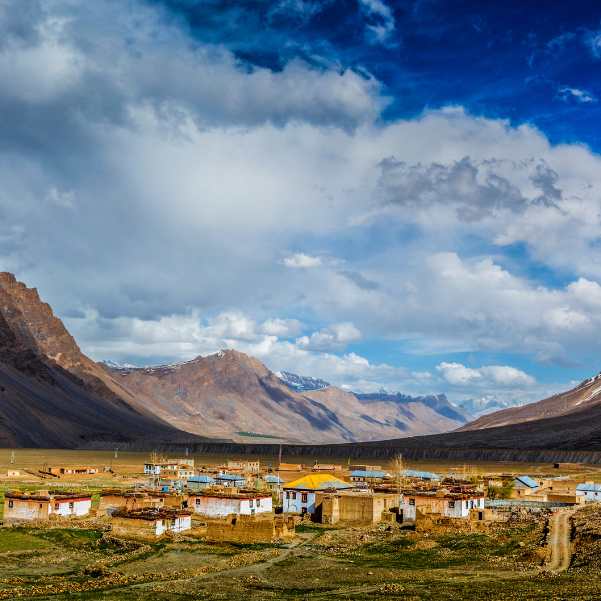
If you have 8 to 10 days or more, do the full circuit. Enter from the Shimla or Kinnaur side, explore Spiti, and exit via Manali. It is better for acclimatization, richer in landscapes, and the route most first timers enjoy the most.
If you have 5 to 7 days and are starting from Manali during the open season, the short circuit works. You enter and exit from the Manali side, skip Kinnaur, and focus on the Kaza belt.
One thing that matters just as much as your schedule: current road status. The Manali to Kaza route via Kunzum Pass is seasonal and not always open. As of April 2026, the stretch from Keylong to Kaza was officially closed.
So even if you want the short circuit, you cannot do it until Kunzum opens, which usually happens between mid May and mid June.
Check our Chandratal and Kunzum opening guide for 2026 before locking anything.
What Is the Difference Between the Spiti Full Circuit and the Short Circuit?
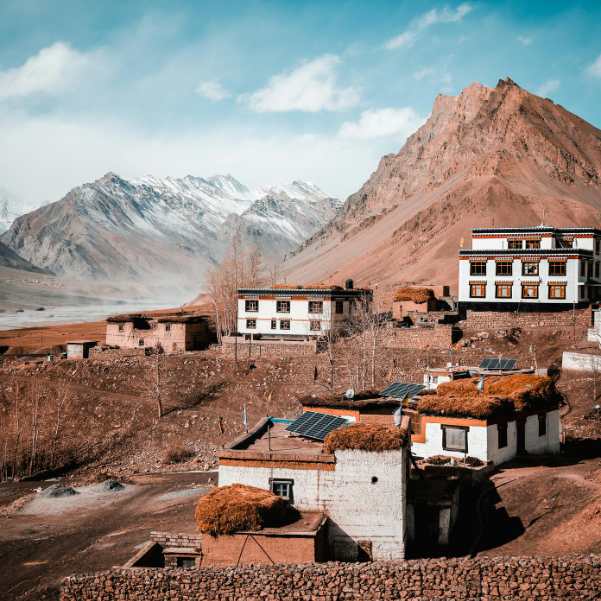
The Spiti full circuit means you cover both access routes. You enter from the Shimla side through Kinnaur, passing through places like Narkanda, Kalpa, Nako, and Tabo, reach Kaza, and then exit via Kunzum Pass towards Manali.
Or you do it the other way around. Either way, you complete a loop and do not repeat the same road.
The total distance is around 1,600 km if you are starting and ending in Delhi.
The Spiti short circuit means you enter and exit from the Manali side only. You drive from Manali through the Atal Tunnel, cross into Lahaul, push past Kunzum Pass, and reach Kaza. After exploring Spiti, you return the same way.
Most people searching "Spiti full circuit vs short circuit" are really asking: should I do the complete loop or the shorter Manali based trip? That is exactly what we will help you decide.
Which One Is Better for First Time Travellers?
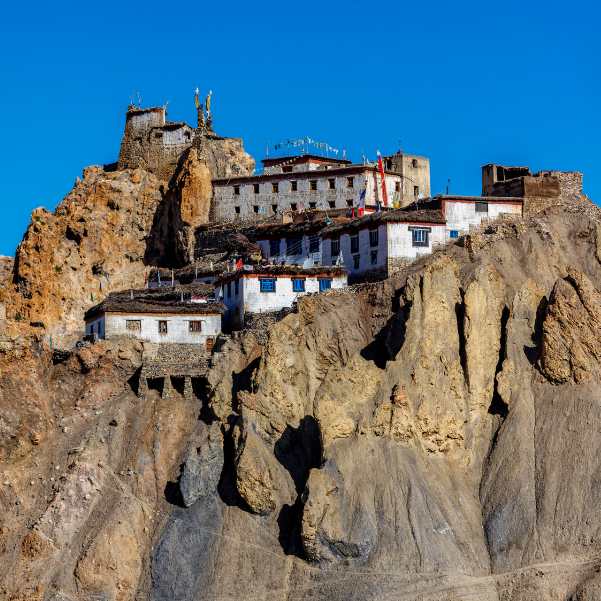
The full circuit. Almost always.
Here is why. The Shimla side gives your body time to adjust to altitude. You climb gradually over 2 to 3 days, spending nights at places like Kalpa and Nako or Tabo before reaching Kaza at about 12,500 feet. By the time you get to Spiti's highest points, your body has had days to settle in.
The short circuit throws you into it. You drive from Manali at about 6,500 feet, go through the Atal Tunnel, and within one long day you are pushing towards Kaza at 12,500 feet or higher. That is a massive altitude jump in a very short time.
In our experience running Spiti trips year after year, the travellers who come back feeling great are almost always the ones who entered from the Shimla side. The ones who rushed in from Manali are more likely to report headaches, nausea, and a rough first night in Kaza.
If this is your first Himalayan road trip, take the full circuit. Your body will thank you.
Why Does the Full Circuit Feel Easier Even Though It Is Longer?
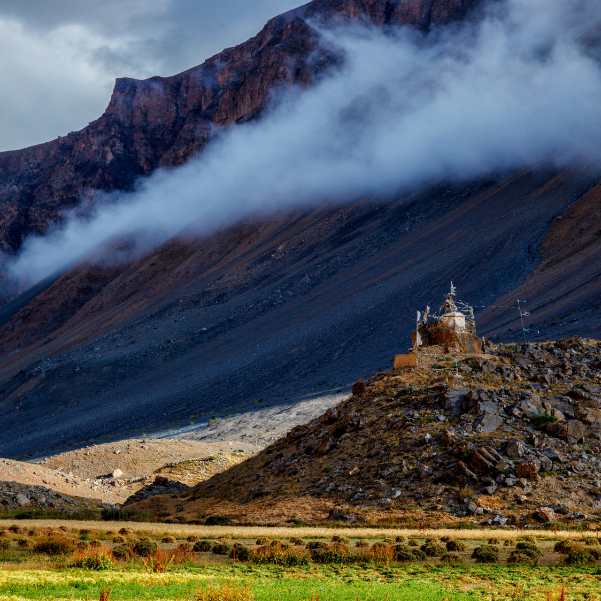
Because longer does not mean harder in the mountains. It often means the opposite.
Acclimatization is the single biggest factor that decides whether your Spiti trip feels amazing or awful. When you gain altitude slowly, your body has time to produce more red blood cells, adjust your breathing, and get used to thinner air.
When you gain altitude fast, your body panics. That is when you get headaches, nausea, dizziness, and the kind of exhaustion that makes you want to skip every viewpoint and just sleep.
The full circuit spreads the altitude gain over several days. The short circuit compresses it into one brutal driving day.
There is another thing people do not talk about enough: road fatigue and body fatigue are different. You can be exhausted from 10 hours in a car but physically fine at altitude.
Or you can feel rested after a short drive but sick because you went too high too fast. The full circuit manages both. The short circuit only manages the second if you are lucky.
What Do You Miss If You Choose the Short Circuit?
Quite a lot, honestly.
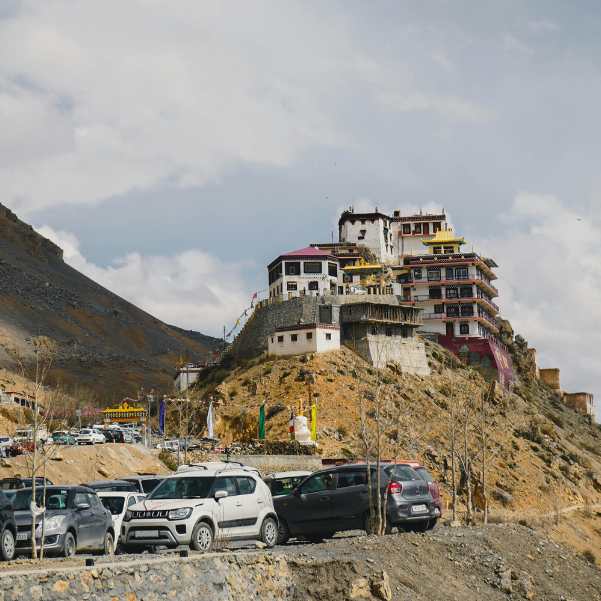
The entire Kinnaur stretch is gone. That means no Kalpa with its views of the Kinner Kailash range. No Sangla Valley. No Nako Lake. No slow drive along the Sutlej and then the Spiti river watching the landscape transform from green pine forests to brown desert mountains over three days.
That transition is one of the most special parts of the full circuit. You literally watch India change in front of your eyes. Green valleys give way to bare rock. Pine trees disappear.
The air gets drier, the sky gets bluer, and by the time you reach Tabo you feel like you are on a different planet. The short circuit drops you straight into the desert. You miss the story of how you got there.
You also repeat the same road on the way back. Manali to Kaza and then Kaza to Manali. Same stretches, same stops, same views in reverse. On the full circuit, every day is a new road.
If you have done the Kinnaur side before and just want core Spiti again, the short circuit makes sense. If you have not, you are cutting out a genuinely beautiful part of the trip.
Interested in what Kinnaur looks like? Browse our Kinnaur tour packages for route ideas.
What Do You Gain If You Choose the Short Circuit?
Time. That is the biggest one.
A comfortable short circuit takes 6 to 7 days. You can squeeze it into 5 if you push hard, though we would not recommend that to anyone who has not been at high altitude before.
Compare that to the full circuit's 9 to 10 days (or 10 to 12 from Delhi to Delhi), and the difference is real for anyone with limited leave.
You also spend less money. Fewer days mean fewer nights of accommodation, fewer meals, and less fuel. A self planned short circuit by your own vehicle can cost roughly ₹8,000 to ₹12,000 per person, while the full circuit tends to run ₹16,000 to ₹20,000 per person on a budget.
Group packages follow a similar pattern: short circuit departures are commonly around ₹9,000 to ₹18,000 per person for 5 to 6 days, while full circuit packages run ₹18,000 to ₹30,000 per person for 8 to 10 days.
The short circuit also makes sense for repeat visitors. If you have already explored Kinnaur on a previous trip and just want to spend more time in the Kaza belt, there is no reason to drive the Shimla side again.
And for experienced mountain travellers who acclimatize well, the Manali entry is faster and more direct. You save two to three driving days and get straight to the part of Spiti you came for.
Spiti Full Circuit vs Short Circuit for Budget, Time, and Comfort
Let us break this down by how much time you actually have.
5 to 6 days
Your only real option is the short circuit. Enter from Manali, reach Kaza, spend two days exploring, and return. It is fast and tiring, but doable. You will not have time for Chandratal unless it falls perfectly on your route and the road is open.
This plan works best for people who have been to the mountains before and know how their body handles altitude.
7 to 8 days
This is where the decision gets interesting. You can do a comfortable short circuit with proper rest days and possibly Chandratal. Or you can do a slightly rushed full circuit if you are okay with one or two long driving days.
In our experience, 7 days is still better spent on the short circuit done well than the full circuit done in a hurry.
9 to 10 days or more
Full circuit, no question. You have enough time to enter from Shimla, explore Kinnaur, spend 2 to 3 days in the Kaza area, add Chandratal if the road is open, and exit via Manali without rushing. This is the version of the trip that people come back raving about.
What most tourists get wrong is trying to cram the full circuit into 7 days. They end up spending more time in the car than outside it, skip acclimatization, and arrive at every stop too tired to enjoy it. If you do not have 9 days, do the short circuit properly instead of the full circuit badly.
>> WhatsApp us for a customised Spiti itinerary
Which Route Is Better for Families, Couples, Bikers, and Solo Travellers?
Families
Full circuit. Always. The gradual altitude gain is critical when you have older parents or younger kids. The Shimla side roads are also in better shape than the Manali side, which makes the drive less stressful for everyone in the car.
Our team has sent plenty of families on the Shimla entry route and the feedback is consistent: calmer roads, easier on the body, better for people who are not used to rough mountain driving.
Couples
Either works, but the full circuit gives you a more romantic arc. The landscape changes every day, the stays get more remote as you go deeper, and the Chandratal night at the end feels like a proper climax to the trip. The short circuit is fine for couples who just want a quick mountain escape.
Bikers
This is where the short circuit actually shines for some riders. Many bikers specifically want the Manali to Kaza stretch because it is rougher, more dramatic, and feels like a proper riding challenge. The passes, the broken roads, the river crossings near Batal.
That is the stuff biking videos are made of. Experienced riders often prefer to enter and exit from Manali so they can ride those stretches twice. If you are a first time mountain rider, the full circuit with the gentler Shimla side is safer.
Solo travellers
The full circuit is usually better because it spreads the fatigue over more days. Solo travel in Spiti means you are handling everything yourself, including driving, navigation, finding food, and managing altitude.
Doing all of that on a compressed short circuit schedule can be genuinely exhausting. Give yourself the extra days.
One honest warning for solo travellers on the short circuit: the Manali to Kaza drive is roughly 8 to 12 hours depending on road conditions and stops. That is a long day alone behind the wheel on some of the worst roads in Himachal.
If you are doing the short circuit solo, break the drive with a night at Sissu or Jispa. Our Sissu packages include exactly this kind of stopover.
Is the Full Circuit or Short Circuit Better in 2026?
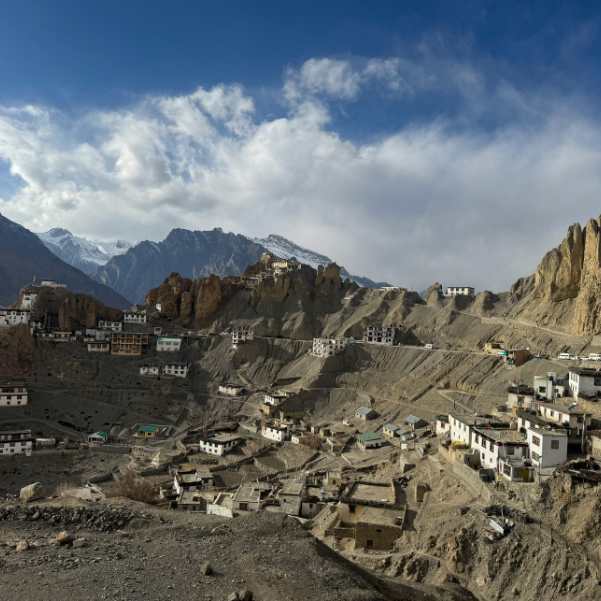
This depends on when you are going.
Right now (April 2026), the Manali to Kaza route is not an option. The official Lahaul and Spiti district road status showed the Keylong to Kaza stretch as closed.
That means the short circuit is not possible yet. If you want to reach Spiti in April or early May, you enter from the Shimla side. Period.
Kunzum Pass usually opens between late May and mid June, but heavy snow years can push this later. Until Kunzum opens, Chandratal is also not accessible.
Once both sides open, typically mid June to early October, you can choose either circuit freely. But even in peak season, the Manali side can close temporarily due to landslides, especially during monsoon months.
The Shimla to Kinnaur side is the more reliable year round access route and stays the fallback option when Kunzum shuts down unexpectedly.
Our advice for 2026: if you are planning a June trip, read our Kunzum Pass in April guide and Rohtang Pass in May update to understand the opening timeline. Do not book non refundable stays until you have confirmed road status within a day or two of departure.
Sample 6 Day Spiti Short Circuit Itinerary
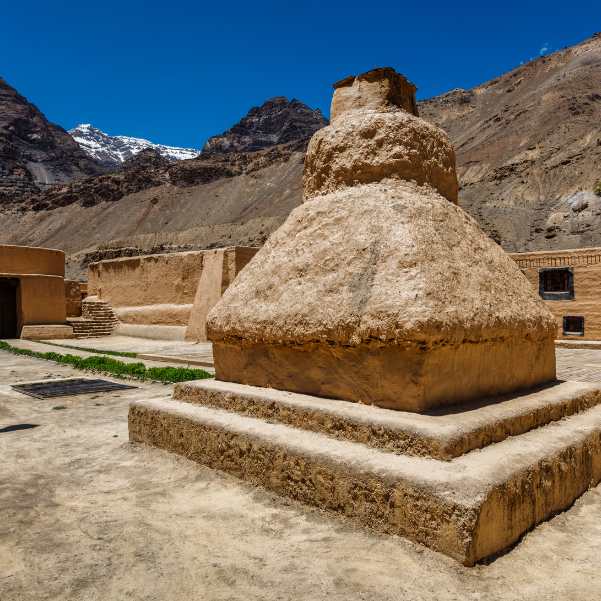
This is a realistic plan, not a fantasy one. It is still fast.
Day 1
Manali to Sissu or Jispa. Cross the Atal Tunnel, settle in for the night. This is your acclimatization buffer. Do not skip it. The dhabas in Sissu serve solid rajma chawal, and the valley views in the evening are worth the stop.
Day 2
Sissu to Kaza via Kunzum Pass. This is a long, rough driving day. Start by 6 AM. The stretch after Batal will test your patience and your vehicle's suspension. Reach Kaza by afternoon, rest, and do nothing strenuous. Drink water. A lot of it.
Day 3
Kaza, Key Monastery, Kibber, Chicham Bridge. This is your main sightseeing day. Key is about 12 km from Kaza and worth every minute. Kibber is one of the highest inhabited villages you will visit. Chicham Bridge is dramatic. You can cover all three in one day comfortably.
Day 4
Langza, Hikkim, Komic. The village loop. Langza has the famous Buddha statue with snow peaks behind it. Hikkim has the world's highest post office. Send a postcard, it actually reaches. Komic has a small monastery. This is the day that makes people fall in love with Spiti.
Day 5
Kaza to Chandratal (if open) and camp overnight. Or if Chandratal is not accessible, spend another morning in Kaza, visit the local market, and start driving back towards Manali in the afternoon, stopping at Batal or Chhatru.
Day 6
Chandratal or Batal to Manali. Early start, long drive. You will be tired, but you will also be carrying one of the best weeks of your life in your head.
This plan is tight. If any road closes or weather turns, you have zero buffer. We usually tell our travellers: if you can find even one extra day, add it. A 7 day short circuit is significantly more comfortable than a 6 day one.
Send us your dates and group size on WhatsApp
Sample 9 Day Spiti Full Circuit Itinerary
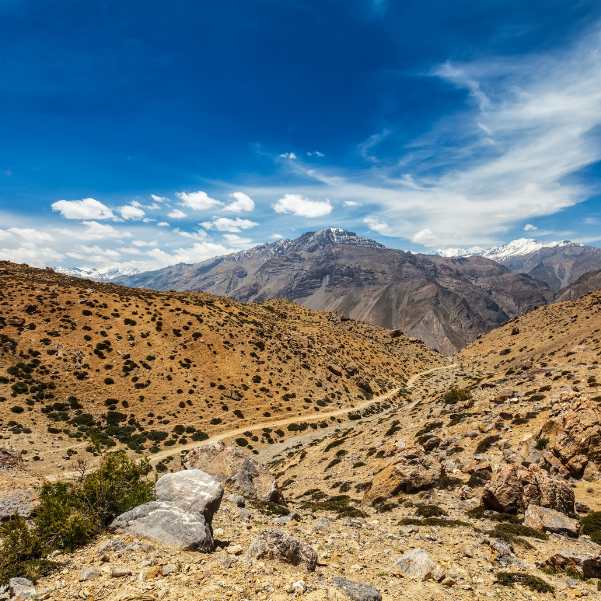
This is the version we recommend to most first timers. It does not rush, it does not skip, and it gives your body time to adjust.
Day 1
Delhi or Chandigarh to Narkanda or Rampur. Easy highway drive, nothing dramatic. Sleep at a reasonable altitude. Narkanda has apple orchards and clean mountain air. A good warm up.
Day 2
Narkanda to Sangla or Kalpa. The drive enters the Sutlej valley and starts getting beautiful. Kalpa gives you a front row view of the Kinner Kailash range. The sunset from here is one of the best in Himachal.
Day 3
Kalpa to Nako or Tabo. The landscape starts changing. Pine forests thin out, the river canyon deepens, and by the time you reach Tabo, the world looks like the surface of Mars. Tabo Monastery is over a thousand years old and feels like it.
Day 4
Tabo to Kaza via Dhankar. Stop at Dhankar Monastery perched on a cliff above the confluence of the Spiti and Pin rivers. Reach Kaza by afternoon. Rest and drink water.
Day 5
Key, Kibber, Chicham. Monastery circuit day. Key is the postcard image of Spiti. Kibber is quiet and high. Chicham Bridge hangs over a gorge that makes your stomach drop.
Day 6
Langza, Hikkim, Komic. Village day. The fossil rich fields of Langza, the highest post office in Hikkim, and the wide open sky above Komic. Pack a lunch from Kaza. The options up in the villages are limited.
Here is a tip most guides will not tell you: the small shop near the Hikkim post office sells the best instant noodles you will eat on this trip.
Not because the noodles are special, but because at 14,400 feet with the wind blowing and nothing but mountains around you, a hot bowl of Maggi tastes like a five star meal.
Day 7
Kaza to Chandratal (if the road is open). Camp overnight near the lake. Walk to Chandratal in the evening and again at sunrise.
The morning light on the water is something else entirely. Reach the lake before 7 AM if you can. By 10, the first wave of day trippers arrives from Kaza and the trail turns into a queue.
Day 8
Chandratal to Manali via Batal and the Atal Tunnel. Long day, rough road, but the drive through the Chandra valley is stunning. Reach Manali by evening.
Day 9
Buffer day. Use it if a road was closed, if you needed an extra rest day in Kaza, or if you just want a morning in Manali before heading home. Buffer days are not wasted days. They are the difference between a stressful trip and a great one.
If Chandratal is not open when you travel, replace Day 7 with another exploration day around Kaza, Pin Valley and Chandratal, and drive directly to Manali on Day 8.
Want the full circuit planned and handled for you? Browse our Spiti Valley tour packages or check the full Spiti circuit with Chandratal that our team has designed with proper acclimatization stops built in.
Explore Our Curated Spiti Valley Tours
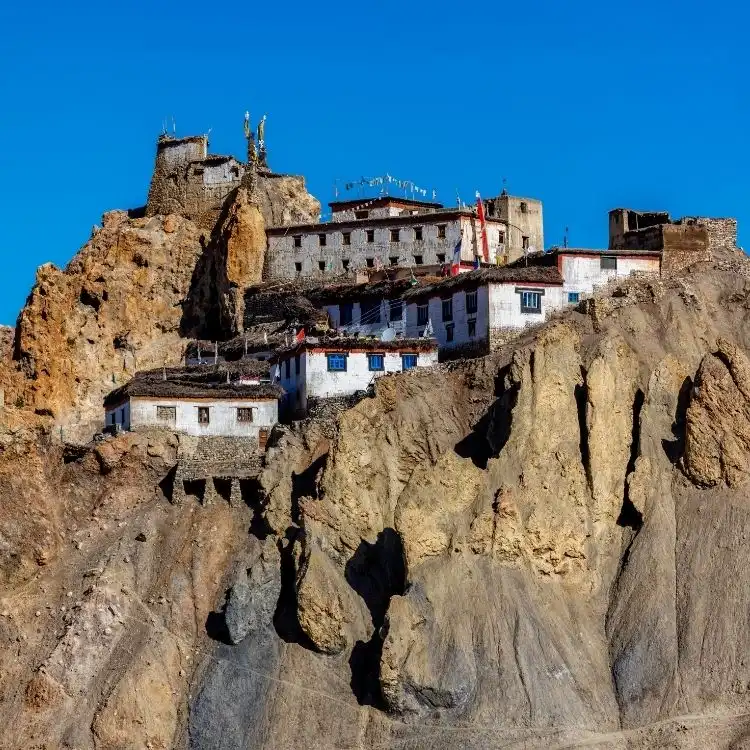 Group Tour10D/9N
Full Spiti Valley Circuit With Chandratal
1D Narkanda•1D Sangla+5
₹29,999₹32,999SAVE INR 3,000/ person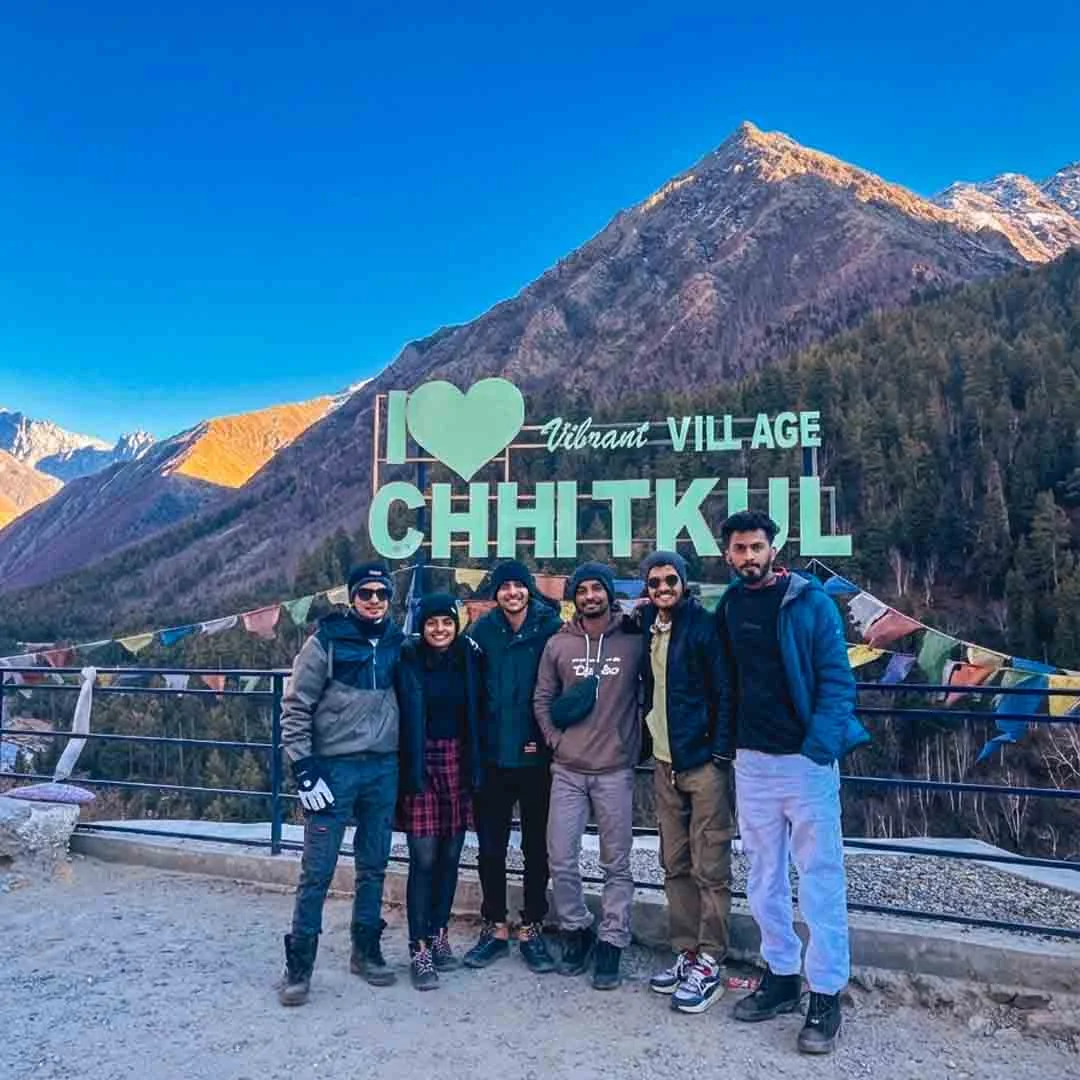 Group Tour9D/8N
Best Selling Winter Spiti Valley Group Tour
2D Sangla•1D Tabo+2
₹18,999₹23,999SAVE INR 5,000/ person
When Should You Avoid the Short Circuit?
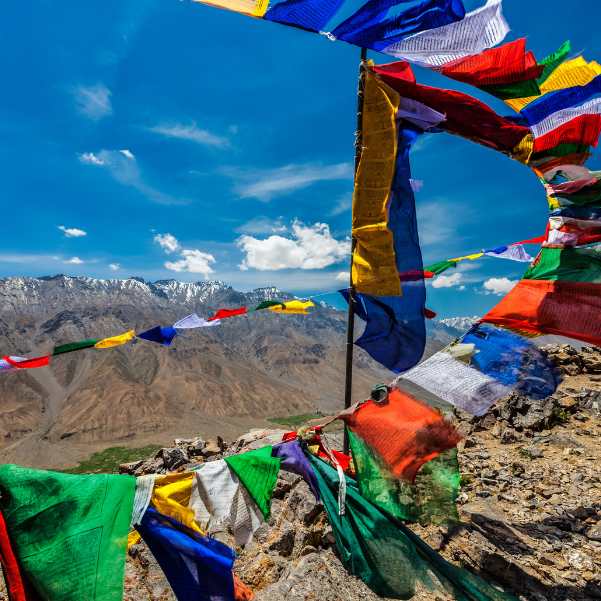
If this is your first trip above 10,000 feet, do not do the short circuit. Your body has no reference point for altitude, and compressing the ascent into one day is asking for trouble.
If you have a history of altitude sensitivity, headaches at hill stations, breathlessness on treks above 8,000 feet, or if you have been told by a doctor to be careful with altitude, the Shimla side is your only smart option.
If you are travelling in April, May, or early June, the short circuit may not even be possible. Kunzum Pass opens on its own schedule, and no amount of planning changes that. The Shimla to Kinnaur route is usually open earlier and stays your reliable access.
If you are travelling with kids under 10 or elderly family members, the short circuit's compressed altitude gain and rougher roads are a bad combination. Take the full circuit and give everyone a comfortable trip.
One more thing we have seen too many times: travellers who book non refundable stays for a short circuit in early June, only to find Kunzum still closed. They lose money and scramble for an alternative. Do not be that person. Keep your bookings flexible until road status is confirmed.
Our Honest Verdict on Spiti Full Circuit vs Short Circuit
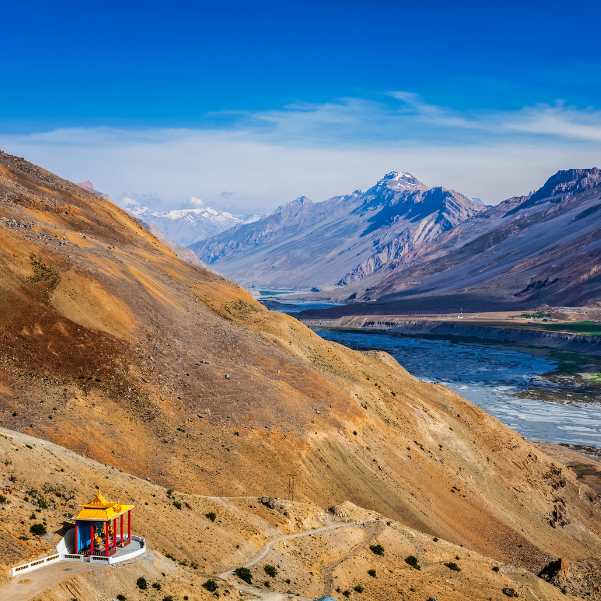
If someone asks us for one default recommendation, we say the full circuit. Every time.
Not because it is more expensive or because we make more money on it. Because it is genuinely the better trip. The acclimatization is smoother, the landscapes are more varied, the daily drives are shorter, and you come back feeling like you saw something complete.
The full circuit has an arc to it. Green valleys to barren desert to high altitude lake to Manali. The short circuit drops you into the middle and pulls you back out.
The short circuit is not a bad trip. It is just the compromise version. You do it when time is tight, not because it is a better experience. If you have the days, take the full route.
Our drivers have done both routes hundreds of times. When we ask them which one they enjoy more, every single one says the full circuit.
The Shimla side roads are easier on the vehicle, the food stops are better, and the drive through Kinnaur is the kind of road they actually look forward to.
If you are still not sure which one fits your schedule and budget, we are happy to help you figure it out.
Plan Your Spiti Trip with Local Help
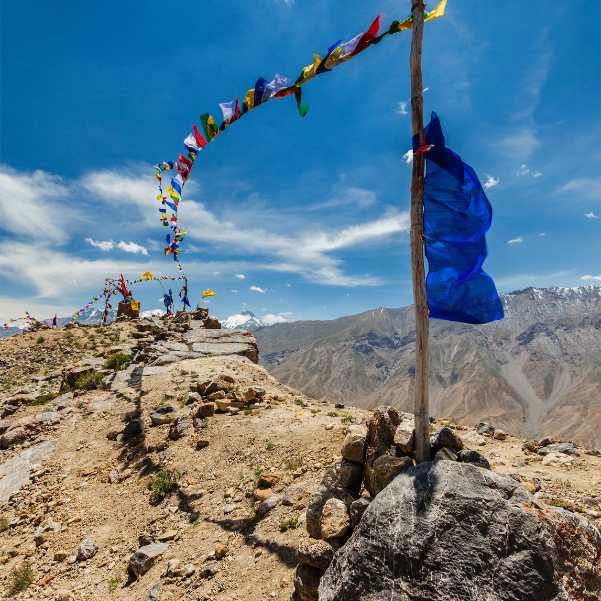
We have been planning Spiti trips for years and we know both routes inside out. Whether you want a self drive plan, a vehicle with a driver, or a fully managed trip, we can put something together that actually fits your dates.
Related Himachal Routes Worth Reading
If you are planning the Manali entry, our Manali tour packages cover stays, activities, and transit options for the town itself.
Want to know if Chandratal will be open for your dates? The Chandratal opening dates and best time to visit guide has month by month details.
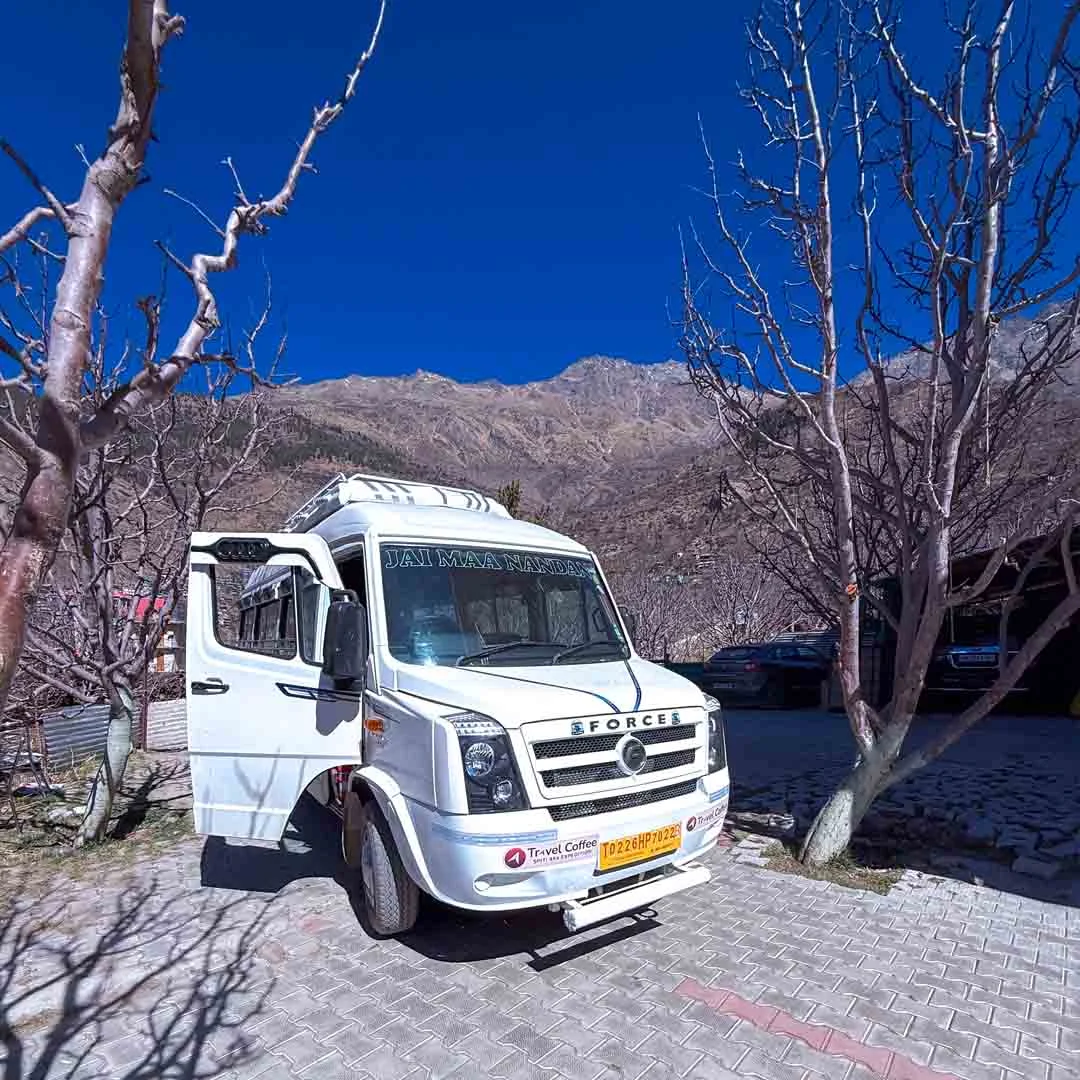
Thinking about a vehicle for the trip? Smaller cars like hatchbacks are more manageable on the Shimla side. The Manali side is rougher and works better with higher ground clearance.
Sedans are possible but not ideal, especially on the Batal to Chandratal stretch and parts of the Kunzum approach.
Related topics
Frequently Asked Questions
Which is better for first timers, Spiti full circuit or short circuit?
The full circuit. The Shimla side gives you gradual altitude gain over 2 to 3 days, which makes acclimatization much easier. The short circuit jumps you from Manali to Kaza in one long day, which is hard on the body if you have never been at high altitude before.
How many days do you need for the Spiti full circuit?
A minimum of 8 days, though 9 to 10 days is much more comfortable. If you are starting and ending in Delhi, plan for 10 to 12 days to avoid rushing.
How many days do you need for the Spiti short circuit?
You can squeeze it into 5 days, but 6 to 7 days is more realistic and enjoyable. Five days means long drives every day with almost no buffer.
Is the short circuit safe for families?
It can be, but the full circuit is safer and more comfortable for families. The altitude gain on the short circuit is steep, the roads on the Manali side are rougher, and there is less time to rest. Families with kids or older members should go full circuit.
Which Spiti route is better for acclimatization?
The Shimla to Kinnaur entry route. You gain altitude gradually over several days. The Manali entry pushes you to 12,500 feet and above within a single day.
Can I do Spiti in 5 days?
Technically yes, but only the short circuit, and it will feel rushed. You will spend most of your time driving. If 5 days is all you have, focus on Kaza, Key, and Kibber, and do not attempt Chandratal unless it falls perfectly on your route.
Is it better to go to Spiti via Shimla or Manali?
For first timers and families, Shimla. For repeat visitors and experienced mountain travellers in the open season, Manali works fine. The ideal plan for most people is to enter from Shimla and exit via Manali, which is the full circuit.
Does the short circuit include Chandratal?
It can, if the road from Batal to Chandratal is open and you have time. Chandratal sits between Kaza and Manali on the route, so short circuit travellers can add it on the way back. But it is not guaranteed. The Chandratal diversion road has its own clearance timeline.
Is the Manali to Kaza road open in April, May, or June?
As of April 2026, the Keylong to Kaza stretch was officially closed. Kunzum Pass usually opens between mid May and mid June, but it varies by year. Always check the official Lahaul and Spiti district road status before planning.
Do Indians need a permit for Spiti Valley?
Indian citizens do not need an Inner Line Permit for Spiti tourism. However, the e Aagman system requires vehicle users entering the district to follow an e pass workflow, and the Atal Tunnel to Koksar to Chandratal circuit needs an e permit. Foreign nationals need permit formalities for restricted areas in Lahaul and Spiti.
Can I take a hatchback or sedan on the Spiti circuit?
Smaller cars are more manageable on the Shimla side. The Manali side is rougher and better suited to vehicles with higher ground clearance. A hatchback can technically do the Shimla to Kaza stretch, but we would not recommend a sedan or low clearance car on the Manali side, especially the Batal area.
More about Lahaul and Spiti
 Lahaul and Spiti
Spiti Valley in January 2027: Who Should Book a 4x4 Trip and Who Should Wait?
Planning a Spiti Valley trip in January 2027? Discover whether to book a 4x4 winter expedition or wait for better conditions. Explore January weather, road accessibility, safety risks, travel costs, and who should consider postponing their Winter Spiti adventure.
 Lahaul and Spiti
Winter Spiti 4x4 vs Tempo Traveller: What Does the Price Difference Buy in 2026?
Is a Winter Spiti 4x4 trip worth the extra cost compared to a Tempo Traveller? Compare package prices, comfort, snow and ice handling, road conditions, and safety considerations to understand what you're actually paying for and which vehicle suits your Winter Spiti adventure in 2026-27.
 Lahaul and Spiti
Rent or Buy Winter Gear for Spiti in 2026? Jackets, Boots, Costs and Pickup Options
Planning a Winter Spiti trip in 2026? Compare the cost of renting vs buying jackets, snow boots, thermals and other essential winter gear, along with practical tips on what to rent, what to buy and where to arrange it before your trip.
- First-Time Travellers
- Snow Travel