
Spiti Bike Trip from Bangalore 2026: Ship Your Bike, Rent in Manali or Join a Package?
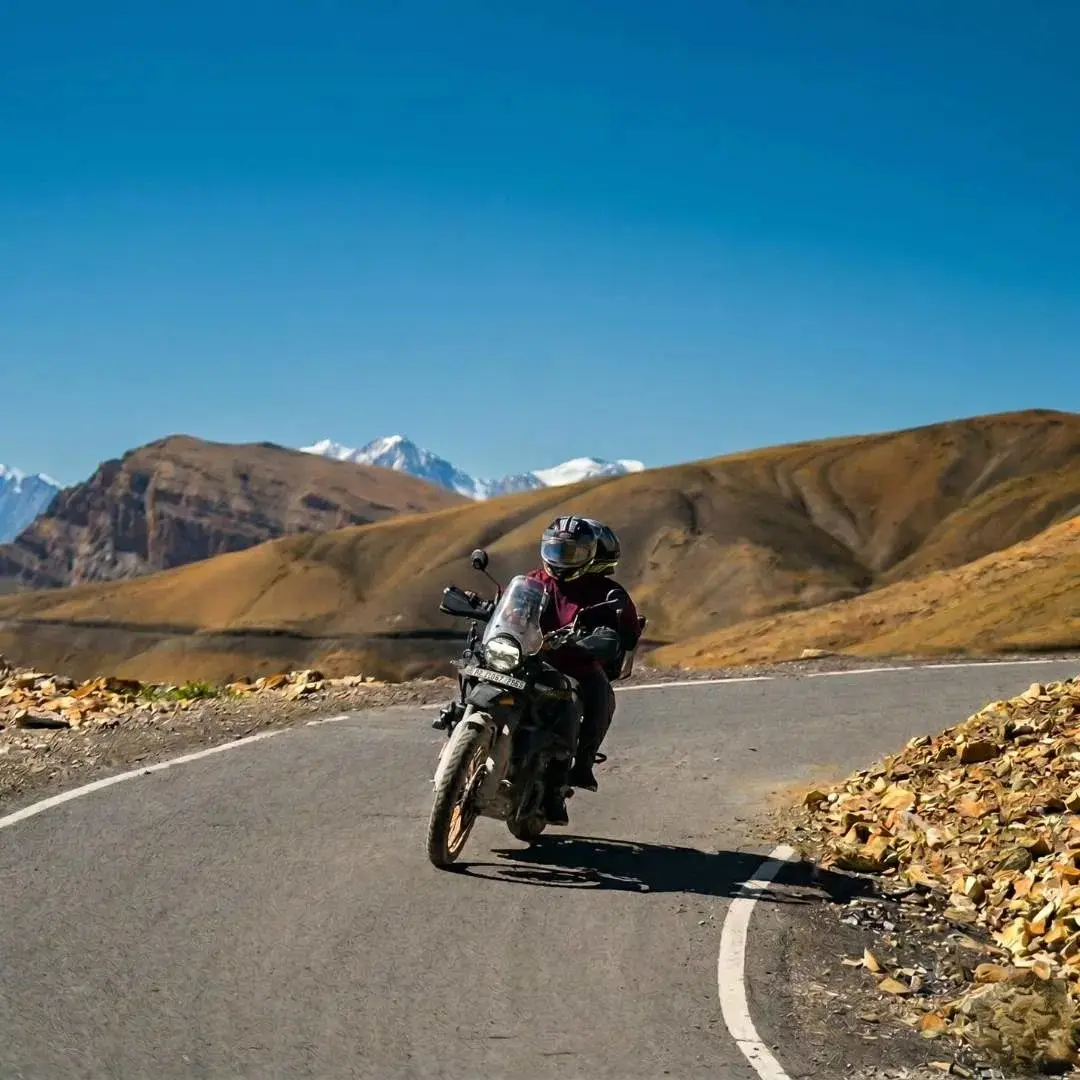
A Spiti bike trip from Bangalore sounds like the ultimate ride. And it is. But the trip starts going wrong not in the mountains; it goes wrong in the planning. Do you ride all the way up? Ship your bike by train? Rent something in Manali? Join a group?
We have seen Bangalore riders arrive in Manali after 3 days of highway riding, already exhausted, and then try to tackle Kunzum Pass the next morning. That never ends well.
This guide by Travel Coffee breaks down your three real options: shipping your own bike, renting in Manali, or joining a guided package; with actual costs, real tradeoffs, and the kind of advice we give every Bangalore rider who calls us.
Quick Answer: What Should Bangalore Riders Choose?
Most Bangalore riders with limited leave should either join a guided Spiti bike package or fly north and rent from a trusted operator in Manali.
Shipping your own bike makes sense only if the bike is expedition-ready and you have 1-2 buffer days for pickup and delays. Riding all the way from Bangalore is a hardcore option only for experienced tourers with 15+ days and serious heat tolerance.
If you are a first-timer heading to Spiti on a bike, start with support. The mountains will test you enough without also worrying about logistics.
Why Planning a Spiti Bike Trip from Bangalore Is Different
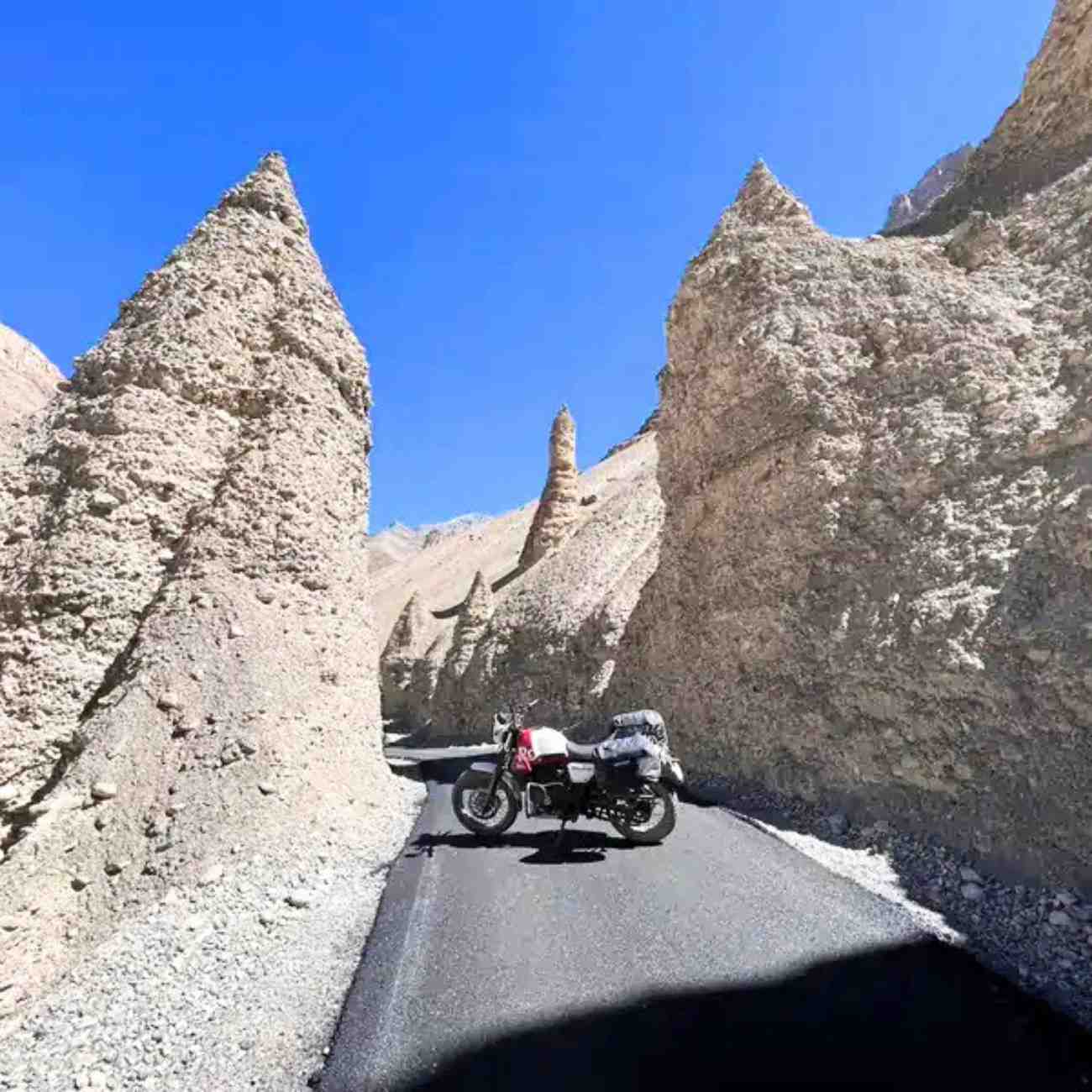
The challenge is not Spiti itself. The challenge is reaching the Himalayas fresh enough to actually enjoy the ride.
Bangalore to Chandigarh is around 2,426 km by road. Bangalore to Manali is around 2,664 to 2,692 km.
That is 3 to 4 days of pure highway riding through Karnataka, Maharashtra, Rajasthan or Gujarat, and then into Himachal; through 40°C heat, trucks, toll plazas, and fatigue that builds up faster than you think.
Most riders we talk to have 10 to 12 days of leave. Spending 6 of those on highways leaves almost nothing for the mountains.
Your tyres wear down on hot tarmac, your body takes a beating, and by the time you reach Manali, you need a rest day before you can even think about riding towards Kaza.
What most tourists get wrong about this trip is treating the highway and mountain sections as one ride. They are not. The plains drain you. Spiti demands you.
That is why most Bangalore riders either fly to Delhi or Chandigarh and start fresh, or ship their bike and skip the highway entirely.
Option 1: Should You Ship Your Own Bike from Bangalore?
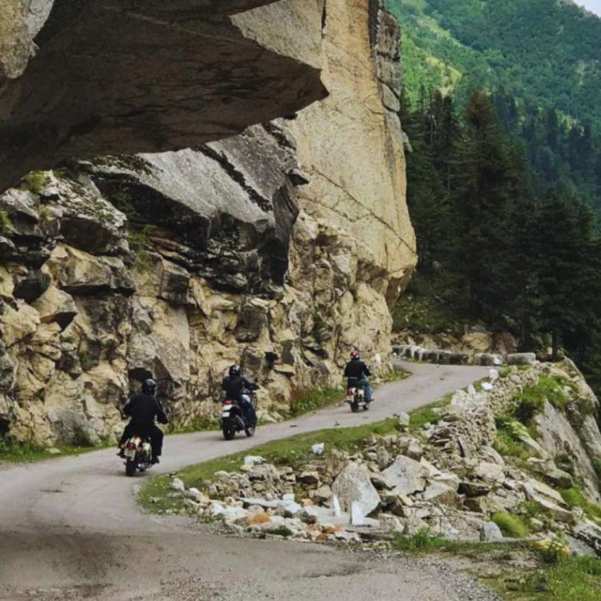
Shipping makes sense when you trust your own motorcycle. You have already serviced it, fitted the luggage mounts, know how the clutch feels, broken in the tyres, and want the comfort of your own machine on the rough roads of Spiti.
The most common way to ship is Indian Railways. If you are travelling on the same train, your bike goes as luggage. If you are not on the same train, it goes as parcel.
Either way, you need a Xerox copy of the bike RC, government ID proof, proper packing (mirrors folded, loose parts secured), an empty petrol tank, a clear origin and destination label, and a forwarding note from the station.
The process is not complicated, but it is slow. Bike arrivals can take 3 to 5 days depending on the route and availability. Minor transit damage: scratched panels, bent levers is not uncommon. And pickup at the receiving station involves paperwork that can eat half a day.
Private packers and movers are another option. Online quotes from Bangalore to Chandigarh ranged from around ₹7,000 for standard bikes to ₹7,000 to ₹14,000 depending on bike type and packing. But quotes change by season and distance, so always get a fresh estimate.
The real cost of shipping is not money, it is time. You need 1 to 2 buffer days on both ends for pickup, inspection, and any fixes. If your leave is tight, those buffer days eat into riding days.
Our recommendation
Ship your bike only if you have at least 2 spare days before the ride starts and the bike is genuinely ready for high-altitude terrain. Otherwise, you are adding stress to what should be a liberating trip.
Option 2: Should You Rent a Bike in Manali for Spiti?
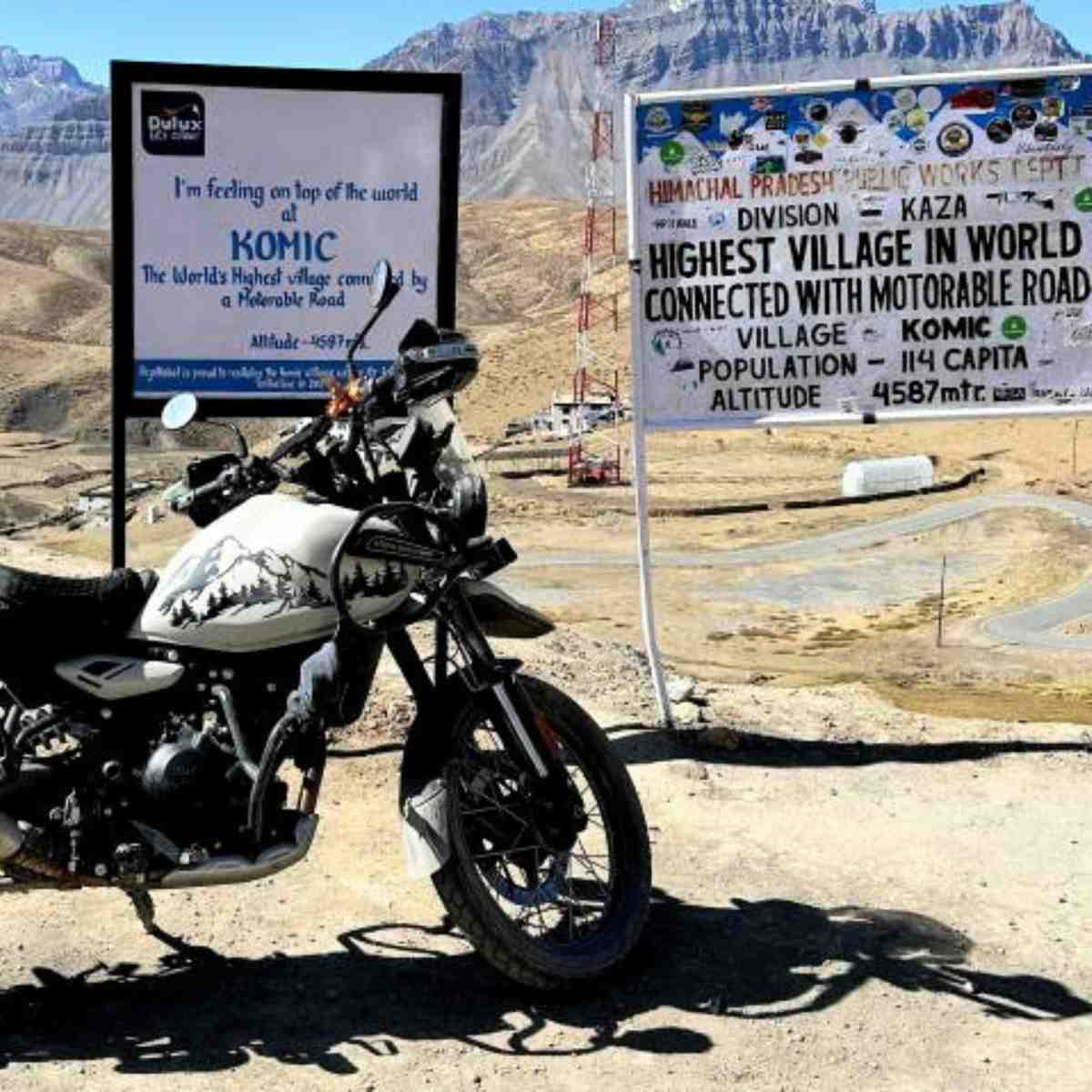
Renting looks simple on paper. Fly to Chandigarh or Delhi, bus or drive to Manali, pick up a bike, and ride into Spiti without moving your own motorcycle across India.
Rental prices in Manali vary by season, bike model, operator, and rental duration. Royal Enfield rental partner listings showed examples like Himalayan at ₹900/day and New Himalayan at ₹2,200/day.
Other rental sources show Himalayan rentals around ₹1,400 to ₹2,000 per day. BigBike Rentals listed the Himalayan at ₹1,400/day with a ₹3,000 local rental deposit. Prices shift through the season, so always verify the final rate before booking.
Here is the catch that most first-timers miss. Rental does not automatically include a backup vehicle, a mechanic, fuel, damage cover, or luggage support. You are on your own.
If the clutch cable snaps near Batal or a tyre blows out past Losar, you fix it yourself or wait for help that may take hours.
Before leaving Manali, inspect the bike yourself. Check tyres, brakes, clutch, chain tension, lights, mirrors, horn, tool kit, and documents.
Ask specifically about insurance and what happens if the bike gets damaged on bad roads. Get the damage policy in writing.
We have heard from riders who came back to Manali with a scratched tank guard and got charged ₹8,000 because nothing was documented before departure.
Skip the cheapest rental you find. The ₹800/day Classic 350 sounds great until you are riding it over water crossings near Pagal Nala and realising the tyres are nearly bald. A reliable Himalayan from a verified operator is worth every extra rupee.
Option 3: Should You Join a Guided Spiti Bike Package?
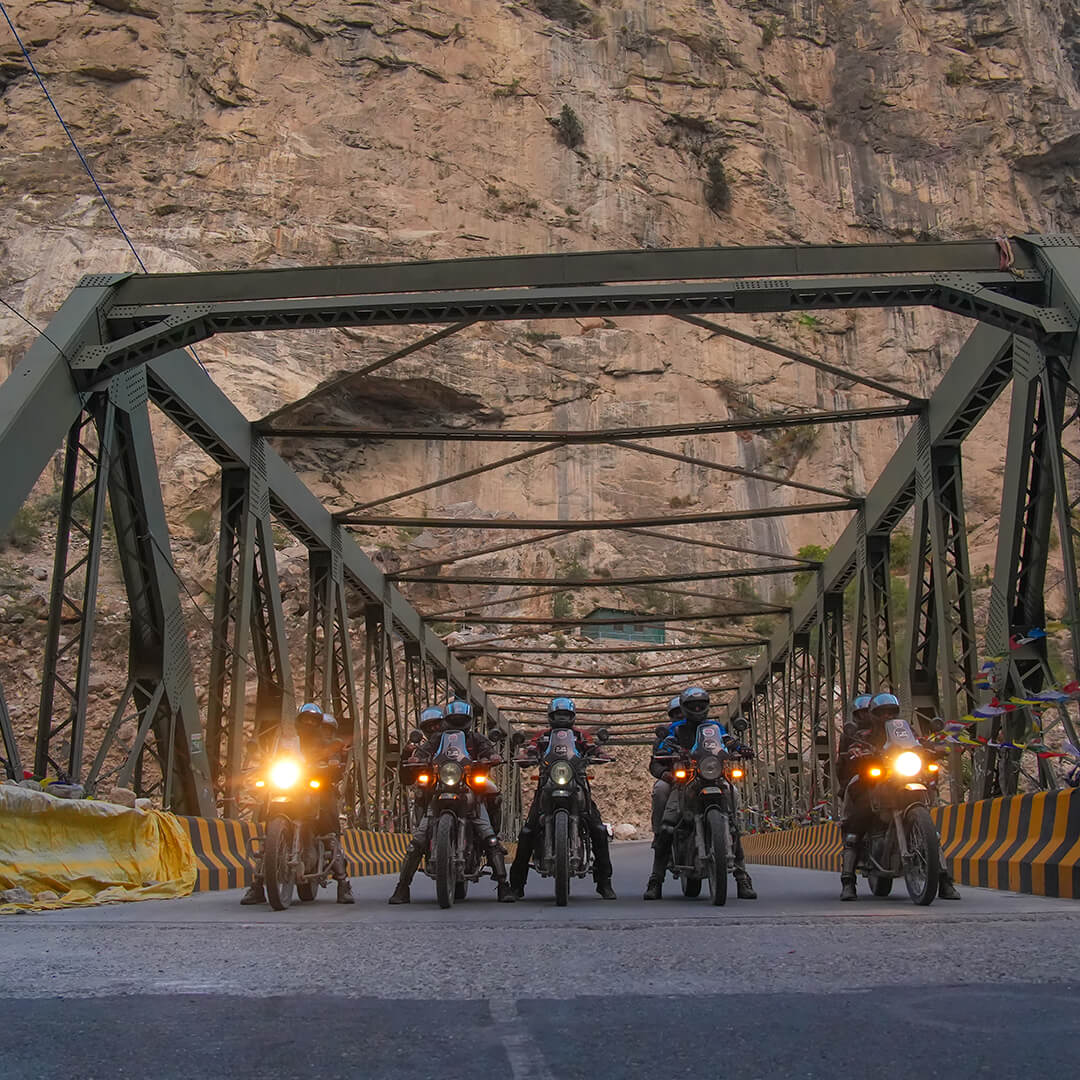
Packages work best for first-time Spiti riders, solo travellers from Bangalore, riders with limited leaves, and anyone who wants a road captain, a mechanic, and a backup vehicle instead of managing every moving part on their own.
Travel Coffee's Spiti bike packages start from ₹25,999.
The 7D/6N Manali to Manali route starts from ₹25,999 and covers Manali, Sissu, Kaza, Chandratal and back to Manali.
The 10D/9N full-circuit route starts from ₹34,999 and goes Delhi to Jibhi to Sangla to Kaza to Chandratal to Manali to Delhi.
The 11D/10N deeper route starts from ₹32,999 and can start or end at Delhi or Chandigarh, covering Narkanda, Sangla, Kalpa, Kaza, Pin Valley, Chandratal and Manali.
Inclusions typically cover a Royal Enfield bike as per selected variant, fuel as per itinerary, stays, meals, road captain, mechanic, backup vehicle on group departures, and oxygen and first aid support. Exact inclusions vary by package and batch, so confirm before booking.
What we always tell first-timers from Bangalore is this
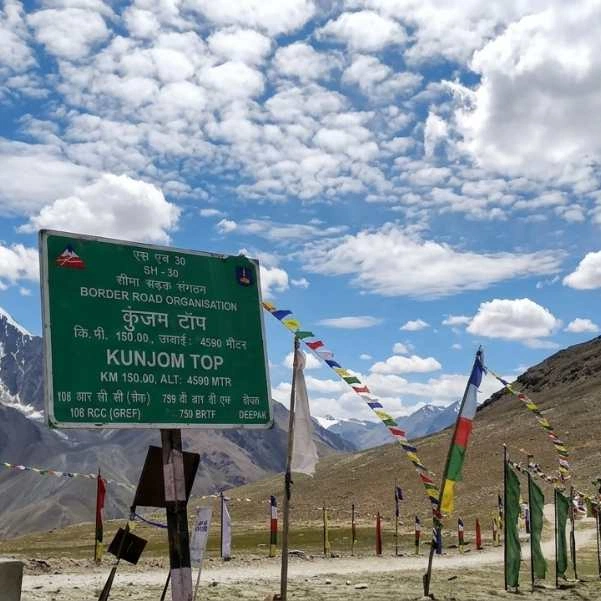
The money you save by going solo, you spend on stress. A broken-down bike at 4,551 metres near Kunzum with no phone signal and no mechanic is not an adventure. It is a problem. A good package removes that problem entirely.
Explore our Spiti Valley tour packages for routes, dates, and batch availability.
Cost Comparison: Ship Your Bike vs Rent in Manali vs Join a Package
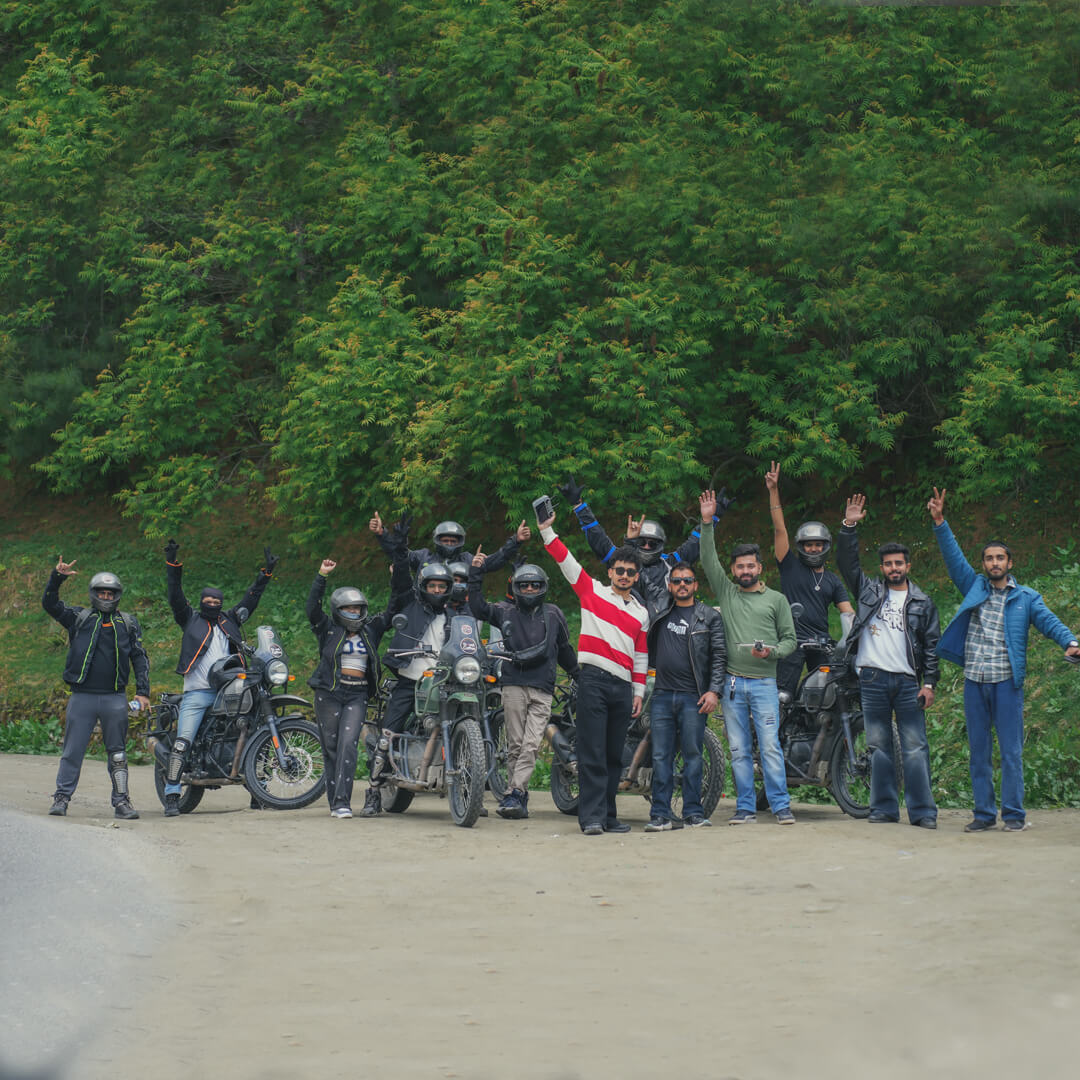
A 9-day Spiti bike trip on your own bike costs roughly ₹20,800 to ₹24,500. This covers fuel, food, basic stays, and road expenses, but not the shipping cost. Shipping from Bangalore to North India adds extra depending on rail parcel, private transporter, bike weight, route, packing, and insurance.
A rented-bike Spiti trip costs roughly ₹34,300 to ₹42,500. This includes rental, fuel, stays, food, and deposits. If the bike takes any damage on Spiti roads (which is common), repair or damage charges push this number higher.
A guided package starts from ₹25,999 onward. This includes the bike, fuel, stays, meals, mechanic, road captain, and backup support. For a first-timer, this is often the best value — not because it is cheap, but because everything that could go wrong is already covered.
The practical conclusion
Own bikes can be cheapest only if shipping is smooth and the bike needs no repair. Rental can get expensive fast once rent, fuel, deposits, and damage risk stack up. The package gives the most predictable cost with the least surprises.
One money-saving tip only a local operator would know
If you are joining a group batch departure with Travel Coffee, the per-person cost drops because the backup vehicle, mechanic, and road captain costs are split across the group. Solo departures cost more. Ask about upcoming batch dates before you book.
Best Start Point from Bangalore: Manali, Chandigarh or Delhi?
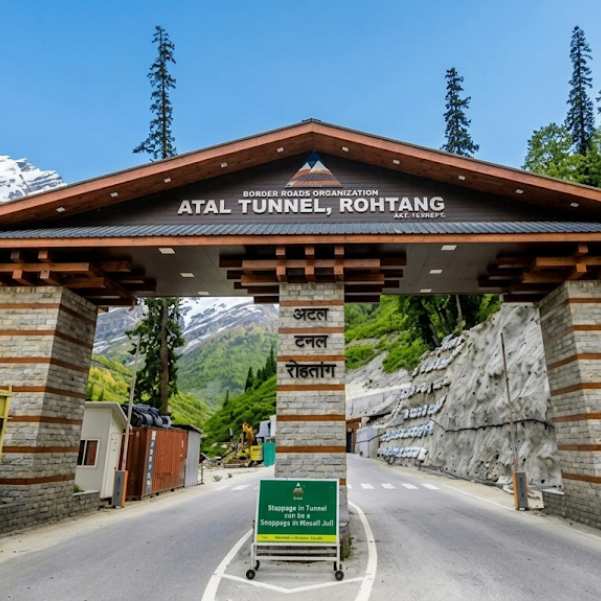
Manali
Manali is best if you are short on leaves and want a compact route. You can fly into Chandigarh or Kullu, reach Manali the same day, and start riding the next morning. The downside: altitude gain is quick.
You go from 2,000 metres in Manali to over 4,000 metres at Kunzum in a single day. Early-season road status near Kunzum can also be uncertain. Check our Manali packages if you want a Manali-start trip with local support.
Chandigarh
Chandigarh is cleaner for Bangalore travellers who want a full-circuit ride. You enter Spiti via the Shimla-Kinnaur side, which gives gradual altitude gain over 3 to 4 days.
By the time you reach Kaza, your body has adjusted. Less Delhi highway fatigue, better acclimatisation. If your route goes through Kinnaur, check out our Kinnaur trip options.
Delhi
Delhi has the most group departures and transport choices, but it adds another long plains leg before the mountains begin. If you are flying from Bangalore, Delhi is not always the most efficient start, Chandigarh often saves you a full day.
Suggested Itineraries for Bangalore Riders
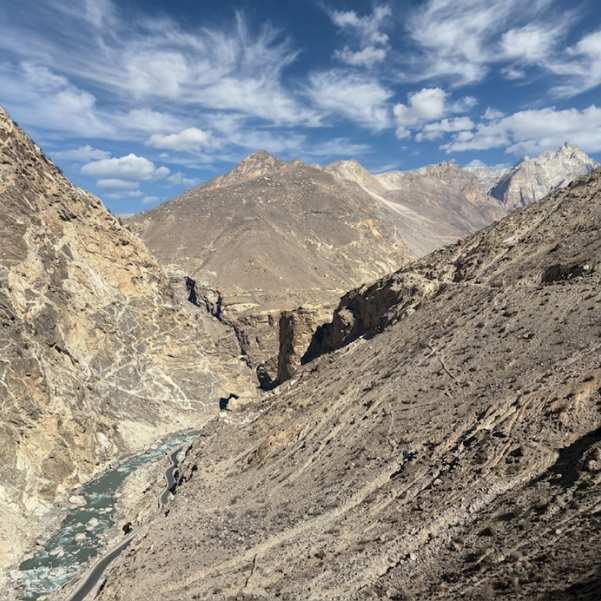
7D/6N Manali to Manali for Short Leaves
This is the fast option. The Travel Coffee route covers Manali to Sissu to Kaza to Chandratal to Manali. You skip the Kinnaur side entirely and go straight into Spiti via the Atal Tunnel and Kunzum Pass.
It suits riders who are comfortable on hill roads and okay with quicker altitude gain. You do not get the gradual acclimatisation that the Shimla entry gives you, so drink plenty of water and skip the whiskey on night one in Sissu.
The dal and rice at the dhaba just past the Batal checkpoint is the last proper hot meal before Chandratal. The guy running it opens every season from June to September. Do not skip it, you will be grateful for something warm in your stomach before the cold hits.
10D/9N Delhi or Chandigarh Full Circuit for First-Timers
This is the route we recommend most to Bangalore riders visiting Spiti for the first time. The route goes Delhi to Jibhi to Sangla to Kaza to Chandratal to Manali to Delhi.
The Kinnaur side gives you gradual altitude gain. You pass through the Sutlej valley, spend a night in Sangla or Kalpa, and reach Kaza after your body has had days to adjust. The riding is more varied too: river valleys, apple orchards, and desert-like terrain all in one circuit.
This is better than rushing straight from Manali to Kaza in a day and wondering why your head hurts at night.
15-17 Day Bangalore to Bangalore Ride for Hardcore Riders
This is not a recommendation. This is a warning dressed as an option.
A Reddit rider reported completing Bangalore to Spiti and back in 17 days and 6,500 km, riding through extreme heat in Gujarat and Rajasthan and sub-zero conditions in Nako and Kaza. It is doable.
But it requires serious endurance, a perfectly maintained bike, and the kind of heat and fatigue tolerance most riders overestimate in themselves.
If you are considering this, be honest with yourself. Two days of 40°C highway riding followed by mountain passes at minus temperatures is not something you train for by watching YouTube vlogs.
If you have done long-distance touring before and know what 600 km days feel like, go for it. If not, fly north and save your energy for the mountains.
2026 Road Status: Kunzum, Manali-Kaza and Chandratal
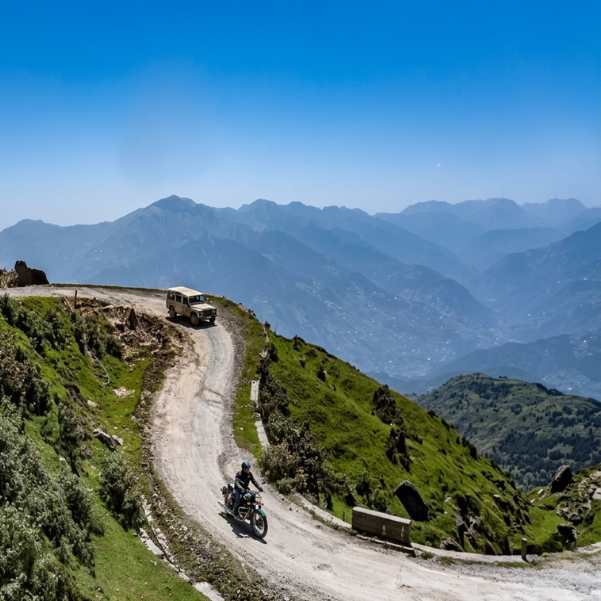
Here is where things get interesting for 2026 planning. The official Lahaul-Spiti district road status page showed Delhi-Manali open, Manali-Keylong open, and Keylong-Kaza closed on its June 10, 2026 update.
This is exactly why we tell every rider to check road status the morning they leave, not two days before, not based on a blog post from last week. Conditions near Kunzum and Chandratal change with snow, water crossings, landslides, and district administration orders.
For the latest on Chandratal access, our Chandratal opening dates guide for 2026 covers the month-by-month reality. And if you are planning a stop in Sissu on the way, check our Sissu Valley options for stays and route planning.
The honest advice: if your trip falls in early June, keep your itinerary flexible. Mid-June onward is more reliable for bike riders.
Permits and Documents You Need in 2026
For Indian citizens
No Inner Line Permit is needed for regular Spiti tourism. Carry your driving licence, bike RC, insurance, PUC certificate, and government ID. Some local authorities may charge environmental or entry fees at certain points.
For foreign nationals
HP Tourism requires Inner Line Permits for certain inner areas of Kinnaur and Spiti bordering Tibet.
Permits are issued by the SDM Manali, SDM Reckong Peo, Deputy Commissioner Lahaul-Spiti at Keylong, and Deputy Commissioner Kinnaur at Reckong Peo. Apply in advance, do not assume you can sort it out on the road.
For rented bikes
Verify that the rental operator provides original documents with the bike not photocopies. Check the rental agreement, insurance validity, and damage terms before leaving Manali. If the paperwork is not clear, do not take the bike.
For shipped bikes
Keep a copy of the forwarding note, RC, ID proof, and parcel receipt. You will need these at the destination station for pickup.
Who Should Choose Which Option?
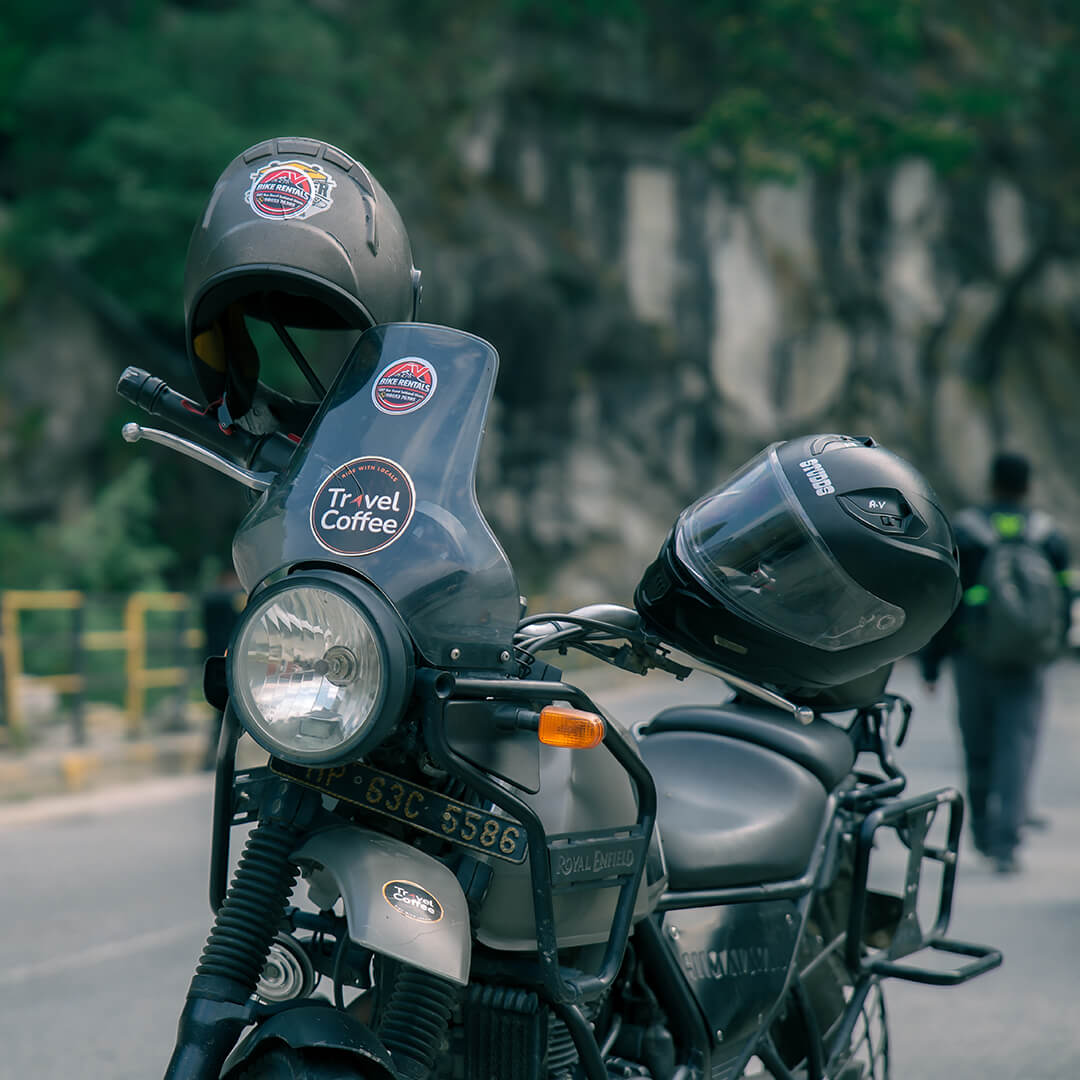
If your bike is reliable, recently serviced, already fitted for touring with proper tyres and luggage, and you have buffer days for shipping and pickup, ship your own bike.
There is nothing like riding your own machine through Spiti. You know every rattle, every gear shift, every quirk. That familiarity matters on bad roads.
If you are experienced on hill roads, short on time, comfortable inspecting a rental bike yourself, and ready to handle deposits and damage risk, rent in Manali.
Pick a verified operator, choose a Himalayan or equivalent with good tyres, and document the bike's condition with photos before you ride out.
If this is your first Spiti bike trip, you are coming solo from Bangalore, your leaves are limited, or you want a road captain, mechanic, backup vehicle, and stay coordination handled for you, join a guided package.
In our experience running these trips every season, the riders who enjoy Spiti most are the ones who did not have to worry about logistics while riding.
The paid viewpoint at the Chandratal parking area charges around ₹100 for a view you get free from the trail 200 metres to the left. Skip it and save that money for a hot chai at the dhaba below.
Real Risks Bangalore Riders Forget
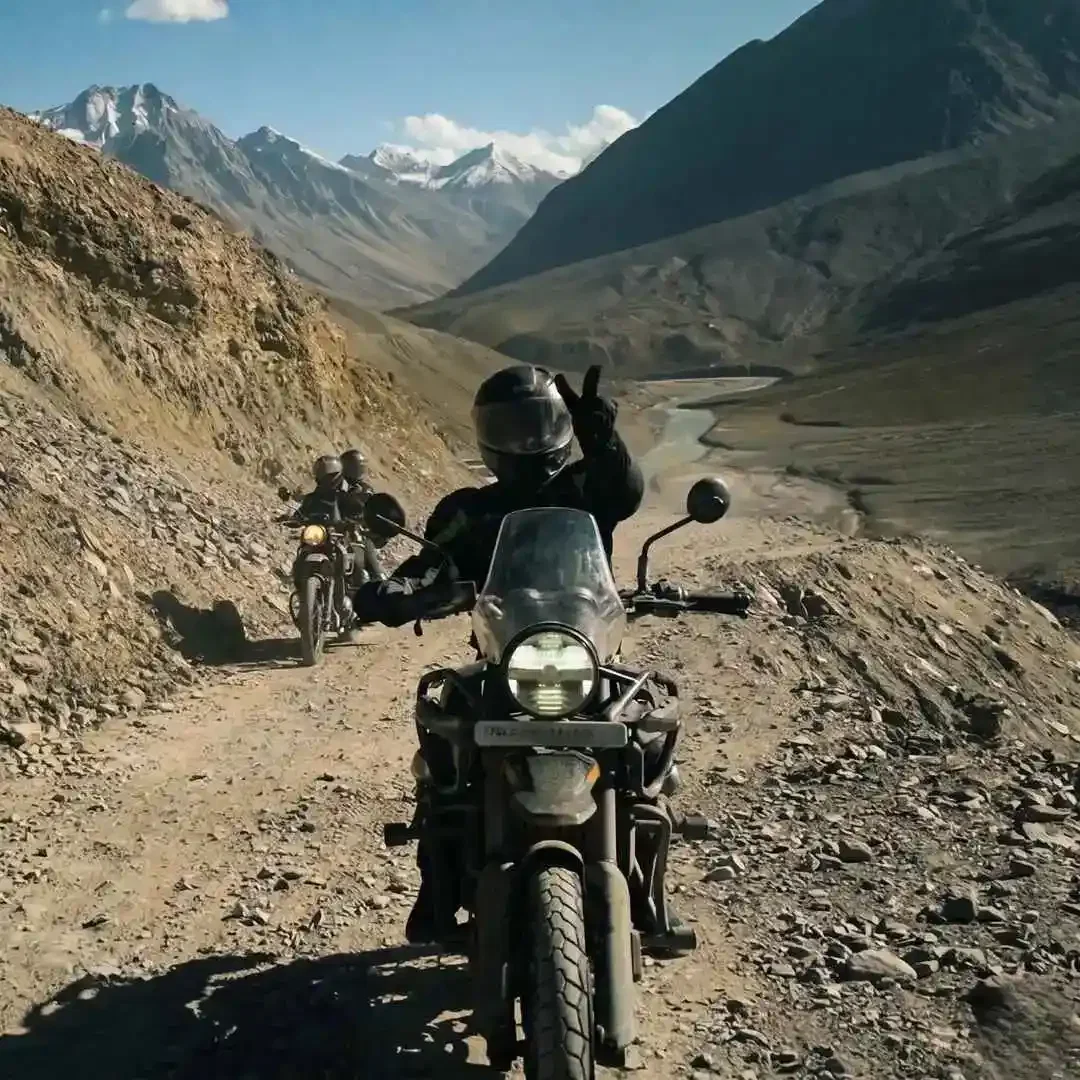
Bike shipping delays can eat 2 days out of a tight schedule. Rental bikes can break down — clutch cables snap, tyres puncture, chains loosen and there is no Enfield service centre between Manali and Kaza.
Altitude sickness does not care how fit you are. At 4,551 metres near Kunzum, headaches, nausea, and breathlessness can hit anyone.
Drink water constantly. Skip alcohol entirely on high-altitude nights. Walk slowly at camp. Do not push yourself to ride if your head is pounding.
Network coverage disappears past Kaza on most operators. BSNL has patchy coverage at best. No signal means no Google Maps, no calling for help, no UPI payments. Carry cash and download offline maps before you leave Manali.
Water crossings near Pagal Nala and Batal can be deeper than they look. Riding through cold water at speed can hydro-lock your engine. Walk the crossing first. Go slow. Let the backup vehicle go first if you have one.
In our experience, the hardest day for most riders is not the day they cross Kunzum. It is the night after, when the cold hits at Chandratal or Kaza, sleep is poor, and the next morning's ride starts with stiff muscles and a foggy head.
A good sleeping bag and thermal layers matter more than a faster bike.
Spiti is not a normal hill ride. The support matters most on bad days, not on Instagram days.
Reach the lake before 7 AM. The light on the water is completely different at sunrise. By 10, the first wave of day-trippers arrives from Kaza and the trail around the lake turns into a queue.
Final Recommendation from Our Himachal Team
For most Bangalore riders planning a Spiti bike trip in 2026, the guided package is the safest and most time-efficient option. You fly to Delhi or Chandigarh, join a group or solo departure, ride with a road captain and mechanic, and come back with stories instead of stress.
Renting is second-best if you are experienced, choose a verified operator, and go in with clear damage documentation.
Shipping your own bike is the best option only when the bike is truly expedition-ready, your dates are flexible, and you have buffer days on both ends.
Whatever you choose, do not underestimate the road. And do not over-plan your itinerary. One buffer day in your plan is worth more than one extra destination on your list.
Check our Summer Spiti Circuit with Chandratal for a route that includes the lake, proper acclimatisation stops, and a pace that actually lets you enjoy the ride.
Explore Spiti Valley Packages
Related topics
Frequently Asked Questions
Is it better to ship my bike from Bangalore to Spiti or rent in Manali?
If your bike is touring-ready and you have buffer days for shipping, ship it. If you want convenience and are okay with rental risks, rent in Manali from a verified operator. For first-timers, a guided package that includes the bike is often the simplest choice.
How much does a Spiti bike trip from Bangalore cost in 2026?
On your own bike, a 9-day trip costs roughly ₹20,800 to ₹24,500 excluding shipping. On a rented bike, expect ₹34,300 to ₹42,500. Guided packages start from ₹25,999 with bike, fuel, stays, meals, and support included.
How do I transport my bike by train from Bangalore?
Book it as luggage if you are on the same train, or as parcel if you are not. You need a Xerox copy of the bike RC, government ID, proper packing with mirrors folded, an empty petrol tank, and a forwarding note from the station.
What documents are needed to parcel a bike by train?
RC copy, government ID proof, forwarding note, proper packing with the petrol tank emptied, and a clear label with origin and destination station names.
Is renting a bike in Manali safe for Spiti?
It can be, if you choose a verified operator and inspect the bike thoroughly before riding out. Check tyres, brakes, clutch, chain, lights, tool kit, insurance, and damage terms. Document everything with photos.
Which bike is best for Spiti Valley?
The Royal Enfield Himalayan is the most popular and practical choice. It handles the rough roads, water crossings, and altitude well. Avoid low-clearance or heavy cruiser-style bikes on this route.
How many days are needed for a Spiti bike trip from Bangalore?
A minimum of 7 days if you fly north and start from Manali. 10 to 11 days for a full circuit via Kinnaur. If you are riding all the way from Bangalore, plan at least 15 to 17 days.
Should I start my Spiti bike trip from Manali, Chandigarh or Delhi?
Manali for short leaves and compact routes. Chandigarh for full-circuit rides with better acclimatisation. Delhi for more group departure options. Chandigarh often saves a full day compared to Delhi.
Is Manali to Kaza open in 2026?
As of June 10, 2026, the official district page showed Keylong-Kaza as closed, while local reports indicated Gramphu-Kaza via Kunzum was open for light vehicles. Always verify on the day of departure. Mid-June onward is more reliable.
Do Indians need a permit for Spiti Valley?
No. Indian citizens do not need an Inner Line Permit for regular Spiti tourism. Carry your driving licence, RC, insurance, PUC, and government ID.
Do foreigners need an Inner Line Permit for Spiti?
Yes. Foreign nationals require Inner Line Permits for certain inner areas of Kinnaur and Spiti bordering Tibet. Apply through the SDM Manali, SDM Reckong Peo, or the Deputy Commissioners at Keylong and Reckong Peo.
Is Chandratal included in a Spiti bike trip?
Most Spiti circuits include a night at Chandratal. The lake is accessible from mid-June to September in most years. Check our Chandratal 2026 guide for the latest on road and camp status.
More about Lahaul and Spiti
 Lahaul and Spiti
Rent or Buy Winter Gear for Spiti in 2026? Jackets, Boots, Costs and Pickup Options
Planning a Winter Spiti trip in 2026? Compare the cost of renting vs buying jackets, snow boots, thermals and other essential winter gear, along with practical tips on what to rent, what to buy and where to arrange it before your trip.
- First-Time Travellers
- Snow Travel
 Lahaul and Spiti
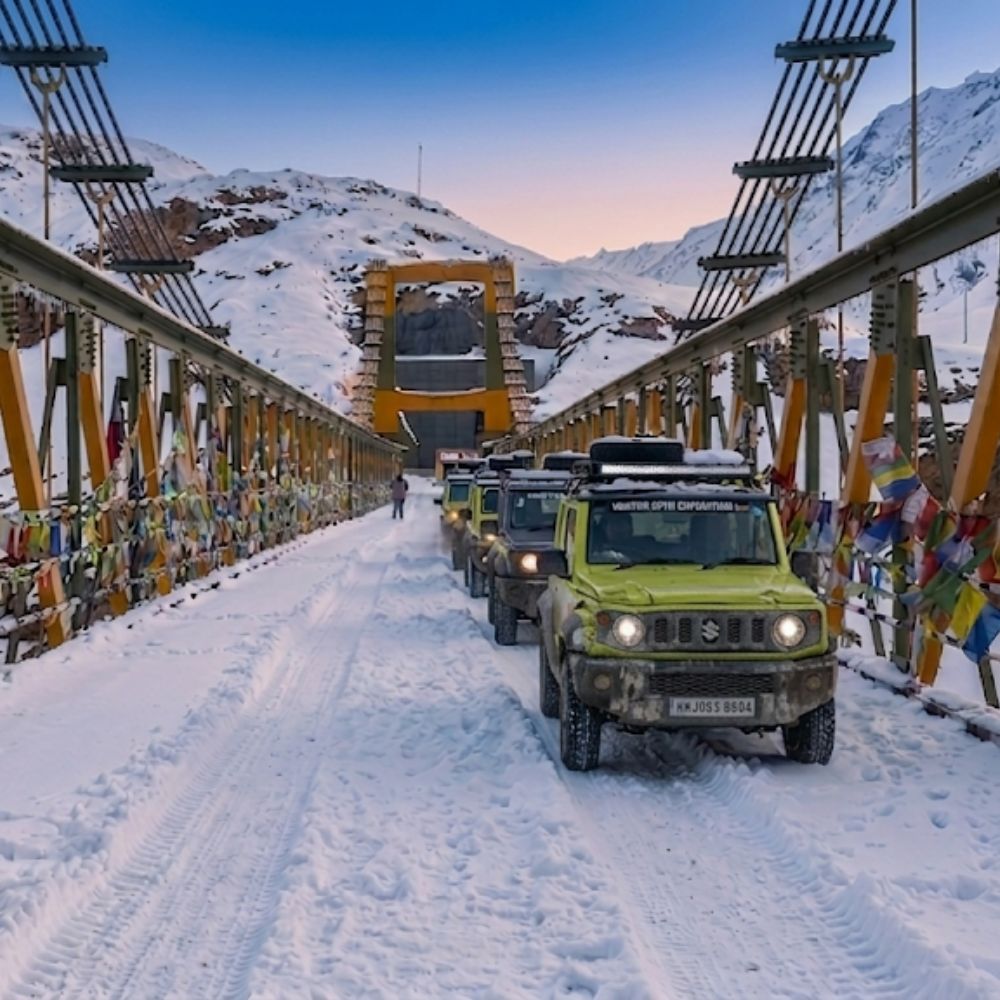
Winter Spiti 4×4 Seating Guide 2026: Jimny, Scorpio N, Thar and Hilux for Passengers and Luggage
Planning a Winter Spiti trip in 2026? This practical 4×4 seating guide compares the Jimny, Scorpio N, Thar and Hilux for passenger comfort, luggage space, winter roads and long mountain drives, helping you choose the right vehicle for your group size and travel style.
- Road Trips
- Snow Travel
 Lahaul and Spiti
Stargazing in Winter Spiti 2026: Where to Stay, Moonlight and What You Can See
Discover the best places for stargazing in Winter Spiti 2026, where to stay for darker skies and how moonlight affects visibility. Learn what you can realistically see from Kaza, Tabo and nearby villages during the winter months.
- Things to Do
- Snow Travel