
Solo Trip to Manali in 2026: Budget, Safety, Stay Areas, Transport and 4-Day Itinerary
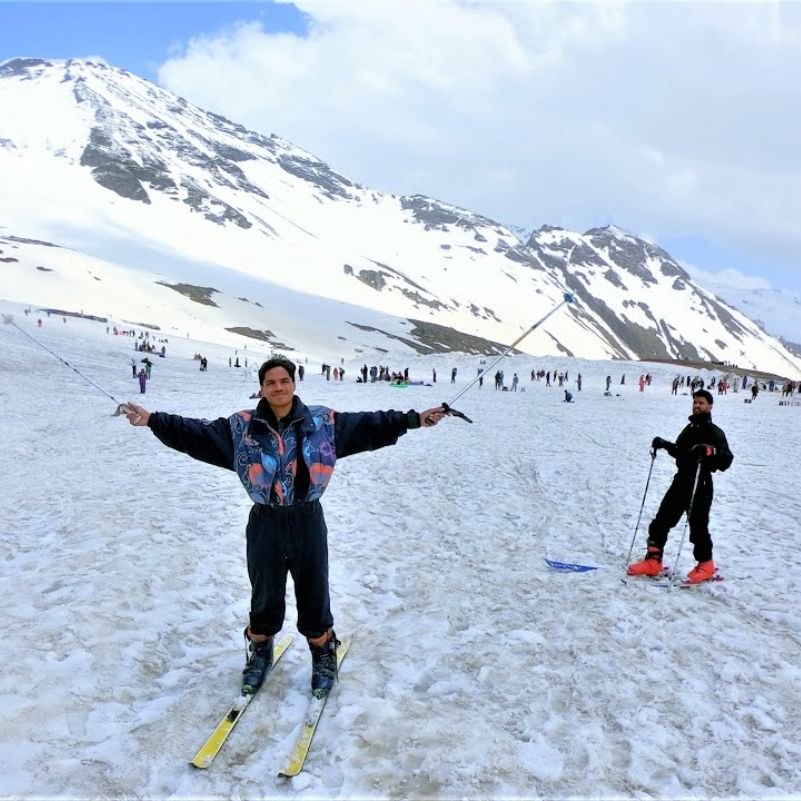
Planning a solo trip to Manali and stuck on the same three questions everyone hits first? Is it safe, how much will it cost, and where should you stay so you are not lonely but also not stuck in the wrong part of town?
We run trips through Manali every season, and the honest answer is that a solo trip to Manali works well for most first-timers, as long as you plan around mountain weather instead of fighting it.
This guide by Travel Coffee breaks down budget, safety, stay areas, transport and a full 4-day itinerary, using only what we actually know to be true right now.
Quick Answer: Is a Solo Trip to Manali Worth It in 2026?
Yes. A solo trip to Manali is manageable for most first-time solo travellers when you pick an established stay, use verified transport, and keep your plans flexible around the weather.
Old Manali suits social travellers who want hostels and cafés. Central Manali is best if you care about transport and quick arrivals. Vashisht is the quiet hillside choice.
Four full days give you enough time for local Manali plus one big outstation trip like Solang or Sissu.
It stays affordable when you travel by overnight bus, sleep in hostels, eat local, and share your sightseeing rides instead of booking a private taxi for one.
If you would rather someone else handle the moving parts, our customised Manali tour packages come with a local driver, handpicked stays, and a team that actually picks up the phone.
Is Manali Safe for Solo Travellers?
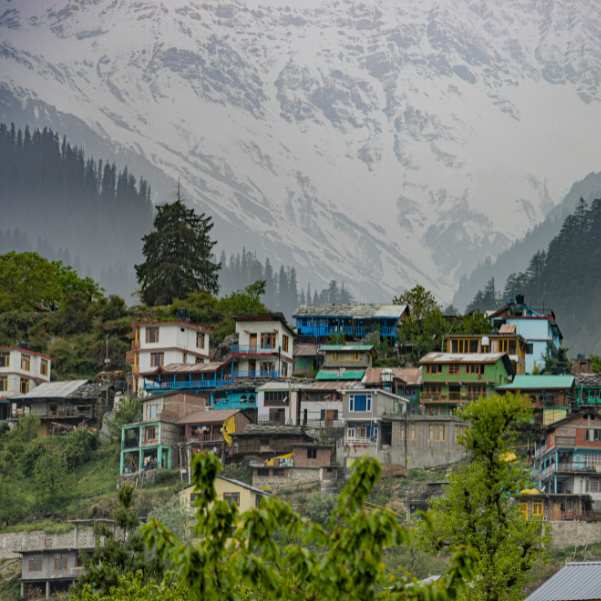
The realistic safety answer
No place is completely risk-free, and we will not pretend Manali is. It is a busy, well-established tourist town, but you still deal with isolated lanes, unfamiliar trails, traffic, snowfall, landslides and sudden weather changes.
The main market feels comfortable even in the evening. Forest paths, river edges and dark hillside lanes are a different story. Do not treat them the same way.
Most trouble here comes from bad judgement around weather and isolated spots, not from the town itself. Keep that difference in your head and you will be fine.
Safety checklist before booking
Pick a property that has staff on-site, recent reviews, and clear road access. A stay that is hard to find at night is a stay you do not want after a long bus ride.
Share your accommodation name and your day-trip plans with someone you trust back home. A quick message before you lose signal goes a long way.
Keep your ID, booking details, emergency contacts and offline maps saved on your phone. Network drops often in these hills, so do not rely on live internet for directions.
Safety advice for solo female travellers
If you want more privacy, look for a female-only dorm or a well-reviewed private room. Recent traveller reports mention both female-only dorms and social hostels in Manali, though availability changes, so confirm directly before you pay.
Pre-arrange your transport if you are arriving late. Skip unverified rides, and come back from any quiet or isolated area before dark.
We will not tell you a particular hostel or lane guarantees safety, because none can. What helps is choosing a staffed place, keeping your return transport sorted, and trusting your gut when something feels off.
Trekking and adventure safety
Do not attempt unfamiliar forest, snow or high-altitude routes alone without local guidance. People underestimate how fast trails change here, and a wrong turn on a solo trek is a serious problem.
For paragliding, skiing, rafting or guided treks, go with registered operators only. Ask to see their setup and their gear before you commit.
If there is an official weather warning, cancel or reschedule. No view is worth pushing into active bad weather. In our experience, the travellers who get into trouble are almost always the ones who ignored a warning to save a day.
We wrote a full breakdown of the adventure activities in Manali if you want to see what is realistically on offer and what to skip.
How Much Does a Solo Trip to Manali Cost?
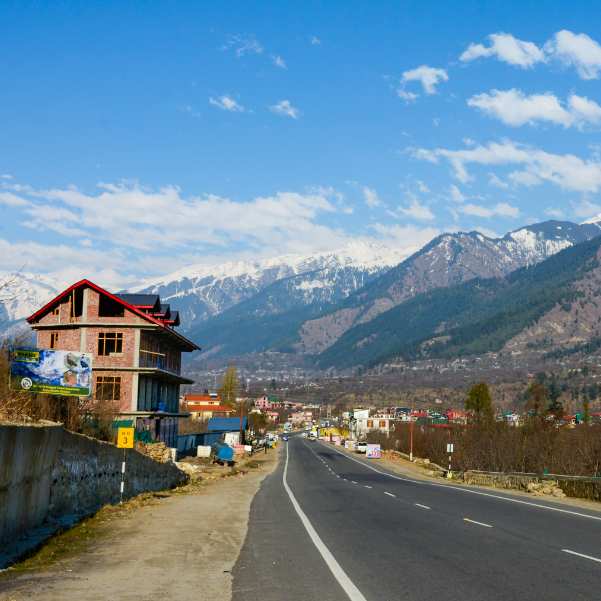
First understand what "four days" means
This is where most people plan wrong. Four full sightseeing days in Manali is not the same as a four-day package that includes your Delhi-to-Manali travel and return.
A four-calendar-day Delhi package usually burns two nights on the road, so you actually get very little time in the mountains.
This itinerary uses four full days in Manali and three nights, and treats the overnight bus journeys from Delhi as extra travel time on top.
Sort this out before you book leave, or you will end up disappointed with how little you actually saw.
Main budget components
Your total for this trip covers the return bus, three nights of stay, meals, local transfers, and at least one excursion. Live rates keep moving, so we will not hand you fake numbers.
Bus fares, accommodation, meals, local transport and shared excursions vary by season and demand, so check live rates for your exact dates.
Budget separately for adventure activities, as prices depend on the operator, weather and activity duration.
Backpacker, comfortable and private-sightseeing budgets
The backpacker version keeps costs low. You take an overnight bus, sleep in a hostel dorm, eat at local dhabas, walk where you can, use public buses, and join a shared excursion for your one big day out.
The comfortable version gives you a private room, a few café meals, short local transfers instead of long walks, and one organised shared day trip. You spend more, but you rest better.
The higher-cost version uses private taxis and premium stays. Fine if you want it, but understand that private sightseeing gets expensive fast for one person, because the whole vehicle charge lands on you instead of getting split among a group.
Where solo travellers overspend
The biggest money leak is booking private taxis when a shared ride would do. That single vehicle charge, paid alone, quietly doubles your daily spend.
The other traps are staying far from the area you actually want, paying unconfirmed snow-clothing charges, saying yes to spontaneous adventure activities, and eating every single meal in premium tourist cafés.
What we always tell our solo travellers is to eat at least one meal a day at a local spot the drivers use. It is cheaper, hotter, and usually better than the fancy café next door.
👉 Travelling solo and unsure where to spend? WhatsApp us your dates and we'll help you plan smarter.
Which Is the Best Area to Stay in Manali Alone?
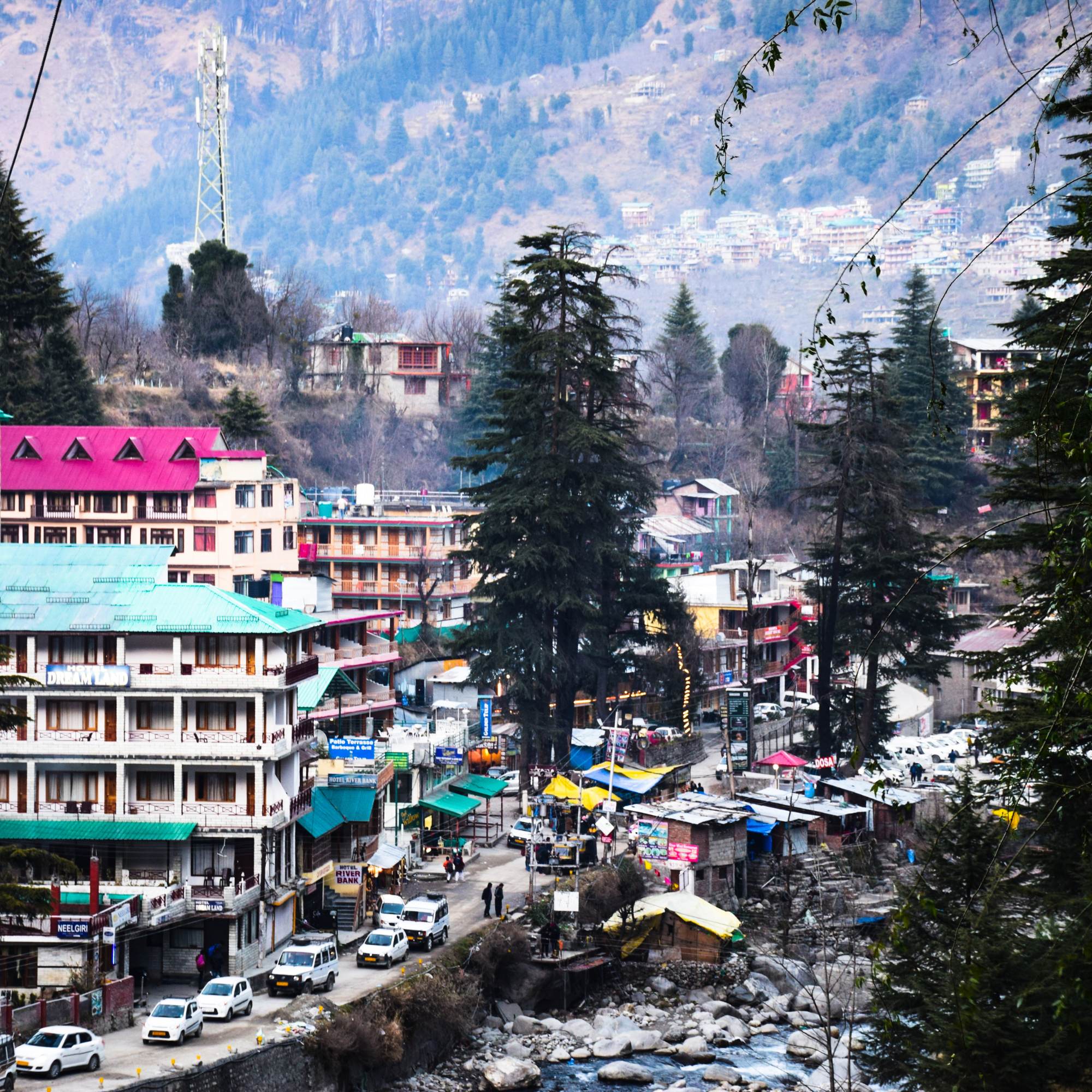
Old Manali: best for cafés, hostels and meeting people
Old Manali is the backpacker's favourite. Hostels, cafés, and a communal vibe make it easy to meet people if that is what you want.
Some properties sit up narrow or sloping lanes. Check the access before you book, especially if you are carrying luggage or arriving at night. Not every hostel here is loud, and not every corner is a party, so read recent reviews for the actual feel of your specific stay.
Central Manali and Mall Road: best for transport convenience
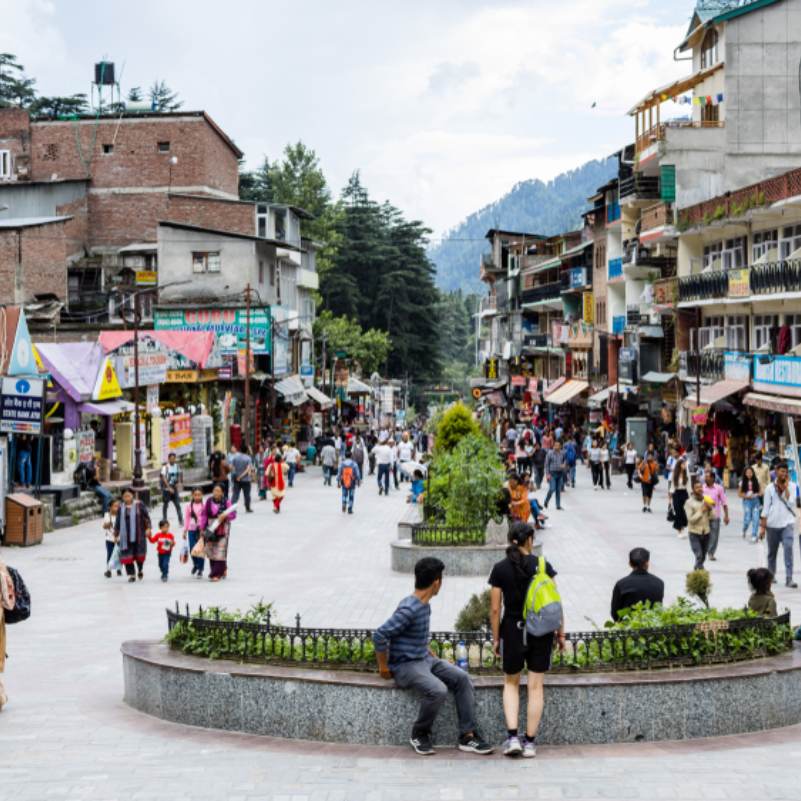
Central Manali and Mall Road work best if you care about shops, the commercial centre, easy arrivals and onward transport. Everything is close and flat.
It feels busier and more commercial than Old Manali or Vashisht, which some people love and others find tiring. We usually point to late arrivals and early departures here, along with anyone who does not want to drag luggage up a steep lane in the dark.
Vashisht: best for views and a quieter base
Vashisht is the hillside pick. Guesthouses, a few hostels, and a calmer atmosphere, with better views than the town centre.
The trade-off is access and gradient. Check how steep the walk is and how far your stay sits from wherever you plan to catch your bus, because that distance matters more than it looks on a map.
Which area should a first-time solo traveller choose?
If you actively want hostel interaction, go Old Manali. If transport convenience is your priority, choose central Manali. If you want quiet, pick Vashisht.
If you are a woman arriving after dark, do not chase a cheap stay far out of town. Pick the easiest verified transfer and a staffed property, even if it costs a bit more. That first night matters most.
You can see how we structure stays across all three areas in our Manali holiday packages.
How Do You Reach Manali on a Solo Trip?
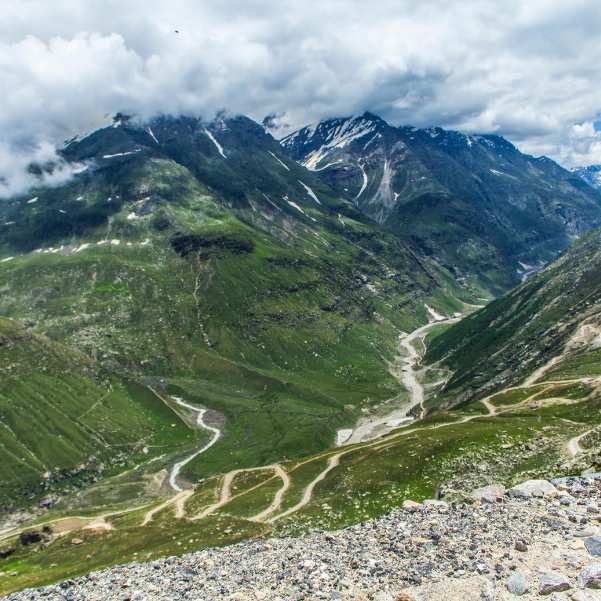
Overnight bus from Delhi or Chandigarh
The overnight bus is usually the most practical solo option, because Manali has no direct broad-gauge railway station. Himachal has good interstate bus connectivity from cities including Delhi and Chandigarh.
HRTC runs services involving Manali, and there are established private operators too. Fares and departure times change, so confirm them for your exact travel date.
Before you book, check the drop point, baggage rules, operator reviews and arrival time. A bus that drops you at the wrong end of town at 5 AM is a rough start.
Flying to Bhuntar
Bhuntar Airport sits roughly 50 kilometres from Manali. You still need an onward taxi or road transfer to reach town.
For one person, that transfer often makes flying less economical than the bus once you add it up. Mountain-region flights and road transfers can also get affected by weather, so build in a buffer if you fly.
Train plus road
There is no direct train to Manali. Any rail option still leaves you with a long onward road journey, so do not treat the train as a door-to-door route.
We will not throw a random nearest-station distance at you, because that varies by which line you take. Plan the rail leg and the road leg as two separate things.
Arrival-day transport safety
Save your accommodation's directions offline before you lose signal. Confirm your bus drop point in advance so you know exactly where you are landing.
For a late arrival, use an authorised taxi or a pre-arranged transfer rather than an unverified ride. This is the one corner not worth cutting on a solo trip.
How Can a Solo Traveller Get Around Manali?
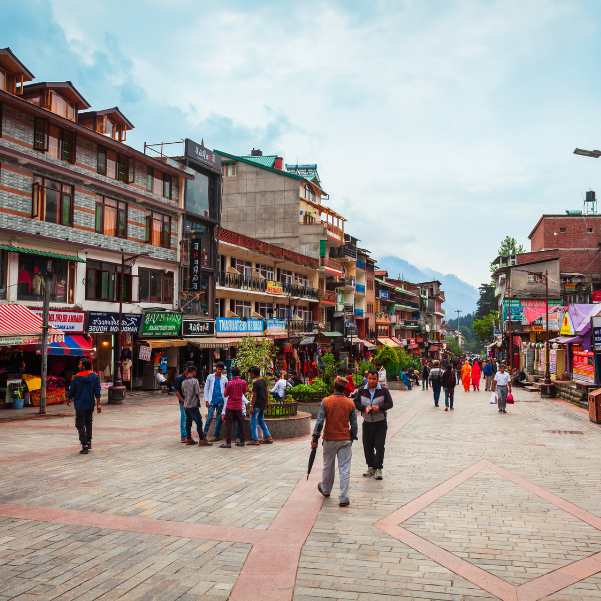
Walking
Walking works well for compact clusters like Mall Road, Hadimba Temple and parts of Old Manali. Most of what a first-timer wants sits close together.
Hillside gradients make short map distances feel longer, so add time. And avoid isolated forest routes after dark, however close they look on your phone.
Local buses
Local buses suit budget travellers who can keep their schedule loose. They are cheap and they cover the main routes.
Timetables change, so confirm the correct stop and the return service locally rather than trusting an old blog. We are not going to publish an exact fare or departure time that might be wrong by the time you read this.
Autos and local taxis
Autos and local taxis are handy for luggage, short transfers and early departures when buses are not running.
Where there is no meter, agree on the charge before you sit in. Himachal Tourism advises visitors to use authorised taxis and registered operators or taxi unions, and that is genuinely good advice here.
Shared sightseeing vehicles
For a solo traveller, a shared excursion is often the sweet spot for visiting Solang, Sissu or a seasonal snow point. You split the vehicle cost and still get a proper day out.
Before you commit, confirm the vehicle type, the route, what is included, the waiting time, who arranges any permit, and the return point. Ask these upfront so there are no surprises at drop-off.
Scooter or motorcycle rental
A two-wheeler only makes sense if you are a confident, properly licensed rider. This is not the default choice for everyone.
Check the brakes, tyres, lights, helmet, documents, fuel policy and rental terms before you ride off.
Rental prices vary by vehicle type, season and rental duration, so compare current rates and review the terms carefully before booking.
To be clear, a scooter or motorcycle is not something we recommend during snowfall, black ice, heavy rain or unfamiliar winter road conditions. The roads here punish overconfidence.
When a customised package makes sense
Organised support can be worth it for a short itinerary, a late arrival, an early departure, uncertain weather, or if you are not confident using local transport. It also helps if you want to combine Manali with Sissu.
The point is not to sell you a package for its own sake. It is to save you from wasting a precious mountain day stuck on logistics.
Solo Manali Itinerary for 4 Days
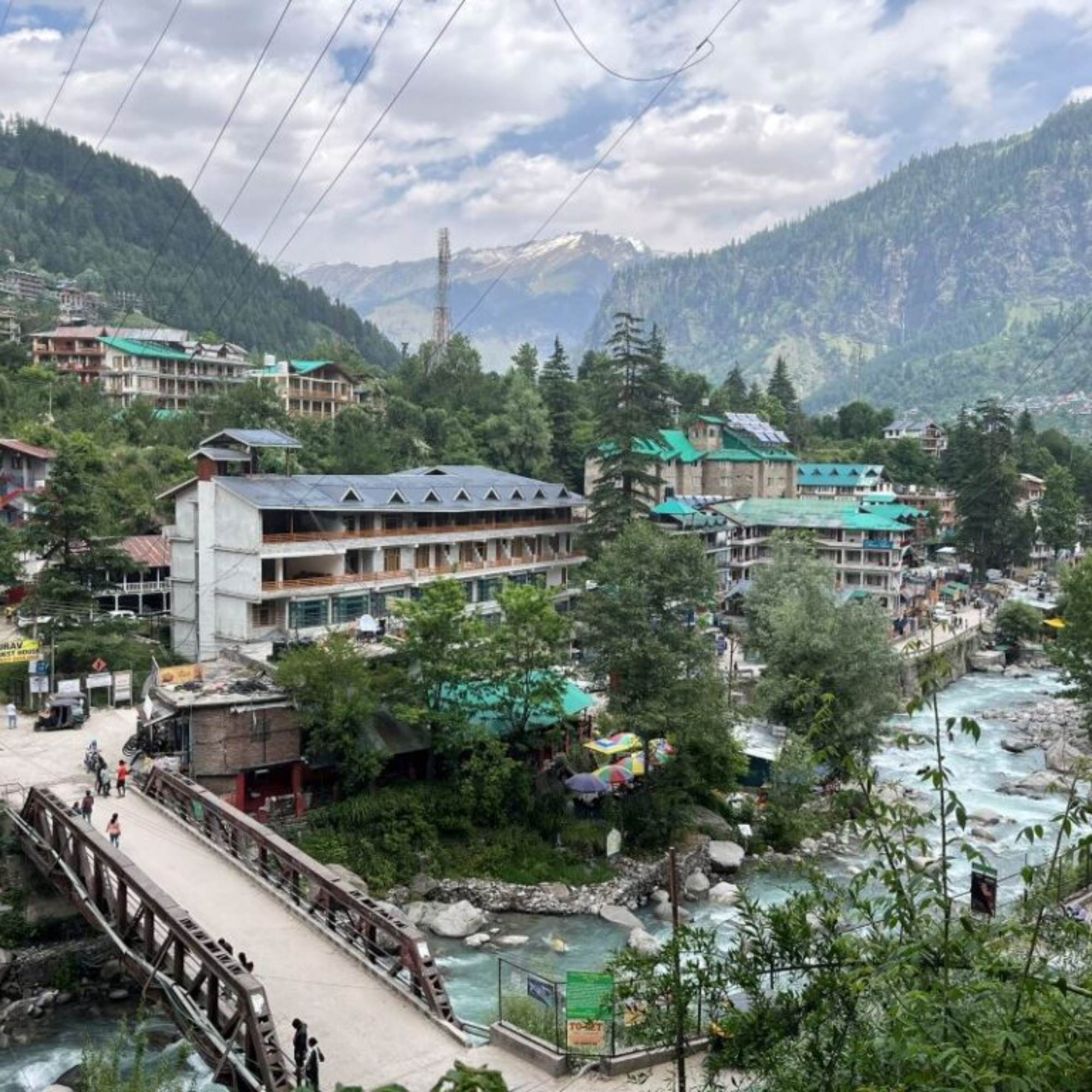
A quick note first. This itinerary assumes four days in Manali and three nights. The overnight bus journeys from Delhi are not counted as sightseeing days, so plan your leave accordingly.
Day 1: Arrival, Hadimba Temple, Old Manali and Mall Road
Check in, eat something proper, and rest before you start moving. An overnight bus takes more out of you than you expect.
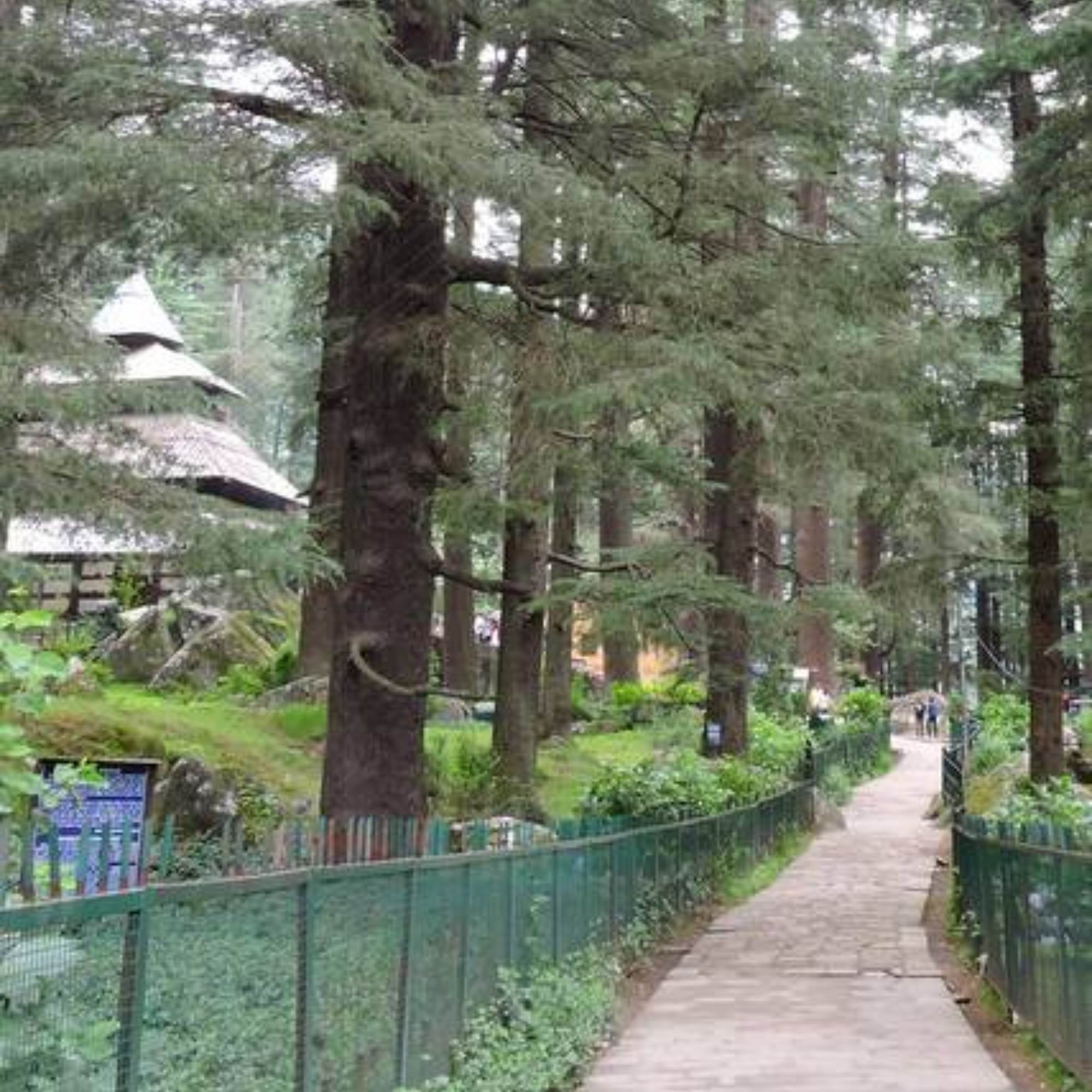
Once you are up, do Hadimba Temple and Old Manali in daylight. The temple sits in a cedar forest and the walk through it is the nicer part of the visit.
Keep the evening easy. Wander around Mall Road or just sit in your stay's common area and meet people. Do not overload day one after a night on the bus.
Day 2: Solang Valley and nearby attractions
Head to Solang Valley using a local bus, a shared vehicle or an organised excursion, depending on what is running that day.
Paragliding, skiing and other activities depend on the season, the weather and operator availability. Activity prices vary by season, weather, duration and operator, so confirm the current rate, safety arrangements and inclusions before booking.
Come back before late evening. Do not tack on an unplanned detour to an isolated spot on the way home, however tempting a signboard looks.
Our full adventure activities in Manali guide covers what is worth doing at Solang and what is oversold.
Day 3: Choose Sissu or Rohtang Pass according to season
Sissu and Rohtang are two different trips, and you should not try to cram both into one rushed solo day.
The Sissu route generally goes through the Atal Tunnel. Travelling through the tunnel towards Sissu is not the same as the old Rohtang sightseeing road, and you do not need a Rohtang tourism permit just to pass through the tunnel.
Police, snow or weather restrictions can still affect access, so check before you go.
Rohtang Pass sightseeing is seasonal and quota-controlled. Vehicles visiting Rohtang for tourism need a one-day permit under the official system, valid for one to-and-fro visit.
The official portal lists valid ID and a Pollution Under Control certificate among the required details, and permits go out on a daily quota set by the authorities.
Recent 2026 sources reported a total of ₹550 per vehicle, made up of a ₹500 permit fee and a ₹50 congestion charge, but you must verify the current fee on the official portal at https://rohtangpermits.hp.gov.in/ before booking.
We will not promise Rohtang will be open on your date, because it often is not.
If the weather turns, run a relaxed local day instead. Vashisht, local Manali, the cafés, a registered guided activity, or Naggar all work well, but only take Naggar on if road conditions allow.
For seasonal detail, see our notes on Rohtang Pass in September and Rohtang Pass in October, and check our Sissu tour packages if you want that side handled for you.
Day 4: Vashisht, local cafés, shopping and departure
Keep the last day close to town. This is not the day to gamble on a long outstation trip when you have a bus to catch.
Do Vashisht, hit the local cafés, and finish any shopping. Confirm luggage storage with your stay so you are not carrying bags around all day.
Leave a sensible time buffer before your overnight bus. Local traffic and weather can delay transfers, and missing that bus alone is a headache you do not want.
What Should You Do When Rohtang or Sissu Is Closed?
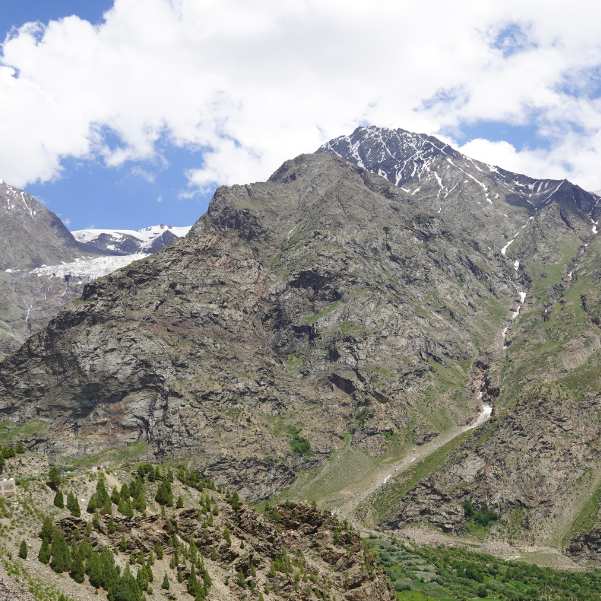
The trip is still absolutely worth it without a high-altitude excursion. Plenty of people come expecting Rohtang and end up loving the quieter local days more.
Run a flexible local day around Vashisht, Hadimba, Old Manali, the cafés, a registered activity, or another accessible spot nearby. You will not run out of things to do.
Follow police barriers and official advisories, not drivers or strangers offering unofficial shortcuts. Those shortcuts are how people end up stranded.
What Is the Best Time for a Solo Trip to Manali?
Spring and early summer
This is peak season for sightseeing and seasonal snow trips, but expect bigger crowds, more traffic and higher room prices. Rohtang access must always be verified separately, because road status decides everything.
Monsoon
The valley turns green and the cafés empty out, which some solo travellers love. The catch is rainfall, which can trigger landslides, roadblocks and delays.
Keep your bookings flexible, watch the weather, and avoid unfamiliar shortcuts. Monsoon rain genuinely disrupts itineraries in Himachal, so buffer days matter more this season.
Autumn
Autumn is a good season for walking and clearer views. The air is cleaner and the crowds thin out after summer.
Nights get colder and daylight shrinks later in the season, so plan your days to end earlier. We will skip made-up temperature numbers here, since they vary year to year.
Winter
Snowfall in Manali town cannot be guaranteed for any specific date, whatever the reels promise. Some travellers arrive expecting snow and get none.
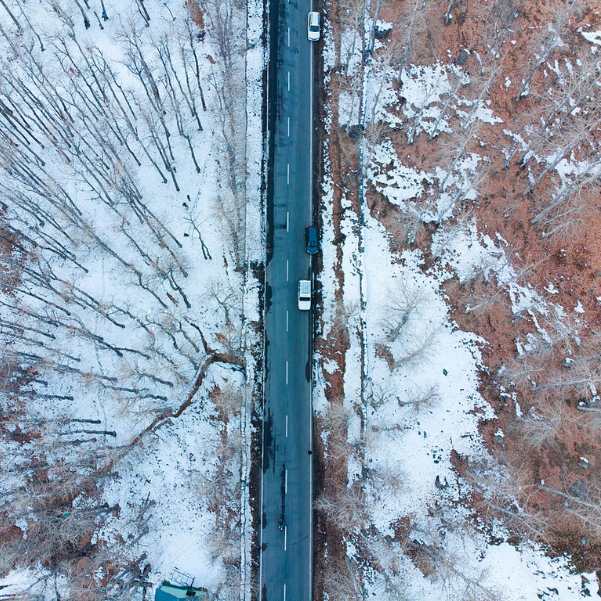
Snow, black ice and sudden weather shifts can disrupt travel near the Atal Tunnel and Sissu. Pick a stay with practical road access so you are not stuck on a frozen lane.
What Should You Pack for Manali When Travelling Alone?
Pack layers rather than one heavy jacket, because Manali swings between warm sun and sharp cold in the same day. Add suitable walking shoes with grip and some rain protection, whatever the season.
Carry your personal medication, a power bank, ID copies, and your offline booking details. A small daypack, a water bottle, sun protection and some backup cash round out the essentials.
Choose winter equipment based on current conditions, not social-media photos from someone else's trip on a different date. What worked for a reel last February may be useless for your week.
How Can You Meet Other Travellers Without Compromising Safety?
Established hostels, common rooms, walking tours and registered group activities are the easy, natural ways to meet people. You do not have to force it.
Join plans during daylight, keep your own return transport sorted, and hold on to your ID, cash and valuables yourself. Independence is your safety net.
Never feel pressured to drink, ride, trek or visit an isolated spot just to stay part of a new group. A good group will not push you, and if one does, that tells you what you need to know.
Independent Trip or Manali Package: Which Is Better for Solo Travel?
Independent planning suits flexible, confident travellers who are happy using buses, walking a lot, and arranging shared excursions on the go. If that is you, go for it.
A customised package makes sense when you want transfers, day trips and weather changes handled for you, especially on a short itinerary. It removes the scramble when a pass closes at short notice.
Whichever you pick, ask whether shared or cost-efficient transport is possible instead of defaulting to a private vehicle. Paying for a whole car alone is the single fastest way to blow a solo budget.
If you want a plan shaped around your dates, our customised Manali tour packages are built for exactly this.
Explore Our Curated Manali Tour Packages
 6D/5N
6D/5NManali Solang Sissu Sethan Snow Adventure
1D Delhi•3D Manali+2
₹15,999₹21,999SAVE INR 6,000/ person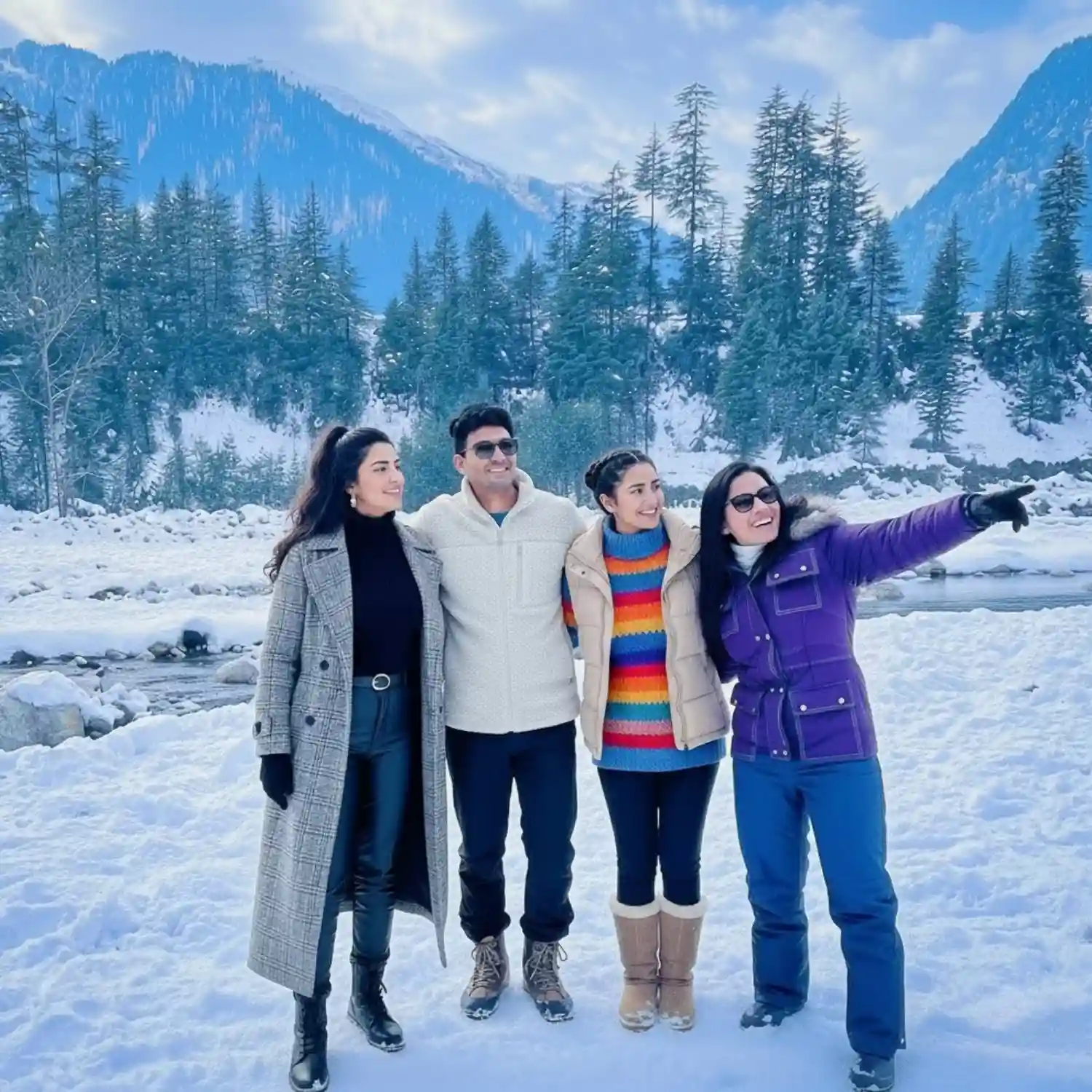 6D/5N
6D/5NManali Solang Sissu Sethan Snow Trip With Kasol
1D Delhi•3D Manali+2
₹25,999₹33,999SAVE INR 8,000/ person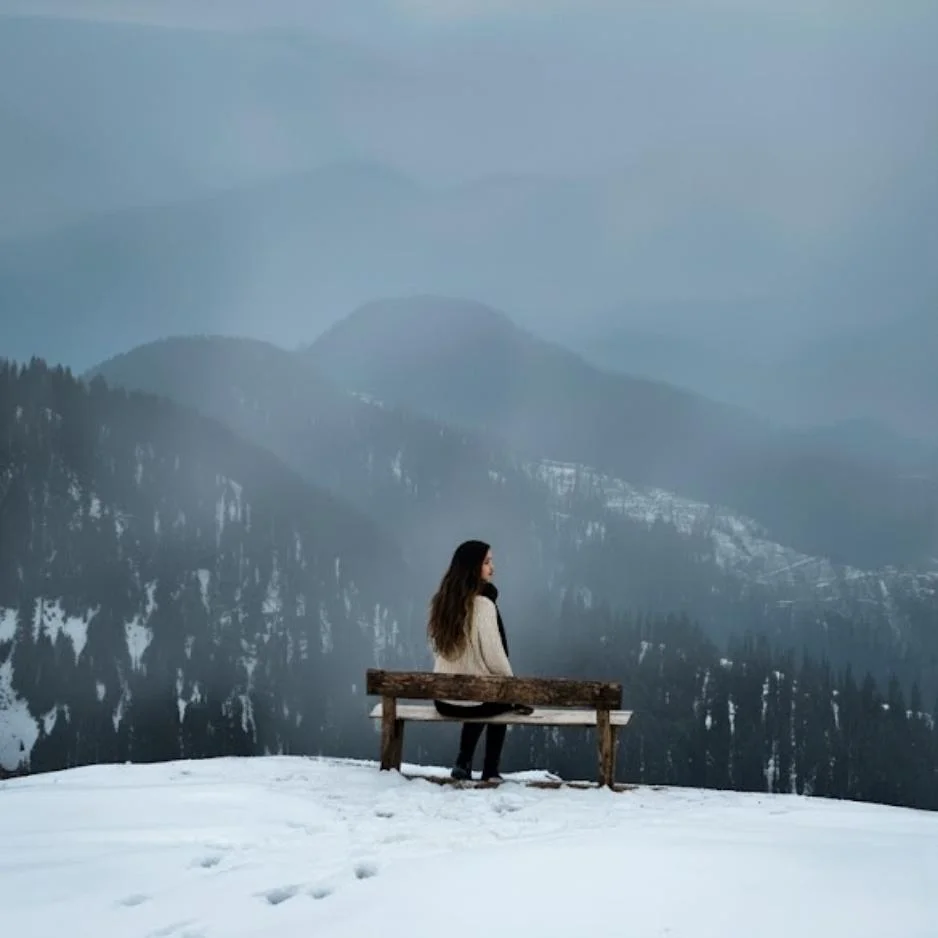 7D/6N
7D/6NManali Kasol Jibhi Valley Trip
1D Delhi•2D Manali+3
₹25,799₹32,999SAVE INR 7,200/ person
Related topics
Frequently Asked Questions
Is Manali safe for solo travellers?
Yes, Manali is generally safe for solo travellers with normal precautions. Stay in a well-reviewed property, avoid isolated areas after dark, and keep someone informed about your plans.
Is Manali safe for solo female travellers?
Yes, many solo female travellers visit Manali comfortably. Choose a staffed, well-reviewed stay, arrange trusted transport for late arrivals, and avoid isolated places after dark.
What is a realistic Manali solo-trip budget?
A budget solo trip can cost around ₹7,000 to ₹10,000, depending on transport, stay, food, and activities. Current fares should always be checked before booking.
Are four days enough for Manali?
Yes, four full days are enough for local sightseeing and one major day trip such as Solang or Sissu. Do not count overnight travel days as sightseeing days.
Which area is best for a solo stay in Manali?
Old Manali is best for hostels, cafés, and meeting travellers. Mall Road suits easy transport and late arrivals, while Vashisht is quieter and more scenic.
Is Old Manali better than Mall Road for solo travellers?
Old Manali is better for a social backpacker atmosphere. Mall Road is better for transport, shopping, flatter walking routes, and convenient late arrivals.
How do I reach Manali from Delhi alone?
An overnight Volvo or HRTC bus is usually the easiest and most affordable option. Flights to Bhuntar are faster but often costlier after adding the onward transfer.
Can I explore Manali without renting a vehicle?
Yes, many local attractions can be covered on foot, by bus, auto, taxi, or shared sightseeing vehicle. Agree on fares in advance when using local transport.
Can a solo traveller visit Sissu?
Yes, solo travellers can visit Sissu through the Atal Tunnel. Shared cabs or group sightseeing vehicles are usually the most affordable options.
Do I need a permit for Rohtang Pass?
Yes, vehicles visiting Rohtang for sightseeing need a one-day permit under the official quota system. No Rohtang permit is required for travelling through Atal Tunnel to Sissu.
Is renting a scooter safe in Manali?
It is suitable only for confident, licensed riders in good weather. Avoid riding during snow, black ice, heavy rain, or unfamiliar winter road conditions.
Should a first-time solo traveller book a package?
A package can help with transport, short schedules, late arrivals, and uncertain weather. Independent travel is better for confident travellers who want flexibility and lower costs.
More about Manali
 Manali
Shimla First or Manali First? Best Himachal Route from Delhi & Chandigarh in 2026
Planning a Shimla and Manali trip from Delhi or Chandigarh in 2026? This practical route guide compares Shimla first vs Manali first, with travel times, road routes, ideal sequencing, and return options to help you plan a smoother Himachal road trip.
 Manali
Shimla Manali Trip Cost 2026-27: Realistic Budget for Couples, Families and Groups
Plan your Shimla Manali trip for 2026-27 with a realistic budget guide covering hotel, transport, food, sightseeing and estimated costs for couples, families and groups.
 Manali
Manali from South India in Winter 2026-27: A First-Snow Guide for Bengaluru, Chennai & Hyderabad Travellers
Planning your first Manali snow trip from South India? This 2026–27 winter guide covers the best time for snow, routes, costs, clothing, weather, stays and practical tips for travellers experiencing a Himalayan winter for the first time.
- How to Reach
- Snow Travel