
Snow in Shoja 2026: When Does It Snow & What Is Winter Really Like?
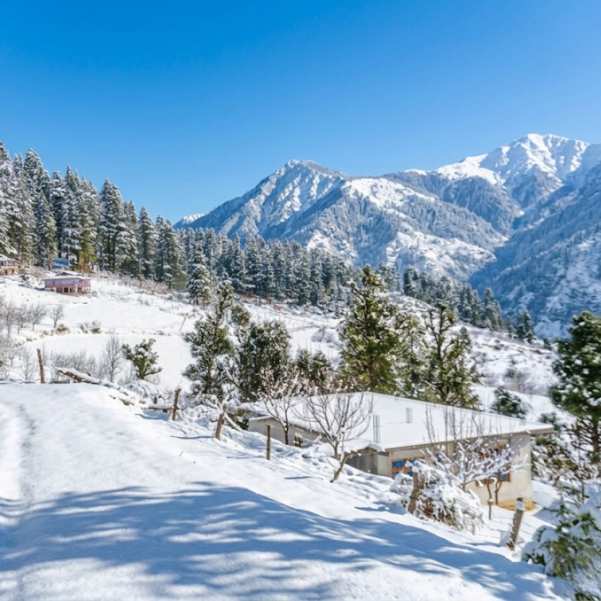
You have seen the photos. A tiny wooden village buried in white, pine trees heavy with snow, not a soul around.
Now you want to know the real question behind all those pretty pictures: if you drive all the way up to Shoja this winter, will you actually see snow, or will you reach a cold, brown, empty village and feel cheated?
Let us be straight with you. Snow in Shoja is real and it can be spectacular. But it does not run on a timetable, and anyone promising you fresh snowfall on a fixed date is selling you a dream, not a plan.
This guide by Travel Coffee gives you the honest version. When snow is most likely, what could go wrong, how Shoja compares to Jibhi, and how to plan so you come back happy instead of disappointed.
Quick Answer: When Does It Snow in Shoja?
Shoja's main snow season generally runs from late December through February. January and February usually give you better odds than early December, but snowfall changes every year and no one can guarantee fresh snow on a specific date.
Here is the thing most people miss: seeing snow already lying on the ground is very different from watching it actually fall. You might catch either, both, or neither depending on your timing and luck.
Need proof that winter here follows no fixed calendar? In the 2026 season, the wider Jibhi area got its first real snowfall only around 23 January 2026, with another spell on 27 January. Some winters snow comes early. Some winters it makes you wait.
Does Shoja Really Get Snow Every Winter?
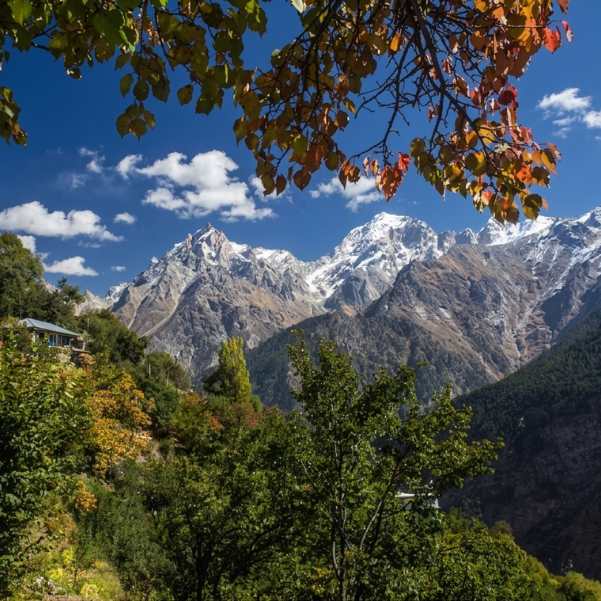
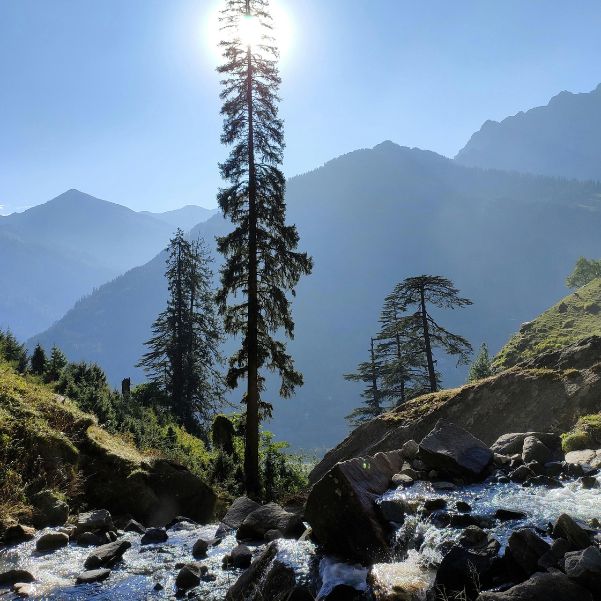
Shoja sits higher up the mountain, on the way toward Jalori Pass. That extra height is exactly why people treat it as a stronger snow bet than lower Jibhi. Cold air settles, snow holds longer, and the village keeps its white look after Jibhi has gone back to brown.
But "gets snow" needs three separate meanings, and mixing them up is what most tourists get wrong.
Active snowfall is the magic one, snow falling from the sky while you stand there. Settled snow is snow that fell earlier and is now sitting on rooftops and fields. Old patches are the stubborn bits clinging to shaded corners and higher slopes long after the fresh stuff has melted below.
You can pick a high-probability season. You cannot book a specific snowfall event months ahead. We say this to every snow-chaser who calls us, because the ones who understand it early are the ones who enjoy the trip most.
If you want the whole valley sorted in one go, our Jibhi and Tirthan Valley tour packages are built around this flexible-planning idea.
Which Month Is Best for Snow in Shoja?
Shoja in December: Winter Has Started, But Is Snow Guaranteed?
December is winter, no doubt. The cold arrives, the air bites, and the mood turns fully wintry. But snow does not switch on the moment the calendar says December.
Early December can be genuinely cold and grey without much snow actually lying on the village ground. As the month moves toward its end, your odds climb. Late December is more promising than the first week.
Here is our honest warning for Christmas and New Year travellers. Do not book your whole trip on the belief that you will definitely watch fresh snow fall.
Shoja in December can absolutely deliver, but it can also give you a cold, dry, waiting-for-snow week. Remember 2026, when snow held off in the Jibhi belt until late January.
That is not a prediction for every year, just a reminder that the mountains do not care about your holiday dates.
Shoja in January: Usually the Strongest Snow-Chasing Month
If your single goal is snow, Shoja in January is where you point yourself. Current Shoja travel sources repeatedly name January as one of the main peak-snow months, and for good reason.
But better snow comes with a bill. Roads get harder. Snow and ice sit on the tarmac. Jalori Pass access gets restricted more often, and getting higher up becomes a real gamble rather than a casual drive.
The 2026 season showed both sides of this. The wider Jibhi area reported snowfall on 23 January 2026 and again on 27 January 2026, with Shoja and Jalori Pass named among the snow-covered areas in that update.
Snow came late that year, but when it came, it delivered across the higher belt.
In our experience, January travellers who keep their plans loose and their expectations honest walk away thrilled. The ones who over-schedule get frustrated by the roads.
Shoja in February: Snowy, Quieter and Still Deep Winter
February stays firmly inside Shoja's snow season. It is deep winter, still cold, and often quieter than the January rush.
The nice part about February is the settled snow. Even if fresh flakes do not fall during your exact dates, you can still land in a proper snowy landscape because earlier snow is still lying around.
That gives you a better safety net than early December, when the ground might be bare.
We will not promise you how often it snows or how deep it gets. Nobody honestly can. But February is a solid choice for a snowy scene without the peak crowds.
Does Shoja Have Snow in March?
March is the turn. Snow generally starts melting at Shoja village level during this month, though higher and shaded areas can hold onto their snow longer.
So March can still look wintry in patches. But if your main goal is watching fresh snowfall, March is less dependable than January or February. You are more likely to find melting slush and old snow than a proper falling-snow moment.
For a fuller sense of how the valley shifts as winter loosens, our guide on Jibhi and Tirthan Valley in March walks through what changes.
Shoja vs Jibhi for Snow: Where Should You Stay?
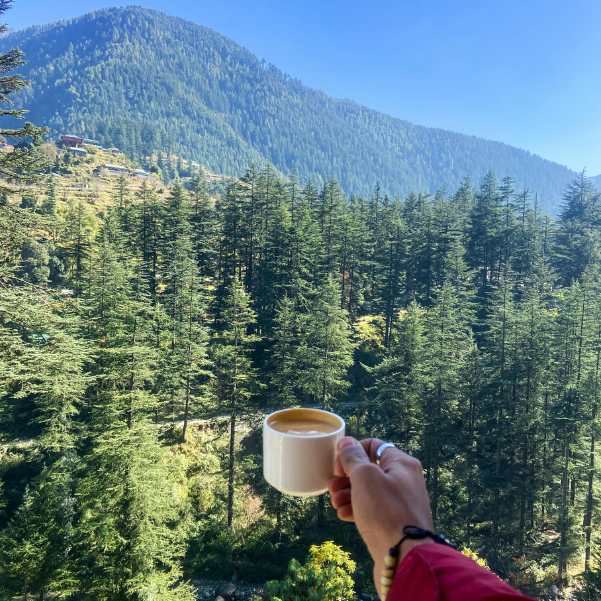
Shoja sits higher, closer to Jalori Pass, so it is generally the better snow bet. Jibhi is lower and usually the more practical base when conditions higher up turn difficult.
That is the real trade-off. Shoja gives you better snow odds. Jibhi gives you easier access, more open stays, and a fallback when the upper road gets blocked or slippery.
Our team recommends keeping both flexible instead of locking a Shoja hotel and treating it as more sacred than the actual road.
If fresh snow shuts the upper stretch, a Jibhi base still lets you enjoy the valley and dash up when conditions clear. Do not let a booking make your decisions for you. Let the live road do that.
If you are still weighing valleys in general, our Jibhi or Kasol comparison helps you think through the wider choice.
What Is Shoja Winter Really Like?
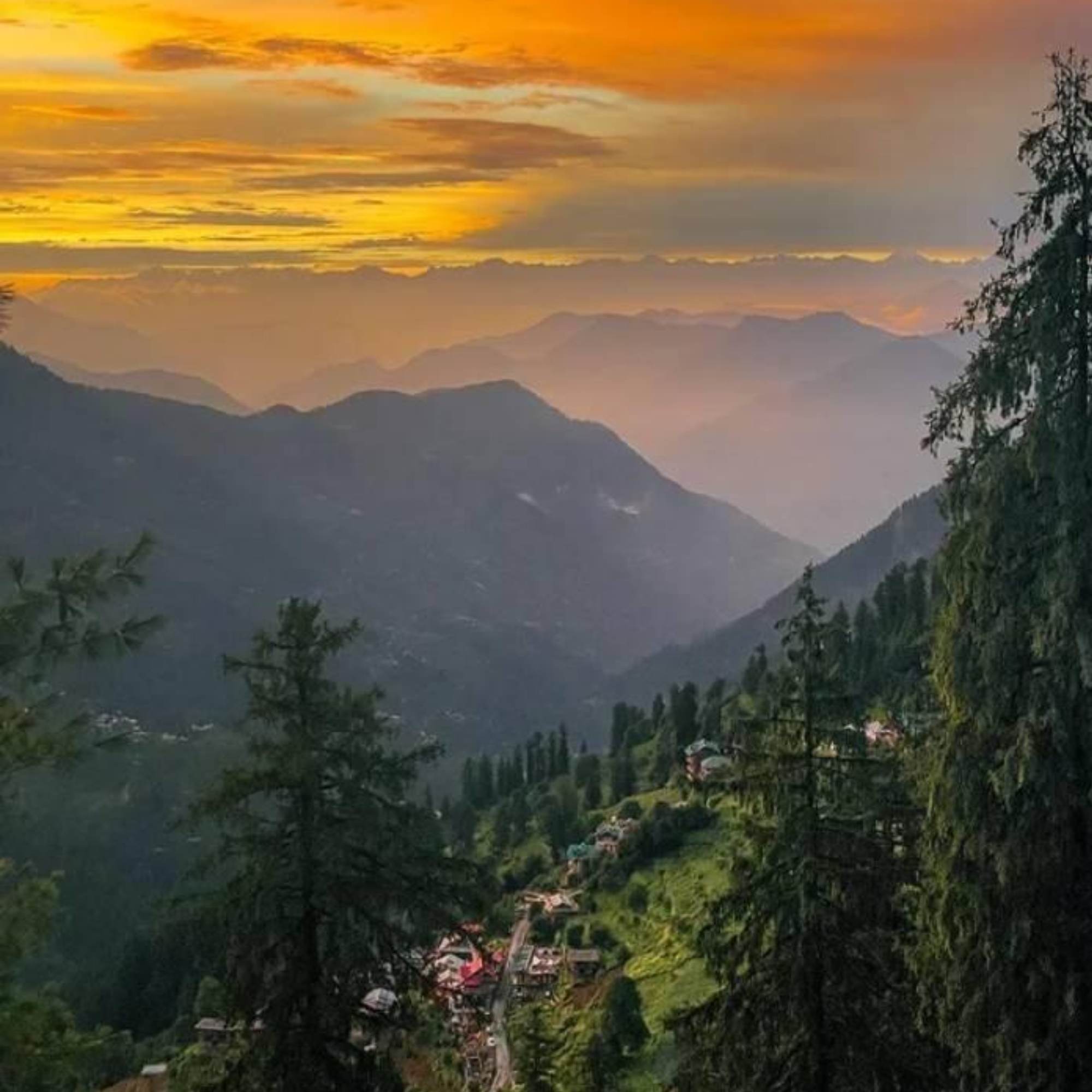
The Good Part
Quiet. That is the first word that comes to mind. In deep winter, Shoja empties out. You get still forests, wooden mountain stays, and mornings that move slowly.
When conditions cooperate, the snow-covered scenery is genuinely lovely, and the lack of crowds means your photos have nobody else in them.
Winter photography here rewards patience. Slow mornings with tea and a white window view are the real product, not a checklist of ten sights.
The Less Instagrammable Part
Now the honest half. Winter also means icy walking surfaces where a careless step lands you on your back. Mornings and nights get properly cold. Once snow starts melting, you get slush, which is messier than it looks in reels.
Fewer businesses stay open in deep winter, so your food and stay options shrink. Plans change. That is normal here, not a failure.
Some properties operate differently in the coldest weeks. Before you book, ask the specific questions: is there room heating, is hot water reliable, is parking cleared, and can you actually reach the property by road right now.
We are not saying every hotel struggles with power, water or heat. We are saying ask, so you are not surprised.
Fresh Snow Can Change Your Plan Overnight
A road you drove comfortably yesterday afternoon can need clearing or turn slippery after a night of snow. That is winter in this valley.
Our team recommends checking the road again on the morning you travel upward, not just the night before. Local updates beat any app forecast up here. Plan flexible, and you stay ahead of the mountain instead of fighting it.
Is Shoja Accessible During Snowfall?
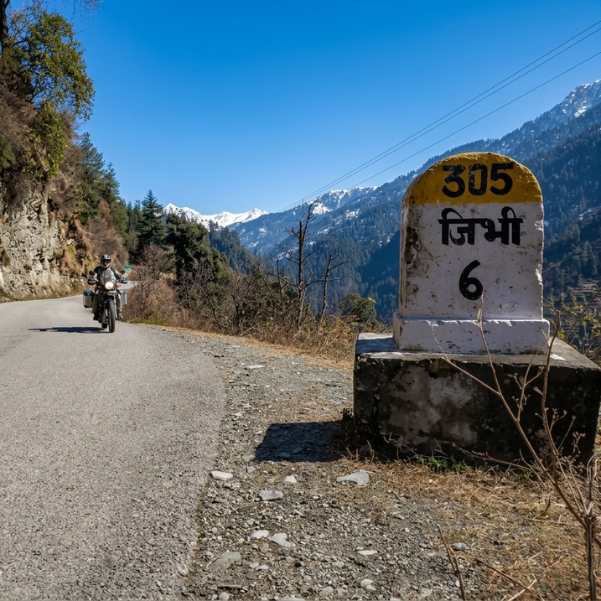
The honest answer is that access is conditional. It depends on how much snow fell, how recently the road was cleared, and how confident a driver you are.
There is a real gap between three things: a road being technically open, a road that was recently cleared, and a road that is actually comfortable for an ordinary tourist driver. All three are different states, and only the last one matters for your safety.
Confirm conditions with your accommodation or a local operator before you leave home, and again on the morning you plan to head up. Black ice is a genuine concern here. It is nearly invisible and it does not forgive overconfidence.
We are not going to blanket-tell you that you need a 4x4 or snow chains, because that depends on current conditions and what local road teams say at the time. Follow the live advice, not a generic rule.
What Happens to Jalori Pass in Winter?
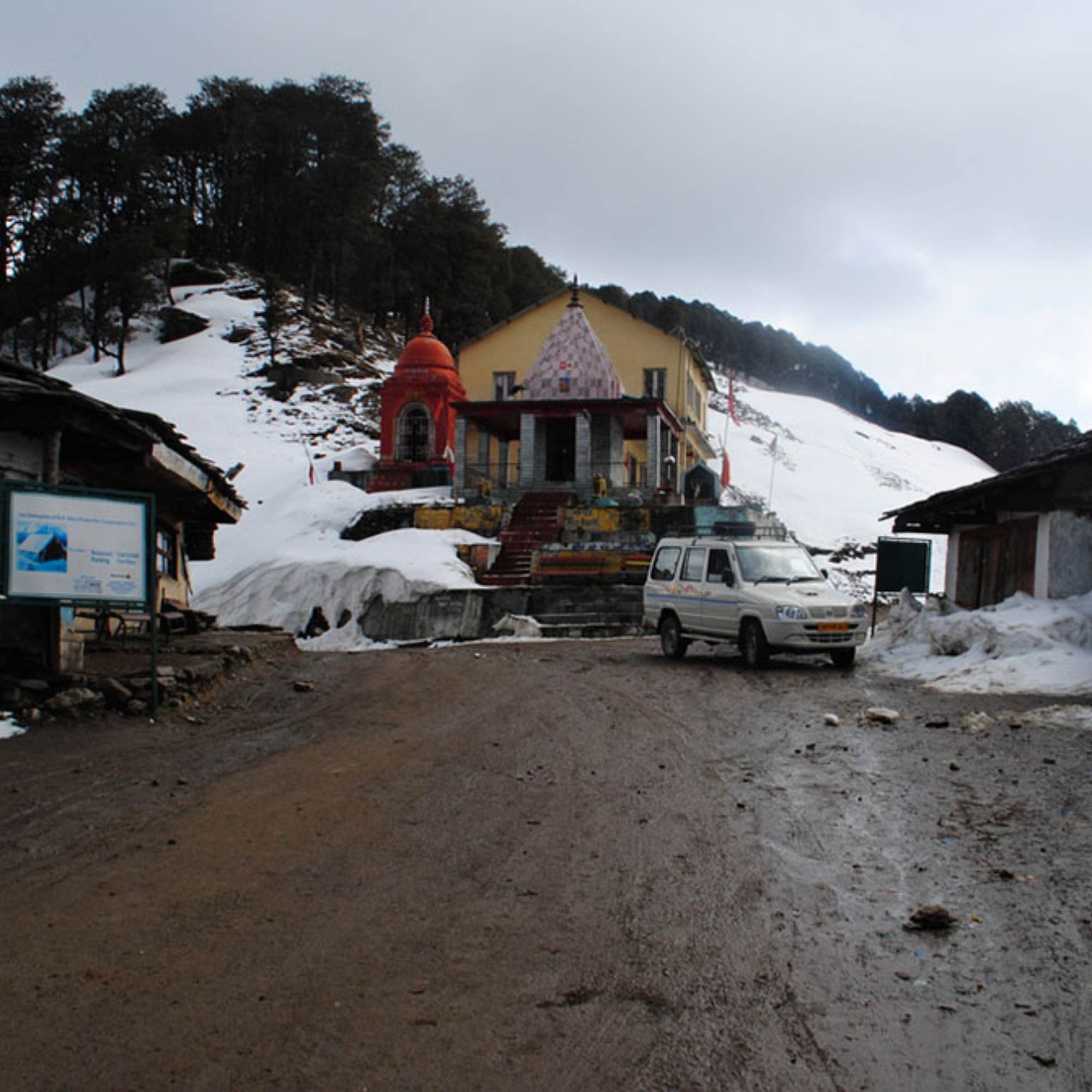
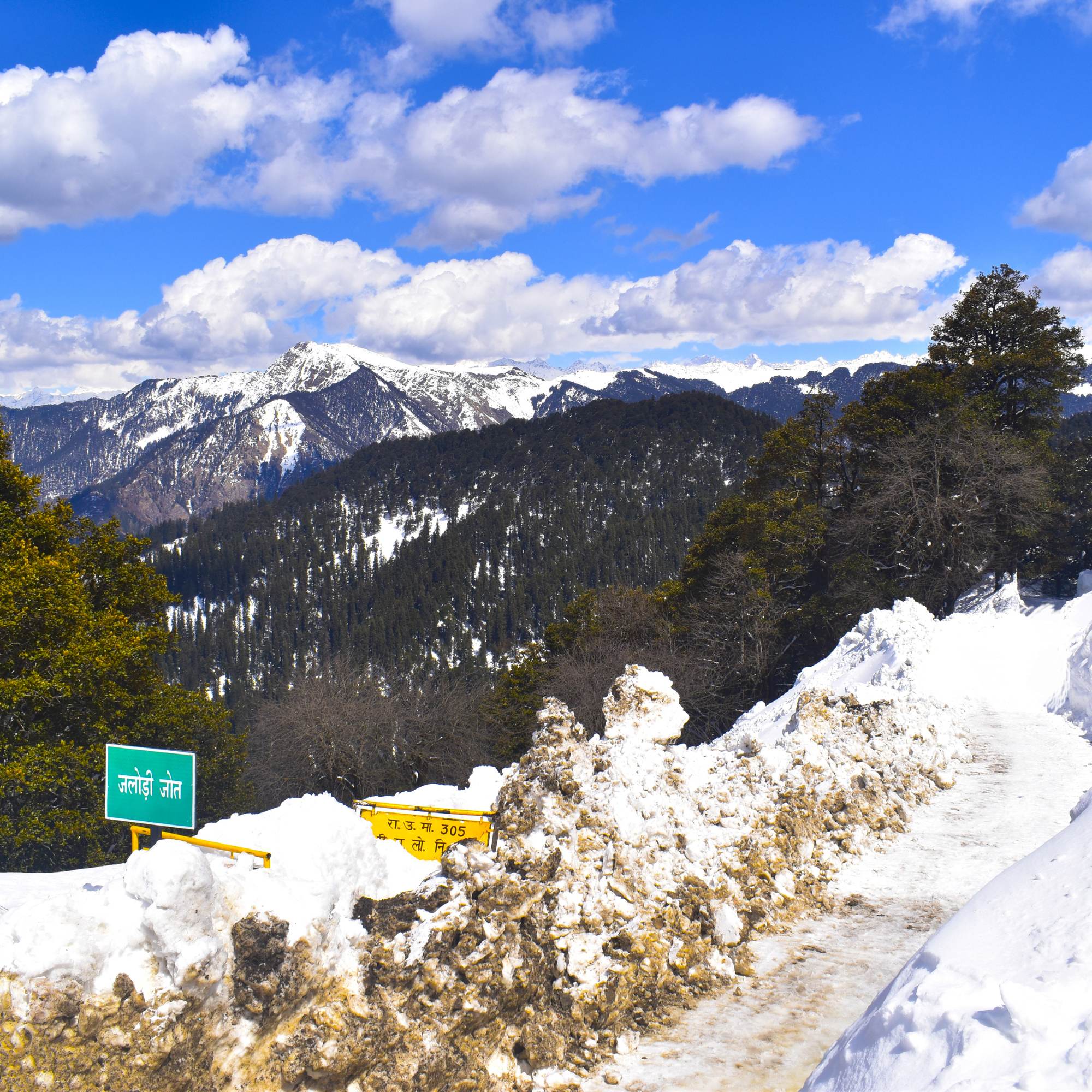
Jalori Pass sits higher than Shoja, and normal vehicle access is commonly interrupted by winter snow. This is the point travellers miss most often.
Reaching Shoja does not mean you can reach Jalori Pass. They are two different questions with two different answers on any given day.
We will not give you a fixed annual closing or reopening date, because current sources disagree and the honest truth is that access depends entirely on that year's snowfall and road clearance. Some winters the pass stays reachable longer. Some winters it shuts early and hard.
Treat Jalori Pass as a weather-dependent bonus, not a guaranteed sightseeing stop. If it opens up during your trip, wonderful. If it does not, your trip should still work without it. Build your plan on Shoja and Jibhi, and let the pass be the cherry, never the cake.
Can You Visit Serolsar Lake and Raghupur Fort in Winter?
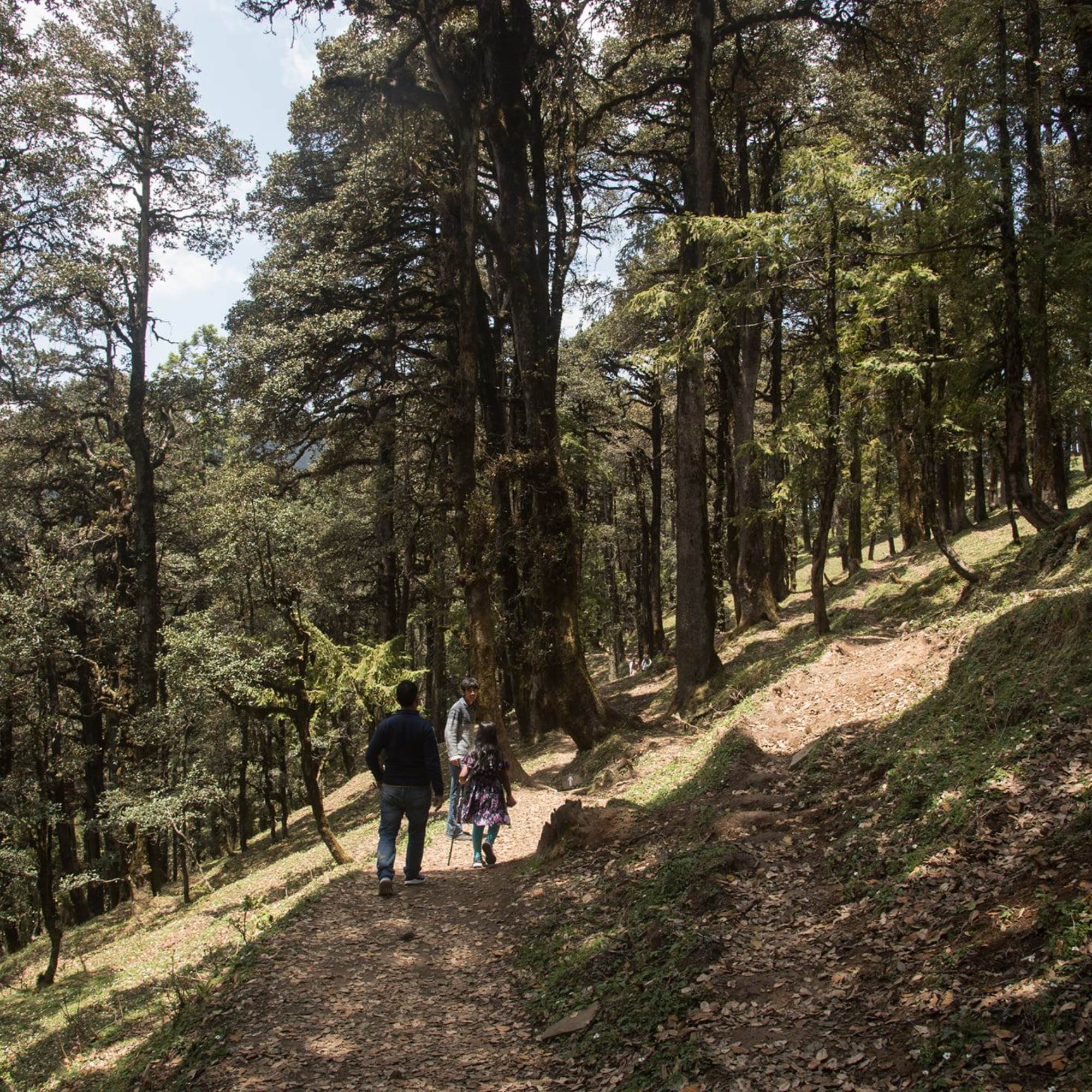
Both of these sit on the Jalori Pass side, so reaching them depends first on getting to Jalori and then on current snow and trail conditions.
These are not ordinary winter sightseeing walks. Snow-covered trails change the whole game. What is an easy walk in autumn can become a serious, slippery effort in deep winter, or simply be impassable.
Take local advice before attempting any snow-covered trail here. We will not quote you trek distances or durations because available sources conflict, and guessing at those numbers would only get you into trouble. If a local says the trail is not sensible right now, believe them.
What Should You Pack for Shoja in Winter?
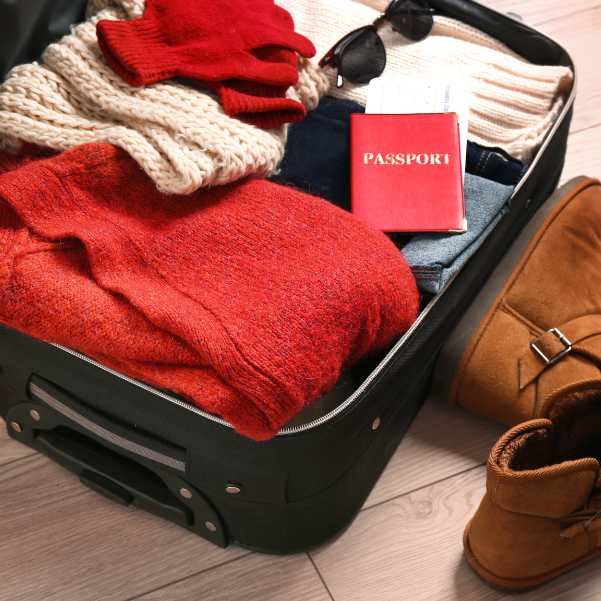
Layering is your whole strategy. Start with thermal base layers close to your skin, add a warm middle layer like a fleece or a sweater, and finish with a waterproof outer layer that blocks wind and wet snow. That combination beats one thick jacket every time.
Below that, warm socks matter more than people think, and you want spare dry pairs because wet feet ruin a cold day fast. Add gloves and a beanie, since most of your warmth escapes from your head and hands.
Footwear is where most travellers go wrong. Regular fashion sneakers are a mistake once snow turns to slush or ice. They soak through, they slip, and you spend the trip cold and cautious. Get waterproof footwear with proper grip instead.
Throw in a power bank too. Cold drains phone batteries quicker than usual, and you want your phone alive for photos and, more importantly, for calls if plans shift. You do not need technical mountaineering gear for a normal village visit. Just pack smart for cold and wet.
Should You Drive Your Own Car to Shoja in Winter?
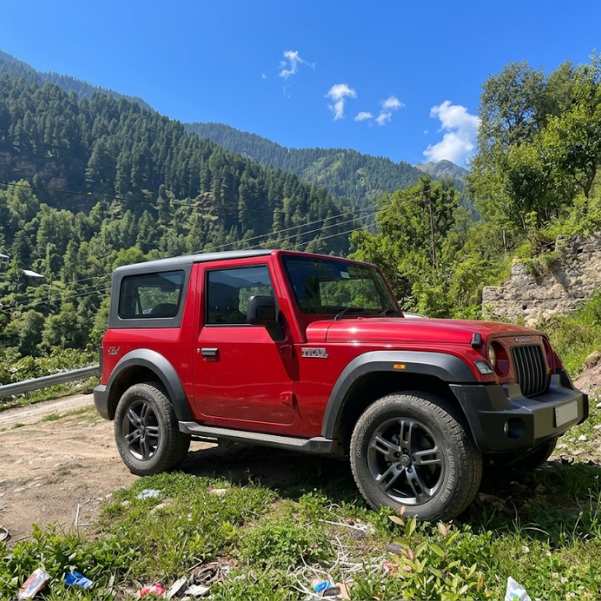
Driving a dry hill road and driving on snow or black ice are not the same skill. Not even close. One is a pleasant mountain drive. The other punishes hesitation and overconfidence in equal measure.
If you have never driven on snow, be conservative. Do not treat the winter route up to Shoja like an ordinary hill-station drive you have done a dozen times. Black ice especially catches confident drivers off guard, because you often cannot see it until you are already sliding.
Follow the current local advice on whether your vehicle is suitable for the conditions on your travel day.
We are not going to claim every winter traveller needs a 4x4, because that is not always true. What is always true is that the mountain rewards caution and local knowledge over ego.
A Realistic 3-Day Jibhi–Shoja Winter Plan
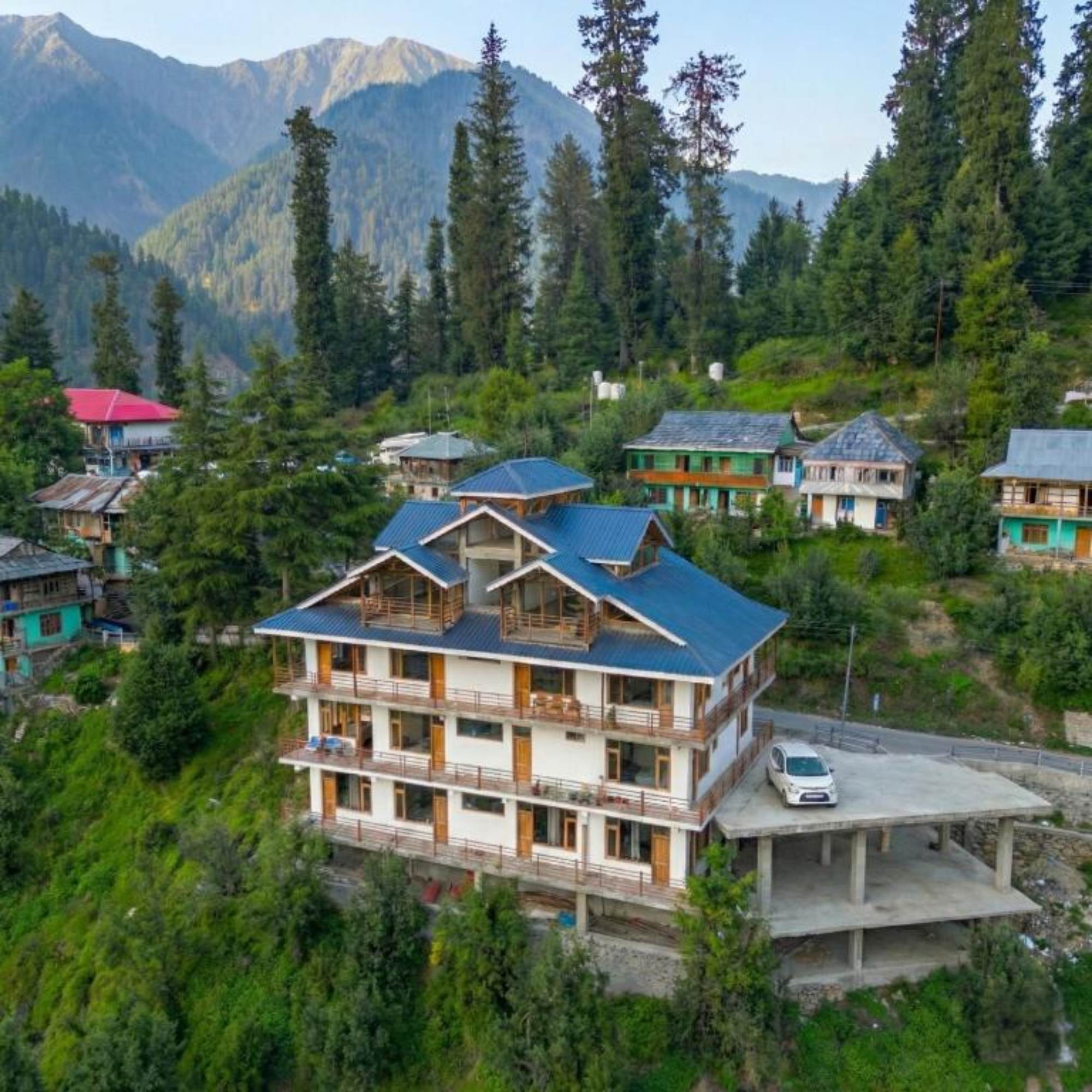
Day 1: Reach Jibhi and Check Conditions
Reach the valley and keep the first day simple. Do not stack a complicated itinerary onto arrival day, especially in winter when the drive itself can run long.
Use this evening to gather real information. Ask locals and your stay about road and snow conditions higher up, and use that to shape tomorrow's Shoja plan. This is planning done right, based on what is actually happening rather than what a website promised weeks ago.
Day 2: Shoja Snow Day
If access is suitable, spend the day around Shoja. Soak in the village, the winter scenery, and the forest quiet. Slow travel is the point here, not racing between attractions.
Let Jalori Pass appear only as an optional possibility, if and only if conditions genuinely allow it. If they do not, do not force it. A calm snow day around Shoja beats a stressful, sketchy push toward a blocked pass.
Day 3: Flexible Winter Day
Keep this day open. That flexibility is your best tool in winter.
Depending on road conditions, use it for more time around Shoja, a relaxed spell in Jibhi, or the Jalori side if local conditions make that sensible and safe. Let the mountain decide, and you will rarely be disappointed.
For a wider set of ready-to-go options, browse our Jibhi and Tirthan Valley packages.
Who Should Visit Shoja in Winter, and Who Should Skip It?
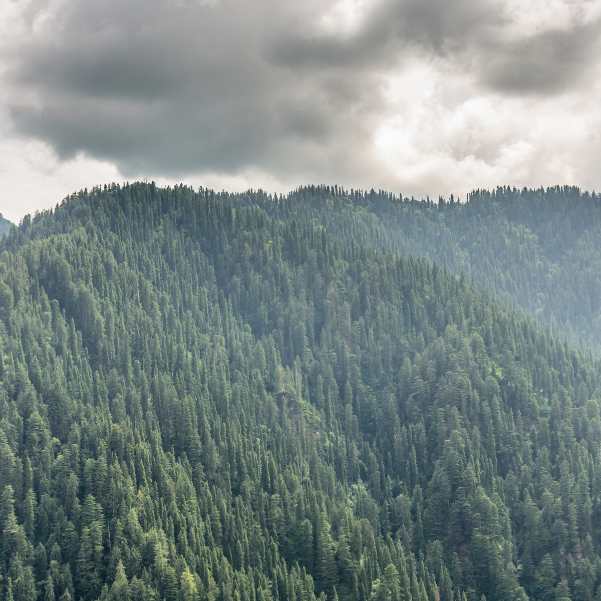
Shoja suits you if you enjoy quiet stays, photography, snow scenery, and plans that can bend with the weather. If a still forest and a slow morning sound like your idea of a good holiday, this is your place.
It will frustrate you if you expect guaranteed snowfall, any nightlife, a long sightseeing checklist, or perfectly predictable road movement. Shoja gives none of those things, and pretending otherwise only sets you up to feel let down.
Families should decide based on their own comfort with cold weather and flexible road plans, not on any sweeping claim that Shoja is universally great or universally hard for kids.
If your family handles cold and last-minute changes well, it can be lovely. If not, a lower base might suit you better.
Is Shoja Better Than Manali for a Snow Trip?
Neither one objectively gets "better" snow, so ignore anyone who frames it that way. The real difference is the experience you want.
Shoja is quieter, smaller, and far more dependent on live local road conditions. You trade convenience for calm. When it snows and the roads behave, it is magic. When roads act up, your options are limited.
Manali is a bigger tourism hub with broader conventional sightseeing and infrastructure. More stays stay open, more activities run, and more roads get cleared quickly, but you also share it with far bigger crowds.
If you lean toward Manali, our Manali tour packages and our guide to adventure activities in Manali will help you weigh it up.
How to Plan a Shoja Snow Trip Without Getting Disappointed
Here is the mindset that saves winter trips. Plan for a winter mountain experience first, and falling snow second. If you go expecting quiet, cold beauty and treat fresh snowfall as a bonus, you almost never come back unhappy.
The winning strategy is simple. Choose the higher-probability January to February window. Check forecasts near your departure date, not weeks ahead.
Confirm road status locally before you leave and again on the morning you head up. Keep at least some of your itinerary flexible. And never make Jalori Pass the single reason for the whole trip.
We usually tell snow-chasers not to treat December snowfall as guaranteed, and to build a plan that still feels worth it even if the sky stays clear. Do that, and the mountains often surprise you with more than you hoped for.
If you want a second pair of eyes on your dates and route, just WhatsApp us and we will give you an honest read.
Explore Our Curated Shoja Tour Packages
 Group Tour6D/5N
Best Jibhi Tirthan Valley Tour With Shangarh Meadows
2D Tirthan Valley•1D Shangarh (Sainj Valley)
₹9,999₹12,999SAVE INR 3,000/ person 6D/5N
6D/5NJibhi Tirthan Valley & Shangarh Meadows Experience
1D Delhi•2D Jibhi+2
₹21,799₹27,999SAVE INR 6,200/ person 5D/4N
5D/4NWeekend Jibhi & Tirthan Valley Riverside Escape
1D Delhi •2D Jibhi / Tirthan Valley+1
₹12,900₹19,999SAVE INR 7,099/ person
Related topics
Frequently Asked Questions
Does it snow in Shoja?
Yes, Shoja gets snow most winters, and its higher position makes it a stronger snow bet than lower Jibhi. But snowfall varies year to year, so no single winter looks exactly like the last.
When does snowfall start in Shoja?
The main snowfall in Shoja generally runs from late December through February. Some years bring earlier flurries, but early snow is never reliable enough to promise.
Is there guaranteed snow in Shoja in December?
No. December is properly wintry, and late December improves your odds, but fresh snowfall is never guaranteed. In 2026, the Jibhi belt waited until late January for real snow.
Is January a good time to visit Shoja for snow?
Yes, January is usually one of the strongest snow-chasing months in Shoja. Just expect harder roads and a greater chance of restricted Jalori Pass access alongside those better snow odds.
Does Shoja still have snow in February?
Yes, February sits firmly in Shoja's snow season. Even if fresh snow does not fall during your dates, earlier settled snow often keeps the landscape white.
Can I see snow in Shoja in March?
Sometimes. Snow generally starts melting at village level in March, though higher and shaded spots hold on longer. For fresh snowfall, March is less dependable than January or February.
Which gets more snow, Jibhi or Shoja?
Shoja generally gets more snow because it sits higher up toward Jalori Pass. Jibhi is lower and often the more practical base when the upper roads turn difficult.
Is Shoja road open in winter?
Access can stay possible during parts of winter, but it can be interrupted or become difficult after significant snowfall. Always confirm current road status locally before and on the day you travel.
Can cars reach Shoja during snowfall?
Sometimes, depending on how much fell, how recently the road was cleared, and your snow-driving skill. Black ice is a real risk, so follow live local advice rather than assuming it is a normal hill drive.
Is Jalori Pass open in January?
Not reliably. Jalori Pass sits higher than Shoja, and vehicle access is commonly interrupted by winter snow. Reaching Shoja does not mean you can reach the pass, so treat it as a weather-dependent bonus.
Can I trek to Serolsar Lake in winter?
Only if you can reach the Jalori side and current trail conditions allow it. These are not ordinary winter walks, so take local advice before attempting any snow-covered trail.
How many days are enough for a Jibhi–Shoja winter trip?
Three days works well for most travellers, giving you room to check conditions, enjoy a Shoja snow day, and keep a flexible day in hand for whatever the weather does.
More about Shoja
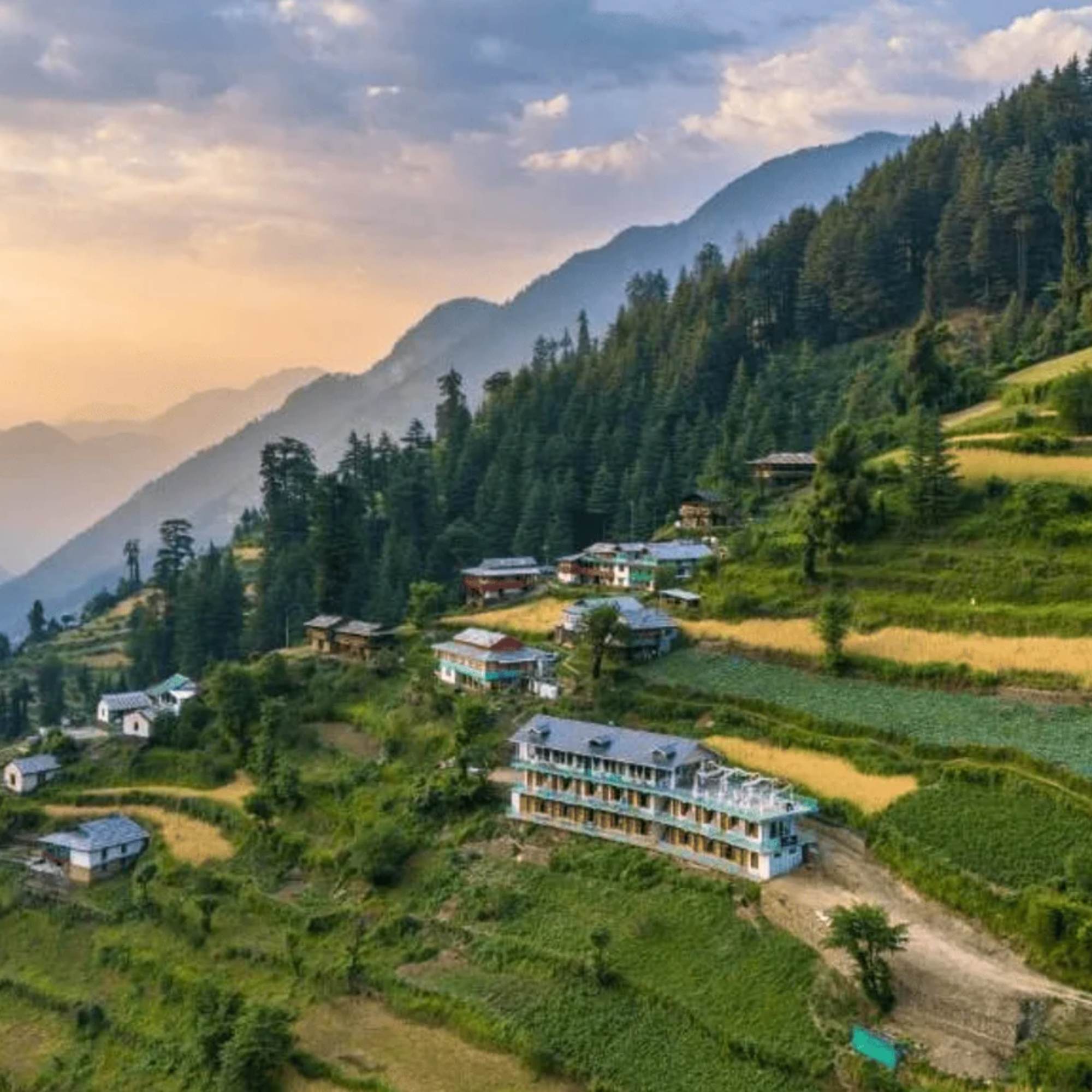 Shoja
ShojaHow to Reach Shoja in 2026: From Delhi, Chandigarh, Aut & Bhuntar
Planning a trip to Shoja in 2026? Here’s how to reach Shoja from Delhi, Chandigarh, Aut and Bhuntar by bus, car or taxi, along with the best routes, distances and useful travel tips.
- How to Reach
- Road Trips
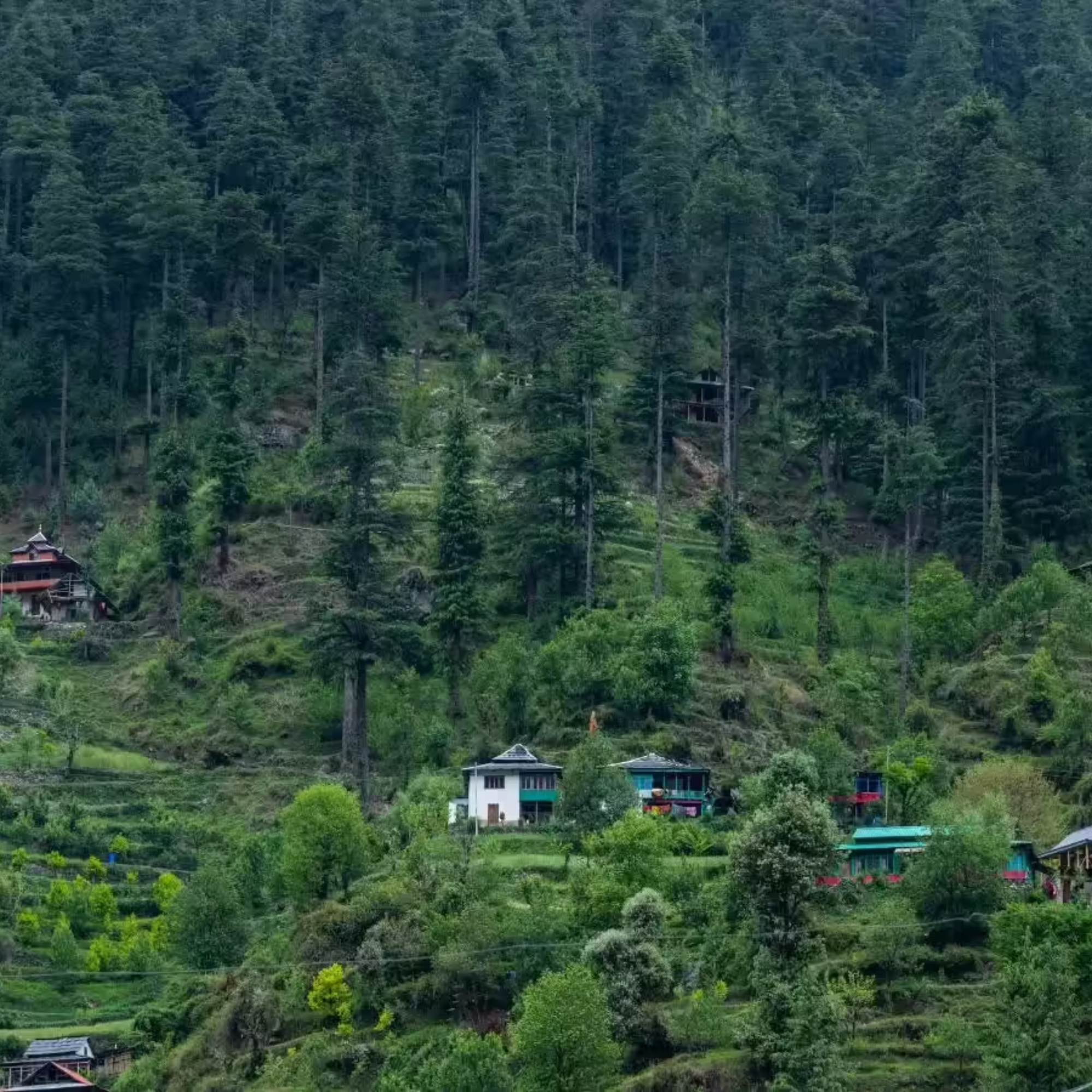 Shoja
ShojaJibhi vs Shoja 2026: Where Should You Actually Stay?
Jibhi vs Shoja in 2026 comes down to the kind of mountain experience you want. Compare location, weather, cafés, stays, accessibility, Jalori Pass access and overall vibe to decide whether Jibhi’s convenience or Shoja’s quiet mountain setting suits your trip best.
- First-Time Travellers
- Places to Visit
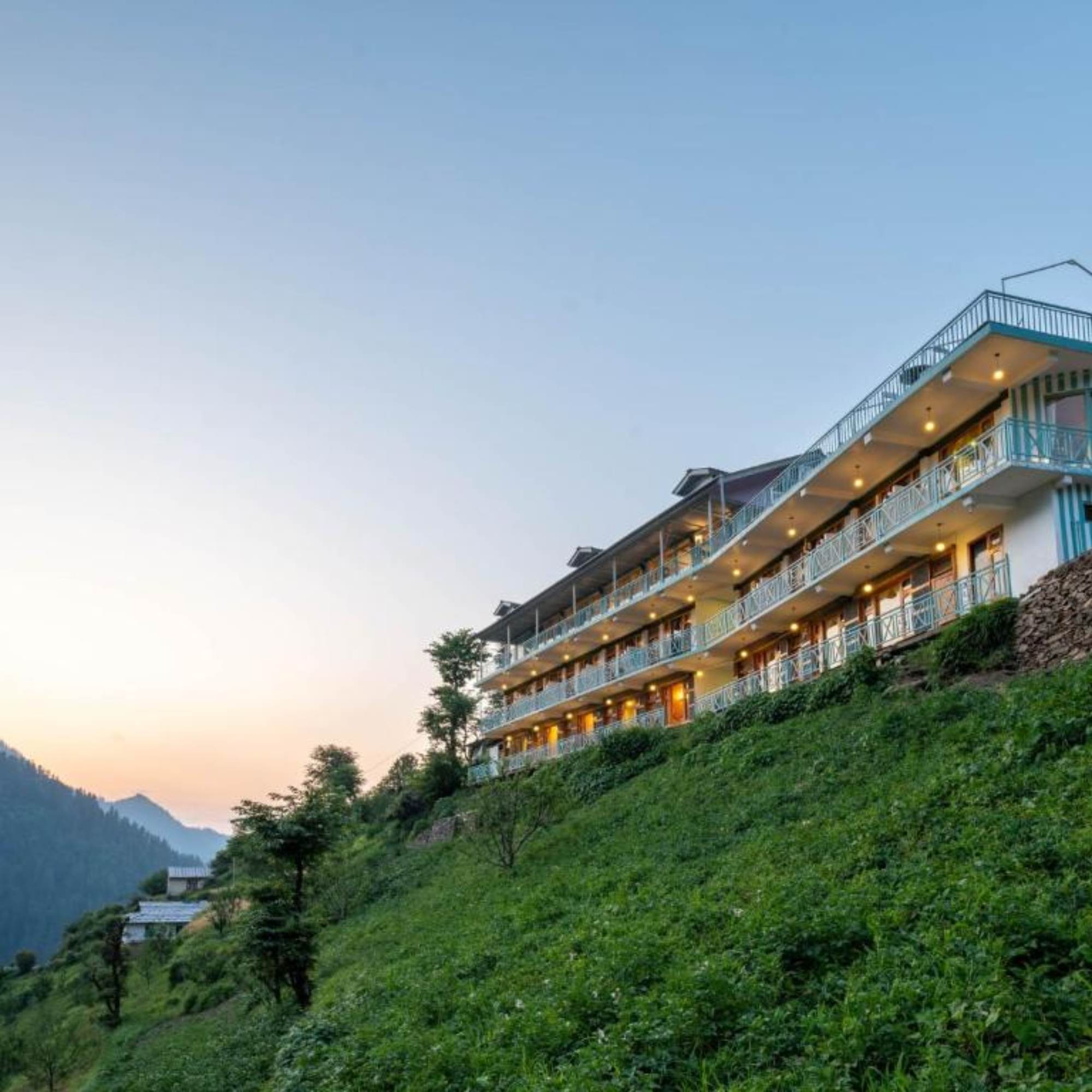 Shoja
ShojaHow Much Does a Shoja Trip Really Cost in 2026?
Planning a Shoja trip in 2026? Get a realistic breakdown of transport, stays, food, local travel, and sightseeing costs to understand how much you should budget for a comfortable Shoja getaway.
- First-Time Travellers
- Itinerary