
Jibhi vs Shoja 2026: Where Should You Actually Stay?
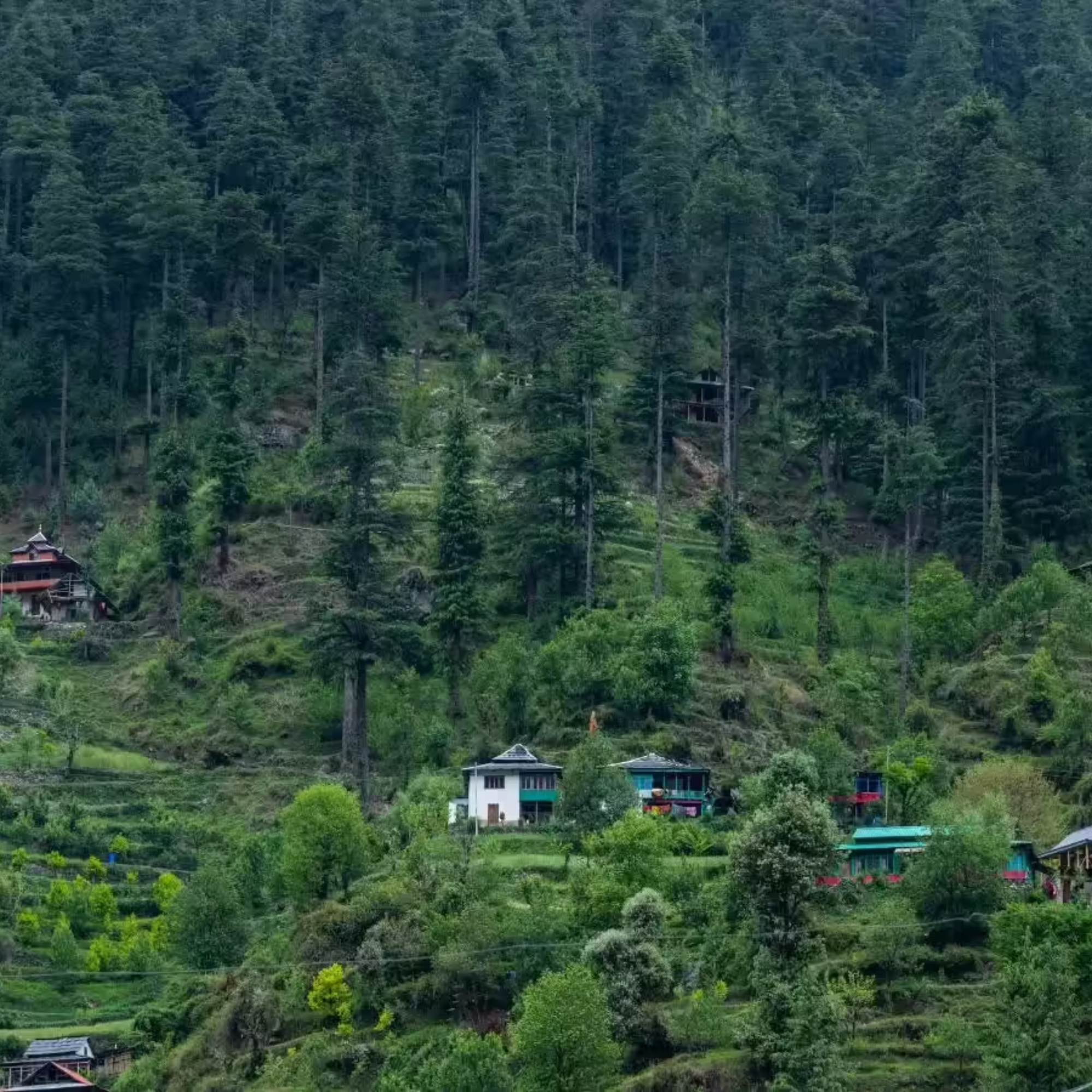
Two villages, twenty minutes apart on the map, and yet travellers spend hours stuck on this one question. You've probably opened five tabs already, each one telling you something different. Let's settle it.
Quick Answer: Jibhi or Shoja, Which Is Better?
Jibhi is the safer all-round pick for first timers. It has the cafés, the wider choice of stays, a more social feel, and it's easier to change your plans on the fly.
Shoja wins if you want quiet, a higher and more forest-heavy mountain setting, and convenient access toward Jalori Pass.
Couples can enjoy either, depending on how you like your evenings. Solo travellers who want people to meet usually do better in Jibhi. And if you have four or five nights, combining both works nicely.
That's the short version. The rest of this article is the "why," so you can pick with confidence. If you'd rather have us handle the routing and stays, look at our Jibhi and Tirthan Valley tour packages once you've decided your style.
What Is the Real Difference Between Jibhi and Shoja?
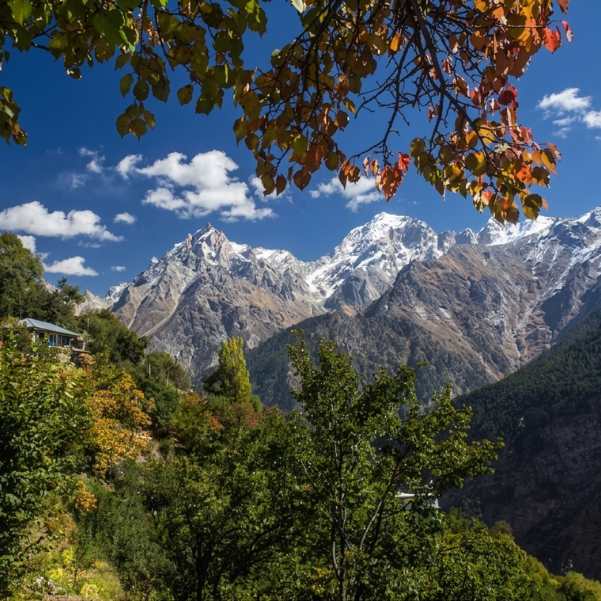
Here's what most tourists get wrong. They obsess over the distance between the two, when the real difference shows up the moment you check into your room and step outside.
In Jibhi, you walk out and there's a café down the lane, a few more stays around the corner, and other travellers wandering about. In Shoja, you walk out and there's forest, silence, and mountains.
Shoja sits higher, at roughly 2,700 metres, with one reliable local source putting it at exactly 2,692 metres. That extra height changes everything: the air, the cold, the quiet.
Jibhi has the stronger café scene, more variety in where you can sleep, and a livelier tourist buzz.
For the Jibhi to Shoja distance, it is better to treat online figures as approximate.
Different maps and travel sources show varying distances depending on the exact starting point, property location, and map pin used, so check your accommodation locations on Google Maps before travelling.
Jibhi vs Shoja at a Glance
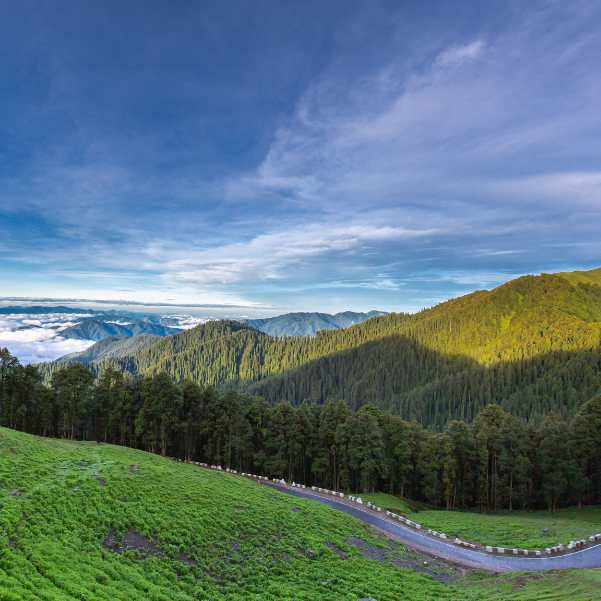
Think of it as a personality difference more than a geography one.
Jibhi feels lively. More cafés, more stays, more people to bump into, and easier day-to-day flexibility if you like deciding things last minute.
Shoja feels calm. It's quieter, higher, and pointed squarely at mountain views, forest walks, and slow mornings. If your trip is really about Jalori Pass, Shoja also holds the location advantage, since it sits closer to the top.
Neither is "better." They're built for different moods. The trick is being honest with yourself about which mood you're travelling in.
Should First-Time Visitors Stay in Jibhi or Shoja?
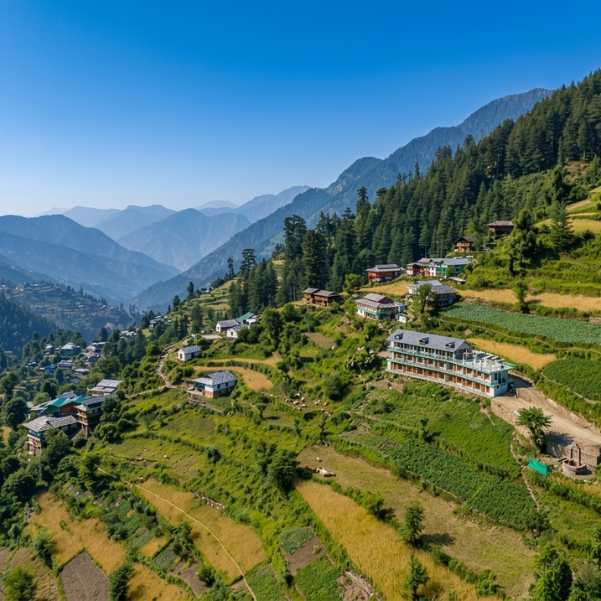
For most first timers, we lean toward Jibhi. Not because it's objectively superior, but because it's forgiving.
When you've never been to this part of Himachal, options matter. In Jibhi, you have more places to eat, more stays to pick from, and more room to change your day plan when the weather or your mood shifts. That safety net is worth a lot on a first trip.
There's a clear exception, though. If you already want solitude, you have your transport and stay locked in, and you care more about forest time and Jalori Pass than café hopping, Shoja is a perfectly smart first choice.
In our experience, Jibhi is the easier introduction to this part of Himachal if you have never been here before.
Jibhi vs Shoja for Couples: Which Feels More Romantic?
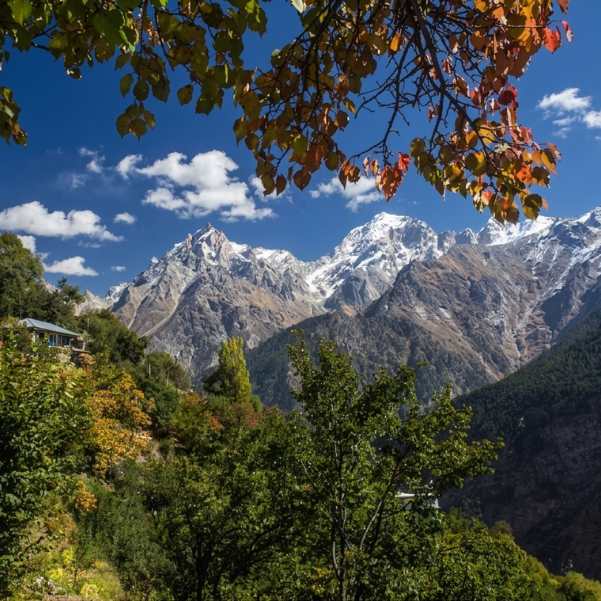
There's no single winner here, and anyone who tells you otherwise is selling something.
Shoja
Shoja suits couples who want privacy, quiet mornings, forest all around, and slow evenings spent at the stay rather than out and about. It's the "we don't want to see anyone" kind of romantic.
Jibhi
Jibhi suits couples who like café hopping, easy sightseeing, and having choices beyond their own balcony. It's the "let's wander and find breakfast" kind of romantic.
Honestly, the property matters more than the village name. A private, peaceful stay in either place beats a crowded one in the "better" village. Pick the room before you pick the postcode.
Jibhi vs Shoja for a Solo Trip
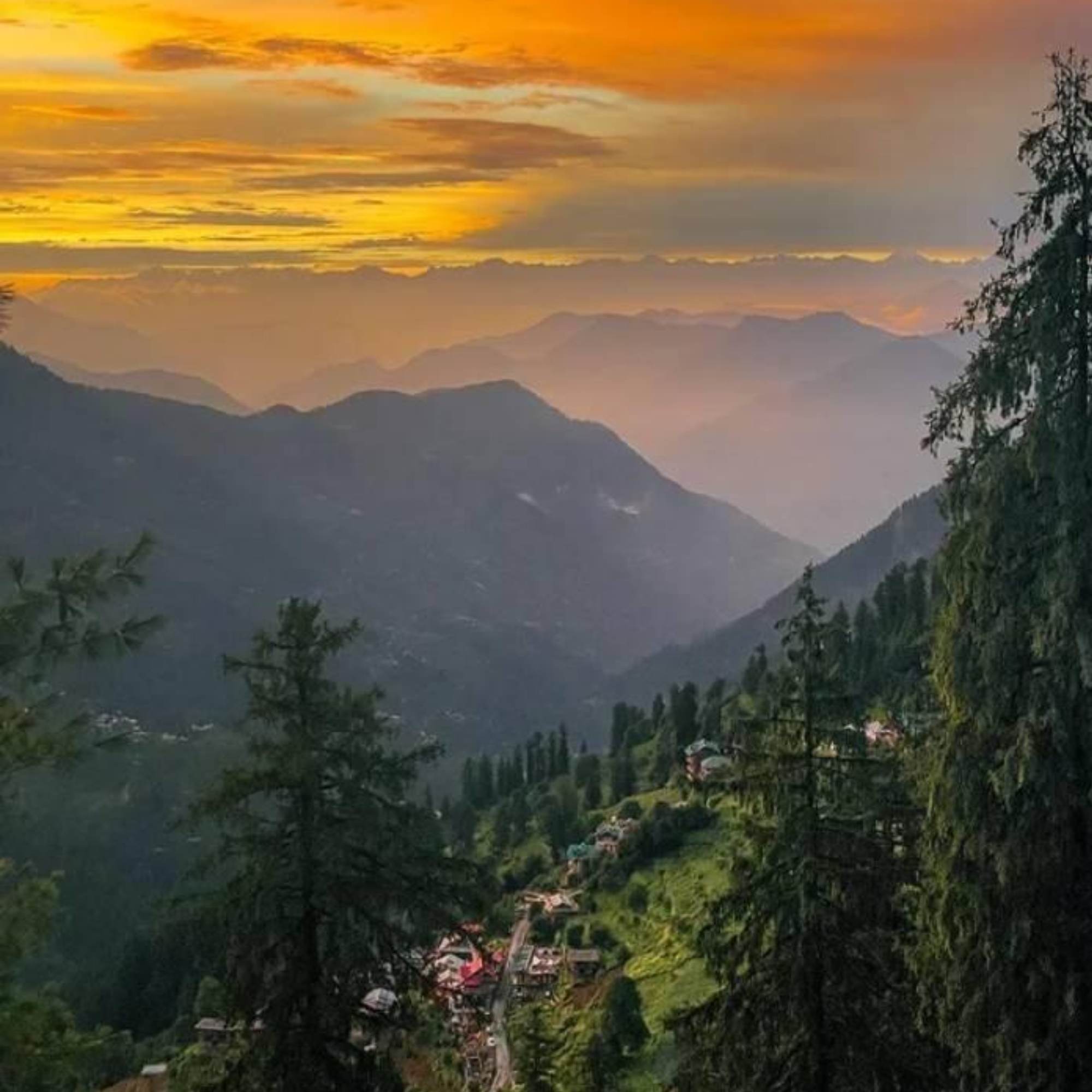
Here's a distinction most comparison articles skip: there are two kinds of solo trips, and they point to different villages.
If you want a social solo trip, where you meet other travellers, share a table, and swap plans, Jibhi is the stronger pick. It has more cafés, more stays, and a more active backpacker and hostel scene.
If you want a quiet solo trip, built around reading, photography, forest walks, and slowing down, Shoja fits beautifully.
Don't believe anyone who says Shoja has no solo scene. Traveller discussions mention hostel and dorm options in both areas. It's quieter, not empty.
Our team recommends deciding whether you want company or quiet before deciding between the two. That one question answers most of the debate.
Which Is Better for Families?
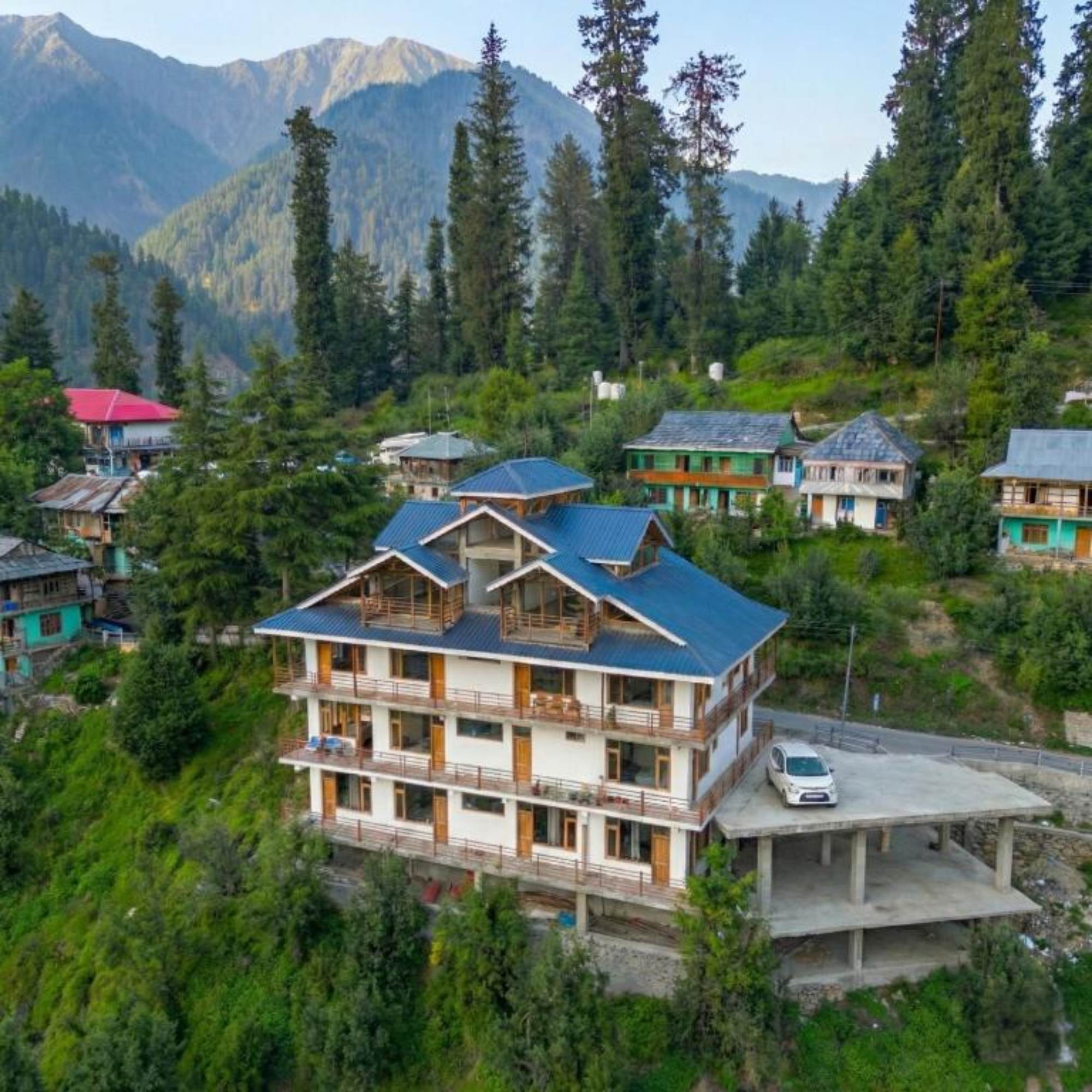
For families, we usually lean Jibhi, mostly for the practical reasons: more food options, more flexibility, and simpler day planning when you're travelling with kids and their unpredictable schedules.
Shoja can still work well for a quiet family trip, as long as your stay and transport are properly sorted in advance. It's less about "can you" and more about "have you planned it."
One honest note
In winter, colder conditions and weather-driven road changes deserve extra thought with a family. Plan with buffer and confirm road status before you set out.
Which Is Better for a Workation?
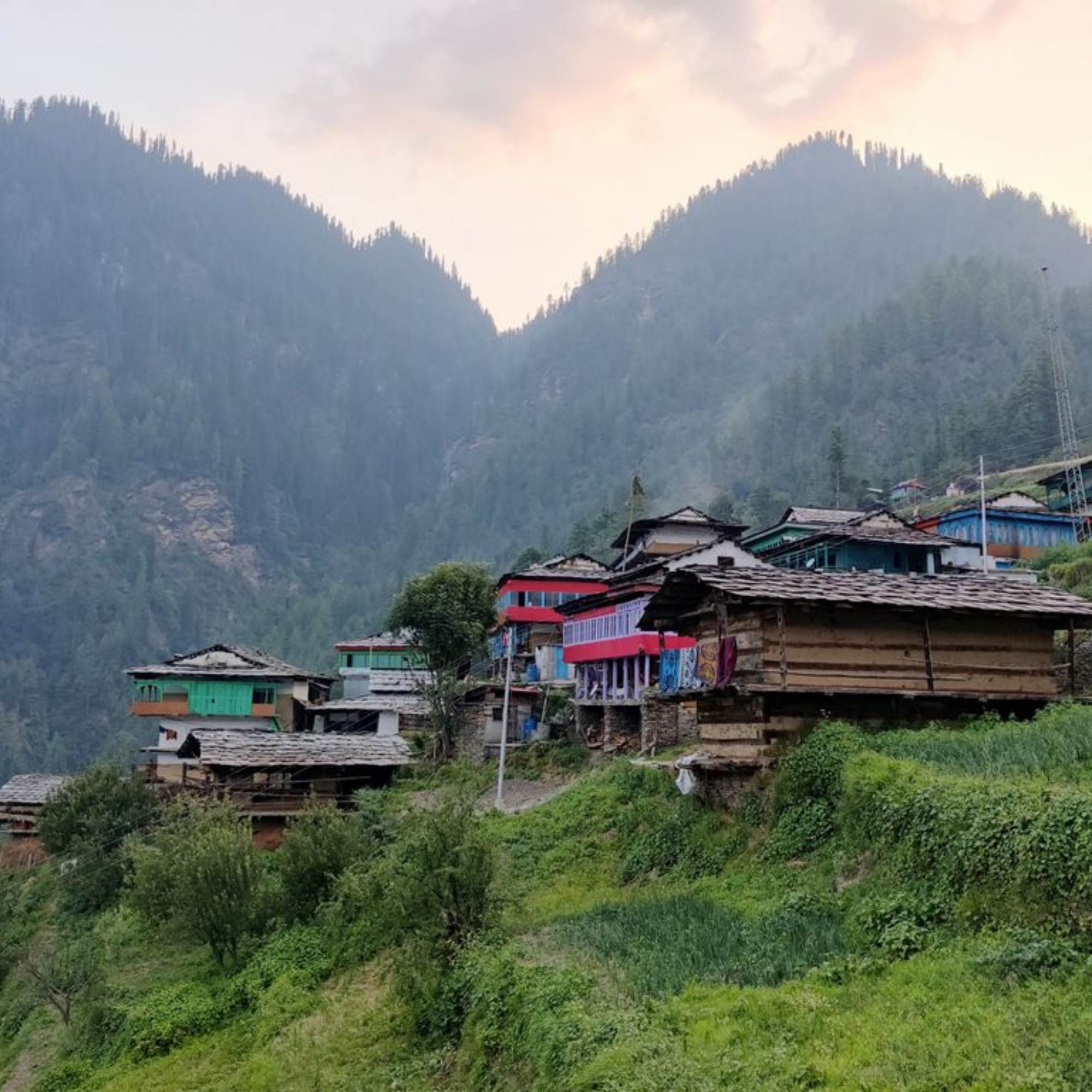
Jibhi has the practical edge, simply because more cafés and more stays mean more fallback options when your first choice has weak signal.
On networks, here's what we can actually stand behind. Jio and Airtel are reported to work in Jibhi village, though signal and WiFi quality change from property to property. In Shoja, one current source reports BSNL as the most reliable network, with Airtel and Jio patchier.
We won't promise stable high-speed WiFi anywhere in these hills, because it doesn't exist reliably. If your work depends on uninterrupted video calls, ask your exact property for a current speed test before you book. Not last year's answer. This week's.
Which Is Better If Jalori Pass Is Your Main Plan?
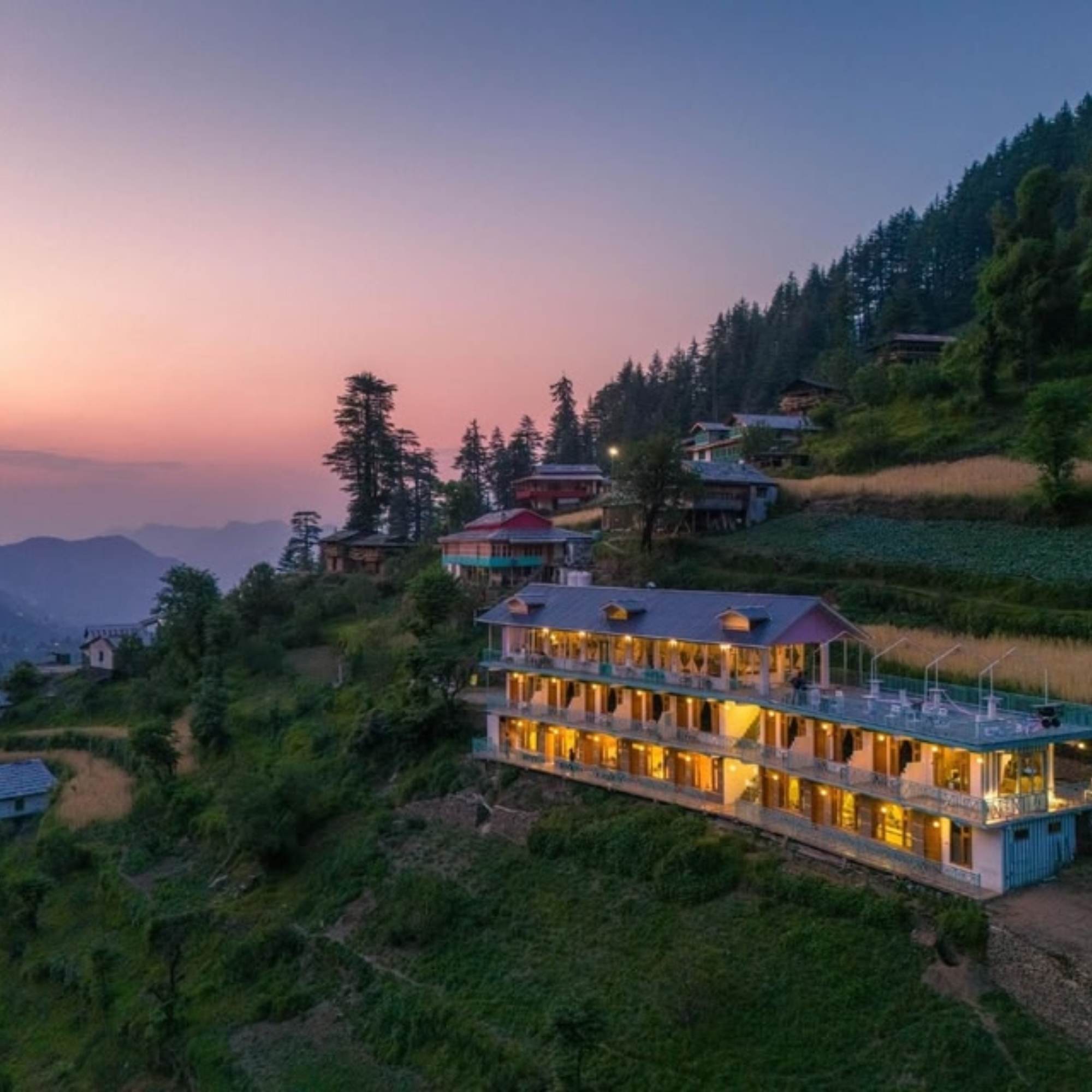
Shoja, clearly.
One current Shoja guide reports Jalori Pass at about 5 km from Shoja, which we'd treat as approximate rather than gospel. Either way, staying in Shoja saves you some backtracking compared with using Jibhi as your lower base.
From the pass, the popular excursions are Serolsar Lake and Raghupur Fort. We're mentioning them because they're the well-known walks in this area, not because we can promise either trail is open on your specific travel date.
When the weather is unstable, confirm road and trail conditions locally before you commit to a plan.
If you're eyeing an early-season trip, our guide to Jibhi and Tirthan Valley in March covers what the roads and cold really look like then.
Which Has Better Cafés and Food?
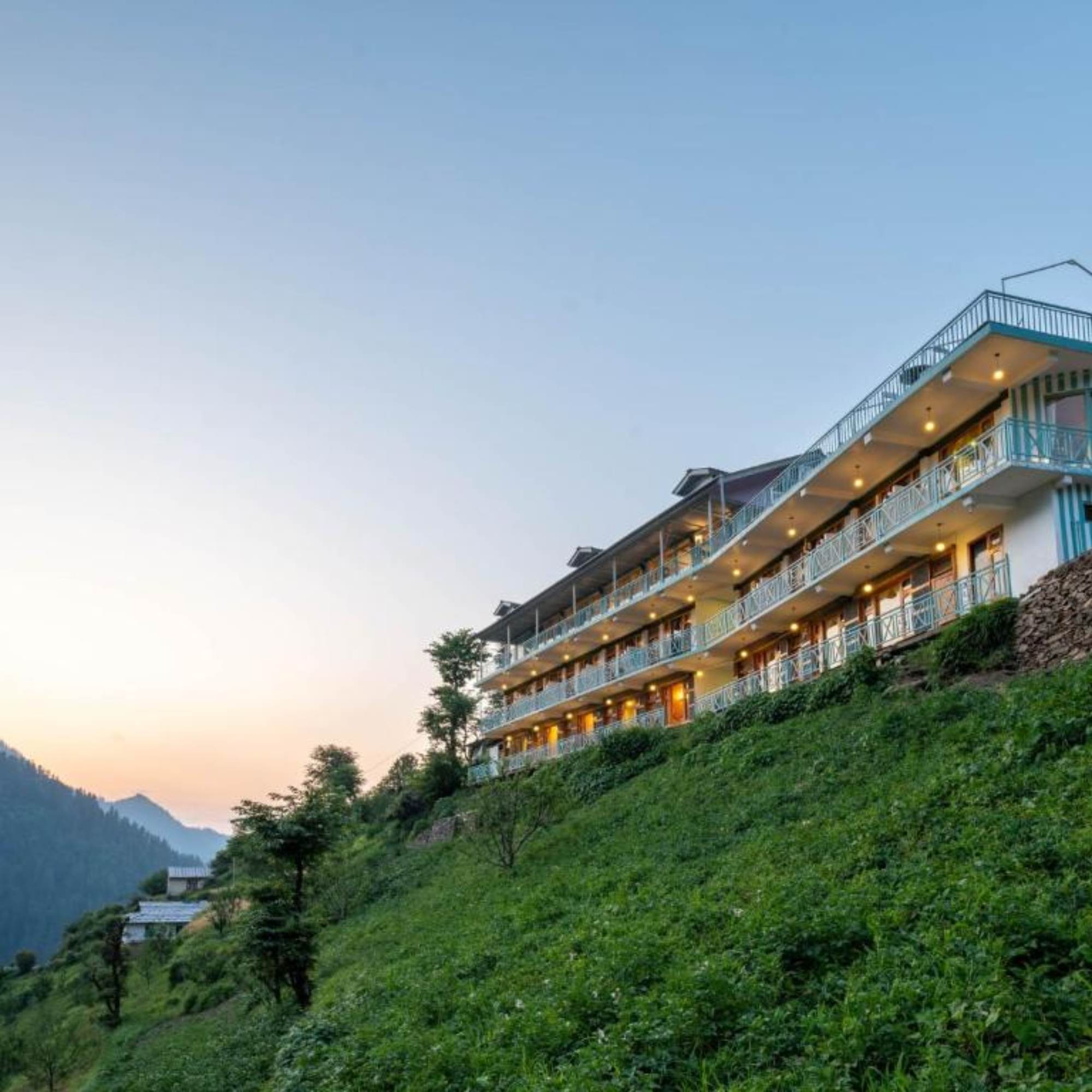
Jibhi, no contest.
Multiple current sources describe Jibhi as having the wider café choice, and that's our read too. You can walk out for breakfast, pick a different spot each day, and eat at odd hours without much planning.
Shoja has fewer outside food options. You'll likely lean on your homestay or stay for most meals.
Why does this matter? If you're the kind of traveller who wakes up and decides "let's find somewhere new for coffee," Jibhi gives you that freedom. In Shoja, meals are more of a fixed arrangement, which some people love and others find limiting. Know which one you are.
Which Has Better Views and More Peace?
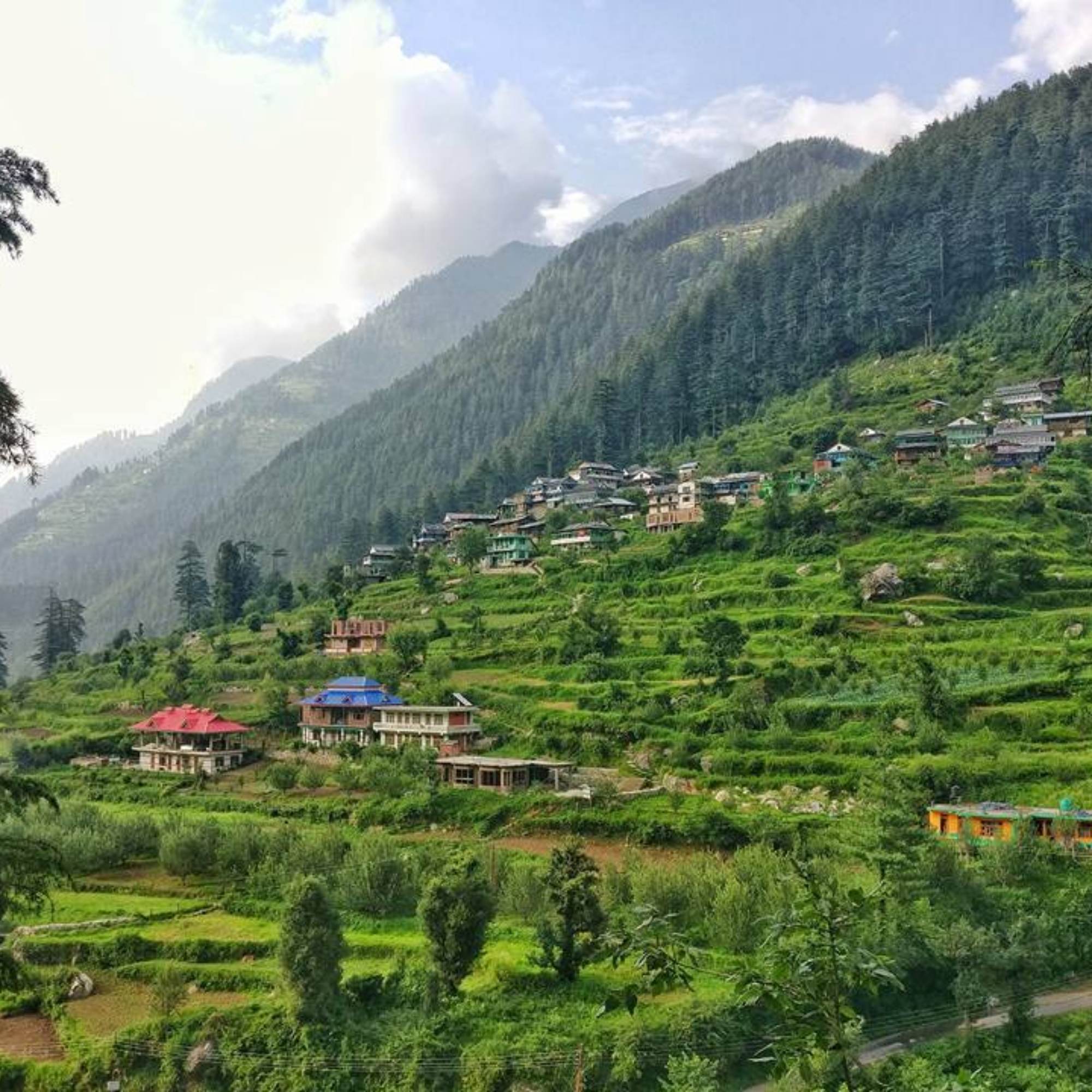
Shoja takes this for the higher, forest-and-mountain feeling. If waking up to trees and ridgelines with almost no noise is your priority, Shoja delivers it more consistently.
Jibhi is still peaceful compared with the big commercial hill stations, so don't imagine it as chaotic. It's just become the busier visitor hub of the two.
A recent 2026 solo traveller report described Jibhi as noticeably more crowded than Shoja. Take that as one traveller's experience, not an official crowd count, but it matches what we see on the ground.
Jibhi vs Shoja for Snow and Winter
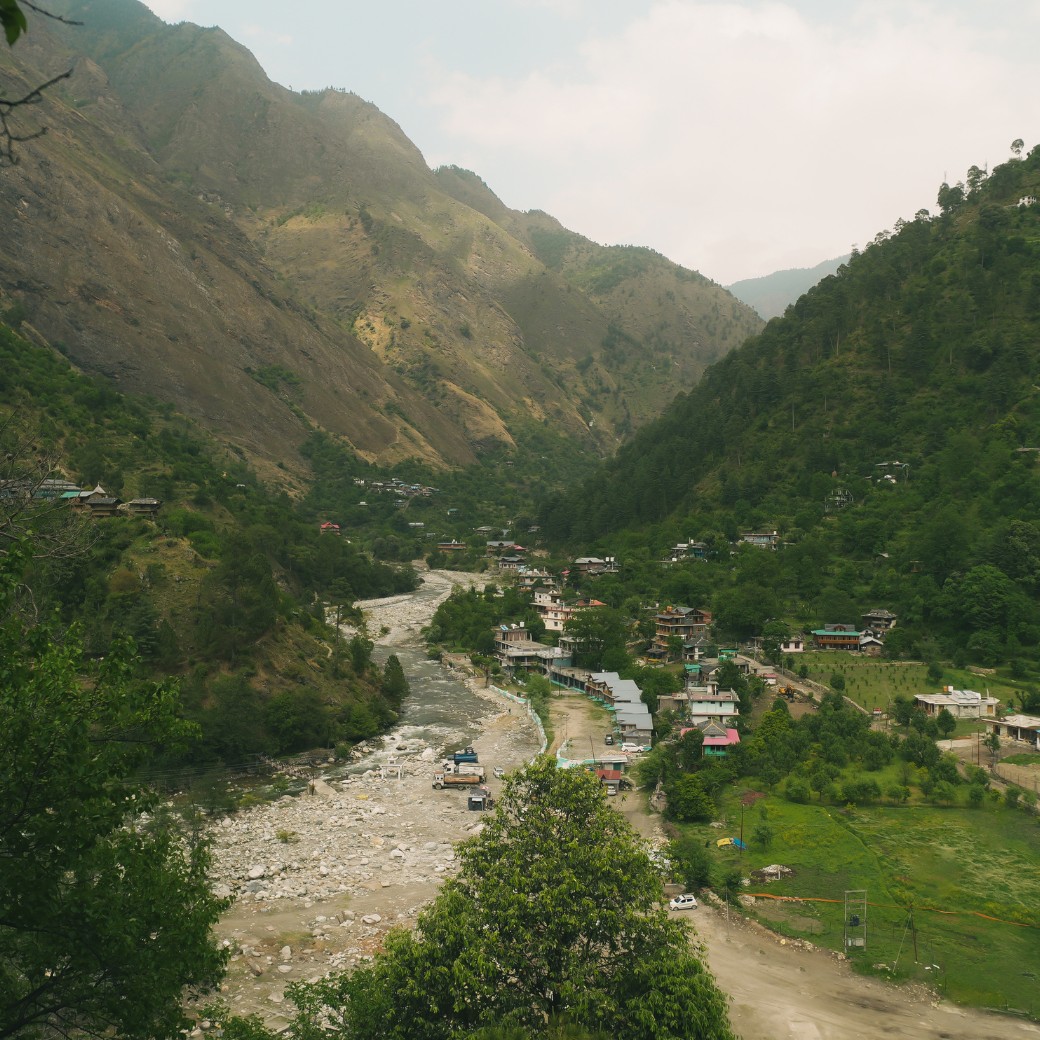
Shoja sits higher than Jibhi, so it generally has the stronger winter snow potential. That said, we're not going to guarantee snow in any particular week or month, because nobody honestly can.
Our current information says Shoja village access usually stays possible in winter but can close briefly during storms, while the road toward Jalori Pass closes after significant winter snow.
Conditions here can flip overnight. A clear road at breakfast can be a snowed-in one by evening.
After any fresh snowfall, confirm the road with your accommodation or a local operator before you start driving. This is the one warning we repeat the most, because ignoring it strands people.
What About Monsoon?
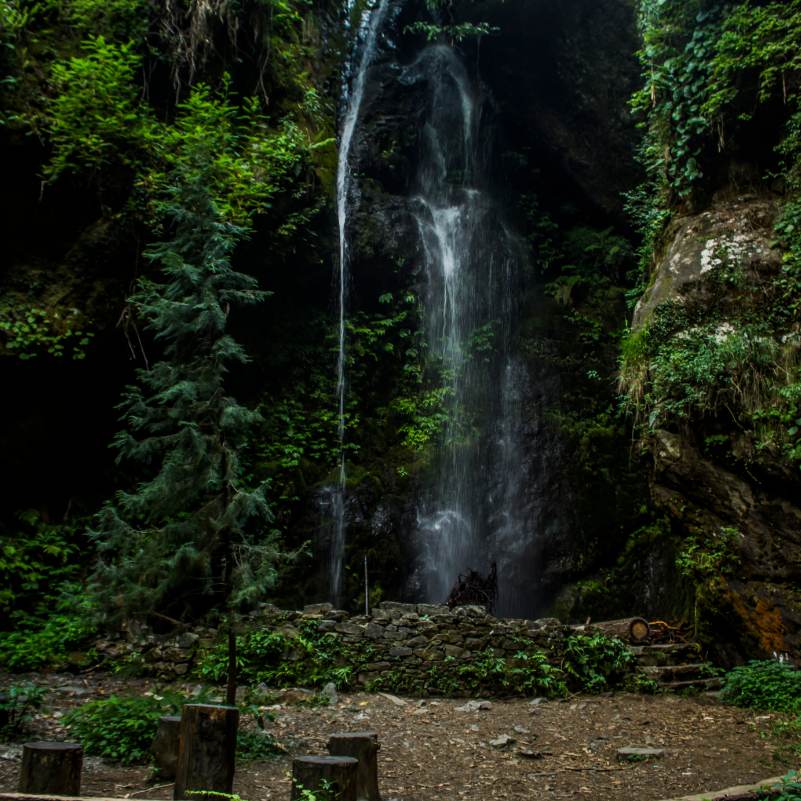
Monsoon brings greener hills and thinner crowds, but it also brings road uncertainty. That's the trade.
Our current Shoja information flags July and August as landslide prone and recommends checking road and weather conditions before you travel.
A couple of verified 2026 updates worth knowing. Tarring work was reported along roughly a 10 km section between Ghiyagi and Jalori Pass on NH 305 in 2026, so expect some construction disruption there.
Also, as of 24 August 2026, the Kullu administration had restricted vehicles over 18 tonnes on the Aut to Jalori route for public and bridge safety. To be clear, that was a heavy-vehicle restriction, not a blanket ban on normal tourist cars.
We're not going to tell you the road is open or closed today, because that changes constantly. Check current road status before you travel.
Jibhi to Shoja Distance: Why Online Numbers Don't Agree
Let's be straight with you, because this is where a lot of articles quietly make something up.
Current online sources genuinely conflict. Different pages report the Jibhi to Shoja distance anywhere from about 5 km to 16 km. The likely reason is that each site uses a different map pin, a different stay location, or a different idea of where each village "starts."
We're not going to pick one number and pretend it's certain. Before your trip, check the route using the exact Jibhi and Shoja locations on Google Maps, as the displayed distance can vary depending on the map pins and your actual accommodation location.
One thing to remember either way: this is a winding hill road. Driving time matters far more than the raw kilometres, and we're not inventing a cab fare to go with it.
Is It Better to Stay in Both Jibhi and Shoja?
Depends entirely on how many nights you have.
For a two-night trip, pick one base. Checking out, repacking, and shifting stays eats into a short trip and gains you very little.
For around three nights, use Jibhi as your base and make one Shoja-and-Jalori side excursion, if roads and weather allow.
For four or five nights, a split stay starts to make real sense, especially if you genuinely want both the café-and-social side of Jibhi and the slow, high-mountain side of Shoja.
These are our recommendations, not fixed rules. If you're going in late spring, our notes on Jibhi in May will help you picture the conditions.
Sample Jibhi and Shoja Stay Plans
2 Nights: Keep Jibhi as One Base
Arrive, settle into Jibhi, and explore the nearby sights at an easy pace. No rushing.
Use your second day for the Shoja and Jalori side only if road and weather conditions allow it. If they don't, Jibhi has enough around it to keep the day full.
3 Nights: Jibhi Base With One Full Upper Valley Day
This is our go-to for first timers who hate changing hotels.
Keep one relaxed Jibhi day for cafés and local walks, and give one full day to the Shoja and Jalori side. Leave the plan flexible so weather doesn't wreck it.
4 or 5 Nights: Split Jibhi and Shoja
At this length, the hotel change finally earns its keep.
Use Jibhi for cafés, local walks, and the social side of the valley. Then shift to Shoja for quieter mornings, forest air, and easier access toward Jalori Pass. You get the clearest contrast between the two this way.
Who Should Definitely Choose Jibhi?
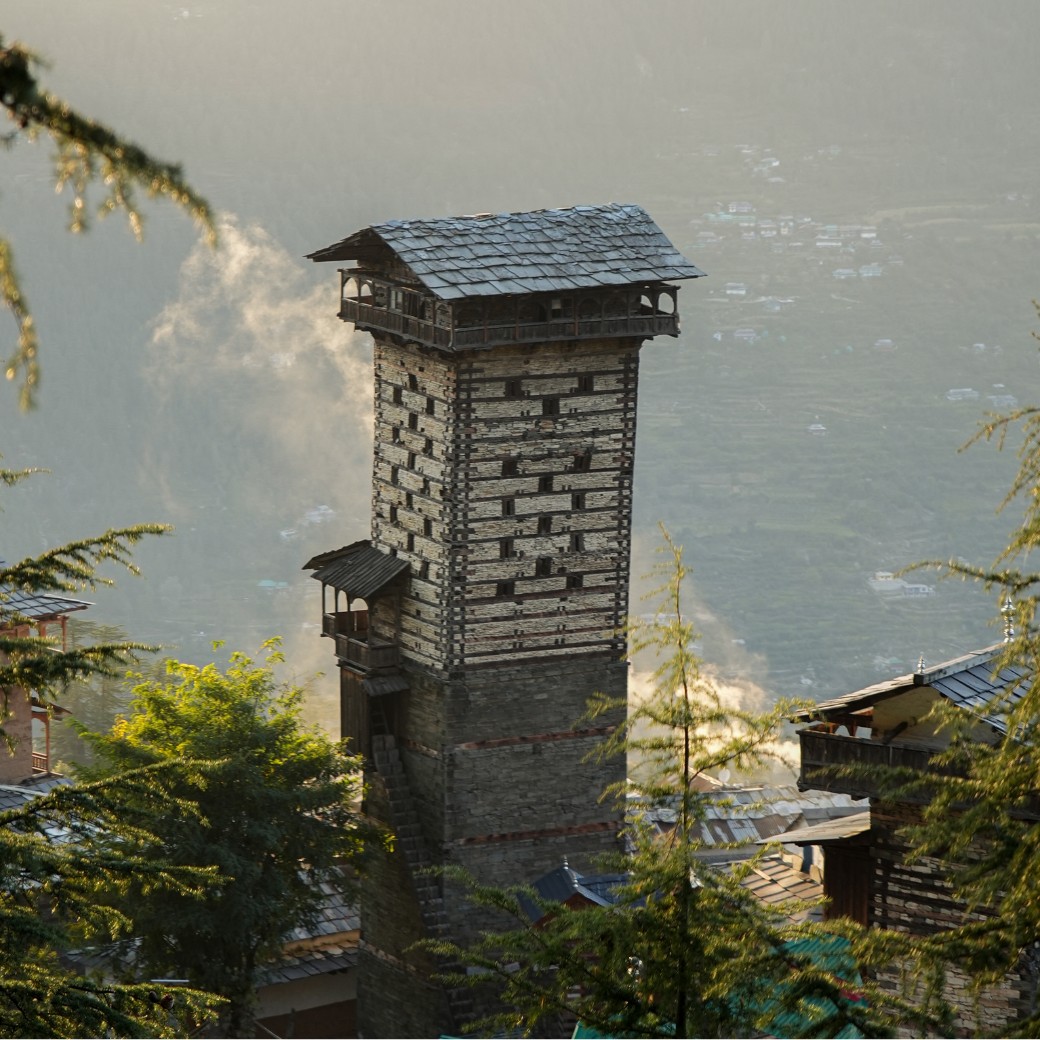
Jibhi is the strongest fit if you're a first timer, a social solo traveller, a café lover, someone who wants more accommodation choice, or a traveller who values flexibility over maximum solitude.
If you're the type who likes deciding your day over breakfast rather than the night before, this is your base.
Still weighing Himachal valleys against each other? Our comparison of Jibhi vs Kasol is worth a read, and if Kasol pulls ahead for you, we have Kasol tour packages too.
Who Should Definitely Choose Shoja?
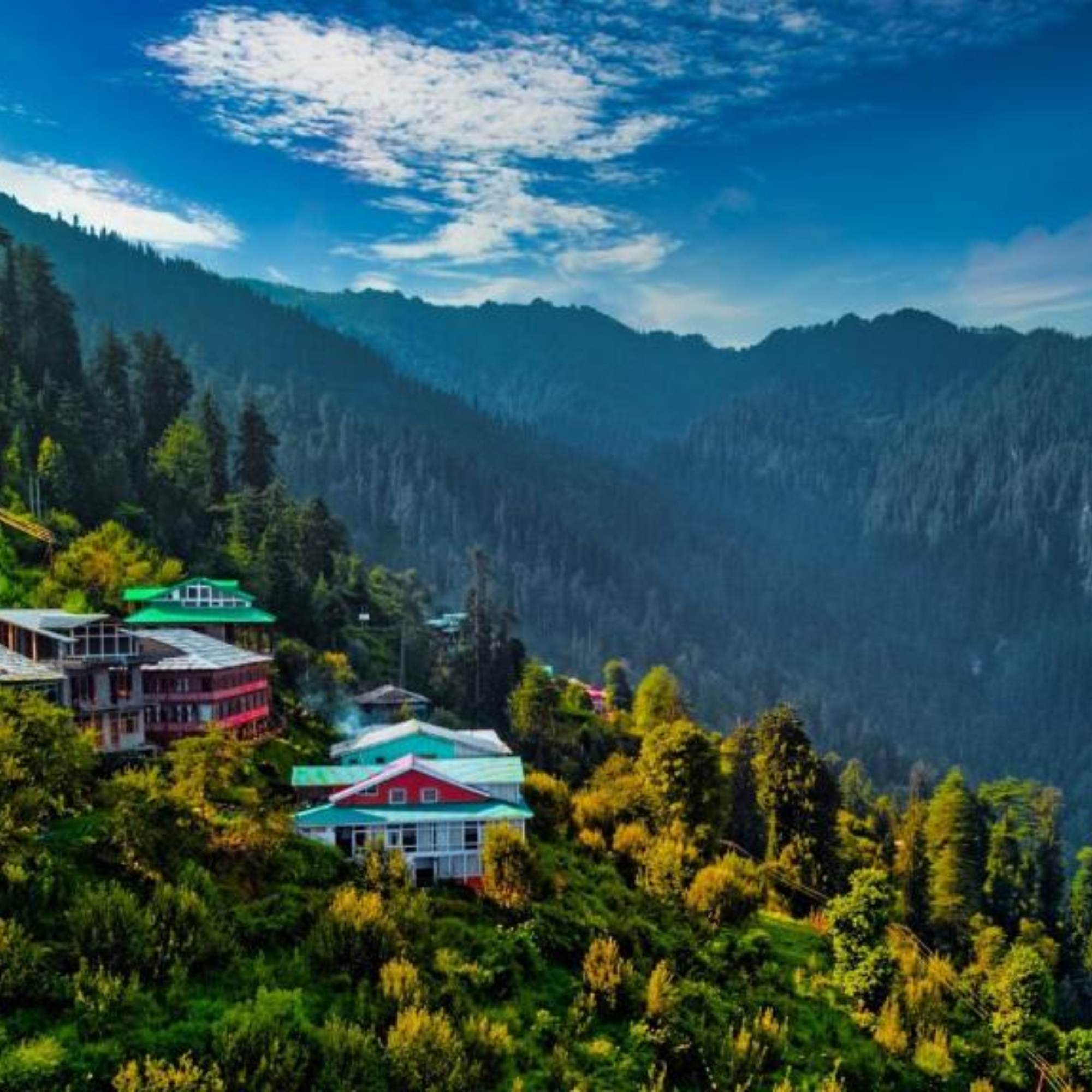
Shoja is the stronger fit if you're prioritising quiet, forest atmosphere, colder high-elevation weather, photography, slow stays, and proximity to Jalori Pass.
One honest caveat
If you depend on lots of restaurant choice, spontaneous nightlife, or uninterrupted work connectivity, check whether your specific property actually meets those needs before booking. Shoja rewards planners, not improvisers.
Our Recommendation: Where Would We Actually Stay?
We won't cop out and say "both are lovely."
For most first-time visitors, stay in Jibhi. The flexibility, food, and social ease make your first trip smoother.
For a quiet couple or a repeat traveller who already knows what they want, Shoja deserves serious thought.
For a four or five-day trip, combine the two. That's when you get the sharpest contrast between the lively valley floor and the quiet high forest.
For a short trip built around Jalori Pass, Shoja has the location advantage, as long as current road conditions cooperate.
In our experience, the best base is the one that matches how you want your evenings to feel, not the one with the prettier Instagram photos. Get that right and the rest sorts itself out.
Explore Our Curated Shoja Tour Packages
 Group Tour6D/5N
Best Jibhi Tirthan Valley Tour With Shangarh Meadows
2D Tirthan Valley•1D Shangarh (Sainj Valley)
₹9,999₹12,999SAVE INR 3,000/ person 6D/5N
6D/5NJibhi Tirthan Valley & Shangarh Meadows Experience
1D Delhi•2D Jibhi+2
₹21,799₹27,999SAVE INR 6,200/ person 5D/4N
5D/4NWeekend Jibhi & Tirthan Valley Riverside Escape
1D Delhi •2D Jibhi / Tirthan Valley+1
₹12,900₹19,999SAVE INR 7,099/ person
Related topics
Frequently Asked Questions
Is Shoja better than Jibhi?
Neither is objectively better. Shoja wins for quiet, height, forests, and Jalori Pass access. Jibhi wins for cafés, choice, and a social atmosphere. Pick based on the trip you want
Where should I stay, Jibhi or Shoja?
For a first trip, Jibhi is the easier base thanks to more food and stay options. Choose Shoja if you specifically want solitude and mountain quiet.
What is the difference between Jibhi and Shoja?
Shoja is higher, at roughly 2,700 metres, and quieter, focused on forests and views. Jibhi is lower, livelier, and has the stronger café and accommodation scene.
How far is Shoja from Jibhi?
Published distances vary depending on the exact map pins and starting points used. For the most accurate Jibhi to Shoja distance, check Google Maps using your actual accommodation locations before travelling.
Is Jibhi or Shoja better for couples?
Both work. Shoja suits couples wanting privacy and quiet evenings, while Jibhi suits couples who enjoy café hopping and easy choices. The property matters more than the village.
Is Jibhi or Shoja better for solo travellers?
Jibhi is better if you want to meet other travellers, thanks to its cafés and backpacker scene. Shoja is better if you want a quiet, reflective solo trip.
Which is better for families, Jibhi or Shoja?
Jibhi, usually, for its food options and flexibility with kids. Shoja can suit a quiet family trip if your stay and transport are properly planned in advance.
Does Shoja get more snow than Jibhi?
Shoja sits higher and generally has stronger snow potential. But snowfall is never guaranteed for specific dates, so plan with flexibility and check road status.
Should I stay in Shoja to visit Jalori Pass?
Yes, if Jalori Pass is your main plan. One source places the pass about 5 km from Shoja, so you save backtracking compared with basing in Jibhi. Confirm the road first.
Can I visit Shoja from Jibhi in one day?
Yes, in normal road conditions, since they're neighbouring bases. We won't give a precise travel time until the exact distance is verified.
How many days are enough for Jibhi and Shoja?
Two nights for one base, three nights for a base plus a Jalori excursion, and four or five nights if you want to split your stay between both.
Do I need a permit for Jibhi or Shoja?
No special tourist permit is needed for Jibhi or the Banjar Valley itself. Note that entering the Great Himalayan National Park core zone does require appropriate permission and generally a registered guide.
More about Shoja
 Shoja
ShojaHow to Reach Shoja in 2026: From Delhi, Chandigarh, Aut & Bhuntar
Planning a trip to Shoja in 2026? Here’s how to reach Shoja from Delhi, Chandigarh, Aut and Bhuntar by bus, car or taxi, along with the best routes, distances and useful travel tips.
- How to Reach
- Road Trips
- Shoja
How Much Does a Shoja Trip Really Cost in 2026?
Planning a Shoja trip in 2026? Get a realistic breakdown of transport, stays, food, local travel, and sightseeing costs to understand how much you should budget for a comfortable Shoja getaway.
- First-Time Travellers
- Itinerary
 Shoja
ShojaShoja Itinerary 2026: The Perfect Jibhi & Shoja Plan for 2-3 Days
Planning a Shoja trip in 2026? This practical 2–3 day Jibhi and Shoja itinerary covers the best places to visit, Jalori Pass, Serolsar Lake, cafés, village walks and realistic travel times for a relaxed Himalayan escape.
- Itinerary
- Places to Visit