
How Much Does a Shoja Trip Really Cost in 2026?
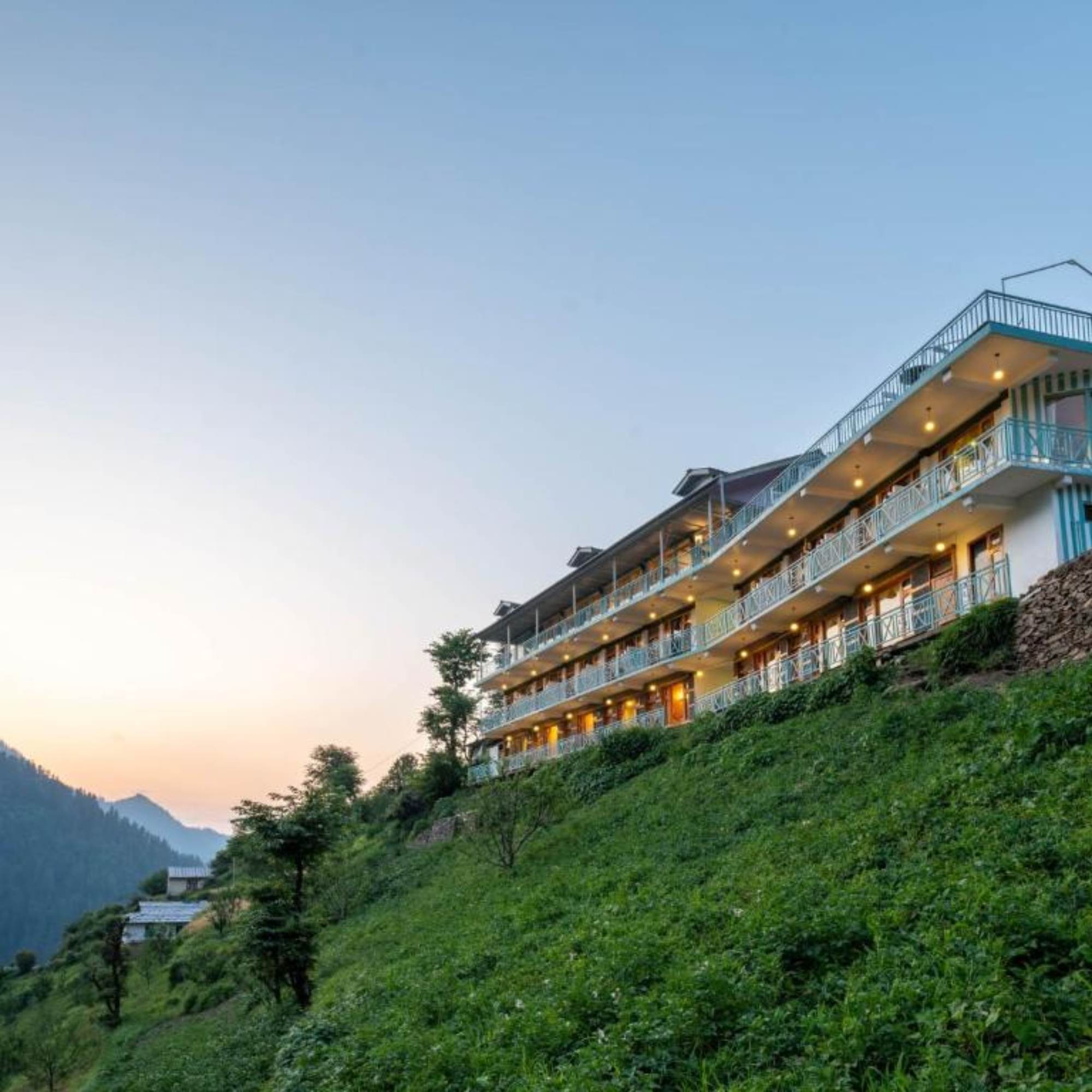
Shoja is one of those Himachal villages where the trip cost depends almost entirely on how you travel, not on what you do once you get there. There are no expensive tickets, no big entry fees, and no fancy attractions draining your wallet.
The real money goes into buses, rooms, and taxis. So if you have been searching for the honest Shoja trip cost without a sales pitch attached, this guide by Travel Coffee breaks it down using real 2026 fares and actual traveller reports.
Quick Answer: What Is the Shoja Trip Cost in 2026?
A typical 2 night, 3 day Shoja trip from Delhi can reasonably be planned at around ₹7,000 to ₹12,000 per person. Treat this as a planning estimate built from current transport, accommodation, and traveller data, not a fixed package tariff.
A backpacker using buses, dorms, cheap local meals, and shared taxis stays near the lower end. The moment you switch to private rooms, café meals, and exclusive cabs, the total climbs fast.
In our experience, we usually tell travellers to keep around ₹8,000 to ₹12,000 per person ready for a normal Delhi trip rather than chasing the theoretical minimum. If you want a ready-made plan, our Jibhi tour packages cover this belt with Shoja included.
How Much Should You Actually Budget for Shoja?
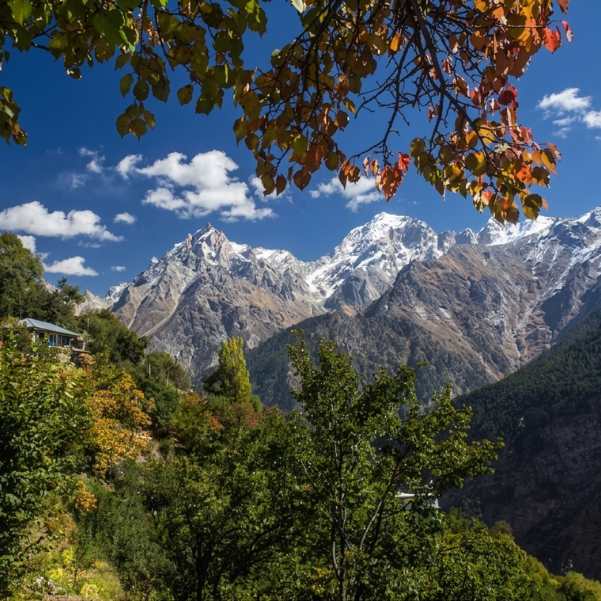
Here is what most tourists get wrong. They obsess over the cost of "seeing" Shoja, when Shoja itself is mostly free forest walks and viewpoints. Your budget lives and dies on transport and where you sleep.
Budget traveller
A backpacker setup means a budget bus from Delhi, a dorm bed, local dhaba meals, and shared or public transport for local movement.
As an example calculation using only verified figures, a cheap direct bus near ₹1,099, two dorm nights near ₹850 each, and food at roughly ₹400 to ₹600 per day keeps you tight. Call this an illustrative budget, not a guaranteed cost.
Comfortable traveller
Switch to a private room and the number moves quickly. A private Shoja room has been reported around ₹2,500 a night, and café-heavy eating runs closer to ₹800 to ₹1,200 per day.
Add a private taxi or two and you are in a different bracket. The room and taxi choices matter far more than small attractions, which barely exist here.
Couple or small group
A couple or a group of four often spends more in total but less per person, because the vehicle cost gets split. One taxi carries one price whether one person or four sit in it. This single fact reshapes the whole budget, which we will keep coming back to.
What Does a Delhi to Shoja Trip Cost?
Transport is the biggest variable in your Shoja trip budget. Two people on the same trip can pay very different amounts based purely on how they got there.
Direct Delhi to Shoja bus
An August 2026 ixigo snapshot lists Delhi to Shoja bus fares from about ₹1,099 to ₹3,028, depending on operator and bus type. Treat this as a booking-window snapshot, not a permanent fare.
To show how fares move inside that range, one Volvo option displayed for August 25, 2026 was ₹1,695. Ixigo describes the journey as generally taking about 12 to 13 hours, so plan for a full overnight haul rather than a quick hop.
Delhi to Aut and onward to Shoja
The other way is to reach Aut first, then move onward. A current Jibhi budget source quotes Delhi to Aut buses at around ₹1,100 to ₹1,500 per person one way.
From Aut, a shared taxi to Jibhi is quoted at ₹1,500 to ₹1,800 for the whole vehicle, which works out to roughly ₹250 to ₹450 per person when 4 to 6 travellers split it. A private Aut to Jibhi taxi is quoted around ₹2,000 to ₹2,500 one way.
One honest warning here. Those figures are for Aut to Jibhi, not Aut to Shoja. Shoja sits higher and further, so confirm the exact Aut to Shoja taxi price locally because no reliable fixed 2026 tariff was found for that leg.
How Much Does It Cost to Stay in Shoja?
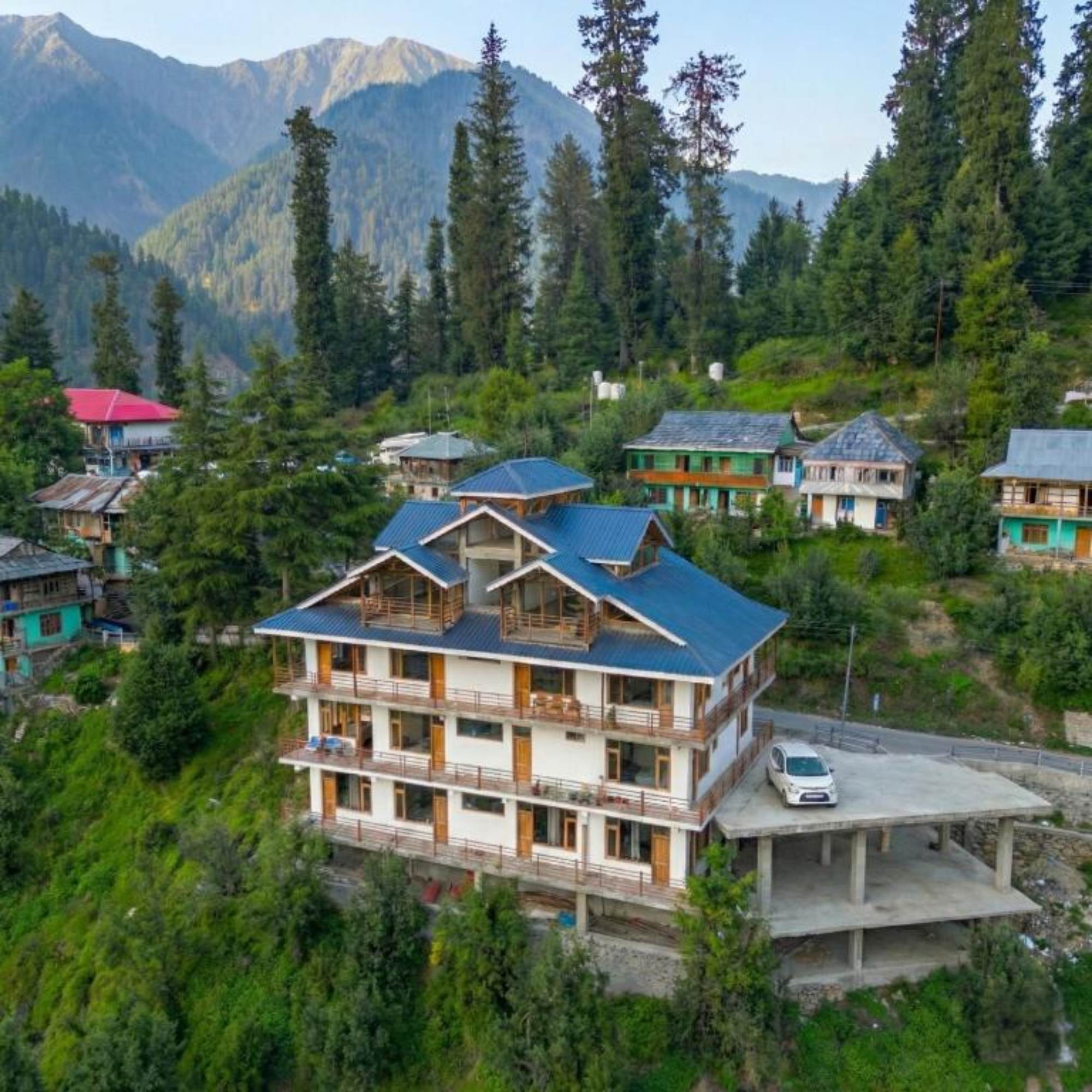
Backpacker and hostel accommodation in Shoja currently appears around ₹800 to ₹2,500, depending on the property, room type, date, and demand.
Current UNMAPD listings place both Zostel Shoja and Moustache Shoja around ₹900 to ₹2,500. These are the two names most first-timers recognise, and they anchor the range well.
For real-world context, a May 2026 traveller reported an ₹850 female dorm, and a March 2026 solo traveller reported paying ₹2,500 for a private room. Both are anecdotal snapshots, not standard tariffs you can bank on.
Here is a tip generic guides skip
Friday and Saturday nights, private rooms, and peak season push prices toward the top of that range. If your dates are flexible, a midweek dorm night is where the real saving sits.
How Much Should You Budget for Food in Shoja?
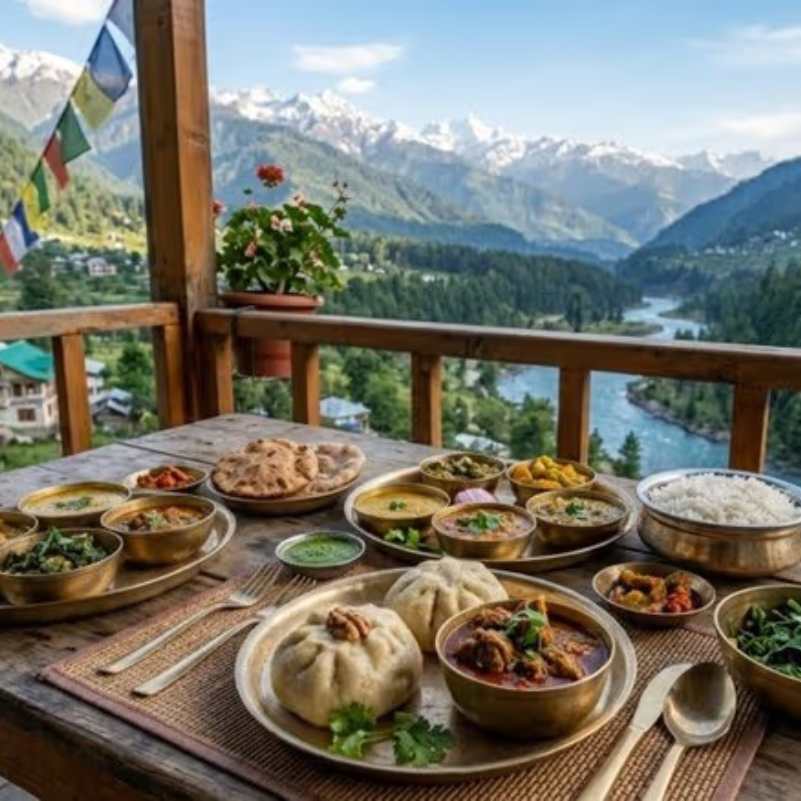
Use the wider Jibhi and Shoja region as your benchmark. A current Jibhi budget guide places simple local meals around ₹150 to ₹250 per plate.
That guide suggests roughly ₹400 to ₹600 per day if you eat mostly local food, and around ₹800 to ₹1,200 per day for café-heavy eating. These are regional planning numbers, not fixed Shoja menu prices.
Food near trekking and tourist points can cost more than the village rate, so carry a little extra for the Jalori side. A money-saving move we always suggest: eat your main meals at your homestay or a local dhaba and keep café visits as treats, not routine.
What Is the Shoja Cab Cost?
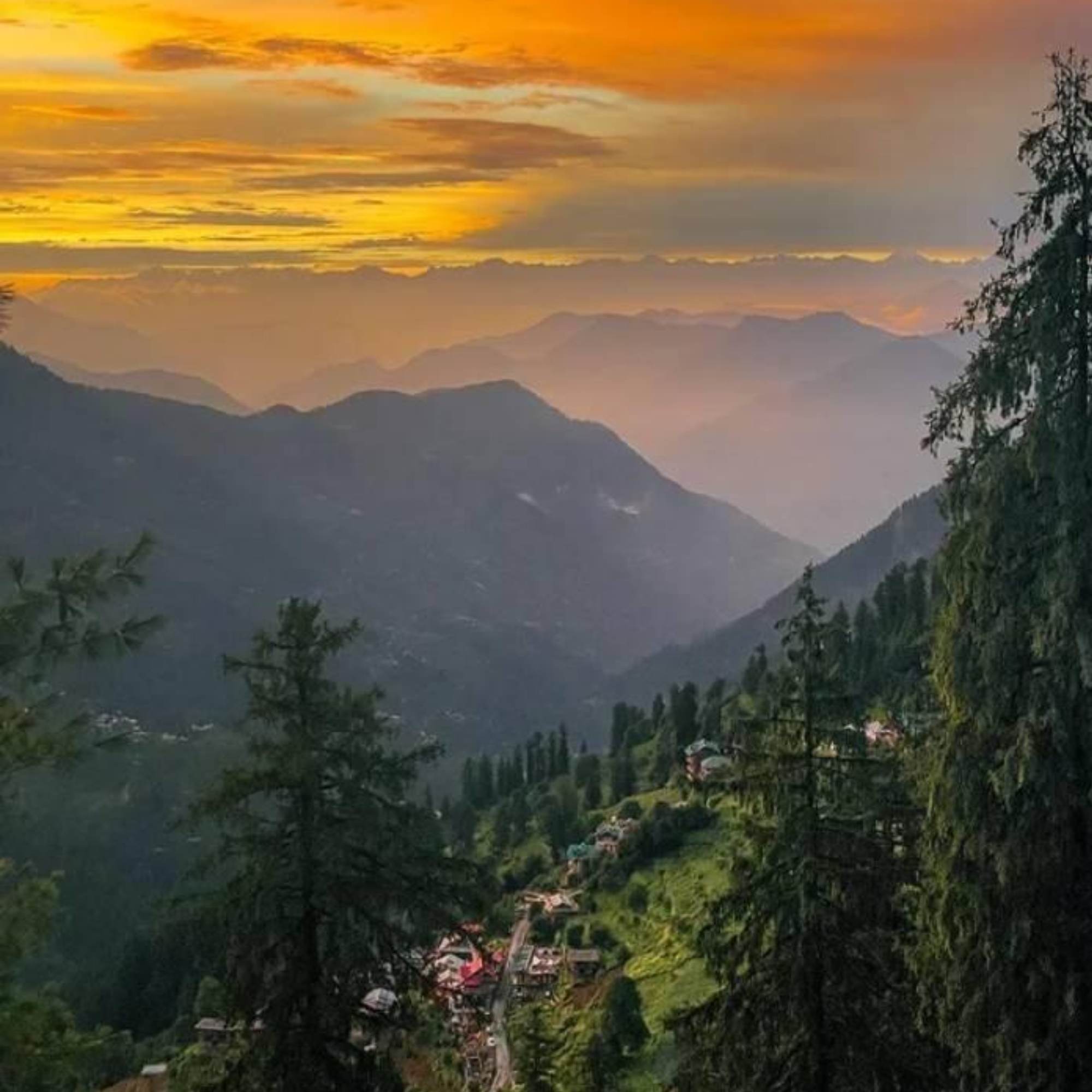
There is no single useful answer to the Shoja cab cost question, and anyone who gives you one flat number is guessing. It depends entirely on whether you fill the vehicle.
Full private taxi
With a full private taxi, you pay for the whole vehicle. A solo traveller carries that complete cost alone, which is why solo cab trips get expensive quickly.
Shared taxi
Share the ride and the per-person cost drops sharply. A June 2026 traveller reported paying roughly ₹200 for a shared ride toward Jalori Pass and about ₹200 for a shared Shoja to Jibhi ride.
These are traveller-reported examples, not official tariffs, but they show how much sharing helps.
Local bus
Local buses are cheaper still, but they run on their own timetable, not yours. If your day depends on catching a specific viewpoint at a specific hour, the bus may not line up. We will not invent a fare or schedule here, so check timings on the ground.
How Much Does Jalori Pass Add to Your Shoja Budget?
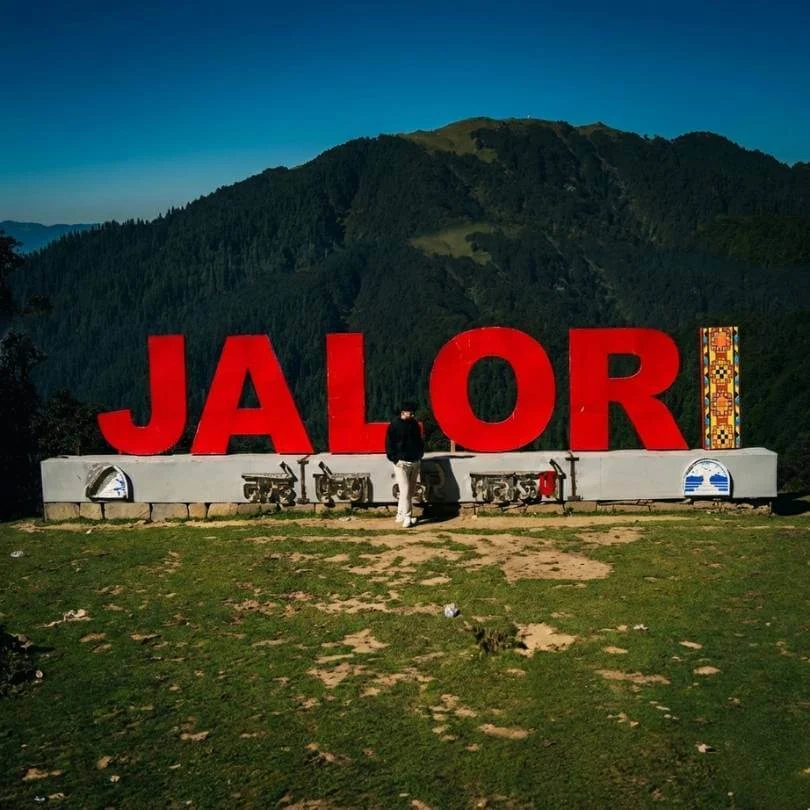
Jalori Pass is the main paid outing from Shoja, and it is worth planning for. A 2026 Jibhi Valley guide estimates a Jibhi to Jalori Pass return taxi with waiting time at around ₹1,000 to ₹2,000.
A group can divide that full vehicle cost, so four people barely feel it. A solo traveller is better off finding a shared ride. This is not an official taxi tariff, just a current planning figure.
One timing and safety note
Jalori Pass was reported road accessible on July 24, 2026, but that dated update does not guarantee access on your travel date. For monsoon trips, confirm road status with your stay or local driver the same morning before you set out.
What Does a 2 Night 3 Day Shoja Trip Cost?
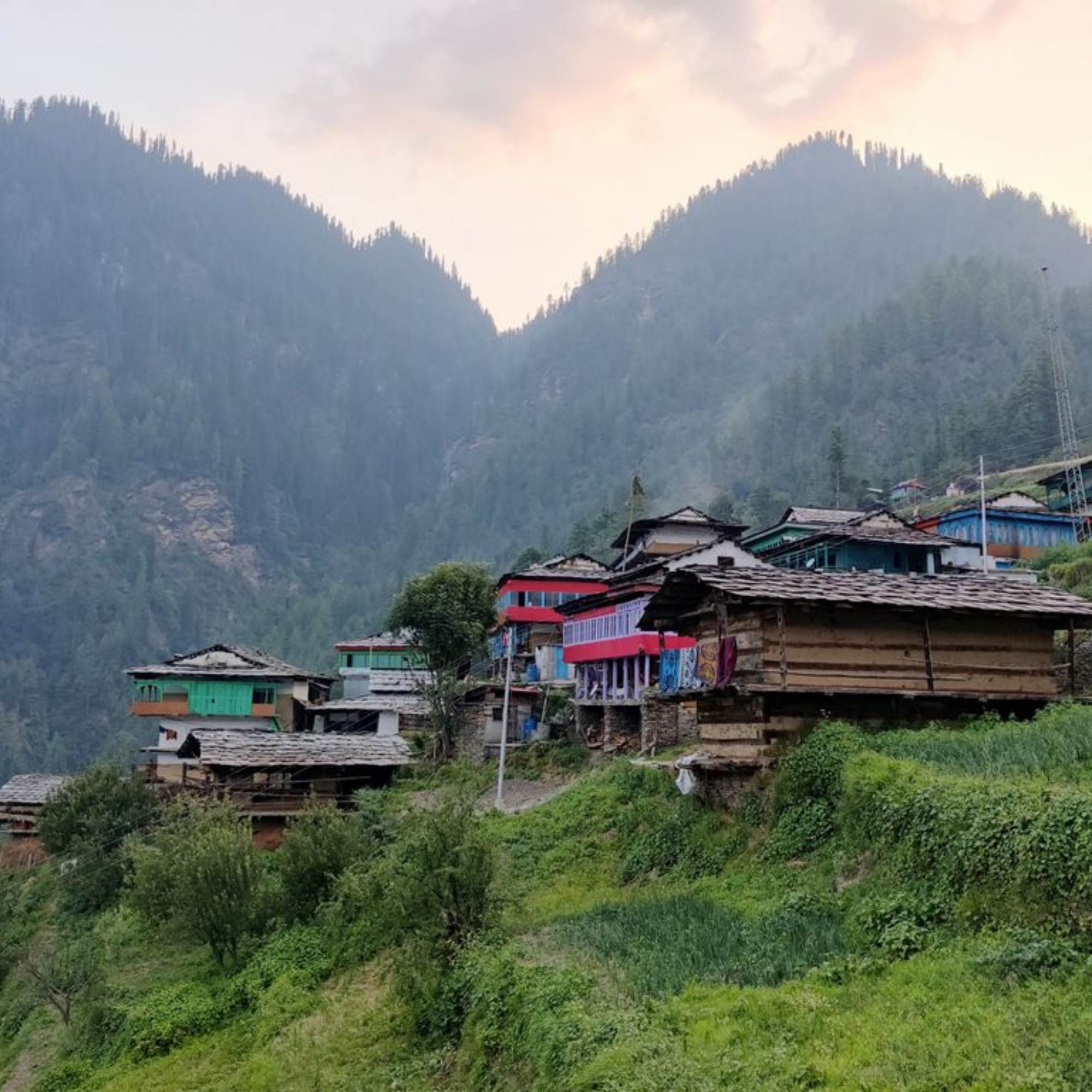
Let us build three honest scenarios using only verified ranges. Each is an illustrative budget, not a fixed quote.
Solo backpacker
Take a cheap direct bus near ₹1,099 each way, two dorm nights near ₹850, local food at ₹400 to ₹600 a day, and shared local transport.
That lands you comfortably in the lower half of the ₹7,000 to ₹12,000 planning band, which matches the April 2026 traveller who budgeted about ₹10,000 per person for a Shoja and Jibhi trip.
Couple
Two people means two bus tickets, but a single private room shared between them. A ₹2,500 room split two ways is ₹1,250 each, close to two dorm beds.
Share your taxis too, and the gap between a backpacking trip and a comfortable couple trip narrows a lot. That is the couple economics people miss.
Group of four
The biggest advantage of a group of four is dividing full-cab expenses four ways. That ₹1,000 to ₹2,000 Jalori taxi becomes ₹250 to ₹500 a head. Four travellers can eat comfortably, take private cabs, and still stay reasonable per person.
What Does a 3 Night 4 Day Jibhi Shoja Trip Cost?
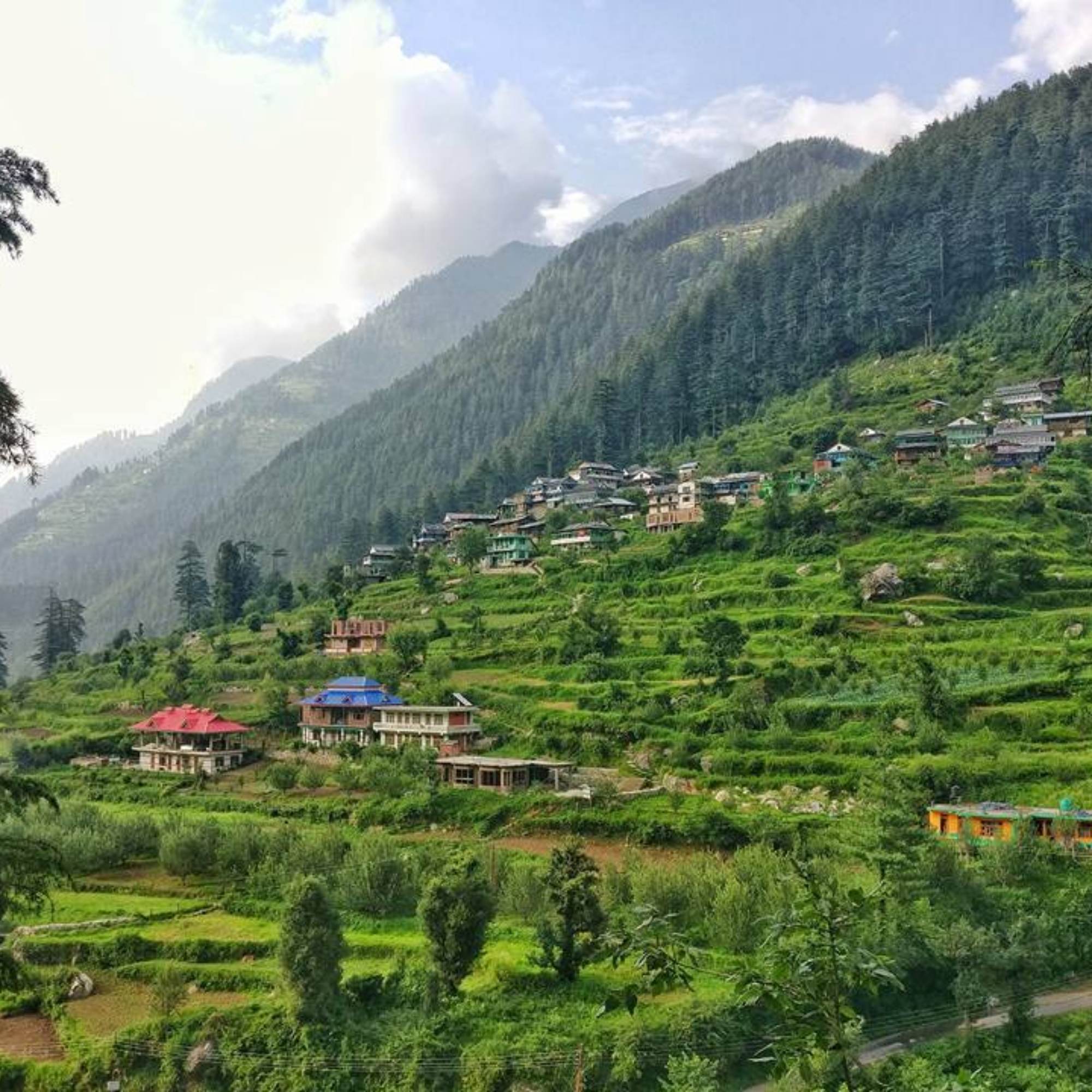
A fourth day usually adds another night's room, another day of meals, and possibly more local travel. It rarely doubles anything, but it does nudge the total up.
For a real reference, a May 2026 traveller reported spending approximately ₹12,000 for a four-day trip from Delhi. That was one person's actual experience, not a universal package rate, so read it as a marker rather than a promise.
If you are still deciding where to base yourself, our honest comparison of Jibhi vs Kasol helps you pick the valley that fits your style.
Is Shoja Really a Budget Destination?
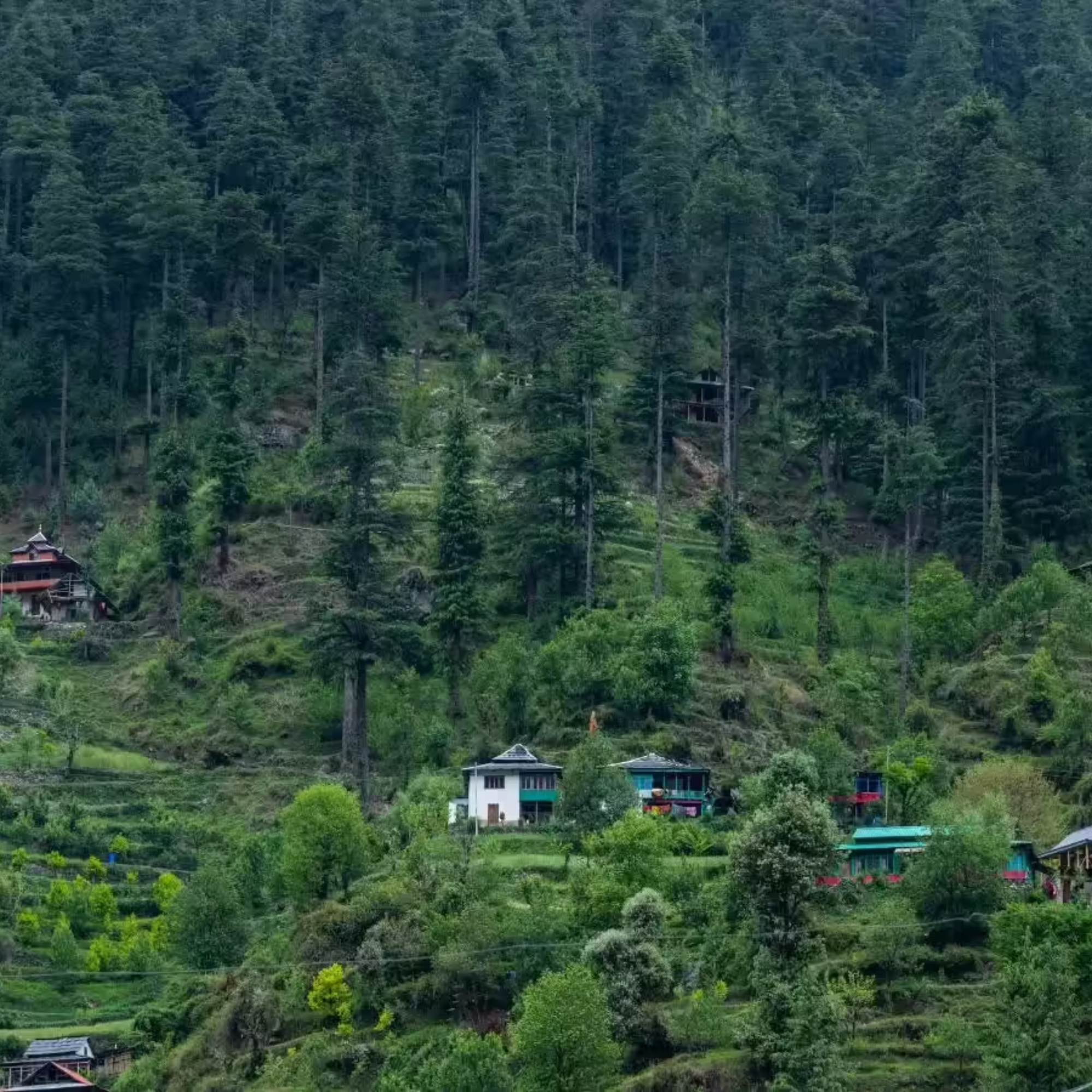
Mostly, yes. Core Shoja experiences are walking, forest scenery, and viewpoints rather than ticketed attractions. Your bill is built by transport and accommodation, not by paying to see things.
This is exactly why a solo traveller taking private taxis everywhere can spend far more than someone who finds other passengers to share with. The destination is cheap. The way you move around it may not be.
Is Jibhi or Shoja Cheaper?
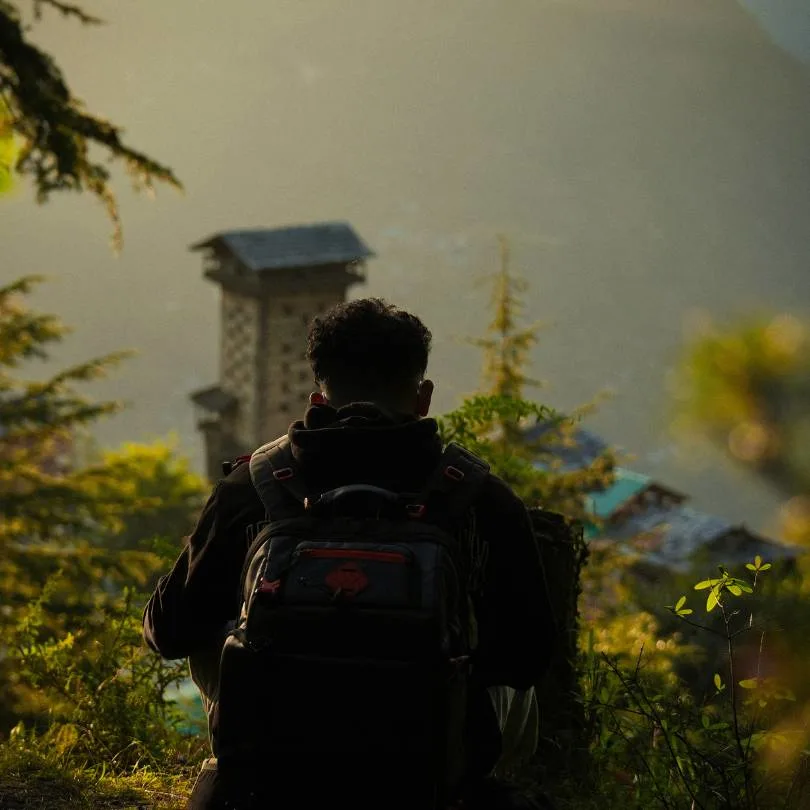
There is no reliable fixed percentage difference between the two. Anyone quoting one is making it up.
Jibhi generally offers more cafés, more stays, and easier local movement, which can save you on transfers. Shoja is smaller and quieter, which means more planning around transport.
Neither is always cheaper. It depends on your dates and how you travel. Our guide to Jibhi in May gives a feel for the wider valley in peak season.
When Does a Shoja Trip Become Expensive?
The trip gets pricey through a series of small upgrades. Private rooms over dorms, last-minute bus bookings instead of early ones, exclusive taxis over shared rides, café-heavy eating, and repeated taxi hops between Jibhi, Shoja, and Jalori.
Several ₹300 to ₹500 upgrades across three days quietly stack into a much bigger total. None feels big alone. Together they reshape your budget.
Bad weather adds cost too. A blocked road or a washed-out day can force extra transfers or an unplanned night, so keep a small buffer for that.
Can You Do Shoja Under ₹5,000?
Treat ₹5,000 from Delhi as an aggressive low-budget target, not the normal 2026 expectation.
Hitting it would need the cheapest transport, very cheap dorm nights, strictly local food, and almost no paid local transport. It is not impossible, but everything has to go right, and one private taxi can break it. For most travellers, plan higher and enjoy the trip more.
How Can You Reduce Your Shoja Trip Budget?
The biggest saving comes from booking your intercity bus early, before fares drift toward that ₹3,028 top end. Choose dorms over private rooms, share every taxi you can, and travel with friends so vehicle costs split.
Eat more local meals than café meals, and plan your route so you are not backtracking between Jibhi and Shoja repeatedly.
None of these guarantees an exact rupee saving, but together they pull your total down noticeably. Our notes on Jibhi and Tirthan Valley in March show how off-peak timing helps too.
Does Shoja Need Any Permit or Entry Fee in 2026?
This research did not find a credible general sightseeing permit requirement for Shoja itself. Some non-official destination sources describe Shoja village entry as free, but since no official government tariff was identified, we will not make an absolute legal claim.
If your trip includes protected areas, restricted zones, or specialised activities, check the latest permit requirements separately with the relevant local authority before travelling.
Do not assume a blanket permit exists, and do not pay anyone claiming an official village entry charge without checking.
Is Jalori Pass Open in 2026?
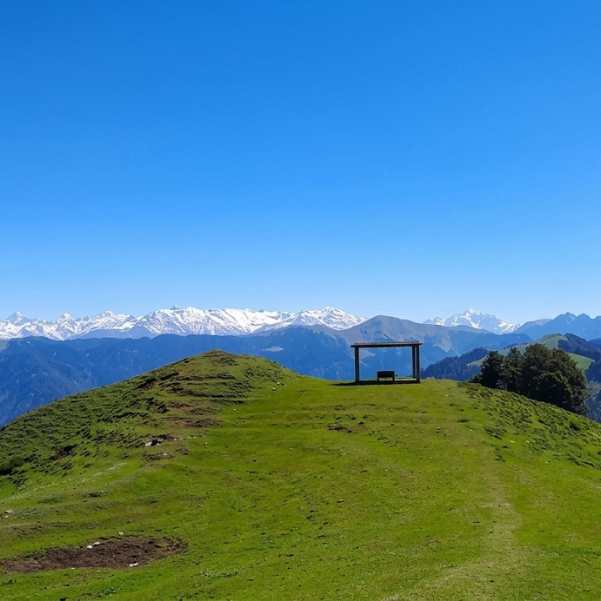
Jalori Pass was reported open and road-accessible on July 24, 2026. That is a dated status report, not a guarantee for any other day.
For July and August, get a same-day road update, because heavy rain can temporarily affect NH305 and the upper road. We tell every traveller the same thing: a sunny Shoja morning says nothing about the pass higher up.
Our Recommended Shoja Budget
Rather than chasing the cheapest theoretical trip, here is our practical take. For a normal 2 night 3 day trip from Delhi, our team is more comfortable planning around ₹8,000 to ₹12,000 per person.
Call this Travel Coffee's planning recommendation, built from the verified component prices and traveller reports here, not an official price or fixed package.
In our experience, the travellers who get caught out are usually not spending too much on sightseeing. They underestimate local transport.
A couple of solo taxi rides between Shoja, Jibhi, and Jalori can quietly undo all the money they saved on a cheap bus. If you want it handled end to end, WhatsApp us and we will shape a plan around your dates.
Explore Our Curated Shoja Tour Packages
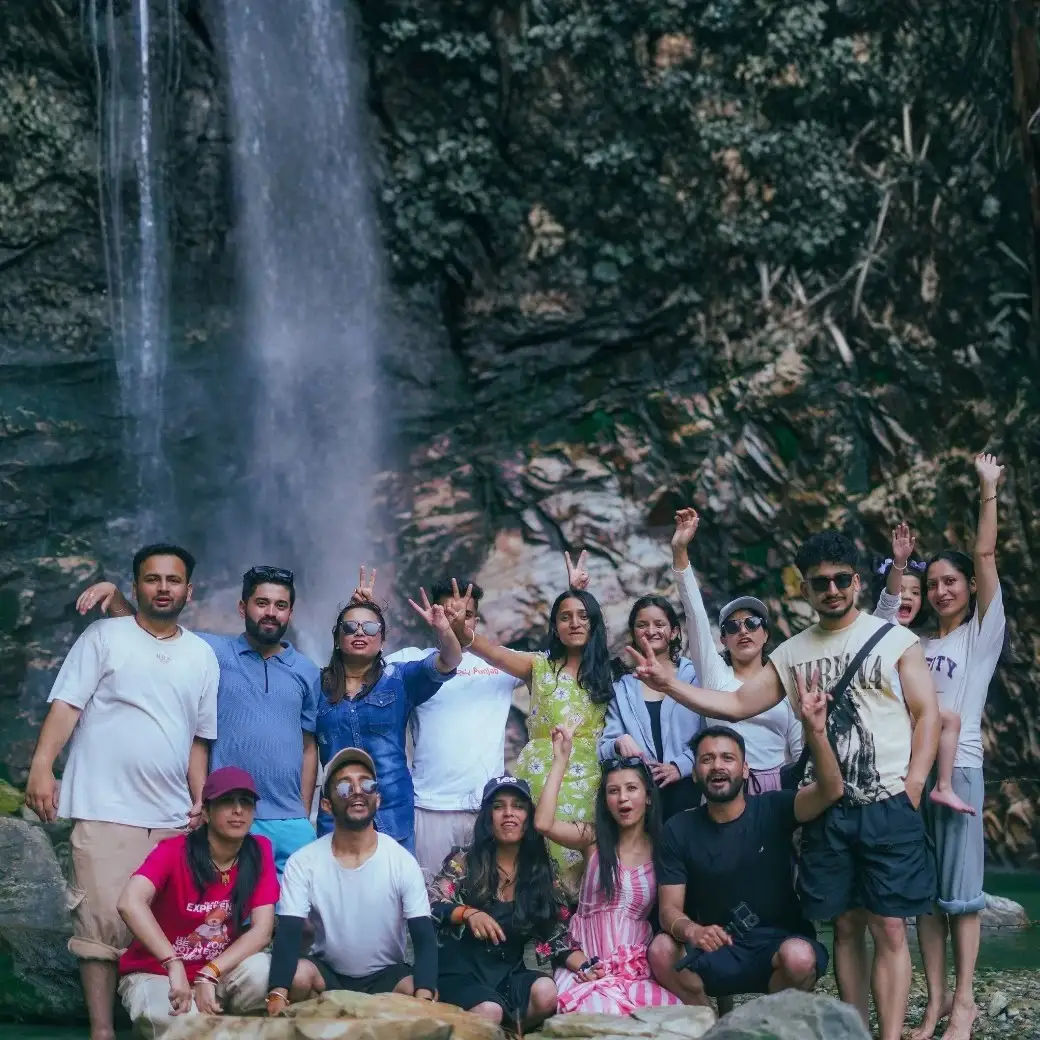 Group Tour6D/5N
Best Jibhi Tirthan Valley Tour With Shangarh Meadows
2D Tirthan Valley•1D Shangarh (Sainj Valley)
₹9,999₹12,999SAVE INR 3,000/ person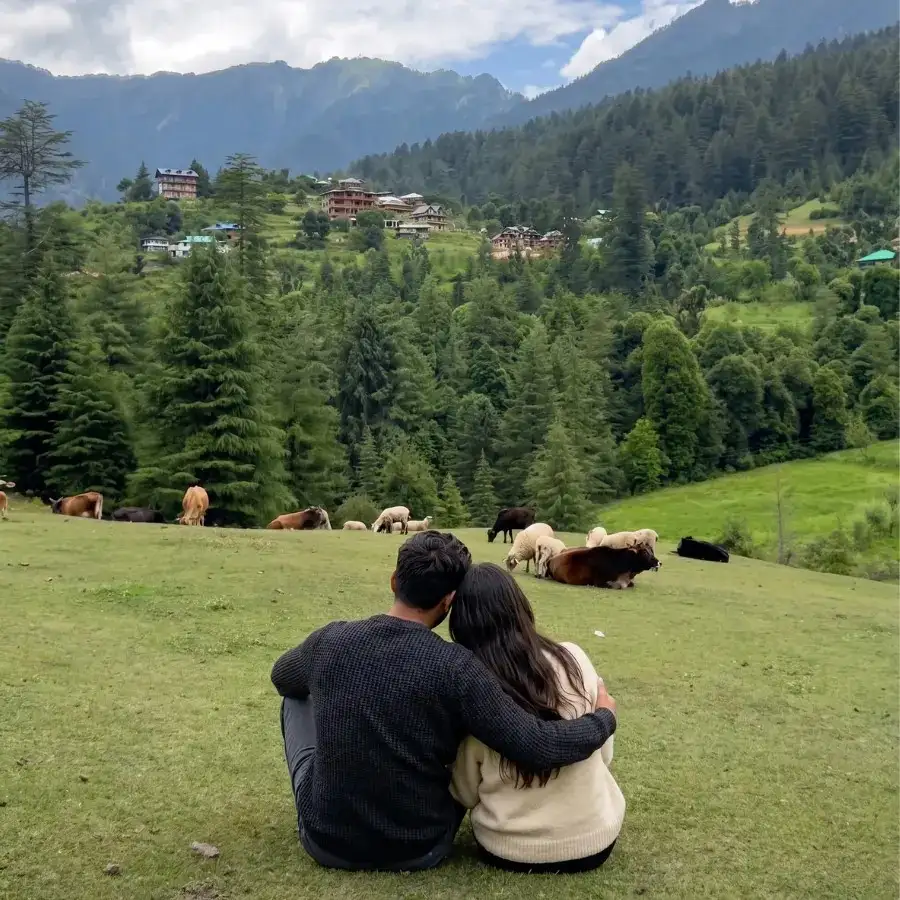 6D/5N
6D/5NJibhi Tirthan Valley & Shangarh Meadows Experience
1D Delhi•2D Jibhi+2
₹21,799₹27,999SAVE INR 6,200/ person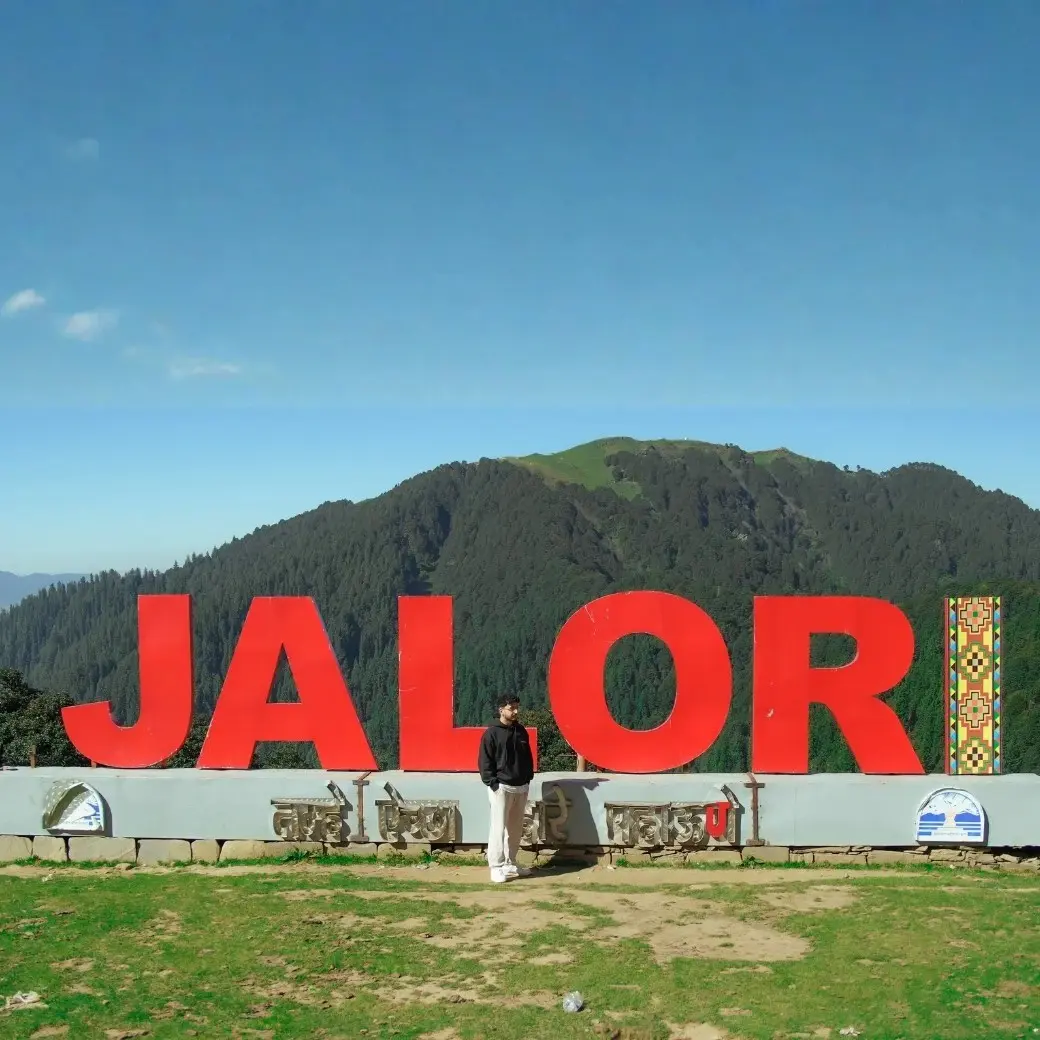 5D/4N
5D/4NWeekend Jibhi & Tirthan Valley Riverside Escape
1D Delhi •2D Jibhi / Tirthan Valley+1
₹12,900₹19,999SAVE INR 7,099/ person
Related topics
Frequently Asked Questions
How much does a Shoja trip cost per person?
A 2 night 3 day Shoja trip from Delhi usually costs around ₹7,000 to ₹12,000 per person. Budget travellers using buses, dorms, and shared taxis can stay near the lower end.
What is the Shoja trip cost from Delhi?
Expect around ₹7,000 to ₹12,000 per person for a 2 night 3 day trip from Delhi. Your final cost mainly depends on bus fares, accommodation, and whether you use shared or private taxis.
Is ₹5,000 enough for Shoja?
₹5,000 is possible only on a very tight budget with cheap buses, dorm stays, local food, and minimal taxi use. For a more comfortable trip, planning ₹7,000 or more is safer.
What is the Delhi to Shoja bus fare?
Delhi to Shoja bus fares generally range from around ₹1,099 to ₹3,028 one way, depending on the operator and bus type. Prices can change with dates and demand.
How much does a dorm cost in Shoja?
Dorm beds in Shoja generally cost around ₹800 to ₹2,500 per night. Prices vary by hostel, season, room type, and booking dates.
How expensive is food in Shoja?
Simple local meals usually cost around ₹150 to ₹250 per plate. Budget roughly ₹400 to ₹600 per day for basic meals or more if you prefer cafés.
What is the Shoja cab cost?
Shoja taxi costs depend on the route and whether you book privately or share. Shared rides can cost only a few hundred rupees per person, while private taxis are considerably more expensive.
How much does Jalori Pass sightseeing cost?
A private return taxi from Jibhi or Shoja toward Jalori Pass can cost roughly ₹1,000 to ₹2,000. Sharing the cab with other travellers can significantly reduce the per-person cost.
Is Shoja cheaper than Jibhi?
Neither is always cheaper. Jibhi offers more accommodation, cafés, and transport options, while Shoja may require additional taxi planning, so the final cost depends on your travel style.
How much does a Jibhi Shoja trip cost?
A short Jibhi and Shoja trip generally costs around ₹8,000 to ₹12,000 per person from Delhi. Budget travellers using shared transport can sometimes spend less.
Is Shoja expensive for solo travellers?
Shoja can become expensive for solo travellers mainly because of private taxi costs. Using buses, dorms, and shared taxis is the easiest way to keep the trip affordable.
Do I need a permit to visit Shoja?
No general sightseeing permit is normally required to visit Shoja. However, always check current local rules if you are planning trekking, camping, or activities in protected areas.
More about Shoja
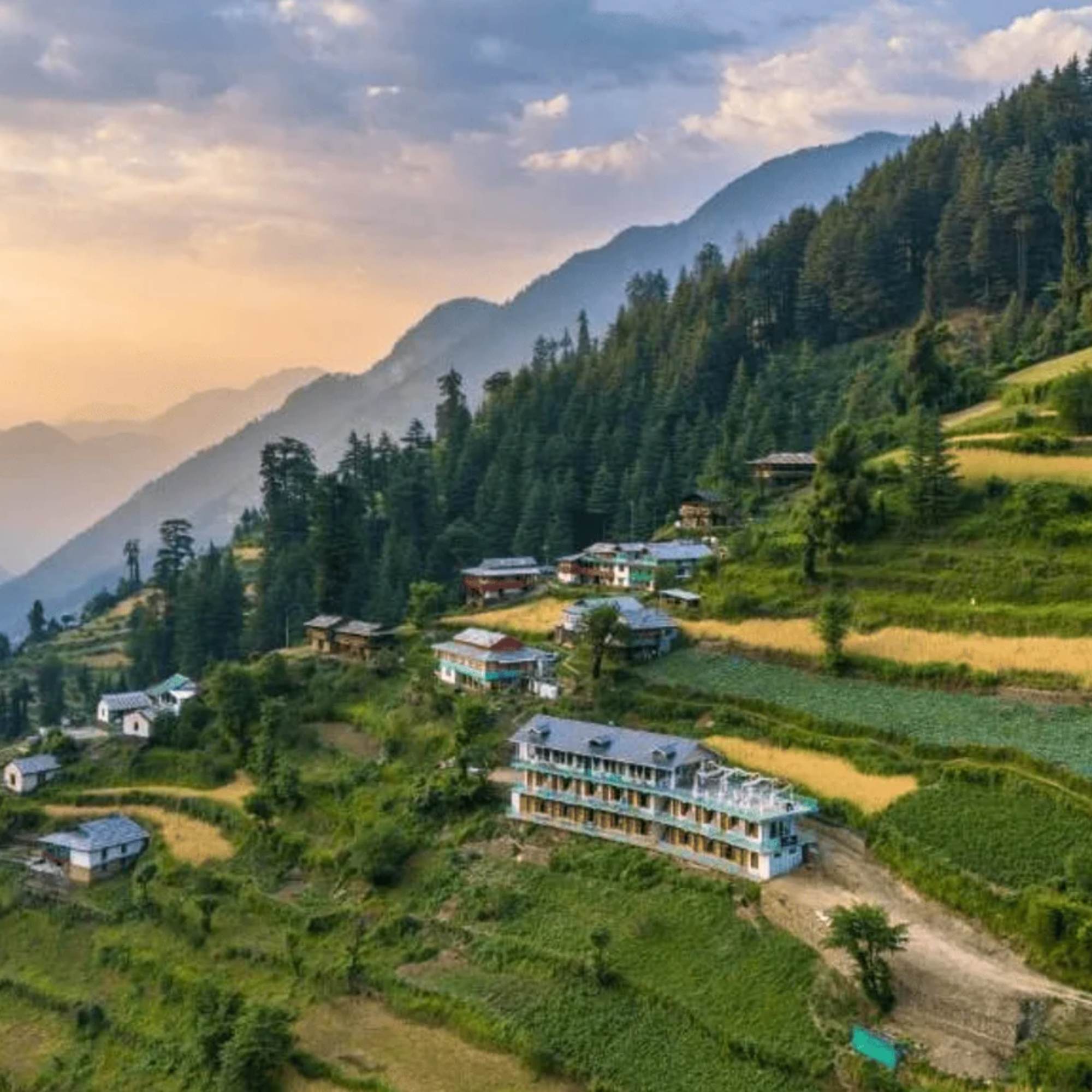 Shoja
ShojaHow to Reach Shoja in 2026: From Delhi, Chandigarh, Aut & Bhuntar
Planning a trip to Shoja in 2026? Here’s how to reach Shoja from Delhi, Chandigarh, Aut and Bhuntar by bus, car or taxi, along with the best routes, distances and useful travel tips.
- How to Reach
- Road Trips
- Shoja
Jibhi vs Shoja 2026: Where Should You Actually Stay?
Jibhi vs Shoja in 2026 comes down to the kind of mountain experience you want. Compare location, weather, cafés, stays, accessibility, Jalori Pass access and overall vibe to decide whether Jibhi’s convenience or Shoja’s quiet mountain setting suits your trip best.
- First-Time Travellers
- Places to Visit
 Shoja
ShojaShoja Itinerary 2026: The Perfect Jibhi & Shoja Plan for 2-3 Days
Planning a Shoja trip in 2026? This practical 2–3 day Jibhi and Shoja itinerary covers the best places to visit, Jalori Pass, Serolsar Lake, cafés, village walks and realistic travel times for a relaxed Himalayan escape.
- Itinerary
- Places to Visit