
Shopping in Shimla 2026: Best Markets, Things to Buy, Prices and Local Tips
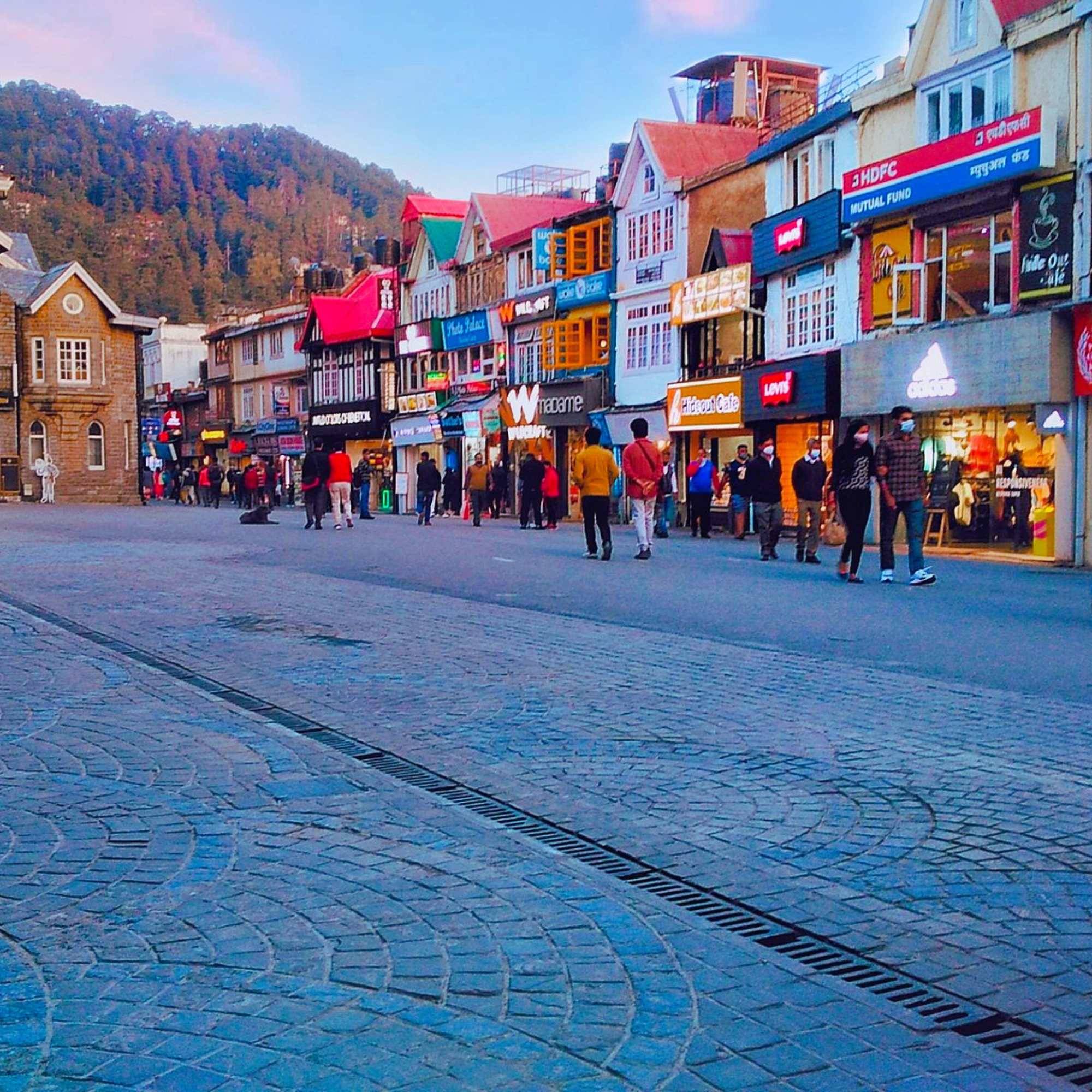
Shopping in Shimla is a great way to explore the city beyond sightseeing, with local markets offering woollens, handicrafts, wooden items, souvenirs and traditional Himachali products.
In this guide, you will find the best markets, popular things to buy, expected prices and useful local tips to help you shop smarter and choose authentic items during your trip.
Quick Answer
The main areas for shopping in Shimla are Mall Road, Lakkar Bazaar, Lower Bazaar and Tibetan Market.
Lakkar Bazaar suits wooden articles, Lower Bazaar works well for practical and budget purchases, Tibetan Market helps with affordable winter accessories, and Mall Road makes product comparison easy.
Prices and individual shop hours change by store and season. Start with Mall Road, compare quality, then move to the market that matches your budget. Travellers who also need hotels, transport and sightseeing help can check our Shimla tour packages.
What Is Shopping in Shimla Really Like?
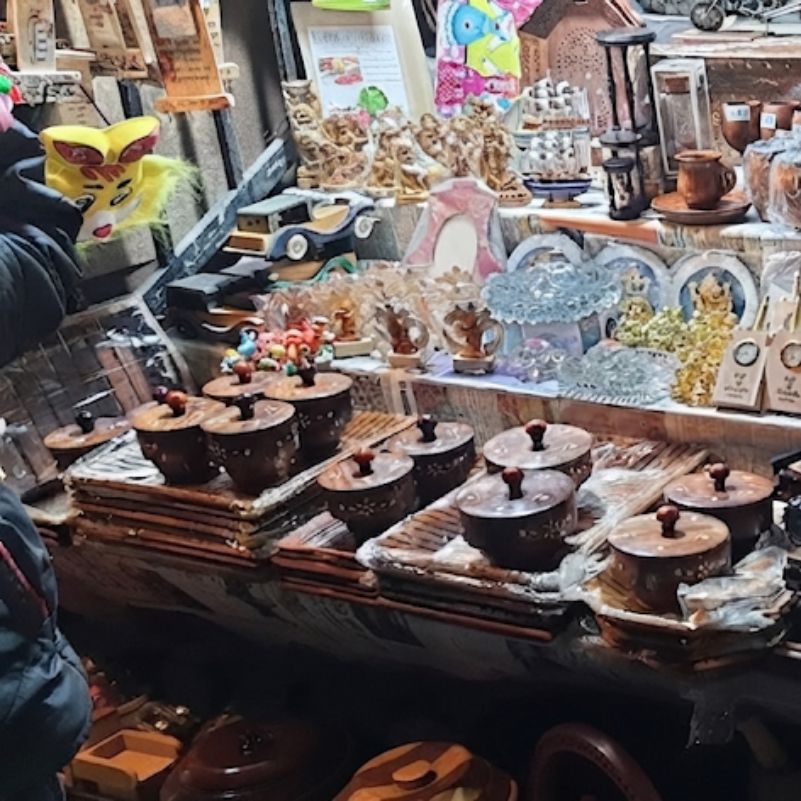
Shimla’s main markets sit fairly close to each other, but the hill creates a bigger challenge than the map suggests. You move between pedestrian lanes, slopes, stairways and public lifts, so a short route can still tire you.
What most tourists get wrong is treating every market as the same souvenir lane. Mall Road feels cleaner and easier for comparison. Lower Bazaar feels tighter, louder and more local, with more daily use goods and less polished displays.
Evening crowds can slow you down, especially around Mall Road, the Ridge and the Lift area. In our experience, morning shopping gives you more space to inspect stitching, labels, wood finishing and food seals before the lanes become busy.
We usually tell travellers to keep one hand free for railings and stairs. A heavy shopping bag, umbrella and phone together become awkward on a wet slope.
Plan your route around the person who walks slowest. A family may cover Mall Road comfortably but struggle after adding Lower Bazaar, Lakkar Bazaar and repeated stairways.
Splitting shopping across two outings often works better than forcing every lane into one evening.
Keep purchases small during the first round. Once you understand how many slopes and lifts remain, you can return for heavier items without carrying them through the full market circuit.
Which Are the Best Markets for Shopping in Shimla?
Mall Road: Best for Convenience and Comparison Shopping
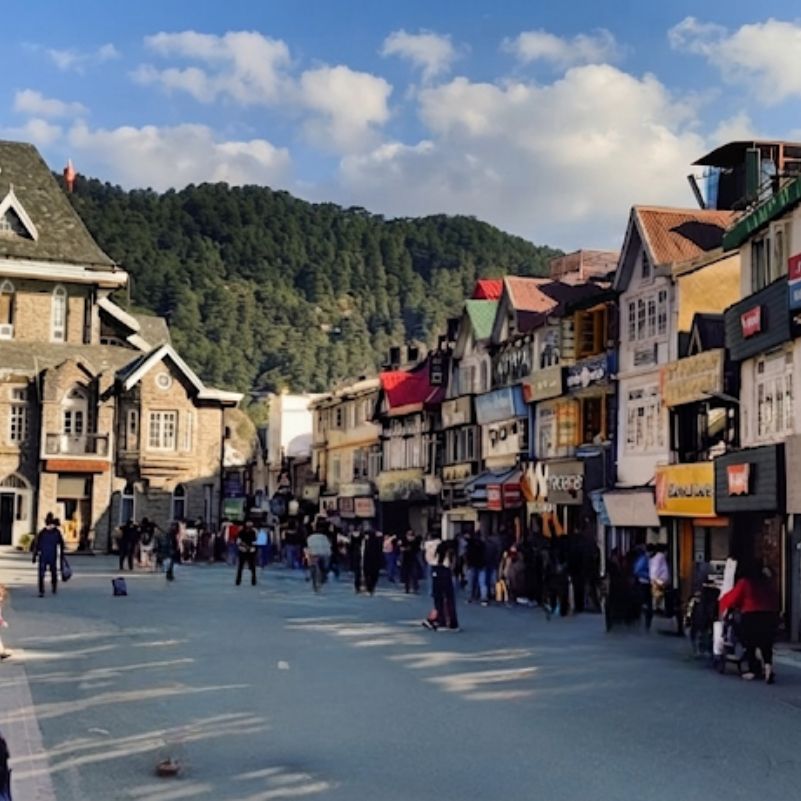
Mall Road works well as your first stop because you can compare handicrafts, woollens, packaged local foods, books and general souvenirs without entering narrow lanes immediately. Cafes also make it easy to take a break between shops.
Do not buy the first shawl, cap or wooden gift you see. Compare the fibre label, finishing, bill and return policy at two or three shops before you decide.
Ask the shop to write any material or origin claim on the bill when the claim affects the price. A spoken promise becomes difficult to question after you leave Shimla.
Mall Road focuses on pedestrians. Use authorised parking around Cart Road or another legal parking area, then enter through a lift or walking route. Do not follow map directions that send your car into the central market zone.
For a chai break, Indian Coffee House on Mall Road is a convenient central option that lets you pause without taking a long detour from your shopping route.
Mall Road also helps when your group wants different things. One person can check a bookstore or packaged food counter while another compares woollens nearby.
Agree on a meeting point before the evening crowd thickens, especially if mobile signals or battery levels become a problem.
Lakkar Bazaar: Best for Wooden Souvenirs
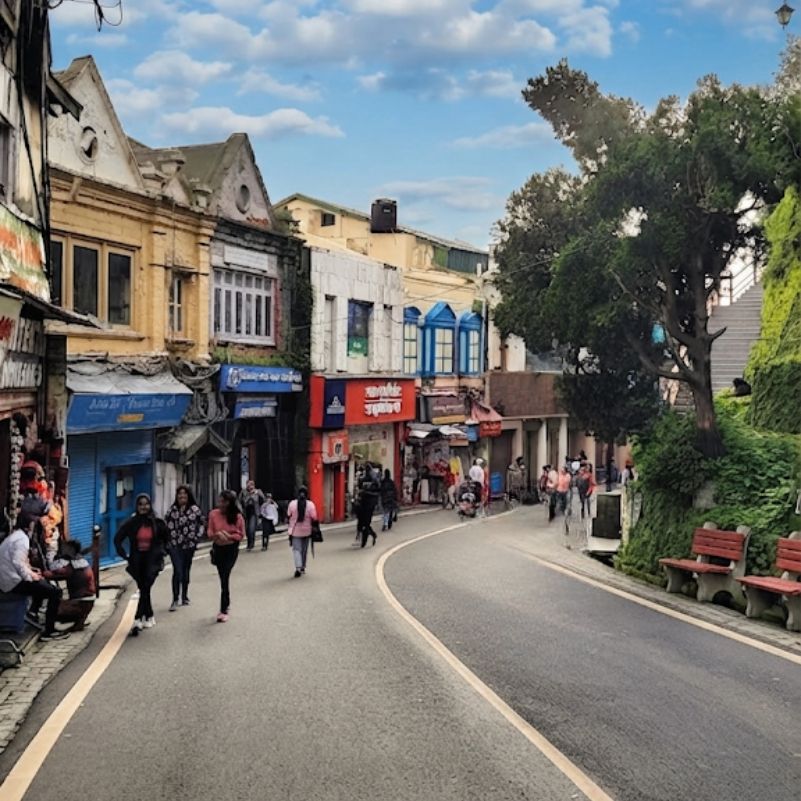
Lakkar Bazaar remains Shimla’s best known area for wooden toys, walking sticks, keychains, boxes, kitchen pieces and personalised souvenirs. It feels more focused than Mall Road if woodcraft sits at the top of your list.
Inspect each piece in daylight. Check for cracks, rough joints, weak carving, loose parts, excess polish and sharp edges. A glossy finish can hide weak workmanship, so run your fingers along corners and joins.
Ask the seller where the item came from. Do not assume every wooden product on display came from Shimla or even Himachal Pradesh.
Packing matters as much as the item. Ask for bubble wrap, corner protection and a strong outer box. Skip a large fragile showpiece at the start of a long Himachal circuit because repeated loading can damage it.
Our insider tip is to inspect the final piece before the seller wraps it and take a quick photo of the item. Personalised names, loose handles and small cracks become harder to check once several layers of packing cover the product.
Lower Bazaar: Best for Practical and Budget Shopping
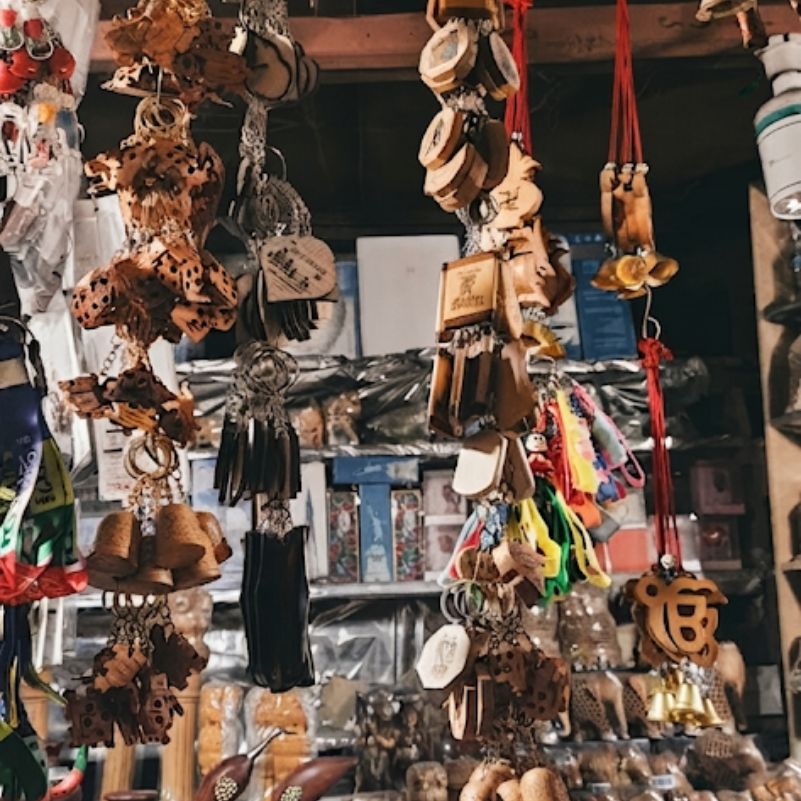
Lower Bazaar Shimla suits socks, gloves, thermals, casual clothes, household goods, dry fruits and other practical purchases. The lanes feel narrower and busier than Mall Road, so keep your wallet and phone secure in the crowd.
This market can help with budget shopping in Shimla, but quality still changes from shop to shop. Compare the same type of thermal, cap or sock at more than one counter before paying.
Our local money saving tip is simple. Use Mall Road to understand the product and price, then check Lower Bazaar for a similar practical item. Do not compare only by appearance. Read the material label first.
Tibetan Market: Best for Affordable Winter Accessories
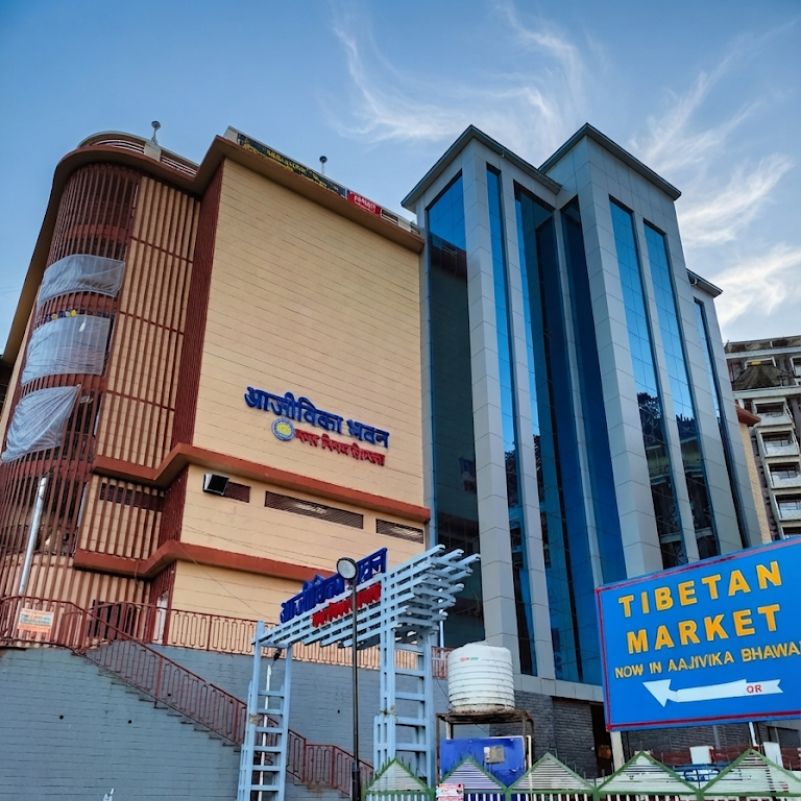
Tibetan Market Shimla attracts travellers looking for jackets, mufflers, caps, bags, jewellery and Tibetan style accessories at accessible prices. It can work well when you need a quick winter layer rather than a premium handloom piece.
Quality varies. Open and close every zip, check the lining, inspect stitching at the shoulders and pockets, and read the fibre label before you buy.
Polite bargaining appears more often here than at government backed outlets or formal fixed price stores. Compare similar products first, then make a reasonable offer instead of starting with an unrealistically low price.
Try on jackets and caps before payment. Sizes can differ between sellers, and a low price does not help if the zip catches, the sleeve pulls or the lining feels uncomfortable.
Himachal Emporium: Best Starting Point for Authentic Handloom and Handicrafts
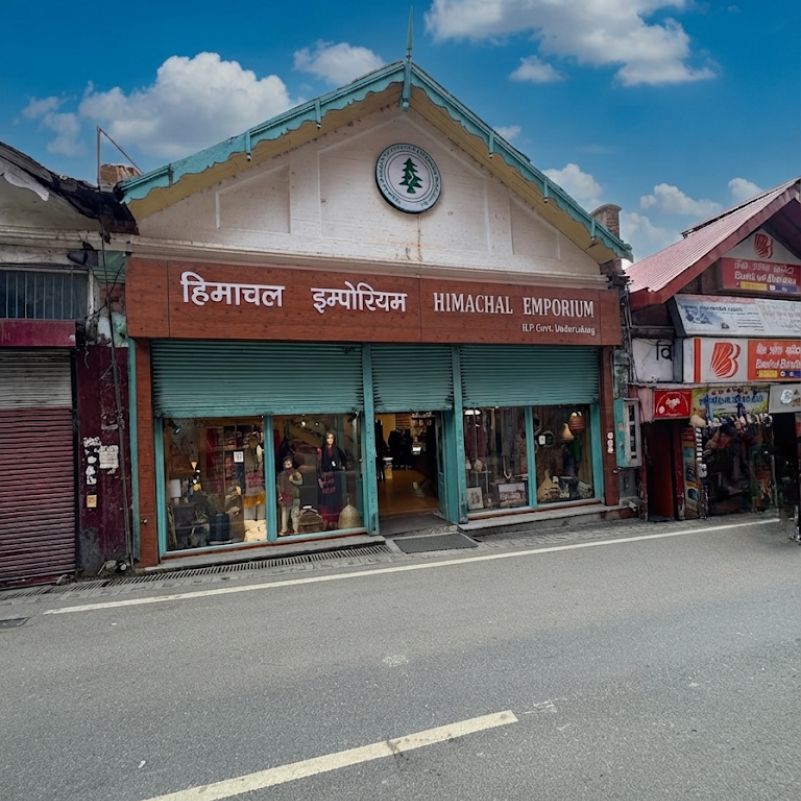
Himachal Emporium, 3 The Mall, Shimla gives you a useful starting point for handloom and handicraft comparison. The Himachal Pradesh State Handicrafts and Handloom Corporation runs it as a state government undertaking established in 1974.
You can look for shawls, caps, pottery, woodwork, jewellery, carpets and other state crafts. A government backed outlet helps you study labels, bills and product details before you compare with other shops.
It does not mean every item will suit every budget. Check fibre composition, producer information, care instructions and the invoice for costly textiles.
Available listings commonly report 10:00 AM to 7:00 PM, but opening hours and Sunday operations can change. Confirm the current timings before making a special trip.
Spend time reading labels here even if you plan to buy elsewhere. That comparison gives you a clearer sense of fibre descriptions, care details and billing standards, which helps when another shop makes a broad authenticity claim.
Is Himachal Haat Open in 2026?
Officials announced a Himachal Haat near the Lift. The plan covers about 4,000 square feet and includes about 24 to 25 shops for self help groups from all 12 districts.
Before planning your visit around Himachal Haat, check its current opening status locally or through an official tourism source, as the available information confirms the project announcement but not day to day visitor access.
What Should You Buy in Shimla?
Kullu and Kinnauri Shawls, Stoles and Woollens
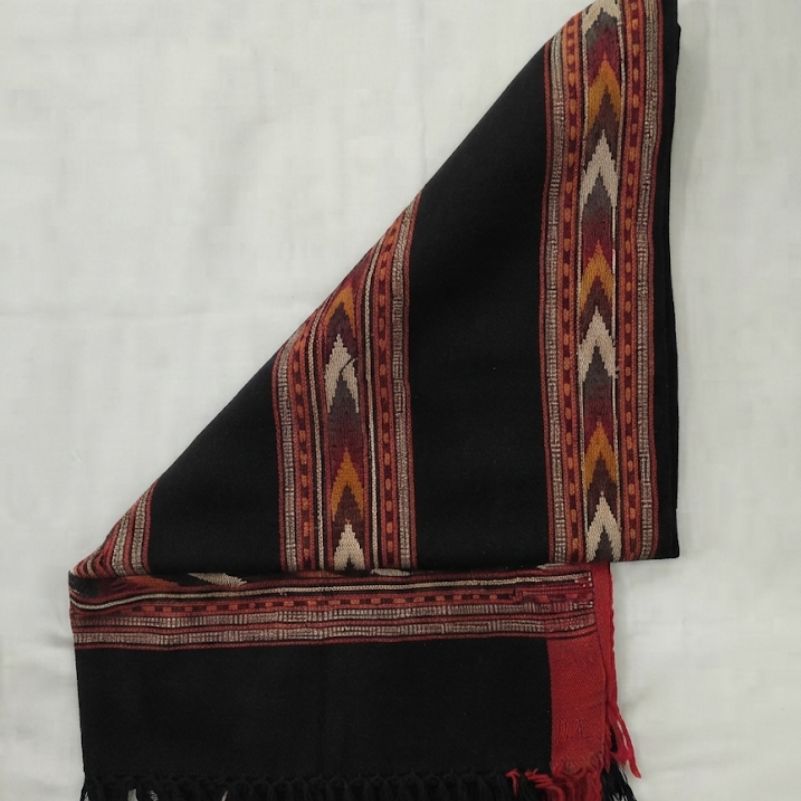
Kullu and Kinnauri style textiles rank among the famous things to buy in Shimla, but the label matters more than the pattern. Kullu Shawl holds a registered geographical indication, and the registration remains valid until 9 December 2034.
That GI status does not prove that every shawl sold in Shimla is genuine. Ask for the fibre label, producer or brand information, care instructions and a proper bill.
Do not accept a verbal claim of pure wool, pure angora or pashmina without supporting product documentation. If the seller avoids basic questions, leave the item and compare elsewhere.
Also check whether the colour runs onto a damp white cloth only when the seller permits the test. Never perform a shop test without asking first, because you may damage the product.
What we tell our travellers is to begin at Himachal Emporium, understand the product details, then compare style and price in other shops. This takes longer, but it reduces the chance of paying a premium for an unclear label.
Himachali Caps and Small Textile Gifts
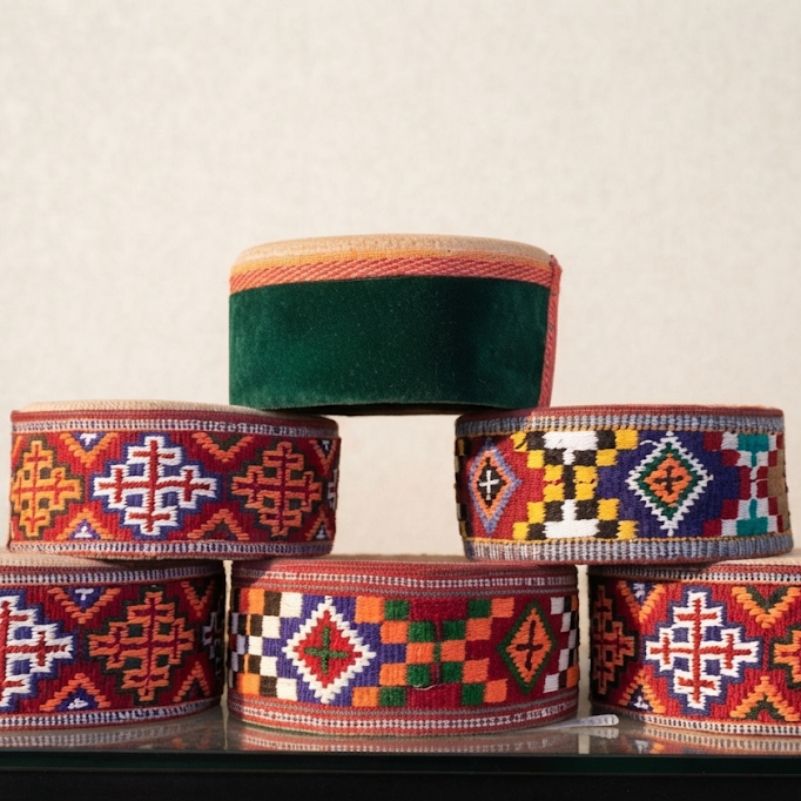
Himachali caps, mufflers, socks and gloves make practical gifts from Shimla because they take less space than large decorative items. They also suit travellers who need small souvenirs for several people.
Check the size, lining, stitching and material. Do not assume every cap came from a handloom unit or that every cap is handmade.
Wooden Toys, Walking Sticks and Personalised Souvenirs
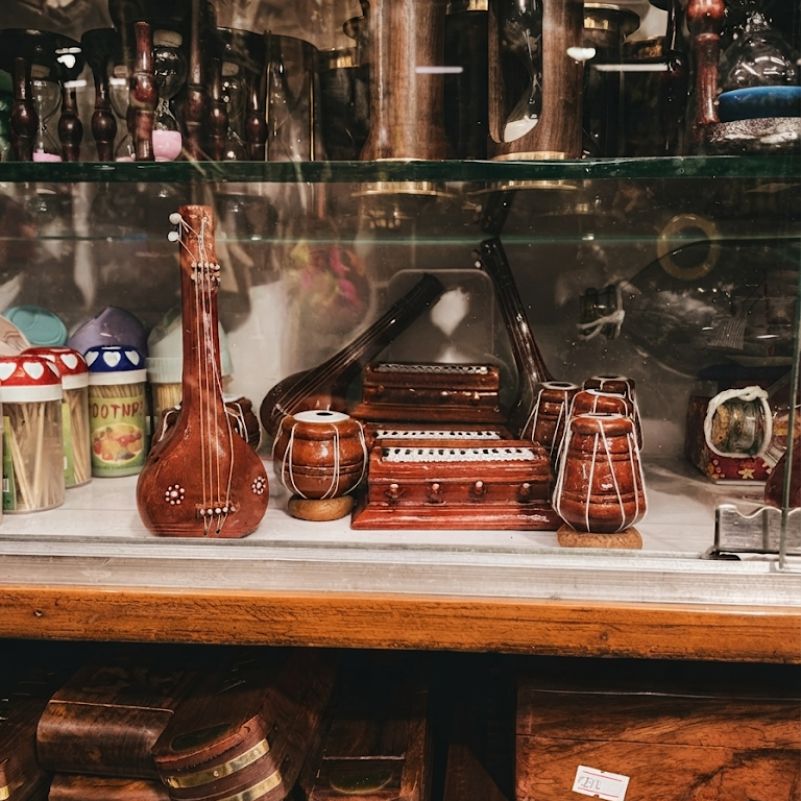
Lakkar Bazaar remains the first place many travellers check for wooden items in Shimla. Wooden toys, walking sticks, boxes and keychains can work as useful Shimla souvenirs when the finishing and packing hold up.
Personalised wooden keychains often appear in traveller recommendations, but not every shop offers them. Ask about spelling, completion time and final price before the seller starts the work.
For larger pieces, ask whether the seller can courier the item. If you carry it on a long road trip, protect corners and keep it away from heavy suitcases.
Jams, Pickles, Juices and Apple Products
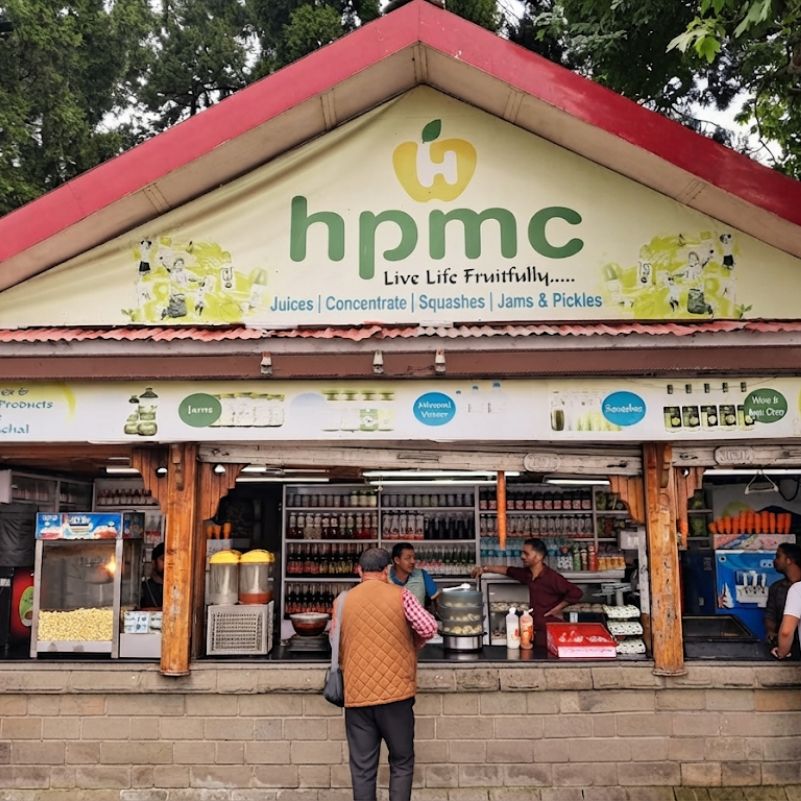
Apple products suit travellers who want an edible gift instead of another decorative souvenir. HPMC operates as a Himachal Pradesh state government undertaking.
Its official product categories include juices, drinks, jams, pickles, squashes and apple cider vinegar. Before buying apple jam in Shimla or any bottled product, check the manufacturing date, seal, ingredients and storage instructions.
Glass bottles need stronger packing than sellers sometimes provide. Ask for leak protection and a rigid box, especially if you will check the bag into a flight or carry it through a long road journey.
Local Jewellery, Pottery, Books and Decorative Crafts
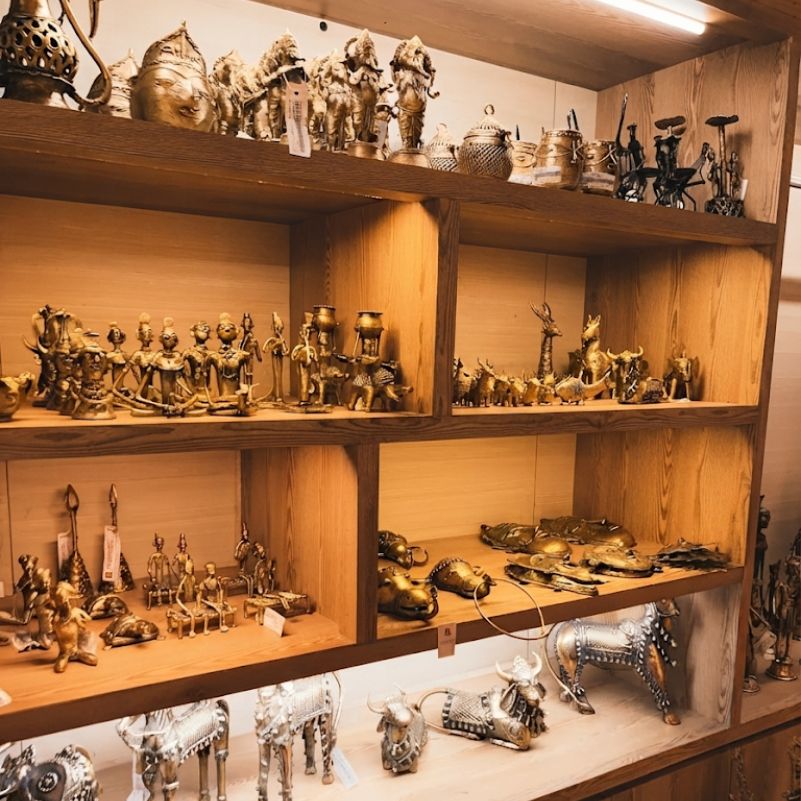
You can also look for pottery, metalwork, decorative crafts and regional books. A book by a local author can feel more personal than a generic fridge magnet and takes little space in your bag.
For jewellery, ask whether the item uses solid silver, silver plating or oxidised fashion metal. Request a proper bill for expensive purchases and do not rely only on the seller’s spoken description.
How Much Does Shopping in Shimla Cost?

Shopping prices in Shimla 2026 vary by material, workmanship, size, shop location, certification and season. The following figures come from indicative online market estimates, not official retail tariffs.
Small wooden toys may cost ₹50 to ₹500. Wooden walking sticks may cost ₹100 to ₹1,000, while carved wooden boxes may cost ₹200 to ₹2,000.
Kullu shawls may cost ₹800 to ₹5,000. Himachali caps may cost ₹100 to ₹500. Woollen socks may cost ₹50 to ₹200, while woollen sweaters may cost ₹300 to ₹2,000.
Apple jam may cost ₹100 to ₹300. Honey may cost ₹200 to ₹800, but the source did not consistently state the container size, so that range needs extra caution.
Do not use the lowest figure as proof of a bargain or the highest figure as proof of authenticity. Fibre, handwork, brand, bill, finish and packaging can change the value more than the market name.
Ask whether the quoted amount includes personalisation, protective packing or courier service.
A cheap wooden piece can become poor value if it reaches home cracked, while a higher quote may include stronger finishing and safer packing. Compare the complete purchase, not only the first number.
How Can You Check Whether a Shawl or Handicraft Is Authentic?
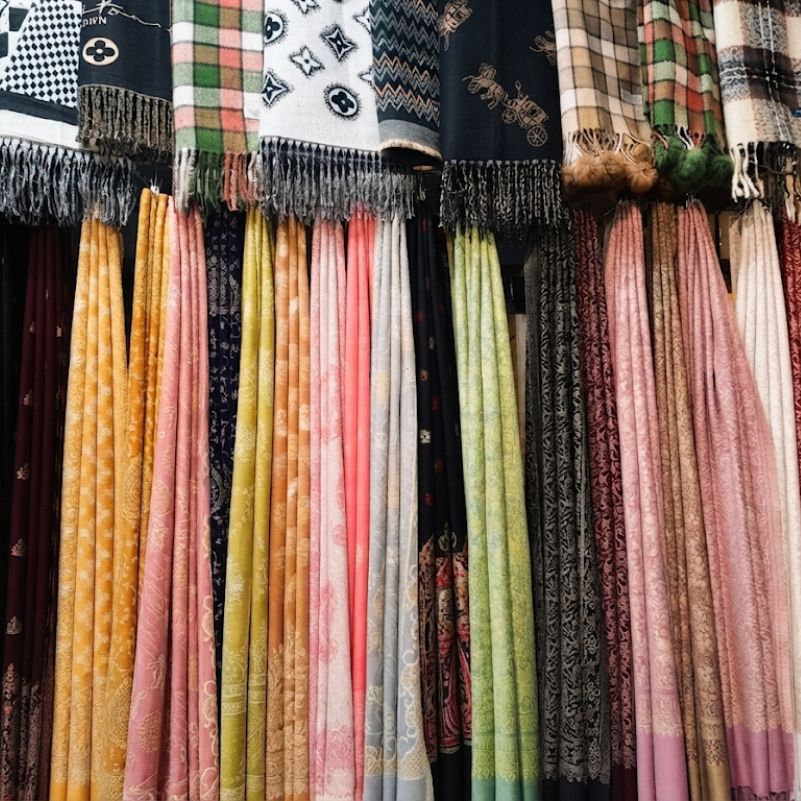
A seller’s verbal claim gives you a starting point, not proof. For costly textiles, ask for a proper invoice, fibre composition, producer details and care instructions.
Treat claims such as pure pashmina, pure angora, pure wool or completely handmade with caution when the seller cannot show product documentation. A detailed label and bill make later complaints easier too.
For woodcraft, inspect the grain, cracks, joints, finishing, weight and balance. A walking stick should feel firm at the handle and base. A box should close evenly without forcing the lid.
For personalised pieces, confirm spelling on paper or your phone before work starts. Check the completed name in good light, since carved letters can look unclear under heavy polish.
Use Himachal Emporium as a comparison point for product information and billing. It can help you understand the category, but it does not guarantee that every item will match your taste or budget.
Which Market Is Best for Your Budget and Travel Style?
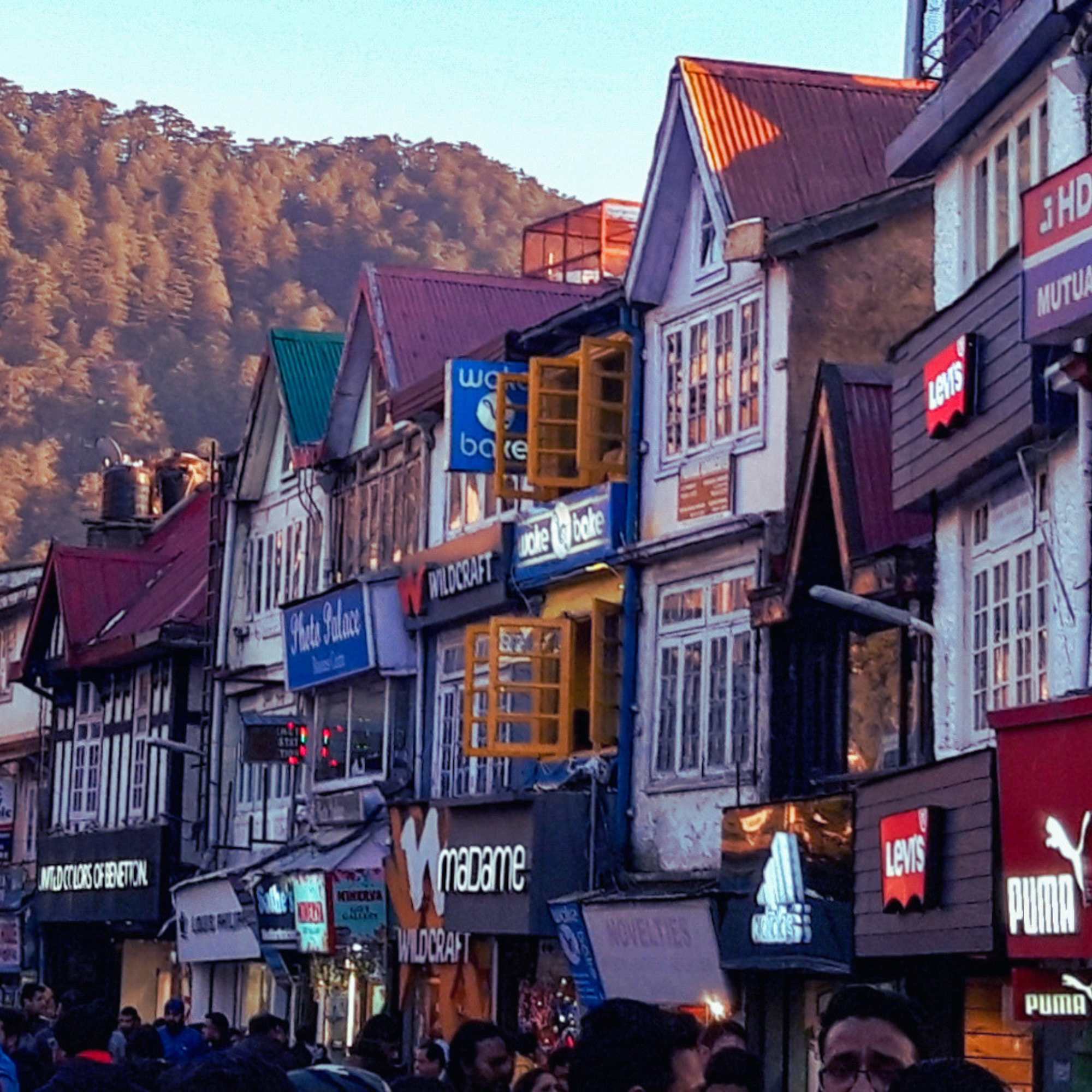
For Budget Travellers
Start with Lower Bazaar and Tibetan Market for practical clothing, socks, gloves, bags and winter accessories. Inspect the material, zips, stitching and lining before you bargain.
Budget travellers save more by rejecting weak quality than by chasing the lowest quoted price. Set a limit before entering the market and keep food gifts separate from clothing money so impulse purchases do not consume the full budget.
For Families
Mall Road and formal shops make browsing easier for families because you can compare products, request bills and avoid long negotiations. Cafes and open pedestrian stretches also help when children need breaks.
Choose one adult to manage bills and packed items. This reduces the chance of leaving a small bag at a counter while the group moves between shops.
For Premium Handicraft Buyers
Begin at Himachal Emporium. Check documentation, fibre, producer details, workmanship and care instructions before you buy a costly shawl, carpet or craft piece.
Do not let a strong sales claim replace paperwork.
For Senior Travellers and Visitors With Limited Mobility
Shimla’s slopes, stairs and crowded lanes create real difficulty. Shop on one level at a time and use public lifts where available.
Do not assume every lane or shop offers wheelchair access. Our team recommends Mall Road and formal outlets first, then a shorter visit to another market only if the traveller feels comfortable.
What Are Shimla Market Timings and Weekly Closing Days?
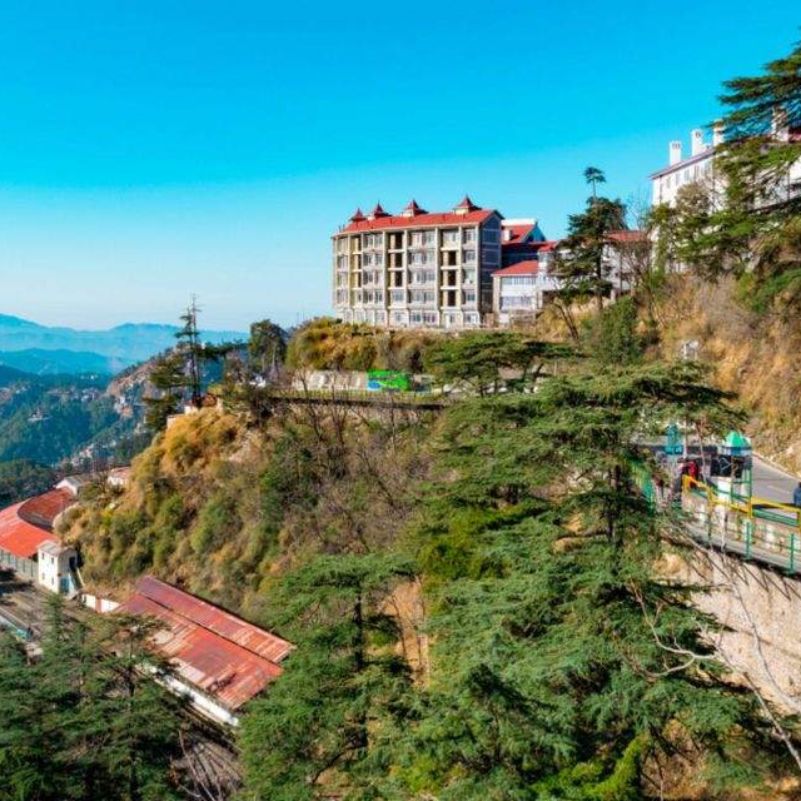
Mall Road itself works as a public pedestrian street, but individual shops choose their own hours. Online sources conflict, so treat every timing below as a planning reference.
One source reports that many Mall Road shops open around 9:00 or 10:00 AM and close around 9:00 or 10:00 PM. Another source reports Mall Road shopping around 10:00 AM to 8:00 PM.
Reported Lakkar Bazaar timings are 9:00 AM to 7:30 PM. Reported Lower Bazaar timings are 9:30 AM to 8:00 PM.
One source claims that Lower Bazaar closes on Tuesday, but the supplied notes do not support that claim strongly enough.
Reported Tibetan Market timing is 10:00 AM to 7:00 PM. Sunday information for Himachal Emporium also conflicts.
Call the specific shop before making a special trip. For easier inspection, reach in the morning. Evenings feel livelier, but crowds and lower light make detailed checking harder.
Can You Bargain in Shimla Markets and Do Shops Accept UPI?
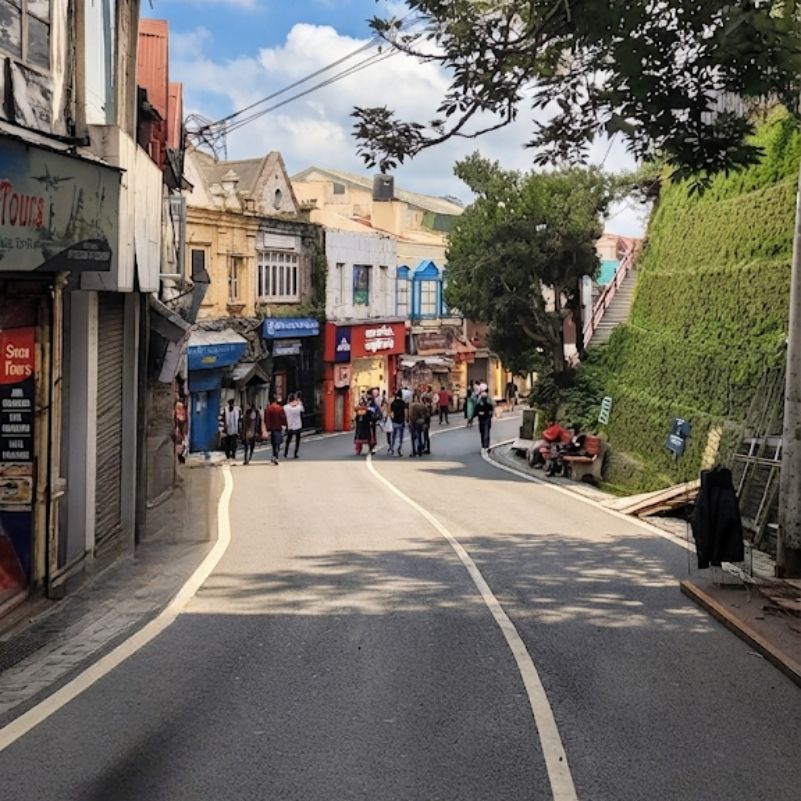
Bargaining commonly appears at informal stalls, clothing markets and some souvenir shops. Keep it respectful and compare similar items before making an offer.
Fixed price government outlets and formal stores usually allow little or no bargaining. Do not argue after a shop clearly displays a fixed price.
UPI works at many established stores, according to common market reports, but cash still helps with small vendors, low value purchases and temporary network problems.
Keep some small notes instead of depending on one payment method for the whole route.
What Is the Best Half Day Shopping Route in Shimla?
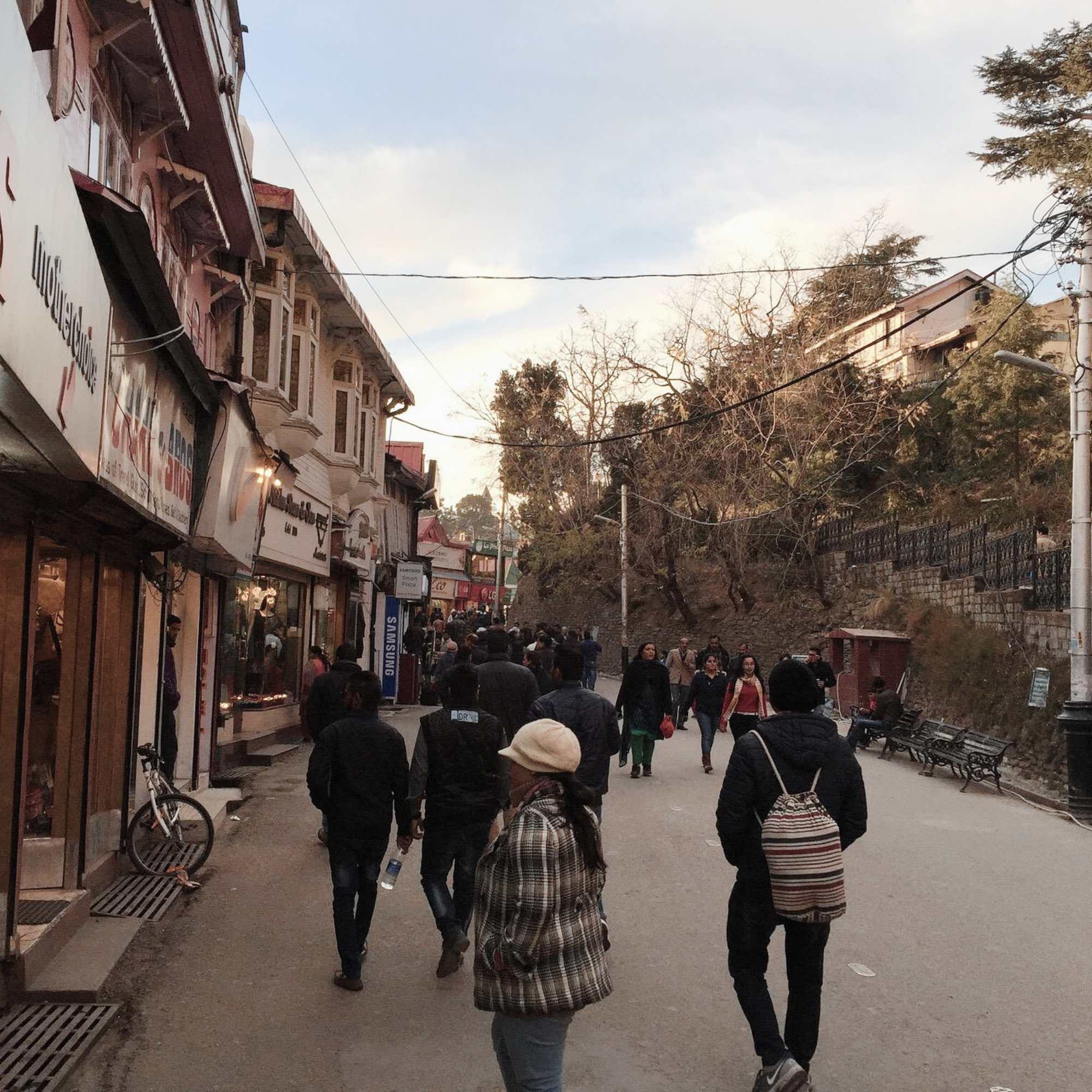
Start on Mall Road and visit Himachal Emporium first. Use it to compare shawls, caps, handicrafts, labels and bills before you spend elsewhere.
Continue towards the Ridge and Lakkar Bazaar for wooden souvenirs. Then descend towards Middle Bazaar or Lower Bazaar through the available pedestrian connections or public lifts.
Finish near the Lift area and Tibetan Market, depending on current access and the mobility of your group. This route lets you move from formal comparison shopping to woodcraft, practical goods and affordable accessories.
A Middle Bazaar lift opened in January 2025. Reports say it holds eight passengers, while the current ticket fare may change, so check the displayed rate at the lift before using it.
Do not force every market into the route if a senior traveller feels tired. One good purchase with a bill beats five rushed purchases from crowded lanes.
Carry a small note on your phone with the items you actually need. Busy souvenir lanes make it easy to repeat similar purchases, especially caps, keychains and small wood pieces. A simple list protects your budget without turning the outing into a strict schedule.
How Do You Reach the Markets and Where Should You Park?
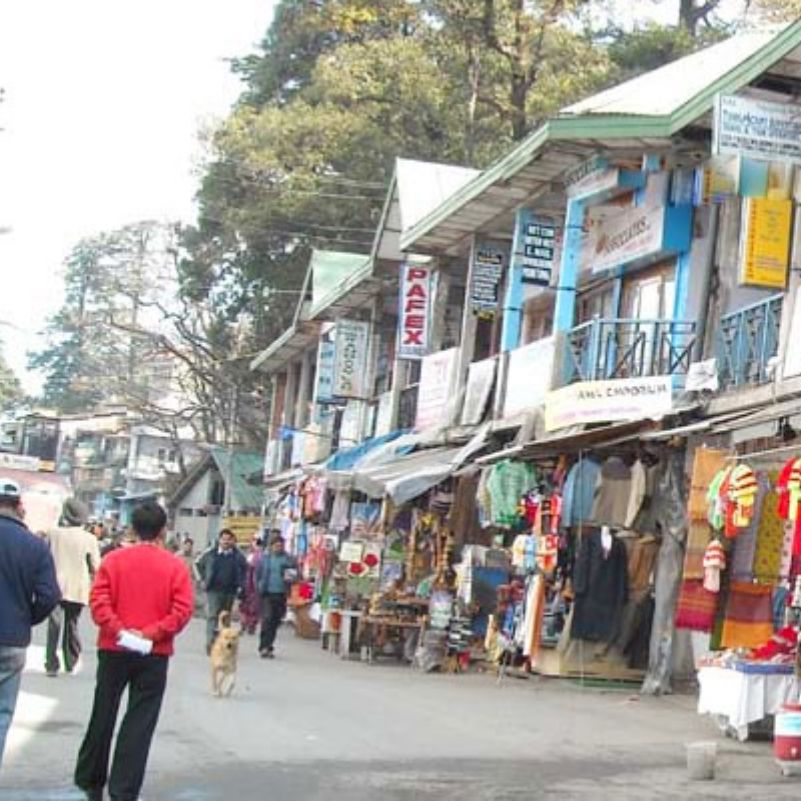
Shimla’s central market zone mainly serves pedestrians. Park in an authorised facility around Cart Road or another legal parking area, then use a public lift or walking route.
Sealed road passes do not work like ordinary tourist parking tickets. An ordinary visitor does not need to buy an annual or six month road pass just to shop.
Reports from 2026 state that unauthorised driving on a sealed road may attract a ₹10,000 penalty, while unauthorised driving on a restricted road may attract a ₹5,000 penalty.
Check the latest local traffic and road access rules before driving into any sealed or restricted road area.
The latest reported annual private vehicle pass charges are ₹8,000 per sealed road and ₹3,000 per restricted road. Reported six month options are ₹4,500 for a sealed road and ₹2,000 for a restricted road.
These pass figures do not change the practical advice for tourists. Park legally and enter the shopping zone on foot or by public lift.
Heavy rain can change road and railway conditions. Check the latest road and Kalka to Shimla railway advisory before travelling during the monsoon.
Do not leave the hotel only for one specific shop during heavy rain without checking access first. A change in traffic movement, lift access or public transport can make a simple market visit harder than expected.
What Should Families, Senior Citizens and Monsoon Travellers Know?

Wet steps and polished stone can become slippery during rain. Wear footwear with grip, keep both hands free on steep stairways and carry a compact umbrella.
Use waterproof shopping bags for shawls, books and food products. A paper bag can fail quickly in steady rain.
Families should avoid buying large fragile woodcraft at the start of a long Himachal trip. Senior travellers should shop in shorter sessions and rest before changing levels.
Morning shopping usually makes product inspection easier. Evening brings more energy to Mall Road, but it also brings thicker crowds and slower movement.
What Shopping Mistakes Should You Avoid?
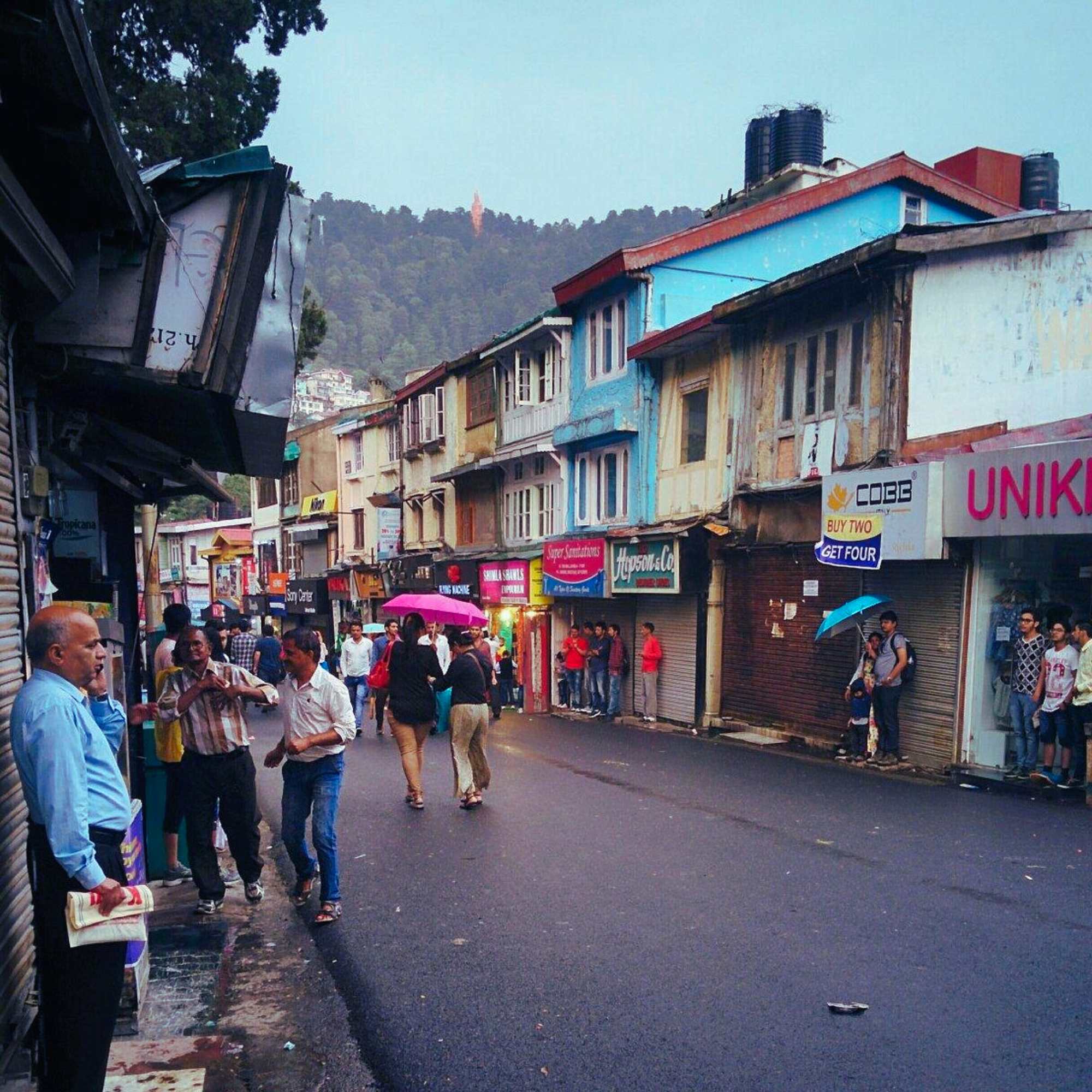
Do not buy woollens without reading the fibre label. A familiar pattern does not prove wool quality, origin or handwork.
Do not accept jewellery material claims without a bill. Ask whether you are buying solid silver, silver plating or fashion metal.
Check the seal, manufacturing date and ingredients before buying jam, pickle, juice, honey or another packaged product. Reject leaking caps and weak glass bottle packing.
Do not carry fragile wooden items without proper wrapping. Do not assume every souvenir displayed in Shimla came from a local artisan.
Skip the first polished souvenir shop that pressures you to buy immediately. Prices and quality vary, and a short comparison usually gives you a better decision.
Do not let a seller remove labels before you check them. Keep the original label and invoice with costly woollens until you reach home and confirm the item matches what you bought.
Never follow navigation directions onto a pedestrian, sealed or restricted road. The legal penalties can cost far more than the shopping you planned.
How Can You Combine Shopping With a Longer Himachal Trip?
Shimla can work as the starting or finishing point for Kinnaur and Spiti journeys. Shopping at the end of the trip reduces the risk of damaging shawls, bottles and woodcraft during repeated hotel changes.
Travellers planning the Satluj route can compare our Kinnaur tour packages and Spiti Valley tour packages before fixing transport and night halts.
A wider holiday may also include Manali tour packages or ideas from our Dharamshala travel guide. Keep shopping practical when the route includes long drives and frequent luggage handling.
We tell our travellers to shop for fragile items on the final day whenever the route allows it. This one change saves packing trouble across Kinnaur, Spiti, Manali or Dharamshala.
Keep packaged food away from clothes and electronics during the onward journey. Even a sealed jar deserves a separate plastic layer and firm placement inside the bag.
For shawls and books, use dry inner packing during the monsoon rather than trusting the shop bag alone.
Explore Our Curated Shimla Tour Packages
 6D/5N
6D/5NClassic Shimla Kufri Mashobra Narkanda Experience
1D Delhi•3D Shimla+2
₹12,999₹18,999SAVE INR 6,000/ person 7D/6N
7D/6NComplete Shimla Manali Volvo Package with Rohtang Pass
2D Shimla•2D Manali
₹15,999₹19,499SAVE INR 3,500/ person 7D/6N
7D/6NClassic Shimla Kufri Chail Narkanda Pine Valley Experience
1D Delhi•2D Shimla+3
₹17,600₹23,999SAVE INR 6,399/ person
Related topics
Frequently Asked Questions
What is the most famous thing to buy in Shimla?
Shawls, Himachali caps, wooden souvenirs, jams, pickles and local handicrafts remain popular. Check labels, bills and origin details before buying.
Which is the best shopping market in Shimla?
Mall Road works best for convenience and comparison. Lakkar Bazaar suits woodcraft, Lower Bazaar suits practical purchases, and Tibetan Market suits affordable accessories.
Is Lakkar Bazaar worth visiting?
Yes, especially if you want wooden toys, walking sticks, boxes or keychains. Inspect the finish and ask where the item came from.
What is Lakkar Bazaar famous for?
Lakkar Bazaar is famous for wooden articles, toys, walking sticks, kitchen pieces and small personalised souvenirs.
Which is cheaper, Mall Road or Lower Bazaar?
Lower Bazaar often suits practical and budget purchases better, but quality and price vary by shop. Compare the same material before deciding.
Can I bargain on Mall Road?
Some souvenir and informal shops may negotiate, but formal and fixed price outlets usually do not. Bargain politely and compare first.
Where can I buy authentic Kullu shawls in Shimla?
Start at Himachal Emporium, 3 The Mall, to study labels and documentation. A GI registration does not prove that every shawl in every shop is genuine.
What time do Shimla markets close?
Reported closing times range from around 7:00 PM to 10:00 PM, depending on the market and shop. Confirm the specific store before visiting.
Are Shimla markets closed on Tuesday or Sunday?
Online reports conflict on weekly closures. Lower Bazaar and Himachal Emporium may follow different closing days or Sunday hours, so confirm current timings locally before planning your shopping route.
Does UPI work in Lakkar Bazaar and Lower Bazaar?
Many established stores reportedly accept UPI, but small vendors and weak networks can create problems. Carry some cash for low value purchases.
How much time should I keep for shopping in Shimla?
Keep a half day if you want Mall Road, Lakkar Bazaar, Lower Bazaar and Tibetan Market. Cut one market if slopes or crowds slow your group.
Is shopping in Shimla suitable for senior citizens?
Yes, with a limited route. Use lifts where available, shop on one level at a time and avoid crowded stairways when the traveller feels tired.
More about Shimla
 Shimla
Shimla Snow Trip 2026: Best Time, Itinerary, Cost and Local Tips
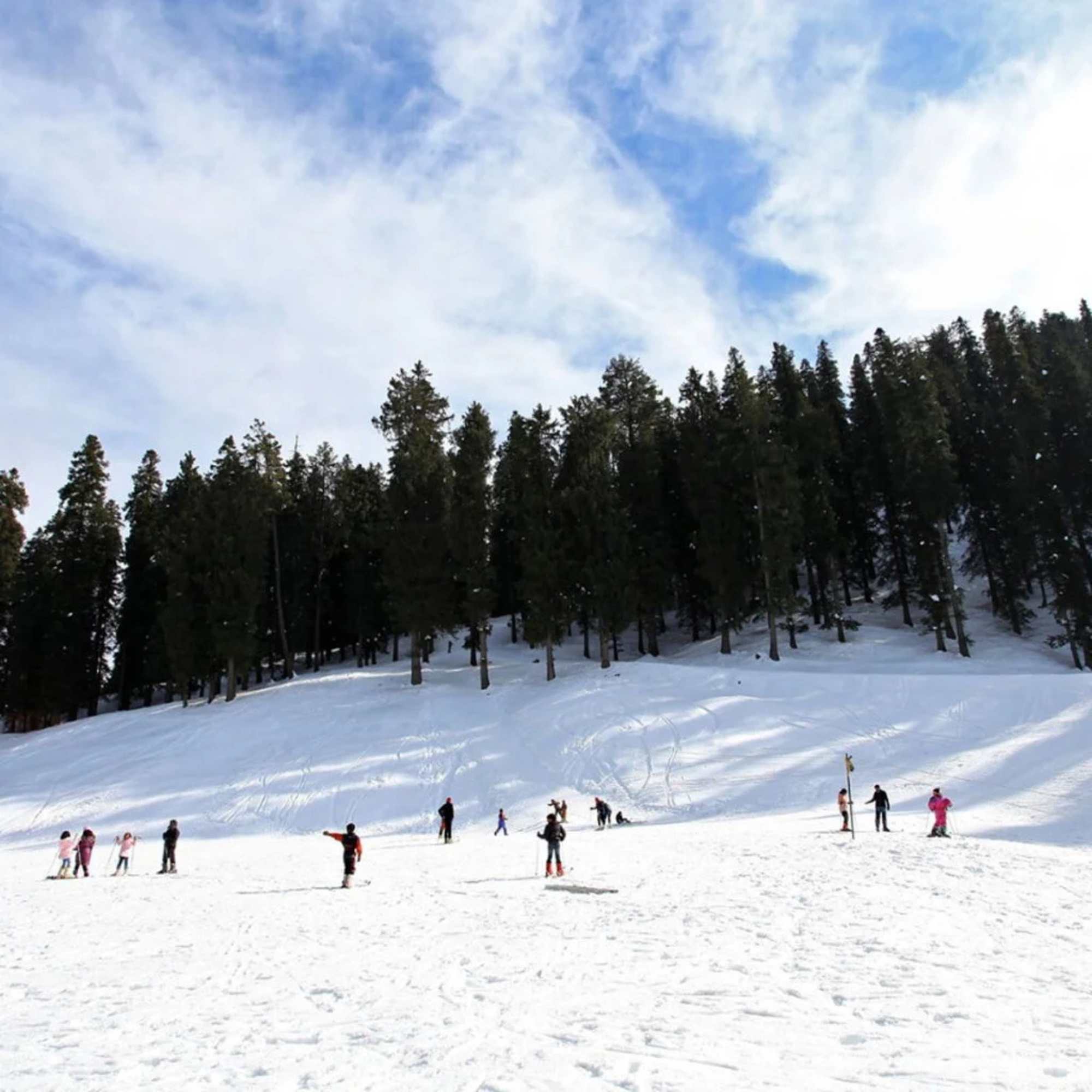
Plan your Shimla Snow Trip 2026 with this complete guide to the best time for snowfall, estimated trip cost, winter itinerary, top snow spots, Kufri visit, and useful travel tips.
- Snow Travel
- Best Time to Visit
 Shimla
Shimla in February 2027: Weather, Snowfall, Itinerary and Travel Tips
Planning a trip to Shimla in February 2027? Discover typical February temperatures, chances of snowfall, what the weather is usually like, the best places to enjoy snow, what to pack, and practical tips for planning a memorable winter trip to Shimla.
- Best Time to Visit
- Snow Travel
 Shimla
Snow Point Near Shimla in 2026: Kufri, Fagu, Narkanda and the Best Places to Find Snow
Discover the best snow points near Shimla in 2026, including Kufri, Fagu and Narkanda. Find out where to see snow, the best time to visit, and the top winter destinations near Shimla.
- Snow Travel
- Places to Visit