
Shinkula Pass vs Baralacha Pass: Which One Should You Actually Do in 2026?
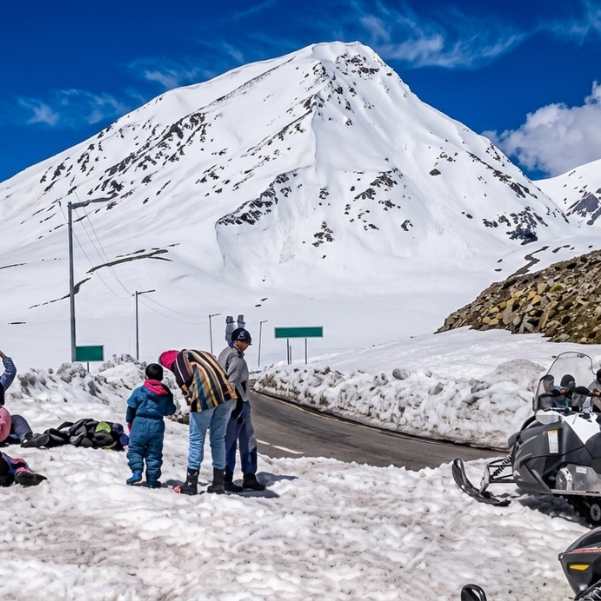
You already know both passes. Now you just want someone to tell you which one fits your trip, without the copy-paste blog nonsense that treats Shinkula like a broken goat track and Baralacha like a smooth highway.
That old comparison is out of date for 2026, and picking wrong can mean a long, cold, high-altitude day on the wrong road.
Let us sort it out the way we do for our own travellers.
Quick Answer
Pick Baralacha Pass if your trip is the classic Manali-Leh highway run or you are continuing toward Leh. Pick Shinkula Pass if your route bends toward Zanskar and Padum, or you specifically want the newer Nimu-Padum-Darcha corridor.
Neither is a casual low-altitude viewpoint. Both sit above 16,000 feet with real altitude and weather risk. And live road status can flip your decision overnight, so treat these picks as starting points, not promises.
Shinkula Pass vs Baralacha Pass: What Is the Real Difference?
The simplest way to hold this in your head: the two passes point in different directions after Lahaul.
Baralacha La
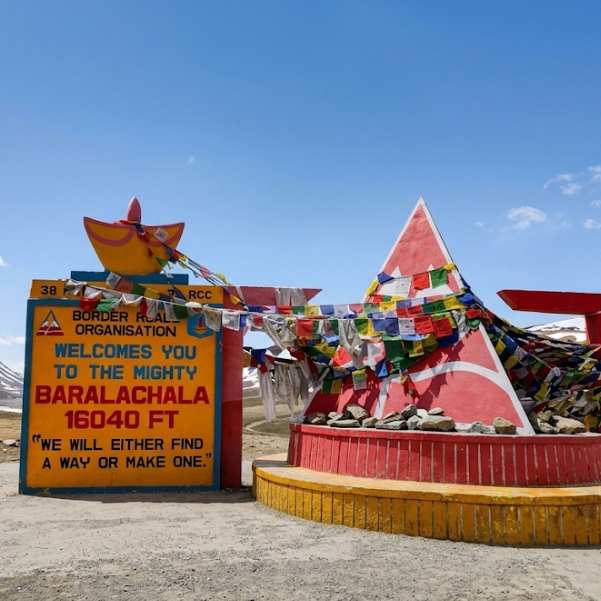
Baralacha La sits on the Manali-Leh route through the Darcha-Sarchu corridor. It carries traffic heading to Sarchu and onward to Leh.
Himachal Tourism lists its altitude at 4,890 metres, which people usually round to about 16,040 feet. The name itself points to a pass with crossroads meeting at the summit.
Shinkula Pass
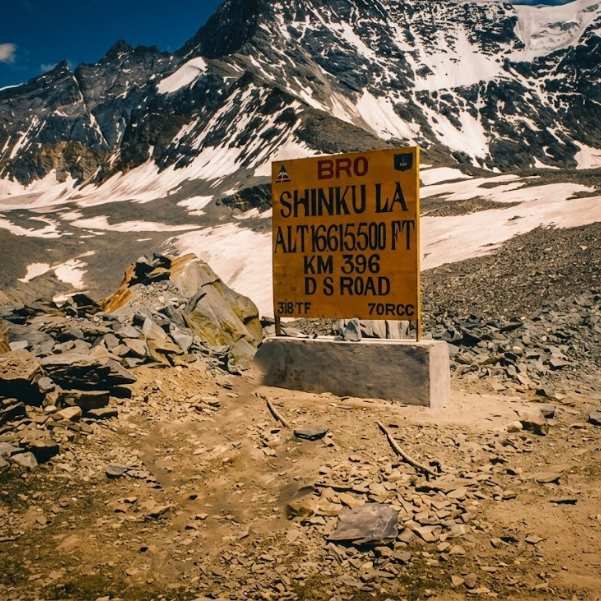
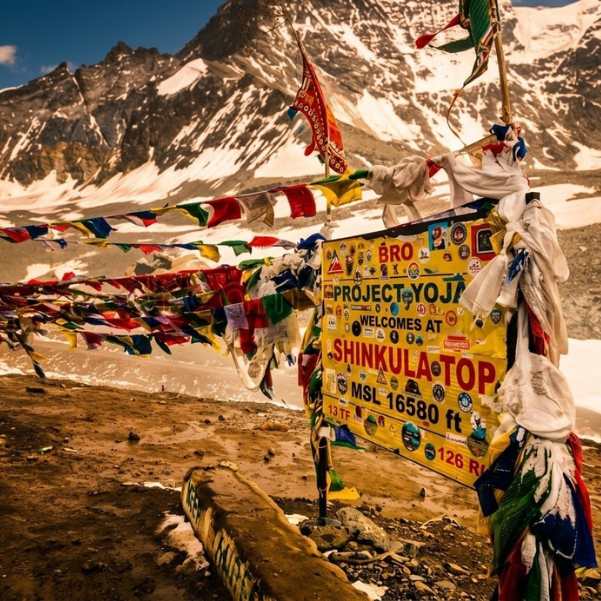
Shinkula Pass branches the other way at Darcha, toward Padum and Zanskar. It forms part of the Nimu-Padum-Darcha route. Its height is commonly given as around 16,600 feet, though published figures don't agree with each other.
Published altitude figures vary slightly, with most sources placing Shinkula Pass at around 5,050 to 5,090 metres, or roughly 16,600 feet above sea level.
Here is the 2026 update that most guides haven't caught up to. Shinkula officially reopened on 10 May 2026. The Darcha-Sarchu road through Baralacha reopened for LMVs on 15 May 2026.
Both reopened within days of each other after winter clearance, which already breaks the old story that Shinkula is a late-July-only track.
If you're still shaping the wider trip, our Manali tour packages cover the base you'll almost certainly start from.
Which Pass Should You Choose for Your Type of Trip?
If This Is Your First High-Altitude Road Trip
Baralacha slots into the established Manali-Leh corridor, which is the more familiar path if you're already heading toward Ladakh. More vehicles, more traffic, more people who know the route.
That said, do not read "familiar" as "easy." Baralacha is still roughly 4,890 metres high. The altitude and the weather don't care how many cars passed before you. Both passes carry genuine risk.
If You Want Zanskar and a More Unusual Route
Shinkula connects the Lahaul side to the Padum and Zanskar corridor, and this is where things have changed fast.
The road infrastructure on the Nimu-Padum-Darcha route has improved quickly. PIB reported the NPD route as 298 km long, with about 201 km already blacktopped at the time of that government update.
This is exactly why older blog descriptions of Shinkula age so badly. A blog written in 2022 describing a broken off-road track can be flatly wrong by 2026. Our Ladakh tour packages build in this newer corridor when the wider route makes sense.
If You Are Travelling With Family
We won't tell you either pass is universally safe for kids or elderly travellers. That would be dishonest.
The Baralacha route belongs to the main Manali-Leh corridor, which can make logistics and support more familiar. But altitude is the bigger worry on both, not the road surface.
Here is the rule that actually matters. If anyone in your group develops a worsening headache, nausea, dizziness, unusual weakness, breathlessness or loss of coordination at altitude, the priority is going down, not reaching the pass.
A photo at the top is never worth pushing a sick person higher.
Where Do the Two Routes Split From Manali?
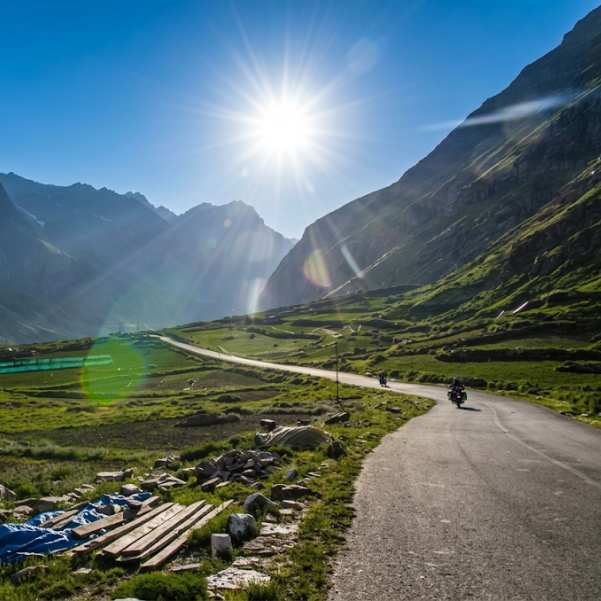
Both passes share the same Lahaul approach for a long stretch. You cross to the Atal Tunnel side, roll through Sissu, then Keylong or Jispa, and reach Darcha.
Darcha is where they part ways. Baralacha continues toward the Darcha-Sarchu direction and Leh. Shinkula branches toward Zanskar and Padum.
On distances, be careful with what you read online. Ranking sources disagree badly.
For Baralacha Pass, published distances from Manali vary depending on the route and map reference point, so it is safer to treat the figure as an approximate planning distance rather than one fixed number.
For Shinkula Pass, a practical estimate from Manali is around 170 to 180 km, but actual travel time can vary significantly with road condition, traffic, weather and stops.
Sissu makes a natural first breather on this road. Our Sissu tour packages work it in as a soft-landing stop before the higher sections.
Is Shinkula Really Much Rougher Than Baralacha in 2026?
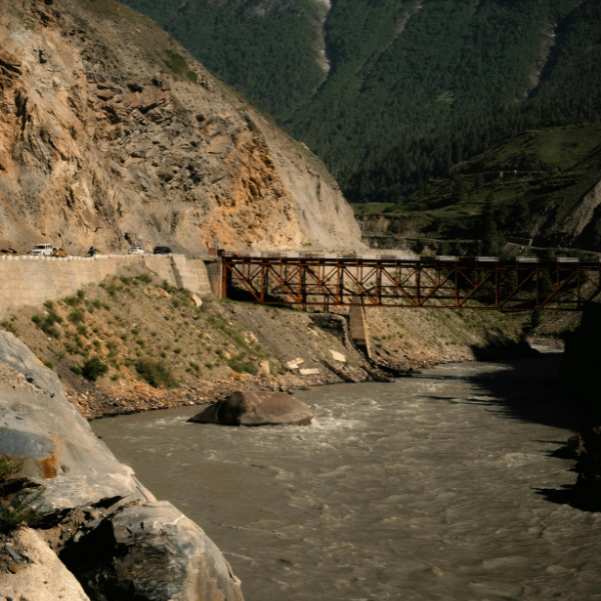
This is the section that most old guides get wrong, so read it slowly.
Plenty of existing articles still call Shinkula a rough, off-road, 4x4-only route. That description is stuck in the past.
Here is the verified 2026 update
On 10 May 2026, the Lahaul-Spiti administration announced that the Darcha-Shinkula road had reopened from both sides for all types of vehicles following BRO snow clearance. BRO described the reopened road as double-lane and suitable for both HMVs and LMVs.
Now the nuance, because it matters. Administrative permission for all vehicle classes does not mean every low-clearance car is a smart idea on every day.
Fresh snow, rain, slush, washouts or temporary traffic restrictions can quickly change road conditions, so travellers should check the latest local road update before starting the journey.
So we won't write "4x4 required" as a permanent rule, and we won't tell you the road is off-road only either. Both are lazy.
For Baralacha, it sits on the main Manali-Leh highway. The Darcha-Sarchu stretch through Baralacha reopened for LMVs on 15 May 2026 after the winter closure.
But "highway" doesn't mean it can never close temporarily. Snowfall and repair work can shut any of these roads for hours.
Which Pass Is Better If You Want Snow?
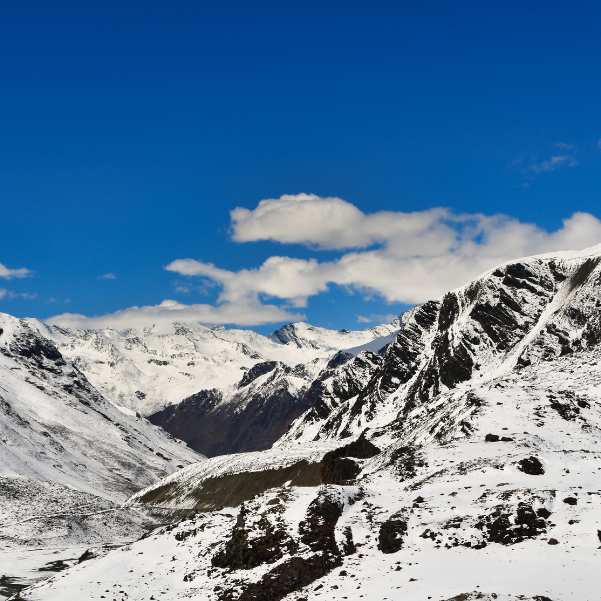
Straight answer first: neither pass can guarantee snow on a specific date. Anyone who promises you snow in a particular month is guessing.
Early-season openings often create the dramatic snow-wall look travellers chase. But those same early weeks bring the most road uncertainty, so you're trading one for the other.
Traveller chatter in 2026 showed exactly how variable it gets. One mid-July traveller reported snow around Shinkula, while an August discussion reported none. Those are traveller reports, not official snow records, so weight them accordingly.
If your only real goal is to see snow near Manali and you don't actually need a serious Lahaul road journey, Rohtang is a far simpler backup.
Which Pass Is Tougher on Your Body?
Both passes sit above 16,000 feet or right around there, so altitude is a genuine issue on either one. Here is what the CDC actually says, and we're sticking only to that.
The CDC says travellers going above 8,000 feet can be at risk of altitude illness. It recommends gradual ascent rather than climbing too high too fast.
Above 3,000 metres, the CDC's 2026 Yellow Book cites guidance to limit sleeping-altitude gains to roughly 500 metres per day where practical, and to add acclimatisation time.
The CDC is also clear that physical fitness does not make you immune. Fit, young travellers get hit too. It lists headache, tiredness, nausea and vomiting among the symptoms of acute mountain sickness.
And it says that if your symptoms worsen despite rest, you should descend rather than continue higher.
We won't prescribe any medication, oxygen cans or anything else. That's a conversation for your doctor, not a travel blog.
This is why our team generally prefers giving travellers a night around Keylong or Jispa before attempting a pass, instead of racing straight up from the plains. Your body simply handles it better with that buffer.
Can You Do Shinkula or Baralacha as a Day Trip From Manali?
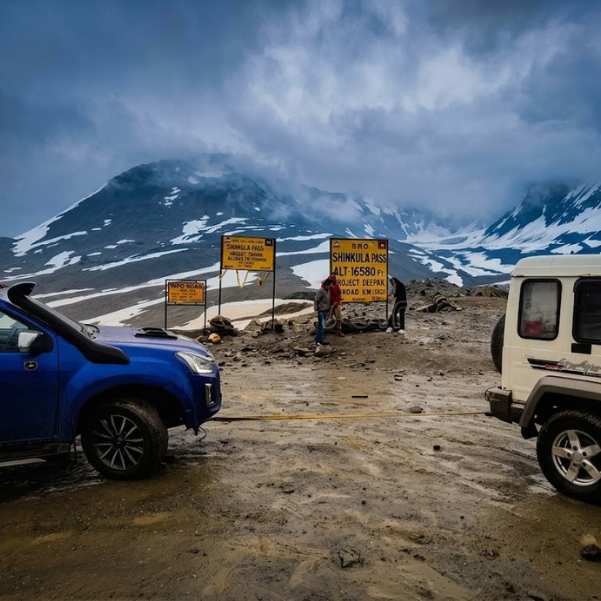
Technically, both can be done from Manali. But both turn into very long mountain days when you approach that way.
We won't hand you a fixed drive time, because ranking sources disagree and high-altitude road travel depends heavily on weather, road work and restrictions. A number that looks clean on paper falls apart the moment there's a water crossing or a BRO repair crew.
"Possible" and "a good itinerary" are two different things. In our experience, most travellers enjoy these passes far more when they stop in Lahaul first instead of turning the day into a race from Manali. You arrive at the top with something left in the tank, not frazzled and altitude-sick.
Treat Jispa or Keylong as an itinerary break that makes the trip better, not as a medical guarantee. If you want to fill the extra Manali days before you head up, our list of adventure activities in Manali gives you plenty.
What Vehicle Do You Actually Need in 2026?
Shinkula
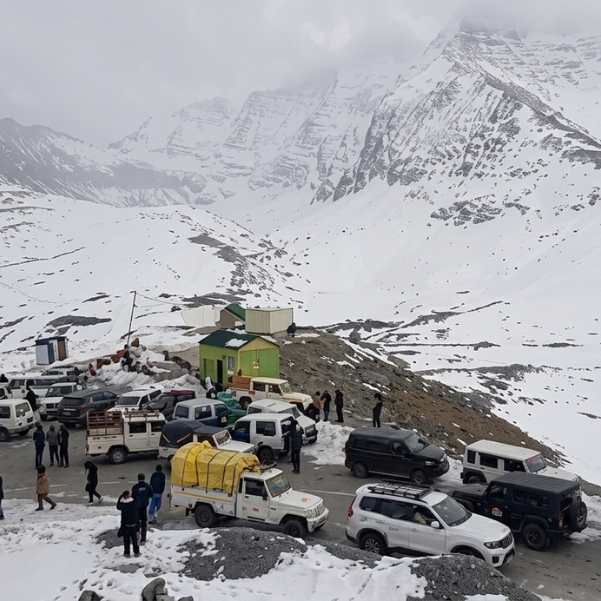
The road officially reopened for all vehicle types on 10 May 2026 and was described as double-lane. That's the verified fact.
Weather, slush, landslides or fresh road damage can still affect drivability, so check the latest local road conditions before departure and prefer a higher-clearance vehicle when conditions are poor.
We won't tell you a 4x4 is always legally compulsory, because that's not what the reopening said. What we will say is that after fresh snow or rain, clearance matters, and a small car that's fine on a dry day can struggle badly on a bad one.
Baralacha
The Darcha-Sarchu route through Baralacha opened to LMVs on 15 May 2026. Road conditions and permitted vehicle movement can change after snowfall, landslides or repair work, so check the latest local road status before starting toward Baralacha Pass.
Bikes and Self Drive
If you're riding or self-driving, your vehicle's real-world condition matters more than its badge.
Good tyres, working brakes, decent ground clearance and honest respect for the weather. Follow whatever the police and BRO tell you on the day, even when it ruins your plan. They're reading conditions you can't see from your seat.
Do You Need a Permit or e-Aagman Registration?
Don't trust any article that lazily says "no permit required." The official Himachal e-Aagman portal says applicants with vehicles wanting to enter District Lahaul & Spiti have to apply for an E-Pass.
The same portal says an E-Permit per vehicle is required for the Atal Tunnel-Rohtang-Koksar-Chandratal circuit, and an E-Ticket per vehicle is required for other places. So there is a registration layer here, and it's worth doing properly.
Keep two other things separate in your head. Rohtang vehicle permits are their own issue, and if your trip continues into Ladakh's restricted destinations later, that's a separate set of documents again.
Because e-Aagman categories and vehicle entry rules can change, check the official Himachal e-Aagman portal before departure to confirm the requirement for your exact route and vehicle.
What Changed on These Routes in 2026?
Here's the timeline, because it's the whole reason this article exists.
On 10 May 2026, the Darcha-Shinkula road reopened for all types of vehicles. On 12 May 2026, BRO completed the seasonal snow-clearance connection on the Manali-Leh highway after a 42-day operation that had started on 27 March.
On 15 May 2026, the Darcha-Sarchu stretch through Baralacha reopened for LMVs.
Why does this matter to you? Because generic articles claiming Shinkula only opens in July, or that it's a permanent off-road 4x4 route, are simply not reliable enough for 2026. The road opened in May, for all vehicles, described as double-lane.
Then there's the Shinkun La Tunnel, which people keep asking about. It's a 4.1 km twin-tube project being built at roughly 15,800 feet on the Nimu-Padum-Darcha road. Its purpose is all-weather connectivity once it's finished. It is not open yet.
A late-August 2026 report described the Director General Border Roads reviewing ongoing work on the NPD road and the tunnel, so it's still under construction, not completed. Don't plan around it as if you can drive through it.
Can You Visit Both Shinkula and Baralacha on the Same Trip?
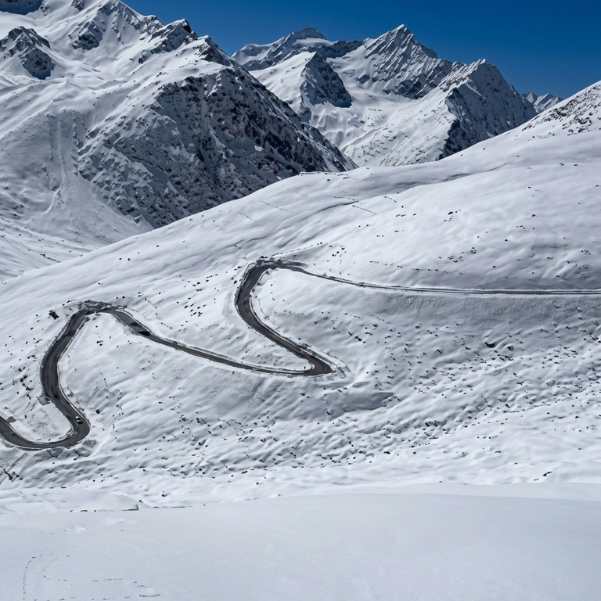
Yes, and this is honestly one of the better ways to use your Lahaul time. Both passes share the approach before the route splits around Darcha, so you're not doubling back across the whole state.
What we won't do is squeeze both summits into one rushed day. That defeats the point and stacks altitude on altitude.
Our team recommends treating them as two separate pass days rather than collecting both as checkboxes. Reach Lahaul and acclimatise first. Give one day to Baralacha. Give another day to Shinkula.
Then either turn back toward Manali or continue according to your wider Ladakh or Zanskar plan. Done this way, each pass gets its own morning light, its own photos, and a body that isn't already wrecked from the day before.
A Few Practical Notes Before You Go
Fill your fuel tank properly. Tandi is widely described as a major fuel stop before the remote high-road sections, so top up there and don't gamble on finding more further along. We tell every traveller heading this way to treat Tandi as the point of no return for petrol.
Expect your phone to go quiet. Mobile coverage around the high passes is limited and unreliable, according to pretty much every current guide. Tell someone your plan before you lose signal, and don't rely on live GPS for the rough sections.
Final Verdict: Which One Should You Actually Do?
There's no single universal winner, and anyone who declares one hasn't driven both.
Choose Baralacha if you're continuing toward Leh, you want the classic Manali-Leh highway journey, or you'd rather stay on the established main corridor with more traffic and support around you.
Choose Shinkula if you're heading into Zanskar, you're specifically drawn to the Nimu-Padum-Darcha route, or you're a repeat Himalayan road-tripper who wants something different from the standard Manali-Leh run.
And if you're already spending enough time in Lahaul, doing both on separate days is often the strongest option of all.
One line to carry with you above everything else: live road status, the weather, and how your body is responding to altitude should always overrule the itinerary you made at home.
Our Spiti Valley tour packages can help you lock the version that actually fits your dates and your group.
Related topics
Frequently Asked Questions
Which is better, Shinkula Pass or Baralacha Pass?
It depends on your route. Baralacha suits travellers heading toward Leh on the classic Manali-Leh corridor. Shinkula suits travellers going toward Zanskar and Padum.
Which is higher, Shinkula or Baralacha?
Baralacha is officially listed at 4,890 metres. Shinkula Pass is generally considered slightly higher than Baralacha Pass, with most published figures placing it at around 5,050 to 5,090 metres above sea level.
Which pass has more snow?
There's no guaranteed winner. Snow changes by date and weather, and no month promises it. Early-season openings tend to have more, but with more road uncertainty.
Is Shinkula Pass open in 2026?
It officially reopened on 10 May 2026. For your actual travel date, check the latest road status with local authorities or reliable local sources before departure, as weather and temporary closures can change access quickly.
Is Baralacha Pass open in 2026?
The Darcha-Sarchu stretch via Baralacha reopened for LMVs on 15 May 2026. For your travel date, check the latest local road status before departure because snowfall, landslides or repair work can temporarily affect access to Baralacha Pass.
Do you need a 4x4 for Shinkula in 2026?
A 4x4 is not automatically required, but a higher-clearance vehicle can be a better choice when the road is affected by slush, snow, water crossings or fresh damage.
Can a normal car go to Shinkula?
Legally allowed and sensible on the day are two different things. A normal car may be suitable when conditions are dry and the road is clear, but check the latest road condition before leaving because weather and surface damage can change drivability quickly.
Which pass is better for a bike trip?
Baralacha fits the classic Manali-Leh ride. Shinkula fits a Zanskar and NPD adventure. Your riding experience and the current road condition matter more than the pass name.
Can families visit Shinkula or Baralacha?
Both are extreme-altitude environments, so we won't give blanket assurances. Gradual ascent and a willingness to descend if symptoms worsen matter far more than which pass you pick.
Can you do both passes on the same trip?
Yes. They share much of the Lahaul approach and split around Darcha. Our team recommends separate pass days rather than rushing both in one day.
Do you need a permit or e-Aagman registration?
The official e-Aagman portal requires an E-Pass for vehicles entering Lahaul & Spiti, plus an E-Permit or E-Ticket depending on the destination. Because e-Aagman requirements can change by route and vehicle category, check the official portal before departure to confirm which registration applies to your trip.
Where should you stay before visiting the passes?
Consider Keylong or Jispa as practical Lahaul bases before a high-pass day. A night there helps your body adjust before you climb higher.
More about Shinkula Pass
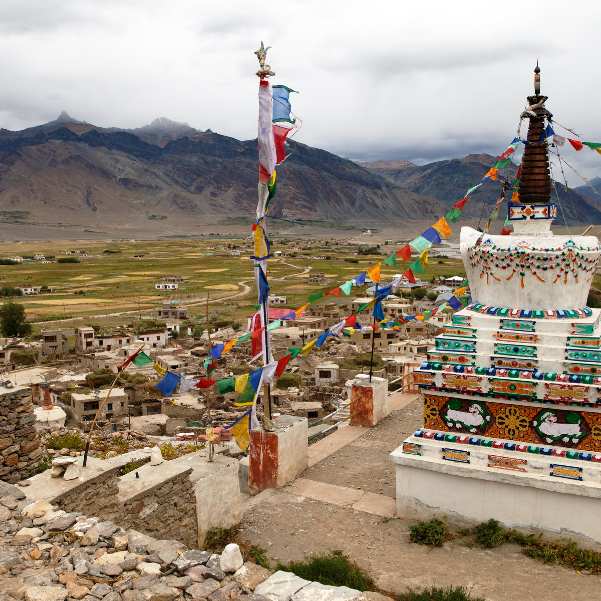 Shinkula Pass
Shinkula Pass (Shinku La) 2026: Height, Route and Full Season Guide
Discover Shinkula Pass in 2026 with details on its height, route, best travel season, road conditions, and essential tips for planning a scenic journey to Zanskar.
- Road Status
- How to Reach
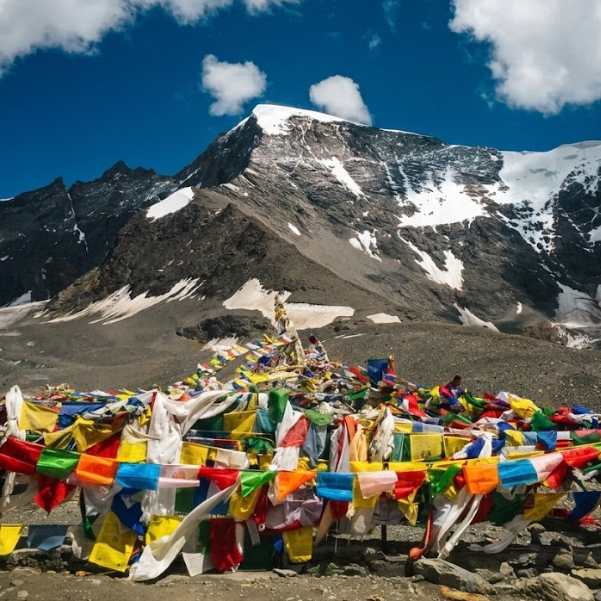 Shinkula Pass
Shinkula Pass in December 2026: Road Status, Snow, Safety and Travel Guide
Planning a trip to Shinkula Pass in December 2026? Get essential information on expected snow, road conditions, possible closures, safety precautions, weather, vehicle requirements, and winter travel tips for a safer journey through this high-altitude Himalayan pass.
- Road Status
- Snow Travel
 Shinkula Pass
Shinkula Pass in November 2026: Is It Open, Safe and Worth It?
Planning a trip to Shinkula Pass in November 2026? Discover expected road conditions, snowfall, safety concerns, accessibility, and whether this high-altitude adventure is worth the journey.
- Road Status
- Snow Travel