
Shimla vs Manali Route to Spiti in 2026: Which One Should You Choose?
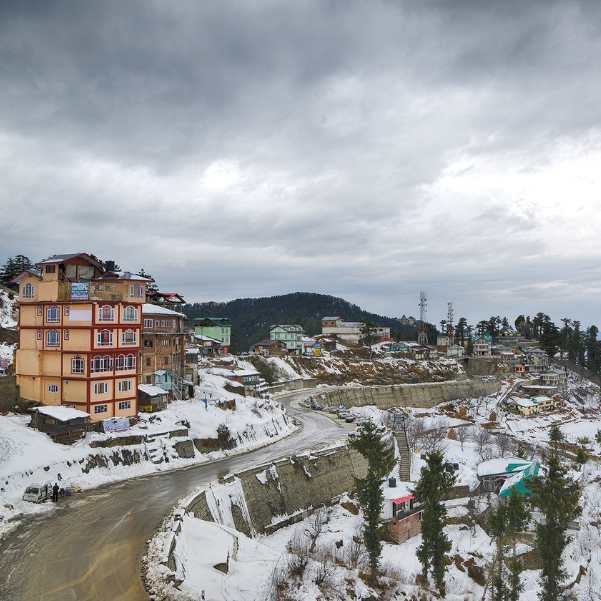
Choosing between the Shimla route and the Manali route for Spiti can feel confusing, especially if this is your first trip.
Both roads offer very different experiences, so the better option really depends on your comfort level, time, and travel style.
This guide by Travel Coffee will help you understand the difference clearly so you can pick the route that suits your travel style best.
Quick Answer: Shimla or Manali for Spiti?
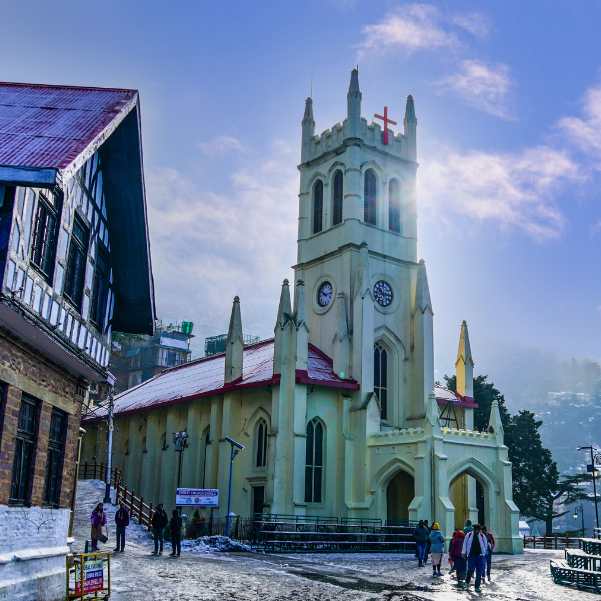
If you are a first-time traveller, going with family, or worried about altitude sickness, enter Spiti via Shimla. The altitude gain is gradual, the roads are more forgiving, and your body gets time to adjust over 2 to 3 days before you reach Kaza.
If you have been to the mountains before and want a shorter, rawer route, the Manali side works when the road is fully open. It is more dramatic but rougher, higher, and far more weather-dependent.
The smartest option for most people? Enter via Shimla, exit via Manali. You get the best of both sides and your body thanks you for the slow start.
Talk to our team on WhatsApp to plan your Spiti trip the right way.
Why Are Travellers Confused Between the Shimla and Manali Routes to Spiti?
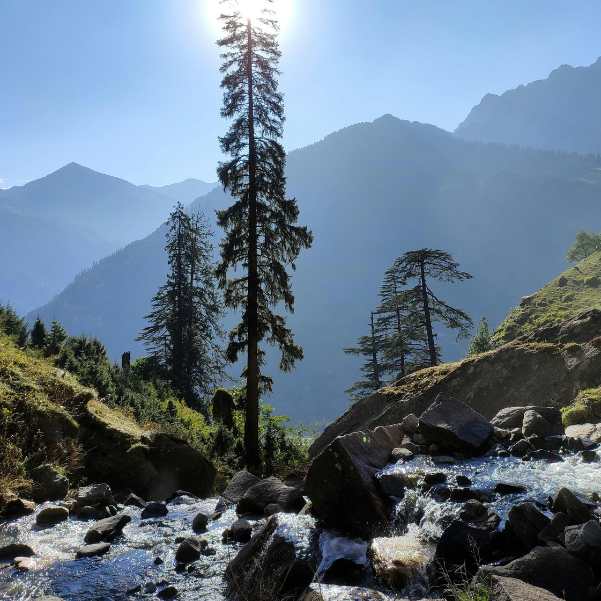
Because both routes lead to Kaza, the main town in Spiti, but the experience of getting there is completely different.
The Shimla route takes you through Kinnaur, along the Sutlej valley, past apple orchards, old villages, and monasteries. You climb slowly over 2 to 3 days and reach Spiti feeling relatively fine.
The Manali route takes you through the Atal Tunnel, across the raw Lahaul landscape, and over Kunzum Pass at 4,550 metres. When open, you can reach Kaza in a single long day. But your body goes from 2,000 metres to over 4,500 metres in hours, not days.
The confusion comes because both routes are popular, both show up in every travel blog, and most articles do not clearly say which one suits which kind of traveller. So you end up reading ten different opinions and still not knowing what to pick.
Here is what actually matters when choosing: how fast your body gains altitude, how rough the roads are, what month you are travelling, and whether you want comfort or adventure.
Which Route Is Better for First-Time Travellers to Spiti?
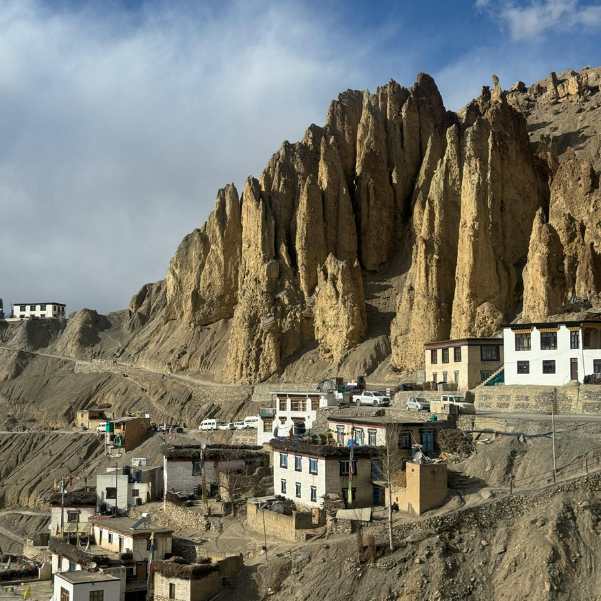
Shimla. Almost always.
The reason is simple. On the Shimla side, you gain altitude slowly. You sleep at progressively higher points over 2 to 3 nights. By the time you reach Kaza at about 3,800 metres, your body has had days to adjust.
On the Manali side, you cross Kunzum Pass at 4,550 metres within a single day of driving. If you came from Chandigarh on a Spiti bike trip, your body has had zero time to adjust. That is when headaches, nausea, and breathlessness kick in.
In our experience helping hundreds of travellers plan this route, the people who enter via Shimla almost always feel better, sleep better, and enjoy Spiti more than those who rushed in from Manali without acclimatisation stops.
What most first-timers get wrong is assuming "shorter route = easier trip." On the Manali side, shorter means faster altitude gain, rougher roads, and less room for error if anything goes wrong.
Shimla Route to Spiti: What Is the Route, Travel Time, and Who Is It Best For?
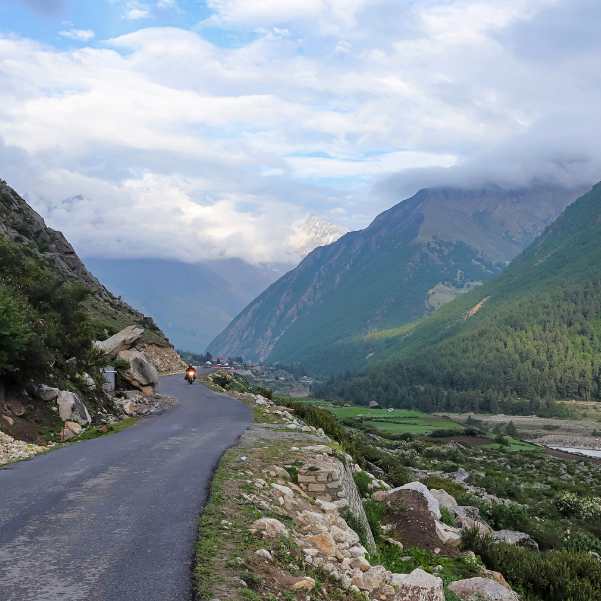
The standard route runs like this: Delhi to Shimla to Narkanda to Rampur to Reckong Peo or Kalpa to Nako to Tabo to Kaza.
The total distance is around 700 km from Delhi and you spread it across 2 to 3 comfortable driving days.
Common overnight halts are Narkanda on the first night, Kalpa or Reckong Peo on the second, and sometimes Nako if you want an extra buffer day before Kaza.
The road quality on this side is generally better than the Manali route, especially in the early stretches. You drive along river valleys, pass through small Kinnaur towns, see orchards changing with altitude, and reach Spiti feeling like you earned it gradually.
This route works best for first-timers, families with kids or older members, couples who prefer comfort over chaos, self-drivers who are not comfortable on broken mountain roads, and anyone travelling early in the season before the Manali side opens.
If you are looking for a well-planned Spiti trip that handles the logistics for you, our Spiti Valley tour packages use this route for entry on most itineraries.
One thing to know: the Shimla route passes through parts of Kinnaur, which is a destination in its own right. Kalpa's views of the Kinner Kailash range, the old temples around Reckong Peo, and the apple orchards near Sangla are worth a stop even if Spiti is your main goal.
Manali Route to Spiti: What Is the Route, Travel Time, and Who Is It Best For?
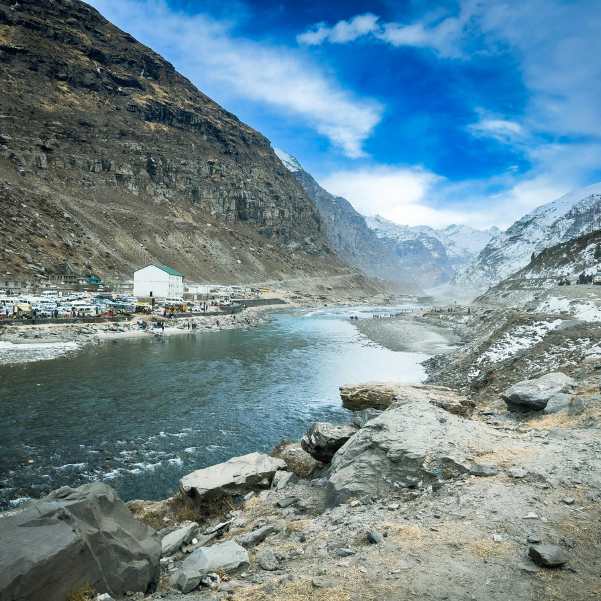
The route goes: Delhi to Manali to Atal Tunnel to Sissu to Gramphu to Kunzum Pass to Losar to Kaza.
When the road is fully open and conditions are good, Manali to Kaza can take around 10 to 12 hours non-stop.
That sounds fast compared to the Shimla side. But those 10 to 12 hours include some of the roughest mountain roads in India.
After Gramphu, the road turns bad. Stream crossings, loose gravel, slush from snowmelt, broken patches, and sections where you are driving on what is basically a riverbed. This is not a highway experience. This is survival driving.
The Manali route suits repeat visitors who have already done Spiti and want the rawer side, experienced drivers and riders who know how to handle bad roads, and people who are specifically looking for the high-pass, barren-landscape drama that only this side delivers.
If you are planning to stay in Sissu or explore the Lahaul valley on the way, our Sissu trips cover that section well. And for a broader Manali-based trip that includes the tunnel and Lahaul, we can build that too.
Here is the honest part: the Manali route looks incredible in photos. And it is incredible in person. But it is also genuinely uncomfortable, unpredictable, and exhausting if you are not ready for it.
Which Route Is Safer in Terms of Altitude Sickness and Acclimatisation?
The Shimla side wins this one clearly.
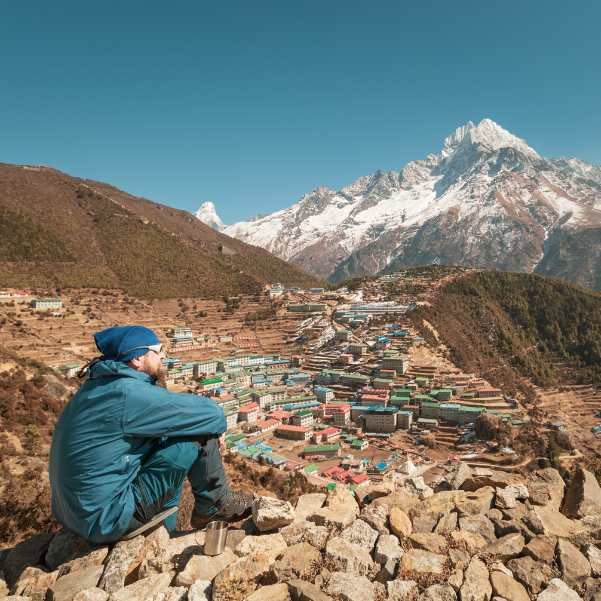
When you enter via Shimla, your overnight halts gradually take you higher. Narkanda is around 2,700 metres. Kalpa is around 2,960 metres. Nako is around 3,600 metres. And then Kaza is about 3,800 metres. Your body adjusts a little each night.
On the Manali side, Manali sits at about 2,000 metres. From there, you cross Kunzum Pass at 4,550 metres in a single day. That is over 2,500 metres of altitude gain without a proper acclimatisation night in between.
Even if you stop at Sissu or Keylong (around 3,000 metres) for a night, the jump to Kunzum the next day is still sharp.
Altitude sickness does not care how fit you are. It hits based on how fast you gained altitude, not how many gym sessions you did last month.
In our experience, travellers who enter via Shimla report far fewer headaches, less nausea, and better sleep in Kaza. The ones who come from Manali in one shot often spend their first night in Kaza feeling terrible. And that feeling can ruin the next two days.
Our team usually suggests that if you are entering via Manali, at least spend one night in the Lahaul valley (Sissu or Keylong) before pushing towards Kunzum. It is not perfect acclimatisation, but it helps.
Which Route Has Better Road Conditions in 2026?
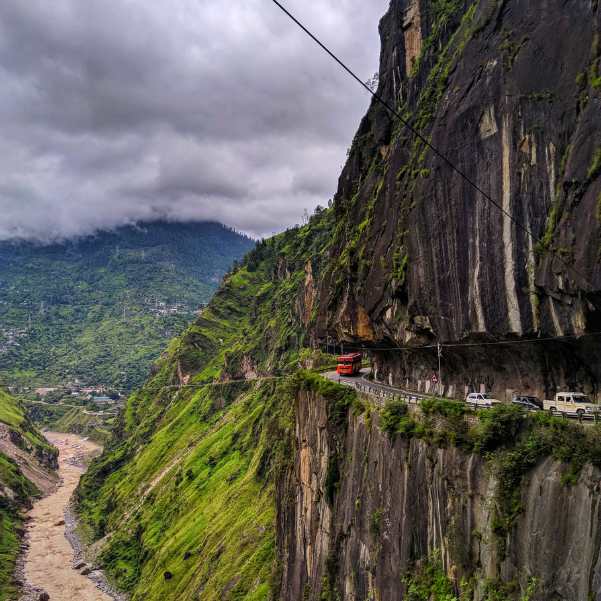
The Shimla side is generally smoother, especially in the first half. The road from Shimla through Narkanda and into the Kinnaur valley is paved and well-maintained for most of the stretch.
There are rough patches as you get deeper into Spiti near Tabo and Kaza, but nothing that a regular car cannot handle with care.
The Manali side is a different story. The road from Manali through the Atal Tunnel to Sissu is fine. After that, the quality depends on the season and recent weather.
The stretch from Gramphu towards Kunzum and Kaza is where things get rough. Stream crossings, slush, loose gravel, and off-road sections are standard here, not exceptions.
As of the last official update on March 20, 2026, the district road status showed Delhi to Manali as open, Manali to Keylong as open, and Keylong to Kaza as closed.
Recent April 2026 weather reports also showed fresh snowfall and road blockages in parts of Lahaul-Spiti and near the Atal Tunnel region.
This is normal for early season, but it is a strong caution signal if you are planning the Manali side right now.
Always check the latest road status before committing to the Manali route. The Lahaul-Spiti District Administration posts updates, and a quick call to a local operator can save you a wasted journey. Road conditions on this side change overnight.
Which Route Is Open for Longer During the Year?
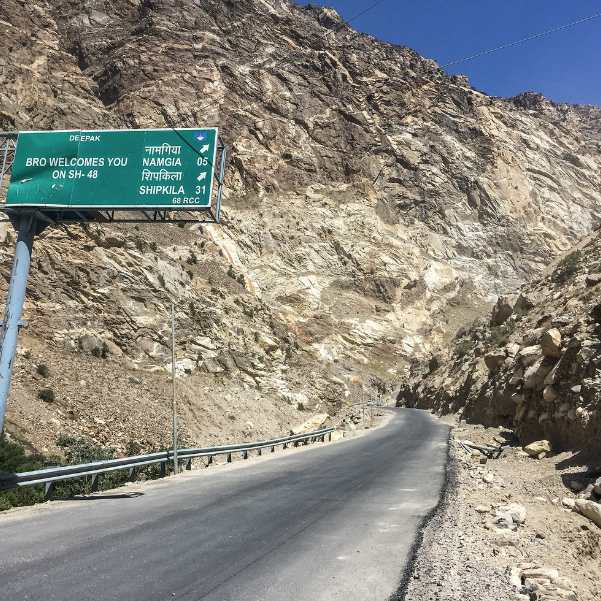
The Shimla route stays open for a much longer window. It does not depend on any high-altitude pass.
The road climbs gradually through the Sutlej valley, and apart from occasional landslide closures during heavy rain, it remains accessible from roughly March through November.
The Manali route depends entirely on Kunzum Pass opening. Kunzum sits at 4,550 metres and stays buried under snow for most of the winter.
BRO clears it sometime between late May and early June each year, and it closes again by October or early November depending on when the first heavy snow hits.
So if you are travelling in April, May, or October, the Shimla side is usually your only reliable option. Through deep winter it is the only way in at all, which is why our winter Spiti tours run entirely on the Shimla and Kinnaur side.
The Manali route is a mid-June to September affair for most travellers, and even within that window, weather can force temporary closures.
This is one of the biggest practical differences between the two routes and something many first-time planners miss. They see "Manali to Spiti" on a blog and assume it is available year-round. It is not.
Which Route Is More Scenic: Shimla Side or Manali Side?
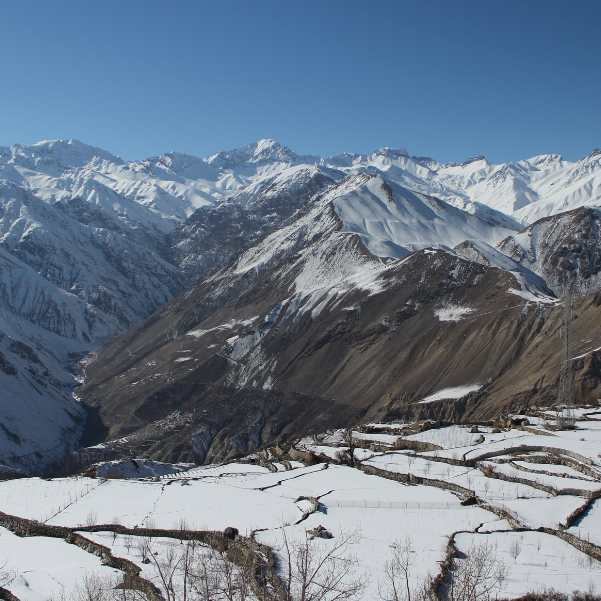
Both are stunning. But they are stunning in completely different ways.
The Shimla route gives you variety. You start with pine forests around Narkanda, move into the dry Kinnaur valley with its terraced villages and apple orchards, pass old Hindu and Buddhist temples, cross into the barren Spiti landscape near Tabo, and finally arrive in Kaza.
The scenery changes every few hours. It feels like driving through three different regions in one trip.
The Manali route gives you drama. Once you cross the Atal Tunnel, you are in Lahaul, a stark, wide, wind-swept valley that looks nothing like the green Kullu side you just left.
Then you climb towards Kunzum Pass and the landscape turns completely barren. Brown, grey, and white. Just mountains and sky. If Chandratal is accessible, the lake adds a punch of turquoise that stays in your memory for years.
We will not force a winner here because the right answer depends on what you enjoy. If you love cultural layers, villages, and slow-changing landscapes, the Shimla side is your route.
If you love raw, empty, high-altitude terrain and the feeling of being genuinely far from everything, the Manali side hits harder.
The good news? If you do a full circuit, you get both.
Month by Month: Which Route Should You Choose?
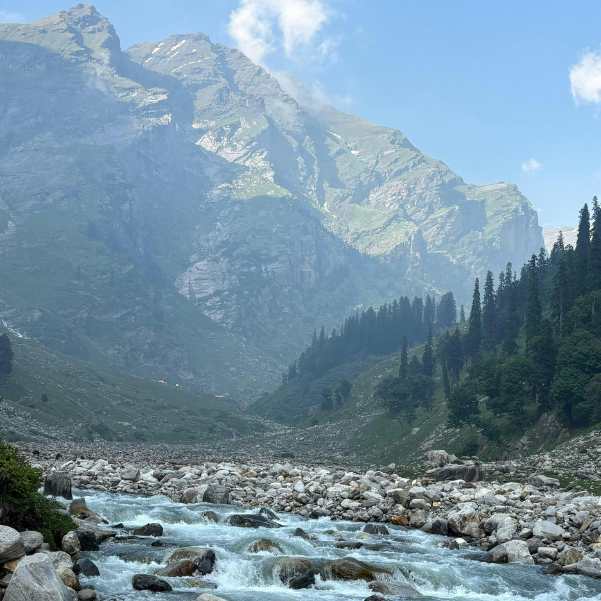
April
Shimla side only. The Manali route is almost certainly closed. Kunzum Pass is under snow, and the road from Gramphu to Kaza is not cleared yet.
The Shimla to Kaza route is usually open, though the deeper sections near Tabo and Kaza can have rough patches from winter damage. April is a good month for early-season Spiti, but only via Shimla.
May
Shimla side is reliable. Manali side is a gamble. Kunzum sometimes opens in late May, but counting on it for a fixed-date trip is risky.
If your dates are locked, go Shimla. If you have flexibility, you can check road status closer to departure and add the Manali side if it opens.
June
Both routes become available. The Shimla side is fully stable by June. The Manali side usually opens between early and mid-June, depending on snow clearance.
Early June is still unpredictable on the Manali side. Mid to late June is when it settles.
For a full Spiti circuit (Shimla in, Manali out), mid to late June is the earliest safe window.
July and August (Monsoon)
Both routes are technically open, but both carry monsoon risks. The Shimla route can face landslides in the Kinnaur section, especially between Rampur and Reckong Peo. The Manali route can get hit between Manali and Gramphu.
The Spiti side itself stays relatively dry because it is in a rain shadow. So the risk is mostly on the approach roads, not inside Spiti.
Build buffer days into your plan during monsoon months. A single landslide can block a road for 12 to 24 hours.
September
Best month for both routes. Roads are at their most stable. Weather is clear. Crowds thin out after August. The Manali side is smooth (by its standards), and the Shimla side is comfortable. September is also the best month for Chandratal if you are doing a full circuit.
October
Shimla side is still open but getting cold. The Manali side is a risk. Kunzum can close with early snowfall any day after early October.
If you are planning a late-season trip, enter and exit via Shimla unless you have confirmed Kunzum status within 24 hours of your travel date.
Is the Best Option Actually a Full Spiti Circuit via Shimla and Manali?
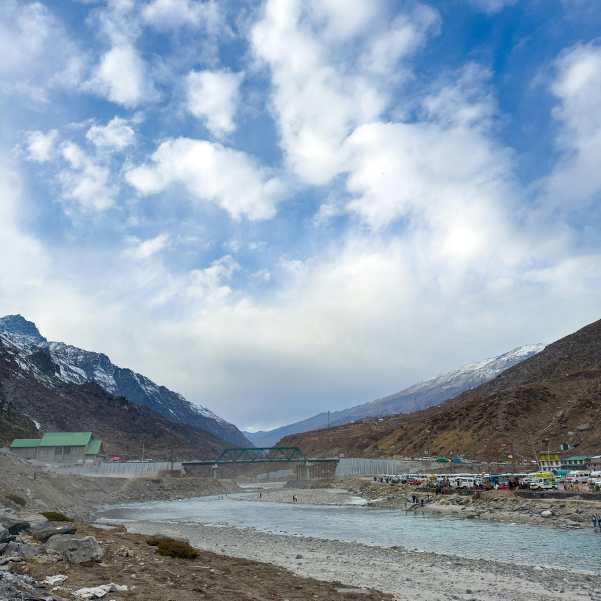
For many travellers, yes. A one-way circuit where you enter from Shimla and exit via Manali (or the other way around) is the most popular and most balanced way to see Spiti.
Here is why it works. You enter from Shimla, acclimatise gradually through Kinnaur, spend a few days in Kaza exploring the villages and monasteries, and then exit towards Manali via Kunzum Pass.
On the way out, you can add Chandratal Lake if the road is open, which it usually is from mid-June through September.
This way, you do not repeat any road. You see two completely different landscapes. And because you are already acclimatised by the time you cross Kunzum, the altitude hits you much less.
Our summer Spiti circuit with Chandratal follows exactly this format. Shimla entry, full Spiti exploration, Chandratal camp night, and Manali exit. It is our most popular package for a reason.
For the latest on whether Chandratal and Kunzum are open, our Chandratal opening dates and road status guide covers the month-by-month picture in detail.
The one condition for a full circuit: the Manali side must be open. If you are travelling before mid-June or after early October, plan for a Shimla return as your default and treat the Manali exit as a bonus if conditions allow.
Which Route Is Better for Bikes, Hatchbacks, SUVs, and Public Transport?
Hatchbacks and Sedans
Go via Shimla. The road from Shimla to Kaza is paved for most of its length and a hatchback can handle it with a careful driver. You will hit rough patches near Tabo and beyond, but nothing that requires high ground clearance.
The Manali side after Gramphu is genuinely risky for low-clearance vehicles. Water crossings, broken stretches, and loose gravel can damage a hatchback or leave you stuck. We do not recommend it unless you have an SUV or a vehicle with good ground clearance.
SUVs and 4x4s
Either route works. But if you are doing the Manali side, an SUV is not just recommended, it is necessary. A Bolero, Thar, Fortuner, or similar vehicle is what local drivers use on this route for good reason.
Bikes
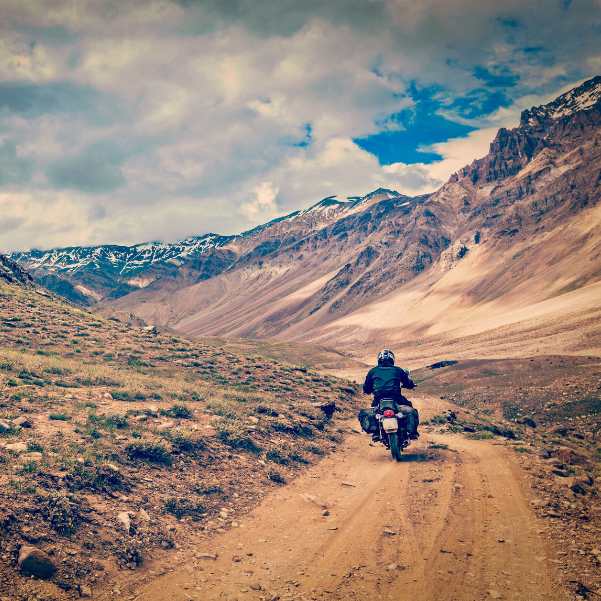
Both routes are popular with bikers, but the Manali side is the one that bikers dream about. Kunzum Pass, the Lahaul valley, and the raw road from Gramphu to Kaza are what make Spiti bike trips famous.
That said, the Shimla side offers a more relaxed ride with better road surfaces. If this is your first mountain bike trip, the Shimla route is more forgiving. If you are experienced and want the challenge, Manali is the route.
June and September are the best months for biking on either side. July and August bring rain patches on the Manali approach that can turn the already rough road into a mud bath.
Public Transport
HRTC runs buses from both Shimla and Manali towards Spiti, but frequency is limited and schedules can be unreliable, especially on the Manali side.
On the Shimla side, you can break the journey across multiple buses (Shimla to Reckong Peo, Reckong Peo to Kaza). It is not comfortable, but it is doable.
On the Manali side, direct buses to Kaza run only when the road is open, and their schedule depends on road conditions. Do not plan a tight itinerary around public transport on this side.
Do You Need Any Permit for Spiti in 2026?
Indian citizens do not need a permit to enter Spiti. You can drive in, take a bus, or ride a bike without any special paperwork.
Foreign travellers should check current permit formalities for restricted-border sections before departure. Some areas near the India-China border in Spiti and Kinnaur may require an Inner Line Permit.
Rules on this change, so verify with the DC office in Reckong Peo or with your tour operator before travel.
For solo female travellers wondering about safety on either route, we have covered that separately in our Spiti solo female safety guide.
Our Verdict: Who Should Choose Shimla and Who Should Choose Manali?
Choose the Shimla route if you are visiting Spiti for the first time, you are travelling with family or older members, you are worried about altitude sickness, you are driving a hatchback or sedan, you are going before mid-June or after early October, or you just want a more comfortable and predictable experience.
Choose the Manali route if you have been to the mountains before and know your body handles altitude well, you are riding a bike or driving an SUV, you want the raw, dramatic, high-pass experience, and you are travelling between mid-June and September when the road is fully open.
Choose the full circuit (Shimla in, Manali out) if you have 8 to 10 days, the Manali side is open, and you want the most complete Spiti experience. This is what we recommend to most travellers who have the time.
What we tell every group that asks us this question: the Shimla side is the safer, smarter entry. The Manali side is the more exciting exit. Combine them and you get a trip that checks every box.
One money-saving tip most blogs will not mention: if you are doing the full circuit with a rented car and driver from Delhi, negotiate a one-way drop fee instead of a return trip price.
Since the car exits at Manali instead of returning to Shimla, you avoid paying for an empty return leg. This can save you ₹3,000 to ₹5,000 on the total vehicle cost.
A timing tip that changes your experience on the Manali side: if you are exiting via Kunzum Pass, leave Kaza before 6 AM. The pass is calmest in the early morning. By afternoon, wind picks up and visibility drops.
Our drivers always push for a pre-dawn start on Kunzum day, and the people who listen are always glad they did.
One "skip this" for the Shimla route: the so-called viewpoint stop at Jhakri that some drivers push for. It adds 30 to 40 minutes of detour and the view is not significantly better than what you get from the main road.
Save that time for a longer stop at Kalpa instead, where the Kinner Kailash view from the guesthouse terrace is genuinely worth an extra hour.
And a safety warning: taxi drivers at smaller stops along the Manali route sometimes quote inflated prices for short transfers, knowing you have no alternative. Always agree on the price before you get in.
If a number sounds too high, check with another driver or call your operator. A 15-minute ride should not cost more than ₹500 to ₹800 in most cases.
The last chai stop worth making on the Shimla route is at a small dhaba just before Nako. The guy running it makes fresh rajma-chawal that tastes like home food after two days of road travel. It is the kind of stop that does not show up on Google Maps but every local driver knows it.
Want help planning this trip the right way? Talk to our team on WhatsApp
Explore Our Curated Spiti Valley Tours
 6D/5N
6D/5NCore Winter Spiti Trip
2D Kalpa•2D Kaza
₹15,999₹19,999SAVE INR 4,000/ person Group Tour10D/9N
Full Spiti Valley Circuit With Chandratal
1D Narkanda•1D Sangla+5
₹29,999₹32,999SAVE INR 3,000/ person Group Tour9D/8N
Best Selling Winter Spiti Valley Group Tour
2D Sangla•1D Tabo+2
₹18,999₹23,999SAVE INR 5,000/ person 9D/8N
9D/8NWinter Spiti Circuit
2D Sangla•1D Nako+2
₹26,999₹32,999SAVE INR 6,000/ person 7D/6N
7D/6NCore Winter Spiti Circuit
1D Narkanda•2D Kalpa+2
₹17,999₹21,999SAVE INR 4,000/ person
Related topics
Frequently Asked Questions
Which route is better for Spiti, Shimla or Manali?
For first-timers and families, Shimla is usually better because of gradual altitude gain and more stable roads. Manali suits experienced travellers when the road is open. The best overall plan for most people is entering via Shimla and exiting via Manali.
Is Spiti safer via Shimla?
Yes, in terms of altitude sickness risk and road conditions. The Shimla route avoids high passes on entry and gives your body 2 to 3 days to adjust before reaching Kaza.
Is the Manali to Kaza road open in 2026?
As of the last official update on March 20, 2026, Keylong to Kaza was marked as closed. The road typically opens between late May and mid-June depending on snow clearance at Kunzum Pass. Check the Lahaul-Spiti District Administration page for live status before travelling.
Can I go to Spiti in April via Shimla?
Yes. The Shimla to Kaza route is usually open in April, though some deeper sections may have winter damage. The Manali route is almost certainly closed in April.
Which route is better for AMS prevention?
The Shimla route. You gain altitude slowly over multiple days, which gives your body time to acclimatise. The Manali route jumps from 2,000 metres to over 4,500 metres in a single day, which significantly increases altitude sickness risk.
Can I do Spiti via Manali in a hatchback?
Not recommended. The stretch from Gramphu to Kaza involves stream crossings, loose gravel, and broken road sections that require high ground clearance. An SUV or 4x4 is the safe choice for the Manali route.
Which route is better for a bike trip?
Both work, but they offer different experiences. The Manali side is more dramatic and challenging, which is what most bikers want. The Shimla side is smoother and better for first-time mountain riders. June and September are the best months for biking on either route.
Which route is more scenic?
The Shimla route offers variety with forests, orchards, villages, and monasteries. The Manali route offers raw, barren, high-altitude drama with Lahaul, Kunzum Pass, and possible Chandratal access. Neither is objectively better. It depends on what kind of scenery you prefer.
Is a full circuit better than returning by the same road?
Yes, if both routes are open. A Shimla-entry, Manali-exit circuit avoids repeating roads, gives you both landscape types, and allows you to add Chandratal on the way out. It is the most complete Spiti experience.
Do Indians need a permit for Spiti?
No. Indian citizens do not need any permit to enter Spiti Valley. Foreign nationals should verify current requirements for restricted-border sections before departure.
What is the best month to enter via Manali?
September is the most stable month for the Manali route. Roads are at their best, weather is clear, and Kunzum Pass is reliably open. Mid to late June also works well once the road has settled after seasonal clearance.
What is the best route from Delhi to Spiti?
For most travellers, the best route from Delhi is via Shimla for entry and via Manali for exit. This gives you gradual acclimatisation on the way in and the dramatic high-pass experience on the way out, without repeating any road.
More about Lahaul and Spiti
 Lahaul and Spiti
Spiti Valley in January 2027: Who Should Book a 4x4 Trip and Who Should Wait?
Planning a Spiti Valley trip in January 2027? Discover whether to book a 4x4 winter expedition or wait for better conditions. Explore January weather, road accessibility, safety risks, travel costs, and who should consider postponing their Winter Spiti adventure.
 Lahaul and Spiti
Winter Spiti 4x4 vs Tempo Traveller: What Does the Price Difference Buy in 2026?
Is a Winter Spiti 4x4 trip worth the extra cost compared to a Tempo Traveller? Compare package prices, comfort, snow and ice handling, road conditions, and safety considerations to understand what you're actually paying for and which vehicle suits your Winter Spiti adventure in 2026-27.
 Lahaul and Spiti
Rent or Buy Winter Gear for Spiti in 2026? Jackets, Boots, Costs and Pickup Options
Planning a Winter Spiti trip in 2026? Compare the cost of renting vs buying jackets, snow boots, thermals and other essential winter gear, along with practical tips on what to rent, what to buy and where to arrange it before your trip.
- First-Time Travellers
- Snow Travel