
Shimla to Chail 2026: Distance, Routes, Taxi, Bus and Day Trip Guide
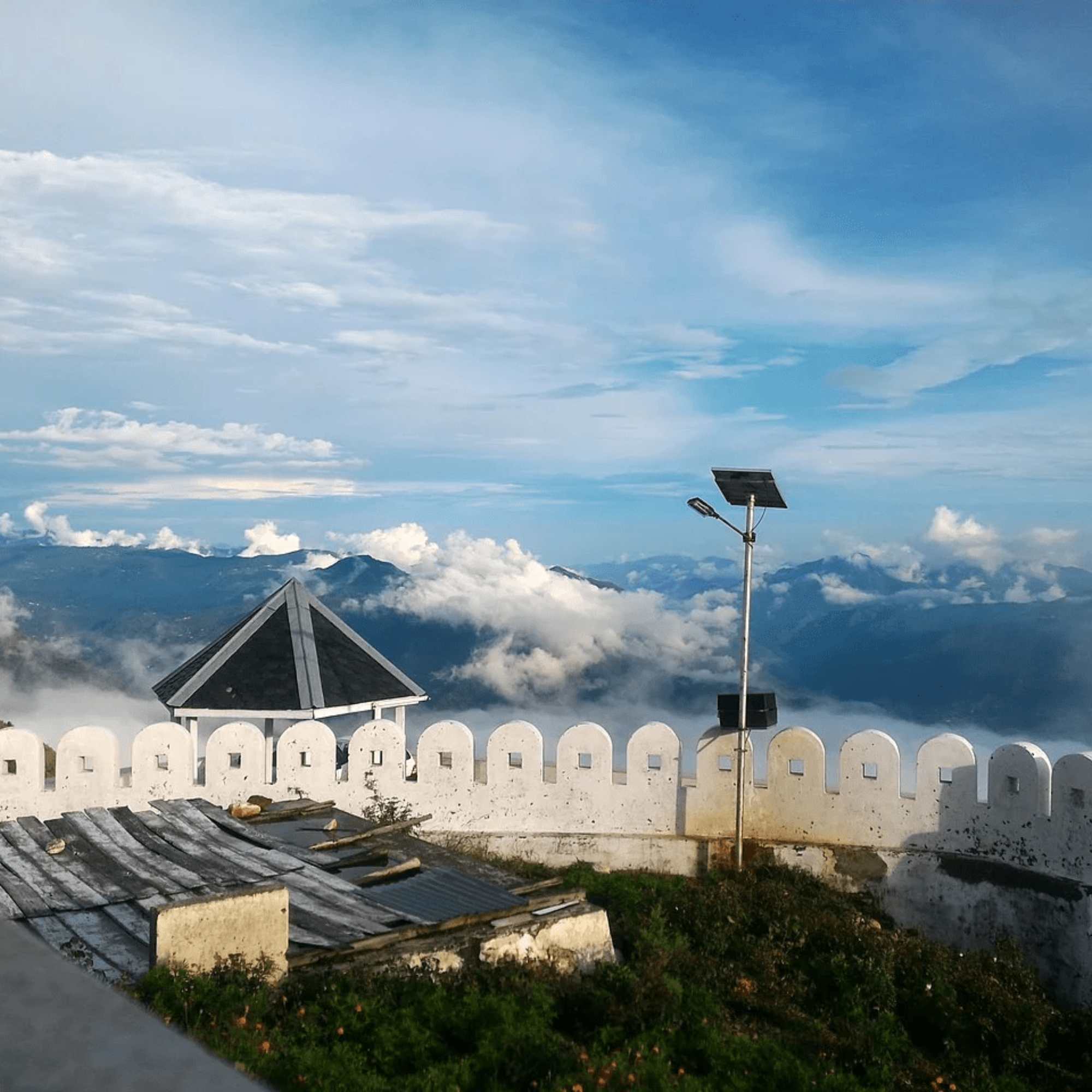
A trip from Shimla to Chail is one of the easiest ways to add a quieter hill experience to your Himachal itinerary.
Chail is known for its peaceful forests, scenic mountain roads, heritage attractions and relaxed atmosphere, making it a popular choice for a short escape from busy central Shimla.
In this guide, we cover the distance, main road routes, expected travel time, taxi and bus options, and how to plan a comfortable day trip.
You will also find practical local tips that can help you choose the right transport and make better use of your sightseeing time.
Whether you are planning a dedicated Chail stay or simply visiting for the day from Shimla, this guide will help you organise the journey with fewer surprises and a more practical route plan.
Quick Answer
Chail sits roughly 45 to 50 km from central Shimla by the commonly used Kufri route. Most travellers need about 1.5 to 2 hours in normal conditions, though rain, snow, traffic, fog and the narrow road after Kufri can increase the journey time.
A longer alternative runs through Kandaghat and Sadhupul. Different websites show different figures because they use different starting points, hotel locations, bypasses and route calculations.
What most tourists get wrong is treating Kufri and Chail as two quick stops on the same short drive. Kufri can consume half the day if you add several activities, leaving too little time for Chail Palace, Kali Ka Tibba and a relaxed lunch.
If you need help fitting both places into one practical plan, our Shimla tour packages can include a day route based on your hotel location and travel style.
How Far Is Chail from Shimla?
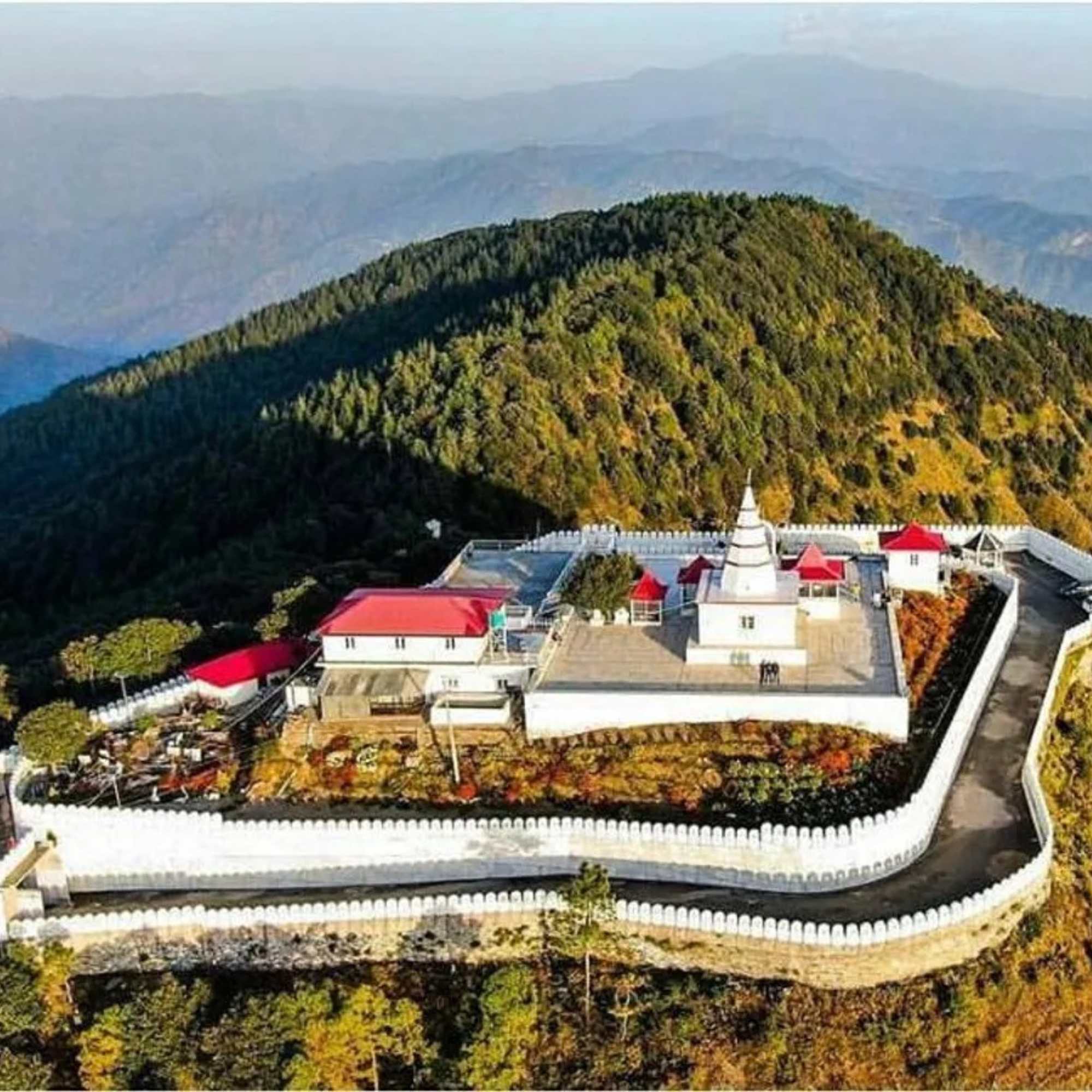
The official Solan district page lists Chail at 49 km from Shimla. Other current route pages show about 45 km, 46 km or 55 km, which can look confusing until you check the route and the starting point.
In our experience, you should plan around a practical range rather than chase one exact number. The useful question is whether you will travel through Kufri or use the Kandaghat and Sadhupul side.
Distance via Kufri
The common Shimla to Chail via Kufri route usually falls within 45 to 49 km. Travellers staying in Shimla often choose it because they can add a short Kufri stop without making a major detour.
The Kufri to Chail road has paving, but the road becomes narrow and winding in places. Expect bends, forest stretches and slower movement behind local vehicles, especially when visibility drops.
Distance via Kandaghat and Sadhupul
Published estimates place the Kandaghat-Sadhupul-Chail route at roughly 55 to 63 km, with the final distance varying depending on your exact starting point in Shimla and the route taken.
This route first uses the main Shimla highway towards Kandaghat and then turns towards Sadhupul and Chail. It allows you to include Sadhupul if weather and river conditions make the stop sensible.
Why maps show different distances
Maps calculate from the pin you choose. A hotel near the Shimla bypass can produce a different result from a hotel near The Ridge, Sanjauli or the old bus stand.
We usually suggest checking your hotel to Chail route on the morning of travel rather than relying on a city to city number saved several weeks earlier.
Which Is the Best Route from Shimla to Chail?
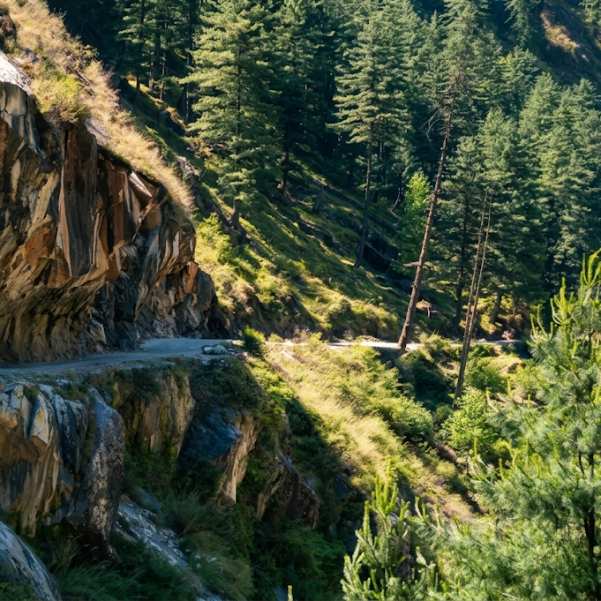
The best route depends on where you stay, the weather and whether Kufri or Sadhupul matters more to you. No route stays completely free from hill road risks during heavy rain, snow, frost or fog.
Via Kufri
The Kufri route works well for most travellers already staying in Shimla. It gives you forest scenery and the option to stop at Kufri before continuing towards Chail.
Keep the Kufri stop controlled. If you spend several hours on activities, queues and a long meal, you may reach Chail late and rush through the places that brought you there.
The road after Kufri feels narrower and more winding. Choose this route when your driver knows local hill roads or when you feel confident with bends and descents.
An insider tip we give first time travellers is simple. Treat Kufri as a short stop if Chail is the main destination. Skip the long Kufri activity circuit on this day because it often gives poor value once it pushes the Chail visit into late afternoon.
Via Kandaghat and Sadhupul
This route follows the main Shimla highway towards Kandaghat before turning towards Sadhupul and Chail. It can make sense when your hotel location favours the highway side or when you specifically want to see Sadhupul.
Sadhupul works as an optional stop, not a compulsory one. During rain or monsoon conditions, keep away from risky river edges and follow local restrictions.
Choose this route only after checking same day weather and traffic information. A route that looks better on a map may not remain the better choice after rain, fog or a local diversion.
Best route for families and nervous drivers
Families with children, seniors or travellers who dislike narrow hill roads should book a local hill driver during heavy rain, snow, frost, fog or low visibility. A local driver cannot remove every risk, but familiarity with bends and surface changes helps.
What we tell our travellers is to choose the route on the travel day, not at the time of booking the trip. Weather and road advisories matter more than a fixed plan made weeks earlier.
How Can You Travel from Shimla to Chail?
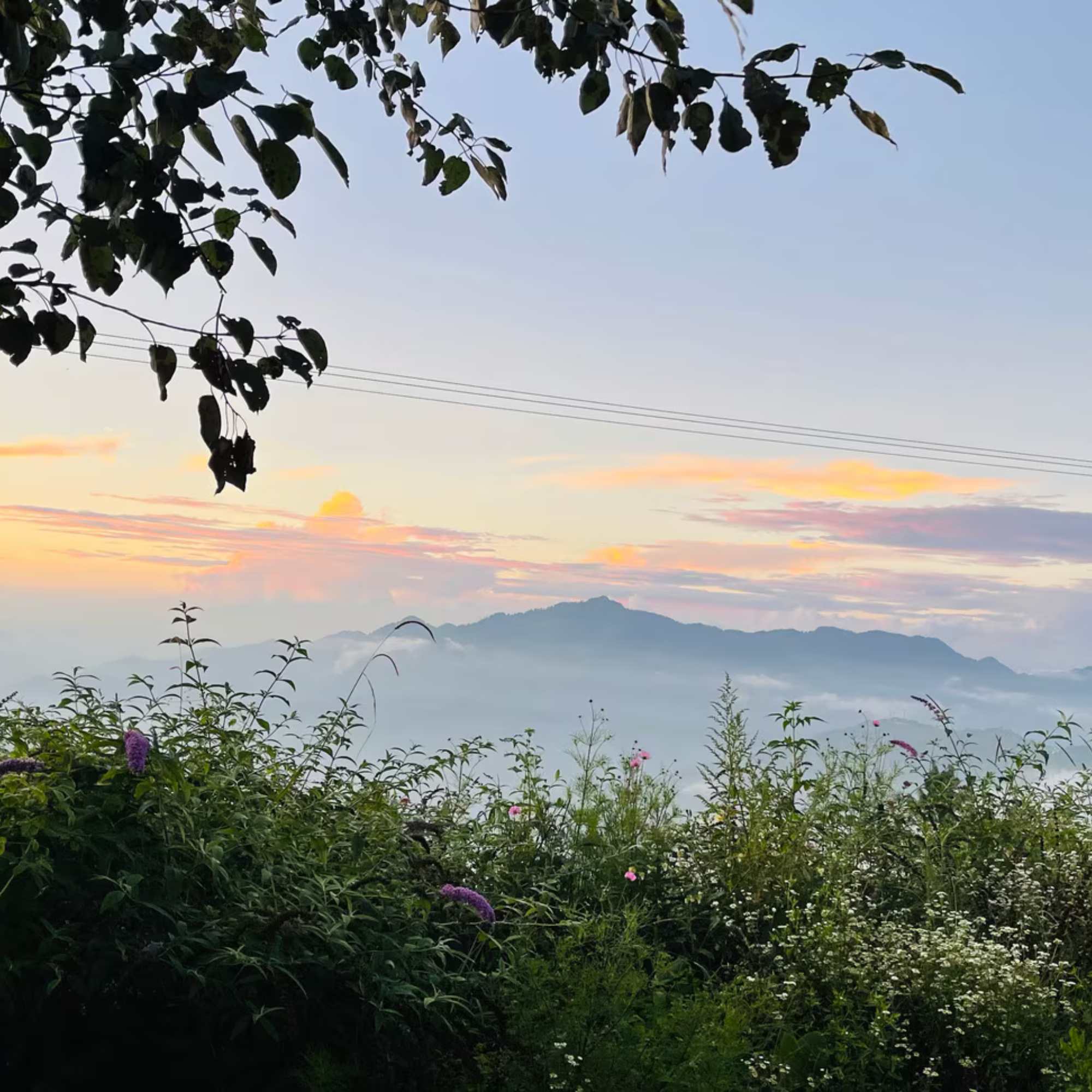
You can use a private taxi, a local bus, a self drive car or a bike. The right choice depends on your budget, road confidence and how many stops you want to cover.
Private taxi
Current online cab listings show one way fares starting at around ₹2,000 to ₹2,300 for a sedan, while larger vehicle categories such as SUVs may cost around ₹3,200 to ₹3,500 or more.
These figures show dynamic online examples, not fixed government rates. Your date, pickup point, vehicle type, demand and route can change the live quote.
A full day sightseeing cab with waiting time and a return to Shimla may cost more than a simple one way drop. Ask whether the quote includes parking, driver allowance, extra kilometres, waiting time, Kufri, Chail Palace and Kali Tibba.
A useful money saving tip is to request one written full day quote for Shimla, Kufri, Chail and the return. Compare that package with the total of separate one way and local sightseeing quotes before you pay.
Local bus
The official Solan district website confirms regular bus connectivity to Chail. A reliable current Shimla to Chail HRTC bus timetable and fare did not appear in the verified material.
Confirm the departure point, fare and last return bus at the Shimla bus enquiry counter on the morning of travel. Do not plan the full day around an old online timetable or an unverified traveller report.
Bus fares can change, so confirm the current Shimla to Chail fare at the HRTC enquiry or ticket counter before travelling.
Self drive car
A Shimla to Chail self drive trip works for drivers who understand hill bends, narrow roads and long descents. The road has paving, but it includes tight sections and changing visibility.
Use lower gears on descents instead of riding the brakes continuously. Keep distance from the vehicle ahead, especially where the road narrows or the surface feels wet.
Drive in daylight if you lack Himalayan road experience. Rain, fog, frost and black ice can turn a manageable route into a stressful one.
Bike or scooty
A bike can feel enjoyable in dry weather for an experienced hill rider. It gives you flexibility for short stops and avoids some parking stress.
Beginners should avoid scooty during heavy rain, snow, frost or black ice. The narrow road, wet bends and low visibility leave little margin for poor braking or sudden balance changes.
Our team recommends a local cab over a scooty whenever the forecast shows poor visibility or winter surface risk.
What Is the Shimla to Chail Road Condition in 2026?
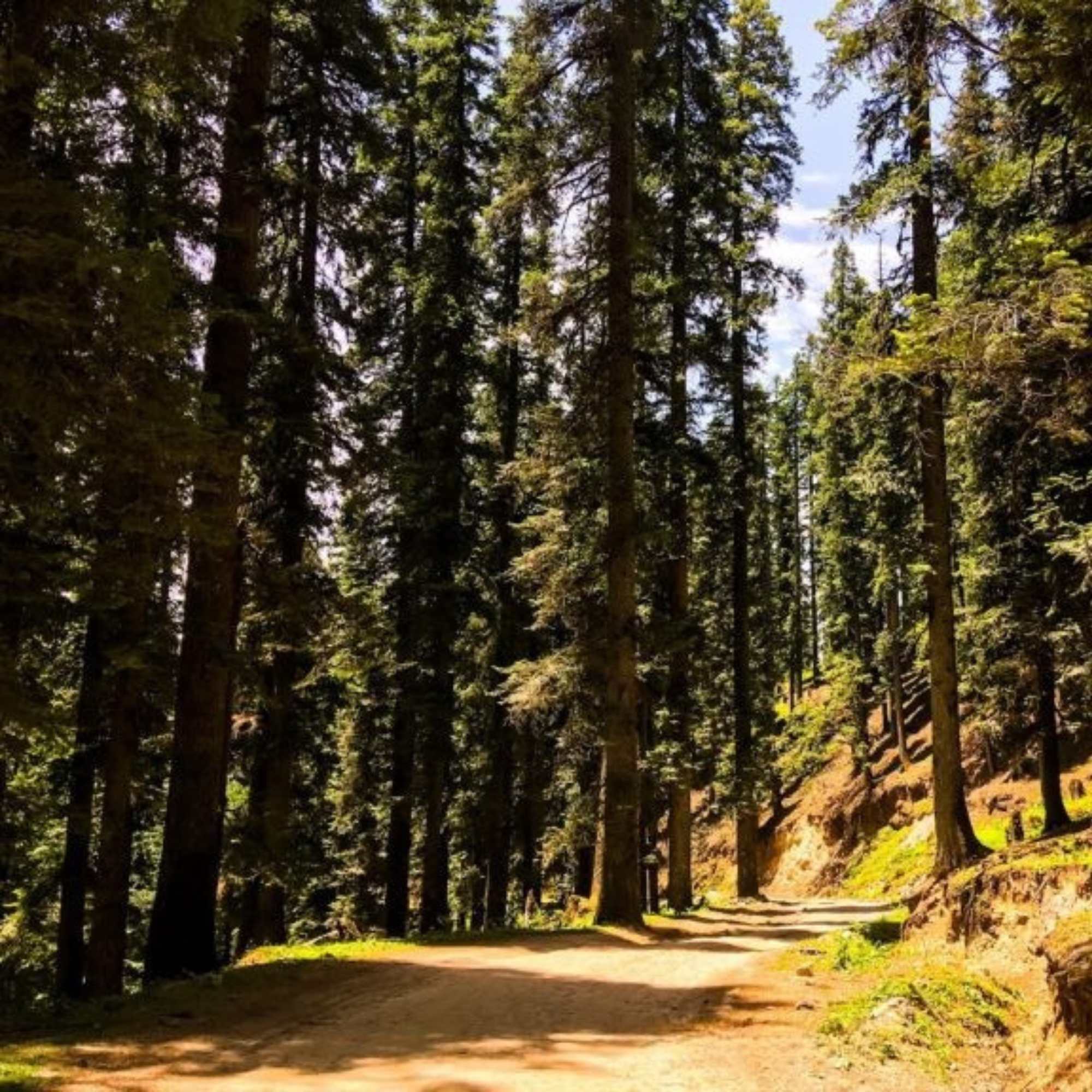
The normal route remains usable by ordinary cars in dry conditions, but you should not describe every section as excellent. The road winds through hills and narrows in several places.
Normal dry weather condition
In normal dry weather, the Shimla to Chail road condition generally allows regular cars, taxis and bikes to travel. Drivers still need patience on bends, descents and narrow meeting points.
The Kufri side often feels busier because sightseeing traffic joins local movement. Leaving early reduces some pressure but does not remove every delay.
Monsoon condition
An IMD Shimla bulletin dated 28 July 2026 warned of heavy rain in Shimla and Solan districts. It also warned about landslides, mudslides, slippery roads and low visibility.
A statewide report on the same date stated that 178 roads across Himachal faced blockage. That number covered the whole state and does not prove that the Shimla to Chail route itself had closed.
No official Chail specific closure appeared in the supplied research. You should still check same day weather, district and traffic advisories before leaving because conditions can change after fresh rain.
Winter condition
Snow, frost and black ice can affect the Kufri side during winter. Fresh snowfall can also create traffic near Kufri as visitors stop, park or turn back.
Do not book the trip on the assumption that Chail will definitely have snow. Snowfall changes from one spell to another, and road access can change faster than a hotel plan.
If you travel after a cold night, start only after checking road conditions. A dry looking bend can still hold ice in shaded areas.
Can You Visit Chail from Shimla in One Day?
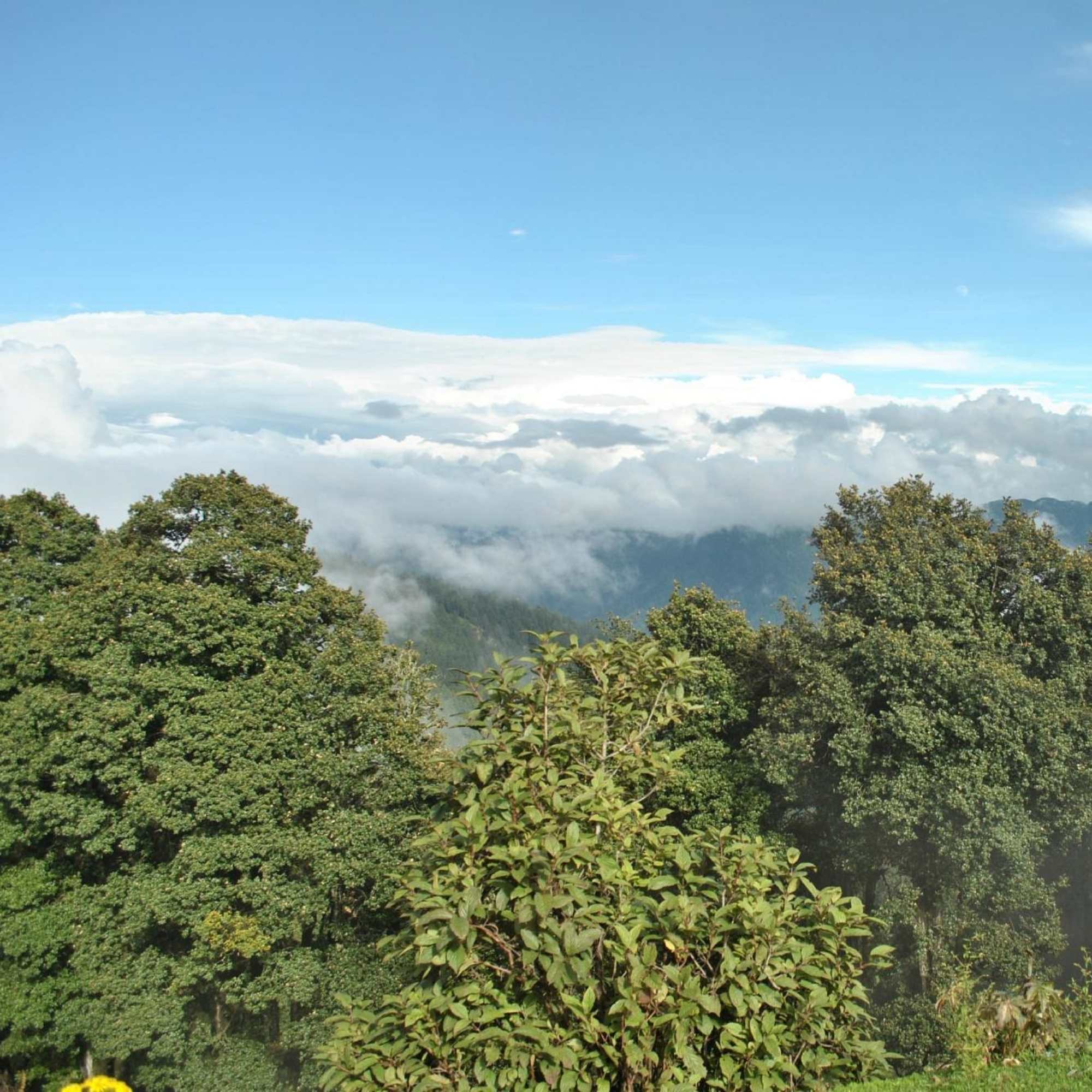
Yes, a Shimla to Chail one day trip works when you leave early and keep the Kufri stop short. You can cover the main Chail points without staying overnight, but you need a realistic pace.
The day becomes rushed when you combine several Kufri activities, a long lunch and every Chail attraction. Chail Palace, the cricket ground area and Kali Ka Tibba each need travel and parking time, even when the sightseeing stop itself feels short.
One night and two days feels more comfortable for couples, photographers, families and anyone who wants a quiet evening and morning.
Suggested Shimla to Kufri to Chail One Day Itinerary
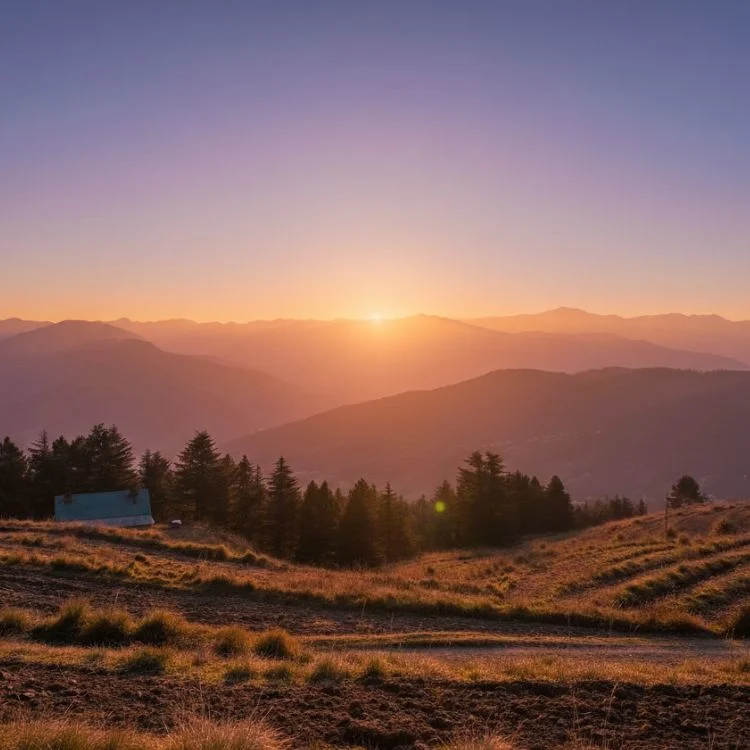
The timings below are suggested planning windows, not official opening hours. Adjust them after checking your hotel location, weather and road advice on the travel morning.
Leave Shimla early
Depart around 7:30 to 8:00 am. This gives you a buffer for city traffic, weather changes and slow moving vehicles on the hill road.
Optional Kufri stop
Keep Kufri short when Chail remains the main destination. Take a quick break, enjoy the surroundings and continue before the stop turns into a half day activity plan.
Do not pay for activities only because someone says you cannot enjoy Kufri without them. On a Chail day trip, the better use of time may be continuing early and reaching the palace grounds before the afternoon.
No verified activity fee appeared in the supplied material, so confirm every charge before agreeing.
Visit Chail Palace
Chail Palace dates to 1891 and now functions as an HPTDC heritage hotel. The property covers about 75 acres and includes grounds, a restaurant, an open air café and parking.
Day visitors should stay within public areas and follow hotel instructions. Do not assume that every room, corridor or private guest area remains open for sightseeing.
Entry charges for day visitors may vary, so confirm the current Chail Palace sightseeing fee and visitor timings directly with HPTDC before your visit.
Visit the cricket ground area
The Chail cricket ground ranks as one of the world’s highest cricket grounds. It belongs to or remains associated with the Rashtriya Military School premises.
Special permission may apply, and access to the pitch may remain restricted. Treat a view from the allowed area as the realistic plan and never promise children or cricket fans that they will enter the ground.
Lunch in Chail bazaar
Chail bazaar has basic cafés, dhabas and North Indian food, though the choice remains smaller than Shimla. Keep lunch simple if you still plan to visit Kali Ka Tibba.
For a practical local break, we suggest chai and a simple North Indian meal at a basic dhaba inside Chail bazaar. The exact location keeps you close to the onward road and avoids spending too much time searching for a café style meal.
Meal prices remain unverified, so check the menu before ordering.
Visit Kali Ka Tibba
Kali Ka Tibba sits on a hilltop and gives wide views in clear weather. The approach road becomes narrow and steep in places, so nervous drivers should use a local cab.
Commonly reported visiting hours are around 8:00 am to 6:00 pm, but timings can vary, so confirm locally before planning an early or late visit.
Do not rush the descent after sunset. Fog, wet roads or winter frost can make the return slower than the onward drive.
Return to Shimla
Leave enough time for traffic near Kufri, changing visibility and slow vehicles. Your return plan should not depend on the same travel time that you achieved in the morning.
Before leaving Chail, check whether weather or traffic conditions changed during the day. This small step matters more in monsoon and winter.
>>Don’t let traffic or late starts spoil your Chail day. WhatsApp us for practical planning help.
What Are the Best Places to Visit in Chail?
Chail suits travellers who prefer a slower day with a few focused stops. It does not offer the same number of shops, cafés or evening activities as Shimla.
The Palace, Chail
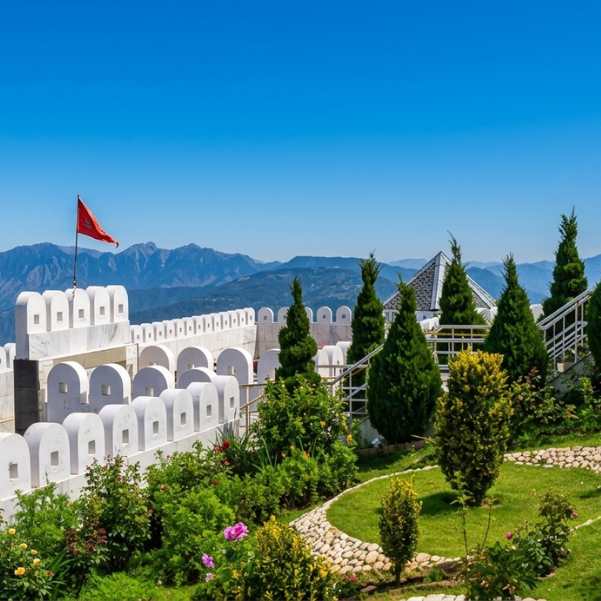
The Palace dates to 1891 and HPTDC now runs it as a heritage hotel. The property spreads across about 75 acres and includes parking, a restaurant and an open air café.
Day visitors can enjoy permitted public areas, but the hotel controls access around guest spaces.
Day visitor entry fees and sightseeing timings may change, so confirm the current details directly with HPTDC or The Palace, Chail before visiting.
Chail cricket ground
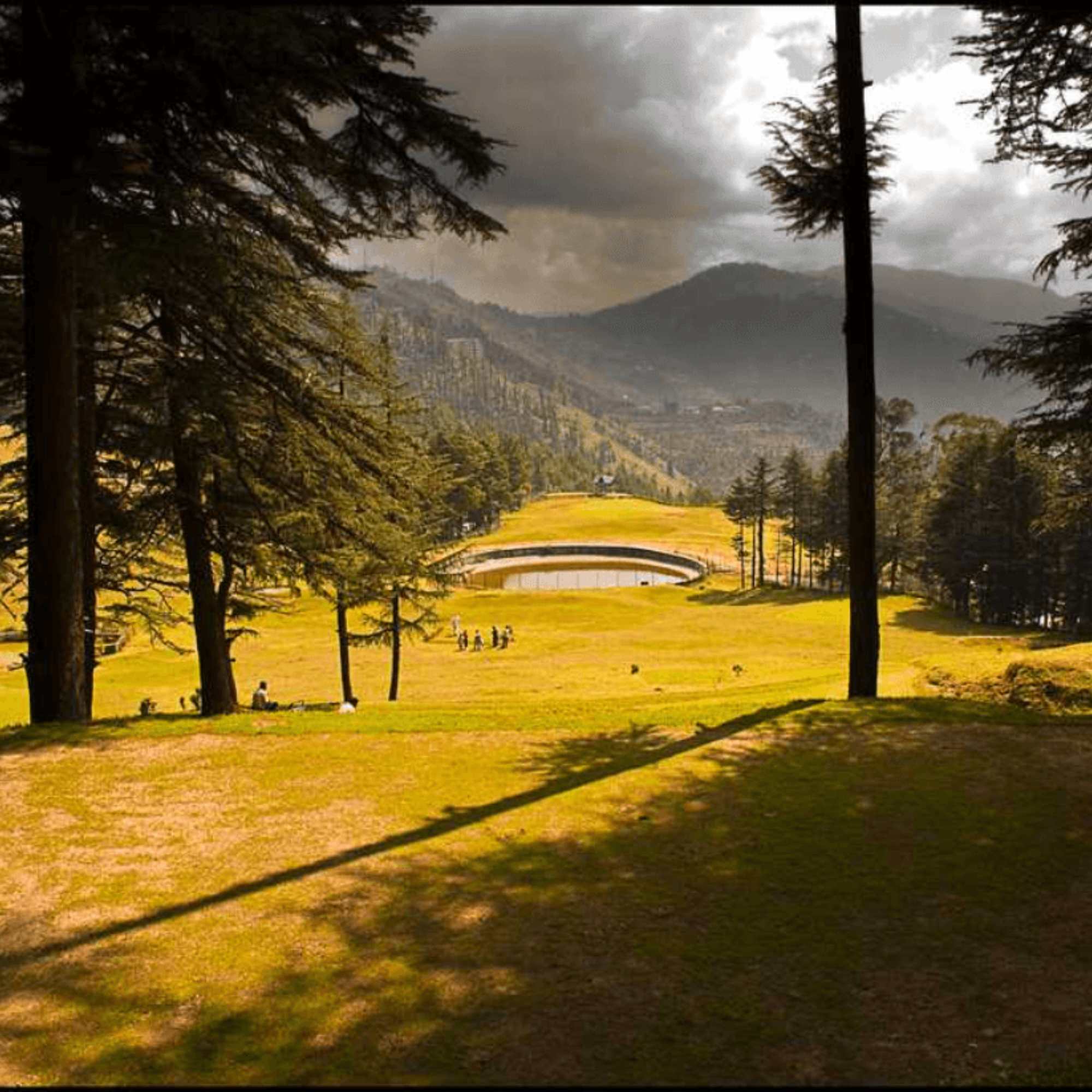
The cricket ground ranks as one of the world’s highest cricket grounds. Its association with Rashtriya Military School means visitors should treat entry as permission dependent.
You may not receive pitch access, even after reaching the area. Plan the stop around whatever view the authorities allow and avoid arguing with staff or guards.
Kali Ka Tibba
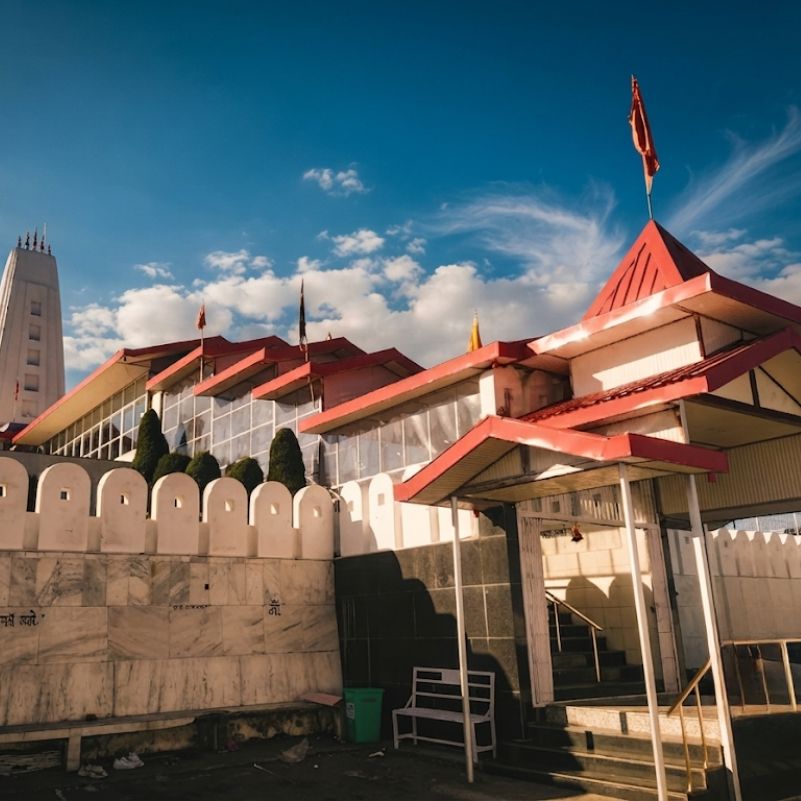
Kali Ka Tibba sits above Chail on a hilltop road. Clear weather can open broad views, while fog can reduce visibility quickly.
The approach becomes narrow and steep in places. Commonly reported visiting hours are around 8:00 am to 6:00 pm, but timings may vary, so confirm locally before planning an early morning or late evening visit.
This stop changes the day most when you reach before late evening and leave enough light for the descent.
Chail Wildlife Sanctuary
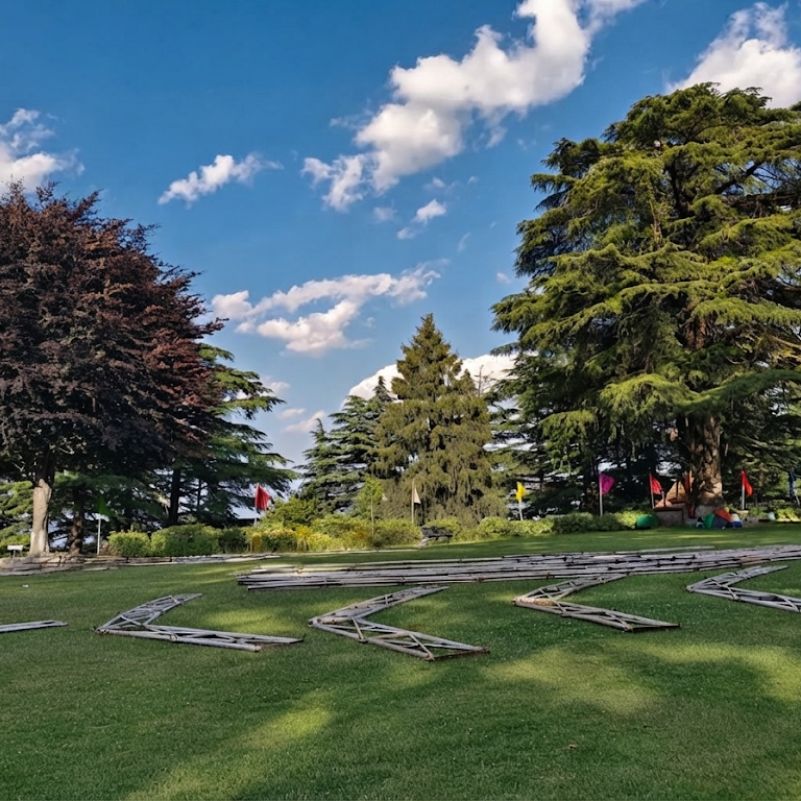
The HP Forest Department lists Chail Wildlife Sanctuary at 16 sq km. The sanctuary supports animals and birds including sambar, goral, barking deer and cheer pheasant.
Wildlife presence does not guarantee a sighting. Quiet movement, season, weather and chance all affect what visitors may see.
No verified entry fee or safari schedule appeared in the supplied research. Confirm local access rules before planning the sanctuary as a fixed timed activity.
Sadhupul
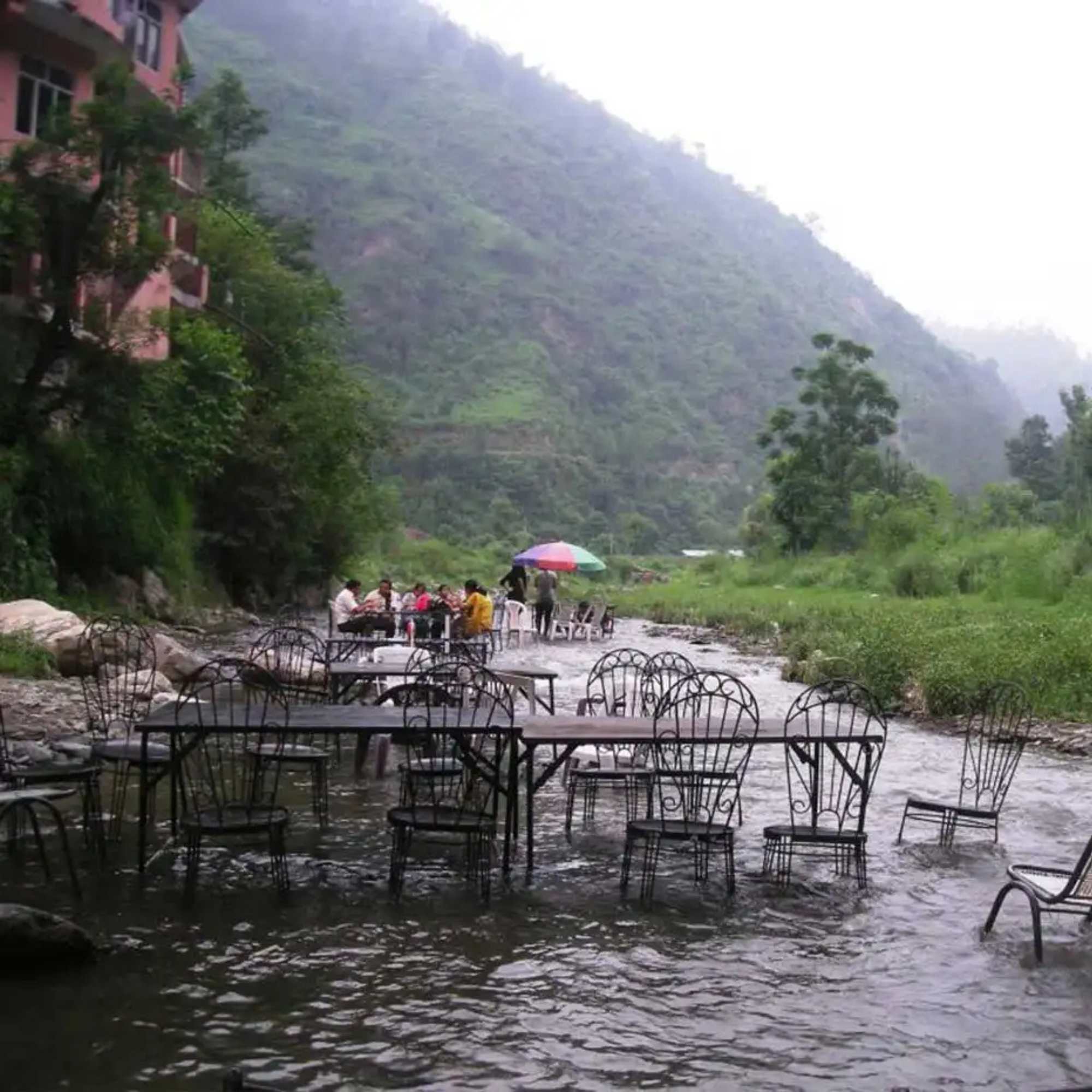
Include Sadhupul only when you use the Kandaghat route. It can work as a short break, but it should not force you into a longer day when Chail remains the priority.
Use extra caution near the river during rain and monsoon. Follow local restrictions and avoid stepping onto risky edges or temporary seating close to fast water.
How Much Does a Shimla to Chail Trip Cost in 2026?
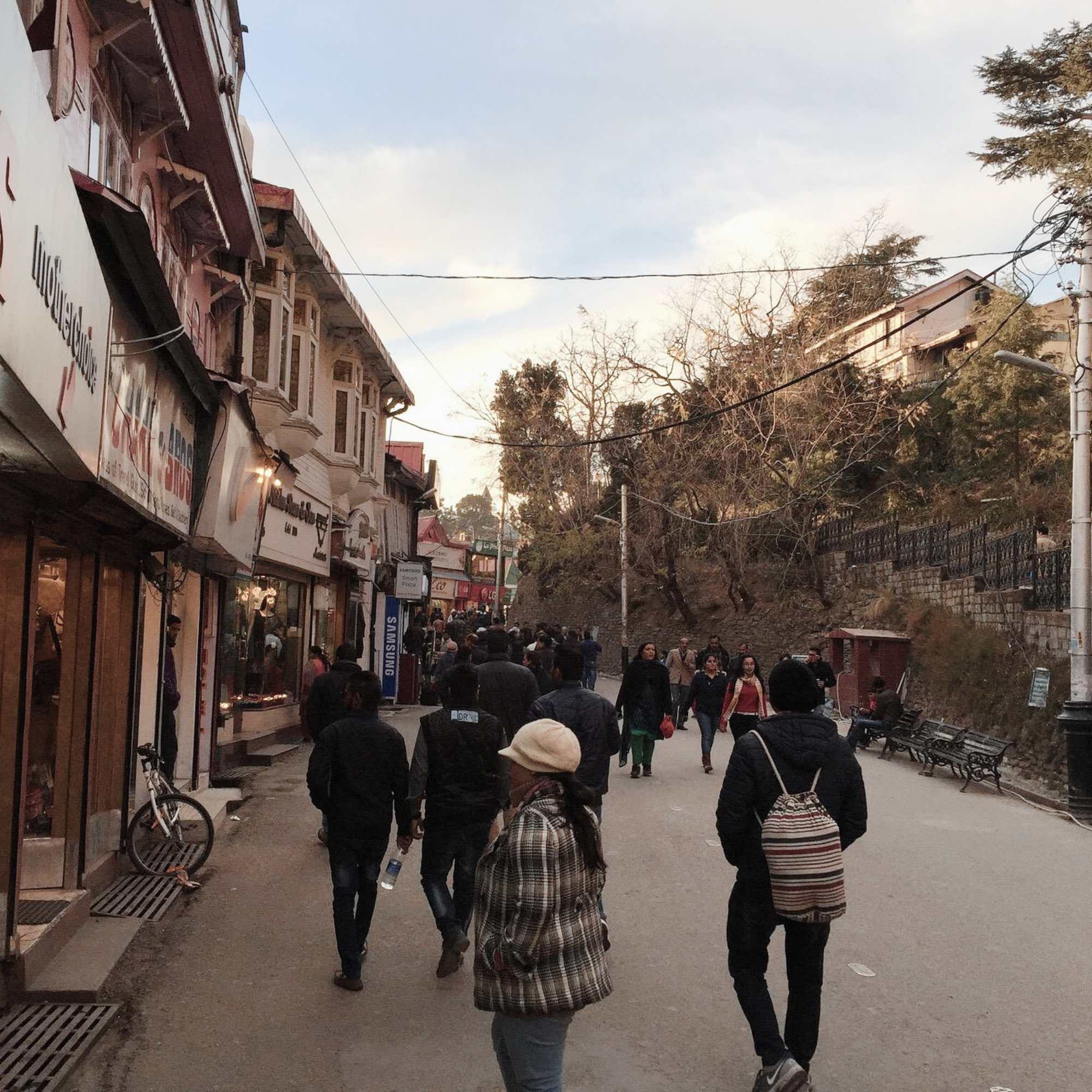
A current online one way starting listing showed about ₹2,047. Another platform showed around ₹2,300 for a sedan.
Higher categories in the reviewed listings reached about ₹3,233 to ₹3,500, including SUV examples. These are dynamic quotes, not fixed rates.
A full day cab can cost more because the driver waits, covers sightseeing points and returns to Shimla. Parking, driver allowance, extra kilometres and route changes can also affect the total.
Ask for a written breakup before booking. Confirm whether the cab includes Kufri, Chail Palace, Kali Ka Tibba, return travel and waiting time.
Bus fares can change, so confirm the current Shimla to Chail fare at the HRTC enquiry or ticket counter before travelling.
Chail Palace entry charges may vary, so confirm the current day-visitor fee directly with HPTDC or The Palace, Chail before your visit.
No verified Kali Tibba entry fee or food budget appeared in the supplied facts. Check locally rather than using an old blog estimate.
Where Should You Refuel, Park and Eat?
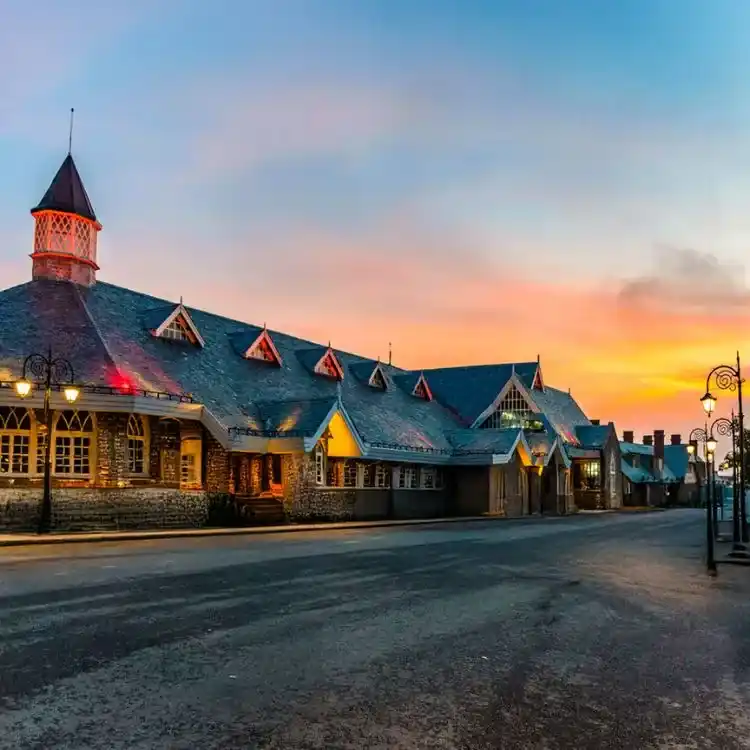
Sources conflict about whether Chail currently has a functioning petrol pump. Refuel in Shimla or Kandaghat before entering the hill road section.
HPTDC confirms parking within the Chail Palace premises. Parking conditions at other stops can change with crowds, local control and weather.
Chail bazaar has basic cafés, dhabas and North Indian food, but it has fewer choices than Shimla. Carry water, motion sickness medicine if you need it and some cash for small expenses.
Do not depend on a particular ATM having cash. Keep a small backup amount while still using normal payment safety.
What Is the Best Time for a Shimla to Chail Road Trip?
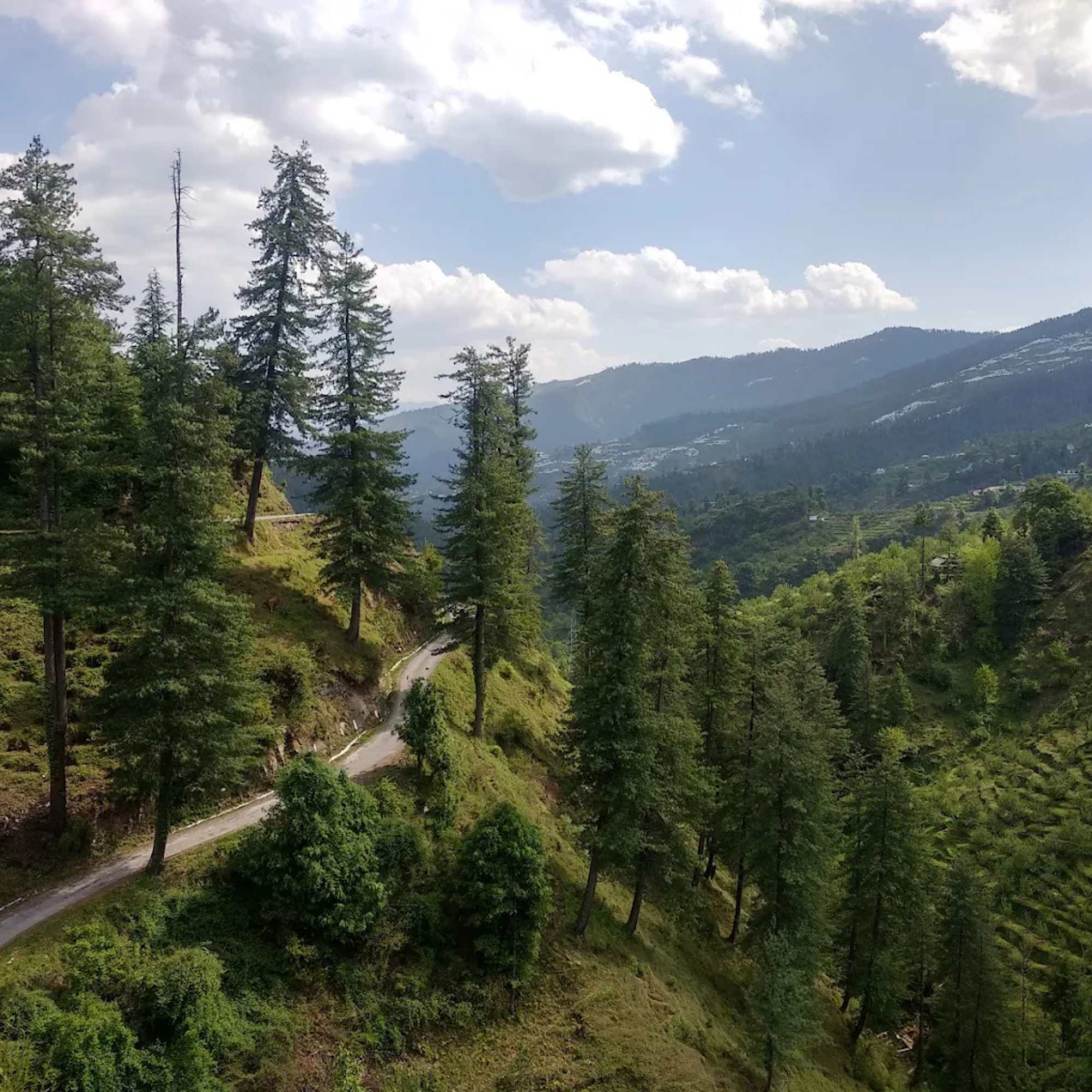
Each season changes the road and the pace. Choose the month around your comfort with traffic, rain, cold and low visibility rather than only around photos.
March to June
These months generally bring comfortable road trip conditions. Holiday weekends can still create heavier traffic near Shimla and Kufri.
Start early and book your vehicle in advance during busy dates. A later departure can turn a simple route into a slow queue near popular stops.
July to September
The hills look greener, but rain increases the risk of fog, slippery roads, landslides and sudden delays. A clear morning does not guarantee a clear return.
Check the same day forecast and district advisories. Avoid unnecessary river edge stops during active rain.
October and November
These months often suit quieter travel and cooler conditions. Daylight becomes more important as evenings arrive earlier.
Carry a warm layer and begin the return before dark. Do not stretch the day only to fit one more stop.
December to February
Winter can bring snowfall, frost, black ice and temporary traffic restrictions. Snow remains possible, not guaranteed.
Use a local hill driver when conditions look doubtful. Confirm the road after cold nights and fresh weather changes, especially on the Kufri side.
Is the Trip Suitable for Families, Seniors and Solo Travellers?
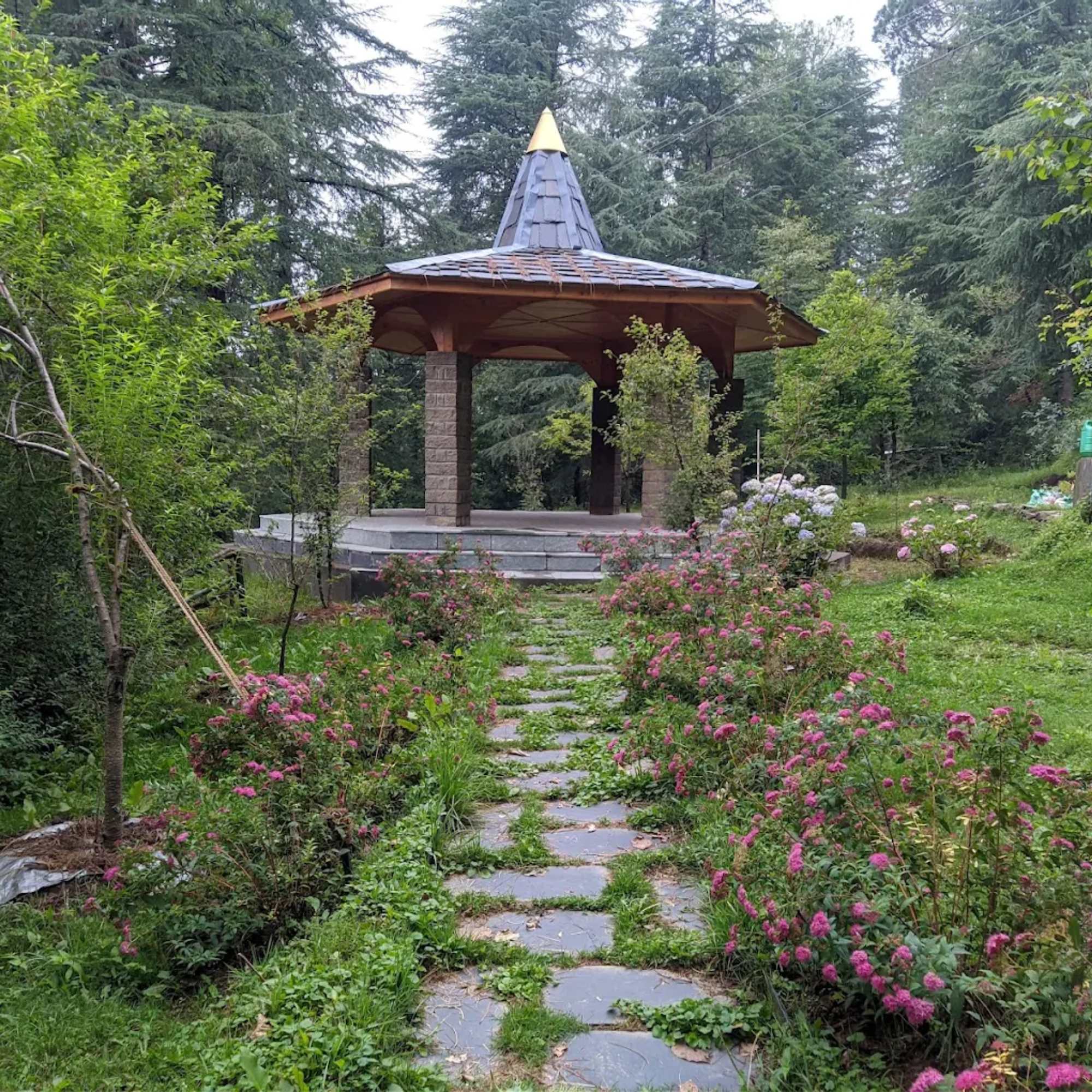
Most sightseeing works by car with short walks, which helps families and seniors. The winding road can still cause motion sickness, so carry medicine that you already use and take a sensible break.
Kali Ka Tibba has a narrow approach, and some places may involve uneven or uphill walking. Travellers with limited mobility should ask the driver to stop as close as local access allows.
Solo travellers can complete the route, but daylight driving gives a better safety margin. Inexperienced drivers should avoid bad weather and winter surface risk.
Should You Stay in Chail or Return to Shimla?
Choose a day trip when your time remains limited and Shimla serves as your base. An early start lets you see the main Chail points and return the same evening.
Choose one night when you want a slower pace, a quiet evening or a morning without the pressure of the return drive. Couples, photographers and families often gain more from this rhythm.
Chail has fewer restaurants, shops and evening activities than Shimla. Some travellers enjoy that calm, while others feel the evening becomes too quiet.
Our team recommends staying overnight only when the slower pace itself matters to you. Do not add a night only to collect another hotel stop.
Where Can You Go After Chail?
You can return to Shimla and continue with a wider Himachal plan. Our Shimla tour packages work for travellers who want local sightseeing, Kufri and Chail in one organised route.
You can also continue towards the Kullu side with our Manali tour packages. This option suits travellers who want a longer hill holiday after Shimla.
For a quieter mountain circuit, see our Kinnaur tour packages. Kinnaur needs more road time, so add it only when your trip has enough days.
Travellers planning a high altitude circuit can review our Spiti Valley tour packages. Road conditions and seasonal access need a separate plan from a simple Chail day trip.
For forest stays and valley walks, our Jibhi and Tirthan Valley packages can fit a slower Himachal holiday.
Explore Our Curated Shimla Tour Packages
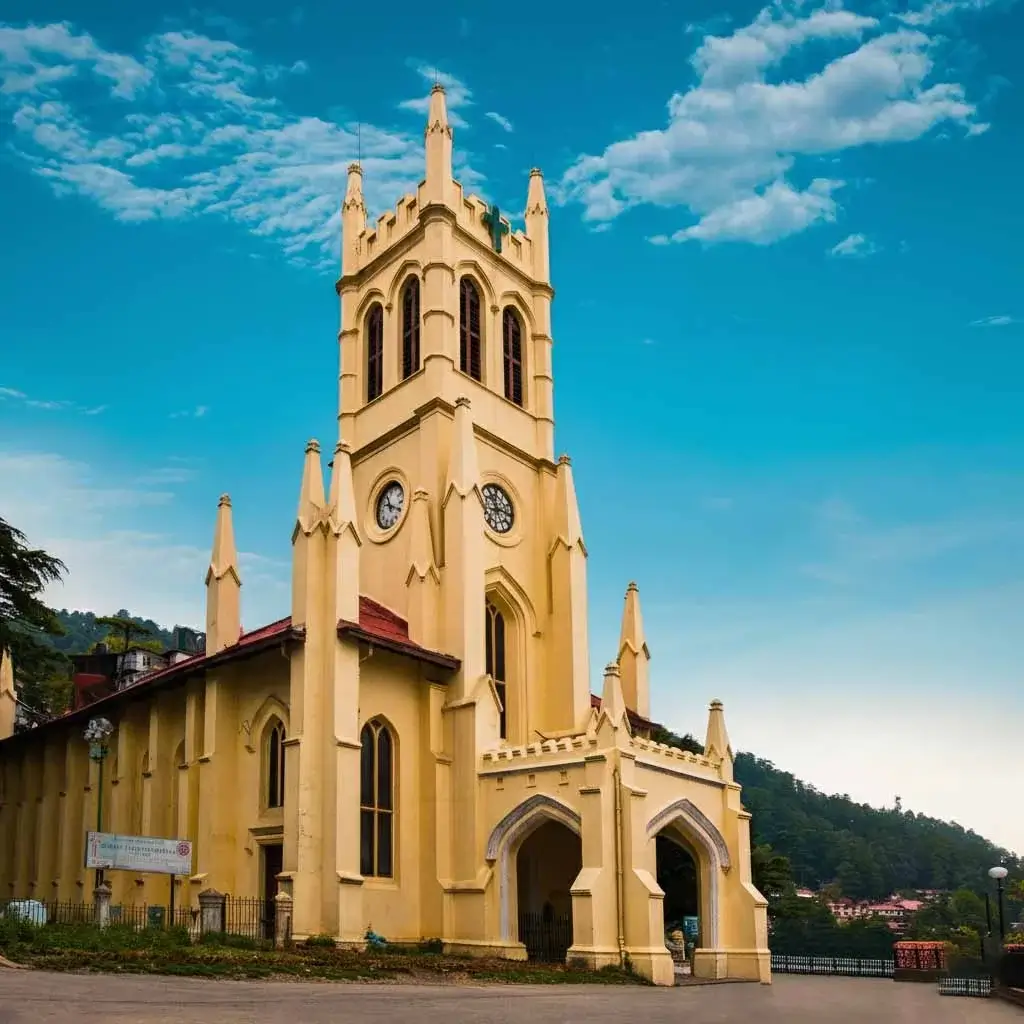 6D/5N
6D/5NClassic Shimla Kufri Mashobra Narkanda Experience
1D Delhi•3D Shimla+2
₹12,999₹18,999SAVE INR 6,000/ person 7D/6N
7D/6NComplete Shimla Manali Volvo Package with Rohtang Pass
2D Shimla•2D Manali
₹15,999₹19,499SAVE INR 3,500/ person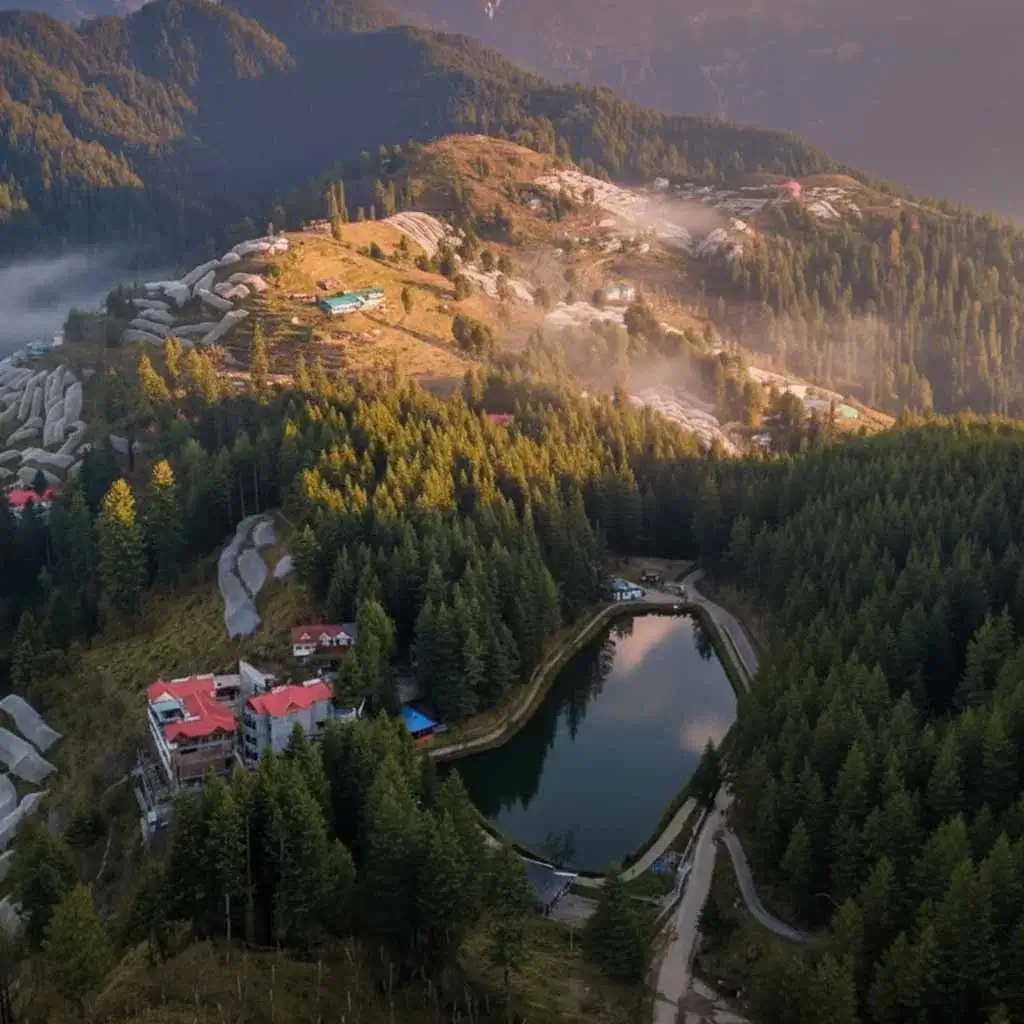 7D/6N
7D/6NClassic Shimla Kufri Chail Narkanda Pine Valley Experience
1D Delhi•2D Shimla+3
₹17,600₹23,999SAVE INR 6,399/ person
Related topics
Frequently Asked Questions
What is the exact distance from Shimla to Chail?
Shimla to Chail is about 45 to 50 km, depending on your starting point and route. The official Solan district website lists the distance at approximately 49 km.
How long does Shimla to Chail take by car?
The drive usually takes around 1.5 to 2 hours in normal conditions. Rain, snow, fog and traffic near Kufri can increase travel time.
Which route is better, Kufri or Kandaghat?
The Kufri route is convenient if you want sightseeing on the way from Shimla. The Kandaghat and Sadhupul route can suit travellers approaching from the highway side.
Is there a direct HRTC bus from Shimla to Chail?
Regular bus connectivity is available between Shimla and Chail, but schedules can change. Confirm the latest departure time, fare and return service at the Shimla bus enquiry counter.
What is the taxi fare from Shimla to Chail?
A Shimla to Chail taxi may cost around ₹2,000 to ₹3,500, depending on vehicle type and trip requirements. Confirm whether parking, waiting and sightseeing charges are included.
Can Kufri and Chail be covered on the same day?
Yes, Kufri and Chail can be covered in one day if you start early. Keep the Kufri stop short so you have enough time for Chail sightseeing.
Is the Shimla to Chail road safe during monsoon?
The route can be travelled during monsoon, but heavy rain may cause fog, slippery roads or landslide risk. Check the same day weather and road conditions before departure.
Can beginners drive from Shimla to Chail?
Beginners may find the bends and narrow hill sections challenging. If you have limited mountain driving experience, especially during rain or snow, hiring a local driver is safer.
Is a scooty safe for the Shimla to Chail trip?
A scooty can be suitable for experienced riders in dry and clear weather. Avoid riding during rain, snow, frost or poor visibility and always use proper safety gear.
Is Chail Palace open to day visitors?
Day visitors can generally access permitted public areas of Chail Palace, which operates as an HPTDC heritage hotel. Confirm current entry charges and timings before visiting.
Can tourists enter Chail cricket ground?
Tourist access to Chail Cricket Ground may be restricted because it is associated with Rashtriya Military School. Entry depends on security rules and permission available on the day.
Is it worth staying overnight in Chail?
Yes, an overnight stay is worthwhile if you prefer peaceful surroundings and a slower itinerary. A day trip is better if you have limited time and want to return to Shimla for the evening.
More about Shimla
 Shimla
Shimla Snow Trip 2026: Best Time, Itinerary, Cost and Local Tips
Plan your Shimla Snow Trip 2026 with this complete guide to the best time for snowfall, estimated trip cost, winter itinerary, top snow spots, Kufri visit, and useful travel tips.
- Snow Travel
- Best Time to Visit
 Shimla
Shimla in February 2027: Weather, Snowfall, Itinerary and Travel Tips
Planning a trip to Shimla in February 2027? Discover typical February temperatures, chances of snowfall, what the weather is usually like, the best places to enjoy snow, what to pack, and practical tips for planning a memorable winter trip to Shimla.
- Best Time to Visit
- Snow Travel
 Shimla
Snow Point Near Shimla in 2026: Kufri, Fagu, Narkanda and the Best Places to Find Snow
Discover the best snow points near Shimla in 2026, including Kufri, Fagu and Narkanda. Find out where to see snow, the best time to visit, and the top winter destinations near Shimla.
- Snow Travel
- Places to Visit