
Rohtang Pass Trip for Couples in 2026: Romantic Stops, Itinerary, Cost and Photo Ideas
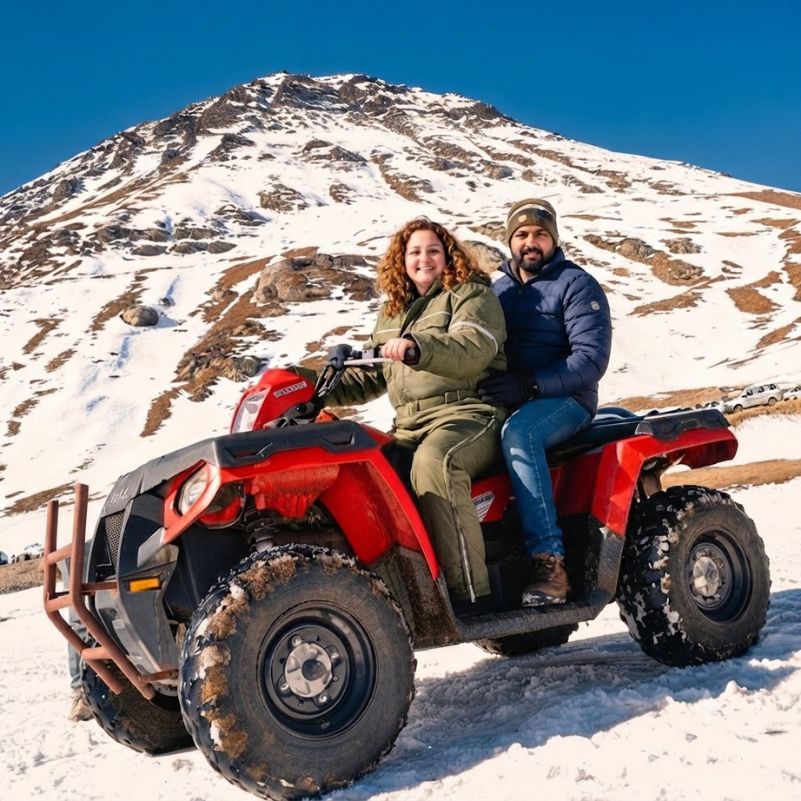
A rohtang pass trip for couples is one of those experiences that sounds simple until you actually try to plan it. You picture snow, a scenic drive, and photos with your partner.
What most people miss is the permit system, the timing, and the fact that the pass can close on you with no warning.
We plan this trip for couples every season. This guide gives you the real version: which stops matter, what the permit actually costs, how to photograph the day well, and what to do when the road does not cooperate.
Quick Answer
A Rohtang Pass trip for couples works best as one full day inside a relaxed four day Manali trip. Access is seasonal and permit controlled, so you cannot just drive up whenever you want.
The drive itself is the highlight. Snow landscapes, quiet viewpoints, and easy couple photographs make it special. But keep a backup day, because weather and road orders change fast.
If you want the trip handled for you, look at our Rohtang Pass tour packages with a private cab and permit support.
Is Rohtang Pass Worth Visiting for Couples and Honeymooners?
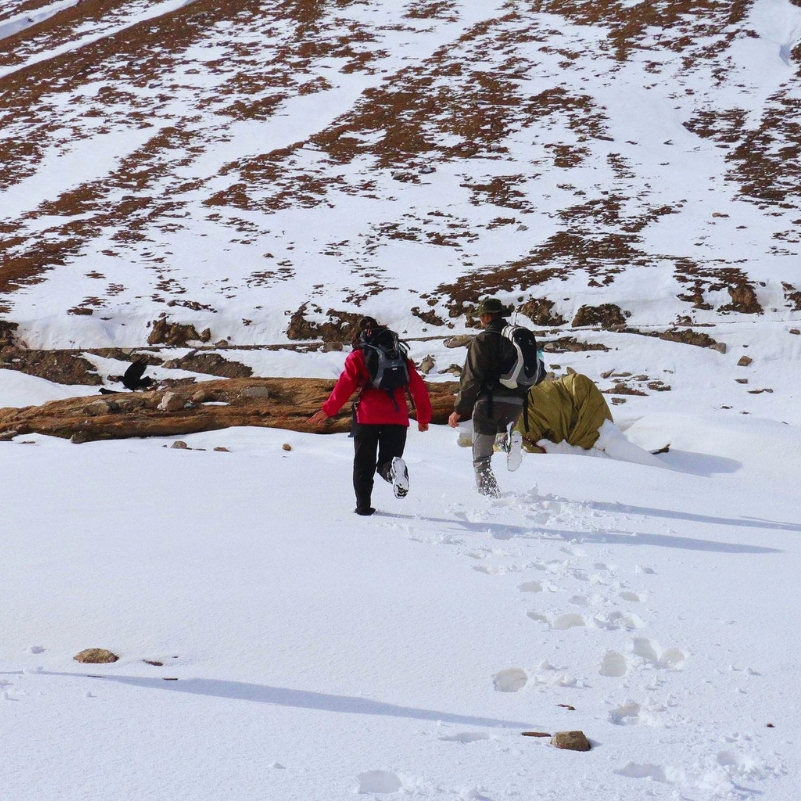
Yes, mostly because of the shared journey. There is something about sitting together as the road climbs, the air gets colder, and the first patch of snow appears.
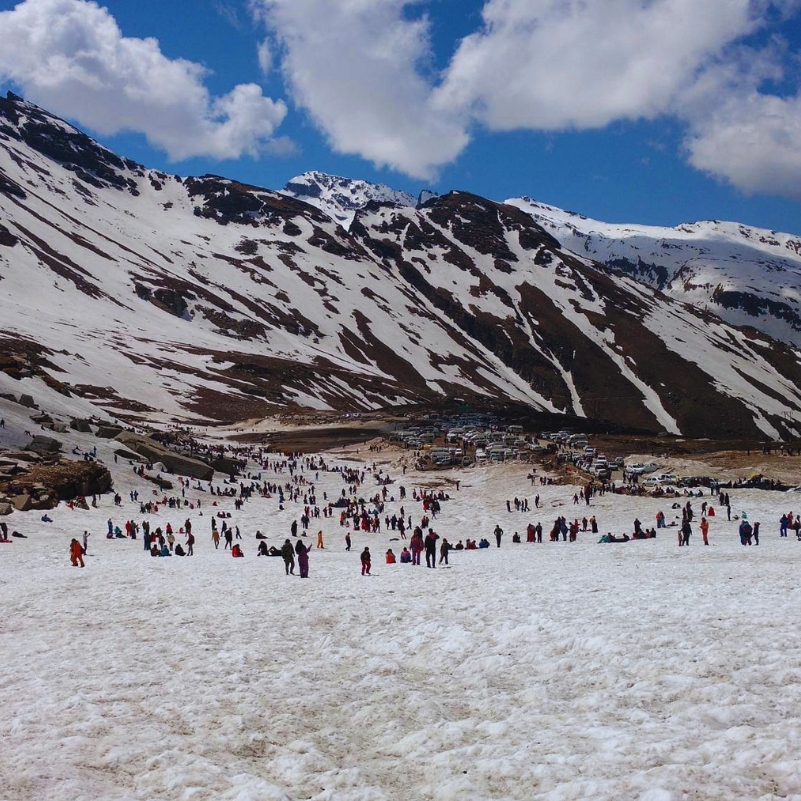
The snow experience is real. For many couples from the plains, this is the first time they see snow together. That moment is worth the trip on its own.
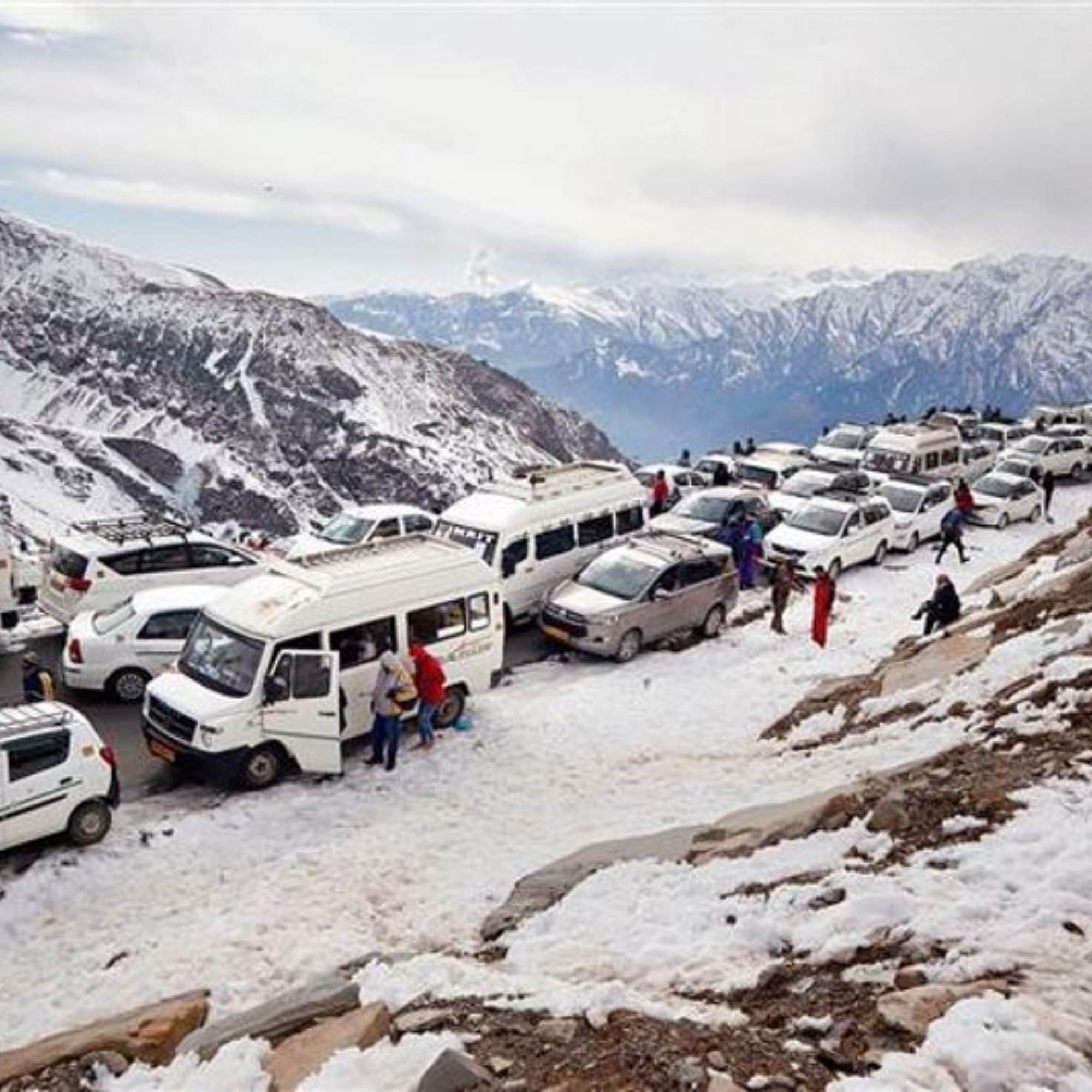
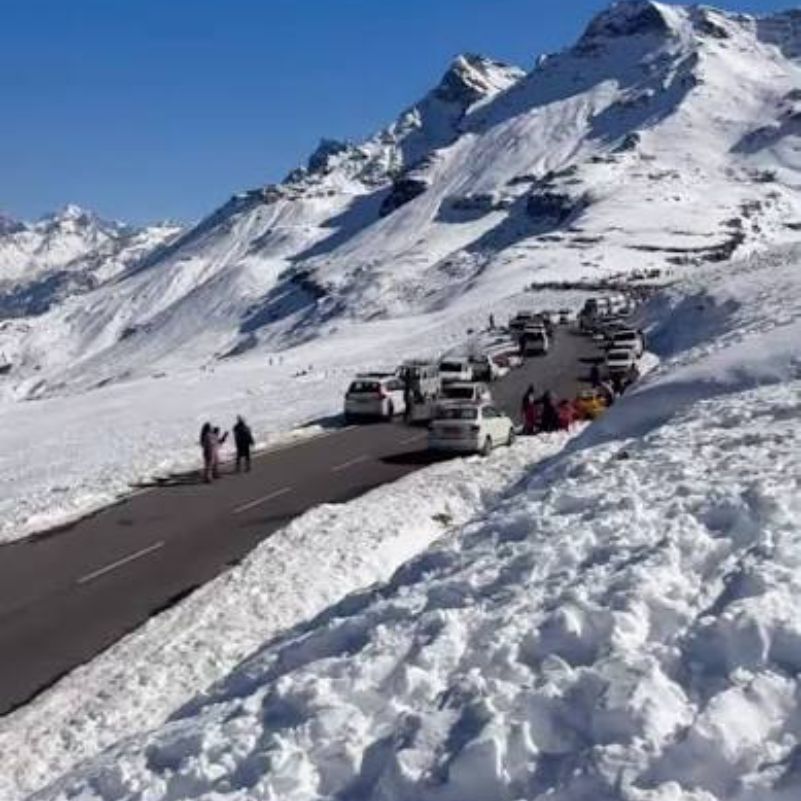
Here is the honest part. The summit gets crowded, windy, and commercial. Vendors, sledge operators, and parked cars everywhere.
In our experience, the best couple moments do not happen at the top. They happen on the road, at a quiet meadow, or over a shared cup of chai at a smaller stop.
So do not build your whole day around reaching the summit and ticking off every paid activity. Slow down. The trip is better that way.
What Is the Best Time for a Rohtang Pass Couple Trip in 2026?
Late May and June for a stronger chance of roadside snow
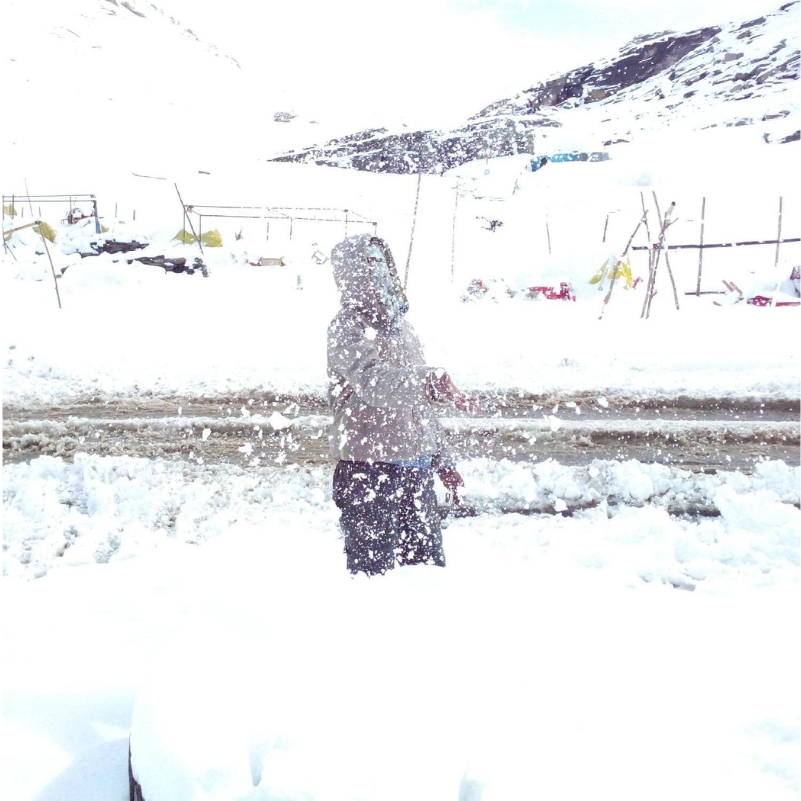
Late May and June are the popular months because snow often stays on the ground after the road is cleared. If seeing snow together is your main goal, this is your best window.
The catch is demand. Permits go fast in these months, and the road can get busy.
One thing we always tell couples: do not confuse snow on the ground with active snowfall. You may see plenty of snow lying around without a single flake falling. Nobody can promise live snowfall in any month.
September and early October for clearer mountain views
We often recommend this period to couples who care more about clear views than snow. The skies are cleaner and the crowds thin out.
Old snow can be limited before fresh autumn snowfall arrives. So you get sharper mountain views but maybe less snow to play in.
One caution. The seasonal closing date changes every year and nobody can guarantee it in advance. Do not book non refundable travel around a fixed closing date.
March and April when the summit is normally inaccessible
Do not plan a March or April honeymoon expecting to reach Rohtang top. In most years the summit is still closed then.
You can still enjoy lower snow points and seasonal alternatives near Manali during these months. We cover the details in our monthly guides for Rohtang Pass in March and Rohtang Pass in April.
Which Romantic Stops Should Couples Include on the Manali to Rohtang Road?
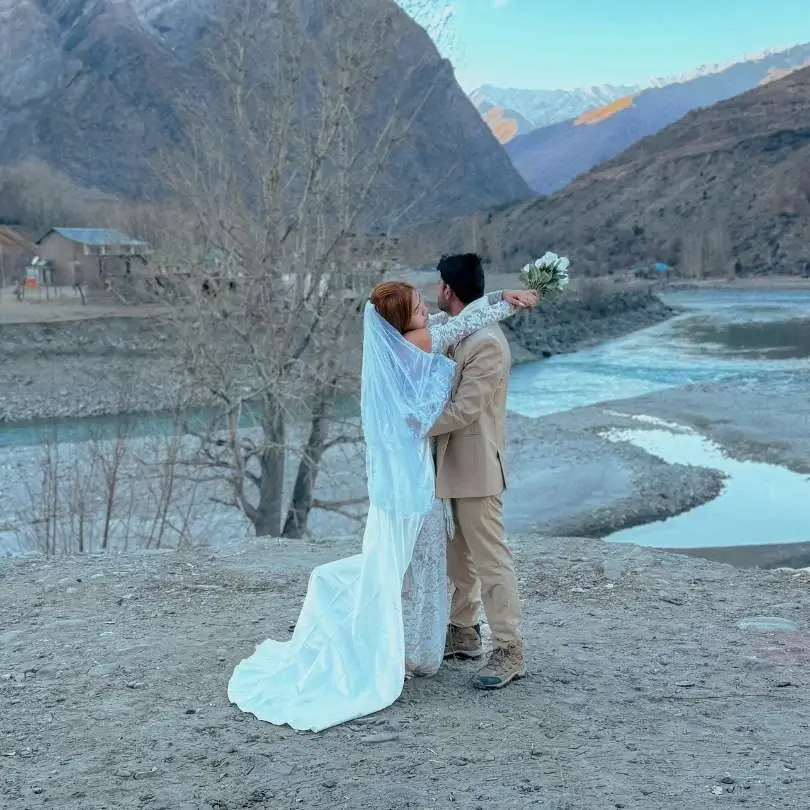
The common route runs through Nehru Kund, Kothi, Gulaba, Marhi, Rahala Falls, Rani Nala, and finally Rohtang Pass.
Which stops you actually make depends on parking, barriers, traffic, weather, and what your driver advises on the day. Nothing on this road is fixed.
Nehru Kund and Kothi
Treat these as quick scenic pauses, not long sightseeing stops. A few minutes each is enough.
They work well for candid walking photos and a shared warm drink. The wide mountain frames here look good early in the day.
Stop only where your driver can park legally and safely. This road is narrow and cars stopping badly cause real problems.
Gulaba
Gulaba changes with the season. You might get green meadows, bare mountains, or snow depending on when you visit.
For photos, go wide. Let the landscape be the main subject and keep yourselves smaller in the frame. It looks far better than a tight selfie.
Whether you can go beyond Gulaba depends on road clearance and administration orders. Sometimes the barrier sits right here and you go no further.
Rahala Falls
Rahala Falls is a short stop, worth it only when the road, parking, and water flow line up. Some days it is easy, some days you roll past.
A simple standing portrait works here, but stay away from the spray and moving traffic. The rocks get slippery.
Do not expect the waterfall to look equally strong every month. It depends on snowmelt and rain.
Marhi and Rani Nala
Marhi and Rani Nala can work as refreshment or snow stops, again depending on road clearance. Marhi usually has a few dhabas.
When the summit is packed, these spots often give you easier couple photos with fewer people around. We have had couples get better shots here than at the top.
Just know that vehicles are not always allowed to stop. Follow what the barriers and your driver say.
Rohtang Pass top
At the top, keep it simple. Panoramic photos, a short walk, and unhurried time together beat rushing through every paid activity.
Safety first, always. Do not stand on the active road, cross barriers, or climb unstable snow edges for a photo. We have seen people take real risks here for a picture and it is not worth it.
If either of you starts feeling unwell, leave. Do not stay just to finish an activity. Your body matters more than the checklist.
What Is the Best Manali Rohtang Honeymoon Itinerary?
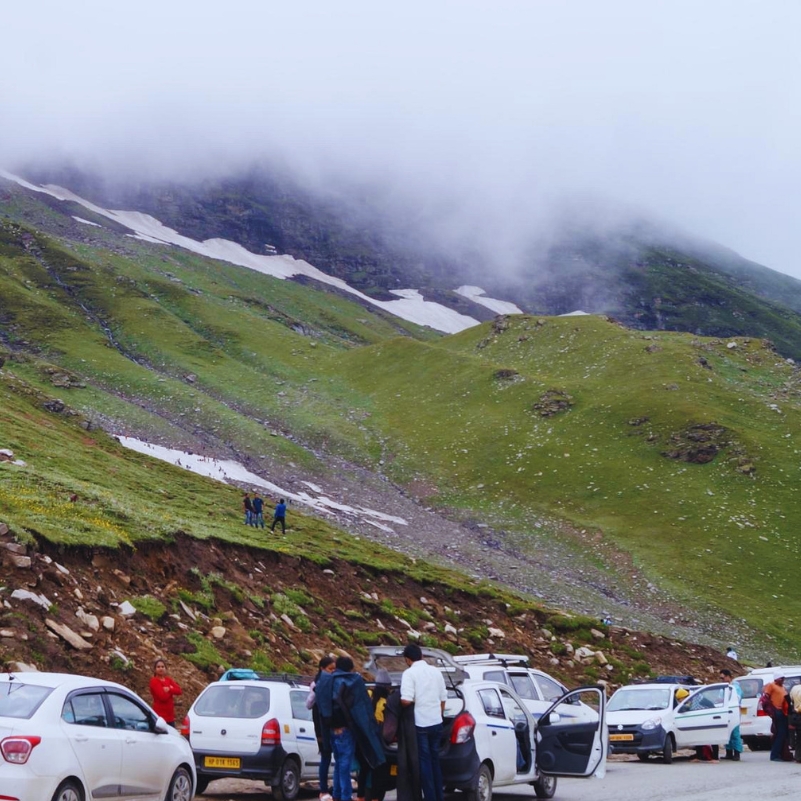
Here is a comfortable four day and three night framework. If you are arriving after a long overnight journey, add a day and make it five.
Day 1: Arrive in Manali and keep the evening slow
Check in, rest, and let your body settle. You are at altitude now and rushing helps nobody.
In the evening, take a gentle walk. A café, Old Manali, or the Beas riverside all work well for a slow first night.
Do not pack this day with long sightseeing. Save your energy for Rohtang. If you want the base sorted, our Manali tour packages cover stays and transfers.
Day 2: Full day Rohtang Pass couple trip
Leave according to your confirmed permit and your driver's road guidance. There is no single "right" start time because it depends on the barrier and the permit window.
Drive through Kothi, Gulaba, Marhi, and Rahala Falls or Rani Nala as conditions allow. Pick two or three meaningful stops instead of trying to photograph every bend.
End the day with an easy return to Manali and a relaxed dinner. A full Rohtang day is tiring, so keep the evening light.
Day 3: Solang Valley, Atal Tunnel and Sissu
One thing to be very clear about. The Atal Tunnel bypasses Rohtang Pass. Driving through the tunnel is not the same as visiting Rohtang top. Many couples confuse the two.
Keep Solang, the tunnel, and Sissu as a separate scenic day. This day also doubles as your backup if Rohtang cannot be reached.
Keep the pace relaxed. This does not need to be a packed activity day. For ideas, see our Sissu trip planning page and our guide to adventure activities in Manali.
Day 4: Slow breakfast, local time and departure
Keep the final morning open. A slow breakfast, a café, some shopping, or a short walk is a better use of your last hours than another long cab ride.
For honeymooners, a calm final morning beats squeezing in one more attraction. You will remember the trip more fondly.
If you can spare a fifth day, add it. That extra day gives you a real buffer for weather or permit problems.
How Much Does a Rohtang Pass Trip for Couples Cost in 2026?
Government permit cost
The official charge for a car, jeep, or MUV is ₹500 per vehicle plus a ₹50 congestion charge. That comes to ₹550 total per vehicle.
Read that again. The ₹550 is per vehicle, not per person. So for a couple sharing one car, it is one charge.
Many cab quotes already include the permit. Confirm this in writing so you do not end up paying the charge twice.
Private cab cost from Manali
These are sampled commercial quotes, not government fixed rates. They move around a lot.
One 2026 operator lists a hatchback at ₹3,999, a sedan at ₹4,999, and an SUV at ₹6,999 , described as including permit and common trip charges. Another operator lists an Alto from ₹4,500 with the permit included.
Your final quote depends on the travel date, vehicle, permit availability, where the road opens, and any extension toward Sissu.
Get written confirmation covering the permit, parking, tolls, pickup point, waiting time, and route. This one habit saves couples the most trouble.
Snow clothes and activities
These are rough local vendor estimates and change often. Snow gear rental runs about ₹300 to ₹600 per person for a full day.
Manual sledging is around ₹100 to ₹200, a snow scooter about ₹300 to ₹600, and basic skiing roughly ₹400 to ₹800.
Prices, ride length, and what is included all vary. Agree on the full price before you start any activity, or you will get a surprise at the end.
Not every couple needs an activity bundle. Plenty of couples are happy just walking in the snow and taking photos.
Package versus independent planning
Independent planning suits you if you already have a Manali hotel and are comfortable arranging the cab and permit yourself. It can work out cheaper.
A package makes sense when you want private transfers, coordinated stays, meals, permit support, and a clear fallback if the pass closes. That fallback is the part couples value most.
We do not publish a fixed package total here because live prices and availability change through the season. For current options, see our Rohtang Pass tour packages.
How Does the Rohtang Pass Permit Work for Couples?
Documents and validity
The official portal lists valid identification and a valid Pollution Under Control (PUC) certificate as mandatory. Do not skip the PUC, people get turned away for it.
The tourism permit is valid for one day, covering your travel to and from Rohtang.
A printed copy is currently compulsory. Carry a physical printout, not just a phone screenshot.
Daily quota and permit timings
The official daily quota is 800 petrol vehicles and 400 diesel vehicles. Once these are gone, they are gone.
Permits currently release in two windows. At 10:00, the portal releases 400 petrol and 200 diesel permits. At 16:00, it releases another 400 petrol and 200 diesel permits.
You can currently apply only for the next two days. One vehicle can currently get no more than three permits during a Tuesday to Monday week.
Portal rules change from time to time. Confirm the current process before you book anything.
Is Rohtang Pass closed on Tuesday?
This one is genuinely confusing right now. Many travel websites still list Tuesday as the maintenance closure day.
But during our research, the official permit portal showed "NONE" against the maintenance day. So we cannot tell you Tuesday is definitely open or definitely closed.
Check your exact date on the official portal, then confirm it with your driver or our team before locking your plan.
What Are the Best Rohtang Pass Couple Photo Ideas?
Eight easy couple photographs
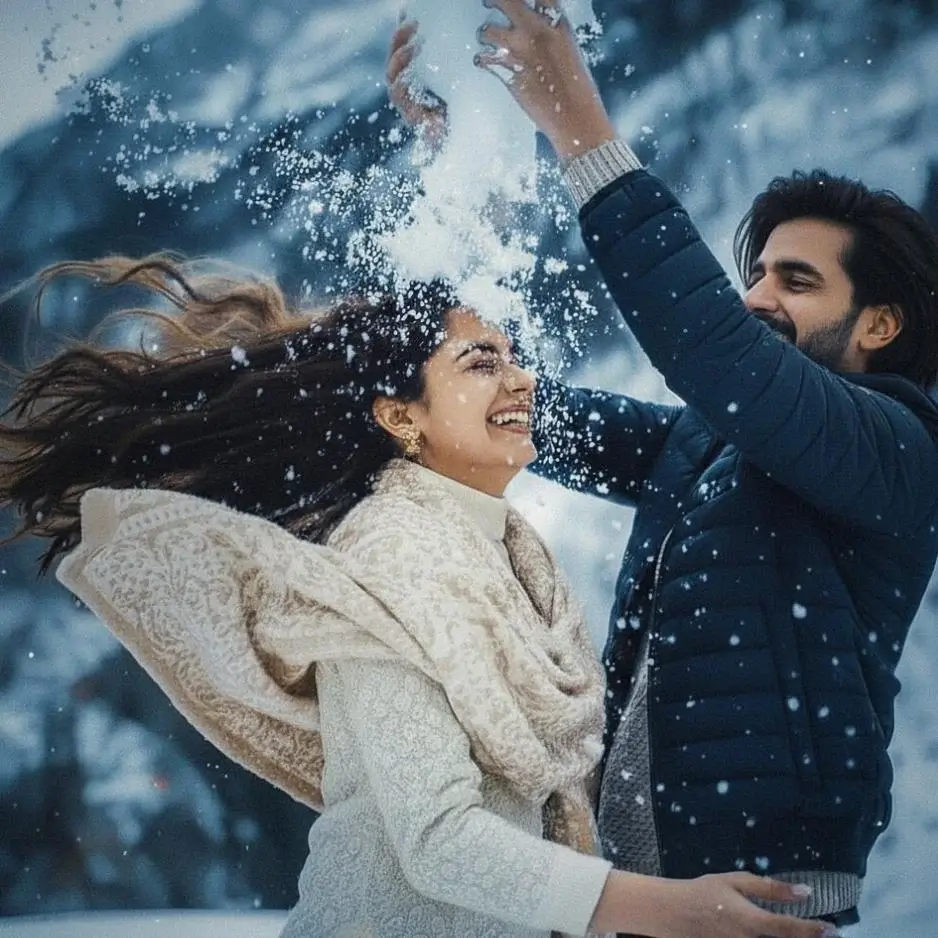
The best couple photos here are simple. Try walking hand in hand down the road, or a wide landscape shot where the mountains dominate and you two are small in the frame.
A candid chai moment always works. So does one partner adjusting the other's gloves, or your joined hands held up against the snow.
Other easy ones: both of you facing away toward the mountains, a bright shawl or jacket standing out against the white snow, and a calm seated photo on a stable, permitted surface.
None of these need complicated posing. They look natural because they are natural. That is exactly why they work.
What should couples wear for Rohtang photographs?
Go for coordinated colours, not identical outfits. Matching completely looks staged, but colours that sit well together look great.
Warm layers, weatherproof shoes, gloves, and sunglasses are the practical basics. You will be glad you wore them.
A bright jacket, scarf, or shawl gives you contrast against white snow and grey mountains. That pop of colour makes photos stand out. Do not try changing clothes outdoors in exposed or unsafe spots.
How can couples take photographs without large crowds?
Take photos at the route stops, not just at the summit. If you save every shot for the top, you will fight the crowds for space.
Frame tighter portraits, drop your camera to a lower angle, and use wide mountain backgrounds. This hides most of the crowd behind you.
Ask your driver for a safe, authorised stopping point. Never step onto the road for a shot, and never stop inside the Atal Tunnel.
Is Rohtang Pass Safe for Honeymoon Couples?
High altitude awareness
Rohtang Pass sits at roughly 3,978 metres above sea level. That is high enough for altitude to affect people who feel perfectly fine lower down.
Watch for headache, nausea, dizziness, loss of appetite, unusual tiredness, and trouble sleeping. These are common altitude symptoms.
If you feel unwell, do not keep going higher. Worsening or severe symptoms mean you descend and get medical help. We do not recommend any medicines or remedies here, talk to a doctor for that.
Who should seek medical advice?
If either of you has a relevant heart or lung condition, talk to an appropriate doctor before planning high altitude travel.
Pregnant travellers should discuss the trip with their own doctor. We will not tell you it is automatically safe or unsafe, because that depends entirely on the individual pregnancy.
Road and weather precautions
Follow police barriers, local administration instructions, and your driver's advice. They know the road better than any blog.
Avoid roadside photography in poor visibility, rain, or heavy traffic. A photo is never worth standing in a dangerous spot.
Late July 2026 saw widespread monsoon related road disruption across Himachal. We are not saying the Rohtang tourist road itself was closed, but it shows why you must verify the route on your actual day of travel.
What Should Couples Do if Rohtang Pass Is Closed?
The best alternative depends on where authorities have placed the barrier and which roads are safe that day. There is no single fallback that always works.
Good options include Solang Valley, whichever snow point authorities have officially opened, or a separate Atal Tunnel and Sissu day. Remember, the Atal Tunnel does not take you to the top of Rohtang Pass.
Sometimes the smartest move is a slow Manali day. Waiting around for an unsafe road to reopen is a poor use of your honeymoon.
Before you pay for any cab or package, ask about the cancellation and fallback policy. What happens to your money if the pass closes? Get that answer in writing.
Need a permit ready couple itinerary with a sensible backup plan?
Should Couples Book a Package or Plan the Trip Independently?
Independent planning works well when your hotel is already booked and you are comfortable handling the permit and transport yourselves. Some couples enjoy that control.
A customised package is the easier choice when you want private transfers, coordinated hotel nights, meals, permit assistance, and a ready alternative itinerary if the pass shuts.
If you want us to handle it, see our Rohtang Pass tour packages.
Our honest take
Neither option is "correct" for everyone. If you are confident and hands on, plan it yourself. If you would rather relax and let someone else manage the moving parts, a package earns its cost. Pick what fits your style.
Planning Your Rohtang Couple Trip the Right Way
A Rohtang Pass trip for couples is worth doing, but only when you plan around the reality of permits, weather, and changing road orders. The couples who enjoy it most are the ones who keep a buffer day and do not force the summit.
Focus on the journey, not just the top. The quiet stops, the shared chai, and the slow drive back are what you will actually remember.
If you want a private, flexible plan with a proper backup when the pass closes, that is exactly what we help couples build every season. Plan it well and this becomes one of the best days of your trip.
Explore Our Curated Rohtang Pass Tour Packages
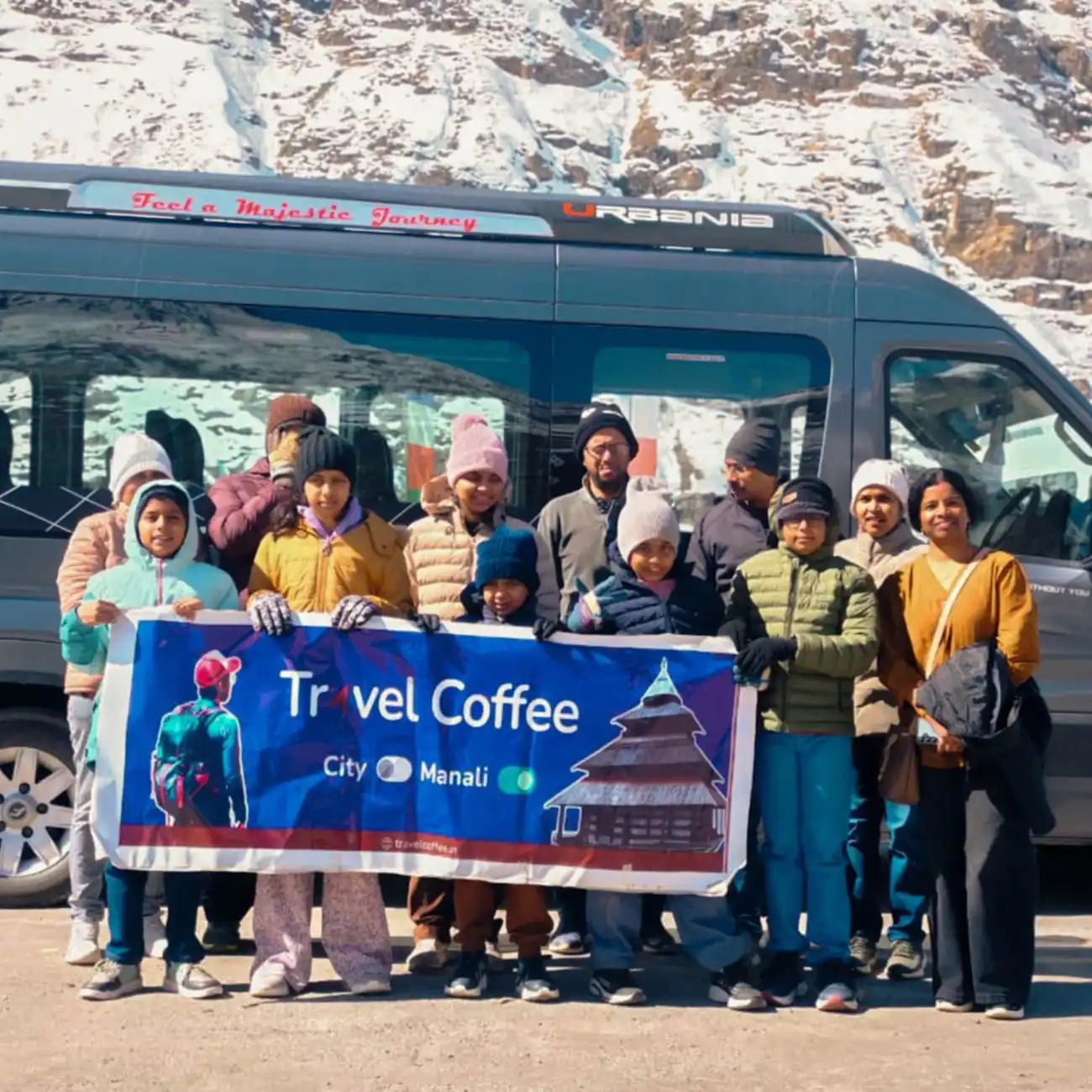 5D/4N
5D/4NPremium Manali Tour Package with Private Cab and Rohtang Pass
4D Manali
₹14,999₹19,999SAVE INR 5,000/ person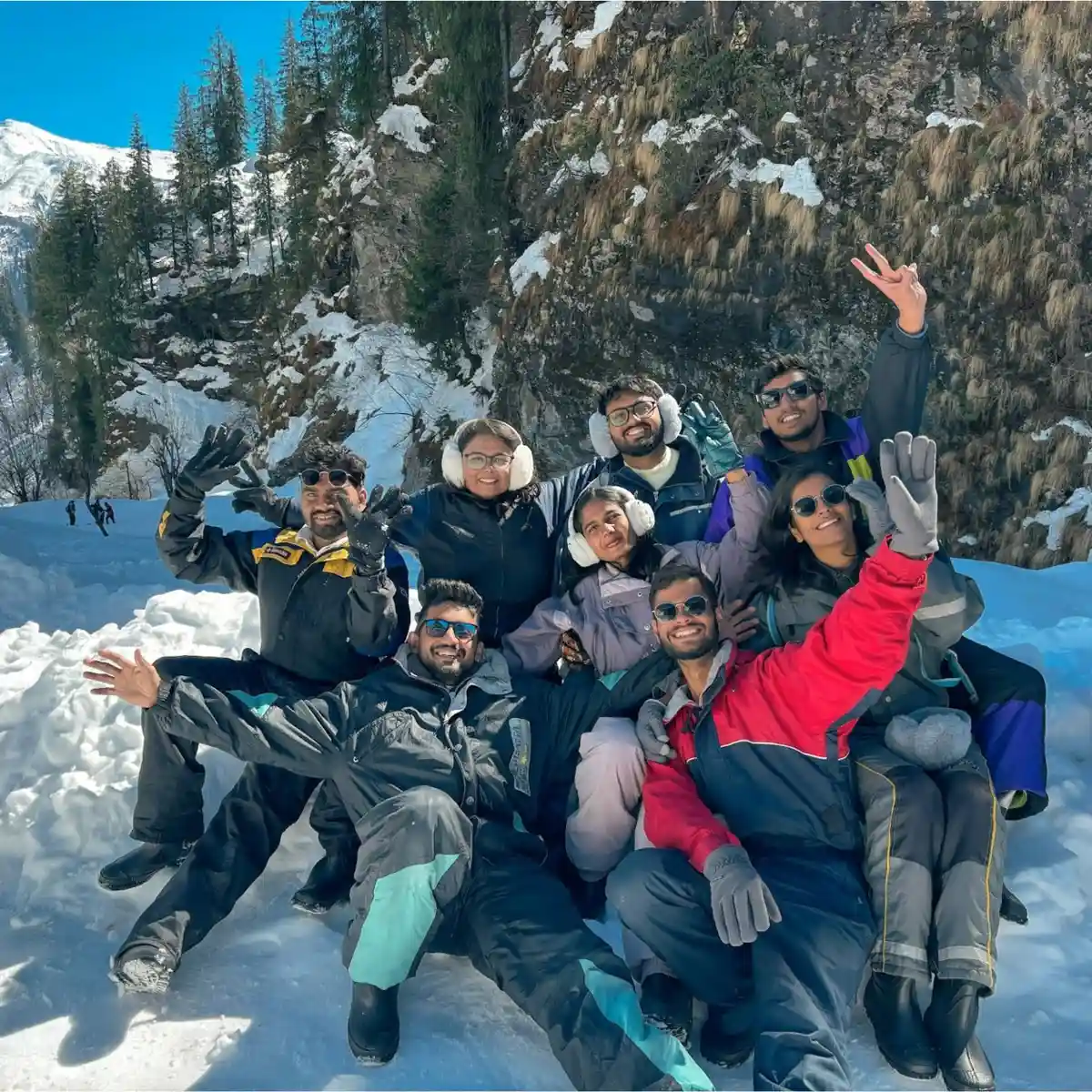 5D/4N
5D/4NBest Value Manali Volvo Package with Rohtang Pass
3D Manali
₹9,999₹13,999SAVE INR 4,000/ person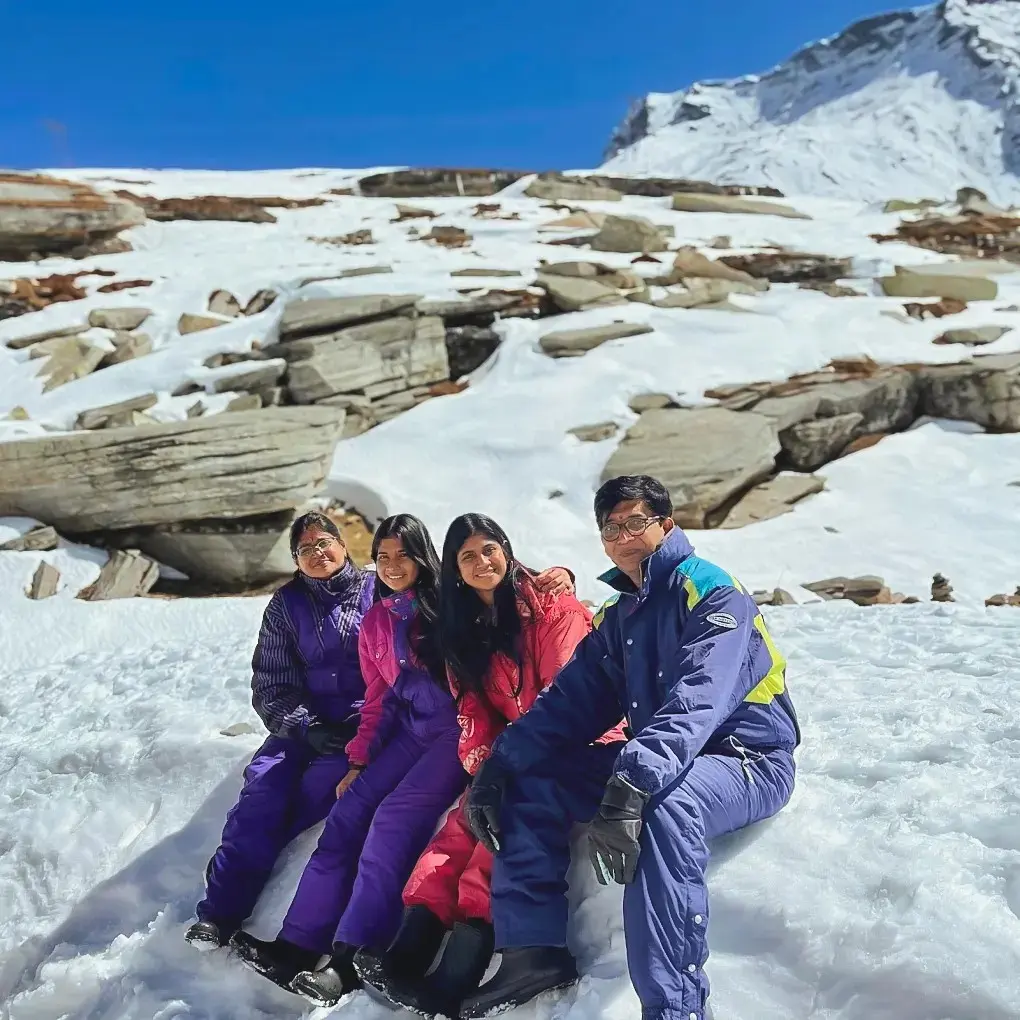 7D/6N
7D/6NComplete Shimla Manali Volvo Package with Rohtang Pass
2D Shimla•2D Manali
₹15,999₹19,499SAVE INR 3,500/ person
Related topics
Frequently Asked Questions
Is Rohtang Pass good for a honeymoon?
Yes, especially for the shared drive and snow experience. Just keep expectations realistic about crowds at the summit and enjoy the quieter stops along the way.
How many days are enough for a Rohtang Pass couple trip?
Four days works well for a Manali based plan with one full Rohtang day. Add a fifth day if you are arriving after a long overnight journey or want a weather buffer.
What is the best month to visit Rohtang Pass as a couple?
Late May and June for roadside snow, September and early October for clearer views and thinner crowds. Nobody can promise active snowfall in any month.
How much does a Rohtang Pass trip cost for two people?
The permit is ₹550 per vehicle, not per person. Cab quotes vary widely, with sampled 2026 rates from ₹3,999 for a hatchback to ₹6,999 for an SUV. Add snow gear or activities if you want them.
Do couples need a permit for Rohtang Pass?
Yes. You need a tourism permit with valid ID and a valid PUC certificate. A printed copy is currently compulsory.
Can we visit Rohtang Pass in our own car?
Possibly, but rules on private and self drive vehicles change. Confirm eligibility with the official portal, your rental company, and the local administration before you rely on it.
Is Rohtang Pass closed on Tuesday in 2026?
The information conflicts. Many sites say Tuesday, but the official portal showed "NONE" for the maintenance day during our research. Check your exact date on the portal and confirm with your driver.
Can we cover Rohtang Pass, Solang Valley, Atal Tunnel and Sissu in one day?
It may be technically possible in good conditions on certain routes, but it makes for a rushed, tiring day. We recommend keeping Rohtang and the Atal Tunnel to Sissu route on separate days for a couple trip.
Are Rohtang Pass and Atal Tunnel on the same route?
No. The tunnel bypasses Rohtang Pass. Driving through the tunnel is not a visit to Rohtang top.
Where can couples take the best photographs near Rohtang Pass?
Kothi, Gulaba, Marhi, or Rani Nala when stopping is allowed, plus the pass itself. The route stops often give you better couple shots with fewer people.
What should couples carry for the Rohtang Pass trip?
Valid identification, your permit printout, warm layers, gloves, suitable footwear, sunglasses, water, personal medication, and a charged phone.
What is the best alternative when Rohtang Pass is closed?
The snow point announced by authorities, Solang Valley, or an Atal Tunnel and Sissu day, depending on live road status that morning.
More about Rohtang Pass
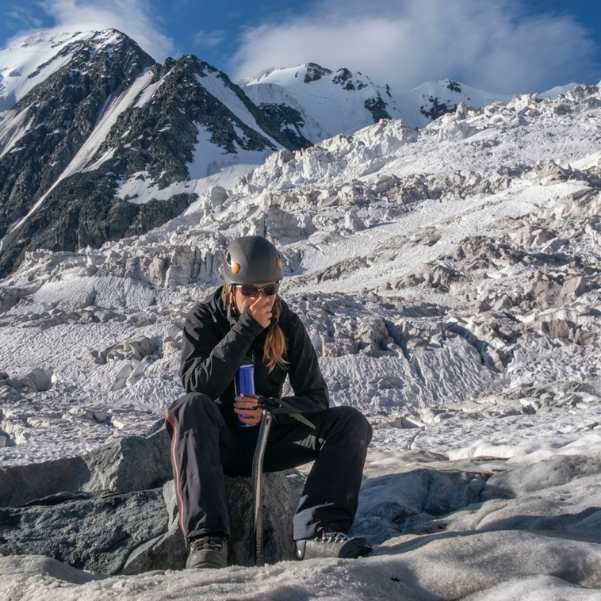 Rohtang Pass
Rohtang Pass Altitude Sickness in 2026: Symptoms, Prevention and When to Turn Back
Planning a trip to Rohtang Pass in 2026? Learn the symptoms of altitude sickness, prevention tips, and when to turn back for a safe mountain journey.
- Altitude & Health
- First-Time Travellers
 Rohtang Pass
Best Places to Visit on the Way to Rohtang Pass in 2026
Discover the best places to visit on the way to Rohtang Pass in 2026, including Solang Valley, Rahala Waterfalls, Gulaba, Marhi, and more for an unforgettable Himalayan road trip.
- Places to Visit
- Road Trips
- Rohtang Pass
15 Rohtang Pass Mistakes to Avoid in 2026: Permits, Taxi Scams, Timing and Snow Rentals
Planning a Rohtang Pass trip in 2026? Discover 15 common mistakes to avoid, from permits and weather to packing and safety, for a smooth mountain adventure.
- First-Time Travellers
- Permits & Fees