
17 Best Places to Visit in Spiti Valley in 2026 for First Time Travellers

Spiti does not ease you in. The roads are rough, the air is thin, and the distances between places feel longer than they look on any map.
But once you are out there, sitting above a valley at 14,000 feet with a blue sky so sharp it almost hurts to look at, you get it. You understand why people keep coming back.
This guide by Travel Coffee covers every place worth your time in Spiti, what to skip, how long to stay, and how to group it all into days that actually make sense.
Quick Answer
The places that matter most on a first Spiti trip are Kaza, Key Monastery, Kibber, Chicham Bridge, Langza, Hikkim, Komic, Tabo Monastery, Dhankar Monastery, Dhankar Lake, Pin Valley bike trip, Mudh Village, Losar, and Kunzum Pass. When the road is open, Chandratal Lake belongs on that list too.
Most of these are reachable from Kaza as a base. The Manali side places, Kunzum, Losar, Chandratal, are seasonal and cannot be guaranteed year round. Check road status before you fix those days.
2026 Season Update (May 2026): Kunzum Pass has opened for the 2026 season following BRO snow clearance in late May. The full Manali-Kaza circuit is now accessible. The Chandratal diversion road from Batal typically opens 1 to 2 weeks after Kunzum, with camps expected to be operational by mid-June. If you are planning around the Manali side, confirm the latest road and camp status before departure.
>> WhatsApp us for a customised Spiti itinerary
Why Spiti Sightseeing Feels Different from a Normal Himachal Trip
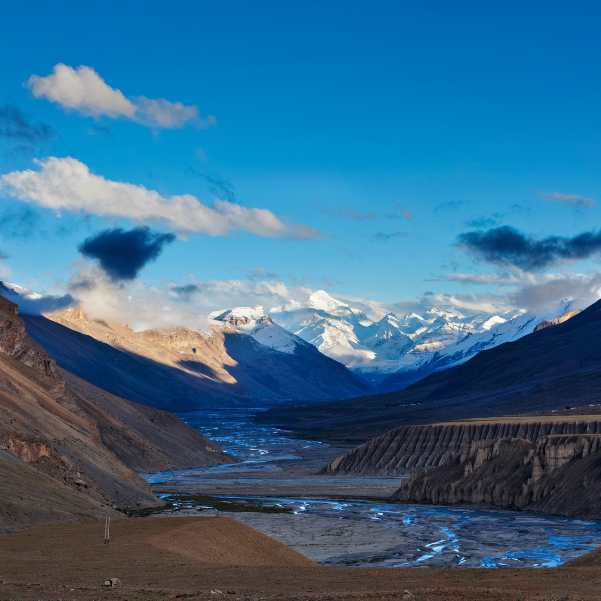
Most people come to Himachal for green valleys, waterfalls, and hill town cafes. Spiti gives you none of that.
What you get instead is a cold desert. Brown mountains, no trees, rivers that run milky with glacial silt, and villages that look like they were carved into the hillside a thousand years ago. Because some of them were.
Attractions here are not ticketed viewpoints or maintained parks. They are monasteries that monks still live in, villages where children wave at passing cars, lakes that sit silent above 14,000 feet, and roads that reward patience more than speed.
Altitude slows you down here. At 12,500 feet in Kaza, even fit travellers feel the difference. Plan 4 to 6 hours of sightseeing per day maximum. Rushing makes you feel worse and enjoy less.
Which Are the Best Places to Visit in Spiti Valley for First Timers?
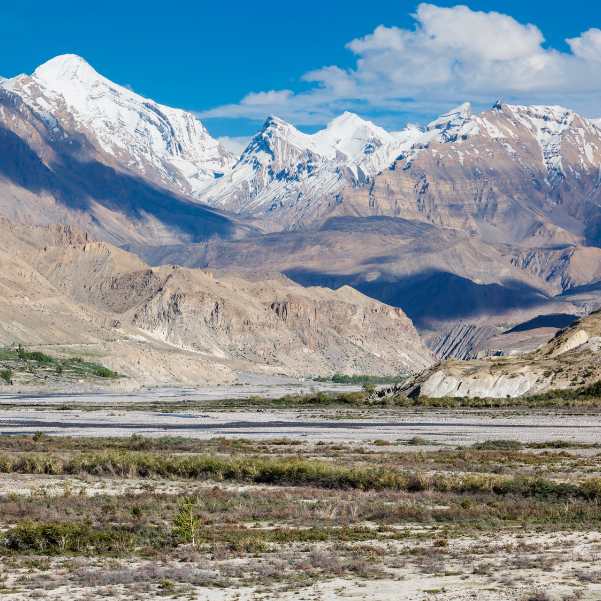
The non-negotiables for a first trip are Key Monastery, Tabo, Kibber, Chicham Bridge, and the Langza/Hikkim/Komic circuit. Add Dhankar and Pin Valley if you have five or more days.
Chandratal and Kunzum Pass are highlights that many travellers rate as their best days in Spiti, but they are seasonal. They belong in your plan only when access is confirmed.
Some names that show up in generic Spiti listicles, like Spillo, Lidang, and certain stretches near the Kinnaur border, are not part of the standard Kaza based sightseeing circuit. They are worth knowing about but should not replace the core stops on a first trip.
Kaza: The Base That Makes Spiti Sightseeing Easy
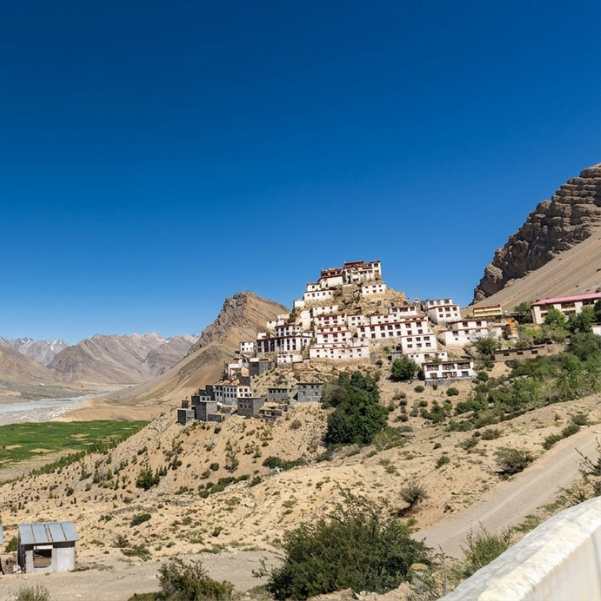
Every decent Spiti trip runs through Kaza. It is the district headquarters, the only town with multiple hotels, ATMs, medical help, fuel pumps, and proper mobile signal in the region.
Most sightseeing circuits are designed around Kaza because the main attractions fan out in three directions from the town. You can reach Key, Kibber, Chicham, Langza, Hikkim, and Komic all within a day's drive each.
We usually tell first time travellers to give Kaza a minimum of three nights. One night is a waste. Two nights is tight. Three nights lets you cover the key circuits properly without exhaustion.
The town itself has a small market, decent restaurants, and enough of a traveller infrastructure to get things fixed if something goes wrong. For a region this remote, that matters.
Key Monastery
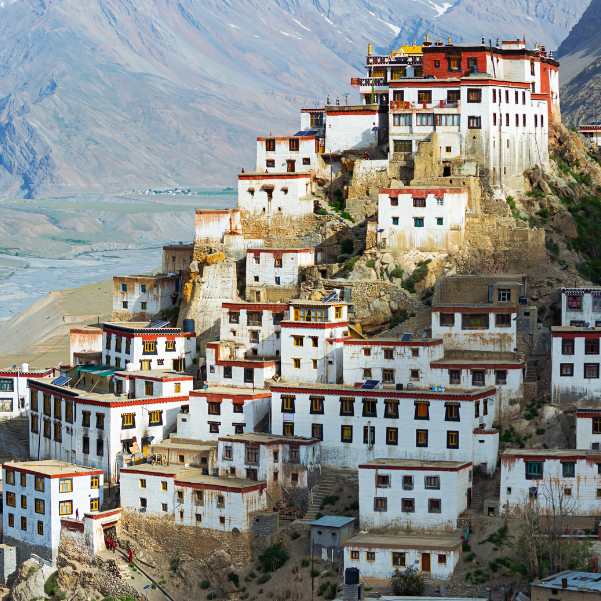
Key Monastery is the most photographed place in Spiti for a reason. The structure sits on a hill at around 13,500 feet, and from below it looks like it grew out of the rock rather than being built on it.
The monastery is the largest in Spiti and still functions as an active centre of Buddhist learning. Monks live here, study here, and practise here. You are visiting a working monastery, not a museum.
In our experience, the best time to visit is early morning when the light hits the gompa walls from the east and the valley below is still quiet. Most visitors arrive between 10 AM and 2 PM. Get there before 9 if you can.
Key combines well with Kibber and Chicham on the same day. The three are close enough to cover without rushing, and the road up from Key to Kibber is one of the most scenic drives in the valley.
Kibber Village
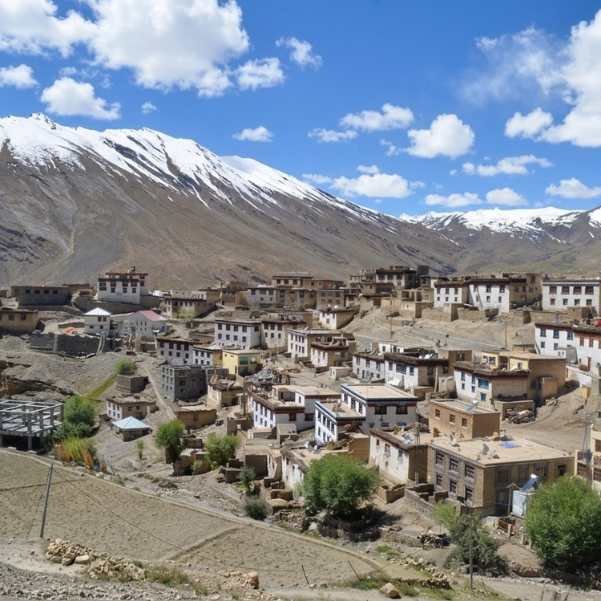
Kibber sits at roughly 14,200 feet, about 16 km from Kaza, and gives you something that most sightseeing stops in Spiti do not: a real working village where people live year round.
Snow leopards have been spotted near the village in winter, which is why wildlife photographers sometimes base themselves here. In summer, it is quieter, greener by Spiti standards, and worth spending an hour walking the lanes rather than just taking photos from the road.
One thing most blogs miss about Kibber: the views from the far edge of the village, away from the main road, are better than the ones at the entry point. Walk to the end of the residential lanes before you turn back.
Chicham Bridge
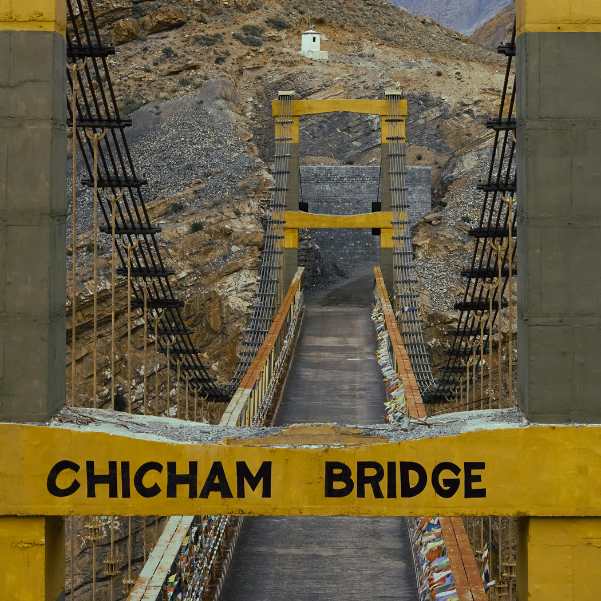
Chicham Bridge crosses a deep gorge between Kibber and Chicham village, and when you stand on it and look down, you understand immediately why it is a mandatory stop on this circuit. The bridge was inaugurated in 2017 and connects a village that was previously cut off for months each year.
The visual impact is instant. It takes about five minutes to cross and photograph from both ends. As a standalone stop it is quick, but it earns its place because nothing in the circuit looks quite like it.
Combine it with Kibber and Key on the same day. The three flow naturally from Kaza and back.
Langza, Hikkim, and Komic: Should You Do All Three in One Day?
Yes, if you start before 9 AM. These three villages sit in the high circuit above Kaza, and together they take around 5 to 6 hours including driving and walking time.
Langza
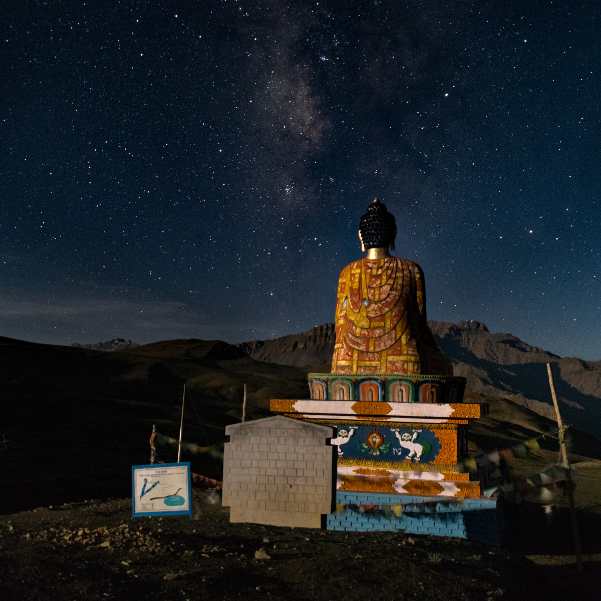
Langza is widely known as Spiti's fossil village. The landscape around it looks like a moon surface, and locals will show you ammonite fossils embedded in rocks near the fields. There is a large Buddha statue overlooking the valley that makes a striking photo against the mountains behind it.
Hikkim
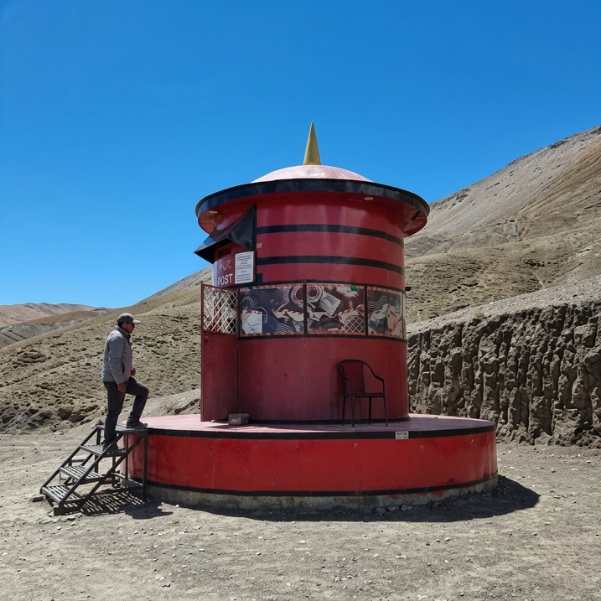
Hikkim has the post office that sits at somewhere between 4,400 and 4,440 metres. You can post a letter from the world's highest post office. It sounds like a gimmick, but in our experience it is one of those small moments that travellers remember long after the bigger photos have blurred together.
Komic
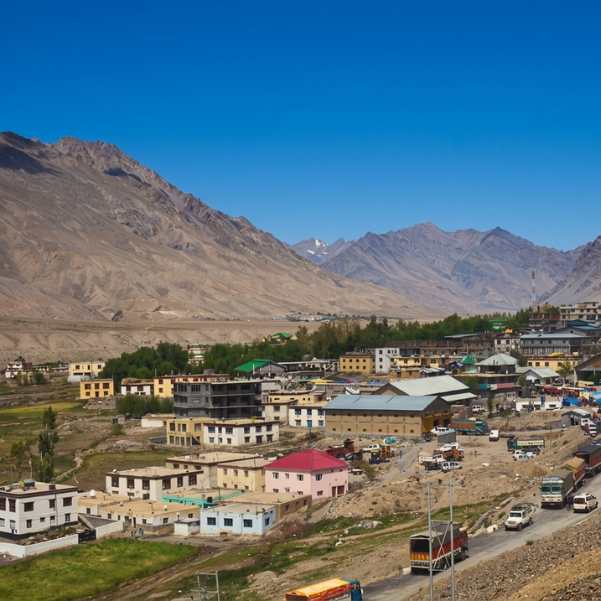
Komic is at around 4,587 metres and has a monastery that feels genuinely remote. The village is tiny and quiet. The road here is the worst of the three circuits, but Komic gives you the high village atmosphere that Kibber does not quite match.
Skip Komic if your vehicle is not suited to rough tracks or if anyone in your group has been feeling the altitude. Keep Langza and Hikkim as the minimum.
Tabo Monastery
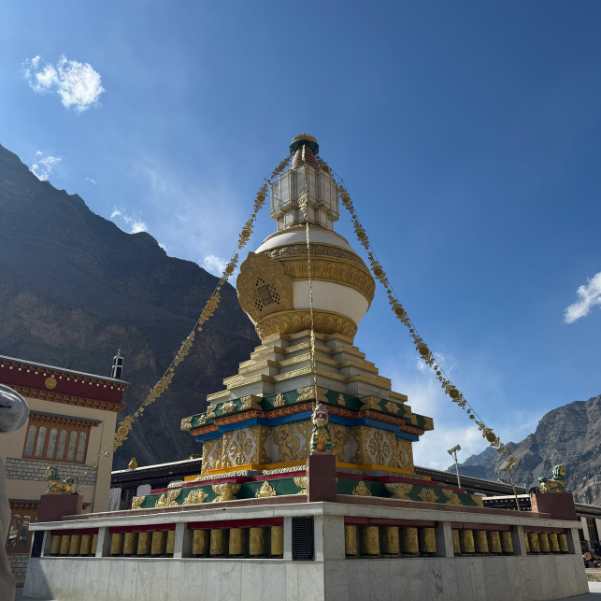
Tabo Monastery was established in 996 CE and is often called the Ajanta of the Himalayas because of its ancient murals and sculpted interiors. That comparison is not exaggeration.
The monastery is in Tabo village, which is about 45 to 50 km from Kaza on the Kinnaur side. Most travellers pair it with the Dhankar stop on the same day.
What Tabo has that Key does not is age you can actually feel. The interior chambers are dim, the walls are covered in murals that have survived a thousand years of mountain winters, and the silence inside is complete. Spend at least 45 minutes inside rather than just walking through.
One honest warning: if you visit on a busy weekend in July or August, the monastery can feel crowded for its size. Visit on a weekday, or arrive before the tourist vehicles from Kaza start arriving around 11 AM.
Dhankar Monastery and Dhankar Lake
Treat these as two separate experiences that happen to share a name.
Dhankar Monastery
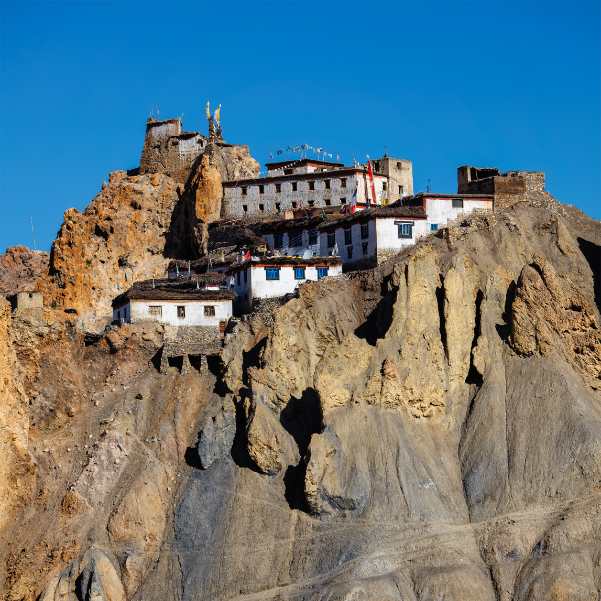
Dhankar Monastery sits perched on a cliff between Kaza and Tabo. It is visually dramatic, arguably the most striking monastery setting in all of Spiti, and the view down the Spiti and Pin rivers from the approach road is one of the best in the district. The visit itself takes about 45 minutes.
Dhankar Lake
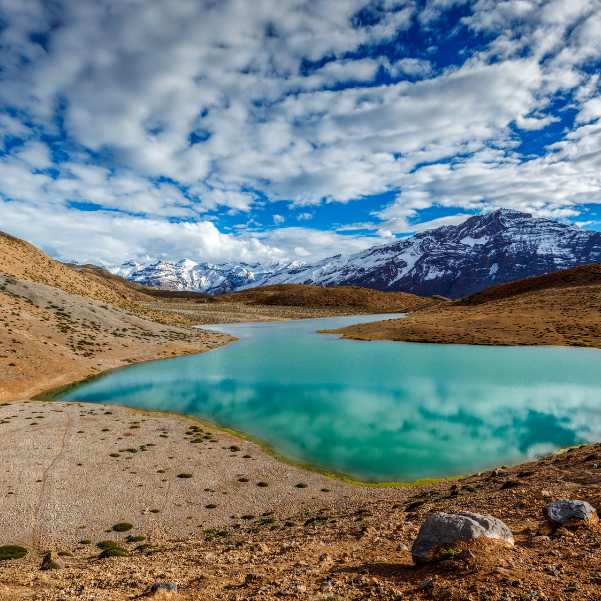
Dhankar Lake is a roughly 3 km trek above the monastery at around 4,140 to 4,270 metres. The trek takes 45 minutes to an hour uphill. The lake is small but the landscape around it is completely different from anything at valley level. Open, high, and still.
Do the lake only if you have the fitness and the time. Tabo plus Dhankar monastery plus Dhankar lake in one day is a long day with altitude gain. Most first timers do the monastery and skip the lake. If you have a day to spare and feel acclimatised, the lake is worth every step.
Pin Valley and Mudh Village
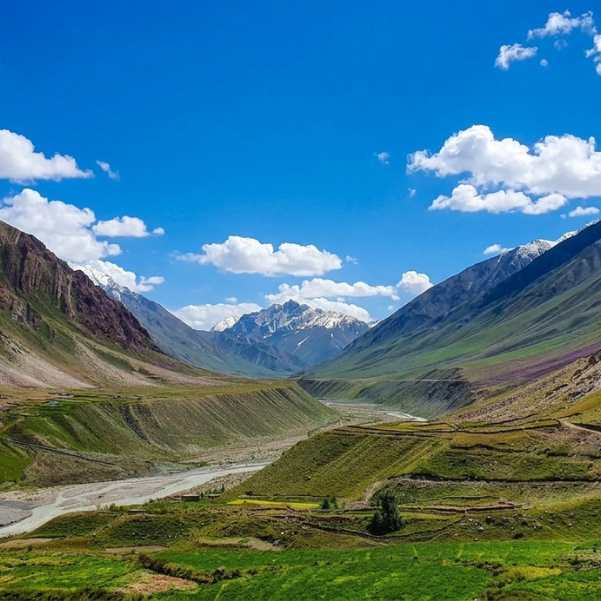
Pin Valley feels different from the main Spiti road in a way that is hard to describe until you are in it. The valley runs off the main Kaza to Tabo highway into a quieter side stretch that most day trippers skip.
Pin Valley National Park was declared in 1987 and is one of the few places in India where you can find snow leopards and ibex in the same habitat. You are unlikely to see either on a casual visit, but the rangers sometimes know recent sighting areas.
Mudh is the last motorable village in Pin Valley. The drive ends there, and the landscape around it, a flat river plain ringed by bare brown mountains, is some of the most photographically open terrain in Spiti.
Pin Valley works as a day trip from Kaza. Our team usually builds it in as a slower, quieter day between the busy monastery circuits. If you are someone who prefers landscape over landmarks, this is your best day in Spiti.
Our Chandigarh to Spiti Bike Trip With Pin Valley gives you enough time for Tabo, Dhankar, Pin Valley, Kaza and Chandratal without rushing the route.
Kunzum Pass and Losar
Kunzum La
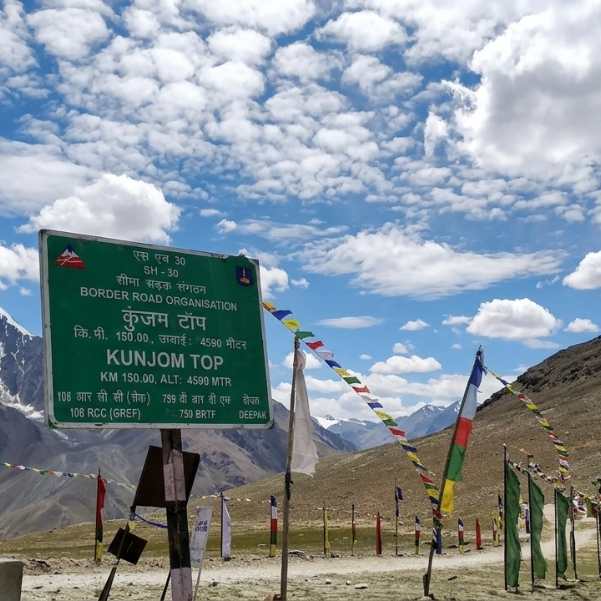
Kunzum La stands at 4,550 metres and marks the top of the pass that connects the Lahaul side to the Spiti side. The views from the top, across to the glaciers and back down toward Chandratal, are some of the most open mountain views you will see anywhere in India.
Losar
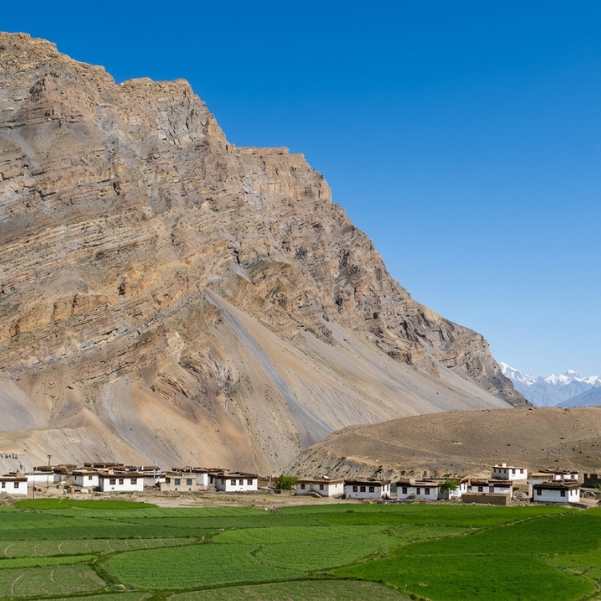
Losar is the last village on the Spiti side before Kunzum, and the first village travellers reach when entering Spiti from Manali. It is a quiet, photogenic settlement worth a short stop.
Both Kunzum and Losar are seasonal. Kunzum Pass opened for the 2026 season in late May following BRO snow clearance. The pass typically closes again by mid to late October with the first heavy snowfall. If you are visiting in the early or late weeks of the season, always confirm current road status before locking in these stops.
Check our Kunzum Pass in May guide if you are planning an early season trip.
Chandratal Lake: Should You Include It in a Spiti Trip?
Yes, if the road is open. And if the camps are running. And if your vehicle can handle the rough stretch from Batal.
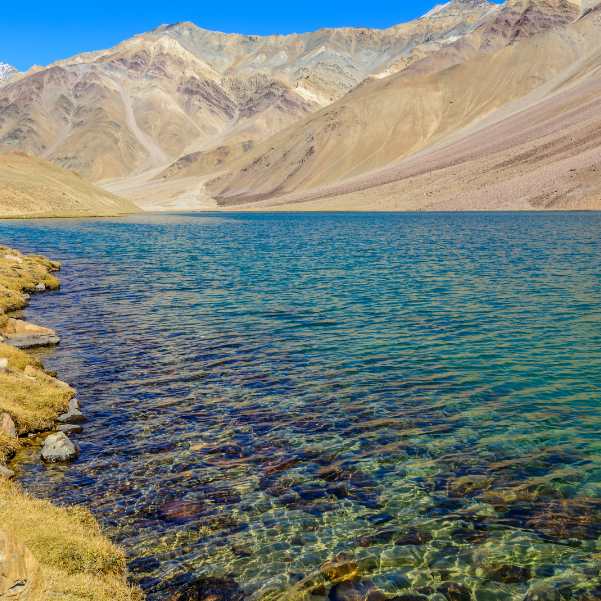
Chandratal at around 4,300 metres is one of the most striking lakes in India. The crescent shape, the blue green colour against brown mountains, the silence. It is the kind of place that makes travellers go quiet when they first see it.
But it is not part of every Spiti itinerary. Access depends on road clearance at Kunzum Pass and the separate diversion road from Batal, which is rough and sometimes the last section to open. Camps near Chandratal are typically not operational before mid June, and most shut down around October 10.
We built Chandratal into our Spiti circuit package as planned overnight on the Manali exit leg. That is the right way to do it, not as a forced add on, but as a natural final night before coming down.
If you want to know the current road and camp status before locking it in, read our Chandratal opening dates guide for 2026 or just ask us directly.
>> WhatsApp us to check live Chandratal road status
Offbeat Places in Spiti If You Have One Extra Day
If you have a day beyond the standard circuit, three places reward the extra time.
Gue
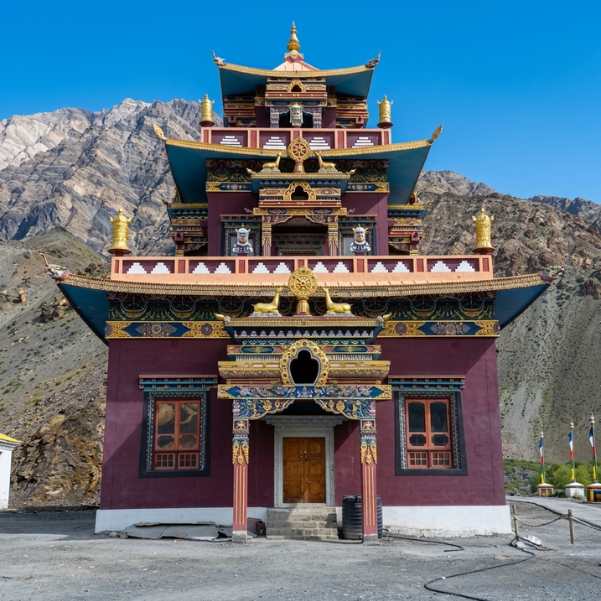
Gue has a 500 year old naturally mummified monk, preserved by the cold and dry conditions at altitude. It is unusual, respectful to visit, and genuinely unlike anything else in Spiti. The drive is about two hours from Kaza.
Lhalung
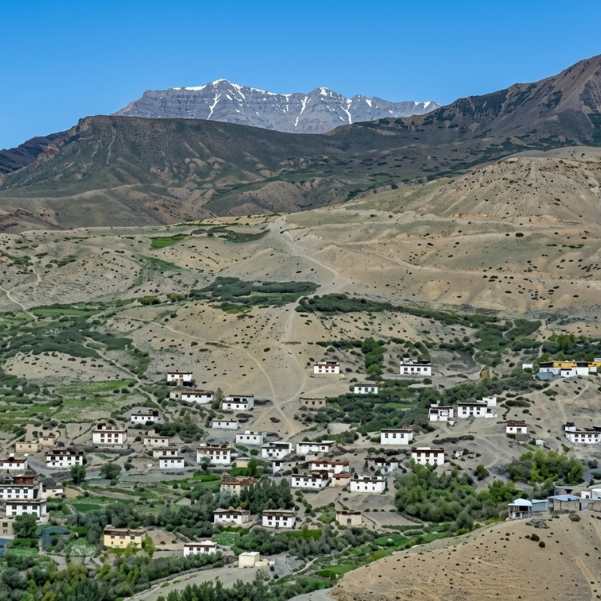
Lhalung is a quiet village with a monastery that most travellers pass on the Tabo road but rarely stop at. The monastery interiors are old and the village feels untouched by the tourist loop.
Gete
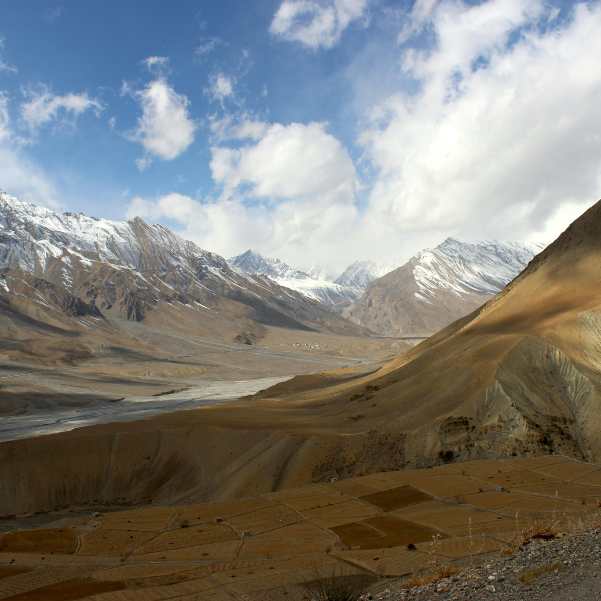
Gete is a small settlement past Kaza that offers open valley views without the crowd. Our team sometimes recommends it for travellers who want one slow morning with a thermos and nothing else.
None of these replace the core circuit. But if you have done Key, Kibber, Tabo, and Dhankar and still have a day, pick one of these over revisiting something you have already seen.
How to Group Spiti Tourist Places Day by Day
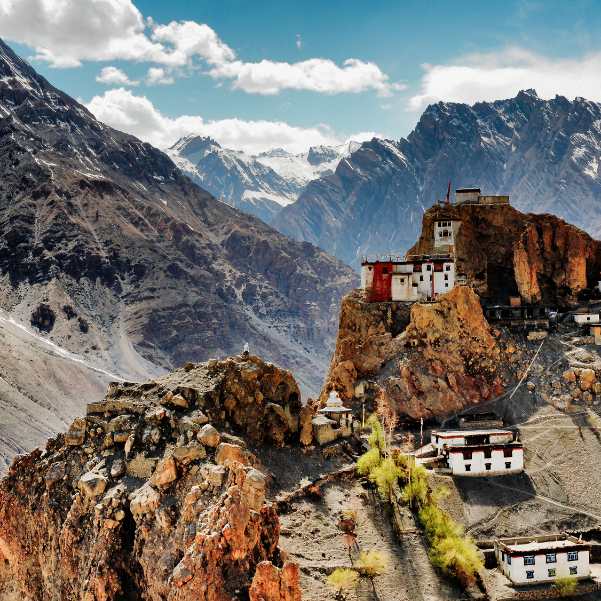
The Kaza based circuit breaks cleanly into day clusters.
Day one
Key Monastery, then Kibber, then Chicham Bridge. This is the classic eastern circuit from Kaza. Start by 8 AM and you are back before 3 PM with time to rest.
Day two
Langza, Hikkim, Komic. The high village circuit. Leave Kaza by 8:30 AM, move at an easy pace, and you have covered all three before afternoon.
Day three
Tabo and Dhankar Monastery. Drive toward Tabo (45 to 50 km), spend 45 minutes inside the monastery, then stop at Dhankar on the way back. If you have energy and time, add the Dhankar Lake trek.
Day four
Pin Valley and Mudh. A slower, quieter day. Good for travellers who need a break from altitude gain and want to just drive through landscape.
Day five (if open)
Losar, Kunzum Pass, Chandratal overnight. This is the Manali exit leg. Only commit when road status is confirmed.
Which Places Are Open Year Round and Which Are Seasonal?
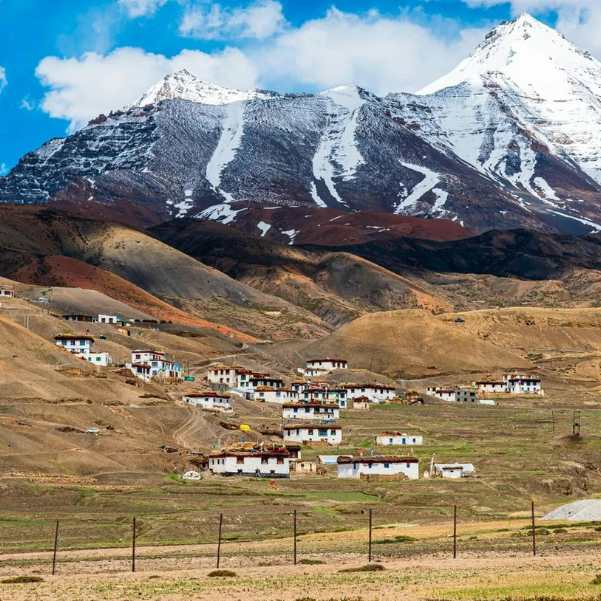
Kaza, Key Monastery, Kibber, Tabo, Dhankar, and Pin Valley are generally accessible for most of the year, even in winter if the Shimla to Kinnaur route is open.
Langza, Hikkim, and Komic are usually reachable from late spring through autumn. In deep winter, snow makes the high circuit roads impassable.
Kunzum Pass, Losar, and Chandratal are strictly seasonal. The pass typically opens in late May to early June and closes by October. There is no access from the Manali side in winter.
For foreigners, note that protected area permits are required for certain locations in Spiti including Dhankar, Tabo, Kaza, and others listed on the district foreigner permit requirements. Check current requirements before your trip since this list and its rules can change.
Vehicle permits through the e Aagman portal are needed for the Atal Tunnel Rohtang to Koksar to Chandratal circuit when approaching from Manali. Confirm the latest requirements before departure.
Best Time to Visit Spiti for Sightseeing
July and August
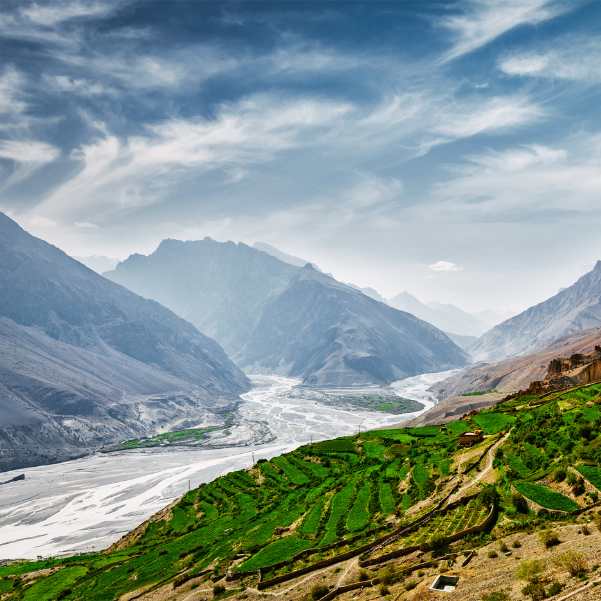
July and August give you the most reliable access to the full Kaza circuit plus Tabo, Dhankar, and Pin Valley. Roads are at their best after early season repairs. The Manali side and Chandratal are usually open. Days are pleasant; nights are cold but manageable.
September
September is what experienced mountain travellers often call the best month. Crowds thin out, the sky is clear, and the landscape takes on golden brown tones. Nights get significantly colder. Chandratal in September is extraordinary if the camps are still running.
June
June gives you open season but with rougher roads and early season uncertainty around the Manali side. The Shimla entry side is more reliable this early.
October
October is possible for the Kaza circuit, but Chandratal and Kunzum close around mid October, sometimes earlier. The narrow weather window makes it a risk for fixed date travellers.
Winter
Winter access is possible via the Shimla to Kinnaur route to Kaza, but Chandratal and the Manali side are completely inaccessible from November to May.
Sample 5 Day and 7 Day Spiti Sightseeing Plans
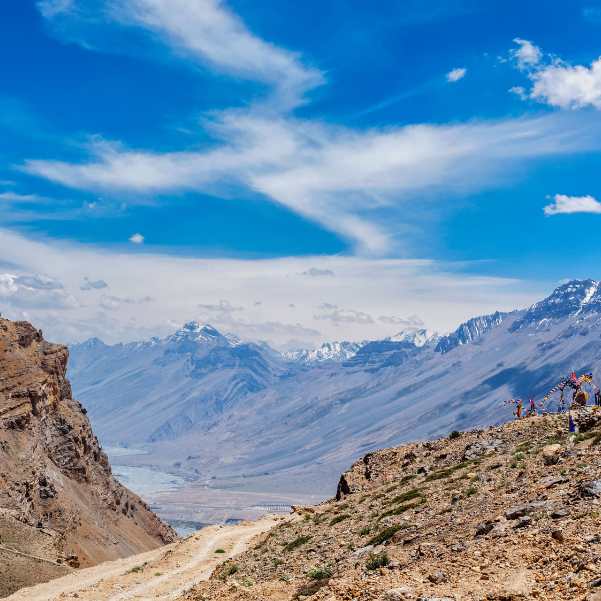
5 Day Plan
Day 1 is your arrival in Kaza. Rest, walk around the market, acclimatise. Dinner at a local restaurant and early to bed.
Day 2 covers Key Monastery, Kibber, and Chicham Bridge. Full morning and afternoon circuit, back in Kaza by 3 PM.
Day 3 is Langza, Hikkim, and Komic. Start early, move steadily, done by early afternoon.
Day 4 goes to Tabo and Dhankar. Combined circuit with optional lake trek at Dhankar.
Day 5 is a buffer or a slow morning in Kaza before your exit drive.
7 Day Plan
Follow the 5 day plan above, then add Day 6 as Pin Valley and Mudh for the quieter landscape day. Day 7 becomes your Kunzum/Losar/Chandratal leg if roads are confirmed open, leading to an overnight at Chandratal before your Manali exit.
The 7 day version is the most complete first Spiti trip you can do. It covers everything without rushing anything.
Check our Spiti Valley tour packages for versions of both these plans with stays, vehicles, and logistics sorted, or our Spiti Valley bike tour packages if you would rather ride the circuit. Or explore our popular tour options if you want to compare formats before deciding.
If you are still figuring out your Spiti route, our team at Travel Coffee has been running this circuit for years. We know which roads are rough in which month, which camps are worth the price, and how to pace a trip so the altitude works with you rather than against you.
Explore Our Curated Spiti Valley Tours
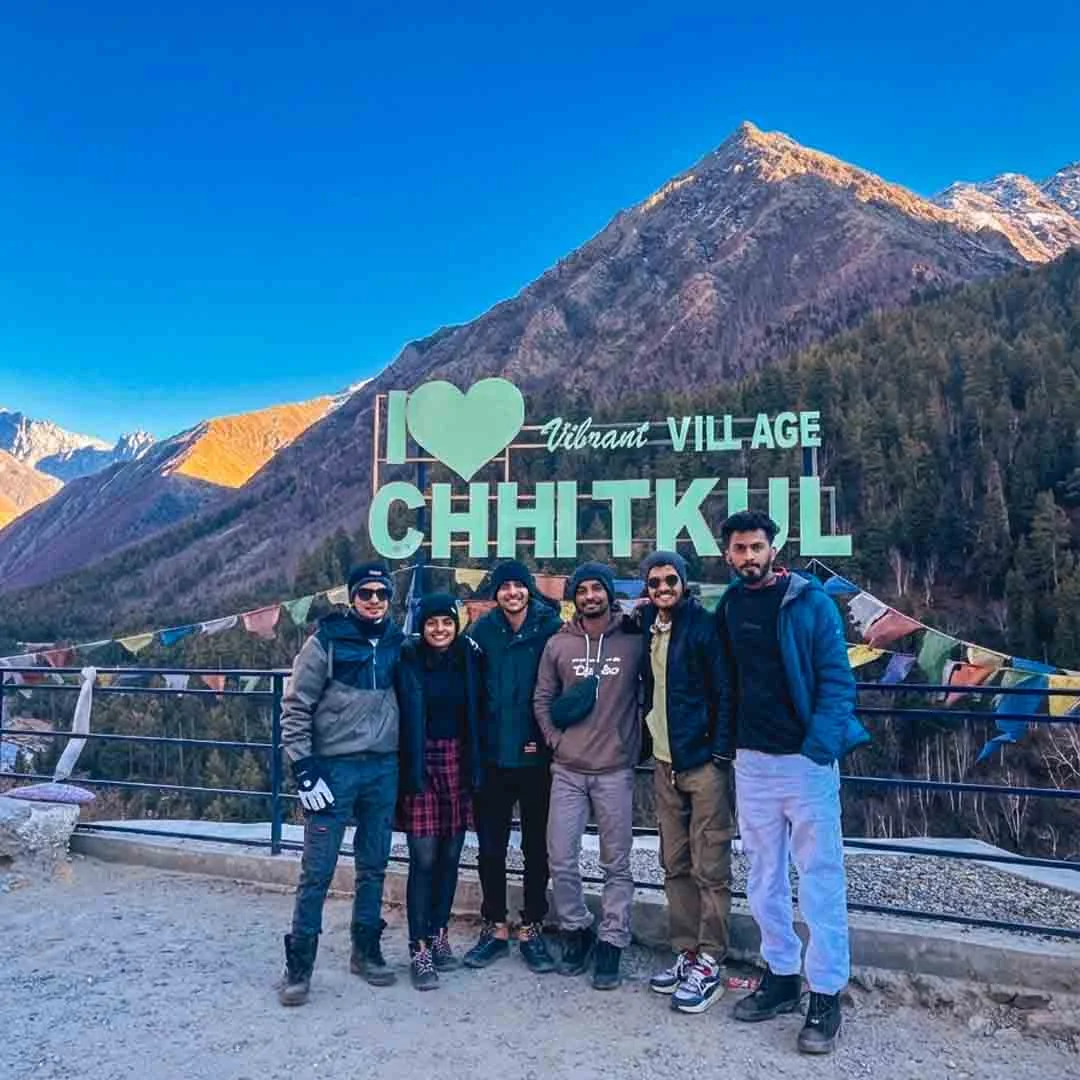 Group Tour9D/8N
Best Selling Winter Spiti Valley Group Tour
2D Sangla•1D Tabo+2
₹18,999₹23,999SAVE INR 5,000/ person Group Tour10D/9N
Most Loved Spiti Valley Bike Expedition With Chandratal
1D Jibhi•1D Sangla+4
₹34,999₹41,999SAVE INR 7,000/ person
Related topics
Frequently Asked Questions
What are the top sightseeing places in Spiti Valley?
Key Monastery, Tabo Monastery, Dhankar Monastery, Kibber, Chicham Bridge, Langza, Hikkim, Komic, Pin Valley, and Chandratal when open. These cover the strongest combination of monasteries, villages, and natural landscapes.
How many days are enough for Spiti Valley?
Five days covers the essential Kaza circuit. Seven days lets you add Pin Valley and Chandratal if the road is open. Anything less than four nights in Kaza and you are rushing.
Is Chandratal part of Spiti Valley?
Chandratal sits near the border of Lahaul and Spiti, technically in the Lahaul region. It is almost always visited as part of a Spiti circuit because it sits on the Kaza to Manali exit route via Kunzum Pass.
Is Spiti Valley open in December?
Kaza is accessible in December via the Shimla to Kinnaur route if conditions allow. The Manali side and Chandratal are completely closed. Temperatures are extreme and most homestays reduce capacity. Winter Spiti is a specialist trip, not a standard one.
Do I need a permit for Spiti Valley?
Indian travellers need a vehicle e permit for the Atal Tunnel to Koksar to Chandratal circuit from the e Aagman portal. Foreigners require protected area permits for several areas in Spiti including Kaza, Tabo, Dhankar, and others on the district list. Check current requirements before travel as rules update seasonally.
Which villages should I visit in Spiti?
Kibber for the high altitude village feel, Langza for fossils and valley views, Komic for the remote monastery experience, Hikkim for the post office, and Mudh if you are extending to Pin Valley. All are worth it if time allows.
Can I do Pin Valley as a day trip from Kaza?
Yes. Pin Valley and Mudh Village are reachable as a day trip from Kaza. Plan for a full day including driving time. It is a good option for a slower day between the busier monastery circuits.
Which monastery is best in Spiti?
Tabo for heritage and murals. Key for visual impact and location. Dhankar for the dramatic cliff setting. Each is best at something different. If you only have time for two, go with Key and Tabo.
Is Kaza enough as a base for sightseeing?
Yes. Almost every major sightseeing spot in Spiti is reachable as a day trip from Kaza. It is the only logical base for a standard circuit.
Which route is better for Spiti sightseeing?
Entering from Shimla and exiting via Manali gives you the full circuit without backtracking. It also gives better altitude acclimatisation because you gain height gradually on the Shimla side before reaching Kaza. Coming directly from Manali is faster but steeper on altitude gain.
What should first time travellers not miss in Spiti?
Key Monastery, Tabo Monastery, Kibber, and Chandratal if the road is open. These four define the Spiti experience for most first time visitors and are consistently the ones people write home about.
Can families cover the main Spiti attractions comfortably?
Yes, during July and August when roads are at their most stable and days are at their most comfortable. Families with young children or elderly members should avoid the early or late season and consider skipping the Dhankar Lake trek and the roughest parts of the Komic road. A day trip to Chandratal from the Kaza side is safer than an overnight camp for families.
More about Lahaul and Spiti
 Lahaul and Spiti
Winter Spiti from Bangalore in 2026-27: Flights, Leave Days & Delhi 4x4 Departures
Planning a Winter Spiti trip from Bangalore in 2026-27? Explore flight options, Delhi pickup points, leave requirements, 4x4 group expeditions, travel costs and a practical itinerary to help you plan your Himalayan winter adventure.
- How to Reach
- Snow Travel
 Lahaul and Spiti
What Does a Winter Spiti 4x4 Trip Really Cost in 2026-27? Package Price vs Total Holiday Budget
Planning a Winter Spiti 4x4 trip in 2026-27? Discover the real travel budget, including package prices, transport, meals, winter essentials and hidden expenses. Learn what your package covers, what costs extra and how to plan your Spiti Valley adventure without unexpected spending.
- First-Time Travellers
- Snow Travel
 Lahaul and Spiti
How Many Leave Days Do You Need for a 9-Day Winter Spiti Trip in 2026-27?
Planning a 9 day Winter Spiti trip in 2026 to 2027 requires careful leave planning, especially for working professionals travelling from cities like Bangalore, Mumbai, Hyderabad and Delhi.
- Itinerary
- Snow Travel