
25 Best Places to Visit in Manali: Local Sightseeing, Snow Points and Day Trips
Most travellers land in Manali with a list of twenty places to visit in Manali and try to squeeze them into two days. Then they spend both days sitting in traffic on the Solang road instead of actually seeing anything.
We run trips here every season. The travellers who enjoy Manali the most are the ones who pick five or six places properly instead of chasing twenty-five.
This guide by Travel Coffee covers all 25 spots, but more importantly it tells you which ones go together, which ones you can skip, and which ones depend entirely on road and weather conditions on your travel dates.
Quick Answer: Which Places Should You Visit in Manali?
For a first trip, stick to Hidimba Devi Temple, Old Manali, Vashisht, Solang Valley, and one full-day excursion to Sissu, Naggar, or Rohtang Pass when current access permits.
One day handles local Manali comfortably. Keep a separate day for the Solang route because traffic on that stretch eats hours.
A third day gives you Sissu, Naggar, or another big excursion without rushing.
Rohtang is never guaranteed. It depends on official opening, weather, road clearance, and permits, so plan it as a bonus rather than a fixture.
If you want the whole thing arranged with a driver who knows which route is moving that morning, our Manali tour packages cover exactly this.
What Most Tourists Get Wrong About Manali Sightseeing
They book a taxi for "full day sightseeing" and let the driver decide the order.
The driver takes them to Hidimba, then Solang, then back for Vashisht, then Mall Road in the evening. That means crossing the same congested stretch three times.
In our experience, the single biggest time-saver in Manali is grouping places by geography, not by popularity.
How Should You Plan Manali Sightseeing?
There are five natural circuits here, and once you see them this way the whole trip gets easier.
Local Manali circuit
The local Manali circuit covers Mall Road, Van Vihar, Hidimba Temple, the Museum of Himachal Culture and Folk Art, the Ghatotkach shrine, Old Manali, and Manu Temple. All of this sits within a small radius.
Vashisht circuit
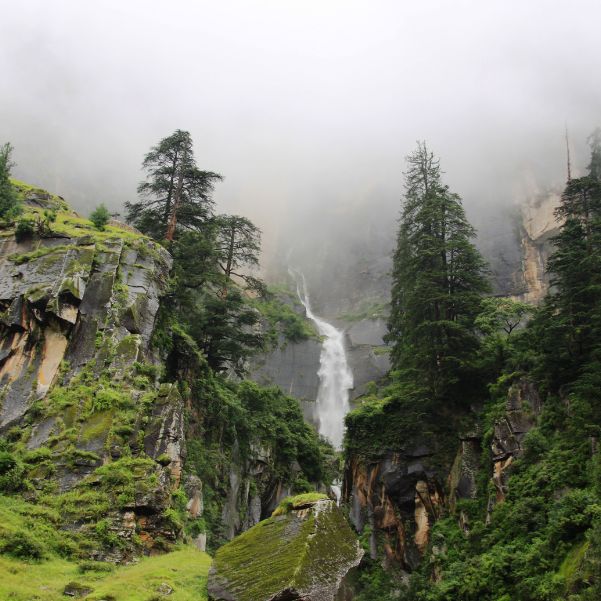
The Vashisht circuit covers Vashisht Temple, the hot springs, the village lanes, and Jogini Waterfall. This one needs walking, so give it a fresh morning.
Solang and snow-road circuit
The Solang and snow-road circuit covers Solang Valley, Kothi, Gulaba, and the Rohtang-route points where seasonal snow may be available.
Naggar and Kullu circuit
The Naggar and Kullu circuit covers Naggar Castle, the Nicholas Roerich Estate, Jana Waterfall, and Kullu town.
Atal Tunnel and Lahaul circuit
The Atal Tunnel and Lahaul circuit treats Solang as a quick route stop, passes through the tunnel corridor, and puts Sissu as the main destination.
Group them like this and you stop backtracking. Backtracking on the Manali–Solang road during peak season is how people lose three hours without visiting anything.
Best Local Sightseeing Places in Manali
Mall Road
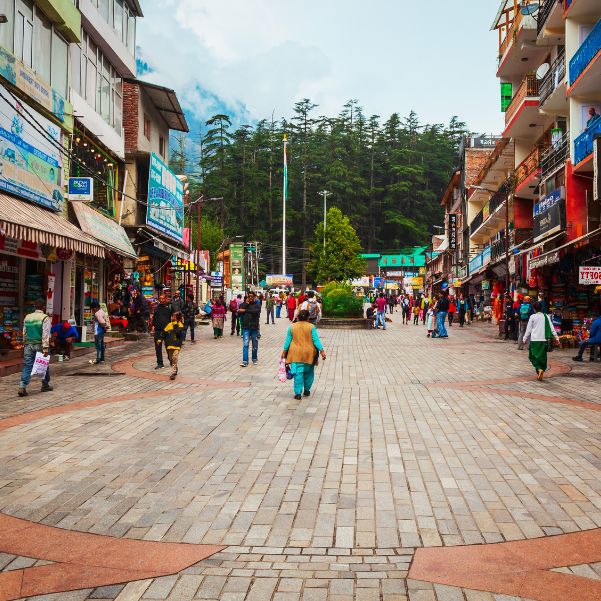
Mall Road is central Manali's main shopping, eating, and evening-walk strip. Woollens, Himachali caps, dry fruit, cafés, and enough momo stalls to keep you busy.
It works well for first-timers and families because everything is walkable and there is no altitude or trail involved.
The honest part: on peak evenings in May, June, and the Christmas week, it gets genuinely packed. If crowds bother you, walk it before 11 AM instead.
Shop and café prices are not fixed here, so compare a couple of places before buying woollens.
Van Vihar
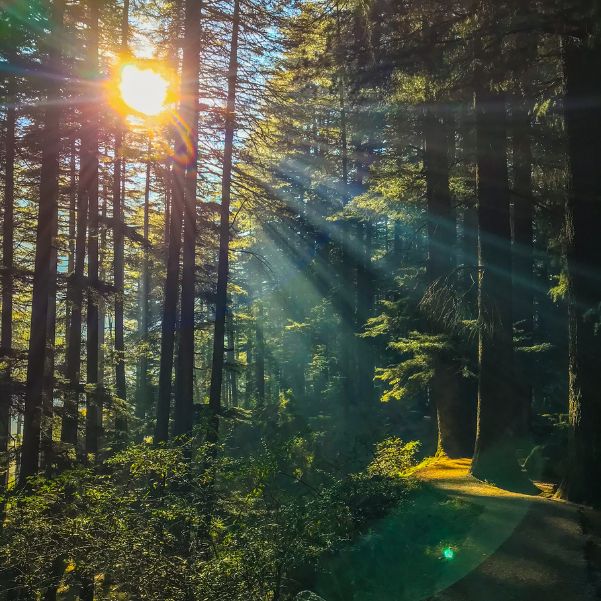
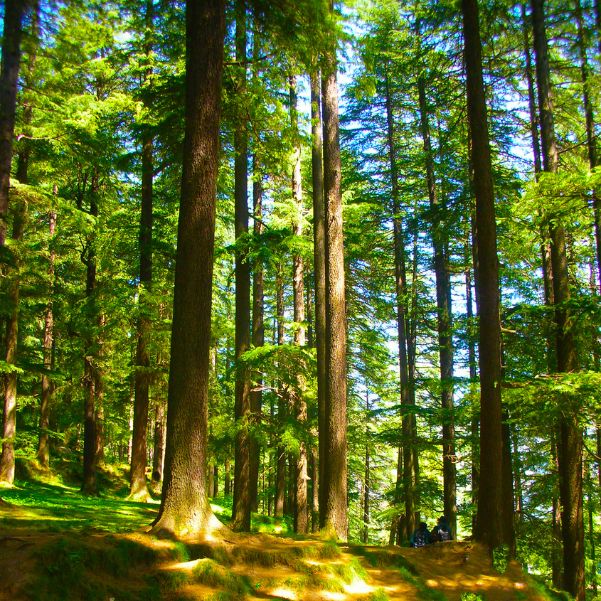
Van Vihar is a forested park right next to Mall Road, full of tall deodar trees and shaded walking paths. It is the easiest place in Manali for families with small children or elderly parents.
Check the latest entry fee, opening hours and boating availability before planning your visit.
Pair it with Mall Road. You can do both in one relaxed evening without touching a taxi.
Hidimba Devi Temple
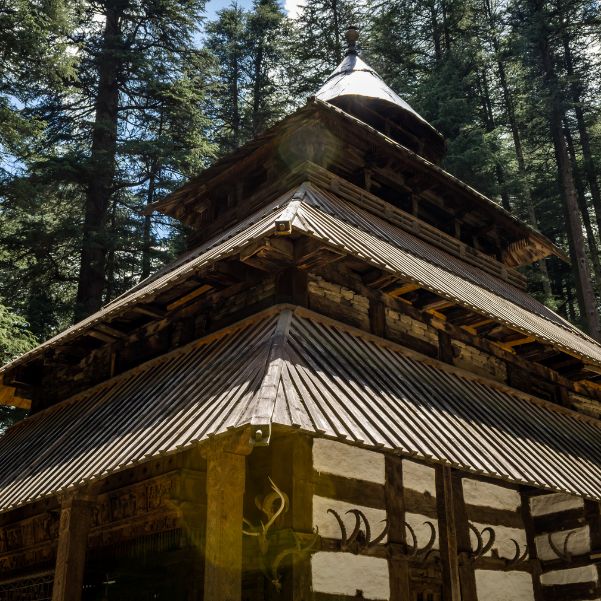
Hidimba Devi Temple is dedicated to Hidimba Devi and was built in 1553 according to Incredible India.
The wooden pagoda-style structure sits inside the Dhungri forest area, surrounded by tall deodars. It is genuinely different from any other temple you will see in Himachal.
Our insider tip: go at opening time or around 4 PM. Midday means long queues and no space to actually look at the carvings on the doorway.
Combine it with the cultural museum and the Ghatotkach shrine. They are all within short walking distance of each other.
Museum of Himachal Culture and Folk Art
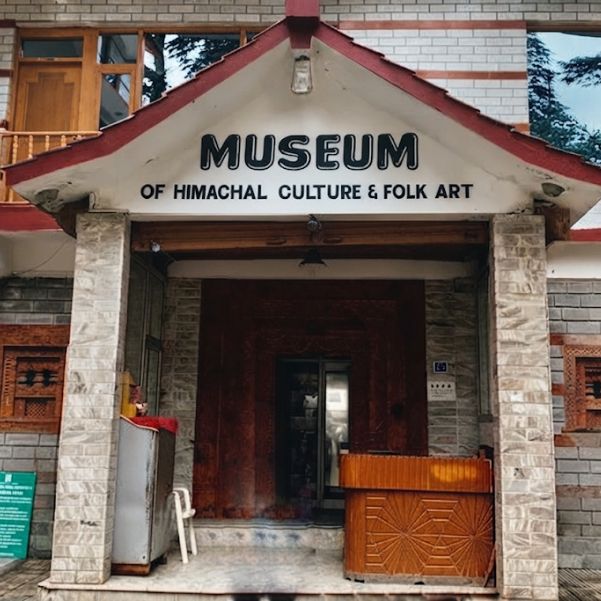
The Museum of Himachal Culture and Folk Art sits near Hidimba Devi Temple.
It gives you a quick introduction to the region through traditional objects, household items, and craft material from across Himachal.
Check the latest entry fee and opening hours before visiting. It is a short stop, not a half-day activity.
Ghatotkach Temple
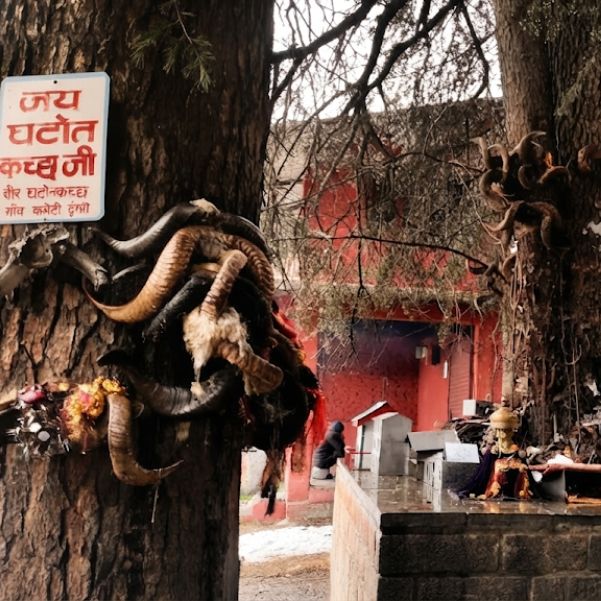
A small shrine dedicated to Ghatotkach, who tradition identifies as the son of Hidimba and Bhima. It sits close to the Hidimba complex under an enormous old tree.
Treat this as a five-minute stop on the Hidimba walk, not a separate item on your list.
Keep your voice down and dress modestly. It is an active place of worship, not a photo backdrop.
Old Manali
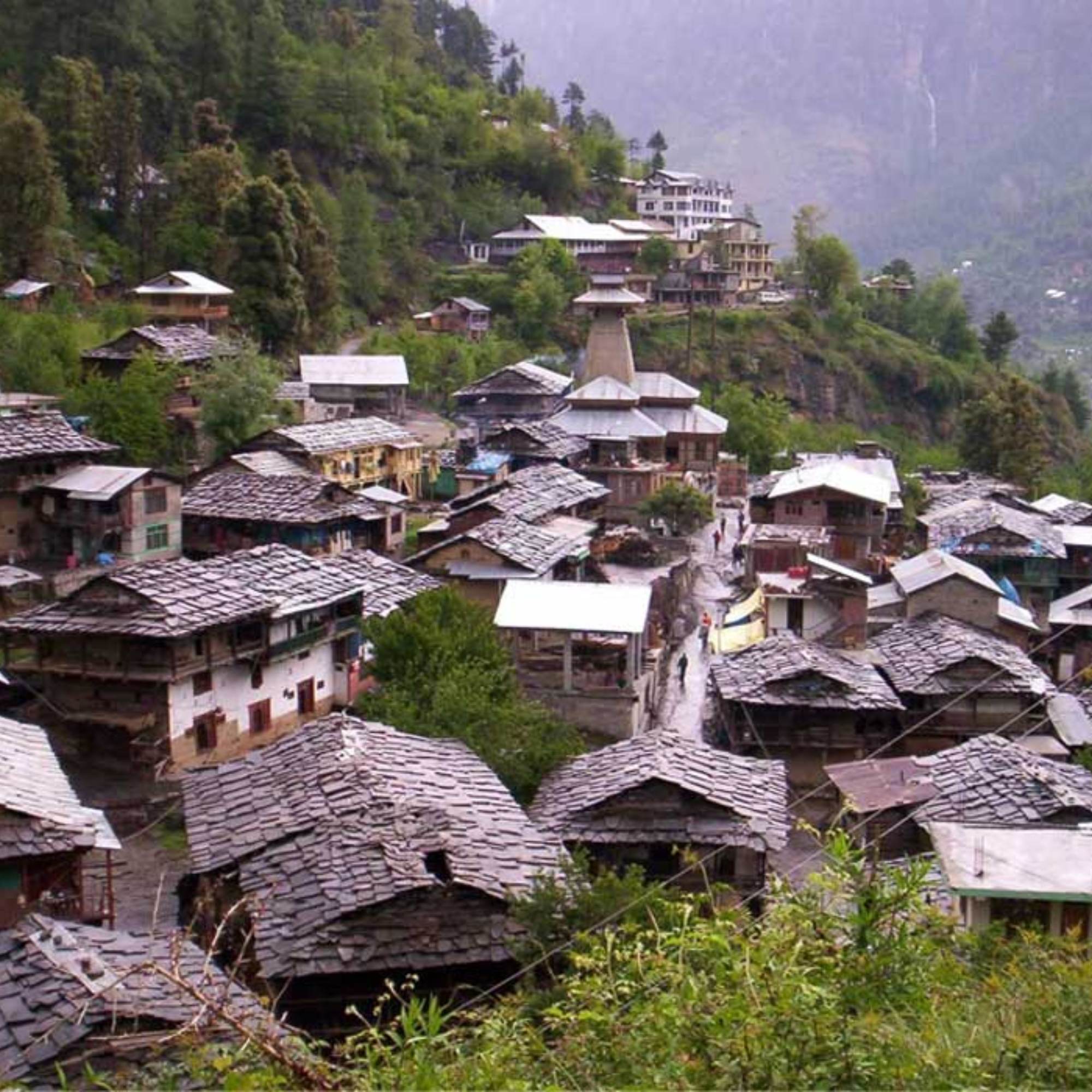
Old Manali is where the pace drops. Village lanes, old stone-and-wood houses, guesthouses, small shops, and cafés with balconies over the orchards.
It suits couples, solo travellers, and anyone who wants to sit with a coffee for two hours instead of ticking off sights.
The problem is parking. During busy periods, cars back up on the narrow approach lane and nobody moves. Walk up if it is practical for you.
We tell our travellers to keep Old Manali for the evening. The lanes empty out, the cafés light up, and the whole area feels like a different town.
Manu Temple
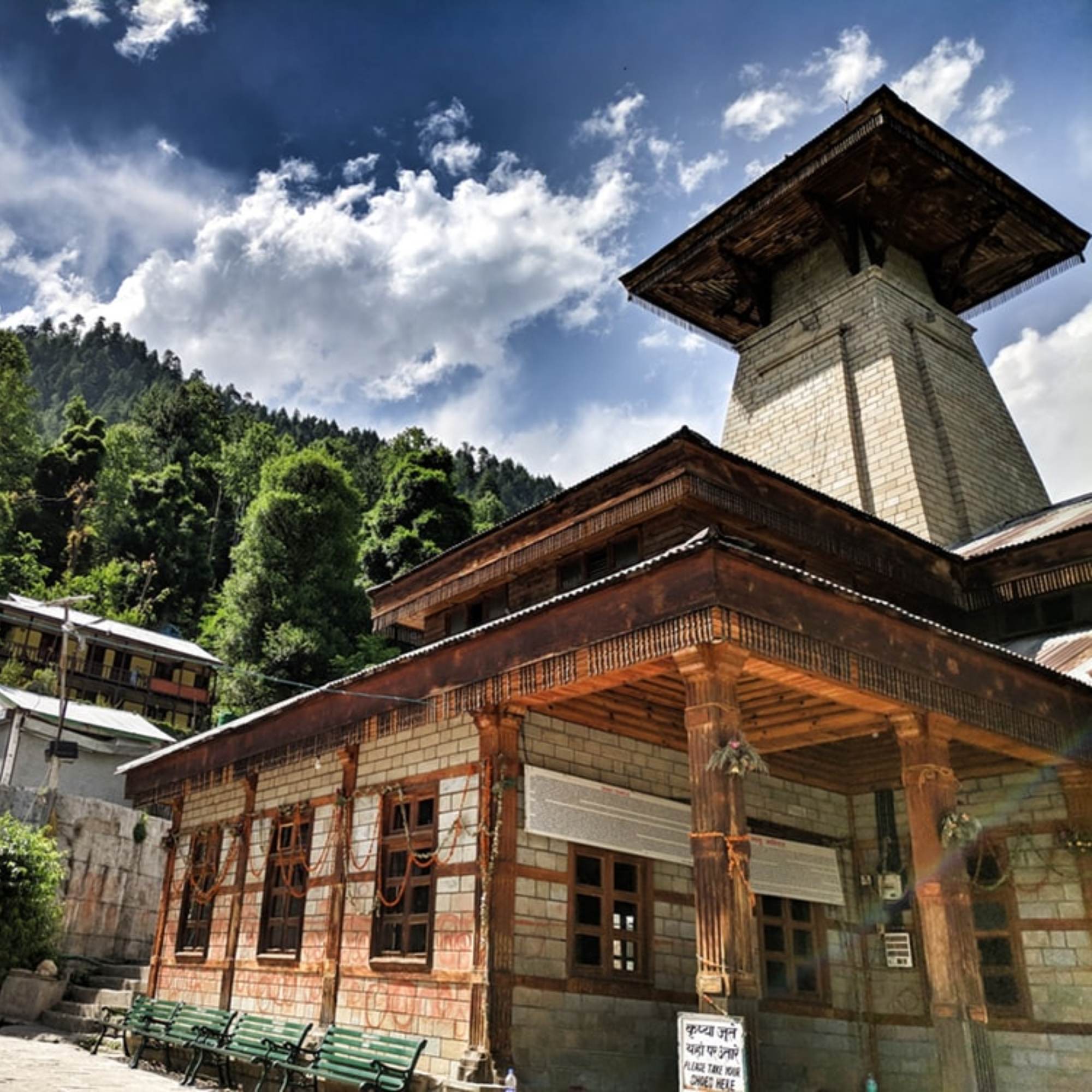
Manu Temple is dedicated to Sage Manu and sits in the Old Manali area.
It is a quiet cultural and religious stop, reached through the upper village lanes.
Check the latest visitor timings and vehicle-access arrangements before visiting, as conditions on the approach road may change.
Vashisht Temple and Hot Springs
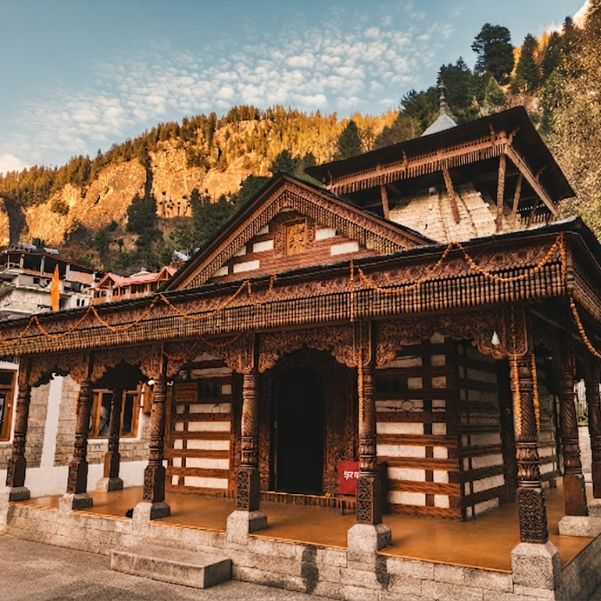
Vashisht is a temple village above Manali known for its sulphurous hot springs.
Official tourism content describes separate bathing areas for men and women at the springs.
We are not going to tell you the water cures anything. It is hot, it smells of sulphur, and it feels good after a cold day. That is the honest description.
Senior travellers should know the lanes here are narrow, steep in parts, and involve real walking from the parking area.
Jogini Waterfall
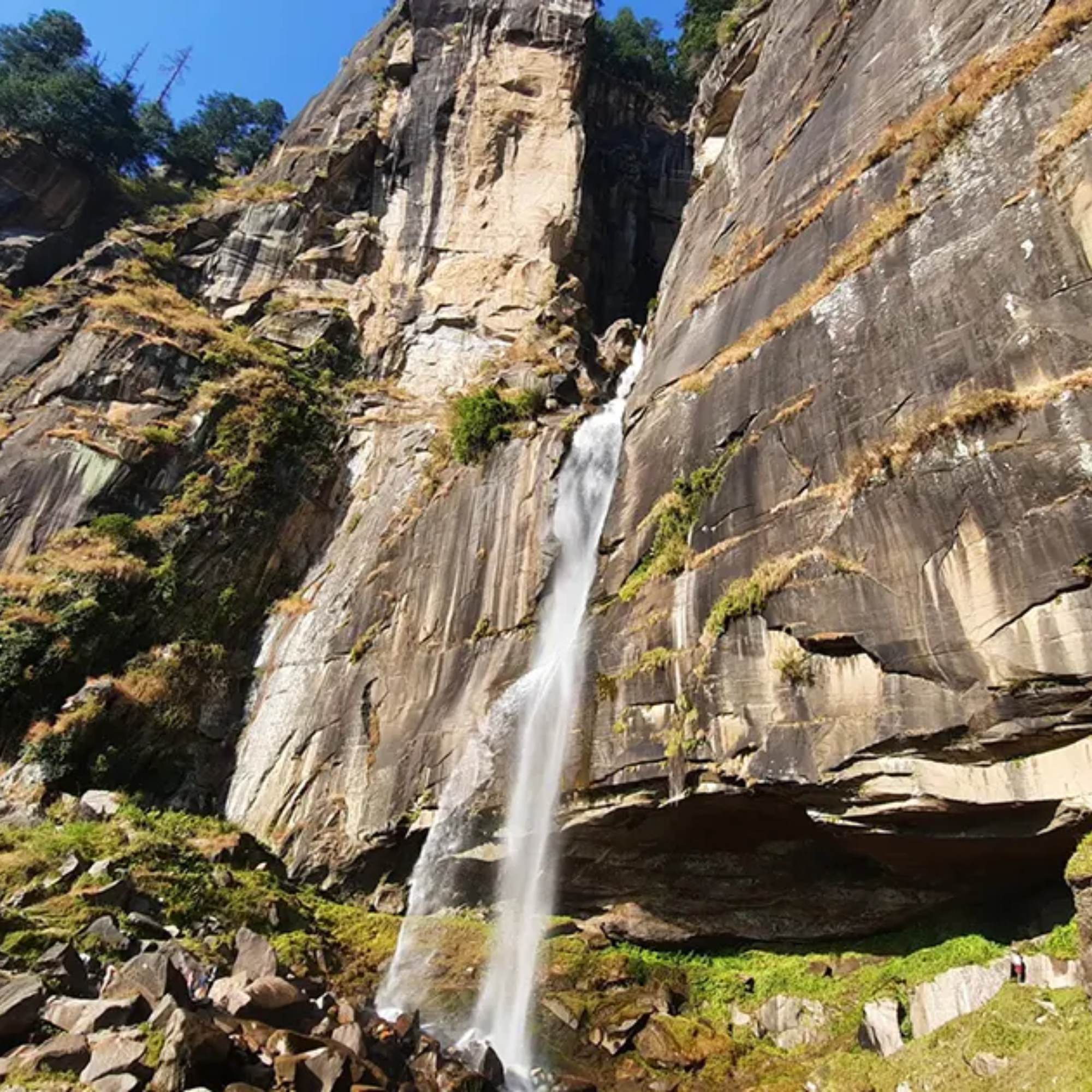
Jogini Waterfall is a walk, not a drive-up viewpoint. People usually approach it on foot from the Vashisht side.
The trail suits active travellers. It does not suit every senior citizen, small child, or anyone with mobility issues, and pretending otherwise gets people hurt.
Wear proper shoes with grip. Not sliders, not fashion sneakers.
Do this in daylight only, and check conditions first. Rain or snow changes the trail completely.
Himalayan Nyinmapa Buddhist Monastery
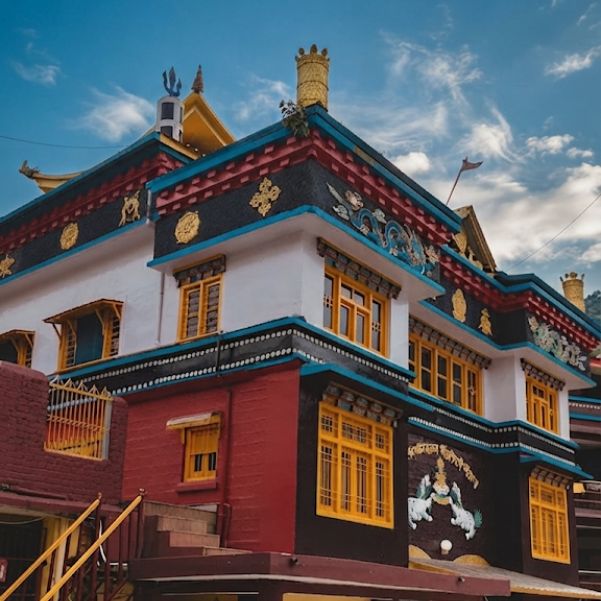
A Buddhist monastery in central Manali with wall murals, prayer spaces, and a small shop area at the front.
It slots easily into a central Manali day and takes very little time.
Check the latest visitor hours and photography rules before visiting. Always ask permission before taking photos inside the prayer halls.
Beas River Viewpoints
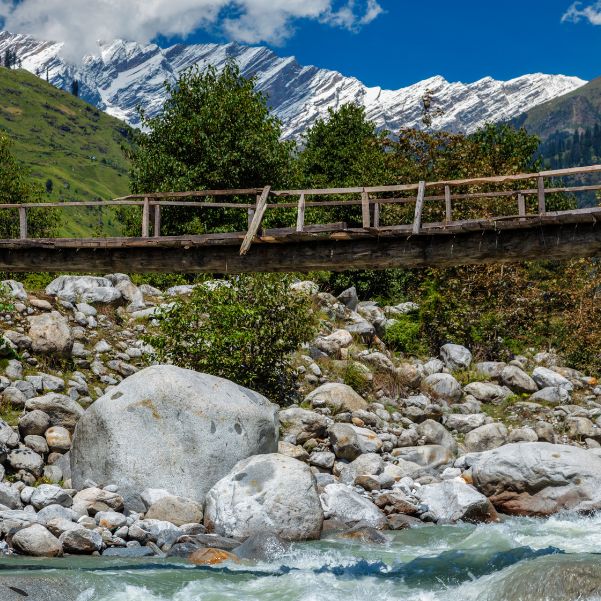
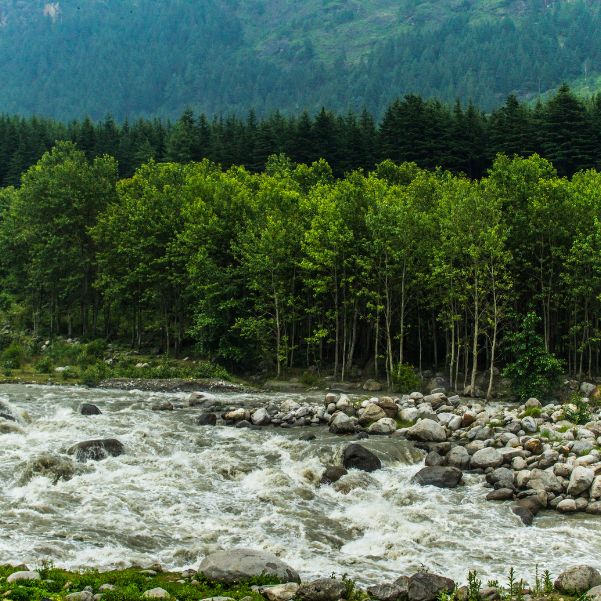
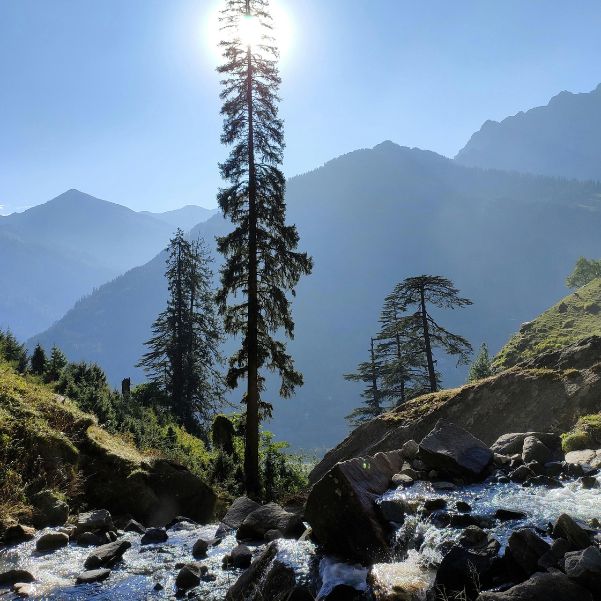
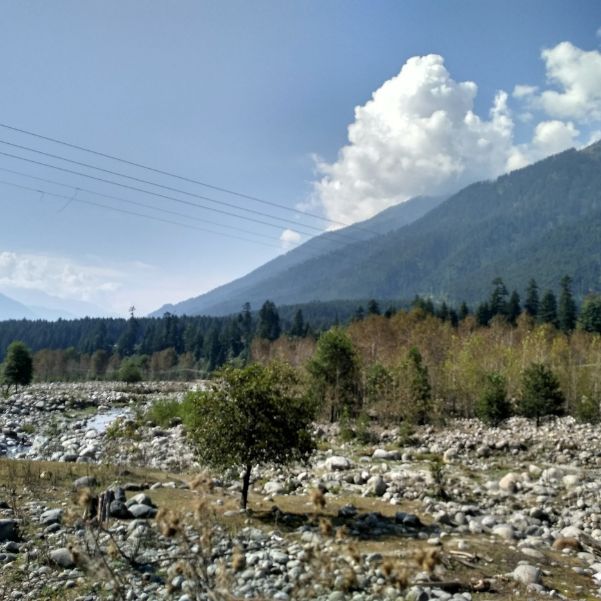
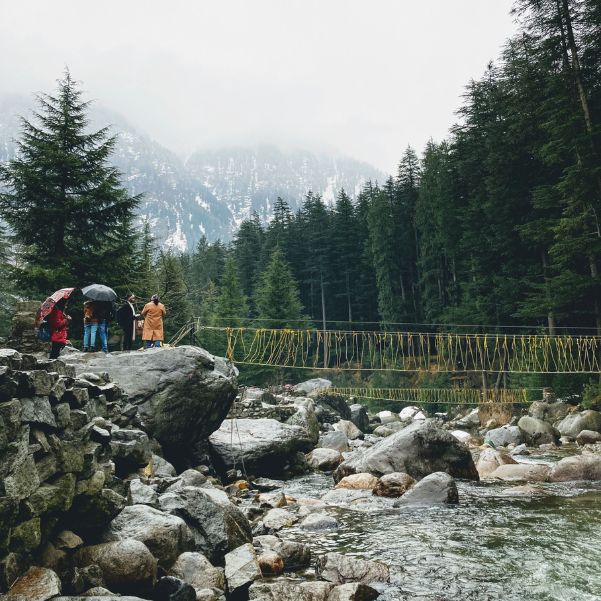
The Beas River runs alongside much of the Manali stretch, and there are safe riverside viewpoints and short scenic walks where you can sit for a while.
Do not enter the water and do not climb down onto loose rocky banks for a photo. The current is stronger than it looks and the boulders are slippery.
Water levels and access change with the season, so stick to established viewpoints.
Best Snow Points and Mountain Places Near Manali
Nobody can guarantee natural snow on a future date. Not us, not your hotel, not the taxi driver who promises snow in April.
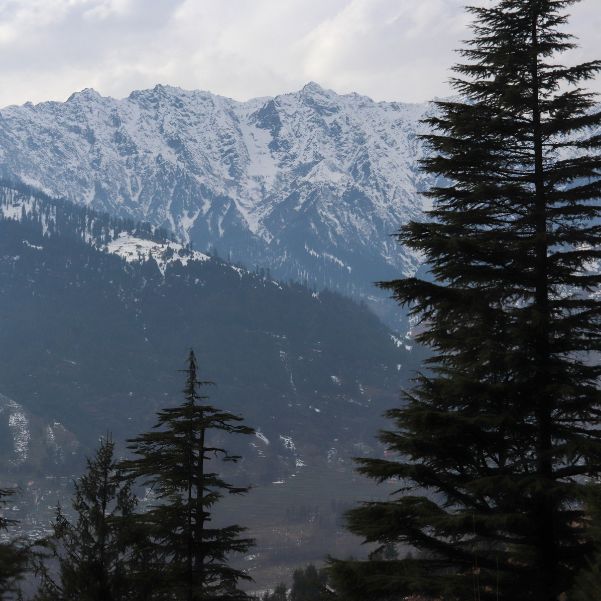
Which snow point is actually accessible depends on recent snowfall, road clearance, traffic control, and official restrictions on that particular day.
Here is a warning worth taking seriously. Taxi operators and touts near the Manali bus stand will sell "snow point" trips with confident promises about where the snow is.
Fix the destination and the price in writing before you sit in the car, because "snow point" is not a fixed location and the goalposts move once you are on the road.
Solang Valley
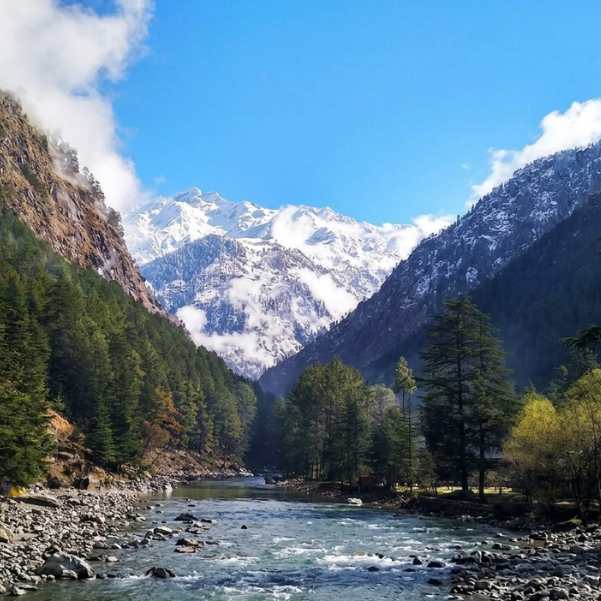
Solang Valley is roughly 13 to 14 kilometres from Manali according to official tourism sources.
You get wide mountain views, ski slopes in winter, and a cluster of seasonal adventure activities.
As a sightseeing destination it works fine for families. The individual activities are a different matter, because they come with age, weight, health, and safety conditions that vary by operator.
Check the latest activity prices and operating status before booking, as availability and rates change with season, weather and demand.
Our timing tip: leave Manali by 7 AM for Solang. By 10 the road fills up and what should be a short drive turns into a crawl.
Kothi Village and Viewpoint
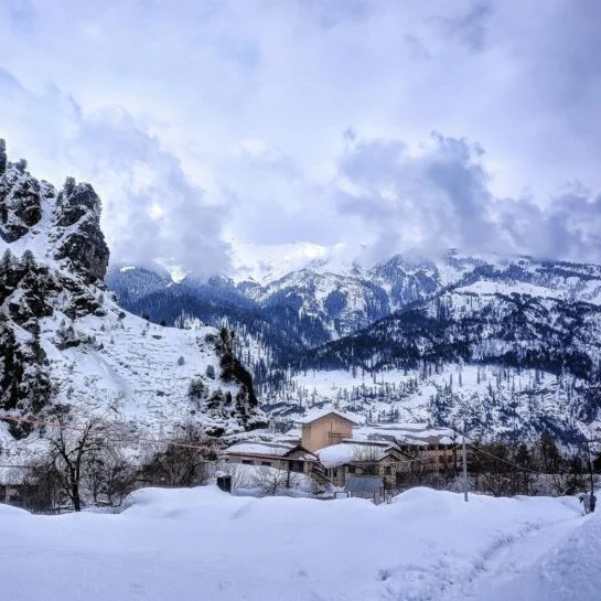
Kothi is a mountain and gorge-view stop on the wider Rohtang-road circuit, above the Solang turn-off.
When road and parking conditions allow, it gives you a quieter scenic stop than the main Solang area, with the Beas gorge cutting below.
Confirm the exact distance, road access, parking and stopping arrangements before including Kothi in your route.
Gulaba
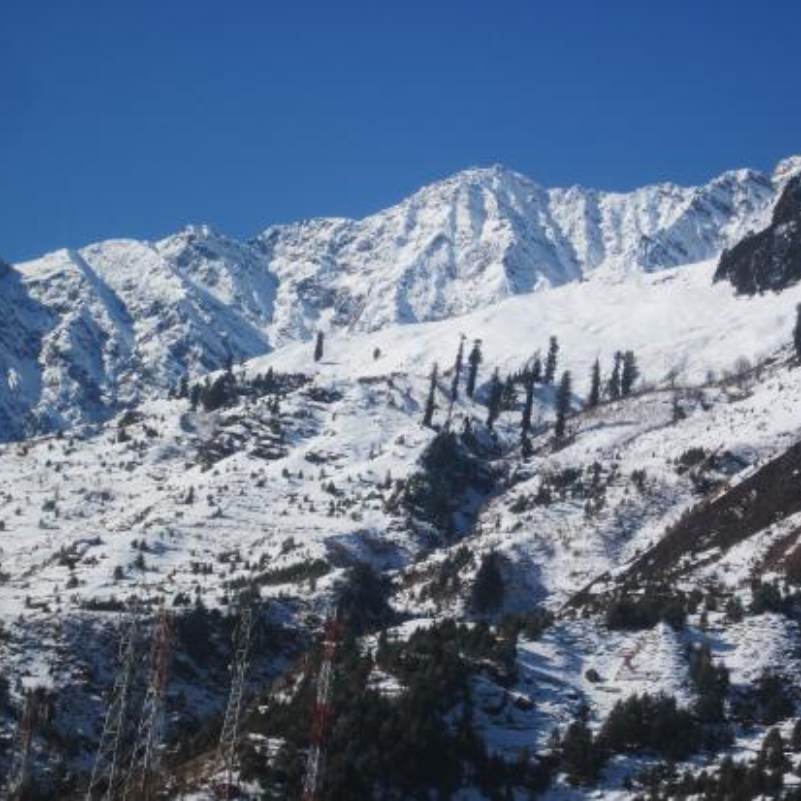
Gulaba is a scenic viewpoint and a seasonal snow-route stop further up the Rohtang road.
When access to higher points is restricted, this often becomes the alternative snow stop.
We will say it again because it matters: snow is not guaranteed here on any given date.
Check the latest road access, parking arrangements and stopping permissions before travelling to Gulaba.
Rohtang Pass
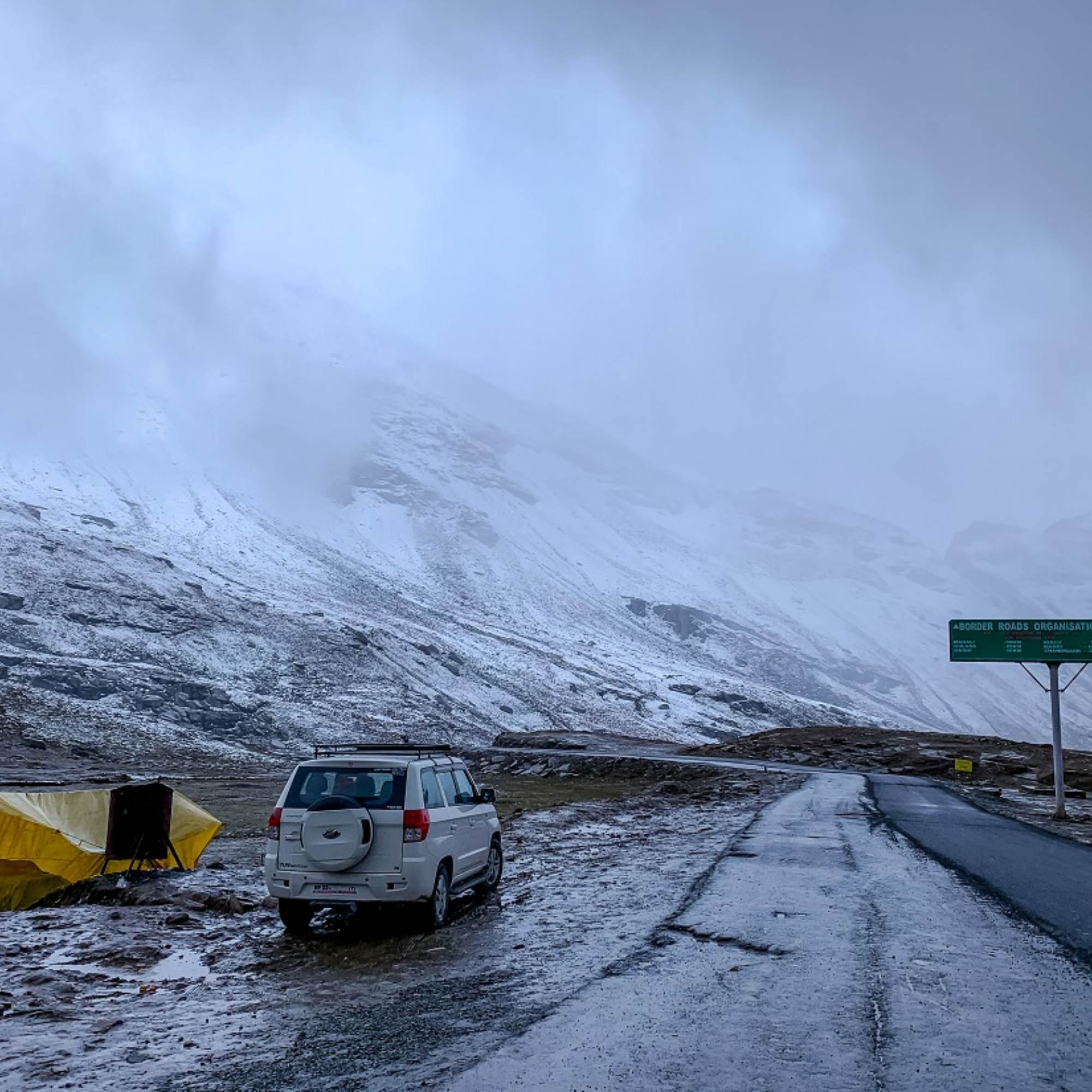
Rohtang Pass is roughly 50 to 51 kilometres from Manali in commonly published sources.
This is a high-altitude seasonal pass and it needs separate planning from the rest of your trip. It is not a casual add-on to a sightseeing day.
Access depends on weather, road clearance, official opening, permits, quotas, and vehicle regulations. Any one of these can shut the plan down.
The Kullu district administration continues to run an official permit service for Rohtang. Before planning Rohtang Pass, confirm the current permit fee, vehicle quota, seasonal opening status and vehicle eligibility rules on the official portal.
We covered how this plays out early in the season in our guide on Rohtang Pass in September.
Atal Tunnel Route and North Portal
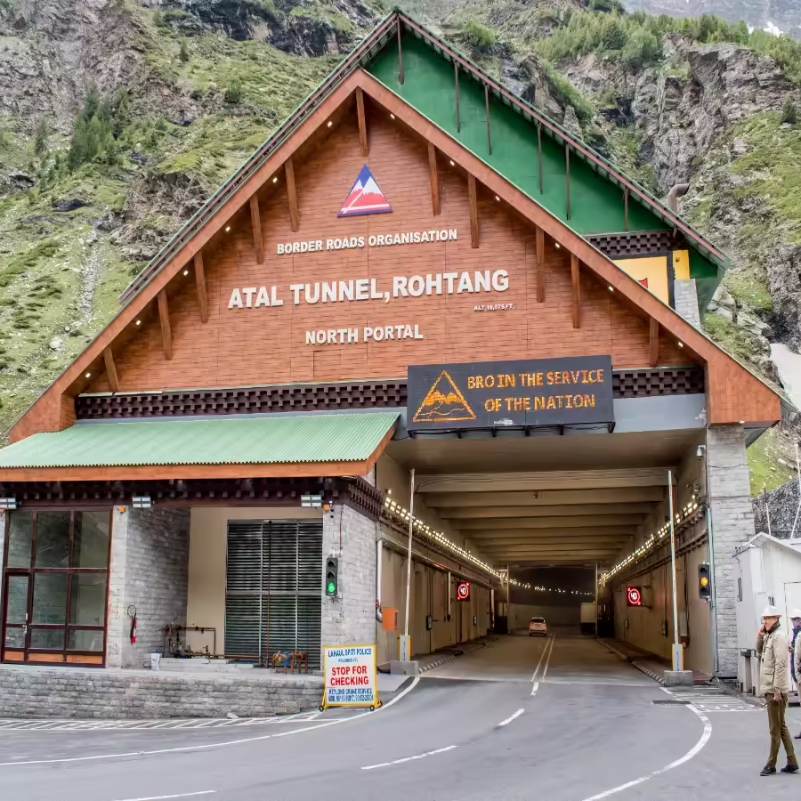
Atal Tunnel is road infrastructure connecting the Manali side with Lahaul. That is what it is, and treating it as a standalone attraction leads to disappointment.
Think of it as part of a Sissu journey rather than a full-day outing.
Do not stop, park, walk, or take photographs inside the tunnel. This is a live traffic corridor and enforcement is real.
Check the latest traffic, photography, parking and stopping regulations before using the Atal Tunnel route.
Best Day Trips from Manali
Sissu
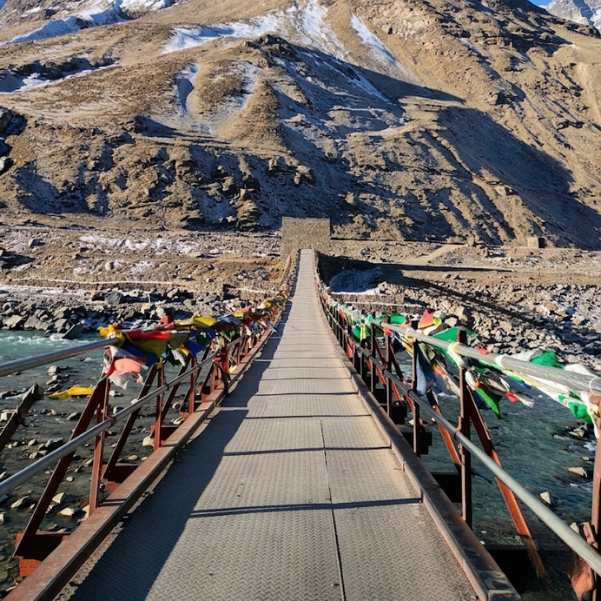
Sissu sits on the Lahaul side, reached from Manali through the Atal Tunnel corridor. The landscape changes completely once you come out the north side.
The main attractions are Sissu Lake, the waterfall viewpoint, the helipad viewpoint, and the Chandra River areas.
It works well for families, couples, and anyone who just wants a good scenic road day, provided conditions are stable.
Check the latest road, weather, tunnel and traffic conditions on the morning of your Sissu trip.
Here is the local recommendation we give every group: if Sissu is your main objective, keep the Solang stop to fifteen or twenty minutes. Travellers who spend two hours at Solang reach Sissu tired and with no light left.
The full route breakdown is in our Manali to Sissu road trip guide, and if you want the spot-by-spot version, read places to visit in Sissu.
Naggar Castle
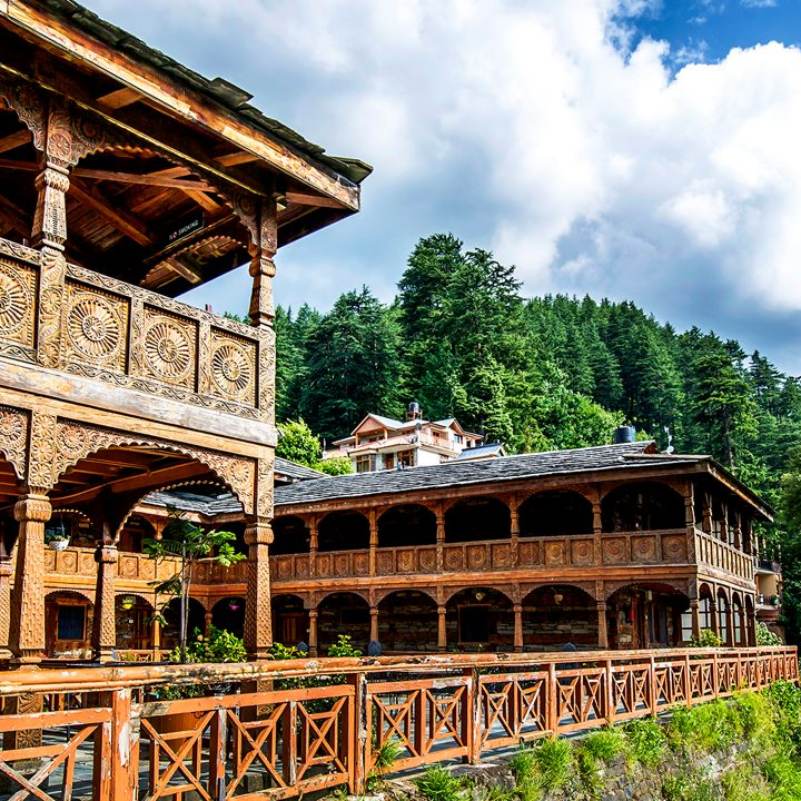
Naggar Castle is a historic stone-and-wood structure with courtyards, carved balconies, and views down the Kullu valley.
It suits families, couples, photographers, and anyone who likes a bit of history with their sightseeing.
Confirm the current entry fee, visitor hours and operational arrangements before visiting Naggar Castle.
Nicholas Roerich Art Gallery and Estate
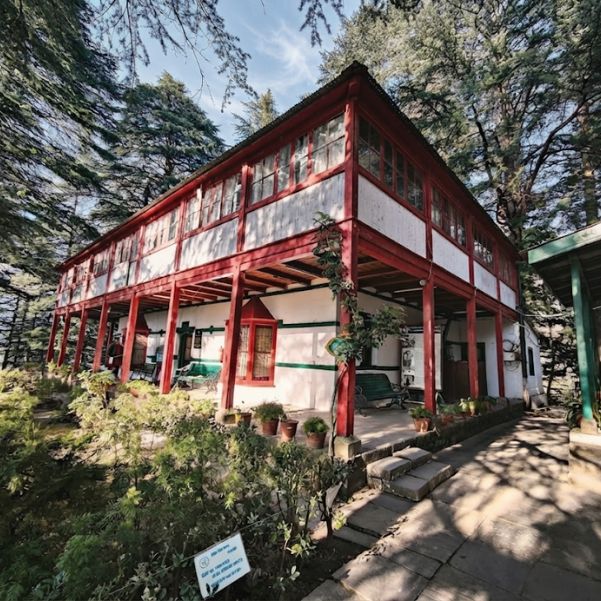
The Nicholas Roerich Art Gallery and Estate sits close to Naggar and most people combine the two.
It is an art and cultural stop, quiet, with paintings of the Himalaya and a garden that is genuinely peaceful compared to central Manali.
Check the latest entry fee, weekly closure day and opening hours before visiting the Nicholas Roerich Art Gallery and Estate.
Jana Waterfall
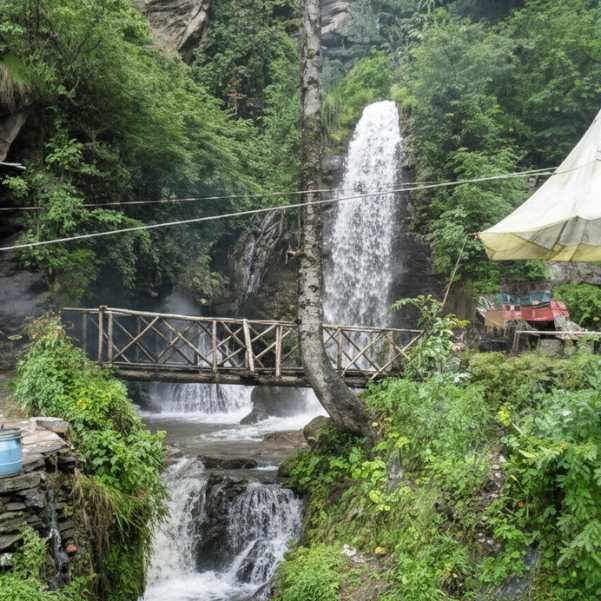
Jana Waterfall is a rural excursion usually clubbed with the Naggar side. The drive takes you through apple orchards and small villages.
Water flow, road condition, parking, and the final walking section all vary by season. We will not promise strong flow year-round because it simply is not true.
Local food tip: the village dhabas near Jana serve traditional Himachali thali on brass plates, and this is the best meal you will eat on the Naggar circuit. Ask for the sidu if they have it that day.
Check the latest road, parking and walking-route conditions locally before travelling to Jana Waterfall.
Kullu
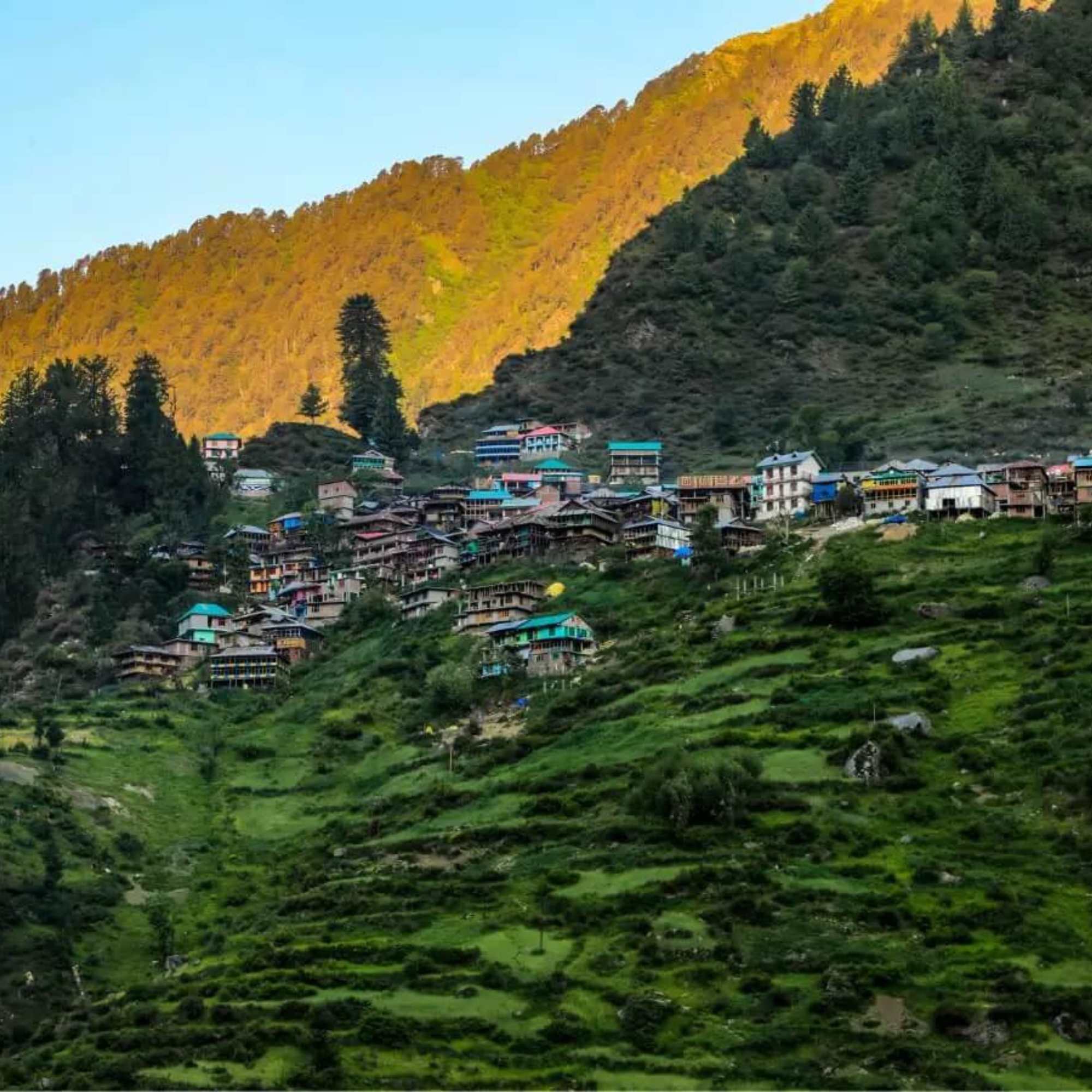
Kullu is the valley town below Manali, useful for markets, temples, shawl shopping, and rafting-side activities on the Beas.
For most travellers it fits better into an arrival day, a departure day, or a Naggar or Kasol route than as a full scenic day of its own.
Here is the money tip. Shops will tell you they are giving you a "factory rate" on shawls. There are no guaranteed factory discounts and no fixed prices.
Check the same design at two or three shops before buying, and buy from a shop that lets you see the label rather than one that pulls you in from the road.
Kasol
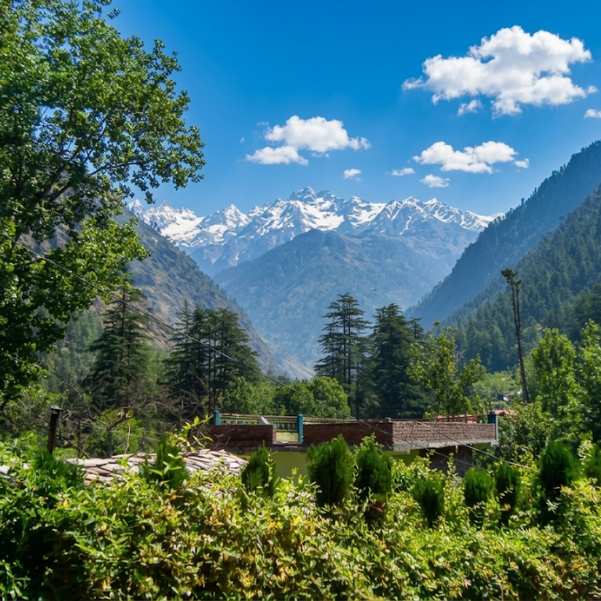
Kasol sits in Parvati Valley and is known for its cafés, riverside setting, and long-stay backpacker crowd.
You can visit it from Manali, but understand what you are signing up for. It makes a substantial road day and you will spend most of it in the car.
Save it for a five-day or longer itinerary. On a three-day Manali trip it is not worth the drive.
Check the latest travel time and road status before planning Kasol as a day trip from Manali.
If Parvati Valley is what you actually want, it makes more sense to base yourself there with our Kasol tours instead of doing it as a day trip.
Manikaran
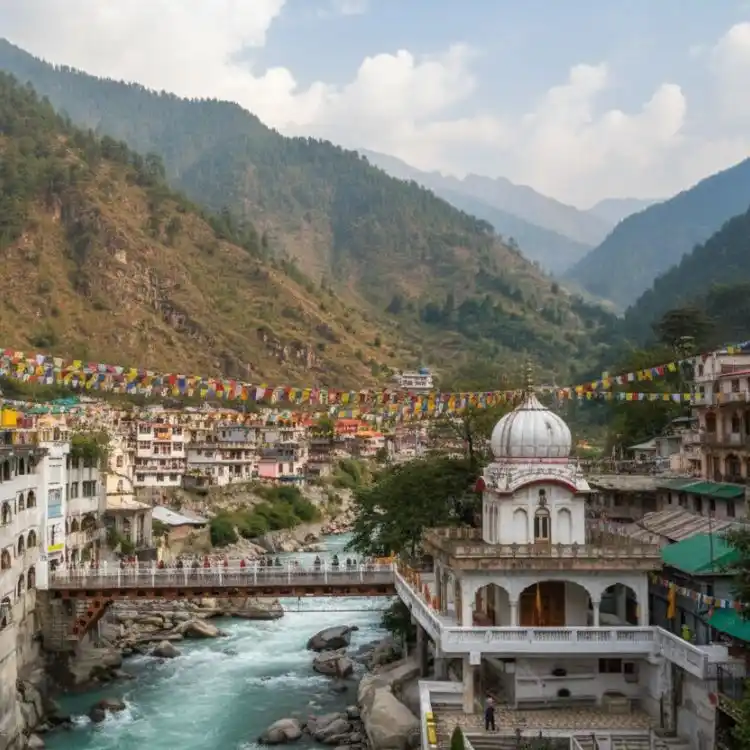
Manikaran is a pilgrimage destination for both Hindus and Sikhs, known for its hot springs beside the Parvati River.
Most travellers combine it with Kasol on the same day.
Dress modestly and cover your head inside the gurudwara. Take your shoes off where indicated and follow what the local visitors are doing.
We are not making any medical claims about the spring water, and you should be sceptical of anyone who does.
Sethan Village
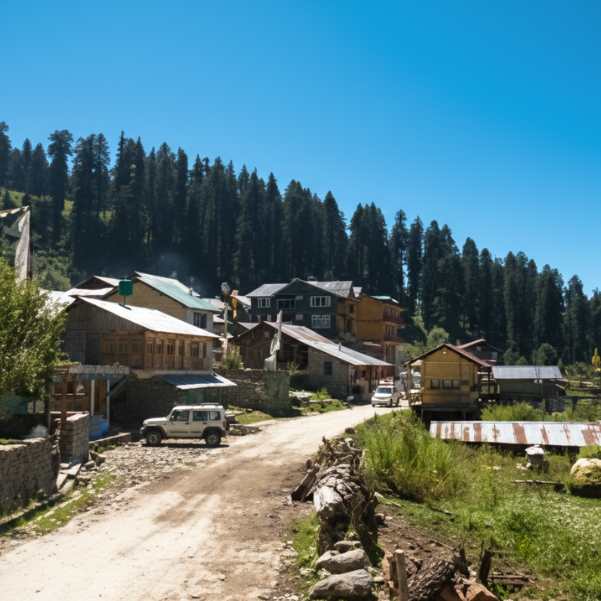
Sethan is a small village above the Manali side, associated with mountain views and seasonal winter experiences like igloo stays.
It is much quieter than central Manali, which is exactly why people go.
Confirm current snow, road, taxi, parking and vehicle-access conditions before travelling to Sethan.
Hamta Valley
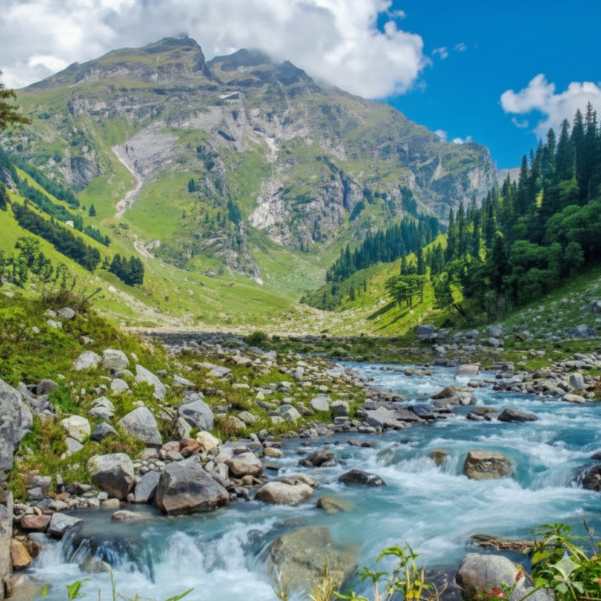
Hamta Valley is a scenic mountain area beyond the Sethan side, good for photography and adventure-minded travellers when the road is accessible.
Be clear about one thing. Visiting the accessible part of Hamta Valley by road is completely different from the Hamta Pass trek, which is a multi-day trek needing separate planning, gear, and guides.
Check the latest road and seasonal access conditions before including Hamta Valley in your itinerary.
For more places like this that most itineraries miss, read our guide to offbeat places near Manali.
Which Manali Places Are Best for Families?
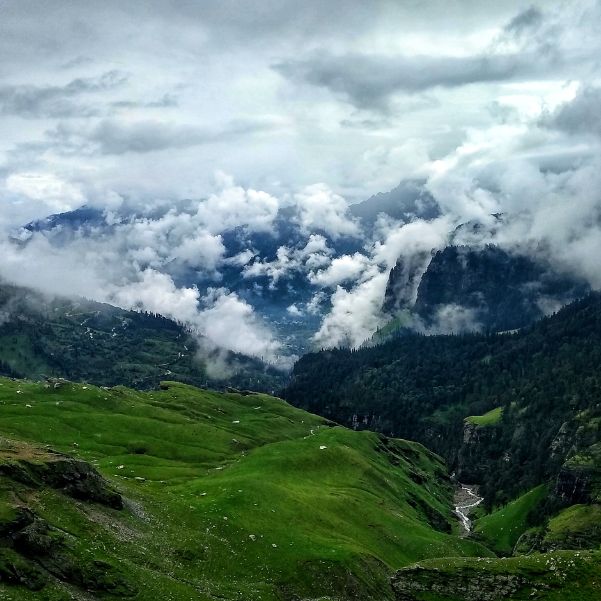
Mall Road, Van Vihar, Hidimba Temple, the cultural museum, Solang Valley as a sightseeing stop, Naggar, and Sissu when road conditions are stable.
Family suitability is not a fixed thing. It depends on your child's age, how much they can walk, availability of toilets and food stops, the weather that week, altitude, and the age and health rules each activity operator sets.
Not every Solang activity suits every child. Ask the operator directly about age and weight limits instead of assuming.
Which Places Suit Senior Citizens?
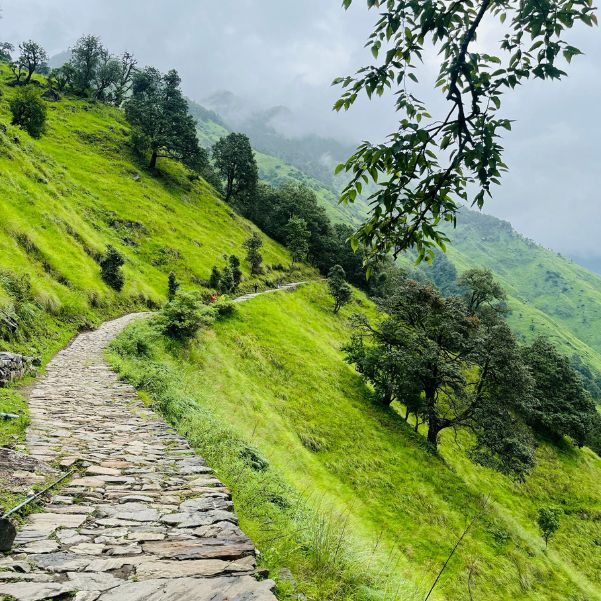
Mall Road, Van Vihar, the monastery, Hidimba Temple if parking and walking work out on the day, Naggar subject to access, and scenic driving stops where you get out for ten minutes and get back in.
Skip Jogini Waterfall, the steep Old Manali lanes, snow slopes, high-altitude routes, and long back-to-back road days.
We are a travel team, not doctors. If there is a heart or breathing condition involved, that conversation belongs with your physician before you finalise anything above Solang.
Which Places Are Best for Couples?
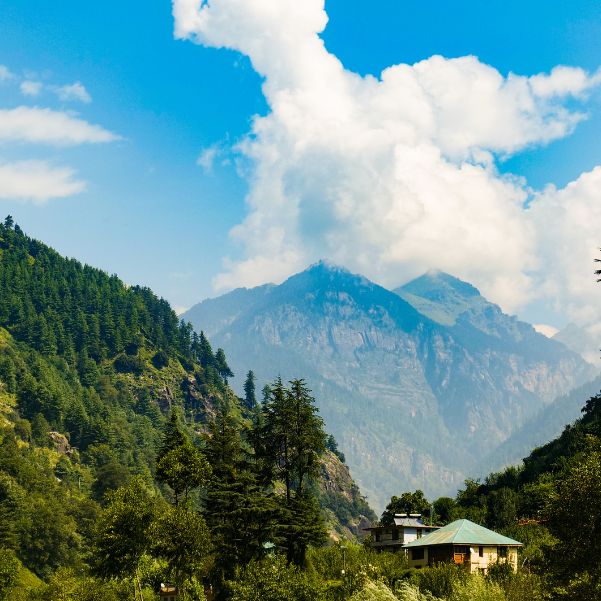
Old Manali for the cafés and lanes, the forest area around Hidimba, safe Beas River viewpoints, Naggar and the Roerich Estate for a slow half-day, Sissu for the drive, and Sethan or Hamta Valley when they are accessible.
One caution. Quiet and isolated are not the same as safe after dark. Stick to lit, populated areas at night and let your hotel know if you are heading somewhere remote.
Where Can You See Snow Near Manali?
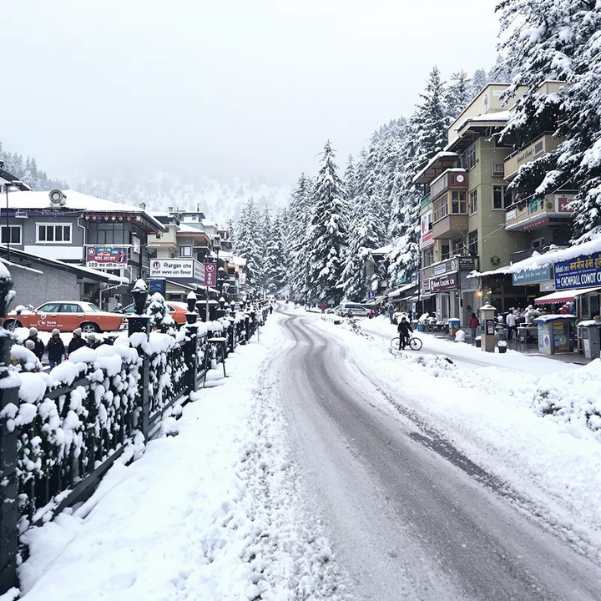
Solang Valley is the usual first choice and the most accessible.
When higher points are restricted, Gulaba or another accessible stop on that road often becomes the alternative.
Rohtang is seasonal and you cannot assume it is open. Plan without it and treat it as a bonus if it works out.
Sissu, Sethan, and the wider Lahaul side can have snow in the right weather, and the Lahaul side often holds it longer.
None of this guarantees snow on your date. Anyone promising snow for a specific future date is guessing or selling.
Which Places Can You Cover Based on Available Time?
With one day, pick either local Manali or Solang Valley. Not both. We have watched travellers attempt both and end up enjoying neither.
With two days, do one local circuit covering Hidimba, Old Manali, Mall Road, and Vashisht, then keep the second day for the Solang side.
With three days, add either Sissu or Naggar as a full excursion after your local and Solang days.
With four days, do local Manali, Solang, a Lahaul or seasonal snow excursion, and then Naggar or a buffer day. That buffer day is worth more than an extra sight, because road closures happen.
With five days, add Kasol and Manikaran, or Sethan and Hamta, or simply slow everything down and repeat the places you liked.
What Should You Skip on a Short Manali Trip?
Skip Kasol if you are only here for three days. Driving there and back to collect a few café photographs is not a good use of a mountain holiday.
Do not treat Rohtang and Sissu as two guaranteed items on the same trip. Both depend on conditions and building your plan around both being open sets you up for disappointment.
Do not force every snow-road stop into one day. Kothi, Gulaba, Solang, and a higher point in a single day means rushing all of them.
Do not combine Jogini Waterfall with two long drives. It needs energy and daylight, and it deserves a fresh morning.
Bhrigu Lake and Hamta Pass are treks. They need separate planning, fitness, and guides, and no taxi is taking you there for the afternoon.
Families and senior travellers should never take two exhausting road days back to back. Put a light day in between and the whole trip improves.
How Much Does Manali Sightseeing Cost?
Some temples, markets, village walks, and river viewpoints may have no admission charge at all.
What does cost money is parking, local taxis, museum entry, park entry, adventure activities, equipment hire, permits, and private excursions.
Solang activity prices vary by activity, duration, operator, season and weather. Confirm the current rate and operating status directly with the operator before booking.
Rohtang requires separate permit and vehicle planning, so check the latest fees, quota and vehicle rules on the official permit portal.
Day-trip costs for Sissu, Naggar, Kasol and other excursions depend mainly on vehicle type, season, route and inclusions. Request a current quote before confirming the trip.
Practical Local Sightseeing Tips
Start early. This matters most during summer holidays, snowfall weekends, Christmas, New Year, and long weekends.
Official tourism planning material identifies May to June and December as periods when Manali commonly sees severe vehicle congestion. Plan those months around traffic, not around distance.
Group your places by circuit. We have said this three times because it is the tip that saves the most hours.
Confirm your parking situation and the exact hotel pickup point with your driver the night before. Manali's one-way and no-entry zones catch out drivers who are new to the town.
Keep your first sightseeing day light if you arrived on an overnight bus. In our experience, people who go straight from a 12-hour bus ride to a full Solang day feel wrecked for the rest of the trip.
Wear proper shoes for waterfalls and village lanes. Both get slippery.
Carry water and take your waste back with you. There are no bins on most of these trails.
Behave respectfully in temples and monasteries. Ask before photographing people or prayer halls.
Never enter restricted river, snow, tunnel, or roadside zones. Those barriers exist because people have been hurt.
Check current weather and road advisories before heading to Solang, Rohtang, Sissu, Sethan, Hamta, Kasol, or Naggar. Conditions change overnight here.
Need a Manali Sightseeing Plan for Your Dates?
We can put together local sightseeing, the Solang route, Sissu, Naggar, seasonal snow points, family-friendly pacing, hotels, private transport, and activity preferences around your actual dates and your group.
Have a look at our Manali tour packages, or just tell us your dates and we will tell you honestly what is realistic.
Explore Our Curated Manali Tour Packages
 6D/5N
6D/5NManali Solang Sissu Sethan Snow Adventure
1D Delhi•3D Manali+2
₹15,999₹21,999SAVE INR 6,000/ person 6D/5N
6D/5NManali Solang Sissu Sethan Snow Trip With Kasol
1D Delhi•3D Manali+2
₹25,999₹33,999SAVE INR 8,000/ person 7D/6N
7D/6NManali Kasol Jibhi Valley Trip
1D Delhi•2D Manali+3
₹25,799₹32,999SAVE INR 7,200/ person
Related topics
Frequently Asked Questions
Which are the best places to visit in Manali?
Hidimba Devi Temple, Old Manali, Vashisht, Solang Valley, Naggar Castle, and Sissu cover the best of what Manali offers across culture, cafés, snow, and scenic drives.
What are the top five tourist places in Manali?
Hidimba Devi Temple, Solang Valley, Old Manali, Vashisht with its hot springs, and Mall Road. These five give a first-time visitor a complete picture.
Which Manali places can be covered in one day?
Pick the local circuit of Hidimba Temple, the cultural museum, Old Manali, Manu Temple, and Mall Road. Do not add Solang to the same day.
Where can I see snow near Manali?
Solang Valley is the usual first stop, with Gulaba as an alternative and Rohtang, Sissu, or Sethan when conditions allow. No location can be guaranteed to have snow on a future date.
Is Solang Valley worth visiting?
Yes, for the mountain views and the setting. Just go early and treat the paid activities as optional rather than the main reason to be there.
Is Rohtang Pass better than Solang Valley?
Rohtang has bigger scenery but needs permits, official opening, and good conditions. Solang is far more reliable and much easier to reach.
Is Sissu worth visiting from Manali?
Yes. The Lahaul landscape after the Atal Tunnel is completely different from the Manali side, and Sissu Lake with the waterfall behind it is the highlight.
Which places in Manali are best for families?
Mall Road, Van Vihar, Hidimba Temple, the cultural museum, Solang as a sightseeing stop, Naggar, and Sissu when the roads are stable.
Which places suit senior citizens?
Mall Road, Van Vihar, the monastery, Hidimba Temple if the walk works out, Naggar, and short scenic driving stops. Skip trails and high-altitude routes.
What are the best places in Manali for couples?
Old Manali for cafés and lanes, the Hidimba forest area, quiet Beas viewpoints, Naggar with the Roerich Estate, and Sissu for the drive.
Can Solang Valley and Sissu be covered on the same day?
Yes, if you keep Solang to a quick fifteen-minute stop and treat Sissu as the main destination. Conditions on the day decide it.
Is Jogini Waterfall suitable for children?
It depends on the child. The trail involves a real walk and uneven ground, so it suits older, active kids rather than toddlers or anyone who tires quickly.
More about Manali
 Manali
Shimla First or Manali First? Best Himachal Route from Delhi & Chandigarh in 2026
Planning a Shimla and Manali trip from Delhi or Chandigarh in 2026? This practical route guide compares Shimla first vs Manali first, with travel times, road routes, ideal sequencing, and return options to help you plan a smoother Himachal road trip.
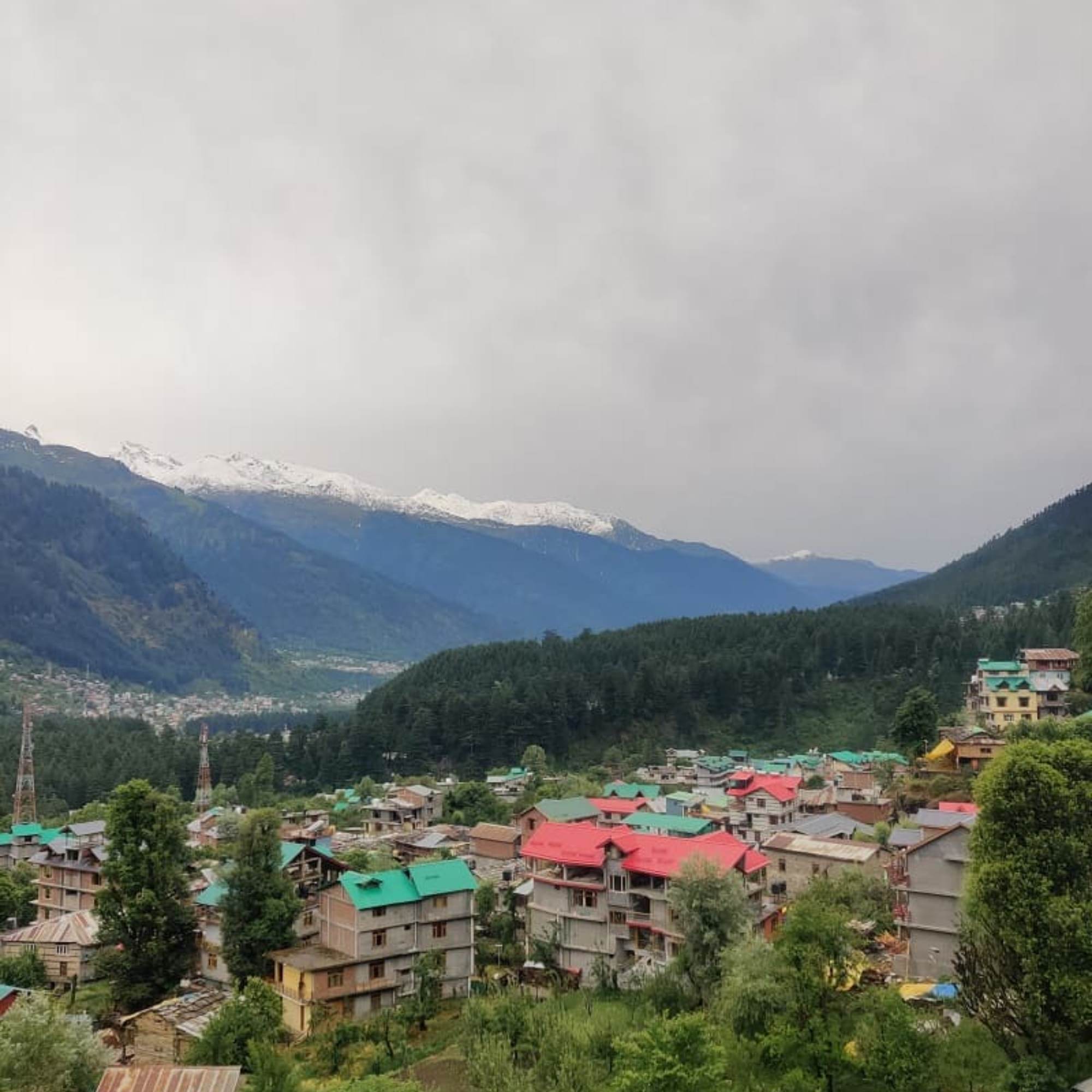 Manali
Shimla Manali Trip Cost 2026-27: Realistic Budget for Couples, Families and Groups
Plan your Shimla Manali trip for 2026-27 with a realistic budget guide covering hotel, transport, food, sightseeing and estimated costs for couples, families and groups.
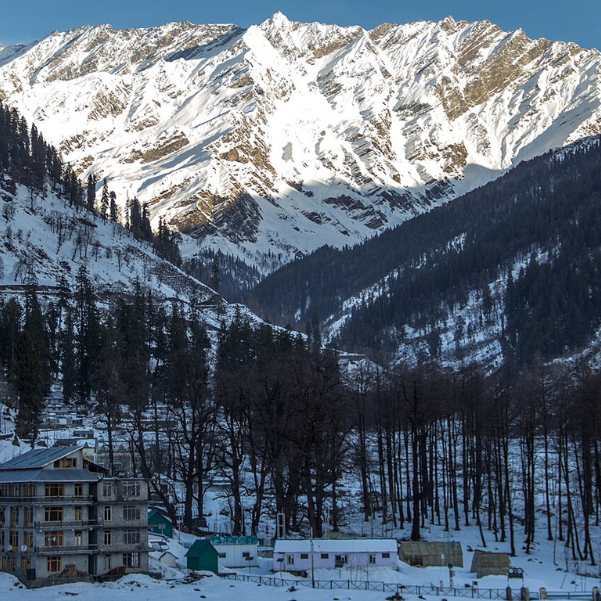 Manali
Manali from South India in Winter 2026-27: A First-Snow Guide for Bengaluru, Chennai & Hyderabad Travellers
Planning your first Manali snow trip from South India? This 2026–27 winter guide covers the best time for snow, routes, costs, clothing, weather, stays and practical tips for travellers experiencing a Himalayan winter for the first time.
- How to Reach
- Snow Travel