
Manali To Sissu Road Trip Guide 2026: Route, Distance, Road Status, Cost And Local Tips

If you are planning a Manali to Sissu road trip, here is the good news: it is one of the easiest short drives into Lahaul, and the Atal Tunnel has made it almost too simple.
You leave the pine forests of Manali, drive through a 9 km tunnel, and pop out into a completely different world of bare mountains and open valley. The whole thing takes barely over an hour.
But "easy" does not mean you skip planning. Snow, road advisories, and permit confusion can still trip you up if you go in blind.
We run trips on this route every season. This guide by Travel Coffee covers everything we tell our own travellers before they leave Manali.
Quick Answer: Manali To Sissu Road Trip In 2026
Manali to Sissu is around 38 to 40 km via Solang Valley and the Atal Tunnel, and it usually takes 1 to 1.5 hours in normal conditions.
This is one of the easiest short Lahaul drives you can do from Manali. The road is mostly smooth and the tunnel cuts out the old Rohtang climb completely.
The catch: weather, snowfall, and official advisories can change access fast. A road that is open in the morning can shut by afternoon during heavy snow.
Always check the latest road status before you leave, and start early.
Where Is Sissu And Why Is This Road Trip So Popular?
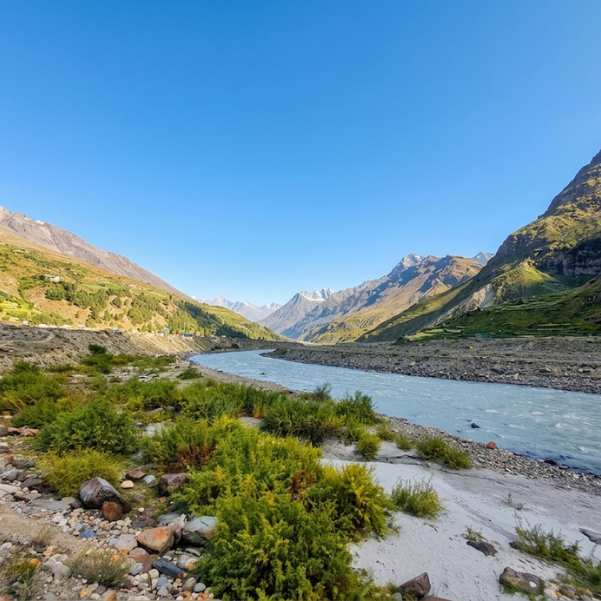
Sissu is a small Lahaul village sitting on the Chandra river at around 3,120 m altitude.
It is roughly 40 km from Manali and sits a short drive after the north exit of the Atal Tunnel.
What makes this drive special is the sudden change in scenery. On the Manali side you have green hills, deodar trees, and apple orchards.
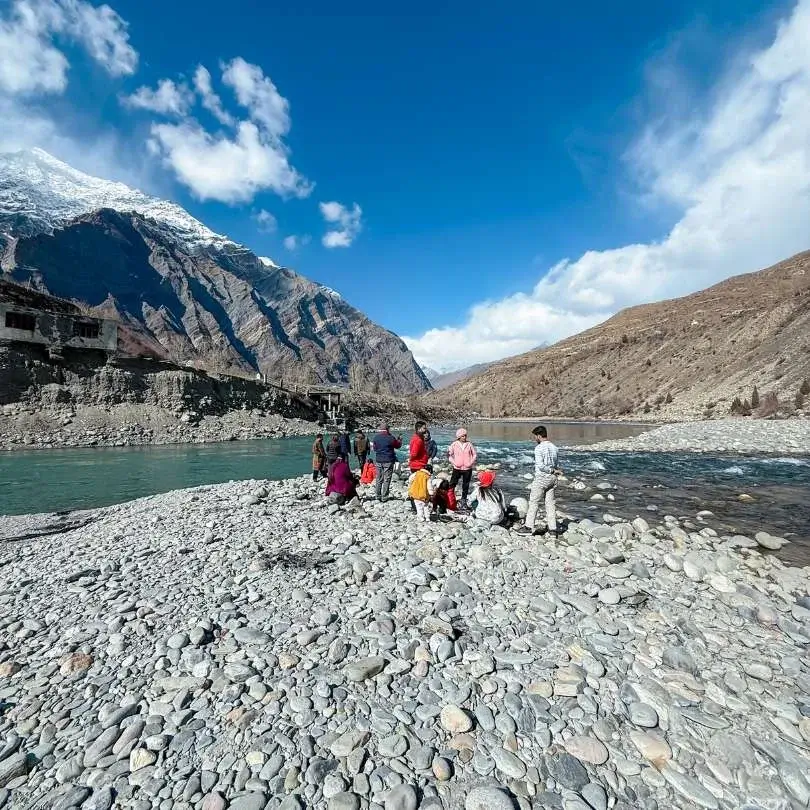
The moment you exit the tunnel, the trees vanish. You get wide open valley, brown and grey mountains, and the Chandra river cutting through the bottom.
It feels like you crossed into a different state in ten minutes. That contrast is the whole reason people love this route.
Couples come for the photos and the calm. Families come because it is a short, safe taste of Lahaul without a brutal drive.
Riders love the tunnel and the open road on the other side. Content creators come for the reels. And in winter, snow lovers come for the frozen waterfall and white valley.
If you want the trip handled end to end, our Sissu tour packages cover stays, transport, and a local driver who knows the road.
What Most First-Timers Get Wrong
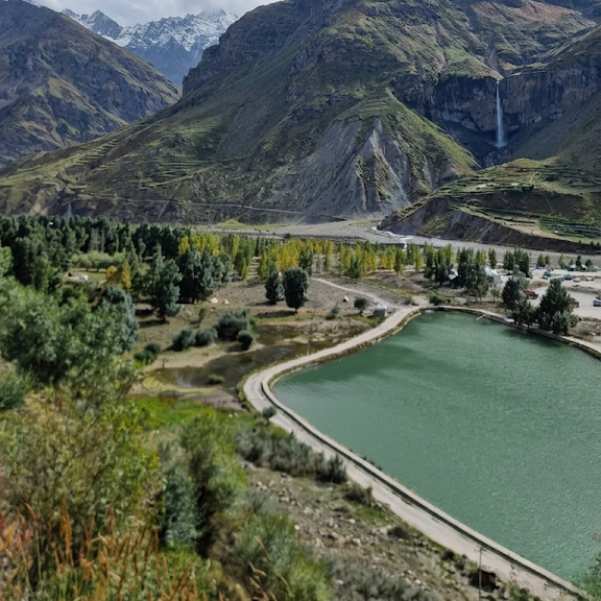
Most people treat Sissu like a quick "tunnel and back" photo stop and rush the whole thing in three hours.
That is a mistake. The magic of Sissu is sitting by the Chandra river with a chai and doing nothing. Rush it and you miss the entire point.
What Is The Manali To Sissu Route?
The route is simple: Manali, then Palchan or Solang, then the Atal Tunnel, then Sissu. Let me break it down.
Manali To Palchan And Solang
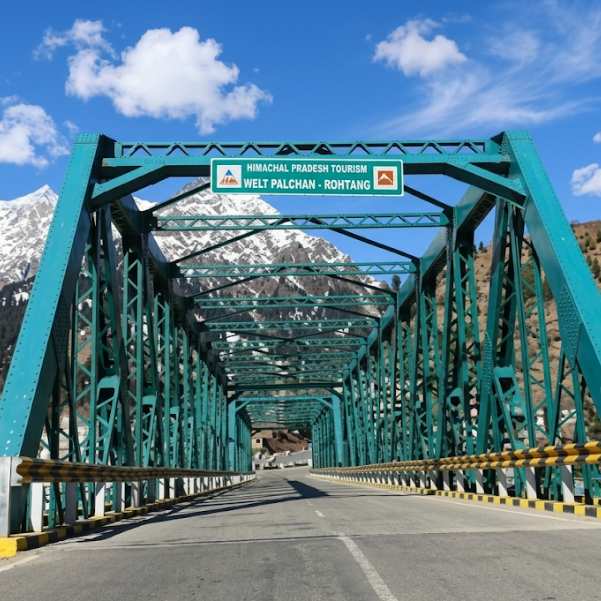
You start from Manali and head toward Palchan and Solang Valley. This first stretch is easy and well paved.
Solang Valley makes a nice quick tea or photo stop, but it is not a long detour if Sissu is your real goal.
In our experience, if you stop too long at Solang you eat into your Sissu time. Keep it short here.
Solang To Atal Tunnel South Portal
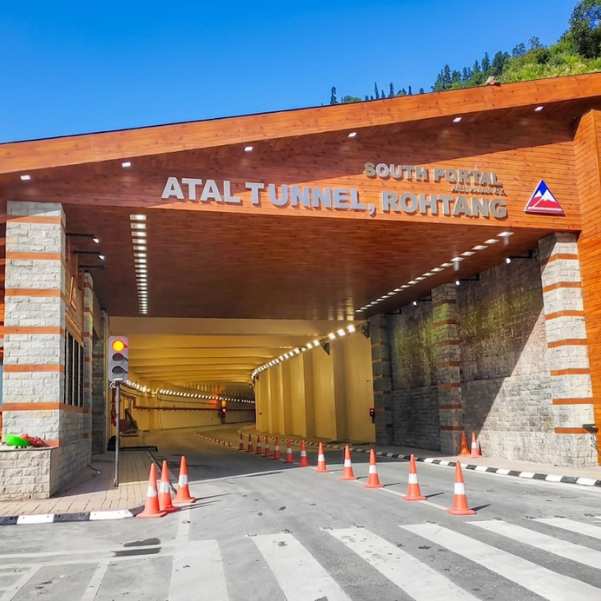
From Solang the road climbs steadily toward the south portal of the Atal Tunnel.
This part is straightforward in good weather. The road is in decent shape and the climb is gentle.
One thing to remember: the Atal Tunnel is a public highway, not a tourist spot. Do not stop or take photos inside it. The police watch this strictly.
Atal Tunnel North Portal To Sissu
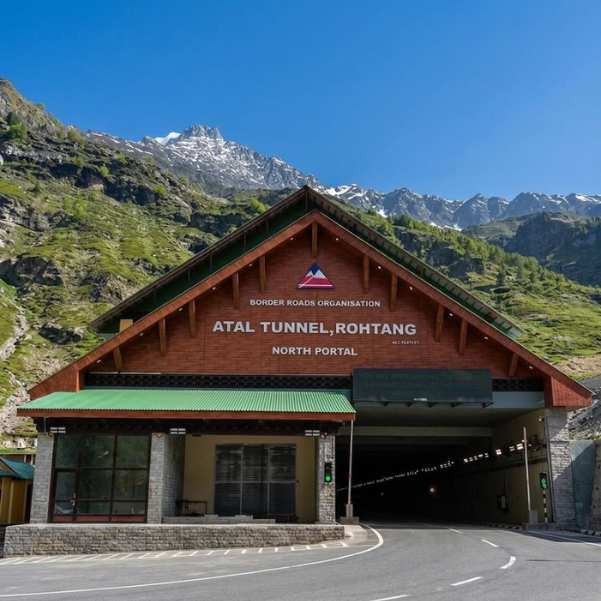
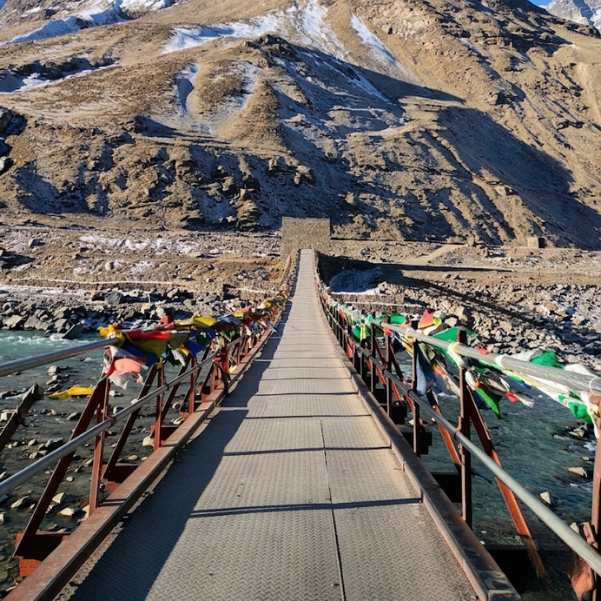
You exit the tunnel and suddenly you are in Lahaul. The first views hit you immediately, bare mountains and the Chandra river below.
A short drive after the north portal brings you to Sissu village, with Sissu Lake and the waterfall viewpoint right there.
This is where most people stop the car and just stare for a minute. It is that different from where you started.
If you want to plan the wider Manali side of your trip too, our Manali tour packages cover stays, sightseeing, and transport.
Manali To Sissu Distance, Driving Time And Route Summary
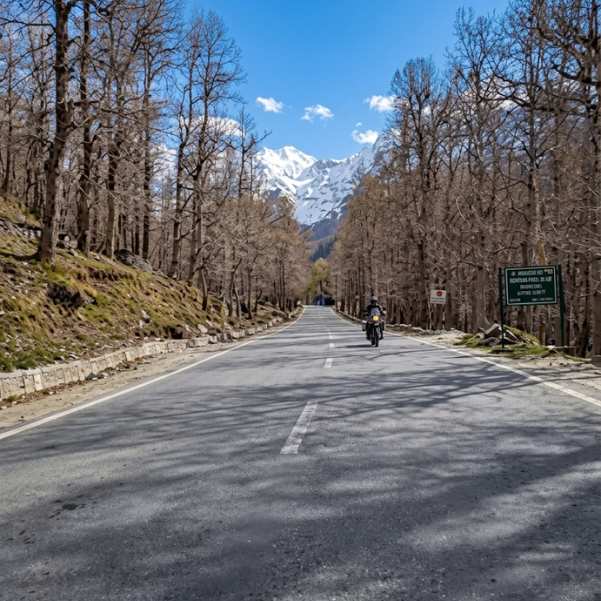
The Manali to Sissu distance via the Atal Tunnel is around 38 to 40 km.
In normal conditions, the drive takes about 1 to 1.5 hours. That is the clean, no-fuss version.
Add traffic, snow, photo stops, or a café break, and it stretches to around 1.5 to 2 hours. Plan for the longer end if you are travelling in peak season.
The usual route is Manali, then Palchan or Solang, then the Atal Tunnel, then Sissu. Short, direct, and easy to follow.
Is Manali To Sissu Road Open In 2026?
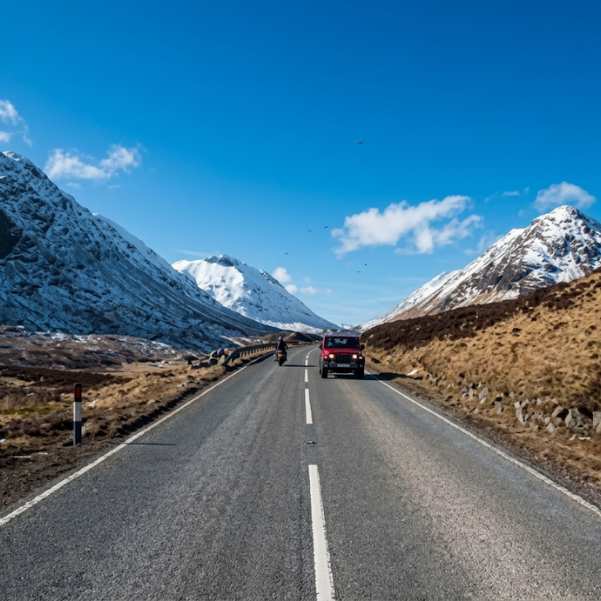
On the last checked official Lahaul and Spiti district road status page, Manali to Keylong was listed as open, Keylong to Kaza as closed, and Keylong to Leh as open.
Since Sissu falls on the Manali to Keylong stretch, this is the section that matters for you.
But road status in Lahaul can change quickly due to snow, rain, landslides, maintenance work, or local restrictions, so do not treat any single online check as final. Always recheck the latest update before you leave.
The Manali to Sissu road can close temporarily during heavy snow, avalanche warnings, VIP movement, road work, or police and BRO regulation.
This is not rare. In March 2026, more than 300 tourist vehicles were reported stranded in the Lahaul and Atal Tunnel areas after heavy snowfall, and they were guided back to Manali.
That is exactly why we never let our travellers leave without a morning road check. A sunny Manali sky tells you nothing about the north portal.
Do You Need A Permit For Manali To Sissu?
This is where most blogs confuse people, so let me clear it up.
A Rohtang Pass permit is for Rohtang Pass tourism. It is not the permit for the normal Atal Tunnel route to Sissu.
But here is the part most people miss. The Himachal e-Aagman portal says vehicles entering Lahaul and Spiti need an e-pass.
It says an e-permit is required per vehicle for the Atal Tunnel Rohtang to Koksar to Chandratal circuit, and an e-ticket is required per vehicle for other places.
Many taxi pages and old blog comments say no permit is needed for Sissu. So the information out there is genuinely conflicting.
Our honest local advice
Do not trust an old blog comment. Check e-Aagman directly or ask your hotel or driver before you leave Manali.
For a simple Manali to Sissu day trip, the latest e-Aagman requirement should be checked before travel.
Best Time For Manali To Sissu Road Trip
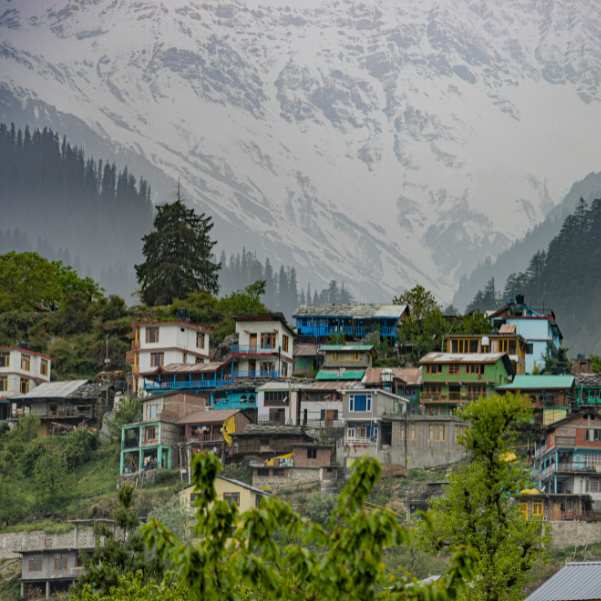
There is no single best month. It depends on whether you want snow, waterfalls, or easy driving.
March To June
This is the easiest season for most first-time travellers. Roads are usually more manageable and the drive feels relaxed.
You may still catch snow in early spring depending on that year's snowfall. Families get a safer, calmer travel window here.
July To September
The waterfalls run stronger and the valley turns greener. Sissu actually looks its lushest in these months.
But rain, landslide risk, and delays come with it. We will not promise smooth roads in monsoon, because that would be a lie.
October To November
This is a quiet favourite of ours. Clearer skies, great light for photos, fewer crowds, and calm driving before heavy winter sets in.
If you care about clean photos and an empty valley, this window is hard to beat.
December To February
This is full snow season. Sissu Waterfall can freeze solid between December and February, which is a sight worth the cold.
But winter travel needs a proper road-status check, an early start, warm clothing, and a reliable driver. Do not wing it in January.
One Day Manali To Sissu Itinerary
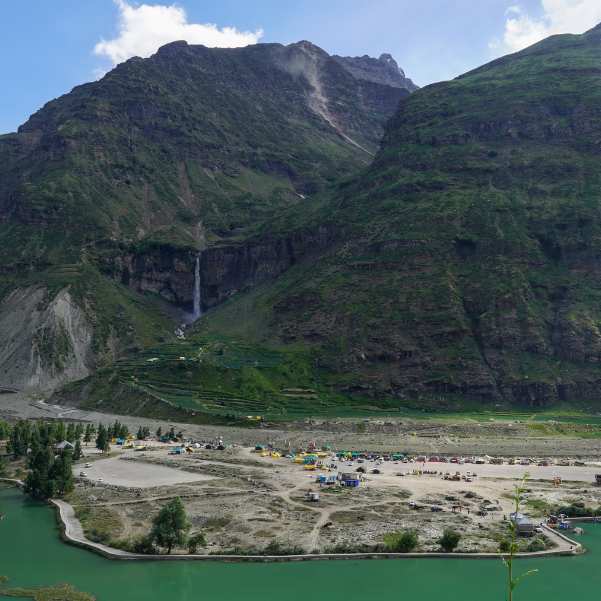
Here is the day plan we usually hand our travellers. It is relaxed but covers everything.
7:30 AM To 8:00 AM: Leave Manali
Our team always recommends an early start, especially in winter or peak season. Early roads are emptier and you beat the day-tripper rush.
In winter, every hour of daylight matters. Leave by 8 at the latest.
8:30 AM: Optional Solang Stop
A quick stop at Solang Valley for chai and a few photos. Keep it short.
If snow activities are not your thing, you can skip this entirely and save time for Sissu.
9:15 AM: Cross Atal Tunnel
You cross the Atal Tunnel, which is 9.02 km long. It takes just a few minutes to drive through.
Do not stop inside for any reason. No photos, no slowing down. Drive straight through.
9:45 AM To 1:00 PM: Sissu Lake, Waterfall View And Chandra River
This is your main block. Visit Sissu Lake, catch the Sissu Waterfall view, grab chai, take photos, and walk slowly.
Sissu Lake usually needs 20 to 45 minutes for most travellers. Spend the rest of the time by the Chandra river doing nothing in particular.
This slow stretch is the best part of the day. Do not rush it.
2:30 PM To 3:30 PM: Start Back To Manali
Begin your return so you reach Manali in good light. In winter especially, get back before dark.
Mountain roads after sunset are a different beast. Avoid them.
Should You Stay Overnight In Sissu?
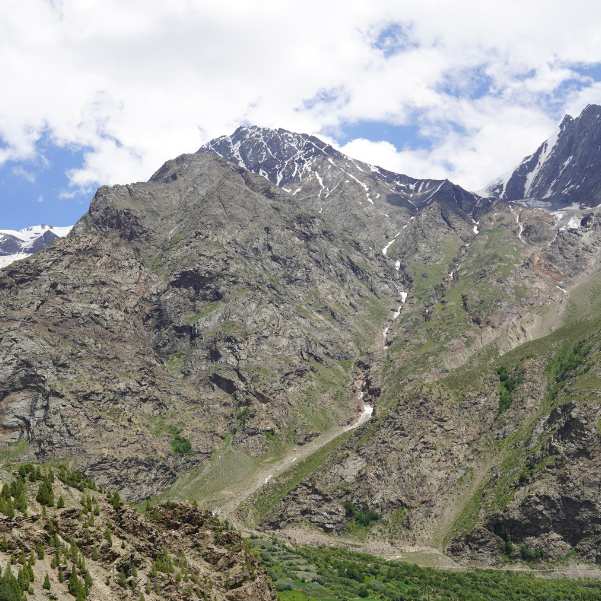
A day trip works perfectly fine for first timers with limited time. You see the lake, the waterfall, the river, and head back happy.
But an overnight stay is a different experience altogether. You get sunrise over the valley, snow mornings, and stargazing that you simply cannot get on a day trip.
You also get quiet village walks and the option to extend toward Keylong or Jispa the next day.
In our experience, the people who stay overnight always say they wish they had planned two nights. The valley grows on you.
Manali To Sissu By Taxi, Self Drive, Bike And Bus
You have four real ways to do this trip. Here is the honest breakdown of each.
Manali To Sissu By Taxi
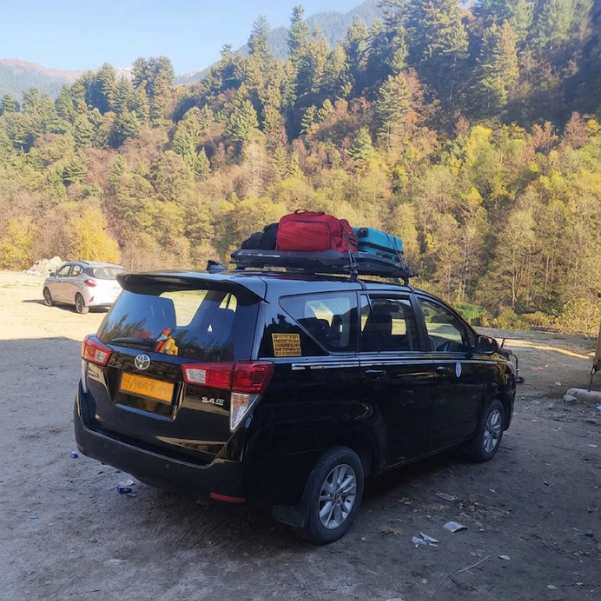
For Manali to Sissu by taxi, online and local taxi listings usually place small cars and sedans in the ₹2,500 to ₹3,000 range, and an SUV at around ₹3,500 to ₹4,000 or higher.
Another local guide gives a one-way private taxi at around ₹2,500 to ₹3,000 and a round trip at around ₹3,500 to ₹4,000. A shared taxi runs around ₹1,200 per person.
Fares change with season, snowfall, vehicle type, and waiting time. Always fix the price before you sit in the car.
A money tip from us: settle the full round-trip fare and waiting time upfront. Drivers who quote per-hour waiting later can double your bill by lunch.
Manali To Sissu By Self Drive Car
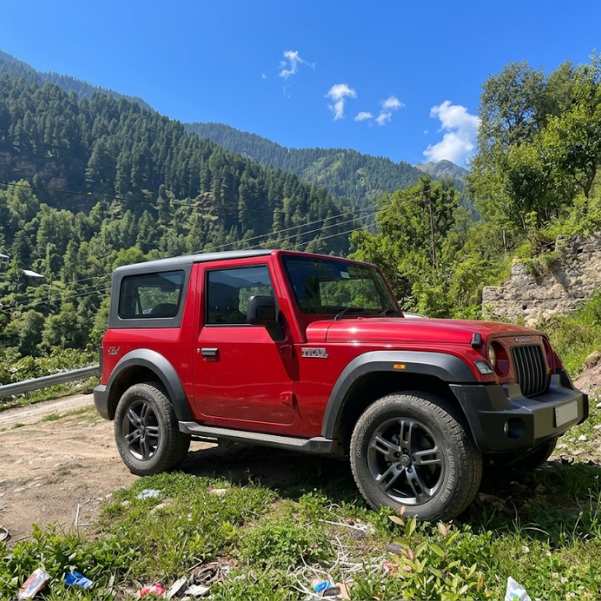
Self-drive is comfortable and fun in clear weather. The road is good enough for a normal car most of the year.
But do not experiment in fresh snow or on black ice. If you are not used to mountain driving in winter, you will scare yourself.
Families travelling in winter should just take a local driver. It is worth the money for the peace of mind.
Manali To Sissu By Bike Or Scooty
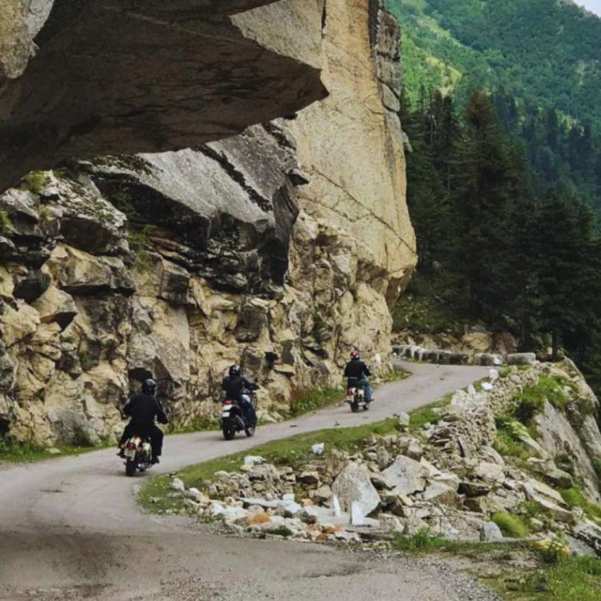
Biking this route is brilliant in the dry months. The tunnel ride and the open Lahaul road are a rider's dream.
Winter biking is risky. Black ice and snow near the tunnel exit can drop you fast, and it is genuinely dangerous.
Bike rentals in Manali usually start from around ₹500 to ₹800 per day for a scooty or Activa, while basic 150cc or commuter bikes may vary by shop and availability.
For Royal Enfield models, expect roughly ₹1,200 to ₹1,500 per day for a Classic 350, while a Himalayan can be around ₹1,800 to ₹2,200 or higher depending on the model, season, and route.
For local rides, the deposit can start around ₹2,000, but premium bikes or longer routes may require a higher deposit. Two-wheeler access can also change during snow, ice, or bad weather, so confirm locally before you rent.
Manali To Sissu By Bus
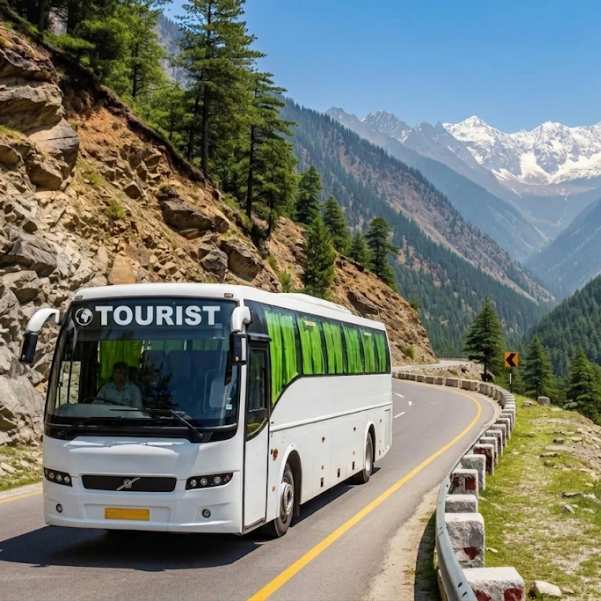
There is a budget option too. Local travel references place the Manali to Sissu HRTC fare roughly around ₹120 to ₹180, but treat this as a working estimate rather than a fixed official fare.
Timings are roughly 8:00 to 8:30 AM and 12:00 to 1:00 PM, but you must verify this at the Manali bus stand before you rely on it.
Buses are cheap but slow and inflexible. For a proper day trip with time at the lake, a taxi or self-drive beats the bus.
What To See In Sissu On A Short Trip?
Sissu is small, so you will not be overwhelmed with choices. Here is what is actually worth your time.
Sissu Waterfall
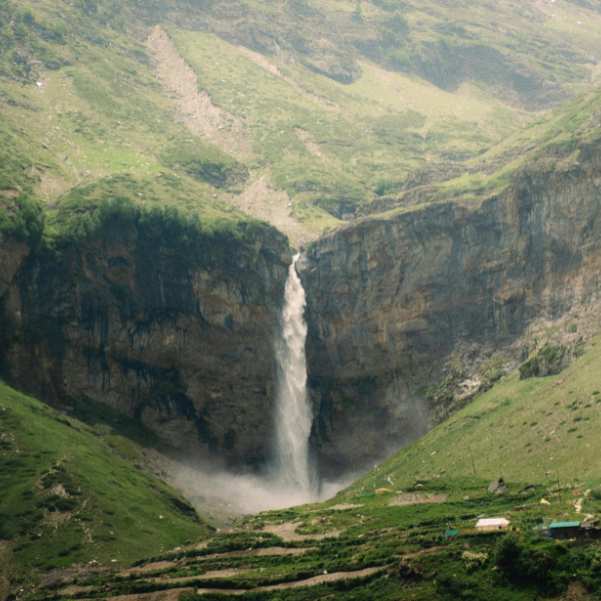
The Sissu Waterfall is locally called Palden Lhamo Dhar. You can see it from the highway, the lake, and the helipad side.
It is fuller and louder in July and August. Between December and February, it can freeze into a solid white column, which is a stunning sight.
Sissu Lake
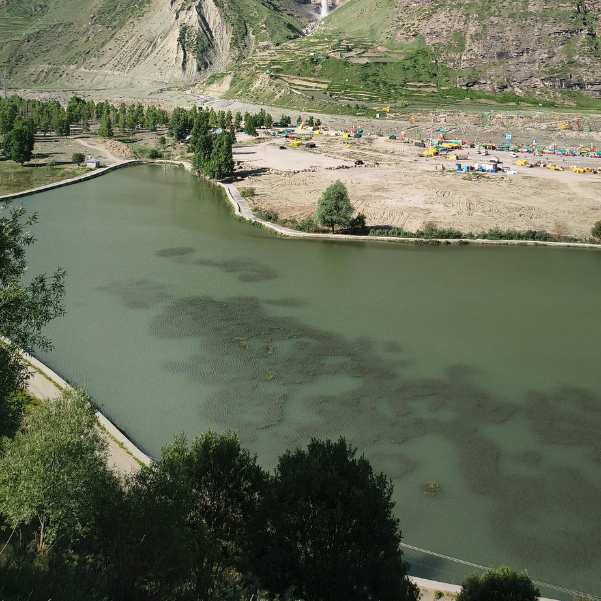
Sissu Lake is a small man-made water body near the edge of the village. It is good for a short walk, photos, and chai.
In winter it freezes over and looks great in pictures. Do not expect a huge lake, though. It is modest.
Chandra River Views
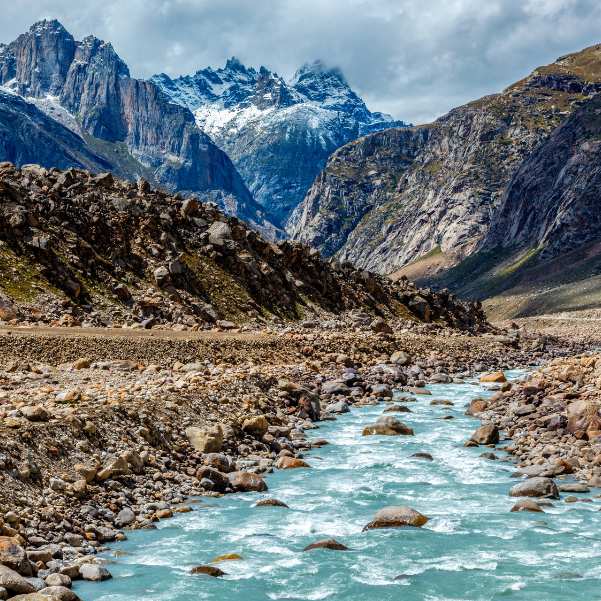
The Chandra river runs below the village, and honestly this is where you should slow down.
Walk along it, sit for a bit, listen to the water. Do not rush this place. The whole point of Sissu is the calm, not ticking off spots.
Labrang Gompa And Raja Ghepan Temple
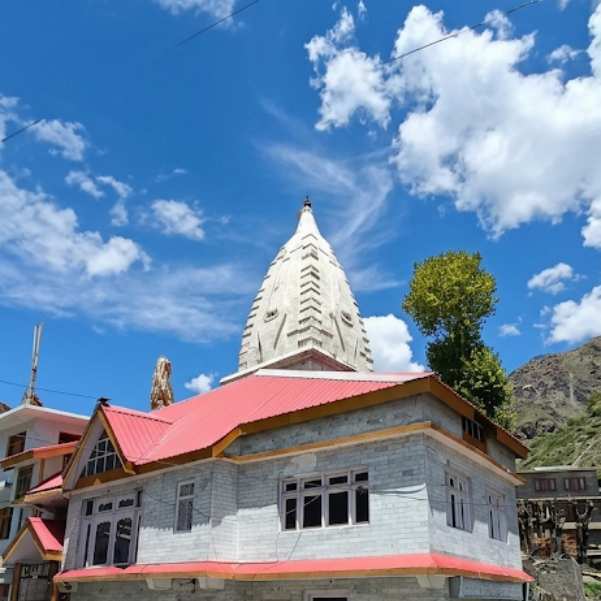
There is also Labrang Gompa and the Raja Ghepan temple nearby. These are quiet local stops, not grand tourist attractions.
Visit them respectfully if you have time. They give you a feel for the village's faith without being a big detour.
For routes that build Sissu into a longer plan, see our Sissu packages.
Sissu Snow Guide: When Will You See Snow?
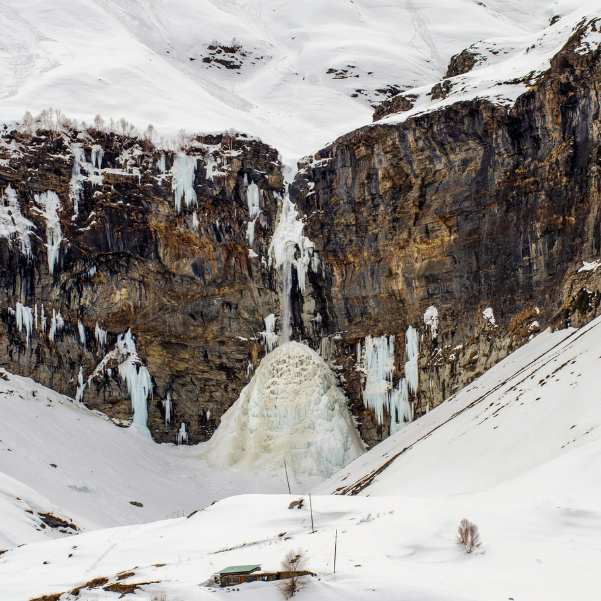
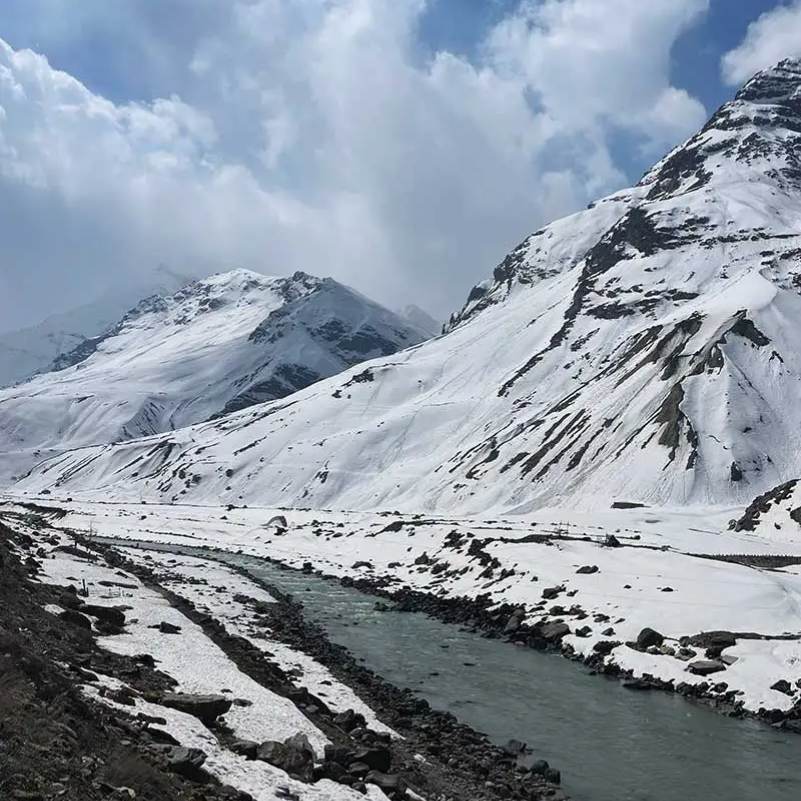
The main snow window is from December to February. That is when you get the white valley and the frozen waterfall.
But exact snow depends on the year. March can still give you snow views after fresh snowfall, though access then depends entirely on road conditions.
Now the serious part. Avalanche safety matters here, and we mean it.
Do not stop near the North Portal. In April 2026, restrictions were reported near avalanche-prone zones around the Atal Tunnel north portal, including no stopping, no parking, and no tourist entry into restricted zones.
These rules exist for a reason. People have been caught out here. Respect the barriers and the police instructions, always.
Food, Fuel, Parking And Network On The Route
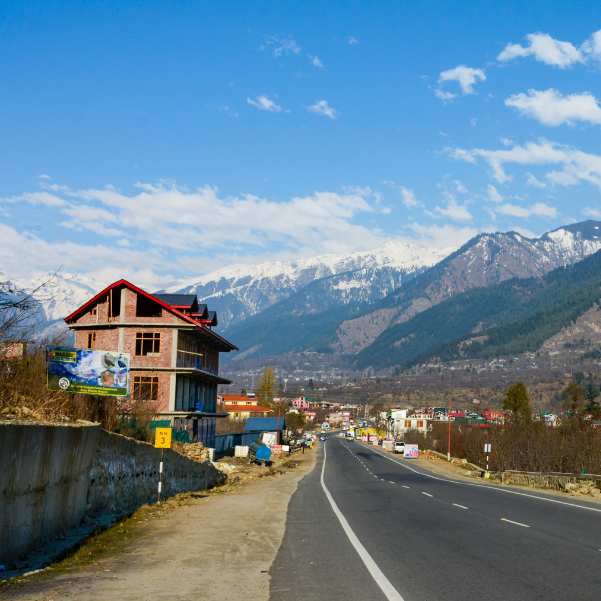
A few practical things that save your trip. Get these wrong and the day gets stressful fast.
Fill your fuel before leaving Manali or Palchan, especially if you are travelling in winter, late evening, or during uncertain road conditions. Current fuel listings show a petrol pump in Sissu, but availability, operating hours, and stock can change in the hills.
Tandi is still a major fuel support point on the Lahaul side, so do not depend on last-minute refuelling. Our team recommends starting from Manali with a full tank and confirming fuel availability locally before continuing deeper into Lahaul.
Carry some cash and download offline maps. Do not depend fully on card machines, because they will not always work out here.
Mobile network drops inside the tunnel. One guide says Jio and BSNL work better in Sissu, Airtel can be patchy, and Vi can be weak.
For food, the small dhabas and cafés near Sissu Lake do hot Maggi, chai, and basic meals. A hot plate of Maggi by the river after that tunnel drive hits differently. Do not skip it.
One thing we always tell our travellers
Park only in open permitted areas. Do not block the village lanes. Locals live here, and a blocked lane causes real problems.
Safety Tips For Families, Couples And Bikers
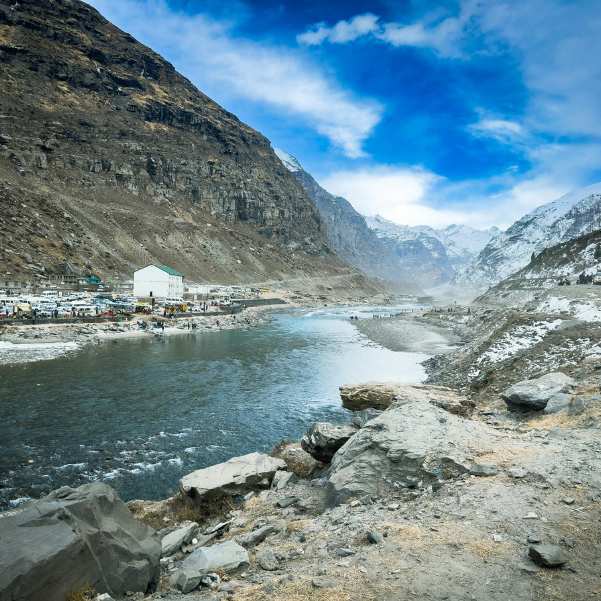
Start early, every single time. Daylight is your best safety tool on this route.
Do not stop inside the Atal Tunnel for any reason, and do not park near avalanche-prone zones near the north portal. These are not suggestions, they are rules.
Avoid night driving completely. Mountain roads after dark are risky even for experienced drivers.
Carry warm layers even in shoulder season, because the Lahaul side gets cold fast once the sun drops behind a ridge.
In snow, choose a local driver. They read the road in a way that you cannot if you are visiting for the first time.
Always check the official road status before you travel. Do not fly drones without permission. And if you have kids, keep them away from frozen water and road edges at all times.
What To Do If Atal Tunnel Or Sissu Road Is Closed?
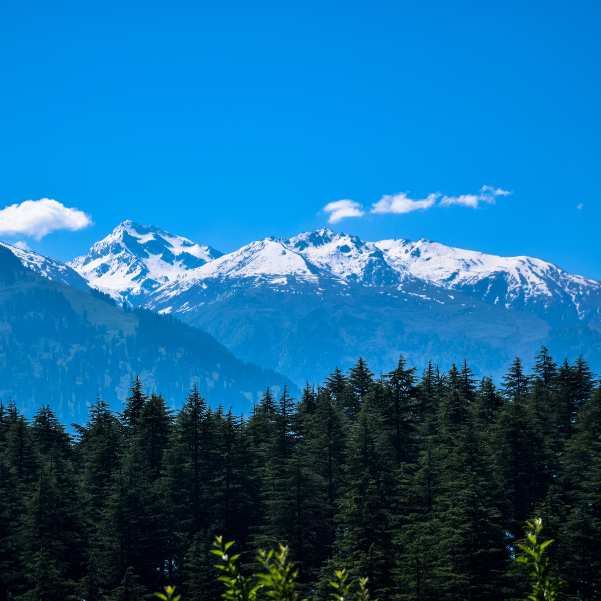
Roads close. It happens. Here is your Plan B so the day is not wasted.
If Sissu is out, head to Solang Valley if it is accessible. It still gives you snow, activities, and good views.
Kothi or Gulaba work if the police allows access that day. Sethan village is a different snow-side experience if the road is open and your vehicle can handle it.
You can also just enjoy Manali itself. Old Manali cafés, Hadimba temple, and local sightseeing fill a day easily.
Rohtang Pass is an option only when it is seasonally open and you have the right permit. Our guide on Rohtang Pass in May covers when that becomes viable.
If you want active alternatives, check our list of adventure activities in Manali for ideas that do not depend on the tunnel being open.
Suggested 2N/3D Manali Sissu Trip Plan
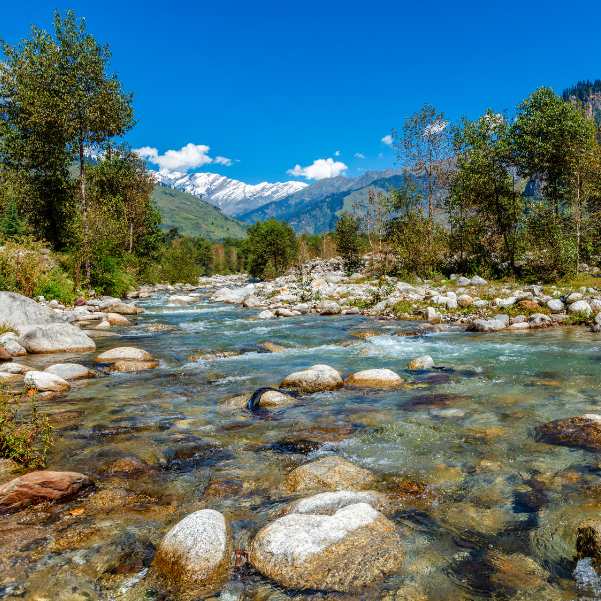
If you have three days, here is a relaxed plan that does not exhaust you.
Day 1
Reach Manali and settle in. Do local sightseeing, Old Manali, or Hadimba and Vashisht depending on how much time you have left.
Day 2
Drive from Manali to Sissu via the Atal Tunnel. Enjoy Sissu Lake, the waterfall view, and the Chandra river. Return to Manali or stay overnight in Sissu.
Day 3
A slow Solang morning or an easy Manali breakfast, then departure.
We can customise this with Sissu, Jispa, Keylong, Ladakh, or Spiti depending on the season and how much time you have.
If Lahaul leaves you wanting more, our Ladakh packages extend this same route into a bigger Himalayan trip.
A Bit Of History On The Atal Tunnel
The Atal Tunnel is not just a shortcut, it is an engineering marvel. It was officially recognised as the world's longest highway tunnel above 10,000 feet.
It was dedicated to the nation on 3 October 2020. The tunnel cut the Manali to Sarchu distance by 46 km and travel time by 4 to 5 hours.
Before this tunnel, reaching Sissu meant crossing Rohtang Pass, which could take half a day and was closed for months in winter. Now it is a one-hour drive. That change is the whole reason this road trip exists.
If you want a relaxed Sissu experience with local drivers, handpicked stays, and practical mountain travel planning, take a look at our Sissu Tour Packages.
Explore Sissu Tour Packages
 6D/5N
6D/5NMost Loved Sissu Valley Escape With Jispa Riverside Stay
2D Sissu•1D Jispa
₹15,999₹19,999SAVE INR 4,000/ person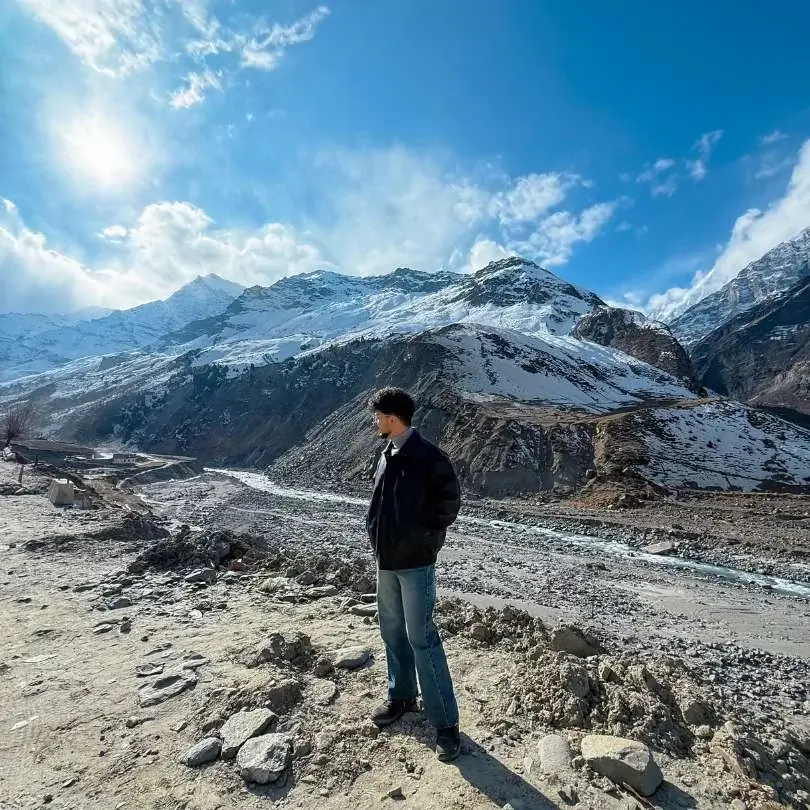 5D/4N
5D/4NClassic Sissu Valley Trip
2D Sissu•1D Manali
₹12,799/ person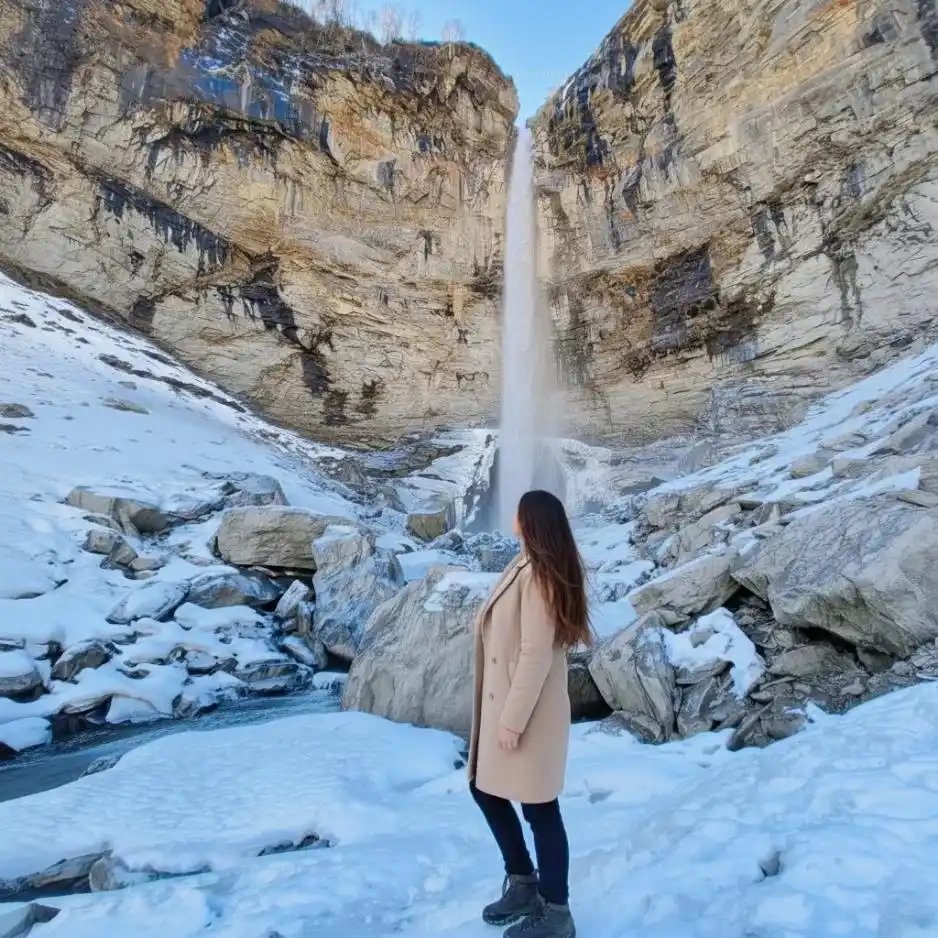 6D/5N
6D/5NManali Solang Sissu Sethan Snow Adventure
1D Delhi•3D Manali+2
₹15,999₹21,999SAVE INR 6,000/ person
One point worth repeating, because we correct it most often: driving through the Atal Tunnel does not mean you have visited Rohtang. The tunnel runs underneath the range, while the pass is reached by the old road through Kothi, Gulaba and Marhi, and it needs its own permit and its own full day. If you want both, our Rohtang Pass tour packages keep them as separate days rather than squeezing them into one.
Related topics
Frequently Asked Questions
How far is Sissu from Manali via Atal Tunnel?
Sissu is around 38 to 40 km from Manali via the Atal Tunnel. It is a short, easy drive by Himachal standards.
How much time does Manali to Sissu take by car?
In normal conditions it takes around 1 to 1.5 hours. With traffic, snow, or photo stops, plan for 1.5 to 2 hours.
Is Manali to Sissu road open in winter 2026?
The Manali to Keylong stretch, which includes Sissu, was listed as open on the last checked official page. But it can close during heavy snow, so always check before you leave.
Do I need a permit for Manali to Sissu?
This is conflicting. The e-Aagman portal says vehicles entering Lahaul and Spiti need an e-pass, while many taxi pages say no permit is needed for Sissu. Check e-Aagman or ask your driver before travel.
Is Atal Tunnel open for tourists today?
The tunnel is a public highway and is usually open, but it can shut during heavy snow, avalanche warnings, or road work. Check the day's road status before you go.
Can I visit Sissu as a day trip from Manali?
Yes, easily. A day trip covers Sissu Lake, the waterfall view, and the Chandra river comfortably. Start early and return before dark.
Is Sissu worth visiting from Manali?
Yes. The change from green Manali to the open Lahaul valley in one short drive makes it worth it. The frozen waterfall in winter is a bonus.
Can normal cars go from Manali to Sissu?
Yes, in clear weather a normal car handles this road fine. In fresh snow or on black ice, take a local driver or a higher-clearance vehicle.
Is it safe to go from Manali to Sissu by bike or scooty?
In dry months, yes, and it is a great ride. In winter it is risky because of black ice near the tunnel exit. Two-wheeler rules can also change in snow, so confirm locally.
How much is a taxi from Manali to Sissu?
For Manali to Sissu by taxi, online and local taxi listings usually place small cars and sedans in the ₹2,500 to ₹3,000 range, and an SUV at around ₹3,500 to ₹4,000 or higher.
Is there a bus from Manali to Sissu?
One local guide estimates the HRTC fare at around ₹120 to ₹180, with morning and afternoon timings. Verify exact timings at the Manali bus stand.
When can I see snow in Sissu?
The main snow window is December to February, when the waterfall can freeze. March can still give snow views after fresh snowfall, depending on road access.
More about Sissu
 Sissu
SissuWhere to Stay in Sissu in 2026: Best Hotels, Homestays & Areas for Every Budget
Planning an overnight stay in Sissu? This 2026 guide covers the best hotels, homestays, budget stays and convenient areas to help you choose the right accommodation for your trip.
- First-Time Travellers
- Places to Visit
 Sissu
SissuSissu in October 2026: Weather, Snow Chances, Road Status & Autumn Travel Guide
Planning a trip to Sissu in October 2026? Here’s what to expect from the weather, temperatures, autumn colours, snow chances and Manali to Sissu road conditions, plus practical tips on what to pack and how to plan your visit.
- Best Time to Visit
- Road Status
 Sissu
SissuSissu in December 2026: Snowfall, Weather, Road Status & Winter Travel Guide
Planning a Sissu trip in December 2026? This guide covers expected snowfall, temperatures, Manali to Sissu road conditions, Atal Tunnel access, what to pack, and practical winter travel tips for a safer snow trip.
- Snow Travel
- Road Status