
10 Best Places to Visit in Sissu in 2026: Complete Sightseeing Guide
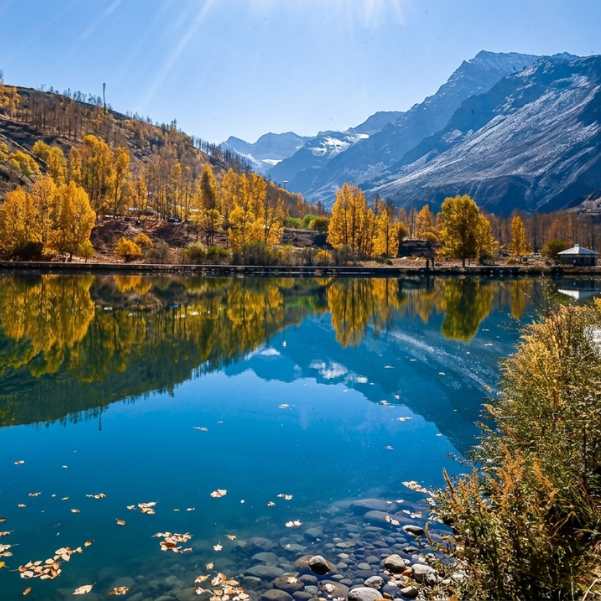
The best places to visit in Sissu are Sissu Lake, the Palden Lhamo Dhar waterfall viewpoint, Cafe Atal, the helipad sunset viewpoint, and the Chandra River banks. Most travellers cover all of these comfortably in one day from Manali.
If you have extra time, Gondhla Fort and an extension to Keylong or Jispa are genuinely worth adding.
Sissu is not a place you visit for monuments or ticketed complexes. There are no long queues, no entry fees, and no checklist of ten things you absolutely must photograph.
What it gives you instead is a lake that goes perfectly glassy in the morning, a waterfall that changes completely with the season, views that open up the moment you come out of the Atal Tunnel, and that rare feeling of being somewhere beautiful before it gets discovered.
Snow season adds its own drama. Icy edges on the lake, a half-frozen waterfall face, peaks that look like they came straight off a postcard.
This guide covers every place worth your time in Sissu, how long each one actually needs, what it costs to get in, the best window for photos, and a day itinerary you can follow without standing around wondering what to do next.
Is Sissu Worth Visiting?
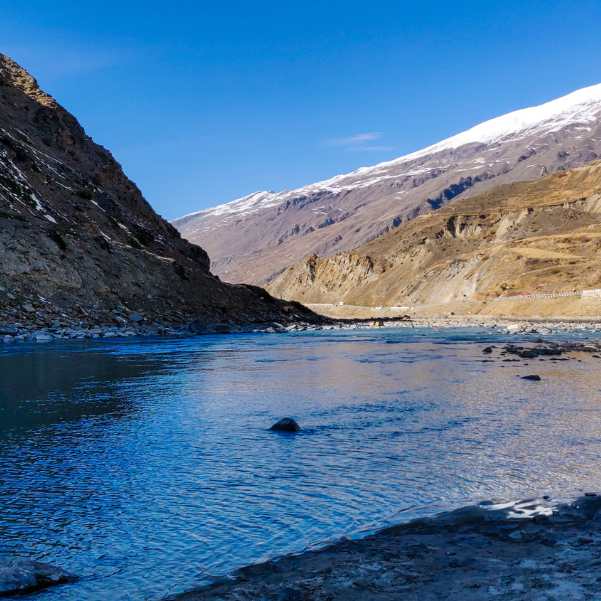
Genuinely, yes. And it is one of the most underrated stops on the entire Manali to Leh corridor.
Most people drive through without stopping. The ones who do stop almost always wish they had given themselves more time. The lake alone is worth the drive from Manali. Add everything else and it becomes one of the best single-day valley experiences in Himachal Pradesh. Browse Manali to Sissu tour packages if you want a ready-made plan.
There is no entry fee for Sissu sightseeing. The main attractions are all free to visit. The only real cost is your fuel or taxi fare from Manali, which makes it one of the most rewarding low-budget day trips in the region.
Quick Planner: How Much Time Do You Have?
If you only have 4 to 6 hours, cover the lake, the waterfall viewpoint, Cafe Atal, and one viewpoint. That is the core loop and it works cleanly without feeling rushed.
If you have a full day, add the helipad viewpoint for the late afternoon light and consider a quick stop at Gondhla Fort if your timing holds up. You will leave feeling like you actually saw Sissu, not just the highlights reel.
If you can stay overnight, do the helipad at sunset on your first evening and then the lake first thing in the morning before anyone else arrives. That early morning window at the lake is the single best experience Sissu has to offer.
10 Best Places to Visit in Sissu
Sissu Lake
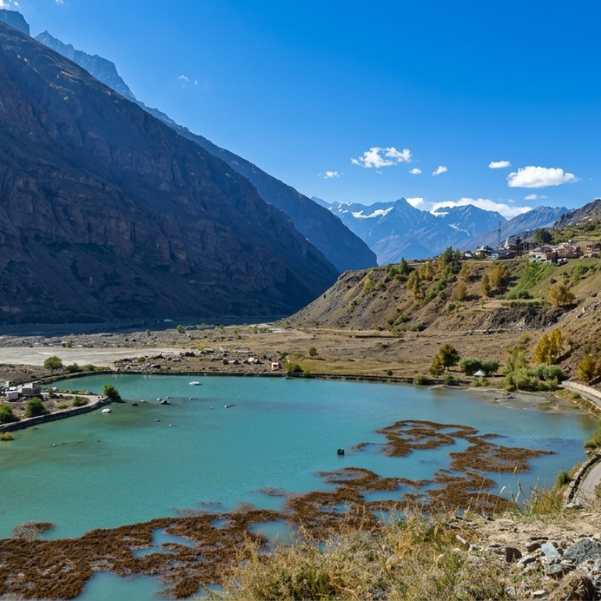
The centrepiece of Sissu sightseeing, and it absolutely earns that title. Calm reflections, snow-dusted peaks in the background, and a stillness in the morning that makes it one of the most photographed spots in all of Lahaul.
The lake is a short, easy walk from where vehicles park. It works for every kind of traveller, including families with young kids.
Entry fee: Free. Timings: Open all day. Best visited between 7 AM and 9 AM. Time needed: 30 to 45 minutes.
Get there before 9 AM if you possibly can. By mid-morning other visitors start arriving and the wind picks up, which breaks the surface reflection within minutes. That early morning window is one of the main reasons people recommend starting the drive from Manali by 7 AM.
Sissu Waterfall Viewpoint (Palden Lhamo Dhar)
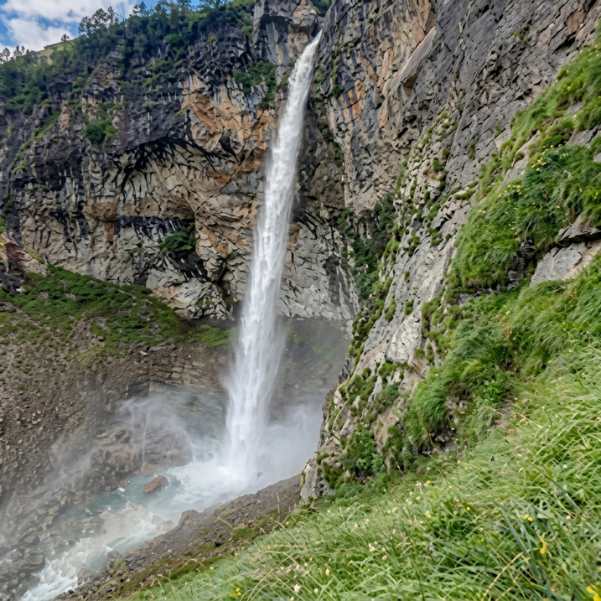
The iconic waterfall frame that has become one of the most shared images from the entire Lahaul corridor. The rock framing from the viewpoint is dramatic in any season, but what you see changes completely depending on when you visit.
In peak flow during summer the water tumbles in a wide, full curtain. In winter and early spring the flow is reduced and the face partially iced over, which has its own quiet beauty. Either version is genuinely worth standing in front of.
Entry fee: Free. Timings: Open all day. Best light between 9 AM and 11 AM. Time needed: 30 to 45 minutes.
Stay well back from the edges especially in cold months. The path near the viewpoint gets slippery when icy and the drop is not forgiving. The view from a safe distance is already excellent. You do not need to get closer.
Cafe Atal
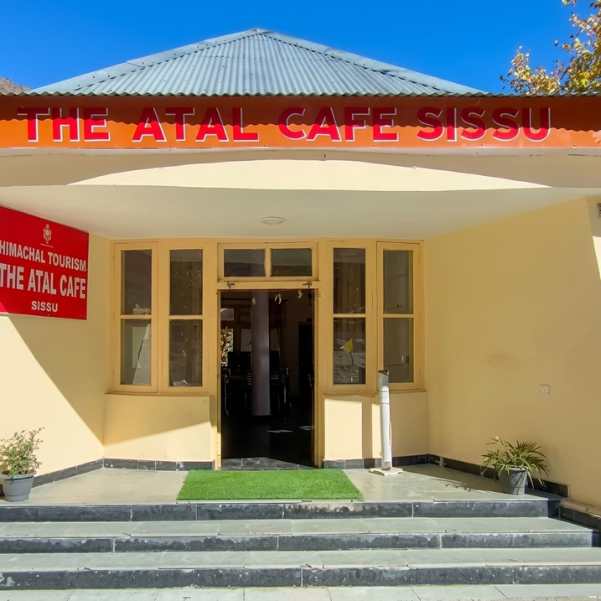
A simple mountain cafe that has become a legitimate landmark on the Sissu circuit. It is on official one-day sightseeing itineraries for a reason and that reason becomes immediately clear the moment you sit down with something warm and look out at the valley.
It is the reset point of the day. After cold viewpoints and mountain walks, this is where the trip settles into something enjoyable rather than just physical.
Entry fee: No entry fee. Costs whatever you order. Timings: Generally open through the day during tourist season. Can close early in off-season months. Time needed: 30 to 60 minutes.
Use this as your weather buffer stop too. If conditions shift while you are inside, you have a warm place to wait and think through the rest of the plan. It is also your best chance to ask locals about current road conditions further into the valley.
Sissu Helipad Viewpoint (Sunset Viewpoint)
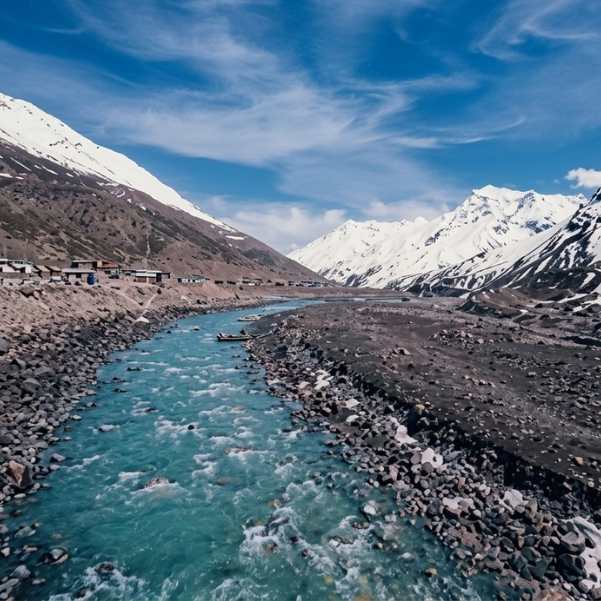
The widest, most open valley views you get in Sissu. The valley spreads out in both directions, the peaks line up properly, and in the late afternoon the light turns everything golden in a way that makes people stand quietly for a few minutes before they even reach for their camera.
This is also commonly called the Sissu sunset point and it is where most photographers specifically plan their timing around.
Entry fee: Free. Timings: Open all day. Best visited in the hour before sunset. Time needed: 30 to 45 minutes.
Save this for your last stop of the day if timing allows. It is a far better final memory than the tunnel road back, and the golden hour light here is genuinely hard to beat anywhere in this part of Lahaul.
Chandra River Viewpoints
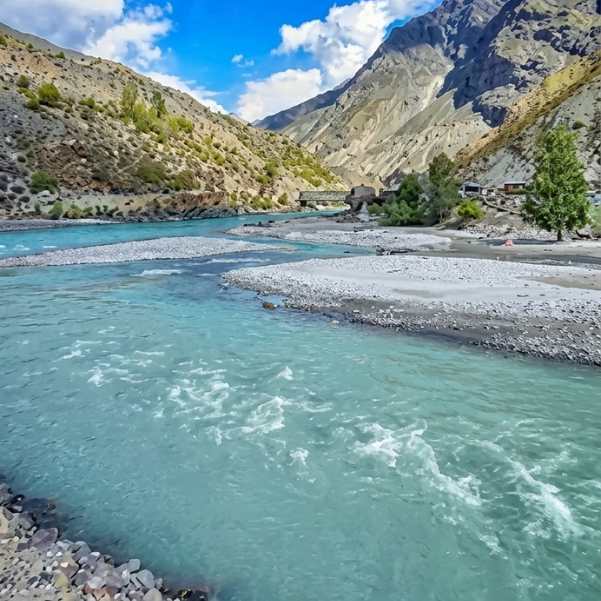
Sissu sits on the right bank of the Chandra River and there are several natural stopping points along the bank that give you raw Lahaul valley landscape with none of the crowds you find at the main sightseeing spots.
The water colour shifts with the season and the glacial melt. In spring it runs a deep grey-blue. In summer it turns turquoise in the sunlight. This is what the valley looks like when you are not at a designated tourist stop.
Entry fee: Free. Timings: Any time. Late afternoon light is best for photography. Time needed: 20 to 30 minutes.
Stay well back from the river edges in winter and early spring. The banks can be unstable and the water is extremely cold. Do not step onto anything that does not look completely solid.
Raja Ghepan Temple (Gyephang Temple Area)
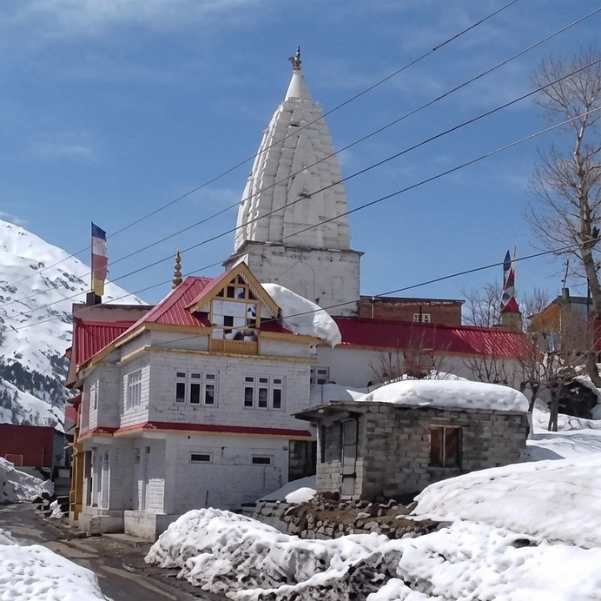
Gyephang, also known as Raja Ghepan, is the presiding deity of Lahaul. This stop gives your visit a layer of real local culture that no viewpoint or lake can offer.
It helps you understand why people have lived in this valley for centuries. It adds depth to the trip beyond the tunnel and the snow pictures.
Entry fee: Free to visit the outer area. Inner access may be restricted on certain days. Timings: Varies. Check locally on the day. Time needed: 20 to 30 minutes.
Access rules can be restrictive on specific religious days and inner entry may not be permitted. Follow whatever guidance locals give without pushing back. Viewing and respecting from outside is still a meaningful stop and the surrounding area is beautiful regardless.
Gondhla Fort
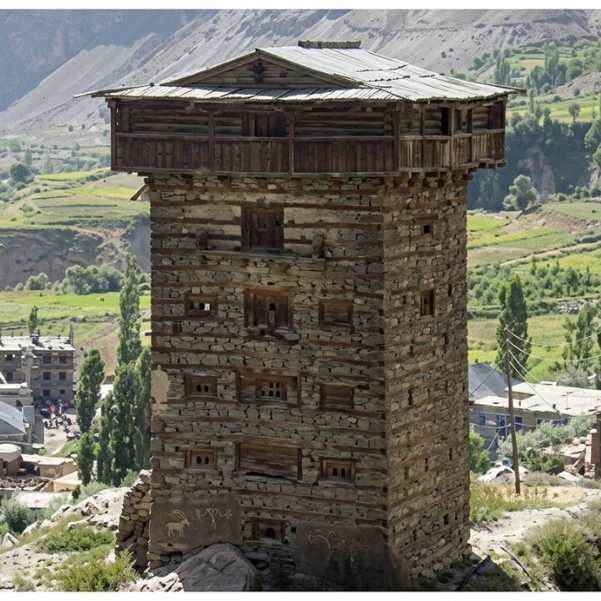
A 17th-century tower fort and one of the more unusual heritage structures in this part of Himachal Pradesh.
The multi-storey construction and the story of the local rulers who commissioned it make this genuinely interesting, not just another roadside stop. The setting against the valley backdrop adds considerably to the experience.
Entry fee: Minimal or free. Confirm locally. Timings: Daytime hours. Morning light falls best on the fort face. Time needed: 45 to 60 minutes.
This works best as an add-on for a full day, not a squeeze into a tight half-day. If your timing is strong in the morning on the way in, it is a rewarding detour. If you are already running behind, leave it for another visit.
Atal Tunnel North Portal
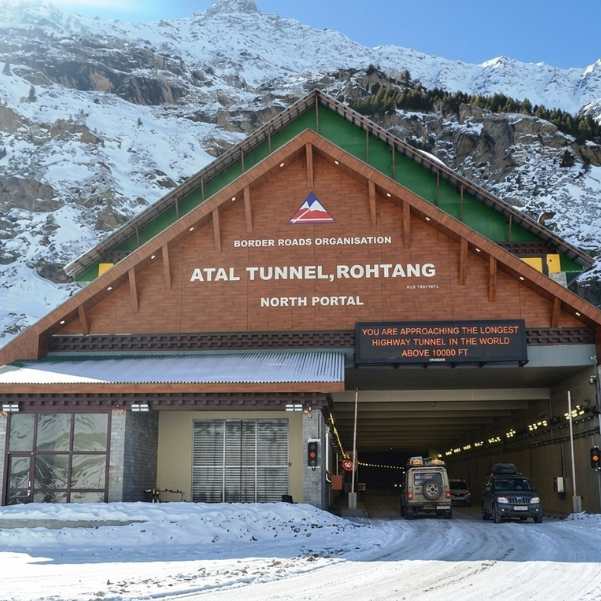
The gateway to Lahaul moment. Crossing a 9.02 km tunnel through the Rohtang Pass range is not something most people do regularly, and the north portal near Sissu has a quiet drama to it, especially when there is snow on the surrounding slopes.
A quick stop here marks the transition from Manali-side Himachal to the Lahaul valley properly and it is worth taking a moment to acknowledge that.
Entry fee: Tunnel toll applies for vehicles. No entry fee for stopping at the portal. Timings: The tunnel operates throughout the year. Brief stops near the portal are possible. Time needed: 10 to 15 minutes.
Do not block traffic while stopping. There is room to pull over briefly near the portal but this is an active road with consistent movement. Keep it short and step back from the carriageway.
Koksar
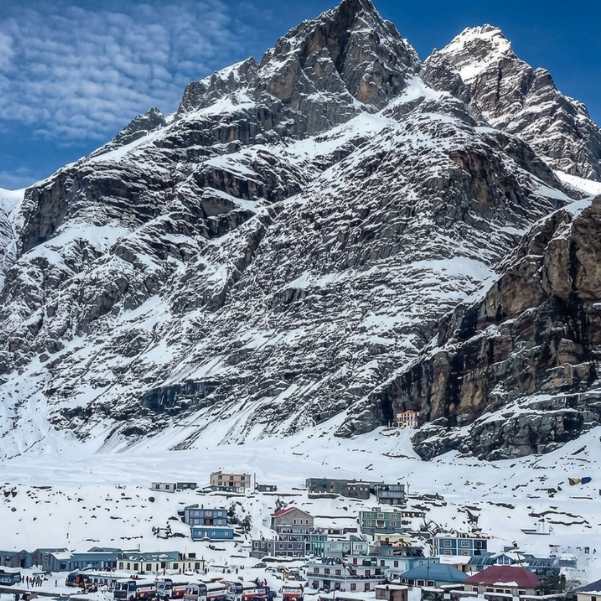
A common stop on the same route between Manali and Sissu, useful for tea, food, and a natural rest point on the Manali to Leh road. Not a destination on its own but a helpful supporting stop depending on your direction of travel and energy levels.
Entry fee: Free. Time needed: 20 to 30 minutes.
Add this only if it does not cut into your time at the Sissu core stops. It works best as a fuel-and-tea break rather than a sightseeing stop in its own right.
Keylong or Jispa (Extend If You Have Time)
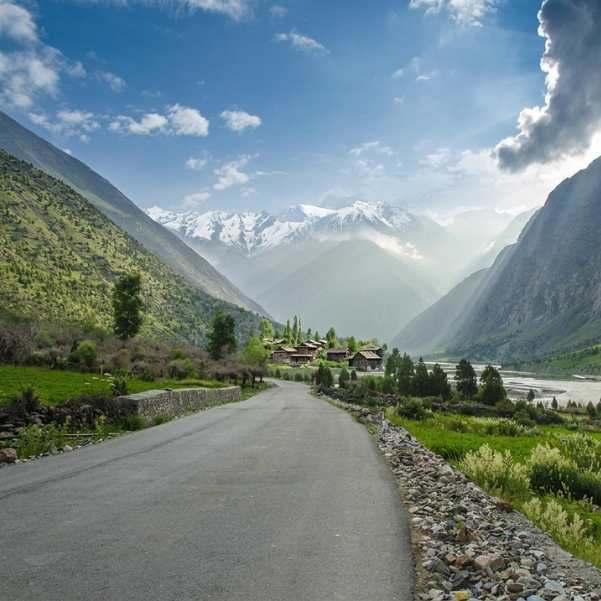
If Sissu has left you wanting more valley and the road feels comfortable, extending to either of these adds a genuine road-trip dimension to the day.
Keylong is the district headquarters of Lahaul and Spiti with more infrastructure, a proper town feel, and a few sights of its own.
Jispa sits further along the Bhaga River and has a quieter, more remote feel with strong river landscape views.
Both are beautiful. The extension is most reliable from April through early October when road conditions are stable.
Time needed: 1.5 to 2 hours for the stop plus driving time from Sissu.
Pick one and do it properly rather than rushing both. Trying to cover Keylong and Jispa in the same afternoon means driving back to Manali in the dark, which nobody wants at this altitude. If you want to go further, the Spiti circuit with Chandratal is the natural next step from here.
Best Sissu Sightseeing Plan Based on Your Traveller Type
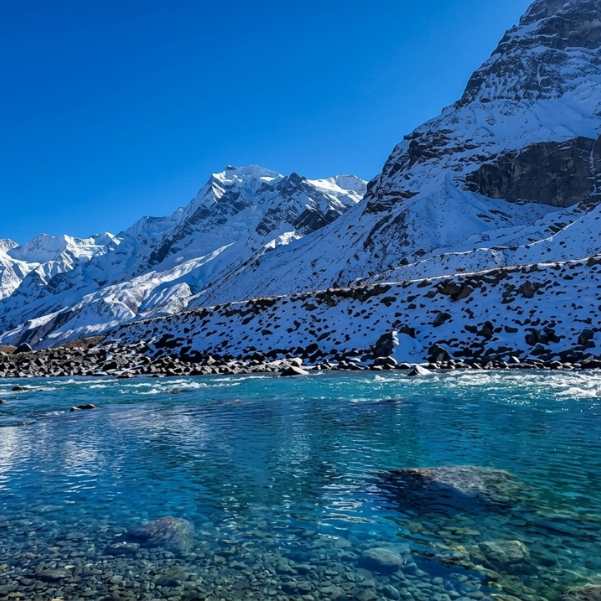
For Couples
Start at the lake for the morning reflection. Move to the waterfall viewpoint mid-morning. Cafe Atal for a slow sit-down in the middle of the day.
The Chandra River banks for a short walk somewhere without a crowd. Finish at the helipad for the sunset. That is a complete, unhurried, genuinely romantic day in Lahaul. See the Manali Solang Sissu Sethan snow trip with Kasol if you want this wrapped into a longer itinerary.
For Families With Kids
Keep it easy and do not overschedule. Lake, waterfall viewpoint, Cafe Atal, and one simple viewpoint. The stops are all accessible, the distances between them are short, and there is always somewhere to sit.
Kids remember the lake and the waterfall. That is genuinely enough.
Skip the add-ons unless everyone is energised and asking for more.
For Photographers
The early morning lake is non-negotiable. Get there before the wind breaks the surface. Use mid-morning for the waterfall framing and the Chandra River angles.
Hold your best energy for the helipad in the late afternoon. The golden hour light from that viewpoint is one of the stronger landscape windows on the entire Manali to Leh corridor.
Check the weather forecast before you leave Manali and be disciplined about timing each stop. The mountains do not owe you a clear sky.
1-Day Sissu Sightseeing Itinerary

Half-Day (4 to 6 Hours)
Leave Manali early and allow 45 to 60 minutes for the drive including the tunnel crossing. Start at Sissu Lake for 30 to 45 minutes.
Move to the waterfall viewpoint for another 30 to 45 minutes. Cafe Atal for a warm break. Return through the tunnel before the temperature drops in the evening.
Full Day (Best Option)
Leave Manali by 7 AM and arrive at Sissu by 8 to 8:30 AM. Lake first, when the light and the surface are both at their best. Waterfall viewpoint mid-morning. Cafe Atal for lunch or a late morning break.
Chandra River viewpoint for a short walk in the early afternoon. Helipad viewpoint for the late afternoon golden hour. Optional Gondhla Fort stop only if your timing allows. Back to Manali before dark.
2-Day Plan (Overnight Stay)
Arrive in the afternoon on Day 1. Check in and head straight to the helipad for the sunset. Dinner at your homestay and an early night.
Day 2 starts at the lake before 8 AM while the water is completely still. Waterfall after that. Cafe Atal for a slow breakfast or late morning tea.
Then choose a direction: Keylong for a town feel, Jispa for river views and quiet. Back to Manali in the afternoon with plenty of time to spare.
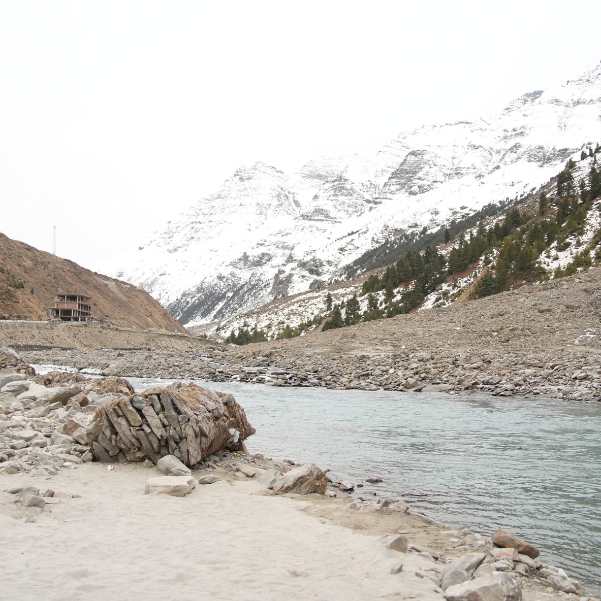
Sissu is approximately 24 to 25 km from Manali via Atal Tunnel and the drive takes around 45 to 60 minutes depending on tunnel traffic and road conditions.
The tunnel connects Manali to Lahaul-Spiti throughout the year, which is exactly what makes Sissu accessible even when Rohtang Pass is completely closed in winter.
A private cab or self-drive gives you full control over timing, which matters when you are trying to catch the lake at the right hour and the helipad at the right light. Shared vehicles run on fixed timing and fixed stops, so you lose that flexibility.
For a day trip where the experience depends significantly on being at the right place at the right time, private transport is worth the extra cost.
Best Time to Visit Sissu for Sightseeing
Winter and Early Spring (November to March)
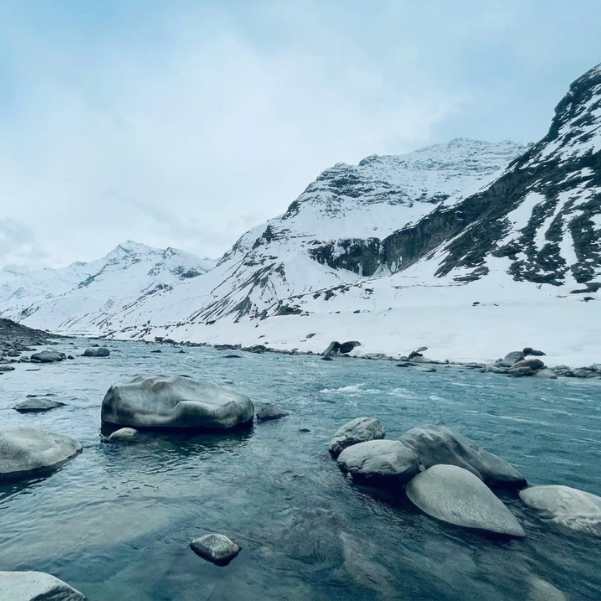
This is the snow season. Quieter roads, dramatic white peaks, potentially icy edges on the lake, and a half-frozen waterfall in January and February.
March is the shoulder month where you get strong snow views without the harshest conditions, though the weather can still change fast. Plan with flexibility, confirm your accommodation in advance, and never treat a forecast at this altitude as a guarantee.
Summer and Autumn (April to October)
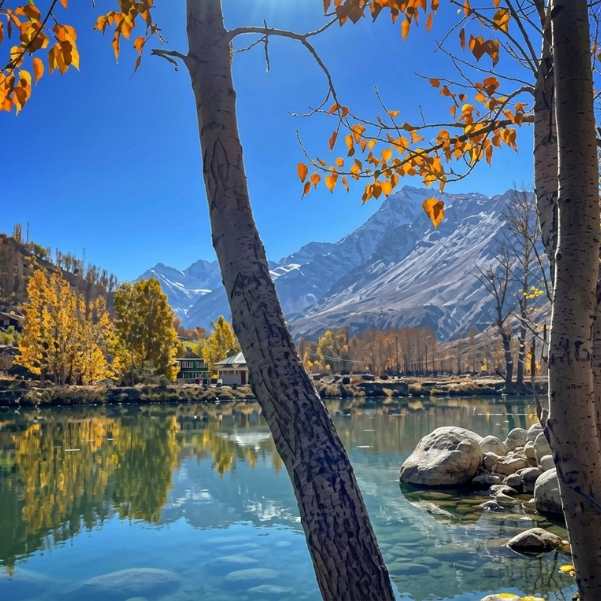
The most accessible and most comfortable window. The waterfall is in full flow, all the add-on stops are easy to reach, and the longer daylight means you can fit the full day itinerary without rushing. For a detailed breakdown, read our guide to Sissu Valley in May.
Best window for families, first-time visitors, and anyone who wants the complete Sissu experience without weather risk.
Practical Tips for Sissu Sightseeing
What to Pack

A thermal layer and a heavy jacket matter even in April and May at this altitude. The shade is always colder than it looks. Gloves and a woollen cap for viewpoints and the lake. Sunglasses because snow glare causes real headaches.
Water and snacks because not every stop has a shop open. A power bank because cold drains phone batteries significantly faster than you expect.
Road Safety

If there has been fresh snowfall or black ice warnings, do not push into late-evening driving. The Atal Tunnel approach roads can be regulated and the road beyond Sissu becomes serious in bad conditions.
If the weather shifts during your day, retreat to Cafe Atal and the nearby viewpoints. You do not need to reach Keylong or Gondhla on a day when the road is telling you not to. Keep Plan B clearly in mind from the start.
Responsible Travel

This stretch has genuine waste pressure from increased footfall since the tunnel opened. Carry your plastic out.
Do not leave anything at the lake or the waterfall viewpoints. The local communities that maintain these spaces deserve better than what careless tourism leaves behind.
Follow any guidance from locals around the temple areas without argument. Move through this valley with some care. It is someone's home and it has been for a very long time.
Sissu Is Small. That Is Exactly the Point.
The best places to visit in Sissu are not going to overwhelm you with options or exhaust you with distances. It is a lake, a waterfall, a cafe with a view, peaks that remind you why you drove this far, and a valley that feels genuinely untouched.
One good day here, timed right, is enough to make you want to come back. Most people do. Explore Sissu trip packages to plan yours.
Related topics
Frequently Asked Questions
What are the best places to visit in Sissu in one day?
Sissu Lake, the Palden Lhamo Dhar waterfall viewpoint, Cafe Atal, and the helipad sunset viewpoint cover the best of Sissu sightseeing in a full day. For a half-day, drop the helipad and stick to the first three.
Is Sissu Lake worth visiting?
Yes, genuinely one of the most beautiful lake stops in Lahaul. The morning reflections against the snow peaks are what most people come for specifically. Arrive before 9 AM and it will not disappoint.
What is the entry fee for Sissu Lake?
There is no entry fee for Sissu Lake. It is free to visit. The same applies to most Sissu sightseeing spots including the waterfall viewpoint and the helipad viewpoint.
What is the Sissu waterfall called?
The Sissu waterfall is known locally as Palden Lhamo Dhar. It is also sometimes called the Sissu heart waterfall because of the natural rock framing around the fall, though that name is informal.
What is the best time to visit Sissu Lake?
Early morning between 7 AM and 9 AM gives you the calmest water surface and the best light for photography. Wind picks up through the day and breaks the reflection, so the earlier you arrive the better.
How much time do I need for Sissu sightseeing?
A half-day covers the core stops. A full day lets you add the helipad viewpoint, a heritage stop, and a more relaxed pace. Most people who do a half-day wish they had stayed longer.
Can I do Sissu as a day trip from Manali?
Yes, and most people do exactly that. The drive via Atal Tunnel is around 45 to 60 minutes. Start early, build buffer time for road conditions, and you have a very comfortable day trip.
Is the Sissu helipad viewpoint worth visiting for sunset?
Absolutely. The helipad viewpoint gives the widest valley frame in Sissu and the late afternoon light here is some of the best in the region. Save it for your last stop of the day.
Is it worth staying overnight in Sissu?
If you can manage it, yes. A night stay gives you the early morning lake visit when it is completely still and quiet, a more relaxed day overall, and the option to extend into the wider Lahaul valley. Confirm availability before booking, especially in early spring.
Which is better to add, Keylong or Jispa?
Keylong for a proper town atmosphere with more amenities. Jispa for quieter, more remote river views. Pick one and give it proper time rather than rushing both.
Is there an entry fee for any Sissu tourist places?
The main Sissu tourist attractions including the lake, the waterfall viewpoint, the helipad viewpoint, the Chandra River banks, and the Raja Ghepan temple area are all free to visit. Gondhla Fort may have a small nominal fee. The tunnel has a vehicle toll.
Is Sissu good for families with children?
Yes. The main stops are all accessible without difficult terrain, distances between them are short, and there is always somewhere to sit and rest. The lake and the waterfall are genuinely memorable for kids. Keep the pace easy and do not try to squeeze in too many add-ons.
What are the most common mistakes people make when planning Sissu?
Starting too late from Manali and losing daylight. Not confirming accommodation availability in early March. Trying to fit both Keylong and Jispa into a single half-day. And driving back after dark in snow season. The fix for all of these is the same: leave early, move early, return early.
More about Sissu
 Sissu
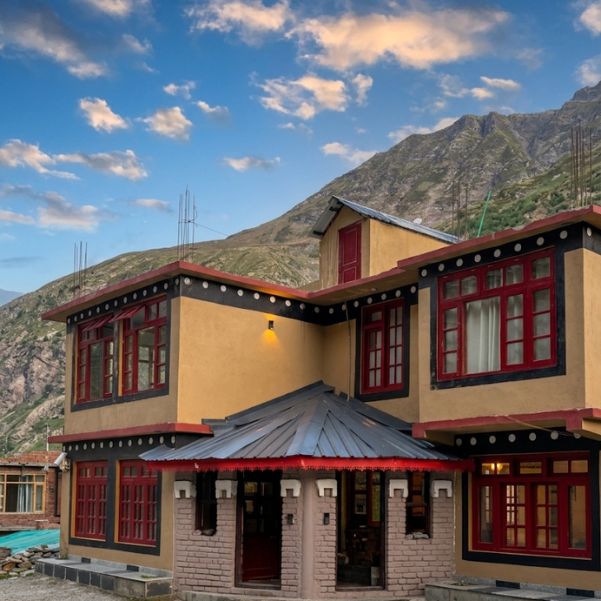
SissuWhere to Stay in Sissu in 2026: Best Hotels, Homestays & Areas for Every Budget
Planning an overnight stay in Sissu? This 2026 guide covers the best hotels, homestays, budget stays and convenient areas to help you choose the right accommodation for your trip.
- First-Time Travellers
- Places to Visit
 Sissu
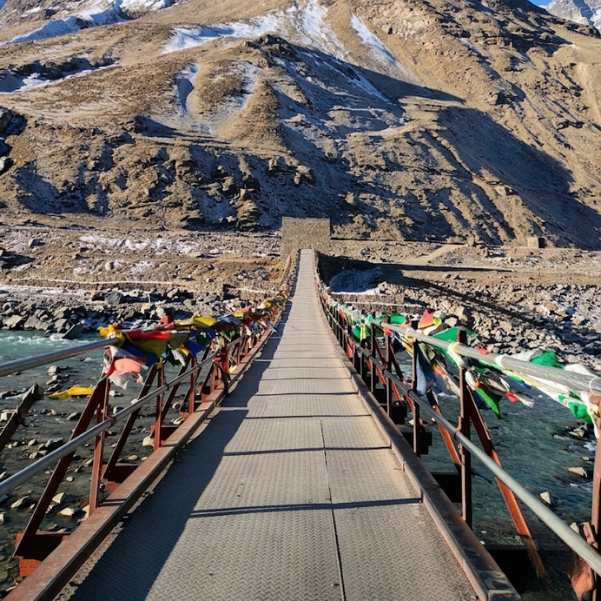
SissuSissu in October 2026: Weather, Snow Chances, Road Status & Autumn Travel Guide
Planning a trip to Sissu in October 2026? Here’s what to expect from the weather, temperatures, autumn colours, snow chances and Manali to Sissu road conditions, plus practical tips on what to pack and how to plan your visit.
- Best Time to Visit
- Road Status
 Sissu
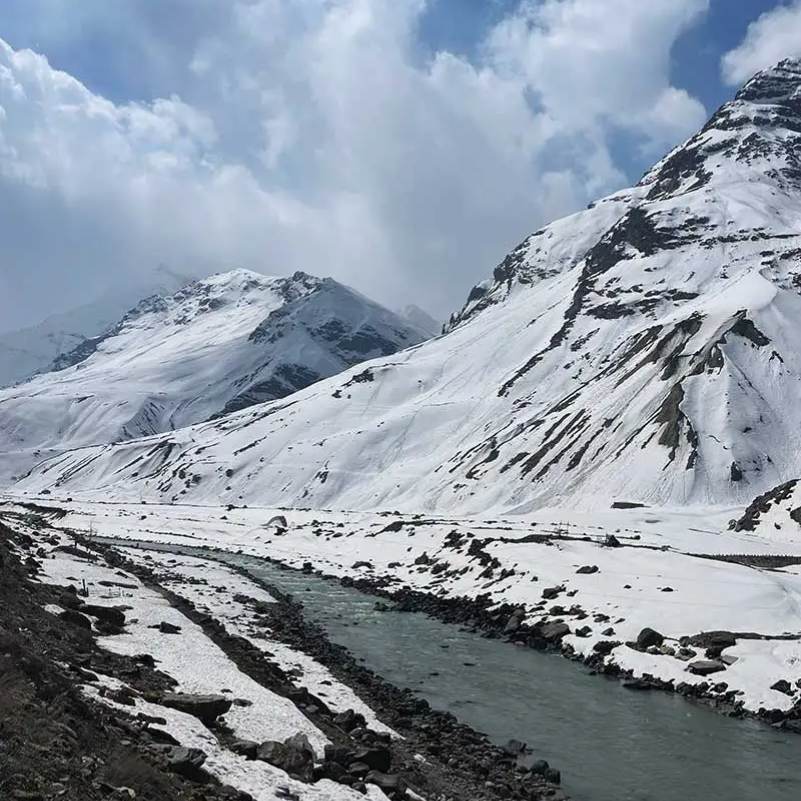
SissuSissu in December 2026: Snowfall, Weather, Road Status & Winter Travel Guide
Planning a Sissu trip in December 2026? This guide covers expected snowfall, temperatures, Manali to Sissu road conditions, Atal Tunnel access, what to pack, and practical winter travel tips for a safer snow trip.
- Snow Travel
- Road Status