
Motion Sickness on the Manali Road: Best Seats, Routes and Practical Prevention Tips 2026
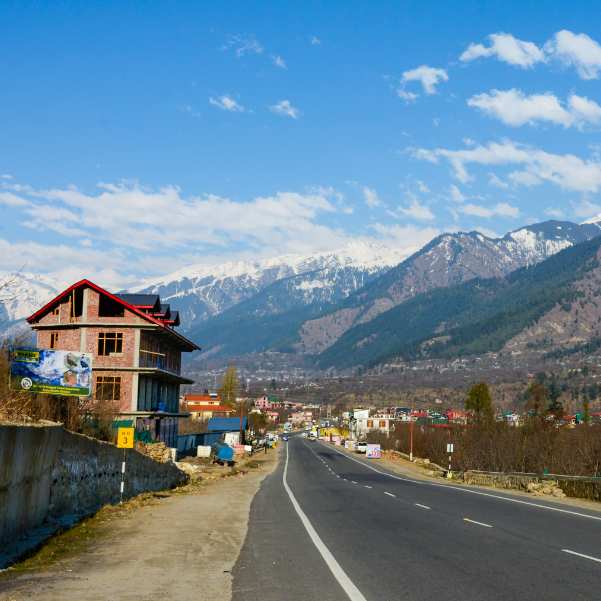
If you throw up on winding roads, the drive to Manali is the part you are quietly dreading. Good news and honest news, both.
The road got easier in September 2026, but no seat and no trick makes nausea disappear completely. Here is how to give yourself the best possible chance.
Quick Answer
If you get motion sickness on the Manali road, sit in a forward facing seat toward the front of the bus where you can see the road or the horizon outside.
Skip the rear rows. Stop scrolling your phone before the bends start, not after you already feel bad. Prepare before the winding mountain section instead of reacting once your stomach turns.
Travellers have long felt the worst bends around the Mandi and Pandoh side. That changed a lot when the Deod and Hanogi tunnels opened on 11 September 2026 and bypassed part of that stretch.
No seat and no remedy guarantees zero nausea. Anyone who promises that is selling something.
Why Does the Manali Road Cause Motion Sickness?
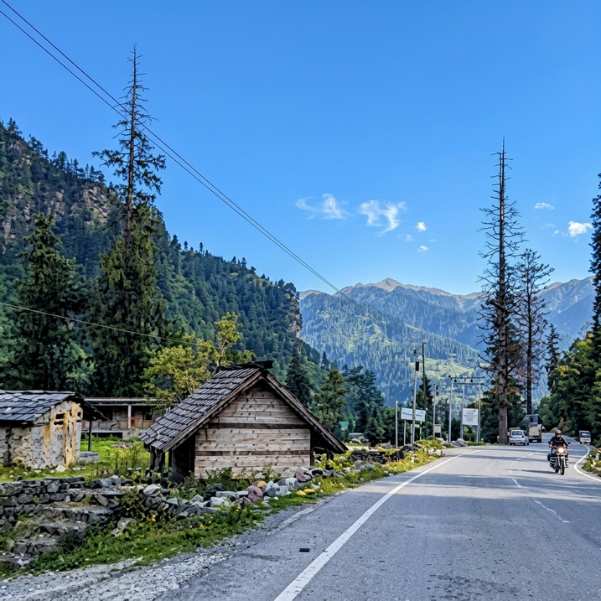
Motion sickness comes from a mismatch. Your inner ear feels the bus swaying and turning, but your eyes tell your brain you are sitting still. Your brain gets two conflicting stories and reacts with nausea, cold sweat and that horrible spinning feeling.
Picture this. The bus leans into a bend, your body feels the pull, but you are staring down at a WhatsApp chat that looks perfectly still. That gap between what you feel and what you see is exactly what makes you sick.
Every extra bend, every time your eyes dart around, every unnecessary head turn adds to the conflict. That is why the twisty sections hit harder than the straight highway.
One thing to keep straight. This is not altitude sickness. Motion sickness comes from movement on the road. Altitude sickness comes from thin air higher up. Two different problems, and we will come back to that later.
If you are still deciding how to plan the whole trip, our Manali tour packages lay out realistic routes and stays so the drive is not your only worry.
Which Part of the Manali Road Feels Most Winding?
Chandigarh to Kiratpur and Ner Chowk
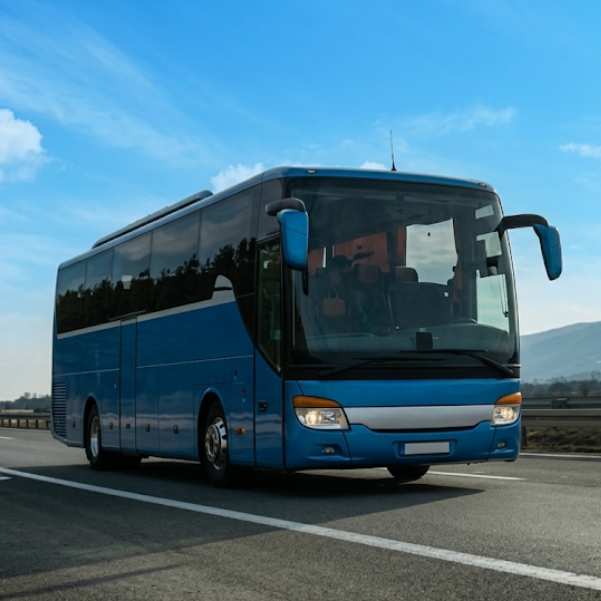
A lot of old Manali road horror stories are out of date. Highway and tunnel work has smoothed out big parts of the approach that used to be slow and twisty. If your last trip was years ago, this section will feel calmer than you remember.
That said, do not picture a perfect four lane road the whole way. Parts are excellent, parts are still ordinary hill highway. The improvement is real but uneven.
Mandi, Pandoh and the Approach to Aut
Ask most people who have done this drive and they will point to the same area. The Mandi, Pandoh and Aut stretch is where the road historically felt tightest, with curve after curve hugging the river.
This is traveller experience, not a lab measurement. Nobody has scientifically crowned it the "worst motion sickness zone." But when so many people report the same thing, it is worth taking seriously.
Rain, roadworks and heavy traffic can still change how this section feels on any given day. A dry, empty morning is a very different drive from a wet, jammed afternoon.
The September 2026 Deod and Hanogi Tunnel Update
This is the big change. The Deod tunnel, sometimes written as Diyod, is 2.8 km long. The Hanogi tunnel is 650 metres long. Both opened to traffic on 11 September 2026.
To start with, only one tube or carriageway of each tunnel opened. The route still works, just with the traffic sharing space for now.
Here is why it matters for your stomach. The tunnels cut the affected road section from roughly 6 km down to about 3.5 km.
Authorities expect the Mandi to Kullu journey to drop from around two hours to roughly 60 minutes under normal traffic. Read that as a normal-conditions estimate, not a promise, because one bad jam changes everything.
Less winding road, less time on it, more predictable driving. That should make the drive smoother. But let us be honest with you the way we are with our own travellers.
These tunnels bypass a hard stretch. They do not cure motion sickness. If your body reacts to movement, movement still exists on the rest of the route.
Kullu to Manali
After the new tunnels, mountain road movement carries on all the way to Manali. It is gentler than the old Mandi bends, but it is not a straight expressway.
So do not drop your guard the moment you clear the tunnels. Keep your prevention plan running until you actually step off the bus.
Which Seat Is Best for Motion Sickness on a Manali Bus?
Why the Front Is the Evidence Based Starting Point
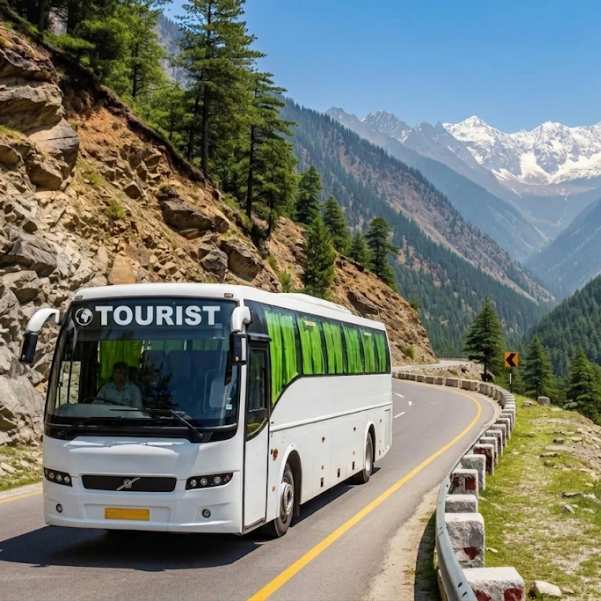
The CDC traveller guidance is clear. Sit toward the front of a car or bus. That is your starting point, backed by more than just opinion.
The reason makes sense once you think about it. From the front you can see where the vehicle is heading. Your eyes catch the turn coming, your inner ear feels it, and the two signals line up much better. Less conflict means less nausea.
We will not hand you a magic row number. Volvo, HRTC and private coach layouts all differ, so "seat 3" on one bus is nothing like "seat 3" on another. Aim for the front section, not a specific digit.
Window Seat or Aisle Seat?
A window seat helps for one real reason. You can look outside at the road, the horizon or a far off mountain that stays still. That distant stationary reference settles the whole system down.
Ignore anyone who swears the left side or the right side prevents nausea. There is no medical basis for that. What matters is having a clear view out, not which direction it faces.
What About the Middle Rows?
Here is where honest advice gets messy. Plenty of Manali travel guides and seasoned passengers swear by the middle rows. Their logic is that the middle bounces less than the back, so it feels steadier.
We will give you both sides. That comfort argument is fair, and some people genuinely feel better mid-bus. But CDC guidance specifically recommends the front, not the middle.
So treat the middle row as a comfort compromise, not a proven medical rule. If the front is full, the middle is a reasonable fallback.
Seats to Avoid
Mayo Clinic advises people prone to motion sickness to avoid the rear of the vehicle and any backward facing seats. That is the clearest "do not" in this whole article.
The back rows also make it hard to get a good forward view of the road. You lose the one visual trick that actually helps. Between the bounce and the blocked sightline, the last few rows are the worst place for a queasy traveller.
Sleeper or Semi Sleeper?
We will not tell you flat sleeping always wins, because that is not true for everyone. CDC notes that lying on your back may help a little, mostly because it cuts down head movement. But responses vary person to person.
Keep it practical. If lying still and quiet helps you, a sleeper can work. If you feel worse when you cannot see out, a seated front spot may suit you better. Test what your own body prefers.
Is a Volvo Bus, Private Cab or Broken Journey Better?
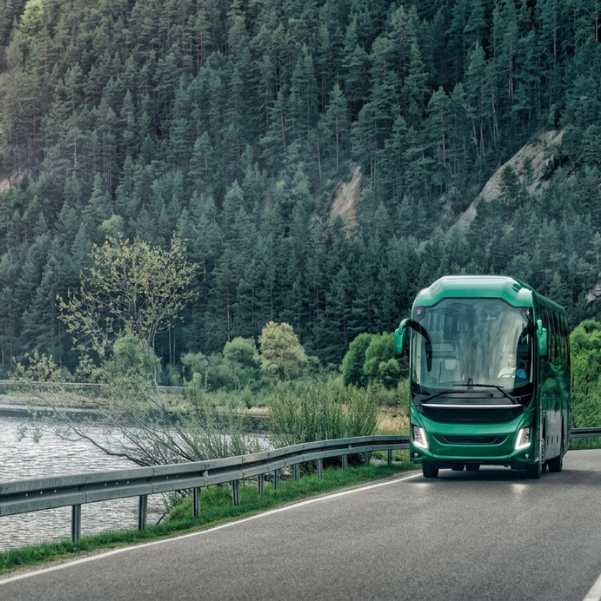
Volvo or Coach
On a Volvo or coach you can pick a decent forward facing front seat and let someone else handle the driving. For many people that is enough.
The catch, if you get sick easily, is control. You cannot decide when the bus stops or how fast it takes the bends. When your stomach turns, you are stuck until the next scheduled halt. No single operator prevents motion sickness, whatever the booking site claims.
Private Cab
A cab hands you far more control. You choose the stops, the ventilation and the pace. That flexibility is genuinely useful when symptoms start creeping in.
For an adult, the front passenger seat is the spot most commonly recommended for motion sickness, because you see the road clearly and feel steadier. A cab still does not guarantee an easy ride, but it gives you more tools to manage it.
Breaking the Journey at Chandigarh
Here is a tip generic guides skip. Travel from Delhi to Chandigarh by train or another non-road option, then start the Manali road drive fresh from Chandigarh. You cut down the total hours your body spends being thrown around on the road.
We will not invent train timings or fares for you here, because those change and we would rather you check live. But the principle holds. Less continuous road time usually means less accumulated nausea.
Flying to Bhuntar
If your main goal is minimum road exposure, flying to Bhuntar is an option worth knowing about. We are flagging it only as a choice, not recommending specifics. Check current flight availability, cost and the onward drive yourself, since those shift and we will not guess at them.
What Should You Do Before Starting the Manali Road Journey?
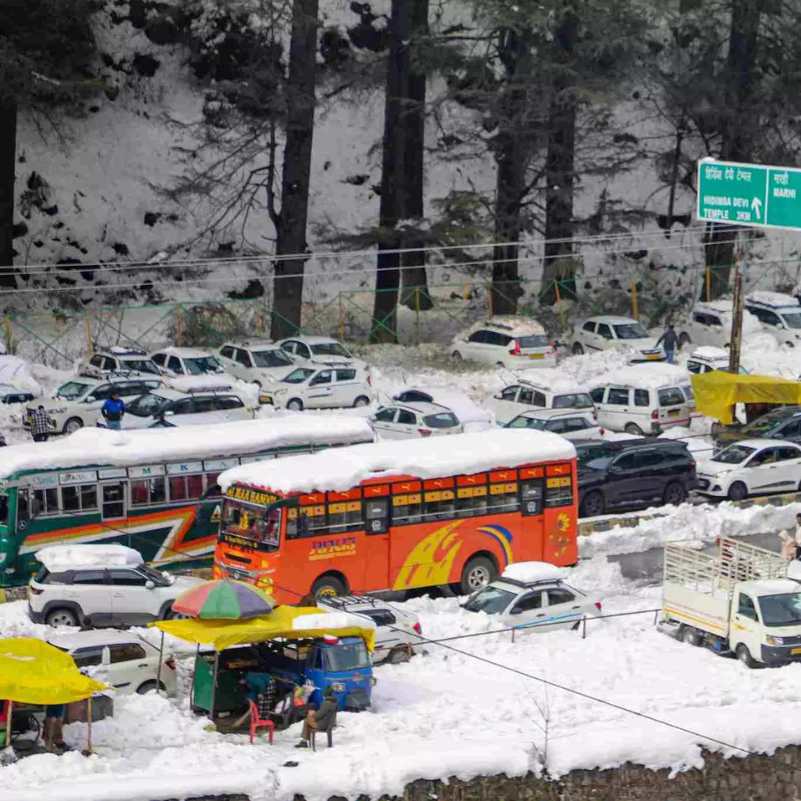
Start with sleep. Being tired makes motion sickness worse, and a rushed overnight before an early bus is a common mistake. Get a proper night's rest before travel day.
Watch what you eat. Big, greasy or spicy meals sit heavy and make nausea likelier. Alcohol before or during the journey is asking for trouble too. In our experience, the travellers who feel worst are usually the ones who had a heavy dinner and barely slept.
Keep sipping water and eat small amounts rather than stuffing yourself. A light, settled stomach handles the bends far better than a full one.
If you already use a suitable motion sickness medicine under a doctor's or pharmacist's guidance, remember that prevention works better when taken before the movement starts, not after you are already miserable. We will cover medicines properly in a bit, without doses.
What Should You Do Once the Road Starts Winding?
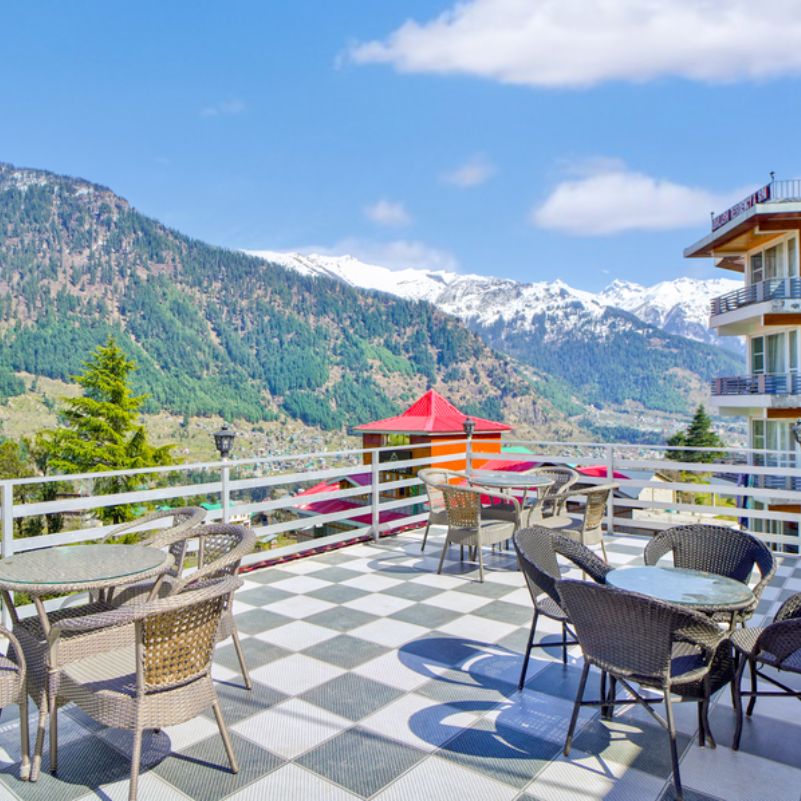
The moment the curves begin, look forward. Fix your eyes on the road ahead, the horizon or a distant point that stays put. Give your brain a visual that matches what your body feels.
Put the phone away. Stop scrolling, reading and watching films through the winding section. This is the single hardest habit to break and the single most useful one.
Rest your head against the seat to cut down pointless movement. If fresh air on your face feels good and you can get it safely, take it. Swap visual entertainment for music or a podcast, so your ears are busy but your eyes stay free.
If you are in a cab and symptoms build, ask for a short safe break to step out and reset. And keep a sickness bag, tissues and water within arm's reach, not buried in the boot. Being ready takes the panic out of it.
Do Ginger, Lemon or Acupressure Bands Really Work?
Loads of travellers carry ginger candy, lemon sweets or acupressure bands, and we would never mock anyone for it. If it helps you feel calmer, that has value on a rough drive.
But we owe you the honest picture. The CDC Yellow Book says the evidence for ginger, dietary remedies and supplements is weak or contradictory. It is not the proven shield some blogs make it out to be.
Acupressure bands get the same treatment. CDC cites laboratory trials where the bands performed no better than a placebo. Same story with sniffing lemon, which is comforting but not a medically proven treatment.
So carry these if they help your nerves. Just do not rely on them as your only plan.
What About Motion Sickness Tablets?
There are established medicines made specifically for motion sickness, and they tend to work best taken before exposure rather than after symptoms hit hard. Timing genuinely matters with these.
The trade-off is real. Many of them cause drowsiness or other side effects, and some are not suitable depending on your age, health, pregnancy status or other medicines you take. This is exactly why we will not name a tablet or a dose here.
Talk to a doctor or pharmacist and follow the label or their advice. One important point most people miss. A generic anti-nausea medicine is not automatically a motion sickness treatment.
In fact, the CDC Yellow Book 2026 states that ondansetron does not work effectively against motion sickness, because it does not act on the vestibular mechanism behind it. So the popular "just take an anti-nausea pill" advice can quietly fail you.
How Can Parents Reduce Motion Sickness for Children?
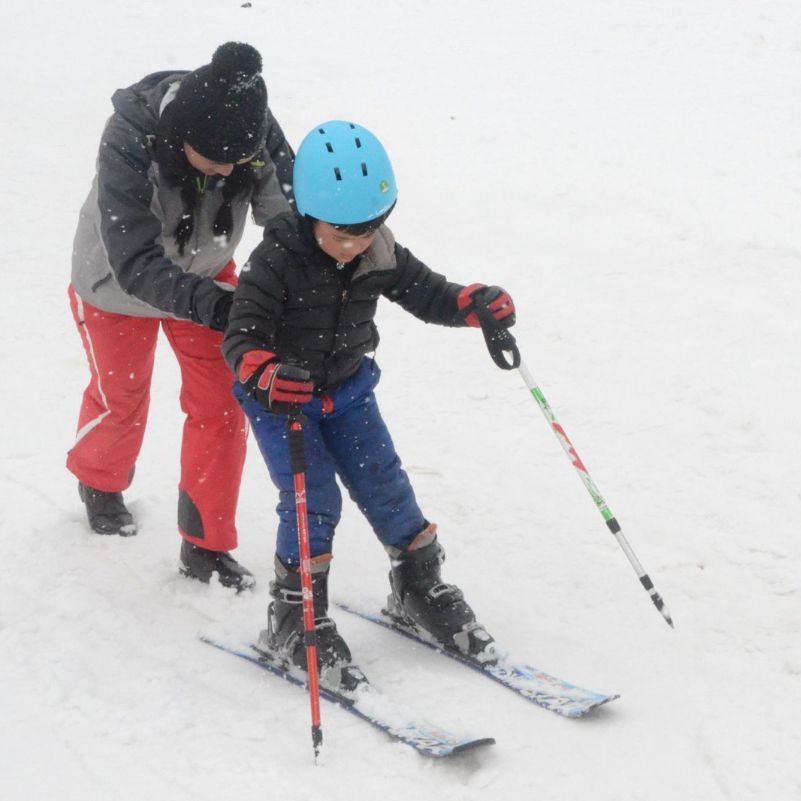
CDC identifies children roughly aged 2 to 12 as especially prone to motion sickness. If your kid gets carsick, the Manali road can be a long few hours for everyone.
The best simple move is to get them looking outside at the scenery instead of buried in a book, phone or tablet. Kids naturally want the screen, and the screen is the enemy on bends.
Feed them small and simple before the drive, not a heavy pre-trip feast. And any medication for a child must be age appropriate and cleared with a healthcare professional first.
One firm line from us. Never break normal seat belt or child restraint rules to chase a "better" motion sickness seat. Safety wins over comfort every single time.
Motion Sickness or Altitude Sickness: How Do You Tell the Difference?
The pattern is the clue. Nausea that starts during winding vehicle movement and eases once the bus stops fits the usual shape of motion sickness. It is tied to the motion.
We will not diagnose you from a screen. But here is the honest flag. If symptoms hang around or get worse after the journey ends, do not just blame the road and move on.
Once you head beyond Manali into higher areas, treat altitude as its own separate issue with its own precautions. It is a different problem that needs different planning.
Heading further up? Our Sissu tour packages and Spiti Valley tour packages build in acclimatisation, because we have seen too many trips fall apart from rushing the altitude gain.
Does Going to Rohtang Pass or Beyond Change the Advice?
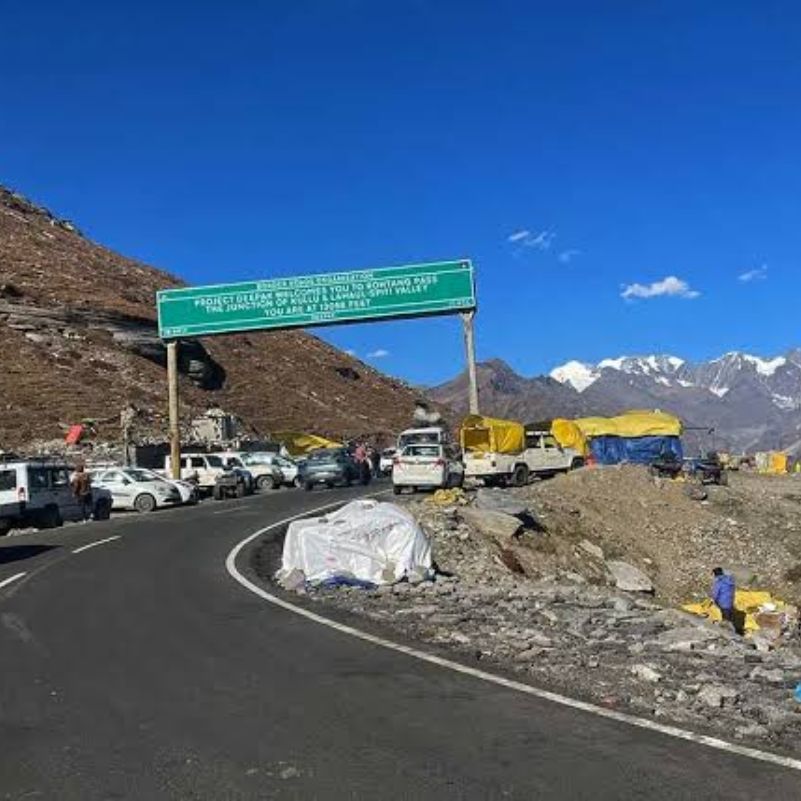
Let us clear up a common mix-up. You do not cross Rohtang Pass to reach Manali. Manali sits below it. Plenty of first timers assume the pass is part of the arrival drive. It is not.
If you carry on toward higher sightseeing past Manali, that is a different journey. More mountain road, more bends and separate altitude considerations layered on top. Your motion sickness plan still applies, plus you now think about altitude too.
We will not quote current Rohtang permit prices here, since those change and we would rather you confirm live before you go.
Planning that higher leg? Read our honest take in Rohtang Pass in December, and if you want things to do closer to town, adventure activities in Manali cover the good stuff.
A Practical Plan for a Motion Sensitive Traveller
Picture how a smart trip actually runs. You sleep properly the night before instead of pulling a late one. You eat light in the morning, nothing greasy or heavy. You board and take a forward facing seat with a clear view outside, front section if you can get it.
You keep water and a sickness bag within reach, not stuffed away. As the road starts to bend near Mandi, you put the phone down before you feel anything, not after. If you use a motion sickness medicine, you have taken it earlier as your doctor or pharmacist advised.
And if you are in a private cab, you ask for a short safe break the moment symptoms start building rather than toughing it out.
That is the version we tell our own travellers, and it is the one that keeps the drive bearable.
One more thing. Himachal roads change fast with rain, landslides, snow or traffic restrictions. Check the road status again on the morning you travel.
As of our research on 16 September 2026, the Himachal government road status page lists Delhi to Manali as open. Treat that as a snapshot for that day, not a promise for yours.
Explore Our Curated Manali Tour Packages
 5D/4N
5D/4NBest Value Manali Volvo Package with Rohtang Pass
3D Manali
₹9,999₹13,999SAVE INR 4,000/ person 5D/4N
5D/4NPremium Manali Tour Package with Private Cab and Rohtang Pass
4D Manali
₹14,999₹19,999SAVE INR 5,000/ person 6D/5N
6D/5NManali Solang Sissu Sethan Snow Adventure
1D Delhi•3D Manali+2
₹15,999₹21,999SAVE INR 6,000/ person
Related topics
Frequently Asked Questions
Which seat is best on the Manali Volvo for motion sickness?
Aim for a forward facing seat toward the front with a clear view outside. We will not name a row number because Volvo layouts differ, but front and forward facing beats the back every time.
Is the front or middle seat better on a bus?
CDC recommends the front of a bus. Many travellers still prefer the middle because it feels less bouncy. Treat the middle as a comfort fallback, not a proven medical choice.
Which stretch of the road to Manali has the most bends?
Travellers most often point to the Mandi, Pandoh and Aut side. The September 2026 tunnels have eased part of it, but it is still the historically twistiest section.
Is Chandigarh to Manali less winding in 2026?
Big parts of the approach are smoother than old accounts suggest thanks to highway and tunnel work. It is not a full four lane road throughout, so expect a mix.
Do the new Deod and Hanogi tunnels help?
Yes, they bypass part of the hard stretch and cut travel time, which should make the drive smoother and more predictable. They do not cure motion sickness though.
Is a private cab better than a bus for motion sickness?
A cab gives you more control over stops, air and pace, which helps many people. It does not guarantee less nausea, but the flexibility is a real advantage.
Should I take a day bus or overnight bus?
Both have trade-offs and neither is a clear winner. What matters more is a forward facing front seat, good rest beforehand, and keeping off your phone through the bends.
Can sleeping reduce motion sickness?
It can help some people, mainly because lying still cuts head movement. But responses vary, so it is not a universal fix. Test what works for you.
Should I eat before travelling to Manali?
Yes, but keep it light. Avoid big, greasy or spicy meals and alcohol. Small amounts of food and steady sips of water sit much better on the bends.
Does ginger help with motion sickness?
Some travellers feel it helps, and there is no harm in carrying it. But the CDC Yellow Book says the evidence for ginger is weak or contradictory, so do not rely on it alone.
What should I do if my child feels sick in the car?
Get them looking outside instead of at a screen, feed them small and simple, and stop for air if needed. Any medicine must be age appropriate and cleared with a professional.
Is nausea on the Manali road caused by altitude?
Nausea that starts with winding movement and eases when the bus stops fits motion sickness, not altitude. If symptoms persist after the drive, treat altitude as a separate issue and don't just blame the road.
More about Manali
 Manali
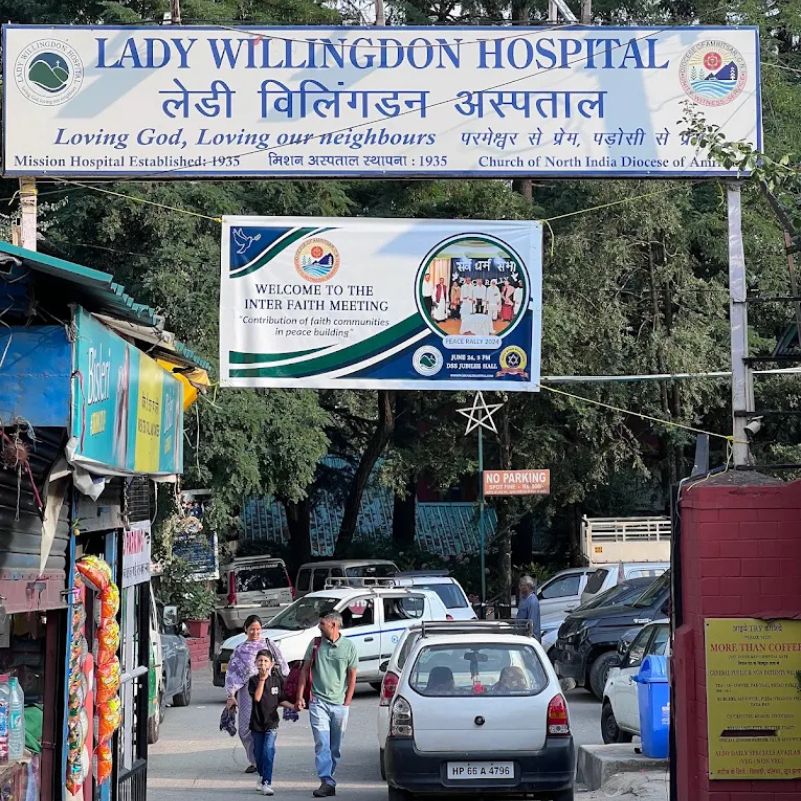
Medical Help in Manali for Tourists 2026: Hospitals, Pharmacies and Emergency Steps
Need medical help while travelling in Manali? This guide covers hospitals, pharmacies, emergency contacts and practical steps tourists should take during illness or injury. It also explains what to do in urgent situations, including breathing problems at higher altitudes.
- First-Time Travellers
- Altitude & Health
 Manali
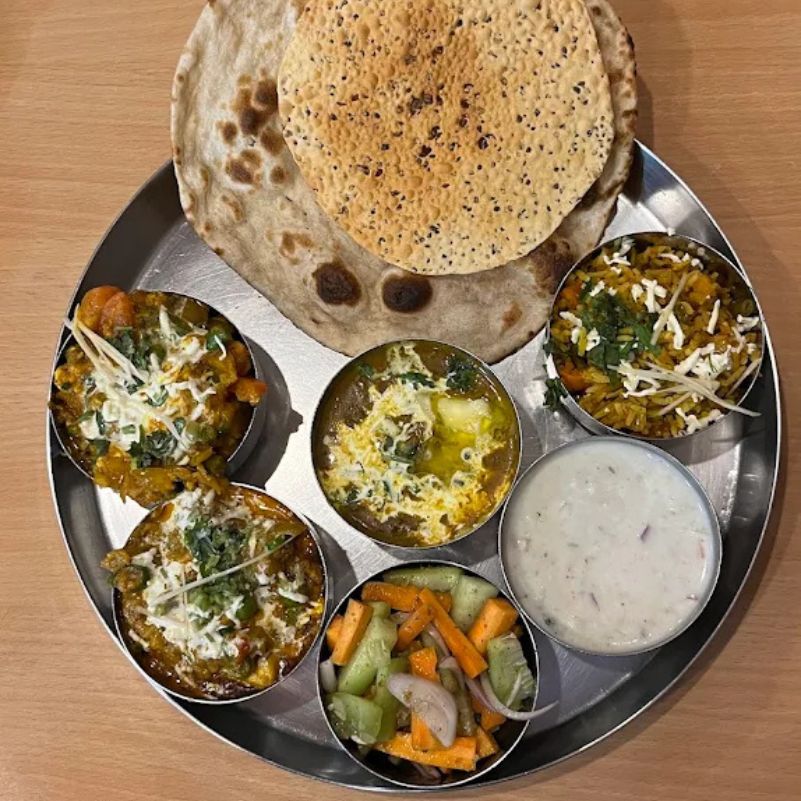
Vegetarian and Jain Food in Manali 2026: Where to Eat Without Guesswork
Looking for reliable vegetarian and Jain food in Manali? This guide covers pure veg restaurants, Jain-friendly places, no onion no garlic options, and practical tips on what to confirm before ordering in 2026.
- Things to Do
- Places to Visit
 Manali
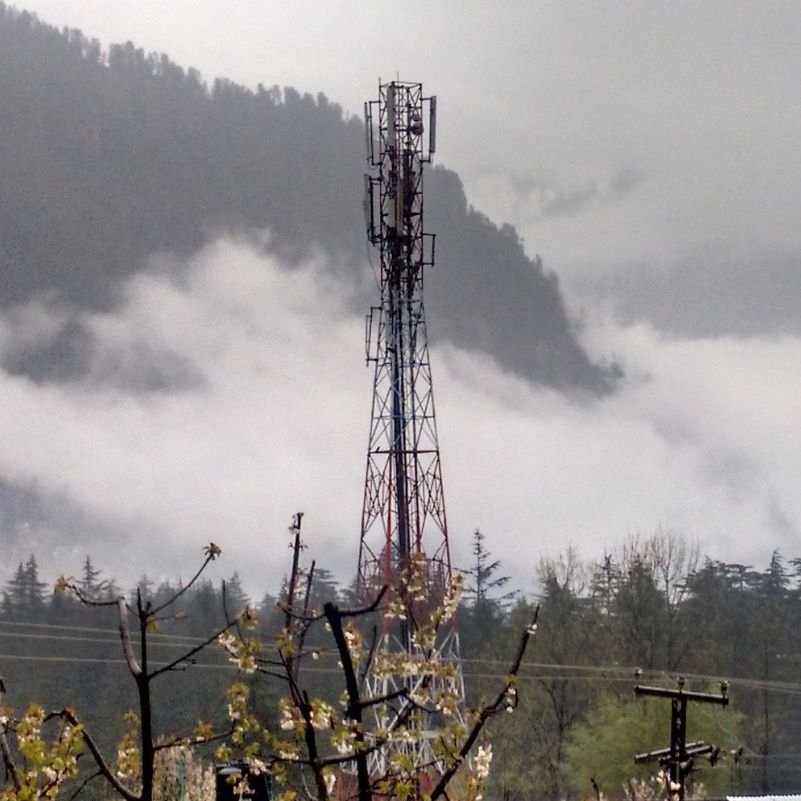
Mobile Network, Internet, UPI and ATMs in Manali 2026: What Works Where
Planning a Manali trip in 2026? Know which mobile networks work, where internet may be weak, whether UPI is reliable, and where to find ATMs. This guide helps you stay connected and payment-ready during your Manali trip.
- First-Time Travellers