
Manali vs Kasol 2026: Which Is Better for Couples, Friends, Families and First-Timers?
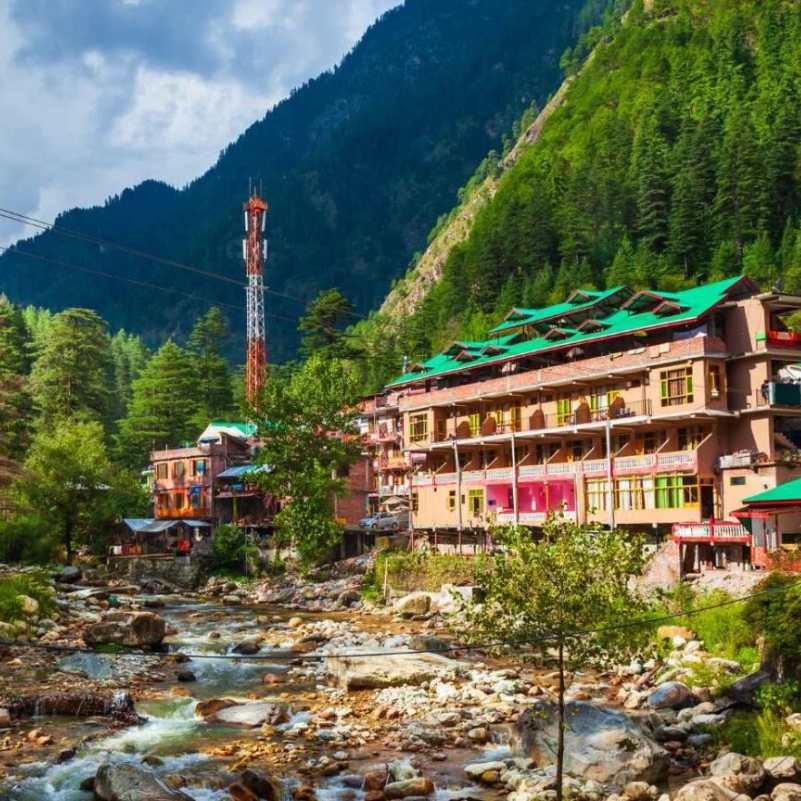
If you are stuck choosing between Manali and Kasol for your Himachal trip, you are asking the right question early. These two places sit in the same district but give you completely different holidays. Pick wrong and you spend your trip wishing you had gone the other way.
We plan both trips every season, and the confusion is always the same. So here is the honest breakdown, based on what actually works for different kinds of travellers.
Quick Answer: Should You Choose Manali or Kasol?
Manali is better for families, first-time Himachal visitors, and anyone who wants organised sightseeing, snow excursions when the roads allow, and a wide choice of hotels.
Kasol is better for friends, backpackers, and travellers who want cafés, riverside walks, nearby village exploring, and slow, unplanned days.
Couples can go either way. Pick Manali for comfort and variety. Pick Kasol for an informal, do-nothing kind of holiday.
If you have five or more days, do not choose. Combine both.
Explore Manali tour packages if you want a base sorted first.
What Is the Main Difference Between Manali and Kasol?
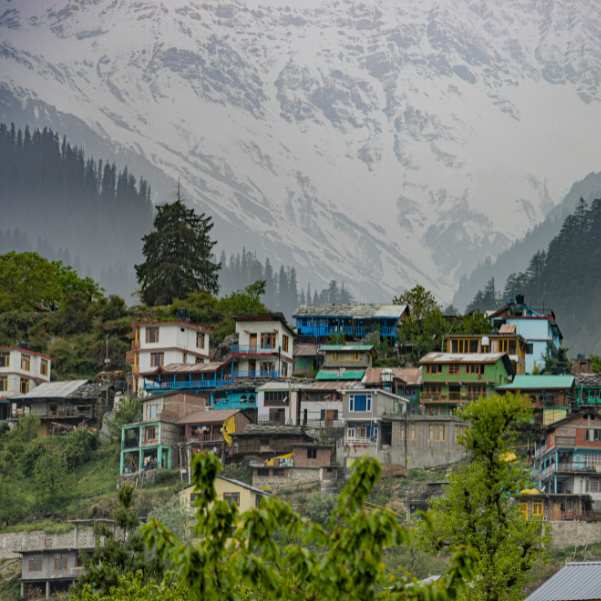
The real difference is not the mountains. Both give you good views. The difference is the style of holiday you get.
One feels like a full hill-station trip with a checklist. The other feels like a slow valley stay where the plan is to have no plan.
Manali feels like a complete hill-station holiday
Manali gives you organised sightseeing, a big spread of hotels, busy tourist streets, and several day trips you can mix and match.
You have Hidimba Temple, Old Manali, Vashisht, Mall Road, and Solang Valley to work with.
This suits travellers who like doing something different each day. One day sightseeing, next day a snow excursion, next day cafés.
Kasol feels like a slow Parvati Valley stay
Kasol is a small settlement along the Parvati River. It is not a town full of monuments and ticket counters.
Its appeal is the cafés, time by the river, short walks, and easy access to a few nearby places. That is the whole point of it.
Here is what most tourists get wrong about Kasol. They arrive expecting a sightseeing town and get bored by day two. Kasol works when you stop treating it like a checklist and let the days go slow.
Kasol tour packages can help if you want the stay handled for you.
Manali vs Kasol at a Glance
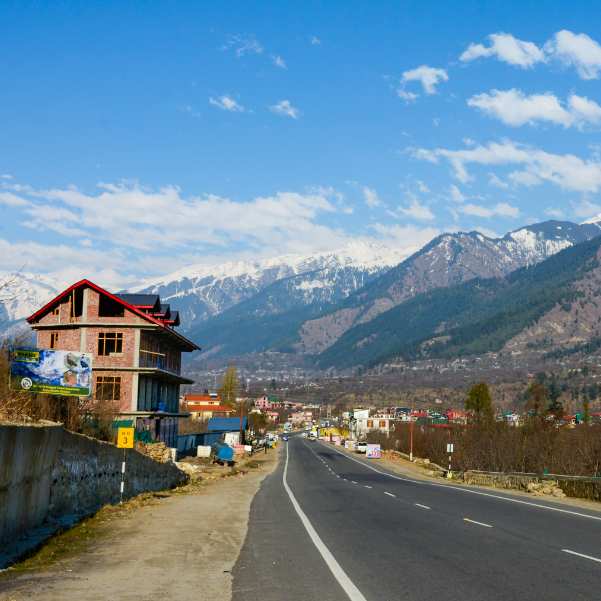
Manali is busier, bigger, and more developed. Kasol is smaller, quieter, and more relaxed. That single line explains most of the choice.
On access, Manali is easier. It has direct overnight buses from many cities and a wide road network. Kasol needs a little more planning at the end of the journey.
Accommodation variety is where Manali pulls clearly ahead. You get everything from budget rooms to proper resorts. Kasol leans towards guesthouses, cafés with rooms, and simple stays.
For organised activities, Manali wins easily. Kasol asks you to make your own fun with walks, river time, and cafés.
Walking matters more in Kasol. Many nice spots and stays involve some walking or stairs. Manali central areas are flatter and more vehicle-friendly.
For families, Manali is the safer pick. For friends who want a chilled budget trip, Kasol is stronger. For couples, it depends on the mood you want.
On duration, Manali fills three to four days easily. Kasol works well for two to three slow days as a base.
On spending, Kasol often supports a cheaper style of travel. But cheaper style does not mean every Kasol trip costs less. A comfortable Kasol stay can match a mid-range Manali trip.
Both get crowded in peak season. Do not expect either to be empty on a long weekend.
Is Manali or Kasol Better for Couples?
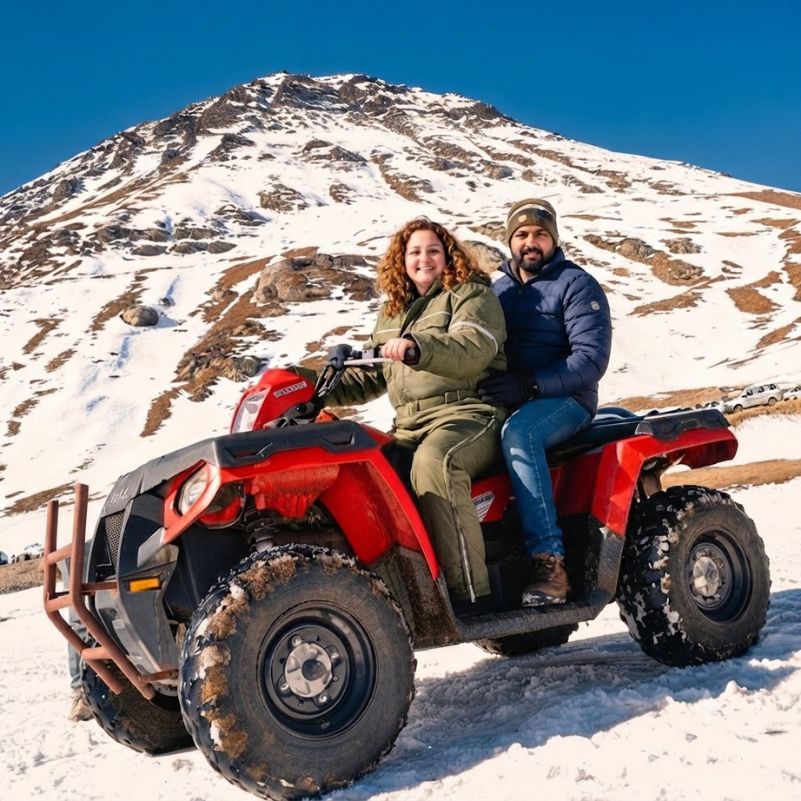
There is no single answer here. It depends on what kind of couple trip you want.
Choose Manali for an activity-filled romantic holiday
Manali suits couples who want comfortable hotels, sightseeing, scenic drives, a range of restaurants, and organised excursions.
Where you stay changes the mood a lot. A room in Old Manali or slightly outside the central rush feels very different from a hotel next to Mall Road.
In our experience, couples who stay near Mall Road for the "central" feel often regret it. It is loud and packed. Old Manali gives you cafés and quiet without going far.
Choose Kasol for an informal, slow couple's trip
Kasol suits couples who like cafés, riverside walks, simple plans, and time together without rushing anywhere.
Just know that some nearby village experiences involve walking or an extra transfer. It is not all at your doorstep.
Couple verdict
For most first-time couple trips to Himachal, we recommend Manali. It gives you more to do and more comfort.
Choose Kasol only if you already know you want a slower trip with less sightseeing. Couples who understand that love it.
Is Manali or Kasol Better for Friends?
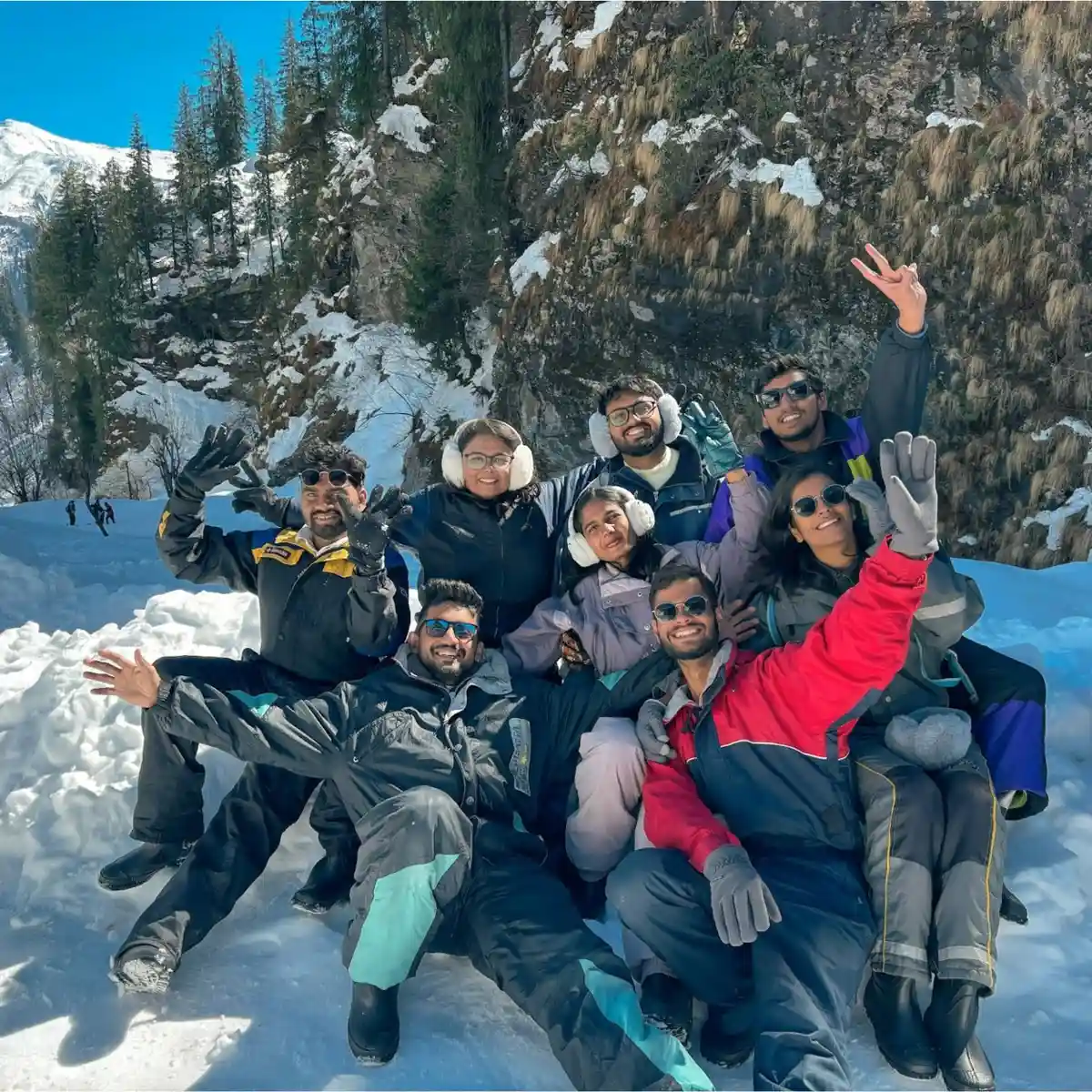
For a group of friends who want budget stays, café hopping, lazy mornings, and easy village walks, Kasol is usually the stronger pick. The whole vibe suits a friends trip.
Manali is better if your group wants adventure activities, more sightseeing, restaurant choice, and organised day trips packed into the plan.
One honest warning. Do not assume any adventure activity runs all year. Paragliding, rafting, and snow activities all depend on weather, season, and local permissions on the day.
Our team always tells groups to keep one flexible day for this exact reason. Activities get cancelled for weather more often than people expect.
You can read our full breakdown of adventure activities in Manali before you lock plans.
Is Manali or Kasol Better for Families?
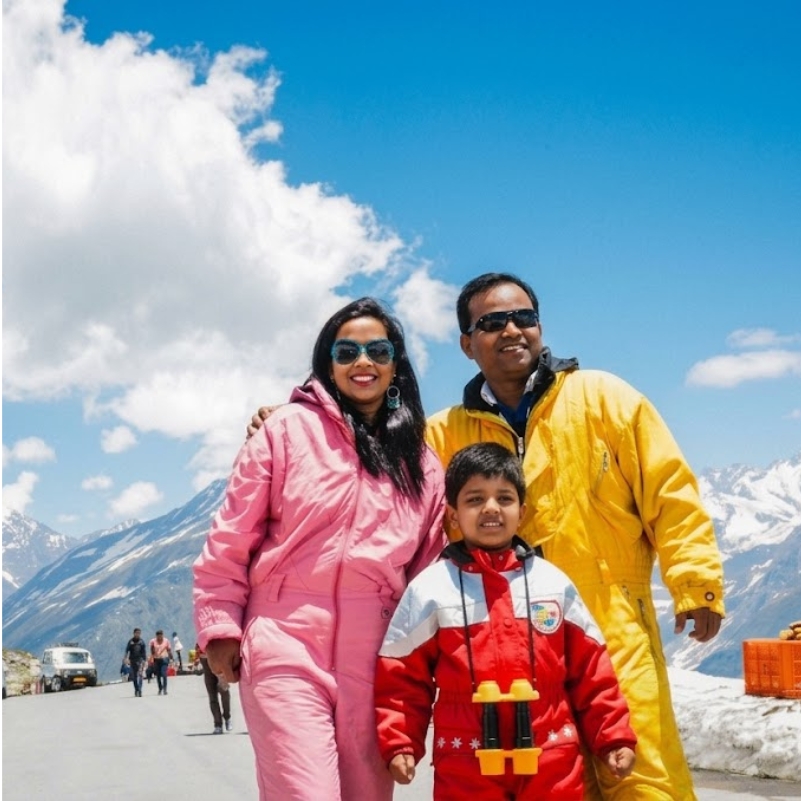
For families, Manali is the clear pick.
Manali generally gives you a wider hotel range, more organised sightseeing, and stronger commercial and medical infrastructure. When you travel with kids or elders, that backup matters.
Kasol can still work for families who want quiet time. But check the accommodation carefully. Ask about stairs, parking, the road location, and how much walking the stay involves.
We have had families book a lovely-looking Kasol stay off photos, then realise it was a ten-minute uphill walk with luggage and a grandparent. Do not book on scenic pictures alone.
Kasol is not unsafe for families. It just needs more homework. Families with small kids, senior citizens, or anyone with mobility concerns should confirm the ground reality before paying.
Which Is Better for First-Time Himachal Travellers?
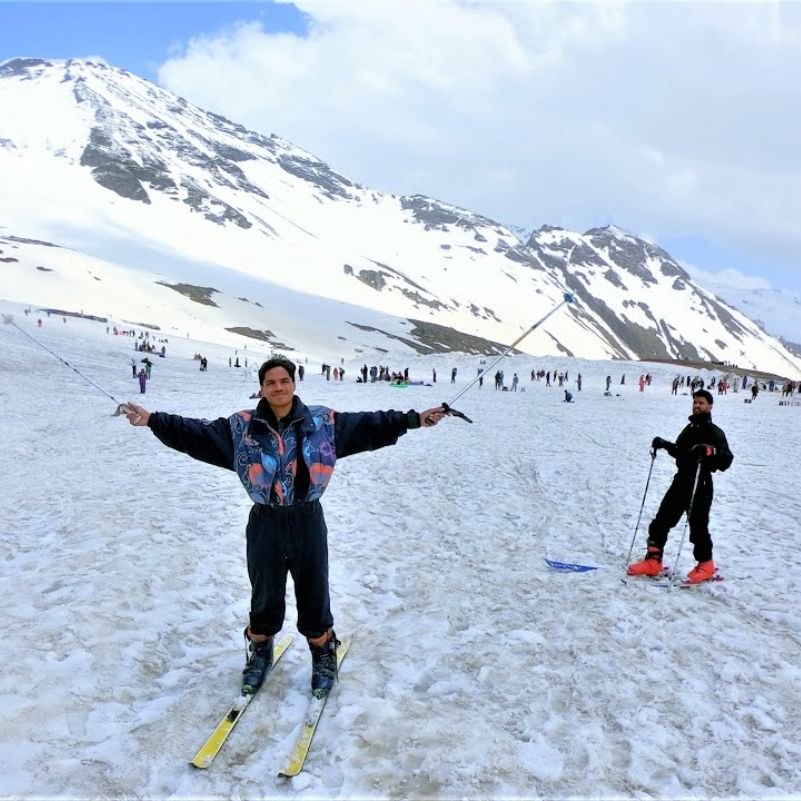
For most first-timers, Manali is the better introduction. You get sightseeing, mountain drives, markets, cafés, and organised excursions all in one base.
Kasol is the right first destination only if you specifically want a slow trip and do not need a long list of attractions.
Which Is Easier to Reach: Manali or Kasol?
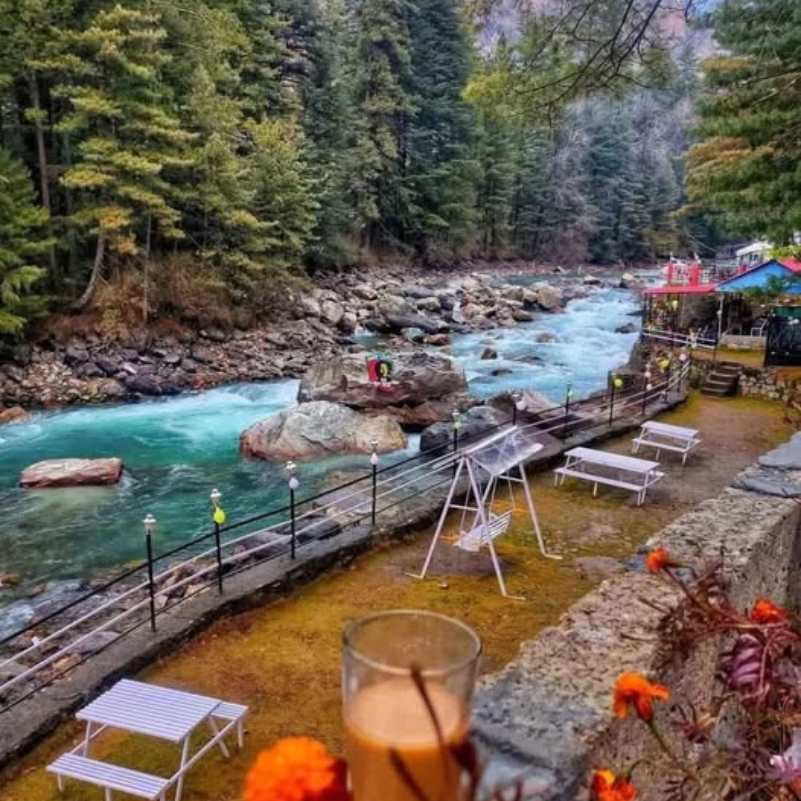
Reaching Manali
Manali has strong road connectivity and is commonly reached by overnight road journeys from major North Indian cities.
Bus fares and schedules change often, so check current ones close to your dates rather than trusting old blog numbers.
Bhuntar Airport serves the wider Kullu region if you want to fly part of the way.
Reaching Kasol
Road journeys to Kasol usually come in through the Bhuntar side before entering Parvati Valley.
If you arrive on long-distance transport, you may need a connection or a local transfer for the last stretch.
So the final journey to Kasol needs a bit more planning than simply reaching central Manali.
Travelling between Manali and Kasol
The road distance is roughly 75 to 80 kilometres.
The normal journey takes about 2.5 to 3.5 hours.
But traffic, roadworks, rain, snowfall, and peak-season congestion can stretch that a lot. Do not treat Kasol as a quick one-hour hop from Manali. It is a proper travel segment.
Which Destination Has Better Activities?
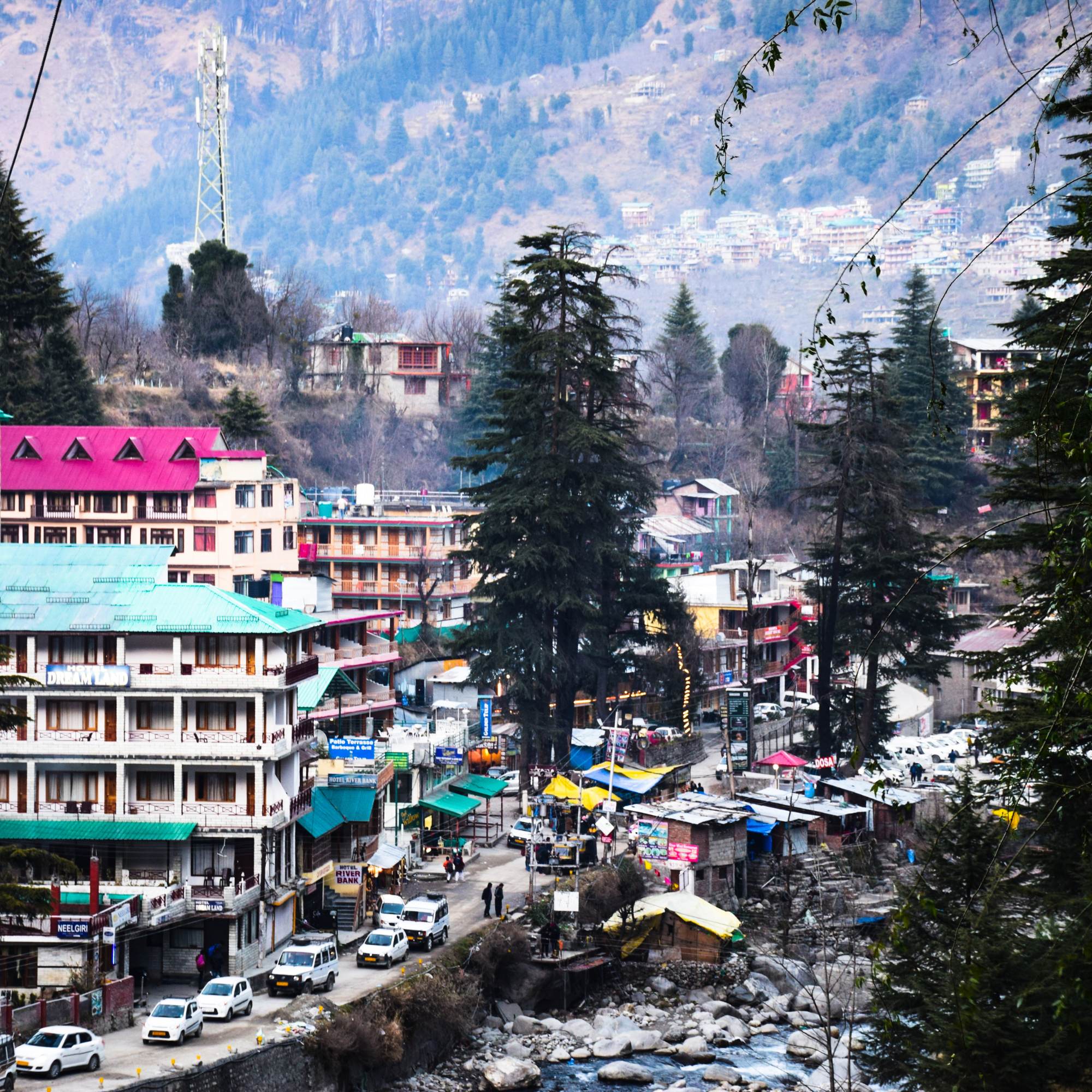
Things to do in Manali
Your main spots are Hidimba Temple, Old Manali, Vashisht, Mall Road, and Solang Valley.
Solang Valley is around 13 kilometres from Manali and is where a lot of the activity action happens.
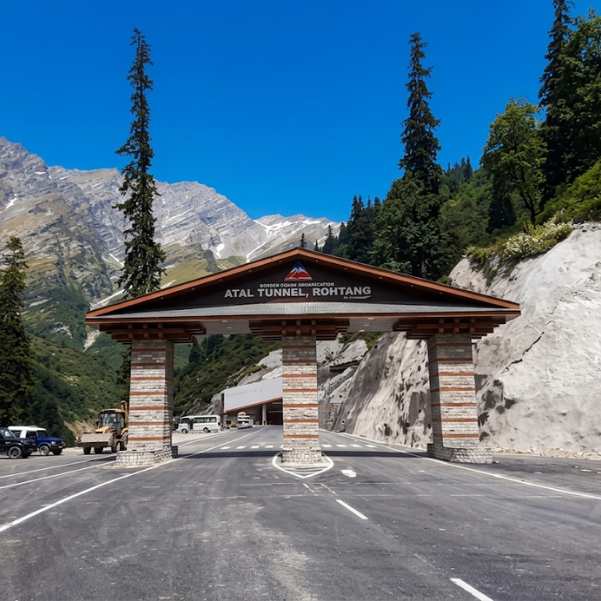
Trips towards Rohtang, the Atal Tunnel, or Lahaul depend on road access, weather, and local traffic management on the day. Rohtang Pass is not open all year, so do not plan around it as a certainty.
Here is a local tip most guides skip. Reach Solang early in the morning. By mid-morning the crowd and the vehicle queue build up fast, and you waste your best hours just waiting to park.
If you want to pair Manali with a Lahaul side trip, our Sissu tour packages cover that route.
Things to do around Kasol
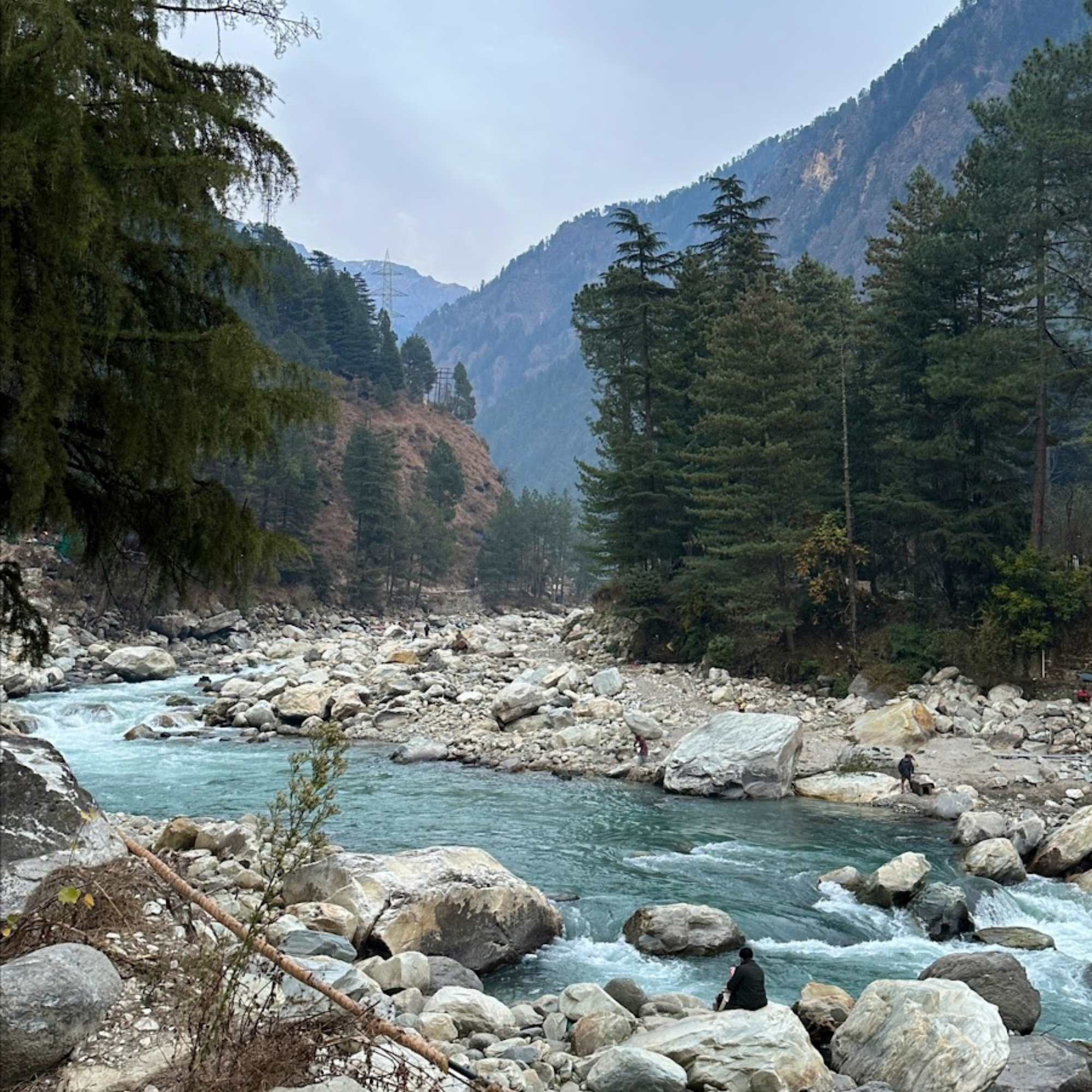
Around Kasol you have Parvati River walks, cafés, and nearby Chalal and Manikaran.
Tosh, Barshaini, and other Parvati Valley spots are separate destinations that need more travel. They are not "in" Kasol, even though blogs lump them together.
The Chalal walk is a favourite, though the exact distance and time depend on where you start and how fast you go, so we will not throw a fake number at you.
Kasol gives you fewer organised attractions, but it fills several slow days easily when you use it as a base.
Which Has the Better Atmosphere and Crowd?
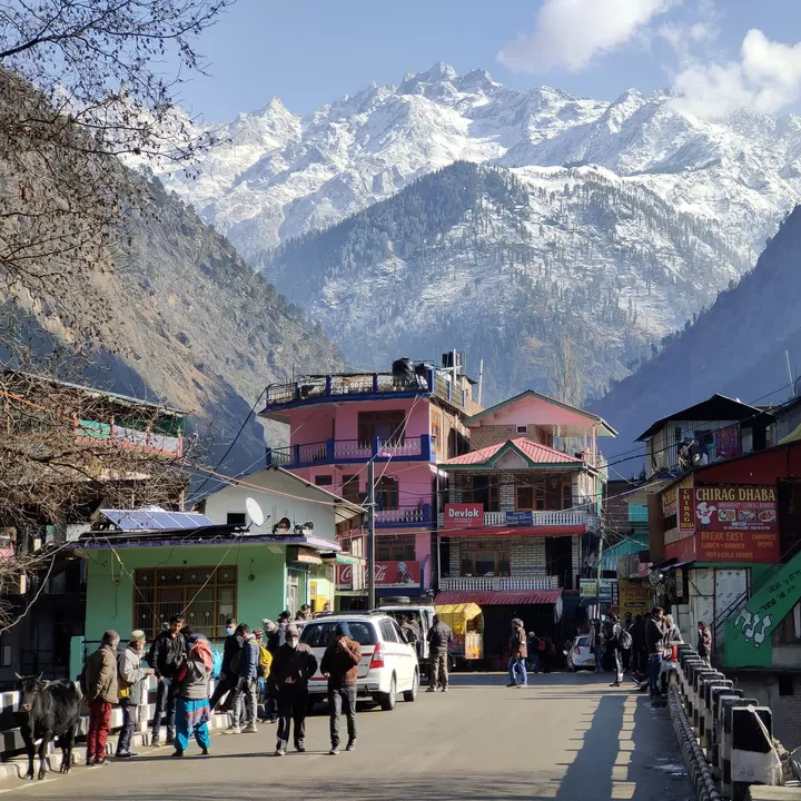
Manali is generally busier, more developed, and more commercial. Kasol is smaller and known for backpacker travel, but it still gets crowded on weekends and holidays.
The neighbourhood you pick changes everything. Central Manali is loud. Old Manali and Vashisht are calmer. Same story in Kasol, where staying away from the main market is a completely different experience.
Peak-season congestion has hit the Mandi to Manali highway, the Atal Tunnel route, and roads towards Kasol and Manikaran. That does not mean they are jammed every single day, but plan for it on holidays.
Is Kasol Cheaper Than Manali?
Kasol often supports a lower-spending style because many travellers there just do cafés, walking, and simple stays.
Manali costs can climb through local taxis and paid activities. Those add up faster than people budget for.
But hotel, taxi, food, and activity rates all swing sharply by date, demand, and property. There is no fixed price we can promise, and prices change by date. Anyone quoting exact numbers a season ahead is guessing.
Manali can also be better value if you want lots of organised experiences, even when the total bill is higher. You get more done for the money.
How Many Days Are Enough for Manali or Kasol?
Two nights
With two nights, pick only one place. Manali if you want sightseeing variety. Kasol if you want a short slow break.
Three to four nights
Three to four nights cover a focused Manali trip nicely.
For Kasol, two or three nights let you enjoy the town plus one carefully chosen nearby excursion.
Do not try to squeeze both into three nights. The transfers eat your whole trip.
Five to six nights
Five to six nights are ideal for doing both. One practical split is three nights in Manali and two nights in Kasol.
Six days feel more relaxed and give you a buffer for weather or traffic problems, which this region loves to throw at you.
Can You Visit Manali and Kasol on the Same Trip?
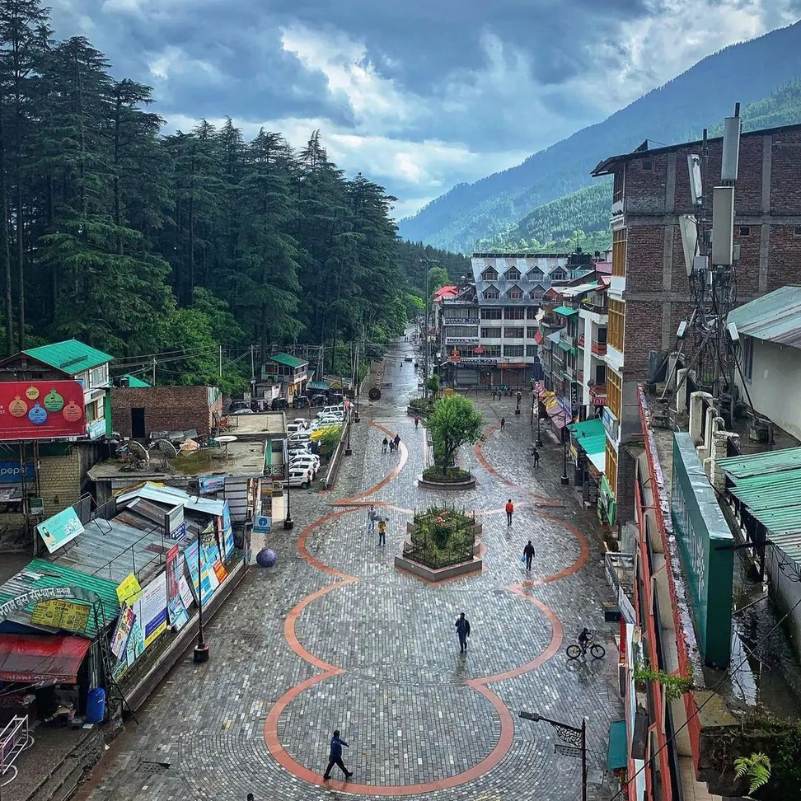
Yes, easily. They are both in Kullu district but sit in different valley settings, so you get two different moods in one trip.
Just plan the road transfer as a proper travel segment, not an afterthought.
The combination works well. Manali gives you the organised sightseeing and activity variety, and Kasol adds the slow Parvati Valley downtime to balance it out.
>>Want to combine Manali and Kasol? WhatsApp us your travel dates, and we'll plan the right route.
Sample 5-Day Manali and Kasol Itinerary
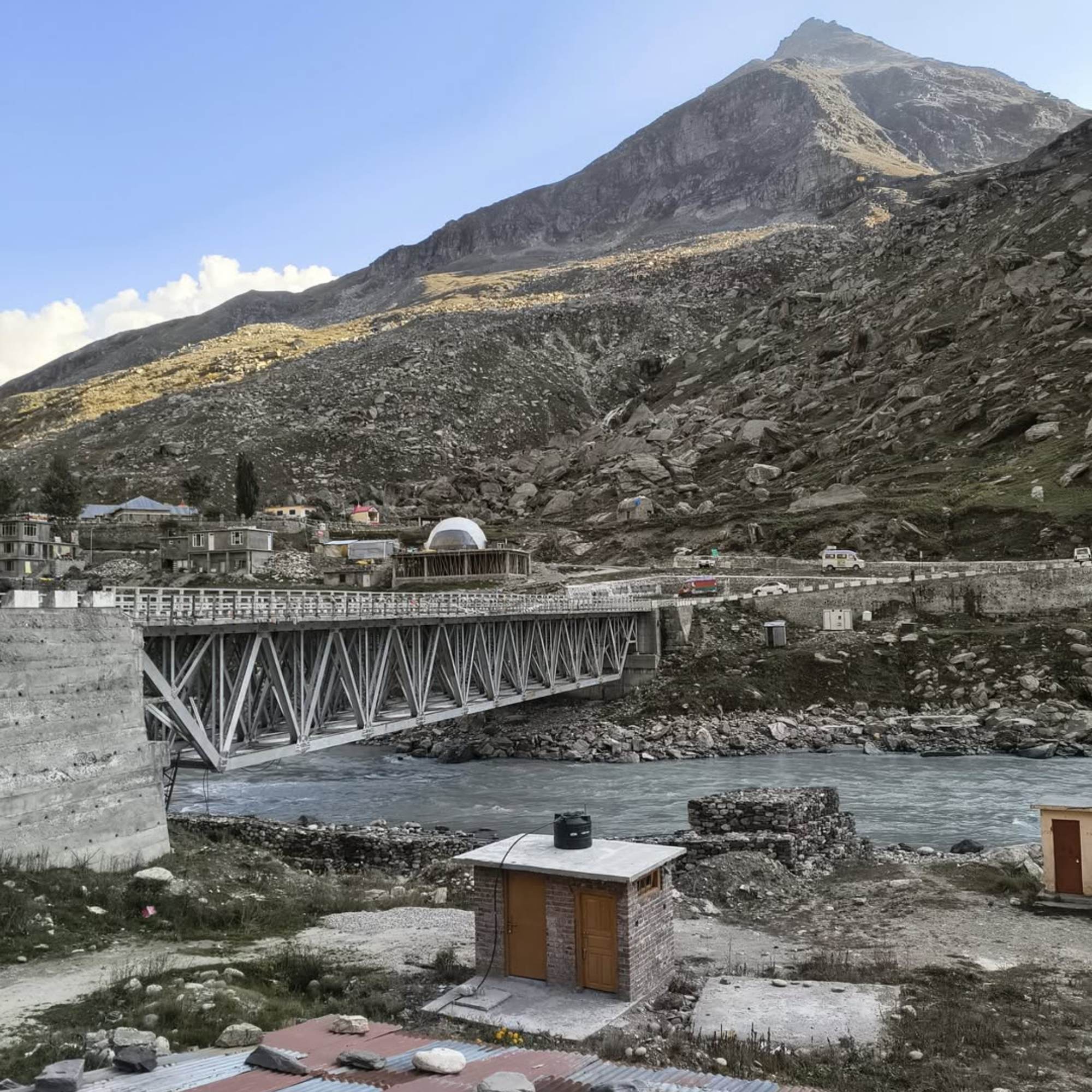
Day 1: Arrive in Manali
Check in, rest, and keep the evening light. A short stroll and a good dinner is enough.
Do not rush off to a high-altitude excursion right after an overnight road journey. Your body needs the buffer.
Day 2: Manali local sightseeing
Cover Hidimba Temple, Old Manali, Vashisht, and a few central spots.
You do not have to do all of them. Pick what your group actually enjoys instead of ticking every box.
Day 3: Solang Valley or a seasonal excursion
Head to Solang Valley or another road-accessible spot based on the current weather and road conditions.
A Rohtang Pass trip needs separate permit planning and depends on access, so treat it as a maybe, not a fixed plan.
Day 4: Travel from Manali to Kasol
Plan for the 2.5 to 3.5 hour normal drive, and leave buffer time on top.
Keep the Kasol evening relaxed. After a transfer day, café and river time is all you need.
Day 5: Kasol and one nearby experience
Do Kasol's river area plus either Chalal or Manikaran, depending on your walking ability and departure time.
If this feels rushed, add a sixth day. A slower pace suits Kasol far better.
Should You Visit Manali or Kasol First?
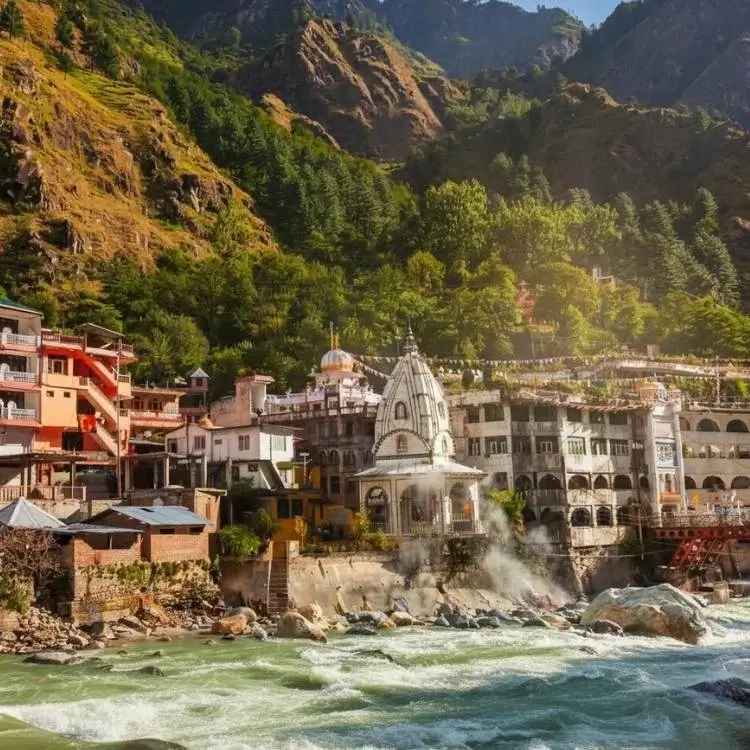
The order depends on your arrival and departure plan.
If you approach through Bhuntar, starting with Kasol and moving to Manali makes sense.
If you have a direct overnight bus to Manali, start there.
In our experience, an active Manali stretch followed by a slower Kasol wind-down gives the trip a nice rhythm. But there is no universally correct direction, so match it to your travel logistics.
When Is the Best Time for Manali and Kasol?
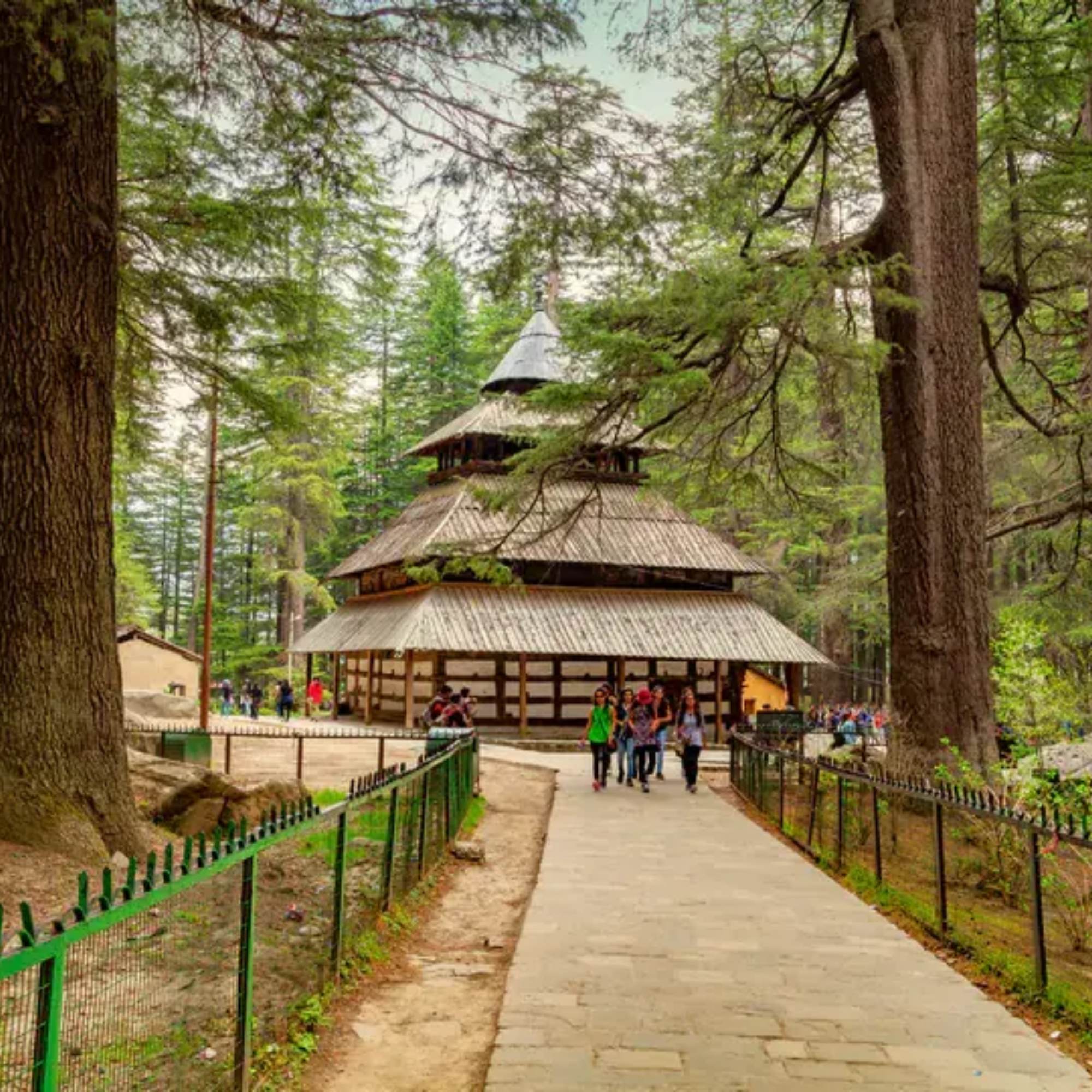
Spring and early summer
This is a popular window for sightseeing and road trips. Peak dates get crowded, so book stays early.
Monsoon
Expect rain, possible landslides, and road delays. Keep your plan flexible. We will not promise roads stay open or closed, because monsoon does what it wants.
Autumn
Autumn can be a lovely road-trip season, but always check the current forecast and local advisories before locking dates.
Winter
Snow depends on altitude and date. We cannot promise snowfall in Manali town or Kasol on any given day, whatever other sites tell you.
Higher routes around Manali can face temporary restrictions in winter. For the month-wise picture up top, see Rohtang Pass in August, Rohtang Pass in September, and Rohtang Pass in October.
Important 2026 Travel Rules and Updates
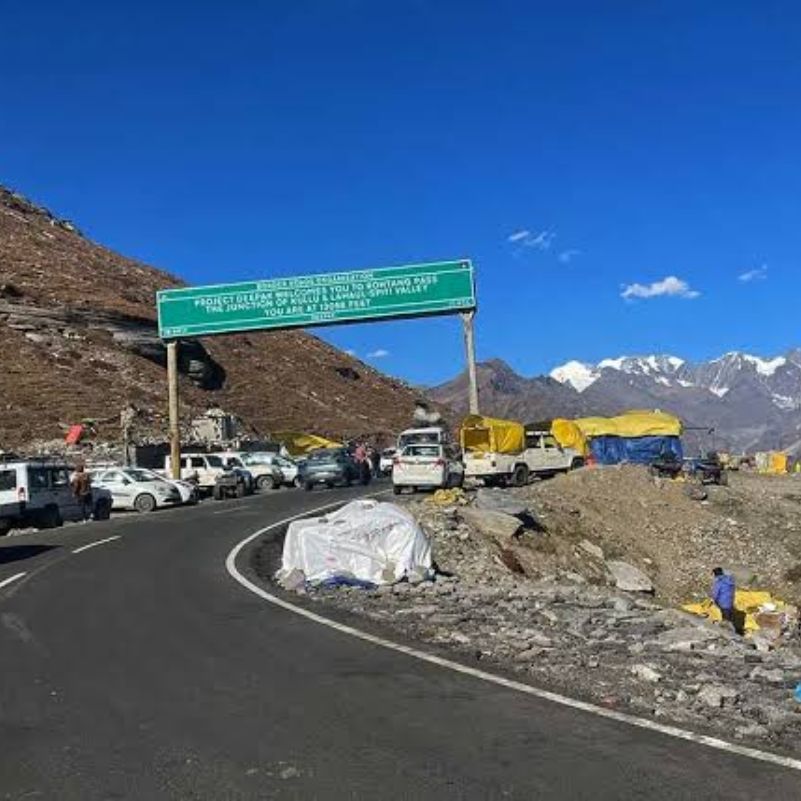
An ordinary tourist visit to Manali or Kasol does not need a general destination permit. You can just go.
A vehicle visiting Rohtang Pass for tourism does need an official permit. This is where people get confused.
The permit fee for a car, jeep, or MUV is ₹500. The congestion charge is ₹50. So the total listed charge is ₹550.
The official system lists a daily quota of 800 petrol vehicles and 400 diesel vehicles, and currently accepts applications for the next two days only.
You need valid ID, a valid PUC certificate, and the vehicle registration date. The official page also states the vehicle age must not be more than 10 years for this permit.
Remember, all of this is for Rohtang Pass, not for a normal Manali town visit. Always check the official portal before you travel, because these rules change.
Winter snow, monsoon rain, landslides, and traffic management can shut or slow roads at short notice. Build a buffer.
One request. Carry your waste back, do not litter, and use proper disposal points, especially near the river and villages in Parvati Valley. These places stay beautiful only if we treat them right.
Final Verdict: Manali or Kasol?
Couples should pick Manali for comfort and activities, or Kasol for slow travel.
Friends should pick Kasol for relaxed café and village time, or Manali for adventure variety.
Families should generally choose Manali.
First-timers should generally choose Manali.
Budget backpackers usually prefer Kasol.
And if you have five or more days, stop choosing and do both. That is the trip most people wish they had planned.
If you want us to sort the stays, driver, and route so you are not stitching it together yourself, explore our Manali tour packages and we will build it around your dates.
Explore Our Curated Manali Tour Packages
 6D/5N
6D/5NManali Solang Sissu Sethan Snow Adventure
1D Delhi•3D Manali+2
₹15,999₹21,999SAVE INR 6,000/ person 6D/5N
6D/5NManali Solang Sissu Sethan Snow Trip With Kasol
1D Delhi•3D Manali+2
₹25,999₹33,999SAVE INR 8,000/ person 7D/6N
7D/6NManali Kasol Jibhi Valley Trip
1D Delhi•2D Manali+3
₹25,799₹32,999SAVE INR 7,200/ person
Related topics
Frequently Asked Questions
Which is better, Manali or Kasol?
It depends on your style. Manali is better for families, first-timers, and anyone wanting organised sightseeing and comfort. Kasol is better for friends, backpackers, and travellers who want slow café and river days. With five or more days, combining both gives you the best of each.
Is Manali or Kasol better for couples?
Both work. Choose Manali for comfortable hotels, sightseeing, and activity variety, especially for a first trip. Choose Kasol if you want an informal, slow holiday built around cafés and riverside time. Staying in Old Manali or away from the main markets improves the mood in either place.
Is Manali or Kasol better for families?
Manali, in most cases. It has a wider hotel range, more organised sightseeing, and stronger commercial and medical backup, which helps when travelling with kids or elders. Kasol can suit families wanting quiet time, but check stairs, parking, and walking distance before booking a stay.
Is Kasol good for a trip with friends?
Yes, very good. Kasol suits friends who want budget stays, café hopping, lazy mornings, and easy village walks. Manali is the better pick if your group prefers adventure activities and packed sightseeing. Just remember activities depend on weather, season, and local permissions.
Which is better for a first Himachal trip?
Manali, for most first-timers. It gives a broader introduction with sightseeing, mountain drives, markets, cafés, and organised excursions from one base. Kasol suits a first trip only if you specifically want a slower pace and do not need a long list of attractions to see.
How far is Kasol from Manali?
The road distance is roughly 75 to 80 kilometres. The normal drive takes about 2.5 to 3.5 hours. Traffic, roadworks, rain, snowfall, and peak-season congestion can stretch this a lot, so plan it as a proper travel segment rather than a quick hop.
Can Manali and Kasol be covered in one trip?
Yes. Both sit in Kullu district but in different valley settings, so you get two moods in one trip. Plan the road transfer properly. Manali adds organised sightseeing and activities, while Kasol adds slow Parvati Valley time. Five or more days make the combination comfortable.
How many days are enough for Manali and Kasol?
For one destination, two to four nights work. Manali fills three to four days; Kasol suits two to three slow days. For both together, aim for five to six nights, such as three nights in Manali and two in Kasol. Three nights for both leaves too much transfer time.
Is Kasol cheaper than Manali?
Kasol often supports a lower-spending style because travellers focus on cafés, walking, and simple stays. Manali costs can rise through taxis and paid activities. But rates change sharply by date and demand, and Manali can offer better value if you want many organised experiences.
Should I visit Kasol or Manali first?
It depends on your route. Arriving through Bhuntar suits starting with Kasol, then Manali. A direct overnight bus to Manali suits starting there. An active Manali stretch followed by a slower Kasol wind-down often feels nice, but there is no universally correct order.
Is a permit required for Manali or Kasol?
No general destination permit is needed for an ordinary tourist visit to either. A permit is only required for a tourism vehicle going to Rohtang Pass, which costs ₹550 in total. Always confirm current rules on the official portal before you travel.
Which destination is better in winter?
Manali gives more winter infrastructure and access to snow excursions when roads allow. Snowfall cannot be promised in either Manali town or Kasol on a specific date. Higher routes around Manali can face temporary restrictions, so keep your plan flexible and check advisories close to travel.
More about Manali
 Manali
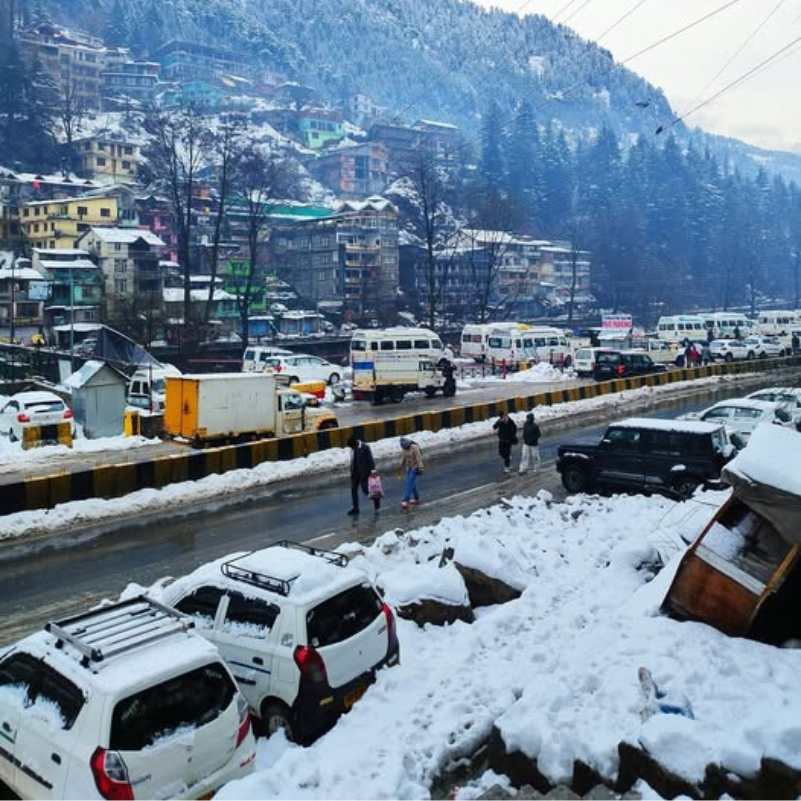
What Happens If Snowfall or Road Closures Affect Your Manali Trip in 2026? Refunds, Rescheduling and Plan B
Learn what to do if snowfall or road closures disrupt your Manali trip in 2026, including refund rules, rescheduling options and practical backup plans.
 Manali
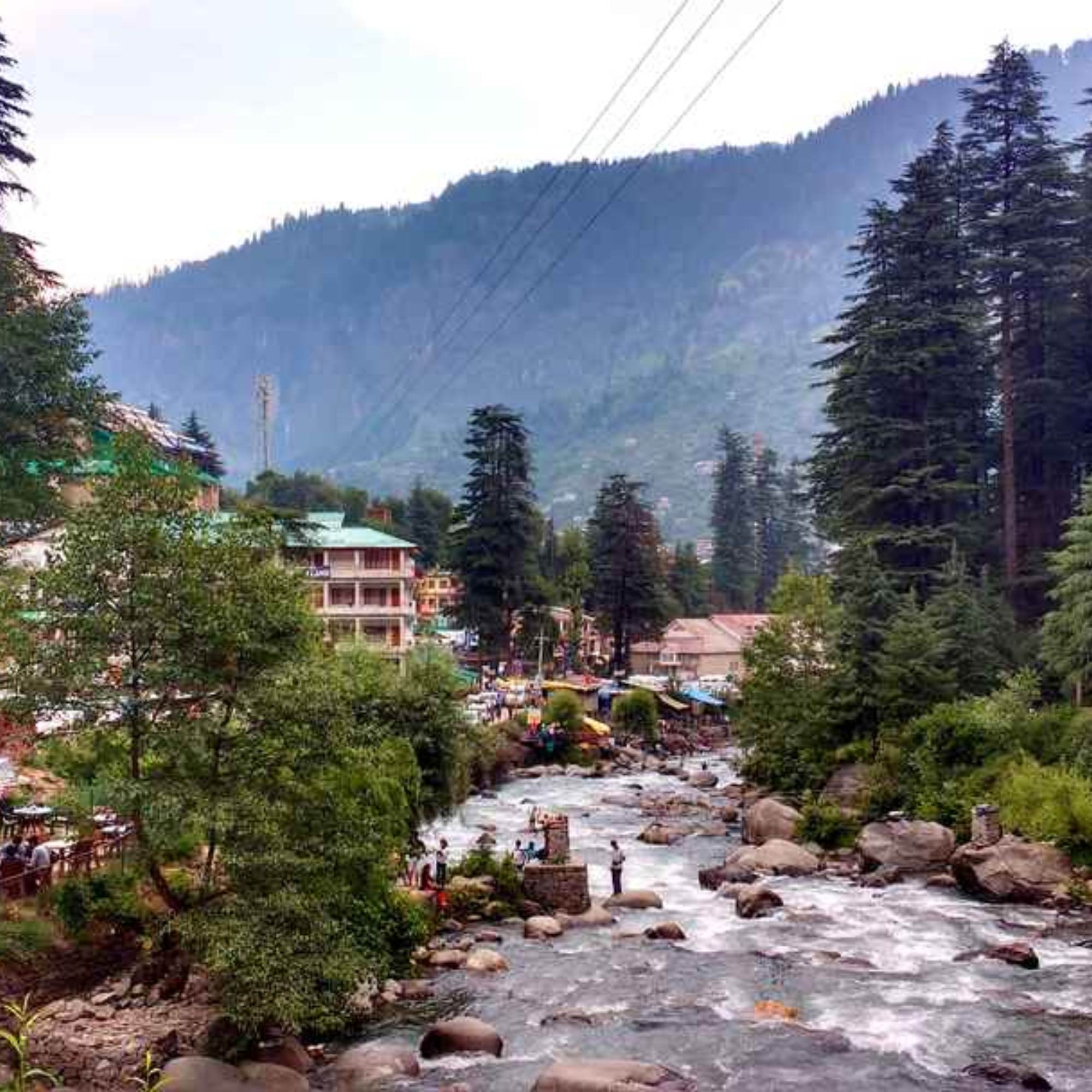
How to Choose the Best Manali Tour Operator in 2026: 15 Questions to Ask Before Booking
Choosing the right Manali tour operator in 2026 can make your trip smoother, safer and easier to manage. Check registration, package inclusions, hotel details, transport arrangements, cancellation terms and local support before you book.
- First-Time Travellers
 Manali
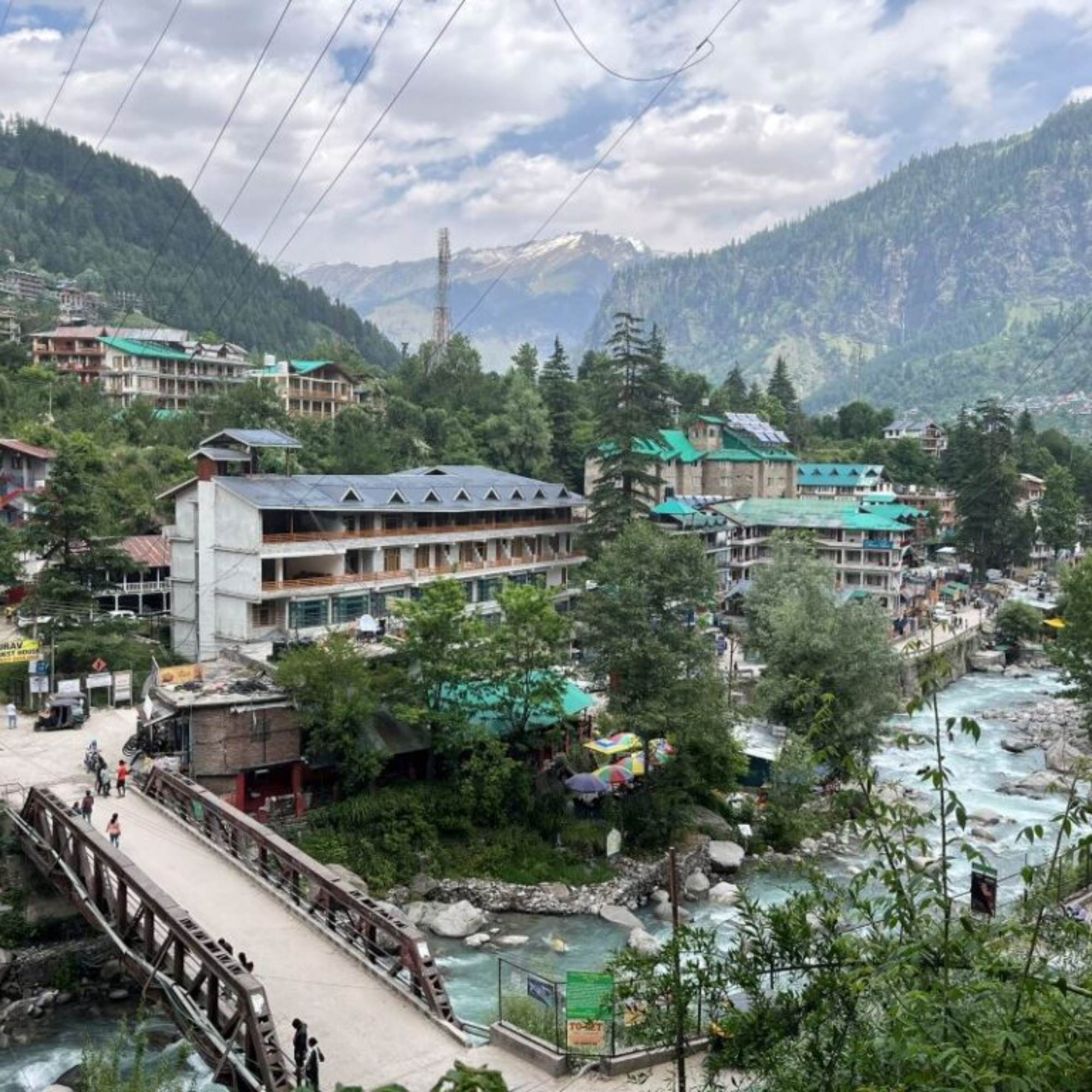
How Many Days Should You Book for a Manali Tour Package in 2026? 3N/4D vs 4N/5D vs 5N/6D
Not sure how many days to book for Manali? Compare 3N/4D, 4N/5D and 5N/6D packages to find the right trip length for your sightseeing plans and travel style.
- Itinerary
- First-Time Travellers