
Manali vs Dalhousie in 2026: Which Is Better for Snow, Family, Couples and Sightseeing?
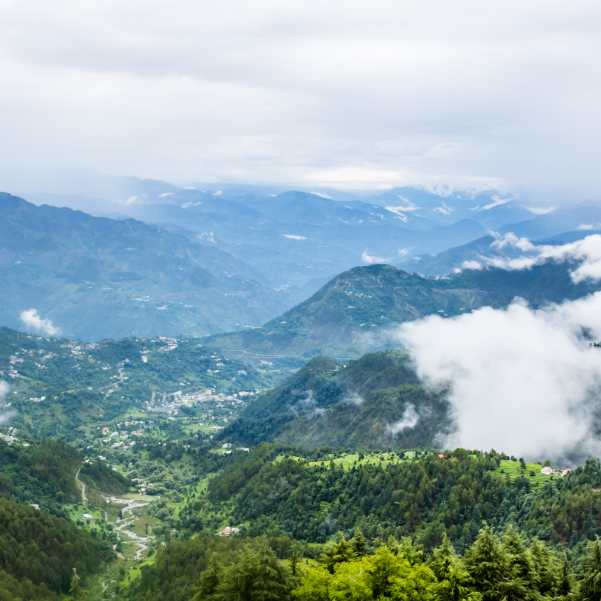
You have narrowed your Himachal trip down to two names, and now you are stuck. Manali or Dalhousie? Both look great in photos.
Both promise snow, mountains and a break from the plains. But they are not the same kind of trip at all, and picking wrong can mean a rushed holiday or a boring one.
We run trips across Himachal every season, and this exact question lands in our WhatsApp inbox almost every week. So here is the honest breakdown, no sugar-coating, so you can book with confidence.
Quick Answer: Should You Choose Manali or Dalhousie?
Manali
Manali is the better pick if you want accessible snow areas, adventure activities, honeymoon variety, and a trip of four days or more. It packs in more of everything.
Dalhousie
Dalhousie wins if you want a quieter family holiday, colonial scenery, slow sightseeing, and a short two to three day break. It is calmer and easier to cover.
One thing we always tell travellers upfront
Snow is weather dependent. Nobody can promise you fresh snowfall on a fixed date, not us, not any agent. Anyone who does is selling you something.
If you lean towards Manali after reading this, our Manali tour packages come with a local driver, handpicked stays, and a team that actually answers the phone.
Manali vs Dalhousie at a Glance
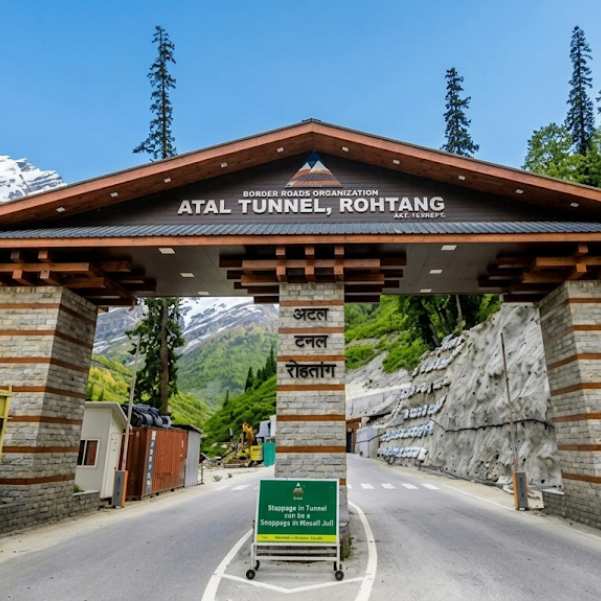
Manali is a big, busy tourism town. It has a wide mix of stays, cafés, adventure operators and day excursions in every direction. There is always something to do, which is great if you have energy and days to fill.
Dalhousie is smaller and slower. It is an old colonial hill station spread over five hills, usually paired with Khajjiar for a compact two-day loop. You walk more, rush less, and the days feel unhurried.
The landscapes differ too. Manali gives you dramatic high mountains, river valleys and the pull of the higher Lahaul side. Dalhousie gives you pine and deodar forests, old churches and gentle viewpoints.
On crowds, Manali carries heavier tourist pressure because it is more famous and has more to offer. Dalhousie stays calmer, though weekends and holidays still fill it up.
The simple decision: if you want variety, activity and a longer trip, go Manali. If you want peace, easy pacing and a short getaway, go Dalhousie.
Which Is Better for Snow: Manali or Dalhousie?
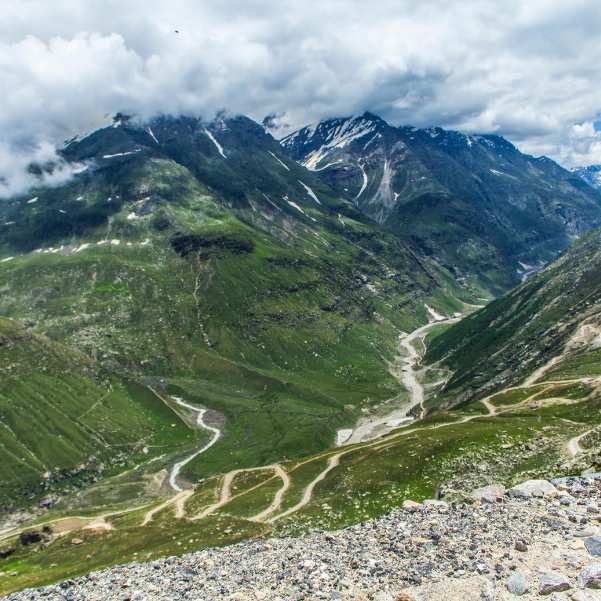
Where are your chances of finding snow higher?
First, understand the difference. Fresh snowfall in the town itself is one thing. Reaching old, piled-up snow at higher elevations is another. Most travellers actually want the second, since that is where you play in the snow.
Manali gives you more high-altitude options to chase snow, through areas like Solang Valley, Gulaba, and the Atal Tunnel or Lahaul side. Access always depends on current road conditions and police restrictions, so nothing is fixed.
Dalhousie and Khajjiar do get snowfall, but again, it cannot be promised for set dates. Heavy snowfall can also temporarily block the Khajjiar road and other local routes.
On snow overall, Manali wins because of those higher-elevation options. Just don't read "wins" as "guaranteed." The mountain decides.
Can you see snow in December?
December snow is possible in both places, but never certain. Some years December delivers, some years it holds off until January.
Late December through February generally brings stronger winter prospects, but real snowfall is controlled by weather systems, not the calendar.
In our experience, the travellers who leave happiest are the ones who check the latest forecast, any available webcams, and local road advisories a day or two before leaving. Go in expecting cold and beautiful mountains, and treat snow as a bonus.
What happens to roads after heavy snow?
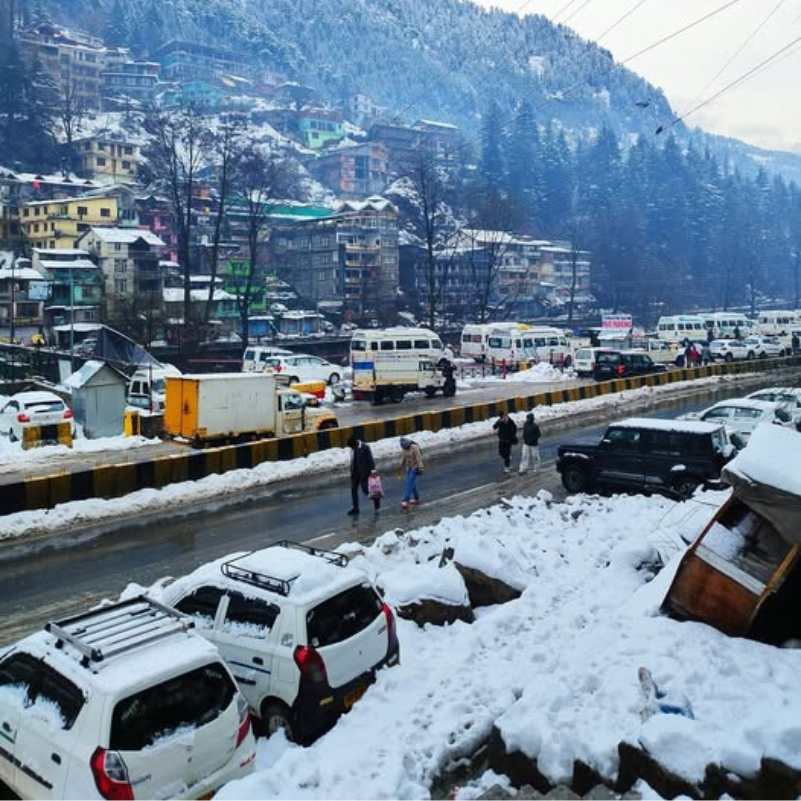
Heavy snowfall makes roads slippery and brings congestion, vehicle restrictions and sometimes temporary closures. This is the part most people underestimate.
During a January 2026 snowfall spell, the administration imposed restrictions beyond Solang Valley because of slippery conditions. Heavy snow around Manali has also caused major traffic jams and real traveller disruption on other occasions.
Here is what most tourists get wrong: they assume Rohtang Pass is a normal winter excursion. It is not.
Rohtang usually opens for tourism only around late May or early June, depending on snow clearance and administrative approval. Early May is generally too soon to count on it.
We always tell our travellers to keep one flexible day in any winter itinerary. That single buffer day is the difference between a stressful trip and a relaxed one when snow shuts a road for a few hours.
If you are planning a shoulder-season Rohtang visit, read our month-by-month notes on Rohtang Pass in August, Rohtang Pass in September, and Rohtang Pass in October before you fix dates.
Is Manali or Dalhousie Better for a Family Trip?
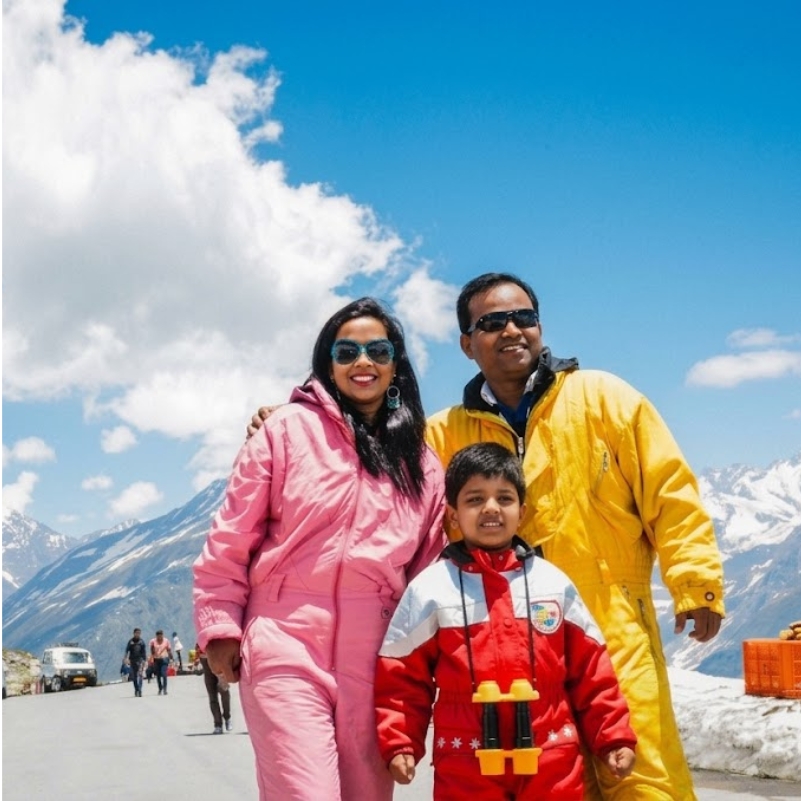
The honest answer changes with the ages and energy levels in your group. There is no single winner for "family."
Families with young children
Dalhousie suits families who want shorter sightseeing sessions and slower days. Little kids tire fast, and Dalhousie's compact loop means less time stuck in a car.
Manali offers children more variety, but it can also mean traffic, longer excursion days and waiting around during peak periods. That is a lot for a five-year-old.
In winter, one thing matters more than the number of attractions: your hotel. Heating, parking and easy vehicle access can make or break a family trip when it is cold outside.
Families with teenagers
Here Manali takes the lead. The wider mix of adventure activities, cafés and excursions keeps teenagers busy and off their phones for a while.
Every activity depends on season, weather, age limits and the operator's safety rules, so nothing is a given. Always confirm before you promise your kids anything.
Dalhousie still works for teenagers who prefer walks, photography and quiet nature over scheduled adventure. Not every teen wants an adrenaline rush.
Families with senior citizens
Dalhousie's slower pace is often easier on older travellers. But be careful, Dalhousie is hilly, and some hotels sit at the top of steep approaches or long staircases. Ask about this before booking.
Manali can still work well for seniors when the hotel is centrally located and you skip the optional high-altitude excursions instead of forcing them into the plan.
Neither place is universally wheelchair friendly, so don't assume smooth access anywhere. Check specifics for your exact stay.
Family verdict: Dalhousie for a peaceful multigenerational holiday, Manali for active families wanting more sightseeing variety.
👉 Not sure which destination will suit your family pace? Send us your travel dates on WhatsApp.
Which Is Better for Couples and Honeymooners?
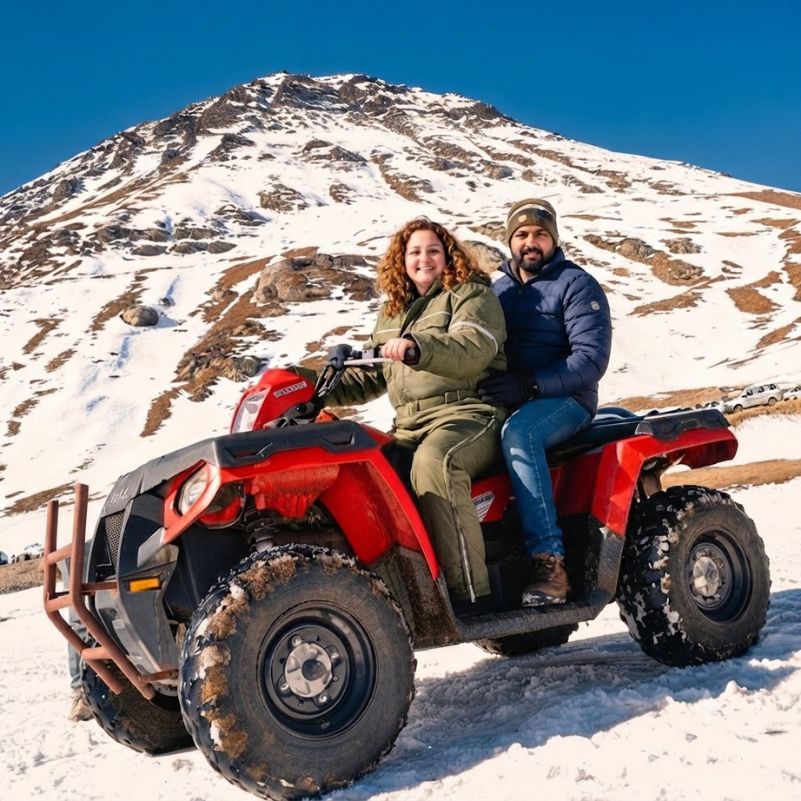
Picture how a couple actually spends the day in each place. In Manali, you might do a snow excursion in the morning, warm up at an Old Manali café by afternoon, and end the day at a resort with mountain views. Lots of experiences packed into one trip.
In Dalhousie, the day looks different. A slow forest walk among deodar trees, a quiet lunch, an unhurried evening with almost nothing scheduled. Privacy and calm over activity.
For first-time honeymooners who want several experiences in one trip, Manali has the edge with its resort range, cafés, snow excursions and couple activities.
For couples who value privacy, relaxed mornings and fewer planned things, Dalhousie is the smarter pick. It never feels like you are on a tight schedule.
Which Has Better Sightseeing?
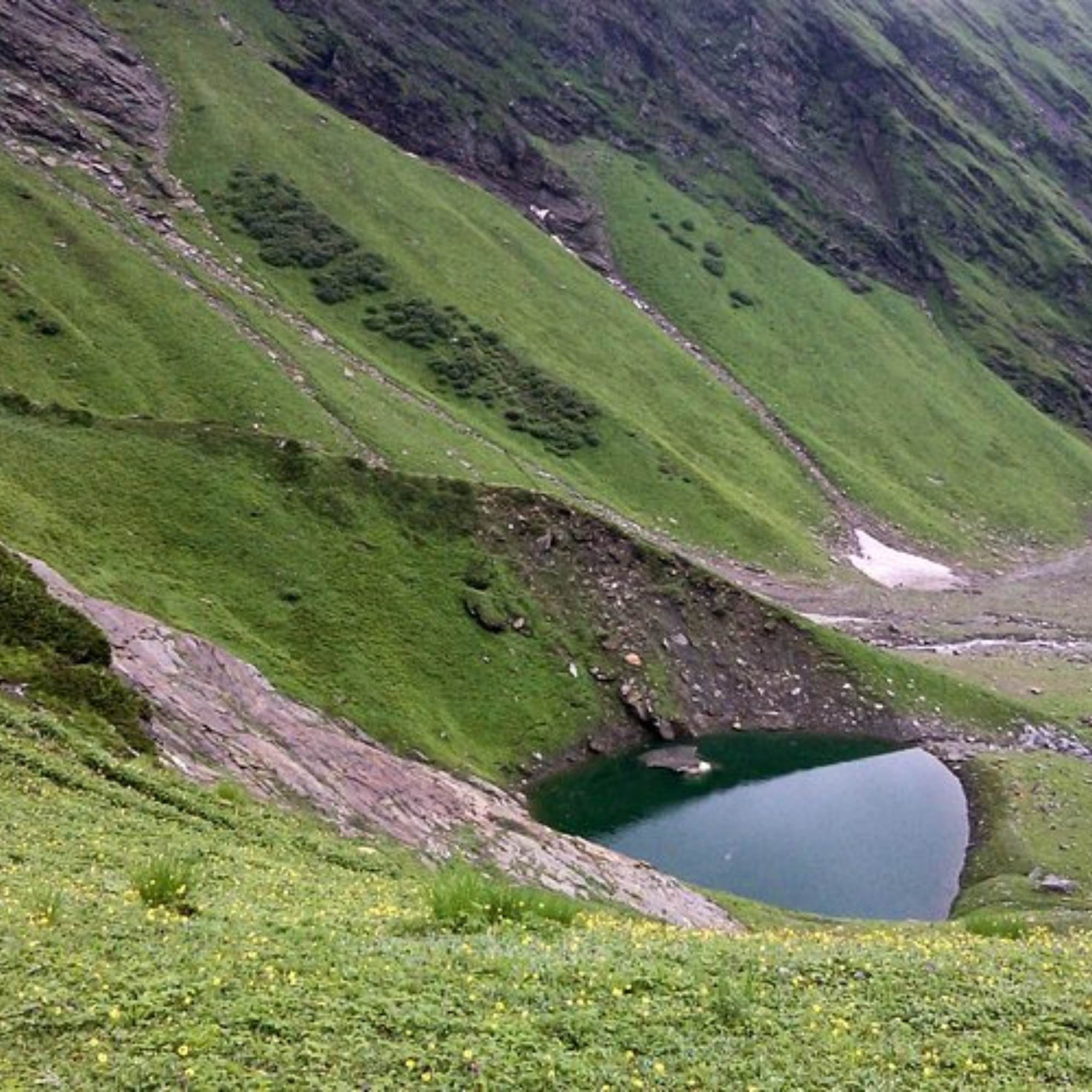
What can you see in Manali?
The core sights are Hadimba Devi Temple, Old Manali, Vashisht with its hot springs, Mall Road, and Van Vihar for an easy stroll.
Beyond town, Solang Valley and the accessible parts of the Atal Tunnel corridor are the big draws, but only chase these with a road-status check first, especially in winter.
Naggar is a good extra day if you want some history and quiet, with its old castle and art heritage. It is a nice break from the busier Manali core.
What can you see in Dalhousie?
Dalhousie's charm is its colonial churches, Subhash Baoli, Panchpula, and a handful of local viewpoints you can cover slowly.
Khajjiar is the star pairing. It sits about 24 kilometres from Dalhousie according to the Chamba district administration, at roughly 6,500 feet above sea level, with its famous open meadow ringed by forest.
Dainkund and Kalatop are worth adding, though access can change with weather and road conditions. Dalhousie itself is spread over five hills, wrapped in pine, deodar, oak and rhododendron, which is what gives it that cool, green colonial feel.
Which destination offers greater variety?
Manali wins on sheer number and diversity of experiences. There is simply more to see and do.
Dalhousie wins for compact, less hurried sightseeing. You cover the highlights without exhausting yourself.
But here is a truth worth remembering: more attractions do not automatically mean a more relaxing holiday. Sometimes fewer, slower days feel better than a packed checklist.
Which Has Better Adventure Activities?
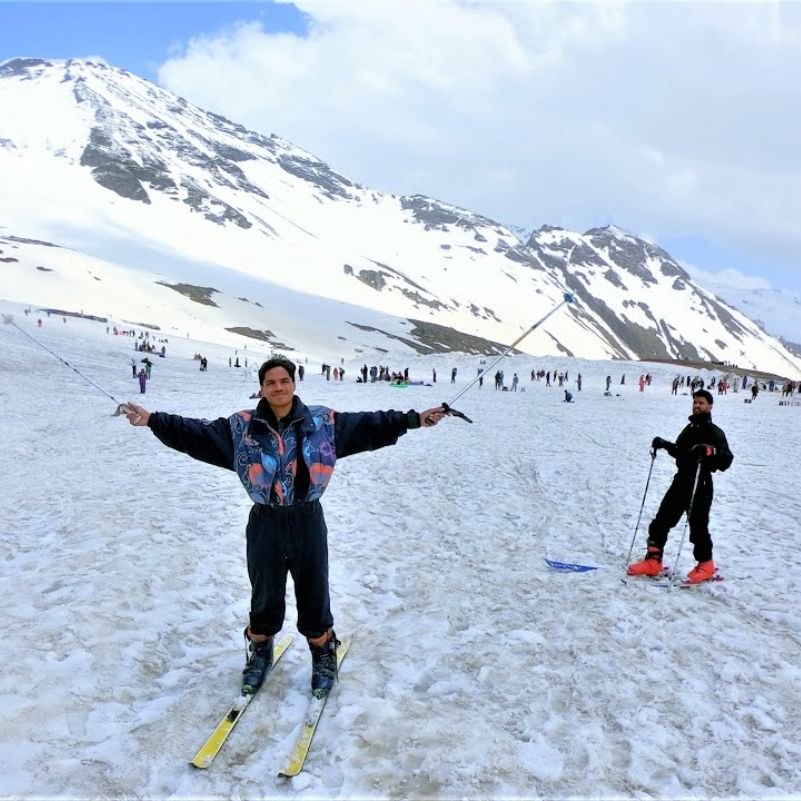
Manali has a clear advantage here. It is one of the busiest adventure hubs in Himachal.
You will find paragliding, seasonal skiing or snow activities, rafting and trekking, all in general terms, because availability always depends on season, weather, safety restrictions and operator conditions. Never assume an activity is running until you confirm.
Dalhousie is gentler. Think nature walks, short treks, and seasonal recreation around Khajjiar. It is recreation, not adrenaline.
For a fuller rundown of what Manali offers, see our guide to adventure activities in Manali.
Which Is Easier to Reach?
Reaching Manali
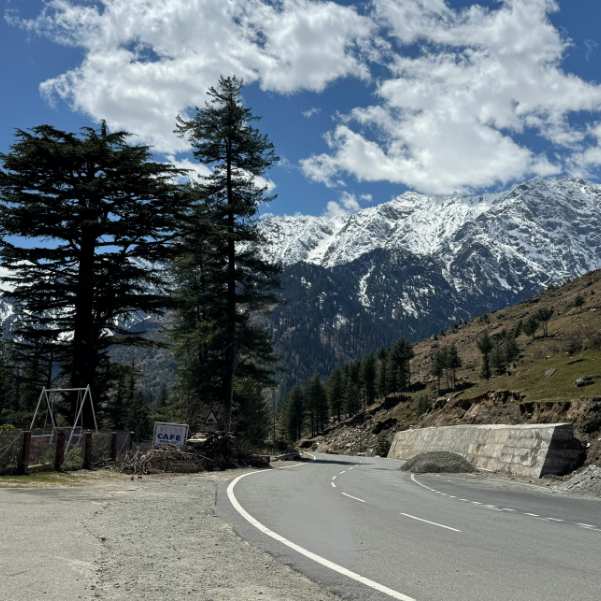
Most travellers reach Manali by road from Delhi or Chandigarh. It is a long drive, and holiday traffic can stretch it further, so plan a buffer.
Bhuntar is the airport commonly used for the Kullu Manali region, but flights and schedules must be checked before you rely on them.
The final road stretch can be tiring, especially at the end of a long journey from the plains.
Reaching Dalhousie
Pathankot is the usual rail gateway for Dalhousie. Amritsar can also be a practical flight gateway for some travellers.
If you are starting from Punjab, Jammu or nearby areas, Dalhousie is often the more convenient choice simply because of where it sits.
Accessibility verdict
Manali usually has more direct tourist transport options from Delhi and Chandigarh. Dalhousie is often the more logical choice from Pathankot or Amritsar.
Real travel time changes with your starting point, weather, traffic and how many stops you take, so treat any single number with caution.
Which Destination Is Less Crowded?
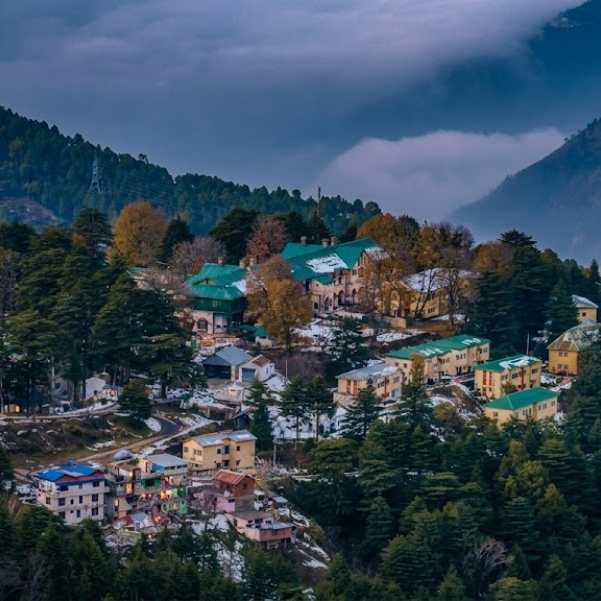
Manali generally carries heavier tourist pressure. It is bigger, more famous, and has more to do, which naturally pulls larger crowds.
Mall Road, Solang Valley and the Atal Tunnel route can get badly congested during holidays and snowfall. If crowds stress you out, this matters.
Dalhousie is generally calmer. That said, Khajjiar and central Dalhousie do get busy on peak weekends, so it is not always empty.
In our experience, weekdays and non-holiday periods transform both places. The same spot that feels like a fair on Sunday can feel peaceful on a Wednesday.
Is Manali More Expensive Than Dalhousie?
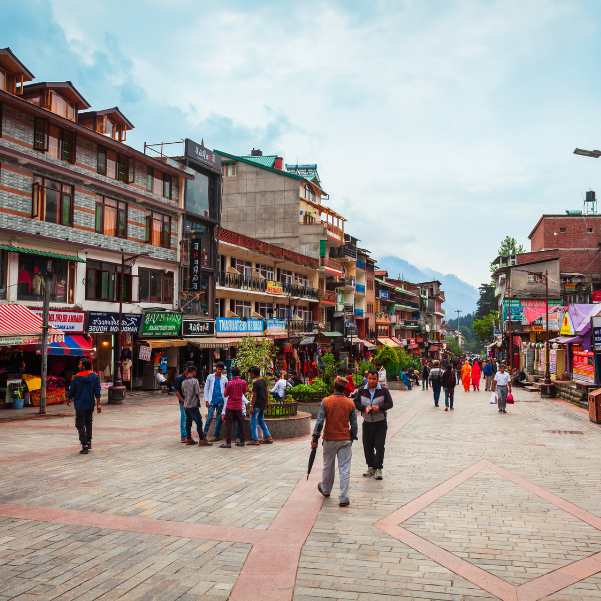
Manali often ends up costing more, but usually because of what travellers add on: private taxis, adventure activities and peak-date hotel rates. The activities are where the bill grows.
Dalhousie can work out cheaper for a compact, low-activity sightseeing trip. Fewer excursions, shorter distances, smaller spend.
Honestly, the destination name matters less than your choices. Your hotel category, departure city, trip length and private transport shape the final budget far more than whether you picked Manali or Dalhousie.
How Many Days Do You Need?
Two nights or three days
For a short break, Dalhousie is the better fit. One day for local Dalhousie sightseeing, one day for the Khajjiar side, subject to weather. Done comfortably.
Manali can feel rushed in two nights unless you are happy sticking to local attractions only. The good stuff needs more time.
Three or four nights
This is where Manali becomes the stronger choice. You get a local sightseeing day, one Solang or Atal Tunnel side day depending on road status, and one flexible day for an activity or a Naggar trip.
A longer Dalhousie plan usually means adding Chamba or pairing it with Dharamshala, since Dalhousie alone runs short on things past three days.
Five days or more
Manali gives you real itinerary depth and easy nearby extensions. There is enough to keep five-plus days interesting.
Dalhousie pairs beautifully with Dharamshala for a wider western Himachal circuit. Read our Dharamshala travel guide or browse our Dharamshala tour packages if you want to build that loop.
One clear warning from us: do not try to combine Manali and Dalhousie in a short holiday. They sit in separate travel circuits, and stitching them together adds a huge amount of road travel for little gain.
Which Is Better in Each Season?
Winter
If accessible snow areas and seasonal activities are your priority, Manali has the advantage. More elevation, more options.
For a quieter cold-weather holiday, Dalhousie is lovely. Both, though, can face road disruption after heavy snowfall, so keep that buffer day.
Summer
Both become popular escapes from the plains heat. Manali edges ahead for activities and longer itineraries, while Dalhousie shines for a compact, slower holiday.
Monsoon
Be careful in the rains. Heavy rain, landslides, falling stones and road delays are all possible across Himachal. Monitor official weather and road advisories closely, and do not treat monsoon travel as risk free, because it isn't.
Autumn
Autumn is quietly excellent. Clearer mountain views, good sightseeing weather, and generally smaller crowds. Just don't make snow your central expectation in early autumn, it is usually too early.
Final Verdict: Who Should Pick Manali and Who Should Pick Dalhousie?
Pick Manali if you want accessible snow options, adventure, honeymoon variety, activities for teenagers, a first-time Himachal experience, or a trip of four or more days.
Pick Dalhousie if you want a peaceful family holiday, slower senior-friendly pacing, colonial scenery, or if you are arriving through Pathankot or Amritsar for a short two to three day break.
For the most complete and varied holiday, Manali is the overall winner. It simply offers more across snow, sightseeing, activities and length of stay.
If that sounds like your kind of trip, explore our Manali tour packages and tell us your dates and group size. We will build a plan that fits your pace, budget and comfort, and we will be honest if we think something in your plan won't work.
Explore Our Curated Manali Tour Packages
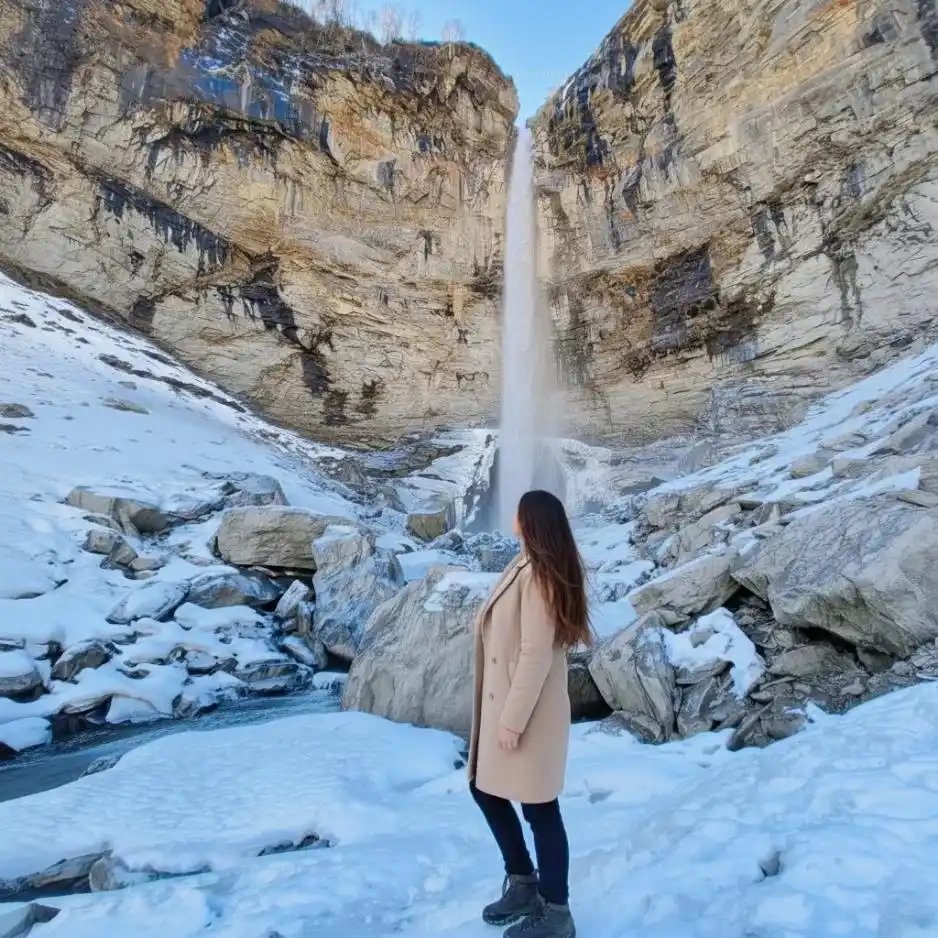 6D/5N
6D/5NManali Solang Sissu Sethan Snow Adventure
1D Delhi•3D Manali+2
₹15,999₹21,999SAVE INR 6,000/ person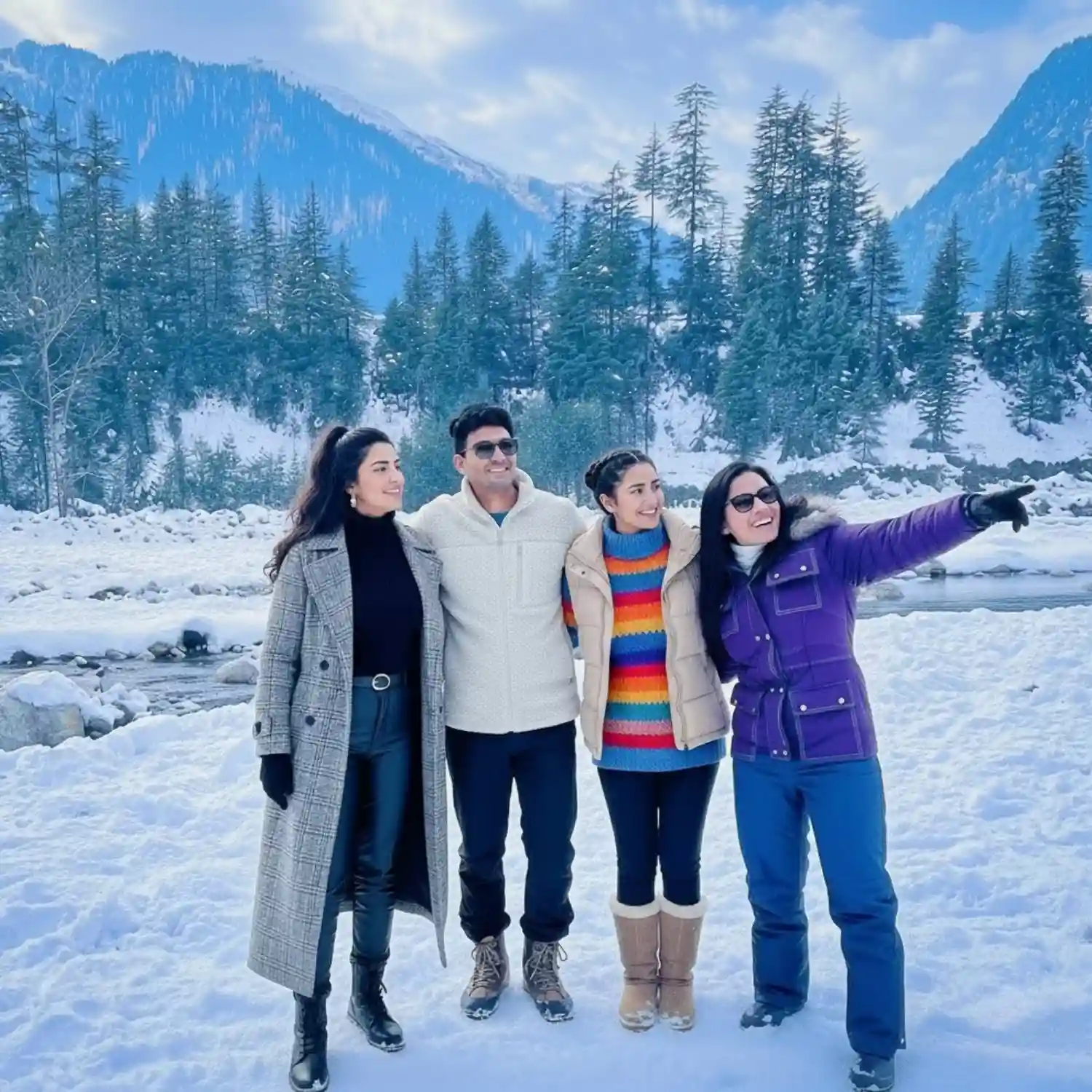 6D/5N
6D/5NManali Solang Sissu Sethan Snow Trip With Kasol
1D Delhi•3D Manali+2
₹25,999₹33,999SAVE INR 8,000/ person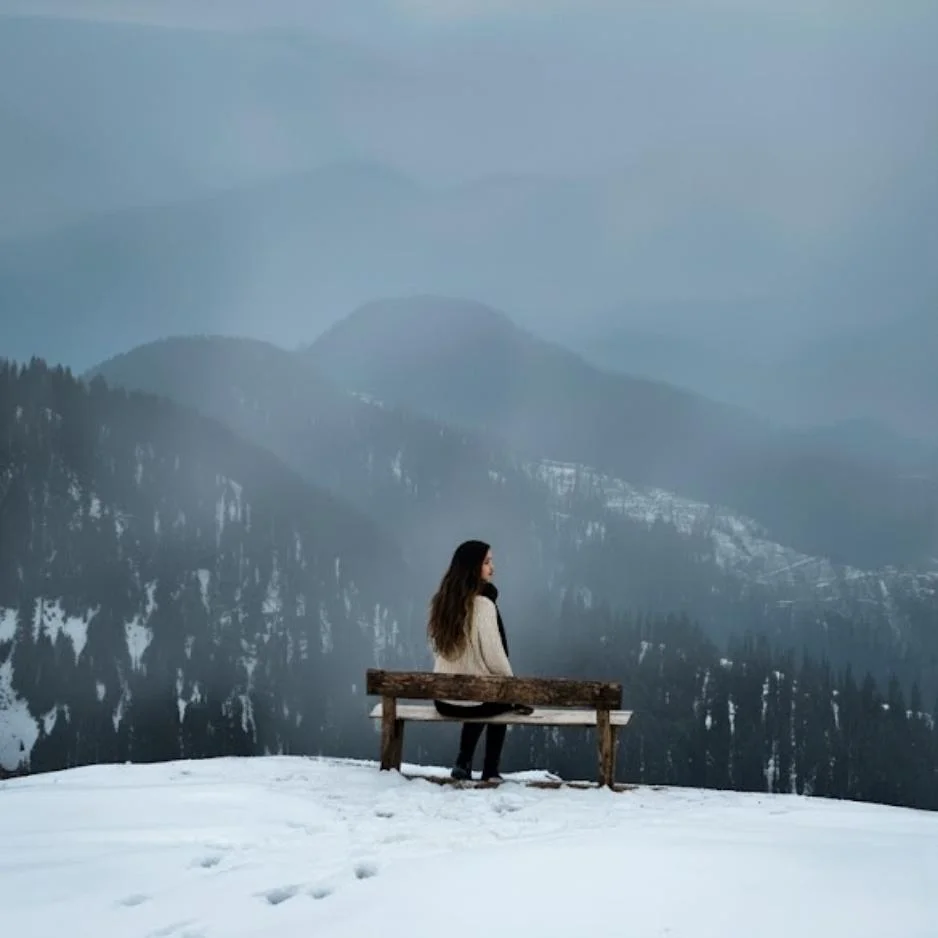 7D/6N
7D/6NManali Kasol Jibhi Valley Trip
1D Delhi•2D Manali+3
₹25,799₹32,999SAVE INR 7,200/ person
Related topics
Frequently Asked Questions
Which is better, Manali or Dalhousie?
Manali is better for variety, adventure, snow options and trips of four or more days. Dalhousie is better for a quiet, slower holiday and short two to three day breaks. If you want the fullest, most varied trip, choose Manali. If you want calm and easy pacing, choose Dalhousie.
Which is better for snow, Manali or Dalhousie?
Manali generally gives you more high-altitude options to find snow, through areas like Solang Valley and the Atal Tunnel side, subject to road conditions. Dalhousie and Khajjiar do get snowfall too, but neither can be guaranteed for fixed dates. Overall, Manali has the edge for chasing snow.
Is Manali or Dalhousie better for families?
It depends on your group. Dalhousie suits families with young children or seniors who want slow days and short sightseeing. Manali suits active families and teenagers wanting more variety and adventure. For a peaceful multigenerational trip, pick Dalhousie. For an active one, pick Manali.
Which is better for a honeymoon, Manali or Dalhousie?
Manali suits first-time honeymooners who want several experiences in one trip, from snow excursions to cafés and resorts. Dalhousie suits couples who value privacy, quiet forest walks and relaxed mornings with little scheduled. Both work, just for very different couples.
Can I see snow in Manali in December?
Possibly, but not certainly. December snow happens some years and holds off in others. Late December through February brings stronger winter prospects, but actual snowfall depends on weather systems. Check the latest forecast and road advisories before you travel, and treat snow as a bonus rather than a promise.
Does Dalhousie receive snowfall?
Yes, Dalhousie and nearby Khajjiar can receive snowfall, and both got snow during a January 2026 weather spell. But snowfall cannot be promised for specific dates. Heavy snow can also temporarily affect the Khajjiar road, so keep your plans flexible if snow is your main goal.
Is Dalhousie cheaper than Manali?
Often, yes, for a compact low-activity trip. Manali tends to cost more once you add private taxis, adventure activities and peak-date hotels. But your hotel category, departure city, trip length and transport choices affect the final budget far more than the destination name alone.
How many days are enough for Dalhousie?
Two to three nights is usually enough. One day for local Dalhousie sightseeing and one day for the Khajjiar side covers the highlights comfortably, subject to weather. If you want more, pair Dalhousie with Chamba or Dharamshala rather than stretching Dalhousie alone.
How many days are enough for Manali?
Three to four nights works well. That gives you a local sightseeing day, one Solang or Atal Tunnel side day depending on road status, and one flexible day for an activity or a Naggar trip. Five days or more lets you add nearby extensions comfortably.
Which destination is less crowded?
Dalhousie is generally calmer than Manali, which carries heavier tourist pressure as a bigger, more famous town. That said, Khajjiar and central Dalhousie do get busy on peak weekends. For either place, weekdays and non-holiday periods are noticeably quieter and more pleasant.
Which is easier to reach from Delhi?
Manali usually has more direct tourist transport options from Delhi and Chandigarh. Dalhousie is often more convenient from Pathankot or Amritsar, or from Punjab and Jammu. Real travel time depends on your starting point, weather, traffic and stops, so plan buffer time either way.
Can Manali and Dalhousie be covered together?
Not in a short holiday. They belong to separate travel circuits, and combining them adds a lot of road travel for little benefit. If you want to extend, pair Dalhousie with Dharamshala or Chamba, and pair Manali with nearby spots like Naggar instead.
Is Khajjiar open in winter?
Khajjiar can be visited in winter, but heavy snowfall sometimes affects the road from Dalhousie, so access can change quickly. Always check live road status before heading out and keep a flexible day in case snow temporarily blocks the route.
Which is better for senior citizens?
Dalhousie's slower pace is often easier, but note that it is hilly and some hotels have steep approaches or stairs, so check your stay carefully. Manali can also work for seniors when the hotel is central and you skip forced high-altitude excursions. Neither place is universally wheelchair friendly.
More about Manali
 Manali
What Happens If Snowfall or Road Closures Affect Your Manali Trip in 2026? Refunds, Rescheduling and Plan B
Learn what to do if snowfall or road closures disrupt your Manali trip in 2026, including refund rules, rescheduling options and practical backup plans.
 Manali
How to Choose the Best Manali Tour Operator in 2026: 15 Questions to Ask Before Booking
Choosing the right Manali tour operator in 2026 can make your trip smoother, safer and easier to manage. Check registration, package inclusions, hotel details, transport arrangements, cancellation terms and local support before you book.
- First-Time Travellers
- Manali
How Many Days Should You Book for a Manali Tour Package in 2026? 3N/4D vs 4N/5D vs 5N/6D
Not sure how many days to book for Manali? Compare 3N/4D, 4N/5D and 5N/6D packages to find the right trip length for your sightseeing plans and travel style.
- Itinerary
- First-Time Travellers