
Manali Traffic and Parking Guide 2026: Best Times, Avoid-Jam Routes and Parking Areas
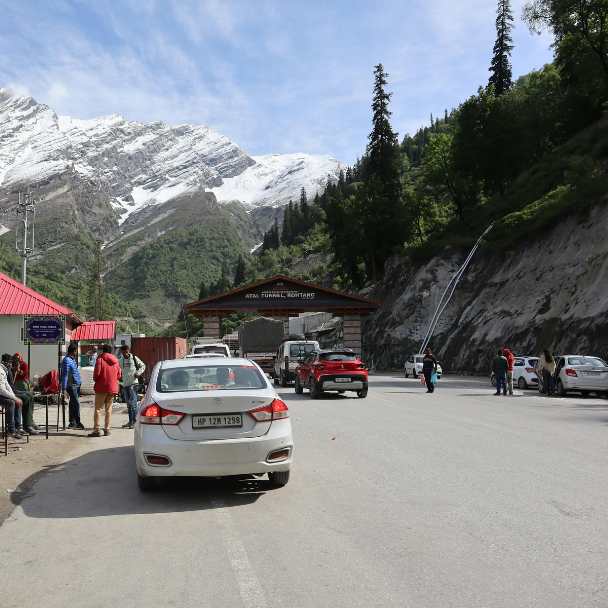
If you are searching for manali traffic and parking answers, you already know the problem. The town is beautiful, but on a bad weekend the last 5 km into Manali can take two hours, and finding a parking spot near Mall Road can feel harder than the whole drive up.
We run trips across Himachal every season, and Manali is the one place where good planning saves the most stress.
This guide by Travel Coffee gives you the real strategy for traffic and parking in 2026, based on how the town actually moves.
Quick Answer: How Do You Avoid Traffic and Parking Problems in Manali?
Start early, travel on weekdays where you can, and confirm your hotel parking before you arrive. Once you reach central Manali, park once and walk between Mall Road, Van Vihar and the markets instead of moving your car again and again.
Solang Valley and the Atal Tunnel share one pressure-prone corridor. On snow days or heavy-crowd days, police may hold, regulate or turn back vehicles here without warning.
Diversions, parking availability and access rules change day to day. Always check the local road status on the morning you travel. If you want the driving handled for you, our Manali tour packages come with a local driver who knows these roads.
Why Does Manali Get Such Severe Traffic Jams?
Tourist volume versus narrow roads
The maths is simple and brutal. Manali police reported in a June 2026 report that roughly 10,000 to 12,000 tourist vehicles may enter Manali per day during peak summer and winter seasons.
The same report said Manali received 66,600 out-of-state vehicles during May 2026 alone.
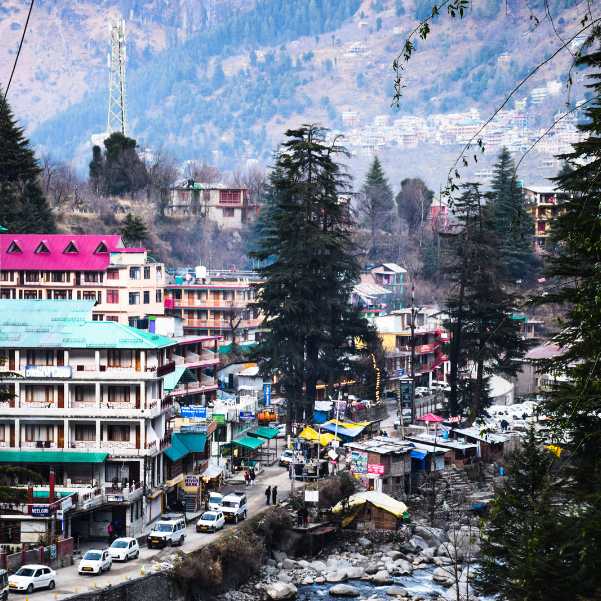
Now put that many cars on roads that were never built for it. The lanes are narrow, parking is limited, and taxis, hotel driveways, pedestrians and roadside stopping all fight for the same tight space.
That June 2026 report pointed the finger clearly at one thing: inadequate parking along the Manali-Solang-Atal Tunnel corridor is a major reason the town chokes.
Where are the main bottlenecks?
The pressure builds at a few predictable spots. Rangri and the town entrance are where the first jam usually forms as cars funnel in.
The central bus stand area and the Mall Road approaches clog fast, especially mid-morning. IBEX Chowk and Van Vihar get busy with the same crowd looking for parking.
Then there are the sightseeing roads. Hidimba Road, the Old Manali approaches, and Vashisht Road are all narrow and jam easily. Further up, Palchan, Solang Valley and the Atal Tunnel corridor become their own bottleneck on busy days.
Most tourists get one thing wrong here. They assume moving the car around town is faster than walking. In central Manali, it is almost always the opposite. Park once and use your legs.
When Is Manali Traffic Worst in 2026?
Peak summer
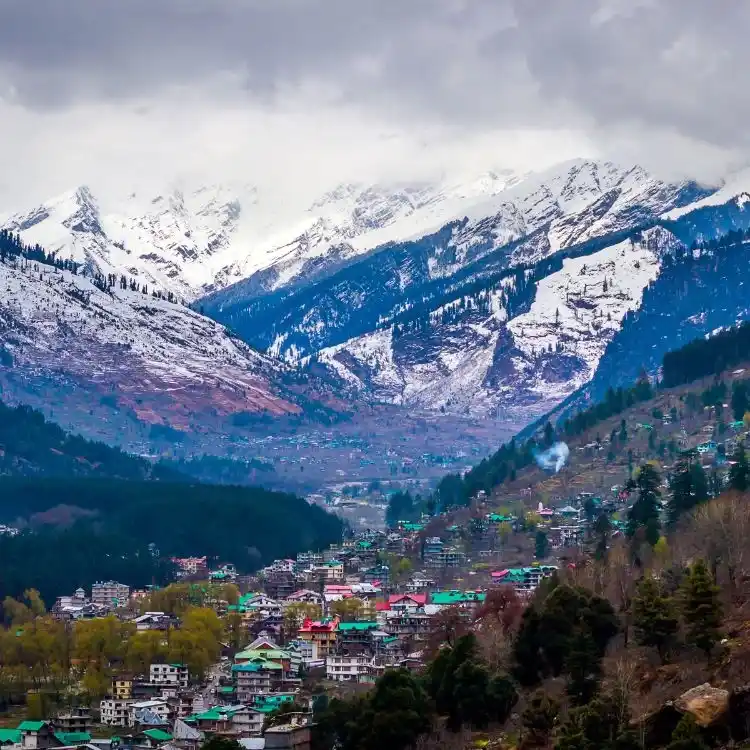
May and June are the hardest months. School holidays, long weekends, and everyone heading towards Solang and Rohtang at the same time.
How bad does it get? During the May 2026 long-weekend rush, a roughly 50-kilometre Manali-Rohtang journey reportedly took up to eight hours. That is an extreme event, not a normal drive, but it shows what a bad day looks like.
Even on ordinary heavy days, a summer report said the Manali–Rohtang run could stretch to four or five hours during heavy congestion.
Christmas, New Year and fresh-snow days
Fresh snowfall changes everything in minutes. The moment it snows, thousands of people rush towards Solang Valley and the Atal Tunnel at once.
On these days, access can flip from normal cars to 4×4-only movement, or shut completely, depending on road grip and what the police decide on the spot. You cannot predict it the night before.
Weekends and long weekends
Try to avoid Friday-evening arrival, Saturday late-morning sightseeing departures, and Sunday-afternoon exits. These are the worst windows.
These are planning tips, not official restricted hours. But in our experience, shifting your movements even a couple of hours off these peaks makes a real difference.
Monsoon disruption
The trouble can start long before you reach town. Landslides, road repair and controlled traffic on the Chandigarh–Manali route cause delays around Mandi and Pandoh.
Check conditions around Mandi and Pandoh before you leave. No route here is permanently open, and monsoon is when that matters most.
What Is the Best Time to Avoid Traffic in Manali?
Entering Manali
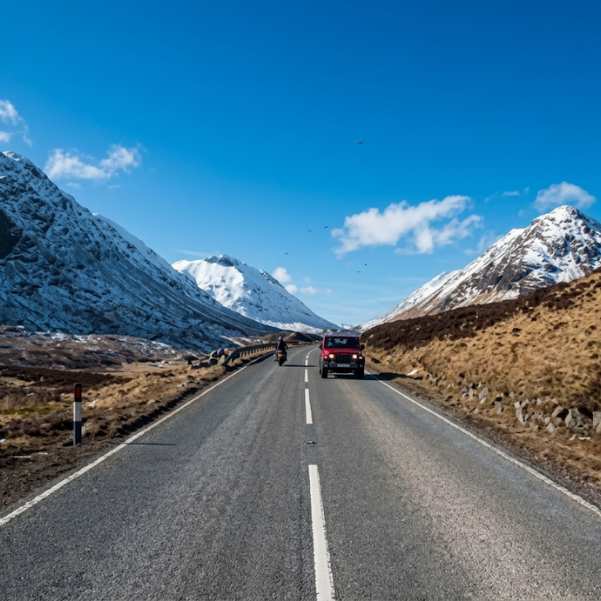
On peak dates, arrive as early as practical to avoid the main traffic build-up and improve your chances of finding parking. The best arrival time varies by season, weekday and local conditions.
Mall Road and central Manali
The trick is boring but it works. Park once, then walk between Mall Road, Van Vihar and the nearby markets.
Repeatedly moving your car to chase a "closer" spot just puts you back into the jam you were trying to escape.
Solang Valley and Atal Tunnel
Leave very early, but only if the road has actually been opened by authorities. An early start cuts your crowd risk, but it never overrides a closure, a checkpoint or a weather advisory. If they say no, it is no.
Leaving Manali
Keep a big buffer before any Volvo departure, flight or onward hotel check-in. Do not schedule these tight. One bad jam on departure day should not make you miss a bus.
>>Want to avoid the worst Manali traffic? WhatsApp us your dates and we'll help plan your day.
Where Can You Park Near Manali Mall Road?
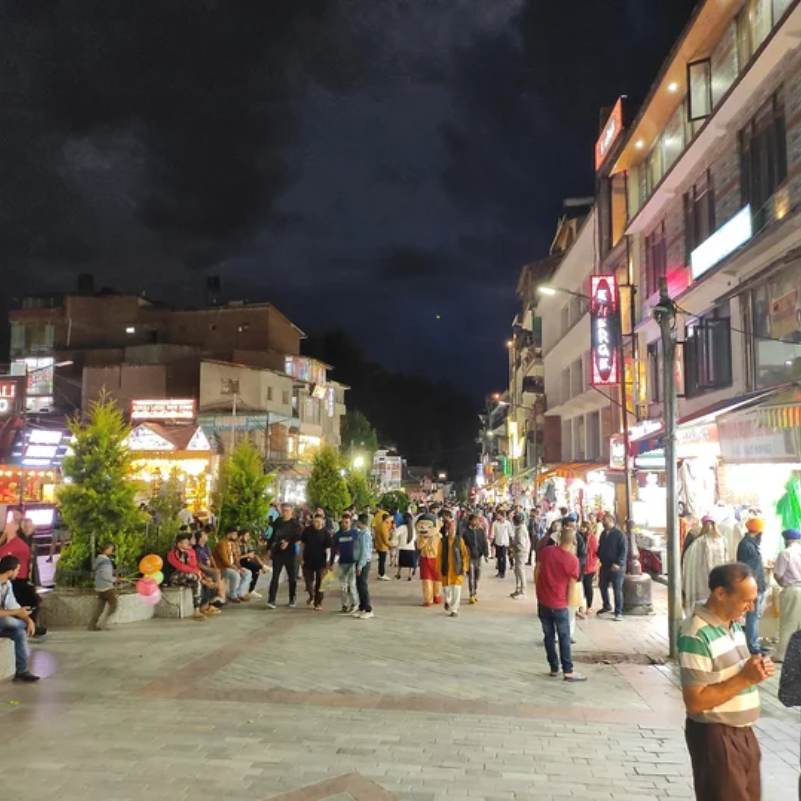
Parking near the main market and bus-stand side
Paid parking facilities operate around central Manali, but facility names, tariffs, capacities, opening hours and overnight-parking rules can change. Confirm the latest details locally before leaving your vehicle.
Before you hand over the car, check the walking distance to your hotel, whether they accept your vehicle size, and whether you must leave the keys with the attendant.
Hotel parking near Mall Road
Here is a warning worth its weight. "Parking available" can mean many things, including tandem parking, roadside space, or just one shared spot for ten rooms.
Ask the hotel to confirm in writing that a space is reserved for your vehicle. We always advise our guests to get this in a message, not just a verbal yes on the phone.
Is Mall Road itself open to private cars?
Treat Mall Road as a walk-first central market area. Follow the current barricades and whatever the police on duty are directing.
Exact private-vehicle entry timings and exemptions can change, so follow current barricades and police instructions rather than relying on older online information.
Overnight parking
For overnight parking, use a staffed facility or confirmed hotel parking. Check current operating hours, overnight access and security arrangements directly before leaving your vehicle.
Which Manali Parking Areas Should Travellers Verify?
For every spot below, confirm the same things: the map pin, the current charge, allowed vehicle type, capacity, overnight policy and walking distance.
Central Manali or Mall Road-side public parking is the most convenient but fills first. Check the walk to your hotel.
Private Volvo bus parking matters if you are coming by Volvo and picking up a car later. Confirm where your bus actually stops.
Rangri-side parking sits closer to the town entrance and can save you the final crawl into the centre.
Parking near the HRTC bus stand is busy and central. Good for market access, tight on space.
Old Manali access parking is limited and the approach is narrow. Do not expect big-vehicle room here.
Hidimba Temple parking gets crowded around sightseeing hours. Arrive early.
Vashisht approach parking is limited, and the road up is prone to roadside stopping that blocks traffic.
Solang Valley parking capacity and tariff need same-day checking. Never park in a traffic lane here.
Palchan holding or checkpoint areas are where police may stop or regulate you. Follow their instructions.
For stopping and parking near the Atal Tunnel portals, rules are strict and change with conditions. Do not stop in a live lane for photos.
One important note. Police in June 2026 proposed multi-level parking and relocating vehicle stands. Those were proposals, not finished facilities. Do not plan around parking that does not exist yet.
What Is the Best Parking Strategy for Different Manali Areas?
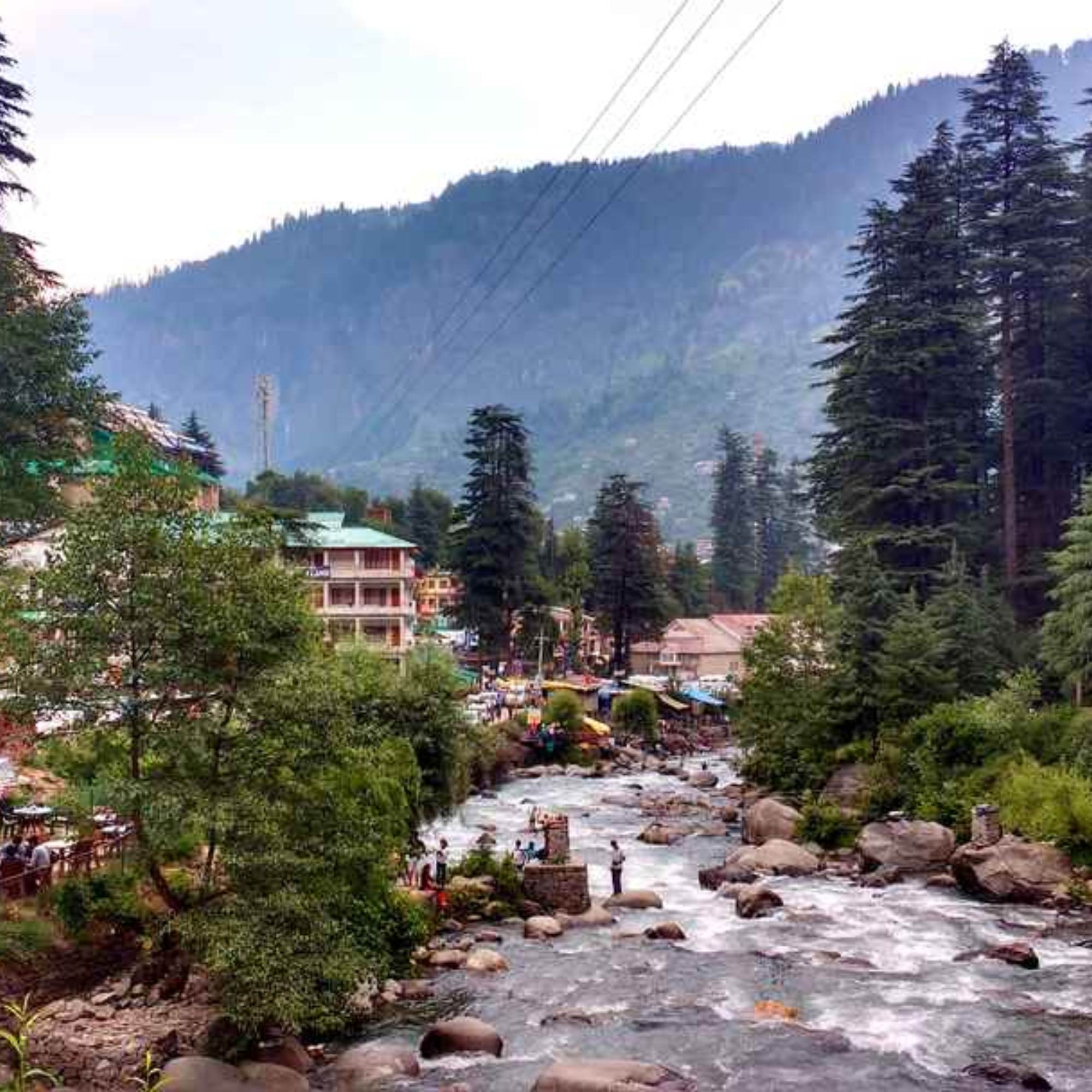
Mall Road and Van Vihar
Park once and walk. These two sit close together and are best done on foot in one go.
Hidimba Temple and Old Manali
Do these as one geographical block since they are near each other. The approaches are narrow and get congested, so go early and keep your patience.
Vashisht and Jogini Waterfall
Depending on where your hotel is, a local cab or a part-walking plan is often easier than driving and parking yourself. We will not send you down an unverified shortcut to save five minutes.
Solang Valley
Leave early, use only designated parking, and never stop in a traffic lane for photos or snow play. A stopped car in the lane here is how the whole corridor jams.
Atal Tunnel and Sissu
Think of this as a weather-dependent highway excursion, not ordinary town sightseeing. It needs its own planning and a same-day road check.
For Sissu specifically, our Sissu tour information covers what the drive and the village are actually like.
Which Routes Help You Avoid Manali Traffic Jams?
Entering Manali from Kullu
Manali is about 45 kilometres from Kullu, and police diversions on this stretch can change without notice. Your navigation app may try to send you onto narrow local roads to "save time."
Follow police signs over an app-suggested shortcut. Those residential lanes are not built for tourist traffic, and you can end up stuck worse than the main road.
Central Manali circulation
There is no secret town-centre bypass. Stop looking for one. Park and walk is the only strategy that actually works in the centre.
Old Manali, Hidimba and Log Huts area
These narrow forest and hotel roads are not through-routes. Do not use them as shortcuts unless local police confirm they are open for it.
Vashisht side
The Vashisht approach is limited and gets blocked by roadside stopping. We will not give you an unverified alternate road here, because there isn't a reliable one.
Solang-Atal corridor
Be clear with yourself on this. No dependable tourist bypass around the main Palchan-Solang-Dhundi corridor has been verified.
The safest strategy is timing, same-day checking and obeying traffic controls. Not hunting for an unofficial shortcut that could leave you stranded on a worse road.
How Should You Plan the Solang Valley-Atal Tunnel Corridor?
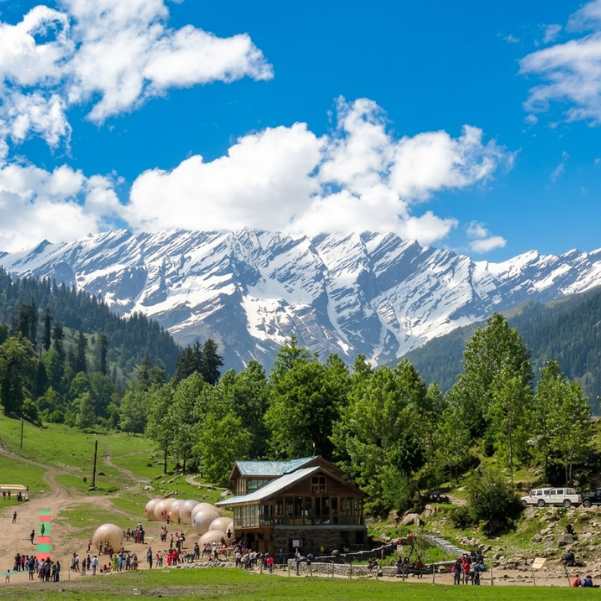
Solang Valley is about 14 kilometres from Manali, but distance means little here when the corridor jams.
Suggested peak-day sequence
Leave early, travel to the farthest permitted point first, then work your way back before the main afternoon surge. We cannot guarantee you will reach Sissu, the North Portal or any snow point, because access depends on the day.
Palchan and Solang controls
Police may hold, regulate or turn back vehicles at these points. The reasons are usually snow, poor grip, parking saturation, an accident, or simple overcrowding. This is normal here, not a sign something has gone wrong.
Snow-day restrictions
During one winter 2026 event, only 4×4 vehicles were allowed beyond Solang Valley because the roads were slippery. That was event-specific, not a permanent rule.
How serious can it get? During a severe 2026 snowfall, more than 1,000 vehicles were reportedly stranded near the Atal Tunnel, with some travellers delayed for up to 20 hours.
In another winter event, tourists had to be evacuated from the Atal Tunnel area after snow made the roads slippery.
That is why we tell our travellers to never treat a snow-day tunnel run as casual. The mountain decides, not your itinerary.
What to carry in the car
Keep the fuel tank topped up, because you do not want to run low while stationary for hours. Carry drinking water and some food, since a jam can trap you well past mealtime.
Pack warm layers and waterproof footwear even if the morning looks clear. Carry your personal medicines, a fully charged phone and a power bank. On a bad day, these are the differences between an annoying wait and a genuinely rough one.
When to abandon the plan
Turn back when authorities tell you to, when the weather worsens, when parking hits capacity, or when traffic has not moved for a long stretch. There is no prize for pushing forward into a closure.
For the activities side of things, our guide to adventure activities in Manali covers what is actually worth doing around Solang.
>>Don't want to get stuck in a mountain traffic jam? WhatsApp us before you head towards the tunnel.
Do You Need a Permit for Atal Tunnel, Solang Valley or Rohtang Pass?
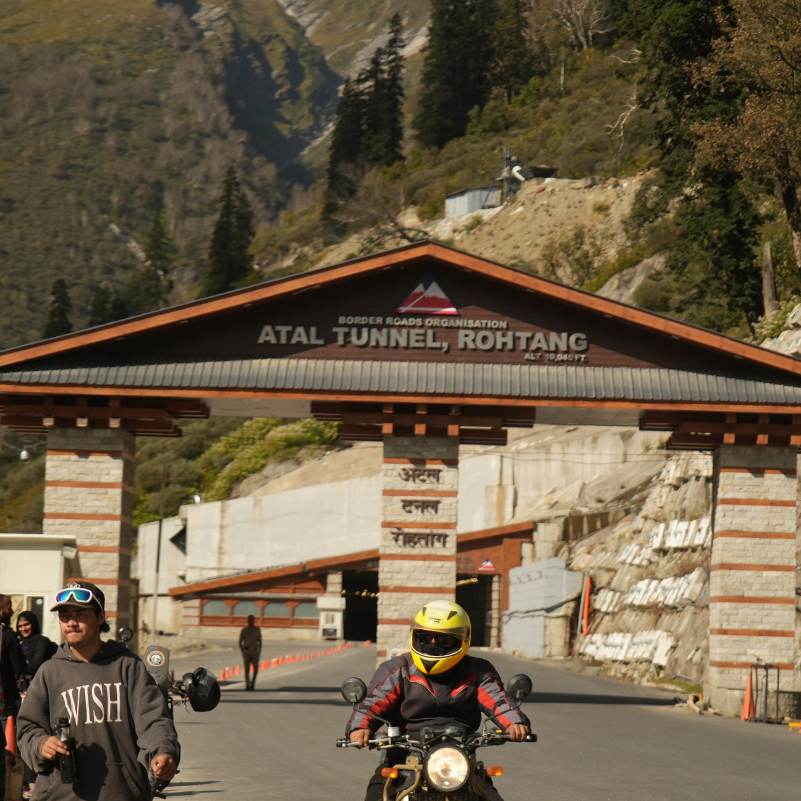
Atal Tunnel
A normal Atal Tunnel outing is not the same as the Rohtang permit system. Do not confuse the two. That said, temporary traffic, weather and security controls can still apply, so access is never guaranteed.
As an example of why same-day checking matters: on April 29, 2026, access from Palchan towards Solang and Atal Tunnel was restricted, and the North Portal-Sissu road was closed during set hours. That was a one-off, not a current rule, but it shows how fast things change.
Solang Valley
Access to Solang is usually managed through road and traffic controls, not the Rohtang tourist-permit quota. Permit or access requirements can change temporarily, so confirm the current Solang Valley rules locally before travelling.
Rohtang Pass
Here are the official facts you can rely on. The daily permit quota is 800 petrol vehicles and 400 diesel vehicles.
Permit inventory is released at 10:00 and 16:00. You can only get permits for the next two days, and a printout is compulsory. No printout, no entry.
One more that catches people out: tourist vehicles are not allowed towards Rohtang on Tuesday, because that is the maintenance day.
Always check the official portal, since live availability and opening status change. Our Rohtang Pass in September guide breaks down what that month is actually like up there.
Should You Drive Your Own Car or Hire a Local Taxi?
Self-drive is suitable when
You have confirmed hotel parking, you are confident on narrow mountain roads, the weather looks good, and you want the freedom to change plans on the fly.
A local taxi is better when
Snow is forecast, it is a peak weekend, you have no hotel parking, or you are doing multi-stop local sightseeing. A local driver knows which lanes clog and where to park, which saves you the whole parking headache.
Volvo plus local cab
This combination is underrated. Take the Volvo up, then use a local cab in Manali, and you skip central parking stress entirely. No car of your own to worry about.
What it costs
Current taxi fares, parking charges and package prices vary by route, season, vehicle type and demand, so confirm the latest rates directly before booking.
Where Should You Stay to Reduce Driving Time?
Mall Road
Where you stay decides how much you drive. Staying near Mall Road puts you in the middle of the market and food, with walking access to Van Vihar, but parking is tight and must be confirmed.
Rangri
Rangri sits near the town entrance, which helps you skip the final crawl in, though you are a little out from the centre. Aleo and Prini are calmer bases that suit travellers who do not mind a short drive into town.
Old Manali
Old Manali and the Log Huts area are great for the cafe-and-vibe crowd, but the approach roads are narrow and parking is limited. Vashisht offers hot springs and views, with the same narrow-road caveat.
Palchan and Solang
Higher up, Palchan and Solang put you closest to the snow corridor, which is a real advantage on a Solang day but leaves you far from the main market.
For each of these, confirm parking directly with your stay, since "parking available" means different things everywhere.
Our Manali tour packages match your stay to your itinerary so you spend less time driving and more time actually seeing things.
Peak-Weekend Manali Traffic Plan
Arrival day
Arrive early where you can, check in, and leave the car parked while you explore central Manali on foot. Do not attempt sightseeing and arrival on the same crowded afternoon.
Solang-Atal day
Start early, run a same-day road-status check before you leave the hotel, and carry food, water and warm clothing. Treat this as the day most likely to change plans.
Local sightseeing day
Group your attractions by area instead of crossing town again and again. Hidimba and Old Manali together, Vashisht separately, and so on.
Departure day
Keep a large time buffer. Do not schedule a long mountain excursion right before a fixed bus, flight or onward transfer. That combination is how people miss departures.
Manali Traffic and Parking Checklist
Get your hotel-parking confirmation in writing before you drive up, so there is no roadside surprise on arrival.
On the morning of any big movement, run a same-day police and weather check for the corridor you are attempting. Save your map pins in advance while you still have signal.
Keep the fuel tank topped up, carry cash since not everything takes cards, and pack warm gear and water even on clear mornings. Carry your medicines, and always build a departure buffer so one jam does not wreck your onward plans.
>>Ready for a smoother Manali road trip? WhatsApp us your travel dates for practical guidance.
Explore Our Curated Manali Tour Packages
 5D/4N
5D/4NBest Value Manali Volvo Package with Rohtang Pass
3D Manali
₹9,999₹13,999SAVE INR 4,000/ person 5D/4N
5D/4NPremium Manali Tour Package with Private Cab and Rohtang Pass
4D Manali
₹14,999₹19,999SAVE INR 5,000/ person 7D/6N
7D/6NComplete Shimla Manali Volvo Package with Rohtang Pass
2D Shimla•2D Manali
₹15,999₹19,499SAVE INR 3,500/ person
Related topics
Frequently Asked Questions
What is the best time to avoid traffic in Manali?
Early morning on weekdays is best. Reach town early, park once, and walk the central area instead of moving your car through the day.
Which days have the worst traffic in Manali?
Fridays, weekends and long weekends are worst, especially Saturday late mornings and Sunday afternoons. Fresh-snow days in winter also cause sudden surges.
Where can I park near Manali Mall Road?
Paid parking operates around central Manali, but facility names, rates and opening hours can change. Confirm the latest details locally, including walking distance and whether you must leave your keys.
Are private cars allowed on Mall Road?
Treat Mall Road as a walk-first market area and follow current barricades and police instructions. Vehicle-entry timings and exemptions may change.
Is overnight parking available in Manali?
Use staffed parking or confirmed hotel parking overnight rather than a roadside spot. Check operating hours, access and security arrangements before leaving your vehicle.
How early should I leave for Solang Valley?
Leave as early as practical after confirming that the road is open. The best departure time varies with the season, weather and crowd levels, and an early start never overrides a closure or official advisory.
Is there parking at Solang Valley?
Designated parking is available, but capacity and tariffs can change with demand and local arrangements. Confirm the latest details on arrival, and never stop in a traffic lane for photographs or snow activities.
Can a normal car go to Atal Tunnel after snowfall?
Not always. During a 2026 event, only 4×4 vehicles were allowed beyond Solang because of slippery roads. Access depends on grip and the police assessment that day.
Is a permit required for Atal Tunnel?
A normal Atal Tunnel outing is not the Rohtang permit system. But temporary traffic, weather and security controls can still restrict access, so check on the day.
Is a permit required for Rohtang Pass?
Yes. The daily quota is 800 petrol and 400 diesel vehicles, released at 10:00 and 16:00 for the next two days only. A printout is compulsory, and no tourist vehicles are allowed on Tuesday.
Is there an alternate route around the Solang traffic jam?
No dependable tourist bypass around the Palchan–Solang–Dhundi corridor has been verified. Your best tools are timing, same-day checking and obeying traffic controls.
Is it better to hire a local taxi in peak season?
Often yes. On peak weekends, snow days, or if you have no hotel parking, a local taxi removes the parking headache and the driver knows which routes clog.
More about Manali
 Manali
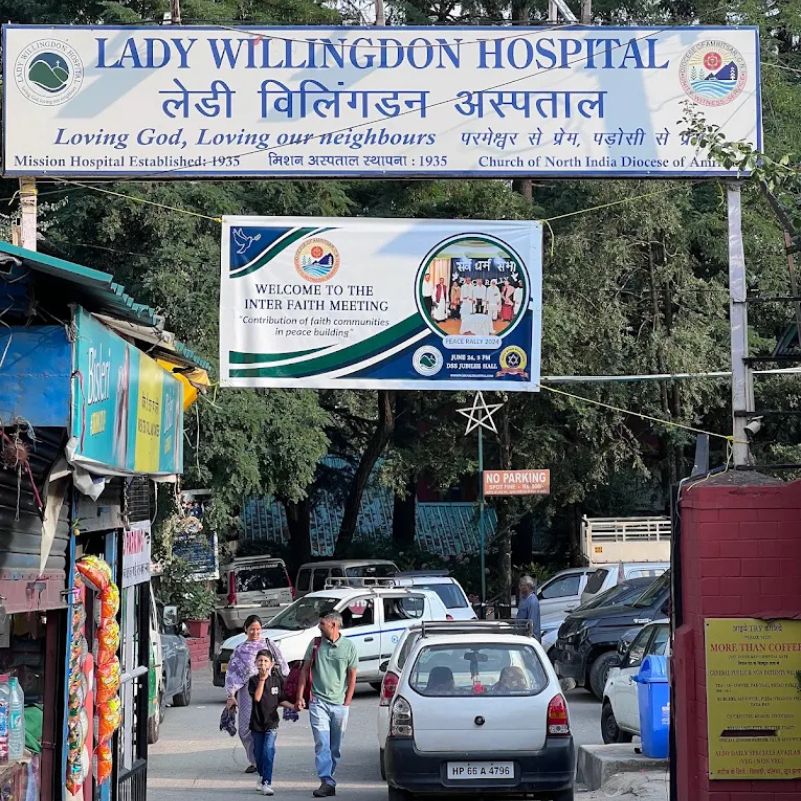
Medical Help in Manali for Tourists 2026: Hospitals, Pharmacies and Emergency Steps
Need medical help while travelling in Manali? This guide covers hospitals, pharmacies, emergency contacts and practical steps tourists should take during illness or injury. It also explains what to do in urgent situations, including breathing problems at higher altitudes.
- First-Time Travellers
- Altitude & Health
 Manali
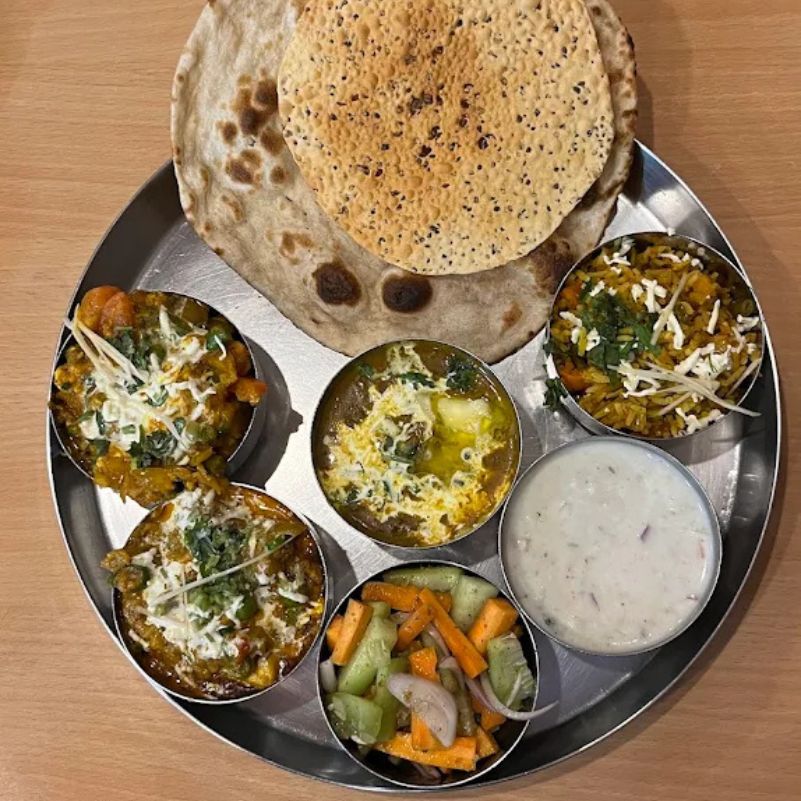
Vegetarian and Jain Food in Manali 2026: Where to Eat Without Guesswork
Looking for reliable vegetarian and Jain food in Manali? This guide covers pure veg restaurants, Jain-friendly places, no onion no garlic options, and practical tips on what to confirm before ordering in 2026.
- Things to Do
- Places to Visit
 Manali
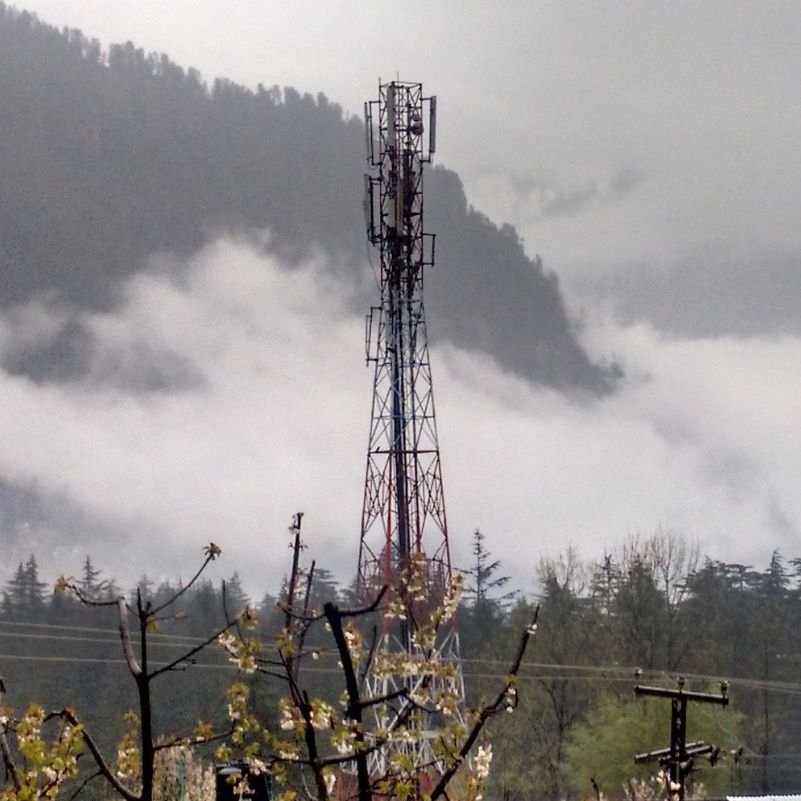
Mobile Network, Internet, UPI and ATMs in Manali 2026: What Works Where
Planning a Manali trip in 2026? Know which mobile networks work, where internet may be weak, whether UPI is reliable, and where to find ATMs. This guide helps you stay connected and payment-ready during your Manali trip.
- First-Time Travellers