
Manali Taxi Fare 2026: Local Sightseeing, Solang, Sissu, Rohtang and Day Rates
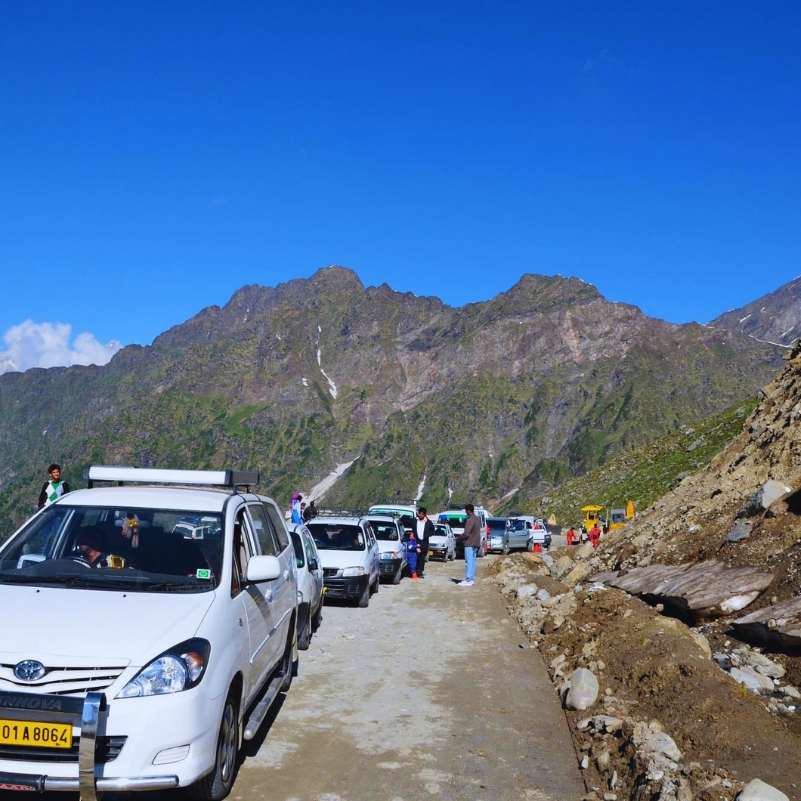
If you are trying to figure out the Manali taxi fare for 2026, here is the honest truth upfront. There is no single fixed rate that everyone charges.
Different operators publish very different prices for the same routes, and we found gaps as wide as ₹4,000 for the exact same Rohtang trip.
So this guide by Travel Coffee gives you real published 2026 prices, tells you where they clash, and shows you exactly what to ask before you sit in any cab.
Quick Answer: What Is the Manali Taxi Fare in 2026?
Indicative starting prices in published 2026 listings are about ₹1,500 for local sightseeing, ₹2,000 for Solang Valley, ₹3,000 for Atal Tunnel and Sissu, and ₹4,500 for Rohtang Pass.
These are starting prices for the whole vehicle, not a guaranteed official tariff. The actual fare shifts with vehicle type, season, weekend demand, road conditions, permit inclusion and pickup point.
We checked all these rates on July 29, 2026. Always ask for a written quote for your exact travel date, because prices move fast here.
>>Planning Manali sightseeing? Send us your travel dates on WhatsApp for a vehicle-wise quote.
Manali Taxi Fare at a Glance
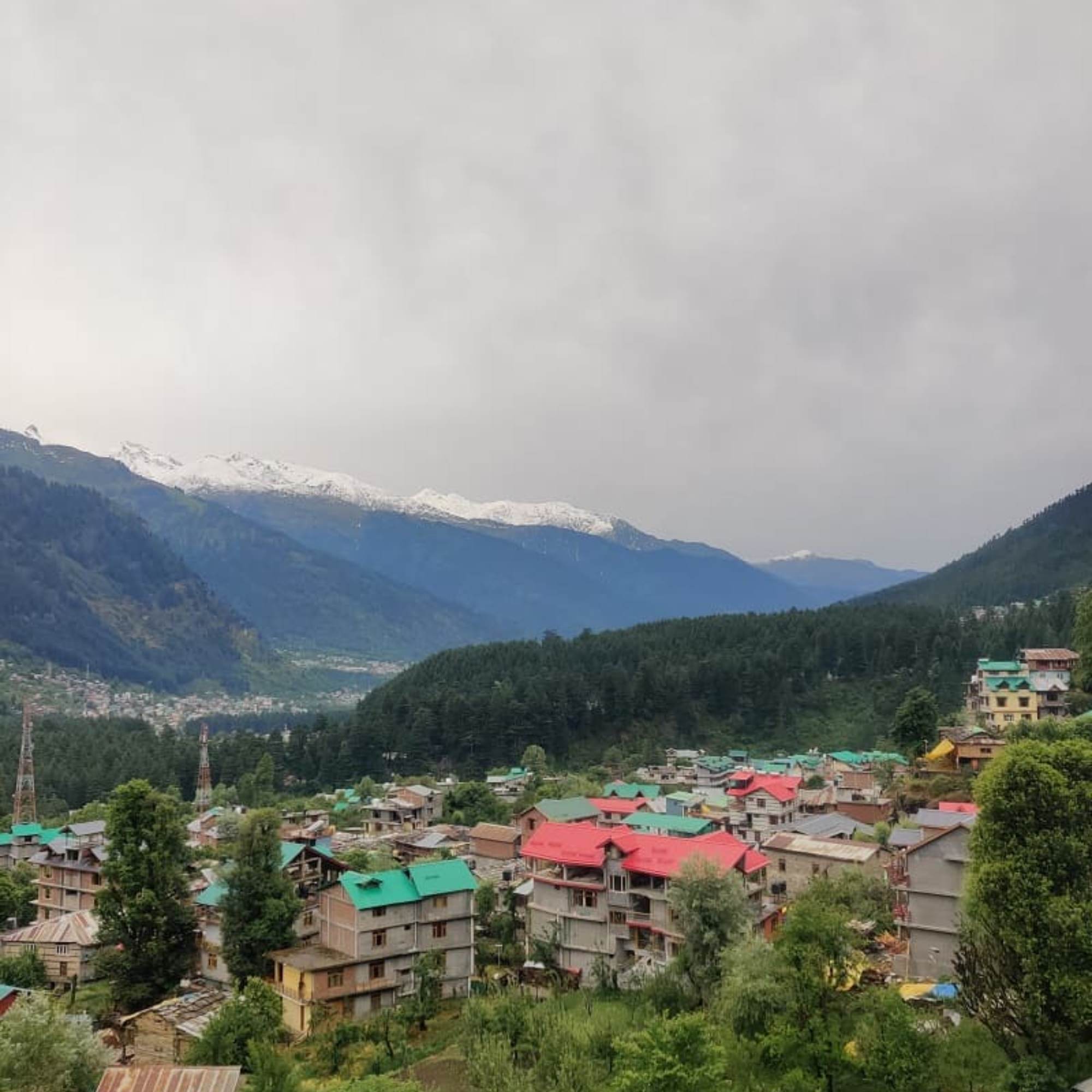
Four main routes cover almost everything travellers want from Manali. Here is what each one costs based on published 2026 rates.
One thing most tourists get wrong: they assume the price they see online is per person. It is almost always for the full vehicle. So splitting it between four people changes the maths completely.
Local Manali sightseeing rates
Published local sightseeing rates run from ₹1,299 to ₹4,499 per vehicle, depending on the car and the circuit you pick.
A usual local route may cover Hadimba Temple, Manu Temple, Vashisht, the Tibetan Monastery, Van Vihar and Club House. But confirm the exact stops and how long you get at each one.
Half-day and full-day packages carry different time limits, so ask which one your price covers.
If you would rather have someone plan the whole thing, our Manali tour packages come with a local driver and stays we have actually checked ourselves.
Solang Valley taxi rates
Published 2026 Solang Valley rates range from about ₹1,999 to ₹4,499 per vehicle.
A Solang-only trip usually costs less than a route that also folds in Atal Tunnel or Sissu. So decide your plan before you ask for a price.
Skiing, paragliding, ropeway tickets and snow clothing are all separate. The cab fare does not include any of them unless the operator says so clearly.
We broke down the full activity list and rough costs in our guide to adventure activities in Manali.
Atal Tunnel and Sissu taxi rates
Published 2026 rates for Atal Tunnel and Sissu range from about ₹2,999 to ₹5,999 per vehicle.
The common circuit here may include Solang Valley, the Atal Tunnel viewpoints and Sissu, but all of this depends on weather and police access on the day.
If you want the trip handled end to end, our Sissu tour packages cover the route with proper stops.
Rohtang Pass taxi rates
This is where published prices clash badly, and you need to know it before anyone quotes you.
Lower commercial listings show about ₹3,999 to ₹6,999. Another listing shows ₹6,499 to ₹9,999. A higher-priced package provider lists ₹7,500 to ₹12,500 depending on the vehicle.
We are not going to blend these into one fake "official" number. The huge gap likely reflects vehicle category, season, demand, whether the permit is included and what the package covers.
If you would rather have someone plan the whole thing, our Rohtang Pass tour packages come with a local driver and stays we have actually checked ourselves.
What Are the Manali Local Sightseeing Taxi Rates?
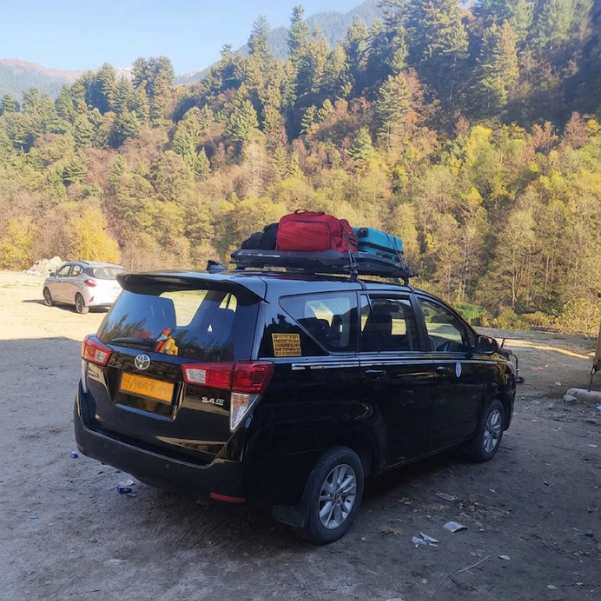
When travellers say local sightseeing, they usually mean the cluster of temples and viewpoints close to Manali town. Nothing that needs a mountain pass or a permit.
Most operators split this into a half-day circuit and a full-day circuit. The full-day version fits in more stops, but confirm the exact time you get rather than assuming.
In our experience, the biggest hidden cost here is pickup location. If your hotel sits outside central Manali, the fare can go up, so mention your exact address when you ask for the Manali taxi fare.
Here is an honest tip most guides skip
For Old Manali, Vashisht and the Mall Road, you often do not need a cab at all. These are walkable or a cheap auto ride away. Save the private taxi for the routes that actually need a car.
How Much Is a Taxi From Manali to Solang Valley?
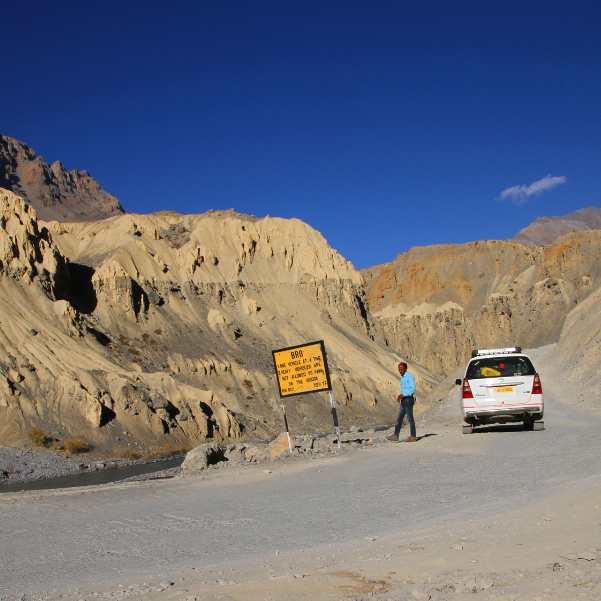
Published 2026 rates for Solang Valley run from ₹1,999 to ₹4,499 per vehicle.
A basic Solang return costs less than an extended route that pushes north toward Atal Tunnel. So be clear about whether you just want Solang or the whole northern stretch.
During peak season, the road to Solang crawls. Traffic can eat into both your driving time and your waiting time, and some drivers charge extra for the wait.
Before you lock the price, confirm the departure time, the waiting limit, whether parking is covered and exactly where the return pickup happens. We have seen travellers argue at the end of the day purely because none of this was agreed upfront.
What Is the Manali to Sissu Taxi Fare via Atal Tunnel?
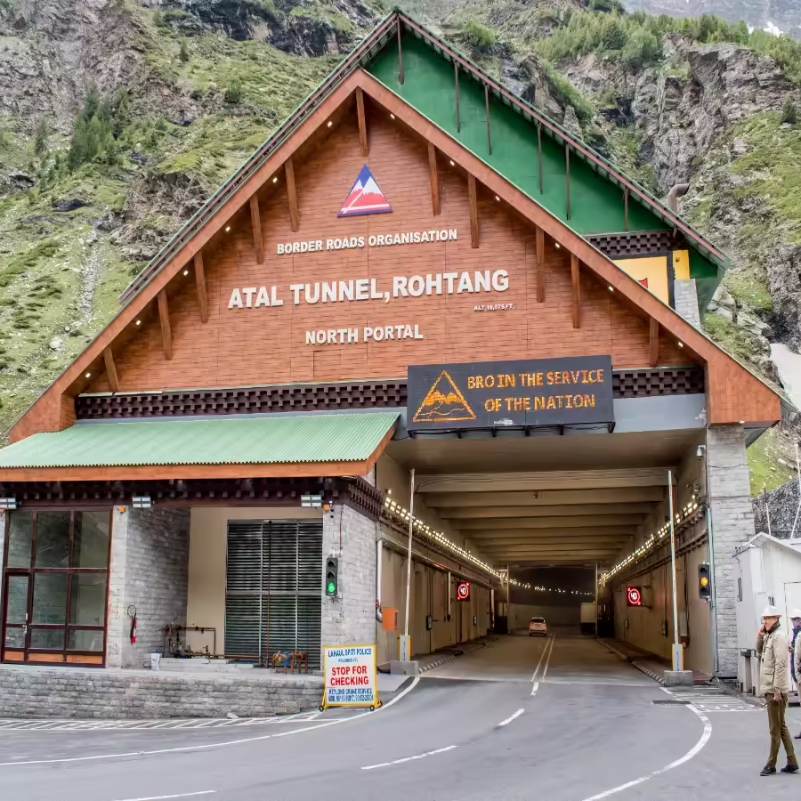
Published 2026 rates for the Manali to Sissu route via Atal Tunnel range from ₹2,999 to ₹5,999 per vehicle.
Hatchbacks are normally the cheapest published category, followed by sedans and then SUVs. That said, do not assume every hatchback gets waved through during snow or rough road conditions.
There is a real difference between a same-day return to Sissu and a one-way drop. A one-way drop should cost less, but many travellers ask for the return rate by mistake and overpay.
Access here can change fast. Snow, police controls and temporary administrative restrictions can shut the corridor with little warning, so keep your plan flexible.
How Much Does a Taxi to Rohtang Pass Cost?
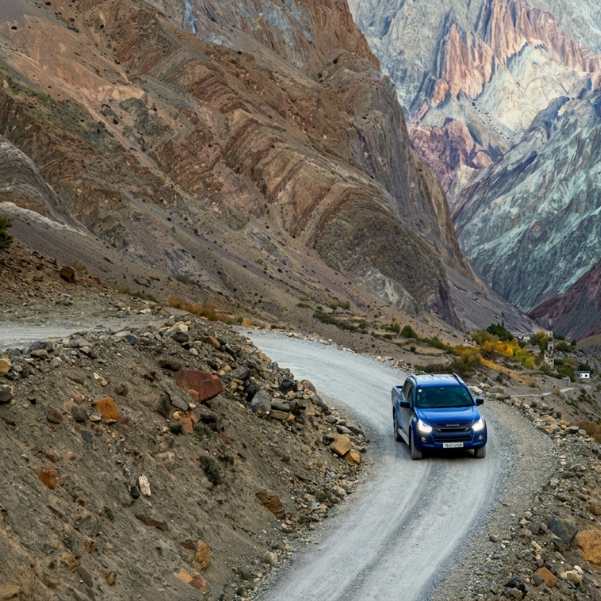
There is no single trustworthy universal rate for Rohtang, and anyone who tells you otherwise is guessing.
Here is the actual published evidence we found. One 2026 listing starts at ₹4,500. Another publishes ₹3,999 for a hatchback, ₹4,999 for a sedan and ₹6,999 for an SUV.
A third listing publishes ₹6,499 for a hatchback, ₹7,499 for a sedan and ₹9,999 for an SUV. A higher commercial package lists ₹7,500 for a hatchback, ₹9,500 for a sedan and ₹12,500 for a seven-seat SUV.
These are conflicting commercial rates, not steps in one price ladder. Treat every quote as its own thing and check what it actually includes.
Ask the operator directly whether the quote covers the official vehicle permit, environmental or congestion charges, parking, waiting time and the return trip. A cheap number often means none of these are included.
Here is a scam warning worth its own line
A suspiciously cheap Rohtang quote is sometimes a shared cab, or one that stops at Gulaba or Marhi and never reaches Rohtang Top. Confirm in writing that your cab is private and actually reaches the top.
Permit fees, daily vehicle quotas and Tuesday access rules can change, so check the official Rohtang permit portal close to your travel date before finalising the trip.
The Himachal government runs an official online permit facility for vehicles heading to Rohtang and Hamta Pass, so you can also check status there.
For month-by-month conditions, we cover Rohtang Pass in August, Rohtang Pass in September and Rohtang Pass in October in detail.
Can You Cover Solang, Atal Tunnel and Sissu in One Day?
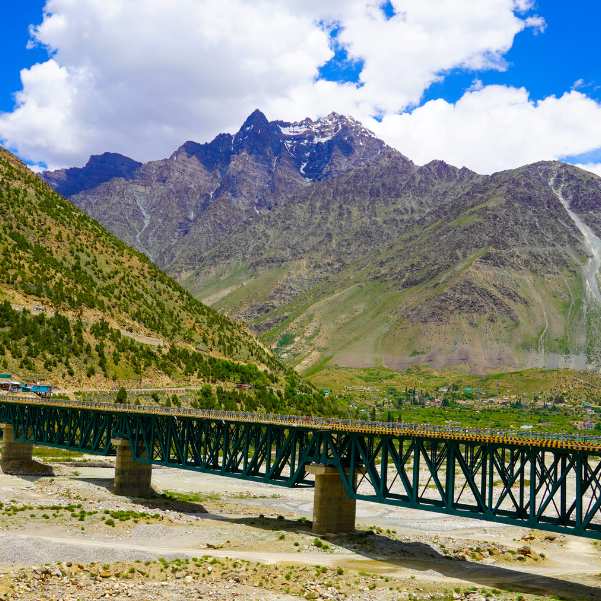
Yes, this is a common full-day route when the road stays open. Plenty of travellers do all three in a single trip.
Start early during busy periods. The Manali to Solang to Atal Tunnel stretch jams up badly in peak season, and a late start means you lose your best hours to traffic.
Adventure activities also eat time. If you stop for paragliding or the ropeway at Solang, you will have less of the day left for Sissu, so plan your priorities.
What we always tell our travellers is to fix a rough turnaround time with the driver at the start. If you are not at Atal Tunnel by a set hour, skip ahead so you are not stuck driving mountain roads after dark.
Can You Visit Rohtang Pass and Sissu on the Same Day?
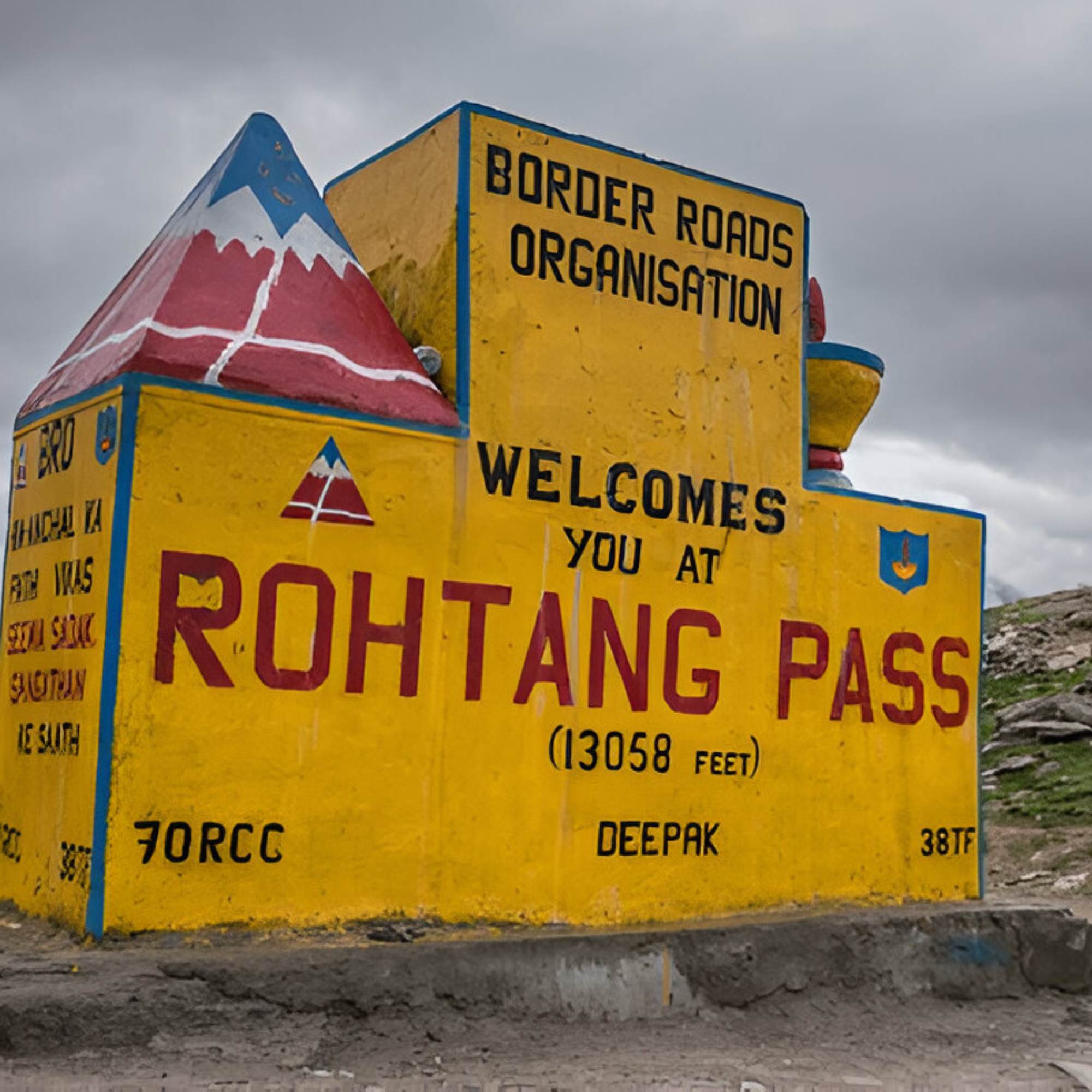
Do not let anyone promise this as a standard daily itinerary. It is not something you can count on.
Whether it works depends on Rohtang's opening for the day, route controls, permit timing, weather and traffic. Any one of these can collapse the plan.
Our honest advice
Our honest advice is to treat Rohtang and Sissu as two separate day trips, unless a local operator has confirmed the combined route for your specific date. Trying to force both into one day usually means you rush both and enjoy neither.
What Is the Manali Cab Cost Per Day?
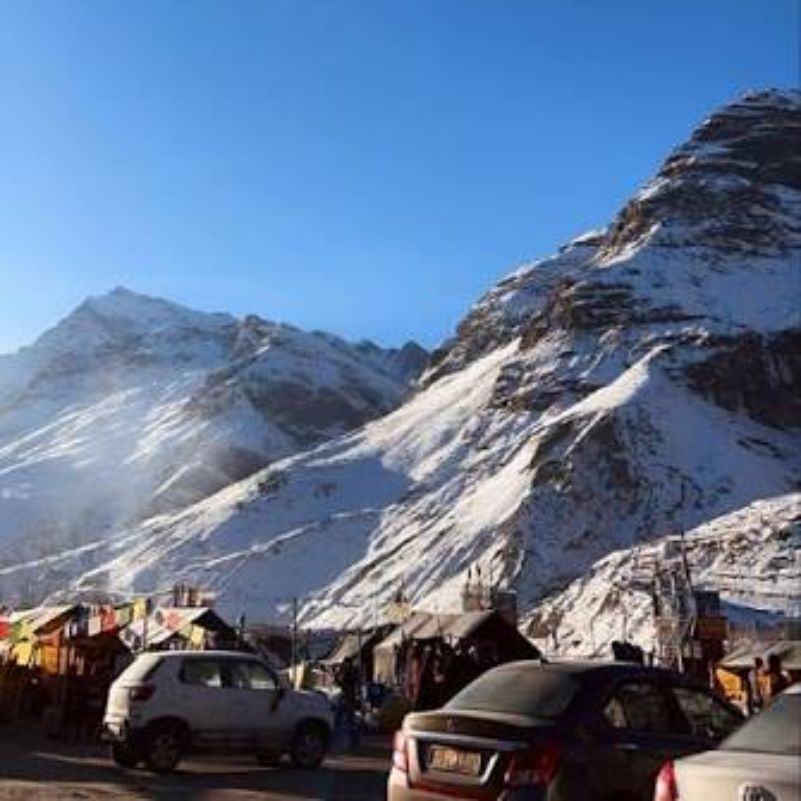
A generic local day rate should not automatically be stretched to cover Solang, Sissu or Rohtang. Those are route packages with their own pricing, and treating them as a flat day rate leads to disputes.
Half-day local cab
A half-day local cab suits the nearby temples, Vashisht and Old Manali. It is enough for the close-in sights without a full day committed.
Confirm the package duration and overtime charges before booking, as both can vary by operator and often cause unexpected costs.
Full-day local cab
A full-day local cab should clearly state its time or kilometre allowance. If the operator will not put a number on it, that is a red flag.
Ask the operator to confirm the exact kilometre and hour allowance in writing. Also check whether parking, waiting time and driver allowance are included or charged separately.
Outstation day hire
For Rohtang and Sissu, route-package pricing is more common than a plain day rate. The price is built around the route rather than hours.
One commercial listing publishes a driver night-halt charge of ₹500 to ₹800 per night for outstation travel. This comes from a single listing, so reconfirm it before you rely on it.
Which Taxi Should You Book in Manali?
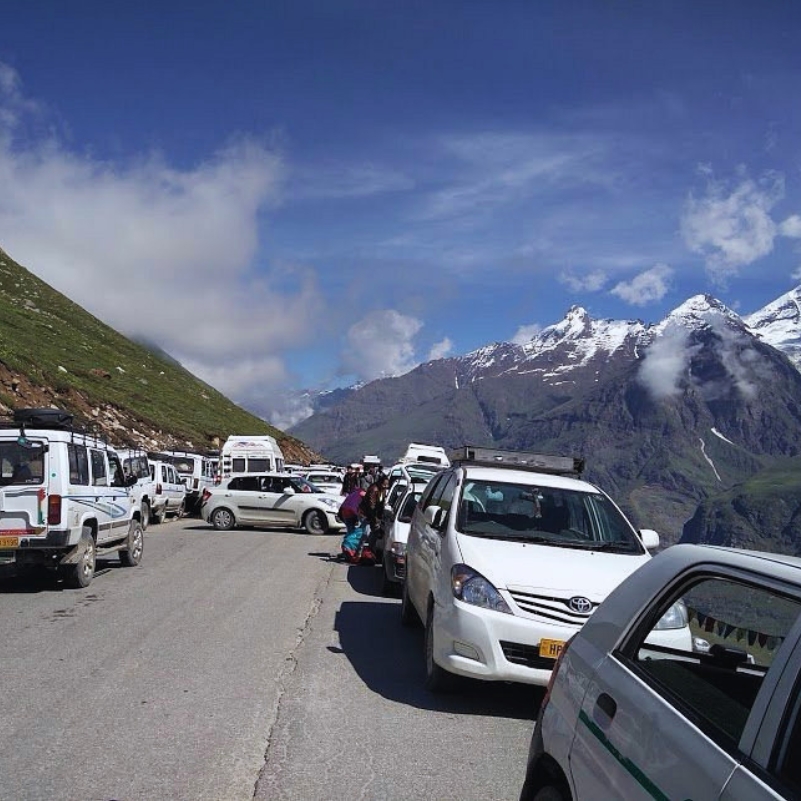
The right car depends on your group size, luggage and how rough the route gets. Here is how the categories actually differ.
Hatchback
A hatchback is usually the cheapest category and works well for a small group with light luggage. It is the value pick for local sightseeing.
Just do not assume it handles snow. During heavy snow or bad roads, a hatchback may be turned back or struggle, so we do not guarantee it for tough conditions.
Sedan
A sedan gives more comfort and boot space, which suits a couple or a small family. The ride is smoother on the longer routes.
Confirm the actual model when you book. "Sedan" covers a wide range, and what turns up can be very different from what you pictured.
SUV or Innova
An SUV or Innova is the sensible choice for a group with extra luggage. More seats, more room, more stability on rough patches.
One thing travellers get wrong: an SUV or Innova is not automatically a four-wheel-drive vehicle. Most are not. If you specifically need 4x4 for snow, ask directly rather than assuming.
Tempo traveller
A tempo traveller fits larger groups travelling together. It is the go-to for bigger families or friend groups.
Tempo traveller rates vary by travel date, vehicle size and route, so confirm the current fare directly with the operator before booking. Also check the seating layout, luggage capacity and route permissions.
What Is Included in a Manali Taxi Fare?
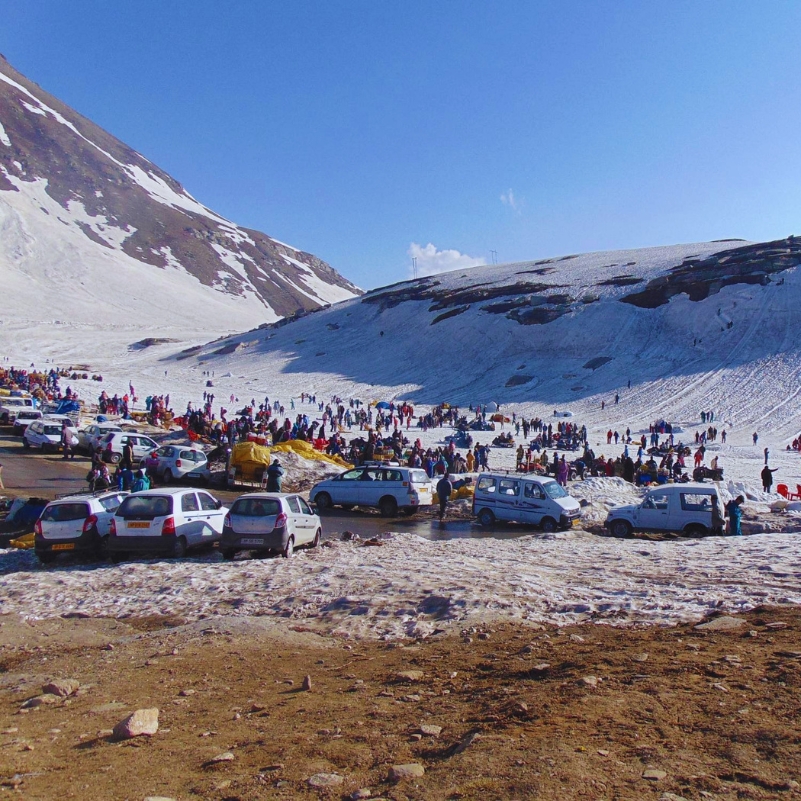
Fuel and driver service are generally expected in any quote, but still get them written down. Verbal promises fall apart at settlement time.
Check specifically for parking, tolls, green tax, the Rohtang permit, waiting, overtime, driver allowance and night-halt charges. These are the items that quietly get added later.
Meals, guides, attraction tickets, snow clothing and adventure activities are normally separate. Assume they are extra unless the operator clearly states they are included.
Why Do Manali Taxi Prices Change?
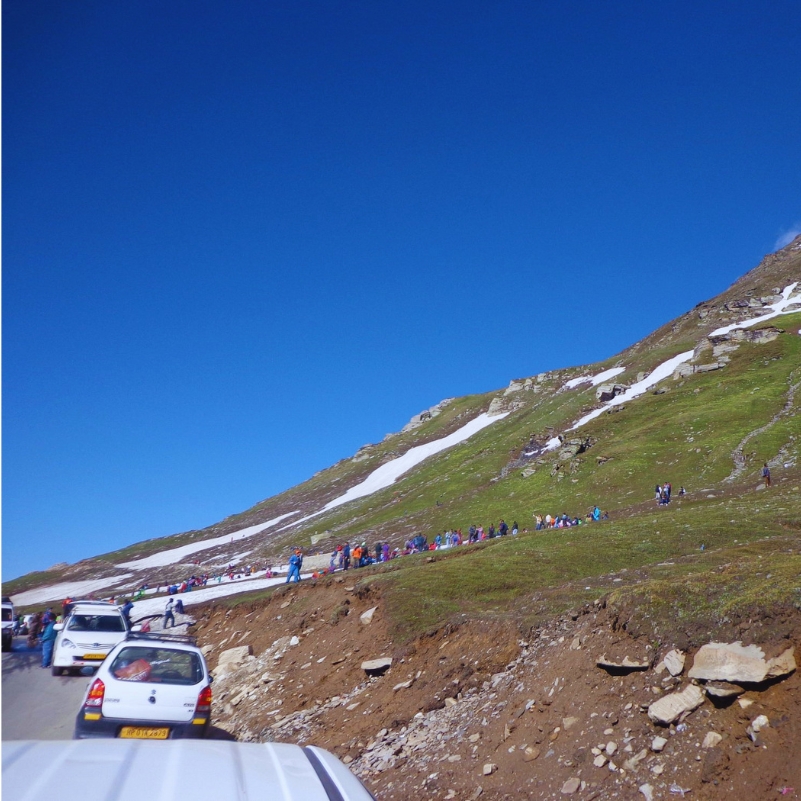
Vehicle category is the biggest factor, but far from the only one. The month, weekends, holidays and short-notice bookings all push prices around.
Your pickup location and route matter too. A pickup far from central Manali or a longer circuit both raise the fare.
Snowfall changes everything. It may force a different vehicle, tyre chains or a shorter turnaround point, and each of those affects what you pay.
The Manali to Solang to Atal Tunnel corridor also gets heavily congested in season. Long delays are common, and waiting time can creep into your bill.
How to Book a Taxi in Manali Without Being Overcharged
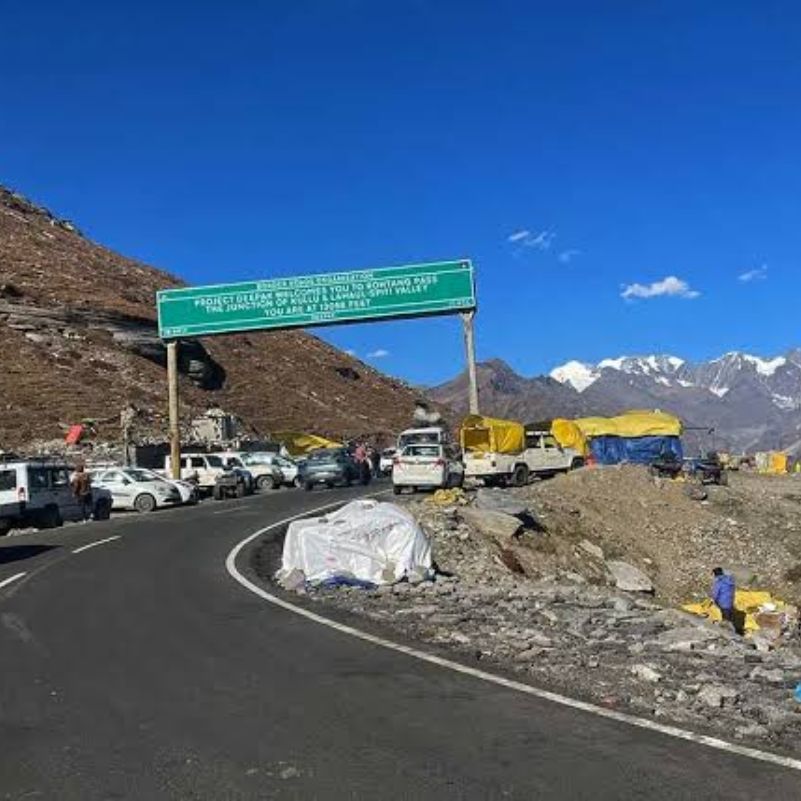
Get everything in writing before you commit. Ask for the full route, the vehicle category, whether it is private or shared, the total return fare, the inclusions, the waiting limit and the cancellation policy.
Confirm plainly that the cab will actually reach the destination you named. This matters most for Rohtang, where cheap quotes sometimes stop short of the top.
Record the vehicle number and the driver's phone number once it is all agreed. It gives you something solid if anything goes sideways.
Do not pay the full amount before the vehicle and details are confirmed. A reasonable advance is fine, but the balance should wait until you see the car.
Manali Taxi Booking Checklist
Run through these before you confirm anything. Start with your travel date, pickup address, passenger count and how much luggage you are carrying.
Then nail down the vehicle category, the exact route, the stops you want and the departure time. Add the waiting limit and every inclusion in writing.
Finally, settle who is responsible for the permit, what the cancellation terms are, and what happens if bad weather blocks the route. A backup plan for a closed road saves your whole day.
Are Shared Taxis and Buses Cheaper?
Shared taxis can cut the per-person price, but you give up flexibility. You go where the group goes, on the group's schedule.
If you do go shared, confirm the departure point, how many passengers are packed in, the luggage allowance, the final turnaround point and the return time. These are the details that trip people up.
Public buses are usually the cheapest option overall. But for multi-stop sightseeing with a car waiting for you, they are not convenient, so weigh cost against comfort.
Explore Our Curated Manali Tour Packages
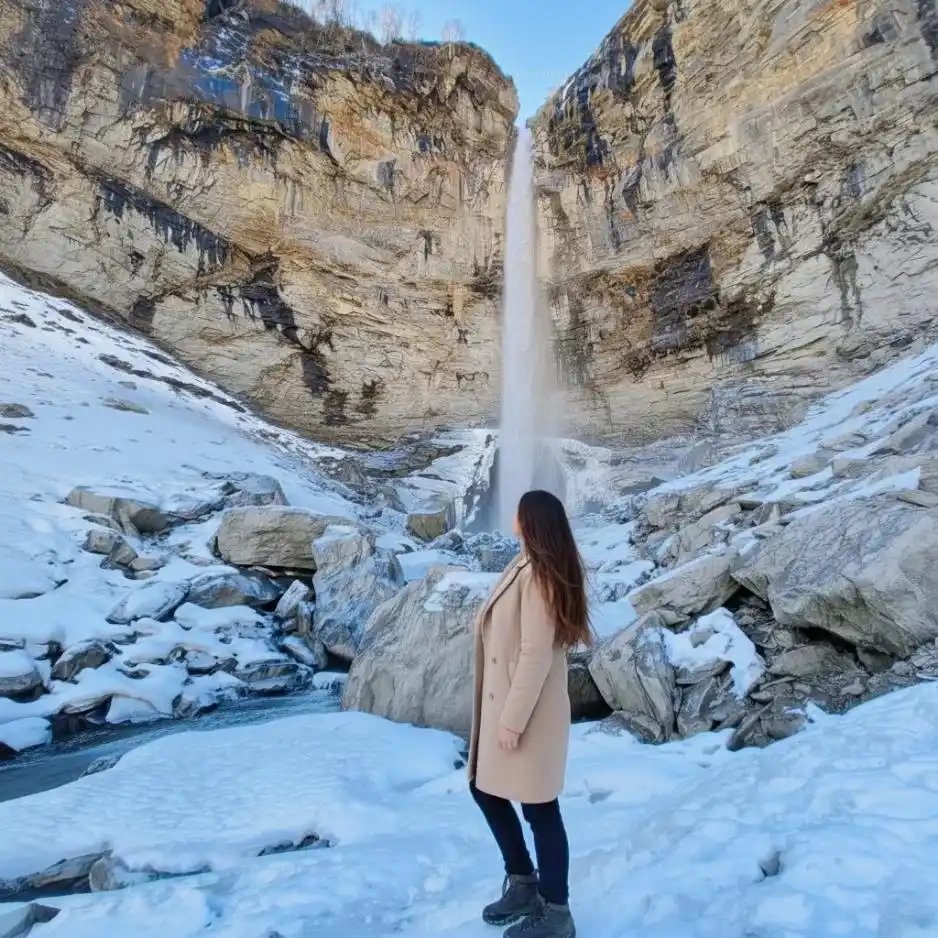 6D/5N
6D/5NManali Solang Sissu Sethan Snow Adventure
1D Delhi•3D Manali+2
₹15,999₹21,999SAVE INR 6,000/ person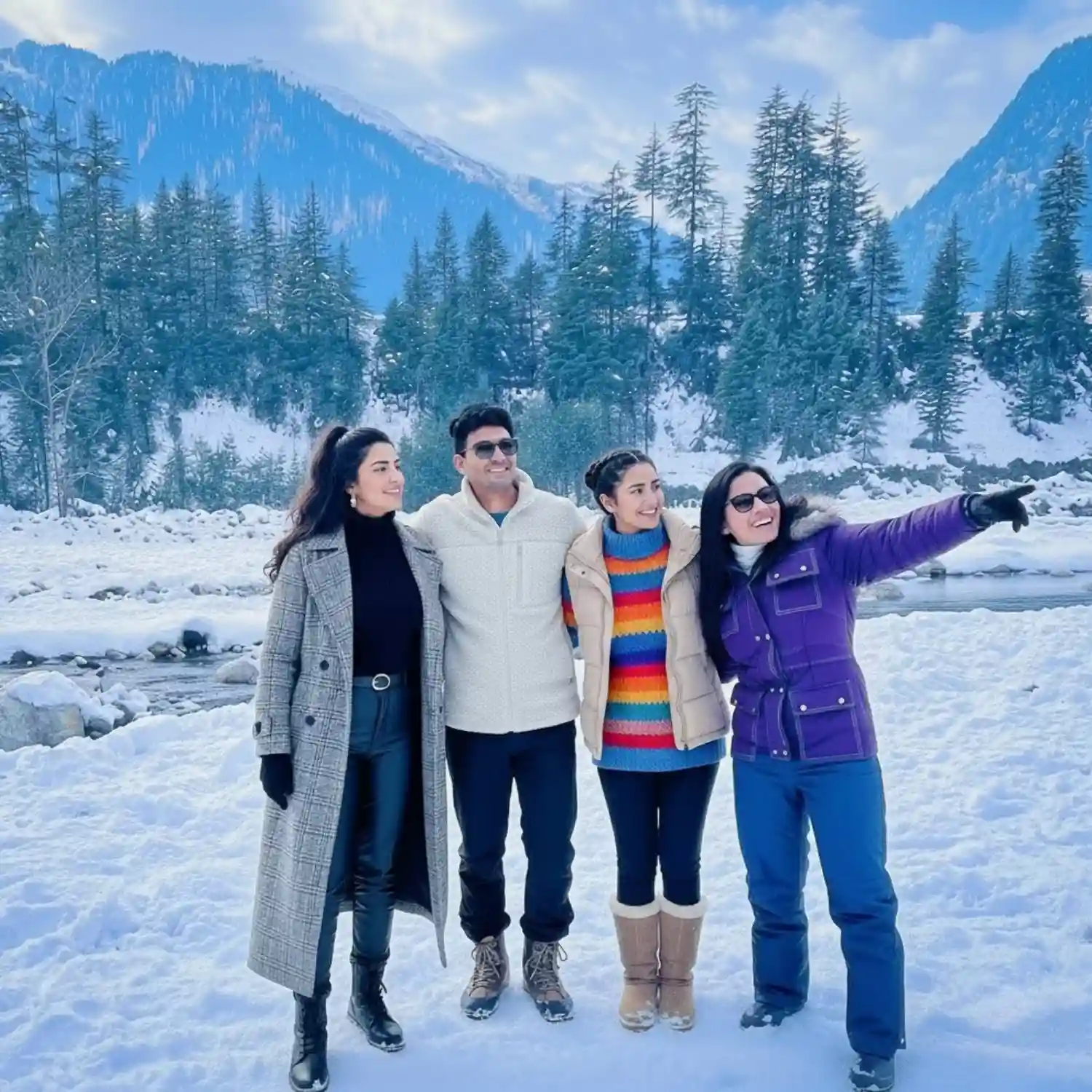 6D/5N
6D/5NManali Solang Sissu Sethan Snow Trip With Kasol
1D Delhi•3D Manali+2
₹25,999₹33,999SAVE INR 8,000/ person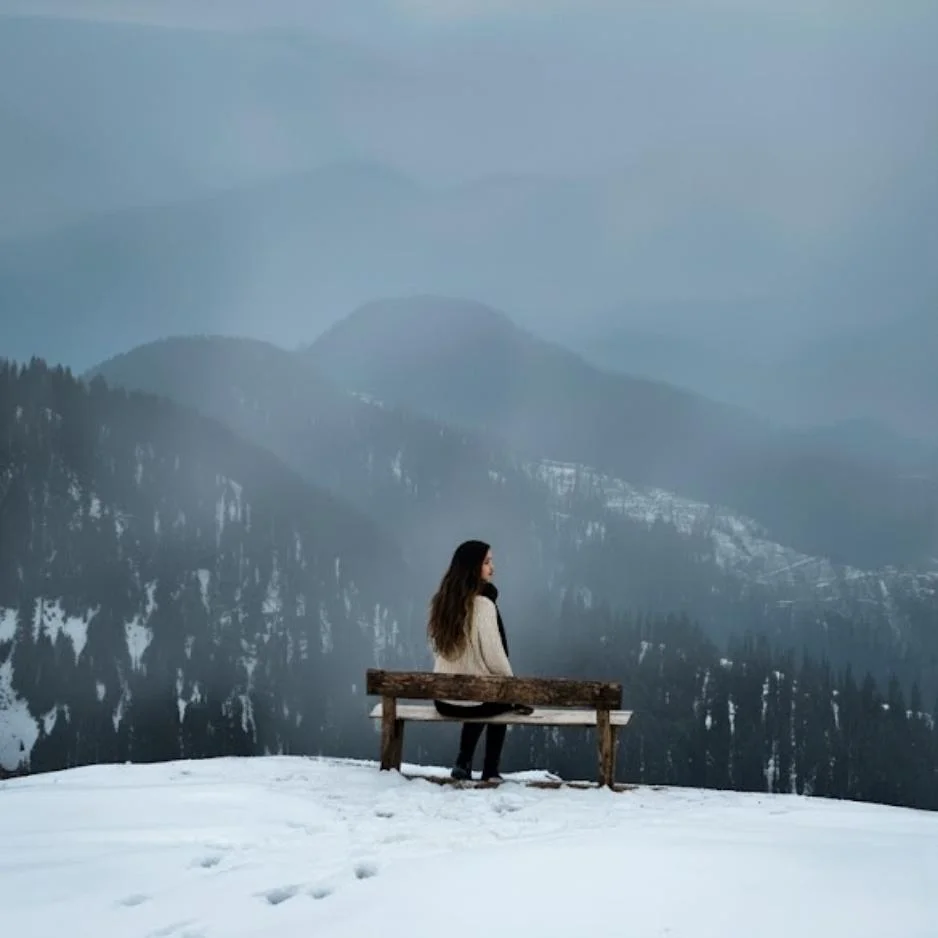 7D/6N
7D/6NManali Kasol Jibhi Valley Trip
1D Delhi•2D Manali+3
₹25,799₹32,999SAVE INR 7,200/ person
manali
Related topics
Frequently Asked Questions
What is the Manali taxi fare in 2026?
Indicative starting fares are around ₹1,500 for local sightseeing, ₹2,000 for Solang, ₹3,000 for Sissu and ₹4,500 for Rohtang. Always confirm the final written quote.
How much does a taxi cost per day in Manali?
Local taxi packages generally start from around ₹1,299 per vehicle. The final cost depends on route, vehicle type, hours, parking and waiting time.
What is the Manali local sightseeing taxi fare?
Published fares range from about ₹1,299 to ₹4,499 per vehicle. Confirm whether the package is half-day or full-day and which attractions are included.
How much is a cab from Manali to Solang Valley?
Published fares range from around ₹1,999 to ₹4,499 per vehicle. Adventure activities, ropeway tickets and extended Atal Tunnel routes usually cost extra.
What is the taxi fare from Manali to Sissu?
Published rates generally range from about ₹2,999 to ₹5,999 per vehicle. Hatchbacks cost less, while sedans and SUVs are usually more expensive.
How much does a Rohtang Pass taxi cost?
Published fares range widely from about ₹3,999 to ₹12,500 per vehicle. Confirm the destination, permit, parking, waiting time and return trip before booking.
Is the Rohtang permit included in taxi fares?
Not always. Ask whether the permit, environmental charges and parking are included or must be paid separately.
Are Manali cab rates per person or per vehicle?
Most private taxi fares are quoted per vehicle, not per person. Shared taxi services are priced per passenger and should be clearly identified.
Can Solang Valley and Sissu be covered in one day?
Yes, Solang, Atal Tunnel and Sissu can usually be covered in one day when roads are open. Start early to manage traffic and sightseeing time.
Can Rohtang Pass and Sissu be visited together?
It is not a standard one-day itinerary because permits, weather and traffic can cause delays. Plan them as separate day trips unless a local operator confirms otherwise.
Are hatchbacks allowed on all Manali sightseeing routes?
Hatchbacks are generally suitable for local sightseeing and clear-weather routes. During snow or rough conditions, some routes may require a higher-clearance vehicle.
How far in advance should I book a Manali taxi?
Book a few days ahead during weekends, holidays and peak season. Rohtang taxis should be booked earlier because vehicle permits and daily limits may apply.
More about Manali
 Manali
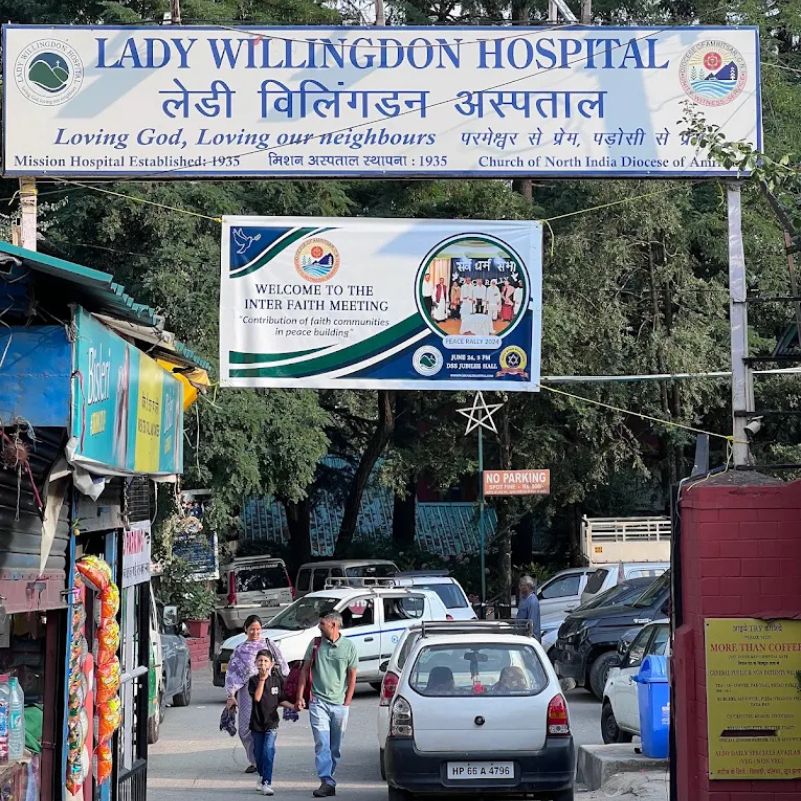
Medical Help in Manali for Tourists 2026: Hospitals, Pharmacies and Emergency Steps
Need medical help while travelling in Manali? This guide covers hospitals, pharmacies, emergency contacts and practical steps tourists should take during illness or injury. It also explains what to do in urgent situations, including breathing problems at higher altitudes.
- First-Time Travellers
- Altitude & Health
 Manali
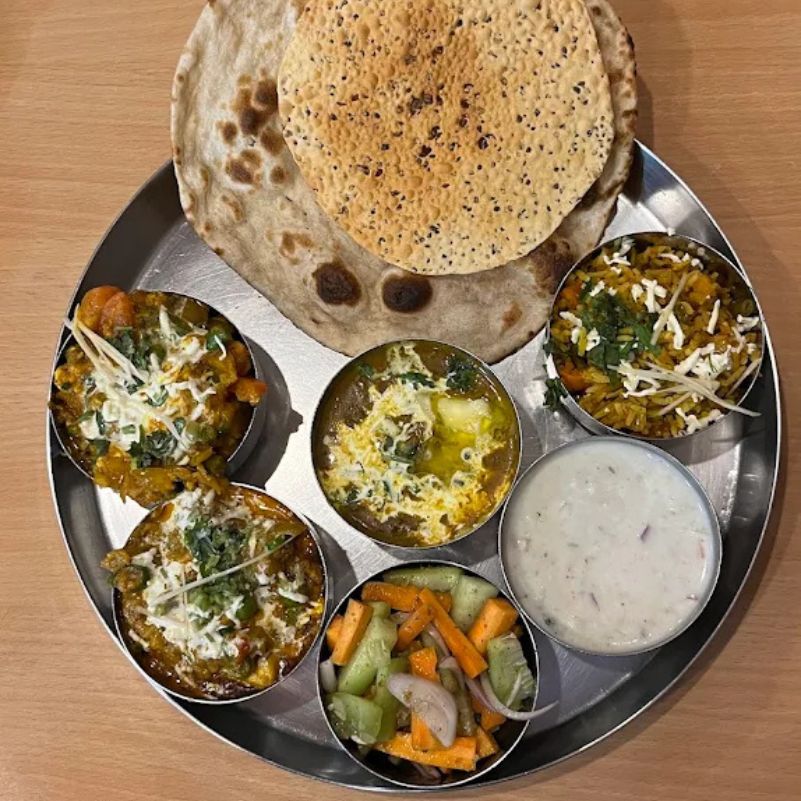
Vegetarian and Jain Food in Manali 2026: Where to Eat Without Guesswork
Looking for reliable vegetarian and Jain food in Manali? This guide covers pure veg restaurants, Jain-friendly places, no onion no garlic options, and practical tips on what to confirm before ordering in 2026.
- Things to Do
- Places to Visit
 Manali
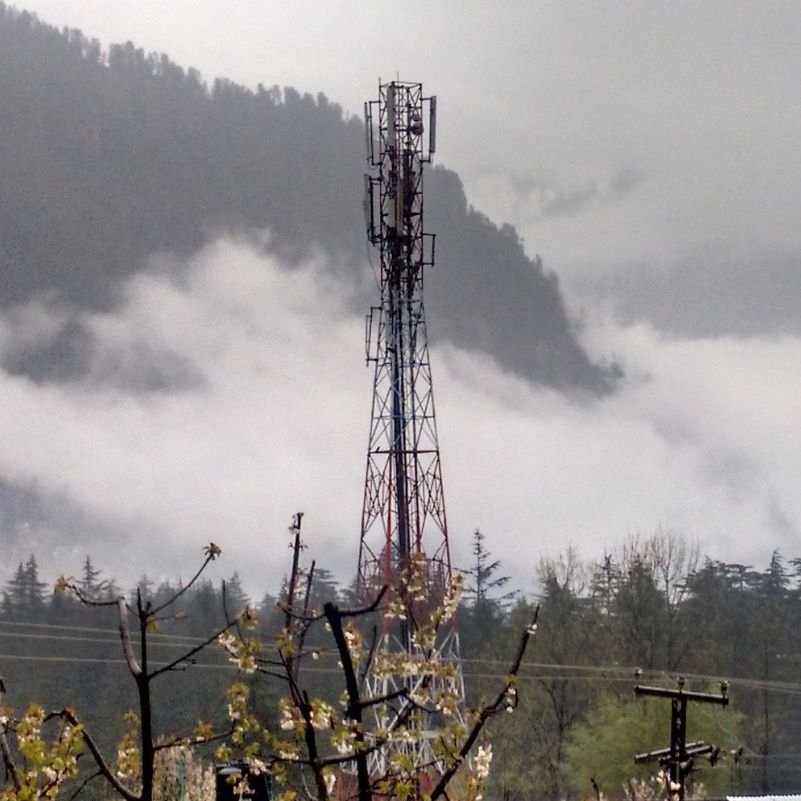
Mobile Network, Internet, UPI and ATMs in Manali 2026: What Works Where
Planning a Manali trip in 2026? Know which mobile networks work, where internet may be weak, whether UPI is reliable, and where to find ATMs. This guide helps you stay connected and payment-ready during your Manali trip.
- First-Time Travellers