
Manali Itinerary for 5 Days in 2026: First-Time Plan with Solang, Sissu and Naggar
Most people book a five day Manali trip and then realise on Day 3 that they have only two actual sightseeing days left. The overnight bus ate Day 1, the return bus ate Day 5, and the middle got squeezed.
This manali itinerary for 5 days is built the other way round. Four real nights in Manali, four proper days out, and a fifth day kept loose for weather.
We run these routes every season with our own drivers. What follows is the version that actually works on the ground, not the version that looks neat on a brochure.
Quick Answer: What Is the Best Manali Itinerary for 5 Days?
Arrive on Day 1 and keep it easy with Mall Road and Van Vihar. Day 2 covers Hadimba Temple, Old Manali and Vashisht.
Day 3 is the big one: Solang Valley, the Atal Tunnel and Sissu on a single logical route. Day 4 is a quieter heritage run to Naggar.
Day 5 stays flexible for a relaxed morning, your departure, or a seasonal excursion like Sethan or Rohtang Pass when conditions and permits allow.
If you are travelling with kids or grandparents, or you really want Rohtang, book five nights and six days instead. That one extra night solves more problems than any clever rearrangement.
Is Five Days Enough for a First Manali Trip?
Yes, comfortably, as long as you are counting four nights in Manali itself.
That gives you Manali town, Solang, the Atal Tunnel, Sissu and Naggar without rushing a single day. It is genuinely the sweet spot for a first visit.
The problem is what "five days" means on a package page.
Many Delhi based five day tours count the overnight bus out as Day 1 and the overnight bus back as Day 5. You reach Manali on the morning of Day 2, tired, and you leave on the evening of Day 4.
That leaves you two and a half usable sightseeing days. Not five.
Here is what most tourists get wrong
They compare packages by the number of days printed on the title instead of counting hotel nights in Manali. A 5D/4N label can mean four Manali nights or two Manali nights plus two nights on a bus.
Before booking anything, ask the operator one question. How many nights do we actually sleep in a Manali hotel? The answer tells you everything.
If you want the routes and night counts laid out honestly, our Manali tour packages page shows the actual stay pattern for each option.
Manali 5-Day Route at a Glance
Day 1 is arrival, check in, food and a slow walk around Mall Road and Van Vihar. Nothing more.
Day 2 stays inside Manali. Hadimba Temple early, then the Manu Temple and Old Manali stretch, then Vashisht in the afternoon.
Day 3 goes north. Solang Valley first, then through the Atal Tunnel to Sissu, and back the same evening. These three sit on one road, which is exactly why they belong together.
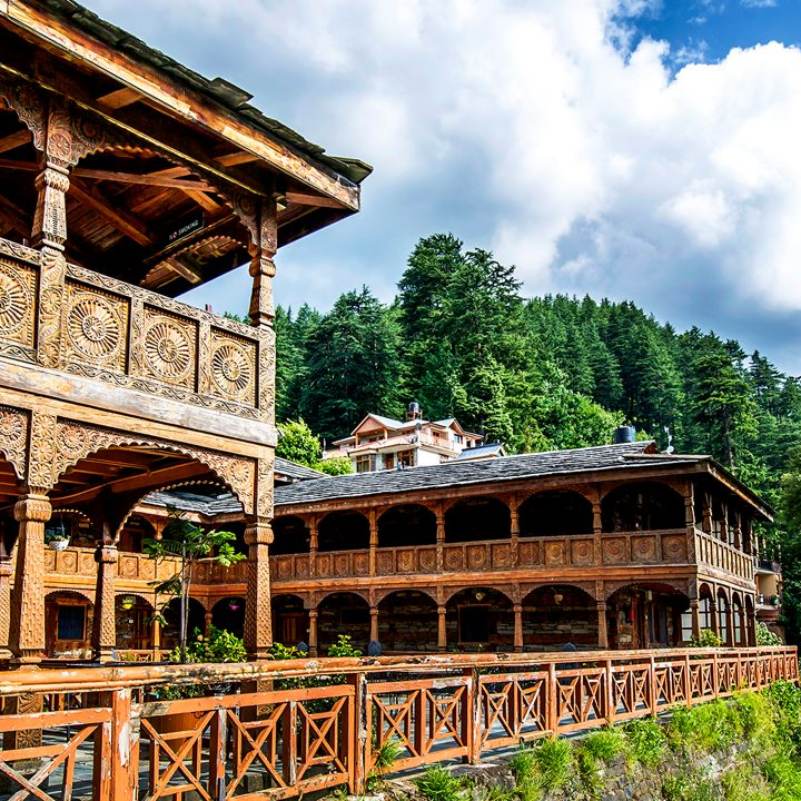
Day 4 goes south to Naggar. Castle, Roerich Estate, temples, and a much quieter pace than Day 3.
Day 5 depends on your bus or flight. Either a relaxed morning and departure, or a full extra outing to Sethan or Rohtang.
Naggar and Sissu point in opposite directions from Manali. That is the whole reason they get separate days.
If snow or rain shuts the tunnel side on Day 3, swap Days 3 and 4. Do Naggar first and push the Sissu run forward. Our drivers make this call most weeks in winter and it costs you nothing.
Day 1: Arrive in Manali and Keep the First Day Easy
Check-in and recovery time
If you came on the overnight Volvo from Delhi, you have not slept properly. You have dozed sitting up for eleven hours on a road with three hundred curves.
Do not get off that bus and drive straight to Solang. We have seen this go badly enough times to say it plainly.
Check in, shower, eat a real meal, and give yourself a few hours. The mountains are not going anywhere.
Mall Road and Aleo both work well as a first time base because you can walk to food and taxis without arranging a vehicle every time. Whether they suit you depends on your group and how much noise you can handle.
Mall Road, Van Vihar and Old Manali
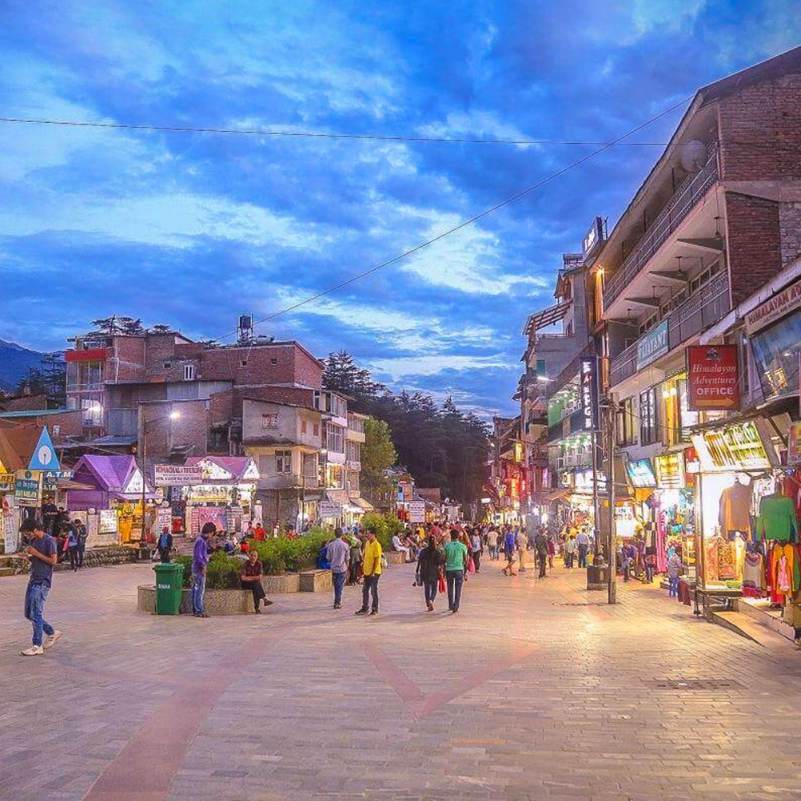
Once you feel human again, walk Mall Road in the evening. It is busy, it is touristy, and it is still a pleasant way to shake off the bus.
Van Vihar sits right next to it, a small cedar patch with paths and benches. Entry is inexpensive, making it one of the easiest places in town to sit, slow down and breathe.
Here is a local tip most guides skip. Walk Mall Road after 7 PM rather than at 5 PM. The day tripper crowd from Kullu has left, the shops are still open, and the whole road is noticeably calmer.
If you arrived early in the morning and slept for a few hours, you can add Old Manali in the evening. If you arrived at noon feeling wrecked, save it for tomorrow.
Skip the shawl and "pure Kashmiri saffron" shops on Mall Road that call you inside. The pricing is aimed squarely at first time tourists. Buy shawls in Kullu on your way back if you want them.
Day 2: Explore Hadimba Temple, Old Manali and Vashisht
Hadimba Temple and its cedar setting
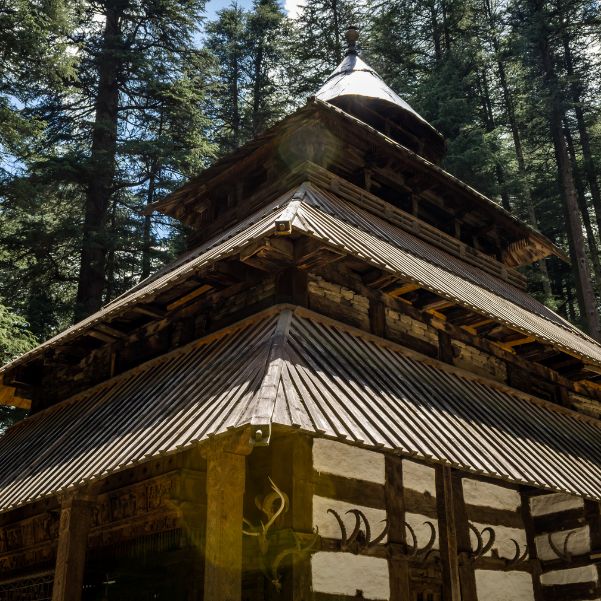
Hadimba Temple was built in 1553 CE and it still stands inside a deodar forest that most people walk past in ten minutes to get a photograph.
Official listed opening hours are 8:00 AM to 6:00 PM.
Reach it by 8:15 AM. This is the single timing tip that changes your whole day. Before 9, you get the temple, the cedar smell, and maybe fifteen other people.
By 11, the parking is jammed, the approach road backs up, and you spend more time in traffic than at the temple.
The wooden carving on the doorway is worth actually looking at. So is the forest behind the temple, which almost nobody walks into.
Manu Temple and Old Manali
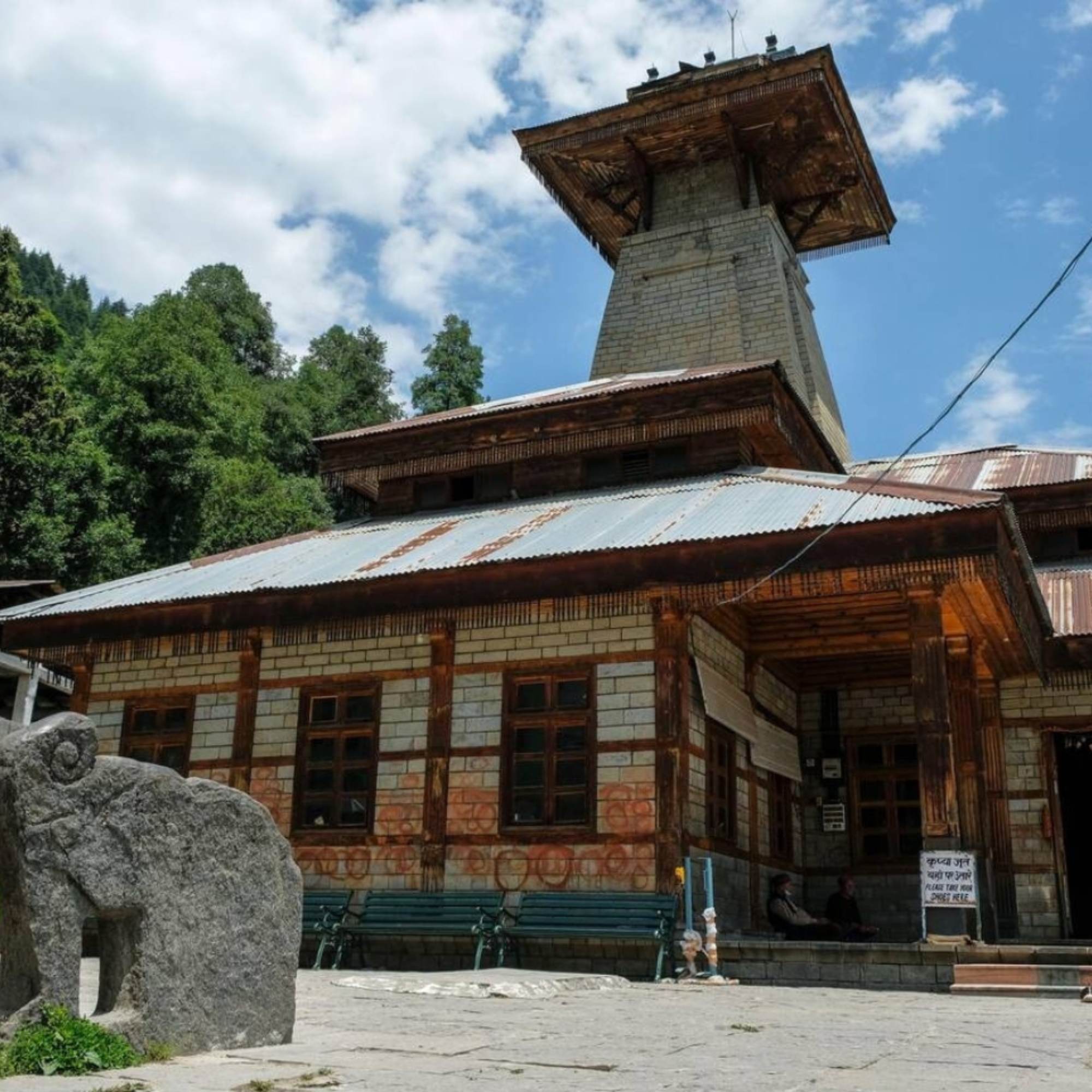
From Hadimba, head towards Old Manali and the Manu Temple side.
This area is all slopes. The road climbs, the lanes narrow, and the last stretch to Manu Temple involves a proper walk uphill.
If you are travelling with seniors or a toddler, cut this short. Do the Old Manali cafés and the lower lanes, and drop the Manu Temple climb entirely. Nobody will feel they missed the trip.
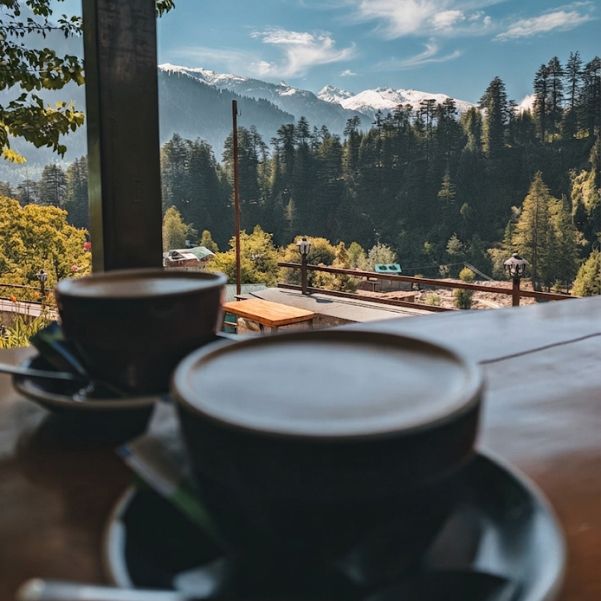
Old Manali has plenty of cafés with good views over the river. We will not name specific ones here because they change hands almost every season and half the recommendations floating online are for places that shut down two years ago.
Our team's approach with clients is simple. Walk the lane, look at who is full at 1 PM, and eat there.
Vashisht and optional Jogini Waterfall
Finish the day at Vashisht. It is close, it is downhill from the Old Manali side, and it works well when your legs are already tired.
The hot water springs and the old temple complex are the main draw. The village lanes above are quieter than Old Manali and worth a slow wander.
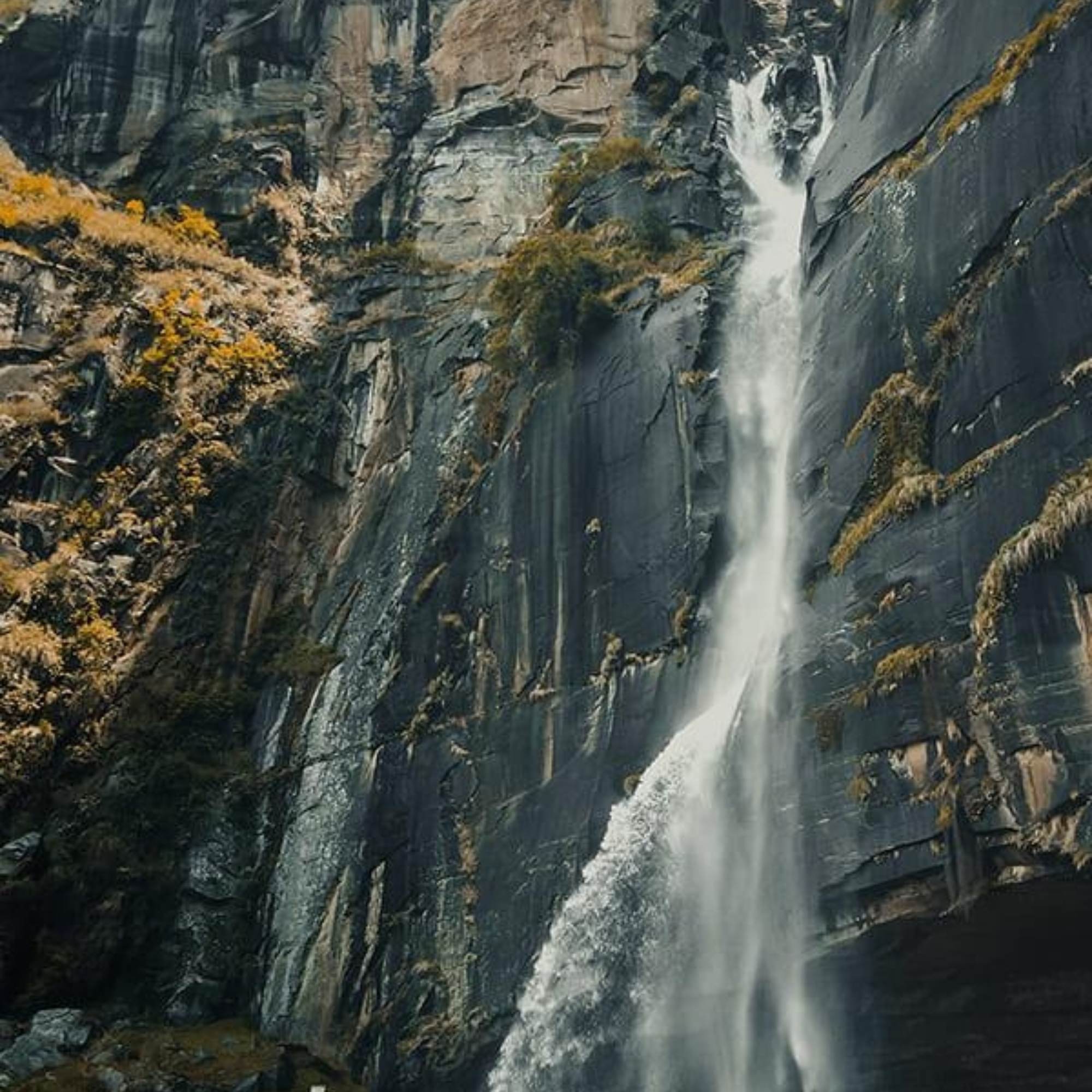
Jogini Waterfall starts from Vashisht and is optional. The walk takes additional time and involves a moderate uphill trail, so allow enough daylight and only attempt it if your group still has the energy.
Do Jogini only if you skipped Manu Temple or if you are fit and started early.
What we always tell our travellers is to do Jogini as a separate morning if it matters to them, rather than tacking it onto an already full day. A rushed waterfall walk in fading light is how ankles get twisted.
If you are the type who would rather trade temples for activity, our guide to adventure activities in Manali covers what runs in which season.
Day 3: Visit Solang Valley, Atal Tunnel and Sissu
Start early for Solang Valley
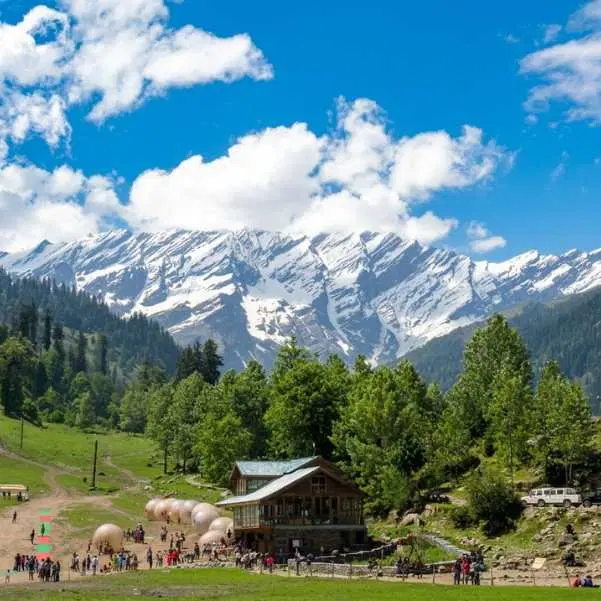
This is the day that decides whether your trip feels good or rushed. Leave by 7 AM.
Solang Valley is roughly 13 to 14 kilometres from Manali. On paper that is twenty minutes. In peak season, with a queue of taxis on a single lane road, it can be far longer.
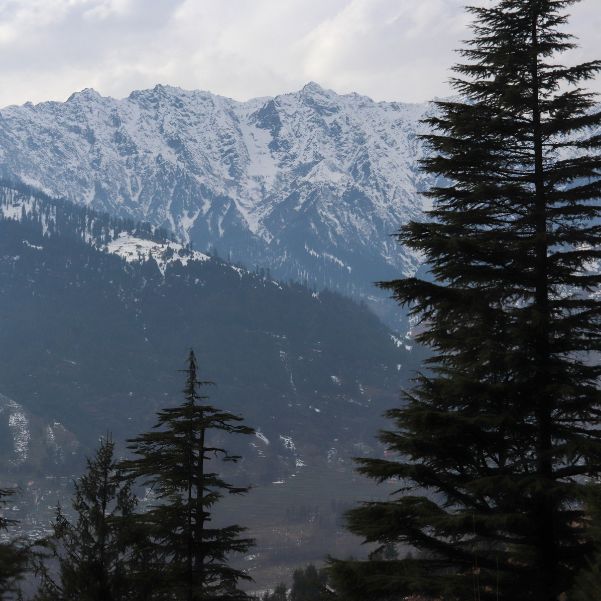
What you find at Solang depends entirely on the season. Snow in winter, green slopes and paragliding weather in summer, and everything in between.
We will not promise you skiing, paragliding, snow scooters or a snow point on any specific date. Anyone who does is guessing. Conditions change week to week and operators shut down without notice.
We are also not quoting activity prices, because rates at Solang shift constantly and any number we print today will mislead you next month. Ask at the counter, agree on the price before you sit in anything, and pay after.
Honest warning about Solang. On a busy weekend it can feel like a fairground rather than a mountain valley. Loud music, touts, ATVs, queues.
If that is not your thing, go early, look at the valley, and move on to the tunnel. The view is the point. The stalls are not.
Continue through Atal Tunnel
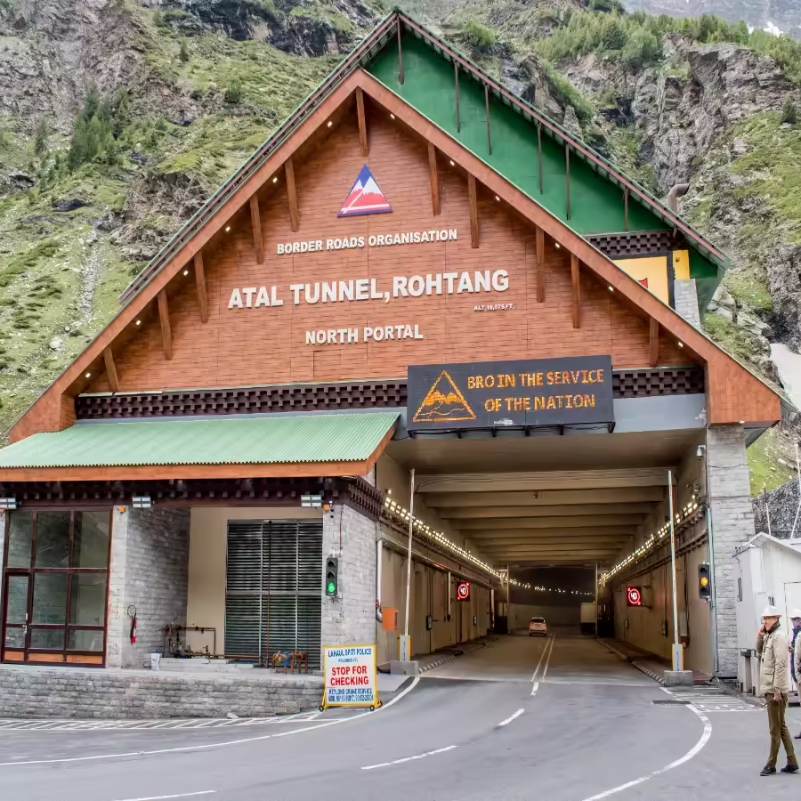
From Solang, keep going north to the Atal Tunnel.
The tunnel is 9.02 kilometres long. Its south portal sits roughly 25 kilometres from Manali, and the north portal comes out near Sissu in Lahaul.
The change on the other side surprises everyone. You go in with Manali weather and come out into Lahaul, which can be colder, windier and completely different in feel.
Do not stop your vehicle inside the tunnel. Not for photos, not for anything. There is active monitoring and it is genuinely dangerous.
Cameras are watching and vehicles get stopped on the far side for it. Take your photos from the portal area outside where there is space to pull over.
Spend time in Sissu
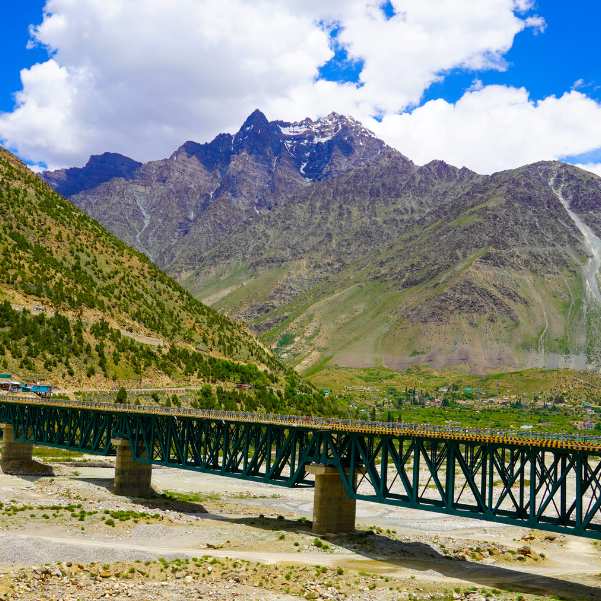
Sissu is the natural end point of this route rather than a separate trip.
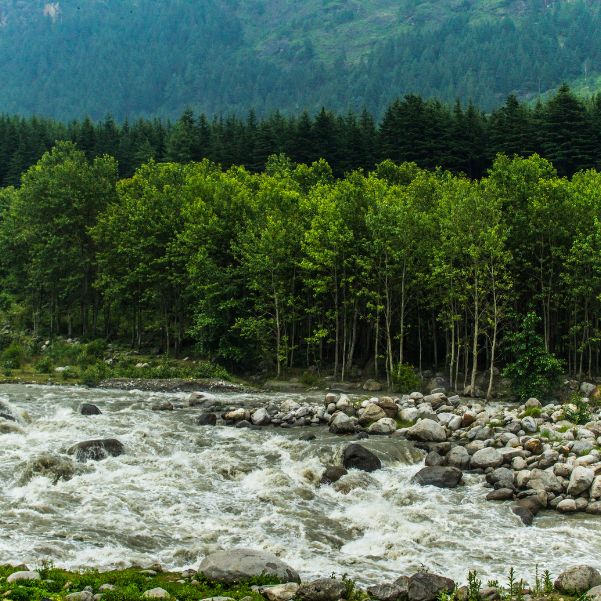
There is a waterfall viewpoint, the river running through a wide open valley, and enough flat space to actually sit down. It is calmer than Solang and the landscape is starker.
Eat here if the dhabas near the Sissu helipad area are open. You can usually find simple hot meals such as rajma chawal and thukpa, but food availability may reduce later in the day or during quieter months.
A word on Keylong. Some drivers will offer to push on because it is "only a bit further."
It is not. Adding Keylong turns a manageable day into a long one and you will be driving back through the tunnel after dark. Do it only if you left Manali very early and you knowingly accept the extra road hours.
If Sissu is the part of the trip you care most about, our Sissu tour packages build the day around it instead of squeezing it in at the end.
Check road status and entry requirements
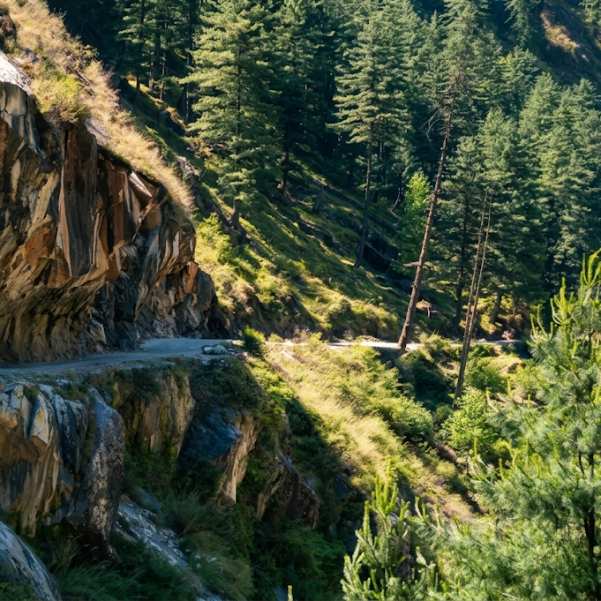
The official Lahaul and Spiti district page listed Manali to Keylong as open when we checked on 24 July 2026. That status applies to that date only and tells you nothing about your travel date.
Check it yourself at https://hplahaulspiti.nic.in/road-status/ the day before you go, and again on the morning you leave.
Lahaul entry is also managed through the official e-Aagman portal at https://eaagman.hp.gov.in/.
The portal describes an e-permit for the Atal Tunnel, Rohtang, Koksar and Chandratal circuit, and an e-ticket for other places.
Check the live e-Aagman portal before travelling and select the permit or ticket option currently shown for Sissu, as entry requirements may change.
Check both pages immediately before travelling. Not a week before. Things shift.
Day 4: Take a Heritage Day Trip to Naggar
Naggar Castle
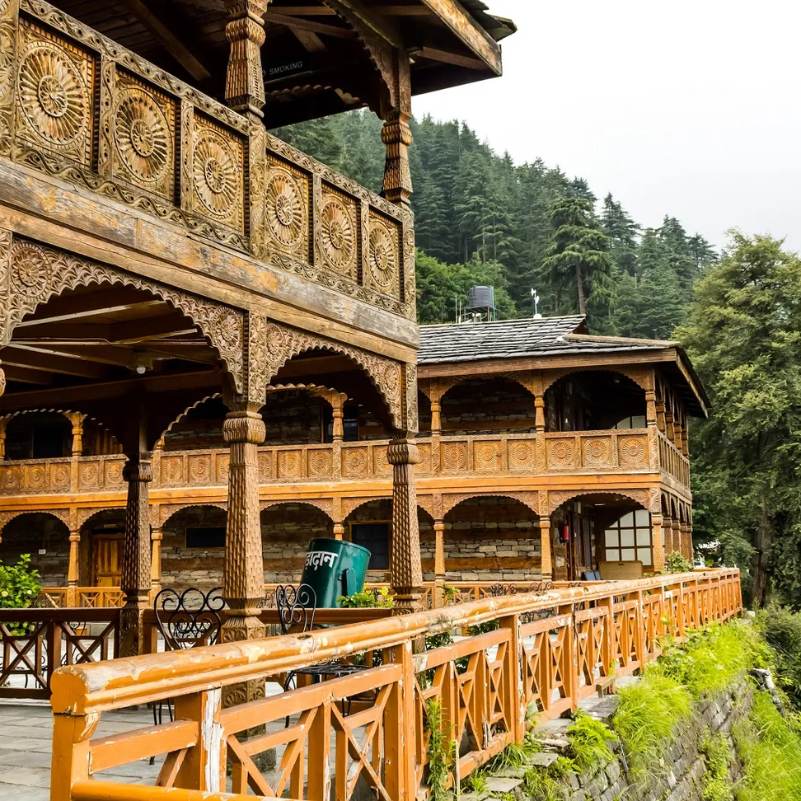
Naggar is roughly 20 kilometres from Manali, in the opposite direction from Solang.
Naggar Castle is a heritage building linked with the region's former rulers, built in the old wood and stone style that has survived several earthquakes. It is now partly a hotel and partly a museum.
Museum hours are commonly listed as 9:00 AM to 5:00 PM, but confirm the current timing at the entrance before planning your visit.
Entry is commonly listed as ₹30, though the latest ticket price should be checked at the gate.
Stand on the wooden balcony on the valley side. You get the whole Kullu valley and the river below, and it is the best free view on this entire itinerary.
Nicholas Roerich Estate and local temples
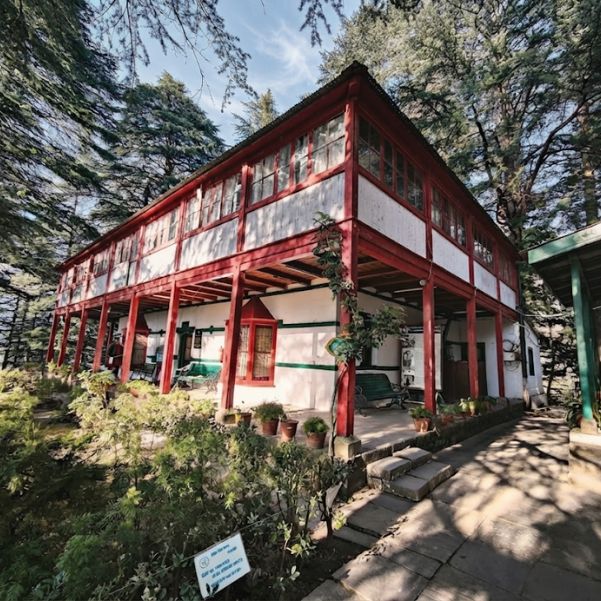
The Nicholas Roerich Estate sits a short distance up from the castle. The Russian painter lived here and his work and house are open to visitors.
We are not listing the opening hours, closing days or entry fee here because these details may change. Check the current information locally before visiting.
Add Gauri Shankar Temple near the castle. It is an old stone temple that most visitors walk straight past on their way to the castle café.
Jana Waterfall is optional. It is further up a side road and it stretches the day considerably. Add it only if you started early and you want a longer outing.
Why Naggar deserves its own day
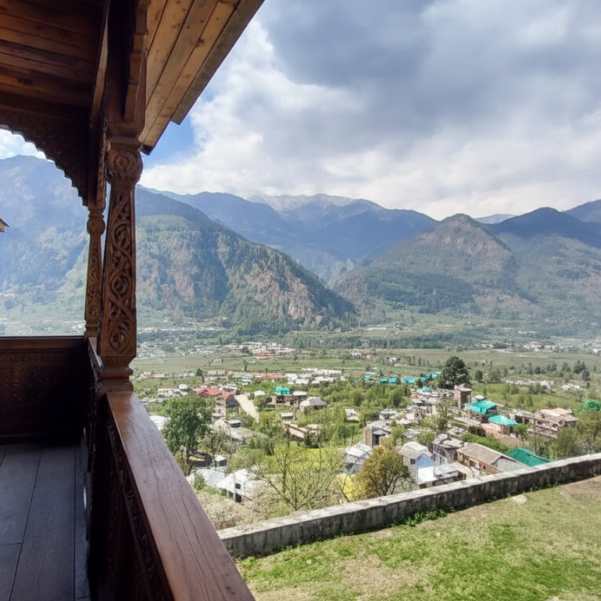
After the noise and crowds of Solang, Naggar feels like a different state.
There are no touts, no queues for photographs, and no music. Just old buildings, apple orchards and a quiet road.
Trying to fold Naggar into the Sissu day makes no sense on a map. Sissu is north through the tunnel, Naggar is south down the valley. Combining them means backtracking through Manali traffic twice in one day.
This day suits families with older parents, couples who want a slower pace, photographers, and anyone who has had enough of crowded viewpoints. It is the day our repeat travellers usually say they liked most.
Day 5: Choose a Relaxed Morning, Seasonal Excursion or Departure Plan
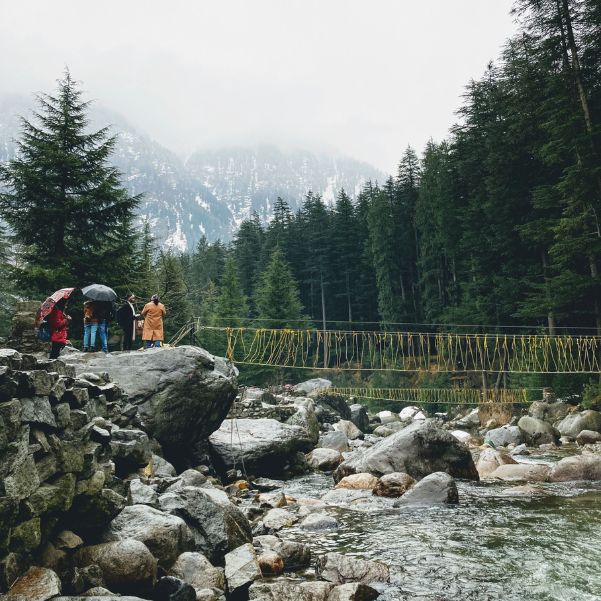
For an afternoon or evening departure
If your bus leaves in the evening, do not plan anything far.
Have a proper breakfast, do your shopping, walk Van Vihar one more time, or sit in a café for an hour. That is enough.
Sort out hotel checkout timing, ask about luggage storage for the afternoon, and confirm your bus reporting time. Volvo operators expect you well before departure and the boarding points are not always where you assume.
We have had travellers miss buses because they went to Solang "quickly" on departure day. One landslide clearance delay and the whole plan collapses.
For travellers with a full fifth sightseeing day
If you have a genuine free day, Sethan is the better choice for most people. It is a small Tibetan settlement above Manali with open meadows and far fewer visitors, when the road is accessible.
Rohtang Pass is the other option, but only when it is open and only when you have the permit in hand.
Rohtang is not an extension of the Sissu day and it is not the same experience. Sissu goes through the Atal Tunnel with no permit lottery involved.
Rohtang goes over the old pass road, needs a separate permit with a daily quota, and depends entirely on seasonal snow clearance.
Treat it as its own excursion or skip it. Our month by month breakdown in Rohtang Pass in October explains what access usually looks like as the season opens.
Which Version of This Manali Itinerary Suits You?
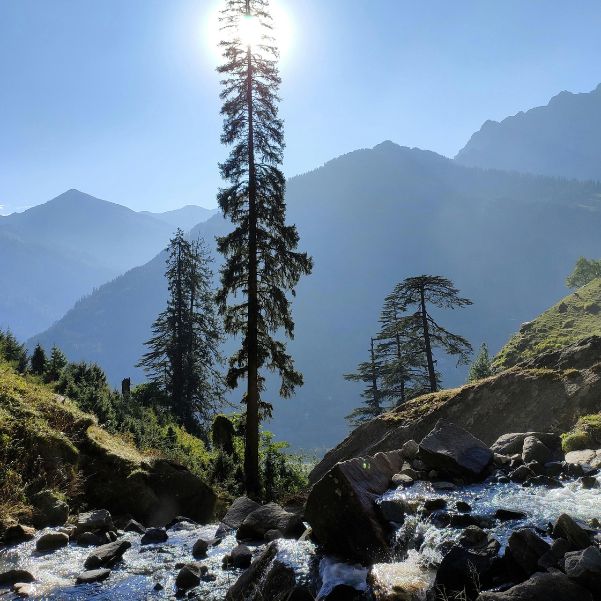
Relaxed version
Drop Jogini Waterfall entirely. Cut the evening walking on Day 2. Keep Day 5 completely free so a road closure on Day 3 does not wreck the trip.
Use private transport rather than shared. The value is not comfort, it is control. You leave when you want and you can turn back when the weather changes.
This shape matches our Manali Solang Sissu Scenic Escape 5D/4N at https://travelcoffee.in/packages/manali-solang-sissu-scenic-escape-5d4n.
The page footer showed a starting price of ₹21,999 per person during research, while a different selector on the same page showed a ₹15,999 option. These conflict, so confirm which package variant is active before you compare it with anything else.
Family version
Keep Hadimba, easy local sightseeing, the Solang viewpoints rather than the activity area, the Atal Tunnel, Sissu and Naggar.
Build in extra meal stops, washroom stops and rest breaks. Mountain roads are harder on children and seniors than the distance suggests.
Avoid driving after dark and drop the optional walks. Nobody enjoys a forced march at 6 PM.
This maps to our Classic Manali Solang Sissu Experience 5D/4N at https://travelcoffee.in/packages/classic-manali-solang-sissu-experience-5d4n, which showed a starting price of ₹15,999 per person.
Read that one carefully. The package lists two hotel nights in Manali and counts travel days, so compare it against how many destination nights you actually want before booking.
Adventure version
Add Sethan, or spend a full morning on whatever Solang activities are running in your season instead of a quick stop.
Six days works far better here. Squeezing snow activities, Sissu and Naggar into five days means you rush all three.
This matches our Manali Solang Sissu Sethan Snow Adventure 6D/5N at https://travelcoffee.in/packages/manali-solang-sissu-sethan-snow-adventure-6d5n.
The footer showed ₹15,999 per person while a separate six day selector showed ₹25,999. These conflict, so treat neither as guaranteed and confirm the current rate.
Budget and compact alternatives
Two faster options exist if you are fine with shared transfers or fewer destination nights.
Manali Solang Sissu Budget Trip 5D/4N at https://travelcoffee.in/packages/manali-solang-sissu-budget-trip-5d4n showed ₹13,999 per person.
Weekend Manali Getaway from Delhi 5D/4N at https://travelcoffee.in/packages/weekend-manali-getaway-from-delhi-5d4n showed ₹10,999 per person.
Compare four things before you pick any of these. Actual hotel nights in Manali, private versus shared transport, what sightseeing is included, and whether travel days are counted as trip days.
Should You Choose 4 Nights 5 Days or 5 Nights 6 Days?
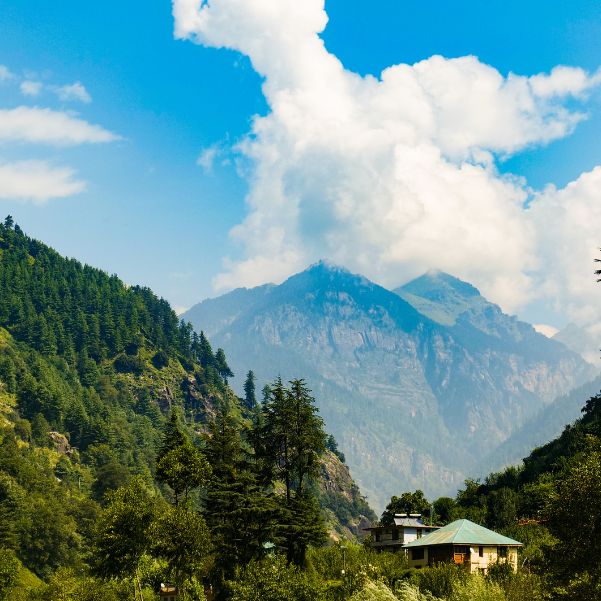
Choose four nights and five days if you want Manali town, the Solang and Sissu run, and Naggar, and you genuinely get four nights at the destination. That covers everything in this plan with room to breathe.
Choose five nights and six days if Rohtang Pass matters to you, if you want Sethan, if you are travelling with children or elderly parents, or if you are visiting in a season where roads close without warning.
The extra night is the cheapest insurance you can buy on this trip. It costs one hotel night and it saves you from cramming two mountain routes into one day, which is where most trips go wrong.
How Should the Itinerary Change by Season?
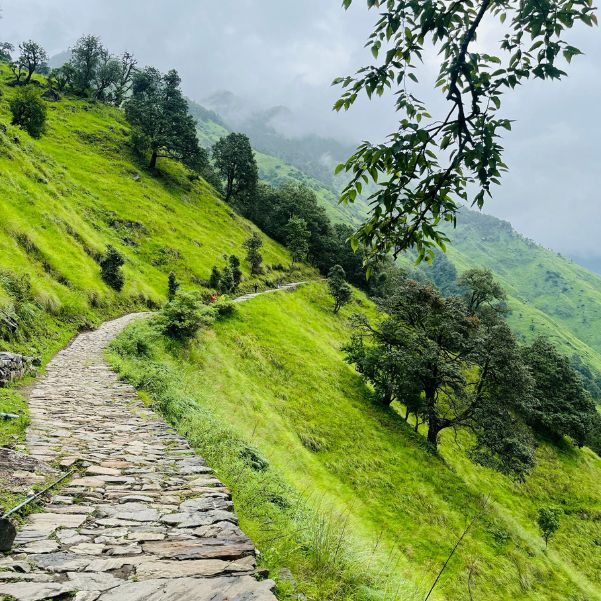
Winter version
Snowfall can close or restrict Solang, the Atal Tunnel, Sissu and the Sethan road at short notice.
We are not promising snow at any specific place on any specific date. Some Januarys, Solang is white and the tunnel is shut. Some Januarys, the reverse.
Follow what the police, the district administration and your hotel tell you. Local staff usually know about a closure hours before it appears anywhere online.
For context on how the passes behave early in the year, our notes on Rohtang Pass in March are worth a read.
Late spring and summer version
Rohtang Pass may become an option once snow clearance finishes and the administration starts issuing permits.
We are not giving you an annual opening date, because there isn't one. It shifts with the winter.
Expect heavy traffic on weekends and around long holidays. Our take on Rohtang Pass in April covers what the transition period usually looks like.
Monsoon version
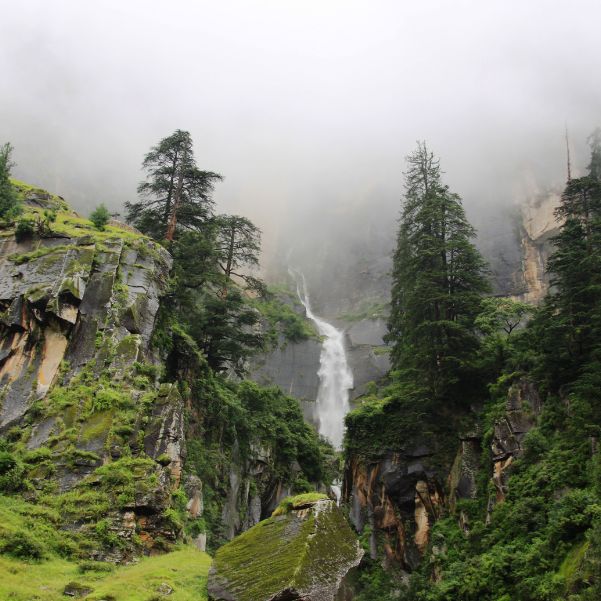
Rain, landslide risk and roadwork can shut mountain routes without notice in monsoon.
Keep Day 5 completely empty as a buffer. Do not plan anything on it.
And do not walk to waterfalls during or just after heavy rain. Jogini and Jana both sit below slopes that shed rock when saturated.
If you're travelling during the rains, don't miss our detailed Rohtang Pass in August guide for the latest weather, road conditions and travel tips.
What Permits or E-Tickets May Be Needed in 2026?
These are two separate systems and people constantly mix them up.
The Rohtang permit is for going over Rohtang Pass on the old road. Lahaul entry through the Atal Tunnel is handled separately through e-Aagman.
The official Rohtang portal at https://rohtangpermits.hp.gov.in/Home/InformatoryScreen currently lists a tourism permit fee of ₹500 per vehicle.
The congestion charge is currently listed as ₹50 for a car, jeep or MUV and ₹100 for a bus or heavy vehicle. Confirm the applicable charge for your vehicle category on the booking page.
The daily quota is currently listed as 800 petrol vehicles and 400 diesel vehicles, with permit release windows at 10:00 AM and 4:00 PM. Availability depends on the live quota shown for your travel date.
The portal currently allows permits to be issued for the next two days. Check the booking calendar directly because the advance-booking window may change.
The permit is valid for one day and the printout is compulsory. A screenshot on your phone is not accepted.
Here is a scam warning worth taking seriously.
Agents in Manali will offer to "arrange" a Rohtang permit for a few thousand rupees when the quota is full. The permit is tied to your vehicle registration and your ID.
Whatever they hand you either will not match your vehicle or does not exist. Book it yourself on the portal at the release time.
Rohtang opening dates, maintenance restrictions and permit availability are operational decisions that change. We are not repeating old claims about fixed weekly closures unless the current portal confirms them, and neither should anyone else.
How Much Does a Five-Day Manali Trip Cost?
There is no honest single number for a DIY trip, so we will not invent one.
Your total depends on how you reach Manali, how many hotel nights you book, what hotel category you pick, whether your vehicle is shared or private, whether meals are included, and which optional activities you do.
Those variables swing the total more than anything else.
On the package side, the prices recorded at the time of writing were ₹21,999 for the Scenic Escape, ₹15,999 for the Classic Experience, ₹15,999 for the Snow Adventure, ₹13,999 for the Budget Trip and ₹10,999 for the Weekend Getaway.
Check the live package pages before booking because prices, inclusions and seasonal offers may change.
They differ for real reasons. The Scenic Escape leans on private transport and pacing. The Classic Experience balances cost with a family friendly route.
The Snow Adventure runs six days because it adds Sethan and seasonal activities. The Budget Trip and Weekend Getaway cut cost by using shared transport or fewer destination nights.
Money saving tip
Travelling in the first half of June or the second half of September gets you the same routes at noticeably lower hotel rates than July or peak snow season, because you are outside the rush.
Where Should First-Time Visitors Stay in Manali?
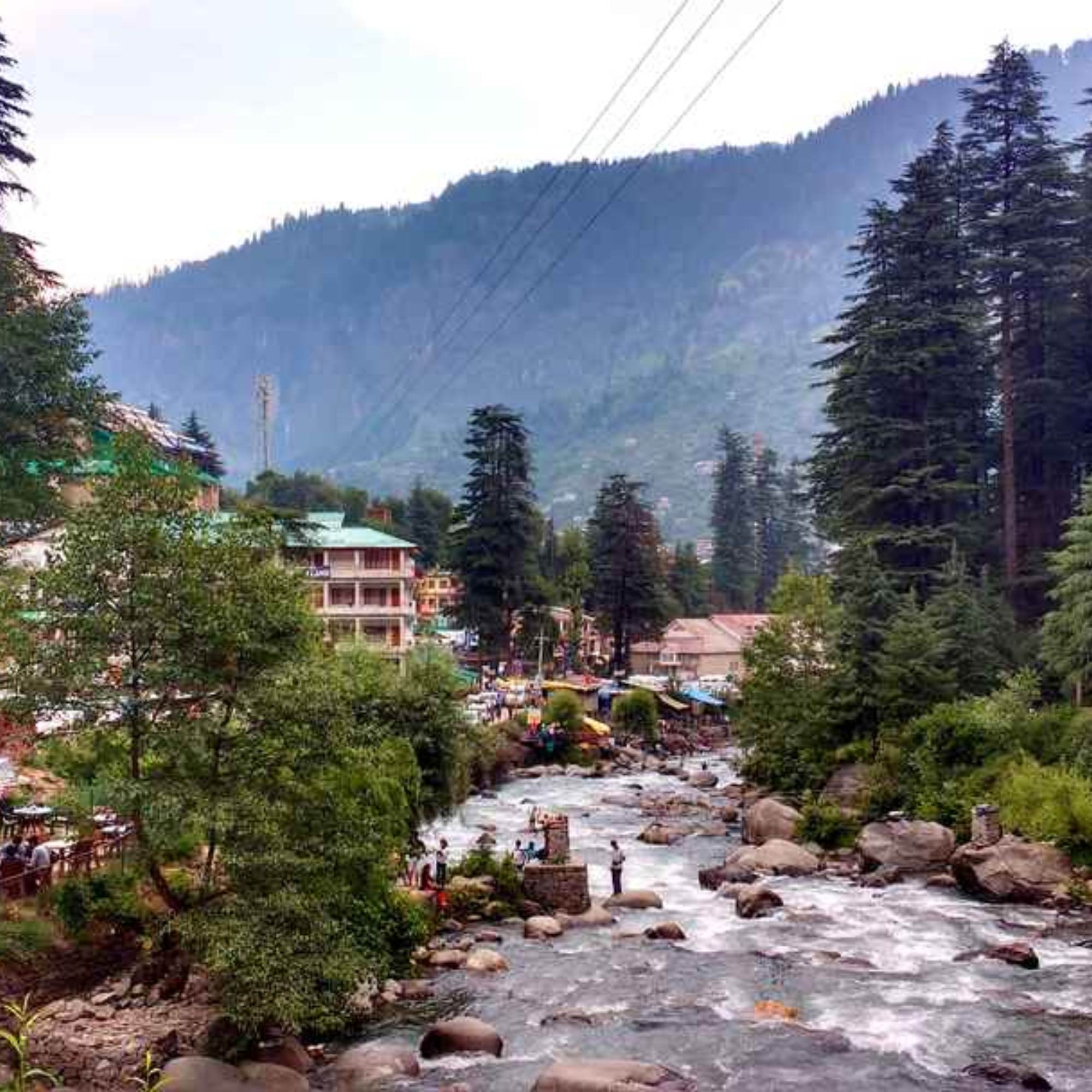
Mall Road and Aleo work best for first timers and families. You are central, you can walk to food, and taxis are easy to find.
Old Manali has the cafés and the atmosphere. It also has steep slopes, narrow lanes and traffic that jams solid in season.
If your group includes anyone with knee trouble or a heavy suitcase, think twice. Some Old Manali stays involve a real climb from the road.
Vashisht is quieter and feels more like a village. It is less central, so every outing starts with a drive down.
What matters more than the area name is the practical stuff. Can a car reach the door, how many stairs are there, is there parking, and how far is the property from the main road.
We are not naming hotels here because we have not verified current conditions at specific properties for this article. Ask those four questions of any place you shortlist.
How to Reach Manali and Travel Between Sightseeing Areas
Most people arrive on an overnight Volvo from Delhi. Private cabs and self drive are the other options.
We are not quoting fares, because bus and cab rates change with season, fuel and demand.
For Sissu and Naggar, use an experienced local driver if you are not used to mountain roads. The Atal Tunnel approach and the Naggar link road both have sections that punish hesitation, and a driver who knows them saves you an hour and a lot of stress.
Driving times shift with traffic, snow, rain, roadwork, checkpoints and holiday crowds. Treat all journey times as estimates and confirm current road conditions before setting out.
Plan by daylight instead. Leave early, be back before dark.
What to Pack for a Five-Day Manali Trip
Layers beat one heavy jacket. Mornings and evenings are cold, midday sun can be warm, and you will be adding and removing clothes all day.
Bring shoes with actual grip. Old Manali lanes, the Vashisht slopes and the Naggar castle steps are all uneven.
Sun protection matters more than people expect at this altitude. Sunscreen, sunglasses, lip balm.
Carry your own medication, especially anything prescription, and a water bottle you refill rather than buying plastic all week.
Pack one extra warm layer specifically for Sissu. The other side of the tunnel is colder and windier than Manali, and people who dressed for Manali regret it every time.
If you get carsick on winding roads, sort that out before you leave Delhi. The Kullu to Manali stretch and the Solang road both have long sections of continuous curves.
Common Mistakes to Avoid
The biggest one is counting overnight travel as a sightseeing day. An eleven hour bus is not Day 1. It is transit, and your body will remind you.
The second is trying to combine Sissu, Rohtang Pass and Naggar. We get this request constantly and we say no every time. They are three different directions and three different road conditions.
The third is assuming snow because of a photo you saw online. That picture might be from February 2023. Snow at Solang varies enormously week to week and nobody can promise it.
Fourth, do not prepay for weather dependent activities from Delhi. Paragliding, skiing and snow scooters all shut down without warning and getting a refund from a distance is painful.
Fifth, people forget checkout time, luggage storage and bus reporting on departure day, then panic. Sort all three the night before.
And last, do not pick a package by the number in the title. Count the Manali hotel nights. A 5D/4N with two Manali nights and a 5D/4N with four Manali nights are completely different trips at similar prices.
The Version We Would Book
If this is your first trip and you have four real nights in Manali, the plan above is complete. Manali town, Solang, the tunnel, Sissu and Naggar, with a day in reserve.
If you want Rohtang, if you are moving at family pace, or if you are travelling in a month where roads close, add the night. Five nights and six days is the version we book for our own families.
Either way, the thing that ruins a manali itinerary for 5 days is not the route. It is counting bus rides as travel days and then wondering where the time went.
Count your Manali nights first. Everything else follows from that.
Explore Our Curated Manali Tour Packages
 6D/5N
6D/5NManali Solang Sissu Sethan Snow Adventure
1D Delhi•3D Manali+2
₹15,999₹21,999SAVE INR 6,000/ person 6D/5N
6D/5NManali Solang Sissu Sethan Snow Trip With Kasol
1D Delhi•3D Manali+2
₹25,999₹33,999SAVE INR 8,000/ person 7D/6N
7D/6NManali Kasol Jibhi Valley Trip
1D Delhi•2D Manali+3
₹25,799₹32,999SAVE INR 7,200/ person
Related topics
Frequently Asked Questions
Is Five Days Enough for a Manali Trip?
Yes, if you stay four nights in Manali. This gives enough time for local sightseeing, Solang Valley, Sissu and Naggar without rushing.
What Is the Best Manali Itinerary for 5 Days?
Day 1 arrival, Day 2 local sightseeing, Day 3 Solang–Atal Tunnel–Sissu, Day 4 Naggar and Day 5 leisure or departure. Rohtang or Sethan can replace the flexible final day.
What Places Can Be Visited in Manali in Five Days?
You can cover Hadimba Temple, Old Manali, Vashisht, Mall Road, Solang Valley, Atal Tunnel, Sissu and Naggar. Rohtang, Sethan or waterfalls can be added if time and conditions allow.
Can Solang Valley, Atal Tunnel and Sissu Be Covered in One Day?
Yes. Start early, visit Solang first and then continue through the Atal Tunnel to Sissu before returning to Manali.
Is Sissu Worth Visiting from Manali?
Yes. Sissu offers open valleys, mountain views and a waterfall viewpoint, with a very different landscape from Manali and Solang.
Which Is Better for a First Trip, Sissu or Rohtang Pass?
Sissu is usually easier and more reliable because it remains accessible for longer and does not require a Rohtang tourism permit. Rohtang needs a separate day and seasonal access.
Is a Permit Required for Rohtang Pass?
Yes. Tourist vehicles need a date-specific permit, valid ID, PUC certificate and an eligible vehicle. Check the official Rohtang permit portal for current fees, quotas and rules.
Is an E-Ticket Required to Visit Sissu?
Travel requirements can change based on current district rules. Check the official e-Aagman portal and Lahaul-Spiti road advisory before travelling.
Is This Itinerary Suitable for Families with Children or Senior Citizens?
Yes, with fewer walking stops, regular breaks and no late-night driving. Five nights and six days is more comfortable for families and elderly travellers.
Can Naggar Be Covered in Half a Day?
Only the main castle can be covered quickly in half a day. Keep a full day for Naggar Castle, the Roerich Estate, Gauri Shankar Temple and lunch.
How Much Does a Five-Day Manali Trip Cost?
The cost depends on hotel category, transport, meals, departure city and activities. Compare the number of hotel nights and inclusions before choosing a package.
Should I Book Four Nights and Five Days or Five Nights and Six Days?
Four nights are enough for the main Manali, Solang, Sissu and Naggar circuit. Choose five nights for Rohtang, Sethan, family travel or extra weather flexibility
More about Manali
 Manali
What Happens If Snowfall or Road Closures Affect Your Manali Trip in 2026? Refunds, Rescheduling and Plan B
Learn what to do if snowfall or road closures disrupt your Manali trip in 2026, including refund rules, rescheduling options and practical backup plans.
- Manali
How to Choose the Best Manali Tour Operator in 2026: 15 Questions to Ask Before Booking
Choosing the right Manali tour operator in 2026 can make your trip smoother, safer and easier to manage. Check registration, package inclusions, hotel details, transport arrangements, cancellation terms and local support before you book.
- First-Time Travellers
 Manali
How Many Days Should You Book for a Manali Tour Package in 2026? 3N/4D vs 4N/5D vs 5N/6D
Not sure how many days to book for Manali? Compare 3N/4D, 4N/5D and 5N/6D packages to find the right trip length for your sightseeing plans and travel style.
- Itinerary
- First-Time Travellers