
Manali Itinerary for 4 Days in 2026: Solang, Sissu, Rohtang or Naggar with Plan B Options
If you are searching for a manali itinerary for 4 days, here is the honest truth most blogs will not tell you.
You cannot do Solang, Sissu and Rohtang all in one trip without exhausting yourself and still missing half of it. The plan that actually works picks one big excursion for Day 3 and keeps the rest light.
We run trips on these exact roads every season. Over the years we have watched travellers arrive with a packed plan, hit a road closure on Day 3, and panic because they had no backup.
This guide by Travel Coffee fixes that.
Quick Answer: What Is the Best 4 Day Manali Itinerary?
Four days are enough for a solid first trip if you choose only one major excursion for Day 3.
Here is the simple version. Day 1 is local Manali and rest. Day 2 is Solang Valley. Day 3 is your one big choice: Sissu, Rohtang or Naggar. Day 4 is a relaxed local morning and departure.
Naggar is your reliable fallback. When permits, snow or high roads block the fancy options, Naggar always works. It sits lower, needs no permit, and gives you a proper heritage day instead of a wasted one.
If you want someone to handle the logistics and adjust the plan around live road status, our customised Manali tour packages come with a local driver and a team that actually picks up the phone.
What Is the Best Manali Itinerary for Four Days?
The right version depends on how many nights you have and how tired you arrive.
Four Days and Three Nights Version
Your arrival and departure days both count inside these four calendar days. So two of your four days are partly eaten by travel.
Keep both those days light. This matters most if you reached Manali on an overnight bus and slept badly on winding roads.
We tell every traveller the same thing. Do not plan a big sightseeing push on the day you arrive. Your body needs a few hours to settle.
Four Nights and Five Days Version
One extra night gives you one full extra day. That single day changes the whole trip.
Use it for Naggar if you already spent Day 3 on Sissu or Rohtang. Or keep it empty as a weather buffer.
In our experience, the buffer day is the smartest booking anyone makes here. Roads in this region do not care about your return ticket.
How Are Solang, Sissu, Rohtang and Naggar Different?
People mix these four up constantly. They are very different trips with different risks.
Solang Valley
Solang Valley is about 13 kilometres from Manali. It is the most practical fixed stop in this whole itinerary because it rarely gets blocked and needs no permit.
Snow, paragliding, ziplines and other activities change by month, weather and which operator is running that day. Do not assume what you saw in a photo will be there when you go.
Sissu via Atal Tunnel
Sissu sits in Lahaul, on the far side of Atal Tunnel. You reach it through the tunnel, not by driving over Rohtang Pass.
Sissu is about 3,130 metres above sea level. Before you plan it, check the official Manali to Keylong road status and the current e-Aagman entry process, because both can change fast.
Rohtang Pass
Rohtang Pass is a completely separate excursion on the old pass road. It is about 51 kilometres from Manali and around 3,978 metres above sea level.
You need a tourism vehicle permit for it. Access can open in stages, meaning "open" might only mean partway up, not all the way to the top.
Naggar
Naggar was a former capital of Kullu. This is your calm, low-altitude heritage day.
You get Naggar Castle, now run as a tourist lodge, the Roerich estate area, and quiet village lanes. This is a slow day, not a snow day. That is exactly its strength.
Day 1: Arrival and Relaxed Manali Local Sightseeing
The first day is about landing softly, not cramming.
Morning or Afternoon Arrival Plan
Check in first and rest. Do not rush out the second you drop your bags.
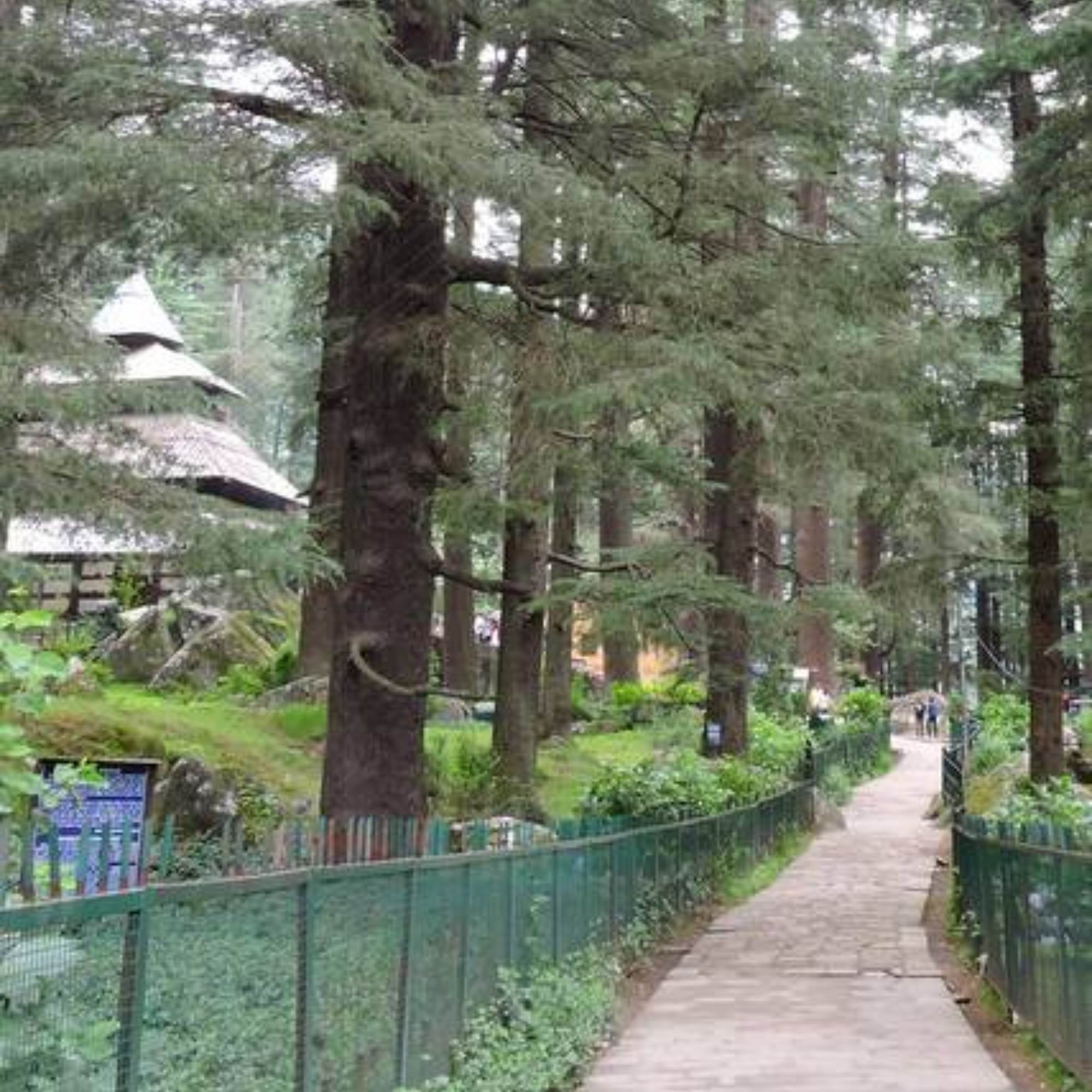
Once you feel human again, ease into Hadimba Temple, the quiet Dhungri forest around it, and Old Manali for its cafés and slow pace.
The walk through the deodar forest to Hadimba is short and shaded, and the wooden temple is genuinely old, not a rebuilt tourist prop.
Evening Around Mall Road
Spend the evening walking Mall Road, having dinner, and doing a little shopping. That is enough for Day 1.
Do not stack four attractions onto a tired first evening. You will not enjoy any of them.
Plan B for a Late Arrival
If your bus rolls in late or you arrive drained, keep Day 1 to just Mall Road and whatever is nearby.
Push Hadimba and Old Manali to Day 4 instead. Nothing here rewards rushing.
Day 2: Solang Valley and the North Manali Route
Day 2 is your dependable excursion. This is the one that almost always happens.
Morning Drive to Solang Valley
Solang Valley is about 13 kilometres from Manali. During busy months, leave early, because the road fills up with day-trippers and the parking chaos is real.
We will not give you a fixed drive time. Traffic here swings wildly, and any number I quote would be a lie half the days of the year.
What to Do at Solang
You get open valley views, seasonal snow in winter, short walks, and adventure activities like paragliding and ropeway rides when they are running.
Always confirm an activity is actually operating that day, and fix the price before you hand over any money. This one habit saves people the most grief.
Here is the honest negative. On peak days Solang turns into a crowded, muddy carnival with pushy touts. Come early and you dodge most of it. Come at noon in season and you will fight for space.
For the full breakdown of what is worth doing, read our guide to adventure activities in Manali.
Optional Nearby Stops
Nehru Kund is about 6 kilometres from Manali and makes an easy roadside pause. Palchan sits along the same route and works as a quick stop if you feel like it.
Do not treat these as major sights. They are pleasant breaks, nothing more.
Plan B When Solang Access Is Restricted
If Solang is blocked, swap in Vashisht, Hadimba, Old Manali and Mall Road. Vashisht is about 3 kilometres from Manali and has hot springs and old temples.
Never follow random "secret snow point" detours that touts push when the main route is shut. Those unofficial spots are how people get stuck or scammed.
Which Day-Three Option Should You Choose?
Pick one. Sissu, Rohtang or Naggar. Not all three.
Trying to combine them creates a rushed, stressful day and ignores that each has different roads, different permits and different weather risks. You would spend the whole day in a car and enjoy none of it.
The right choice depends on the season, the current road status, and whether anyone in your group struggles with altitude.
Option A: Sissu and Atal Tunnel
The Atal Tunnel is 9.02 kilometres long. Its south portal is about 25 kilometres from Manali, and the north portal sits near Teling and Sissu in Lahaul Valley.
The tunnel bypasses Rohtang Pass entirely. That is why Sissu is often reachable even when the old Rohtang road is not.
At Sissu you get a short village visit and the waterfall. The Sissu waterfall is visible across the river, and a suspension bridge takes you toward it. Keep the return to Manali unhurried.
The current e-Aagman portal says vehicles entering Lahaul and Spiti must apply through its e-pass system, with route-based e-permit or e-ticket categories. The exact requirement changes, so confirm it before you go.
Here is the part people forget. An all-weather tunnel does not mean guaranteed tourist access. Movement can still be stopped after snowfall, avalanche danger, traffic restrictions or security orders.
Your Plan B here is simple. If Sissu is shut, swap in Naggar or a local Manali day. If you want the logistics handled, look at our Sissu tour packages.
Option B: Rohtang Pass
Rohtang is the classic snow-pass day, but it comes with the most paperwork.
The current official tourism permit fee for a car, jeep or MUV is ₹500, plus a ₹50 congestion charge. Check the live booking portal before payment because government charges may change.
The official daily quota is currently 800 petrol vehicles and 400 diesel vehicles.
The portal releases permits at 10:00 AM and 4:00 PM and currently allows applications for the next two days. Confirm the live quota, release schedule and booking window before applying.
You need valid ID, a valid PUC certificate and vehicle registration details. The vehicle cannot be more than ten years old under current rules, and a printed permit is compulsory.
Permits are quota-based and first come, first served. And the official FAQ says an issued permit cannot be cancelled, so book only when you are sure of your date.
Now the reality check on "open." An early May 2026 order permitted vehicles only as far as Marhi. A later order extended travel to kilometre 46.35 near Rahni Nallah. So "road open" often meant partial access, not the exact top.
We will not print a fixed 2026 opening date. Reports conflict every year, and district orders are the only thing that matters.
About the Tuesday myth: an early May 2026 closure applied only until 19 May for roadwork, while the permit portal showed no active maintenance day when this article was researched.
Do not assume Rohtang is closed every Tuesday; check the latest dated district orders and live permit portal before travelling.
For seasonal detail, see our guides on Rohtang Pass in August, Rohtang Pass in September and Rohtang Pass in October.
Your Plan B for Rohtang is Sissu, but only when the tunnel route is officially open and your registration is done. Otherwise, go with Naggar.
Option C: Naggar Heritage Day
Naggar was a former capital of Kullu, and it makes a lovely slow day.
You wander Naggar Castle, which was converted into a tourist lodge, walk through the Roerich estate area, stroll old village lanes, and take an unhurried lunch with valley views.
This option shines for families, seniors and anyone who wants less altitude and less driving. It is calm, cultural and rarely blocked.
One honest caveat. Naggar is dependable, but it is not completely weather-proof. Heavy rain or a landslide on the approach road can still cause delays.
Which Day-Three Option Works in Each Season?
The season decides your realistic choice more than anything else.
Winter
Build your plan around local Manali, Solang and Naggar. These carry you through winter reliably.
Add Sissu only after the official road and police advisory clearly allow tourist movement. Do not treat Rohtang as a winter excursion at all.
Early Spring
Lean on Solang and Naggar as your dependable base. Treat Sissu as conditional on road status.
Treat Rohtang as unavailable unless the district administration and permit portal confirm tourist access. Early spring is too unpredictable to promise it.
Late Spring and Early Summer
Rohtang may open, but only after official clearance and permit activation. Do not book around a rumour.
When the Manali to Keylong route is open, Sissu becomes a strong alternative. This is the window where you get the most Day 3 choice.
Monsoon
Prioritise shorter drives and flexible local or Naggar plans. Rain, landslides and traffic management can shut roads with little warning.
We tell monsoon travellers to keep expectations loose and a buffer day ready. The valley is green and gorgeous, but the roads test your patience.
Autumn
Sissu or Rohtang can both work while their routes stay officially open. The clear autumn light is some of the best of the year.
But watch the calendar. Fresh snowfall later in the season can trigger sudden restrictions with no notice.
Day 4: Leisure Morning and Departure
The last day is for loose ends and a calm exit.
Standard Four-Day Plan
Use Vashisht, Hadimba, Old Manali or Mall Road to catch anything you missed earlier. Keep it light.
Leave a generous buffer before your departure. Do not book a long excursion on the day you leave, because one road delay and you miss your bus or flight.
Four-Night, Five-Day Variation
With the extra full day, slot in Naggar if Day 3 went to Sissu or Rohtang. That balances a high day with a slow heritage day.
Or simply hold that day as a weather buffer. Given how these roads behave, that is often the wiser call.
What Is the Best Plan B When Roads Close?
Roads close here. Not sometimes. Regularly. A good plan has answers ready.
Rohtang Permit Unavailable
Switch to Sissu, but only after checking the tunnel route and the current e-Aagman requirement. If either is unclear, choose Naggar.
Naggar never needs a permit, which is exactly why it saves so many trips.
Sissu Road Closed
Replace it with Naggar Castle and the heritage circuit. It fills the day nicely without any high-altitude risk.
If weather is hitting the valley roads too, fall back to a full local Manali day instead.
Solang Access Restricted
Use Vashisht, Hadimba, Old Manali and Mall Road. There is plenty here to fill a good day.
Do not chase unofficial snow routes. They are unsafe and usually a tout trap.
Severe Weather Affects Every Excursion
Some days the mountains just say no. On those days, take a rest day. Sit in a café, do short local walks, keep sightseeing flexible.
Forcing a mountain drive in bad weather is the single worst decision travellers make here. A cosy day in Old Manali beats a scary drive every time.
How Much Does a Four-Day Manali Trip Cost?
I will not hand you a fake total budget. Anyone who quotes one number without knowing your dates is guessing.
Your cost depends on travel month, hotel category, private versus shared transport, your departure city, which Day 3 excursion you pick, and any paid activities.
The one researched price I can give is the Rohtang permit: ₹500 plus a ₹50 congestion charge for a car, jeep or MUV. Check the live permit portal before payment because government charges may change.
Where Should You Stay for This Itinerary?
Central Manali or the Mall Road area is the most convenient base for a short sightseeing trip. Everything is close and cabs are easy to grab.
Old Manali suits travellers who want cafés, a younger crowd and a slower evening vibe. It is a short ride from the main town.
The quieter outskirts have nice resort stays, but they add local driving to every plan. Factor that in before you fall for a pretty photo of a remote property.
What Permits and Road Checks Are Needed in 2026?
The Rohtang permit is vehicle-based and completely separate from the Lahaul entry process. Do not confuse the two.
Check the Rohtang permit portal before planning that excursion. Check the e-Aagman portal before entering Lahaul for Sissu.
Check the official Lahaul and Spiti road-status page the evening before travel and again on the morning you leave. Conditions genuinely change overnight here.
At the time of research, the official road-status page showed the Manali-Keylong route as open. Treat that as a dated update and check the latest status again before travelling.
Is This Manali Itinerary Suitable for Couples, Families and Seniors?
It adapts well to all three, with small tweaks.
Couples can lean into café time, slow Old Manali evenings and a relaxed Naggar day for a romantic pace.
Families should pick only one long excursion and keep everything else easy. Kids fade fast on long mountain drives, and a single big day is plenty.
For seniors or anyone wanting less altitude and road time, Naggar or a local sightseeing day is the sensible choice. We do not declare any high-altitude spot safe for everyone, and how your body handles altitude is personal, so plan around your own group honestly.
Common Mistakes in a Four-Day Manali Plan
The biggest one is trying to complete Solang, Sissu and Rohtang in a single day. It does not work, and people who try it spend the whole time in a car.
Another is assuming a tunnel means guaranteed winter access. Atal Tunnel is a strategic all-weather link, but tourist movement still gets suspended.
People also book non-refundable activities before checking weather, then lose the money when the road shuts. And they trust predicted Rohtang opening dates instead of actual district orders.
Two more. Using departure day for a long excursion is asking to miss your ride home. And publishing or relying on old permit fees or a permanent Tuesday rule leads to bad planning. Check the live portal every time.
Final Recommendation
The best balanced four-day plan is simple. Local Manali on Day 1, Solang Valley on Day 2, one season-appropriate choice among Sissu, Rohtang or Naggar on Day 3, and an easy final morning before departure.
Naggar is your safety net whenever permits or high roads fall through. Build your plan around what is actually open, not what you hoped would be.
Our Himachal-based team lives with these roads every season and can swap your Day 3 excursion after checking live status, so you never lose a day to a closure.
If you want help locking a plan that bends with the weather, WhatsApp us and we will sort the details.
Explore Our Curated Manali Tour Packages
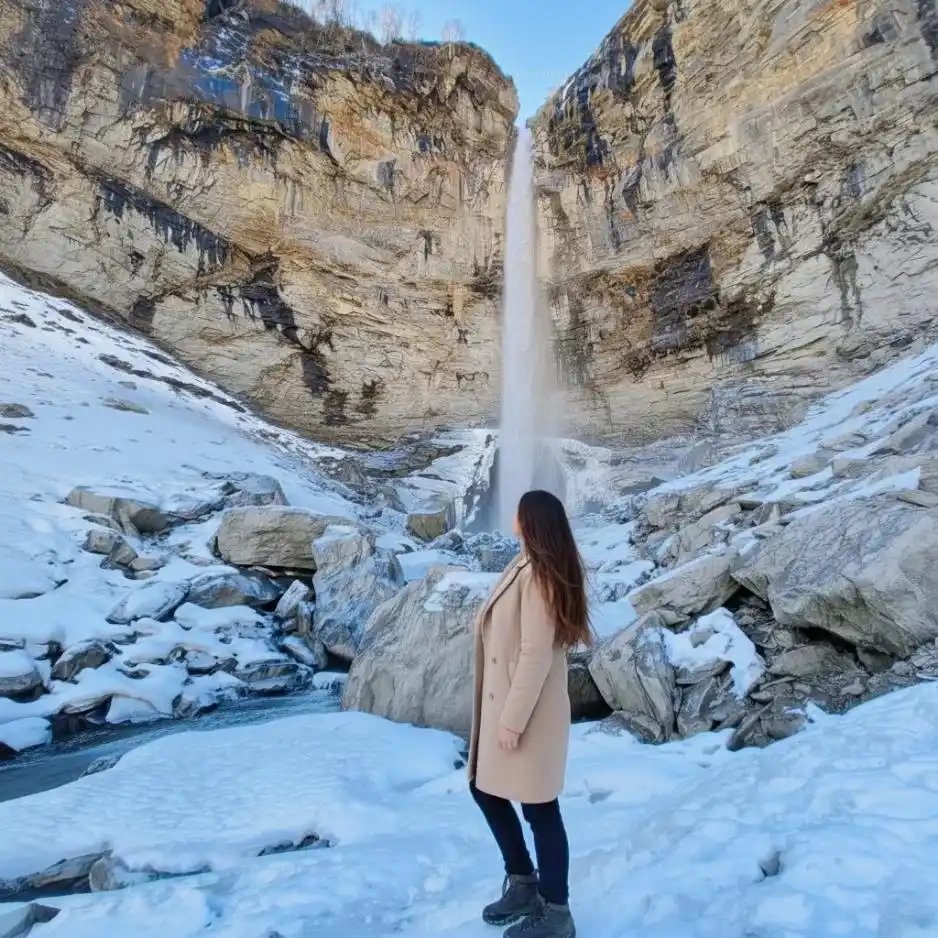 6D/5N
6D/5NManali Solang Sissu Sethan Snow Adventure
1D Delhi•3D Manali+2
₹15,999₹21,999SAVE INR 6,000/ person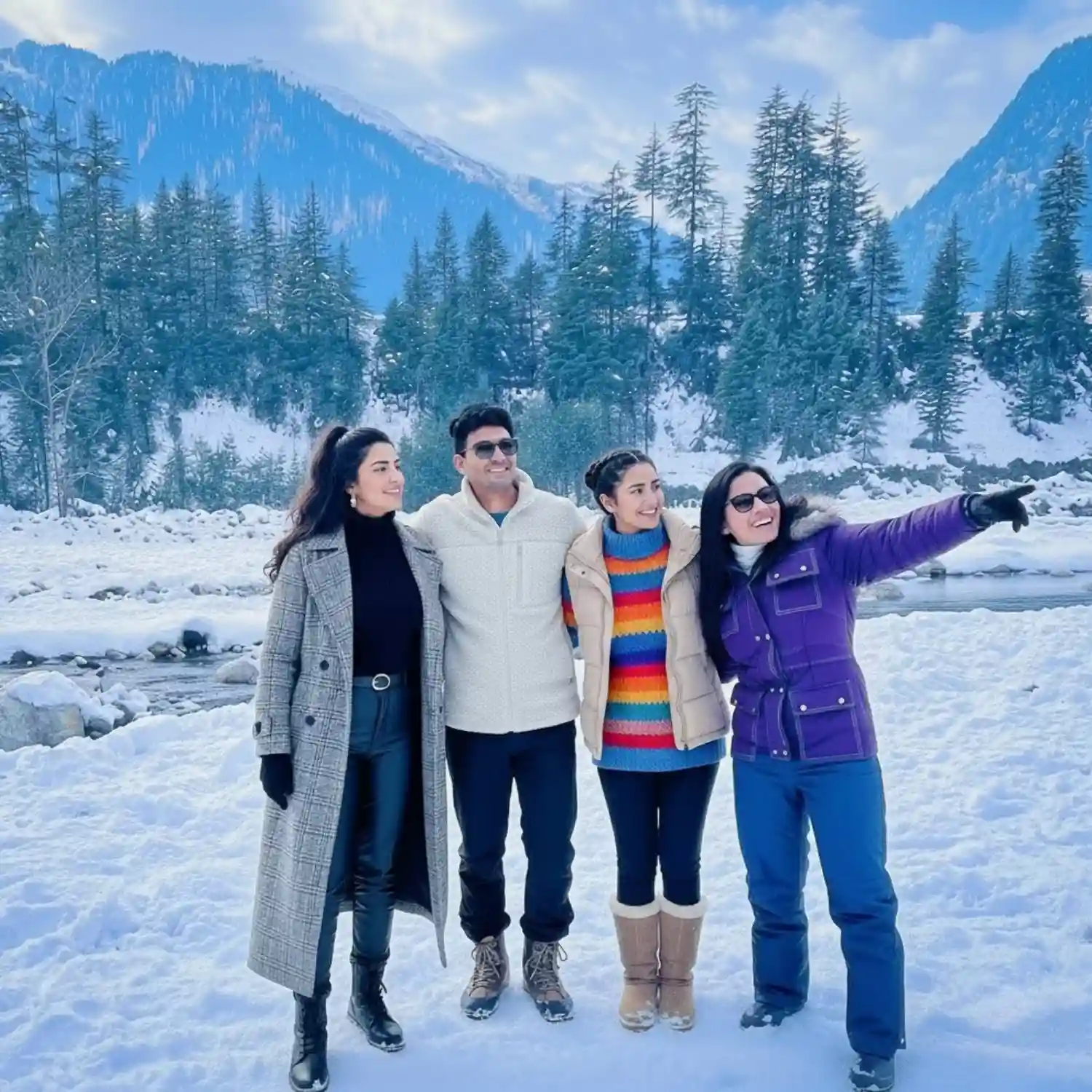 6D/5N
6D/5NManali Solang Sissu Sethan Snow Trip With Kasol
1D Delhi•3D Manali+2
₹25,999₹33,999SAVE INR 8,000/ person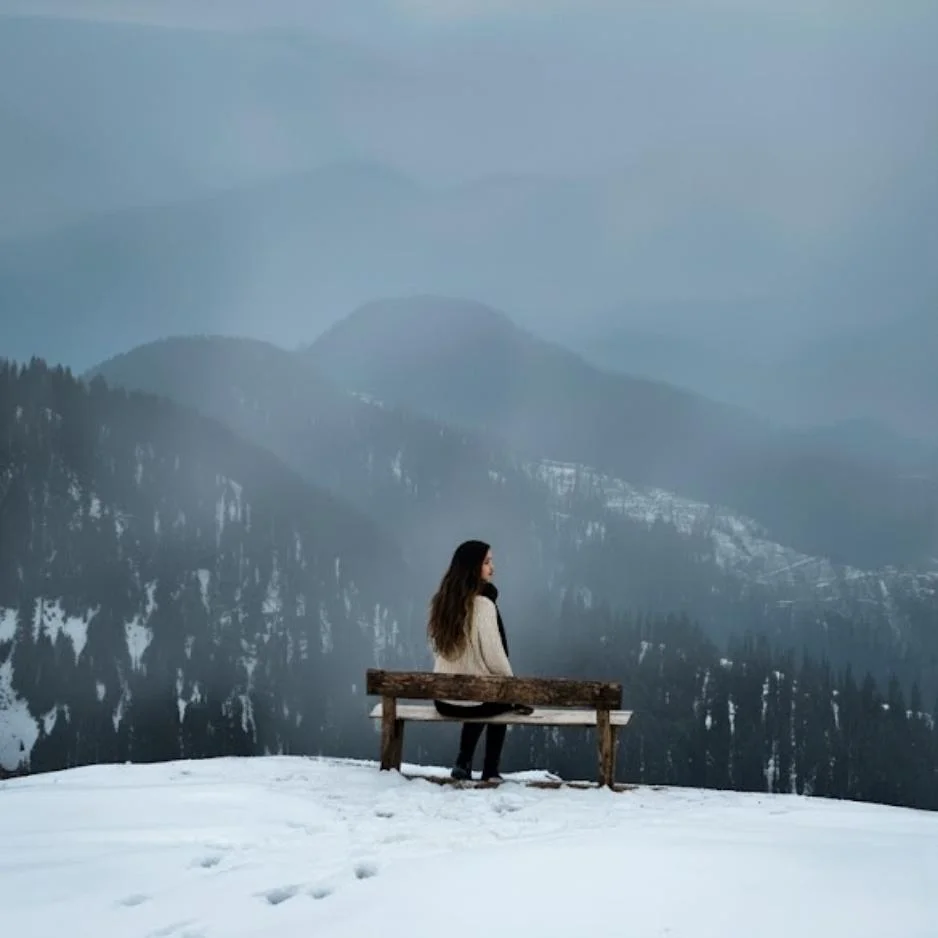 7D/6N
7D/6NManali Kasol Jibhi Valley Trip
1D Delhi•2D Manali+3
₹25,799₹32,999SAVE INR 7,200/ person
Related topics
Frequently Asked Questions
Is Four Days Enough for Manali?
Yes. Four days are enough for local Manali, Solang Valley, one major excursion and a relaxed departure day. Avoid combining multiple long trips.
What Is the Best Four-Day Manali Itinerary for First-Time Visitors?
Day 1 local sightseeing, Day 2 Solang Valley, Day 3 Sissu, Rohtang or Naggar, and Day 4 leisure and departure. Choose Day 3 based on weather and road status.
Can Solang Valley and Sissu Be Covered in One Day?
They can be combined with an early start, but the day may feel rushed during heavy traffic. Separate days are better if you want more time at each place.
Can Solang Valley and Rohtang Pass Be Covered in One Day?
It is not recommended. Rohtang is a permit-based full-day excursion, so combining it with Solang can make the trip tiring and rushed.
Which Is Better for Day 3, Sissu or Rohtang Pass?
Sissu is usually easier to plan, while Rohtang offers the classic high-pass experience when open. Check road conditions, permits and weather before deciding.
Do I Need a Permit for Rohtang Pass?
Yes. Tourist vehicles need a date-specific permit, valid ID, PUC certificate and vehicle documents. Check the official portal for current fees and quotas.
Is Registration Required for Sissu and Atal Tunnel?
Entry requirements can change depending on current district rules. Check the official e-Aagman portal and Manali–Keylong road status before travelling.
Is Rohtang Pass Open Throughout the Year?
No. Rohtang opens seasonally after official road clearance and may sometimes allow only partial access. It is generally unavailable during winter.
What Should I Visit When Rohtang Pass Is Closed?
Naggar is a reliable alternative with its castle, Roerich Estate and village lanes. Sissu is another option when the Atal Tunnel route is officially open.
Is Naggar Worth Visiting During a Four-Day Manali Trip?
Yes. Naggar offers heritage attractions, peaceful village views and less driving than high-altitude excursions, making it suitable for families and senior travellers.
Is a Four-Night, Five-Day Manali Itinerary Better?
Yes, especially when road or weather delays are possible. The extra day can be used for Naggar, leisure or as a flexible weather buffer.
Is This Itinerary Suitable for Children and Senior Citizens?
Yes, with fewer stops, shorter drives and regular breaks. Choose lower-altitude places like Naggar or local Manali if anyone is uncomfortable with long mountain journeys.
More about Manali
 Manali
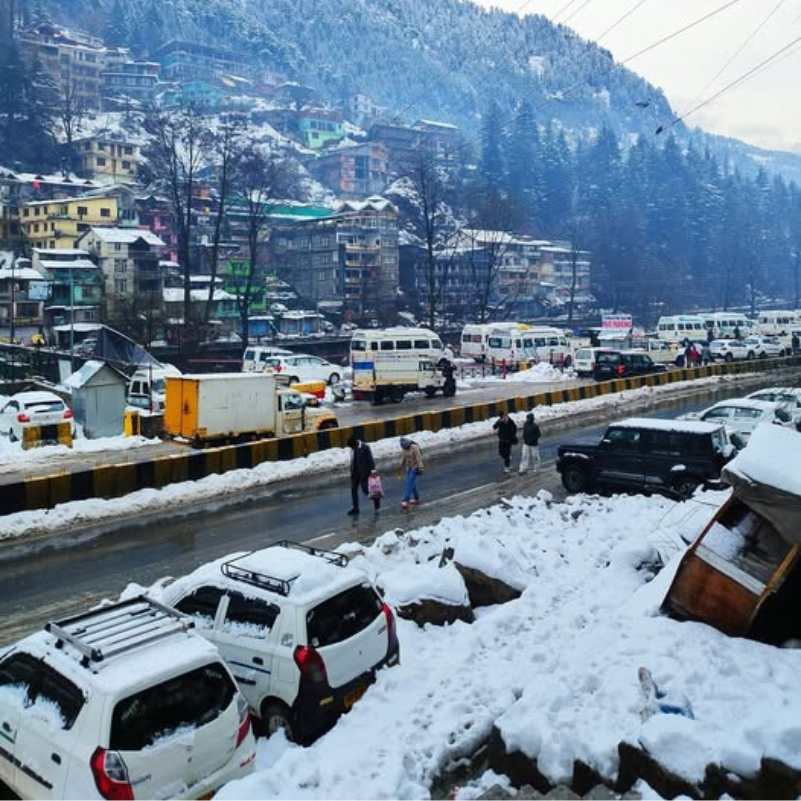
What Happens If Snowfall or Road Closures Affect Your Manali Trip in 2026? Refunds, Rescheduling and Plan B
Learn what to do if snowfall or road closures disrupt your Manali trip in 2026, including refund rules, rescheduling options and practical backup plans.
 Manali
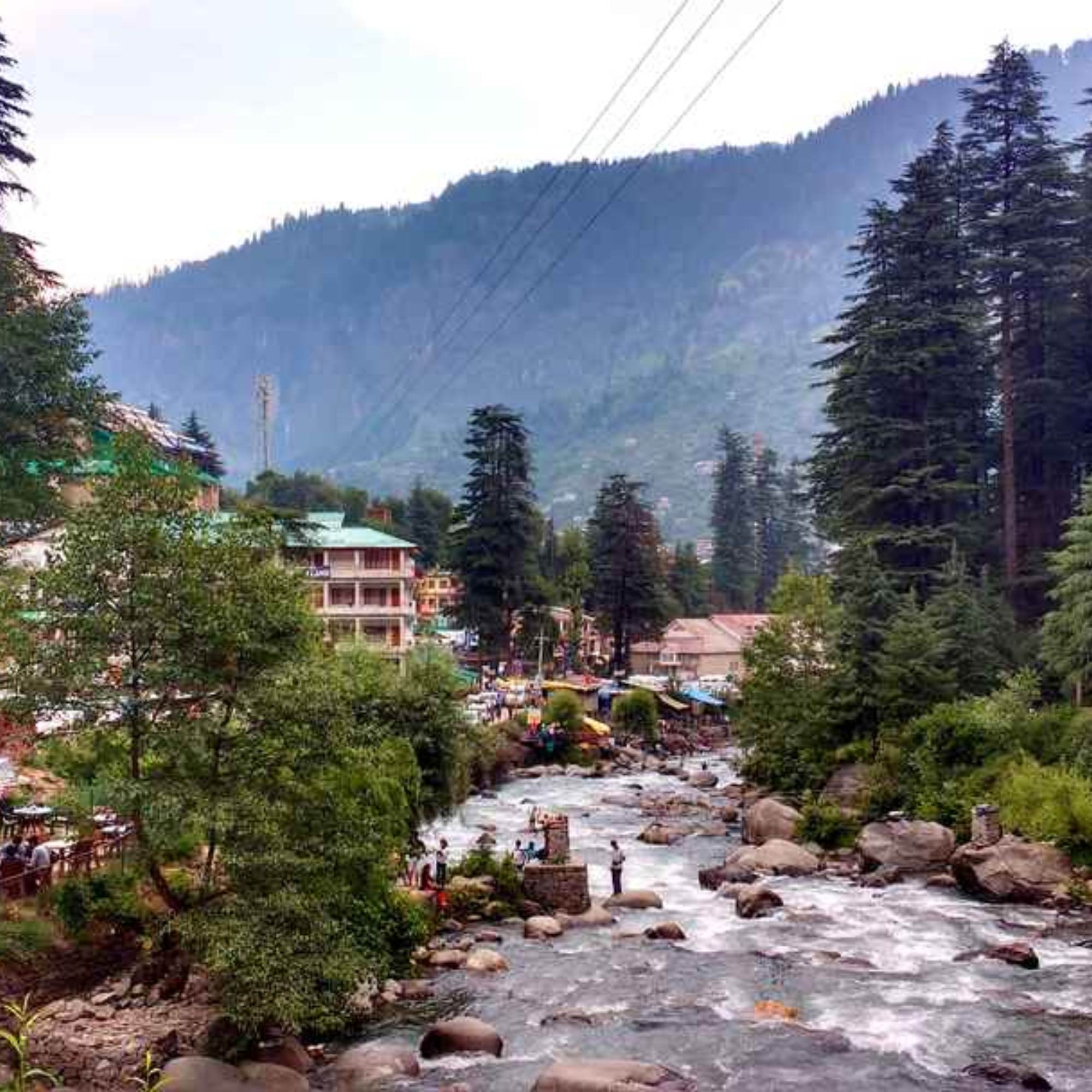
How to Choose the Best Manali Tour Operator in 2026: 15 Questions to Ask Before Booking
Choosing the right Manali tour operator in 2026 can make your trip smoother, safer and easier to manage. Check registration, package inclusions, hotel details, transport arrangements, cancellation terms and local support before you book.
- First-Time Travellers
 Manali
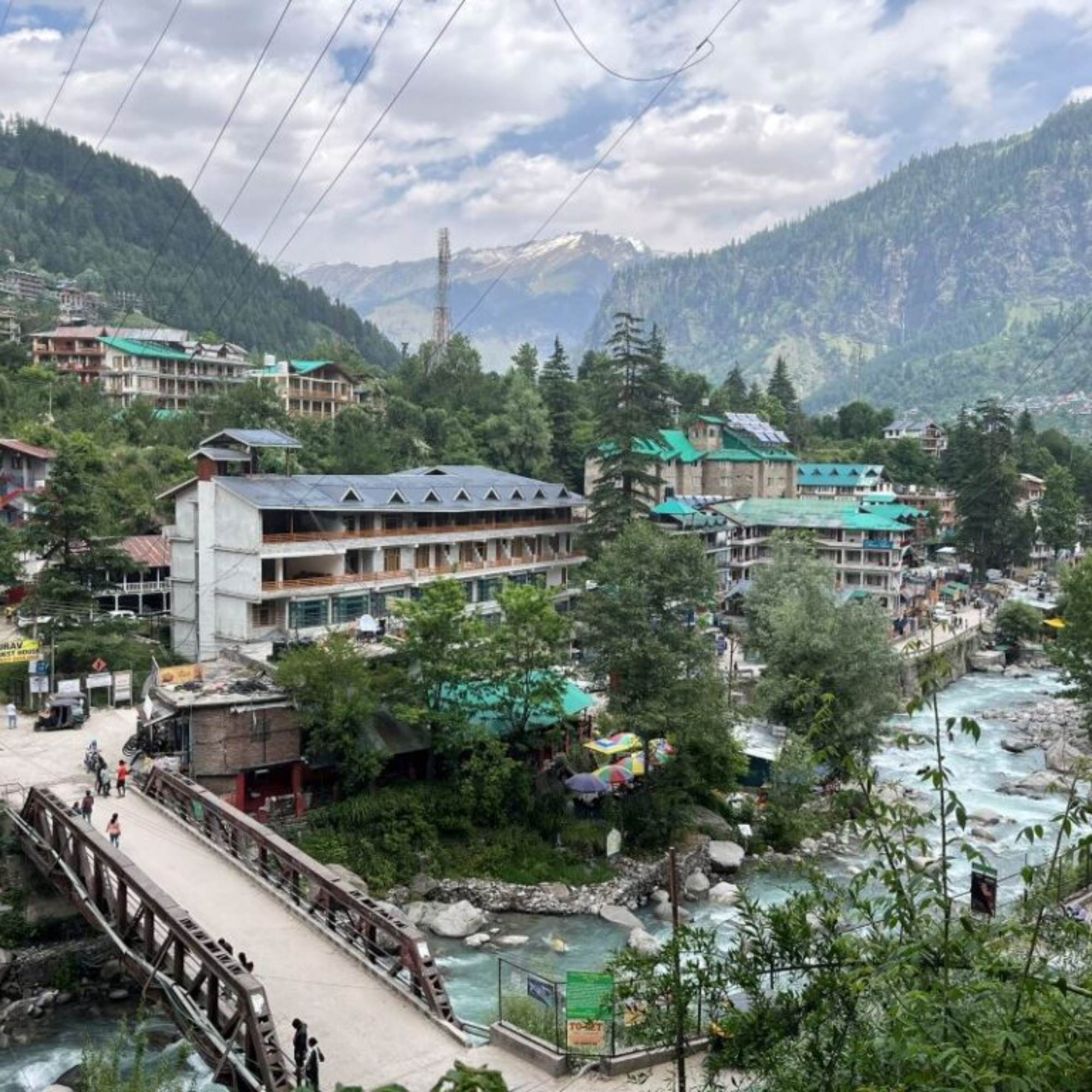
How Many Days Should You Book for a Manali Tour Package in 2026? 3N/4D vs 4N/5D vs 5N/6D
Not sure how many days to book for Manali? Compare 3N/4D, 4N/5D and 5N/6D packages to find the right trip length for your sightseeing plans and travel style.
- Itinerary
- First-Time Travellers