
Manali Altitude and Acclimatisation 2026: Can You Get Altitude Sickness in Manali?
You booked Manali as your first Himalayan trip, and now a worry is creeping in. You have read scary things about altitude sickness, and you want to know if it will ruin your holiday before it starts.
Here is the honest answer, straight from a team that drives these roads every season.
Quick Answer
Manali sits at an average elevation of about 2,050 metres, which is roughly 6,726 feet. For most travellers, the chance of true acute mountain sickness in Manali town is fairly low compared to places like Rohtang, high Spiti, or Ladakh.
But low is not the same as impossible, so nobody should promise you a zero-risk trip.
The real problem is not Manali itself. It is how fast you climb higher after you get here. A person who spends two calm days in town has a very different experience from someone who lands and races up to Rohtang the next morning.
If you want a paced plan that respects the altitude, our Manali tour packages are built with sensible day-by-day movement in mind.
What Is the Altitude of Manali?
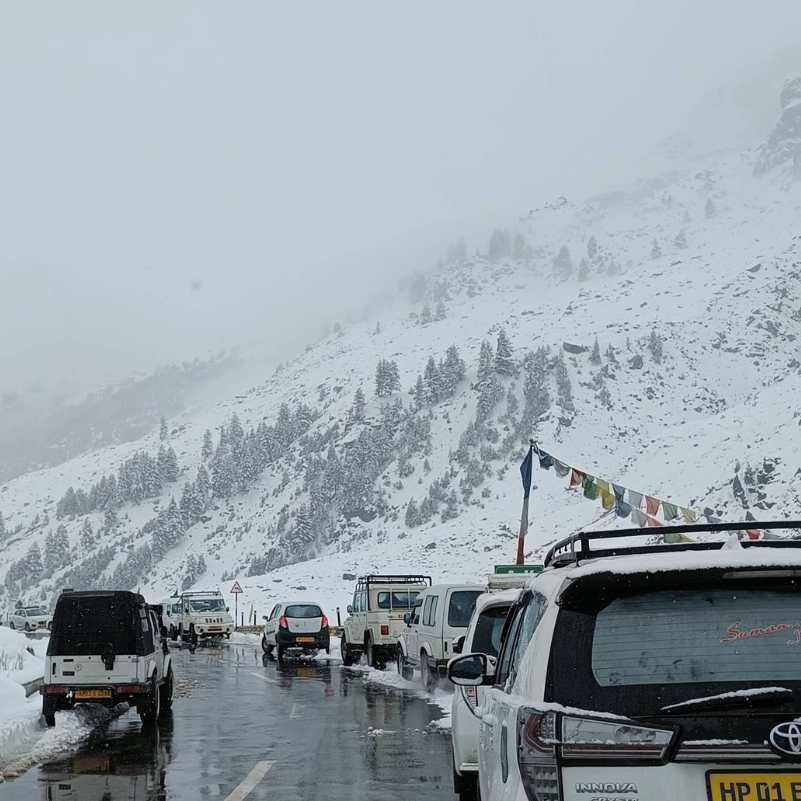
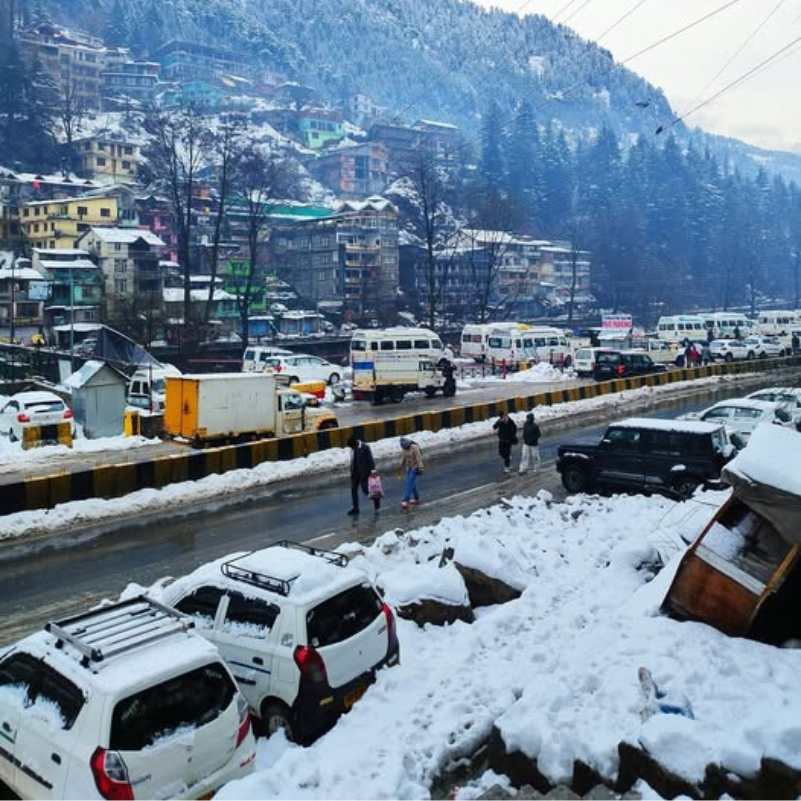
The average elevation of Manali is about 2,050 metres above mean sea level, which works out to roughly 6,726 feet. That is high enough to feel fresh and cool, but low enough that most people settle in without trouble.
Here is where confusion begins
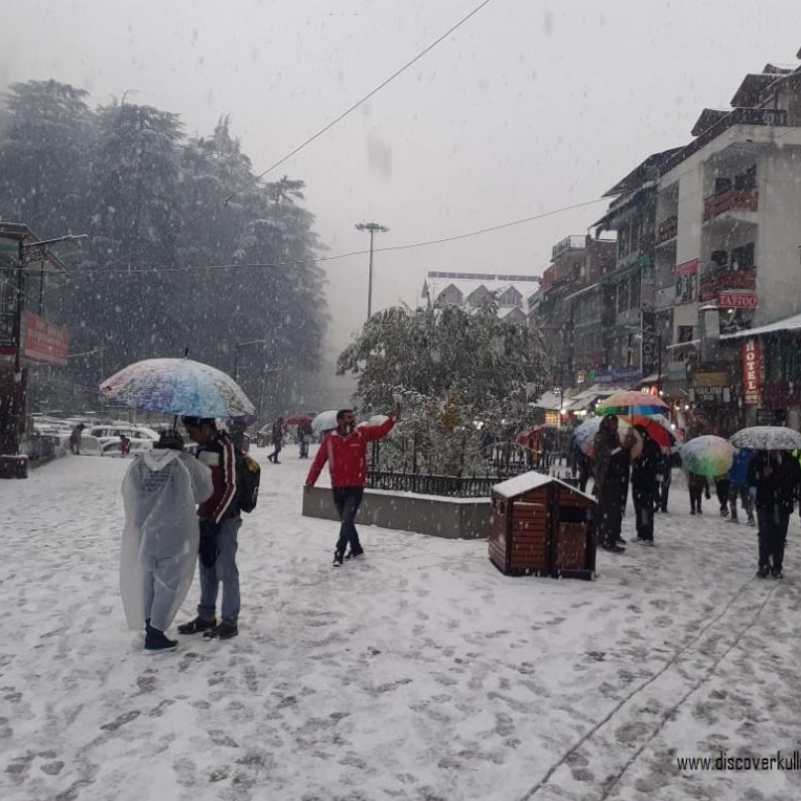
People say "Manali" to mean a huge sightseeing zone that stretches towards Solang Valley, the Atal Tunnel, Rohtang, and even into Lahaul. Two friends can both say they are "going to Manali" and end up at completely different maximum heights.
One naps in a café in Old Manali. The other stands on a snow pass nearly 2,000 metres higher on the same trip.
The mechanism is simpler than it sounds. Oxygen stays roughly the same percentage of the air at every height. What changes is air pressure. Higher up, the lower pressure means less oxygen actually pushes into your lungs with each breath. Same air, weaker delivery.
Can You Get Altitude Sickness in Manali?
Medical guidance treats an unacclimatised traveller sleeping at around 2,450 metres or higher as being at real risk of altitude illness, though symptoms can sometimes appear lower.
Manali sits below that line at about 2,050 metres, so classic AMS in the town itself is uncommon for most travellers, but not impossible.
Here is what most tourists get wrong
They feel a headache on their first morning in Manali and instantly panic that it is altitude sickness. Often it is not.
Think about how you arrived. A rattling overnight bus, poor sleep, skipped meals, too little water, a bit of motion sickness, maybe a drink the night before.
Any of these can produce a headache, nausea, or heavy tiredness that has nothing to do with altitude. In our experience, the first-day slump in Manali is far more often about a rough journey than about thin air.
Why Does Rohtang Feel Completely Different From Manali?
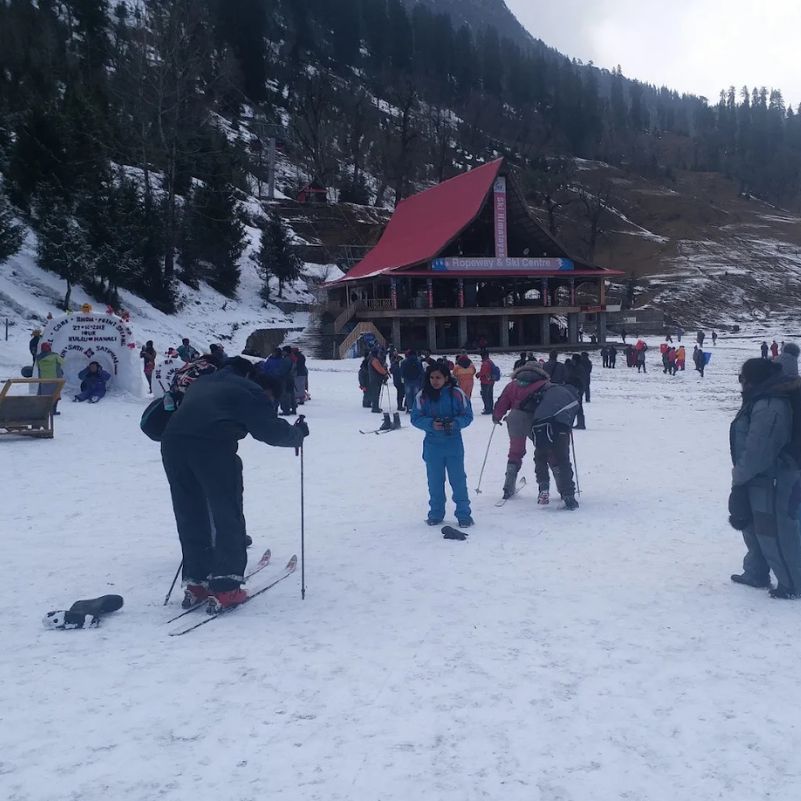
Manali to Rohtang is a big altitude jump
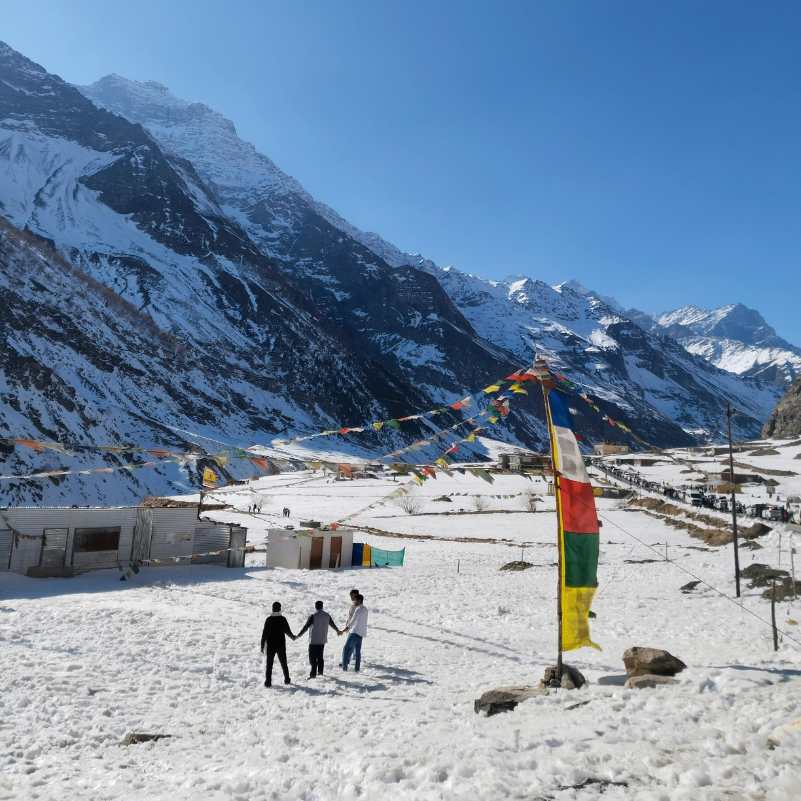
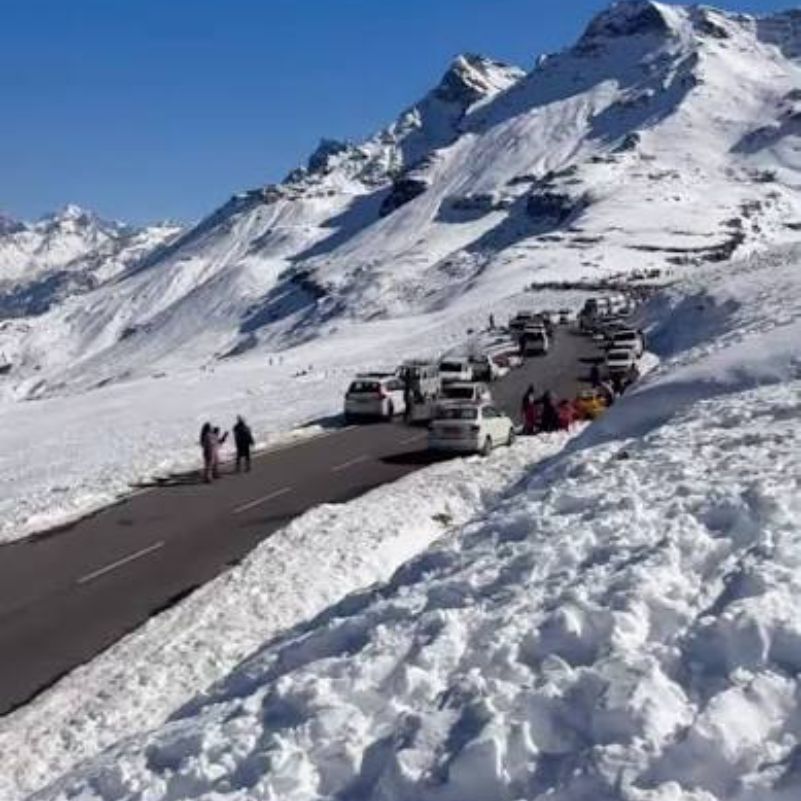
The numbers tell the story. Manali sits at roughly 2,050 metres. Rohtang Pass stands at about 3,978 to 3,980 metres, or around 13,050 feet. The distance between them is just 51 km.
That means you can climb nearly 1,930 metres over a fairly short road journey. Your body barely gets a chance to adjust before you are standing in a completely different world of thin air and snow.
Rapid ascent like this is exactly what makes symptoms more likely in people who are prone to them. The speed matters more than the effort.
There is one saving grace. A daytime visit to Rohtang followed by sleeping back down in Manali puts far less strain on your body than sleeping up at that height would.
You touch the high point, then return to thicker air for the night. Still, a day visitor can absolutely feel unwell up there, so do not treat the pass as harmless just because you are coming back down.
If you are timing a snow visit, our honest month-wise breakdown of Rohtang Pass in January will help you plan around the weather and crowds.
What about Solang, Atal Tunnel and Sissu?
Solang Valley sits about 13 km from Manali and is where most first-timers head for snow and adventure activities.
The smart way to think about any of these spots, whether Solang, the Atal Tunnel, or Sissu, is to separate two questions. What is the highest point I will reach today, and where will I actually sleep tonight? The sleeping height matters far more for how your body copes.
A day out towards Sissu followed by a night back in Manali is gentle. A night spent higher up is a bigger ask on your system. If you want to break the journey with an overnight in Lahaul, our Sissu tour packages can help you plan the stops sensibly.
How Does Acclimatisation Actually Work?
Your body does most of its important early adjusting over roughly the first 3 to 5 days at altitude. This is a gradual process, not an overnight switch.
The main early change is your breathing. You breathe a little harder and a little faster without really noticing, and this improves the oxygen reaching your blood. That quiet adaptation is doing most of the heavy lifting in your first days.
Now a myth worth killing. Plenty of people believe your body pumps out new red blood cells within hours and that is what makes you "acclimatised." It does not work that way.
Red cell production is a slow process and is not the main driver of the acute adjustment that gets you through your first days.
And here is the part that surprises fit travellers. Physical fitness does not reliably protect you from altitude sickness.
A marathon runner can go down with AMS while their less sporty friend feels fine. Your lungs being strong on a Mumbai treadmill says very little about how you handle 4,000 metres.
How Long Should You Acclimatise in Manali?
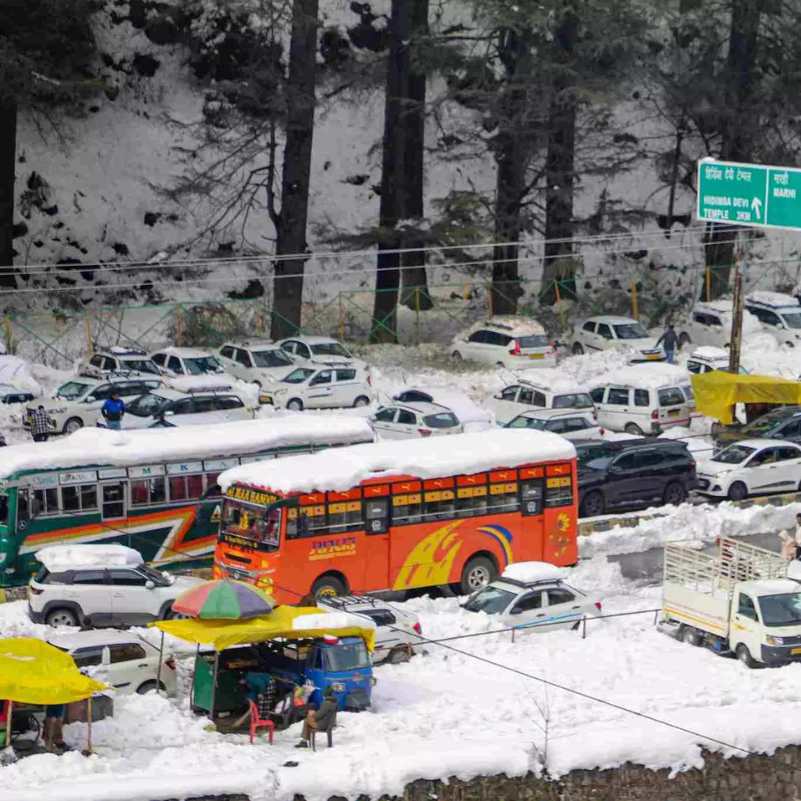
If you are just having a normal Manali town holiday, cafés, riverside walks, a bit of shopping, you do not need any formal multi-day acclimatisation plan. Live normally and enjoy it.
If your trip involves Rohtang or pushes onward to much higher terrain, make your arrival day easy instead of immediately climbing higher. Give your body a soft landing.
Once you are sleeping above 3,000 metres, the guideline gets stricter. Aim to raise your sleeping altitude by no more than about 500 metres per night, and add a full extra acclimatisation night for roughly every 1,000 metres of additional sleeping height you gain.
This is where casual road-trippers get caught out.
Be clear about what one Manali night buys you. It can begin the acclimatisation process, but it does not make you ready for 4,000 to 5,000 metre Himalayan terrain. Manali is a starting line, not a finish line.
If Manali is your gateway to something bigger, look at how we structure our Ladakh tour packages and Spiti Valley tour packages, both of which are paced around sleeping altitude rather than raw distance.
What Should You Do on Your First Day in Manali?
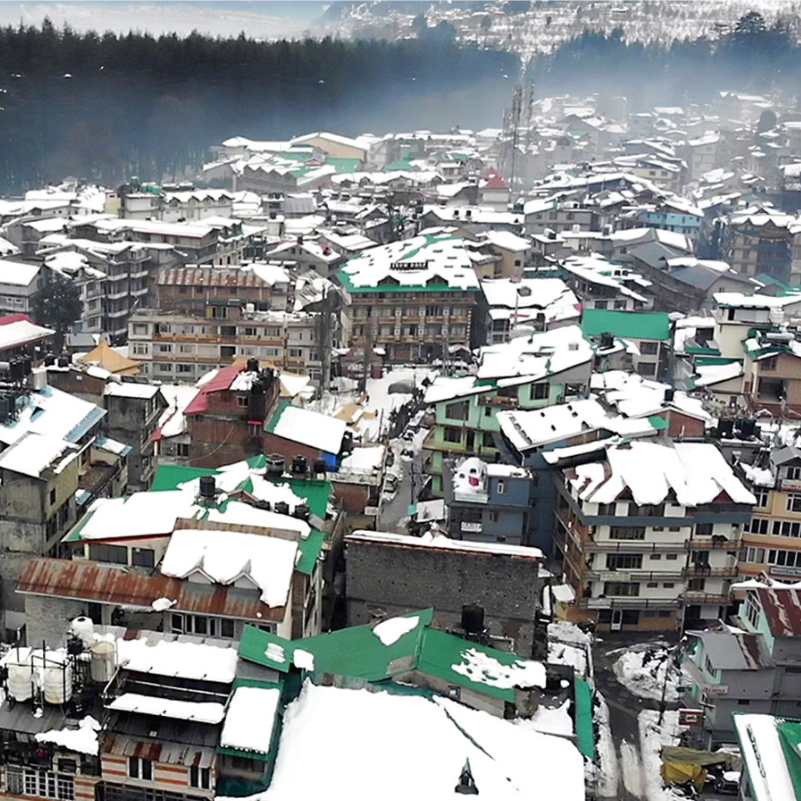
Keep it light. This is the single easiest thing you can do for yourself, and most people ignore it because they are excited.
Health guidance from the CDC recommends only mild exercise during your first 48 hours at altitude. So save the hard trek or the rush to a high pass for later in the trip. A slow morning does more good than a heroic first day.
Skip the alcohol for those first 48 hours too. That celebratory drink on arrival night is exactly the wrong time for it, and it can muddy your read on how your body is actually coping.
Drink water normally so you do not end up dehydrated after the journey, but do not believe the myth that chugging litres of water somehow prevents AMS. It does not. Normal hydration, not flooding yourself.
What we tell our travellers is to treat day one as an "arrival day," not a "sightseeing day." Wander Old Manali, sit by the Beas, eat well, sleep early.
Save the action for once you have found your feet. When you are ready, our guide to the best adventure activities in Manali will point you to the good stuff.
One local money tip while you settle in
The riverside cafés in Old Manali charge a clear premium for the view. For a genuinely good, cheaper plate, walk into the Manu Market side lanes where local dhabas serve honest rajma chawal and hot chai at a fraction of café prices. Same warmth, half the bill.
What Are the Symptoms of Altitude Sickness?
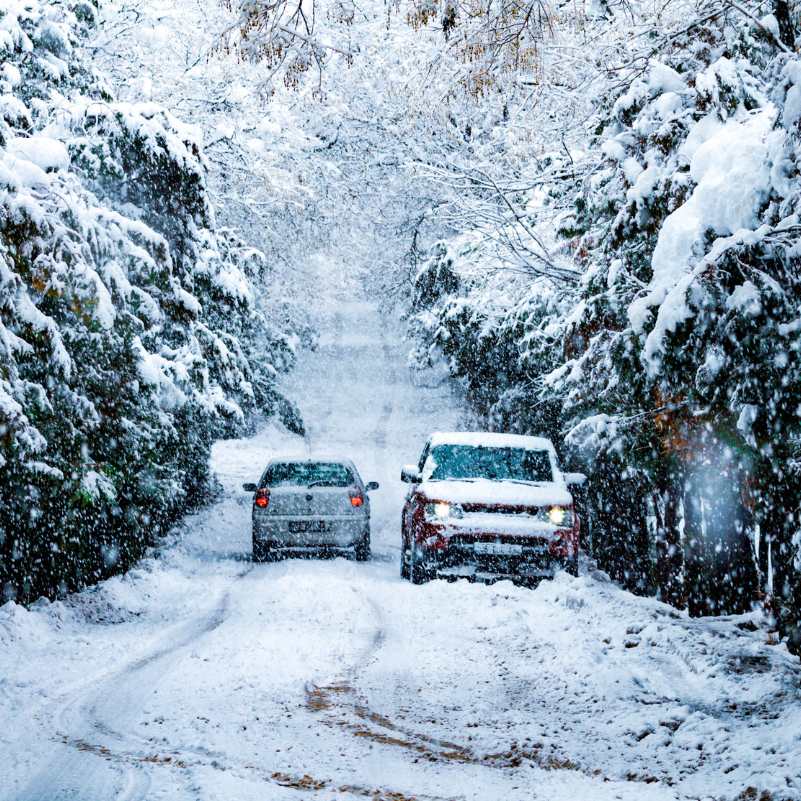
Possible mild AMS symptoms
Mild altitude sickness usually shows up as a headache, a loss of appetite, dizziness, fatigue, nausea, and sometimes the odd bout of vomiting. It rarely arrives all at once. More often it is one or two of these nagging at you.
Timing is a useful clue. AMS symptoms typically begin somewhere between 2 and 12 hours after you reach a new high altitude.
So a headache that creeps in a few hours after arriving somewhere noticeably higher deserves attention, while one the moment you step off a bus is more likely just the journey.
Which symptoms mean you should descend or seek urgent help?
The clearest warning sign is simple. If your symptoms keep getting worse even after you rest and stop climbing, do not go any higher.
Two serious conditions need naming. The first is possible HACE, where the brain is affected. Watch for confusion, an altered mental state, unusual drowsiness, and loss of coordination or stumbling, known as ataxia.
The second is possible HAPE, where the lungs fill with fluid. Watch for worsening breathlessness, especially breathlessness while at rest, along with chest congestion and a cough.
Both are medical emergencies. They call for immediate descent and urgent medical help. These are rare for a normal Manali holiday, so do not lose sleep over them, but you should know the words in case a travelling companion starts acting oddly at a high point.
What Should You Do if You Feel Unwell at Rohtang or Another High Point?
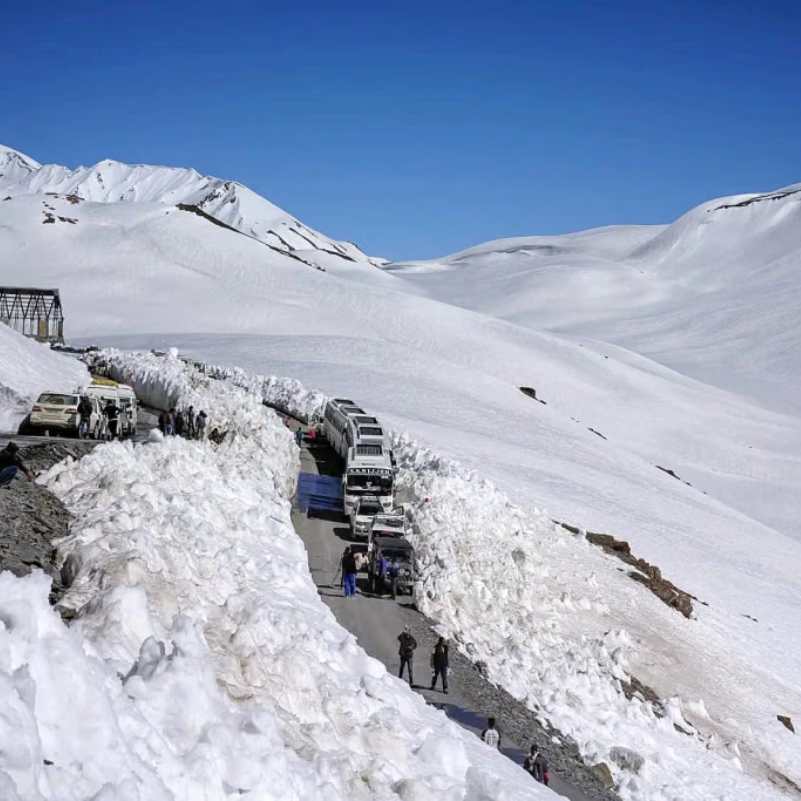
The first rule is the whole game. Stop going up. Do not push for one more viewpoint or one more photo spot.
Tell your driver, guide, or travel companion straight away. This is not the moment for quiet stoicism. The people around you cannot help if they do not know.
If mild symptoms settle once you stop climbing and rest, you can cautiously reassess and carry on gently. But if they get worse despite resting, go down. Descent is the treatment that actually works, and AMS often improves after dropping just around 300 metres, or about 1,000 feet.
Here is the honest warning we give every group
Do not keep climbing simply because you paid for the tour or already got the permit. No permit fee is worth an emergency on a lonely mountain road. The money is gone either way, but your health does not have to be.
Do You Need Diamox for Manali?
For a standard Manali holiday, no, do not reach for routine self-medication.
Acetazolamide, sold as Diamox, can speed up acclimatisation and may be worth considering for certain higher-risk trips or unavoidable rapid ascents, the kind where you have no choice but to gain height fast.
But this is a decision to make with a medical professional, not on a friend's advice or a blog's say-so. This is travel-health information, not personalised medical advice.
Talk to your doctor before your trip, particularly if you have existing health conditions or any medication allergies. We will not give you doses here, and you should be wary of any travel article that does.
Do Oxygen Cans Help in Manali?
Those small handheld oxygen cans sold in shops can give you a brief lift, a few easier breaths. But they hold far too little oxygen to actually treat genuine altitude illness for any real length of time. They are a quick puff, not a cure.
The dangerous mistake is using a can as permission to keep climbing while you feel worse. That is exactly backwards. A can that masks your symptoms for ten minutes can talk you into a decision that harms you.
If symptoms are serious or worsening, the priorities never change. Stop ascending, descend where you can, and get medical help. A pressurised can does not replace any of that.
Who Should Take Extra Care?
Children get altitude illness too, and their fitness gives them no shield, just as it gives adults none. Watch younger travellers as carefully as anyone else, because they may not describe what they are feeling clearly.
Anyone with relevant heart disease, chronic lung disease, pre-existing low oxygen levels, significant sleep apnoea, or another major medical condition should talk to their doctor before high-altitude travel. This is genuinely worth a proper conversation, not a shrug.
One thing we will not do is write off every older traveller as automatically high-risk. Plenty of fit 65-year-olds handle altitude better than stressed 25-year-olds. Your individual health and how sensibly your itinerary is paced matter far more than the number on your birthday cake.
Is Manali a Good Acclimatisation Base for Leh or Spiti?
Yes, as a beginning. Manali is genuinely useful as the first step, because it sits lower than the high passes and destinations waiting ahead. Starting lower is exactly right.
But a single night in Manali does not make you acclimatised for Leh, Kaza, Sarchu, Baralacha La, or any other 3,500 to 5,000 metre terrain. Not close. The gap between Manali and those places is enormous in what it demands of your body.
Think in sleeping-altitude gain, not road distance. This is the mental switch that keeps people safe. A Manali to Leh or Manali to Spiti journey is not just another long drive with pretty views.
It is a rapid, serious climb into terrain that punishes people who treat it casually, and every season the mountains prove it. Plan the overnight stops, not just the driving hours.
What Changed for Manali and Rohtang Travel in 2026?
Checked in September 2026, here is where things stand.
The official Rohtang permit service has moved from its older NIC address to the Himachal Pradesh government permit portal, so old bookmarks will send you to the wrong place.
As checked in September 2026, the official tourism quota is 800 petrol vehicles and 400 diesel vehicles per day.
The portal lists permit release windows at 10:00 and 16:00, so set a reminder if you want a slot on a busy weekend. For cars, jeeps, and MUVs, the portal currently lists a ₹500 permit fee plus a ₹50 congestion charge.
Do not believe the common claim that Rohtang is closed every single Tuesday. A District Kullu order in May 2026 imposed Tuesday closures only up to 19 May for road work, and the permit portal later showed the maintenance day as "NONE."
If you are reading this after September 2026, check the official Rohtang permit portal and current road status again before travelling, as maintenance schedules, permit conditions and road openings can change during the season.
As checked on 16 September 2026, the official Lahaul and Spiti road-status page listed Delhi to Manali open, Manali to Keylong open, Keylong to Kaza closed, and Keylong to Leh open.
These statuses change constantly, sometimes within a day, so check again right before you travel rather than trusting this snapshot.
Explore Our Curated Manali Tour Packages
 5D/4N
5D/4NBest Value Manali Volvo Package with Rohtang Pass
3D Manali
₹9,999₹13,999SAVE INR 4,000/ person 5D/4N
5D/4NPremium Manali Tour Package with Private Cab and Rohtang Pass
4D Manali
₹14,999₹19,999SAVE INR 5,000/ person 6D/5N
6D/5NManali Solang Sissu Sethan Snow Adventure
1D Delhi•3D Manali+2
₹15,999₹21,999SAVE INR 6,000/ person
Related topics
Frequently Asked Questions
What is the altitude of Manali?
Manali sits at about 2,050 metres, or 6,726 feet, above sea level. Nearby places such as Solang and Rohtang are much higher, so your maximum altitude depends on where you travel.
Can you get altitude sickness in Manali?
Altitude sickness is uncommon in Manali town because it sits at around 2,050 metres. Headaches on arrival are often linked to dehydration, poor sleep, or a long journey rather than altitude.
Is Manali considered a high-altitude destination?
Manali is moderately elevated rather than extremely high altitude. The bigger altitude concern comes with places such as Rohtang Pass, Spiti, and Ladakh.
How many days should I acclimatise in Manali?
For a normal Manali holiday, formal acclimatisation is usually not needed. If travelling higher, keep your first day easy and increase altitude gradually.
Should I visit Rohtang Pass on my first day in Manali?
It is better to avoid Rohtang on your first day. Spend an easy day in Manali first, then travel higher once your body has had some time to adjust.
What are the first symptoms of altitude sickness?
Early symptoms can include headache, dizziness, nausea, tiredness, loss of appetite, and vomiting. If symptoms worsen, stop climbing and rest.
Can physically fit people get AMS?
Yes. Good fitness does not protect you from altitude sickness. Even very fit travellers can develop AMS if they ascend too quickly.
Can children get altitude sickness in Manali?
Yes, children can also develop altitude sickness, especially at higher places near Manali. Watch for headache, unusual tiredness, nausea, poor appetite, or behavioural changes.
Do I need Diamox for Manali?
Usually not for a normal Manali trip. Diamox may be considered for higher or rapid ascents, but only after discussing it with a doctor.
Should I carry an oxygen can to Rohtang Pass?
A portable oxygen can may provide brief relief but should not be relied on for altitude sickness. If symptoms worsen, stop ascending, descend, and seek medical help.
Is one night in Manali enough before travelling to Leh or Spiti?
One night helps, but it is not enough to fully prepare for much higher destinations such as Leh, Kaza, or Sarchu. Gradual altitude gain and suitable overnight stops are important.
What should I do if altitude sickness symptoms get worse?
Stop ascending and rest immediately. If symptoms continue to worsen, descend to a lower altitude and seek medical help rather than continuing higher.
More about Manali
 Manali
Medical Help in Manali for Tourists 2026: Hospitals, Pharmacies and Emergency Steps
Need medical help while travelling in Manali? This guide covers hospitals, pharmacies, emergency contacts and practical steps tourists should take during illness or injury. It also explains what to do in urgent situations, including breathing problems at higher altitudes.
- First-Time Travellers
- Altitude & Health
 Manali
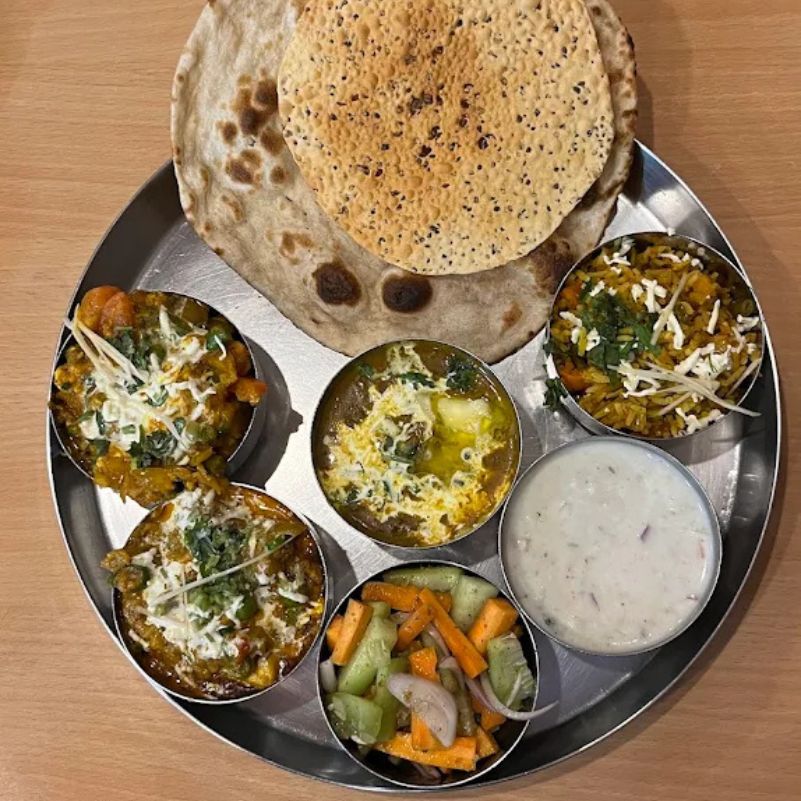
Vegetarian and Jain Food in Manali 2026: Where to Eat Without Guesswork
Looking for reliable vegetarian and Jain food in Manali? This guide covers pure veg restaurants, Jain-friendly places, no onion no garlic options, and practical tips on what to confirm before ordering in 2026.
- Things to Do
- Places to Visit
 Manali
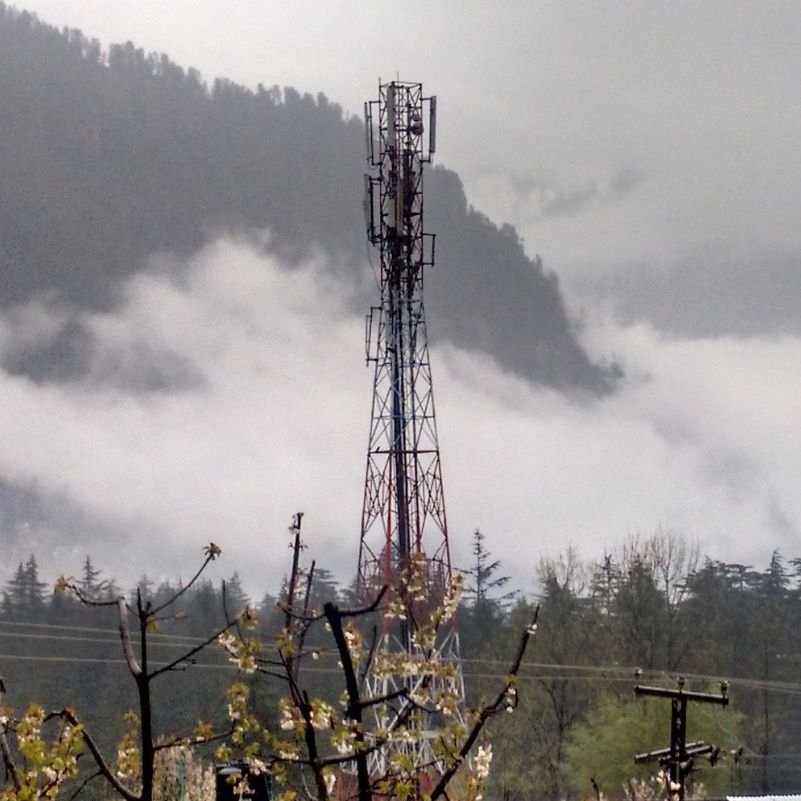
Mobile Network, Internet, UPI and ATMs in Manali 2026: What Works Where
Planning a Manali trip in 2026? Know which mobile networks work, where internet may be weak, whether UPI is reliable, and where to find ATMs. This guide helps you stay connected and payment-ready during your Manali trip.
- First-Time Travellers