
Rohtang Pass in January 2027: Is It Open, Where to Find Snow and the Best Alternatives
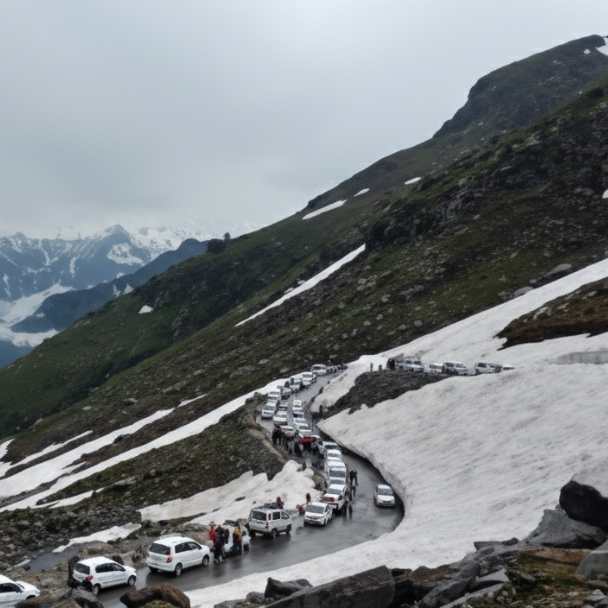
If you are planning to see Rohtang Pass in January, here is the honest truth before you book anything.
The pass is normally shut for tourists in the middle of winter, and no permit or taxi can change that. But you can still find plenty of snow near Manali if you know where to look.
Most people search "Rohtang Pass in January" hoping to stand at the top in the snow. That specific plan rarely works in deep winter. The good news is that the snow experience you actually want is available at other spots, often closer to town and easier to reach.
Let me walk you through what is open, what is closed, and how to build a January trip that still delivers snow.
Quick Answer: Is Rohtang Pass Open in January?
Rohtang Pass is normally closed to tourists in January because winter snow blocks the road over the pass. A permit or a 4x4 taxi does not override this closure. No driver can legally cross the police barrier.
Your best snow option is Solang Valley first, then the highest safe point officially open that day on the Rohtang road, followed by the Atal Tunnel route, Sissu, Koksar or Sethan when conditions permit.
One thing to clear up early. The Atal Tunnel bypasses Rohtang Pass. It does not take you to Rohtang top.
If you want a team to sort the logistics and backups for you, our Rohtang Pass tour packages are built around checking real conditions rather than promising a closed pass.
Why Is Rohtang Pass Closed in January?
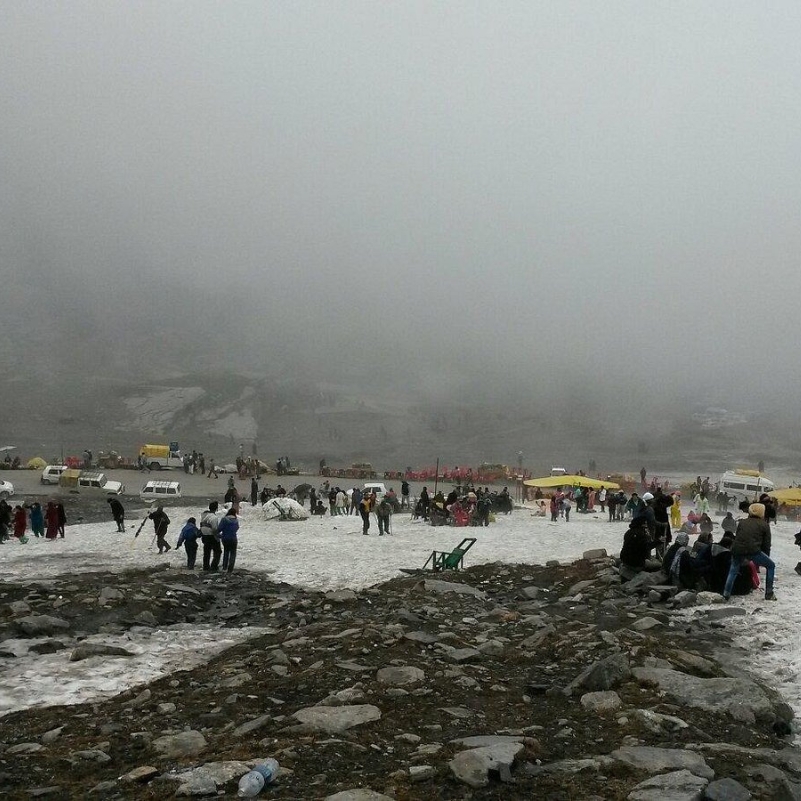
There are two kinds of closure people mix up. A temporary weather closure happens when a snowfall shuts a road for a few hours or a day. Rohtang's January situation is different. It is a normal, expected winter shutdown that lasts through the cold months.
Rohtang Pass sits about 51 km from Manali and stands at roughly 3,978 metres above sea level, per the District Kullu figure.
The road over the pass is fully exposed. Winter snow piles up and makes it unsafe for normal tourist traffic. You get road blockage, sheets of ice, avalanche exposure, poor visibility and very difficult rescue conditions if something goes wrong up there.
So please do not try to walk, trek, ride a two-wheeler or talk a driver into crossing a police barrier. It is not bravery, it is a genuine risk to your life and the lives of any rescue team.
Here is a detail that confuses many travellers. The road towards Rohtang may sometimes stay open only up to a lower police-designated point. That point is not fixed. It shifts based on snow clearance and daily road safety.
What Is Rohtang Pass Weather Like in January?
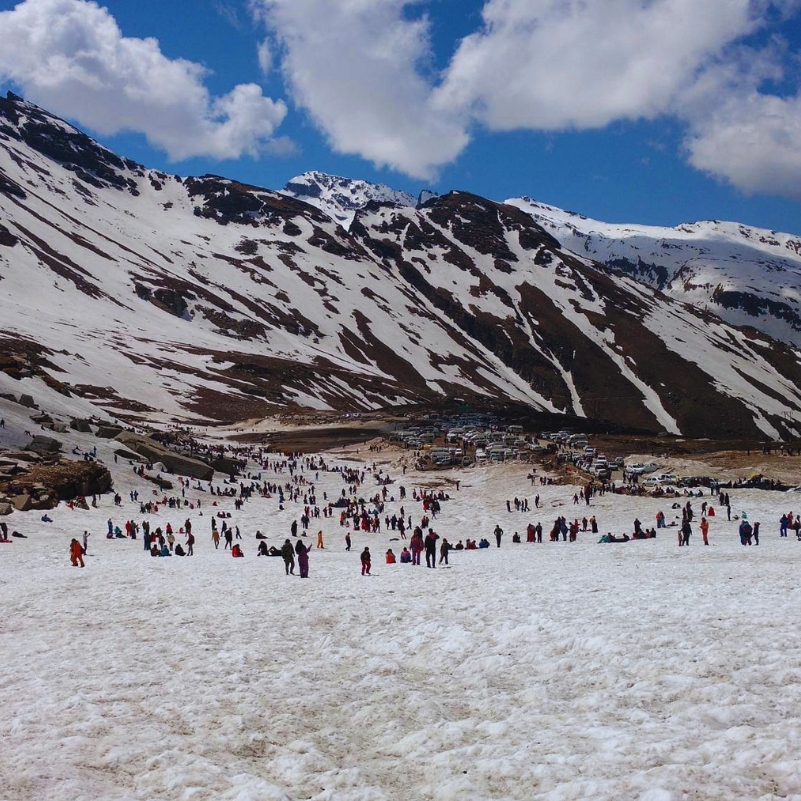
You cannot treat Rohtang summit weather like a normal sightseeing forecast, because the pass is usually cut off. Any "Rohtang temperature" you see online is a guess, not something you can plan around.
The practical way to understand January is to look at Manali's official IMD climatology instead.
In Manali, the January mean daily minimum is −1.6°C and the mean daily maximum is 10.6°C. Mean January precipitation is 108.4 mm, spread over about 6.6 rainy days.
These are Manali town figures. They are not temperatures at Rohtang Pass, which sits much higher and colder.
January 2026 shows how much things swing day to day. Manali's highest maximum that month was 16.2°C on January 13, while its lowest minimum was −1.4°C on January 7, 8 and 9.
Monthly precipitation came to 96.0 mm, with 45.8 mm falling in a single 24-hour spell on January 24.
So one January day can be sunny and dry, and another can bring snow, ice and traffic restrictions. Treat 2026 as an example of how fast conditions change, not as a forecast for 2027.
There is also a difference worth understanding. Watching active snowfall, seeing old snow lying on the ground, and having a road safe enough for tourist cars are three separate things. You can get one without the others.
Where Can You Find Snow Near Manali in January?
Here is the mindset shift that saves January trips. Follow the snow line, do not insist on one famous name.
The real question is not only "Where does it snow?" It is "What is the highest safe and legally open snow point today?"
Solang Valley
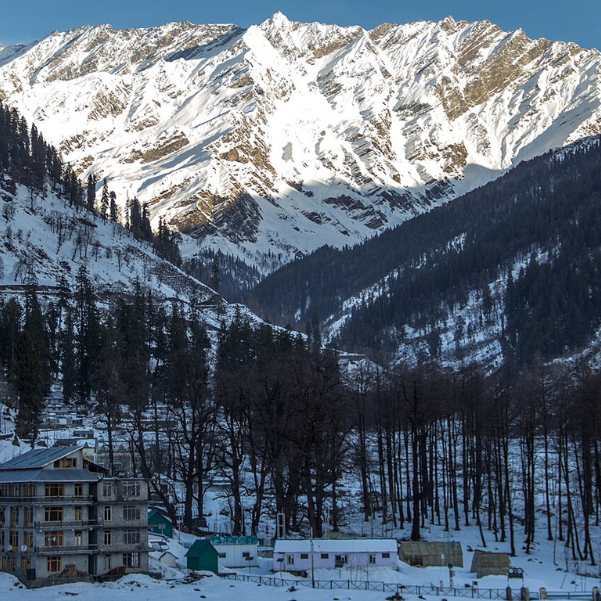
For most families and first-time snow travellers, Solang Valley is the most practical first option.
Solang Valley is about 13 km from Manali according to the District Kullu tourism page.
Solang has recognised skiing slopes. Skiing, ropeway rides and other snow activities all depend on snow, weather and whether operators are running that day. Some days everything works, some days little does.
I will not promise Solang is fully white every single day. Snow cover changes with each spell of weather.
Fresh snowfall can also make the road slippery or push police to restrict traffic. During one spell on January 7, 2026, only 4x4 vehicles were allowed beyond Solang Valley.
If you want to add rides and slope activities to your plan, our guide to adventure activities in Manali covers what is realistic in winter.
In our experience running winter trips, families who keep Solang as their anchor plan almost always come home happy, because it rarely disappoints on snow when the season is active.
Kothi, Gulaba and the Highest Open Point on the Rohtang Road
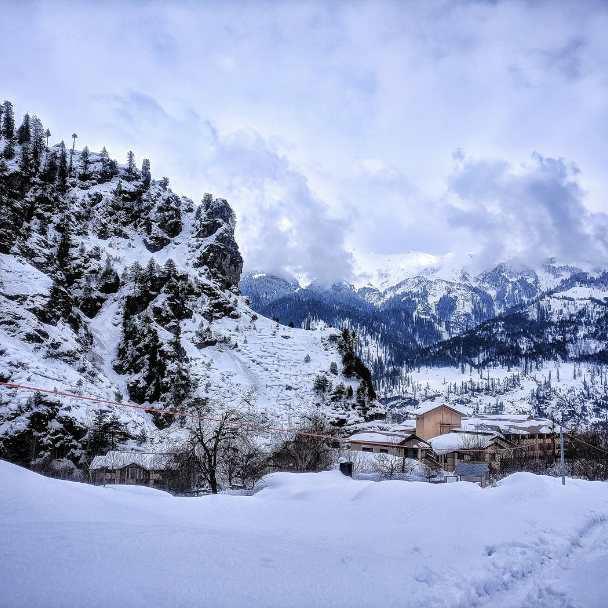
Kothi and Gulaba sit on the road towards Rohtang. Neither should be promised to you in advance.
Police may stop vehicles before Gulaba, at Gulaba, or at some other lower point depending on ice, snow clearance, traffic and weather that day.
The smart move is simple. Ask your hotel, your registered driver, or the local police where that day's authorised snow point actually is. That answer changes the whole outing.
Watch out for one common trap. A taxi advertised as a "Rohtang snow trip" may only take you to the highest open point, not to Rohtang Pass itself. A good operator tells you this before you pay. Ask directly, "Where exactly does this car stop?"
Nehru Kund is about 6 km from Manali and makes a nice lower scenic stop. I will not promise snow there though.
Atal Tunnel, Sissu and Koksar
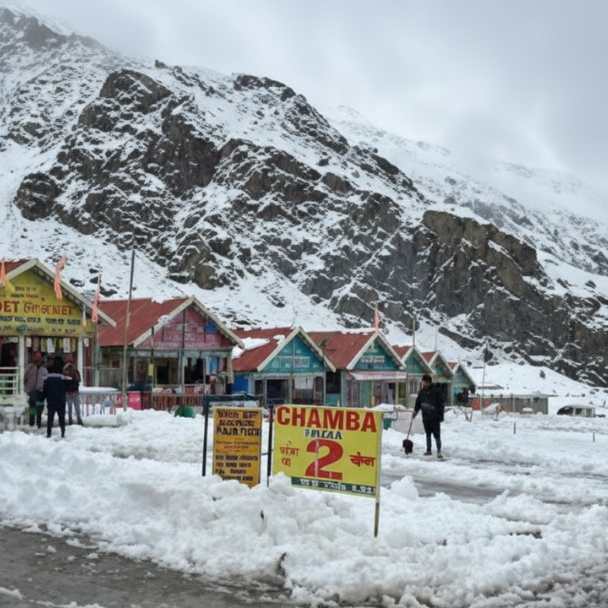
The Atal Tunnel runs under the Rohtang massif and bypasses the pass. It does not carry tourists to Rohtang top. This is the single biggest mix-up we see.
The official district tourism information describes the tunnel route as an all-year connection. Even so, heavy snowfall can still bring temporary restrictions, traffic diversions or full closure.
In January 2026, fresh snow made conditions slippery and only 4x4 vehicles were allowed beyond Solang during one spell. Same lesson again. Open does not mean open for every vehicle.
Head to Sissu and Koksar only when the tunnel highway is open for your vehicle category.
Sissu is approximately 41 km from Manali via the Atal Tunnel, although the exact distance may vary slightly depending on your starting point and route.
The official e-Aagman portal states that vehicles entering Lahaul and Spiti may need the applicable e-ticket or e-permit. Check the live portal and local police instructions before travelling, as requirements can change.
If Lahaul scenery is your dream, our Sissu tour packages are planned around days when the highway is actually cooperating.
Sethan and the Hamta Road
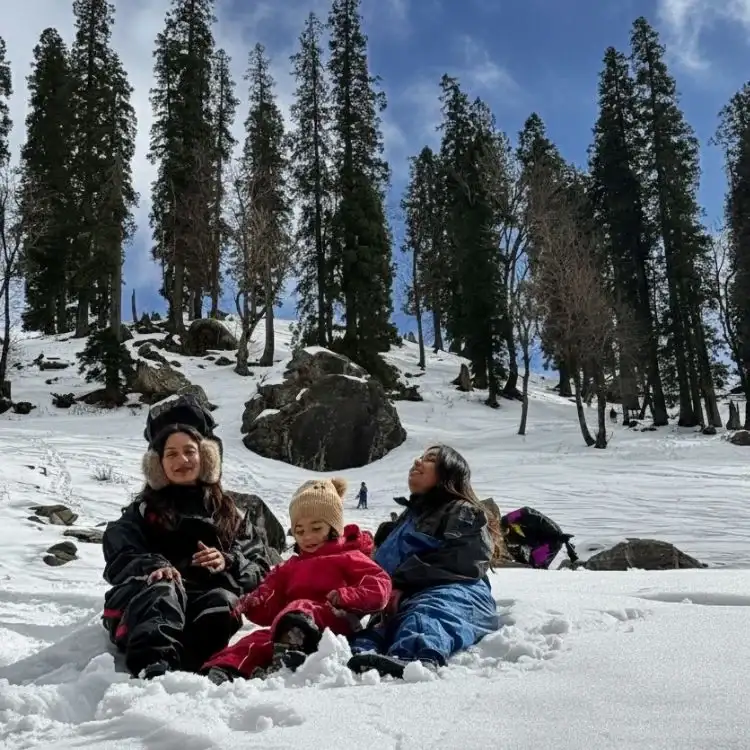
Sethan is a quieter snow alternative worth considering when its local road is open.
The approach road can be steep. Depending on conditions, it may need an experienced local driver, a suitable vehicle or snow chains. I will not tell you a 4x4 is mandatory every single day, because that depends on the day. And I will not promise snow or access either.
Hamta has a separate permit category on the official portal. Check the live portal for the permit requirement applicable to your January travel date.
Manali Town
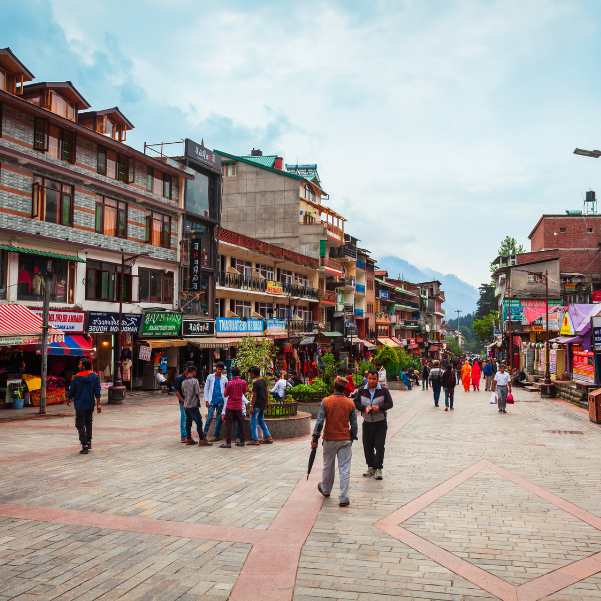
Manali town, Old Manali, Mall Road and the Hadimba area can all get snowfall. But town snow is not guaranteed to stick around through January.
Early January 2026 is a good example. Manali town was dry while higher spots around the Atal Tunnel, Koksar and Lahaul had snow.
So please do not book your trip assuming you will wake up to snow right outside your hotel. That assumption disappoints more travellers than anything else.
Which Rohtang Pass Alternative Is Best in January?
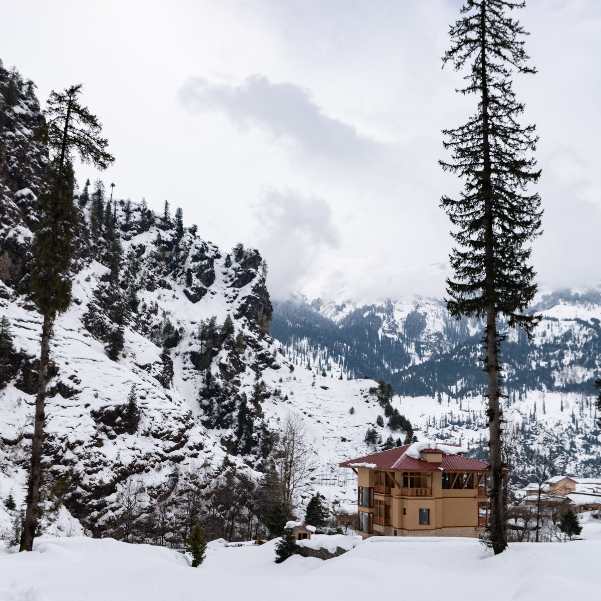
The honest answer is that the best alternative changes daily. It depends on the snow line, police restrictions and road clearance on the morning you set out.
For families, children and first-time snow travellers, Solang Valley wins. It is the most established snow spot near Manali, with slopes, rides and a proper setup when the season is active.
If you want a short snow excursion and understand that the endpoint may change, aim for the highest officially open point on the Rohtang road. Just accept that you might stop at Gulaba, or before it, rather than higher.
For a quieter atmosphere away from the crowds, Sethan is lovely when its road is safe and open.
For big Lahaul scenery, Sissu or Koksar through the Atal Tunnel deliver, but only when the highway is open and your vehicle is allowed through.
In our experience, choosing the safest open snow point works much better than building the whole holiday around one inaccessible name.
Can You Reach Rohtang Pass Through the Atal Tunnel?
No, you cannot.
One route climbs over Rohtang Pass. The tunnel passes underneath the mountain and comes out towards Lahaul. They go to different places.
Visiting the Atal Tunnel, its portals, Sissu or Koksar is its own winter outing with its own views. It is not the Rohtang summit experience in disguise.
Also worth saying plainly. Year-round infrastructure does not mean unrestricted tourist movement during every snowstorm. The tunnel highway can still be restricted when weather turns.
Do You Need a Rohtang Permit in January?
A tourist permit is not useful while the pass is closed. There is nothing to permit you into.
No online payment, private vehicle permit or taxi booking can override an administration or police closure. Let me repeat that because touts will tell you otherwise. It cannot be bought around.
For planning a future open-season trip, the live permit portal currently lists a tourist quota of 800 petrol vehicles and 400 diesel vehicles per day.
The current special-permit information lists a ₹500 permit fee plus a ₹50 congestion charge for cars, jeeps and MUVs.
Recheck these figures for the next open season. They are not January-access fees, and they change.
Is It Safe to Drive Near Manali in January?
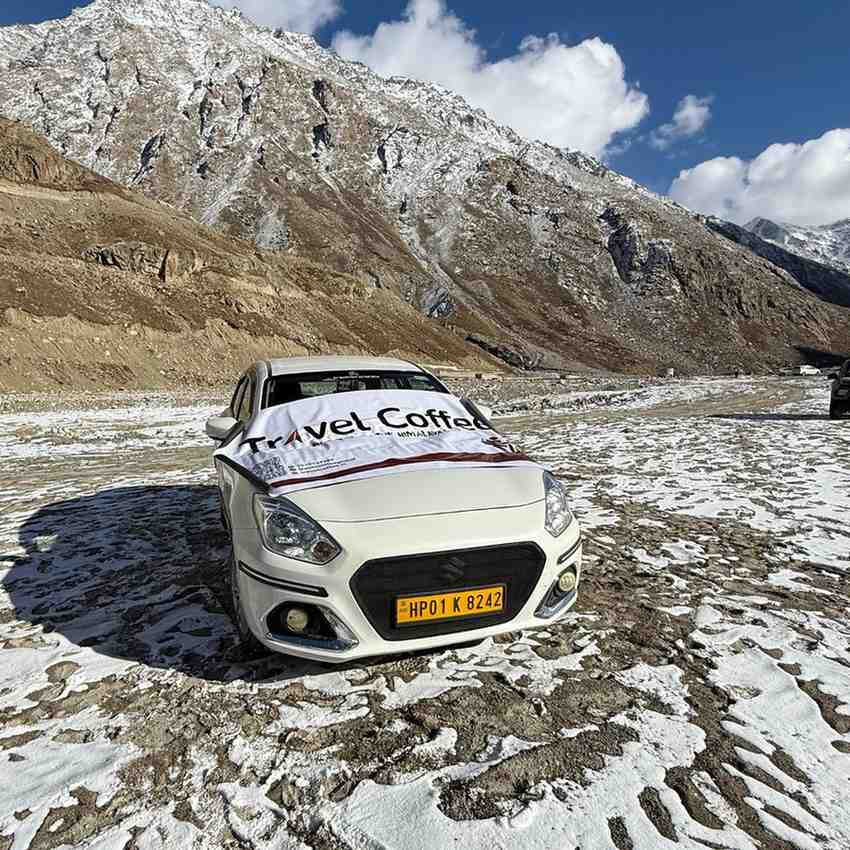
It can be safe, with common sense. Travel in daylight, use an experienced hill driver, keep your itinerary flexible, and avoid unnecessary movement during active snowfall.
Authorities may allow ordinary cars on a dry day and then restrict movement to 4x4 vehicles after fresh snow. So no, not every January visitor needs to book a 4x4. It depends entirely on the day.
Before you head out, check the IMD forecast, Kullu Police updates, the official District Lahaul and Spiti road-status page, and same-morning reports from your hotel or registered driver. These four together give you the real picture.
Do not ride scooters or motorcycles on icy roads. It looks fun in reels and ends badly in real life.
Do not stop for photos in avalanche-prone zones, tunnel approaches, active carriageways, or anywhere police prohibit parking. That roadside snow selfie is not worth it.
Carry water, snacks, warm layers, a charged phone and a power bank. Traffic can delay your return for hours, and you want to be comfortable if it does.
Our team recommends treating every high-altitude January drive as weather-dependent, even when the road was open the previous evening.
A Practical Three-Day January Plan B
Think of this as a flexible framework, not a fixed promise. The whole point is to bend with the weather.
Day 1: Manali Local Sightseeing
Cover Hadimba Temple, Old Manali, Mall Road and Vashisht.
Vashisht is about 3 km from Manali, so this is an easy, low-stress first day while your body settles into the cold.
Use the evening well. Check the weather forecast, road status and the reported snow line for the next morning. This is your planning window.
Day 2: The Safest Available Snow Excursion
Make Solang Valley your default snow plan.
Let the outing stretch towards Kothi, Gulaba or that day's authorised snow point only when the road is officially open. Do not force it higher than the police allow.
If Solang is crowded or restricted, Sethan is your alternative when its road is safe.
Keep the exact destination flexible until the morning update. That flexibility is what makes the day work.
Day 3: Atal Tunnel and Lahaul, or a Lower-Valley Backup
Try the Atal Tunnel, Sissu or Koksar only when the highway is open and your vehicle category is allowed through.
When the route is restricted, swap in Naggar, more local Manali sightseeing, a slow cafe day, or a safe lower-valley drive.
Using a buffer day is not a failed itinerary. It is exactly how sensible people plan a winter mountain trip.
If you would rather hand the whole plan to locals, our Manali tour packages come with a driver who knows these roads and backups built in.
What Should You Pack for Manali in January?

Layering is everything. Start with thermal base layers, add a warm middle layer like a fleece, and top it with an insulated, wind-resistant outer jacket.
For your feet, waterproof footwear matters far more than fashionable shoes once snow turns to slush. Add warm socks, gloves, a cap, sunglasses and sunscreen, because winter sun off the snow is stronger than you expect.
Also carry basic medicines, lip balm, moisturiser, water, snacks, a power bank and spare charging cables. Dry mountain air cracks lips and skin fast.
Common January Planning Mistakes
The biggest one is expecting guaranteed snowfall on Mall Road. Town snow comes and goes.
Another is confusing the Atal Tunnel with Rohtang Pass. They are not the same trip.
A third is believing a 4x4 gives permission to cross a closure. It does not. A 4x4 helps with grip, not with police barriers.
Then there is following an old reel or video as if it were a live road update. That snow you saw online might be weeks old.
Never prepay a non-refundable "Rohtang Pass" trip without asking where the vehicle will actually stop. Ask before your card comes out.
And remember, clear weather does not automatically mean a high road has reopened. Snowfall can also make a previously open road unsafe within hours.
In our experience, travellers enjoy January much more when they book a Manali snow holiday rather than a guaranteed Rohtang holiday.
When Should You Visit Rohtang Pass Instead?
If standing at Rohtang top is your main goal, plan your trip after the official snow clearance and reopening. Winter is simply the wrong season for the summit.
The reopening date changes every year. It depends on weather, Border Roads Organisation clearance and administration orders. There is no fixed calendar date.
I will not promise a specific May date. Check official updates and keep late-May plans flexible.
Plan a Winter Manali Trip With a Local Himachal Team
Travel Coffee is based in Shimla and plans customised Himachal trips. We are on these roads every season, not reading about them from a desk.
Our winter planning centres on checking real road conditions, arranging suitable local transport, and building in backup sightseeing, rather than promising access to a pass that is closed.
We do not claim guaranteed snowfall, guaranteed road opening or special access. Anyone who does is selling you a story.
Explore Our Curated Rohtang Pass Tour Packages
 5D/4N
5D/4NPremium Manali Tour Package with Private Cab and Rohtang Pass
4D Manali
₹14,999₹19,999SAVE INR 5,000/ person 5D/4N
5D/4NBest Value Manali Volvo Package with Rohtang Pass
3D Manali
₹9,999₹13,999SAVE INR 4,000/ person 7D/6N
7D/6NComplete Shimla Manali Volvo Package with Rohtang Pass
2D Shimla•2D Manali
₹15,999₹19,499SAVE INR 3,500/ person
Related topics
Frequently Asked Questions
Is Rohtang Pass open in January?
No, Rohtang Pass is normally closed to tourists in January because heavy snow makes the road unsafe. Vehicles may only be allowed up to a lower police-approved snow point.
Can a 4x4 taxi reach Rohtang Pass in January?
No. A 4x4 cannot cross an official police closure. Most “Rohtang snow trips” in January only go to the highest accessible point on the Rohtang road.
Can we walk or trek to Rohtang Pass when the road is closed?
No. Deep snow, avalanche risk, poor visibility and limited rescue access make it extremely dangerous. Do not cross police barriers on foot, by bike or in any vehicle.
Is Solang Valley open in January?
Solang Valley is usually accessible and is one of the best January snow options near Manali. However, heavy snowfall may temporarily restrict traffic or allow only 4x4 vehicles.
Is snow guaranteed near Manali in January?
Snow is not guaranteed in Manali town on a particular day. However, higher areas such as Solang, Koksar, Sissu and the Atal Tunnel region often have accessible snow.
Can we visit Gulaba in January?
It depends on snowfall, road clearance and police restrictions. Vehicles may be stopped before Gulaba, at Gulaba or at another authorised snow point.
Is the Atal Tunnel open in January?
The Atal Tunnel usually remains operational in January, but heavy snowfall can cause temporary closures or vehicle restrictions. Always check the road status before leaving Manali.
Can we visit Sissu from Manali in January?
Yes, when the Atal Tunnel highway is open and your vehicle category is permitted. Check the e-Aagman portal and local police updates before travelling.
Do we need a Rohtang permit in January?
No Rohtang tourism permit is useful in January because the pass remains closed. During the open season, cars, jeeps and MUVs usually pay a ₹500 permit fee and ₹50 congestion charge.
What is the temperature in Manali in January?
Manali’s average January temperature ranges from around −1.6°C at night to 10.6°C during the day. Higher areas near Rohtang, Solang and Lahaul are considerably colder.
Is January safe for children and senior citizens in Manali?
Yes, with proper winter clothing, daylight travel and an experienced hill driver. Avoid icy roads, long exposure during snowfall and risky roadside snow points.
Which month is best for visiting Rohtang Pass itself?
Rohtang Pass is generally best visited between late May and June after the road officially reopens. The exact opening date depends on snowfall, road clearance and government approval.
More about Rohtang Pass
 Rohtang Pass
Rohtang Pass Altitude Sickness in 2026: Symptoms, Prevention and When to Turn Back
Planning a trip to Rohtang Pass in 2026? Learn the symptoms of altitude sickness, prevention tips, and when to turn back for a safe mountain journey.
- Altitude & Health
- First-Time Travellers
 Rohtang Pass
Best Places to Visit on the Way to Rohtang Pass in 2026
Discover the best places to visit on the way to Rohtang Pass in 2026, including Solang Valley, Rahala Waterfalls, Gulaba, Marhi, and more for an unforgettable Himalayan road trip.
- Places to Visit
- Road Trips
 Rohtang Pass
15 Rohtang Pass Mistakes to Avoid in 2026: Permits, Taxi Scams, Timing and Snow Rentals
Planning a Rohtang Pass trip in 2026? Discover 15 common mistakes to avoid, from permits and weather to packing and safety, for a smooth mountain adventure.
- First-Time Travellers
- Permits & Fees