
Leh to Zanskar Itinerary 2026-27: Overnight Stops, Sightseeing and Buffer Days
Most people who plan a Leh to Zanskar itinerary make the same mistake. They count kilometres and forget that the road, not the map, decides the day.
This page shows you how many days to keep, where to sleep each night, what to see around Padum and where your buffer day should go.
Quick Answer: How Many Days Do You Need for Leh to Zanskar?
Keep seven road trip days after you finish acclimatising in Leh. That is the practical standard.
Six days works, but it is tight. Eight to nine days gives you proper room for Phuktal Monastery, extra Padum sightseeing and a real road and weather buffer.
If you fly into Leh, your acclimatisation days come first. Day 1 of this plan starts on your first road day, not the day you land.
If you would rather have someone build the whole trip around your dates, our Leh Ladakh tour packages are a good place to start.
Leh to Zanskar Itinerary at a Glance
The sequence is simple. On Day 1 you drive from Leh to Kargil and sleep there.
On Day 2 you cross the Suru Valley and Pensi La to reach Padum, your base for the next few nights.
Day 3 goes to sightseeing around Padum. Day 4 is your Phuktal and Purne excursion.
Day 5 works as a second sightseeing day or as a buffer, depending on how the first four days went.
On Day 6 you start the return, based on confirmed road conditions. On Day 7 you reach Leh.
Your Day 6 overnight can change. If you go back through Kargil, you will most likely sleep there. If the Nimmu side is confirmed open, your overnight point may differ.
Before Day 1: Do You Need Acclimatisation in Leh?
Yes. The Leh District Administration currently highlights a 48 hour acclimatisation advisory for tourists.
Please do not land at Leh airport and jump into a car for a long mountain drive the same morning. Your body needs time to adjust before you head higher and further from help.
We tell our travellers to treat those first two days in Leh as their own small holiday. Sleep, walk slowly, drink water and keep the long drives for later.
So keep those acclimatisation nights outside the seven day Zanskar plan whenever you can. It makes every road day after that easier.
Day 1: Leh to Kargil, Why Kargil Is the Sensible First Overnight
Current itinerary sources put Leh to Kargil at roughly 213 to 217 km. Driving time depends on traffic, road work and how often you stop.
Many conventional itineraries split Leh to Padum across two days and sleep in Kargil. That is a smart split.
Kargil sits right at the point where the Suru Valley road begins. You arrive with enough energy left for the big scenic day that follows.
If you try to push from Leh to Padum in one go, you spend the best scenery of the trip tired and staring at the clock.
You can stop at Lamayuru on the way if you feel fresh. Keep it optional. A short stop is fine, but this day should not turn into a sightseeing marathon.
Want to know how the newer road from Nimmu changes access to Zanskar? Our Nimmu Padum Darcha road guide covers that in detail.
Day 2: Kargil to Padum via Suru Valley, Pensi La and Drang Drung Glacier
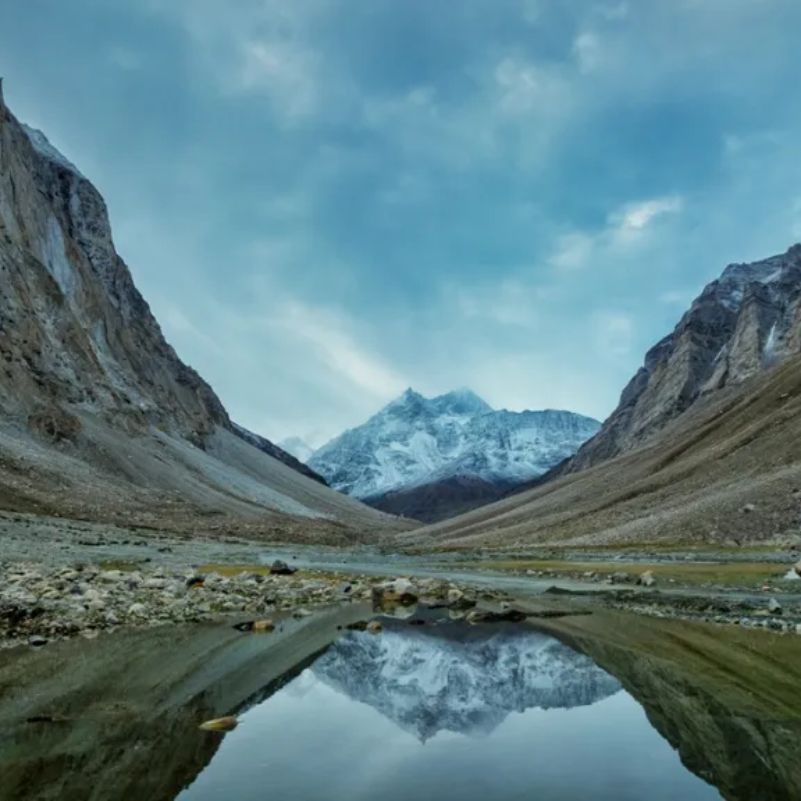
This is one of the biggest scenic days of the whole trip. Give it the respect it deserves.
One current 2026 itinerary puts Kargil to Padum at about 234 km. Sources disagree sharply on time, with figures running from roughly 7 to 12 hours.
We will not give you one fixed number, because nobody honestly can. Road conditions decide this day, so confirm the situation in Kargil the evening before.
You drive up through the Suru Valley, then past Rangdum, where the landscape opens up wide and quiet.
Then comes Pensi La, at about 4,400 metres according to our researched itinerary source. This pass is the doorway into Zanskar.
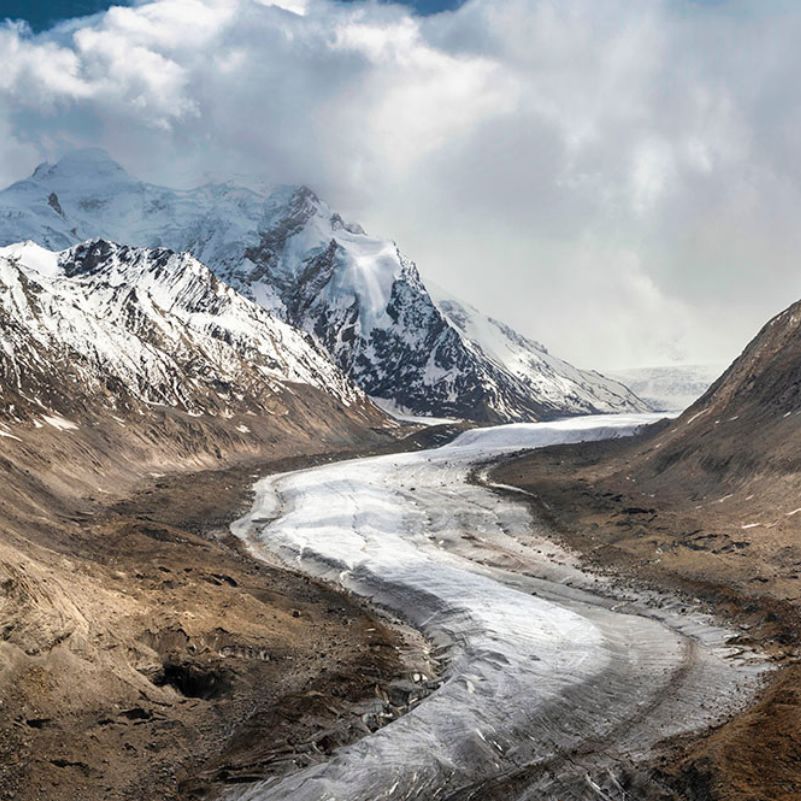
Just beyond it, the Drang Drung Glacier comes into view. Most travellers want to stop here longer than they planned.
Our timing tip: leave Kargil early. An early start gives you daylight to spare at Pensi La and Drang Drung, and you avoid reaching Padum tired and in the dark.
You sleep in Padum, which sits at about 3,650 metres according to the same source.
On your first evening, skip the restaurant hunt. Ask your Padum homestay for a pot of butter tea and a simple home cooked dinner. It warms you up better than anything else after a day like this.
Day 3: What Should You See Around Padum?
Here is the honest truth about Zanskar trips. Many people drive two long days, look at Padum for one evening and drive straight back.
That is a waste. Give the Padum area at least one full day. The monasteries and villages around it are the reason you came.
Karsha Monastery
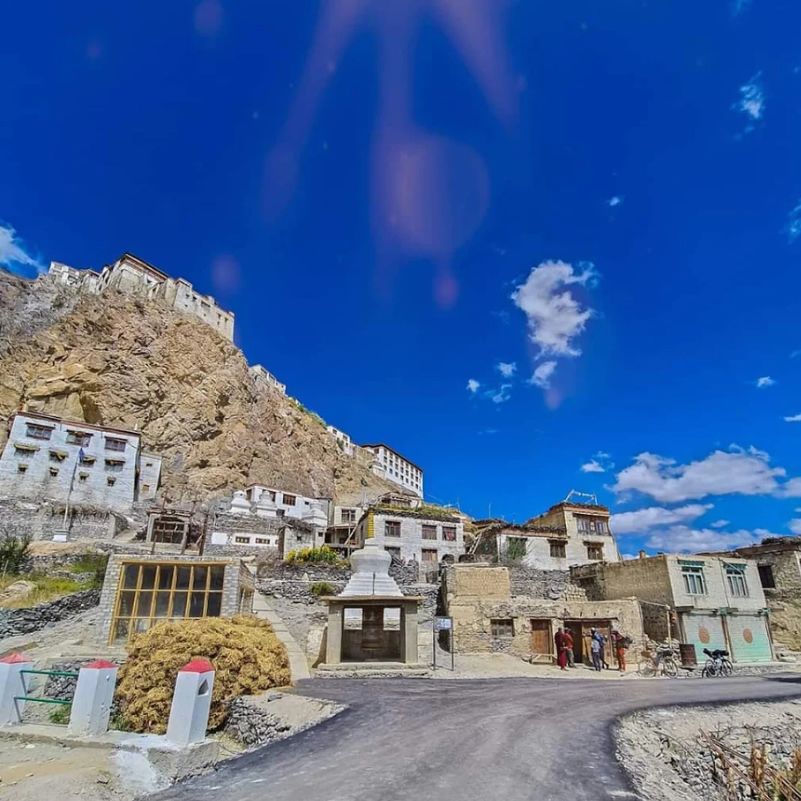
Karsha shows up in almost every Padum sightseeing plan, and it belongs there.
Make it an anchor stop on your first local day, ideally while your energy is fresh. Check entry fees and visiting hours with your driver or homestay.
Stongde or Stongdey Monastery
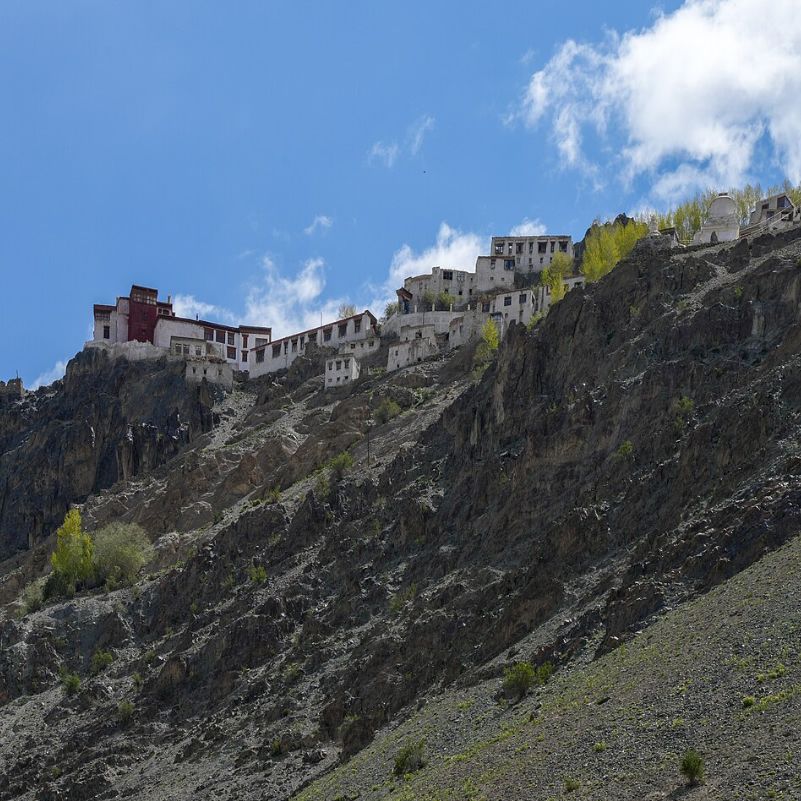
Stongde, also written Stongdey, makes a logical second stop north of Padum.
It fits well with Karsha and Zangla in the same broad sightseeing loop. Confirm fees and timings locally.
Zangla
Zangla fits neatly into this part of the trip because it lies in the same general direction as Stongde.
If your pace is good, you can include it on Day 3. If not, keep it for Day 5. That is exactly why Day 5 stays flexible.
Sani and Padum
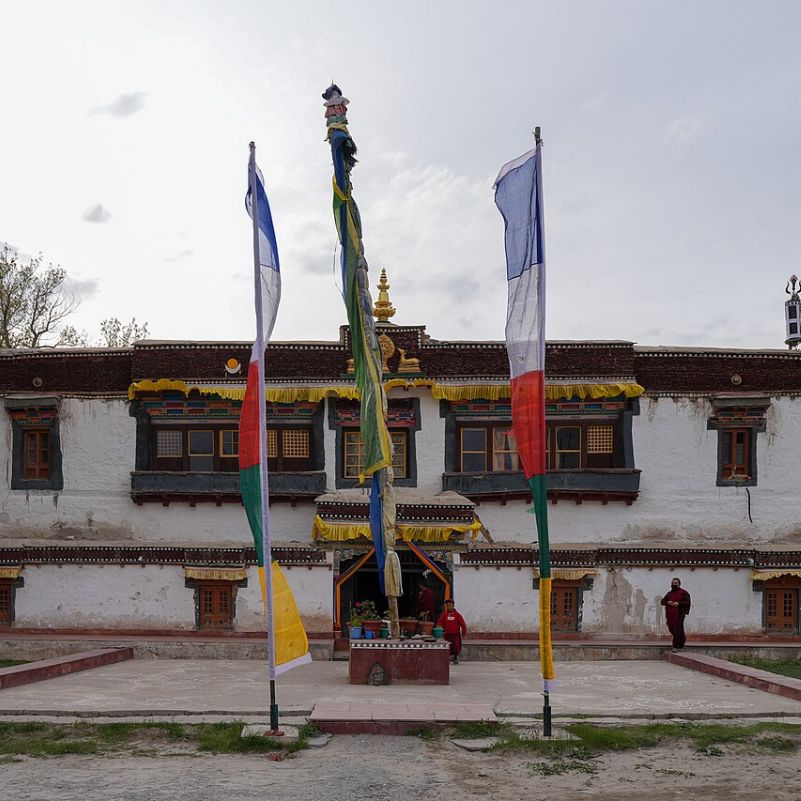
Sani and slow time in Padum town work well for a gentler day.
If you feel the altitude, swap a long monastery loop for Sani and an easy walk around Padum. You still see Zanskar. You just see it without wearing yourself out.
Day 4: Should You Use a Full Day for Phuktal Monastery?
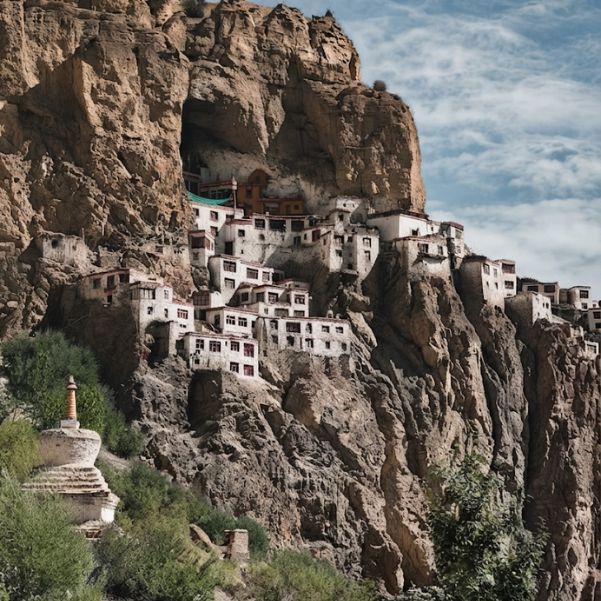
This is the biggest decision in your Leh to Zanskar itinerary. Give it a full day, not a gap between two driving days.
Phuktal Monastery sits in the Lungnak Valley, southeast of Padum, at about 3,850 metres according to current sources.
Getting there means a drive to the Purne side and then a walk. Road work keeps changing that drive.
Sources put the Padum to Purne or roadhead drive somewhere in the 40 to 55 km range. We will not pick one number, because the vehicle roadhead keeps moving.
Most accounts describe the walk from the Purne side as roughly 2 to 3 hours, depending on where the road currently ends.
Some sources quote about 6 km on foot. Reconfirm this in Padum, because road building changes how far vehicles can go.
Our team recommends keeping the Phuktal day flexible until you reach Padum and confirm the current roadhead.
Option A: Padum to Phuktal and Back in One Long Day
This can work if you are fit, properly acclimatised and happy to start very early.
You also need to confirm the current roadhead the evening before. Even then, we will not promise it fits into one day every time. A slow walk, a late start or road work can stretch it.
Option B: Stay Around Purne
An overnight near Purne takes the pressure off. You walk at your own pace, spend real time at the monastery and drive back the next day.
This option fits best in an eight or nine day plan. It costs you one more night, but it turns Phuktal from a race into an experience.
Day 5: Use This as a Sightseeing Day or Strategic Buffer
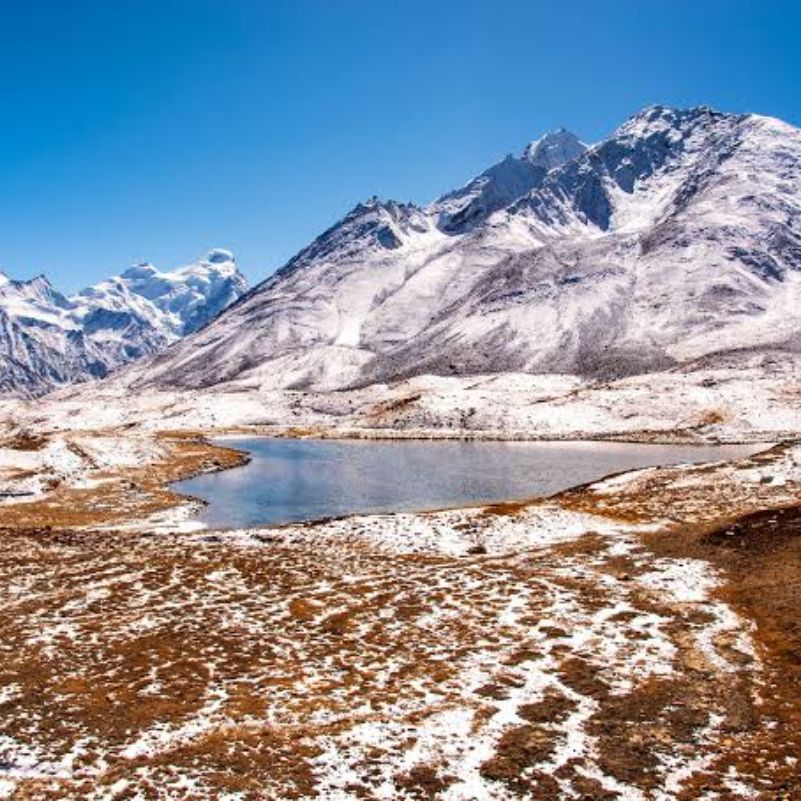
Day 5 stays flexible on purpose. It is the shock absorber of the whole trip.
If everything went to plan, use it for more Padum and Zangla area sightseeing that you skipped on Day 3.
If Phuktal took longer than expected, use it to rest. Your legs and lungs will thank you before the long drive back.
If weather, construction or road controls delayed you earlier, this day absorbs that delay. Your return plan stays intact.
We would rather give you one spare day in Zanskar than an itinerary that only works when every road behaves perfectly.
This one day is the main reason a seven day plan beats a squeezed five day plan.
Days 6 and 7: How Should You Return from Zanskar to Leh?
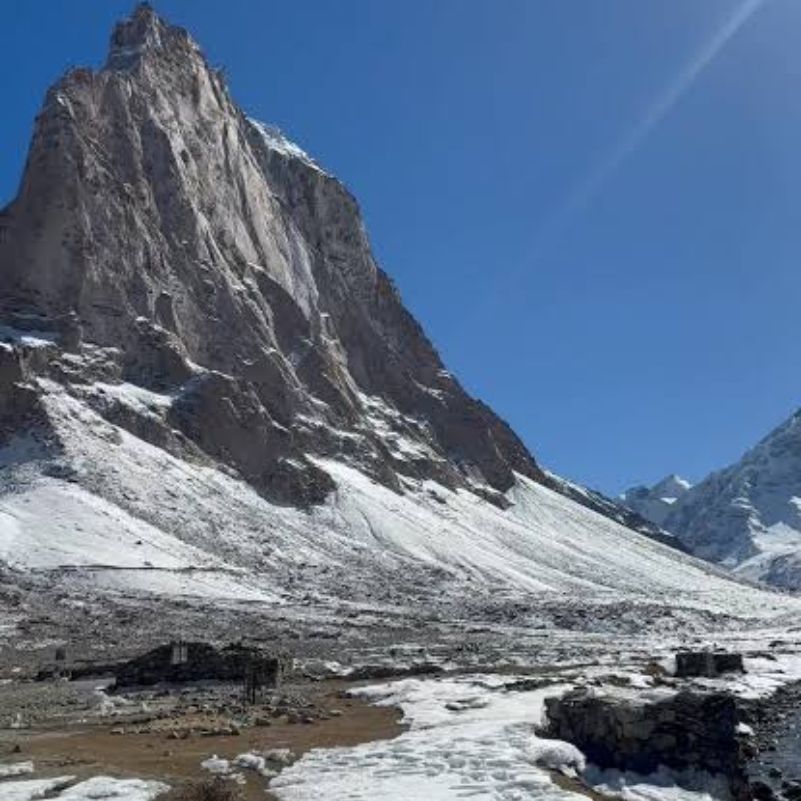
Keep this about scheduling. The detailed route mechanics live in our separate road guide.
Option 1: Return via Kargil
Going back the way you came is often the safer itinerary choice when you need predictability more than a loop.
You know the road, you know the overnight in Kargil and you know roughly how the days feel. No route here comes with a guarantee, but familiar ground helps you plan.
Option 2: Return via the Nimmu Side When Confirmed Open
The 298 km Nimmu Padum Darcha corridor links Nimmu and Darcha through Zanskar and Padum. The road received its formal dedication on 15 October 2026.
That does not make it an all weather road. Weather, construction and traffic controls can still stop or slow movement.
The separate Shinkun La tunnel, planned at 4.1 km, remains unfinished. Do not plan around it.
Check the exact route shortly before your trip and then again in Padum before you commit. Ask your driver and your homestay, because they hear about closures first.
Travel time on the Padum to Nimmu side changes with conditions, so confirm it locally.
For full road details, read our complete Nimmu Padum Darcha road guide.
What Is the Best 7 Day Leh to Zanskar Itinerary?
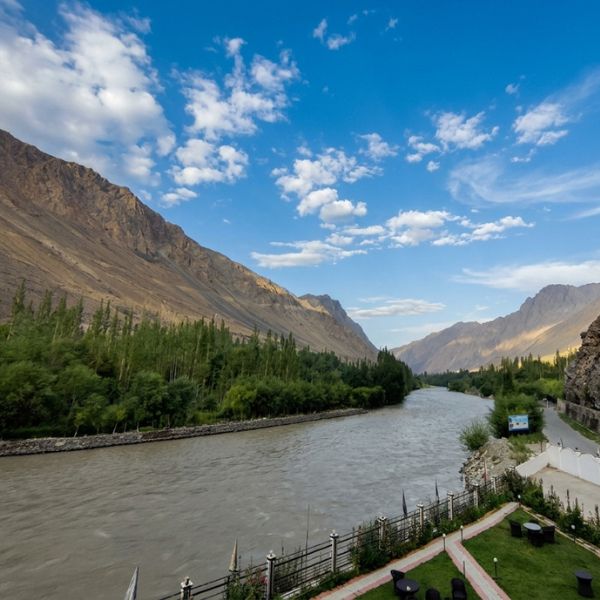
If you want one plan to copy, this Zanskar 7 day itinerary from Leh is it. Finish your acclimatisation in Leh first.
On Day 1, drive from Leh and sleep in Kargil. Stop at Lamayuru only if you feel fresh.
On Day 2, leave early, cross the Suru Valley, Rangdum, Pensi La and Drang Drung Glacier, and sleep in Padum.
On Day 3, see Karsha, Stongde and, if your pace allows, Zangla. Sleep in Padum.
On Day 4, do the Phuktal excursion from the Purne side once you confirm the roadhead. Sleep in Padum, or near Purne if you choose the relaxed version.
On Day 5, finish your sightseeing or rest and recover. Sleep in Padum.
On Day 6, start the return on whichever route locals confirm. Sleep in Kargil if you return that way, or at the confirmed overnight on the Nimmu side.
On Day 7, reach Leh.
This plan works because it balances two hard driving days in each direction with three days that actually let you see Zanskar. It also hides one buffer inside the trip without making it feel like wasted time.
Can You Do Leh to Zanskar in 6 Days?
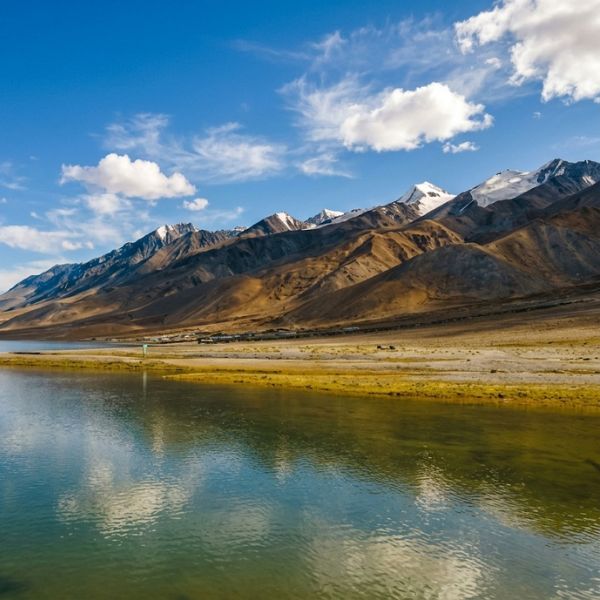
Yes, six days can work. But something has to go.
Usually you lose either the dedicated Phuktal day or the second Padum day that doubles as your buffer.
If you lose Phuktal, you get a calm trip with good monastery time around Padum. If you lose the buffer, you get Phuktal but no safety margin.
Our honest advice: if you have to cut, cut Phuktal before you cut the buffer.
One thing we never recommend is skipping Leh acclimatisation to gain a road day. That trade is never worth it.
Is a 5 Day Leh to Zanskar Itinerary Worth It?
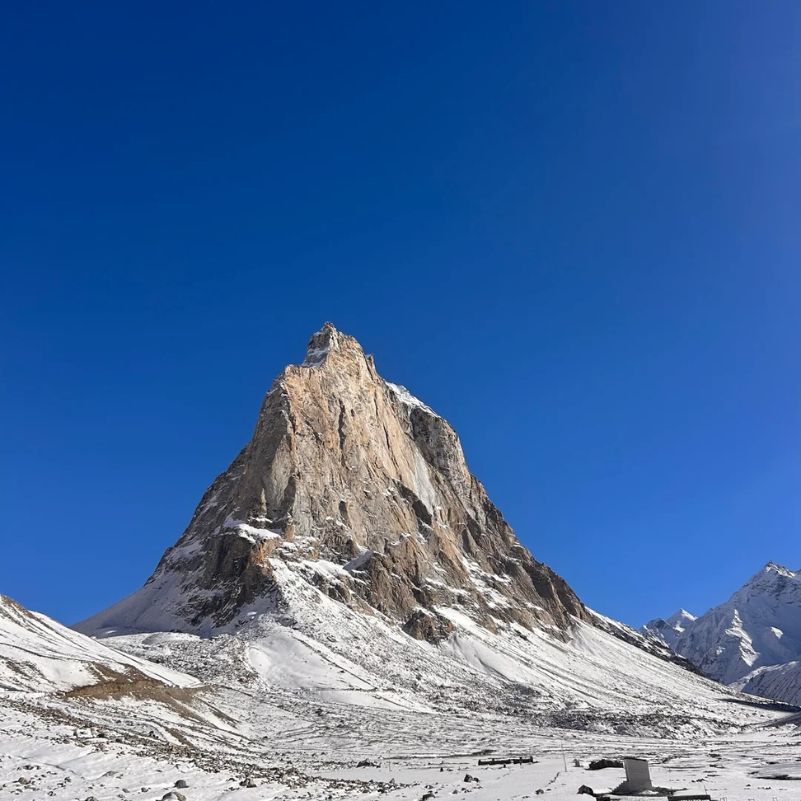
Treat five days as a road heavy minimum, not a proper Zanskar holiday.
You spend most of the trip reaching Padum and coming back. You get very little time for monasteries and almost no room if a road slows you down.
Here is the stop we tell people to skip: do not try to squeeze Phuktal into a five day plan. You end up rushing a long walk at altitude on a day when you also need to drive.
If five days is truly all you have, pick a few stops around Padum, keep Phuktal for another trip and leave early every day.
What Does an 8 or 9 Day Leh to Zanskar Trip Add?
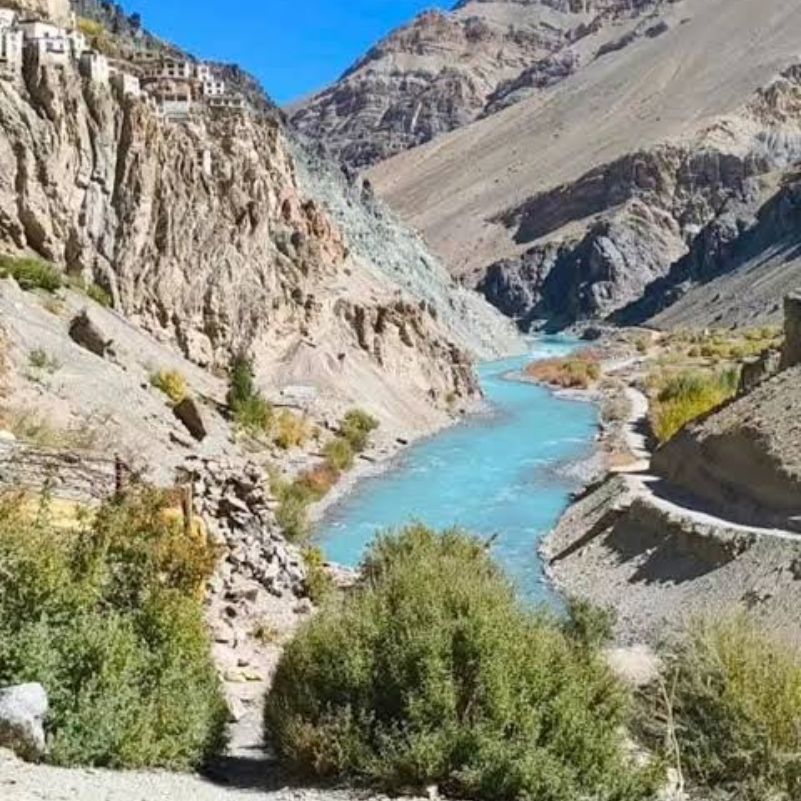
Eight or nine days changes the trip from a drive into a holiday.
You can add an overnight near Purne, so Phuktal stops being a race against daylight.
You can add another sightseeing day around Padum or Zangla, so you visit fewer places per day and stay longer at each.
You can slow the drive in with time around Rangdum and the Suru Valley instead of passing straight through.
And you get a genuine buffer that you do not have to borrow from your sightseeing.
If you want to experience Zanskar, not just prove you reached Padum, this is the length we suggest.
Where Should You Keep Your Buffer Day?
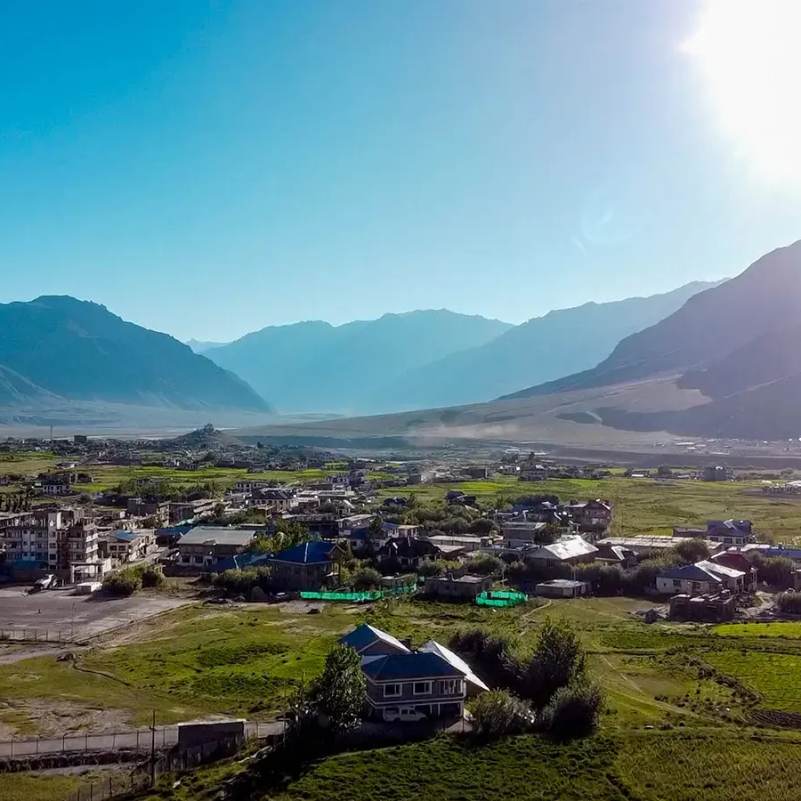
Your buffer should protect your last fixed commitment. For most people, that is the flight out of Leh.
Never plan your return so that you reach Leh from Zanskar only hours before your flight. One delay and the whole trip turns into panic.
Current 2026 road reports and traveller accounts show that snow, rain, construction and temporary controls can change high altitude road plans.
One traveller in October 2026 reported snow heavy enough to change plans on Ladakh’s high passes. That is one person’s experience, not a rule, but it shows how fast things can shift.
In our experience, the mistake is not choosing the wrong monastery. It is trying to save one day on a route where road conditions control the clock.
Our insider tip: keep one spare night in Leh at the very end, not just in Zanskar. If the road delays you, you lose a lazy Leh day instead of a flight.
Which Leh Zanskar Route Should Your Itinerary Use in 2026?
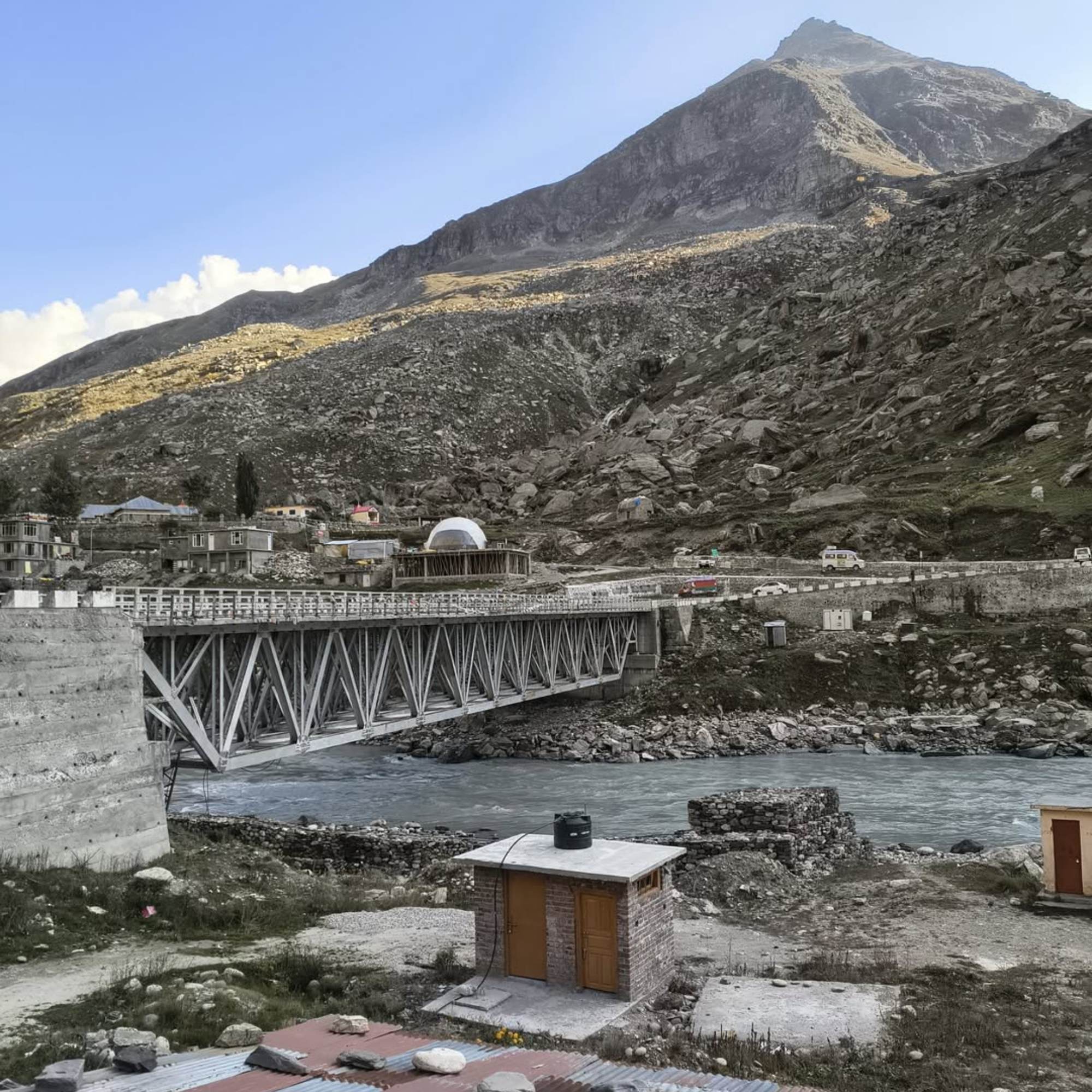
We keep this short on purpose, because the road guide covers it properly.
Kargil and Pensi La Route
This is the conventional route. Most established Leh Zanskar itineraries use it, with Kargil as the natural overnight.
Nimmu and Padum Corridor
This route matters more and more for loop planning. It depends on current movement, construction and weather on the day you travel.
Why You Should Decide the Final Route Close to Travel
A finished or inaugurated road does not mean free passage every day of every season.
The Ladakh administration released its first dedicated Zanskar traveller guide in October 2026, covering road connectivity, permits, maps, medical facilities and emergency information. Read it before you go.
Then lock your final route in the last few days before travel. Our Nimmu Padum Darcha road status and planning guide helps you make that call.
What Should Families, Seniors and First Time Ladakh Travellers Change?
Go slower. Avoid back to back long road days wherever you can.
An eight or nine day version suits you better than the standard seven, because you can split the drive and rest between big days.
Make Phuktal optional for anyone in the group who feels unsure about a long walk at altitude. They can enjoy a gentle day in Padum or Sani while others walk.
Every body reacts differently at altitude, so we will not call any activity right for everyone. Listen to how each person in your group feels and adjust the plan.
Practical Booking Strategy for a Leh Zanskar Round Trip
Book your Leh arrival and acclimatisation nights first. They are the foundation of everything else.
In remote areas, keep a little flexibility in your stays. If a road changes your timing, a host who can move your night by a day saves your plan.
Here is a local money saving tip: if you are a small group, share one vehicle for the whole round trip instead of paying for separate transfers. You also keep the same driver who knows your plan.
Confirm the active Padum exit route shortly before you reach Zanskar, and again once you arrive.
Do not book an essential onward connection right after your theoretical return. A non refundable flight on the evening of Day 7 is the most expensive mistake you can make on this trip.
A safety warning: be wary of anyone who promises you a fixed Kargil to Padum time. Sources range from 7 to 12 hours, so a confident single number usually means someone is selling, not planning.
Explore Our Curated Zanskar Valley Tour Packages
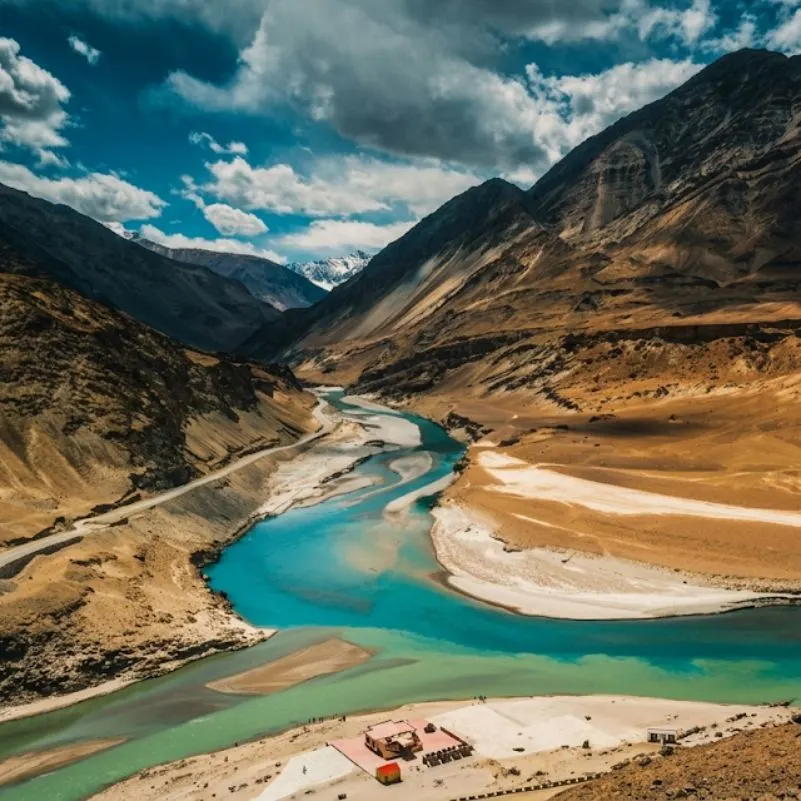 Group Tour8D/7N
Most Loved Zanskar Valley 4x4 Group Expedition
1D Manali•1D Purne / Kargyak / Gonbo Rangjon Side+2
₹32,999/ person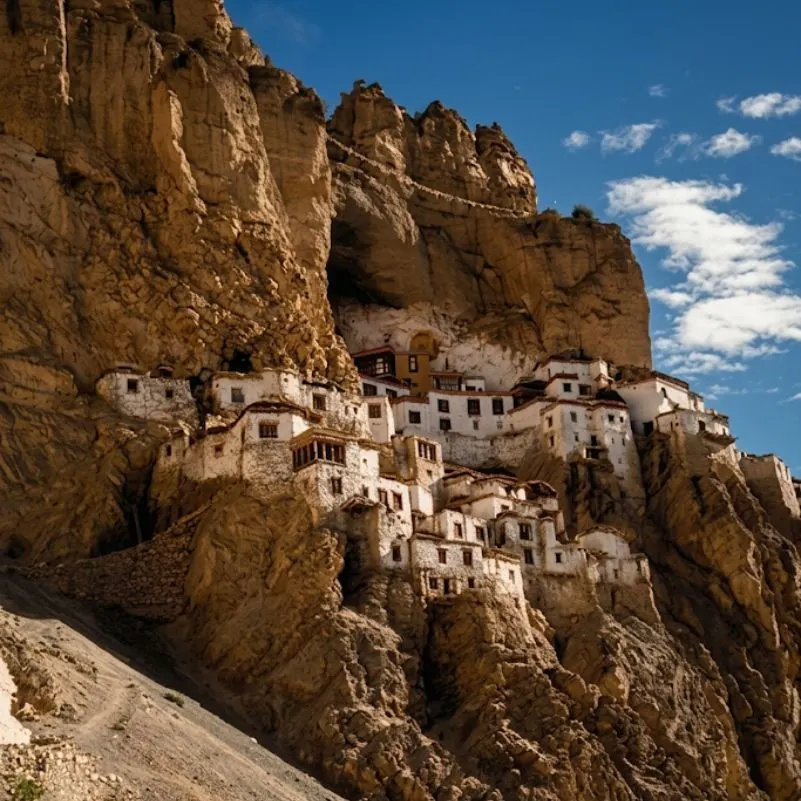 8D/7N
Private Zanskar Valley 4x4 Expedition With Phugtal Gonbo Rangjon and Baralacha La
1D Manali•1D Purne / Kargyak / Gonbo Rangjon Side+2
₹44,999/ person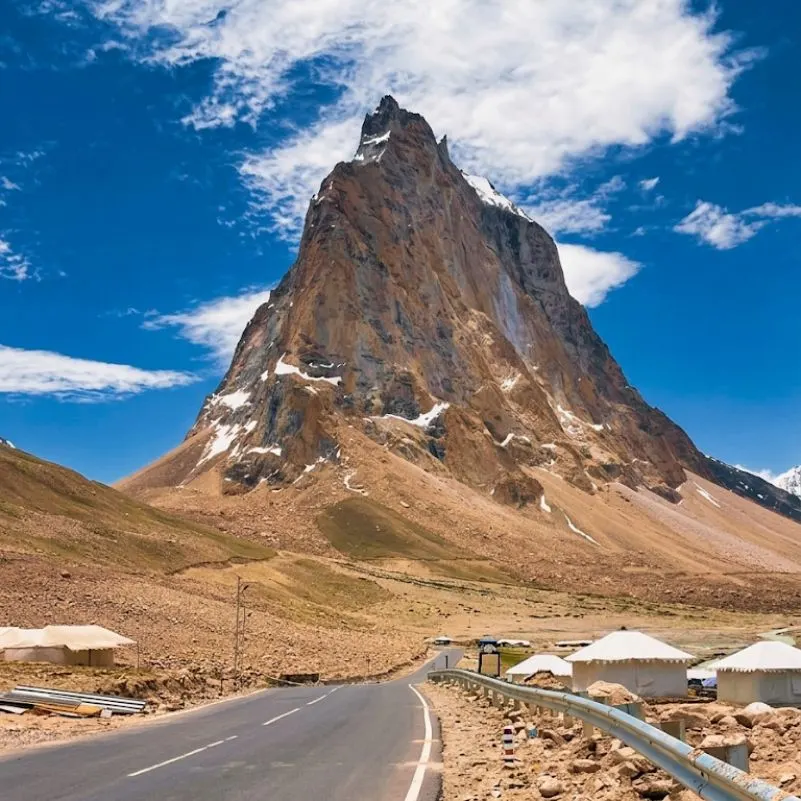 8D/7N
Private Zanskar Valley Tour With Phugtal Gonbo Rangjon and Baralacha La
1D Manali•1D Purne / Kargyak / Gonbo Rangjon Side+2
₹29,999/ person
Frequently Asked Questions
How many days are enough for Leh to Zanskar?
Seven road days after Leh acclimatisation is the practical standard. Eight to nine days gives you room for Phuktal and a real buffer.
What is the best 7 day itinerary from Leh to Zanskar?
Leh to Kargil, Kargil to Padum, Padum sightseeing, Phuktal, a flexible fifth day, then two days back to Leh on the confirmed route.
Can I do Leh to Zanskar in 5 days?
You can, but it becomes a road heavy minimum. You get little sightseeing and almost no room for delays.
Is six days enough for Zanskar from Leh?
Six days works if you drop either the Phuktal day or the buffer day. Never cut Leh acclimatisation to make room.
Can I drive directly from Leh to Padum?
Newer road connectivity exists, but whether you can use it on a given day changes with conditions. Confirm it close to travel and avoid relying on a fixed travel time.
Should I stay in Kargil or Rangdum?
Kargil naturally splits Leh and Padum in most plans. Rangdum works well when you deliberately slow the trip down.
How many nights should I spend in Padum?
Spend enough nights for at least one full sightseeing day. Add more if you include Phuktal.
Can Phuktal Monastery be visited in one day?
Fit, acclimatised travellers who start early may manage it. It depends on the current roadhead, so check locally first.
Should I return to Leh through Kargil or Nimmu?
Kargil gives you predictability. Nimmu gives you a loop. Choose based on current road information, not on what you read months ago.
How many buffer days should I keep?
Keep at least one. If your onward flight cannot change, keep extra margin before it.
Do I need a permit for Zanskar?
A current travel source reports that Indian travellers do not need an ILP for Zanskar and the Kargil to Padum route. Permit requirements depend on nationality and the other Ladakh regions in your itinerary. Rules can change, so verify the current requirement through the Ladakh administration before travel.
What happens if the planned Zanskar road is closed?
Your plan should already include a route alternative and a buffer day. Never build the trip around one road that has to stay open.
More about Zanskar Valley
 Zanskar Valley
Zanskar by Bus and Shared Taxi 2026: Public Transport, Booking and Backup Plans
Planning a Zanskar trip without a private vehicle? Explore bus routes, shared taxis, transport costs and backup options for travelling to Zanskar in 2026. Learn how to plan connections and manage unexpected delays.
 Zanskar Valley
Zanskar in Monsoon 2027: July and August Risks, Roads and Best Routes
Planning a Zanskar Valley trip during monsoon 2027? Explore July and August weather, road conditions, routes from Manali, Leh and Kargil, landslide risks and essential travel tips for a safer Himalayan road trip.
 Zanskar Valley
Zanskar Family Trip 2026: Visiting With Kids or Older Parents
Planning a family trip to Zanskar in 2026 with kids or older parents? Explore suitable destinations, road travel options, accommodation choices, and practical itinerary ideas for different age groups. Understand altitude concerns, travel times, and comfort considerations before planning a family holiday in this remote Himalayan region.