
Kinnaur vs Spiti in Winter 2026: Which Trip Suits You?
Most people pick their winter trip by scrolling photos. That is the wrong way to settle Kinnaur vs Spiti in winter.
The real question is simple. How much cold, distance and uncertainty do you actually want on your holiday?
Here is what most tourists get wrong. They book winter Spiti for the snowy pictures, then spend the trip fighting the cold instead of enjoying it.
We plan both trips from our base in Shimla every season. This guide by Travel Coffee gives you the honest version, so you book the trip that fits you.
Quick Answer: Should You Choose Kinnaur or Spiti in Winter?
Pick Kinnaur if this is your first winter trip in the Himalayas, you have fewer days, or you want a flexible couples trip.
Pick Spiti if you want a remote high altitude expedition and you accept severe cold, long road days, basic facilities and sudden plan changes.
In winter, you reach Spiti only from the Shimla and Kinnaur side. The road over Kunzum Pass shuts for the season.
Our Kinnaur tour packages suit the first kind of traveller. Our Spiti Valley tour packages suit the second.
What Is the Biggest Difference Between Kinnaur and Spiti in Winter?

This is not a scenery contest. The real gap in the Kinnaur vs Spiti in winter choice is how hard the trip pushes your body and your plans.
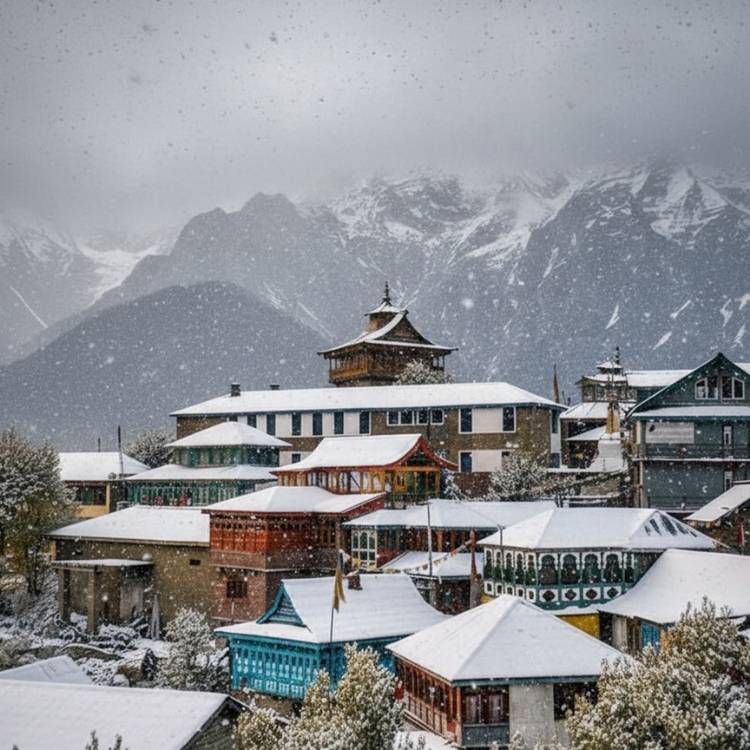
Kinnaur gives you a gentler winter road trip. You base yourself around Reckong Peo and Kalpa, with forested slopes, old villages and the Kinner Kailash range filling your window.
Spiti sits much higher, in a cold desert. It feels far more cut off, and in winter the cold itself becomes the main event.
Do not read gentler as easy. Snow and landslides can still stop Kinnaur roads. Kinnaur simply gives you more room to adjust when that happens.
Spiti gives you less room. One blocked stretch can cost you a full day, and you have fewer alternatives nearby.
Which Is Easier to Reach in Winter: Kinnaur or Spiti?
Kinnaur wins this one clearly. Both trips start on the same road out of Shimla, but Spiti asks you to keep going for much longer.
Reaching Kinnaur in Winter from Shimla on NH-05
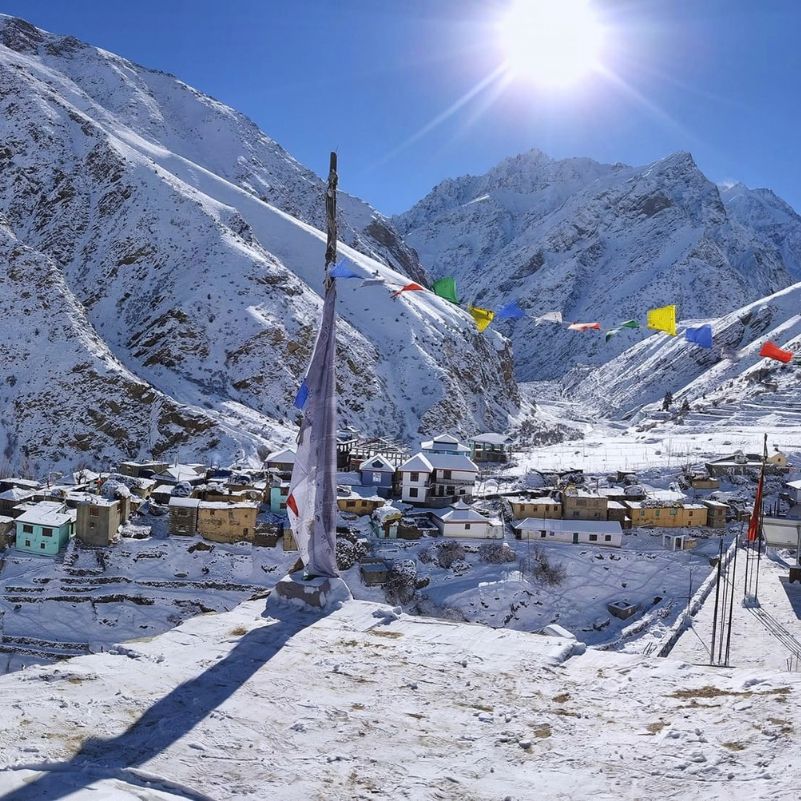
From Shimla, you follow NH-05 up the Sutlej side toward Kinnaur. District Kinnaur puts Kalpa at 260 km from Shimla.
You will hear people call this an all season road. That label means the road normally stays in use. It does not promise a clear road on your travel day.
In August and September 2026, District Kinnaur issued traffic regulation and temporary closure notices for NH-05 stretches at Nigulsari and Nathpa.
Those notices came before winter even started. That tells you how fast this road can change, in any month.
Keep your Kinnaur plan anchored on Reckong Peo and Kalpa. Treat every upper side valley as a separate question you answer closer to the date.
Most of our Kinnaur trips start with a relaxed night in Shimla. If you want that easy first stop, our Shimla tour packages cover it.
Reaching Spiti in Winter via the Shimla Kinnaur Kaza Route

The Lahaul and Spiti district administration puts Shimla to Kaza at about 412 km and about 20 hours of driving, without counting an overnight halt.
Read that number again. Twenty hours of winter mountain driving cannot fit into one sensible day, so you split the journey into stages through Kinnaur.
Safety warning: if anyone offers you a straight Shimla to Kaza run in a single winter day, say no. 412 km and 20 hours at the wheel leaves zero margin for ice, fatigue or a blocked stretch.
The district calls Shimla to Kaza an almost all weather connection, and it ties even that to current road and weather conditions. That word almost matters.
The other road into Spiti runs from Keylong to Kaza over Kunzum, about 185 km. It generally shuts from around October or November until June or July, depending on snow and weather.
So winter Spiti becomes an out and back trip. You drive in through Kinnaur and you drive out the same way.
The classic summer loop from Shimla through Spiti to Manali does not work in deep winter. Any itinerary that shows it in January needs a hard second look.
If your real goal is snow and an easy winter break, plan Manali as its own trip. Our Manali tour packages work far better than forcing the Manali side of Spiti.
Why Are Kunzum Pass and Chandratal Different in Winter?
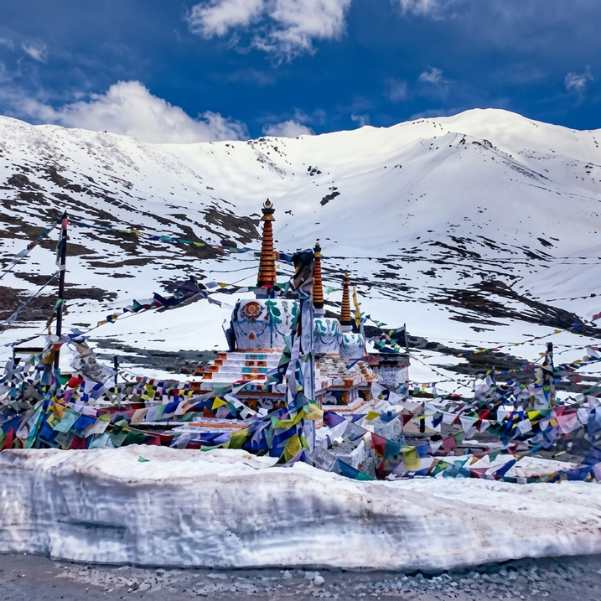
The official district information says the Keylong to Kaza road over Kunzum Pass generally enters winter closure around October or November. It may stay shut until June or July.
Chandratal sits on that snowbound side of the map. That makes it a summer lake, not a deep winter sightseeing stop.
Here is the stop we tell you to skip outright: do not plan Chandratal on a December, January or February trip, and do not plan winter camping there. The road and the camps follow the summer season.
If a seller adds Chandratal to a winter Spiti itinerary, ask them how they plan to reach it. You will learn a lot from the answer.
If the lake matters to you, come back in the warm months. Our guide on when Chandratal opens in 2026 shows you the safer window.
Where Can You Realistically Visit in Kinnaur During Winter?
A good winter Kinnaur trip has one strong base and a few bonus outings. It does not chase every valley on the map.
Kalpa and Reckong Peo: Your Winter Base in Kinnaur
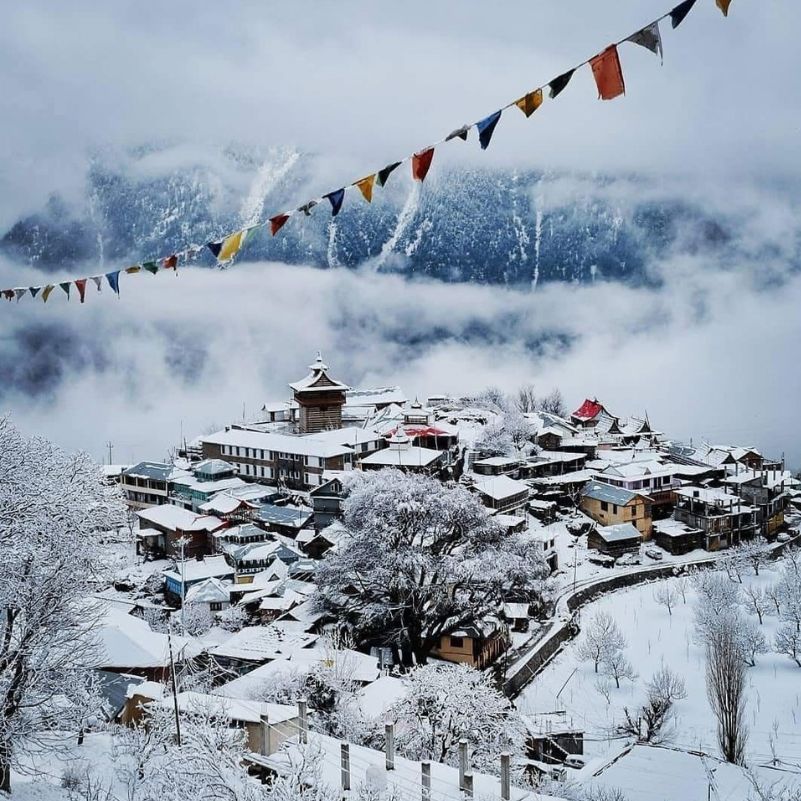
Kalpa sits at 2,759 m. District Kinnaur puts it 14 km from Reckong Peo, a drive of roughly half an hour.
That short gap is your safety net. Reckong Peo gives you the district town, and Kalpa gives you the view.
From Kalpa, you look straight across at the Kinner Kailash range. On a clear winter morning, the snow on those peaks turns gold before the village wakes up.
Seeing the range is not the same as doing the Kinnaur Kailash trek. In winter you enjoy the mountain from Kalpa, not from its slopes.
Our insider tip: base yourself in Kalpa or Reckong Peo for the whole Kinnaur leg. If a side road shuts, you still wake up at Kinner Kailash and lose nothing.
This also saves you money. Stay two or three nights in one base instead of moving every night, and you pay for fewer long driving days.
For chai, a practical stop is Reckong Peo main market, where you will find several small local eateries and tea stalls before continuing uphill to Kalpa.
Order a hot chai and something fried, then carry dry snacks up. Kalpa evenings get cold fast, and you will want food within reach.
Sangla, Rakcham and Chitkul: A Weather Bonus, Not a Promise
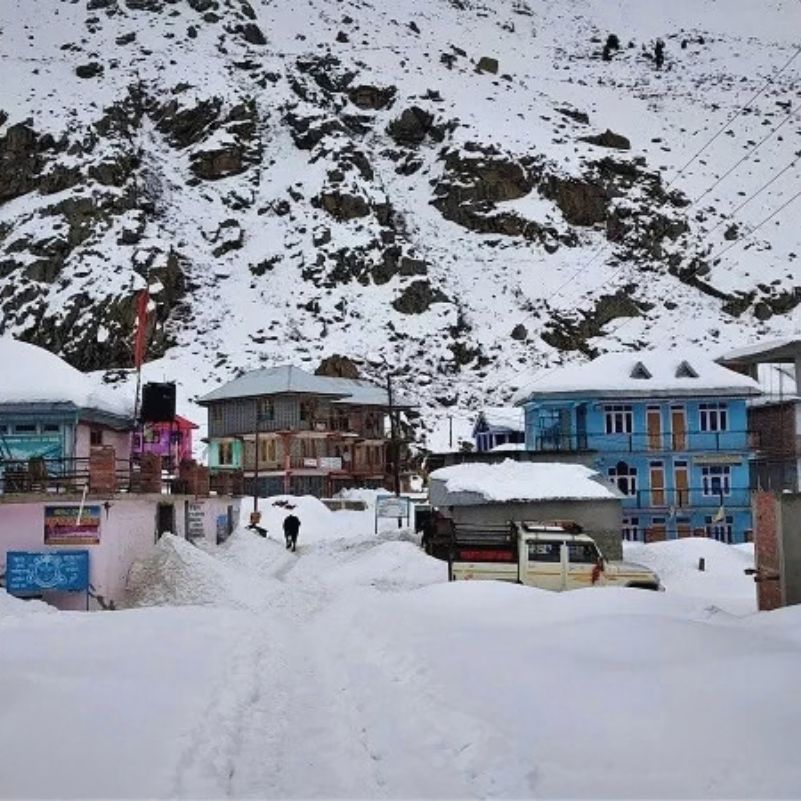
Sangla sits at 2,621 m, 17 km from Karcham. The valley road continues past Rakcham toward Chitkul.
District Kinnaur lists Chitkul at about 11,000 ft. In peak winter, that height brings the real snow risk.
Heavy snowfall can temporarily block the Sangla and Chitkul roads in winter, and road accessibility varies from year to year depending on snowfall and local conditions.
So we never promise Chitkul on a December, January or February departure. We treat it as a bonus day, and we decide on the morning itself.
In our experience, the same winter week can give one group a clear run to Chitkul and send the next group back from Sangla. Plan for both outcomes and you will enjoy either one.
What Can You Actually See in Spiti During Winter?

Reaching Kaza and seeing every famous village are two different things. Many people only learn this after they arrive.
Your main winter corridor runs through Tabo and Kaza. These are the places you build the trip around.
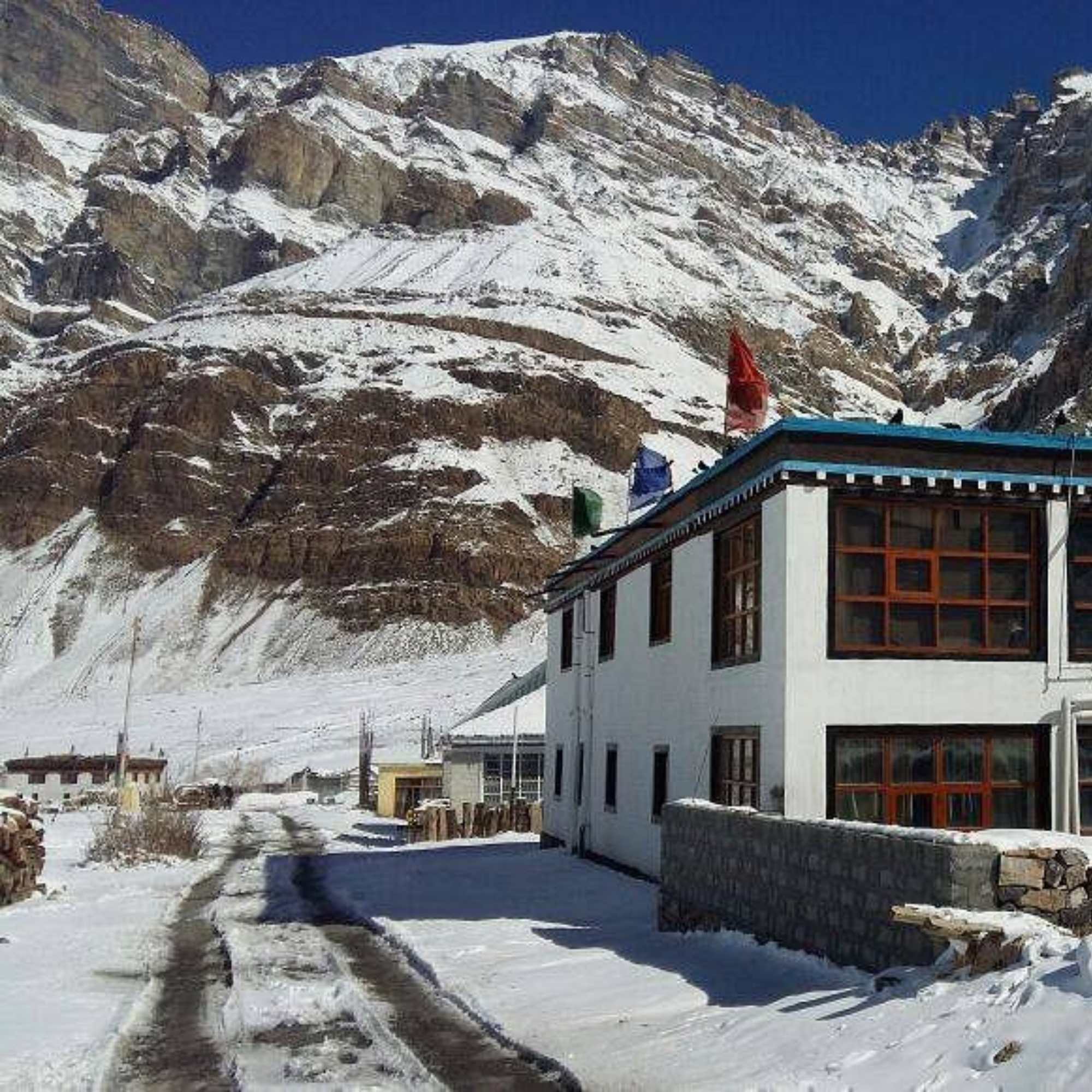
The higher villages such as Key, Kibber, Langza, Hikkim and Komic should be treated as condition based winter excursions, with access depending on the local road and snowfall conditions on the day.
The same goes for Dhankar and Pin Valley. Snow on a side road can shut one village while the next one stays open.
Our second insider tip
Ask your Kaza homestay host each morning which local roads are clear. People living there know the ground reality before any notice goes up.
Be honest with yourself about comfort too. Winter Spiti means basic facilities, fewer open stays and long, cold evenings indoors.
If that sounds like part of the adventure, Spiti will reward you. If it sounds like a problem, Kinnaur is the better trip.
Which Trip Is Colder and Harder on the Body?

Spiti, by a wide margin. Kinnaur gets properly cold, but Spiti takes you into a far harsher high altitude winter.
Himachal Tourism says Kinnaur temperatures start falling from November and can drop well below freezing in December and January. Kalpa, at 2,759 m, feels every bit of that after sunset.
For Spiti, Himachal Tourism says some parts can fall to around minus 20 degrees Celsius between December and February.
No single number covers all of Spiti. The cold changes with each village, its altitude, the weather system overhead and the hour of the day.
In plain terms, Spiti asks more of your lungs, your sleep and your patience. Water pipes, cold rooms and long nights become part of daily life.
Nobody can promise that you will adjust well to altitude. If you have any health conditions, talk to your doctor before you book either trip.
If you are leaning toward the deep winter months, read our honest take on whether Spiti Valley in February is safe before you decide.
Which Is Better for Snow: Kinnaur or Spiti?
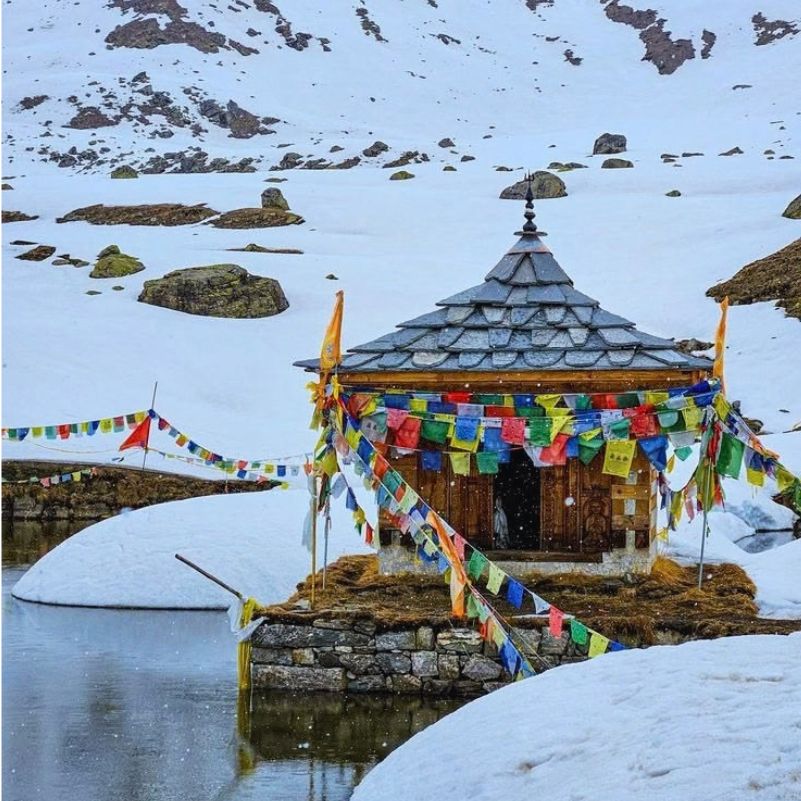
First, decide what you mean by snow. Some travellers want snowy scenery. Others want to watch snow actually fall during their trip.
Fresh snowfall can never be guaranteed for specific travel dates, so check the latest forecast close to departure and plan for either snow covered conditions or dry winter weather.
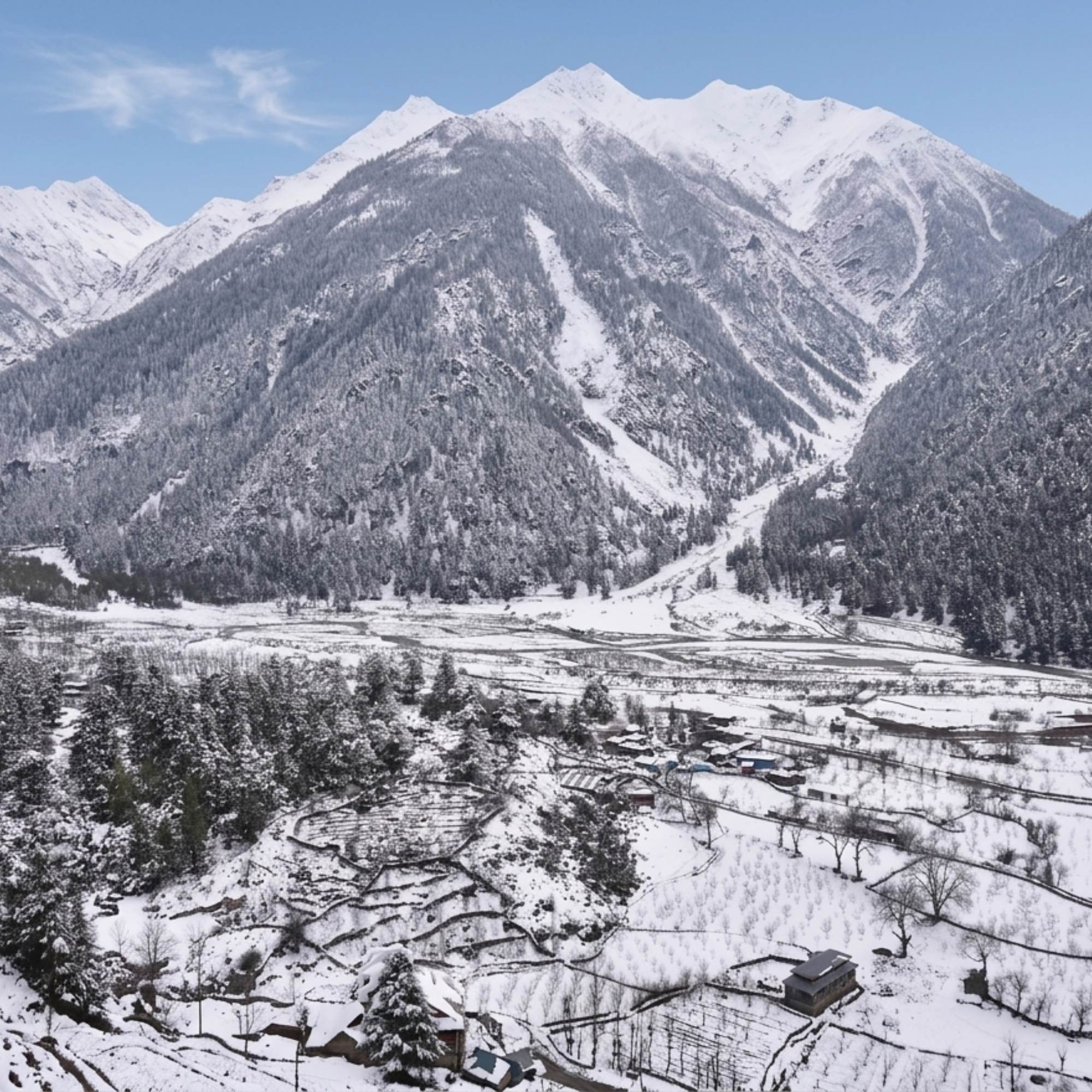
Kinnaur gives you the classic winter picture. Think snow on Kinner Kailash, white rooftops in mountain villages and dusted forest slopes.
Spiti looks starker. When snow has built up, it covers a bare cold desert, and monasteries stand out against white ridges.
Neither is better. They simply feel like two different winters.
Kinnaur vs Spiti for First Time Winter Travellers: Which Should You Pick?

Pick Kinnaur. Most first time winter travellers in the Himalayas find it far easier to plan, easier on the body and easier to rescue when the weather turns.
In our experience, travellers who are unsure about extreme cold and long winter road days are usually happier starting with Kinnaur.
Winter Spiti makes sense when you want the hard expedition itself. If you mainly want a snow holiday, you will get more joy and less stress from Kinnaur.
Still stuck between the two? Send us your dates and your group, and we will tell you honestly which one fits.
Which Is Better for Couples, Families, Photographers and Adventure Travellers?

Your travel style decides this more than the map does.
Couples Wanting a Scenic Winter Break
Kinnaur usually fits better. You get shorter road days, a fixed base in Kalpa and time to sit with chai and a mountain view.
Choose Spiti only if you both actively want the winter expedition. One reluctant partner can turn a remote trip into a long week.
Families and Travellers with Fixed Leave
Kinnaur fits a shorter schedule more easily. Mountain road delays can still happen, so keep a spare day even here.
We cannot promise that either trip suits young children, elderly family members or anyone with a medical condition. Check with your doctor and plan gently.
Photographers
Kinnaur gives you snow on Kinner Kailash, mountain villages and forested terrain. Spiti gives you monasteries, cold desert ridges and remote villages under heavy skies.
Neither wins on paper. Pick the light and landscape that matches the photos you actually want to make.
Experienced Adventure Travellers
Spiti is your trip. If remoteness, cold and an itinerary that changes daily sound exciting, winter Spiti gives you exactly that.
How Many Days Should You Keep for Kinnaur vs Spiti in Winter?

Winter Kinnaur guides commonly suggest about 5 to 7 days, including room for road disruption. Treat that as a planning range, not a fixed rule.
For winter Spiti, plan about 8 to 10 days from a Delhi style starting point. The long road in and out eats most of the extra time.
Here is what we tell our travellers: one extra buffer day is worth more than one extra sightseeing stop. A spare day turns a blocked road into a rest day instead of a crisis.
Our timing tip for both trips
Start each driving day early and finish before sunset. Winter light fades early in the valleys, and icy stretches feel far worse in the dark.
Which Winter Trip Costs More?
Spiti usually costs more. You pay for more vehicle days, a longer route and more complex winter logistics.
A core Kinnaur trip runs shorter, so you pay for fewer days on the road. Exact package and stay rates change by season and group size.
The cheapest Spiti quote is rarely the cheapest trip. If it skips buffer days, one closure can cost you extra nights and a rushed drive back.
Do You Need Permits for Kinnaur or Spiti in Winter?

Indian citizens do not need a permit to enter Spiti, according to official Incredible India guidance.
Foreign nationals need a Protected Area Permit for designated protected areas. Lahaul and Spiti district guidance lists places including Samdo, Dhankar, Tabo and Kaza.
We do not quote permit fees here, because the figures we found conflict and may be out of date.
If you hold a foreign passport, check the current requirement for your exact route, including the Kinnaur stretch, before you leave.
What Should You Check 48 Hours Before Leaving?
A winter itinerary is a draft until two days before departure. Check it again before you trust it.
Look at the current road advisories, the fresh snowfall forecast and access to each side valley you plan to visit.
Confirm every stay by phone. Then make sure your plan still has a full buffer day left in it.
Remember the 2026 Kinnaur notices on NH-05 at Nathpa and Nigulsari. Roads can change even outside the normal seasonal calendar.
Our team recommends treating the final itinerary as weather dependent until we check the road situation close to departure.
So, Kinnaur or Spiti: Which Winter Trip Suits You?
Here is our straight verdict on Kinnaur vs Spiti in winter.
Choose Kinnaur if this is your first Himalayan winter, you have fewer days, you value flexibility and comfort, or you want snowy mountain views without chasing the harshest conditions.
Choose Spiti if the remoteness itself is why you travel. You need more time, real buffer days and a calm attitude toward severe cold, long drives and basic winter stays.
In our experience, the happiest winter Spiti travellers are the ones who wanted the hard version from day one. The unhappiest ones booked it for photos.
Travelling alone? Our guide on Spiti safety for solo female travellers covers transport, stays and the questions to ask before you book.
Tell us your dates and how you like to travel, and we will build the version that fits you, not the one that sells easiest.
Explore Our Curated Kinnaur Tour Packages
 Group Tour5D/4N
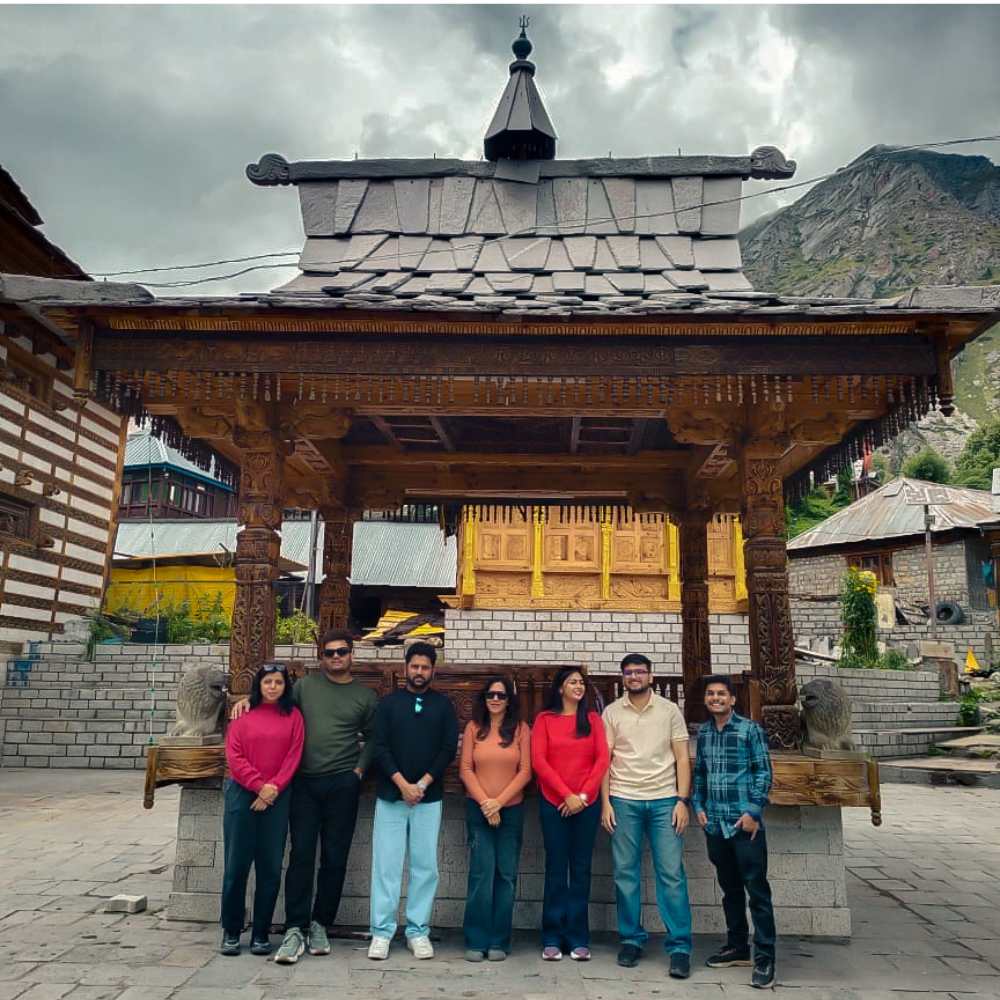
Kinnaur Valley Weekend Group Trip With Sangla Chitkul and Kalpa
1D Sangla•1D Kalpa
₹7,999₹9,999SAVE INR 2,000/ person 4D/3N
4D/3NKinnaur Valley Scenic Circuit With Sangla Chitkul and Kalpa
1D Shimla•1D Sangla+1
₹16,999₹17,999SAVE INR 1,000/ person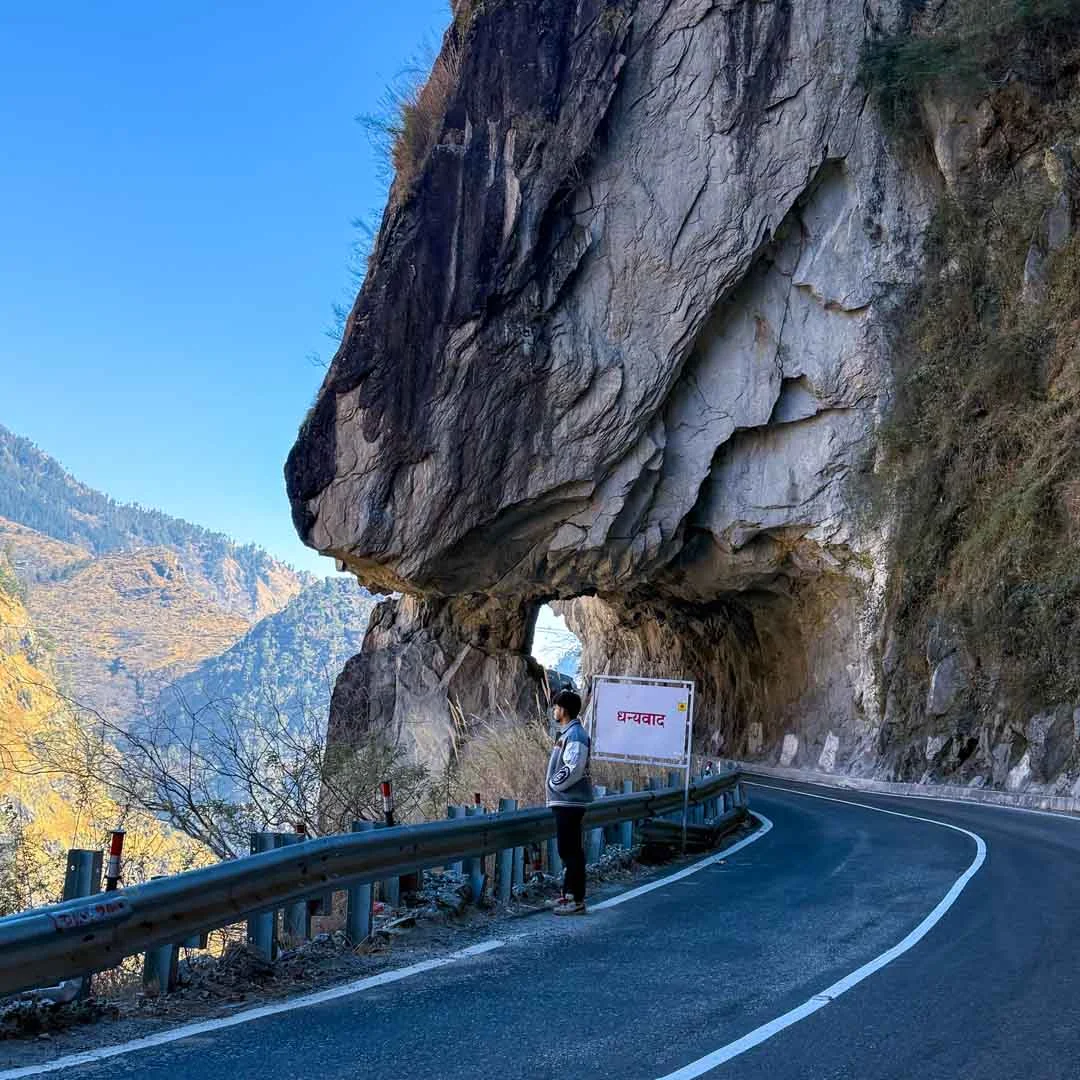 5D/4N
5D/4NKinnaur Tour Package From Delhi With Sangla Chitkul and Kalpa
1D Sangla•1D Kalpa
₹14,999₹16,999SAVE INR 2,000/ person
Frequently Asked Questions
Which is better in winter, Kinnaur or Spiti?
In the Kinnaur vs Spiti in winter choice, Kinnaur suits most first timers and shorter trips. Spiti suits experienced travellers who want a remote, very cold expedition.
Is Kinnaur open in December and January?
The main road to Reckong Peo and Kalpa usually stays in use, but snow and closures can stop it on any day. Check road advisories close to departure.
Can you visit Spiti in December?
Yes, through the Shimla and Kinnaur side, if roads allow on your dates. Expect severe cold, basic facilities and possible changes to your plan.
Is Chitkul open in winter?
Access depends on snowfall and road clearance, so nobody can promise it. Treat Chitkul as a weather dependent bonus in peak winter.
Can you reach Kaza in winter?
Usually yes, via Shimla and Kinnaur, a journey of about 412 km. Your access still depends on current road and weather conditions.
Which road to Spiti remains usable in winter?
The Shimla to Kaza side is the practical winter route. The Keylong to Kaza road over Kunzum generally shuts from around October or November to June or July.
Is Chandratal open in winter?
No. Do not plan Chandratal as a deep winter sightseeing stop, and do not plan winter camping there.
How cold does Spiti get in winter?
Himachal Tourism says some parts of Spiti can fall to around minus 20 degrees Celsius in deep winter. Conditions vary by village and time of day.
Which month is best for snow in Kinnaur?
December to February forms the core winter period. Nobody can guarantee fresh snowfall on the dates you choose.
How many days are enough for winter Kinnaur?
Plan about 5 to 7 days, with at least some flexibility for road disruption.
How many days are enough for winter Spiti?
Plan about 8 to 10 days from a Delhi style start, including buffer days.
Do I need a permit for Kinnaur or Spiti?
Indian citizens need no permit to enter Spiti. Foreign nationals need a Protected Area Permit for listed areas such as Tabo and Kaza, so verify your exact route.
Is winter Spiti suitable for a first Himalayan trip?
Usually not. Kinnaur gives you a far more forgiving introduction to the Himalayan winter.
Can solo women travel to Spiti in winter?
Many do, but nobody can promise safety. Plan carefully around remoteness, road uncertainty, cold, open stays and reliable transport.
More about Kinnaur
 Kinnaur
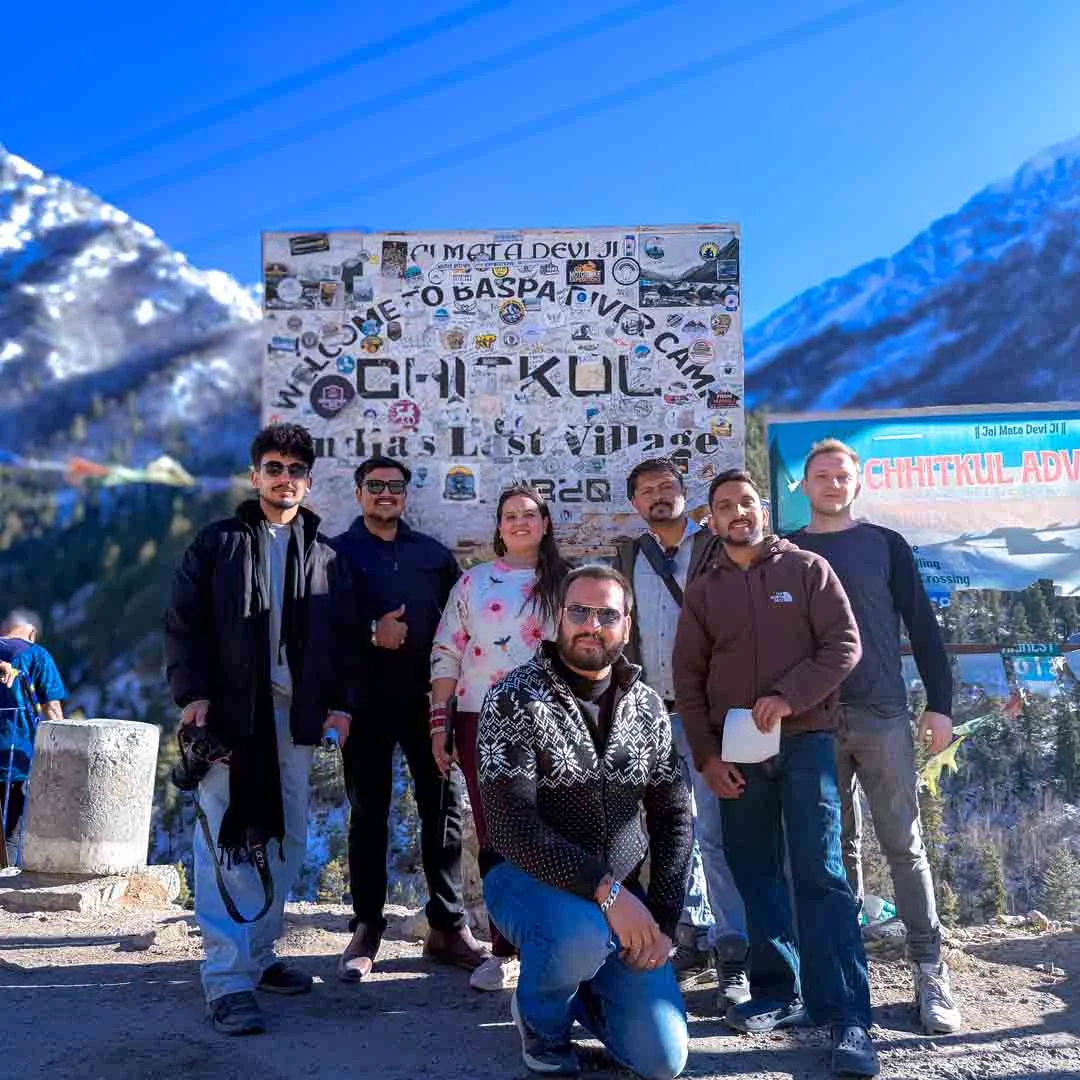
Kinnaur Group Tour vs Private Trip in 2026: Which Fits You?
Choosing between a Kinnaur group tour and a private trip in 2026? Compare costs, flexibility, comfort and travel style for Kalpa, Sangla and Chitkul. This guide helps you decide which Kinnaur trip option suits your budget and plans best.
 Kinnaur
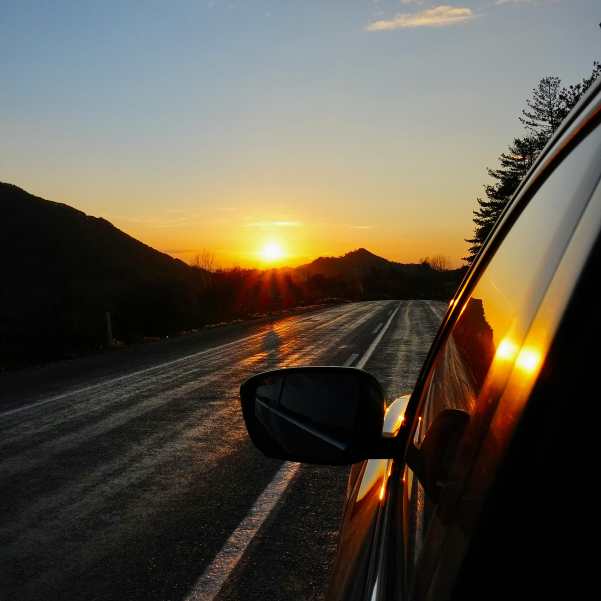
Kinnaur Self-Drive in October to December 2026: Cars, Roads & Real Risks
Planning a self-drive trip to Kinnaur between October and December 2026? Learn which cars work best, how road conditions change, where winter driving gets risky and what precautions you should take before heading towards Kalpa, Sangla and Chitkul.
 Kinnaur
Yulla Kanda Trek Itinerary: How Many Days Do You Need in 2026?
Planning your Yulla Kanda trek in 2026? Find out how many days you need to reach the sacred Krishna Lake in Kinnaur, with practical itinerary options for a short trek or a more relaxed journey. This guide covers trekking time, overnight camping, travel to Yulla Khas, and essential scheduling tips to help you plan around altitude, weather, and mountain road conditions.