
Jibhi in December 2026: Snowfall, Weather, Road Status and Winter Guide
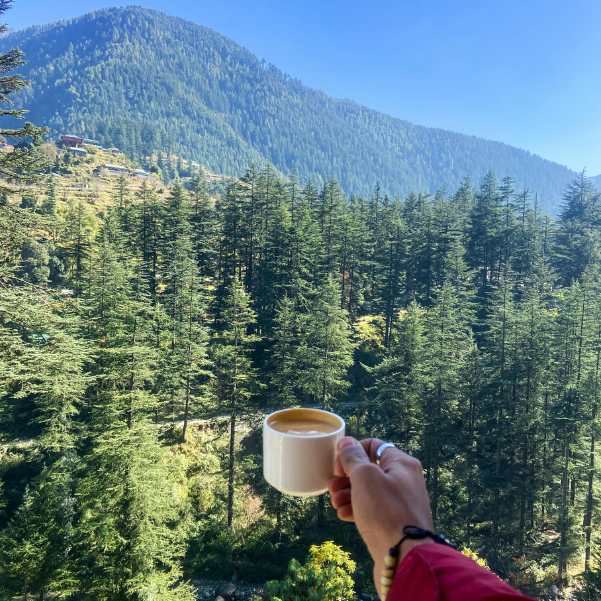
Jibhi in December is cold, quiet, and slow in the best way. But snow here is a maybe, not a promise, and that one fact should shape how you plan the whole trip.
Quick Answer
Jibhi in December is worth it if you want empty forests, half-shut cafés, frosty mornings, and long evenings inside a heated wooden cabin.
The historical December temperature sits around -3°C to 10°C. That is a monthly range built from past years, not a forecast for your exact travel dates.
Snow is possible but nobody can promise it, especially in early December.
Jalori Pass and the higher treks often shut after snowfall, so keep a flexible plan and check the road before you leave.
If you want us to handle the driving and stays, our Jibhi tour packages come with a local driver and a weather-flexible plan.
The biggest thing people get wrong about Jibhi in December is assuming the snow is guaranteed. It is not. Plan for the cold and the forest first, and treat snow as a bonus if it shows up.
Is Jibhi Worth Visiting in December 2026?
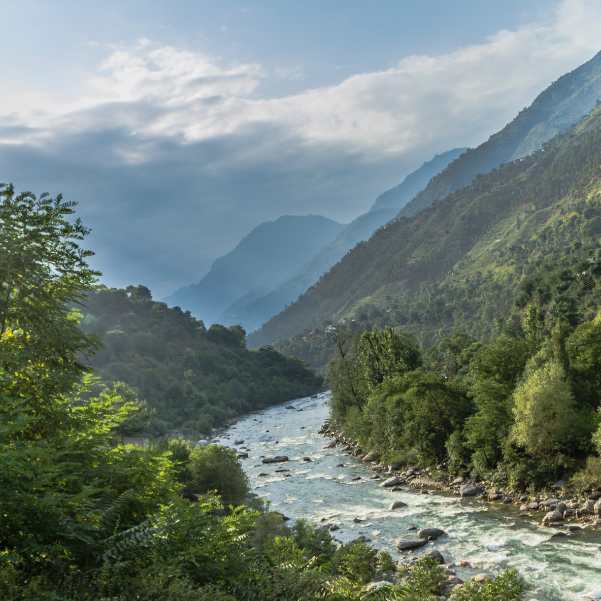
Yes, if you match the trip to your travel style. December strips Jibhi back to its quietest, most local version.
On normal weekdays, the village is calm. You get cafés with empty tables, riverside spots with nobody around, and a kind of stillness you rarely find in summer.
The winter forest is the real draw. Bare deodar trees, frost on the grass, cold mist hanging low over the valley, and woodsmoke drifting from cottage chimneys.
Cold mornings and slow days suit people who want to switch off. You wake up late, wrap up warm, walk a little, eat hot food, and let the day move at its own pace.
But we owe you the honest side too.
Nights get freezing or close to it. Once the sun drops behind the ridge, the cold moves in fast and stays.
Snowfall is uncertain. You can plan around it and still not see a single flake, especially in the first half of the month.
Fewer cafés and restaurants stay open in deep winter. Some shut for the season, so your food and hangout options shrink.
And the high-altitude spots get cut off. After snowfall, Jalori Pass, Serolsar Lake, and the upper treks often go out of reach for regular travellers.
Who Should Visit Jibhi in December?
Couples looking for a quiet, warm cabin escape will love it. The slow pace and long evenings work perfectly for a low-key winter break.
Photographers get a lot here. Bare trees, cold light, misty mornings, and the odd snow dusting make for strong winter frames.
Solo travellers who are comfortable with cold weather and don't need constant activity will settle in well.
Anyone who wants peace over parties, and scenery over sightseeing checklists, is in the right place.
Who May Prefer Another Month?
Families with very young kids may find the cold, the icy paths, and the short daylight hard to manage.
Travellers whose whole trip is about trekking will feel boxed in, because the good high treks usually close after snow.
First-time winter hill drivers should think twice. Icy, shaded roads in low visibility are not the place to learn.
And if you need guaranteed snow for a fixed date, December is a gamble. January is the more dependable snow month.
What Is the Weather and Temperature in Jibhi in December?
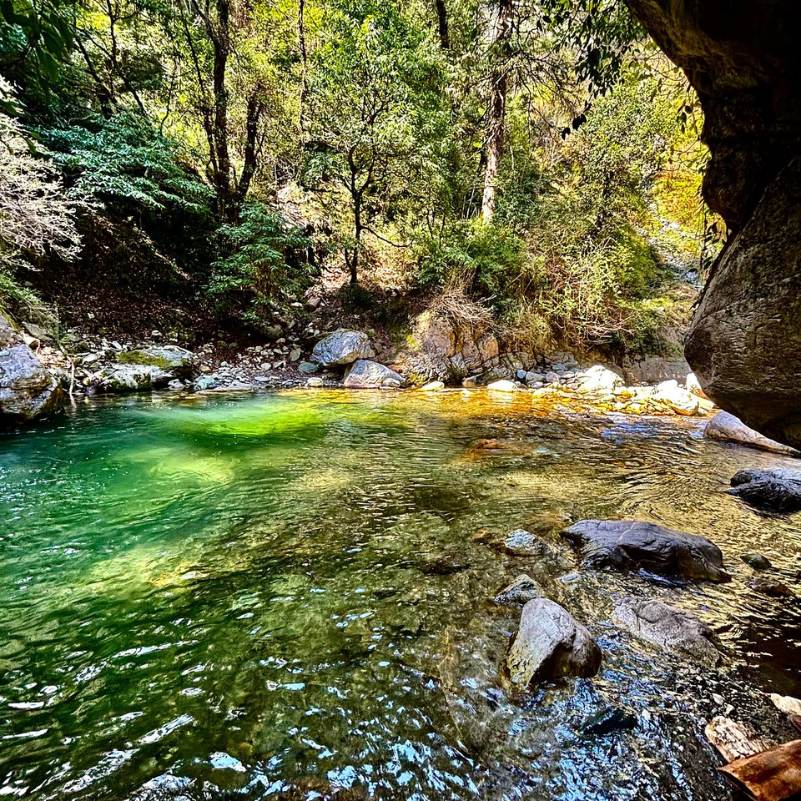
Use -3°C to 10°C as the broad historical December range. This is a monthly pattern from past years, not a promise for the days you pick.
The daily swing is the thing to understand. Afternoons in direct sun can feel pleasant, sometimes almost warm on your face.
Then the sun dips behind the mountains and everything flips. Mornings, nights, and any shaded corner feel far colder than the number suggests.
Wind adds to the bite. A calm 5°C afternoon and a windy 5°C afternoon feel like two different temperatures.
So pack for both. You will peel off a layer at midday and pile everything back on by evening.
Early December
Early December usually carries a lower snow chance than the back end of the month.
The upside is that roads are often easier at this point, since heavy snow may not have arrived yet. But we cannot promise that, and a single early spell can change it overnight.
If your priority is smoother access over snow, early December leans in your favour.
Mid-December
By mid-December, nights get properly cold and winter weather becomes more likely.
You feel the shift in the mornings, in the frost, and in how early the cold sets in each evening.
Fresh snowfall is still not a sure thing here. It becomes more likely, not certain.
Christmas and New Year Week
Late December often gives you better snow odds than early December. Often, not always.
The trade-off is crowds and cost. Homestays fill up, prices can climb for the holiday week, and the roads carry more traffic than a quiet weekday.
We will say it plainly, because it matters: we cannot promise snow on Christmas or New Year. Book the dates for the break and the vibe, not on the assumption of a white Christmas.
Does It Snow in Jibhi in December?
Snow in Jibhi is intermittent and weather-dependent. It does not fall every day, and it does not follow a calendar.
Some local winter guides say the chance of snow improves from mid-to-late December onward. That matches what we see on the ground most years.
If snow is your single biggest reason to come, January is usually the safer bet. December can absolutely deliver, but it can also stay dry and simply cold.
Where Can You Find Snow Near Jibhi?
Jibhi village itself can get snow, and when it does, the whole valley looks completely different.
Shoja sits higher up the road towards Jalori Pass, so it tends to hold and catch snow a bit more than Jibhi.
The higher road towards Jalori Pass is where snow shows up first and stays longest.
Here is the catch. Higher elevation does not mean safe access. The same snow that makes those spots pretty is often the snow that blocks the road to them.
Fresh Snowfall Versus Snow on the Ground
Watching snow fall and finding old snow are two different experiences.
Fresh snowfall is the magic most people picture. Old snow sitting at a higher elevation is more common, but it is not the same thing, and it can be icy and hard-packed.
Do not read snow on distant hills as a green light. White peaks in the distance tell you nothing about whether the road up there is open or safe. Always confirm the actual road, not the view.
Is Jibhi Open in December, and What Is the Road Status?
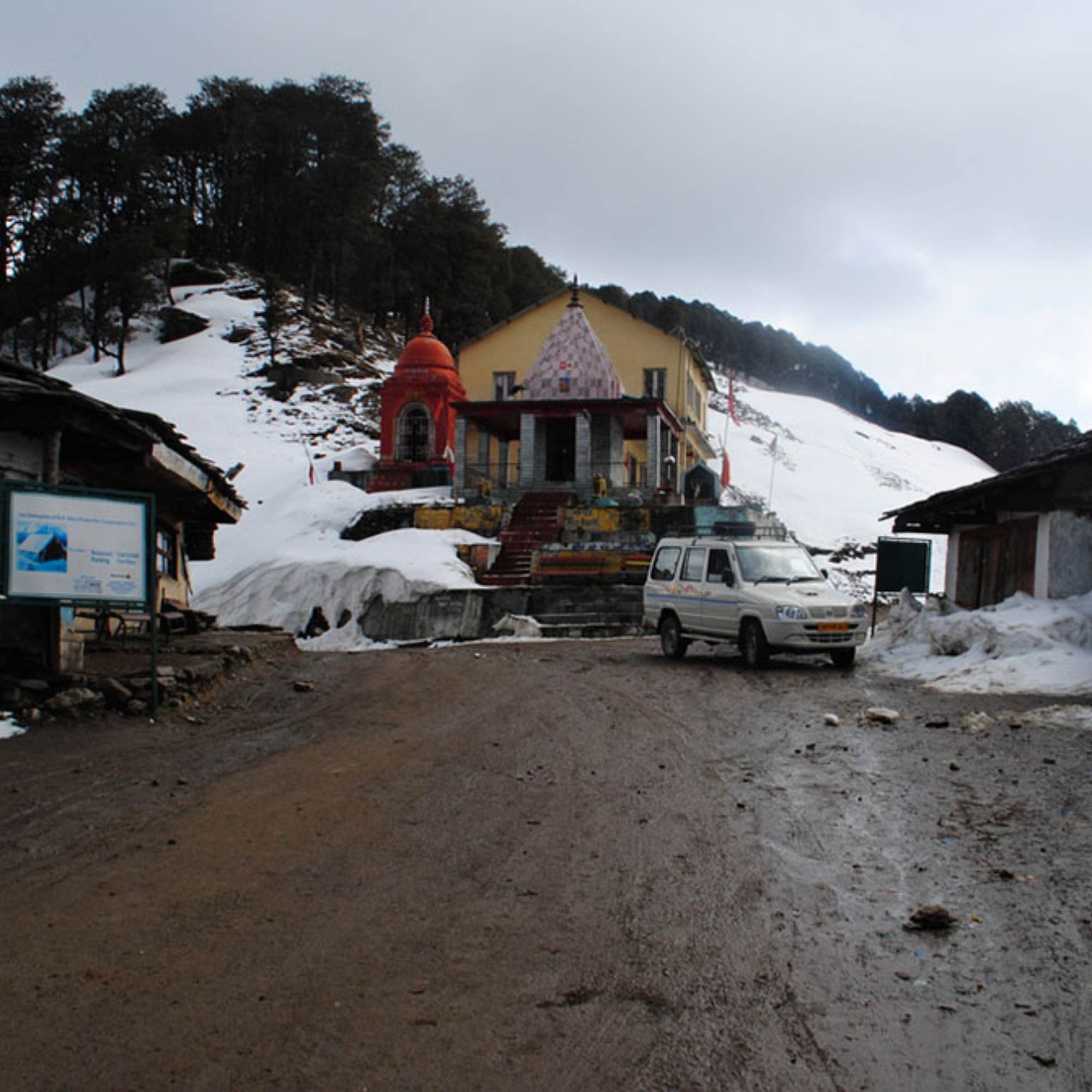
Jibhi stays reachable through the year on its normal approach, which runs through Mandi, Aut, and Banjar.
What changes in winter is reliability. Fresh snowfall, ice, road repairs, or fallen debris can cause temporary delays or short closures on the mountain stretch.
We will not tell you any mountain road is guaranteed to stay open. That promise does not exist here, and anyone who makes it is guessing.
Is Jalori Pass Open in December?
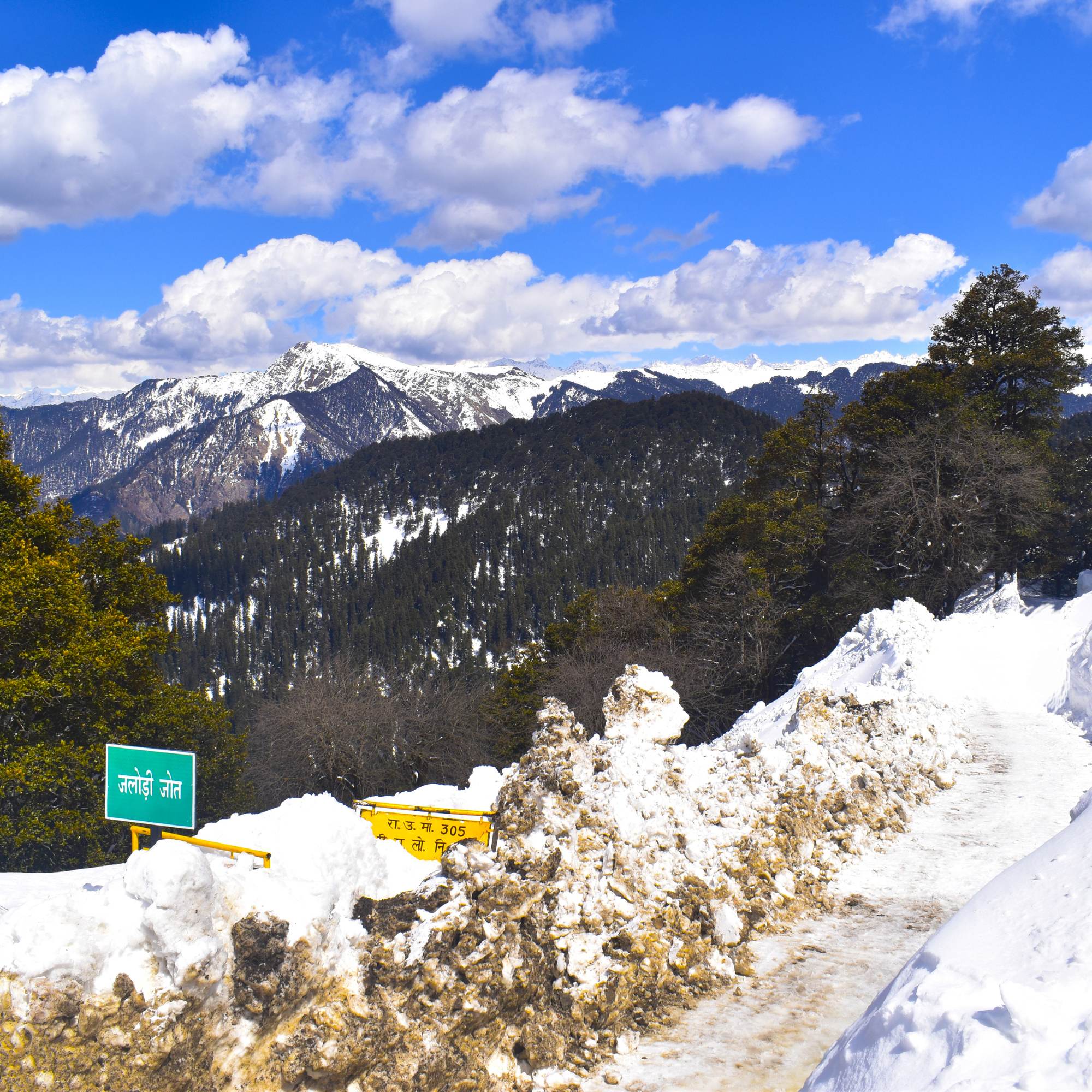
Treat Jalori Pass as closed-by-default in deep winter and be pleasantly surprised if it is not.
The pass can stay snowbound for a long stretch of winter. A Himachal Pradesh government statement says it can remain snowbound for about five months.
As an example of how winter hits this road, NH-305 at Jalori Jot was reported closed after heavy snowfall in January 2026. That is not a statement about this December. It just shows what snow can do to this stretch.
So do not treat the Shimla or Narkanda route over Jalori Pass as a dependable December approach. Come in through Mandi, Aut, and Banjar instead.
What Changed on NH-305 in 2026?
Through 2026, repair and tarring work improved several sections of the Aut, Banjar, Ghiyagi and Jalori Pass route.
Temporary midday traffic restrictions were introduced during roadwork in May, but these were construction-related and are not considered a regular feature of December travel. It is still a good idea to check the latest road status before your trip.
How to Check the Live Road Status
Start with the three-day weather forecast for the Banjar and Jalori area, not just Jibhi.
Then check Kullu district notices, Himachal Police updates, and anything the local administration posts about the route.
The two sources that help most are your accommodation host and your driver. Message them a day or two before you leave, and again in the morning you set out.
If checking three sources sounds like a lot of work, hand it to us. Our Shimla-based team can look at the route, line up a winter-suitable driver, and build a plan that flexes with the weather.
How Do You Reach Jibhi in December?
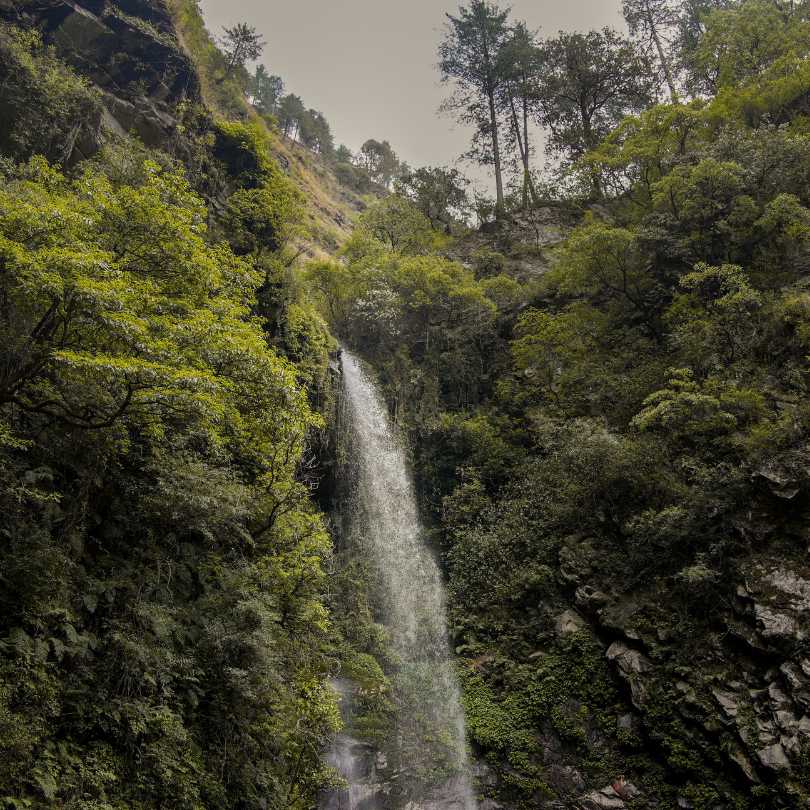
The practical route runs from Delhi or Chandigarh, through Bilaspur, Mandi, Aut, Banjar, and finally into Jibhi.
One rule matters more than any other in winter. Try to drive the final mountain stretch in daylight. Ice, fog, and blind curves are hard enough to read when you can actually see them.
Delhi to Jibhi by Bus
Most people take an overnight bus from Delhi towards Kullu or Manali, get down at Aut, and continue by taxi, shared vehicle, or local transport into Jibhi.
For fares, published 2025 estimates put an ordinary bus around ₹725, and AC or Volvo services roughly ₹1,200 to ₹1,600.
From Aut, Jibhi is around 32 kilometres away. A small local taxi may cost approximately ₹1,400 to ₹1,600, while larger cars and SUVs may charge around ₹1,800 to ₹2,500. Pre-booked online cabs can be more expensive.
During weekends, holidays and the Christmas-New Year period, drivers may quote higher prices because of increased demand. Confirm the total fare, vehicle type and drop-off point before starting the journey.
Travellers looking for a cheaper option can also ask about local buses or shared vehicles from Aut towards Banjar and Jibhi.
Delhi to Jibhi by Car
The Delhi to Jibhi drive is broadly reported at around 500 to 535 km and 10 to 13 hours by road.
Your real number depends on your exact starting point, traffic out of the city, how many stops you take, and the weather up in the hills.
Give this a full travel day. Do not try to squeeze in the last mountain section after dark just to save an hour.
Chandigarh to Jibhi
We will not print one exact distance here, because sources conflict between roughly 260 and 300 km.
The route itself is straightforward, running through Bilaspur, Mandi, Aut, and Banjar before Jibhi.
Manali to Jibhi
Manali to Jibhi is approximately 100 to 110 kilometres by road via Kullu, Bhuntar, Aut and Banjar. The drive usually takes 3 to 4 hours, although travel time can increase during weekends, road maintenance, heavy tourist traffic or the monsoon season.
If you are pairing Jibhi with a bigger Himachal loop, our Manali tour packages and Shimla tour packages can slot Jibhi into a longer winter route.
What Remains Open in Jibhi During December?
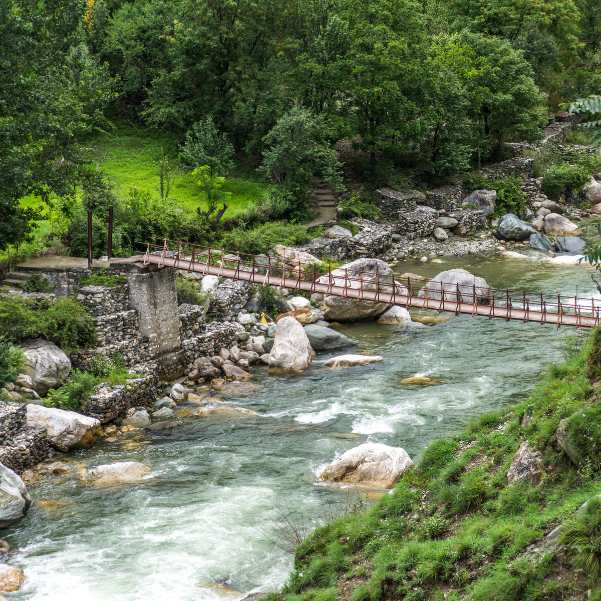
Access shifts after every snowfall, so nothing on this list is fixed. Your homestay host is the right person to confirm what is actually open the day you arrive.
Usually Possible When Local Paths Are Safe
Slow Jibhi village walks are the easy win. Cottages, wooden bridges, narrow lanes, and cold-morning strolls need no permit and no long drive.
A few cafés stay open through winter, so you usually have somewhere warm to sit with a hot drink.
Riverside time near the village works well when the paths are dry and safe.
The Jibhi Waterfall approach is often doable too. Just know the flow can be lower in winter, and the path can turn icy, so we are not guaranteeing you get all the way in.
Weather-Dependent Places
Shoja is the classic short outing when the road is clear and the drive feels safe.
Chehni Kothi, the tall old tower structure, needs a short uphill walk that can get slippery in the cold.
Mini Thailand, the river spot near the valley, and nearby forest trails all depend on conditions on the day.
Ice, snow, or a blocked vehicle route can flip any of these from a yes to a no. Keep them as options, not fixed plans.
Places Often Unavailable After Snow
Jalori Pass, Serolsar Lake, and Raghupur Fort are the first things to drop off the map once snow arrives.
The normal Serolsar Lake trek is commonly described as around 4 to 5 km one way from Jalori Pass. In December, that trail may be snowbound, so do not treat it as a casual, unguided winter walk.
One more practical note. There is no general tourist permit for Jibhi village itself, but the core zone of the Great Himalayan National Park does need a permit, and the current fees should be checked directly with the park authorities.
What Are the Best Things to Do in Jibhi in December?
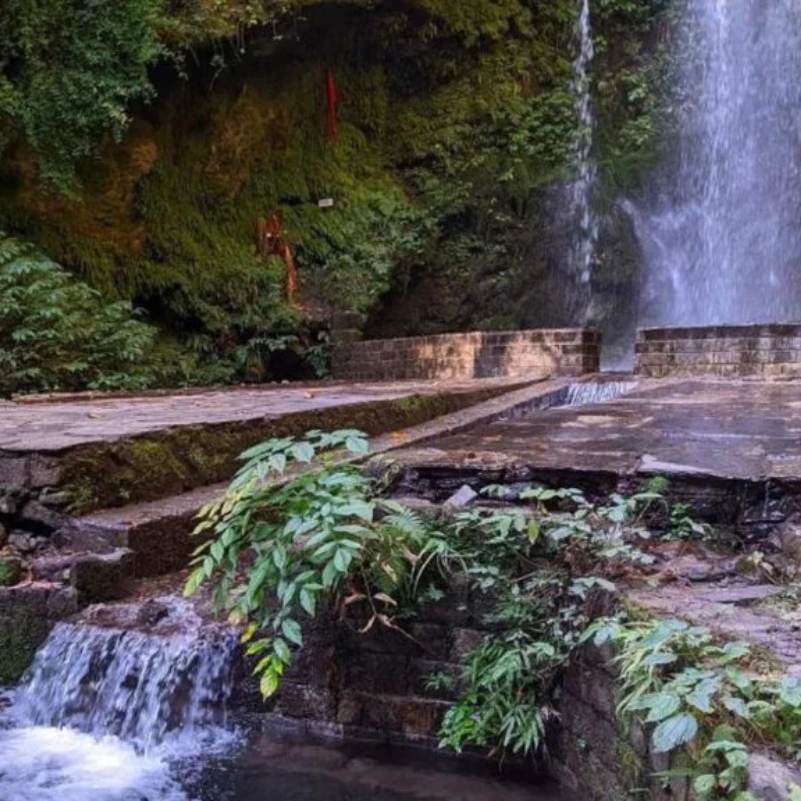
Start with a daylight village walk. Cold air, woodsmoke, empty lanes, and time to actually look around.
Do the Jibhi Waterfall walk only when the path is safe and not iced over. When it is, it is a lovely short outing.
Sit in the local cafés that stay open. A window seat, a hot drink, and the winter valley outside is a full afternoon by itself.
Eat proper Himachali food. This is our favourite winter move: instead of chasing café menus, ask your homestay to cook siddu and rajma-chawal for dinner. It is warmer, cheaper, and honestly better.
Spend a quiet afternoon near the river when it is dry underfoot. No agenda, just the sound of water and cold air.
Shoot winter photos in the soft, low light. Bare deodar trees and frost hold up well on camera.
Then end the day inside a heated cottage. Long evenings, warm bedding, and nowhere you need to be.
Add Shoja only as a conditional outing, and only after you have checked the road.
If you are still deciding between valleys for this trip, we broke down the differences in our guide on Jibhi or Kasol: which is better.
What Is the Best Jibhi December Itinerary?
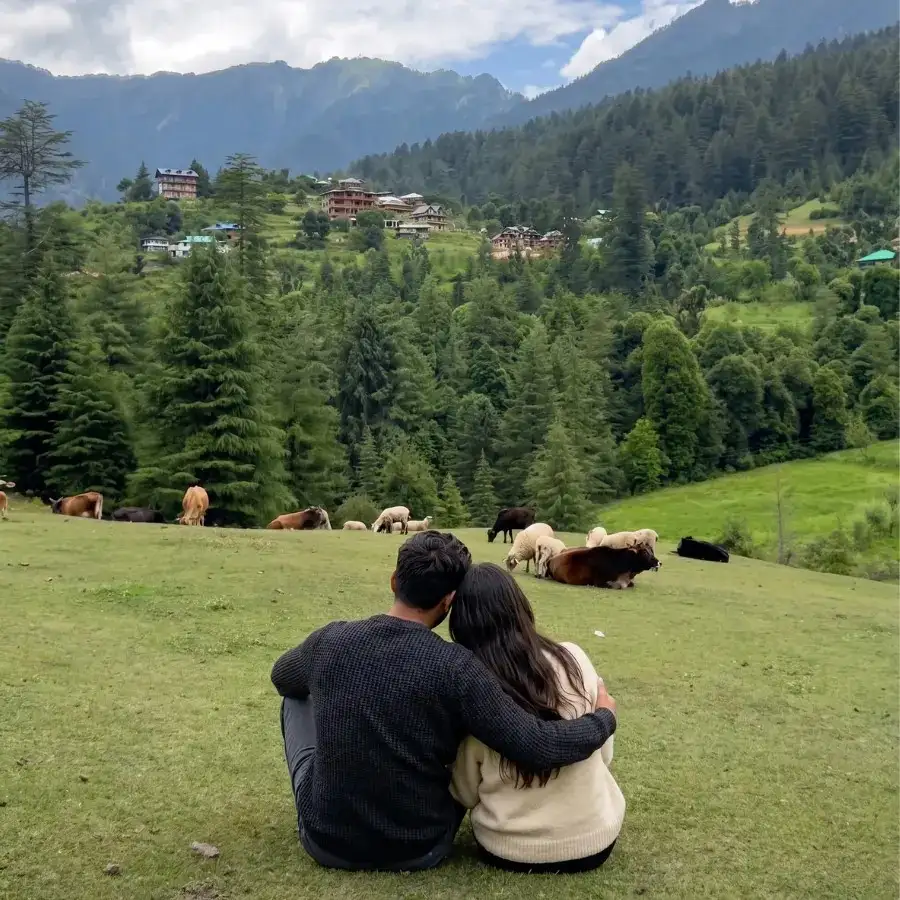
Here is a simple three-night, four-day plan. Keep every single day flexible, because the weather here writes its own schedule.
Day 1: Arrival and Jibhi Village
Reach Jibhi, check in, and give yourself time to warm up and rest after the long drive.
Explore only the immediate village on the first evening. A short walk, a hot dinner, an early night.
Before you sleep, ask your host for the next morning's road and weather update. That one question shapes Day 2.
Day 2: Jibhi Waterfall and Local Forest Walks
Head to the waterfall in the morning, but only if the path is safe and not slick with ice.
Fill the rest of the day with cafés, quiet village lanes, and some riverside time.
This is a low-effort day on purpose. In winter, an easy day close to base beats an ambitious one that the weather ruins.
Day 3: Shoja or a Lower-Valley Alternative
Make Shoja your Plan A, but only when the road is open and the drive is considered safe.
Keep a Plan B ready. Chehni Kothi, a look around Banjar, or another lower-elevation outing works well if the higher road is a no.
We will not invent driving times for either option, because road conditions in December change what a short hop actually takes. Ask your driver on the day.
Day 4: Breakfast and Departure
Have a slow breakfast, then leave in daylight with a real buffer for weather and traffic.
Do not schedule a tight onward connection for the same evening. Mountain winter roads do not care about your train time.
What to Do During Fresh Snowfall
If it starts snowing, stay close to your accommodation and enjoy it from somewhere warm.
Skip any driving you do not absolutely need. A fresh, slushy road is not the moment for a scenic drive.
Follow whatever your host and local people tell you. They read these conditions every winter, and their call beats any plan on paper.
Where Should You Stay in Jibhi in December?
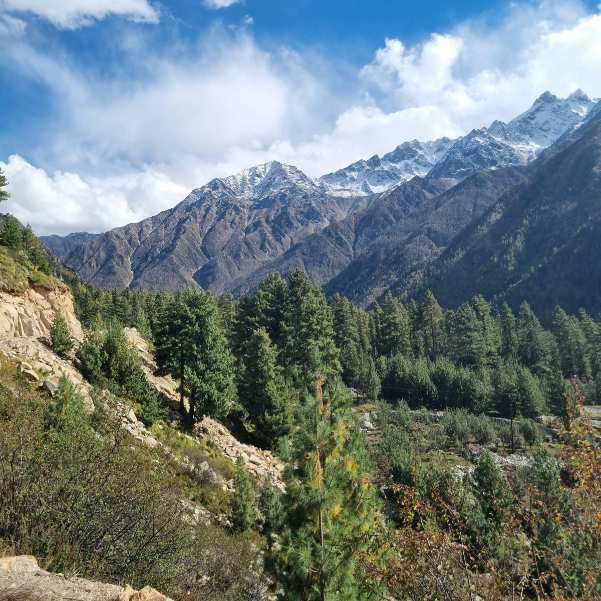
In winter, road access and heating matter far more than a dramatic isolated view.
A stay near the main road is easiest to reach if snow arrives, and easiest to leave when you head out.
A stay beside the river is calm and pretty, but check how exposed the last approach is in cold, wet weather.
A stay higher on the hillside can be beautiful, but it is also the first to get cut off after snow. Weigh that before you book the view.
Our honest steer: in December, pick the warm, road-accessible room over the postcard-perfect but remote one. You will thank yourself the night it snows.
Winter Accommodation Checklist
Before you book, confirm a few things in writing with the host.
Ask about the room heater, and whether there is any charge to run it. Some places bill heating separately in winter.
Check for an electric blanket, the hot-water timings, and whether there is generator or inverter backup for power cuts.
Ask about insulation, food availability on-site, parking, the final road access to the property, and help with luggage on the last stretch.
None of this is fussy. In a Jibhi winter, a working heater and reliable hot water decide whether your trip is comfortable or miserable.
Christmas and New Year Booking Advice
Holiday demand runs higher than an ordinary December weekday, so book early for those dates.
Confirm the cancellation terms before you pay, since winter plans can change fast.
Also ask whether heating, bonfires, or holiday meals cost extra. Holiday-week pricing sometimes adds these on top.
For indicative rates, a budget homestay runs around ₹800 to ₹1,500 per night, and a mid-range cottage around ₹2,000 to ₹4,000 per night.
If you would rather not chase homestays one by one, our Jibhi and Tirthan Valley holiday packages bundle the stay, driver, and plan together.
How Much Does a Jibhi Trip Cost in December?
A published broad estimate for daily spending is around ₹1,500 to ₹2,500 per person per day. Treat that as a rough guide, not a quote.
Accommodation is the biggest swing. A budget homestay and a mid-range cottage sit far apart, and holiday-week rates push the number up further.
Food stays reasonable if you eat local and let your homestay cook. Café meals cost more, and fewer cafés are open in deep winter anyway.
Transport from Delhi depends on how you travel. A bus plus a shared taxi from Aut is the cheapest route, while a private car for the whole trip costs the most.
Local taxis for day outings add up too, especially if the higher roads are open and you are hopping between spots.
Christmas and New Year pricing sits on top of all of this. The same room can cost more in holiday week than on a plain December weekday.
We are not going to hand you a neat final total, because every one of these pieces still needs verifying against live rates. Add up your own numbers once you have confirmed each one.
What Should You Pack for Jibhi in December?

Layer, layer, layer. That is the whole game in a Jibhi winter.
Start with thermal base layers, top and bottom, worn under everything else.
Add a fleece or wool mid-layer for warmth you can adjust through the day.
Top it with a proper insulated jacket that actually cuts the cold, not a light one that only looks the part.
For your feet, bring waterproof shoes with real grip, plus several pairs of warm socks. Wet, cold feet ruin a winter day faster than anything.
Carry gloves, a woollen cap, and sunglasses. The cap and gloves handle the cold; the sunglasses handle bright snow glare and strong high-altitude sun.
Do not forget the small stuff: lip balm, moisturiser, your personal medicine, a power bank, a torch, and enough cash. ATMs and card machines are not something to rely on out here.
One firm point on footwear. Normal sneakers on ice are genuinely unsafe. The smooth soles slip on shaded, frozen paths, and a fall on hard ice is no joke.
Is Jibhi Safe in December?
Jibhi is fine to visit in winter with sensible precautions, but we are not going to pretend conditions are always safe. They are not.
Black ice is the main risk. It forms on shaded stretches and bridges, it is hard to spot, and it catches both drivers and walkers off guard.
Slippery shaded paths, thick fog, and reduced visibility all add up, especially early morning and after dark.
Winter daylight is short here, so you lose driving light early. And a sudden snowfall or a landslide can disrupt the road with little warning.
Our advice is simple. Drive only in daylight, and if you have no winter hill-driving experience, hire a local driver who does this every season.
Safety for Couples and Solo Travellers
Share your day plan with your host before you head out. Someone should know where you are going and roughly when you will be back.
Stick to known routes and populated stretches. This is not the season for improvising your own path.
And avoid isolated forest trails after dark. Cold, low light, and no signal are a bad combination.
Safety for Families and Children
Pick heated accommodation that is central and easy to reach, not a remote hillside stay.
Keep outings short and low-effort, and build in warm breaks between them.
Stay flexible. Do not force high-altitude sightseeing on a fixed schedule just because it was on the plan. With kids, the weather leads and you follow.
Health and Cold Precautions
Keep drinking water even when you do not feel thirsty. Cold, dry air dehydrates you more than you notice.
Layer up, carry your personal medicine, and take breaks to warm up rather than pushing through the cold.
We are not diagnosing anyone or claiming Jibhi carries zero altitude-related risk. On that note, we will not print an exact altitude for Jibhi, because sources conflict between roughly 1,600 and 2,250 metres. Listen to your body and go slow.
What Is Christmas and New Year Like in Jibhi in December?
Think quiet, not loud. Christmas and New Year here are small homestay celebrations, cosy café evenings, and organised bonfires where the property allows them safely.
It is warm and low-key rather than a party scene. That is the appeal for the people who choose Jibhi over the bigger hill towns.
We will be straight with you. Do not come expecting parties, nightlife, or a guaranteed snowfall to go with the celebration. None of that is promised here.
If these dates are your plan, book well ahead and keep a real traffic buffer for the drive up. Holiday week is the busiest the roads get all winter.
Is Jibhi or Manali Better in December?
It depends on what you want out of the trip.
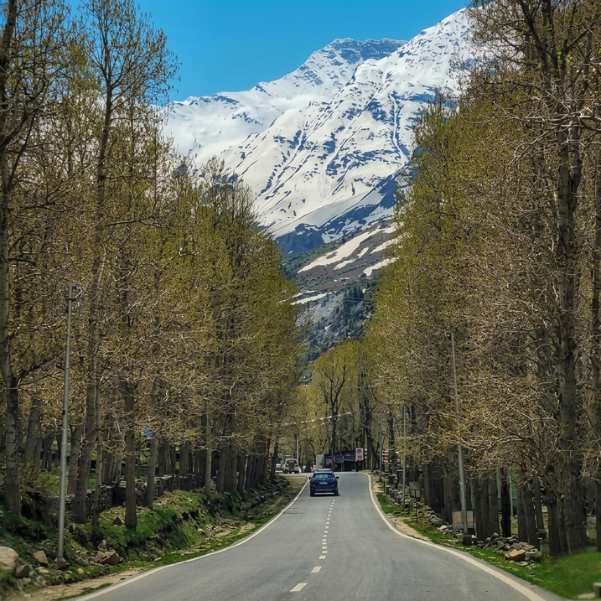
Jibhi wins for quiet cabins, winter forests, and slow travel. It is the calmer, more local choice, with fewer people and less noise.
Manali wins for a bigger market, a wider range of hotels, and more organised tourist infrastructure. If you want activities, shopping, and lots of options, Manali has more of it.
Here is the shared truth. Neither place can guarantee snowfall for your pre-booked dates. Both can dazzle you with snow, and both can stay dry and simply cold.
If you lean towards Manali for the activity side, our roundup of adventure activities in Manali covers what is actually worth doing.
Should You Visit Jibhi in Another Month Instead?
December is not the only good window, so it is fair to ask whether another month fits you better.
March
March brings a slow shift out of winter, with a different, softer feel. But road and trail reopening still depends on the weather, so it is not a clean guarantee of full access either. We covered it in detail in our guide to Jibhi and Tirthan Valley in March.
May
May suits travellers who want greener scenery, more outdoor access, and milder conditions overall. It is the easier, more open season for getting around. Our Jibhi in May guide walks through what that looks like.
Pick December for cold-weather calm and a shot at snow. Pick March or May if easy access and gentler weather matter more to you than a winter atmosphere.
Final Word: Does December in Jibhi Match Your Style?
Jibhi in December rewards a very specific kind of traveller. If you want cold, quiet, slow days, warm evenings in a cabin, and you can treat snow as a maybe, this is a lovely time to come.
If you need guaranteed snow, packed cafés, open high treks, or lots to do, December will feel thin, and another month or another town will serve you better.
The whole trip works when you plan around uncertainty instead of fighting it. Come in through Mandi, Aut, and Banjar, keep the Jalori side off your must-do list, drive in daylight, and pick a warm, road-accessible stay over a remote view.
Do that, and even a snowless December here is genuinely good, because the cold, the forest, and the stillness are the real point.
Explore Our Curated Jibhi Tour Packages
 Group Tour6D/5N
Best Jibhi Tirthan Valley Tour With Shangarh Meadows
2D Tirthan Valley•1D Shangarh (Sainj Valley)
₹9,999₹12,999SAVE INR 3,000/ person- 6D/5N
Jibhi Tirthan Valley & Shangarh Meadows Experience
1D Delhi•2D Jibhi+2
₹21,799₹27,999SAVE INR 6,200/ person 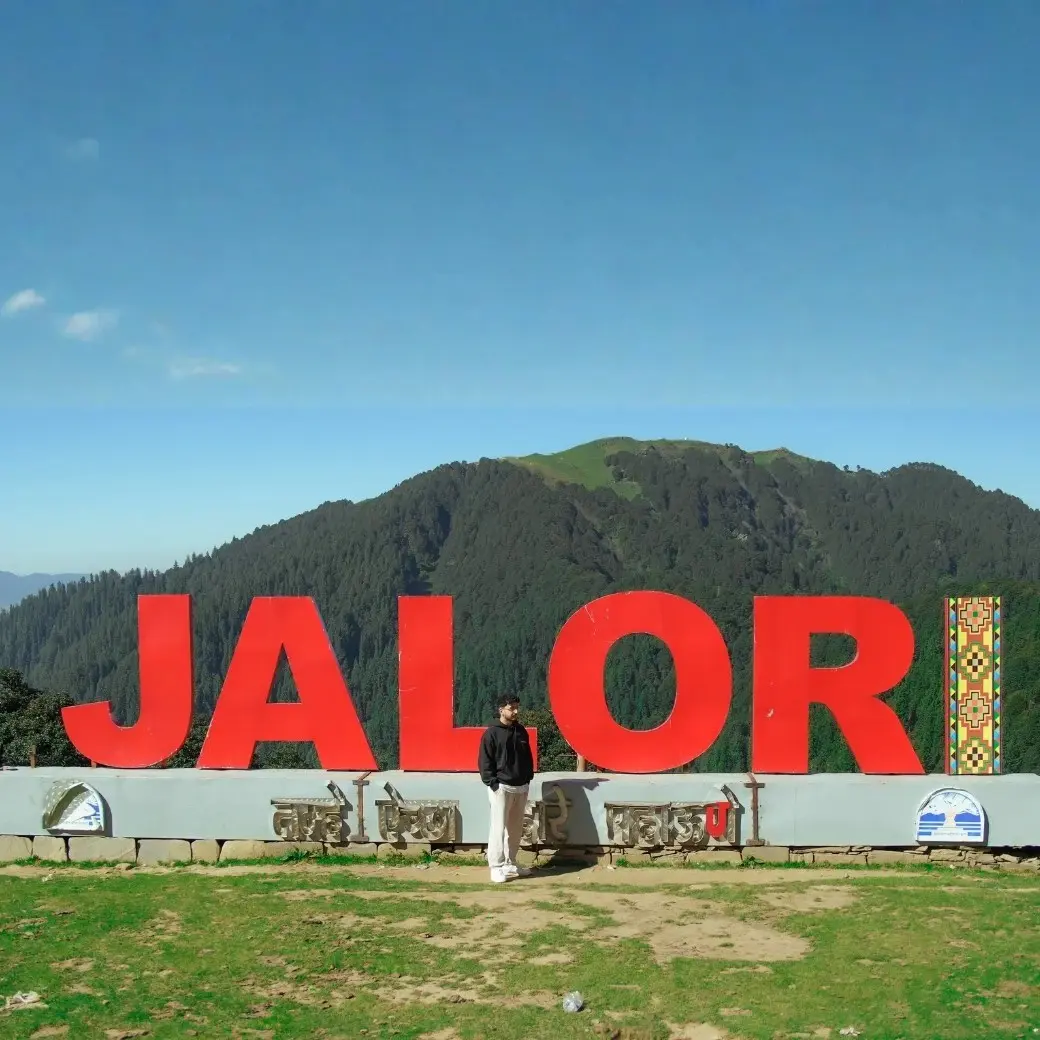 5D/4N
5D/4NWeekend Jibhi & Tirthan Valley Riverside Escape
1D Delhi •2D Jibhi / Tirthan Valley+1
₹12,900₹19,999SAVE INR 7,099/ person
Related topics
Frequently Asked Questions
Does Jibhi receive snowfall in December?
Sometimes, yes, but not on every trip and not on a schedule. Snow here is intermittent and weather-dependent, and the chance improves from mid-to-late December. Early December often stays dry and cold. If snow is your main goal, January is usually a more reliable month than December.
Is snowfall guaranteed during Christmas?
No. Late December carries better snow odds than early December, but nobody can promise snow on Christmas or New Year. Book those dates for the winter atmosphere, the cabins, and the break, and treat any snowfall as a lucky bonus rather than something you have paid for.
What is Jibhi's temperature in December?
The broad historical December range sits around -3°C to 10°C. That is a monthly pattern from past years, not a forecast for your exact dates. Afternoons in sunshine can feel pleasant, while mornings, nights, and shaded areas feel much colder, and wind makes it sharper still.
Is Jibhi open throughout December?
Jibhi itself stays reachable through the Mandi, Aut, and Banjar route in winter. Access to the village rarely stops entirely. What changes is the higher areas and the road reliability, since snow, ice, repairs, or debris can cause temporary delays or short closures on the mountain stretch.
Is Jalori Pass open in December?
Usually not, or not dependably. Jalori Pass can stay snowbound for a long stretch, and a Himachal Pradesh government statement says it can remain snowbound for about five months. Treat it as closed by default in deep winter, and never rely on the Jalori route as your approach to Jibhi.
Can you trek to Serolsar Lake in December?
Often not safely. The normal Serolsar Lake trail is commonly reported at around 4 to 5 km one way from Jalori Pass, but in December it may be snowbound. Do not plan it as a casual unguided winter walk. If Jalori Pass is closed, the trek is out of reach anyway.
Is Jibhi safe for a family winter trip?
It can be, with the right setup. Pick central, heated accommodation, keep outings short, and stay flexible with the plan. The cold, icy paths, and short daylight need managing, especially with young children. Do not force high-altitude sightseeing on a fixed schedule, and always drive in daylight.
How many days are enough for Jibhi?
Three to four nights is a practical length for a relaxed Jibhi trip. That gives you the village, the waterfall when it is safe, a conditional Shoja day, and slow café and riverside time, without rushing. In winter, the extra buffer also helps if weather reshuffles a day or two.
What is the best route from Delhi in winter?
Go through Bilaspur, Mandi, Aut, Banjar, and into Jibhi. Many people take an overnight bus towards Kullu or Manali, get down at Aut, and continue by taxi or local transport. Whether you drive or take the bus, aim to cover the final mountain stretch in daylight.
Are local buses available from Aut?
Yes, you can continue from Aut towards Jibhi by taxi, shared vehicle, or local transport once you get down from the main Delhi bus. Fares and timings shift in winter, so confirm the current options on the ground. A private taxi is the simplest if you are carrying a lot of luggage.
Do Jibhi hotels provide heaters and hot water?
Many do, but never assume it. Confirm the room heater, hot-water timings, electric blanket, and power backup with your host before booking, and ask whether heating costs extra. We cannot promise heating, hot water, or electricity at any specific property, so get it in writing first.
Is Jibhi better than Manali for a quiet December trip?
For quiet, yes. Jibhi is calmer, more local, and better for cabins, forests, and slow days. Manali has more hotels, a bigger market, and more organised infrastructure if you want activity and options. Neither can guarantee snow on your dates, so choose on atmosphere rather than on snow certainty.
More about Jibhi
 Jibhi
JibhiJibhi in October 2026: Weather, Road Conditions, Places and Trip Plan
Planning a trip to Jibhi in October 2026? Expect cool autumn weather with temperatures between 8°C and 20°C, clear skies, colorful forests, and comfortable trekking conditions. Roads are generally in good condition after the monsoon, making it an excellent time to explore Jalori Pass, Serolsar Lake, Chehni Kothi, and Tirthan Valley. Discover the latest weather, road updates, travel tips, and a perfect 2–3 day itinerary for an unforgettable Jibhi getaway.
- Best Time to Visit
 Jibhi
JibhiJibhi in August 2026: Weather, Road Safety, Itinerary and Honest Advice
Planning a trip to Jibhi in August 2026? Discover the latest weather conditions, road safety tips, suggested itinerary, places to visit, and practical travel advice. This guide will help you decide whether August is the right time to experience Jibhi's lush monsoon beauty while traveling safely.
- Best Time to Visit
- Monsoon Travel
 Jibhi
JibhiJibhi for Honeymoon in 2026: Why Couples Choose It Over Manali
Thinking of choosing Jibhi over Manali for your honeymoon? This honest 2026 guide explains why Jibhi is becoming a favourite for couples who want privacy, wooden stays, forest walks, waterfalls, slow mornings, and a quieter Himachal honeymoon without the tourist rush of Manali.
- Places to Visit
- First-Time Travellers