
Jibhi in August 2026: Weather, Road Safety, Itinerary and Honest Advice
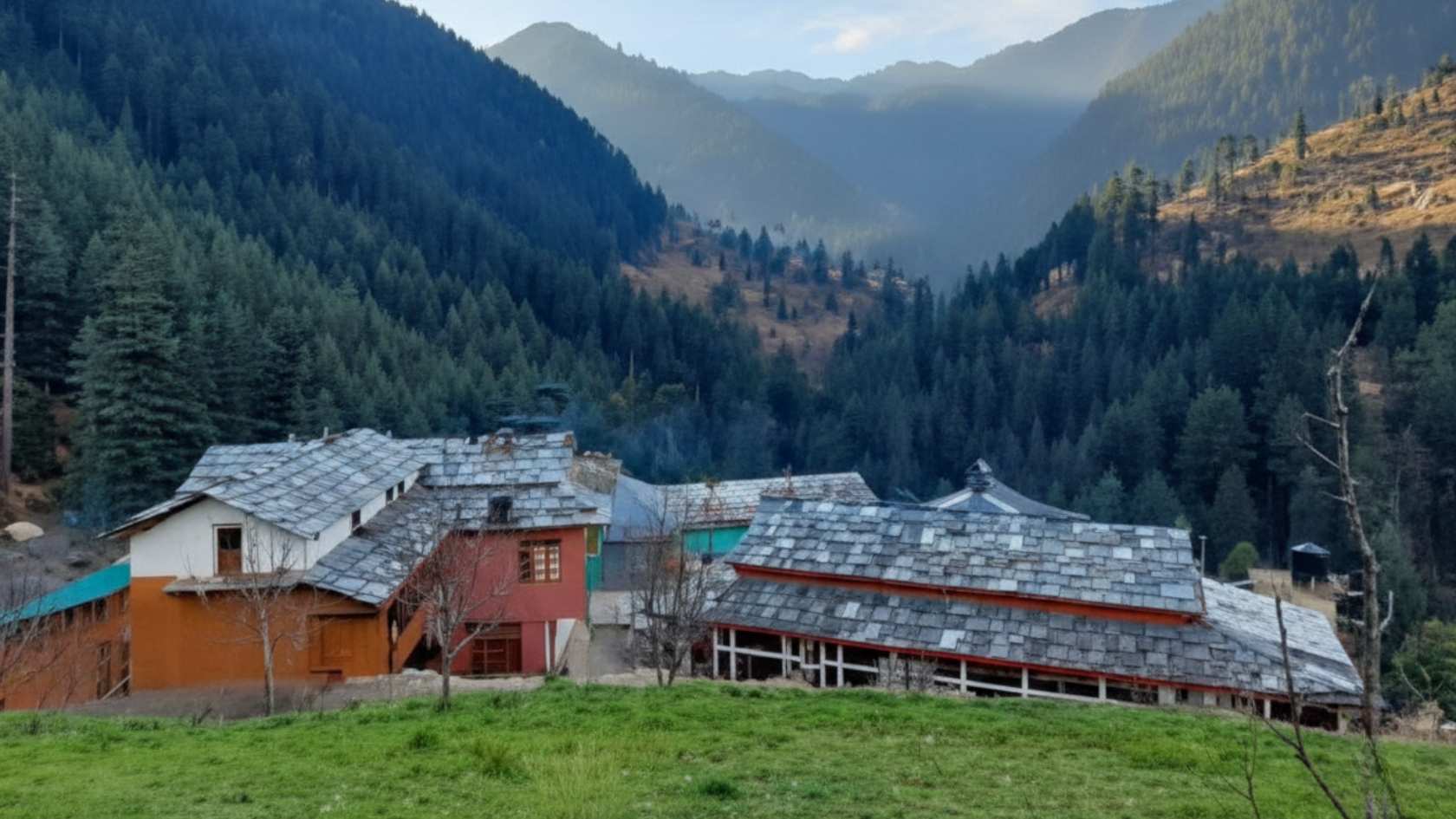
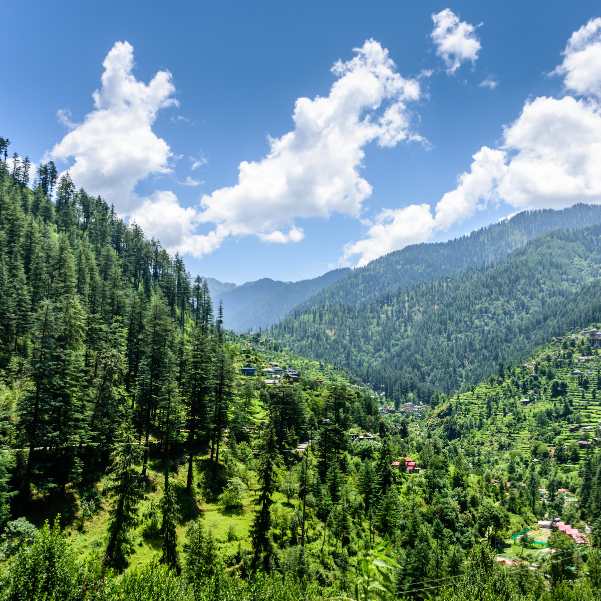
Visiting Jibhi in August 2026 can be a beautiful experience, with lush green forests, flowing waterfalls and misty mountain views created by the monsoon season.
However, August also brings frequent rainfall, slippery roads and a higher possibility of landslides or temporary road closures. Travellers should keep their itinerary flexible, check local weather and road updates before departure and avoid driving during heavy rain or late at night.
This guide by Travel Coffee explains the expected weather, road safety conditions, suggested itinerary and honest travel advice for planning a safer and more enjoyable trip to Jibhi in August 2026.
Quick Answer
August turns Jibhi green, misty and rain prone. It suits slow, flexible travellers who accept wet days and changed plans. It is not ideal for rigid itineraries, trekking first trips or anyone who cannot absorb delays.
Jalori Pass and long walks stay conditional on live road and weather information. Check conditions roughly 72 hours before you leave.
Every monsoon we get the same WhatsApp message. Someone has seen a photo of Jibhi in full green, and they want to know whether to book.
Our answer is never a straight yes or no. It depends on your dates, how you feel about a wet afternoon, and whether your return journey has any room in it.
This guide was checked on 17 July 2026. August road status and trip date weather cannot be confirmed yet.
What we can do is explain how the month usually behaves, what actually goes wrong, and how to decide for yourself. If you would like to see the shape of a planned trip, our Jibhi and Tirthan Valley packages show the usual routing through Banjar Valley.
Is August a good time to visit Jibhi?
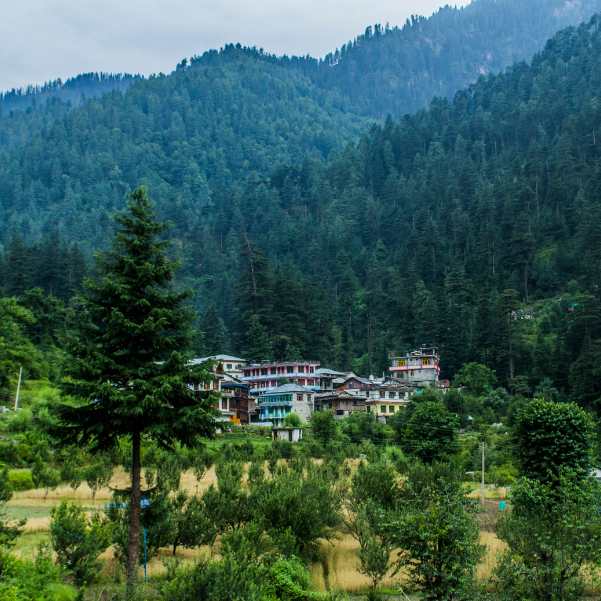
The honest verdict is that August is very good for one kind of trip and quite poor for another.
Here is what people enjoy. The valley is at its greenest, the streams run full, mist sits low in the deodar and the crowds thin out. Cafés are quiet. You can watch rain for two hours with a coffee and call that a holiday.
Here is what people do not enjoy. Wet paths, viewpoints lost in cloud, plans rearranged at short notice, journeys that run long, and outdoor excursions cancelled on the morning itself.
So who should come in August? Someone with flexible dates, a comfortable stay, buffer time built into the trip and no requirement to tick off every trek. If a cancelled walk does not spoil your mood, you will do well here.
And who should pick another month? A first time hill driver. Anyone travelling on a rigid connection. A trekking focused traveller. A group that cannot manage slippery paths and long, unglamorous waits on a blocked road.
What is the weather in Jibhi in August?
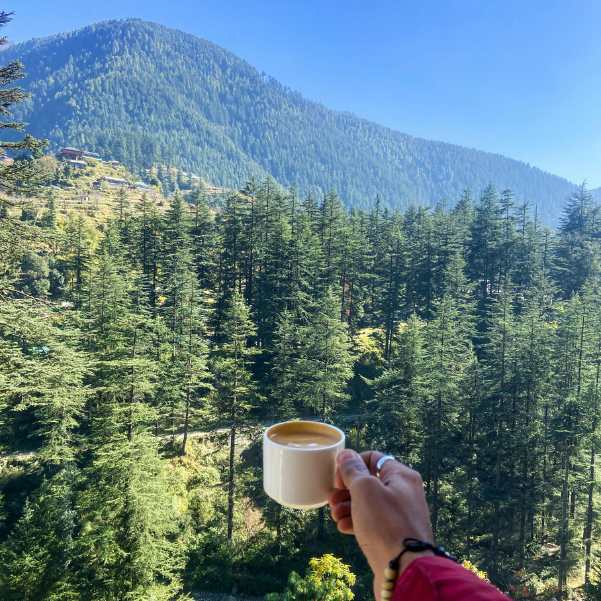
Typical daytime and nighttime temperatures
Historical modelling puts a typical August day around 20°C and the night around 13°C.
Those figures come from a climate model averaging the years 2010 to 2020. They describe how the month has usually behaved across a decade. They do not predict any particular day of August 2026.
Treat them as a packing guide, not a forecast. There is a difference, and most travel blogs blur it.
A competing guide publishes 17°C to 24°C for the same month, which tells you something useful in itself. If two sources disagree, no narrow range is guaranteed.
How often does it rain?
August is historically one of Jibhi's wettest stretches. That much is consistent across sources.
The historical dataset reports an 89% chance of precipitation on an average August day. That is a model statistic drawn from past years, not a forecast for your trip.
We are deliberately not quoting a daily rainfall quantity here. The sources we checked publish conflicting figures, and a confidently wrong number is worse than no number at all.
What that 89% does not mean is constant rain from morning to night. A single trip can bring light drizzle, long dry gaps, steady afternoon showers or a few hours of genuinely heavy rain, sometimes all in the same day.
What August weather feels like
Damp, humid and often misty. The air holds moisture, so shoes and clothes that get wet will take longer to dry than you expect.
Views come and go. A ridge that was clear at 8 AM can be completely inside a cloud by 11 AM, then clear again by evening.
Evenings feel cool rather than cold. One warm layer usually handles it.
Is Jibhi safe in August 2026?
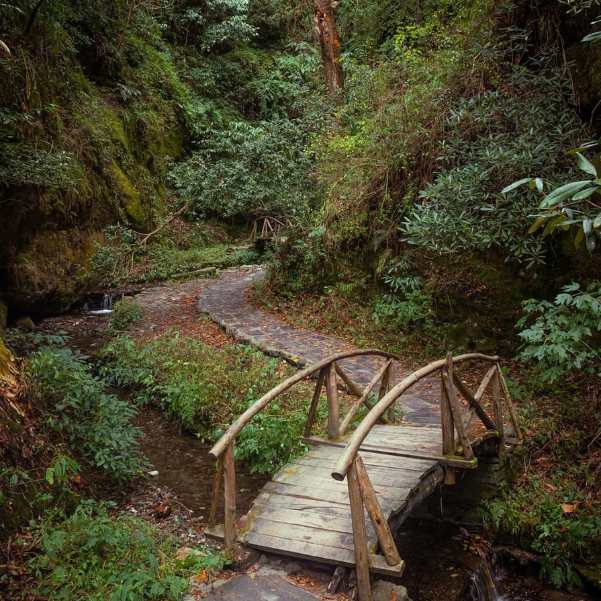
Landslides, roadblocks and travel delays
Monsoon rain across Himachal Pradesh can cause slope movement, blocked roads, long traffic queues and temporary route disruption. This is normal seasonal behaviour, not an emergency in itself, but it does need planning around.
For a sense of scale: on 13 July 2026, 69 roads were reported blocked across Himachal Pradesh, including 38 in Kullu district.
Those numbers applied to that single date. They tell you nothing about your August dates, and we are not going to pretend otherwise. They are useful only as an illustration of how quickly the road picture moves.
This is also why a reel or an old blog saying the road was open is not planning information. It describes a day that has already passed.
Safety around rivers, waterfalls and wet trails
Do not enter fast flowing water. Do not climb wet rock edges for a photograph. Do not stand directly below heavy falling water.
Turn back if rain becomes intense, visibility drops, thunder develops, the trail waterlogs, or local people advise against continuing. On that last one, they are almost always right.
Also worth saying plainly: open and suitable for you are two different things. A route can be technically open and still be a poor idea for your group on that particular morning.
A 72-hour go or no-go check
Around 72 hours before departure, check the destination forecast, official weather alerts, disaster management updates and road reports.
Then call your stay or your driver. Ask specifically about the Aut to Banjar to Jibhi stretch, not about Himachal in general.
Check once more on the morning you leave. Conditions in this valley change faster than any planning document.
The July 2026 HPSDMA advisory recommended checking weather and disaster information before travelling and downloading offline maps.
Save these before you go. District Kullu Emergency Operation Center: 01902-225630 and 01902-225631.
>>Planning a Jibhi trip this August? Get the latest weather and road updates on WhatsApp.
Are the roads to Jibhi and Jalori Pass open in August?
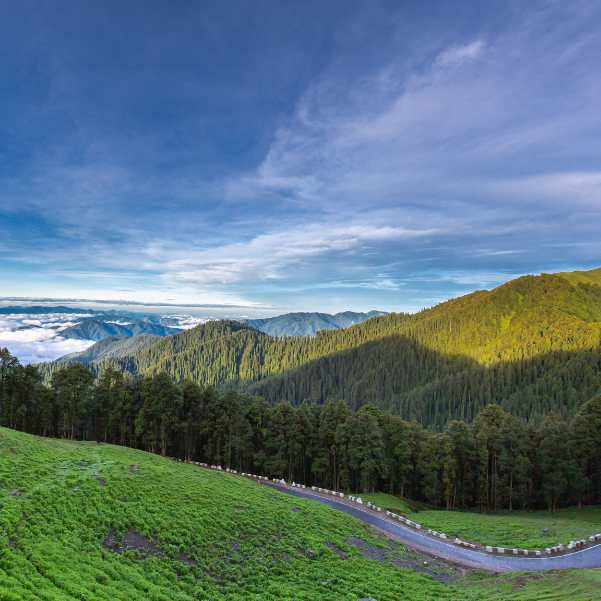
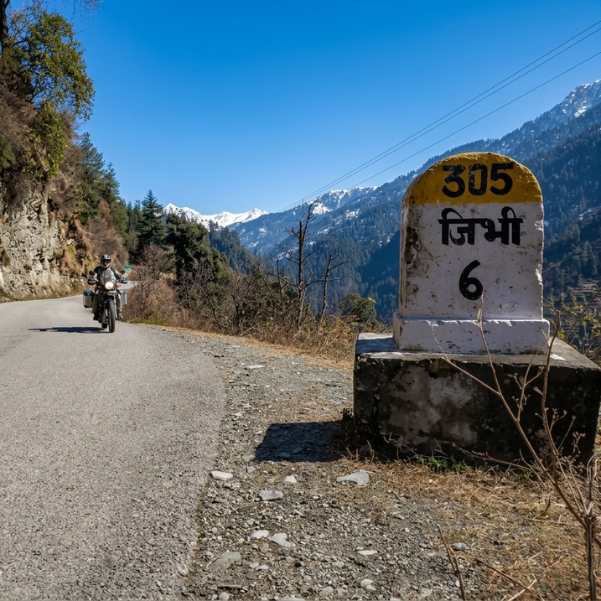
The usual approach runs along the Manali highway as far as Aut, then turns off onto NH 305 through Banjar to Jibhi.
That same highway carries traffic towards Manali, so if you are thinking of combining the two valleys, our Manali tour packages show how the routing usually works.
Live August road status cannot be guaranteed in advance. Anyone giving you a firm answer today is guessing.
Jalori Pass sits roughly 12 to 14 km from Jibhi. Sources conflict on the exact number, so we quote a range rather than pick a favourite.
It is commonly described as approximately 10,800 feet above sea level. We are not offering a precise metric conversion, because the pages we checked show inconsistent metric figures.
The final climb is steep and narrow with tight bends. Loose stones and rough sections become considerably harder work after rain.
Get a same day update from your stay or a local driver before heading up. Not the previous evening. That morning.
And even when the pass is open, that does not automatically make Serolsar Lake or Raghupur Fort sensible on the day. Those are separate decisions, taken separately.
Which places can you visit in Jibhi during August?
Jibhi Waterfall
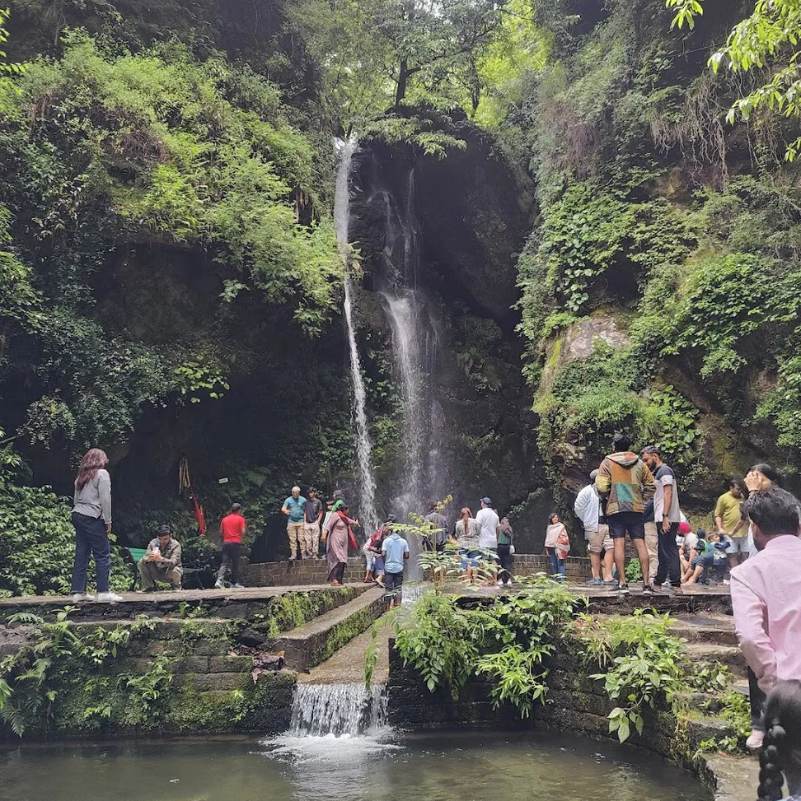
Jibhi Waterfall sits about a 10 to 15-minute walk from Jibhi Market, and a normal visit takes roughly 45 minutes to 1.5 hours.
The path becomes slippery after rain. Wooden bridges and stone steps get properly greasy, so unhurried feet do better than confident ones.
A small maintenance fee of around ₹20 per person is generally collected at the entrance. The entry counter is commonly reported to operate from approximately 9:00 AM until 5:00 or 6:00 PM.
Since local timings and charges may change, confirm them at your accommodation or at the entrance before visiting.
When the flow is strong, look at it from the viewing area. This is not a swimming spot in August.
Jibhi village, cafés and short walks
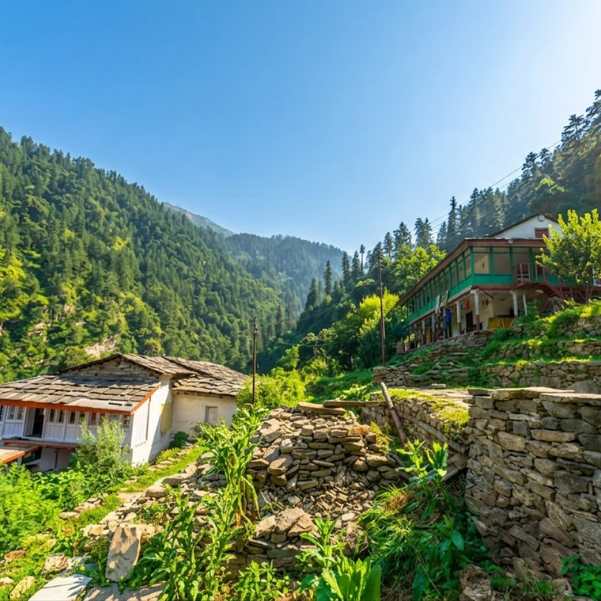
This is your flexible bucket, and in August it does most of the work. Village lanes, small cafés, a short walk along the stream. All of it fits neatly into a dry interval.
Our team recommends staying close enough that you can be back under a roof within ten minutes if the rain sets in. In this month, that convenience is worth more than a slightly better view.
We are not naming café prices or opening hours here, because we have not verified them for this season and you should not plan around a guess.
Chehni Kothi and Shringa Rishi Temple
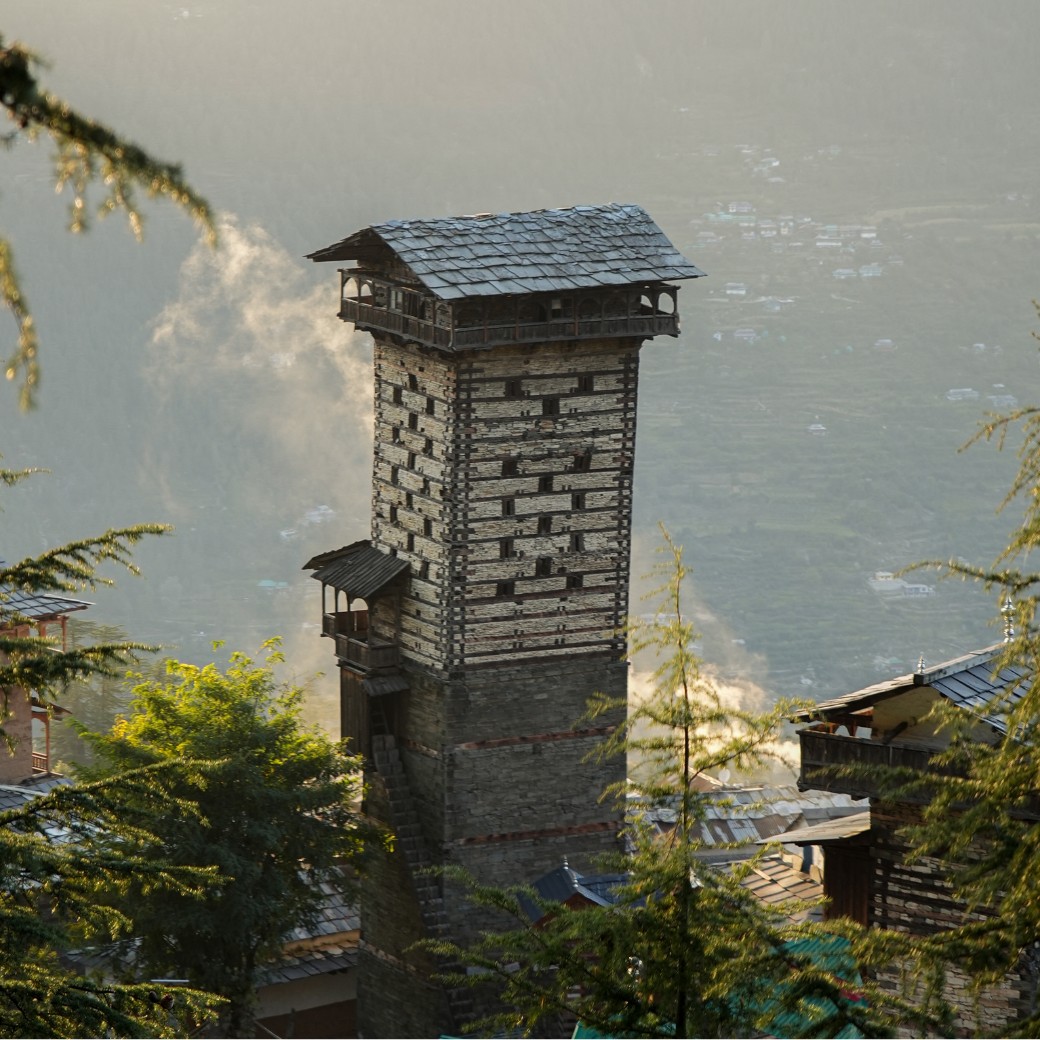
Treat both as conditional excursions rather than fixed entries in your plan.
Confirm the road and the walking condition locally before you set off. Chehni Kothi involves a climb on foot, and that changes character entirely in wet weather.
During active heavy rain, neither is a comfortable outing. Save them for a settled morning if one arrives.
Jalori Pass, Serolsar Lake and Raghupur Fort
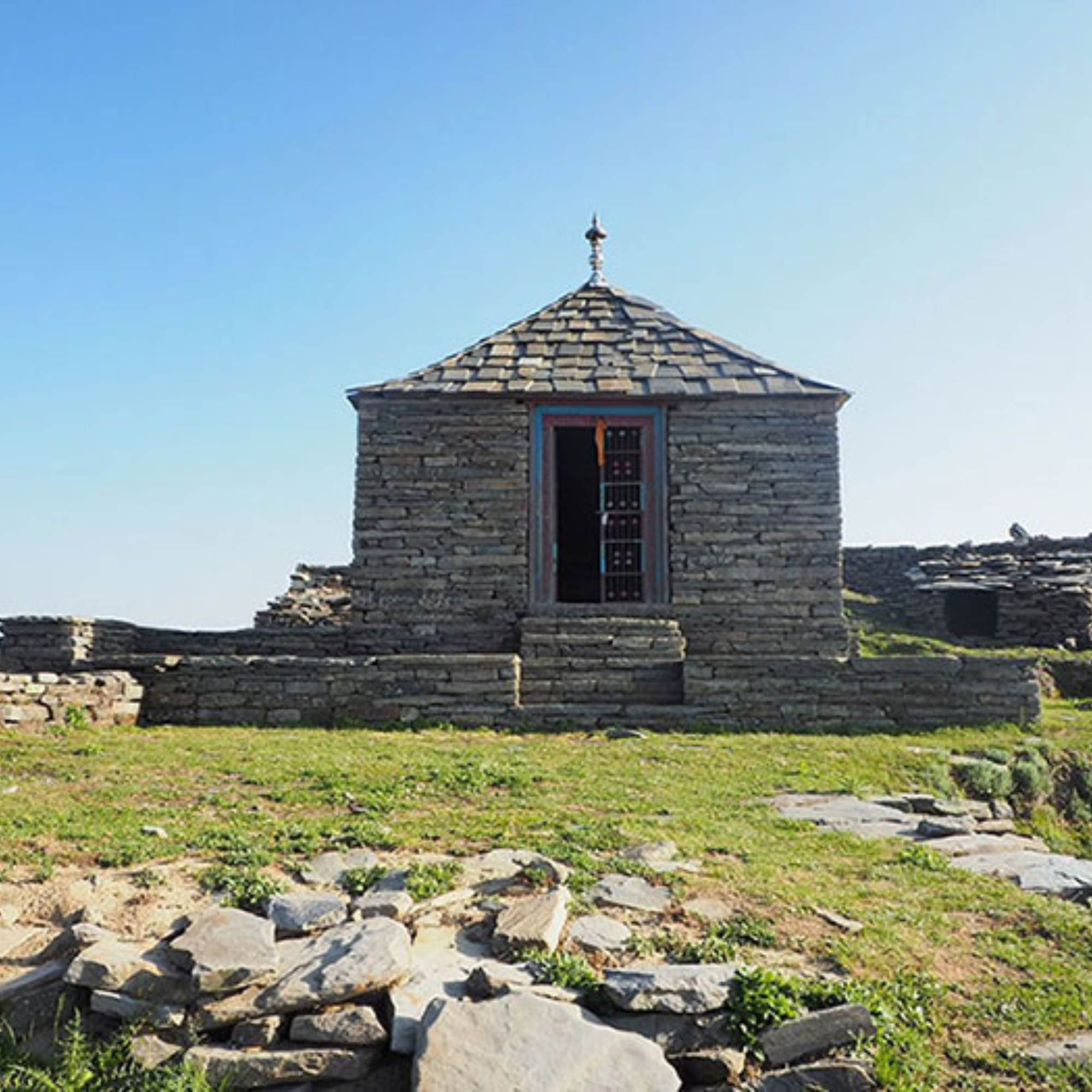
Jalori Pass is an optional excursion in August, not a fixture of the trip.
Serolsar Lake and Raghupur Fort should be attempted only when the weather is stable, the trail is considered usable, visibility is acceptable and local advice is positive. All four of those, not three out of four.
If you end up cancelling, you have not failed at anything. In our experience the travellers who enjoy August most are the ones who arrived without a list to complete.
What can you do when it rains all day in Jibhi?
This question decides whether your trip works, so it deserves a real answer rather than a shrug.
Enjoy the stay itself. Eat local food. Sit in a café for longer than you planned. Read. Work remotely if your connection allows. Photograph the weather from a covered spot rather than a wet ledge.
A good August trip needs a comfortable stay and realistic expectations far more than it needs a full itinerary. If the room is pleasant and the host is helpful, a rained out day is genuinely fine.
Driving from attraction to attraction through active rain tends to produce stress rather than memories. We have watched plenty of guests try it.
We are not quoting dish prices, café bills or internet speeds, because none of that has been verified for August 2026.
A flexible three-day Jibhi itinerary for August
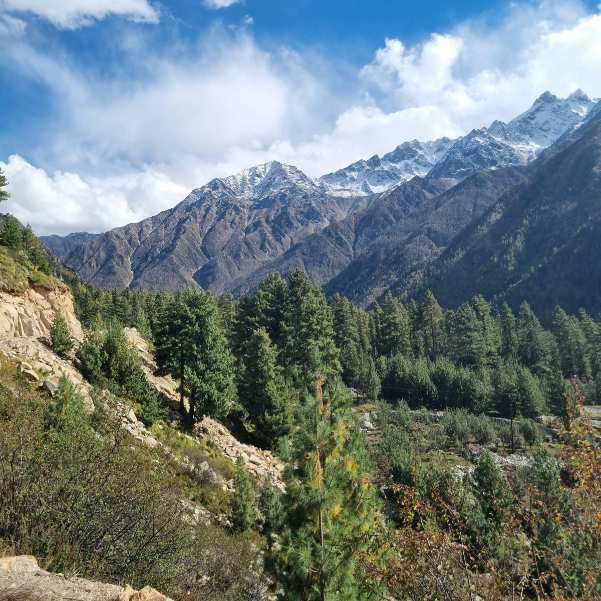
Two versions of Day 2. That is the entire point of the plan.
Day 1: Arrival and local Jibhi
Arrive in daylight wherever practical. A wet hill road after dark is not where you want to be working out your turnings.
After check in, keep it local. Jibhi village, the market, a café, and a short walk if things are dry.
Use the evening to ask your host three questions. How is the road. How is the waterfall trail. What is Jalori looking like.
Day 2 Plan A: Jalori Pass during stable weather
Attempt the pass only after a same morning road and forecast check. Not because you booked a taxi yesterday and feel committed.
Add Serolsar Lake or Raghupur Fort only when local advice, trail condition and visibility all point the same way.
Reaching the pass does not oblige you to trek from it. Standing at the top, drinking a chai in the mist and turning around is a complete and perfectly good day.
Day 2 Plan B: Rain-adjusted local day
Stay close to Jibhi. Use safe dry intervals for the village, a café or a short accessible spot.
Skip the unnecessary hill driving during intense rain. There is no prize for distance covered.
Day 3: Jibhi Waterfall, village time and departure
Visit the waterfall only if the path is considered safe that morning.
Leave with plenty of daylight and a delay allowance. A twelve hour drive in the plains is a twelve hour drive. A twelve hour drive out of Banjar in August may well not be.
If a flight, train, work meeting or anything else important follows this trip, add one buffer day. We recommend this to every August guest, without exception.
>>Need help planning around monsoon weather? Our travel experts are here to help.
How can you reach Jibhi in August?
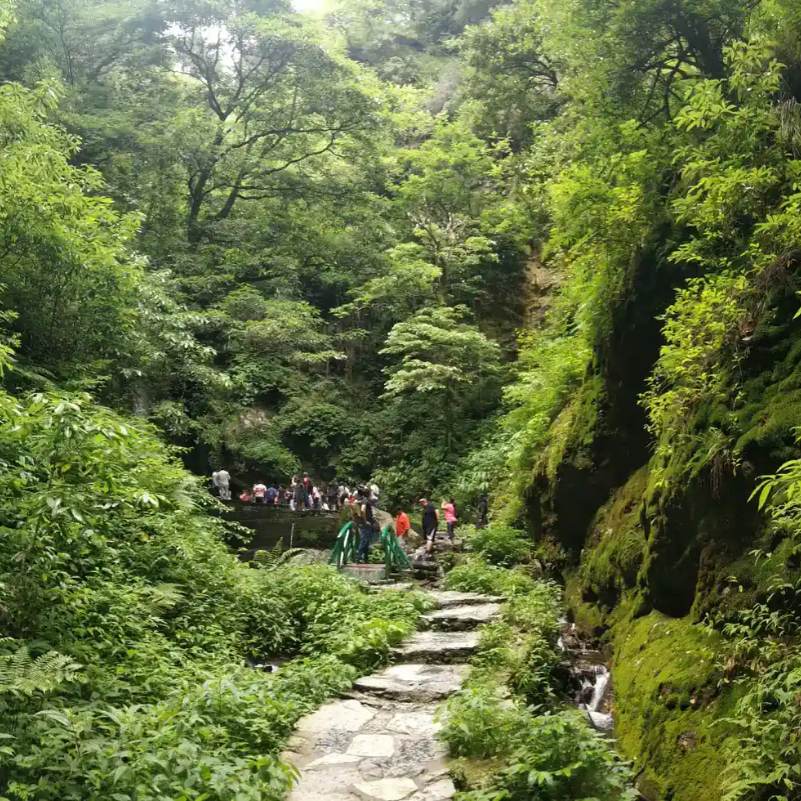
Delhi to Jibhi
Plan for roughly 500 km and ordinarily around 12 to 14 hours.
That estimate assumes a normal run. Monsoon rain, traffic, road work and temporary disruption can stretch it considerably.
Do not build a schedule that only works if the estimate holds.
Chandigarh to Jibhi
Roughly 270 km and ordinarily around 8 to 9 hours.
Same caveat applies. Rain and disruption can add hours, and August is the month in which they actually do.
Bus and shared transport
The normal logic is to reach Aut or Banjar on a Delhi or Chandigarh service, then take a local connection onward to Jibhi.
Bus timings, seat availability and fares can change depending on the season, operator and road conditions. Check the latest schedule and price shortly before departure rather than relying on an old timetable.
Reconfirm your final local connection shortly before you travel rather than weeks ahead.
Self-driving during monsoon
Travel in daylight. Use an experienced hill driver if you have any doubt at all about the route.
August is not the month to learn wet mountain driving. Poor visibility, standing water and blind bends make a difficult combination even for confident drivers.
Basic checks before you leave: brakes, tyres, wipers, lights, demisting and a proper spare.
One more thing. An SUV does not make this route safe, and four wheel drive does not clear a landslide. The vehicle matters far less than the decision to wait.
Where should you stay in Jibhi during August?
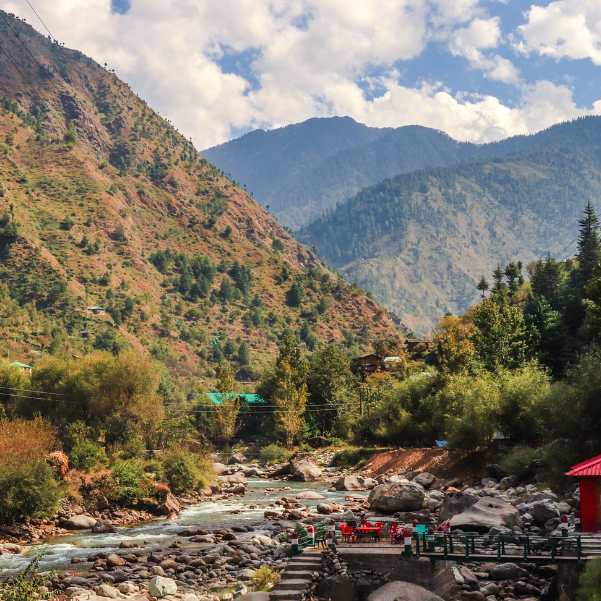
Look for convenient road access, dependable parking, responsive management, backup electricity and transparent cancellation terms. In August, those five things matter more than the view from the balcony.
An isolated stay reached by a footpath looks wonderful in a photograph. Carrying luggage up a wet path in persistent rain, with no vehicle access and no easy way out, stops being charming by the second day.
Budget accommodation in Jibhi may start from around ₹700 per night, but prices vary according to the property type, location, weekend demand and booking dates.
Check the final price, cancellation policy and road accessibility directly with the property before confirming your August stay.
How much does a Jibhi trip cost in August?
We are not printing a total package budget, because any figure we invented would be wrong for your dates and your group.
Build it yourself. Accommodation for your dates, transport to Aut or Banjar, local taxi costs, meals, attraction fees, and then a disruption buffer. That last one is the line most people skip and then need.
Confirm all current prices through live quotations for your exact travel dates, group size and itinerary, as transport fares, taxi charges, hotel rates, package costs and attraction fees can change.
When you ask anyone for a quote, ask for it itemised. Stay, transport, driver allowance, fuel, permits, meals and taxes, listed separately. A single lump sum tells you nothing and hides quite a lot.
What should you pack for Jibhi in August?

A waterproof outer shell, quick dry clothes, one warm layer, shoes with reliable grip, extra socks, waterproof protection for your electronics, personal medicines and a power bank.
Offline maps as well. Authorities specifically recommended downloading them during the 2026 monsoon, and mobile signal in this valley is not something to depend on.
An umbrella on its own is not enough. On a wet trail you want both hands free, and in wind an umbrella becomes more of a liability than a shelter.
Beyond that, do not overpack technical gear. For an ordinary three day trip you do not need trekking poles, gaiters and a rain cover for your rain cover.
Is Jibhi suitable for different travellers in August?
Couples
August suits couples who want a slow stay, good coffee and unhurried time together.
Do not build the trip around uninterrupted views or a compulsory trek. Build it around the room and the food, and let any sightseeing be a bonus rather than the point.
Solo travellers
Share your plan for the day with your host, including when you expect to be back. Avoid isolated trails when the weather is uncertain.
Keep a transport backup. If your return connection falls through, you want a second option rather than a problem.
None of this means solo travel here is dangerous. It means solo travel in monsoon deserves slightly more structure than usual.
Families with children or senior citizens
Slippery paths, unpredictable road delays, access to regular medicines and the convenience of the stay all matter more than they would in October.
Suitability depends on mobility, health and how your group handles a plan falling apart. A family that can enjoy a wet afternoon indoors together will have a lovely time. A family that cannot will be counting the hours.
First-time mountain drivers
Take a locally experienced driver. This is the one recommendation we make with no hedging attached.
Wet roads, poor visibility and tight bends make August the worst possible month to experiment with hill driving.
Is another month better than August?
If your priority is dependable sightseeing and outdoor activity, a more settled month will serve you better. That is simply true, and pretending otherwise would waste your leave.
August rewards slow monsoon travel. It punishes checklist tourism.
If you are still choosing between valleys altogether, Jibhi or Kasol: which is better? works through that comparison properly.
Final booking checklist for Jibhi in August 2026
Check the forecast 72 hours before departure. Speak to your stay. Confirm the road specifically rather than the region generally, then recheck on the morning you leave.
Download offline maps before you lose signal, and save the emergency numbers into your phone.
Book flexible hotel and transport wherever you can, and keep one buffer day at the end of the trip.
If you plan to enter the Great Himalayan National Park core zone, you need a permit. The official website says permits can be obtained from the Shamshi head office and the range offices at Shairopa and Ropa.
The official GHNP website also carried a selected area closure alert dated 22 April 2026. Check the latest notice and confirm which areas are currently open before you build any GHNP day into your plan.
We are not quoting a GHNP fee, because the official website says the latest fee must be confirmed with park authorities.
>>Tell us your travel dates and we'll help you plan the perfect August trip.
Explore Our Curated Jibhi Tour Packages
 Group Tour6D/5N
Best Jibhi Tirthan Valley Tour With Shangarh Meadows
2D Tirthan Valley•1D Shangarh (Sainj Valley)
₹9,999₹12,999SAVE INR 3,000/ person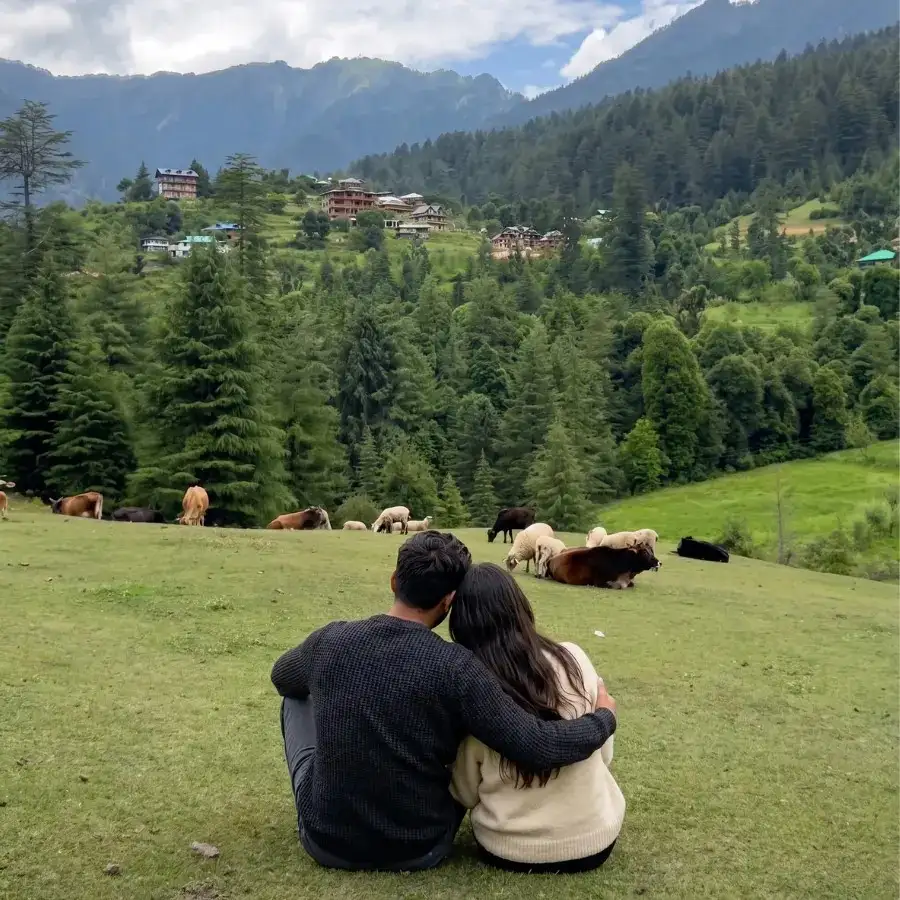 6D/5N
6D/5NJibhi Tirthan Valley & Shangarh Meadows Experience
1D Delhi•2D Jibhi+2
₹21,799₹27,999SAVE INR 6,200/ person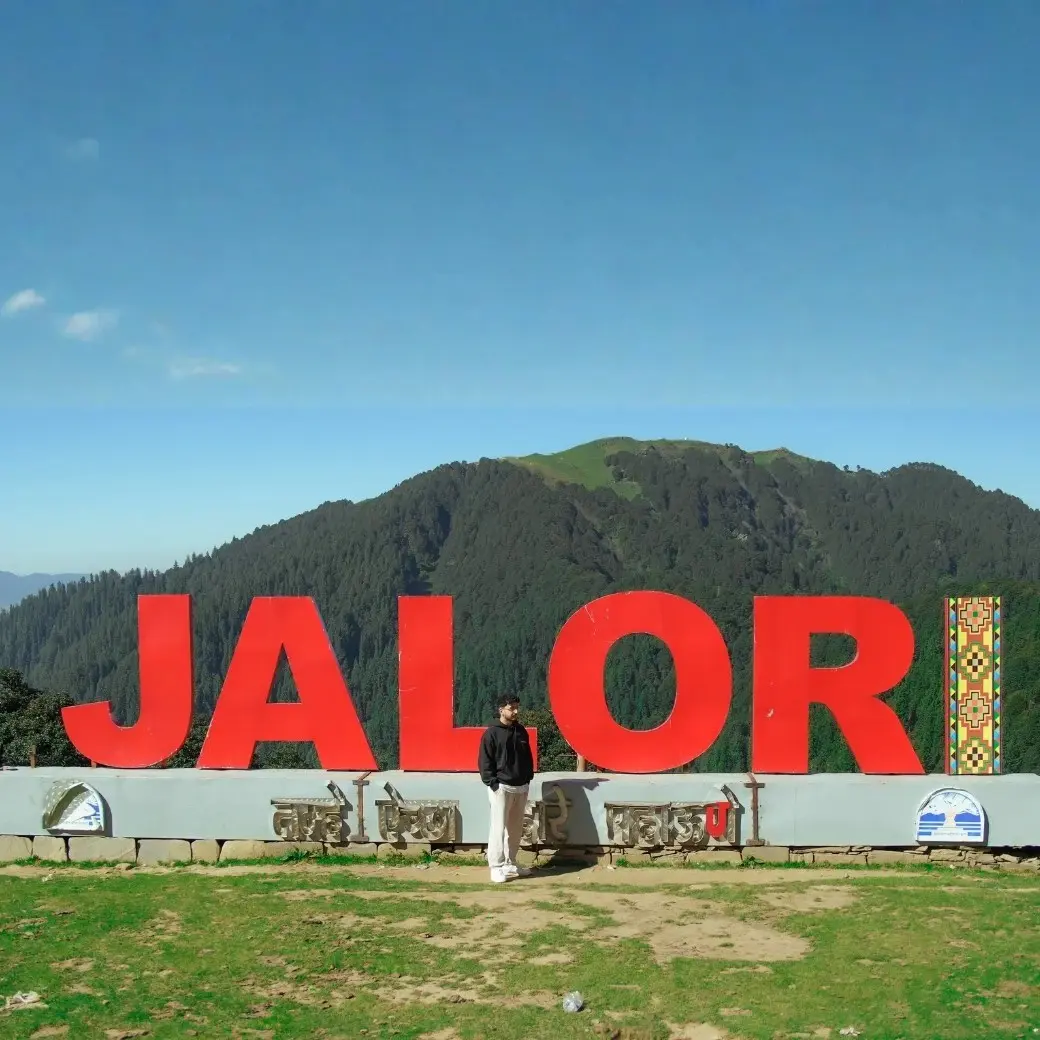 5D/4N
5D/4NWeekend Jibhi & Tirthan Valley Riverside Escape
1D Delhi •2D Jibhi / Tirthan Valley+1
₹12,900₹19,999SAVE INR 7,099/ person
Related topics
Frequently Asked Questions
Is August a good time to visit Jibhi?
It depends entirely on the trip you want. August brings deep green, full streams and thin crowds, and it suits travellers happy to spend a wet afternoon in a café with no agenda. It works poorly for rigid itineraries, trekking first trips and anyone with a tight return connection. If your dates are flexible and your stay is comfortable, August can be lovely. If everything has to go to plan, choose a more settled month instead.
Is Jibhi safe in August?
Nobody can promise you a safe or unsafe August in advance, and anyone who does is guessing. Monsoon rain in Himachal can cause slope movement, blocked roads and long delays, and conditions can change within hours. Travel in daylight, use experienced drivers, stay away from fast water and wet edges, and turn back when local people advise it. Check the forecast and road reports 72 hours before departure, then again on the morning you leave.
Does it rain every day in Jibhi in August?
Not in the way most people picture it. The historical climate model we checked reports an 89% chance of precipitation on an average August day, which is a statistic drawn from past years rather than a forecast for your trip. In practice a single trip can bring light drizzle, long dry gaps, steady showers or a few hours of heavy rain. Plan around dry intervals rather than assuming either constant rain or clear skies.
What is the temperature in Jibhi in August?
Historical modelling using data from 2010 to 2020 puts a typical August day around 20°C and the night around 13°C. Those are averages describing how the month has usually behaved, not a prediction for any particular date in August 2026. Another guide publishes 17°C to 24°C for the same month, so treat any narrow figure with caution. Pack for damp warmth by day and a cool evening.
Are the roads to Jibhi open during August?
The usual approach runs through Aut and then NH 305 via Banjar, and live August status cannot be confirmed ahead of time. On 13 July 2026, 69 roads were reported blocked across Himachal Pradesh, including 38 in Kullu district, but that was one day's snapshot and says nothing about your dates. Call your stay or driver, ask specifically about the Aut to Banjar to Jibhi stretch, and check again on departure morning.
Can I visit Jalori Pass in August?
Sometimes, and only with a same morning check. The pass sits roughly 12 to 14 km from Jibhi at approximately 10,800 feet, and the final climb is steep and narrow with tight bends that get harder after rain. Treat it as an optional excursion rather than a fixed part of the trip, get a live update from your stay or a local driver before setting off, and be genuinely willing to drop the plan.
Is the Serolsar Lake trek safe in August?
It cannot be promised, and reaching Jalori Pass does not automatically mean the Serolsar trail is a sensible walk that day. Attempt it only when the weather is stable, the trail is considered usable, visibility is acceptable and local advice is positive. If any one of those is missing, skip it. In our experience the travellers who enjoy August are the ones willing to cancel a walk without treating the whole trip as a failure.
What clothes should I carry for Jibhi in August?
A waterproof outer shell, quick dry clothes, one warm layer for the evening, shoes with reliable grip and extra socks. Add waterproof protection for your phone and camera, your personal medicines and a power bank. An umbrella alone is not enough on a wet trail or in wind. Nothing needs to be specialist gear for an ordinary three day trip, but everything should tolerate getting wet and drying slowly.
How many days are enough for Jibhi in August?
Three days works as a base, and we would add a fourth as a buffer if anything important follows the trip. August is the month where a road delay eats a morning and a wet spell rearranges an afternoon, so that extra day is not a luxury. Two days is possible but leaves no room to reschedule an outing. If you cannot spare the buffer, keep your plans inside Jibhi itself.
Can families with children visit Jibhi in August?
Yes, with the right expectations. Paths get slippery, roads can be delayed and outdoor plans get cancelled at short notice, so the stay itself needs to be comfortable and easy to reach by vehicle. Carry your regular medicines and keep the days short. Suitability really depends on mobility, health and how well your group handles a wet day indoors. A family that can enjoy a rainy afternoon together will be fine here.
Is self-driving to Jibhi safe during monsoon?
It can be done, but August is not the month to learn hill driving. Wet roads, poor visibility and tight bends are difficult even for confident drivers, and an SUV or four wheel drive does not make a landslide passable. Travel in daylight, check brakes, tyres, wipers, lights, demisting and your spare before leaving, and use a locally experienced driver if you have any doubt at all.
What should I do if heavy rain is forecast before my trip?
Do not cancel on a headline alone, and do not ignore it either. Call your stay and ask about the Aut to Banjar to Jibhi stretch specifically, check official weather alerts and disaster updates, and read road reports rather than social media posts from earlier weeks. If the picture still looks poor on departure morning, postpone. Flexible bookings and a buffer day are what make that decision cheap rather than painful.
More about Jibhi
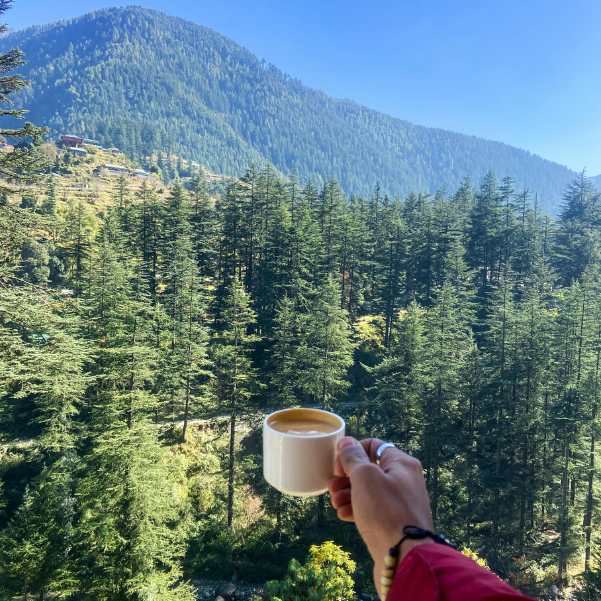 Jibhi
JibhiJibhi in December 2026: Snowfall, Weather, Road Status and Winter Guide
Planning a trip to Jibhi in December 2026? Discover the latest updates on snowfall, weather, temperature, and road conditions. Find out when to expect snow, what to pack, and whether the roads to Jibhi are safe for a memorable winter getaway.
- Best Time to Visit
- Snow Travel
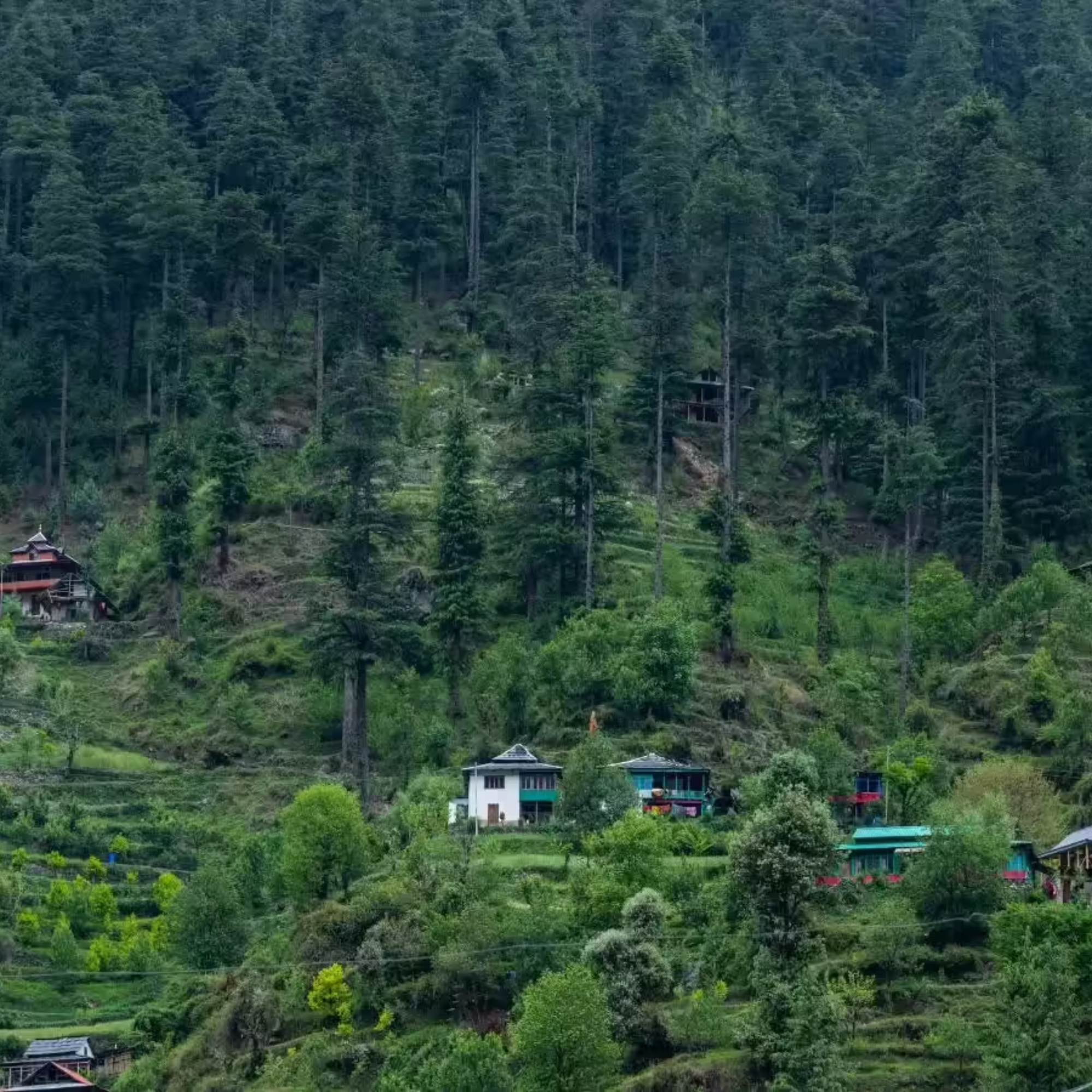 Jibhi
JibhiJibhi in October 2026: Weather, Road Conditions, Places and Trip Plan
Planning a trip to Jibhi in October 2026? Expect cool autumn weather with temperatures between 8°C and 20°C, clear skies, colorful forests, and comfortable trekking conditions. Roads are generally in good condition after the monsoon, making it an excellent time to explore Jalori Pass, Serolsar Lake, Chehni Kothi, and Tirthan Valley. Discover the latest weather, road updates, travel tips, and a perfect 2–3 day itinerary for an unforgettable Jibhi getaway.
- Best Time to Visit
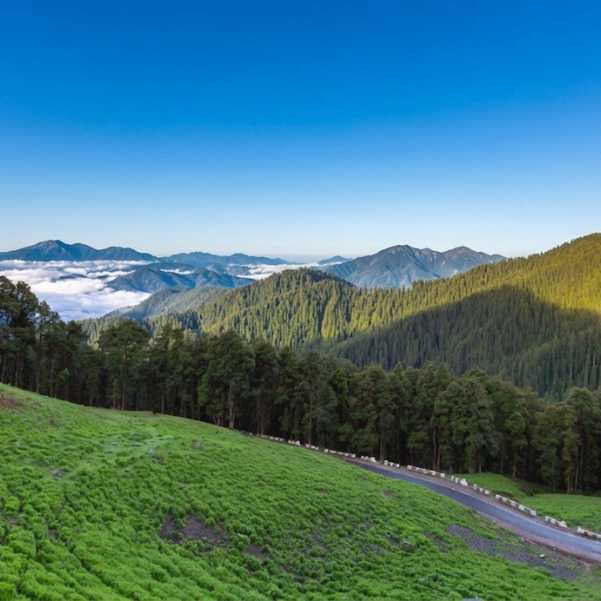 Jibhi
JibhiJibhi for Honeymoon in 2026: Why Couples Choose It Over Manali
Thinking of choosing Jibhi over Manali for your honeymoon? This honest 2026 guide explains why Jibhi is becoming a favourite for couples who want privacy, wooden stays, forest walks, waterfalls, slow mornings, and a quieter Himachal honeymoon without the tourist rush of Manali.
- Places to Visit
- First-Time Travellers