
Is Shimla Worth Visiting in 2026? An Honest Local Guide
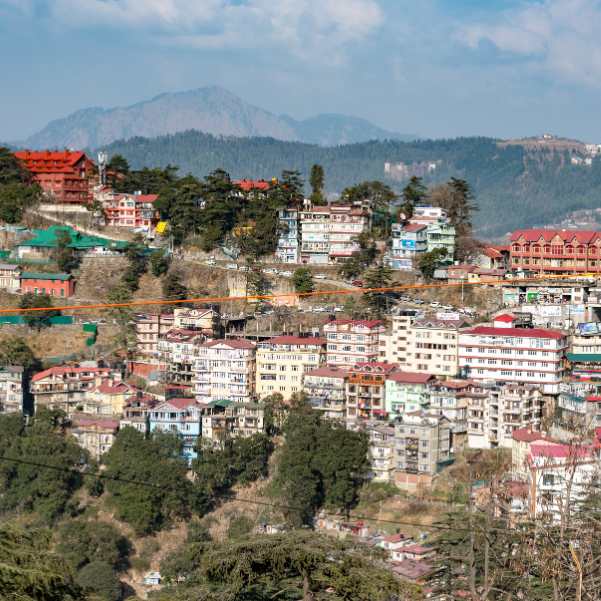
Shimla is worth visiting if you enjoy mountain views, colonial architecture, pleasant walks, local cafés and easy day trips to places such as Kufri, Fagu and Narkanda.
This honest local guide explains what Shimla does well and where crowds, traffic, parking and changing weather may affect your experience.
The destination suits families, couples, first time visitors and short holiday planners, but it may not appeal to travellers expecting complete peace or guaranteed snowfall.
Understanding the best season, realistic costs and local travel conditions will help you decide whether Shimla is the right choice for your trip.
Quick Answer
Yes, is Shimla worth visiting has a clear answer for most first time travellers. Shimla suits a two to four day heritage hill holiday built around The Ridge, Mall Road, colonial buildings, Jakhoo Temple and the Kalka Shimla railway.
Peak traffic, steep walking, commercialisation and monsoon disruption make it less suitable for a quiet remote escape.
What most tourists get wrong is expecting Shimla to feel like an empty mountain village. It does not. Shimla works best as a walkable heritage town with cafés, temples, busy bazaars and day trips.
Your experience changes sharply with the season, weekday, hotel location and the time you reach the centre.
Why Is Shimla Still Worth Visiting in 2026?
Shimla brings several experiences into a compact trip. You can walk through old streets, visit temples, pause at viewpoints, spend time in cafés and use one extra day for nearby places. You do not need to chase a long list of attractions to enjoy the city.
For a first Himachal holiday, Shimla gives you an easy introduction to hill travel without forcing you into a long remote road journey.
You still need to manage slopes, parking and crowds, but the city gives families and couples several ways to shape a relaxed plan.
We often help travellers compare hotel access, daily walking and day trip choices before they book. Our customised Shimla tour packages work best when the plan starts with your pace, not with a fixed attraction checklist.
Shimla also works as a useful starting point for longer mountain journeys. You can extend your trip to Kinnaur if you want a deeper road journey, or continue towards Spiti Valley when weather, roads and your schedule allow.
What Are the Best Reasons to Visit Shimla?
The Heritage Centre Is Easy to Explore on Foot
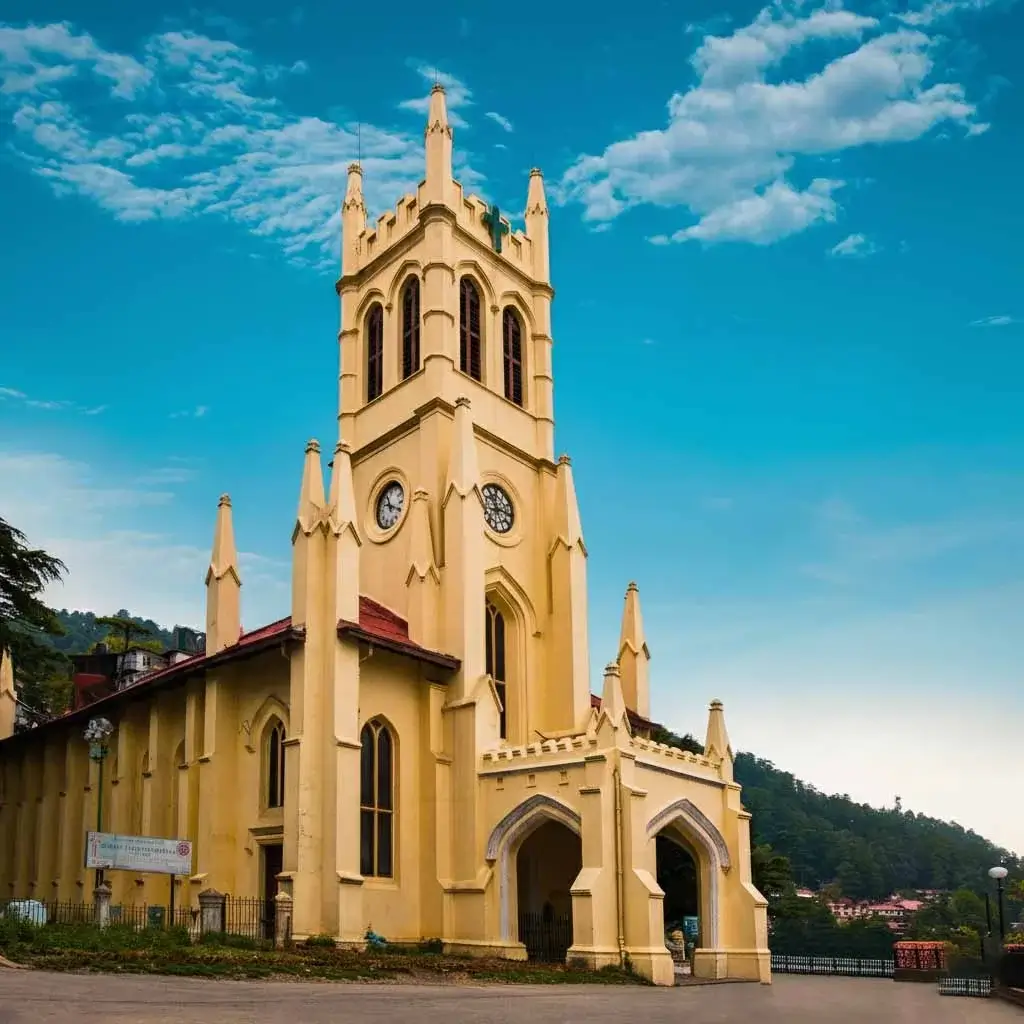
The heart of Shimla sits around The Ridge, Mall Road, Christ Church, Gaiety Theatre, Scandal Point and Lakkar Bazaar. These places make more sense as one slow walking experience than as separate boxes to tick.
You can start with the open space of The Ridge, continue along Mall Road, pause near Christ Church and then walk towards Scandal Point and Lakkar Bazaar. The pleasure comes from the changing street views, old facades, cafés and evening movement.
Vehicle access around the central Mall Road and Ridge zone remains restricted, so confirm the current access rules, authorised drop points and any applicable exceptions before travelling.
This restriction protects the walking experience, but it also means you should confirm where your cab can stop and how far you must carry luggage.
A useful money saving tip is to group all central sights into one walking circuit. This reduces repeated local vehicle use and avoids wasting time in traffic. Good shoes matter more here than an overloaded sightseeing plan.
The Kalka Shimla Railway Is Worth Experiencing
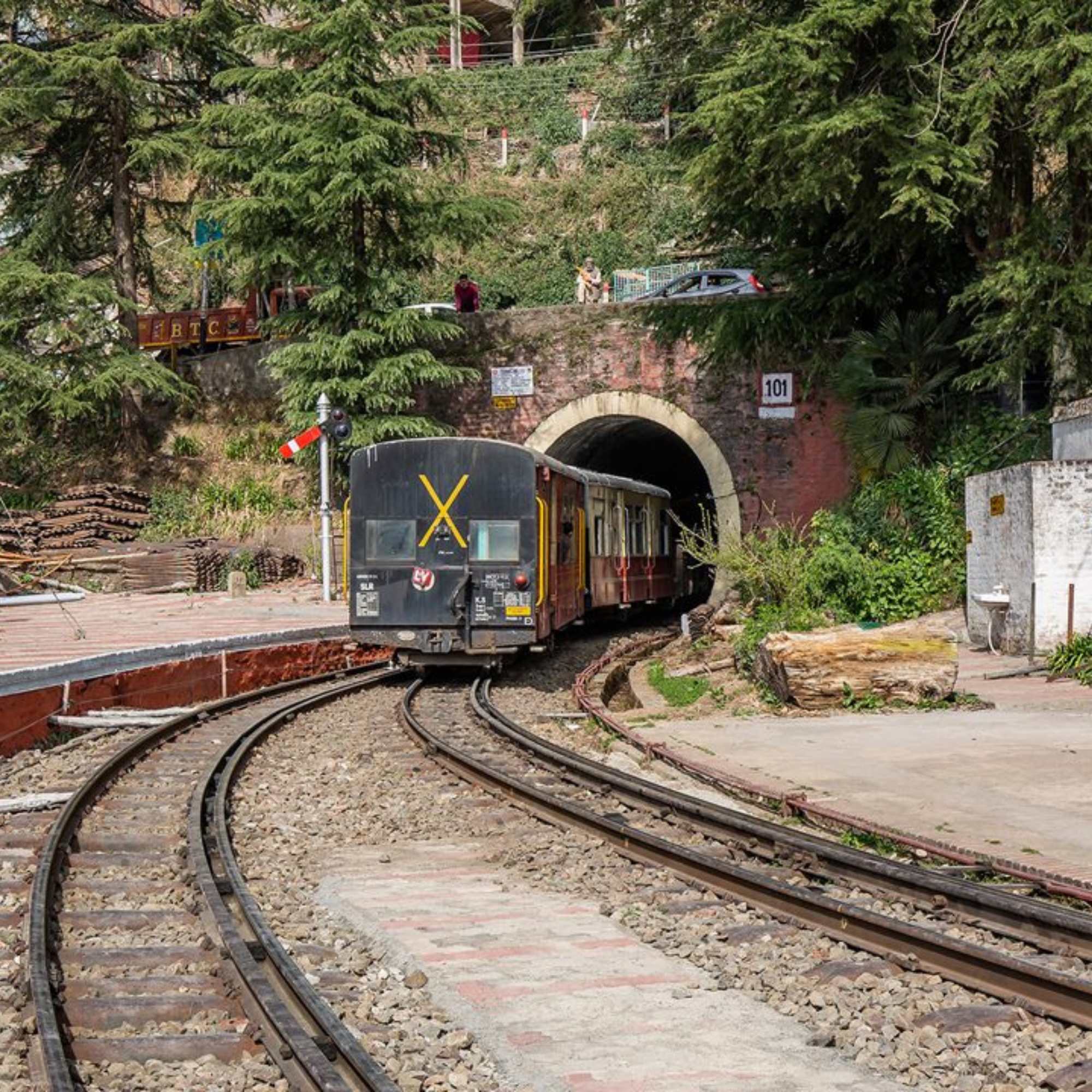
The Kalka Shimla railway runs for 96.6 kilometres and forms part of UNESCO’s Mountain Railways of India. The journey gives you a slower way to understand the terrain and the engineering behind this historic route.
Do not plan your trip around a fixed tunnel count because available sources disagree between 102 and 103. The route itself matters more than the number. You travel through curves, bridges, small stations and changing hill views over several hours.
The railway normally operates, but heavy rain can interrupt services for safety reasons. Before you travel, check the latest railway status instead of assuming that every train will run on the booked day.
In our experience, the train works best when you treat it as part of the holiday rather than only as transport. Keep enough time for delays and avoid building a tight hotel check in or airport connection around the scheduled arrival.
Shimla Works Well for Families, Couples and First Time Visitors
Shimla gives families and couples a simple mix of walking, heritage, temples and nearby excursions. You can combine the central sights with Kufri, Mashobra or Naldehra without changing hotels every night.
Do not call the entire destination easy for travellers with limited mobility. Shimla includes slopes, stairs and uphill sections. Some hotels also require a walk from the nearest vehicle point.
Senior travellers who feel comfortable with moderate walking may enjoy Shimla, but they should confirm hotel access, lift availability where relevant and the exact vehicle drop point before paying.
There Is More to Shimla Than Mall Road
Mall Road attracts most visitors, but it should not become your entire Shimla trip. Jakhoo Temple gives you a hilltop religious visit. Viceregal Lodge adds history and architecture. Annandale and Summer Hill show a quieter side of the city.
Chadwick Falls and Tara Devi add scenic and religious options outside the central walk. These places help you understand that Shimla spreads across several ridges rather than sitting only around one market street.
You do not need to visit every place. Choose two or three based on your interests and available time. A family may prefer Jakhoo and Viceregal Lodge, while a couple may enjoy Summer Hill and a slow evening on Mall Road.
The better approach is to build each day around one area. This cuts backtracking and gives you more time to notice the character of the city.
What Are the Disadvantages of Visiting Shimla?
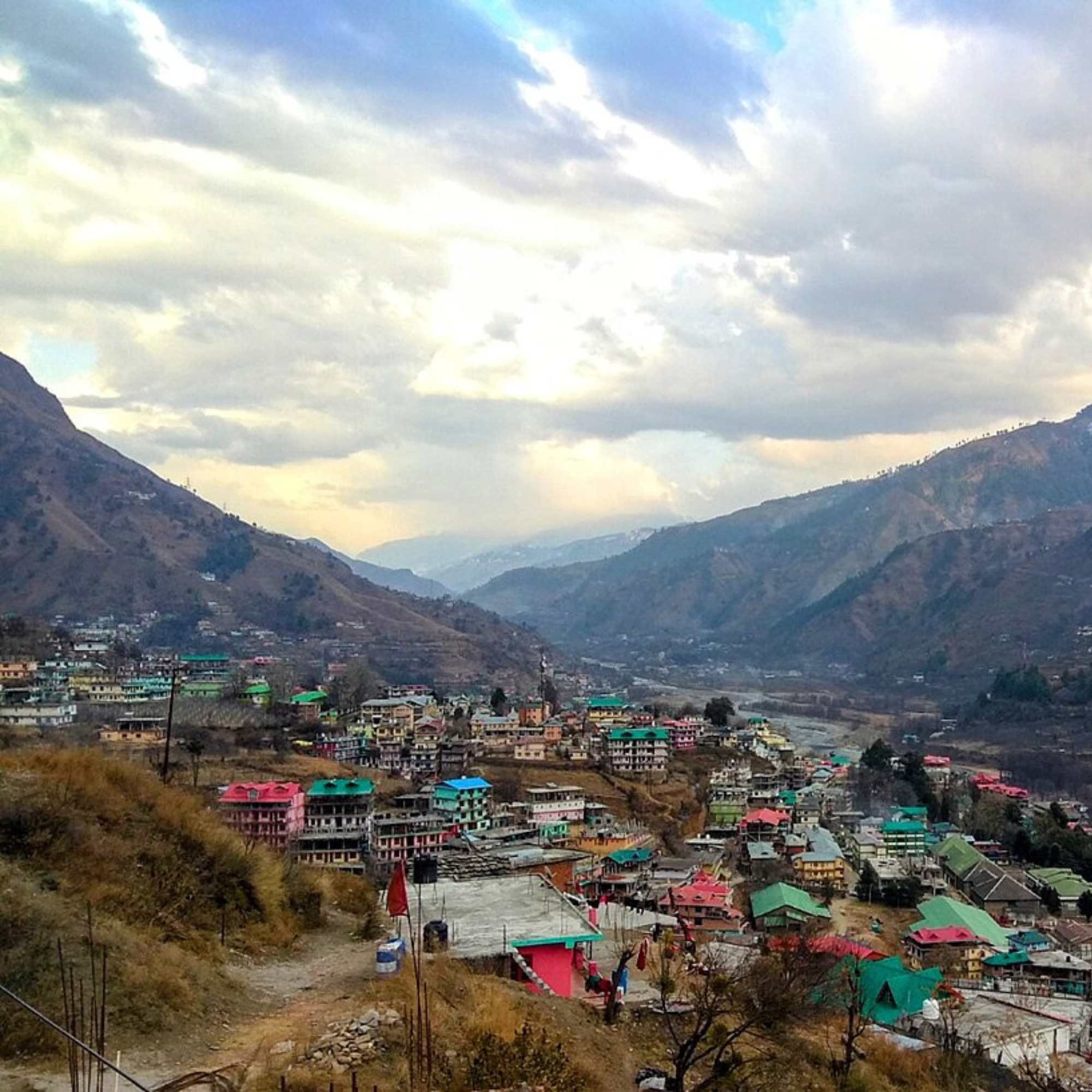
Traffic creates the biggest practical problem. Roads near the main town can slow down during weekends, holidays and busy seasons. Parking also becomes difficult, especially when many day trippers arrive at the same time.
Central Shimla can feel urban and heavily commercial. Shops, cafés, hotels and crowds fill the core. Travellers who want empty forest roads and complete silence may find the centre tiring rather than relaxing.
Steep walking creates another real drawback. The map may show a short distance, but a climb, staircase or luggage walk can make it feel much longer. This matters for small children, senior travellers and anyone with knee or breathing concerns.
Some centrally located properties also have difficult luggage access. Your cab may stop below the hotel, while you or hotel staff move bags through a steep lane or pedestrian stretch. Confirm this before booking, not after reaching Shimla.
Snowfall creates false expectations every winter. You can choose the winter season for cold weather and a chance of snow, but nobody can guarantee snowfall for a particular date.
Monsoon rain can trigger landslides, road disruption and railway suspension. This does not mean you must avoid every rainy day, but you should keep the itinerary flexible and check current official updates before departure.
Is Shimla Overrated or Just Overcrowded?
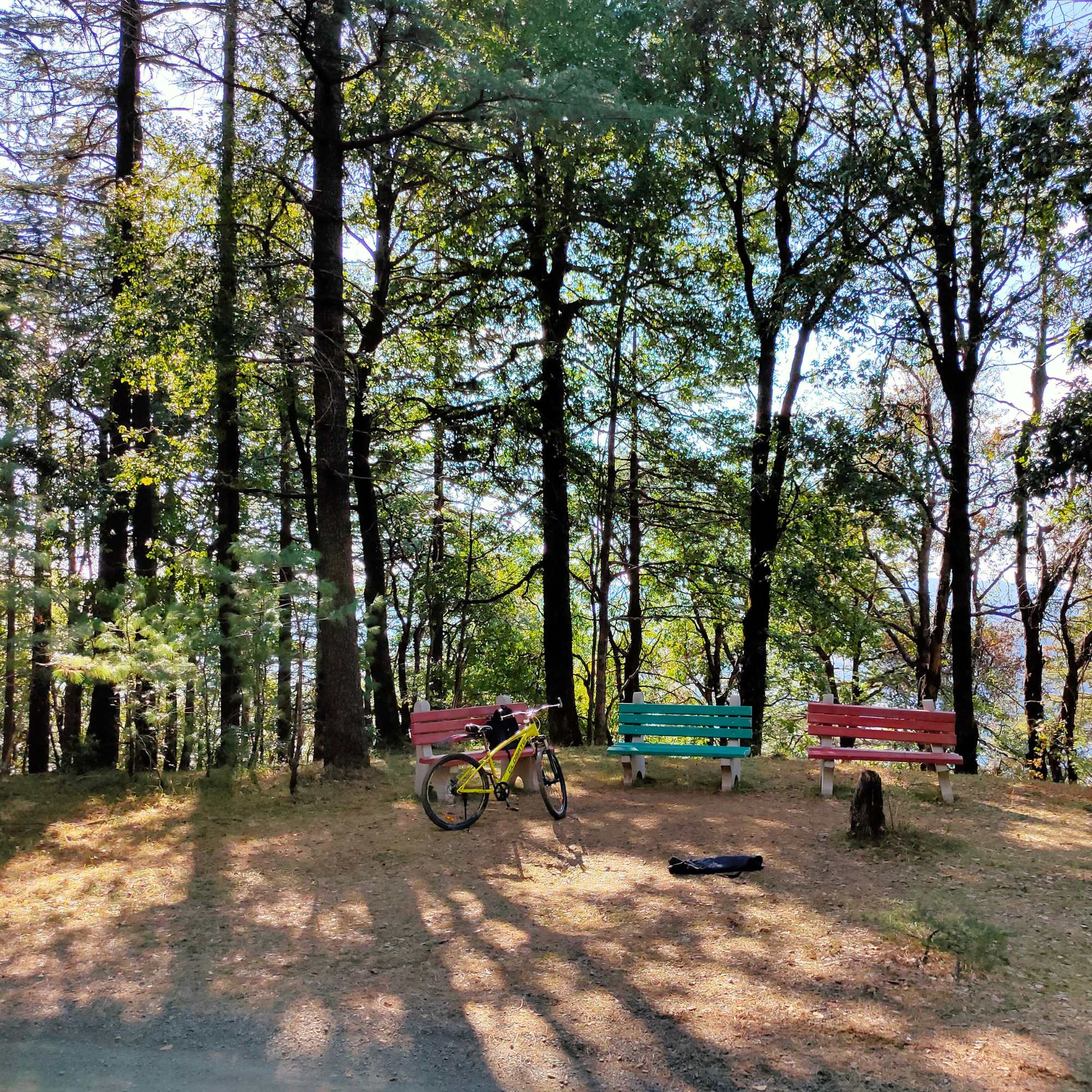
Shimla feels more overcrowded than overrated. The destination still has clear strengths, but large visitor numbers can hide them during peak hours.
A weekday early morning on The Ridge can feel open and calm. You can see the buildings clearly, walk without constant stops and enjoy the cool air before day trip groups arrive.
A holiday evening in the same place can feel packed. Cafés fill up, traffic builds below the centre and every popular photo point attracts a queue. Both experiences belong to Shimla, but timing decides which one you get.
In our experience, Shimla feels completely different before the day trip crowds arrive. Start your central walk early, then use the busier evening for a meal or a shorter stroll instead of trying to cover every sight.
Travellers who expect heritage streets, cafés and a classic hill station atmosphere usually understand Shimla better. Travellers who expect empty alpine scenery often call it overrated because they chose the wrong destination for their priority.
So, is Shimla overrated? Not for a heritage focused two to four day trip. It becomes a poor choice only when crowds, commercial activity and steep urban walking clash with what you want from the mountains.
Who Will Enjoy Shimla Most?
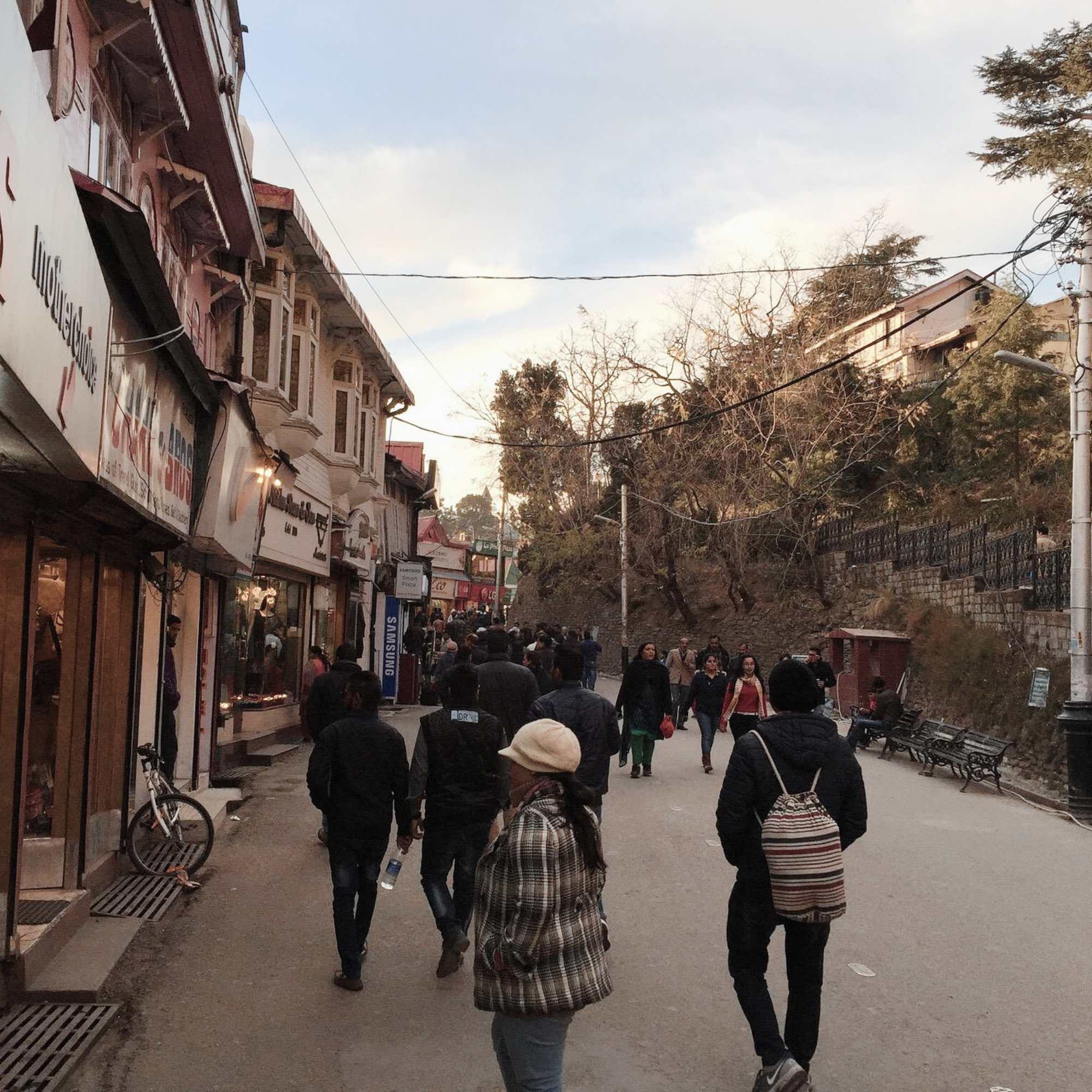
Families usually enjoy Shimla because the trip can mix short walks, temples, markets and one nearby excursion. Parents can keep the plan flexible, and children get several visual changes without long daily road travel.
Couples often like the slower side of the city. Early walks, cafés, heritage buildings and evening time around Mall Road create a simple trip without the pressure of adventure activities.
Heritage lovers get the strongest reason to visit. Christ Church, Gaiety Theatre, Viceregal Lodge and the old street layout give the trip a clear identity beyond views alone.
Café goers and first time Himachal travellers also fit Shimla well. You can learn how hill towns function, adjust to slopes and weather, and still return to a comfortable base each night.
Senior travellers may enjoy the city when moderate walking feels manageable. Those with mobility concerns should confirm hotel access, vehicle arrangements and daily walking before booking.
Nightlife focused travellers, serious adventure seekers and people who want total solitude may prefer another destination. Shimla has evening activity, but it does not offer a major nightlife scene or a remote wilderness experience.
What we tell our travellers is simple. Choose Shimla for heritage, walking and a classic hill holiday. Choose somewhere quieter when silence and open landscapes matter more than cafés and central convenience.
What Can You Realistically See in Shimla?
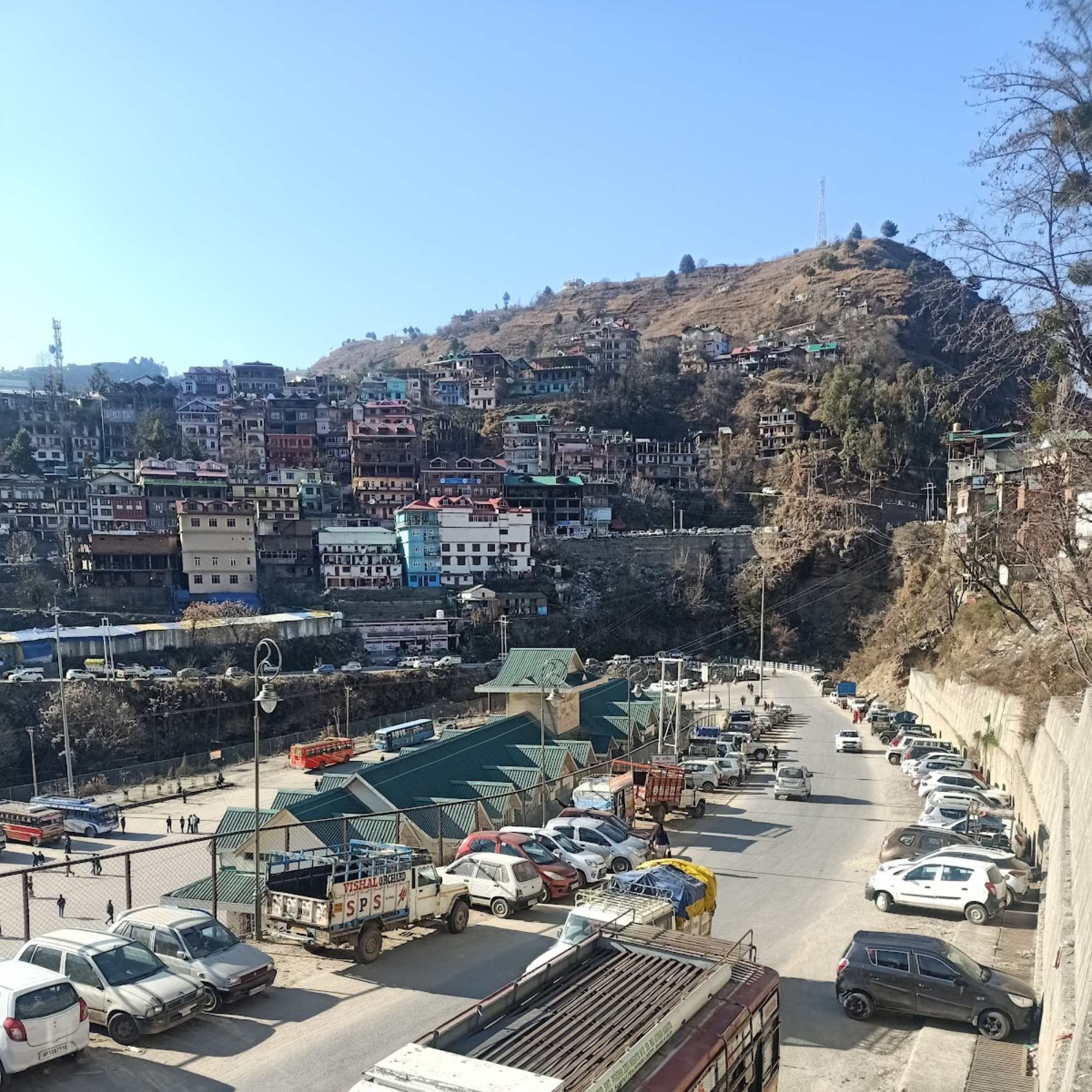
Essential City Centre Experiences
Start with The Ridge, Mall Road, Christ Church, Scandal Point and Lakkar Bazaar. These places sit close enough to combine in one walking session, though slopes and crowds will affect your pace.
The Ridge works best early, when the space feels more open. Mall Road becomes livelier later in the day. Christ Church gives the walk a clear visual anchor, while Scandal Point and Lakkar Bazaar add movement and local shopping.
Do not rush from one name to another. The city centre rewards observation. Notice the old building fronts, changing valley views and the way pedestrian streets connect different levels of the town.
For chai, stop at a clean, busy tea stall near the Mall Road entrance to Lakkar Bazaar and check the menu and hygiene before ordering.
The location lets you pause without leaving the main walking route, though you should check the current stall and hygiene before ordering.
Heritage and Cultural Experiences
Viceregal Lodge sits about 4 kilometres from Shimla, according to Himachal Tourism. It adds a deeper historical layer to the trip and works well with Summer Hill or another western Shimla stop.
Confirm the current Viceregal Lodge entry fee, opening hours, guided-tour schedule and visitor access before leaving.
Gaiety Theatre belongs naturally in the central heritage walk. Check the Gaiety Theatre’s latest entry fee, opening hours and interior access before planning your visit.
The State Museum and Annandale also help you move beyond Mall Road. Confirm the State Museum’s current admission fee, opening hours and weekly closure before travelling.
Check Annandale’s latest entry details, museum timings and visitor access before adding it to your itinerary.
These places suit travellers who enjoy context, architecture and local history. They may feel less exciting to someone who only wants snow or wide mountain views, but they explain why Shimla remains different from many newer hill destinations.
Scenic and Religious Experiences
Jakhoo Hill rises to about 2,438 metres. Jakhoo Temple opens from 7:00 AM to 8:00 PM daily and charges no entry fee.
The uphill walk from The Ridge covers about 2 kilometres and usually takes 30 to 45 minutes. Your fitness, crowd level and weather can change that time.
The adult Jakhu Ropeway fare shown on the operator rate page is ₹252 one way or ₹467 return, with 5% GST extra.
For children aged three to twelve, the listed fare is ₹200 one way or ₹381 return, with 5% GST extra. Children below three travel free according to the listed rate.
Recheck the current ropeway fares before visiting, buy tickets only from the official counter and compare the displayed price with the published rate before paying.
Monkeys around Jakhoo can grab food or loose belongings. Keep snacks packed, hold phones securely and avoid teasing or feeding them.
Chadwick Falls lies about 7 kilometres from Shimla. Tara Devi lies about 11 kilometres away. Their appeal depends on weather, road access and the time you have available.
Day Trips from Shimla
Kufri town lies about 20 kilometres from Shimla. Different Kufri attractions sit at different distances, so do not treat Kufri as one single point.
The Himalayan Nature Park lies about 16 kilometres from Shimla, while Kufri Fun World lies about 18 kilometres away. Confirm the exact stop with your driver before departure.
Mashobra lies about 12 kilometres from Shimla and suits travellers who want a quieter half day or a slower road outing. Naldehra lies about 23 kilometres away and works better when you have enough time to avoid a rushed return.
Narkanda lies about 64 to 65 kilometres from Shimla. Skip it as a hurried add on during a two day Shimla trip. The road time can consume too much of a short stay, and Narkanda works better as an onward stop or part of a longer plan.
How Many Days Are Enough for Shimla?
A Two Day Shimla Itinerary
Use day one for The Ridge, Mall Road, Christ Church, Lakkar Bazaar and Jakhoo. Start early so you reach the central area before the main crowds build.
Keep the evening light. Return to Mall Road for a slow walk or café time instead of adding another distant attraction.
Use day two for Viceregal Lodge and either Annandale or Summer Hill. After that, choose one nearby excursion based on road conditions and your energy.
Two days cover the main highlights, but the plan can feel rushed. Traffic, rain or slow walking can easily remove one stop from the day.
A two day Shimla itinerary suits travellers who already know what they want. It does not suit someone trying to see every famous place around the city.
A Three to Four Day Shimla Itinerary
Three to four days give you space for Kufri or Mashobra, Naldehra, a heritage walk, relaxed café time and flexible weather planning.
You can spend one full day in the centre, one day on heritage and quieter city areas, and one day on a nearby excursion. The extra time also helps when rain, traffic or fatigue slows you down.
Our team recommends three nights when travellers want to enjoy Shimla instead of only ticking off attractions. That pace gives couples and families enough time to rest without losing the main experiences.
A fourth day helps when you want Naldehra, a longer café break or a slower morning. It also makes sense during winter or monsoon periods, when weather can affect daily movement.
A three day Shimla itinerary gives most first time visitors the best balance. Four days suit travellers who prefer slow travel or want to combine the city with two nearby areas.
What Is the Best Time to Visit Shimla?
March to June
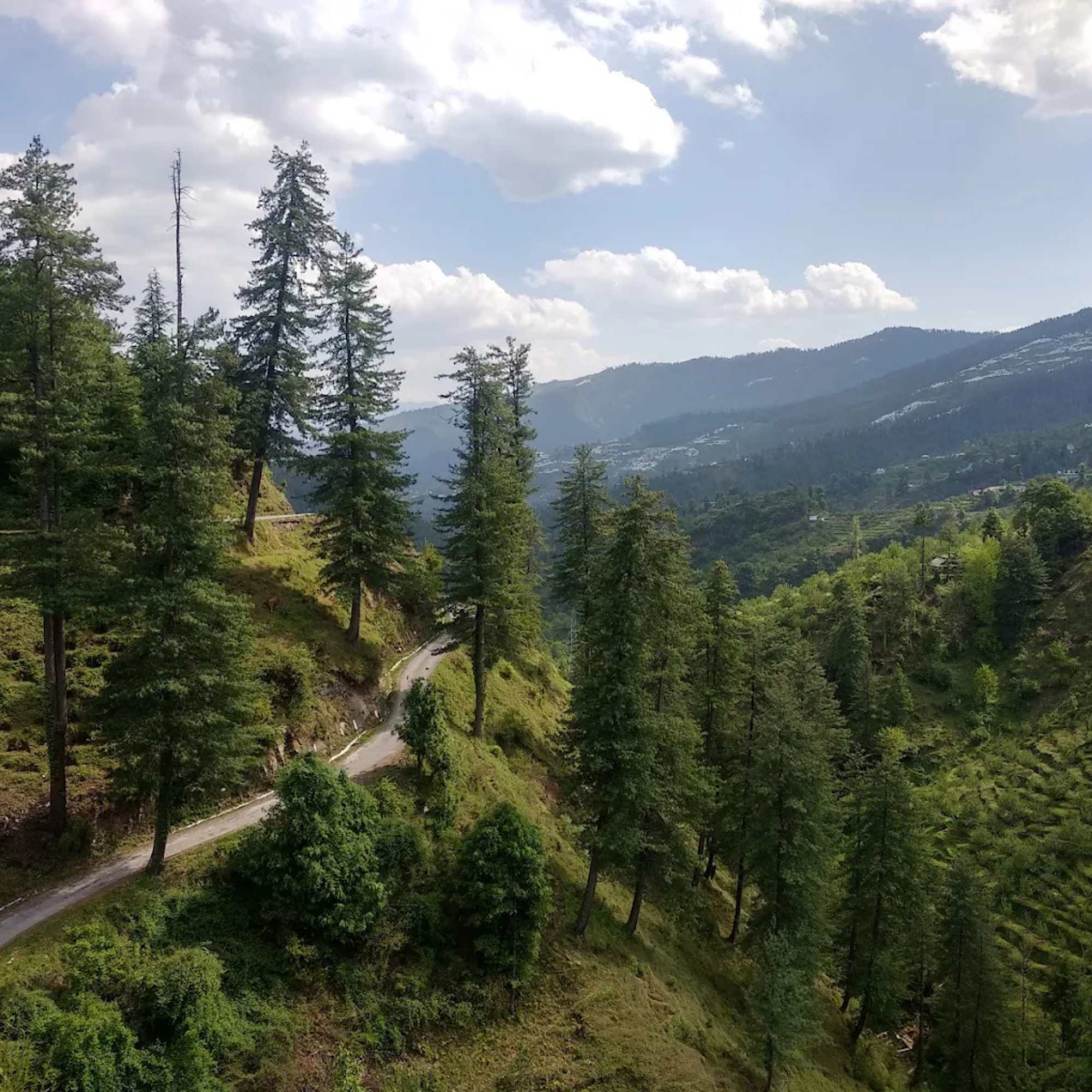
March to June attracts travellers for sightseeing and mild hill weather. This period works well for walking, central sightseeing and nearby day trips.
School holidays, weekends and long breaks can bring heavy crowds. Book early and avoid assuming that a pleasant weather window will also mean quiet streets.
Start your central walk between 7:00 AM and 9:00 AM on busy dates to experience The Ridge and Mall Road before the main visitor rush.
September to November
The post monsoon and autumn period can suit sightseeing, subject to current weather and road conditions. Many travellers prefer this time for walking and a calmer atmosphere after the main rainy months.
Do not promise perfectly clear weather. Clouds, rain and local road issues can still affect plans. Check the forecast close to departure.
December to February
December to February forms the winter period. Travellers often choose these months for cold weather and the possibility of snowfall.
Snowfall depends on weather and cannot be guaranteed for a particular date. A winter booking should focus on the cold season and the overall hill experience, not on a promise of fresh snow.
Shimla without snow still gives you heritage walks, temples, cafés and day trips, though road conditions may change during severe weather.
July and August
July and August bring rain. The hills can look fresh, but road and railway plans need more flexibility.
As of 4 August 2026, the IMD forecast heavy rain at isolated places in Shimla district on 4 August, with another district level heavy rain indication on 8 August. Wider Himachal rain warnings continued through 10 August 2026.
Reports said four Kalka Shimla train services would remain suspended until 5 August 2026 because continuous rain increased landslide risk.
These updates apply to specific dates, not to every monsoon day. Check IMD warnings, railway operations and road status immediately before travelling.
Avoid tight connections during active rain warnings. Keep one flexible period in the itinerary and choose refundable arrangements where available.
How Much Does a Shimla Trip Cost in 2026?
A Shimla trip cost changes with your starting city, season, hotel location, group size and transport choice. A generic fixed budget can mislead you because a peak weekend and a quiet weekday may cost very different amounts.
The only confirmed attraction price in this guide is the Jakhu Ropeway fare. Adults pay ₹252 one way or ₹467 return, plus 5% GST, while children aged three to twelve pay ₹200 one way or ₹381 return, plus 5% GST. Recheck before travel.
A stay near Mall Road may cost more, but it can reduce your dependence on local vehicles for evening walks. A stay farther away may give you quieter mornings and easier parking, but it can add daily driving time.
The local money saving decision is not always choosing the cheapest room. Compare the room rate with the cost and time of repeated transfers.
A slightly higher central price may save money for travellers who plan to spend both evenings on Mall Road.
A customised quote works better because it can include your dates, hotel access, group size, transport type and day trip choices. Our Shimla based Himachal travel team can also flag practical issues that a generic budget misses.
Where Should You Stay in Shimla?
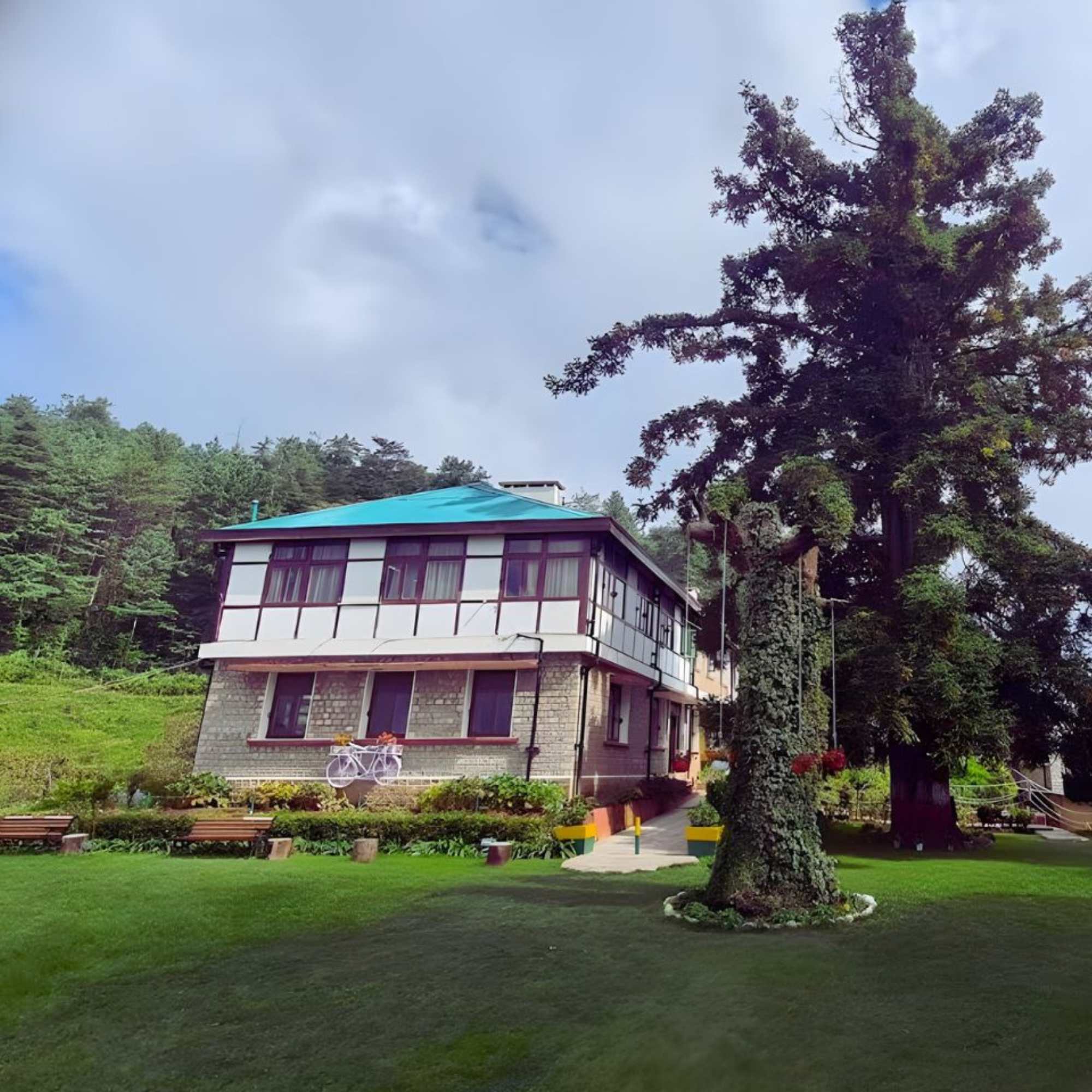
Central accommodation near Mall Road gives you easy evening access and reduces taxi dependence for the main walking area. This suits couples, café goers and travellers who want to step out after sunset.
The trade off can include higher rates, crowd noise and difficult luggage access. Some properties may sit above or below the nearest vehicle point, so a short map distance can hide a steep walk.
Accommodation outside the busiest centre may give you quieter mornings, better vehicle access and more open views. Families with their own car often prefer this convenience.
The drawback is added driving time. Traffic can turn a simple evening visit into a longer transfer, especially on busy dates.
We often suggest choosing the hotel only after deciding whether evening Mall Road access or quiet views matter more. This one choice can shape the entire trip.
Before booking, confirm the exact vehicle drop point, luggage assistance, number of stairs and typical travel time to central Shimla.
Do not rely only on the phrase “near Mall Road.” Ask the property to explain the actual walking route, slope and elevation difference.
Is Shimla Better Than Manali, Dharamshala or Jibhi?
Shimla works best for colonial heritage, compact sightseeing and a classic hill station atmosphere. The central walking zone gives it a clear identity that many other destinations do not share.
Manali suits travellers who want a broader mountain and adventure circuit. It can connect with several outdoor experiences and longer road journeys. You can explore Manali packages when adventure and a wider circuit matter more than heritage streets.
Dharamshala feels stronger for Tibetan culture and the Dhauladhar setting. It suits travellers who want monasteries, cafés and a different cultural focus. You can explore Dharamshala packages while comparing trip styles.
Jibhi matches travellers who prioritise a quieter village atmosphere.
It does not give you Shimla’s colonial centre, but it may suit people who want slower days and less urban movement. You can plan a quieter Jibhi and Tirthan trip if silence matters more than city heritage.
Shimla versus Manali has no single winner. Choose Shimla for walking and history. Choose Manali for a broader mountain circuit.
Shimla versus Dharamshala depends on whether you prefer colonial heritage or Tibetan culture. Shimla or Jibhi depends on whether you want a busy classic hill town or a quieter village base.
Practical Tips That Can Make Shimla Worth the Trip
Travel on weekdays where possible. The same streets and viewpoints can feel much easier without holiday crowds.
Begin Mall Road and Ridge sightseeing early. This timing gives you more space, softer light and a calmer walk before day trip groups arrive.
Confirm the exact vehicle drop point, parking arrangement, luggage assistance and number of stairs or uphill sections before booking your hotel.
Wear walking shoes with good grip. Slopes and stairs form part of everyday Shimla sightseeing, even when the map shows a short route.
Keep food and loose belongings secure near Jakhoo. Monkeys can move quickly, and feeding them creates avoidable problems.
During rain or snow, check IMD forecasts, railway updates and current road conditions. Do not rely on an old social media post or a previous season’s travel video.
A general tourist permit is not normally required for Shimla, but check the latest vehicle entry charges, restricted-road rules and municipal requirements before travelling.
Start with your hotel location, then build the sightseeing plan around it. This reduces backtracking and helps you decide whether you need a local cab.
Skip a crowded Kufri activity stop when the waiting time, price or experience does not suit your group. A short viewpoint visit may offer better value.
Final Verdict: Is Shimla Worth Visiting?
Yes, Shimla remains worth visiting for a two to four day heritage focused hill holiday. It suits first time Himachal travellers, couples and families who enjoy walking, old buildings, cafés, temples and a lively centre.
Its biggest strengths come from the combination of The Ridge, Mall Road, colonial architecture, Jakhoo Temple and the Kalka Shimla railway. Nearby places also let you add one or two day trips without changing hotels.
Its weaknesses are equally real. Traffic, steep walking, commercialisation, crowded peak dates and monsoon disruption can reduce the experience. Snowfall also never comes with a date guarantee.
Travellers seeking untouched landscapes, serious adventure or complete solitude may feel happier in a quieter destination. Travellers who understand Shimla as a heritage town rather than a remote village usually enjoy it much more.
So, is Shimla worth visiting in 2026? Yes, when you choose the right season, book the right hotel location, start sightseeing early and keep expectations honest.
Explore Our Curated Shimla Tour Packages
 6D/5N
6D/5NClassic Shimla Kufri Mashobra Narkanda Experience
1D Delhi•3D Shimla+2
₹12,999₹18,999SAVE INR 6,000/ person 7D/6N
7D/6NComplete Shimla Manali Volvo Package with Rohtang Pass
2D Shimla•2D Manali
₹15,999₹19,499SAVE INR 3,500/ person 7D/6N
7D/6NClassic Shimla Kufri Chail Narkanda Pine Valley Experience
1D Delhi•2D Shimla+3
₹17,600₹23,999SAVE INR 6,399/ person
Related topics
Frequently Asked Questions
Is Shimla worth visiting in 2026?
Yes. Shimla suits a two to four day heritage trip with walking, temples, cafés, colonial buildings and nearby excursions.
Is Shimla overrated?
Shimla feels overcrowded during peak periods more than genuinely overrated. Weekday mornings often give a much better experience.
How many days are sufficient for Shimla?
Three nights suit most first time travellers. Two days cover the highlights, while four days allow a slower plan.
Is two days enough for Shimla?
Two days can cover the centre, Jakhoo and one heritage area. The plan may feel rushed if traffic or weather causes delays.
Which month is best for visiting Shimla?
March to June suits sightseeing, while September to November can feel calmer after the rainy season. Check current weather before booking.
Is Shimla worth visiting without snowfall?
Yes. Shimla still gives you heritage walks, temples, cafés, the railway and day trips even when no snow falls.
Is Shimla better than Manali?
Choose Shimla for heritage and compact walking. Choose Manali for a broader mountain and adventure circuit.
Is Shimla suitable for a family trip?
Yes, especially for families comfortable with slopes and moderate walking. Confirm hotel access for children and senior travellers.
Is Shimla good for couples?
Yes. Couples often enjoy early walks, cafés, heritage buildings and slower evenings around Mall Road.
Is Shimla expensive for tourists?
Costs depend on dates, hotel location, transport and group size. Peak weekends usually reduce value, so compare a customised quote.
Is Shimla safe during the monsoon?
Rain can cause landslides, road disruption and railway suspension. Check IMD, road and railway updates immediately before travel.
Should I stay near Mall Road or outside the city centre?
Stay central for evening access and less taxi use. Stay outside for quieter mornings and easier vehicle access, while accepting more driving.
More about Shimla
 Shimla
Shimla Snow Trip 2026: Best Time, Itinerary, Cost and Local Tips
Plan your Shimla Snow Trip 2026 with this complete guide to the best time for snowfall, estimated trip cost, winter itinerary, top snow spots, Kufri visit, and useful travel tips.
- Snow Travel
- Best Time to Visit
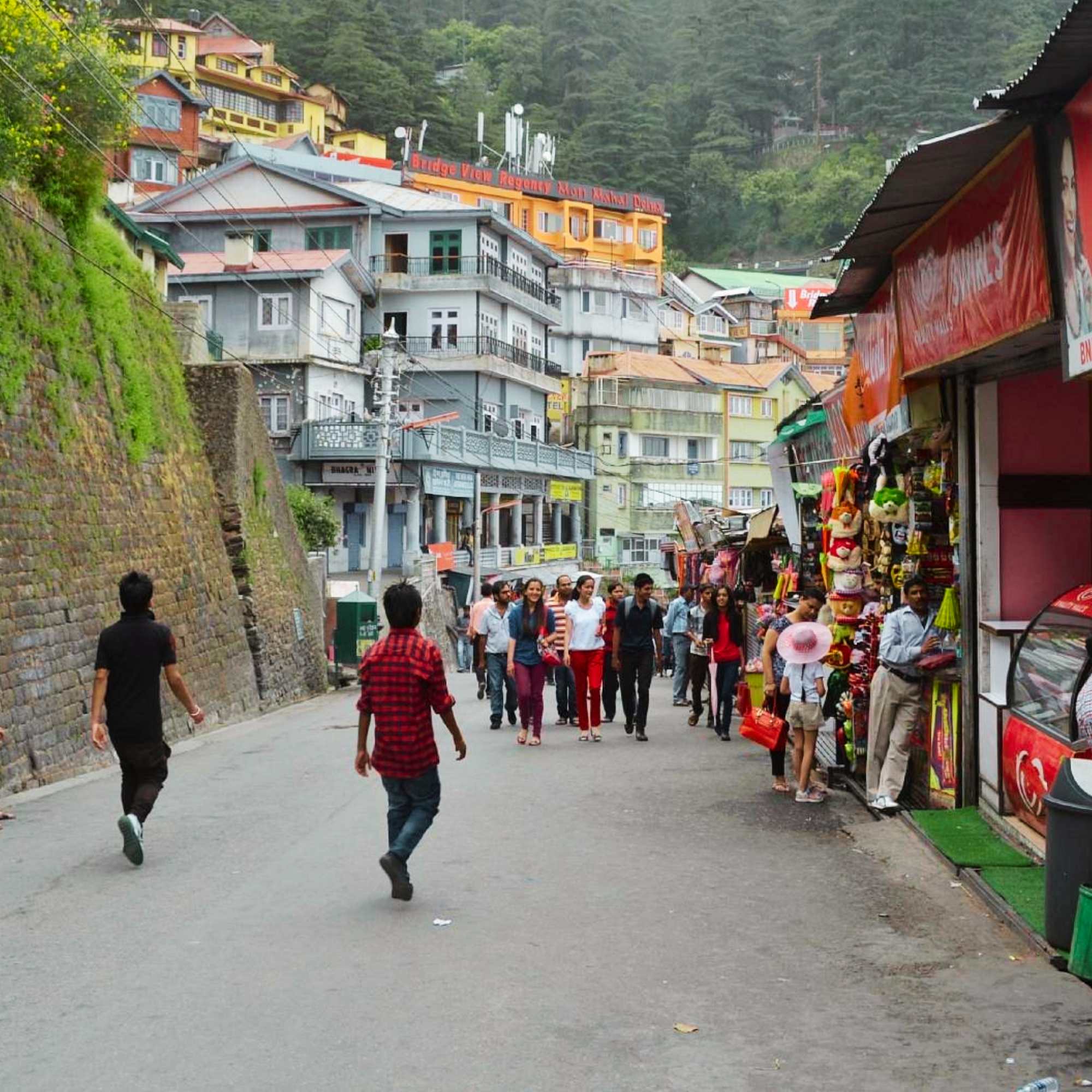 Shimla
Shimla in February 2027: Weather, Snowfall, Itinerary and Travel Tips
Planning a trip to Shimla in February 2027? Discover typical February temperatures, chances of snowfall, what the weather is usually like, the best places to enjoy snow, what to pack, and practical tips for planning a memorable winter trip to Shimla.
- Best Time to Visit
- Snow Travel
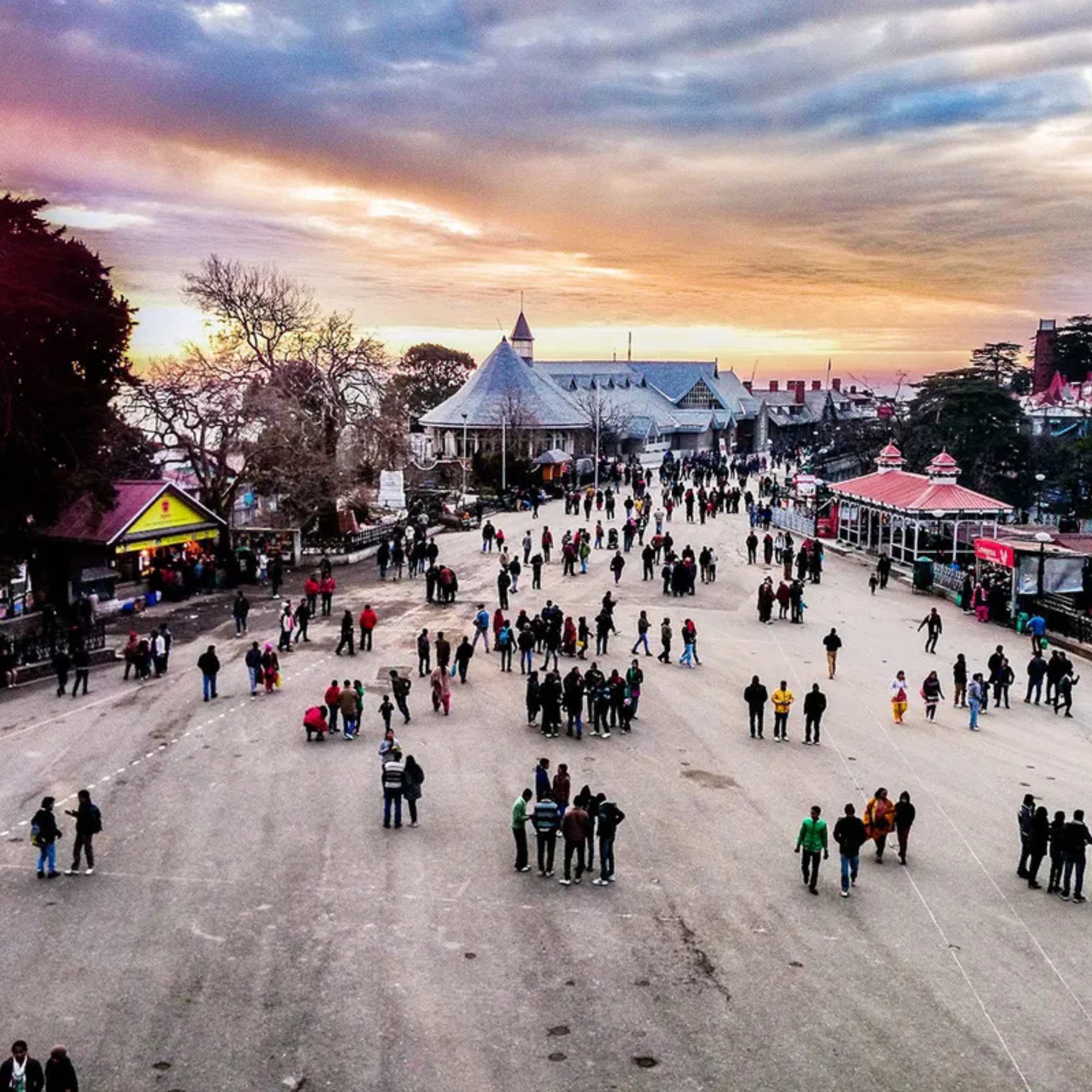 Shimla
Snow Point Near Shimla in 2026: Kufri, Fagu, Narkanda and the Best Places to Find Snow
Discover the best snow points near Shimla in 2026, including Kufri, Fagu and Narkanda. Find out where to see snow, the best time to visit, and the top winter destinations near Shimla.
- Snow Travel
- Places to Visit