
Chandratal in August 2026: Weather, Road Status, Camps and Honest Travel Tips
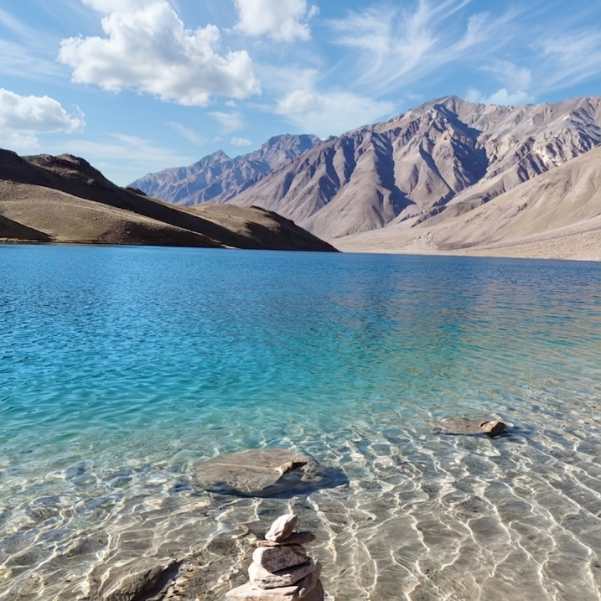
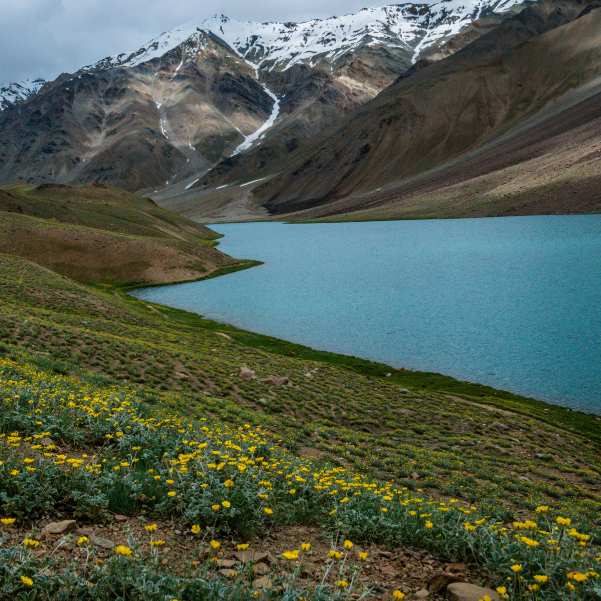
August at Chandratal is not the postcard-perfect, blue-sky experience most travel blogs sell you. It is something better. The mountains are greener than any other month, the camps are running, the lake is fully accessible, and the tourist rush is slightly less frantic than July.
But the roads? The roads will test your patience. Water crossings hit harder, the stretch before Batal turns into a construction site after every rain spell, and your "7-hour drive" can become 11 hours without warning.
We have sent travellers to Chandratal in every month of the open season. August is the month that rewards flexible, prepared travellers and punishes everyone who tries to run a tight schedule. Here is the full guide by Travel Coffee so you can decide if this is your month.
Quick Answer
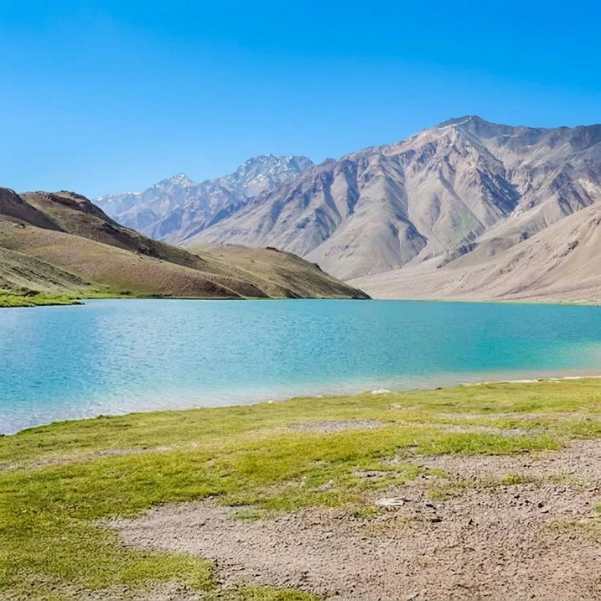
Chandratal is open in August and this month falls well within the regular season. Camps near the lake are running, and both the Manali and Kaza side routes are generally accessible.
Daytime temperatures hover around 8°C to 18°C, which feels comfortable in the sun. Nights drop sharply, sometimes to 2°C or lower, so packing serious warm layers is non-negotiable.
The main challenge in August is not rain at the lake itself. Chandratal sits in a rain-shadow zone and stays relatively drier. The real issue is the approach roads, especially on the Manali side, where monsoon-triggered landslides, slush, and swollen water crossings can stall your drive for hours.
August suits travellers who can handle a couple of buffer days in their plan and do not panic when a road gets blocked for half a day. If that sounds like you, Chandratal in August delivers a greener, lusher version of the landscape that September and June cannot match.
Is Chandratal Open in August?
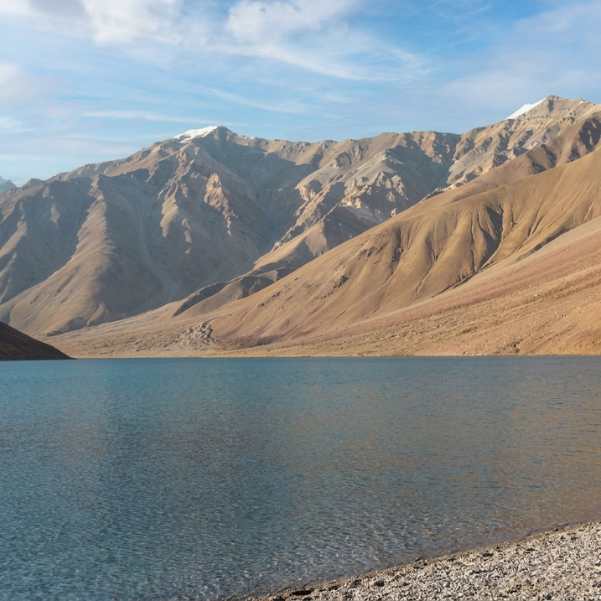
Yes. August is solidly within the Chandratal season. Both routes, from Manali and from Kaza via Kunzum Pass, are open in most years by this point.
But here is what most people get wrong. They hear "road is open" and assume it means smooth sailing. Open in August means vehicles can technically pass. It does not mean the road is in good shape.
Water crossings between Gramphu and Batal are stronger in August than any other month. Loose gravel sections can be wet and slippery. Landslides can block stretches for 6 to 12 hours with zero warning.
The smart move is to check the official Lahaul and Spiti District Administration road status page the day before you leave. Check it again the morning you depart. Do not trust a Facebook post from three days ago.
If you want a deeper breakdown of opening patterns, seasonal timelines, and what each month looks like, our Chandratal opening dates and best time to visit guide covers the full picture.
What Is Chandratal Weather Like in August?
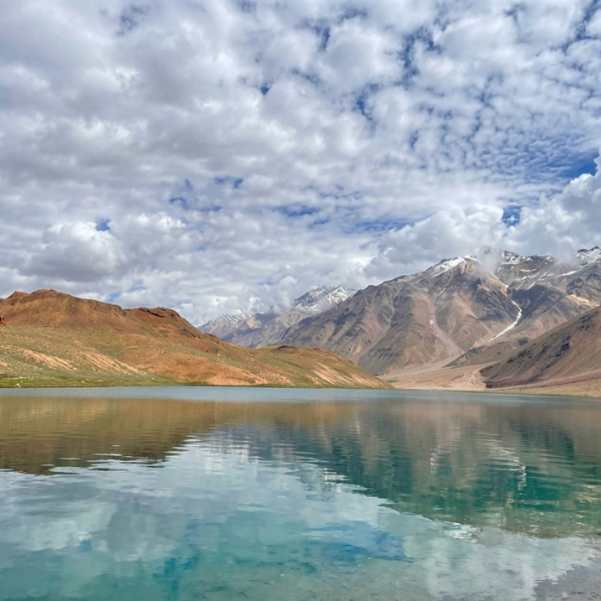
Let us be direct. August at Chandratal is not warm. It feels like early winter to anyone coming from the plains.
During the day, temperatures range between 8°C and 18°C depending on cloud cover and wind. When the sun is out and the wind is calm, it feels genuinely pleasant. You might even roll up your sleeves by noon. But step into shade or wait for a cloud to pass, and the chill comes back instantly.
Nights are a different world. Expect temperatures to fall to somewhere between 2°C and 8°C, though on clear nights with wind, it can feel closer to freezing. The wind chill factor near the lake is brutal.
Chandratal sits on open, exposed terrain at 4,337 metres. There are no trees to block the wind, no walls, nothing. The cold cuts straight through you.
What we always tell our travellers: if you think you have packed enough warm layers, add one more. A down jacket, thermal inners, a windproof shell, warm socks, gloves, and a beanie are the minimum. Not optional, minimum.
Do not let the word "August" fool you. This is not August in Delhi or even August in Manali. This is August at 14,000 feet.
Does It Rain at Chandratal in August?
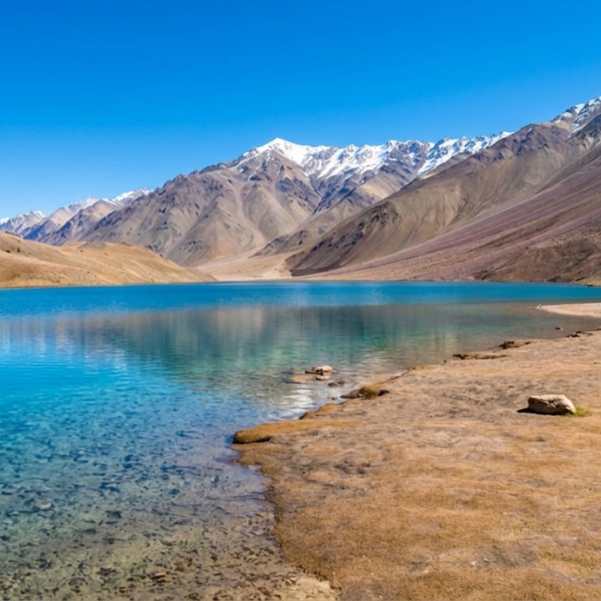
This is the most common confusion travellers have about visiting Chandratal in August, and it needs a clear answer.
Chandratal sits in a rain-shadow region. The Spiti side of the mountains blocks most of the monsoon moisture that drenches lower Himachal.
So while Manali, Shimla, and the Kullu valley are getting soaked through August, Chandratal itself often stays relatively dry. You might get light showers or overcast skies, but continuous heavy rain at the lake is unusual.
Now here is the catch. The approach roads are a completely different story.
The stretch from Manali to Batal passes through areas that do receive monsoon rainfall. The section between Gramphu and Batal is notorious in August.
Landslides near Pagal Nala are almost a yearly event. Water crossings swell with snowmelt and rain. The road surface, already rough, turns to slush in places.
The Shimla to Kaza route via Kinnaur also has landslide-prone sections in August, especially near Rampur and the Sutlej valley.
So the answer is: no, Chandratal does not get heavy rain in August. But getting to Chandratal in August can be messy. Plan for the roads, not just the weather at the lake.
Is Chandratal Safe to Visit in August?
Yes, with the right preparation and realistic expectations.
Altitude
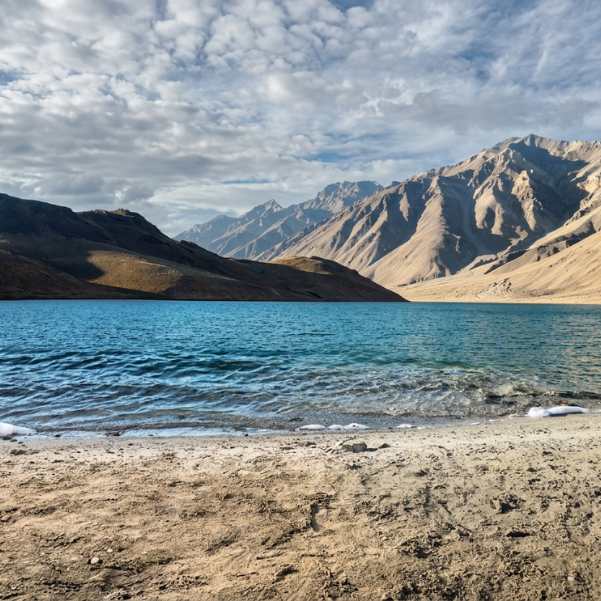
Altitude is the biggest safety concern, not weather. Chandratal sits at 4,337 metres above sea level. At this height, altitude sickness can hit anyone regardless of fitness.
Headaches, nausea, dizziness, and breathlessness are common if you have not acclimatised properly. Spend at least one night at a mid-altitude point like Manali, Sissu, or Kaza before heading to the lake.
Road safety
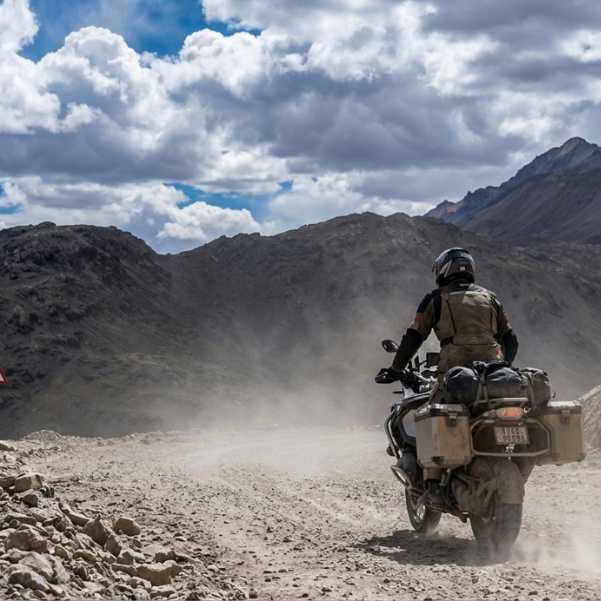
Road safety is the second concern. In our experience, the travellers who get into trouble in August are the ones who start late from Manali, try to push through in fading light, and hit a blocked section after dark. Start early.
Leave Manali by 5:30 to 6:00 AM. Drive only in daylight. If a road is blocked, wait. Do not try to force your way through a landslide zone.
Weather unpredictability
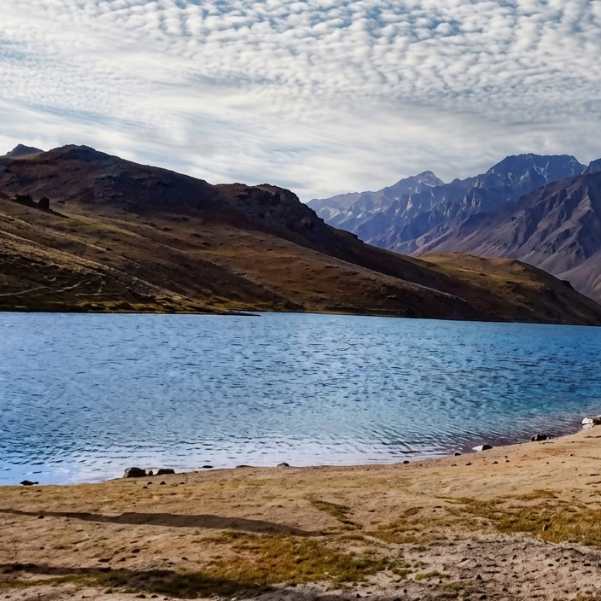
Weather unpredictability is real but manageable. A clear morning can turn into an overcast, windy afternoon. This is why buffer days matter more in August than in any other month. If you have three days, keep one as a buffer. If you have five, keep two.
One scam to watch for: taxi drivers at Batal sometimes quote inflated rates for the short drive to the Chandratal parking area. Agree on the price before you get in.
If you want someone local to handle the route planning and logistics, WhatsApp us to check live Chandratal road status.
Which Route Is Better in August: Manali Side or Kaza Side?
Both routes are open in August. But they give you very different experiences, and the right one depends on your comfort level and how much time you have.
Manali to Chandratal
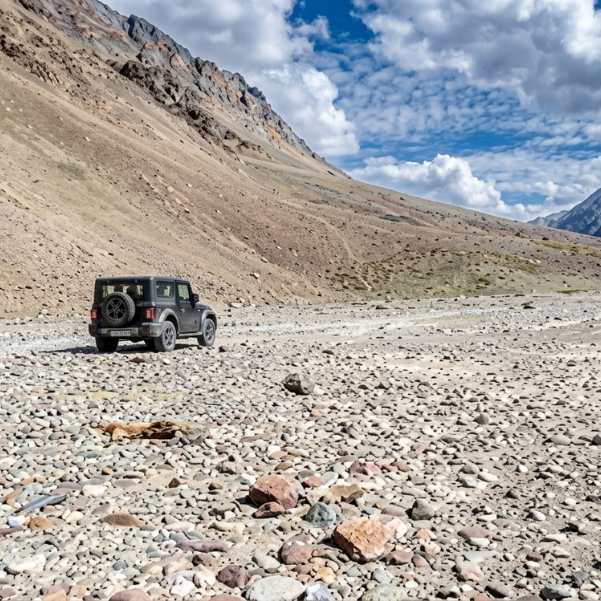
This is the more direct route. You go through the Atal Tunnel, continue via Koksar, Sissu, and Gramphu, then push through to Batal and take the diversion to Chandratal. The total distance is around 120 to 140 km and the drive takes anywhere from 7 to 8 hours depending on road blocks.
The problem in August is that the Manali side gets monsoon rainfall. Landslides between Gramphu and Batal can delay you by hours. Water crossings are at their most aggressive. This route is faster on paper but riskier in August than other months.
Kaza to Chandratal
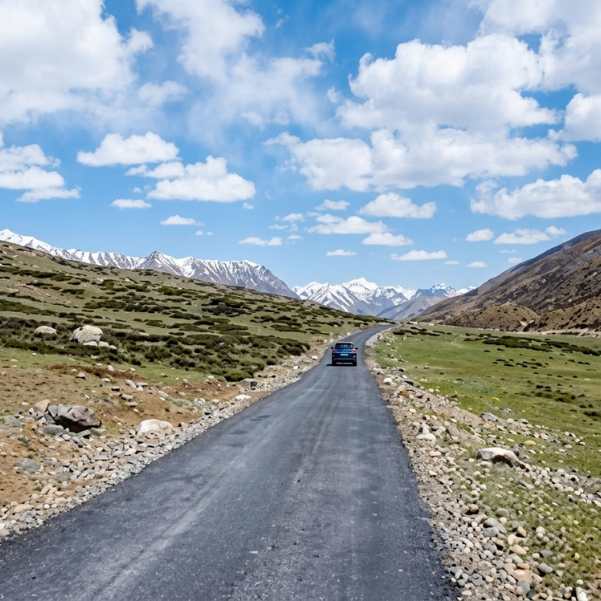
From Kaza, you drive to Losar, cross Kunzum Pass, and reach the Chandratal diversion. The distance is roughly 90 to 100 km, and the drive takes 4 to 6 hours.
This route works well if you are already doing a Spiti circuit. By the time you reach Chandratal from the Kaza side, your body has had days to adjust to the altitude. That makes the camping experience significantly more comfortable.
What We Usually Recommend
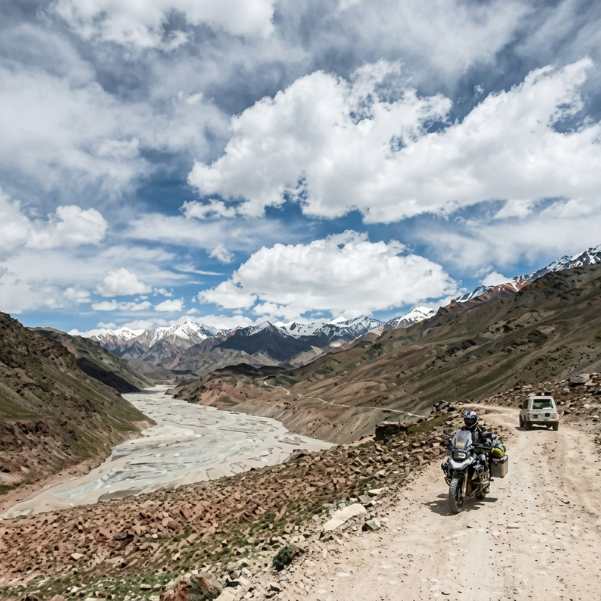
For first-timers in August, entering Spiti from the Shimla side via Kinnaur gives the best acclimatisation. You gain altitude slowly over several days. Then you hit Chandratal near the end of the circuit before exiting towards Manali.
This loop is what most of our Spiti Valley packages follow, and for good reason. It keeps altitude sickness risk low and gives you the best shot at enjoying the lake without a splitting headache.
If you are entering from the Shimla side, combining Spiti with a Kinnaur leg adds stunning valley views without adding much driving stress.
If you are starting from Manali directly, just build in a full buffer day.
Can You Camp at Chandratal in August?
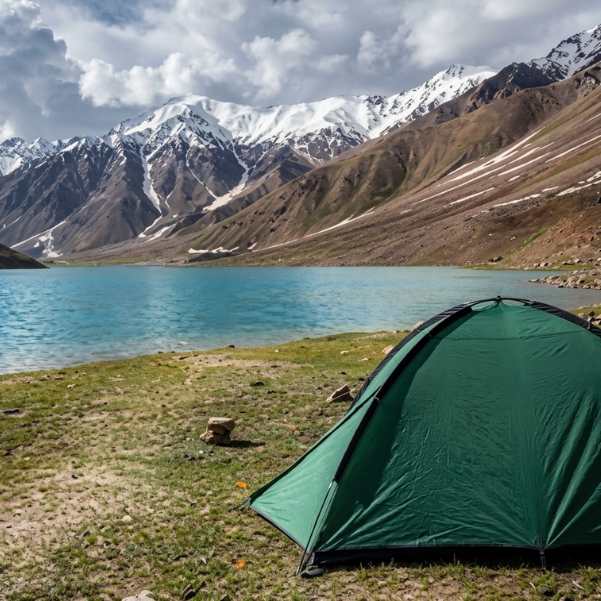
Yes. August camps at Chandratal are fully operational. This is peak season, and most camp operators are running their full setup.
But here is the thing that still catches people off guard: you cannot camp beside the lake. Chandratal is a Ramsar-designated wetland (since 8 November 2005), and overnight camping on the lakeshore is strictly not allowed.
The ecosystem is fragile, and keeping human activity at a distance overnight is the only reason the lake still looks the way it does.
The designated camps sit roughly 2 to 3 km before the lake, along the approach road. From your camp, you walk to the lake. The walk takes anywhere from 20 to 40 minutes, depending on your pace and the altitude.
Most camps offer basic tents, sleeping bags, blankets, and simple meals like dal, rice, roti, and sabzi. Some have slightly better setups with thicker mattresses and makeshift warm-water washrooms. None of them are hotels. All of them are functional.
Camp costs in August range from ₹800 to ₹2,500 per person per night depending on the camp and what is included. August is peak season, so booking ahead is a good idea, especially for weekends and holiday weeks.
One tip that saves time and money: skip the camps that advertise "lake view" setups. At this distance, no camp has an actual view of the lake. The ones that claim it are usually the same distance as everyone else, just charging more.
For a full breakdown of camp types, costs, and what to expect, our camping at Chandratal guide covers everything.
If you want Chandratal camping built into a proper Spiti circuit with acclimatisation stops and buffer days, our summer Spiti circuit with Chandratal is designed exactly for that.
How Cold Are Chandratal Camps in August at Night?
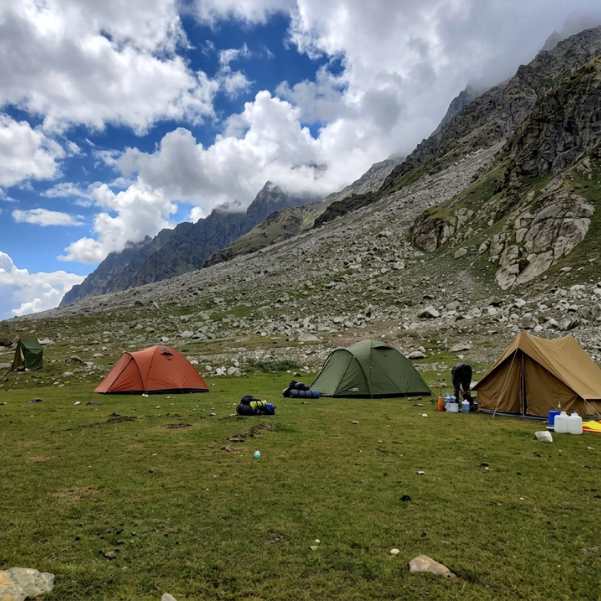
Cold enough that people who packed for "summer in the mountains" regret it by 9 PM.
Once the sun goes behind the peaks, temperature drops fast. Within an hour of sunset, you will want every layer you brought. Night temperatures at camp typically fall to somewhere between 2°C and 8°C, but wind chill on exposed nights can make it feel close to freezing.
Camp bedding usually includes sleeping bags and blankets, but the quality varies wildly. Some camps hand out sleeping bags rated for sub-zero temperatures. Others give you thin blankets that do not cut it past midnight.
Our team usually suggests carrying your own sleeping bag liner or a thermal blanket as backup. It weighs almost nothing and makes a real difference.
Camp washrooms are basic. Expect pit toilets or portable setups. A few camps offer buckets of warm water for washing. None have running water, flush toilets, or hot showers. Wet wipes and hand sanitiser are your best friends.
Who Should Skip the Overnight Camp
If you have elderly family members with heart or breathing conditions, very young children under 8, or anyone in your group who has never been above 3,000 metres, sleeping at a Chandratal camp is not the best idea. The cold, altitude, and zero medical backup make it a higher-risk environment.
A better option for these groups: stay overnight at a lower base like Sissu or Batal, do a day trip to the lake, and return before evening. You still see Chandratal, but you sleep somewhere warmer and safer.
What Should You Pack for Chandratal in August?
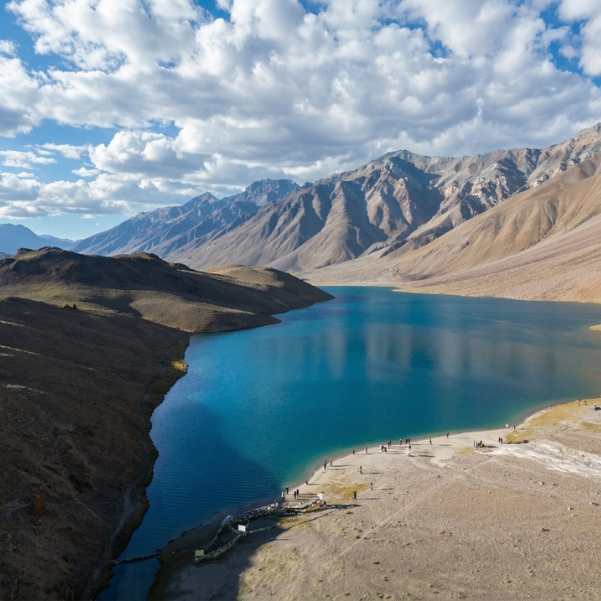
Packing for Chandratal in August is about preparing for two opposite experiences in the same day. Warm sunshine at noon, near-freezing wind by 8 PM.
Carry thermal inners, both top and bottom. A proper down jacket or heavy fleece is essential, not just a hoodie. Add a windproof and waterproof outer shell.
August can throw surprise showers, and even without rain, the wind at 4,337 metres cuts through anything that is not windproof.
Warm socks matter more than people think. Carry at least two extra pairs. Your feet lose heat fast on cold ground at night. Gloves and a warm cap or balaclava are non-negotiable.
Waterproof trekking shoes with good grip are the only sensible footwear for the walk to the lake. The trail can be muddy in August. Sandals and sneakers are a terrible idea.
Sunscreen with high SPF and UV-blocking sunglasses are essential. At 4,337 metres, the UV is intense even on cloudy days. You will burn faster than you expect.
Carry a headlamp or torch. There is no ambient lighting at camp after dark. A fully charged power bank is critical since there is no reliable electricity.
Pack ORS, paracetamol, anti-nausea tablets, an antacid, and any personal medication. A basic medical kit with band-aids and antiseptic is smart at this altitude.
Bring enough cash. The nearest ATMs are in Manali and Kaza. The nearest fuel options are Kaza and Tandi. Camps and dhabas rarely accept UPI or cards.
Dry snacks like nuts, energy bars, biscuits, and chocolate help more than you expect. At altitude, eating light and frequently keeps energy levels stable.
Is Chandratal Good for Families, Kids, and First-Timers in August?
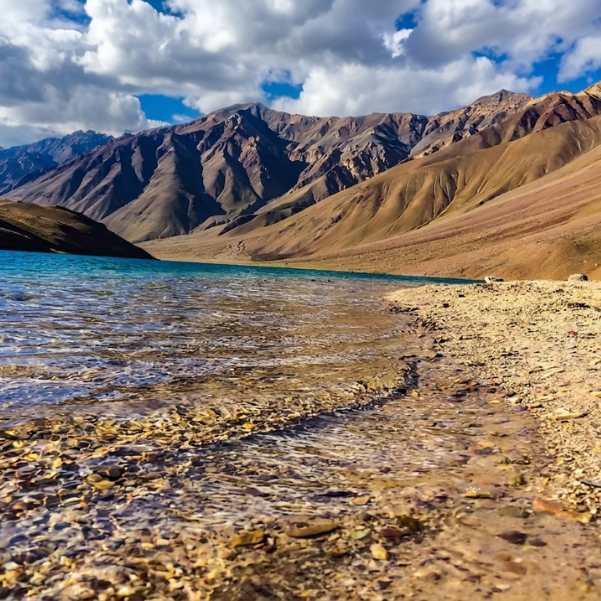
Families with older kids, say above 10 years, who are reasonably fit can enjoy Chandratal in August. The camps are running, roads are passable (with patience), and the lake experience is genuinely special.
But be honest about your group's comfort level. If anyone in the family expects a proper bed, a warm room, and an attached bathroom, Chandratal camping will not work. The altitude, the cold at night, and the basic facilities demand a certain level of physical comfort with roughing it.
For families with younger children or elderly members, a day trip to the lake from a base at Batal or a lower camp makes more sense than an overnight stay. You still see the lake, spend time at the shore, and return to a slightly more comfortable setup for the night.
First-timers who have never been above 3,000 metres should not rush to Chandratal directly from Delhi or Chandigarh. Spend at least two nights at a mid-altitude point.
In our experience, the travellers who have the worst time at Chandratal are not the ones who face bad weather. They are the ones who drove straight from the plains in 48 hours and arrived with a pounding headache that ruined everything.
The momos at the small dhaba just past the Batal checkpoint are the last proper hot meal before you reach camp. The guy running it sets up every season. The momos are simple, but at that altitude, hot food feels like medicine. Do not skip it.
One thing to note: seasonal police check post at Chandratal was announced for the tourist season from 14 June 2025. If you are travelling on the Atal Tunnel to Koksar to Chandratal circuit, an e-permit is required per vehicle through the Himachal e-Aagman system.
Chandratal visitors were also reported to be subject to eco-sensitive zone entry fees of ₹150 for Indian tourists and ₹500 for foreign nationals, with some activities carrying separate additional charges. Check the latest rules before you leave.
If you need help figuring out whether Chandratal works for your group, or if a shorter version of the trip makes more sense, WhatsApp us for a family-friendly plan with safe stays.
August vs September for Chandratal: Which Is Better?
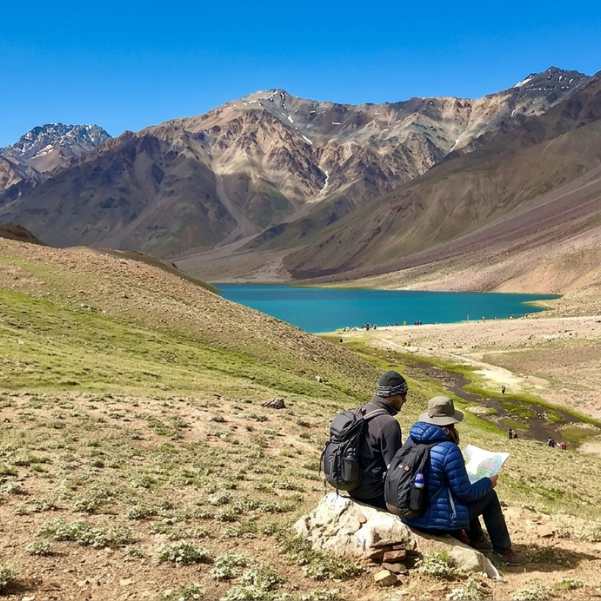
This is one of the most common questions we get, and the honest answer is: it depends on what kind of traveller you are.
August Gives You
Greener, lusher landscapes. The surrounding mountains have more vegetation and colour compared to the dry, golden-brown tones of September. Camps are at full capacity with more food and activity options. The days are slightly warmer than September.
But the roads are worse. The monsoon impact on approach roads, especially on the Manali side, makes travel less predictable. Weekends and holidays bring bigger crowds. And the skies are often hazier, which affects photography and that crystal-clear lake reflection everyone hopes for.
September Gives You
Calmer roads, post-monsoon clarity, fewer crowds, and some of the sharpest lake reflections of the year. September light is cleaner. The haze lifts. Sunsets and sunrises at the lake feel more dramatic.
But nights are significantly colder. September temperatures at camp can drop to minus 5°C or below. The season is winding down, and some camps start packing up by late September.
The Simple Way to Decide
If you want greener scenery, do not mind monsoon-related road surprises, and prefer slightly warmer nights, go in August.
If you want clearer skies, fewer people, better photographs, and can handle serious cold at night, September is the better month.
Our team usually tells travellers who have never been to Spiti before to go in August for the easier camping experience, and those coming back for a second or third visit to pick September for the quieter, sharper version of Chandratal.
Suggested 2-Day and 3-Day Chandratal August Itineraries
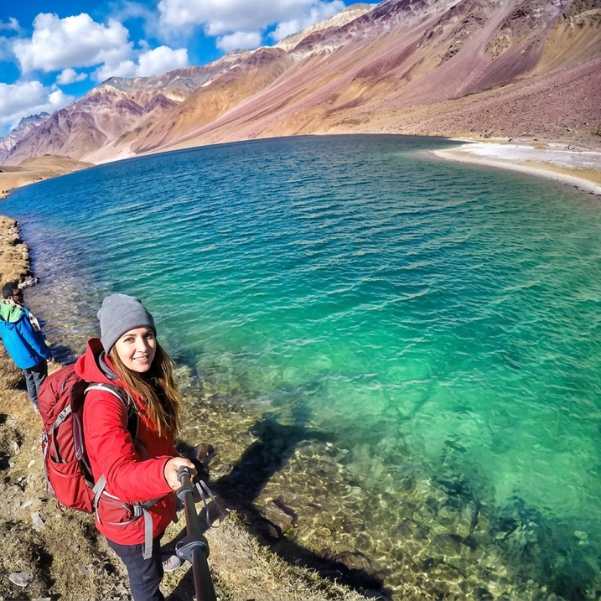
Quick 2-Day Plan from Manali
Day 1: Leave Manali by 5:30 AM. Drive through the Atal Tunnel, past Koksar and Sissu, through Gramphu to Batal, and take the Chandratal diversion. Reach camp by early afternoon if roads cooperate. Settle in, walk to the lake before sunset. Sleep at camp.
Day 2: Wake up early and visit the lake again. The sunrise light between 6:00 and 7:00 AM turns the water a shade of blue you will not see at any other hour. Head back to Manali after. Expect 8 to 10 hours on the return.
This plan is tight and leaves zero buffer. It works only if you start early, the road is clear, and your vehicle can handle the terrain. We recommend this only for experienced road trippers who know what they are getting into.
3-Day Plan as Part of a Spiti Circuit (via Kaza)
Day 1: Drive from Kaza to Losar. Cross Kunzum Pass and reach the Chandratal camping zone. Settle into camp by afternoon. Walk to the lake.
Day 2: Visit the lake at sunrise. Spend the morning there. Start driving towards Manali via Batal, Gramphu, and the Atal Tunnel. Stay overnight at Sissu or Koksar if you want to split the drive.
Day 3: Buffer day. Use this for road delays, a second night at Sissu if needed, or a relaxed return to Manali.
This is the version we build into most of our Spiti circuits, and it gives you the most comfortable experience without rushing.
Explore Our Curated Spiti Valley Tours
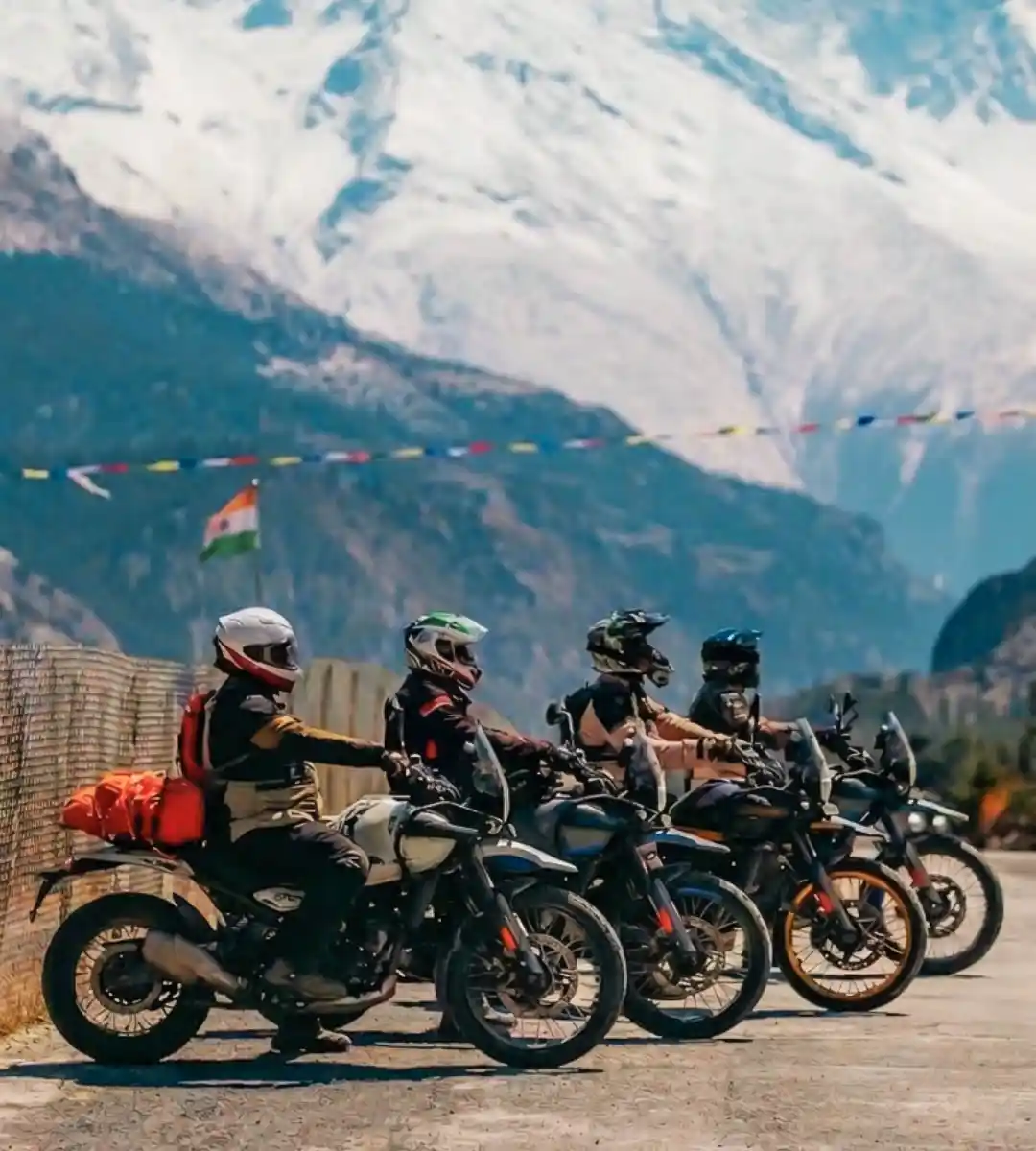 Group Tour10D/9N
Most Loved Spiti Valley Bike Expedition With Chandratal
1D Jibhi•1D Sangla+4
₹34,999₹41,999SAVE INR 7,000/ person
Related topics
Frequently Asked Questions
Is Chandratal open in mid-August?
Yes. Mid-August is well within the regular Chandratal season. Camps are operational and both routes are generally accessible. Road disruptions from monsoon can still happen, so check district road status updates close to your travel date.
Can I self-drive to Chandratal in August?
You can, but only in a high-clearance vehicle like a Thar, Bolero, or Fortuner. The Batal to Chandratal stretch is rough, unpaved, and involves water crossings that are stronger in August. Sedans and hatchbacks are not suitable. If you have not driven mountain roads before, hire a local driver.
Is bike travel safe to Chandratal in August?
It is doable for experienced riders, but August is the riskiest month for biking this route. Wet gravel, slush, and swollen water crossings make the Batal section genuinely dangerous on two wheels. If you are set on riding, go slow, ride in a group, and keep a full day as buffer.
Do I need an e-pass for Chandratal?
Yes. Vehicles travelling the Atal Tunnel to Koksar to Chandratal circuit need an e-permit per vehicle. A seasonal police check post has been active since 14 June 2025. Additionally, an entry fee of ₹150 for Indian tourists and ₹500 for foreign nationals is reported for the eco-sensitive zone. Check the latest requirements before departure.
Can I camp near the lake itself?
No. Camping on the Chandratal lakeshore is strictly restricted. The lake is a Ramsar-designated wetland, and overnight camping near the water is not allowed. All camps are in a designated zone roughly 2 to 3 km before the lake.
How long is the walk from parking to Chandratal Lake?
The walk from the parking area to the lake is roughly 1.5 to 3.5 km depending on where exactly your vehicle stops. This takes about 20 to 40 minutes at altitude. Walk slowly, carry water, and do not rush.
Is there mobile network near Chandratal?
Almost none. Mobile network near the lake is weak to absent. BSNL has the best chance of catching a faint signal, but do not count on it. Download offline maps before you leave Manali or Kaza, and inform someone about your plans before you lose signal.
Where is the nearest petrol pump?
The nearest fuel options are at Kaza and Tandi. There is no fuel available between these points and Chandratal. Fill your tank completely and carry extra fuel if possible.
How much does a camp stay cost at Chandratal?
Camp costs near Chandratal range from ₹800 to ₹2,500 per person per night depending on the camp type and inclusions. Budget camps offer basic tents and meals. Better camps offer thicker bedding, warmer water for washing, and slightly better food. Always confirm what is included before booking.
Can I do Chandratal as a day trip?
Yes, if you are based at Batal or have your own vehicle. Drive to the Chandratal parking area, walk to the lake, spend a couple of hours, and drive back. A day trip avoids the overnight cold and basic camp facilities. The trade-off is you miss the sunrise at the lake, which is honestly the best part.
Is August too rainy for Chandratal?
No. Chandratal sits in a rain-shadow zone and stays relatively dry in August. The monsoon mainly affects the approach roads, not the lake area. You might get a light shower, but sustained rain at the lake is uncommon.
What is the best backup plan if weather turns bad?
If road conditions on the Manali side deteriorate, you have two options. One, wait it out at Batal with an extra buffer day. Two, return via the Kaza side if Kunzum Pass is clear and retrace through Spiti. Always carry enough food, water, and warm layers to sit out a delay. Never try to push through a landslide zone or a flooded water crossing.
More about Chandratal
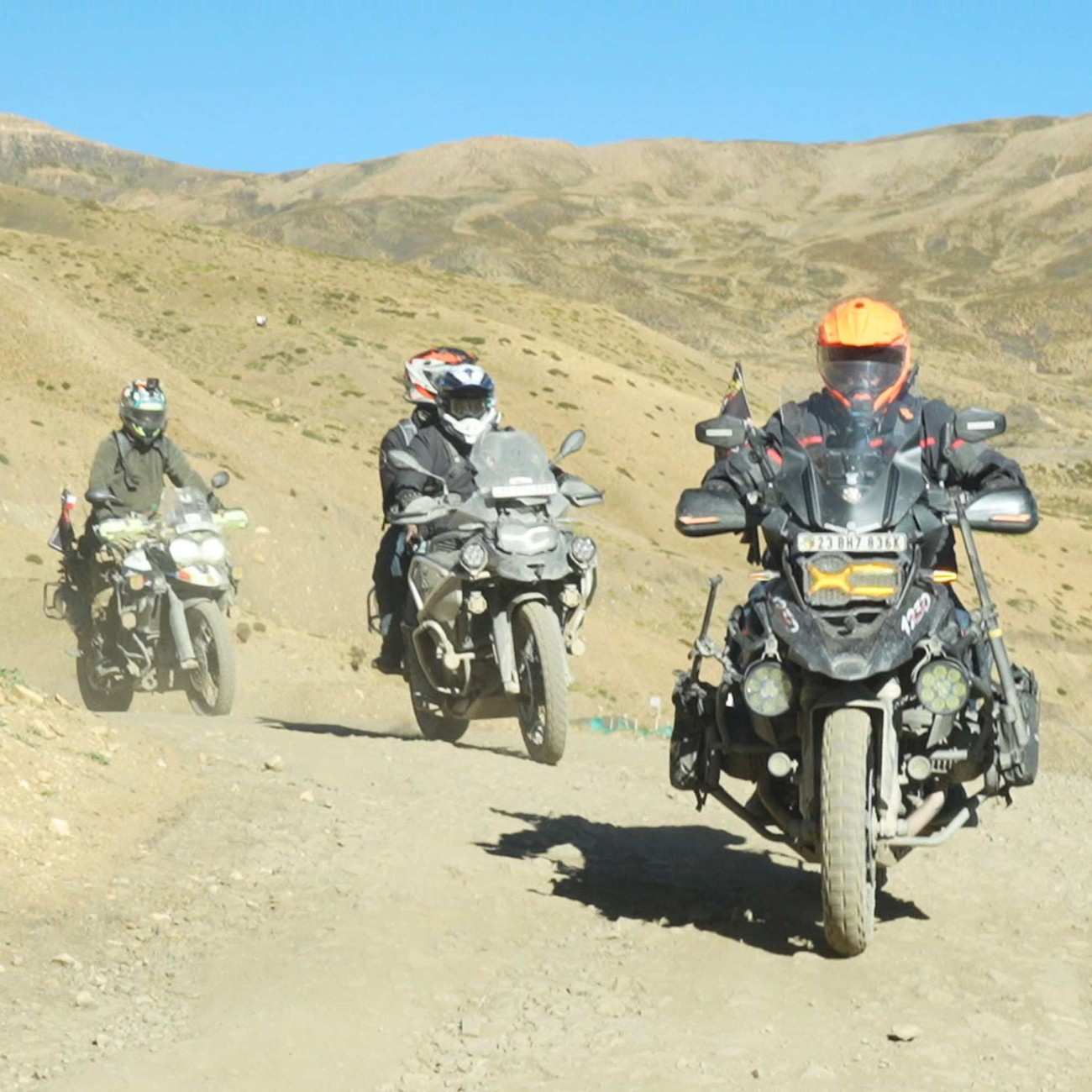 Chandratal
Chandratal by Bike Safety in 2026: Road Difficulty, Timing & Pillion Tips
Planning to ride to Chandratal by bike in 2026? This complete guide covers road difficulty, riding conditions, the best time to visit, safety precautions, water crossings, and pillion tips to help you enjoy one of Himachal Pradesh's most iconic high-altitude rides with confidence.
- Bike Trips
- Altitude & Health
- +1
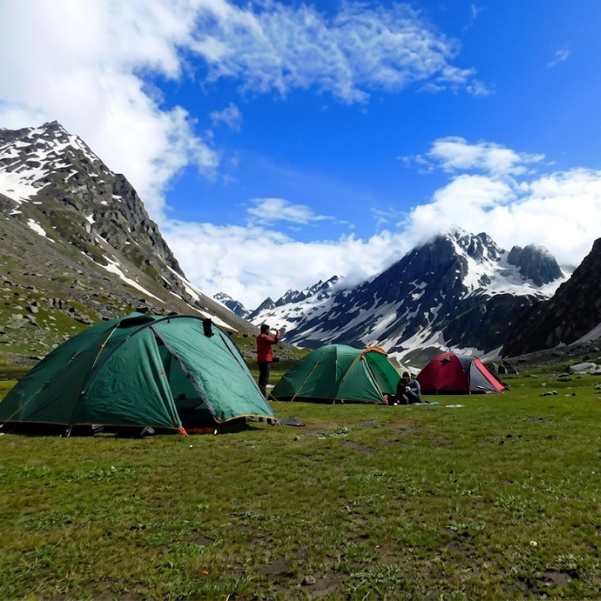 Chandratal
Where to Stay If Chandratal Camps Are Not Available in 2026
If Chandratal camps are not available in 2026, stay at nearby alternatives like Batal, Losar, or Kaza. Since camping is not allowed at the lake itself and designated camps operate a few kilometers away, these villages are the safest backup options for travelers planning a Spiti Valley trip.
- Itinerary
- Best Time to Visit
 Chandratal
Is Chandratal Crowded in June 2026? Honest Crowd, Road and Camp Guide
Planning Chandratal in June 2026? Here’s an honest guide to crowds, road opening chances, campsite availability, lake access, and the best time to visit without chaos.
- Best Time to Visit