
Camping at Chandratal Lake: Cost, Best Time, Camps & Tips
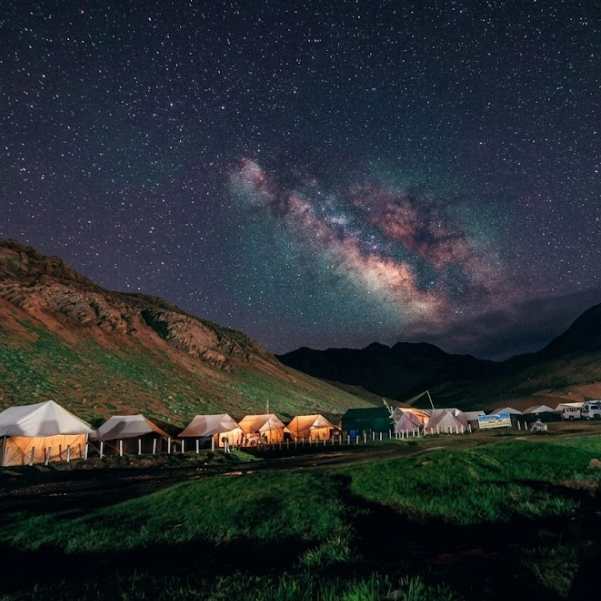
The idea of camping at Chandratal Lake sounds almost too perfect. A crescent shaped lake at over 4,300 metres, ringed by mountains, with nothing but open sky above you.
It is one of those rare places in Himachal that feels genuinely untouched, the kind of spot that makes the entire Spiti circuit worth the rough roads and cold nights.
But here is the thing most people searching for Chandratal camping don't know until they get there: you don't actually camp right beside the lake.
The camps sit in a designated zone near the Chandratal approach, and you walk to the lake from there. This is not a bad thing.
It is actually the right thing. But it does change what you should expect, how you should plan, and whether this kind of camping is a good fit for your travel style.
From our experience helping travellers plan Spiti trips year after year, this guide covers everything you need to make an honest, informed decision about Chandratal camping.
Quick Answer: Can You Camp at Chandratal Lake?
Yes, camping at Chandratal Lake is one of the most popular camping experiences in the Indian Himalayas. However, camping happens in a designated zone near the lake, not directly on the lakeshore.
The camps are roughly 1.5 to 2 kilometres from the lake, and you visit Chandratal on foot from your camp.
The best time for Chandratal camping is mid June to September, depending on snow clearance and road conditions. The camps operate seasonally and shut down by mid October in most years.
What Camping at Chandratal Lake Actually Means
This is the biggest misunderstanding travellers have about Chandratal. When people search for Chandratal Lake camping, most imagine pitching a tent right next to the water, falling asleep to the sound of the lake, waking up with the lake a few steps away.
The reality is different, and once you understand it, the experience actually becomes more enjoyable.
Camps near Chandratal are set up in a flat, open area along the road approaching the lake. The exact distance from camp to the lake varies, but you are usually looking at a 1.5 to 2 kilometre walk, sometimes slightly more depending on where your camp is positioned.
Some camps offer vehicle drop closer to the trailhead if conditions allow, and the walk to the lake itself takes about 20 to 40 minutes.
You camp in the designated area, and then walk to Chandratal to spend time at the shore. You don't sleep beside the water.
Once this is clear in your head, the camping experience at Chandratal starts to feel like exactly what it is: a high altitude mountain camp with one of the most beautiful day hikes you will ever do.
Why You Cannot Camp on the Chandratal Lakeshore
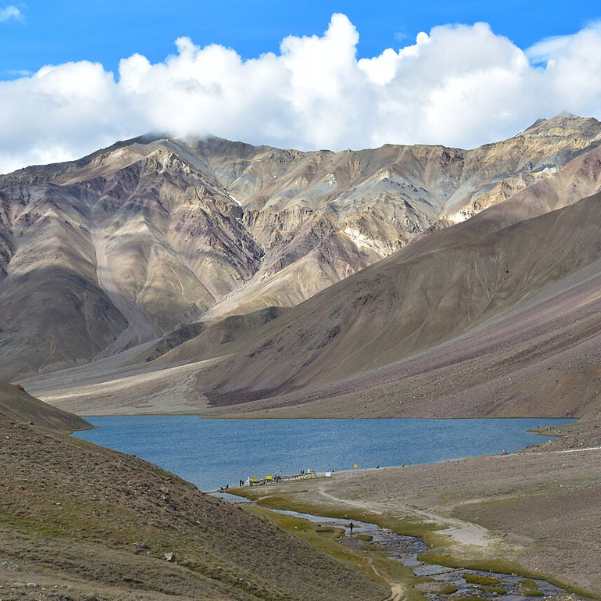
Chandratal is an ecologically sensitive high altitude lake
The area around it is fragile. Unregulated camping on the shore would cause erosion, waste buildup, and damage to the vegetation that holds the soil together at these altitudes.
The restrictions around Chandratal are not arbitrary
They exist because the lake is one of the few untouched water bodies left in this part of Himachal, and keeping it that way requires keeping human activity at a distance overnight.
You are welcome to visit the lake during the day
You can sit by the shore, walk around part of the circumference, take photographs, and spend as much time as you want. But overnight camping and cooking near the water are not permitted.
Honestly, once you see how clean and untouched the lake area still feels, the restriction makes complete sense.
Where Are the Chandratal Camps Located
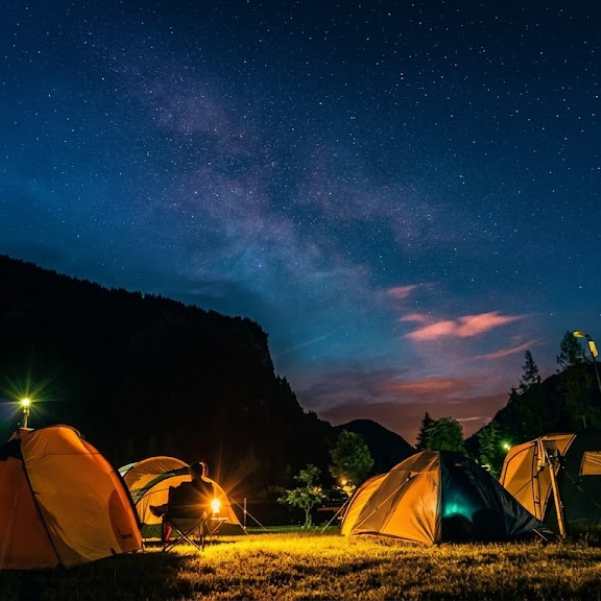
The camping zone near Chandratal is along the approach road, typically between Batal and the Chandratal parking area. The terrain here is wide, flat, and open, perfect for tent setups. Most camps set up in this zone every season once the road clears.
Chandratal's geographic position often confuses travellers. It technically sits at the border of Lahaul and Spiti. If you're curious about exactly where it falls, our Chandratal location guide explains this clearly.
From most camps, the lake is about a 20 to 40 minute walk. Some camps are slightly closer, some a bit further. It depends on the camp operator and the exact spot they have set up for the season.
The walk itself is gentle and mostly flat, though the altitude makes it feel a little more tiring than it looks. Early morning walks to the lake are the best.
The light is softer, the crowds are almost nonexistent, and the reflections on the water are at their sharpest.
When choosing a camp, ask about the walking distance to the lake and whether any vehicle transfer is provided to the trailhead. These details vary from camp to camp and make a real difference to the experience.
Best Time for Camping at Chandratal Lake
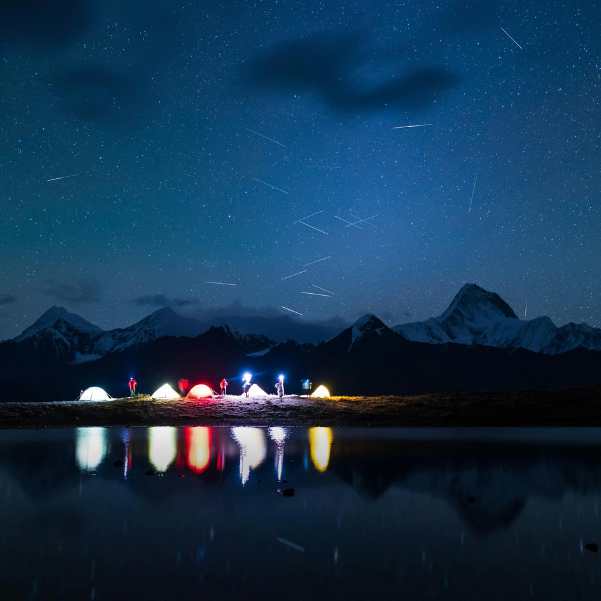
The camping season at Chandratal depends entirely on when the roads clear. For the latest on road conditions, see our detailed Chandratal opening dates and season guide.
Mid June to Early July
This is the earliest window when camps start opening. Snow may still be visible on the surrounding peaks. The lake looks exceptionally vivid during this time because of snowmelt feeding into it.
Nights are bitterly cold, and not all camps may be fully operational yet. Best for experienced mountain travellers who are comfortable with unpredictability.
July and August
This is peak season. Most camps are fully running, and the roads are in the best condition they will be all year. July brings some rain to the region, but Chandratal itself stays relatively dry compared to lower Himachal.
August is slightly warmer during the day but still very cold at night. The lake colours are vivid and the landscape is at its greenest.
September
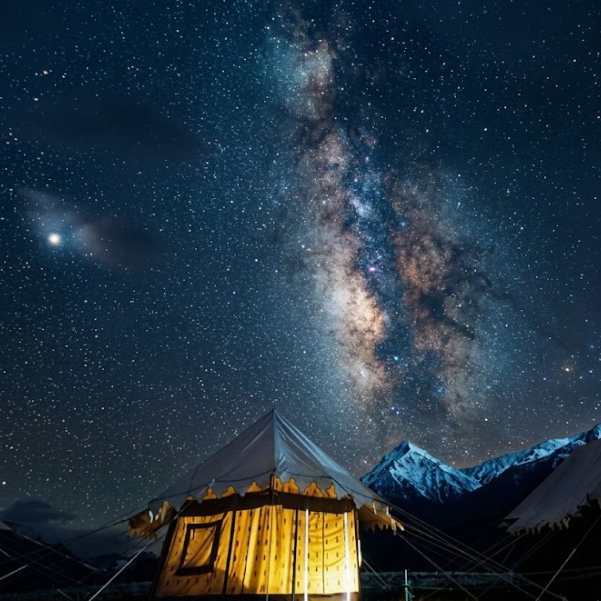
September is quietly the best month for many experienced travellers. The crowds thin out, the skies are clearer, and the stargazing at this altitude becomes extraordinary.
Nights get colder, often dropping well below freezing. But if you are prepared, September camping at Chandratal is deeply rewarding.
Early October
Some camps try to stay open into early October, but this window is unreliable. Snow can arrive suddenly, and the road from Kunzum Pass can close with little warning.
Only attempt an October visit if you are flexible with dates and comfortable with the possibility of plans changing on short notice.
How Cold Does Chandratal Camping Actually Get
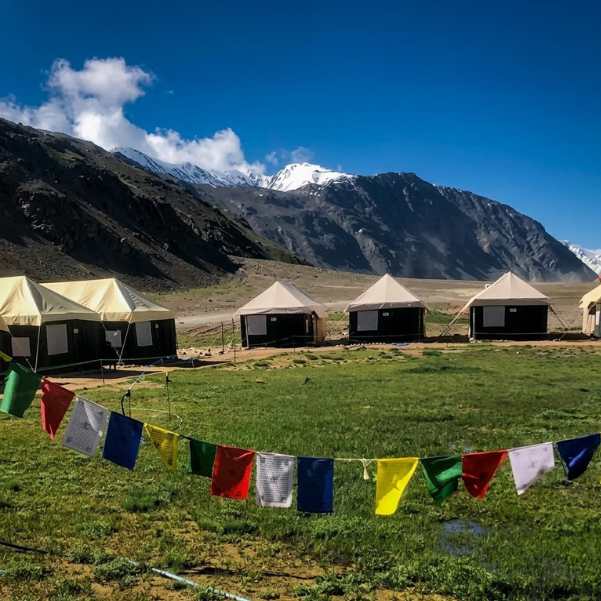
This is where people misjudge the experience the most. Chandratal sits at roughly 4,300 metres. At this altitude, even summer nights can drop to near zero or below. By September, nighttime temperatures regularly fall to minus 5 or colder.
During the day, sunshine makes things comfortable, often between 10 to 18 degrees depending on the month. But once the sun dips behind the mountains, the temperature drops fast. Within an hour of sunset, you will want every layer you brought.
Wind chill is another factor that catches people off guard. Chandratal's open terrain means wind can make a 5 degree evening feel like minus 5.
The camps provide blankets and sleeping bags, but your comfort depends heavily on what you carry yourself. More on that in the packing section below.
Is Camping at Chandratal Worth It
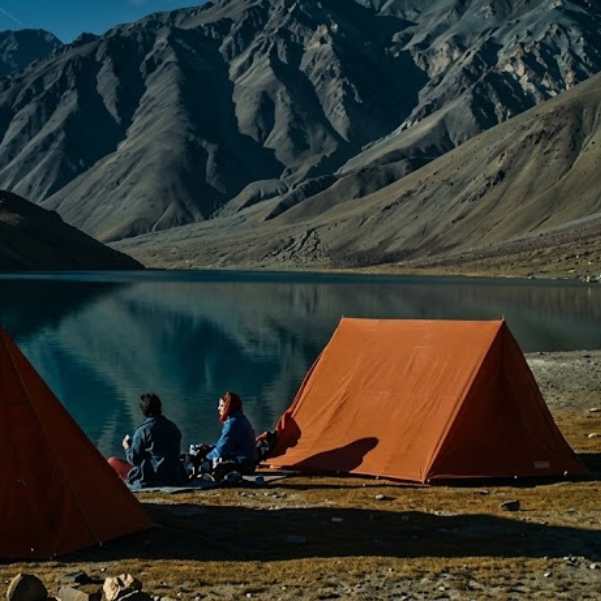
Yes, if you know what you are getting into.
If you love mountains, quiet mornings, cold air, starlit skies, and the feeling of being genuinely far from everything, Chandratal camping will be one of the best things you do.
There is something about waking up at 4,300 metres, walking to a lake that looks like someone painted it, and knowing there is no phone signal, no traffic noise, and no one rushing you. That experience has real value.
But if you expect hotel level comfort, hot showers, warm rooms, or reliable electricity, you will not enjoy this. Chandratal camping is not a resort with a scenic view. It is a mountain camp in a high altitude zone with limited facilities.
The people who love it most are the ones who came with the right expectations.
Types of Camps Near Chandratal
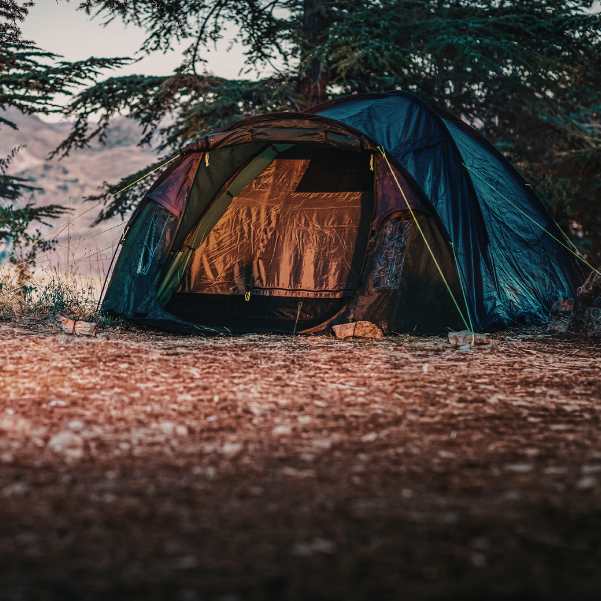
Camp setups near Chandratal fall broadly into a few categories. The exact offerings change every season depending on the operator, but the general patterns hold.
Budget Alpine Tents
Small, basic tents with sleeping bags and minimal ground insulation. Shared toilets, basic meals, and very little in terms of extras. This is the most affordable option and suits travellers who are used to roughing it and don't mind cold nights with minimal padding.
Standard or Swiss Tents
Larger tents, sometimes with basic cots or mattresses, thicker bedding, and slightly better meal arrangements. Some of these camps have makeshift washrooms with buckets of warm water. This is the most common option and works well for most travellers.
Fixed Camp Setups at Batal
Some operators run fixed camps or dhabas at Batal, which is the last road settlement before the Chandratal turn off.
These offer basic rooms or dome tents, hot meals, and a somewhat warmer sleeping setup. The trade off is that Batal is further from the lake, so your walk or drive to Chandratal is longer.
What matters more than the category is whether the camp provides enough blankets, decent food, clean toilets (even if basic), and clear communication about the walking distance to the lake. Always ask these questions before booking.
Chandratal Camping Cost: What to Expect
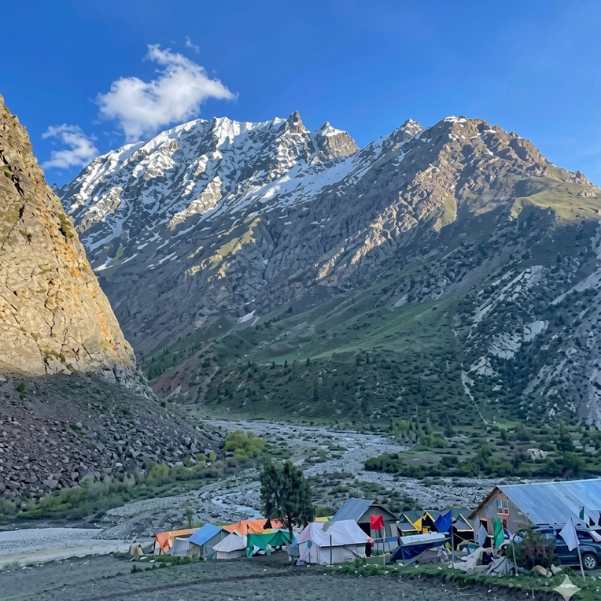
Camping costs at Chandratal vary based on the type of camp, what is included, and whether you are booking a standalone camp stay or a camp as part of a larger Spiti trip.
As a rough guide:
- Budget tents with basic meals: around 800 to 1,500 per person per night
- Standard or Swiss tents with better bedding and food: around 1,500 to 3,000 per person per night
- Camp stays bundled as part of a Spiti Valley tour package: cost is absorbed into the overall package price, which typically ranges from 12,000 to 25,000 per person for a full circuit
These figures are approximate and can shift based on season, demand, and operator.
Always confirm what is included: meals, tent type, blankets, transport to and from the Chandratal trailhead, and any entry or parking fees.
Self camping (carrying your own tent and food) is the cheapest option but comes with its own challenges at this altitude. More on that below.
How to Reach Chandratal for Camping
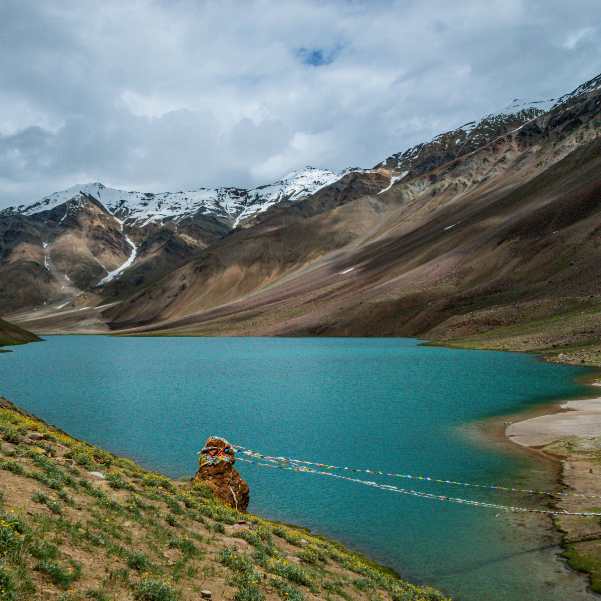
Chandratal Camping from Manali
This is the more popular route. You drive from Manali through the Atal Tunnel (or Rohtang Pass when open), reach Gramphu, and then head towards Batal via Chhatru. From Batal, you take the narrow road towards Chandratal's parking area and then walk to the camping zone.
The total drive from Manali to the Chandratal camping area takes roughly 7 to 9 hours depending on road conditions. It is a long, tiring drive with rough patches, especially after Batal.
But the landscape on this route is extraordinary: river valleys, high passes, and some of the most open mountain terrain in Himachal.
This route suits travellers who want a direct, focused trip to Chandratal without doing the entire Spiti circuit.
Chandratal Camping from Kaza
If you are already in Spiti, Chandratal is typically the last stop before exiting towards Manali. From Kaza, you drive to Losar, then to Kunzum Pass, and from there towards the Chandratal turn off near Batal.
This route takes about 4 to 5 hours from Kaza. It makes more sense for travellers who are doing a full Spiti Valley circuit and want to include Chandratal at the end or near the end of their trip.
If you're considering a complete Spiti circuit that includes Chandratal, our full Spiti Valley circuit with Chandratal covers the route in detail.
Best Itinerary Options for Chandratal Camping
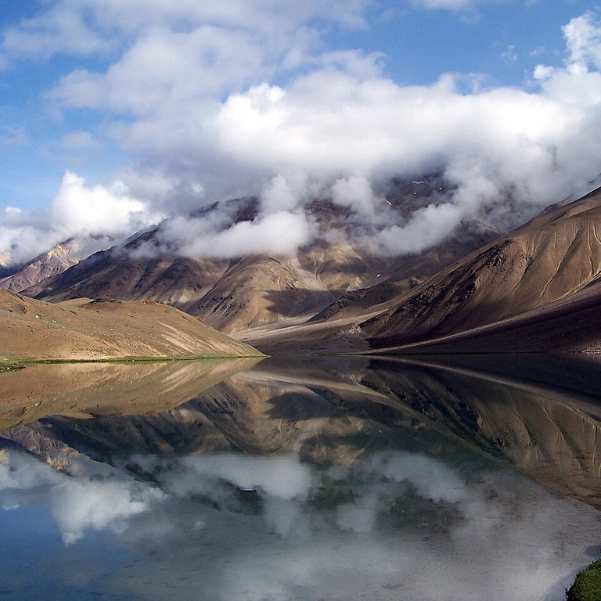
1 Night 2 Day Plan (from Manali)
Drive from Manali to the Chandratal camping zone. Reach by afternoon, settle into camp, and walk to the lake before sunset. Stay overnight. The next morning, visit the lake again (the early morning light is worth waking up for) and drive back to Manali.
This plan is tight but works if your schedule is short and you are comfortable with long driving days.
As Part of a Spiti Circuit (recommended)
The most rewarding way to experience Chandratal is as part of a broader Spiti trip. You spend several days exploring Kaza, Key, Kibber, Langza, and other Spiti villages, and then visit Chandratal towards the end of the circuit before heading to Manali.
Our summer Spiti circuit with Chandratal follows this approach and gives your body time to adjust to altitude before reaching the lake.
This slower approach also means you arrive at Chandratal already acclimatized, which makes the camping experience significantly more comfortable.
Explore Our Curated Spiti Valley & Chandratal Tour Packages
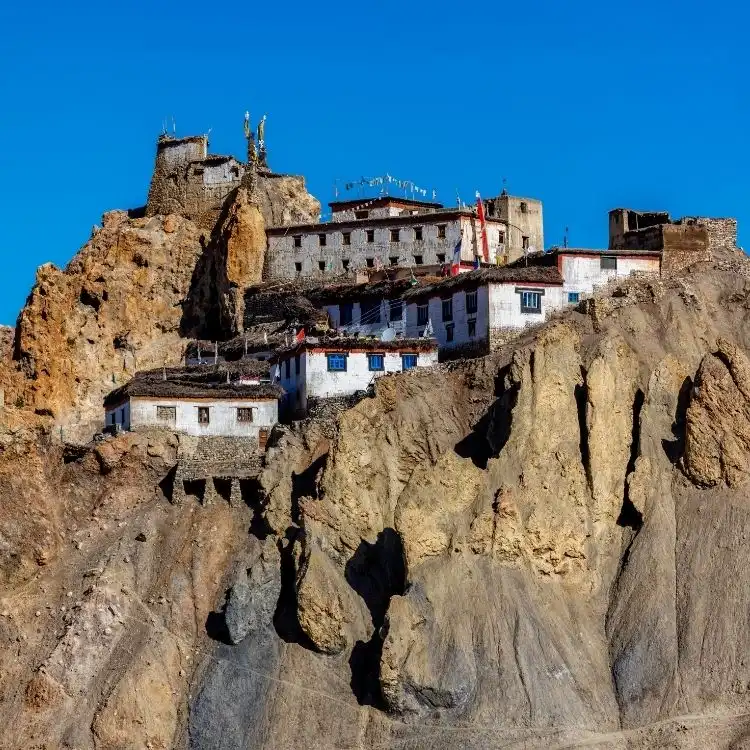 Group Tour10D/9N
Full Spiti Valley Circuit With Chandratal
1D Narkanda•1D Sangla+5
₹29,999₹32,999SAVE INR 3,000/ person Group Tour9D/8N
Best Selling Winter Spiti Valley Group Tour
2D Sangla•1D Tabo+2
₹18,999₹23,999SAVE INR 5,000/ person
Who Should Avoid Rushing It
If you have never been above 3,000 metres before, do not Chandratal bike trip from Chandigarh in two days.
The altitude gain is too fast, and the risk of altitude sickness goes up sharply. We usually suggest spending at least one night at a mid-altitude point (like Manali or Sissu) before pushing towards Chandratal.
Is Self Camping Allowed at Chandratal
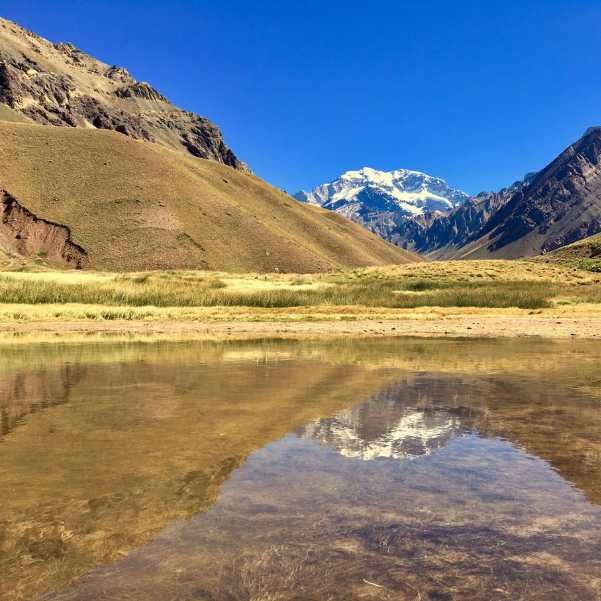
This is a question that comes up often, especially from trekkers and overlanders. The short answer: self camping (carrying your own tent, food, and gear) is technically possible in the designated camping zone, but it comes with important caveats.
Rules and regulations around Chandratal camping can change by season. Local authorities and the forest department may enforce specific guidelines about where tents can be pitched, waste disposal, and fire usage. It is your responsibility to check the latest rules before you go.
Even if self camping is allowed, it is genuinely challenging at this altitude. Cooking at 4,300 metres is slow and difficult. The cold is extreme.
There is no backup if your equipment fails. If you are experienced with high altitude camping and carry proper gear, it can be done. If this is your first time camping above 4,000 metres, we strongly recommend staying at an established camp.
Camp Facilities You Should Expect at Chandratal
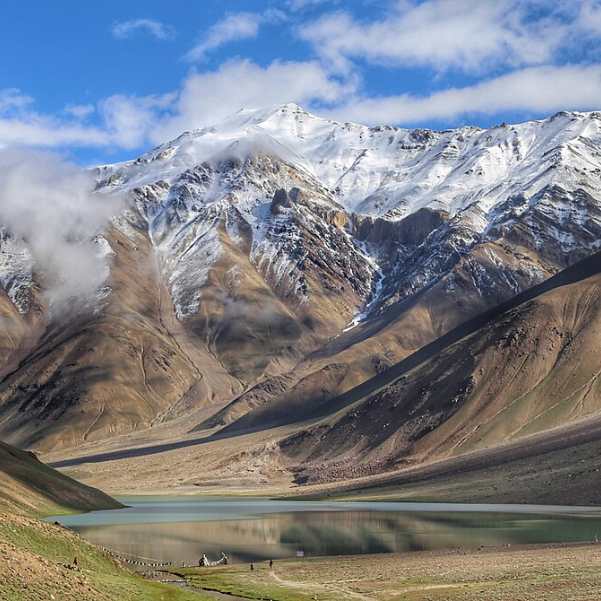
Set your expectations right and you will enjoy Chandratal camping far more than if you arrive expecting amenities that don't exist at 4,300 metres.
Meals
Most camps serve basic Indian meals. Dal, rice, roti, sabzi, chai. Some offer eggs and Maggi. The food is simple but warm and filling. Don't expect a menu.
Bedding
Sleeping bags and blankets are usually provided. Quality varies. Carrying your own liner or an extra thermal blanket is a smart move.
Toilets
Basic pit toilets or makeshift structures. Some camps have slightly better portable toilet setups. None are luxurious. All are functional.
Washing
Don't expect running water. Some camps offer buckets of warm water. Wet wipes and a basic toiletry kit are your best friends here.
Charging
Very limited. Some camps have a solar panel or small generator, but power is not reliable. Carry a fully charged power bank.
Phone signal
Essentially nonexistent at the Chandratal camping zone. BSNL has the best chance of catching a faint signal in some spots, but do not count on it.
Safety, Altitude, and Who Should Be Careful
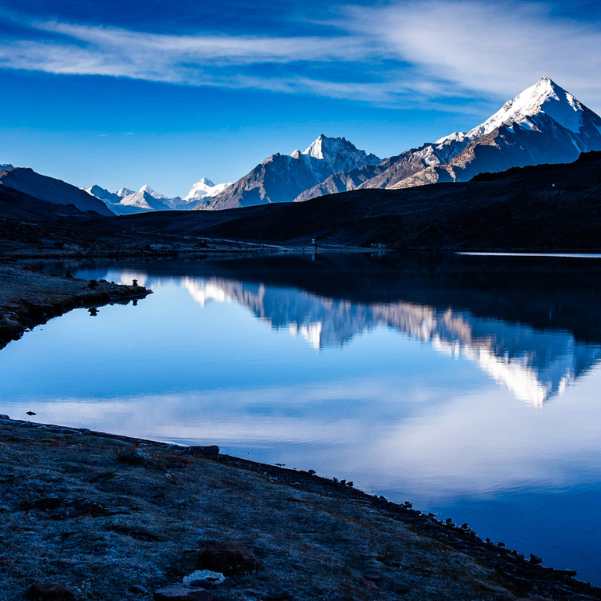
Chandratal sits at roughly 4,300 metres. At this altitude, even fit travellers can experience Acute Mountain Sickness (AMS) symptoms such as headaches, nausea, dizziness, and breathlessness.
The risk is highest for people who have come directly from the plains (Delhi, Chandigarh, or lower Himachal) without acclimatization stops along the way. Driving from Manali to Chandratal in one shot is doable, but your body may protest at night.
For first timers
If this is your first high altitude camping trip, be honest with yourself about your fitness. Walk slowly, stay hydrated, avoid alcohol, eat light meals, and don't push yourself to trek long distances on the first day.
For families
Chandratal camping is not ideal for very young children (under 8) or elderly members with heart or breathing conditions. The cold, altitude, and lack of medical facilities make it a higher risk environment for vulnerable travellers.
For everyone
Carry basic medication for headaches, nausea, and stomach issues. Diamox can help with acclimatization but should only be taken after consulting a doctor.
If symptoms of AMS worsen (confusion, severe headache, vomiting), descend immediately. Do not wait it out at altitude.
What to Carry for Camping at Chandratal Lake
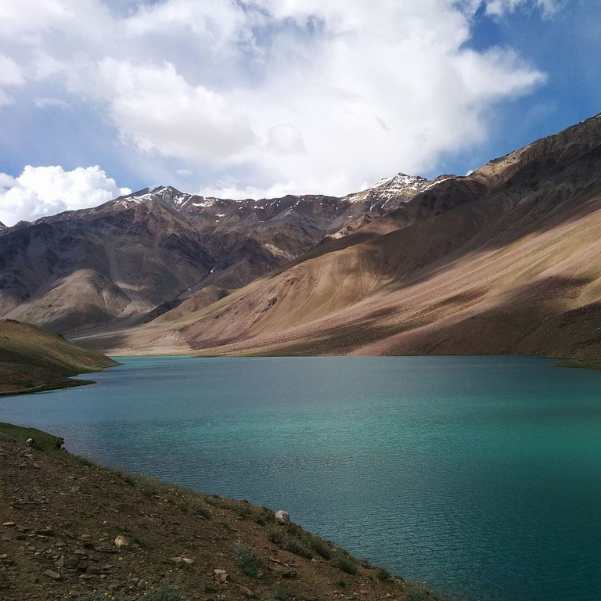
Packing right makes the difference between a wonderful experience and a miserable one. Here is what actually matters:
- Thermal inner layers (top and bottom)
- A good down jacket or heavy fleece
- Windproof outer layer
- Warm socks (carry at least two extra pairs)
- Gloves and a warm cap or balaclava
- Sturdy, waterproof trekking shoes
- A personal sleeping bag liner (for extra warmth inside camp bedding)
- Sunscreen with high SPF (UV at this altitude is intense)
- Sunglasses with UV protection
- Headlamp or torch (essential, not optional)
- Fully charged power bank
- Reusable water bottle and water purification tablets
- Basic medicine kit: paracetamol, ORS, antacid, band aids
- Wet wipes and hand sanitiser
- Dry snacks: nuts, energy bars, biscuits, chocolate
- A small daypack for the walk to the lake
Do not overpack with unnecessary gear. But do not underestimate the cold either. The biggest regret travellers have is not carrying enough warm layers.
Common Mistakes Travellers Make About Chandratal Camping
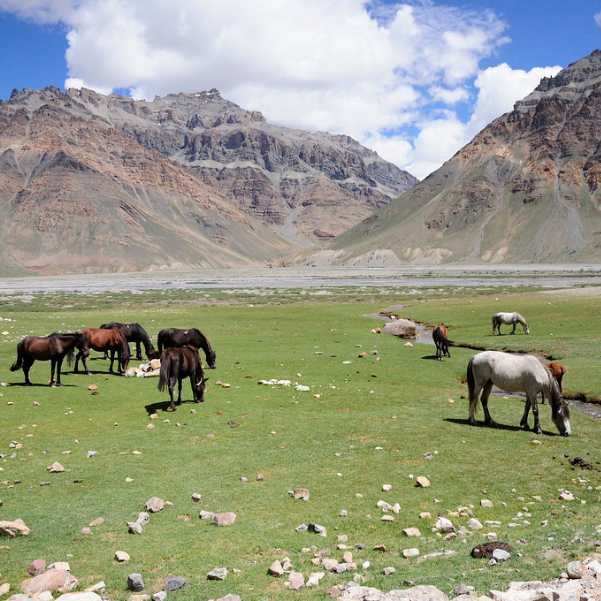
Assuming the camps are on the lakeshore
They are not. The camps are 1.5 to 2 kilometres away in the designated zone. Walk to the lake from there.
Booking without checking distance or inclusions
Not all camps are the same distance from the lake, and not all include meals or transport. Always ask before paying.
Underestimating the cold
Even in July, nights are freezing. If you only pack a hoodie and a light jacket, you will not sleep well.
Ignoring altitude
AMS can hit anyone, regardless of fitness. Hydrate, walk slowly, and don't ignore symptoms.
Assuming road open means camps are ready
The road to Chandratal may open before the camps are fully operational. Check camp status separately.
Expecting hotel comfort
There are no attached bathrooms, no heaters, no room service. Adjust your expectations and you will enjoy it.
Carrying too few layers
One jacket is not enough. Layer up: thermal base, fleece mid-layer, windproof outer. Add a warm cap and gloves.
Not carrying a headlamp
There is no electricity for ambient lighting. A headlamp is essential for moving around camp after dark.
Final Thoughts on Camping at Chandratal Lake
Chandratal camping is one of those experiences that stays with you long after the trip is over. Not because it was luxurious or comfortable, but because it was real.
The cold, the silence, the walk to the lake at dawn, the sky full of stars at night. These are the things people remember years later.
But it only works when you plan it right. Know where the camps actually are. Know how cold it gets. Know what your body can handle at 4,300 metres. And know that the magic of Chandratal is not in the comfort of the stay but in the place itself.
If you are planning a Chandratal camping trip as part of a broader Spiti circuit, explore our Spiti Valley trip with Chandratal. We design these trips with buffer days, proper acclimatization, and an honest understanding of the roads and conditions.
And if you are not sure which route or duration works best for your group, write to us. We have been helping travellers plan this trip for years, and we are happy to help you figure out the version that fits.
👉 WhatsApp us to plan your Chandratal camping experience.
Related topics
Frequently Asked Questions
Is camping allowed at Chandratal Lake?
Yes, camping is allowed in the designated camping zone near Chandratal Lake. You cannot pitch tents directly on the lakeshore, but camps operate seasonally in the area between Batal and the Chandratal parking trailhead.
Can you camp right next to Chandratal Lake?
No. Camping on the Chandratal lakeshore is restricted to protect the lake's fragile ecosystem. All camps are located 1.5 to 2 kilometres from the lake in a designated area. You walk to the lake from your camp.
How far are the camps from Chandratal Lake?
Most camps are about 1.5 to 2 kilometres from the lake. The walk takes roughly 20 to 40 minutes depending on your pace and the altitude. Some camps are slightly closer, so it is worth asking when you book.
Is self camping allowed at Chandratal?
Self camping in the designated zone has been possible, but rules can change seasonally. Check with local authorities or the forest department before planning. If you attempt it, you need proper high altitude camping gear and should be experienced with cold weather camping above 4,000 metres.
What is the best time for Chandratal camping?
Mid June to September is the main window. July and August are the safest months with most camps operational. September offers clearer skies and fewer crowds but colder nights. Early October is risky and unreliable.
How cold is Chandratal camping at night?
Very cold. Night temperatures can drop to 0 or below in July and August, and to minus 5 or lower in September. Wind chill makes it feel even colder. Pack serious warm layers and expect to sleep in thermals.
Is Chandratal camping safe for families?
For families with older children (above 10) who are reasonably fit, yes. It is not ideal for very young kids or elderly members with health conditions due to the altitude, cold, and lack of medical facilities.
What is the cost of camping at Chandratal?
Budget camping runs around 800 to 1,500 per person per night. Standard camps with better bedding and meals range from 1,500 to 3,000. Costs vary by operator, season, and what is included.
Are there toilets at Chandratal camps?
Yes, but they are basic. Expect pit toilets or simple portable setups. No flush toilets, no running water. Functional but not comfortable by city standards.
Can I do Chandratal camping from Manali?
Yes. Manali is the most common starting point. The drive takes 7 to 9 hours via the Atal Tunnel and Batal. A 1 night 2 day trip from Manali is tight but doable. A longer itinerary as part of a Spiti circuit is more comfortable.
Can I do Chandratal camping from Kaza?
Yes. From Kaza, the drive to the Chandratal area takes about 4 to 5 hours via Kunzum Pass. This route works best for travellers already doing a Spiti Valley circuit.
Can I camp at Chandratal in May?
Almost certainly not. The roads to Chandratal are usually still under snow in May. The area typically opens in mid June at the earliest, depending on snow clearance. Road and camp status should always be checked before departure.
Is Chandratal camping worth it?
Absolutely, if you set the right expectations. It is not a comfortable resort experience. It is a raw, quiet, high altitude camp with access to one of the most stunning lakes in India. If that sounds like your idea of a good time, it is deeply worth it.
What should I carry for Chandratal camping?
Thermal layers, a heavy jacket, windproof outer, warm socks, gloves, cap, waterproof shoes, a headlamp, a power bank, sunscreen, sunglasses, basic medicines, wet wipes, dry snacks, and a reusable water bottle. Do not underpack on warm clothing.
More about Chandratal
 Chandratal
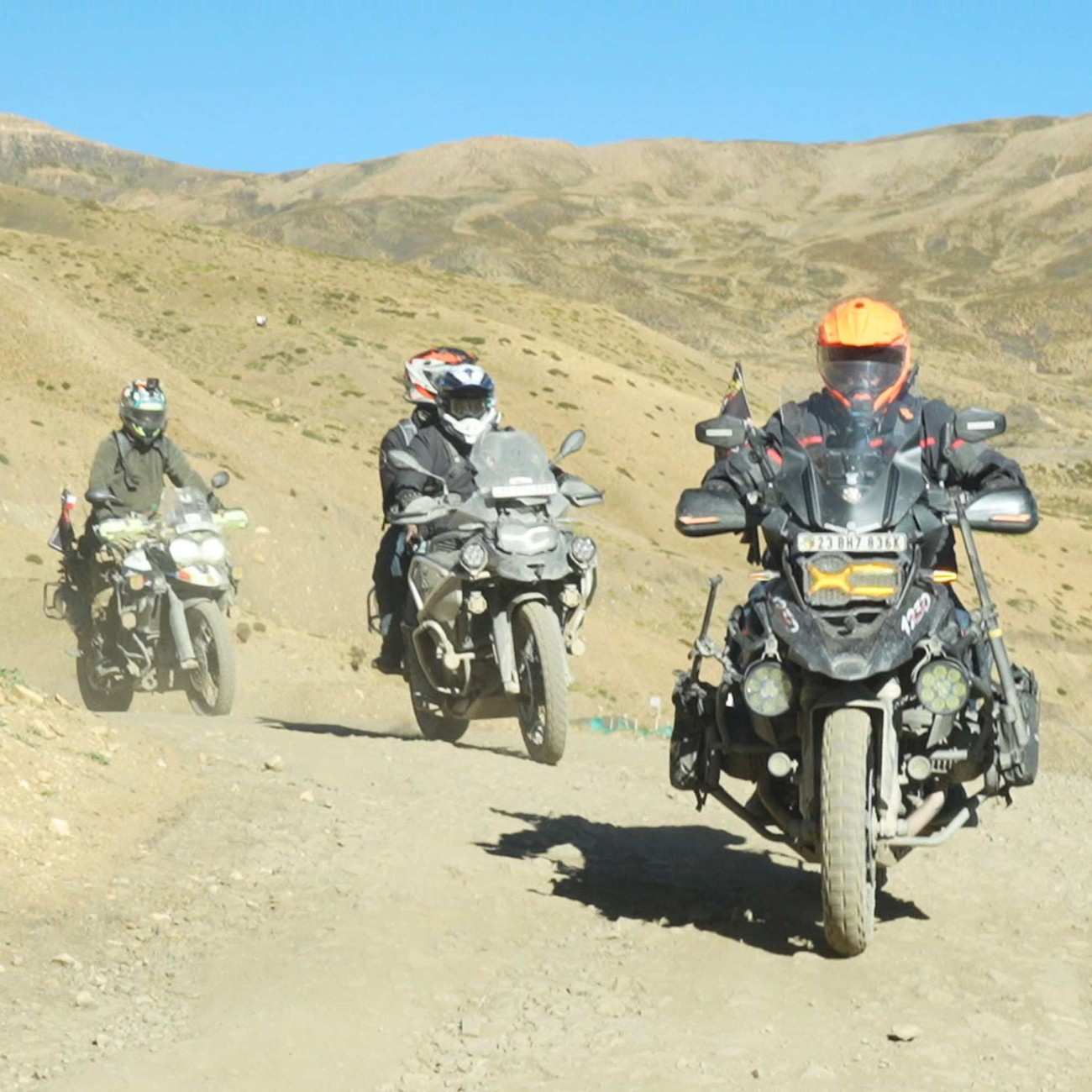
Chandratal by Bike Safety in 2026: Road Difficulty, Timing & Pillion Tips
Planning to ride to Chandratal by bike in 2026? This complete guide covers road difficulty, riding conditions, the best time to visit, safety precautions, water crossings, and pillion tips to help you enjoy one of Himachal Pradesh's most iconic high-altitude rides with confidence.
- Bike Trips
- Altitude & Health
- +1
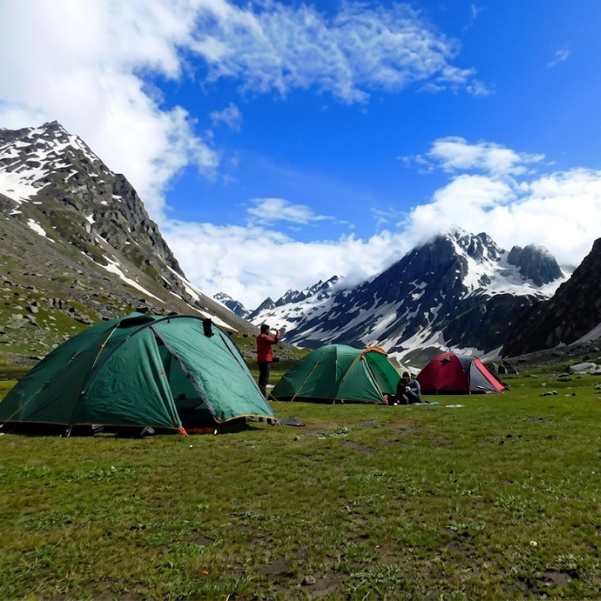 Chandratal
Where to Stay If Chandratal Camps Are Not Available in 2026
If Chandratal camps are not available in 2026, stay at nearby alternatives like Batal, Losar, or Kaza. Since camping is not allowed at the lake itself and designated camps operate a few kilometers away, these villages are the safest backup options for travelers planning a Spiti Valley trip.
- Itinerary
- Best Time to Visit
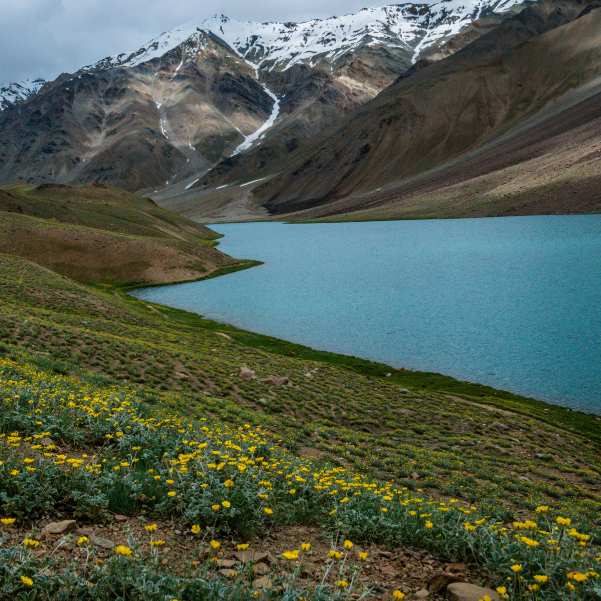 Chandratal
Is Chandratal Crowded in June 2026? Honest Crowd, Road and Camp Guide
Planning Chandratal in June 2026? Here’s an honest guide to crowds, road opening chances, campsite availability, lake access, and the best time to visit without chaos.
- Best Time to Visit