
Best Time to Visit Shimla in 2026: Weather, Snowfall, Crowds and Month-by-Month Guide
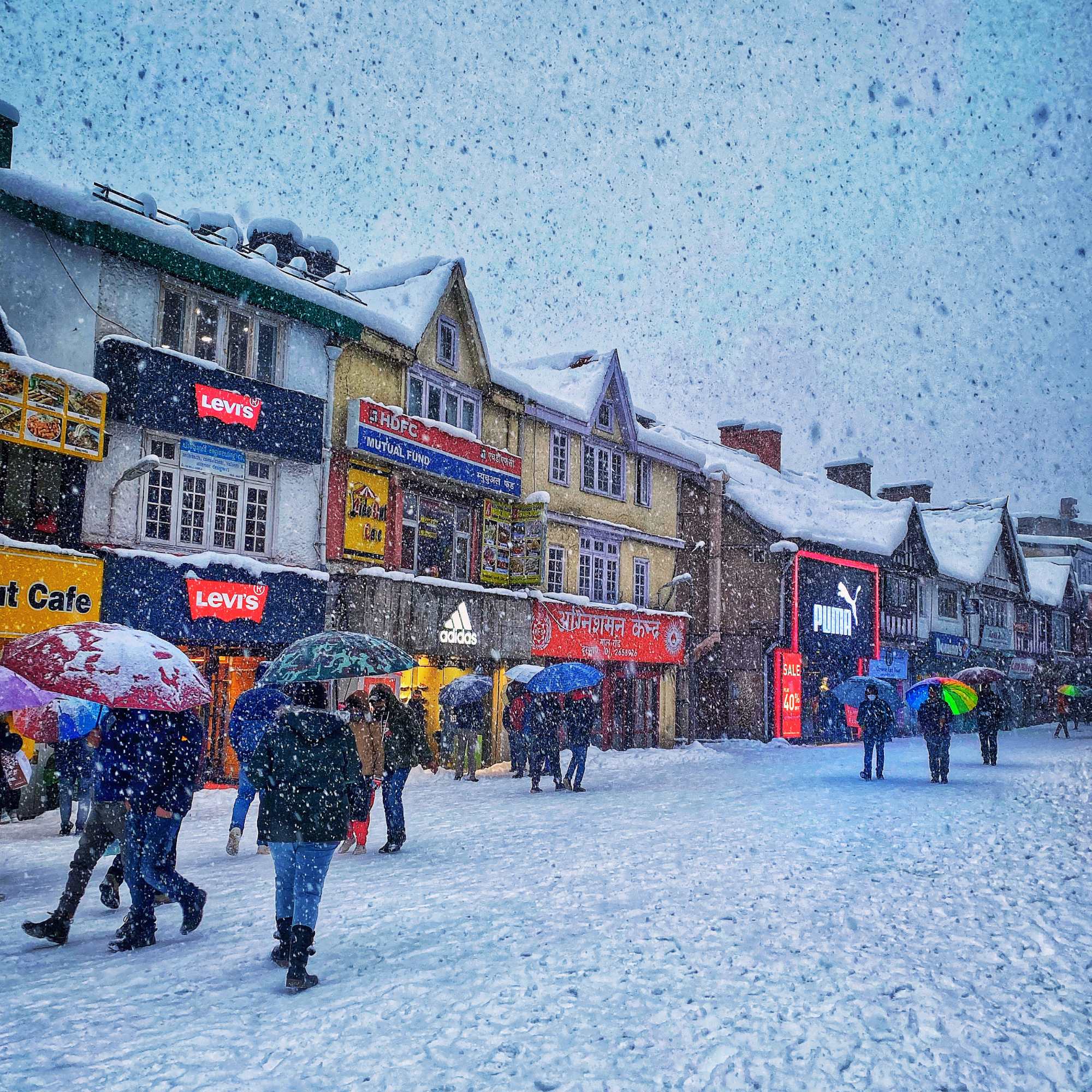
The best time to visit Shimla depends on whether you prefer pleasant sightseeing weather, winter snowfall, quieter streets or lower travel costs.
This guide by Travel Coffee explains Shimla’s weather, tourist crowds and seasonal conditions to help you choose the right month for your holiday.
March to June is popular for comfortable sightseeing, while December to February attracts travellers hoping to experience snow. The month by month guide will help you compare temperatures, rainfall, snowfall chances and crowd levels before planning your Shimla trip.
Quick Answer
March to June is the best time to visit Shimla for pleasant sightseeing and family holidays. October and November bring clearer views and relatively fewer visitors.
Choose January or February if snowfall matters most, though nobody can promise snow on a particular date. July and August suit flexible travellers who check weather, road and train advisories before leaving.
You can compare our Shimla tour packages if you want help matching your dates with the right travel style.
What most tourists get wrong is choosing a month only from photos. A snow photo does not tell you whether roads felt slippery, and a green monsoon photo does not show the disruption risk.
We tell our travellers to choose the season around their main priority. Decide whether you want easy walks, lower crowds, winter weather or flexible low season travel, then book your dates.
What Is the Best Time to Visit Shimla?
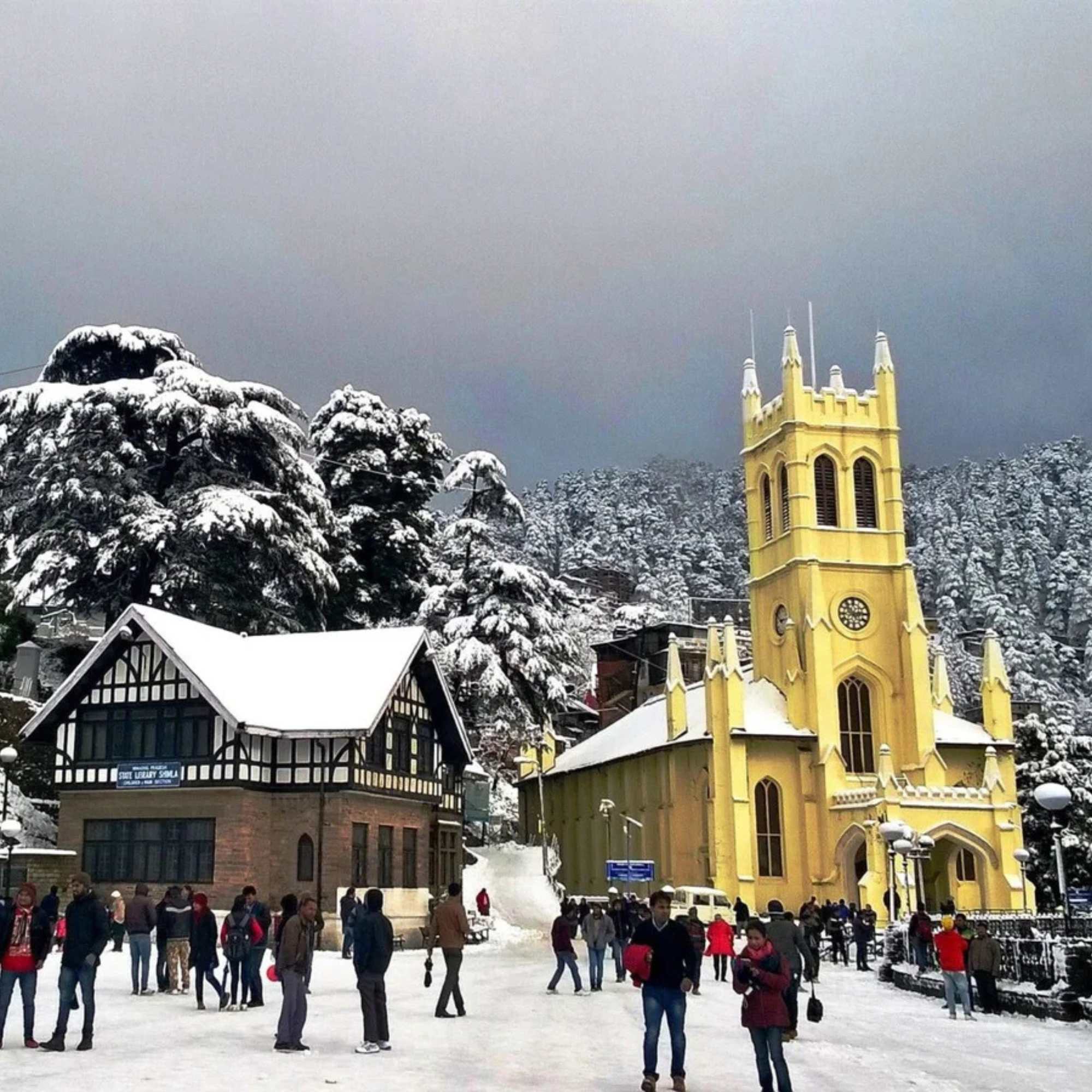
For most first time visitors, March to June gives the easiest balance. The weather generally suits outdoor sightseeing, family time and walks around central Shimla.
This period also includes the busiest school holiday weeks. May and June usually draw stronger demand, so the pleasant weather comes with fuller hotels and busier public areas.
If you care more about clear views and manageable crowds, choose October or November. Crisp mornings, clearer visibility and lower visitor numbers than the busiest summer weeks make these months strong choices.
Couples and photographers often prefer this autumn window. You can spend more time on heritage walks without planning the entire day around intense winter cold or active monsoon weather.
Choose January or February if winter comes first. IMD climate guidance associates Shimla snowfall mainly with these two months, but an active weather system still decides whether snow falls during your stay.
December feels festive and cold. Christmas and New Year also create stronger demand, but cold air alone cannot produce fresh snowfall, so do not book late December on a snow promise.
In our experience, the best month to visit Shimla depends less on a universal ranking and more on what would disappoint you. If rain disruption would spoil the trip, avoid an inflexible monsoon plan. If crowds bother you, avoid the main holiday rush.
Which Shimla Season Is Best for Your Trip?
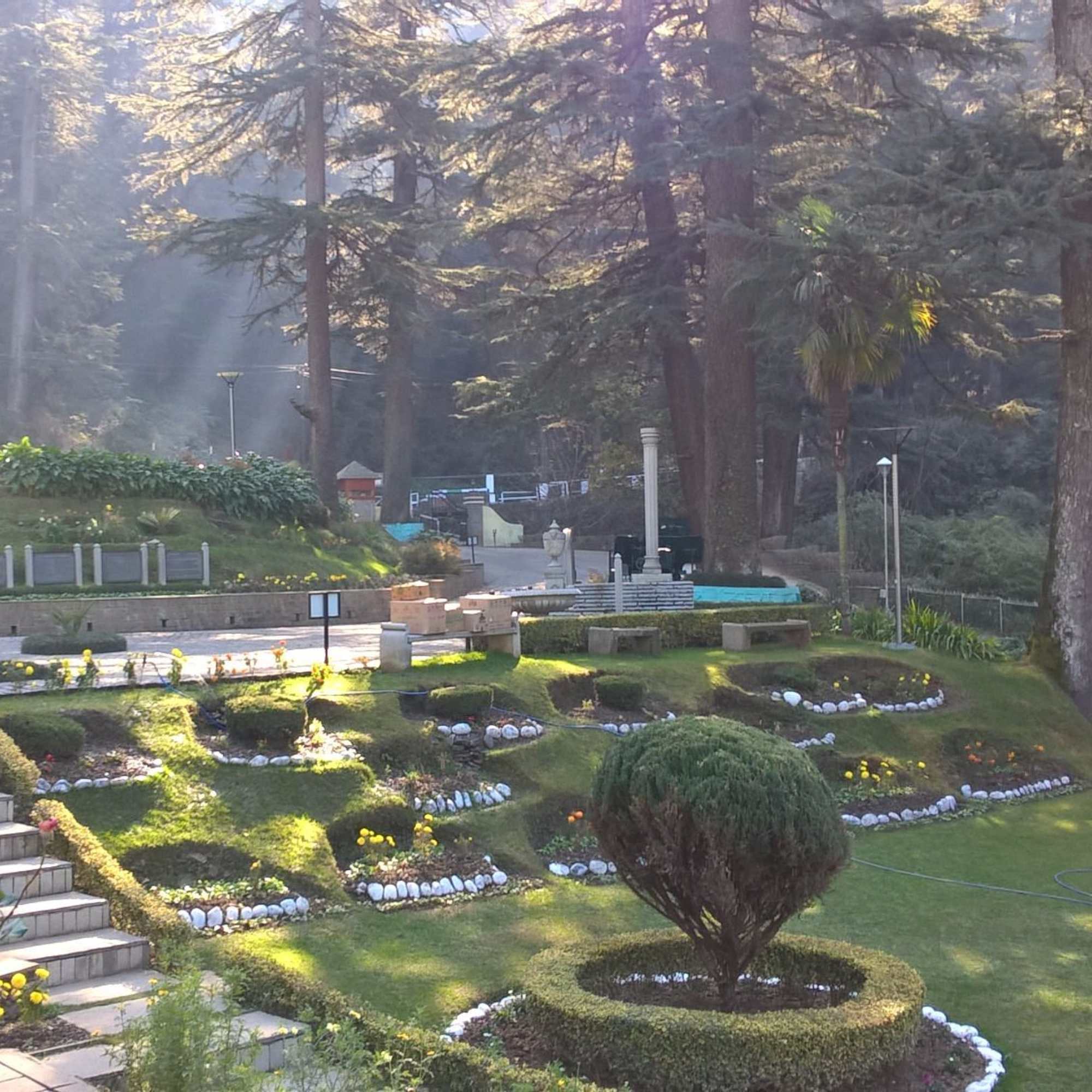
March to June for sightseeing and family holidays
Shimla in summer works well for travellers who want to walk around the Ridge, Mall Road and nearby heritage areas without deep winter conditions. Families can plan fuller sightseeing days during this broad period.
March starts cooler as winter gives way to spring. April brings mild conditions, while May and June attract families escaping heat in the plains.
The trade off appears during school holidays. May and June can feel busy, and stronger accommodation demand means you should make plans earlier rather than waiting until arrival.
Carry a light jacket or fleece even when the daytime feels comfortable. Evenings can feel cooler, and a layer helps when you stay outdoors after sunset.
Our team recommends starting central sightseeing early during the busiest weeks. You get a calmer walk before visitor numbers build, and you leave more room for rest later in the day.
October to November for clear views and fewer tourists
October and November follow the main monsoon period. Mornings feel crisp, visibility often improves and visitor numbers stay relatively lower than the busiest May and June weeks.
October gives one of the strongest weather to crowd balances of the year. It suits heritage walks, photography, couples and anyone who dislikes the main summer rush.
November feels colder and carries a clear pre winter character. It can work well for slow walks and quieter days, but you should not treat it as a dependable snowfall month in Shimla town.
Bring layers because mornings and evenings feel colder than the middle of the day. This simple packing choice makes autumn much more comfortable.
In our experience, October often suits travellers who want Shimla itself rather than a checklist rushed through heavy crowds. You still need to watch weekends, public holidays and festival dates because demand can rise suddenly.
January to February for snowfall and winter experiences
IMD climate guidance links snowfall in Shimla mainly with January and February. These two months therefore give snow seekers the strongest practical planning window.
Snow still depends on active weather systems. No travel company can honestly guarantee fresh snowfall on your selected dates, even during the main Shimla snowfall time.
Prepare for genuinely cold nights, slippery paths and possible changes to transport or sightseeing. Wear thermals, an insulated jacket, gloves, a warm cap and waterproof footwear with reliable grip.
Basic sports shoes do not give enough confidence on snow or ice. Waterproof winter footwear matters because a short central walk can become uncomfortable when surfaces turn wet or slippery.
Winter travellers should keep the plan flexible. If fresh weather changes affect a road or excursion, replace that outing with a safe central option rather than forcing the original schedule.
July to September for greenery, lower crowds and higher disruption risk
Shimla during monsoon looks green and misty, and visitor numbers may fall below peak summer levels. This quieter atmosphere appeals to travellers who enjoy rain and can change plans quickly.
The disadvantages matter more than the photos suggest. Landslides, fog, slippery roads, railway changes and cancelled excursions can affect the trip, sometimes with little useful planning margin.
Do not choose monsoon only to find a lower room rate or thinner crowds. A discounted stay may lose its value if transport changes or you cannot complete the outings you booked it for.
Check the official IMD forecast, disaster management advice, road alerts and your exact train status before departure. Check again during the trip because a dated update cannot describe live conditions.
What Is Shimla Like Month by Month?
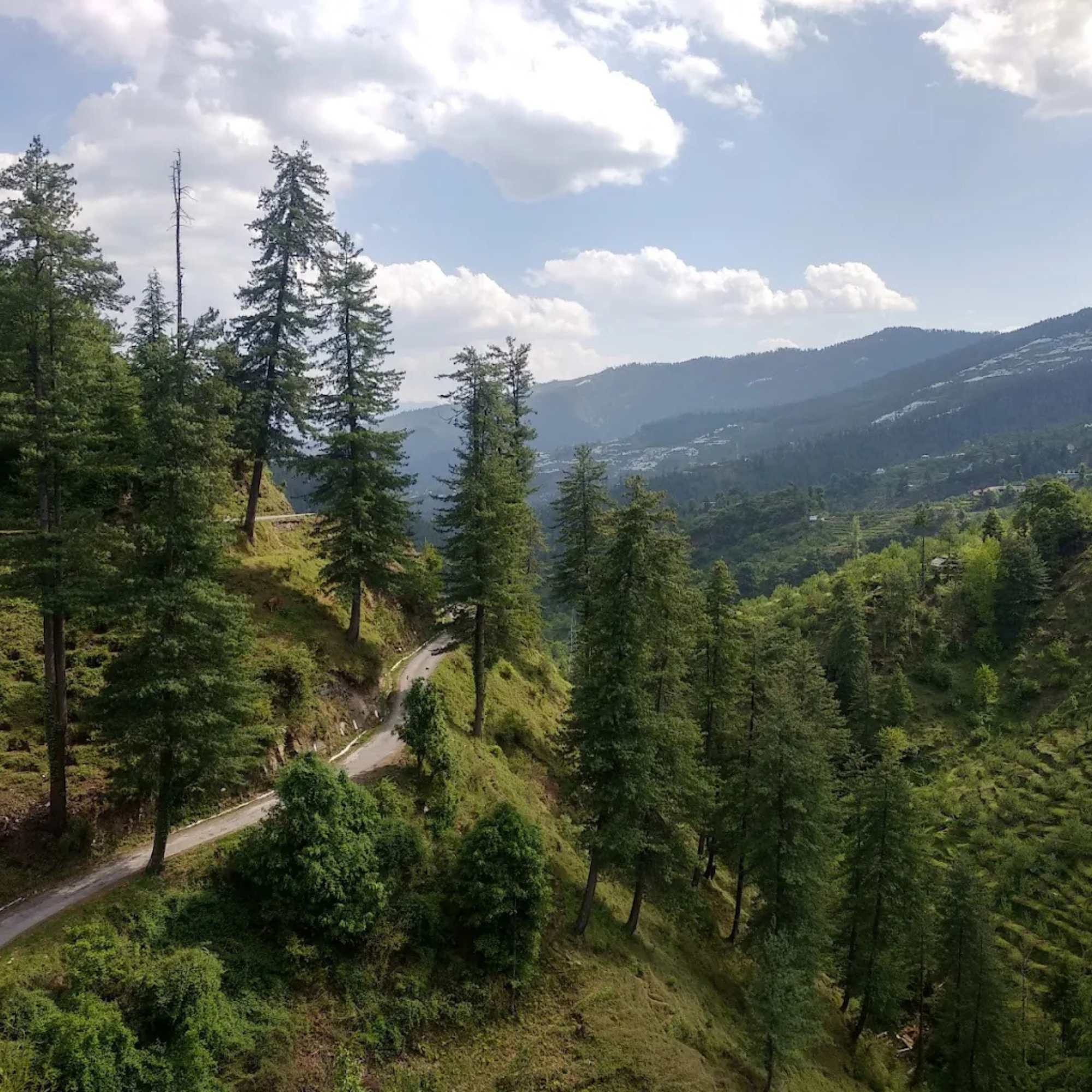
This Shimla weather month by month guide uses indicative monthly averages, not a forecast for your holiday. Live conditions can sit above or below an average.
Shimla in January
January brings genuinely cold winter weather and a practical chance of snowfall. The indicative monthly range gives a 9°C high and minus 1°C low.
The older IMD climatological table for 1971 to 2000 gives a 9.3°C mean maximum and 1.7°C mean minimum. These figures describe different datasets, and neither predicts your selected dates.
Roads and walking paths may turn slippery. Carry waterproof winter footwear with grip, thermals, an insulated jacket, gloves and a warm cap.
Shimla in February
February has an indicative range of 12°C high and 2°C low. Snow remains possible, while daytime conditions slowly begin to improve as winter moves forward.
This month can feel calmer than New Year's week. Winter clothing remains essential, and you should keep room for changes if weather affects a road or excursion.
Shimla in March
March has an indicative range of 15°C high and 4°C low. It marks the shift from winter to spring, with lower town snow receding and crowds staying moderate compared with peak summer.
Choose March if you want cool weather without planning around the deepest winter conditions. It can also suit travellers who want a quieter alternative to the school holiday period.
Shimla in April
April has an indicative range of 19°C high and 8°C low. Mild sightseeing weather makes it a family friendly period before the main summer crowds arrive.
You can plan central walks and outdoor sightseeing more comfortably than during icy winter or active monsoon weather. Carry an evening layer despite the milder daytime range.
Shimla in May
Shimla weather in May has an indicative range of 25°C high and 11°C low. Families often choose this month to escape the growing heat in the plains.
School holidays also bring crowds and stronger demand. Book accommodation earlier and start sightseeing early if you want a calmer experience around central Shimla.
For a simple chai break during a Mall Road walk, our team often suggests Indian Coffee House on Mall Road. Confirm its current opening hours before visiting.
Shimla in June
Shimla weather in June has an indicative range of 28°C high and 14°C low. June remains a major family holiday month, while the latter part may feel more humid or unsettled.
The International Shimla Summer Festival 2026 ran from 8 to 12 June 2026. Those dates now form part of the year’s record and do not describe an upcoming event.
Plan accommodation early during popular June dates. Start central sightseeing before the main daytime rush if you prefer more space for walking and photographs.
Shimla in July
July has an indicative range of 22°C high and 14°C low. Rain and mist increase, and day trip plans can become less dependable.
Check official IMD forecasts, road alerts and the status of your exact train before departure. A broad statement that trains run during monsoon cannot replace a live service check.
Shimla in August
August has an indicative range of 21°C high and 15°C low. Green hills and mist come with the possibility of disruptive monsoon conditions.
In August 2026, Railways temporarily suspended four toy train services because of landslide and rockfall risk. Treat that event only as a dated example of why live checks matter, not as the present status for a future trip.
Shimla in September
September has an indicative range of 21°C high and 13°C low. Conditions may begin improving as the monsoon weakens, and visitor numbers can remain below peak summer levels.
No fixed monsoon withdrawal date can describe every year. Check current weather and road advice instead of assuming that the first day of September brings clear conditions.
Shimla in October
Shimla in October has an indicative range of 20°C high and 9°C low. It ranks among the best overall choices for clearer weather, photography, heritage walks and manageable crowds.
Mornings and evenings feel colder, so pack layers. Weekends and public holidays can still create sudden crowd spikes even during a generally quieter month.
Shimla in November
November has an indicative range of 16°C high and 6°C low. Crisp weather and a pre winter atmosphere make it attractive for travellers who want quieter walks.
Do not choose November on the assumption that Shimla town will have snow. It does not count as a dependable snowfall month, even though the air feels cold.
Shimla in December
Shimla in December has an indicative range of 12°C high and 1°C low. Christmas and New Year bring a festive atmosphere, winter clothing needs and stronger holiday demand.
Cold weather does not guarantee fresh snow in late December. Book December for the winter mood, not because someone promised snowfall on Christmas or New Year.
When Is the Best Time to See Snow in Shimla?
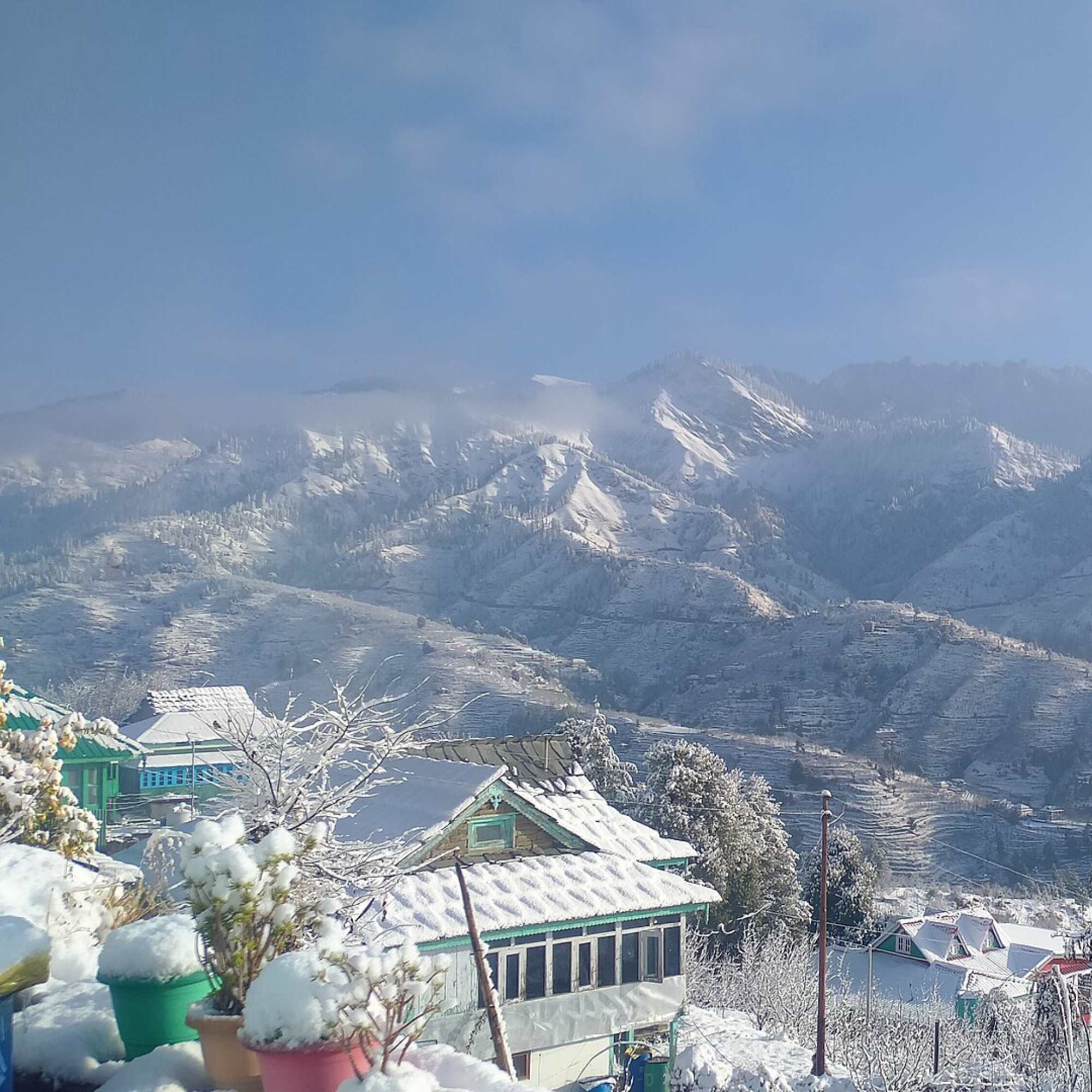
The best time to visit Shimla for snow is January and February. IMD climate guidance associates Shimla snowfall mainly with these months, which makes them the strongest practical choices.
December sits within the wider tourist winter season and may receive snow. It still cannot support a promise for any selected date, including Christmas and New Year.
Check conditions in Shimla, Kufri, Mashobra and Narkanda separately. Elevation affects local weather, so one place may report different ground conditions from another.
Kufri snowfall season searches often lead travellers to assume that a Shimla forecast covers every nearby point. Ask for recent conditions at the exact location you plan to visit.
What we tell our travellers is simple. Keep one flexible day, watch the live forecast and never pay more only because someone verbally promises fresh snow on a fixed date.
What Is the Best Time for a Shimla Honeymoon?
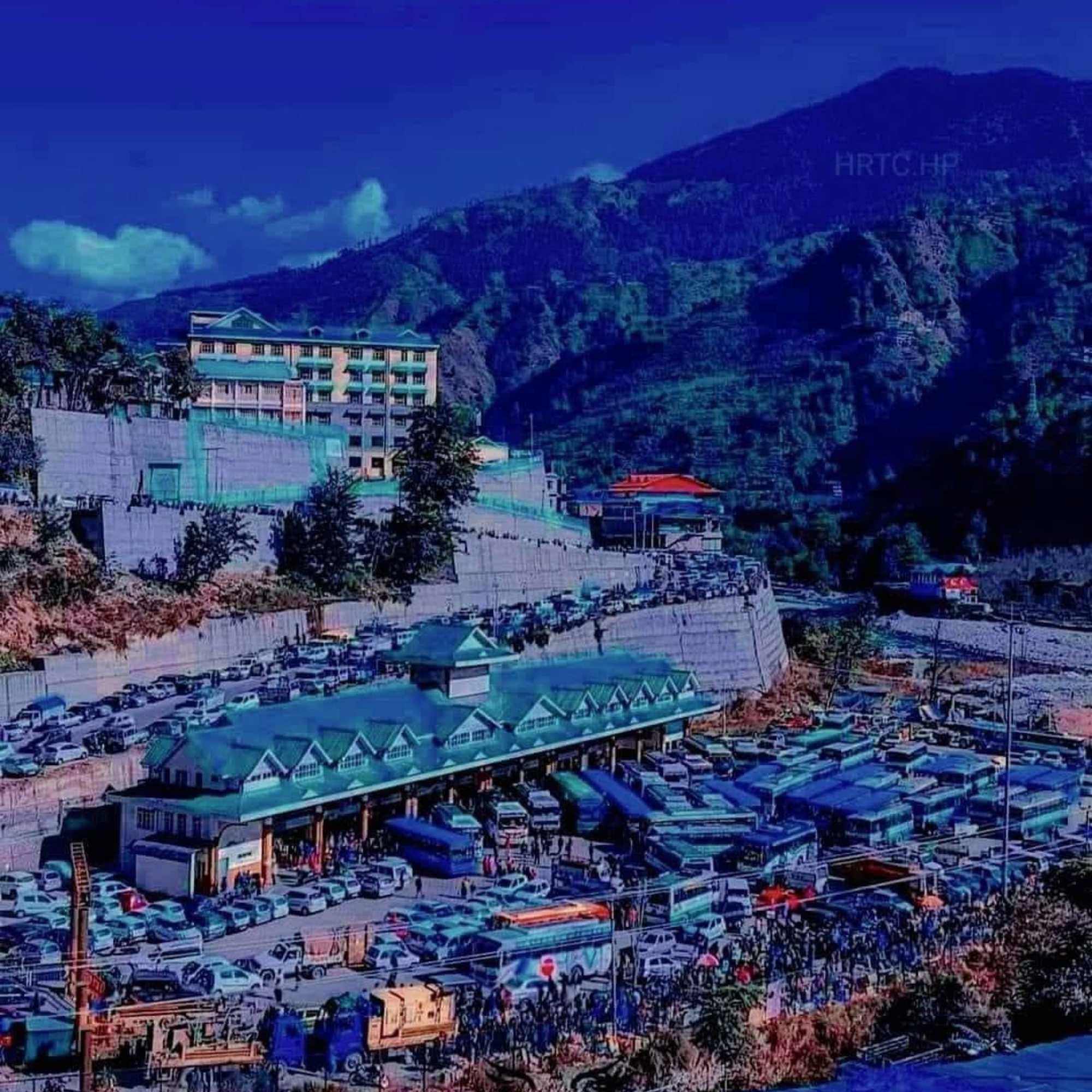
The best time for a Shimla honeymoon depends on whether you want comfortable walks or a full winter experience. October and November give clearer views, crisp weather and a calmer feel than the busiest summer dates.
Choose January or February if both of you actively want winter weather and accept possible transport or excursion changes. Pack proper footwear because icy or wet surfaces can turn a romantic walk into a difficult one.
Late December feels festive but attracts stronger accommodation demand and holiday crowds. It also cannot promise fresh snowfall, so do not make snow the only reason for those dates.
What Is the Best Time for a Family Trip to Shimla?
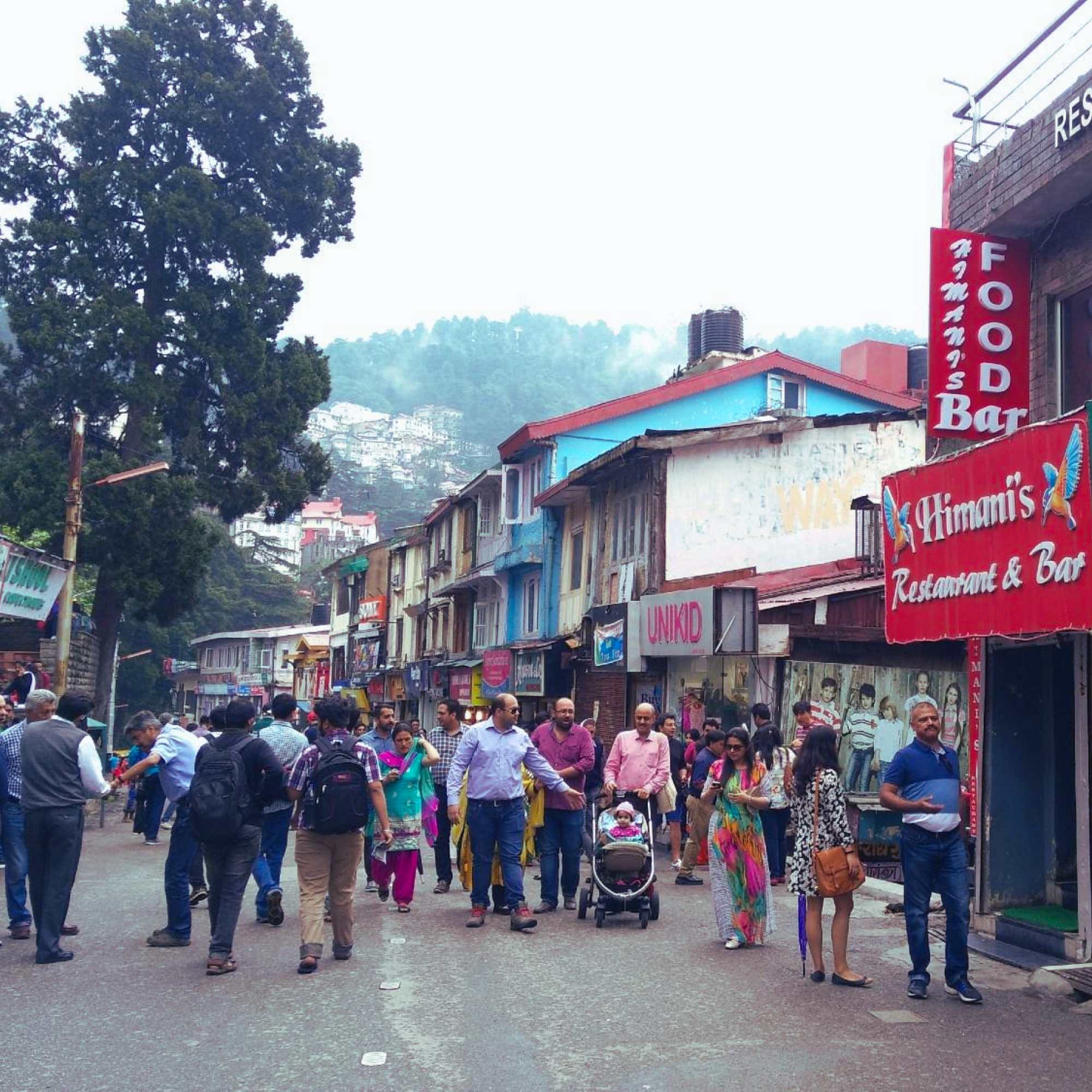
For most families, April to June gives easier outdoor sightseeing than icy winter or active monsoon conditions. April usually comes before the main summer rush, while May and early June need earlier accommodation planning.
Families with toddlers should leave more time for central walking sections and regular breaks. Do not build a tightly packed day that assumes a vehicle can stop beside every central attraction.
Senior citizens and travellers with limited mobility need the same honest planning. Mall Road, the Ridge, Kali Bari and Lakkar Bazaar largely require walking from the ring road side, and central Shimla includes slopes.
Our team recommends choosing fewer places and enjoying them properly. A relaxed central day often works better than adding an excursion that leaves everyone tired before the evening.
When Is Shimla Least Crowded?
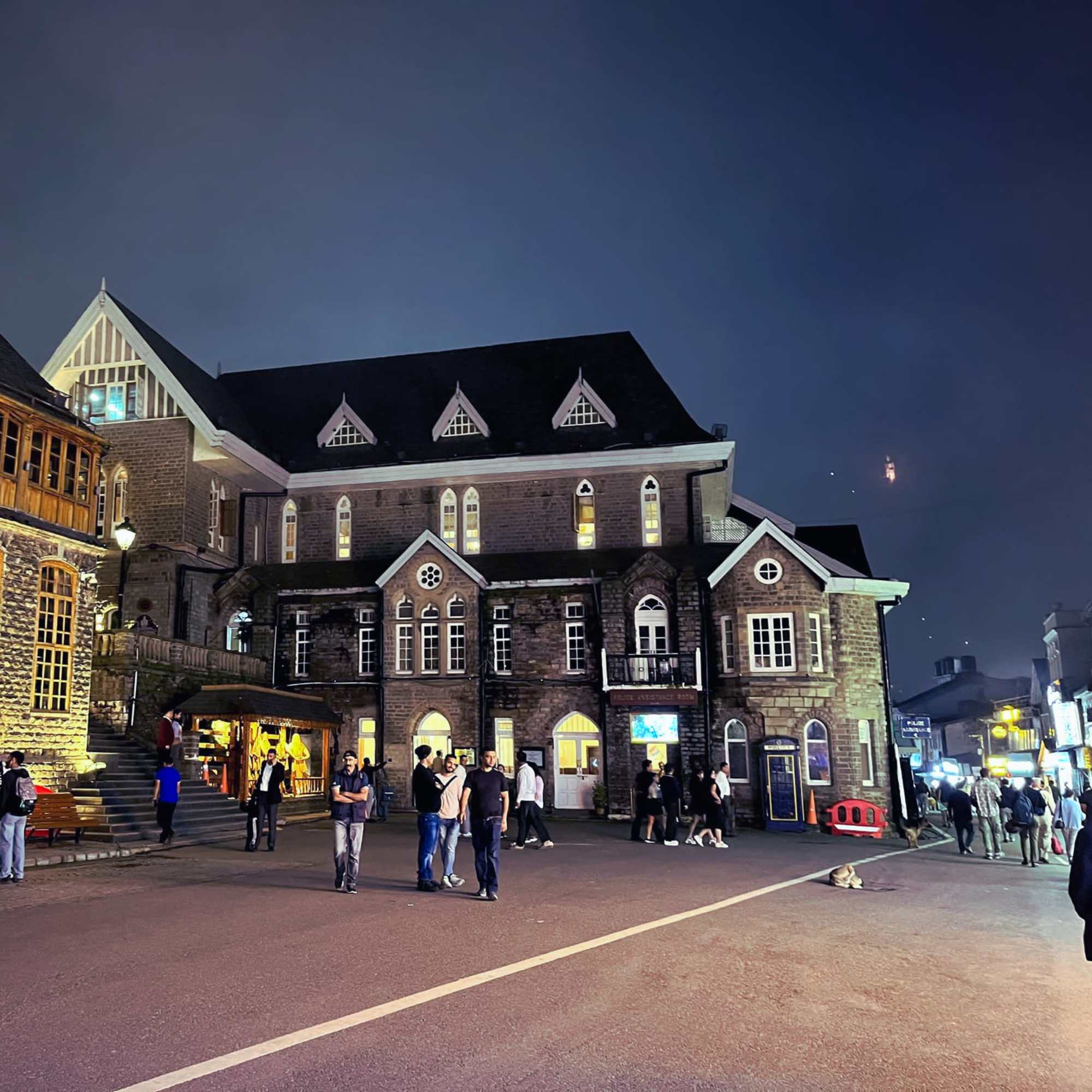
March, September after weather improves, and October can provide quieter alternatives to the busiest school holiday weeks. October often gives the best balance between clearer conditions and manageable crowds.
No month stays quiet on every date. Weekends, public holidays and festivals can produce sudden spikes, so compare the calendar before locking transport and accommodation.
Monsoon may bring fewer visitors, but quiet roads do not automatically mean an easier holiday. Rain, landslides, fog and railway changes can outweigh the benefit for an inflexible traveller.
If you want a different pace, look at Jibhi and Tirthan Valley as quieter Himachal alternatives. Do not plan Jibhi as a same day Shimla excursion.
Should You Visit Shimla During the Monsoon?
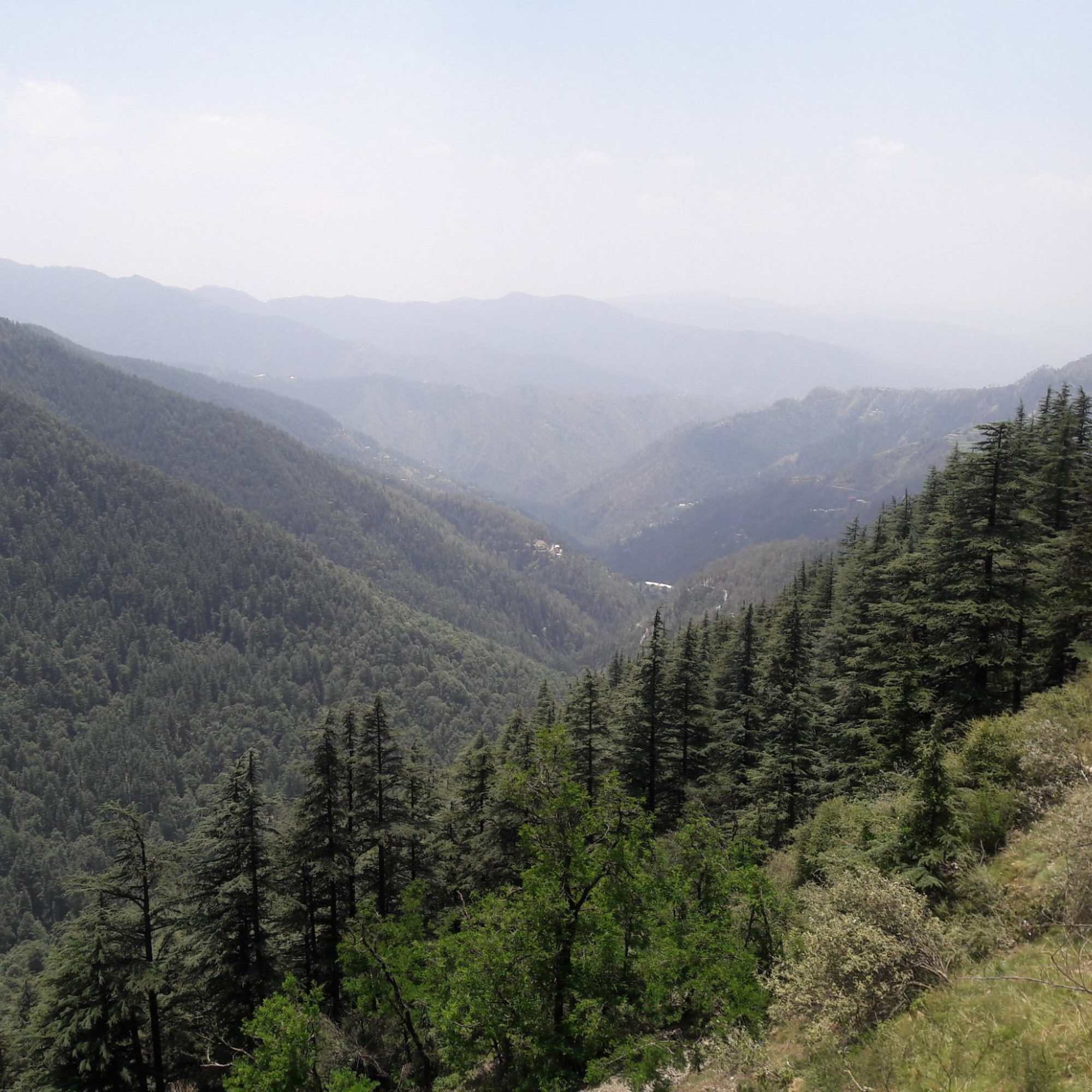
Visit during monsoon only if you enjoy green hills and mist, accept rain and can change transport or sightseeing plans. July to September forms the main monsoon period.
The advantages include fewer visitors and greener surroundings. Accommodation may also carry discounts, though no live rate has been supplied here.
The disadvantages include landslide risk, slippery roads, fog, toy train changes and cancelled excursions. A lower room cost means little if disruption takes away the part of the trip you wanted most.
On 27 July 2026, the Himachal Pradesh government appealed to tourists to avoid unnecessary travel during adverse weather and to follow IMD and disaster management advisories.
Reports counted more than 120 blocked roads across Himachal Pradesh at that time. This number described a dated statewide snapshot, not proof that every route to Shimla had closed.
In our experience, flexible bookings matter more than squeezing another attraction into a wet day. Keep the schedule light and make every travel decision from current official updates.
How Do Crowds and Travel Costs Change by Season?
May and June school holidays normally create stronger demand. Christmas and New Year dates also draw more travellers because people want the festive winter atmosphere.
October and November often give better weather to crowd balance. They suit people who value clearer conditions but do not want the busiest summer weeks.
Monsoon accommodation may carry discounts, but transport disruption and cancelled plans can offset the savings. Compare flexibility and cancellation conditions before judging a room only by its rate.
A useful local money saving tip is to avoid planning paid vehicle access for places you must reach on foot from the ring road side. Build central sightseeing into one walking day and confirm mobility needs beforehand.
Skip any driver or agent who claims a normal tourist vehicle can freely enter every road towards Mall Road. Restricted and sealed road rules apply, and unauthorised entry can bring serious penalties.
No live hotel, taxi or package rate has been supplied, so fixed prices would mislead you. Ask for a date specific quote after you choose the season.
What Changed for Shimla Travel in 2026?
Several dated 2026 updates show why Shimla trip planning needs live checks. None of these historical reports should replace the status for your actual departure date.
Monsoon road and weather advisories
On 27 July 2026, the Himachal Pradesh government asked tourists to avoid unnecessary travel during adverse monsoon weather and follow IMD and disaster management advisories.
The statewide count of more than 120 blocked roads belonged to that date. Use current official updates before any monsoon journey rather than carrying that number forward.
Kalka Shimla toy train status
Railways temporarily suspended services 52451/52452 and 52459/52460 until 5 August 2026 because of landslide and rockfall risk.
At the time of a 3 August 2026 report, services 52467, 52453 and 52455 ran from Kalka. The same report said NH 5 remained open.
These are time sensitive historical updates. Check the Kalka Shimla toy train status and NH 5 road position for your departure date because operations can change after any dated report.
Sealed and restricted roads near the Mall
Vehicles cannot freely enter every road leading from Cart Road towards the Mall. Permit rules concern sealed and restricted vehicle roads, not a general permit that every tourist needs to enter Shimla.
Under the reported 2026 amendment, unauthorised entry may attract a ₹10,000 fine on sealed roads and a ₹5,000 fine on restricted roads.
Published temporary pass prices conflict, so confirm the current amount and eligibility with the Deputy Commissioner’s office. Do not pay an informal agent based on an unverified verbal claim.
Shimla Summer Festival 2026
The official International Shimla Summer Festival 2026 ran from 8 to 12 June 2026. The event has finished, so travellers planning later dates should not treat those dates as an upcoming attraction.
How Should You Reach and Move Around Shimla?
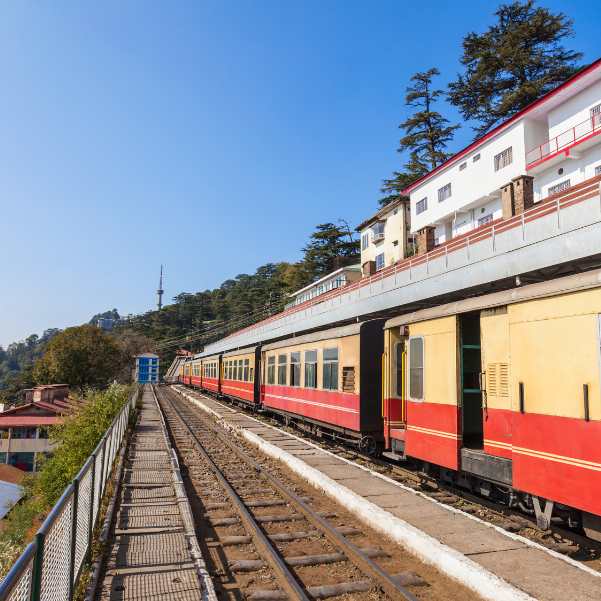
Incredible India lists Shimla Railway Station as the nearest railway station. The Kalka Shimla heritage railway gives a scenic approach, but you should verify live operation for your exact train and date.
Incredible India lists Shimla Airport and Shaheed Bhagat Singh International Airport, Chandigarh as air gateways. No live flight schedule has been supplied, so check your chosen service directly.
The main Shimla ISBT sits about 4 km from the central city. Shimla District guidance says local city buses generally run from 7 am to 9 pm.
Mall Road, the Ridge, Kali Bari and Lakkar Bazaar largely involve walking from the ring road side. Private vehicles cannot access every central road.
Plan comfortable shoes and realistic walking time. Trying to drive into restricted central areas wastes time and may expose the vehicle to a fine.
What Should You Pack for Each Shimla Season?
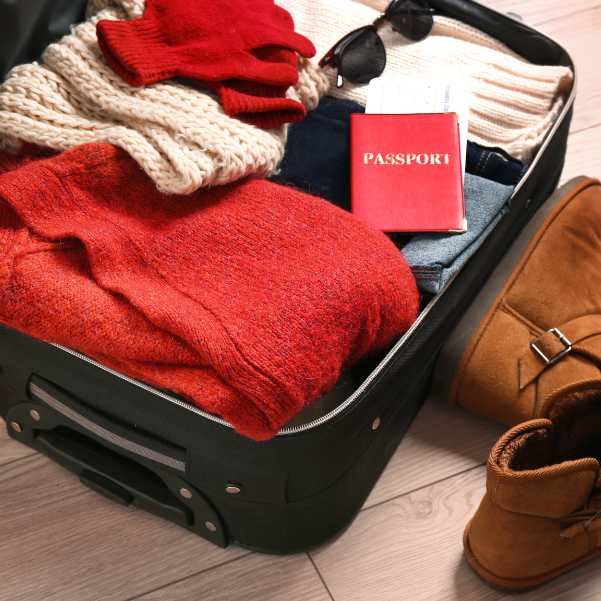
Spring and summer
Pack light daytime clothes, a jacket or fleece for evenings, sunscreen, drinking water and comfortable walking shoes. A simple extra layer helps when the temperature falls after sunset.
Monsoon
Carry a waterproof outer layer, an umbrella, quick dry clothes and waterproof footwear. Choose flexible bookings because weather may change a road, train or excursion plan.
Autumn
Pack layers for cool mornings and evenings, comfortable walking shoes and sun protection. October and November can feel pleasant in the day but colder at either end of it.
Winter
Carry thermals, an insulated jacket, gloves, a warm cap and waterproof footwear with grip. Do not assume basic sports shoes will work safely on snow or ice.
How Many Days Are Enough for Shimla?
Most first time travellers can cover major attractions in two to three days. A four day plan gives you a slower pace and more room for a weather appropriate excursion.
Treat this as planning guidance, not a fixed rule. Your walking comfort, season and interest in nearby places should decide the final duration.
Suggested three day first time itinerary
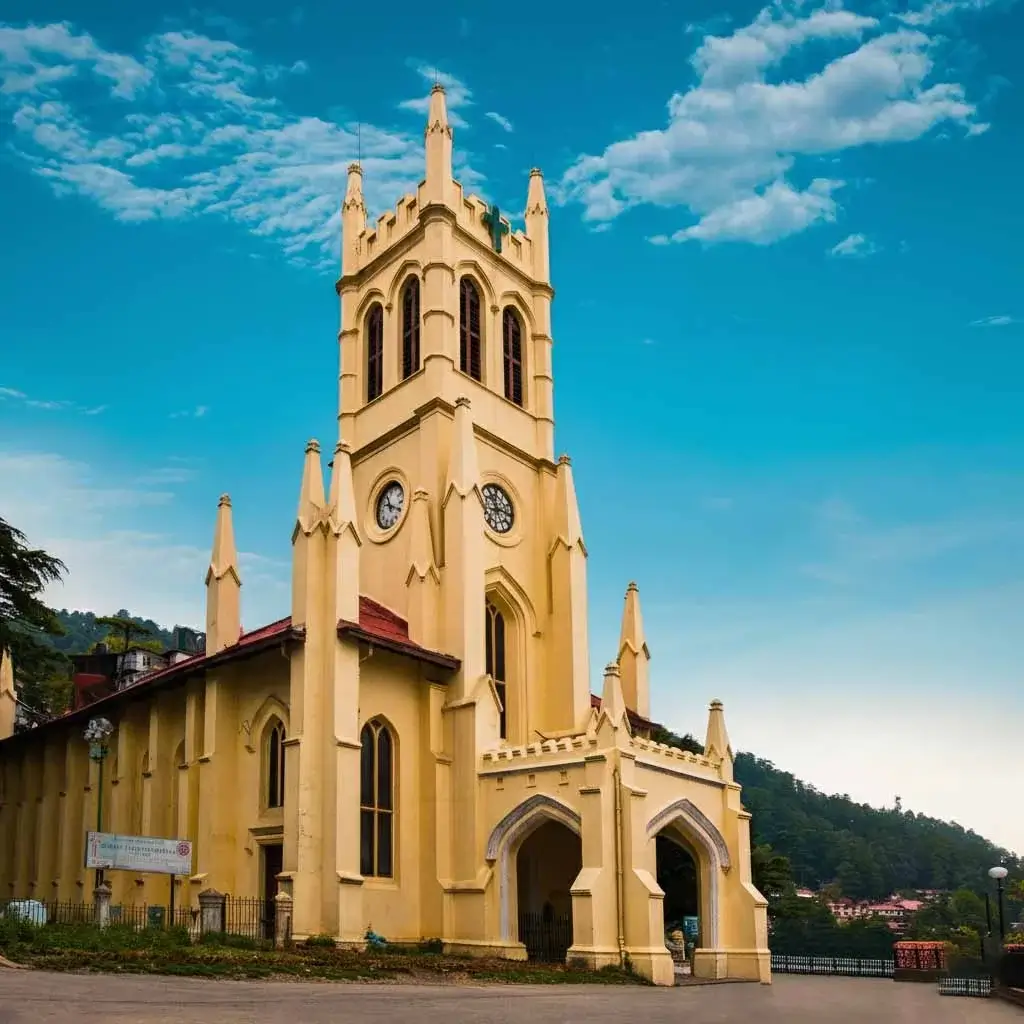
On day one, walk around Mall Road, the Ridge, Christ Church and nearby heritage areas. Keep the pace easy because central Shimla includes slopes and walking sections.
On day two, visit Jakhu and choose one nearby excursion that suits current weather and road conditions. Do not force a snow point or distant outing after an adverse advisory.
On day three, choose Viceregal Lodge, Summer Hill or another suitable attraction. This structure covers major experiences without inventing attraction timings, entry fees or taxi prices.
Which Nearby Destinations Can You Combine with Shimla?
Combine Shimla with Manali if you have enough days for a longer classic Himachal holiday. Our Shimla and Manali holiday options can help you compare trip styles.
Kinnaur needs more time and suitable road conditions. Review Kinnaur tour packages before treating it as a casual extension.
Spiti needs an even more careful look at season, available days and road conditions. Compare Spiti Valley tour packages only if you can give the route enough time.
Jibhi works as a quieter Himachal alternative, not a same day Shimla excursion. Choose it as a separate stay rather than adding an unrealistic return journey.
Explore Our Curated Shimla Tour Packages
 6D/5N
6D/5NClassic Shimla Kufri Mashobra Narkanda Experience
1D Delhi•3D Shimla+2
₹12,999₹18,999SAVE INR 6,000/ person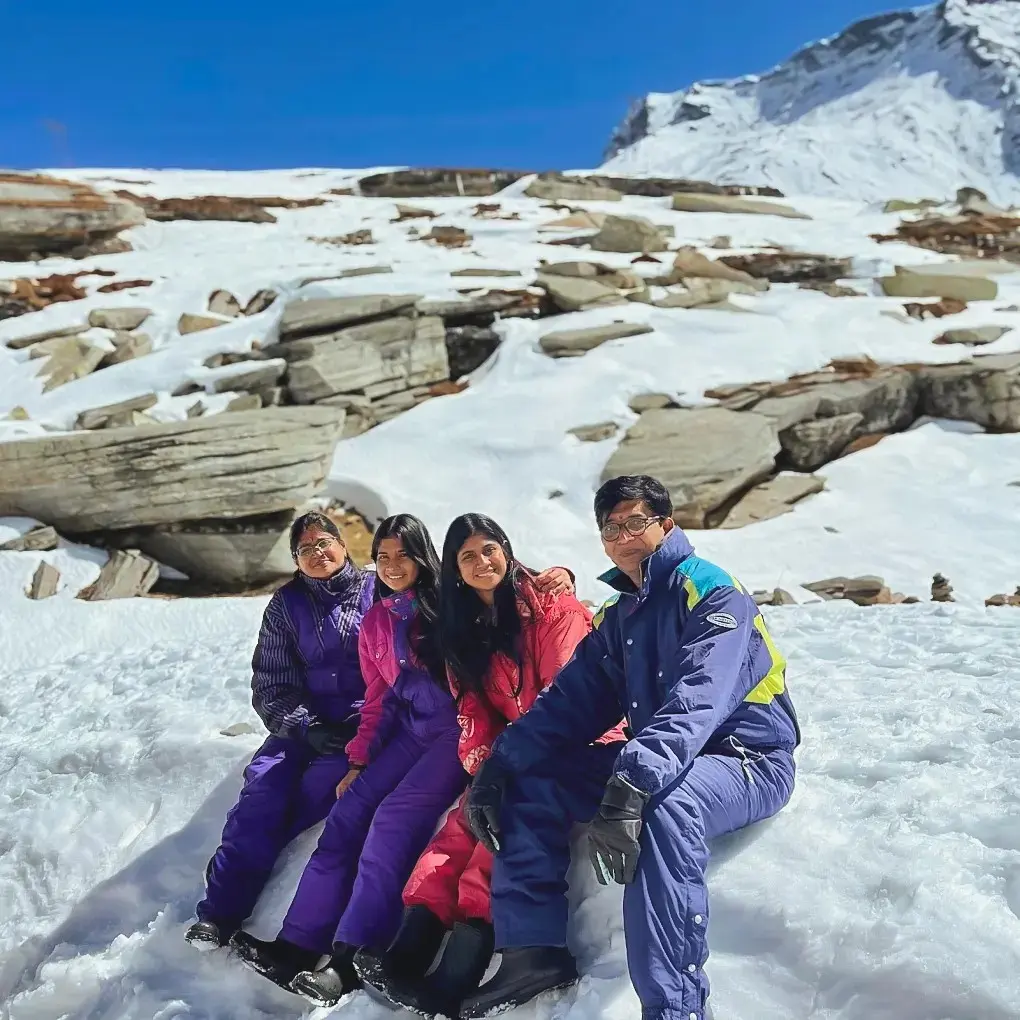 7D/6N
7D/6NComplete Shimla Manali Volvo Package with Rohtang Pass
2D Shimla•2D Manali
₹15,999₹19,499SAVE INR 3,500/ person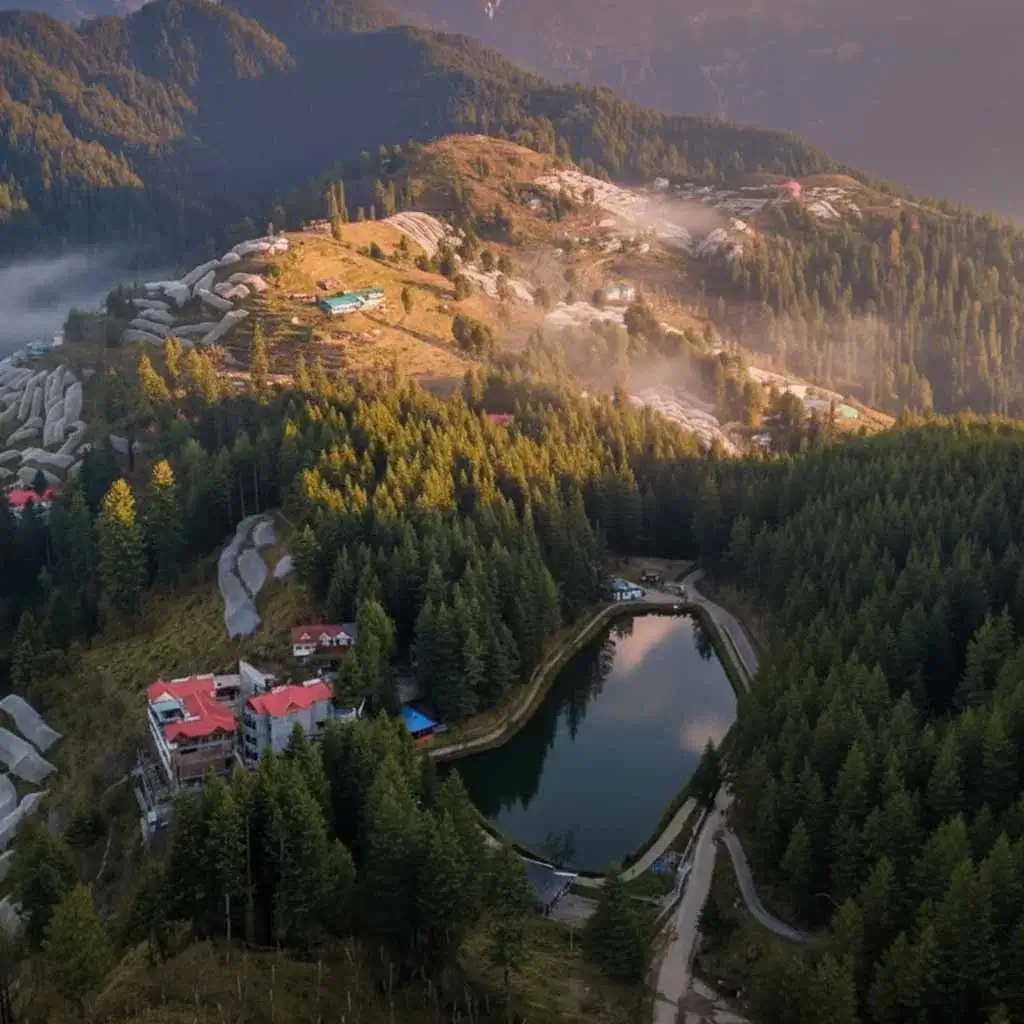 7D/6N
7D/6NClassic Shimla Kufri Chail Narkanda Pine Valley Experience
1D Delhi•2D Shimla+3
₹17,600₹23,999SAVE INR 6,399/ person
Related topics
Frequently Asked Questions
Which month is best for visiting Shimla?
April and October offer the best balance of pleasant weather and manageable crowds. Choose May or June for family holidays and January or February for winter and possible snowfall.
Which month has snowfall in Shimla?
Snowfall in Shimla is most likely during January and February. December can also receive snow, but fresh snowfall cannot be guaranteed for specific dates.
Is December a good time to visit Shimla?
Yes, December is suitable for cold weather and festive Christmas and New Year celebrations. However, prices and crowds rise, and snowfall is not guaranteed.
Is January or February better for snow?
Both months offer a good chance of snowfall. January is generally colder, while February can feel slightly more comfortable for sightseeing.
Can snowfall be guaranteed in late December?
No, fresh snowfall cannot be guaranteed in late December. January and February are stronger choices, but snowfall still depends on weather conditions.
How many days are enough for Shimla?
Two to three days are enough for the main attractions and Kufri. Four days provide a more relaxed itinerary with time for an additional excursion.
Is Shimla safe during the monsoon?
Shimla can be visited during monsoon, but heavy rain may cause landslides, fog and road disruptions. Check official weather and road advisories before travelling.
What is Shimla’s peak tourist season?
May and June are the main peak months because of summer holidays. Christmas, New Year, weekends and long holidays also bring heavy crowds.
What is the best time for a Shimla honeymoon?
October and November are ideal for pleasant weather, clear views and fewer crowds. January and February suit couples who prefer winter weather and possible snow.
What is the best time for a family trip?
April to June is the best period for most families because sightseeing conditions are comfortable. April usually has fewer crowds than May and June.
When is Shimla least crowded?
March, September and October are generally quieter than peak summer and holiday periods. Weekdays are usually less crowded than weekends and public holidays.
Is October a good month to visit Shimla?
Yes, October is one of the best months for clear views, pleasant walks and manageable crowds. Carry warm layers for cool mornings and evenings.
Does the Kalka Shimla toy train operate during monsoon?
Some toy train services operate during monsoon, but others may be delayed or suspended due to landslides and heavy rain. Check your exact train status before departure.
What clothes should I carry for Shimla?
Carry light clothing with a jacket in summer and waterproof layers during monsoon. Winter requires thermals, a warm jacket, gloves, a cap and shoes with good grip.
More about Shimla
 Shimla
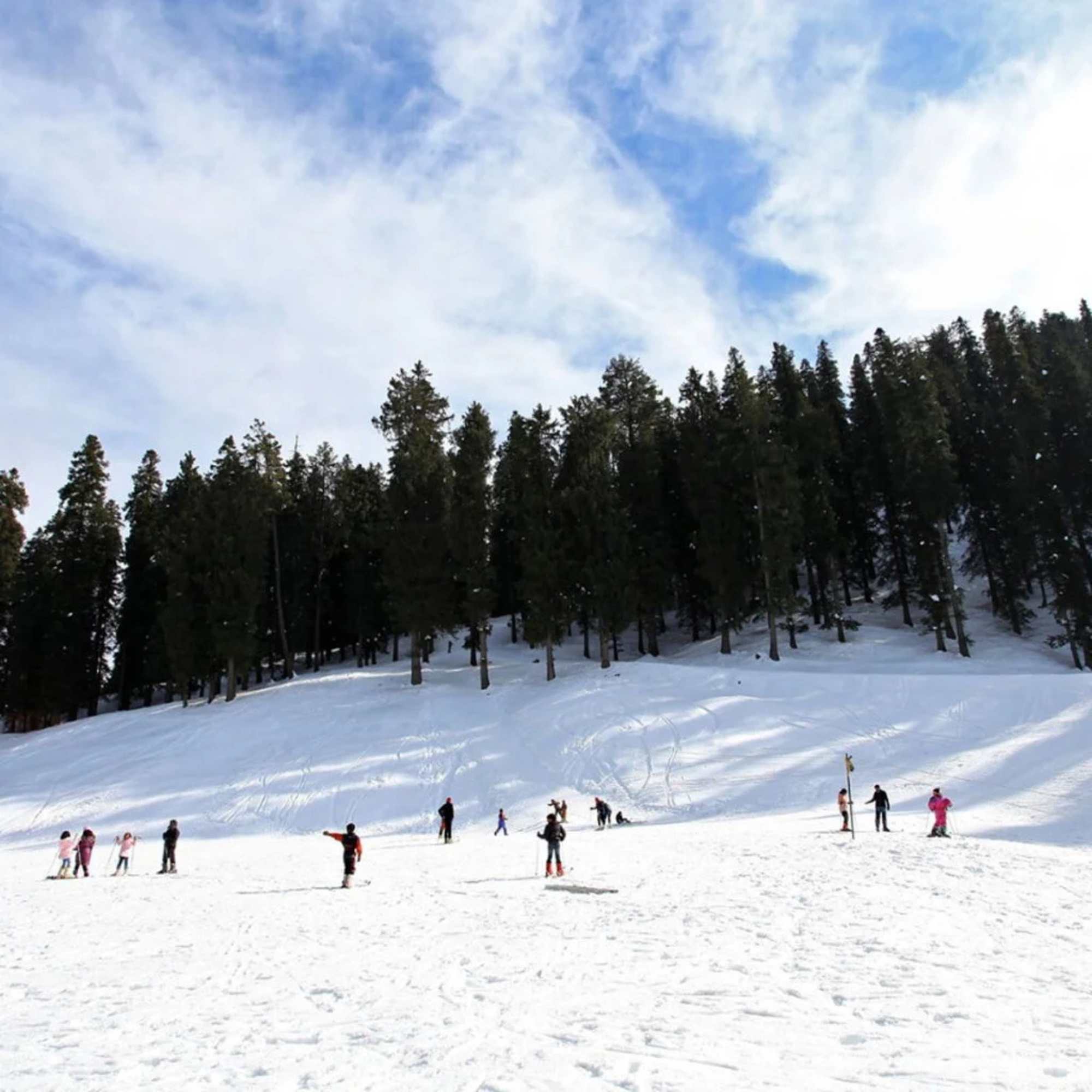
Shimla Snow Trip 2026: Best Time, Itinerary, Cost and Local Tips
Plan your Shimla Snow Trip 2026 with this complete guide to the best time for snowfall, estimated trip cost, winter itinerary, top snow spots, Kufri visit, and useful travel tips.
- Snow Travel
- Best Time to Visit
 Shimla
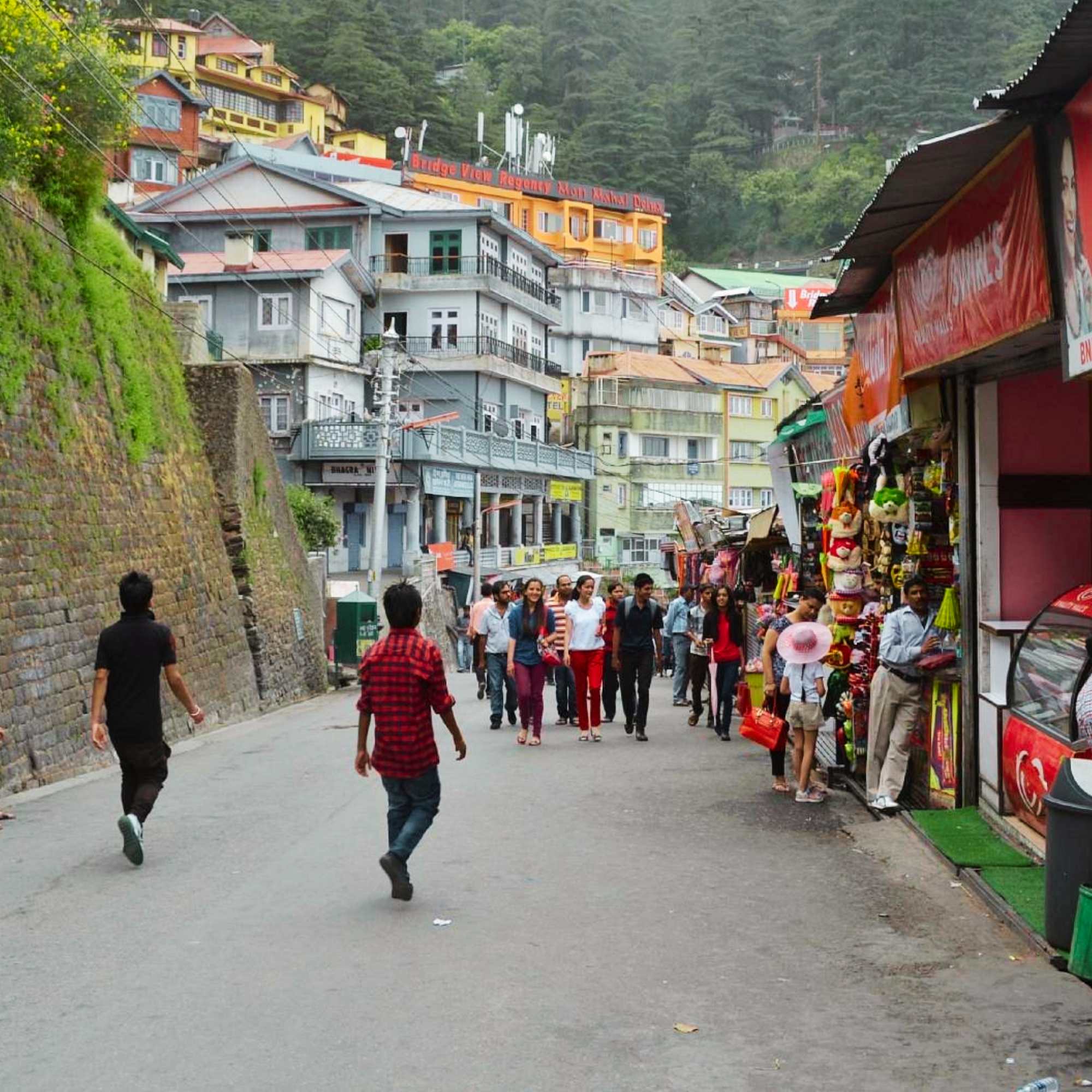
Shimla in February 2027: Weather, Snowfall, Itinerary and Travel Tips
Planning a trip to Shimla in February 2027? Discover typical February temperatures, chances of snowfall, what the weather is usually like, the best places to enjoy snow, what to pack, and practical tips for planning a memorable winter trip to Shimla.
- Best Time to Visit
- Snow Travel
 Shimla
Snow Point Near Shimla in 2026: Kufri, Fagu, Narkanda and the Best Places to Find Snow
Discover the best snow points near Shimla in 2026, including Kufri, Fagu and Narkanda. Find out where to see snow, the best time to visit, and the top winter destinations near Shimla.
- Snow Travel
- Places to Visit