
Baralacha Pass Altitude and Altitude Sickness: What to Know in 2026
Baralacha Pass sits at a very high altitude, and that is one of the main reasons travellers need to prepare properly before visiting in 2026.
The thin air, low oxygen levels and sudden weather changes can affect even healthy travellers if the body has not had enough time to adjust.
In this guide, we will explain the altitude of Baralacha Pass, the common signs of altitude sickness, how to reduce the risk and what precautions you should take before and during your journey.
Quick Answer
Baralacha La sits at about 4,890 metres (16,040 feet) above sea level, according to Himachal Tourism. At this height, altitude sickness (AMS) is a real risk, especially if you drive up fast from Manali.
The smart move is to break the climb with an acclimatisation halt somewhere in lower Lahaul, like Keylong, Jispa or Darcha, instead of treating Baralacha as a quick snow-point stop.
Your body needs time to adjust to the thin air, and rushing it is where most trips go wrong. If you plan the altitude into your route, you enjoy the pass. If you race to the top, you gamble with a bad day.
If you want a base to plan the Manali end of this trip, look at our Manali tour packages to sort your first couple of nights.
What Is the Altitude of Baralacha Pass in Feet and Metres?
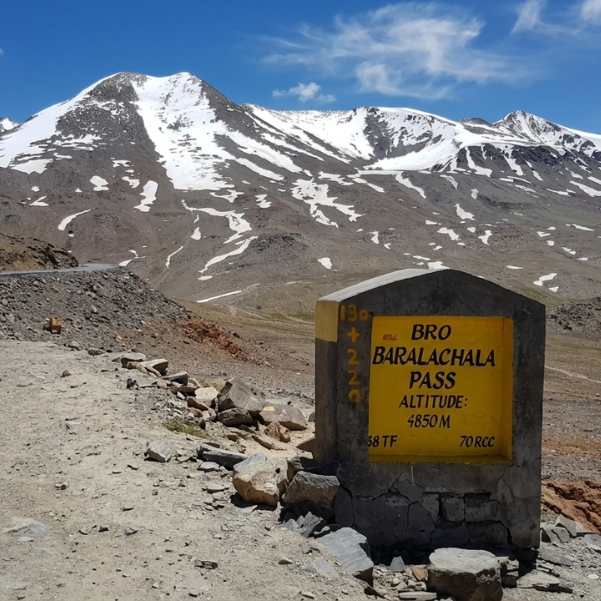
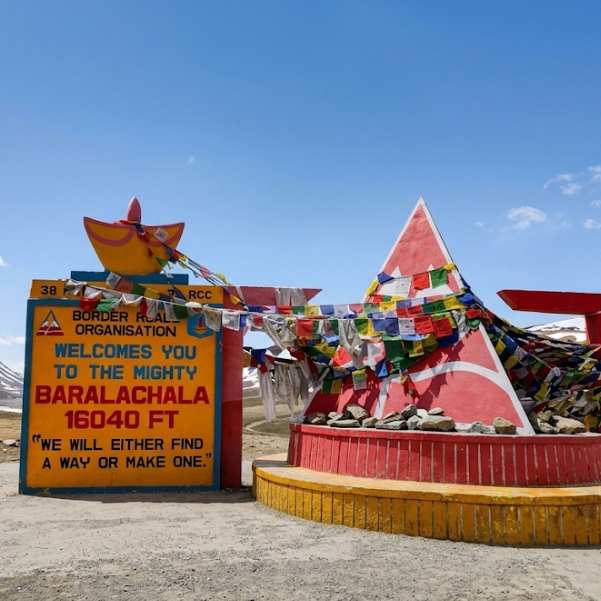
Himachal Tourism lists Baralacha La at 4,890 metres, which works out to roughly 16,040 feet. That is the figure we go with in this article.
Here is the honest part most guides skip
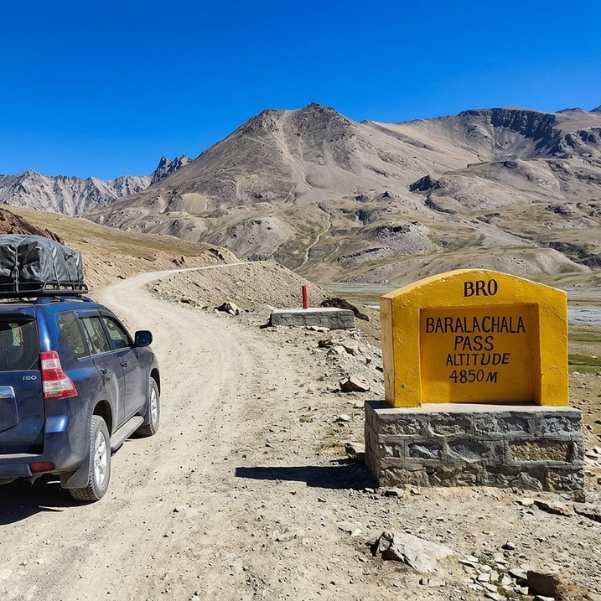
Some other sources and even road signage put the pass at about 4,850 metres. So if you see two slightly different numbers online, you are not imagining it. Both are floating around.
To keep things clear, we say "about 4,890 m / 16,040 ft" throughout, and we flag that the exact metre figure is disputed rather than pretend everyone agrees.
Baralacha lies on the Manali to Leh route in Lahaul. Himachal Tourism describes it as a pass roughly 8 km long, so you are not just crossing a single high point. You spend real time up there.
Why do some sources say 4,850 m while others say 4,890 m?
Different official and travel sources simply quote slightly different measurements for the same pass. We are not going to invent a surveying story to explain it.
What matters for you is that both numbers put Baralacha well above 16,000 feet, high enough that altitude illness is a genuine concern either way.
Why Can Baralacha Pass Cause Altitude Sickness?
The CDC treats travellers going above 8,000 feet as being at risk of altitude illness. Baralacha is roughly double that height, so the risk is very real.
Think about the jump. Manali sits at about 2,050 metres. Baralacha is about 4,890 metres. That is a climb of roughly 2,840 metres in a single route.
When you gain that much height quickly, your body has almost no time to adjust to lower oxygen. That is the core reason AMS shows up here.
One thing we want to be straight about
Being young or fit does not make you immune. Strong, healthy travellers get AMS too. Fitness helps you enjoy the trek and the cold, but it does not protect your body from thin air.
What Does Altitude Sickness at Baralacha Feel Like?
Early AMS symptoms
The first signs are usually a headache, tiredness, a drop in appetite, nausea, sometimes vomiting, and dizziness. None of them feel dramatic at first, which is exactly why people ignore them.
Here is a fact worth holding onto. The CDC says AMS symptoms generally start around 2 to 12 hours after you reach a new high altitude or climb higher.
So you might feel completely fine standing at the pass, snap your photos, drive on, and only start feeling rotten hours later at your next stop. Feeling okay at the top is not proof you are safe.
Which symptoms mean you should descend?
If you have altitude symptoms, do not keep climbing just because your itinerary says the next stop is higher. The schedule is not worth your health.
The CDC is clear on this: if your AMS symptoms get worse while you stay at the same altitude, even after resting and treating them, then coming down is not optional. Descent becomes mandatory.
HACE and HAPE warning signs
Some symptoms are emergencies, not discomfort. Confusion, a change in how someone is thinking or behaving, unusual drowsiness, and loss of coordination are serious warning signs of HACE (a dangerous brain condition linked to altitude).
The Ladakh Tourism advisory also lists breathlessness even at rest and coughing with frothy or pink sputum among severe warning signs, which point toward HAPE (fluid in the lungs).
If you see any of these, treat it as urgent. Get the person down to lower altitude and to medical help fast. Do not try to diagnose the exact condition yourself, and do not wait to see if it passes.
How Should You Acclimatise Before Baralacha Pass?
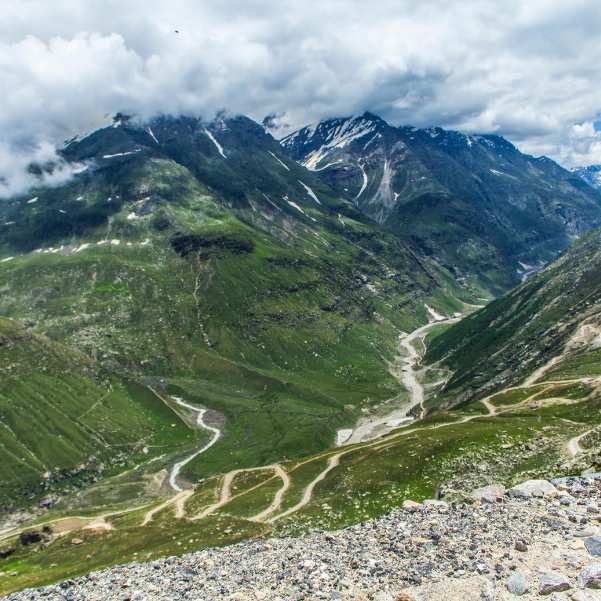
Coming from Manali
Moving from about 2,050 metres in Manali toward about 4,890 metres at Baralacha is an aggressive gain. That roughly 2,840 metre difference is a lot to ask of your body in a short drive.
General CDC guidance says, where you can, avoid going from low elevation to above 2,750 metres (about 9,000 feet) in a single day.
Above that height, the CDC suggests raising your sleeping elevation by no more than about 1,600 feet per day, and adding an extra rest day for roughly every 3,300 feet you gain.
No Himalayan road trip follows those numbers perfectly, and we are not going to pretend otherwise. The roads and stops do not line up that neatly.
But the guidance explains why a slower itinerary with a night or two in lower Lahaul is genuinely safer than a straight dash to the pass.
If you want to build in an easy first night in Lahaul, our Sissu tour packages give you a gentle stop after the Atal Tunnel before you climb higher.
Keylong, Jispa or Darcha: where should you stay?
Keylong sits at about 3,156 metres, according to the Lahaul and Spiti district administration. It is the main town in the area with proper stays, food and a market, so it makes a solid acclimatisation base.
Jispa is 22 km beyond Keylong by the same district source. It is a quieter riverside halt that many travellers prefer for a calm night before the high section.
We are not going to quote an exact altitude for Jispa since we do not have a verified figure, but it sits higher up the valley than Keylong.
Darcha is about 3,500 metres. This is the one to pay attention to. The official Lahaul and Spiti district tourism information specifically says that two days of acclimatisation at Darcha can be useful before expeditions to Baralacha La and beyond.
That is one of the strongest practical local recommendations you will find anywhere for this route. If the district itself points to Darcha for acclimatisation, that tells you something real about how bodies handle this climb.
What most tourists get wrong is treating these lower Lahaul nights as wasted time, a boring gap before the "real" scenery. In our experience, those nights are the reason some travellers cross Baralacha feeling great while others spend the day nauseous and miserable.
Coming from Leh
If you are arriving from Leh, you may already have spent days at altitude, which helps. But here is the catch: past time at elevation does not give you a free pass to ignore new symptoms.
A headache that starts at Baralacha is still a headache that needs attention, no matter how well you did in Leh.
Ladakh Tourism strongly recommends proper acclimatisation before you travel higher, and that advice holds whichever direction you come from.
Planning the Ladakh end of this route? Our Leh Ladakh tour packages cover the northern side of the highway.
Can You Visit Baralacha Pass Directly From Manali?
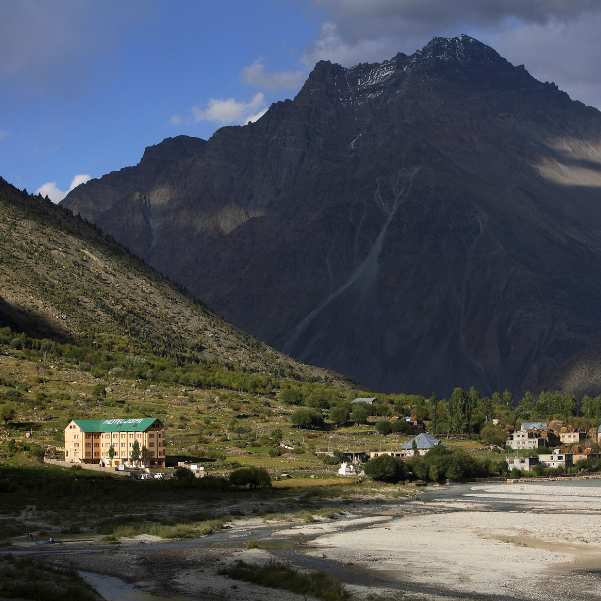
Yes, a same-day visit is physically possible when the road is open. But it means a very large altitude gain in one go, and that is not the best acclimatisation plan for everyone.
Remember that roughly 2,840 metre difference between Manali and Baralacha. Your body feels every metre of it when you climb that fast.
Look at any current traveller discussion about this route and you will find the same worry over and over: people anxious about AMS on a direct Manali run, often travelling with families or older parents who feel the altitude harder.
We will not tell you that a healthy or fit person "will be fine." Nobody can promise that at 16,000 feet. What we can say is that a direct trip raises your odds of a rough day, and a halt in lower Lahaul lowers them.
What Should You Do if AMS Symptoms Start at Baralacha?
Treat this like a simple decision you make on the spot.
If symptoms are mild, a light headache or some tiredness, stop climbing higher. Do not push on to a higher stop. Rest, watch closely, and see whether the person slowly improves or slowly gets worse over the next while.
If symptoms get worse while you stay at the same elevation, the CDC guidance is plain: it is time to descend. Not later, then.
And if someone develops confusion, loss of coordination, unusual drowsiness, breathlessness at rest, or coughing with frothy sputum, treat it as an emergency. Get them down and get medical help as fast as you safely can.
The message we want you to remember is simple. Reaching the milestone is never more important than turning around safely. The pass will still be there next season. Nobody wins a photo at the cost of their health.
Do You Need Oxygen at Baralacha Pass?
First, understand the difference. Proper supplemental oxygen used in a real emergency is a serious medical tool. The small consumer oxygen cans you see sold to tourists are a completely different thing.
The CDC says those small handheld compressed oxygen cans may give brief relief, but they hold far too little oxygen for any sustained improvement. A few puffs will not fix altitude sickness.
So never treat an oxygen can as permission to rush your ascent. It does not make a fast climb safe.
Oxygen, in any form, does not replace the two things that actually work: proper acclimatisation and, when needed, descent. Carry a can if you want, but do not build your plan around it.
Should You Take Diamox Before Visiting Baralacha?
Acetazolamide (sold as Diamox) can speed up acclimatisation and is used to help prevent or treat AMS in the right travellers. Plenty of people on this route use it.
But it is a prescription medicine, and your medical history and itinerary matter. Talk to your doctor before you travel and let them decide whether it suits you. We are a travel team, not a medical one, so we will not hand out dosing instructions.
One caution
Taking Diamox does not mean you can skip gradual acclimatisation. It supports the process, it does not replace it. People who take a pill and then race to the top still get sick.
Where Is the Safest Place to Sleep Before and After Baralacha?
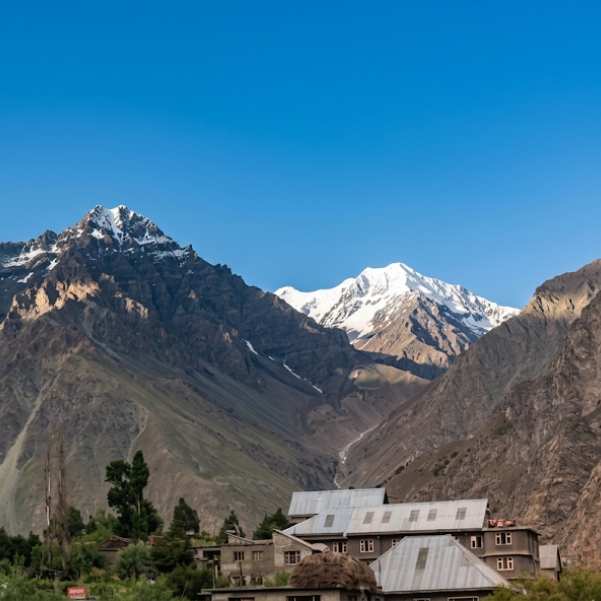
Your practical lower Lahaul stops are Keylong, Jispa and Darcha, all below the high-pass section and all good places to let your body settle.
Keylong at about 3,156 metres gives you a proper town with stays and food.
Darcha at about 3,500 metres sits higher and, as we said, the district itself flags two days there as useful acclimatisation before Baralacha. Jispa, 22 km past Keylong, is the calm riverside option in between.
Here is the planning point people miss
If someone in your group starts feeling unwell, pushing on to sleep at a higher altitude is a poor decision. You want to sleep low, not high, when a body is struggling. Choosing a lower halt for the night gives everyone the best chance of waking up fine.
Our team recommends treating Jispa or the lower Lahaul stops as part of the trip, not as wasted time. Some of the quietest, most pleasant evenings on this whole route happen in these small valley halts, away from the crowds.
Is Baralacha Pass Open in 2026?
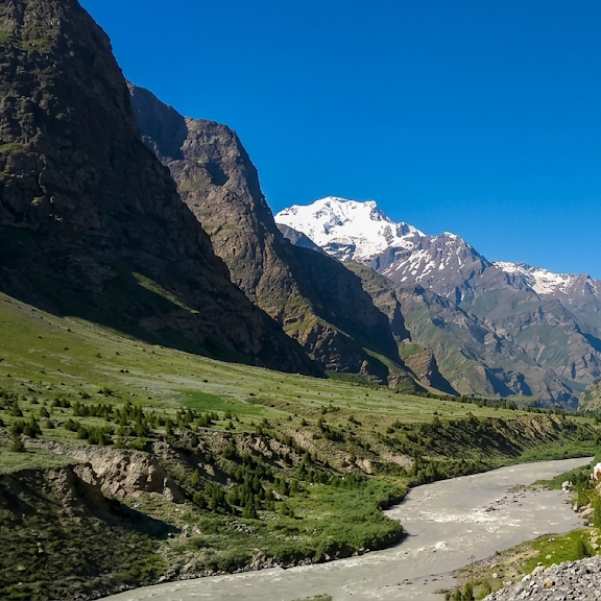
BRO physically restored the 427 km Manali to Leh highway on May 12, 2026, after a 42-day snow-clearance operation that began on March 27. That is a big job every single year, and it is why the highway is never open through winter.
One thing to understand
Clearing the road and allowing civilian traffic are two separate events. Light motor vehicle movement through the Darcha to Sarchu section via Baralacha was allowed in mid-May 2026.
The official Lahaul and Spiti district road-status page, last checked for this research on August 20, 2026, listed Manali to Keylong OPEN and Keylong to Leh OPEN.
None of this guarantees the road is open on your future travel date. Temporary closures happen, sometimes with no warning, after rain, landslides or fresh snow. Check the official status on the morning you travel, every time.
Do You Need a Permit for Baralacha Pass in 2026?
Indian travellers generally do not need a separate permit specifically for Baralacha Pass, but vehicle entry and route related requirements should still be checked before departure.
Commercial travel guides say the same, but we could not confirm a sufficiently specific official 2026 source during research, so we are flagging it rather than stating it as settled fact.
Rules around route, vehicle and nationality can change, so do not assume this year matches last year.
Foreign visitors should check protected-area rules for their exact itinerary, since the Lahaul and Spiti administration maintains Protected Area Permit regulations that can apply depending on where you go.
We are not going to quote an entry fee, because no authoritative current Baralacha entry-fee schedule was verified. If someone at a checkpoint asks for money, get a receipt.
What Else Should You Know Before Crossing Baralacha?
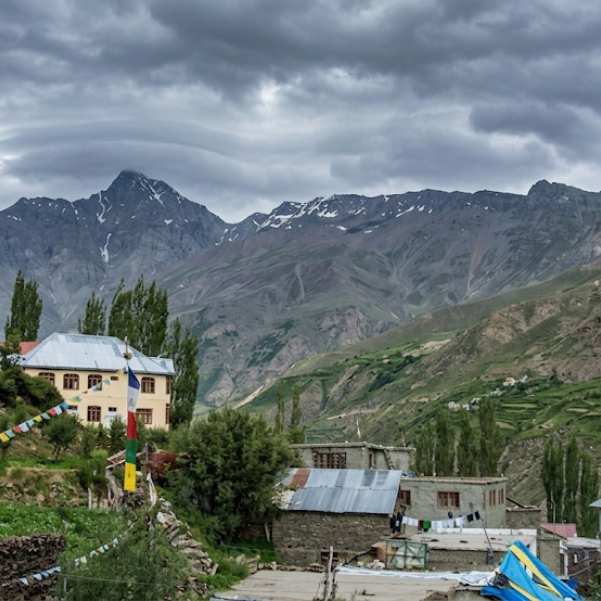
The pass is exposed, cold and remote compared with the settled parts of Lahaul. There are no shops, no warm cafes, no help sitting nearby. What you carry is what you have.
Bring warm layers, plenty of drinking water, some food, and any personal medicines you need. We are not going to invent exact quantities, but pack for cold and wind even in summer, because the top of the pass does not care what month it is.
One CDC pointer worth following: avoid alcohol and heavy exercise for the first 48 hours after you get above 8,000 feet. That celebratory drink at your first high halt is exactly the wrong idea when your body is still adjusting.
The bigger lesson across this whole trip is this. Planning your itinerary around altitude matters more than shaving an hour off your driving time. A slower, well-spaced plan beats a fast, rough one every time.
For the wider region around here, our Spiti Valley tour packages show how the Lahaul and Spiti side connects up.
How Does Baralacha Fit Into a Longer Himachal or Ladakh Trip?
Baralacha is one link in a longer chain. The broad flow runs Manali, then into Lahaul, up over Baralacha, on to Sarchu, and eventually into Ladakh. Most travellers cross it as part of that bigger Manali to Leh journey rather than as a standalone target.
When we plan this route for travellers, we would rather add an acclimatisation stop than gamble with a rushed high-altitude day. That single extra night is usually the difference between a trip people love and one they endure.
One clarification, because people mix this up. If you are thinking about Chandratal, that lake belongs to a different route via Kunzum Pass and the Batal diversion. It is not a casual road detour you tack onto Baralacha.
Treat it as its own plan. Our guide on when Chandratal opens in 2026 and the piece on whether Chandra Taal is in Lahaul or Spiti will help you see why the routing is separate.
In our experience, the travellers who enjoy Baralacha most are the ones who build the altitude into their itinerary rather than racing to the top. If you want help shaping a realistic plan, WhatsApp us and we will map it around your dates and your group.
Explore Our Curated Baralacha Pass Tour Packages
 6D/5N
6D/5NBest Value Manali to Baralacha Pass Tour With Jispa Riverside Stay
1D Manali•2D Jispa
₹12,999₹21,999SAVE INR 9,000/ person 7D/6N
7D/6NMost Loved Baralacha & Shinkula Twin Pass Road Trip With Jispa Stay
1D Manali•3D Jispa
₹21,999₹25,999SAVE INR 4,000/ person 6D/5N
6D/5NPremium Manali to Baralacha Pass Tour With Private Cab and Jispa Stay
2D Manali•2D Jispa+1
₹19,999₹31,999SAVE INR 12,000/ person
Related topics
Frequently Asked Questions
What is the exact altitude of Baralacha Pass?
Himachal Tourism lists it at about 4,890 metres, roughly 16,040 feet. Some sources use about 4,850 m, so you will see both figures around.
Is Baralacha Pass 16,000 feet high?
Yes. At about 16,040 feet, it clears 16,000 feet comfortably. Either commonly quoted metre figure puts it well above that mark.
Why do some sources say 4,850 m while others say 4,890 m?
Different official and travel sources simply quote slightly different measurements for the same pass. Both put Baralacha above 16,000 feet, so the risk of altitude sickness is the same either way.
Can I get altitude sickness at Baralacha Pass?
Yes. The CDC treats anything above 8,000 feet as AMS-risk territory, and Baralacha is roughly double that. A fast climb from Manali raises the odds further.
What are the first symptoms of AMS?
Usually a headache, tiredness, low appetite, nausea, sometimes vomiting, and dizziness. They often start 2 to 12 hours after you reach a higher altitude, so you can feel fine at first.
Should I stay in Jispa before visiting Baralacha?
A night in Jispa or nearby Keylong or Darcha is a good idea. The lower Lahaul halts give your body time to adjust before the big climb, which lowers your AMS risk.
Can I visit Baralacha directly from Manali?
Physically yes, when the road is open. But it is a roughly 2,840 metre gain in one go and not the safest plan for everyone, especially families and older travellers. A halt in Lahaul is wiser.
How long should I stay at Baralacha Pass?
There is no magic safe time limit, so ignore anyone quoting an exact 15 or 20 minutes. Do not linger unnecessarily, and if any symptoms start, leave sooner rather than later.
Should I carry an oxygen can for Baralacha?
You can, but do not rely on it. The CDC notes small oxygen cans give only brief relief and hold too little oxygen to fix altitude sickness. They never make a rushed climb safe.
Should I take Diamox before Baralacha Pass?
Acetazolamide can help with acclimatisation, but it is a prescription drug. Talk to your doctor about your history and route, and remember it does not replace gradual acclimatisation.
What should I do if someone vomits or develops a severe headache?
Stop climbing higher and watch them closely. If it worsens at the same altitude, descend. Confusion, loss of coordination, drowsiness or breathlessness at rest mean emergency descent and medical help.
Is Baralacha Pass open in September 2026?
September is normally within the operating season for Baralacha Pass, but temporary closures can still happen due to snowfall, landslides or road work, so check the latest official road status on the morning of travel.
More about Baralacha Pass
 Baralacha Pass
Baralacha Pass (Baralacha La) 2026: Height, Route, Road Status and Complete Guide
Plan your Baralacha Pass (Baralacha La) trip in 2026 with this complete guide covering its height, route, road status, weather, best travel time, nearby attractions, and essential tips for travelling on the Manali–Leh Highway.
- Road Status
- How to Reach
 Baralacha Pass
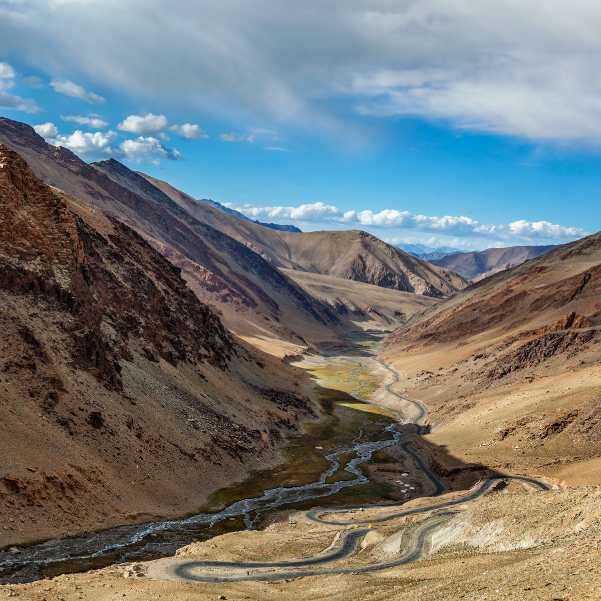
Best Time to Visit Baralacha Pass in 2026: Month-by-Month Snow and Road Guide
Discover the best time to visit Baralacha Pass in 2026 with this month by month guide. Learn when the road usually opens, when to expect snow, how weather changes through the season and which months are best for your trip.
- Best Time to Visit
- Road Status
 Baralacha Pass
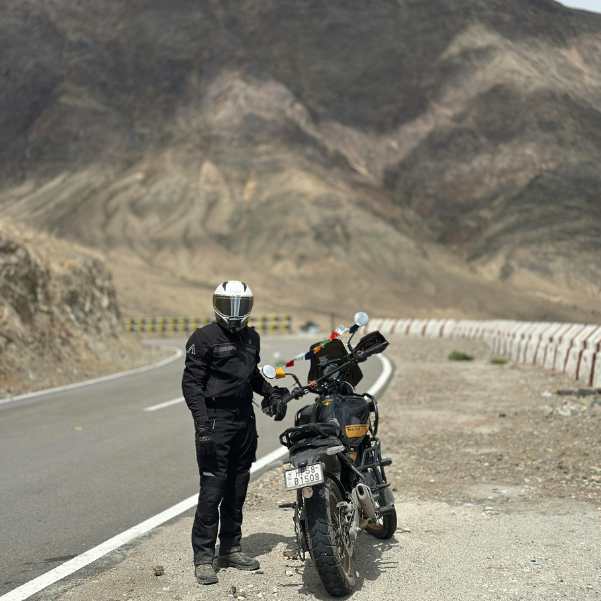
Baralacha Pass Bike Trip 2026: Route, Days and What to Prepare For
Plan your Baralacha Pass Bike Trip 2026 with details on the best route, ideal number of days, road conditions, essential bike checks, packing tips, permits, and preparation for a safe Himalayan ride.
- Bike Trips
- Itinerary