
7-Day vs 9-Day vs 11-Day Spiti Bike Trip in 2026: Which Package Is Right for You?
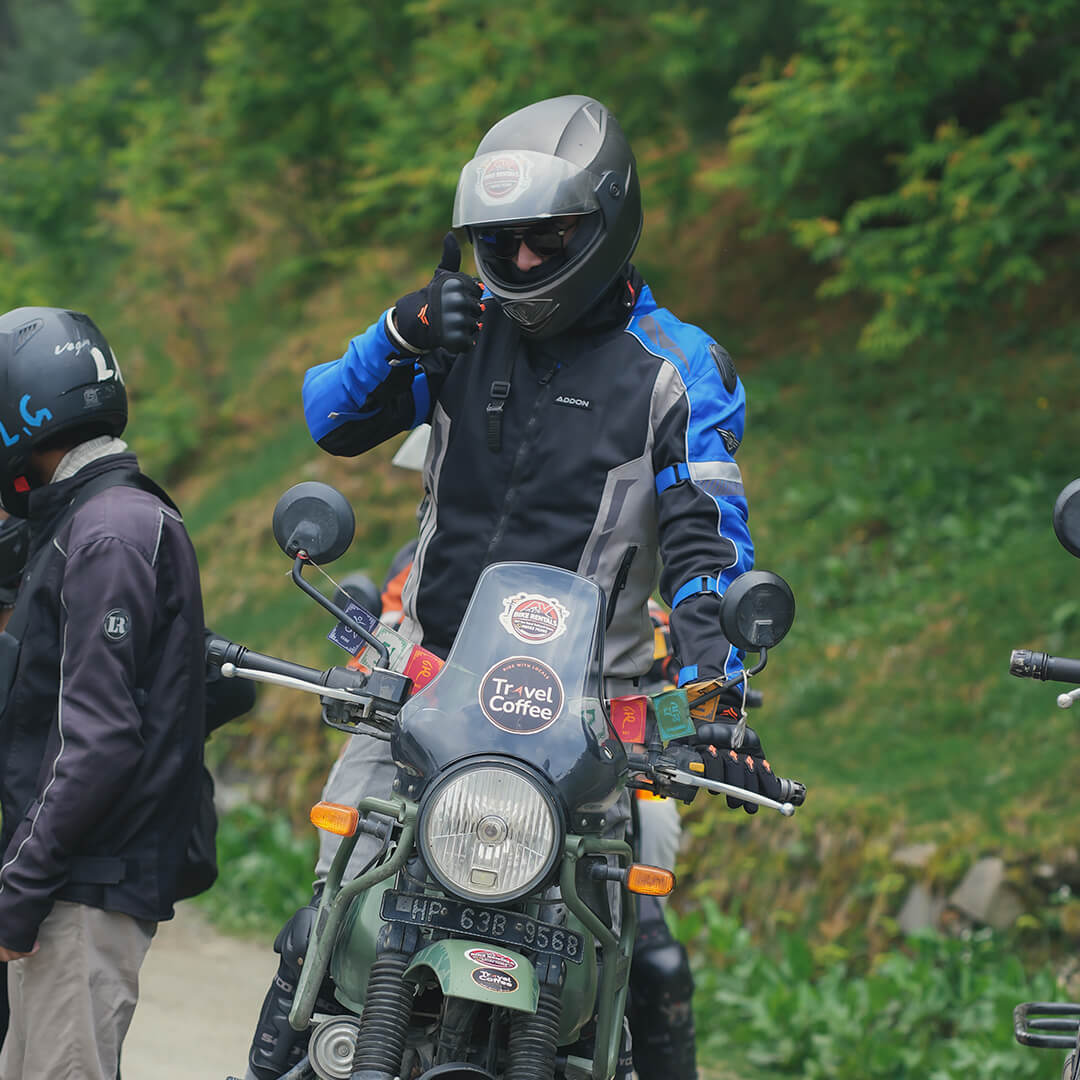
Every rider planning a Spiti bike trip hits the same wall. You open ten different websites, see packages ranging from 7 days to 11 days, prices jumping from ₹25,999 to ₹41,000, and route names that all sound the same.
Manali to Kaza, Shimla to Spiti, full circuit, short circuit. None of it makes sense until someone explains what you actually get in those extra days.
That is what this guide does. We have been running Spiti bike trips for years.
We know what 7 days feels like versus 11 days because we ride these roads every season, fix flat tyres at Kunzum Pass, pull riders out of water crossings near Pagal Nala, and watch first-timers quietly panic at 4,551 metres when the air gets thin.
The difference between a 7-day and an 11-day Spiti bike trip is not just about the number of nights. It is about how your body handles altitude, how much of Spiti you actually see, and whether you come home saying "that was incredible" or "I wish I had more time."
What most people get wrong about choosing a Spiti bike trip package is they look at price first. A cheaper 7-day trip can cost you more in exhaustion and missed places than a well-planned 9-day trip that gives you buffer days and proper acclimatisation.
Quick Answer: Which Spiti Bike Trip Duration Should You Choose?
7 days
If you are an experienced rider with tight leave and the route is confirmed open, 7 days can work. But it is not forgiving. One road block, one bad weather day, and your plan falls apart.
9 days
9 days is the safest balance for most travellers. You get enough riding days, time to see the key villages, and at least one buffer day for the inevitable delay.
11 days
11 days is for people who want to actually enjoy Spiti instead of just surviving it. You get Pin Valley, slower riding, better acclimatisation, photography time, and comfort for pillion riders and couples.
What matters more than the package name is road status, Kunzum Pass clearance, Chandratal access, and how much fatigue you can realistically handle at 12,000 to 15,000 feet. Pick your duration based on your body and your riding experience, not just your budget.
Why Does Spiti Bike Trip Duration Matter So Much?
Spiti is not a normal hill ride. It is not Manali to Rohtang and back. You are riding at altitudes where the air has 40% less oxygen, on roads that regularly disappear into gravel and river crossings, in a region where the nearest hospital can be 6 hours away.
The roads between Batal and Kaza will rattle your bones. Water crossings near Gramphu can swallow your front wheel if you hit them wrong.
Fuel stops are so far apart that Reckong Peo has the last petrol pump before Kaza, nearly 200 km away. And then Kaza has the only petrol pump within a 200 km radius.
Fatigue at high altitude is a different beast. You are not just tired from riding. You are tired because your body is working harder to breathe, your sleep quality drops, and cold nights drain your energy even when you are resting.
A short package may look cheaper, but if you are rushing through altitude zones without proper rest, you will feel it by day 3.
In our experience of sending riders on this route every season, the difference between a good trip and a miserable one is almost never the bike or the road. It is the pace. Our Spiti Valley Bike tour packages are built around that reality.
What Is a 7-Day Spiti Bike Trip Really Like?
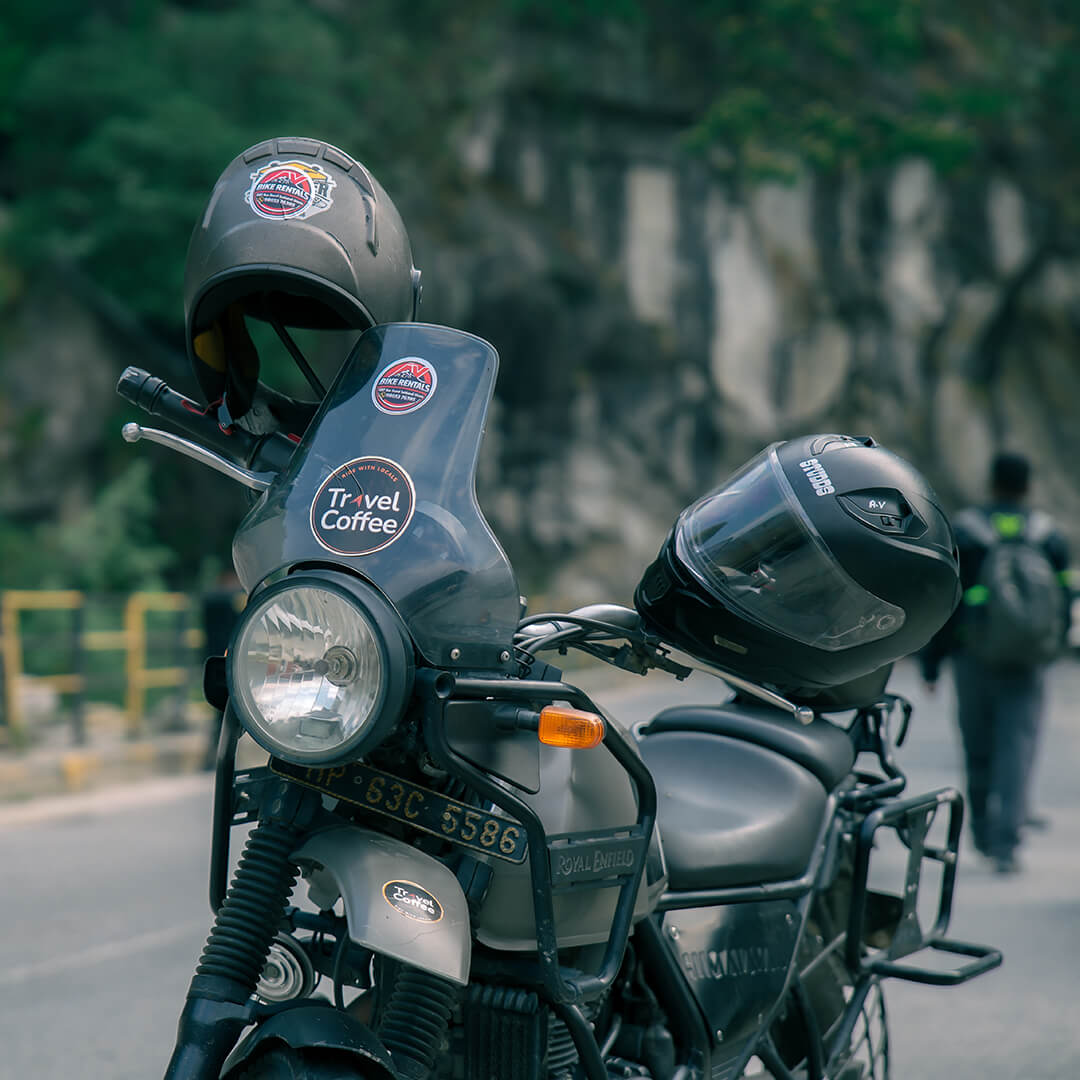
A 7-day Spiti bike trip is compact, fast, and designed for riders who know what they are getting into. It works best as a Manali-side plan or for experienced riders after Kunzum and Chandratal are confirmed open.
Here is what the Travel Coffee 7D/6N structure looks like.
Day 1 is Manali arrival. Day 2 takes you to Sissu or a route-based stay.
Day 3 is Sissu to Kaza via Kunzum. Day 4 is Kaza local sightseeing including Key Monastery, Kibber, and Chicham.
Day 5 goes Kaza to Chandratal. Day 6 is Chandratal to Manali. Day 7 is departure.
That looks clean on paper. But in reality, 7 days means you are riding hard almost every day. There is no buffer day for a road block or bad weather. If Kunzum Pass is temporarily closed the morning you are supposed to cross it, your entire plan shifts.
Seven days is not ideal for beginners, slow travellers, first-time pillion riders, or anyone travelling in early June when road conditions are unpredictable. If this is your first time above 12,000 feet, you need more time to acclimatise.
One thing we always tell riders considering a 7-day trip
The ride from Chandratal to Manali on day 6 is brutal. You are coming off a cold night at 14,100 feet, riding 120 km of rough roads, and your body is already carrying five days of fatigue.
If you can handle that and enjoy it, 7 days will work. If that sounds exhausting just reading it, look at 9 days.
For riders starting from Manali, a 7-day plan keeps things tight but doable if the season cooperates.
What Is a 9-Day Spiti Bike Trip Really Like?
Nine days is where the Spiti bike trip starts to feel right for most riders. You get time for the Shimla/Kinnaur entry, proper Kaza sightseeing, and a Chandratal or Sissu exit without stretching the budget too far.
The Travel Coffee 10D/9N structure goes like this. Overnight transfer from Delhi to Himachal. Then Jibhi or Narkanda. Then Sangla and Chitkul. Then Kalpa. Then the Tabo and Nako route. Then Kaza. Then Kaza local sightseeing. Then Chandratal. Then Manali. Then arrival back in Delhi.
That gives you actual riding days in the mountains plus transfer days on both ends. And this is where things get confusing across operators. Some list 8N/9D, some say 9N/10D, and some count transfers as ride days while others do not.
Before you compare packages, count the actual days you are riding in the mountains. That number matters more than the total days listed on the website.
The biggest advantage of 9 days is acclimatisation. If you enter from the Kinnaur side via Shimla, you gain altitude gradually over 2 to 3 days.
By the time you reach Kaza at 12,500 feet, your body has adjusted. You sleep better. You ride better. You enjoy it more.
Here is a tip that saves trips
Carry a thermos of ginger tea from your last proper stop before high altitude. At 14,000 feet, a warm drink does more for altitude adjustment than any tablet you will find at a chemist.
What Is an 11-Day Spiti Bike Expedition Really Like?
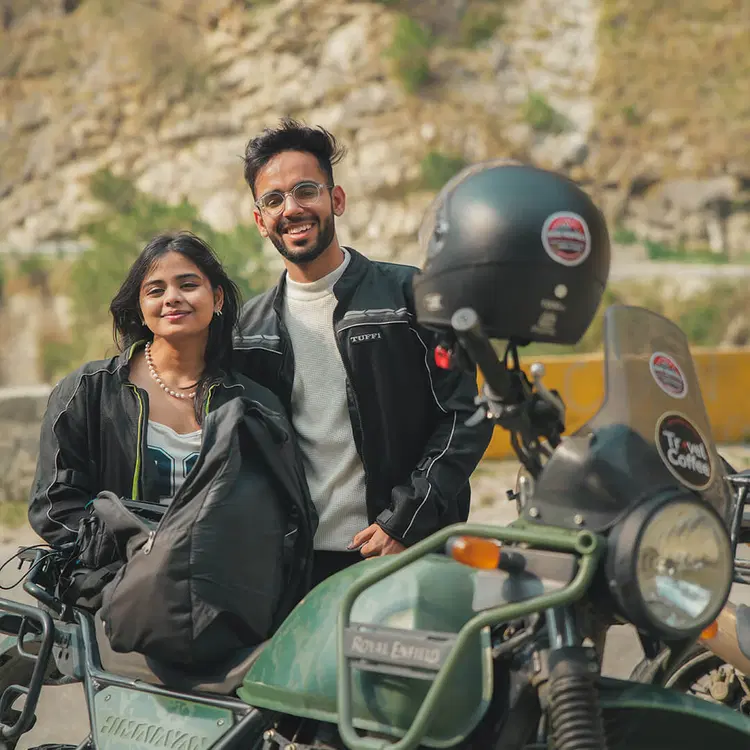
Eleven days gives you breathing space. And in Spiti, breathing space is not a luxury. It is the difference between surviving the trip and actually remembering the places you rode through.
The Travel Coffee 11D/10N route covers Delhi or Chandigarh departure, then Narkanda or Jibhi, Sangla and Chitkul, Kalpa, Tabo, Kaza, Pin Valley, Kaza local sightseeing, Chandratal, Manali, and trip end. That is a full circuit with almost every highlight Spiti has to offer.
The big additions compared to a 9-day plan are Pin Valley and more rest time in Kaza. Pin Valley is a cold desert valley that most shorter trips skip, and it is genuinely one of the most dramatic landscapes in all of Himachal.
You also get better acclimatisation, more photography time, and less pressure when delays happen.
For pillion riders and couples, 11 days makes a real difference. Long riding days at altitude are exhausting for the rider, but they are even harder on the pillion.
Shorter days and more rest stops mean the person sitting behind actually enjoys the trip instead of just enduring it.
If you want a Spiti trip that includes Chandratal without rushing to get there, 11 days is your plan.
One honest negative
11 days is a big chunk of leave. Not everyone can take that much time off, and the cost is higher. If your budget and leave are tight, a well-planned 9-day trip gives you 80% of the experience.
7-Day vs 9-Day vs 11-Day: Which Rider Type Fits Which Package?
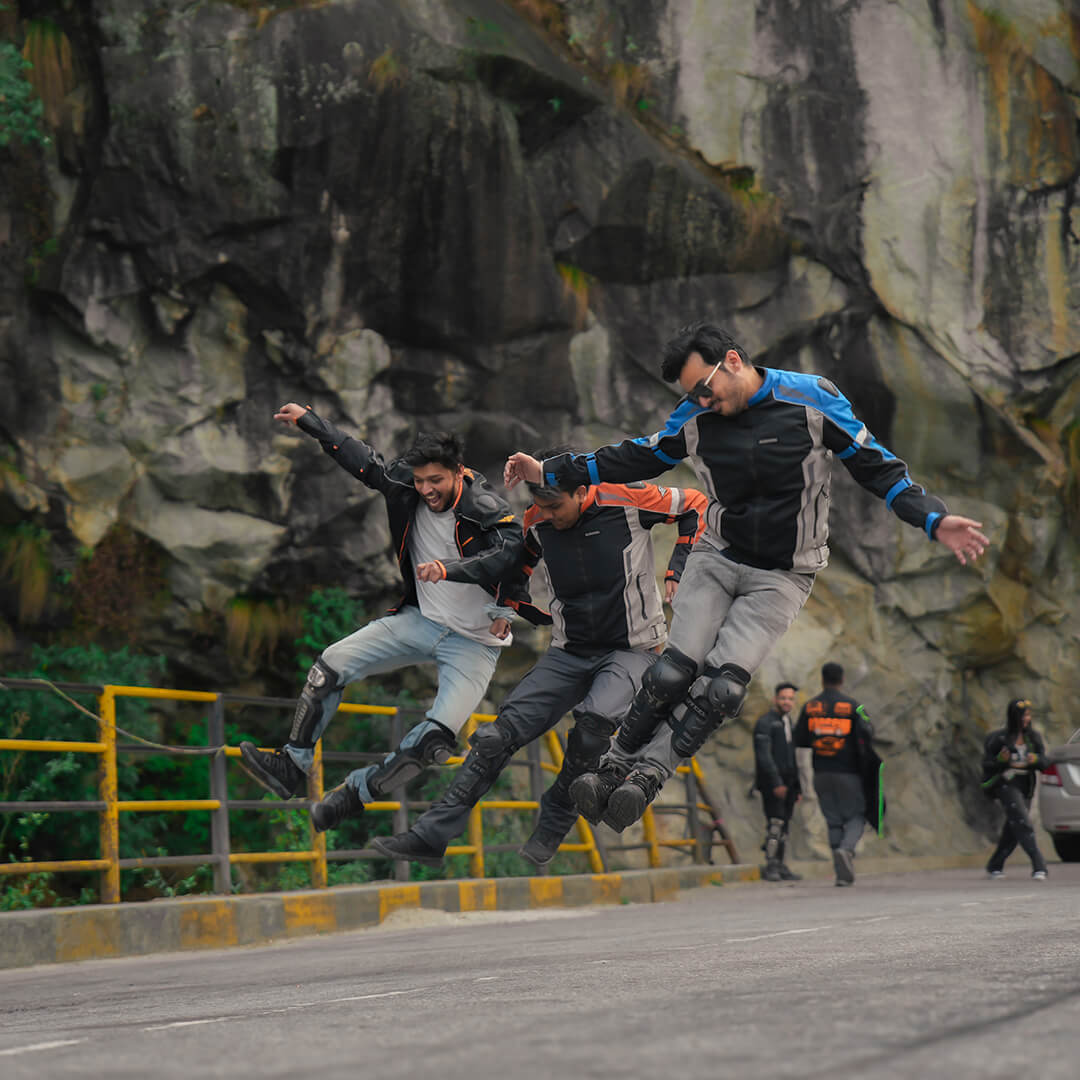
7-day trip
The 7-day trip fits confident, experienced riders who have ridden mountain roads before and are comfortable with long days, cold nights, and zero buffer. You need to start from Manali, which means you gain altitude fast.
You need the Manali to Kaza route to be open, which depends on Kunzum Pass clearance. And you need to be okay with riding 100+ km days on rough roads at altitude.
If you have done Ladakh or a previous Spiti trip, you will manage. If this is your first high-altitude ride, 7 days will test you.
9-day trip
The 9-day trip fits most first-time Spiti bikers. You get the Shimla/Kinnaur entry for better acclimatisation, time to see Key, Kibber, Langza, and Hikkim, a night at Chandratal, and enough buffer to handle one delay without panic.
Your budget stays reasonable and you do not need two weeks of leave.
11-day trip
The 11-day trip fits travellers who want to enjoy Spiti instead of just completing it. You get Pin Valley, slower riding days, more photography stops, and enough rest that your body does not hate you by day 5.
Photographers love this pace. Couples love this pace. Anyone who has ever come back from a mountain trip saying "I wish we had one more day" should pick 11 days.
In our experience, about 60% of our riders choose the 9-day option. The 11-day is the second most popular, especially among couples and photography groups. The 7-day works well for repeat riders who know the route and just want to get back on those roads.
Which Route Works Best for Each Duration?
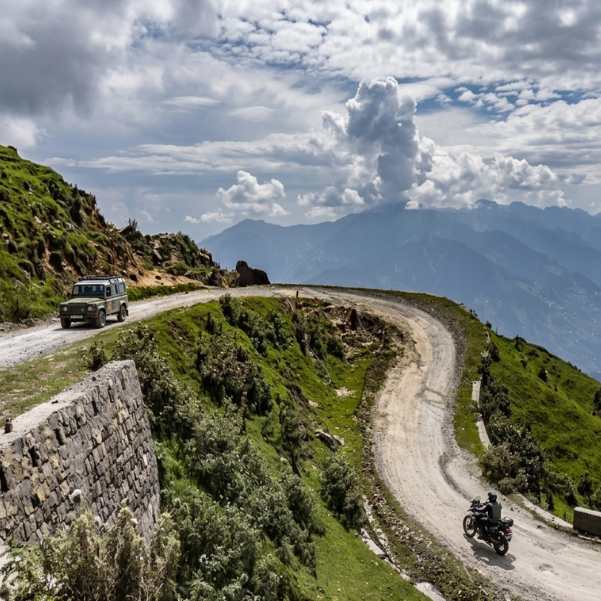
The 7-day trip fits a Manali-side route or a tight compact circuit. You enter and exit from Manali, cross Kunzum, ride through Kaza, hit Chandratal, and come back the same way. This only works when the Manali to Kaza route is open and stable.
The 9-day trip fits a Shimla/Kinnaur entry and Manali exit. You ride in through Shimla, climb gradually through Sangla, Chitkul, and Kalpa, reach Kaza, and exit via Chandratal toward Manali.
The Shimla side is the safer entry in early season because the official district site lists Shimla to Kaza as 412 km and calls it almost all-weather up to Kaza. The Manali side depends on Kunzum clearance and can be unpredictable in June.
The 11-day trip fits the full route with Pin Valley and Chandratal both included. You enter from Shimla, spend 2 nights in Kaza, ride to Pin Valley on a dedicated day, and still have time for Chandratal before exiting to Manali. This is the fullest version of the Spiti circuit you can do on a bike.
A money-saving tip most travel agents will not mention
if you enter from the Shimla/Kinnaur side and exit toward Manali, you never backtrack. Every km you ride shows you something new. If you do a Manali in, Manali out trip, you ride the same Batal section twice, and trust us, once is enough for those roads.
Should You Start from Manali, Chandigarh, or Delhi?
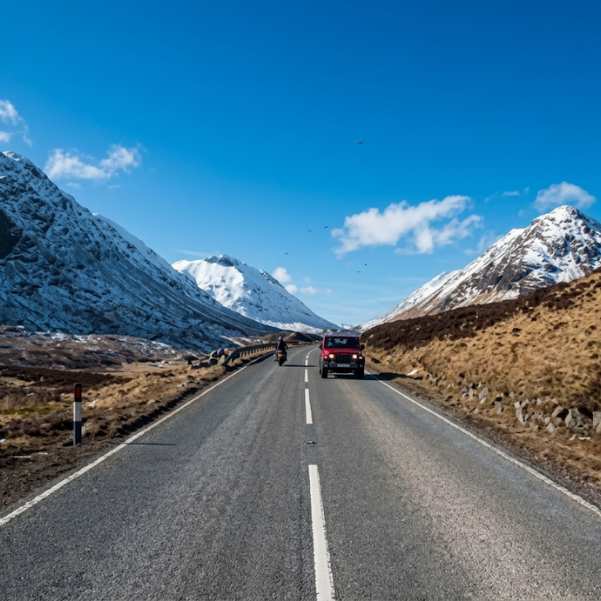
Manali
Manali is the shortest start point and gets you into the mountains fastest. But that is also the problem. Manali sits at about 2,000 metres. Kunzum Pass is at 4,551 metres.
That altitude gain happens in a single day, and your body notices. If you start from Manali, spend at least one night there before riding toward Kunzum.
Chandigarh
Chandigarh saves you the long Delhi highway fatigue. Your bike allocation and briefing happen here, and you start riding from a much more practical point.
Many operators, including Travel Coffee, use Chandigarh as the meetup point for Shimla-entry routes. It is cleaner, calmer, and gives you a better first day.
Delhi
Delhi is common for group departures but includes long transfer time. You will spend 10 to 12 hours in a bus or car before you even touch a bike. It is convenient if you are flying into Delhi, but the first day is basically wasted on the highway.
Travel Coffee packages can start from Delhi, Chandigarh, or Manali depending on the itinerary. If you are coming from the south or east, flying to Chandigarh and starting from there saves you a full day compared to Delhi.
For riders interested in the Sissu and Lahaul side, a Manali start makes sense because you pass through Sissu on day 1 and can stop for the night in one of the most underrated spots in the entire circuit.
What About Kunzum Pass, Chandratal, and 2026 Road Status?
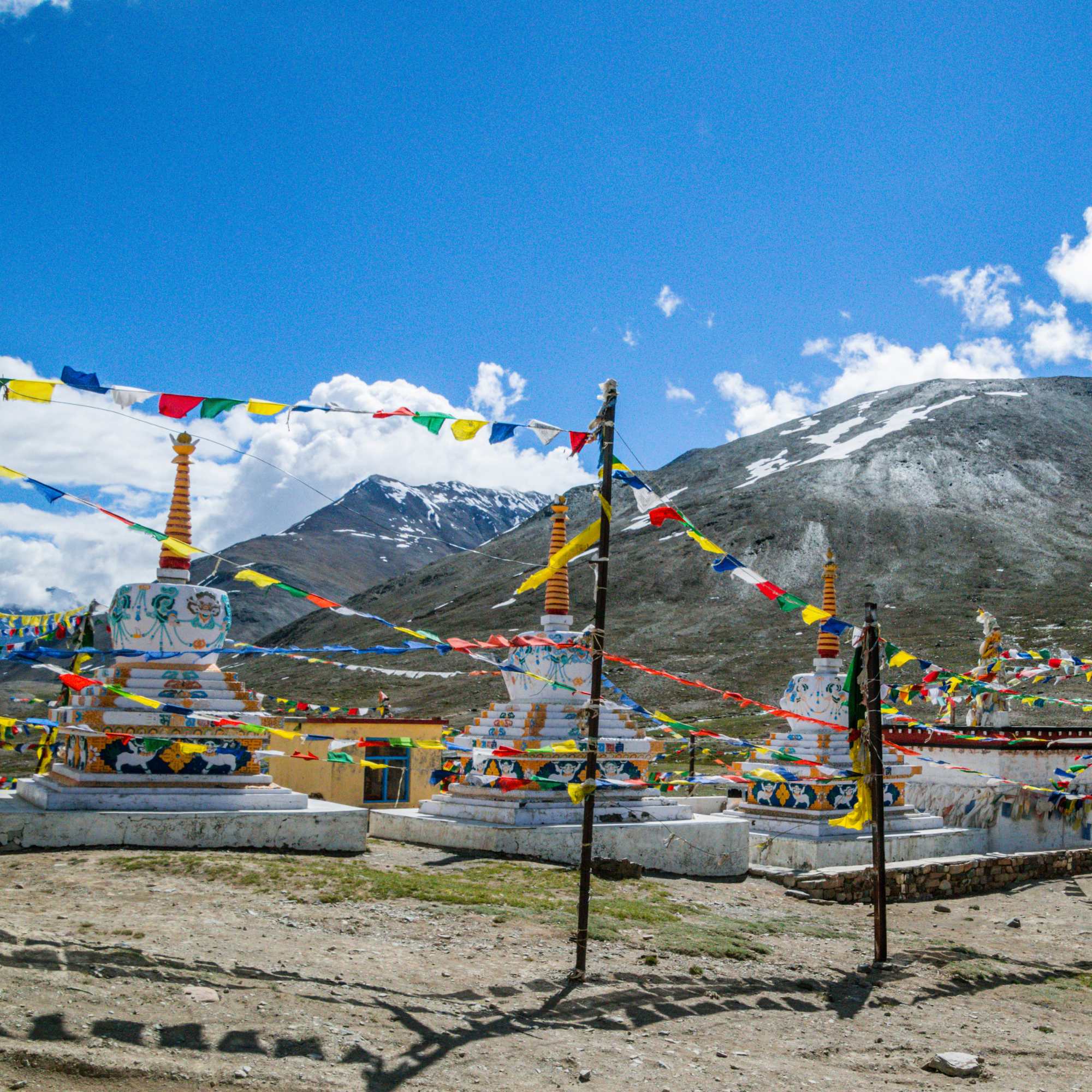
Any full-circuit Spiti bike trip depends on Kunzum Pass and Chandratal access. Without Kunzum, you cannot cross from the Kaza side to the Manali side. Without the Chandratal diversion road being clear, you cannot visit the lake.
Here is where 2026 gets tricky. The official Lahaul-Spiti district road status page currently shows Keylong to Kaza as closed. Verify the road status the same day you plan to ride. Do not trust a website update from three days ago. Roads in this region change overnight.
Our Chandratal opening 2026 guide explains the opening timeline in detail and tells you exactly how to check live status before you commit.
The safest months for a full circuit are July, August, and September. June works but you need flexibility.
September is quietly one of the best months for Spiti bike tours because the roads have been repaired after monsoon damage, the air is cleaner, and the crowds thin out.
Skip the "viewpoint" fee at the parking lot near Chandratal. Some locals charge ₹100 for the same view you get free from the trail 200 metres to the left. Save that money for a hot chai at the dhaba below.
What Permits and Vehicle Entries Should Riders Know in 2026?
This is one of the most confusing parts of planning a Spiti bike trip, so let us clear it up.
Indian citizens do not need an Inner Line Permit (ILP) or Protected Area Permit (PAP) for normal Spiti tourism. Carry a valid photo ID and you are fine for all the standard tourist routes.
Foreign nationals need permits for notified protected areas in Kinnaur and Spiti. If you are travelling with a foreign national, your operator should handle the paperwork.
What most riders actually need to worry about is e-Aagman, which is a vehicle entry system, not a tourist permit. The official e-Aagman portal says vehicles entering District Lahaul and Spiti have to apply for an e-pass.
An e-permit per vehicle is required for the Atal Tunnel, Rohtang, Koksar, Chandertal circuit. An e-ticket per vehicle is required for other places in the district.
For Rohtang Pass, the official portal requires a special permit with valid ID, valid PUC, vehicle registration age not more than 10 years, and tourist address details. Permits can only be applied for the next 2 days from the current date.
Printout is compulsory for all permissions. The permit fee for cars, jeeps, and MUVs is ₹500 plus ₹50 congestion charge. Buses and HMVs pay ₹500 plus ₹100 congestion charge.
There is also a reported SADA fee with slabs of ₹100 for two-wheelers, ₹200 for cars, ₹300 for SUVs/MUVs, and ₹400 for buses/trucks. These are reported traveller numbers and can change.
If you are booking a package, check whether permit fees are included or extra. Some operators handle everything.
How Much Does Each Spiti Bike Trip Package Cost?
Travel Coffee Spiti bike packages start from ₹25,999 and run 7 to 11 days. The Travel Coffee page lists 7D/6N from ₹25,999, 10D/9N from ₹34,999, and 11D/10N from ₹32,999. Live prices can change by season, so verify before booking.
Do not compare headline price alone. A ₹26,000 package without fuel, gear, or meals can cost you more than a ₹35,000 package that includes everything. The inclusions section below tells you exactly what to look for.
Here is a scam warning we give every group
Some operators quote low prices upfront and then add "extras" on the road. Fuel surcharges, damage deposits that are not fully refundable, forced stays at specific hotels where the operator gets a commission.
Always get the full cost in writing, including everything you will pay before, during, and after the trip.
What Inclusions Should You Check Before Booking?
Before you pay anyone, check these things.
What bike model are you getting? Is fuel included for the entire route or just "as per itinerary" which can mean anything? Is there a road captain and a mechanic riding with the group? Is there a backup vehicle for luggage and emergencies? Is oxygen available? Is a first aid kit part of the support?
Check if meals are included and how many per day. Check if stays are in hotels, homestays, or camps, and whether they are shared or private. Check if riding gear like helmets, gloves, and jackets are provided or if you need your own.
GST is a big one. Some operators exclude GST from the listed price, which adds 5 to 18% on top.
Also check the damage policy. What happens if the bike gets scratched on a rough section? Who pays for spare parts? What is the natural calamity expense policy if a landslide blocks the route and you need extra nights? And who handles permit paperwork?
These details are the difference between a smooth trip and an argument at the end. Always ask, always get it in writing.
Our team at Travel Coffee includes road captain, mechanic, backup vehicle, oxygen, and first aid as standard on all Spiti bike packages.
Our Recommendation: Which Package Is Right for You?
Choose 7 days only if you are experienced, riding light, okay with long days, and travelling after route stability is confirmed. This is not a beginner plan. It is not a "let me try Spiti" plan. It is for riders who have done this kind of terrain before and know their limits.
Choose 9 days if you want the best value and balance. You get the full Shimla to Manali circuit with proper acclimatisation, the key sightseeing stops, Chandratal, and at least one buffer day. For most first-time Spiti bikers, this is the right call.
Choose 11 days if you want Pin Valley, better acclimatisation, photography time, pillion comfort, or fewer rushed days. This is also the best option for couples, older riders, and anyone who has learned from a previous mountain trip that rushing ruins everything.
One thing we tell every rider at the briefing
The best Spiti bike trip is not the one that covers the most kilometres. It is the one where you actually stopped to look at the mountains instead of just riding past them.
If you are still not sure, our Spiti Valley Bike Trip page shows what most travellers book, and our team can customise a plan based on your dates, experience, and budget.
The momos at the small dhaba just past the Batal checkpoint are the last proper hot meal before Chandratal.
The guy running it is there every season from June to September. Do not skip it. That meal is the difference between arriving at camp cold and hungry, or cold and fed.
And a timing tip that changes the entire lake experience
Reach Chandratal before 7 AM. The light on the water is completely different at sunrise. By 10, the first wave of day-trippers arrives from Kaza and the trail around the lake turns into a queue.
Explore Spiti Valley Packages
Related topics
Frequently Asked Questions
How many days are enough for a Spiti bike trip?
9 days is the sweet spot for most riders. It gives you proper acclimatisation, the key sightseeing stops, Chandratal, and buffer time for delays. Experienced riders can manage in 7 days, but the margin for error is thin.
Is 7 days enough for a Spiti bike trip?
It can work if you start from Manali, the Kunzum Pass route is confirmed open, and you are experienced with mountain riding. But you lose buffer days and skip the Kinnaur side entirely. Reddit traveller sentiment says 6 days can work only if the schedule holds, and any delay forces you to skip places.
Is a 9-day Spiti bike trip better than 7 days?
For most riders, yes. You get 2 extra days which allow the Shimla/Kinnaur entry for gradual altitude gain, a rest day in Kaza, and buffer for road delays. The cost difference is usually worth the comfort.
Who should choose an 11-day Spiti bike expedition?
Couples, pillion riders, photographers, and anyone who wants Pin Valley included. Also riders who are over 40, first-time high-altitude travellers, or anyone who gets anxious about tight schedules. The extra days remove pressure and make the trip enjoyable.
Which route is better for Spiti by bike, Shimla or Manali?
Shimla is better for safer acclimatisation because you gain altitude gradually over multiple days. Manali is shorter but tougher because altitude gain happens quickly. For a full circuit, enter from Shimla and exit toward Manali via Chandratal.
Can beginners do a Spiti bike trip?
Yes, but choose at least 9 days and preferably 11. The Shimla/Kinnaur entry route is friendlier for beginners. A backup vehicle, experienced road captain, and mechanic are essential. Do not attempt a 7-day plan on your first high-altitude ride.
What is the cost of a Spiti bike trip in 2026?
Travel Coffee packages start from ₹25,999 for 7D/6N and go up to ₹34,999 for 10D/9N. Market prices from other operators range from ₹26,000 to ₹41,000 depending on duration and inclusions. Always compare what is included, not just the headline price.
Do Indians need a permit for Spiti Valley?
No. Indian citizens do not need an ILP or PAP for normal Spiti tourism. Carry valid photo ID. You will need vehicle-related e-passes through the e-Aagman system and a Rohtang special permit if you are crossing Rohtang Pass.
Do foreigners need a permit for Spiti Valley?
Yes. Foreign nationals need permits for notified protected areas in Kinnaur and Spiti. Your tour operator should handle the application process. Carry your passport and visa copies at all times.
Is Chandratal included in a Spiti bike circuit?
Most 9-day and 11-day Spiti bike packages include Chandratal. The 7-day plan also includes it but with less buffer time. Chandratal access depends on the diversion road from Batal being clear, which is separate from the main Manali to Kaza route.
Where are petrol pumps available on the Spiti bike route?
Reckong Peo has the last petrol pump before Kaza, nearly 200 km away. Kaza has the only petrol pump within a 200 km radius. Fill up at every pump you see, even if your tank is half full. Carry a spare fuel bottle as backup.
Which bike is best for Spiti Valley?
Royal Enfield models are the most common on Spiti trips because of their torque and easier availability of spare parts in Himachal. Most operators provide Himalayan 411cc or Scram 440cc models. Avoid anything below 350cc for loaded riding at altitude.
More about Lahaul and Spiti
 Lahaul and Spiti
Rent or Buy Winter Gear for Spiti in 2026? Jackets, Boots, Costs and Pickup Options
Planning a Winter Spiti trip in 2026? Compare the cost of renting vs buying jackets, snow boots, thermals and other essential winter gear, along with practical tips on what to rent, what to buy and where to arrange it before your trip.
- First-Time Travellers
- Snow Travel
 Lahaul and Spiti
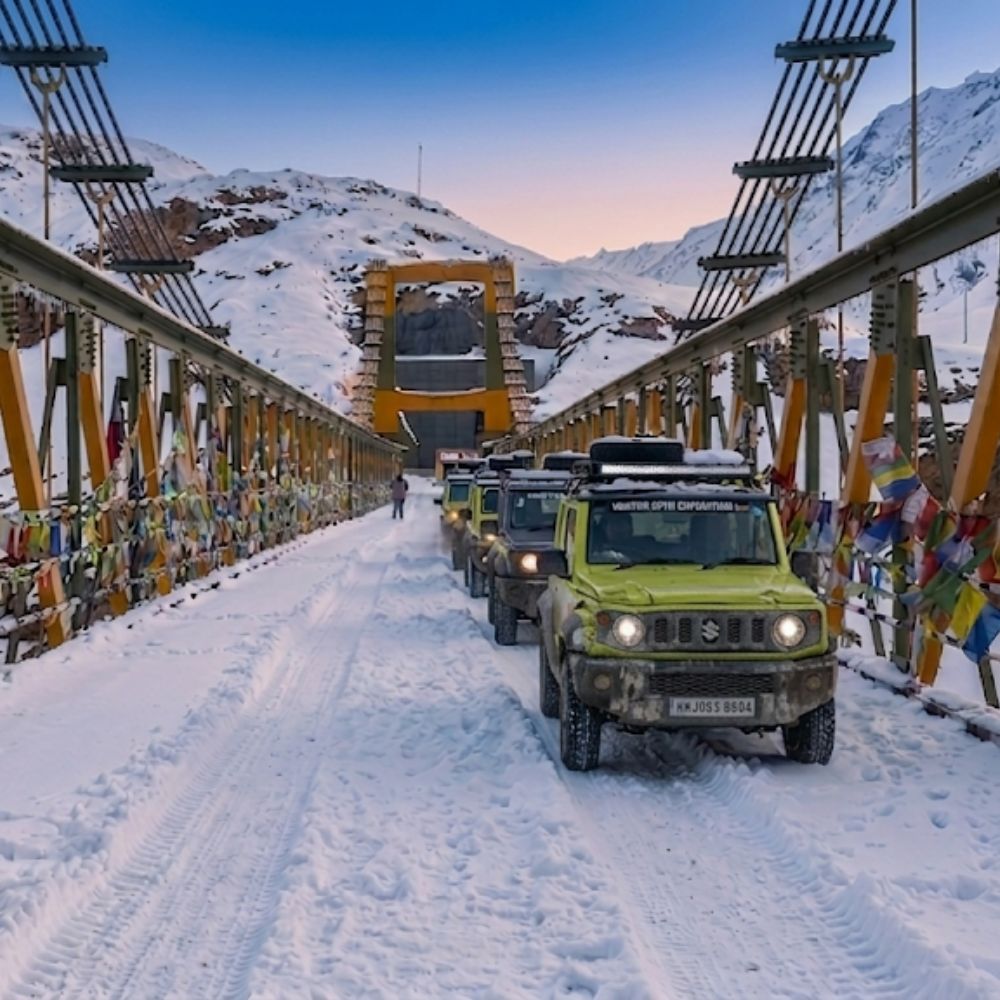
Winter Spiti 4×4 Seating Guide 2026: Jimny, Scorpio N, Thar and Hilux for Passengers and Luggage
Planning a Winter Spiti trip in 2026? This practical 4×4 seating guide compares the Jimny, Scorpio N, Thar and Hilux for passenger comfort, luggage space, winter roads and long mountain drives, helping you choose the right vehicle for your group size and travel style.
- Road Trips
- Snow Travel
 Lahaul and Spiti
Stargazing in Winter Spiti 2026: Where to Stay, Moonlight and What You Can See
Discover the best places for stargazing in Winter Spiti 2026, where to stay for darker skies and how moonlight affects visibility. Learn what you can realistically see from Kaza, Tabo and nearby villages during the winter months.
- Things to Do
- Snow Travel